29 Flower Drawing Ideas
Flowers have a way of pulling us in, don’t they?
One minute you’re admiring a petal, the next you’re itching to grab a pencil and see if you can capture that beauty on paper.
In this post, we’ll explore a variety of flower drawing ideas to spark your creativity, get you experimenting, and maybe even help you see flowers a little differently next time you pass one.
Let’s go.
Flower Drawing Ideas
1
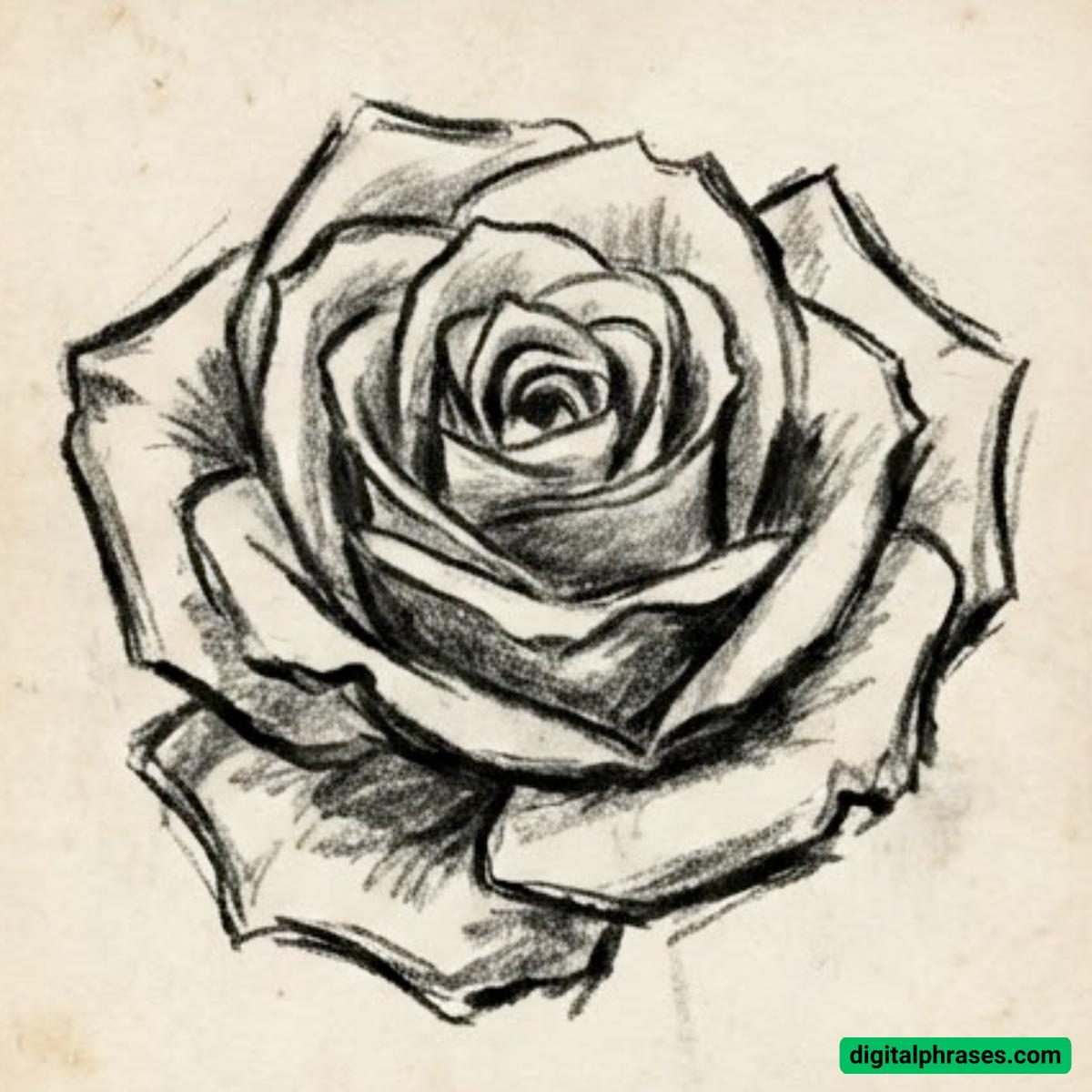
2
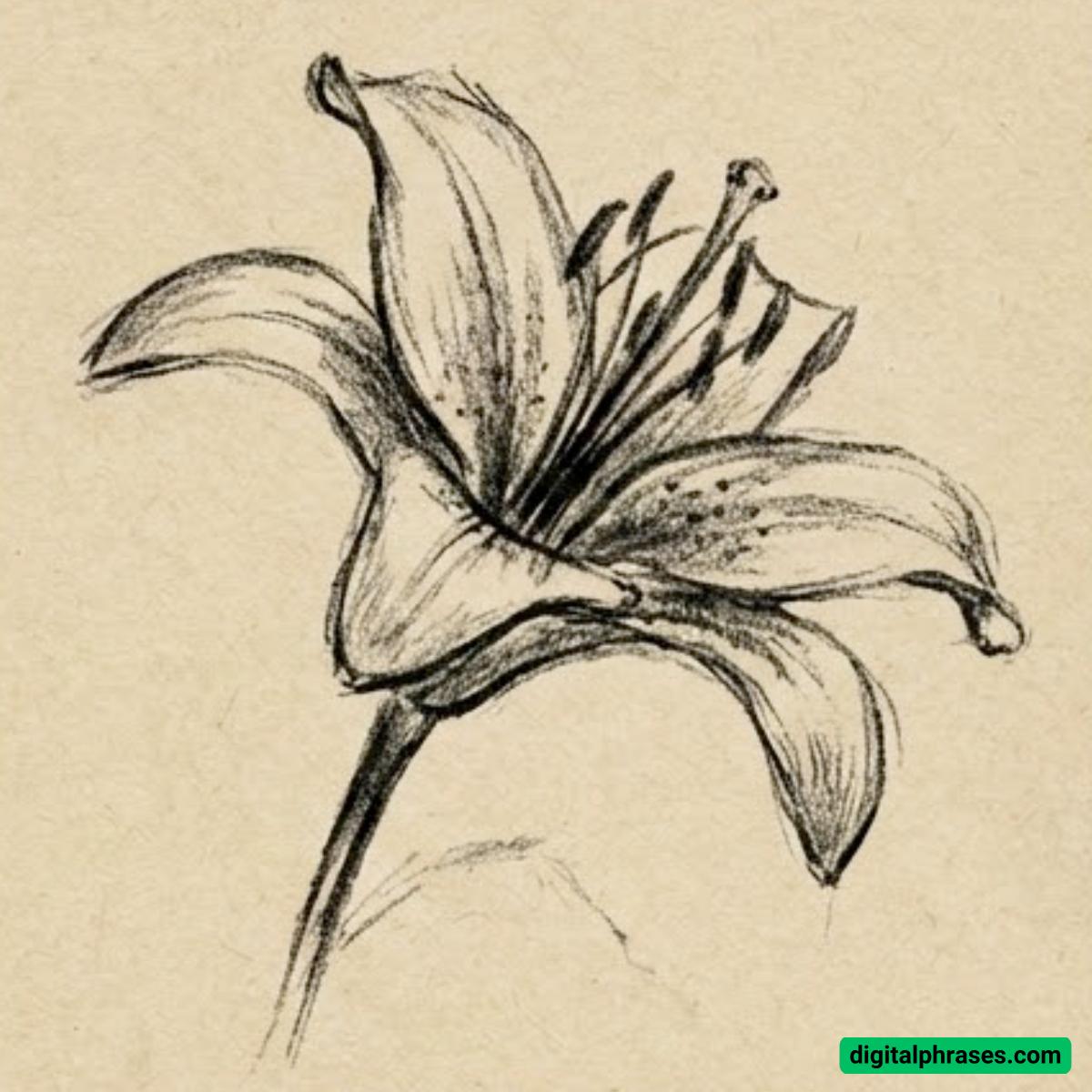
3
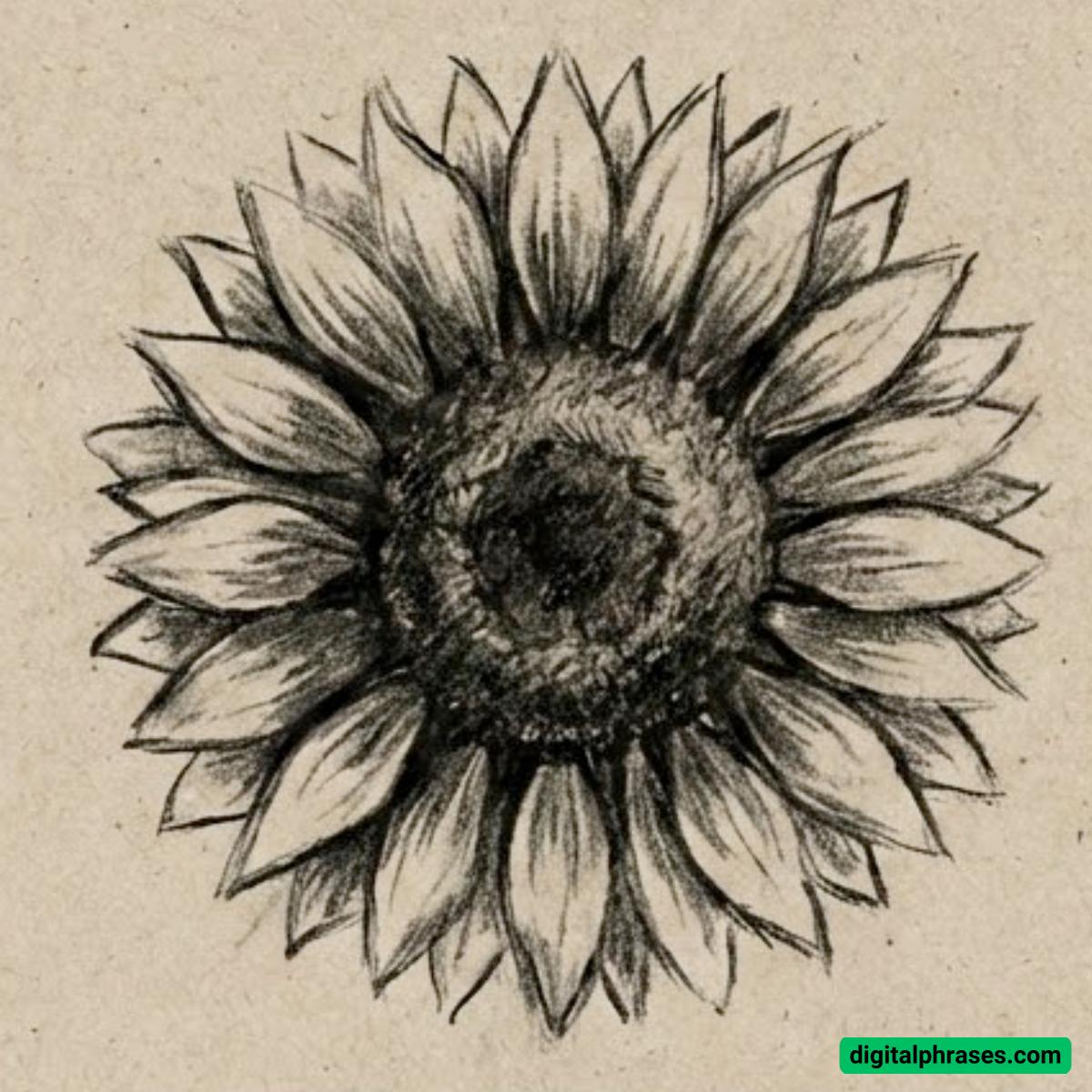
4
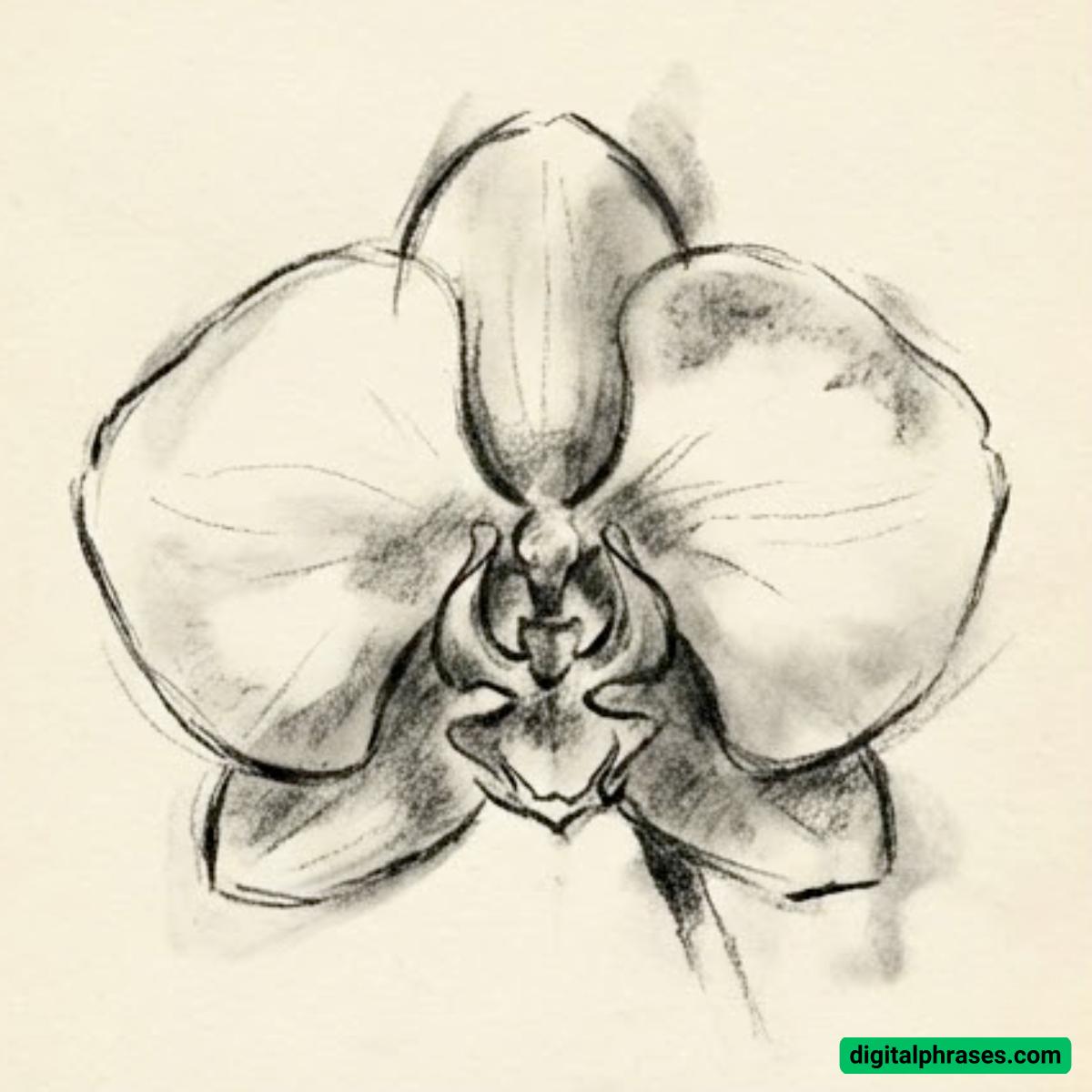
5
6
7
8

9
10
11
12
13
14
15
16
17
18
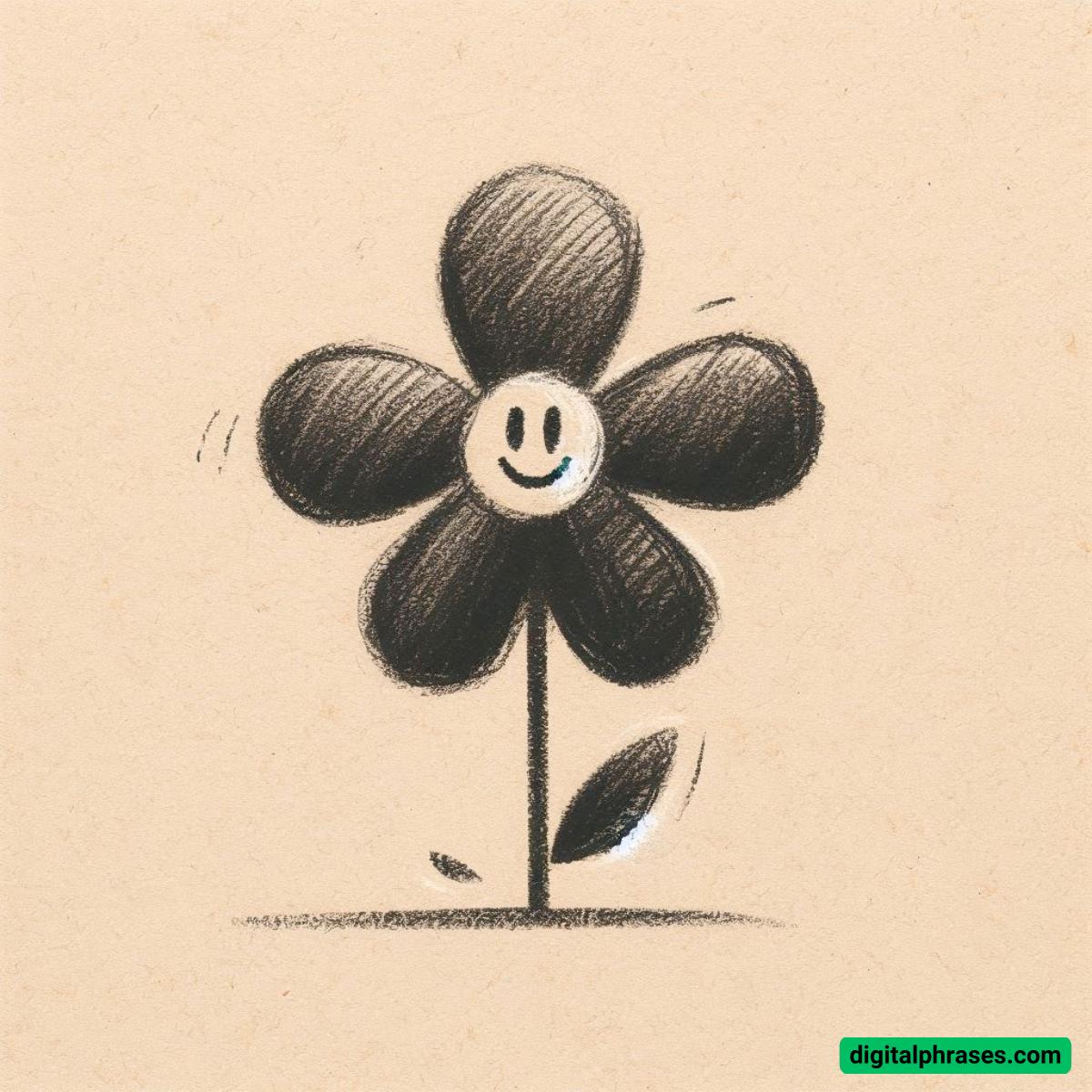
19
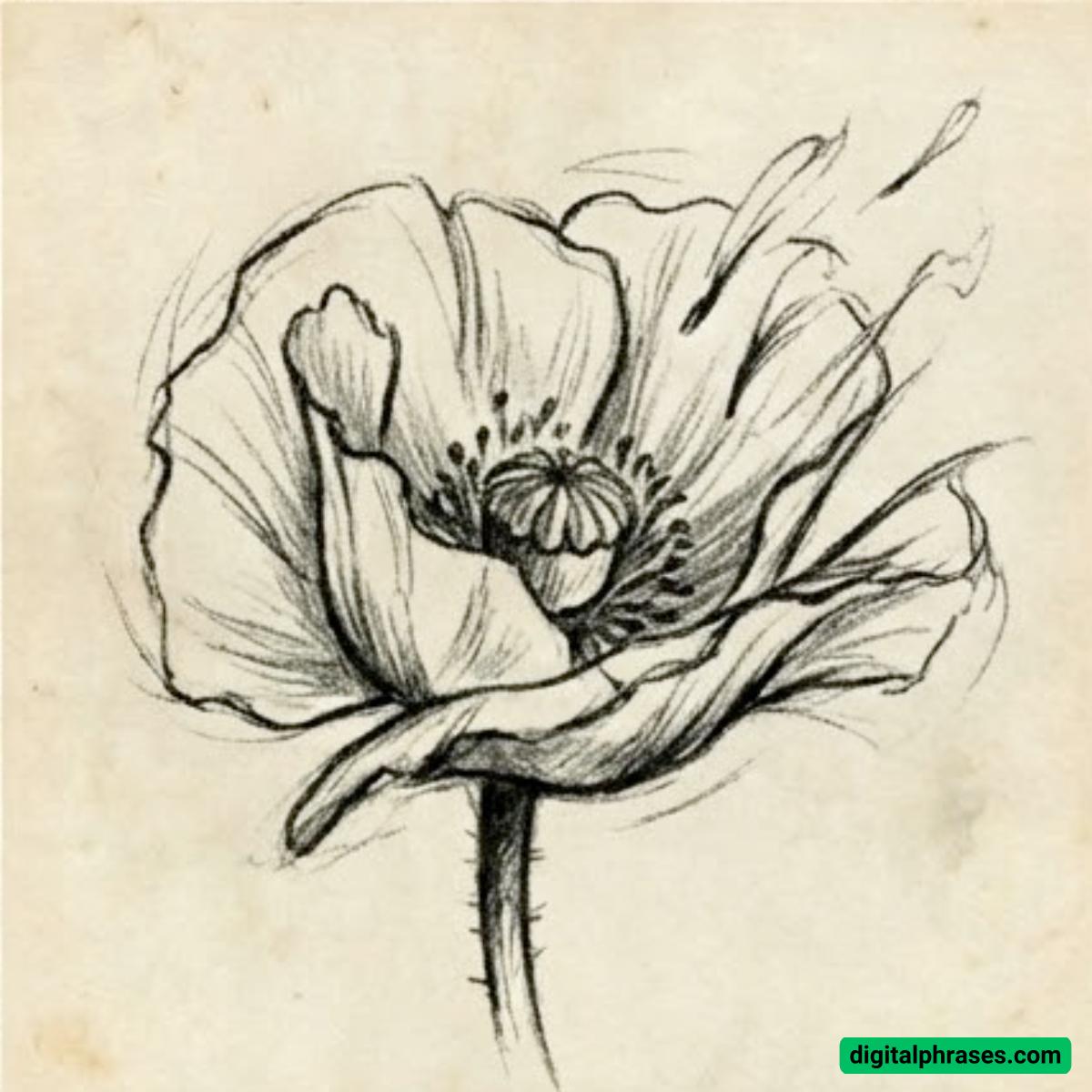
20

21
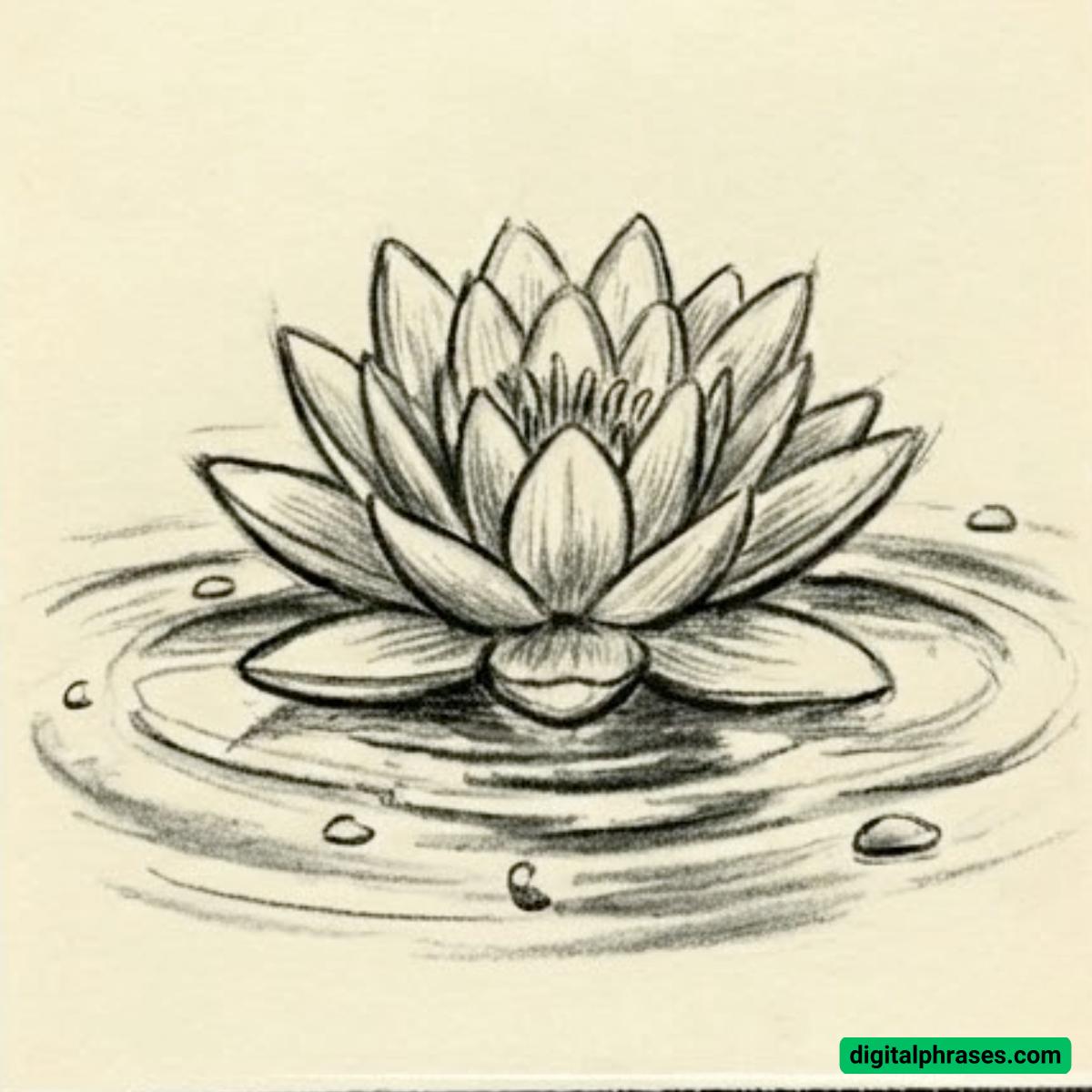
22
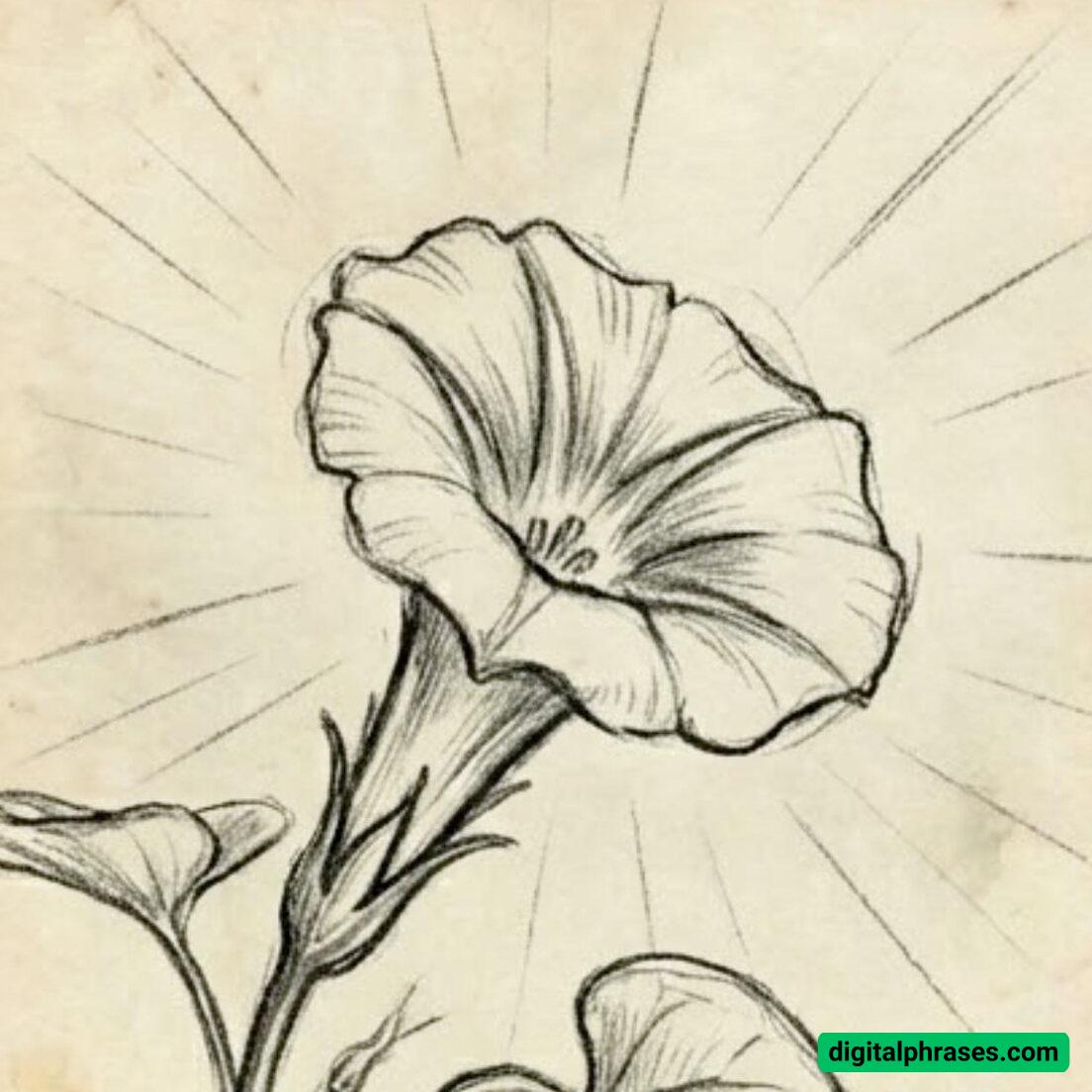
23
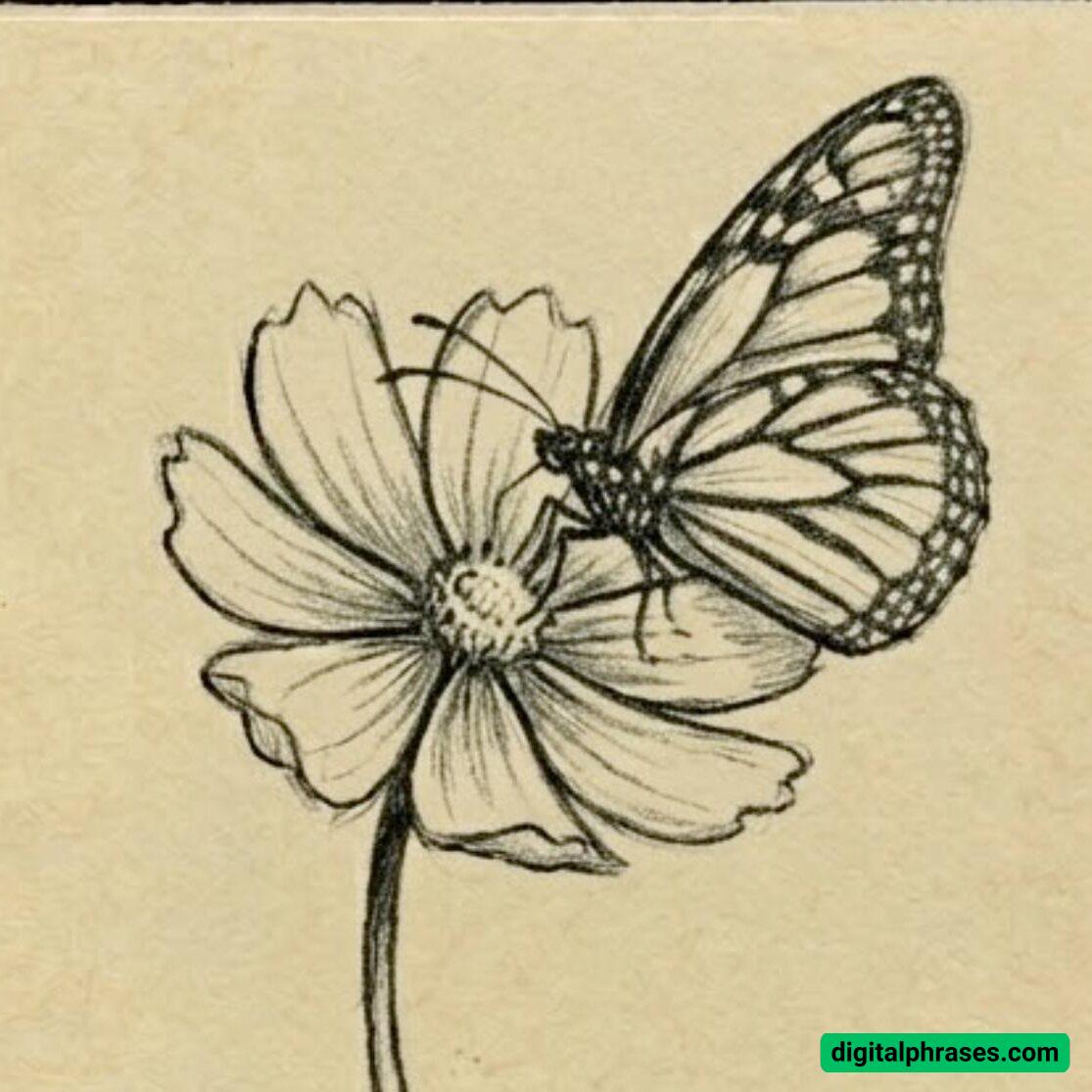
24
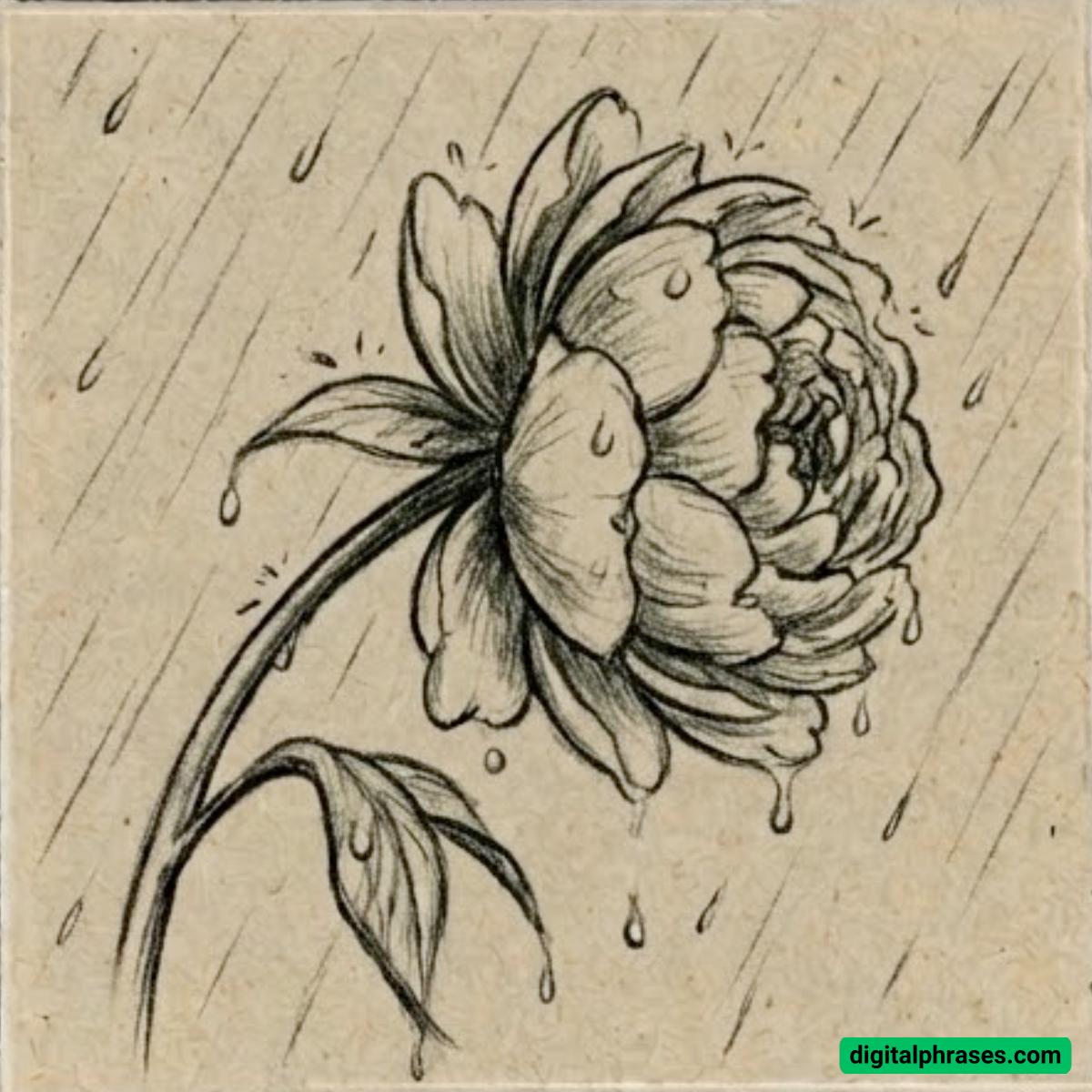
25
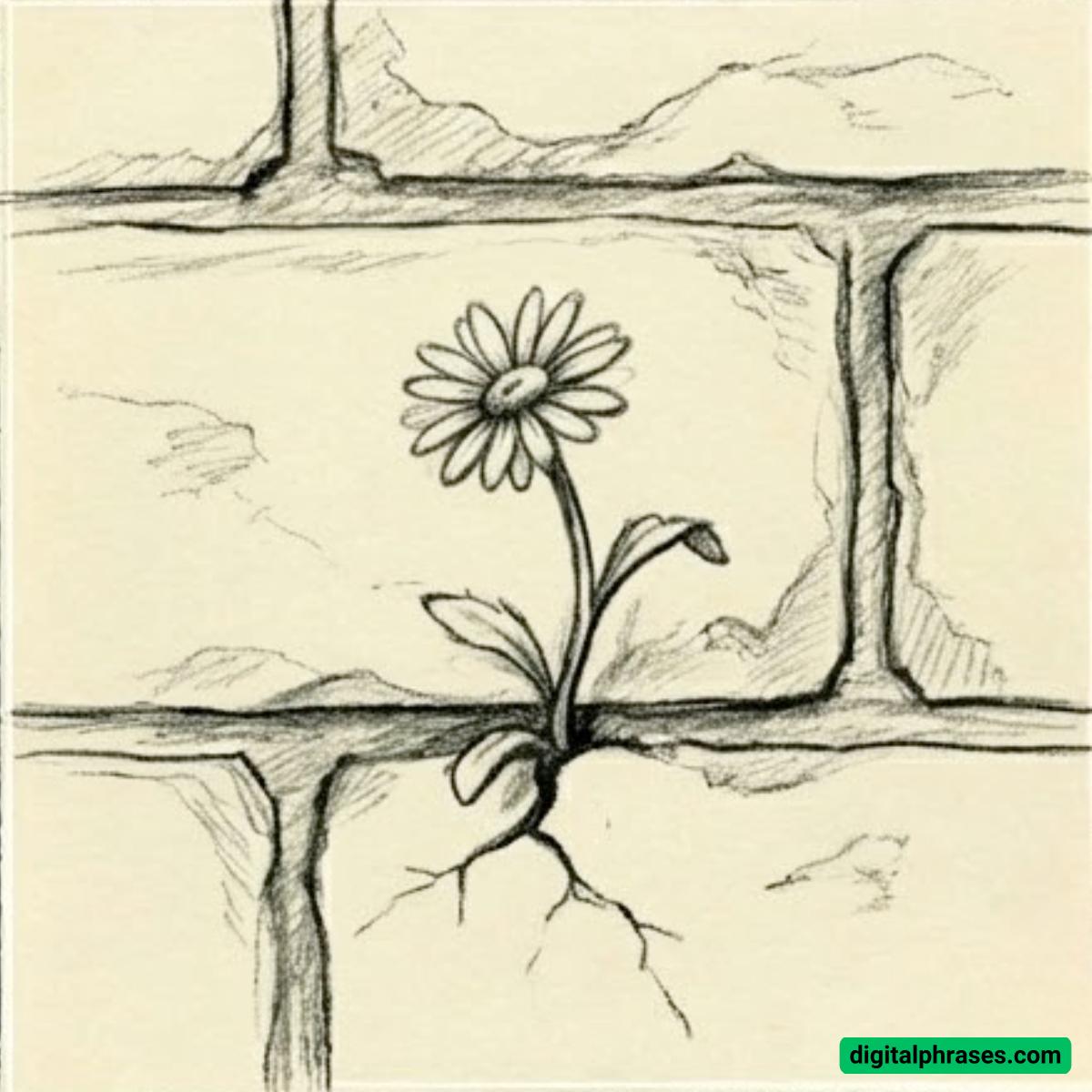
26
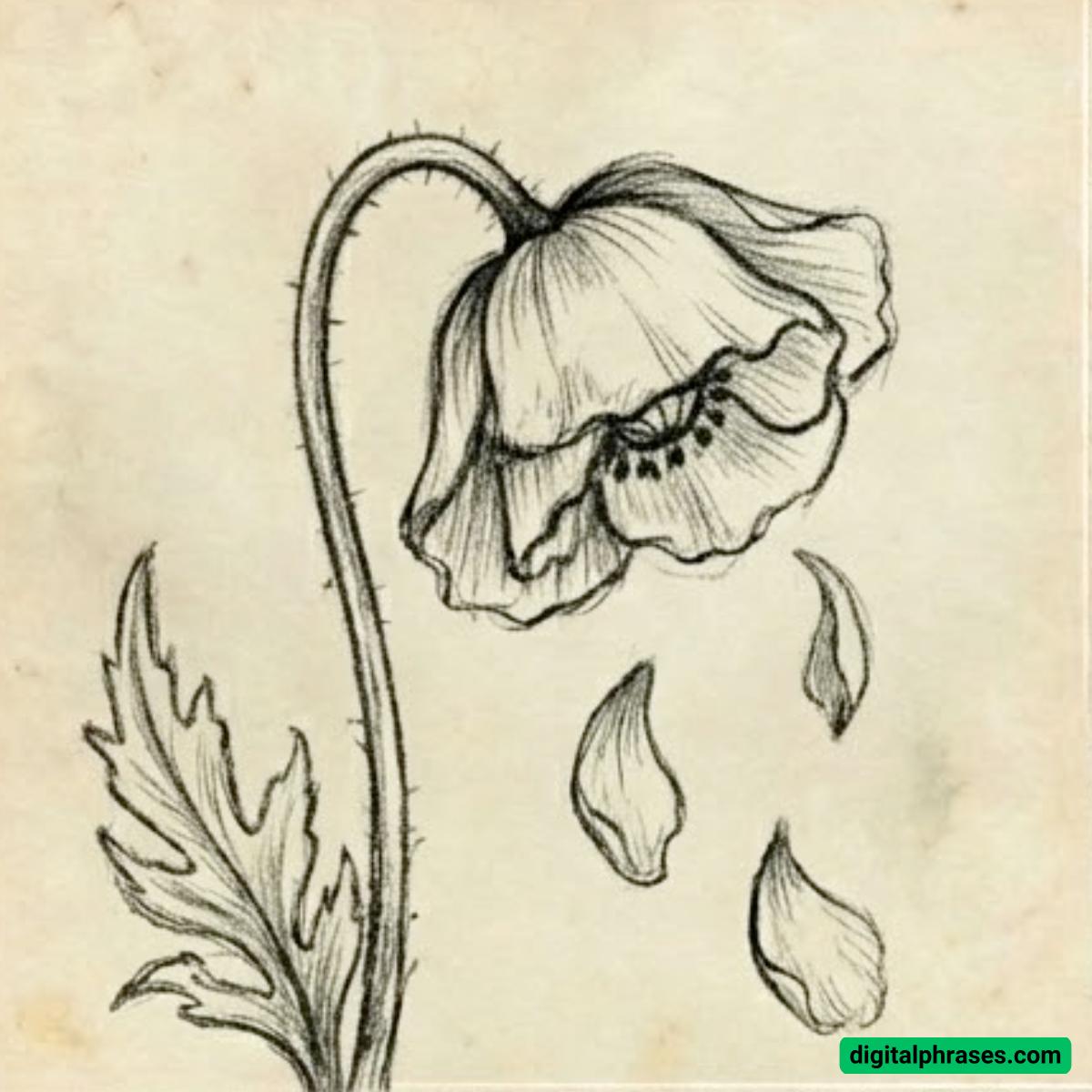
27
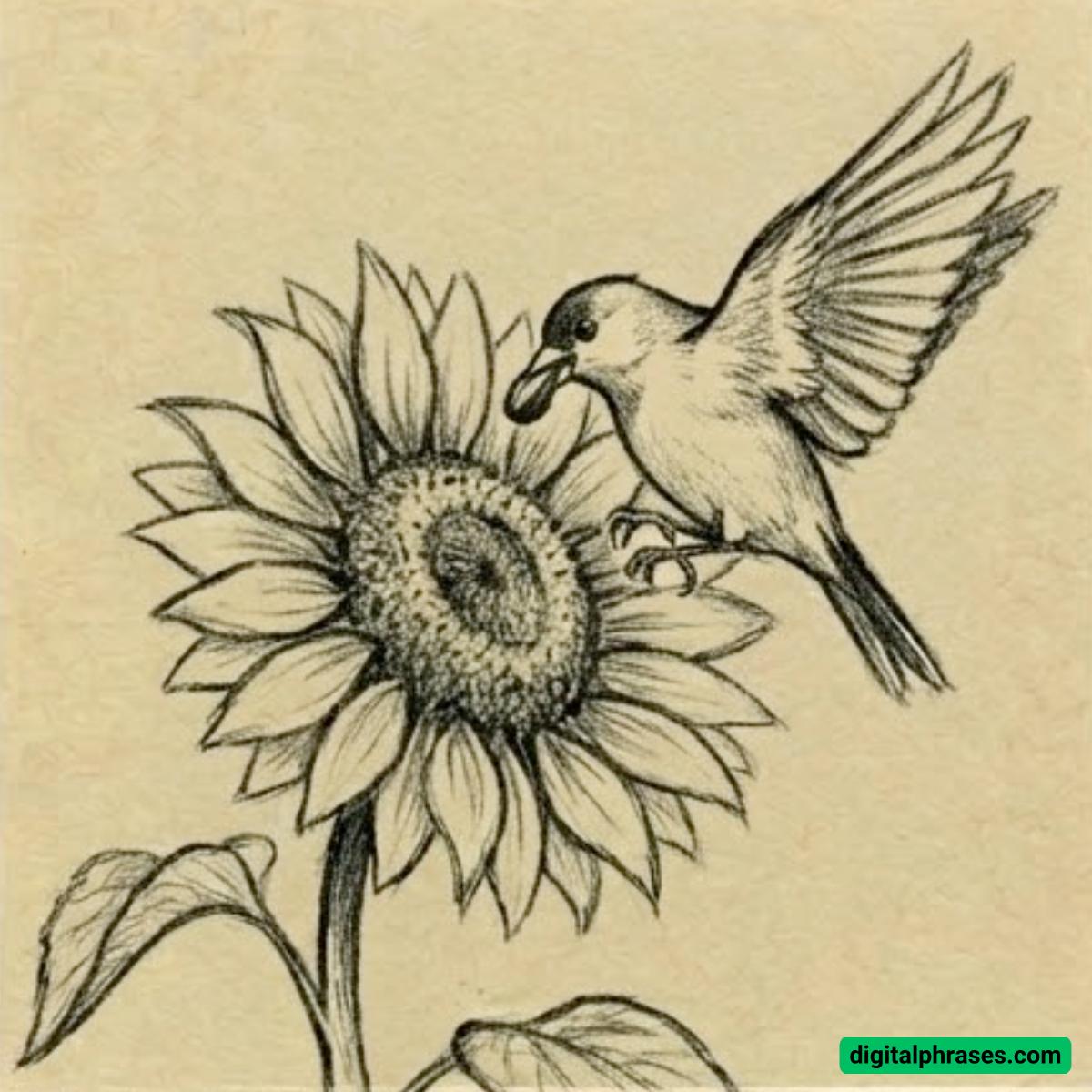
28
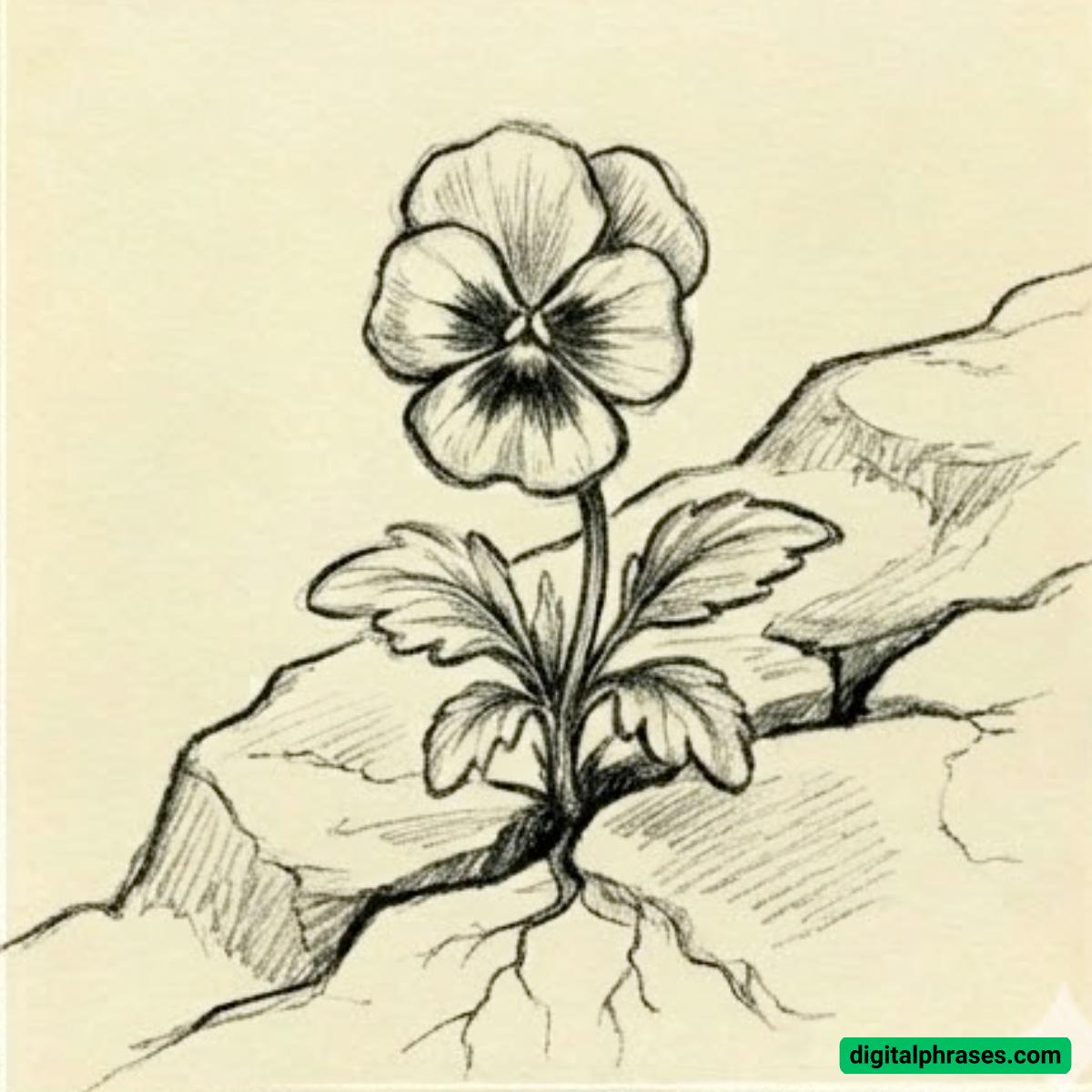
29
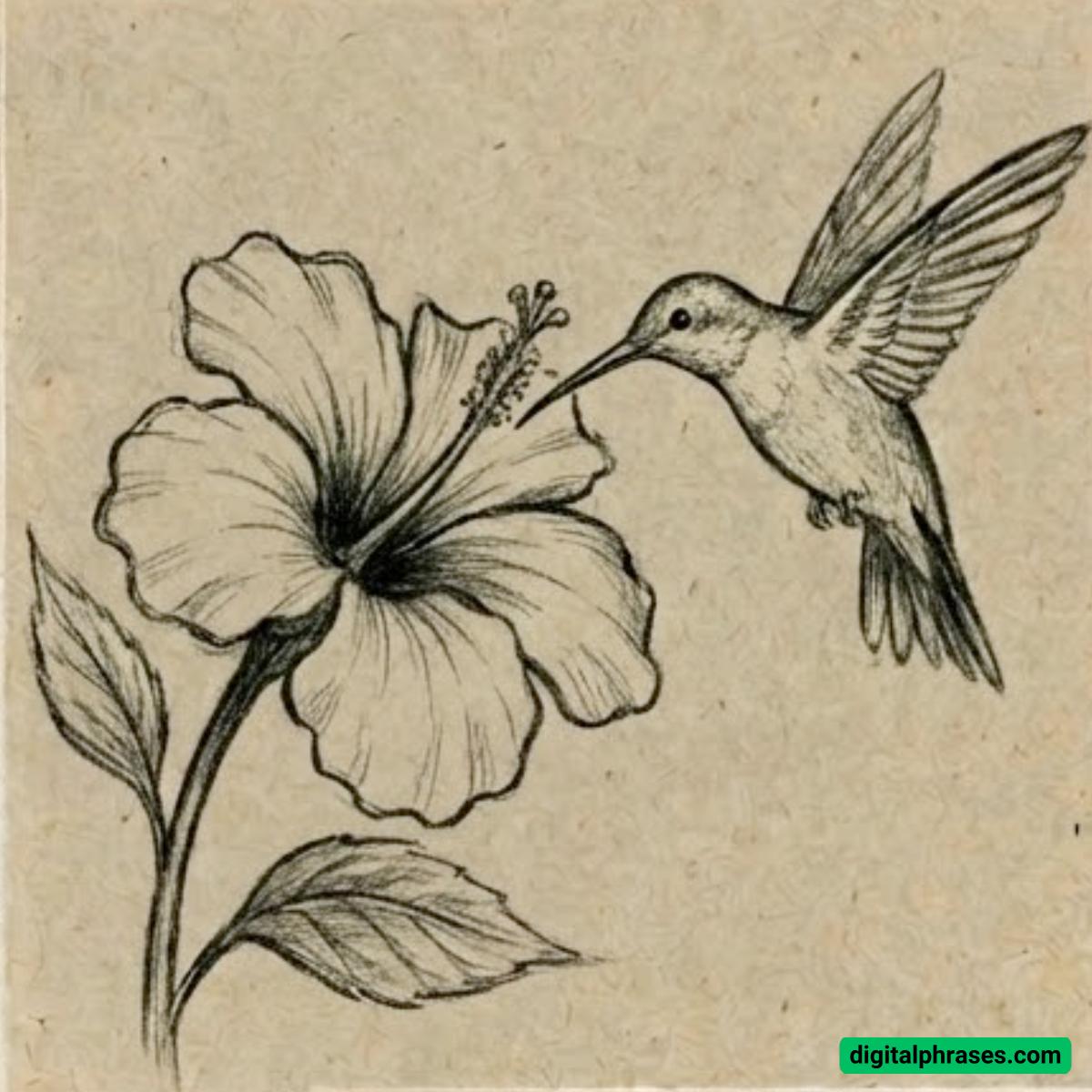
Tips On Drawing Flowers
Tip 1: Start With Simple Shapes
Before worrying about petals, details, or shading, begin with basic shapes. Most flowers can be broken down into circles, ovals, and soft lines. Think of the center of a flower as a simple circle, with petals radiating outward like gentle spokes.
This approach keeps you from getting overwhelmed and helps maintain proper proportions. Starting simple also makes it easier to adjust your drawing early on, rather than fixing mistakes after adding lots of detail. Once the foundation feels right, you can slowly refine the shapes into petals and stems.
Tip 2: Observe Real Flowers Closely
It’s tempting to draw flowers from memory, but taking time to observe real flowers can dramatically improve your drawings. Look at how petals overlap, curve, and vary in size. Notice that no two petals are exactly the same—and that’s a good thing. Pay attention to how stems bend naturally instead of standing perfectly straight.
Even a quick glance at a real flower or reference photo can add realism and character to your sketch. Drawing what you see, not what you think a flower looks like, makes a huge difference.
Tip 3: Don’t Aim for Perfection
Flowers in nature are rarely perfect, and your drawings don’t need to be either. In fact, slight imperfections make your artwork feel more organic and alive.
Uneven petals, asymmetrical shapes, and loose lines all add charm. Let go of the idea that every flower has to look polished or realistic. Some of the most beautiful flower drawings are expressive and playful. Allow yourself to experiment, make “mistakes,” and enjoy the process rather than focusing only on the final result.
Tip 4: Use Line Weight for Depth
Varying the thickness of your lines can instantly add depth and interest to your flower drawings. Try using slightly thicker lines for the outer edges or areas in shadow, and lighter lines for inner details.
This technique helps guide the viewer’s eye and gives your drawing a sense of dimension without needing heavy shading. Even with a simple pen or pencil, changing pressure can make your flowers look more dynamic and intentional.
Tip 5: Practice With Different Flower Types
Don’t stick to just one kind of flower. Each type—roses, daisies, tulips, wildflowers—offers a new challenge and teaches you something different.
Some flowers have tight, layered petals, while others are open and airy. Practicing a variety helps you build versatility and keeps things fun. Over time, you’ll develop your own style and favorite subjects. The more you draw, the more confident and creative you’ll feel.
Flower drawing is about curiosity, observation, and enjoyment.
Keep practicing, stay relaxed, and let your creativity bloom.