Testing Fate in Fiction A Closer Look at Person vs. Fate Conflict
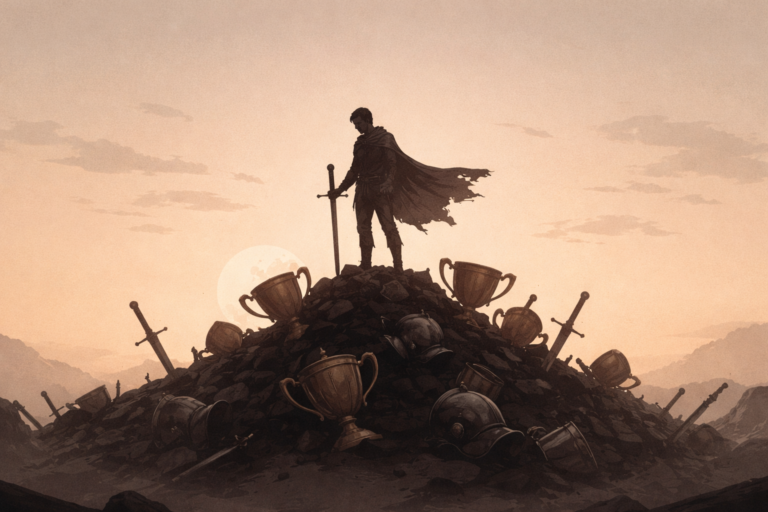
Have you ever read a story where everything feels doomed from the start — like no matter what the character does, the ending is already written somewhere in the universe?
That’s what fascinates me about Person vs. Fate conflict. It’s the kind of story where the villain isn’t a person or a monster, but destiny itself. And honestly, that’s way scarier.
Because how do you fight something you can’t see? Something that might already know how your story ends?
I’ve always loved these kinds of stories because they don’t just entertain us — they quietly ask us uncomfortable questions. Do we actually control our choices? Or are we just walking toward something that was decided long ago? When writers explore that tension, the result is often powerful, tragic, and unforgettable.
Let’s dig into how this conflict works and why it hits so hard.
What Person vs. Fate Really Means
At its core, Person vs. Fate is exactly what it sounds like: a character struggling against a predetermined outcome. That fate might come in the form of a prophecy, divine will, destiny, a curse, or even just the inevitability of death.
What makes it different from other conflicts is this: fate doesn’t argue back. It doesn’t negotiate. It doesn’t get emotional. It just… waits.
And here’s where it gets interesting. In many stories, fate doesn’t physically force the character to act. Instead, it reveals a prediction — and then the character’s reaction becomes the real story.
Take Oedipus from Oedipus Rex. He’s told he’ll kill his father and marry his mother. Horrified, he runs away from the people he believes are his parents to prevent that outcome. But in doing so, he unknowingly fulfills the prophecy.
That’s the twist that makes this conflict so powerful: sometimes trying to escape fate is what makes it happen.
It’s not just about destiny. It’s about choice under the shadow of destiny.
Why Writers Love This Conflict
It Raises Big Questions
Whenever fate shows up in a story, it brings philosophy with it. We start wondering about free will, responsibility, and whether knowledge changes outcomes.
Think about Macbeth. The witches predict he’ll become king. They don’t tell him to murder anyone. They don’t force his hand. But once he hears the prophecy, something shifts inside him. His ambition takes over.
So was it fate? Or was it Macbeth?
That gray area is where this conflict thrives. Fate often exposes what was already inside the character.
It Creates Irony That Hurts (In a Good Way)
One of my favorite storytelling techniques is dramatic irony — when we know something the character doesn’t. Person vs. Fate stories are full of it.
In Romeo and Juliet, we’re told from the very beginning that the lovers are “star-crossed.” We know it won’t end well. So every hopeful moment feels fragile. Every decision feels heavier.
That sense of inevitability builds tension in a way that normal conflict can’t. It’s like watching someone walk toward a cliff in slow motion.
It Makes Characters Reveal Themselves
Here’s something I didn’t fully appreciate until I started analyzing these stories more closely: fate doesn’t just trap characters — it reveals them.
When someone believes their end is fixed, how do they respond?
- Do they fight it?
- Do they accept it?
- Do they try to outsmart it?
- Do they fall apart?
Their reaction tells us who they really are.
Stories That Show Fate at Work
Let’s look at a few examples that really bring this conflict to life.
Oedipus Rex
The gold standard of fate-based tragedy. Oedipus is determined, intelligent, and brave. But his confidence — even his pride — pushes him to uncover the truth at all costs.
The lesson here isn’t just “you can’t escape fate.” It’s also about human blindness to our own flaws.
Harry Potter
Now this one’s interesting because it complicates fate. There’s a prophecy linking Harry and Voldemort. But as Dumbledore explains, the prophecy only mattered because Voldemort chose to act on it.
That’s a subtle but important shift. Fate doesn’t automatically control events. Characters’ choices give it power.
I love this example because it suggests something hopeful: destiny may set the stage, but we still decide how to play our part.
Final Destination
If you’ve seen these movies, you know the premise — a group of people cheat death, and then death comes after them in elaborate ways.
Here, fate feels mechanical and relentless. There’s no moral lesson, no divine message. Just inevitability.
And that’s what makes it terrifying. You can’t reason with it. You can’t apologize. You just wait.
How Fate Shapes Characters and Themes
Free Will vs Determinism
This is the heart of it. Almost every Person vs. Fate story circles around this tension.
Are we choosing our paths? Or are we just fulfilling a script?
What I’ve noticed is that the most compelling stories don’t give a clean answer. Instead, they show that even if the outcome is fixed, the journey isn’t meaningless.
For example, in The Hunger Games, Katniss is trapped in a brutal system that decides who lives and dies. She can’t dismantle it immediately. But her small acts of defiance — volunteering for Prim, honoring Rue — reshape the meaning of her situation.
She may not control the arena, but she controls her response.
The Illusion of Control
Sometimes stories use fate to humble characters who believe they’re in total control.
Macbeth thinks he can manipulate prophecy to secure his throne. Oedipus believes he can outthink destiny. Their downfall reminds us that confidence without self-awareness can be dangerous.
That theme still resonates today. We all like to believe we’re steering the ship. Fiction gently asks, “Are you sure?”
Acceptance vs Resistance
Not every character fights fate. Some accept it.
And that choice can be just as powerful.
In many heroic stories, characters knowingly walk toward danger because they believe it’s right. That shifts the narrative from tragedy to courage. Fate might dictate the end, but bravery dictates how we meet it.
What keeps me coming back to Person vs. Fate stories is how personal they feel. Even though we’re reading about kings, wizards, or tragic heroes, the conflict mirrors our own lives in quiet ways.
We can’t control everything. We can’t predict every outcome. But we can choose how we respond.
And maybe that’s the real test fiction is exploring — not whether we can defeat fate, but whether we can face it.
Stories That Show Fate at Work
If you really want to understand how Person vs. Fate conflict operates, the best way is to watch it play out in different kinds of stories. What I love about this conflict is that it’s incredibly flexible. It works in ancient tragedy, fantasy epics, sci-fi, romance, even horror. The setup changes, but the emotional core stays the same: a character staring down an outcome that feels unavoidable.
Let’s look at how that tension unfolds in a few powerful examples.
Oedipus and the Trap of Avoidance
I know I mentioned Oedipus earlier, but he deserves a deeper look because he practically defines this conflict.
What makes Oedipus Rex so devastating isn’t just the prophecy — it’s Oedipus’ personality. He’s intelligent, determined, and committed to justice. When a plague hits Thebes, he vows to uncover the truth behind it. He refuses to stop investigating, even when the clues start pointing toward himself.
Here’s the uncomfortable truth the play teaches us: fate doesn’t need villains to work. It just needs human nature.
Oedipus tries to outrun his prophecy. He tries to solve it like a riddle. But his confidence, his pride, and his refusal to step back actually push him toward the very outcome he fears. That’s the twist that hurts. It’s not random. It feels tragically earned.
And that’s why this conflict sticks with us — because it suggests that sometimes our strengths are tangled up with our downfall.
Macbeth and the Danger of Believing Too Much
Now let’s shift to Macbeth, which I think is even more psychologically interesting.
The witches tell Macbeth he will become king. They never say he has to kill Duncan. They don’t outline a plan. They simply predict.
That prediction plants a seed.
From that moment on, Macbeth is caught in a mental tug-of-war. Is this fate unfolding naturally? Or does he need to “help” it along? His ambition answers that question for him.
Here’s what’s fascinating: the prophecy doesn’t control Macbeth — his interpretation of it does.
He chooses violence. He chooses paranoia. He chooses tyranny.
So was it fate? Or free will amplified by suggestion?
Shakespeare leaves that ambiguity hanging, and that’s exactly what makes it powerful. It forces us to ask whether believing in destiny can become a self-fulfilling force.
Harry Potter and the Choice Inside Prophecy
One of my favorite modern examples flips the traditional fate narrative in a subtle but important way.
In Harry Potter, there’s a prophecy that says neither Harry nor Voldemort can live while the other survives. Sounds pretty fixed, right?
But here’s the twist: the prophecy only matters because Voldemort chooses to act on it. Dumbledore even explains that not all prophecies come true — only the ones people decide to fulfill.
That completely changes the dynamic.
Instead of fate being a rigid force, it becomes something that depends on belief and action. Destiny gains power through choice.
And Harry, unlike Voldemort, repeatedly chooses love, sacrifice, and mercy. He walks toward danger not because fate drags him there, but because he decides it’s right.
That distinction is huge. It shows that even within a foretold ending, moral agency still matters.
Final Destination and Pure Inevitability
Then you’ve got stories like Final Destination, which strip away the moral complexity and give us something colder.
In these films, death itself is the antagonist. The characters escape a disaster because one of them has a premonition. But death corrects the mistake, hunting them down one by one in increasingly elaborate ways.
There’s no lesson. No moral failure. No divine justice.
Just inevitability.
And honestly? That’s what makes it terrifying. There’s no arguing with it. No redemption arc. The characters scramble to find patterns, loopholes, ways to cheat the system — but the system always recalibrates.
This version of Person vs. Fate conflict leans fully into helplessness. It asks us what we do when the universe doesn’t care.
The Hunger Games and Structural Fate
Sometimes fate isn’t mystical at all. Sometimes it’s systemic.
In The Hunger Games, Katniss isn’t fighting prophecy. She’s fighting a brutal social system that dictates who must fight to the death each year. For the tributes, the Games are basically fate disguised as policy.
Katniss can’t control the reaping. She can’t stop the Capitol overnight. But she can control how she responds.
She volunteers for her sister. She honors Rue. She threatens defiance with the berries.
Those acts matter because they show something important: even inside a rigged system, individual choice can reshape meaning.
That’s a quieter but powerful version of Person vs. Fate. Fate may dictate the arena — but not the integrity of the person inside it.
How Fate Shapes Characters and Big Ideas
Now let’s zoom out a bit. Beyond plot twists and tragic endings, what is this conflict really doing?
For me, the magic of Person vs. Fate stories is that they aren’t just about what happens. They’re about what it means.
Free Will vs Determinism
This is the core philosophical tension. Are we in control? Or are we passengers?
Stories that explore fate often refuse to give us a clean answer. Instead, they sit in the tension.
In Oedipus Rex, fate seems absolute. In Macbeth, fate feels suggestive. In Harry Potter, fate requires participation.
That range teaches us something subtle: fiction uses fate as a spectrum, not a rule.
Some stories lean toward determinism — everything is set. Others lean toward free will — destiny is flexible.
And when we read them, we’re not just watching characters struggle. We’re quietly testing our own beliefs.
The Illusion of Control
Let’s be honest — most of us like to think we’re in charge of our lives. That illusion is comforting.
Person vs. Fate stories challenge that comfort.
When Macbeth thinks he can manipulate prophecy, or when Oedipus believes he can outthink destiny, we see the limits of human control. Their confidence becomes fragile.
And yet, these stories don’t say control is meaningless. They suggest something more nuanced: we may not control outcomes, but we control responses.
That’s a powerful distinction.
Identity Under Pressure
Here’s something I find really compelling — fate acts like a stress test.
When characters believe their end is inevitable, their true selves surface.
- Do they panic?
- Do they surrender?
- Do they double down on ambition?
- Do they choose compassion anyway?
In Harry Potter, the prophecy reveals Voldemort’s fear of mortality and obsession with power. It reveals Harry’s willingness to sacrifice.
Same prophecy. Two different souls.
That contrast shows us that fate isn’t the only story being told. Character is.
Why We Keep Reading These Stories
I think we’re drawn to Person vs. Fate conflict because it mirrors real life more than we’d like to admit.
We don’t choose where we’re born. We don’t control every circumstance. We face losses, illnesses, random events.
Sometimes life feels scripted.
But these stories remind us that even when circumstances feel fixed, meaning isn’t. Our reactions, our ethics, our courage — those still belong to us.
And maybe that’s the quiet reassurance hidden inside these narratives.
Before You Leave
Person vs. Fate conflict isn’t just about doomed heroes or tragic prophecies. It’s about the tension between what happens to us and what we choose to do about it.
Some stories suggest fate wins. Others suggest choice bends destiny. The most interesting ones leave the question open.
And maybe that’s why we keep returning to them.
Because deep down, we’re all trying to figure out the same thing — are we following a path, or are we making one?