25 Landscape Drawing Ideas
Drawing landscapes are a simple way to practice art while exploring scenes from nature.
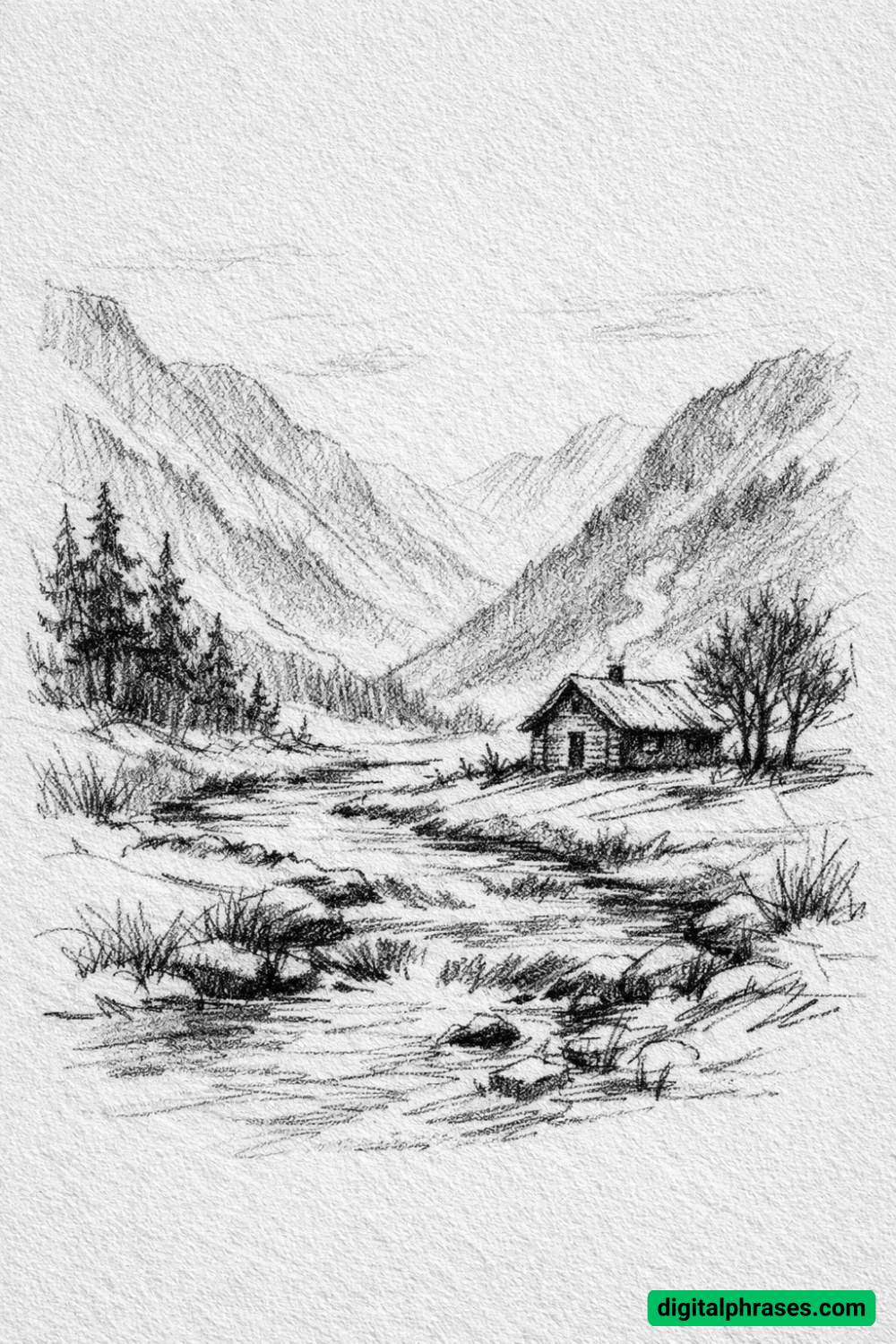
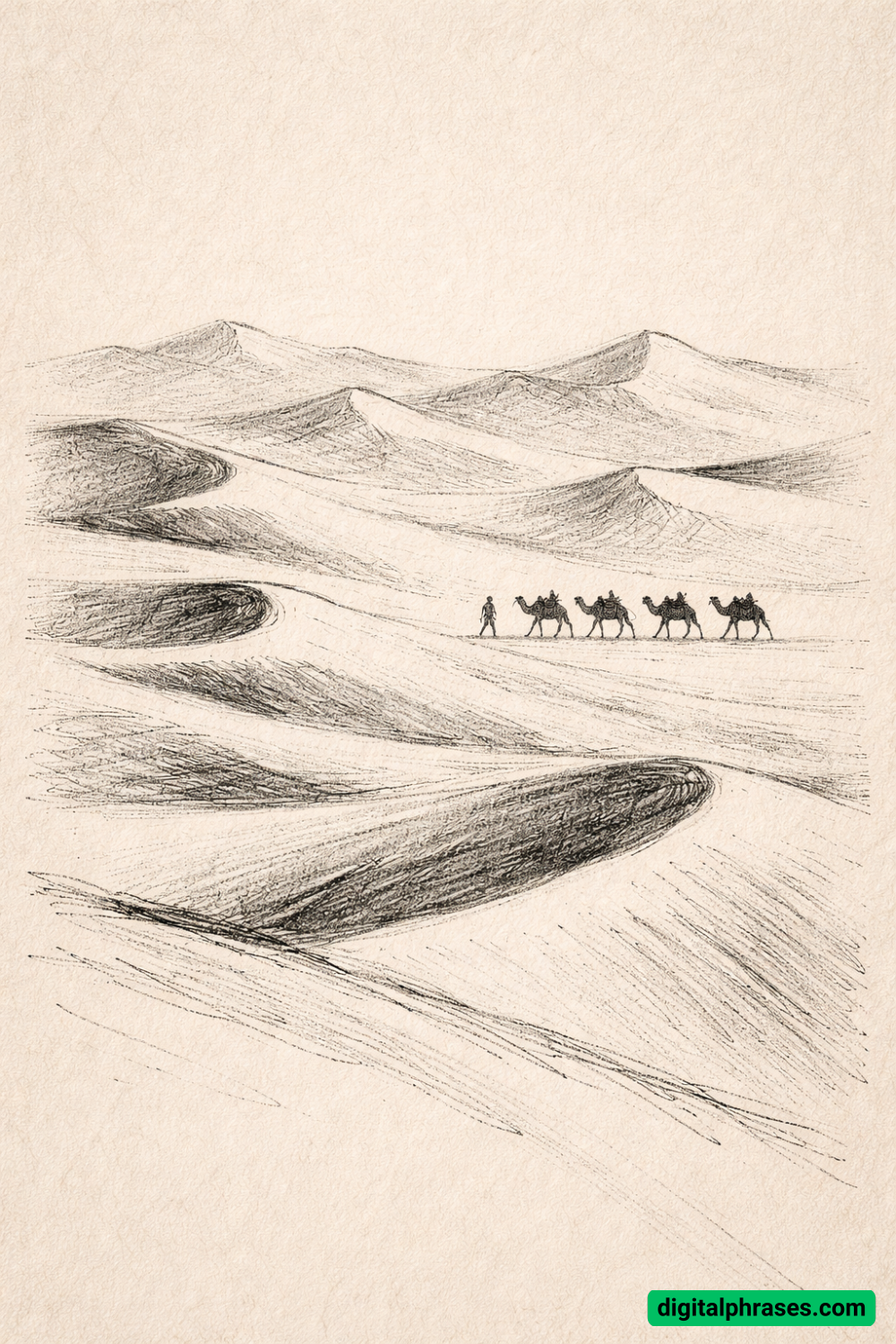
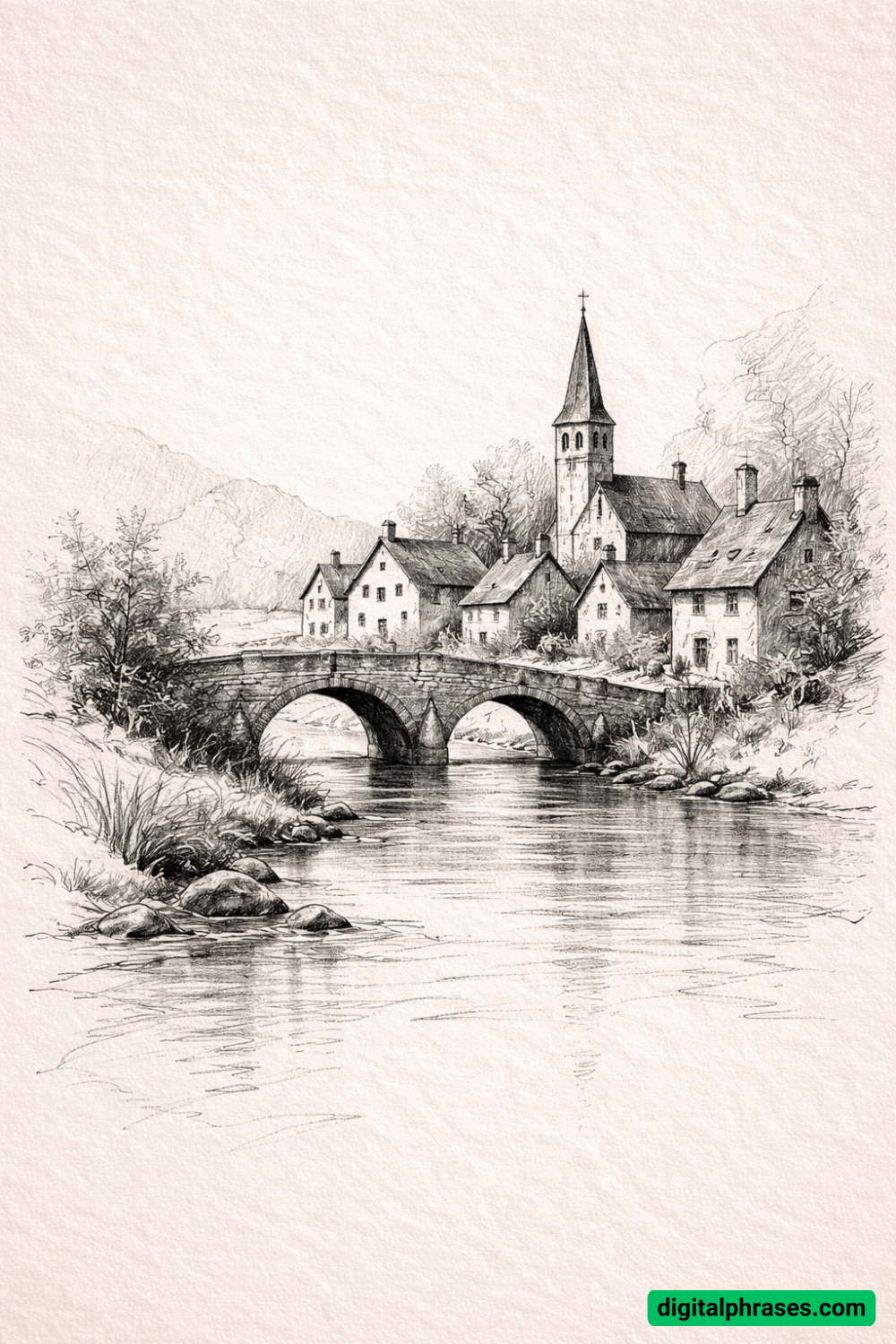
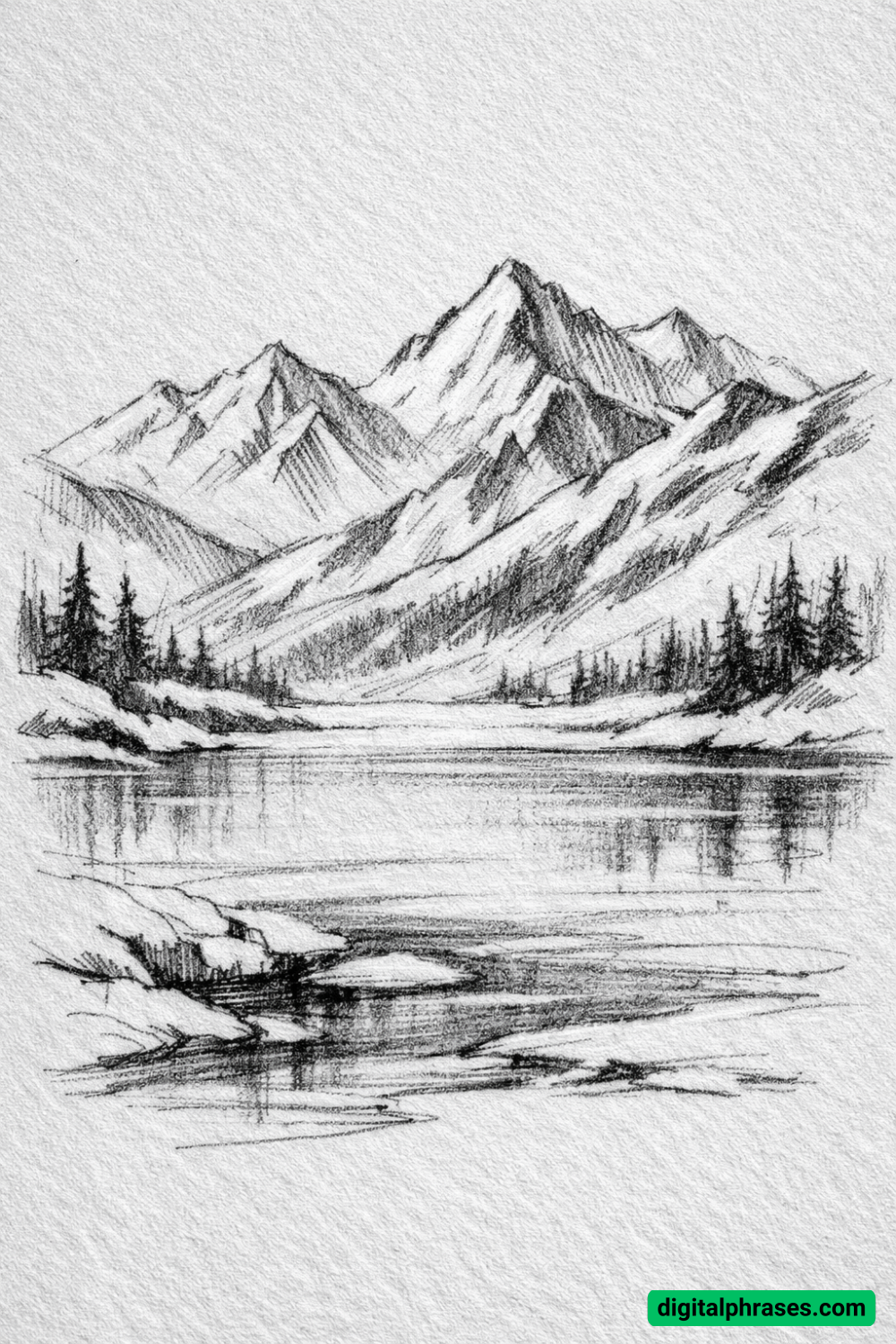
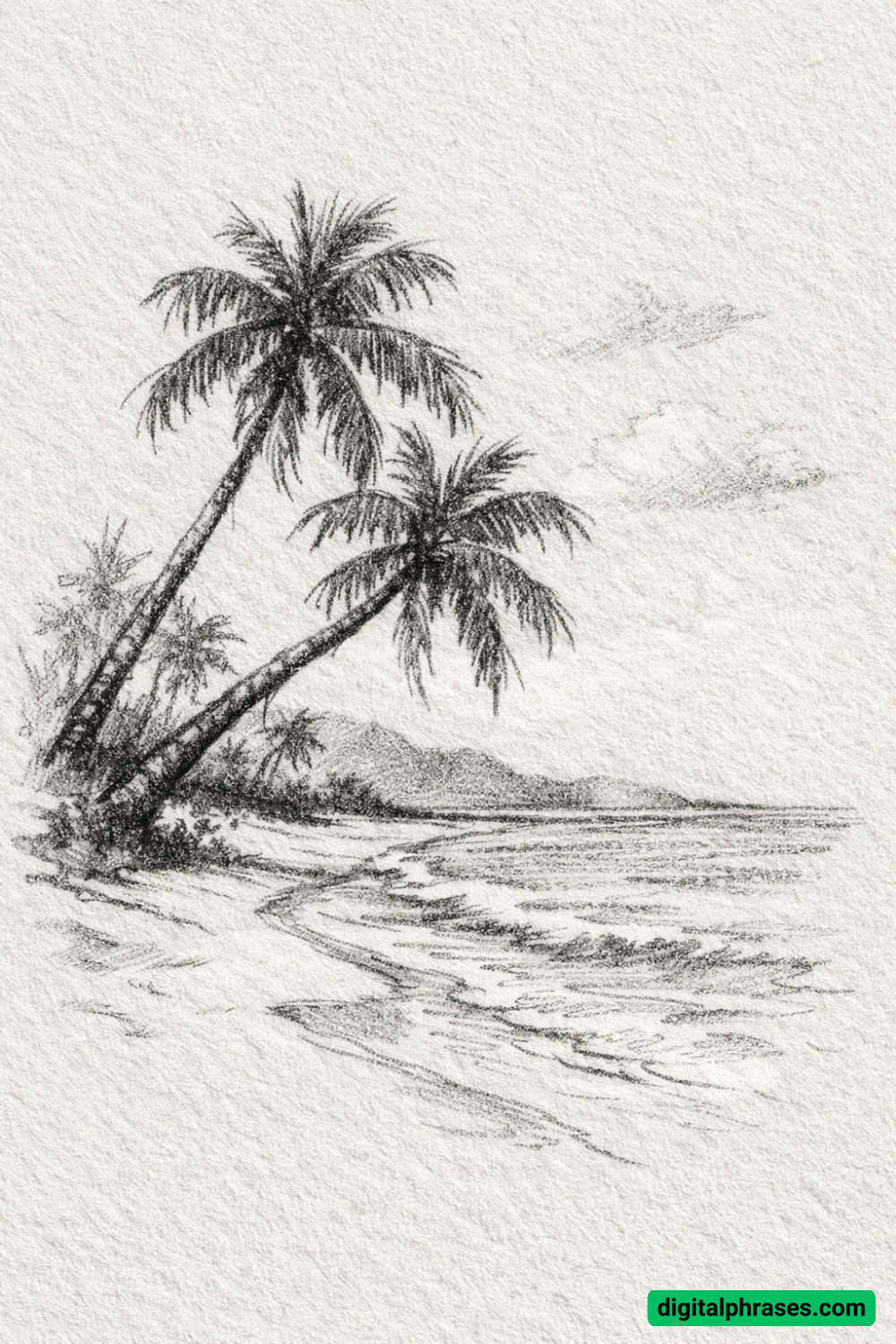
You can draw mountains, forests, rivers, beaches, or even small countryside views.
If you’re not sure what to draw next, this list of some landscape drawing ideas can give you some inspiration and help you start sketching.
Landscape Drawing Ideas
1
2
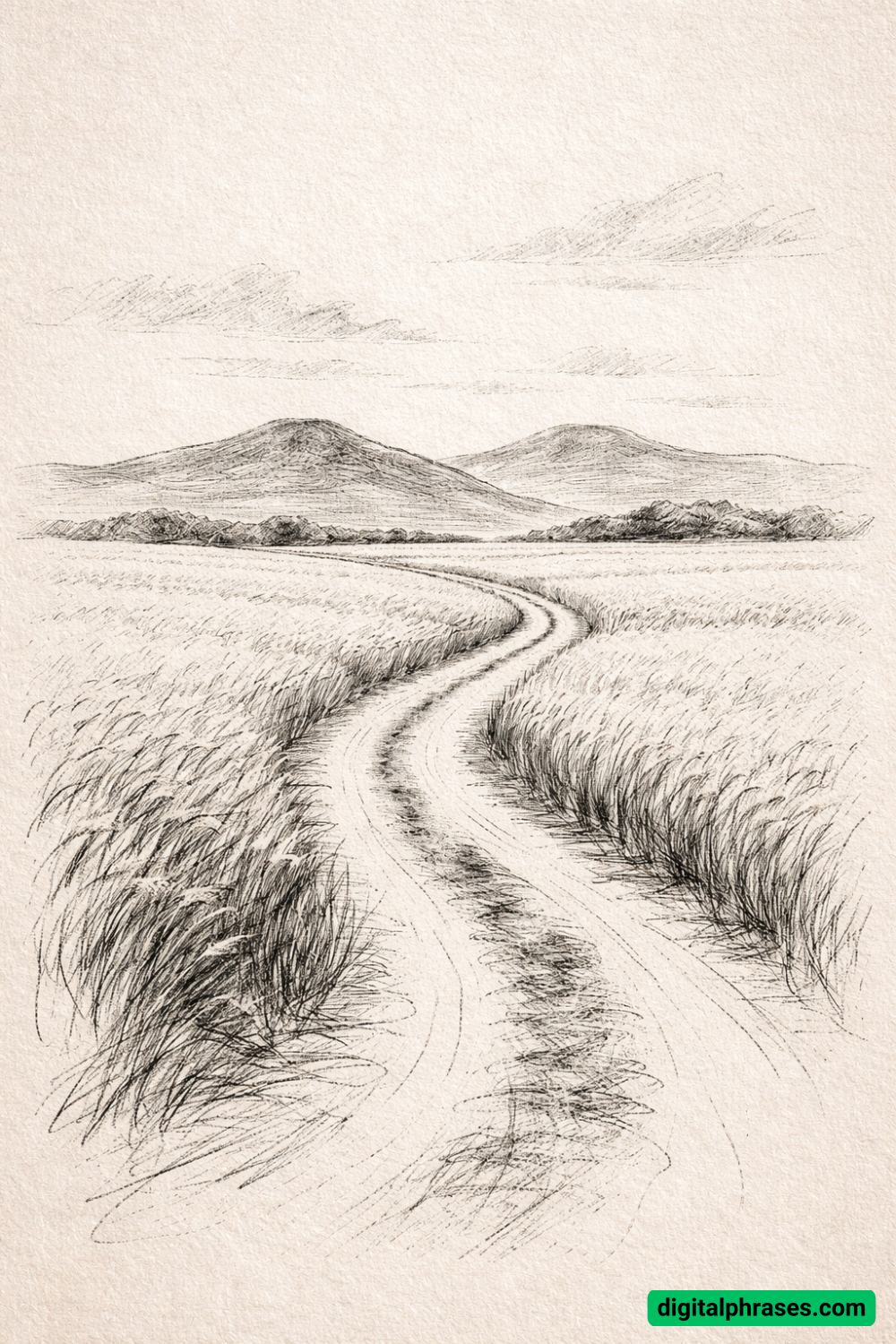
3
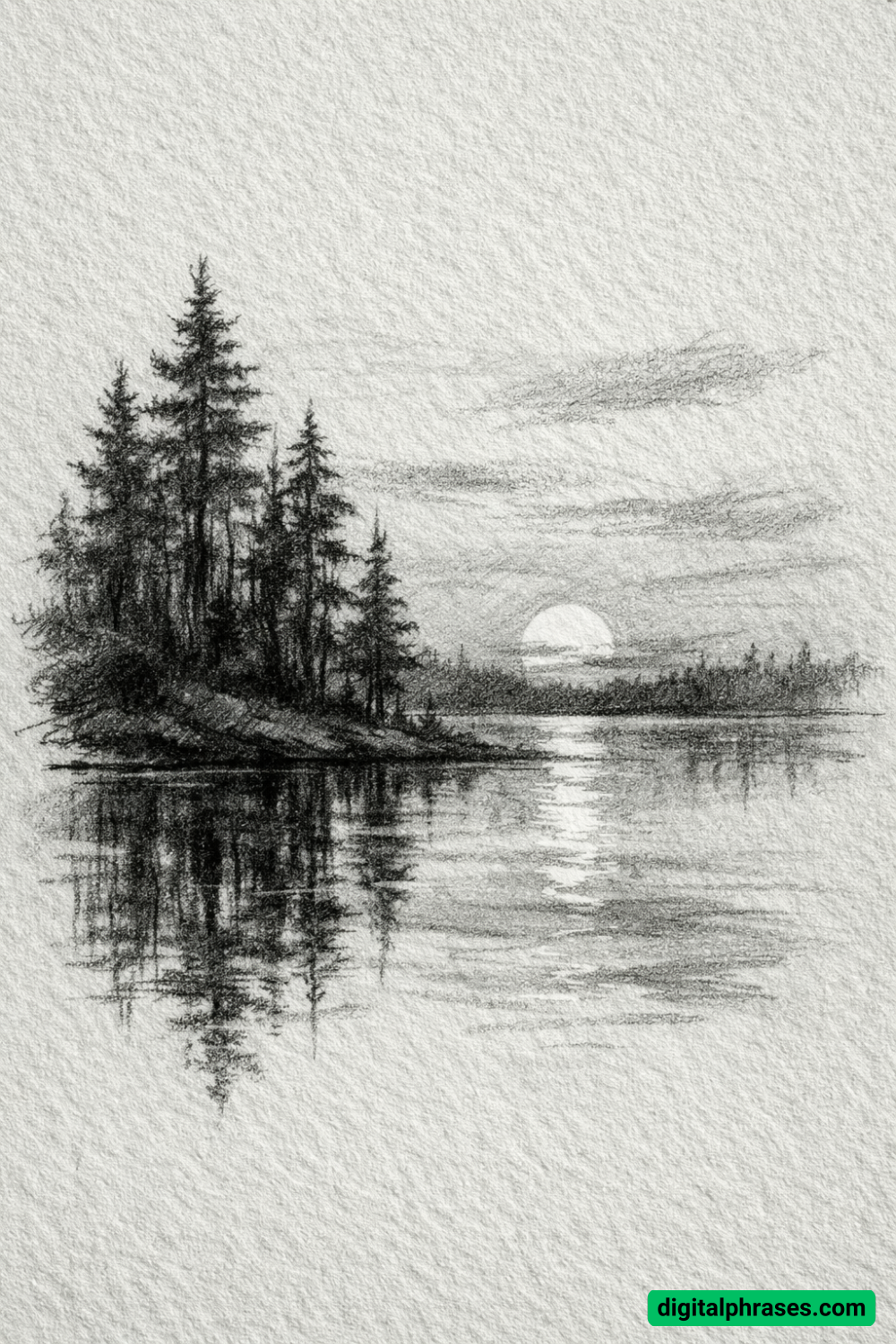
4
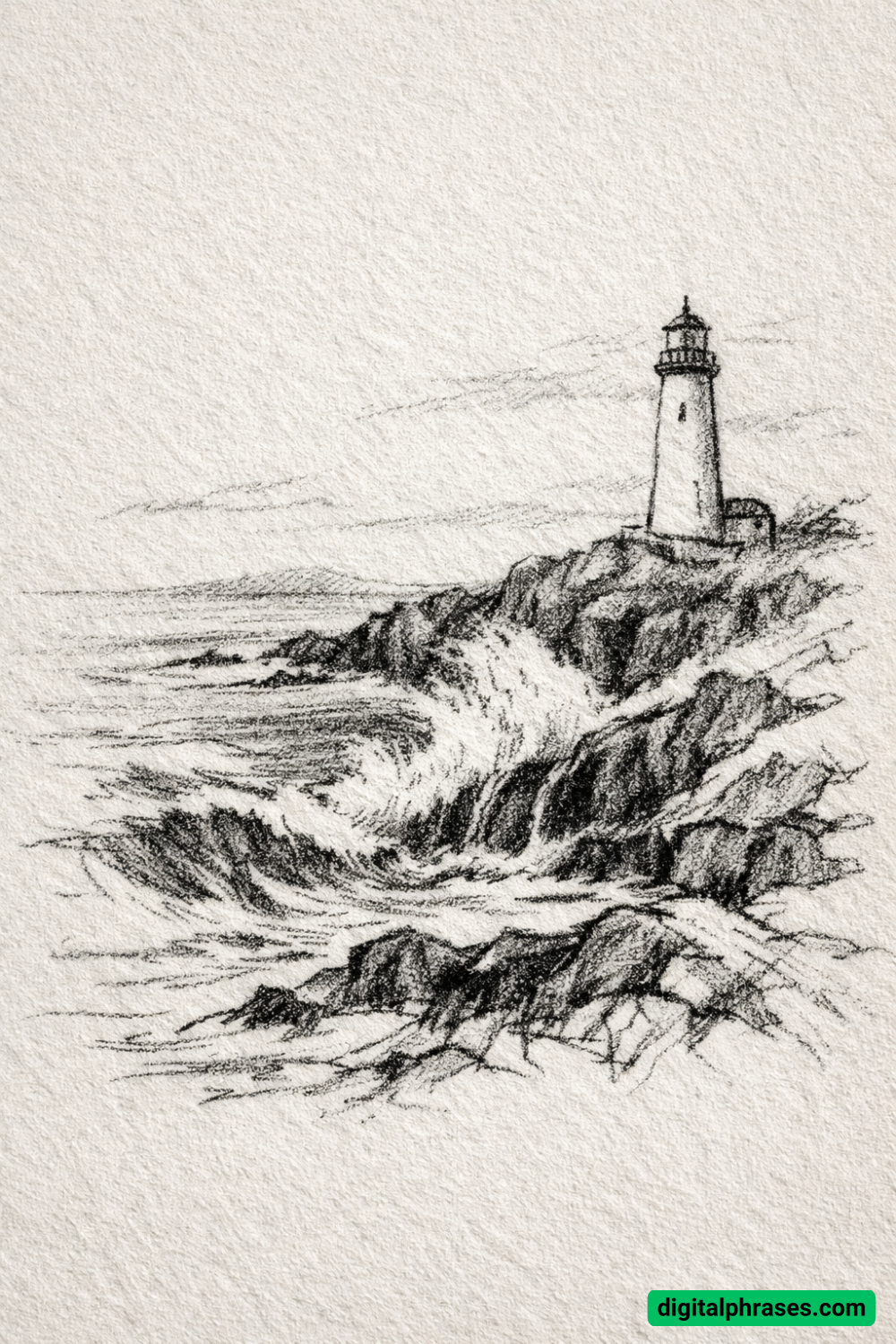
5
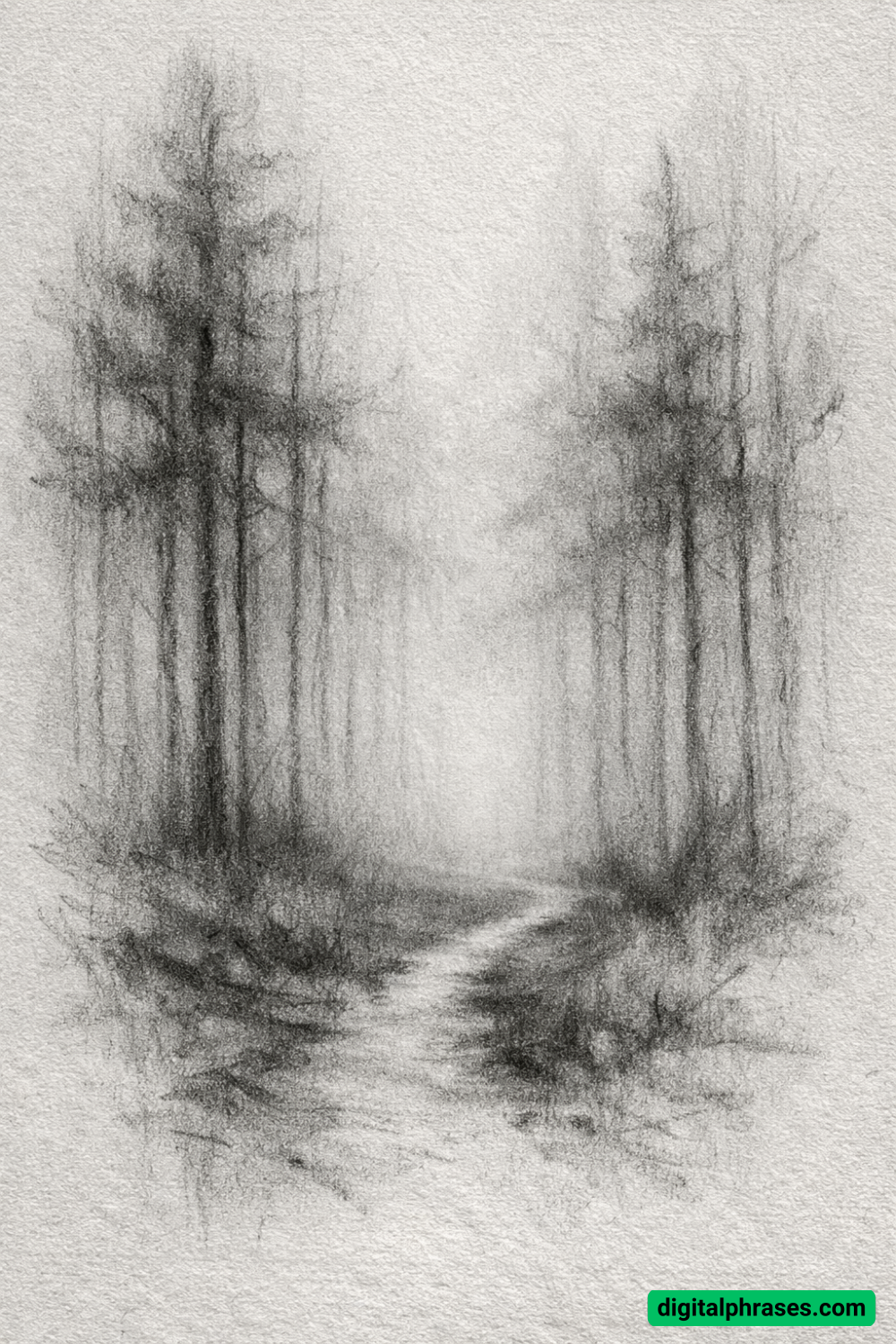
6
7

8
9
10

11
12
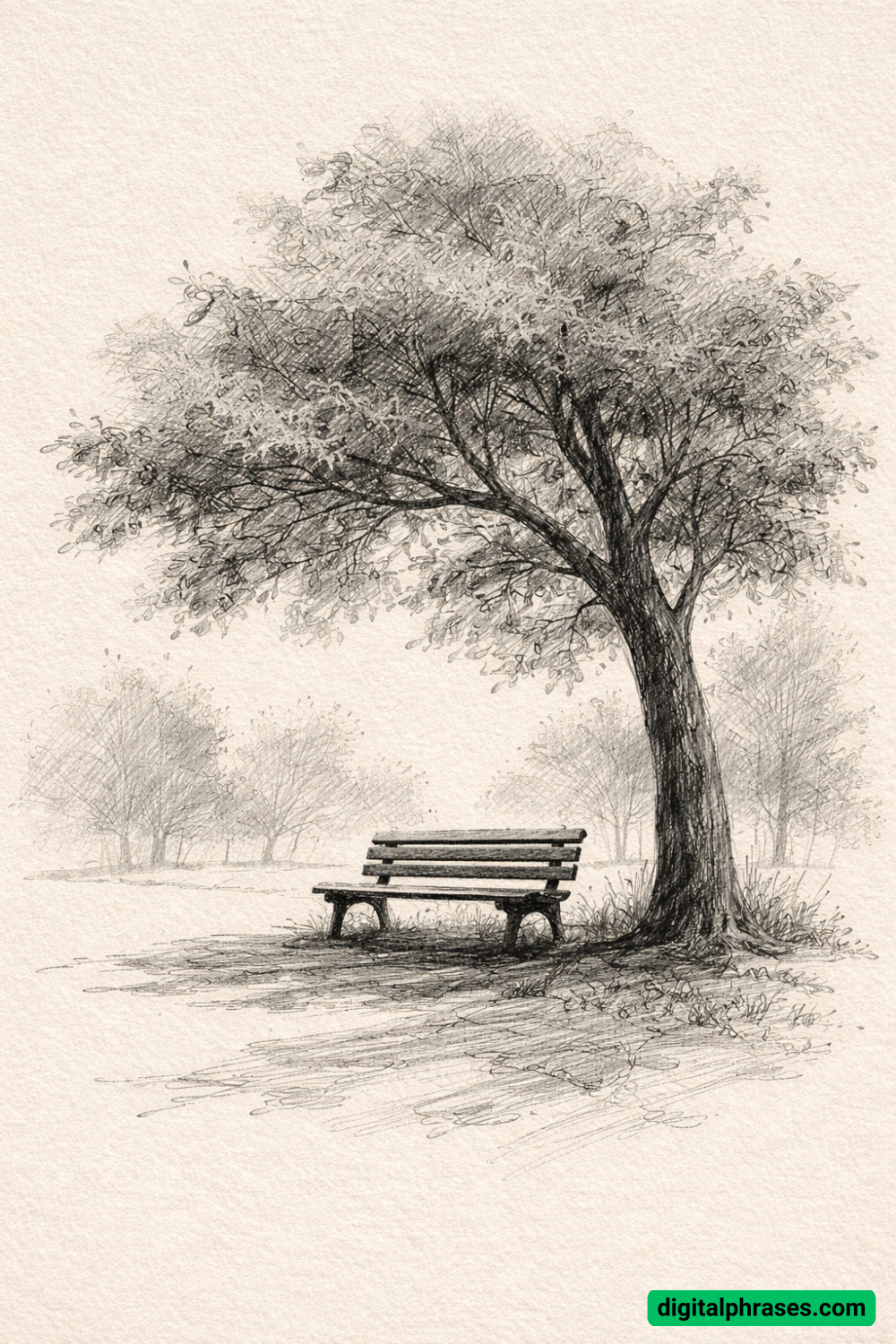
13
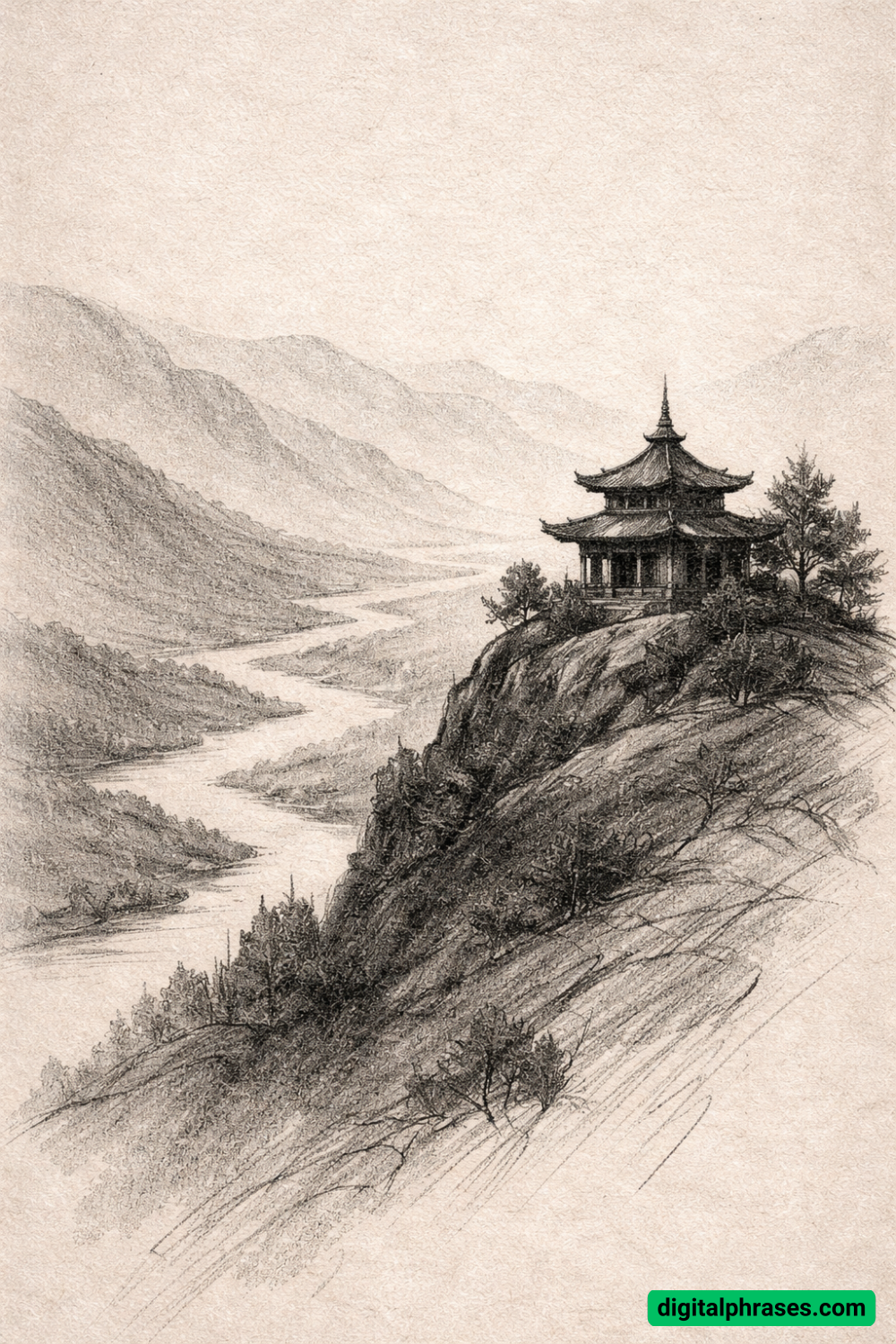
14

15
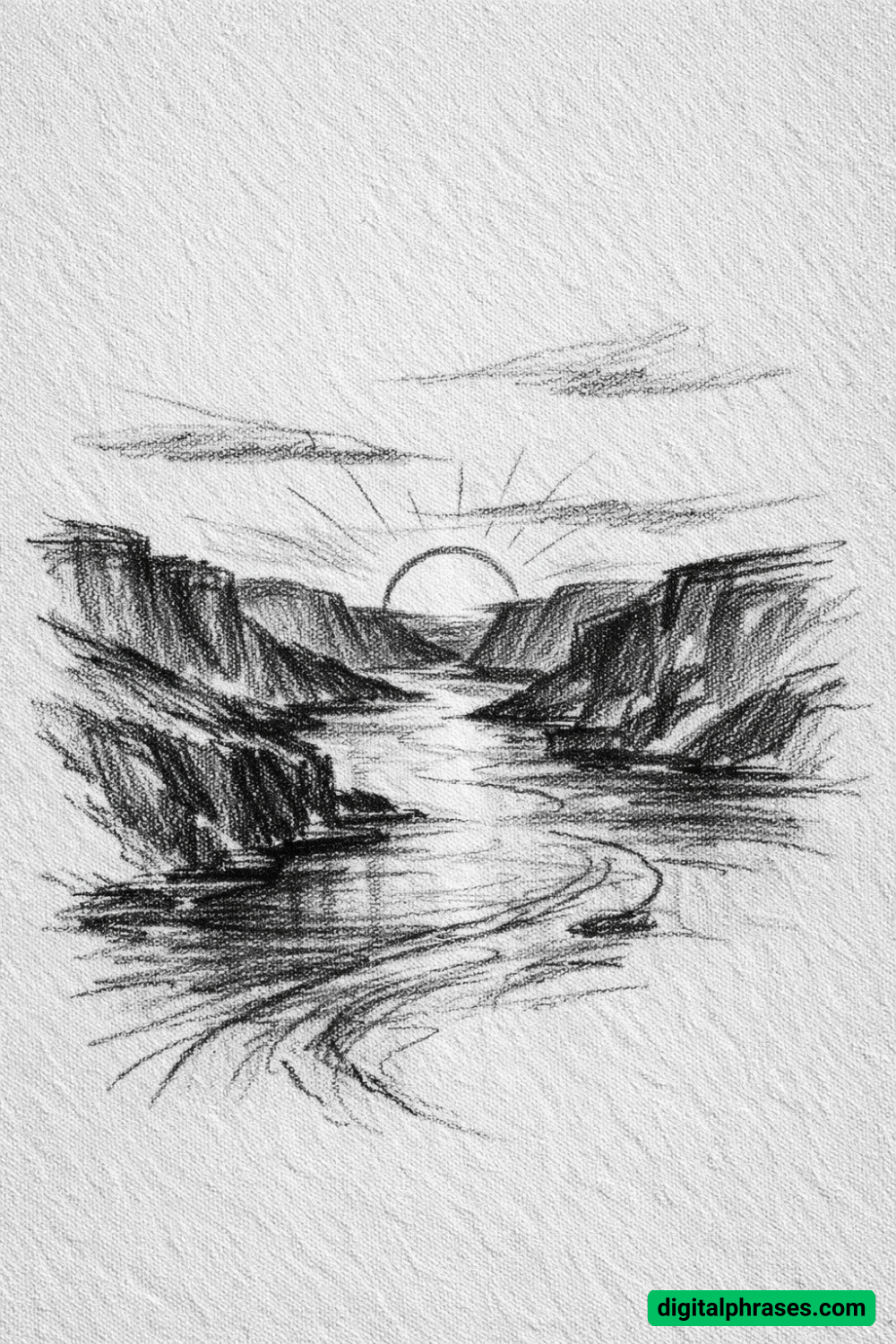
16
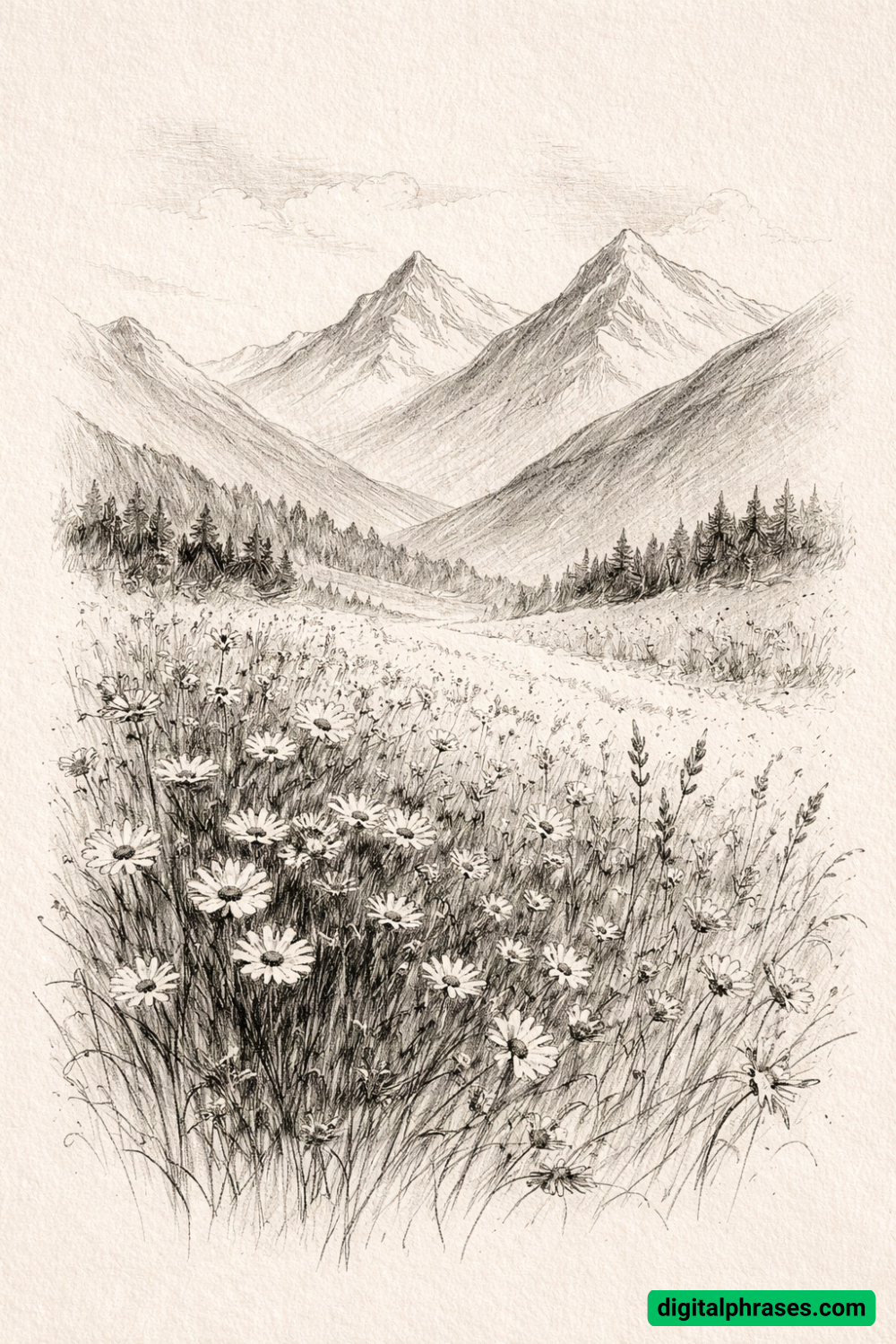
17
18

19
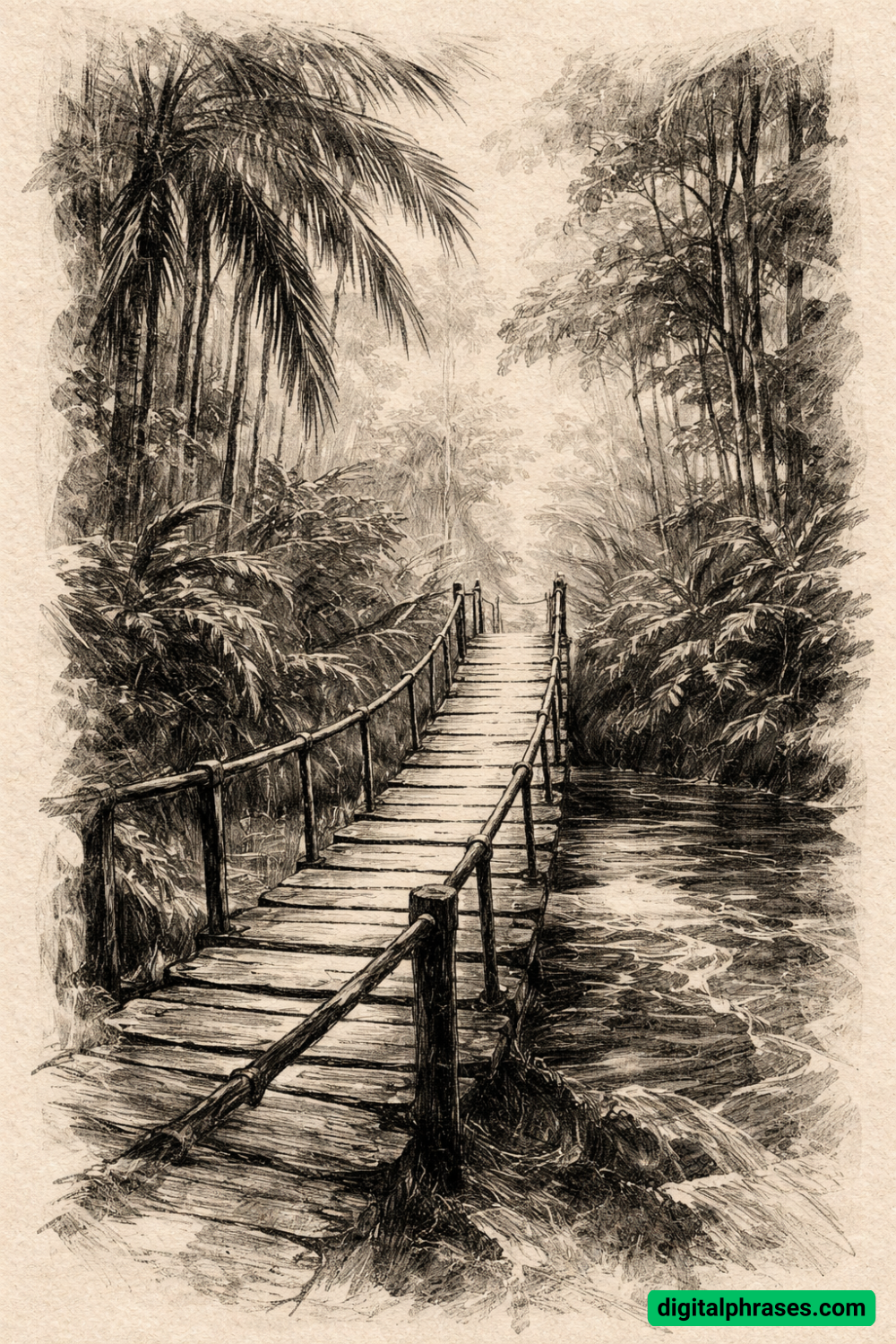
20

21

22
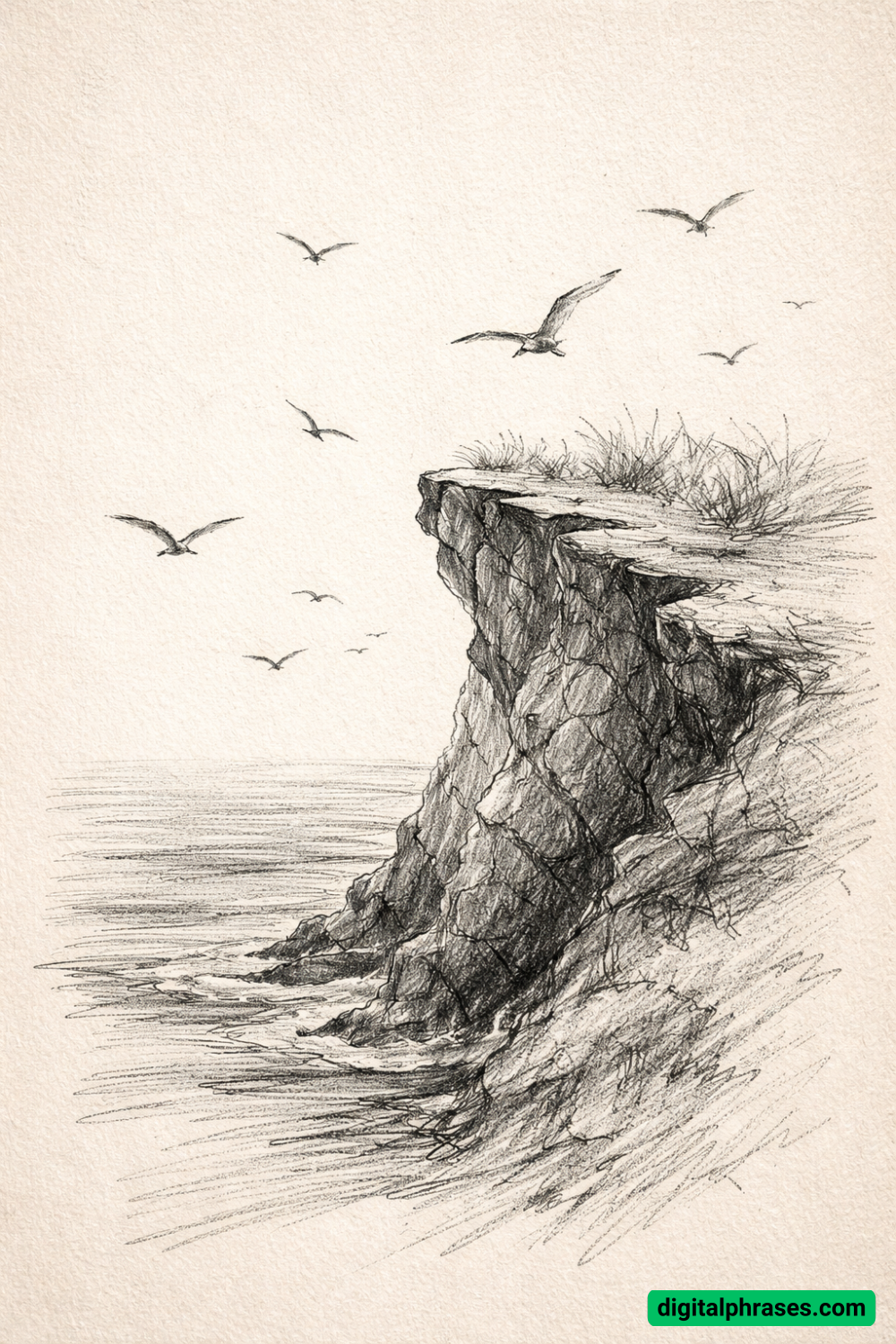
23

24
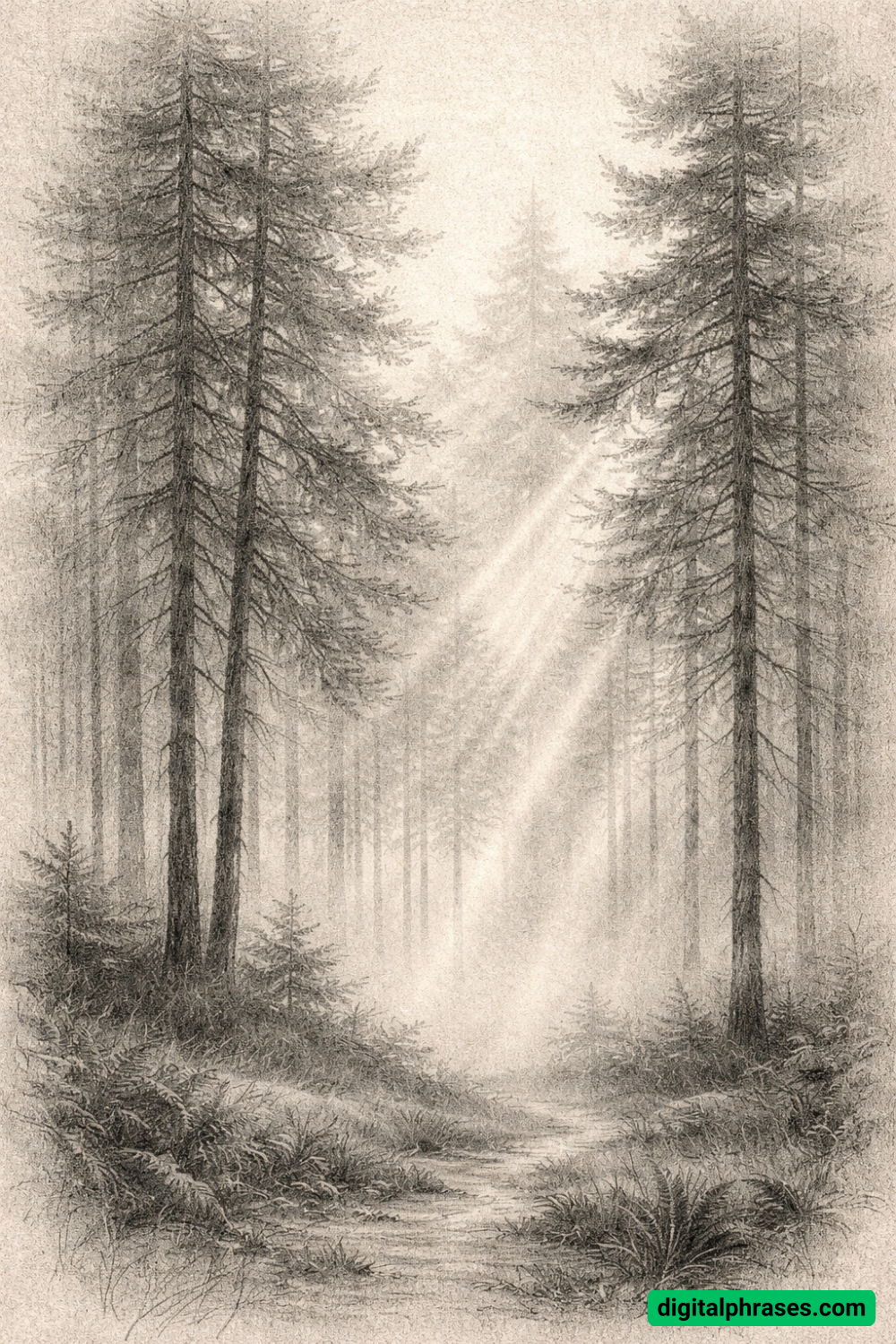
25
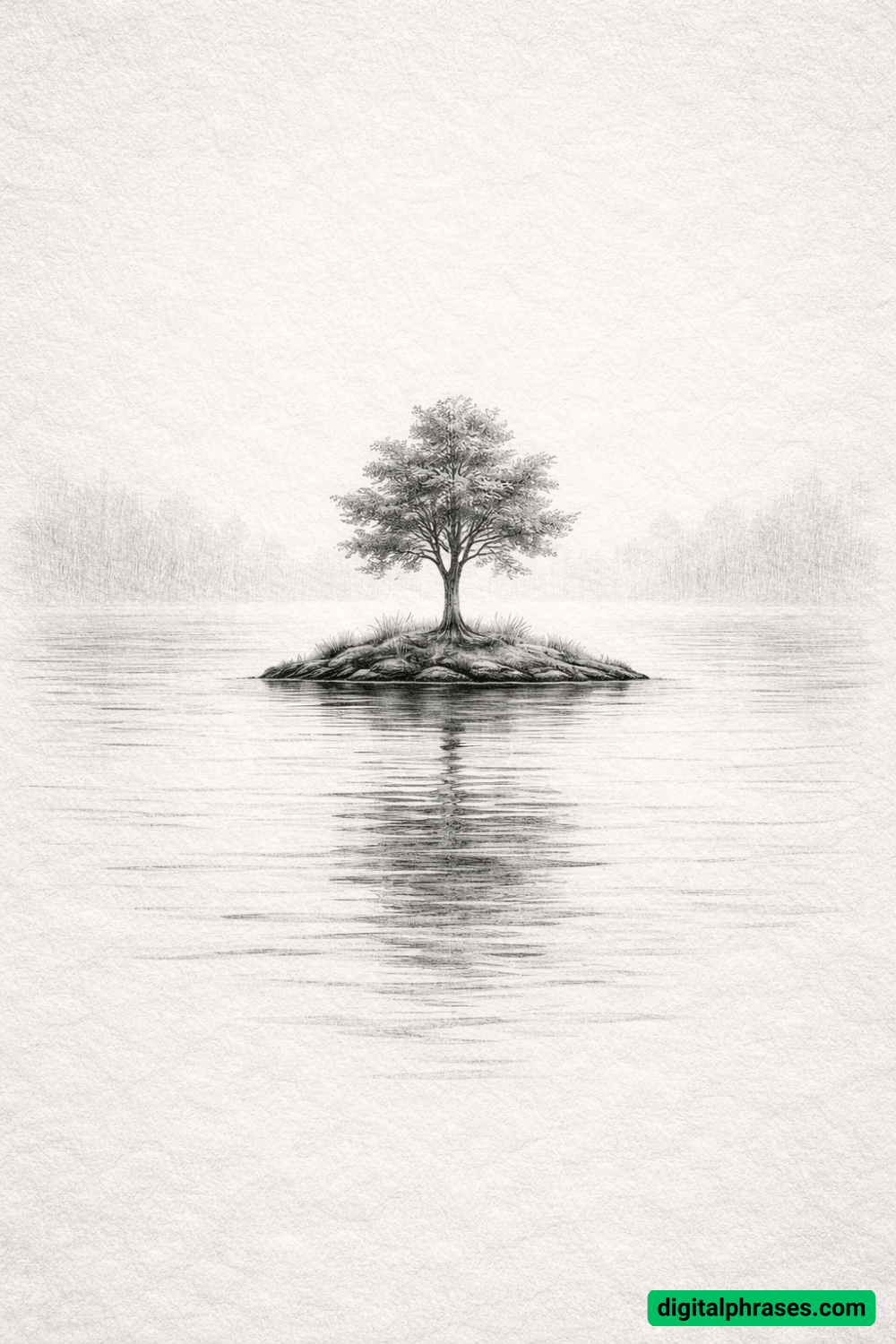
Tips on Drawing Landscapes
1. Start with Simple Shapes and Basic Composition
When drawing landscapes, it’s helpful to begin with simple shapes before adding details. Most natural elements—such as mountains, trees, hills, and lakes—can be broken down into basic forms like triangles, circles, and rectangles. Sketching these shapes lightly helps you plan the structure of your drawing without worrying about perfection.
Another important step at this stage is planning the composition. Think about where the main elements of the landscape will sit on the page. For example, you might place mountains in the background, trees in the middle ground, and grass or a path in the foreground. This layering helps create depth and makes the drawing feel more natural.
It can also help to lightly sketch a horizon line early in the process. The horizon separates the sky from the land and helps guide where objects should be placed. By starting with a clear structure, you create a strong foundation that makes the rest of the drawing process easier and more organized.
2. Use Reference Images from Nature
Using reference images is one of the most effective ways to improve your landscape drawings. Photographs of mountains, forests, rivers, beaches, or countryside scenes can give you a better understanding of how natural environments look. References help you study details such as tree shapes, rock textures, and how light interacts with the landscape.
When looking at a reference image, try to observe the overall layout first. Notice how the elements are arranged and how the scene leads the viewer’s eye across the drawing. Pay attention to the distance between objects and how elements in the foreground appear larger than those in the background.
If possible, drawing directly from real-life scenery can be even more beneficial. Sketching outdoors allows you to capture natural light, atmosphere, and movement that photos sometimes miss. Whether you use photos or real-life observation, references help make your landscape drawings more realistic and believable.
3. Create Depth with Foreground, Middle Ground, and Background
Depth is what makes a landscape drawing feel more immersive. One of the easiest ways to achieve depth is by dividing your drawing into three sections: the foreground, middle ground, and background.
The foreground contains elements closest to the viewer, such as rocks, flowers, grass, or a pathway. These objects are usually larger and more detailed. The middle ground sits behind the foreground and might include trees, houses, or hills. These elements are slightly smaller and have moderate detail.
The background is the farthest part of the scene, often containing mountains, distant forests, or the sky. These elements are typically lighter, less detailed, and sometimes slightly faded. By gradually reducing detail and size as objects move farther away, you can create a strong sense of distance in your landscape drawing.
4. Practice Shading and Texture
Shading plays a major role in making landscape drawings look more realistic. It helps show light, shadows, and the form of objects in the environment. For example, shading can give mountains their rugged appearance or make trees look fuller and more dimensional.
Start by identifying where the light source is coming from in your drawing. This will help you determine where shadows should fall. Areas facing the light should appear lighter, while areas turned away from the light should be darker.
Texture is equally important in landscape art. Grass, rocks, water, and tree bark all have different textures. You can create these effects using techniques like cross-hatching, stippling, or short sketchy lines. Practicing these techniques will help you capture the unique surfaces found in nature and make your landscapes more visually interesting.
5. Keep Practicing and Experiment with Different Scenes
Like any art skill, landscape drawing improves with regular practice. Try drawing a variety of environments to build your confidence and expand your abilities. Mountains, beaches, forests, deserts, and countryside scenes all offer different challenges and creative opportunities.
Experimenting with different perspectives can also make your drawings more engaging. For example, you might draw a winding path leading into a forest, a river flowing through a valley, or a view from the top of a hill. Changing viewpoints helps you understand how landscapes work from different angles.
Don’t worry about making every drawing perfect. Each sketch is part of the learning process. Over time, you’ll become more comfortable with composition, shading, and texture, allowing you to create landscapes that feel natural and expressive. With patience and creativity, your landscape drawings will continue to improve and develop.