15 Watermelon Drawing Ideas
Ever tried drawing a watermelon?
Well, here are some watermelon drawing ideas to get you started.
Watermelon Drawing Ideas
1
2
3
4

5
6

7

8
9
10

11
12

13
14

15
Tips on Drawing Watermelons
Start with Simple Shapes
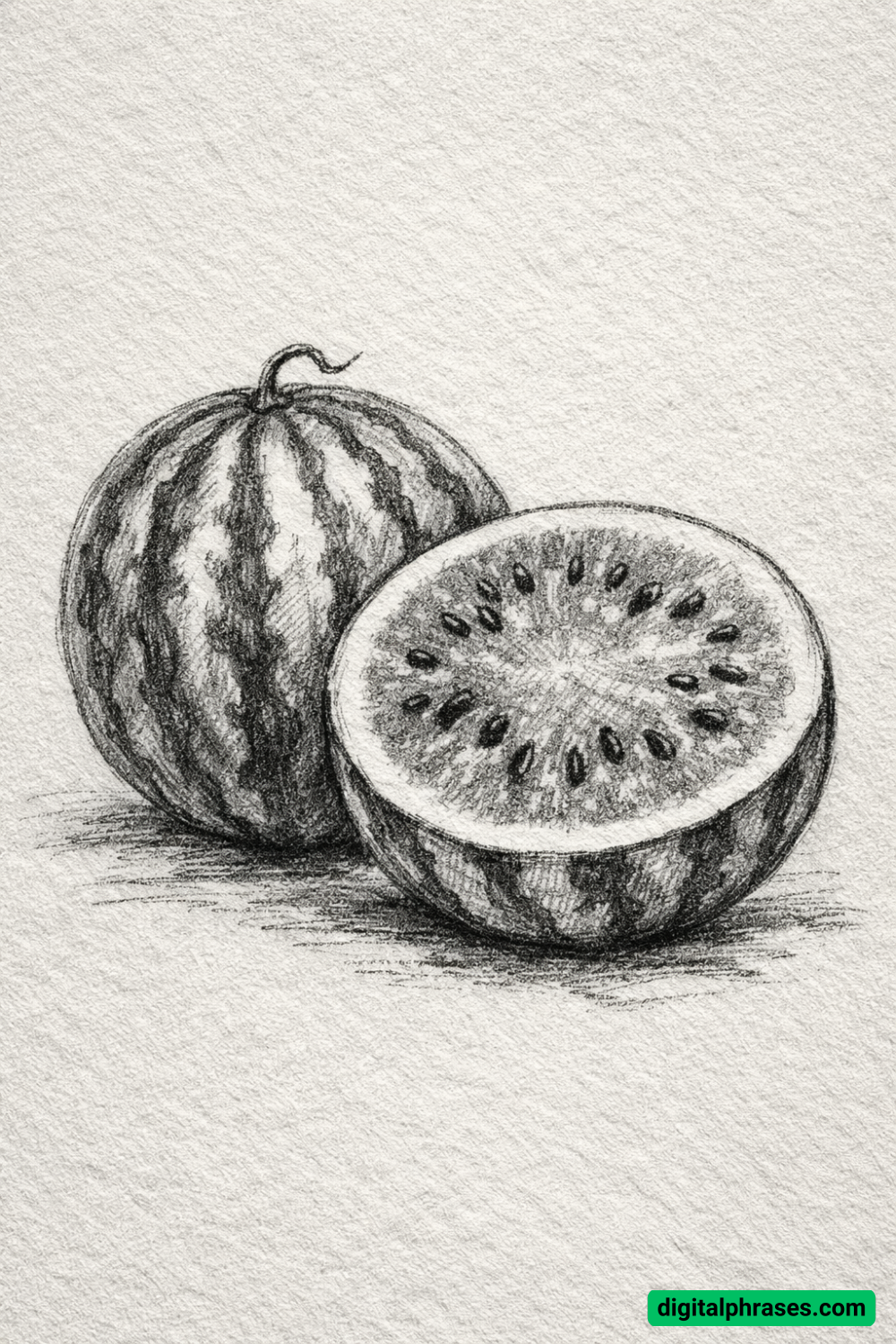
Begin your watermelon drawing by breaking it down into basic shapes. A whole watermelon can be drawn as a circle or slightly oval shape, while a slice is usually a triangle with a curved base.
This approach makes the process less intimidating and helps you maintain proper proportions. Don’t worry about details at this stage—focus on getting the overall structure right. Light sketching is key here, so use gentle pencil strokes that you can easily erase or adjust. Once the base shape looks balanced, you’ll find it much easier to build on top of it with details like rind layers and seeds.
Pay Attention to the Rind Layers
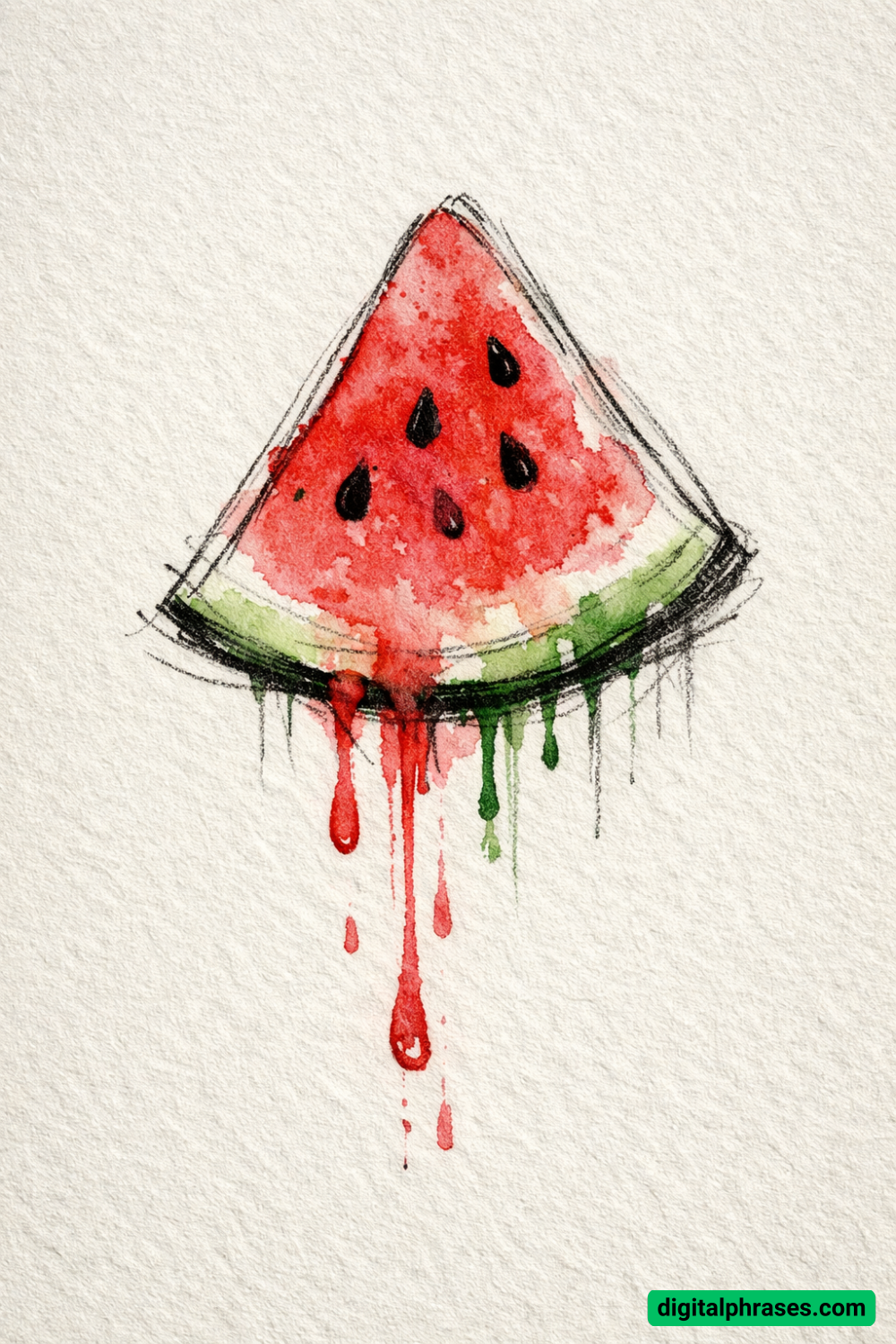
One thing that makes a watermelon instantly recognizable is its rind. Instead of drawing a single outline, try adding multiple layers to show depth. Typically, there’s a dark green outer skin, a lighter green or white inner layer, and then the red or pink flesh.
Drawing these layers clearly will make your watermelon look more realistic and visually interesting. Use slightly curved lines that follow the shape of the fruit, especially for slices. Keeping the layers uneven and organic rather than perfectly straight will help your drawing feel more natural.
Add Seeds Naturally
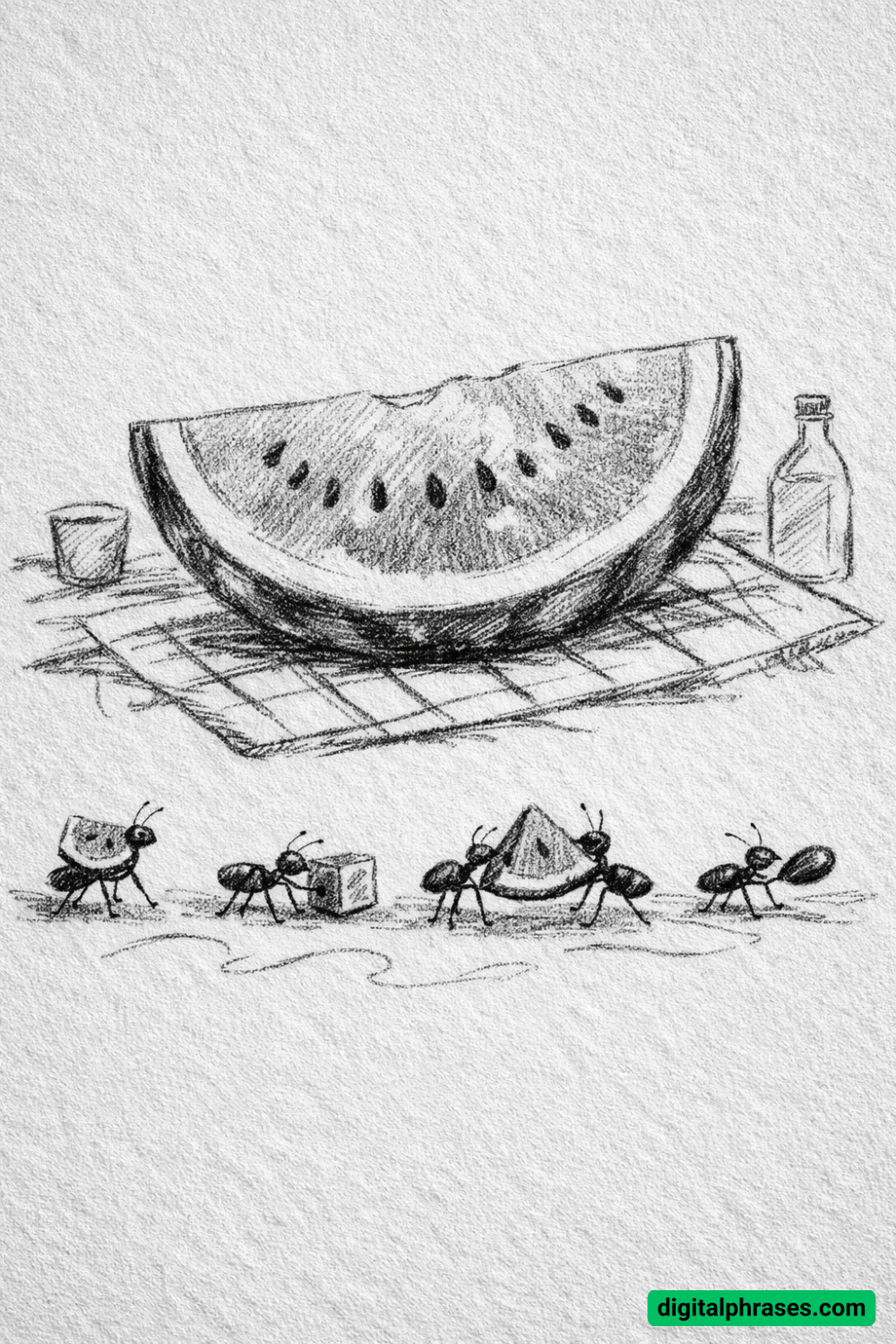
Seeds are a small detail, but they play a big role in making your watermelon drawing look authentic. Instead of placing them in stiff, evenly spaced rows, scatter them in a more random pattern.
Most seeds are teardrop-shaped and slightly curved, so avoid making them look like perfect ovals or dots. Also, vary their size and direction a little to give a more natural feel. If you want to go a step further, you can add tiny highlights or shadows to the seeds to give them a bit of dimension.
Use Color to Show Freshness
Color brings your watermelon to life. Use bright reds or pinks for the flesh, but don’t keep it flat—add subtle variations to show texture and juiciness.
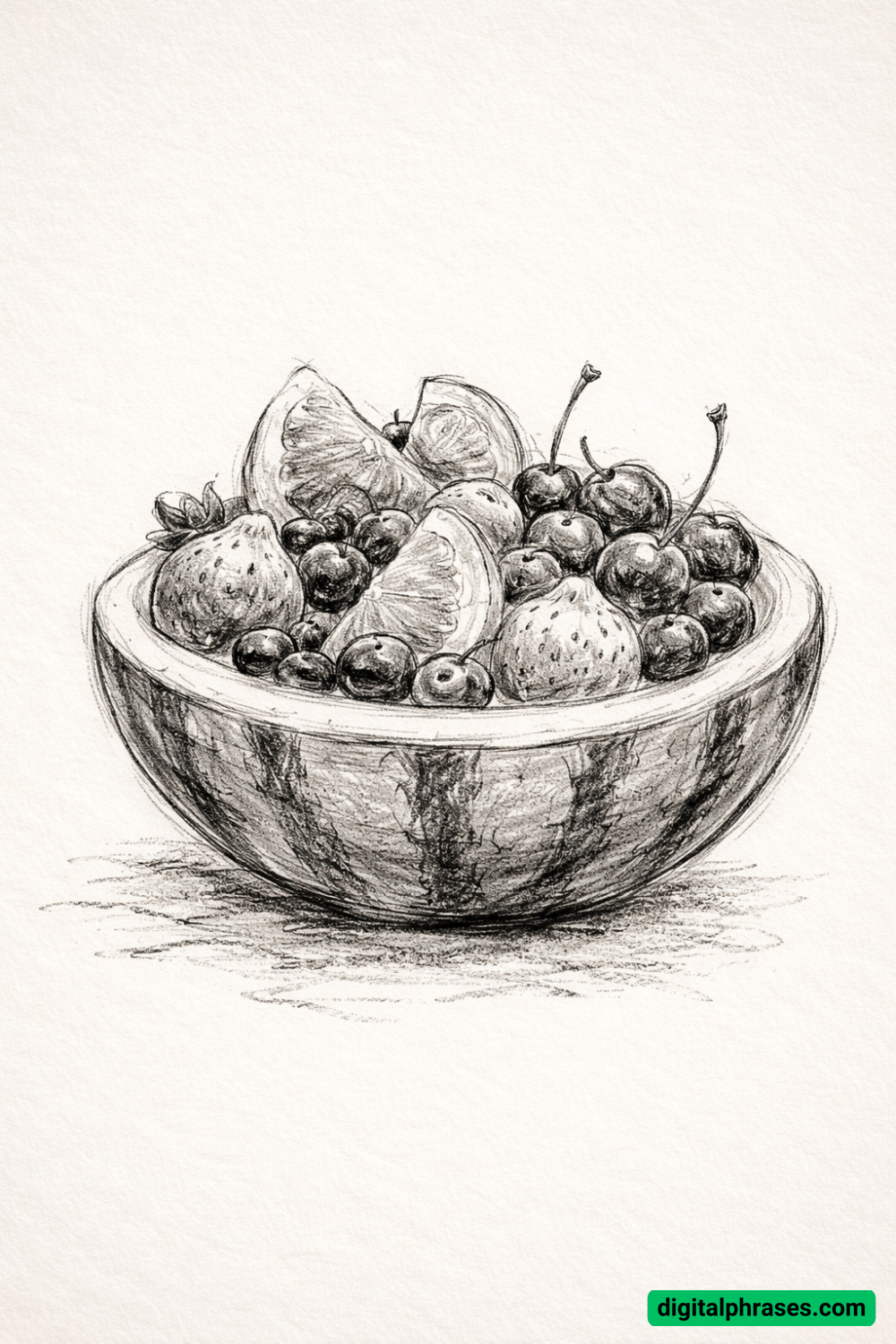
A slightly darker shade near the edges and lighter tones in the center can create depth. For the rind, mix different greens rather than using just one flat color. Adding gentle gradients or soft shading will make your drawing look more vibrant and realistic. Even if you’re working in black and white, shading can help suggest the freshness and moisture of the fruit.
Experiment with Style and Creativity
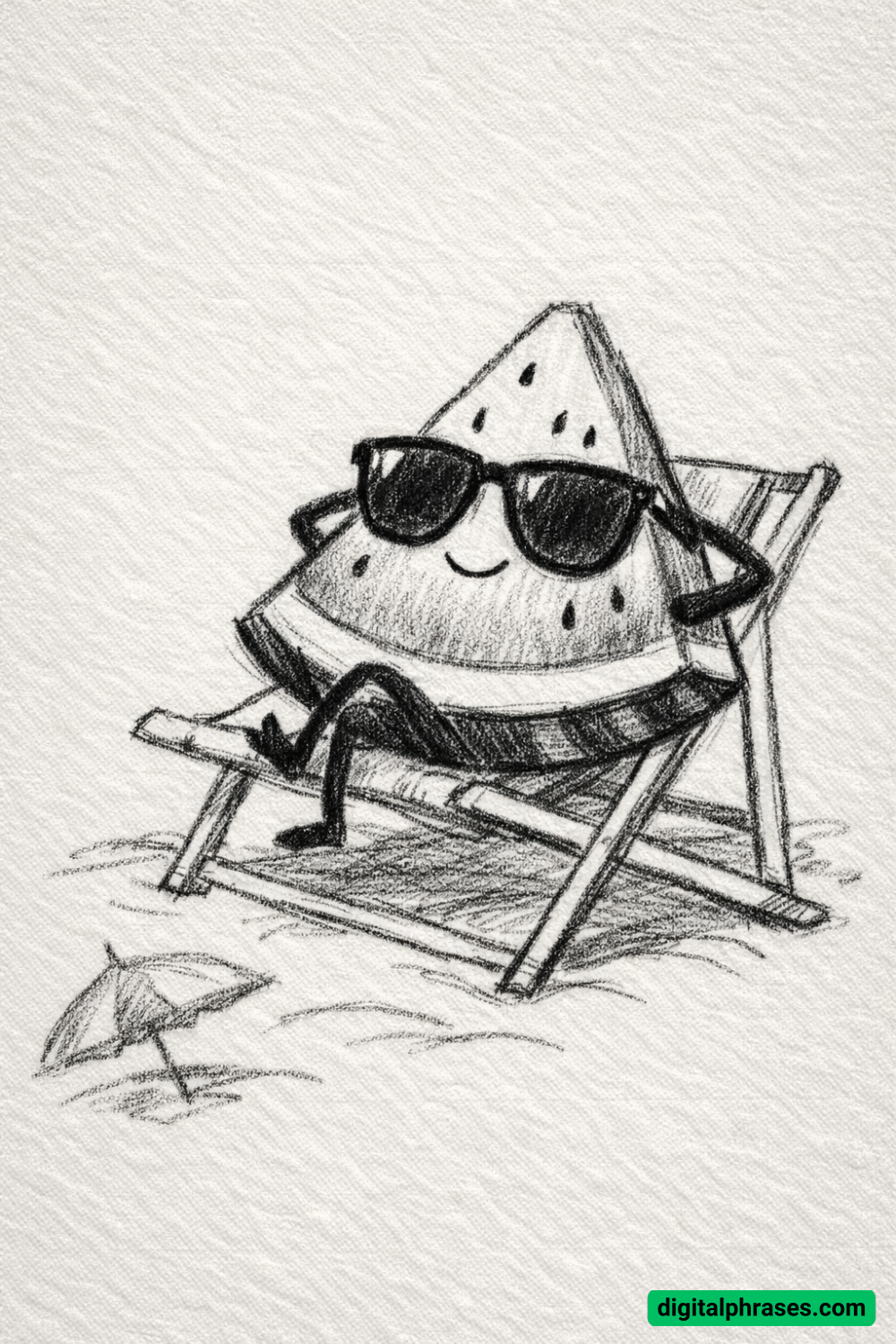
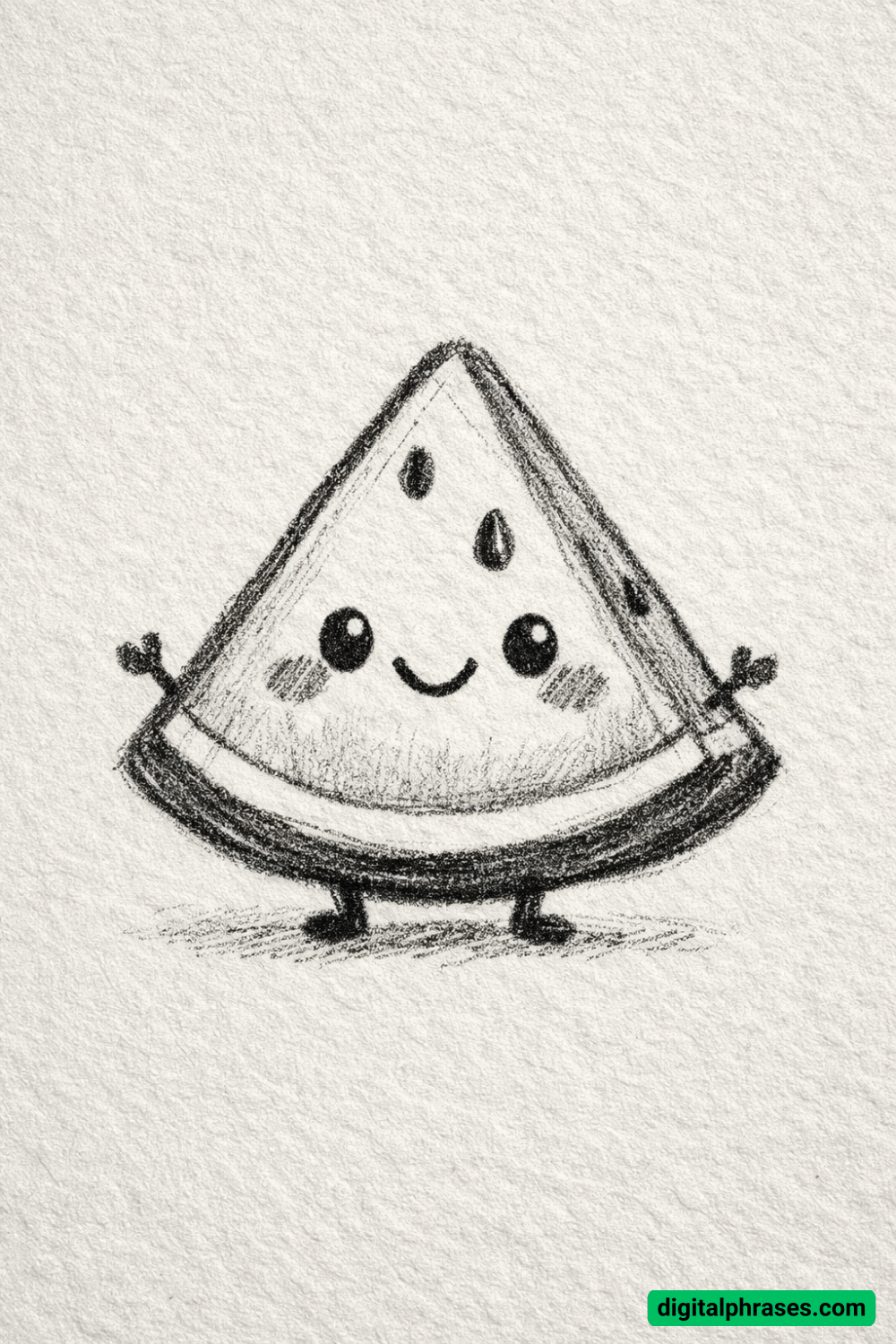
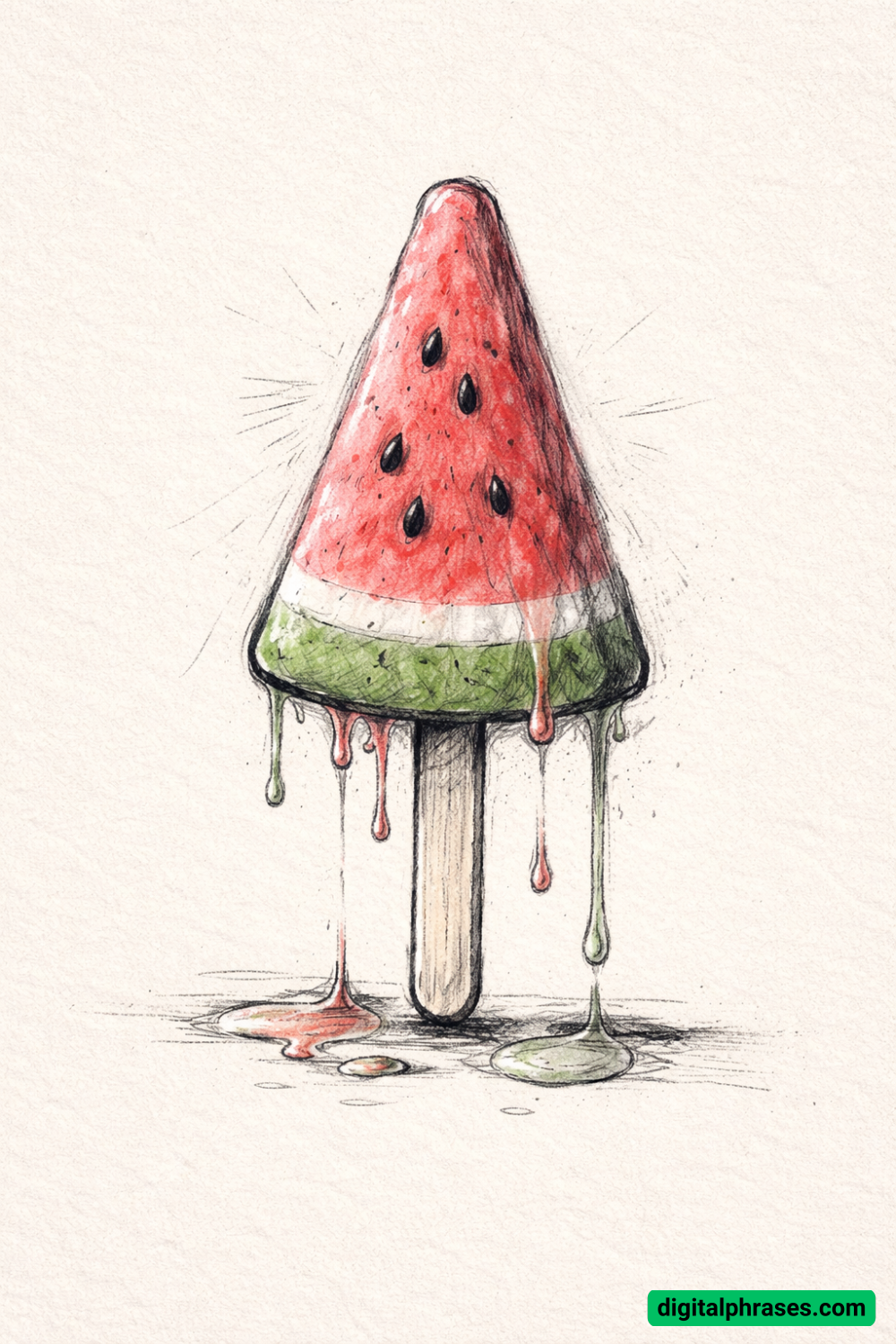
Once you’re comfortable with basic watermelon drawings, try experimenting with different styles. You can create a cute cartoon watermelon with a face, design patterns using repeated slices, or even turn a watermelon into a creative object like a drink or character.
Playing with style helps you develop your own artistic voice and keeps the process fun. Don’t be afraid to exaggerate shapes, use bold colors, or simplify details depending on the look you want. The more you experiment, the more confident and unique your drawings will become.