25 Forest Drawing Ideas
Drawing forests can be both relaxing and a little overwhelming at the same time. With so many trees, textures, and details, it’s easy to feel unsure about where to start.
But I have ensured that there are easy ones as well with this list below.
Check now.
Forest Drawing Ideas
1
2
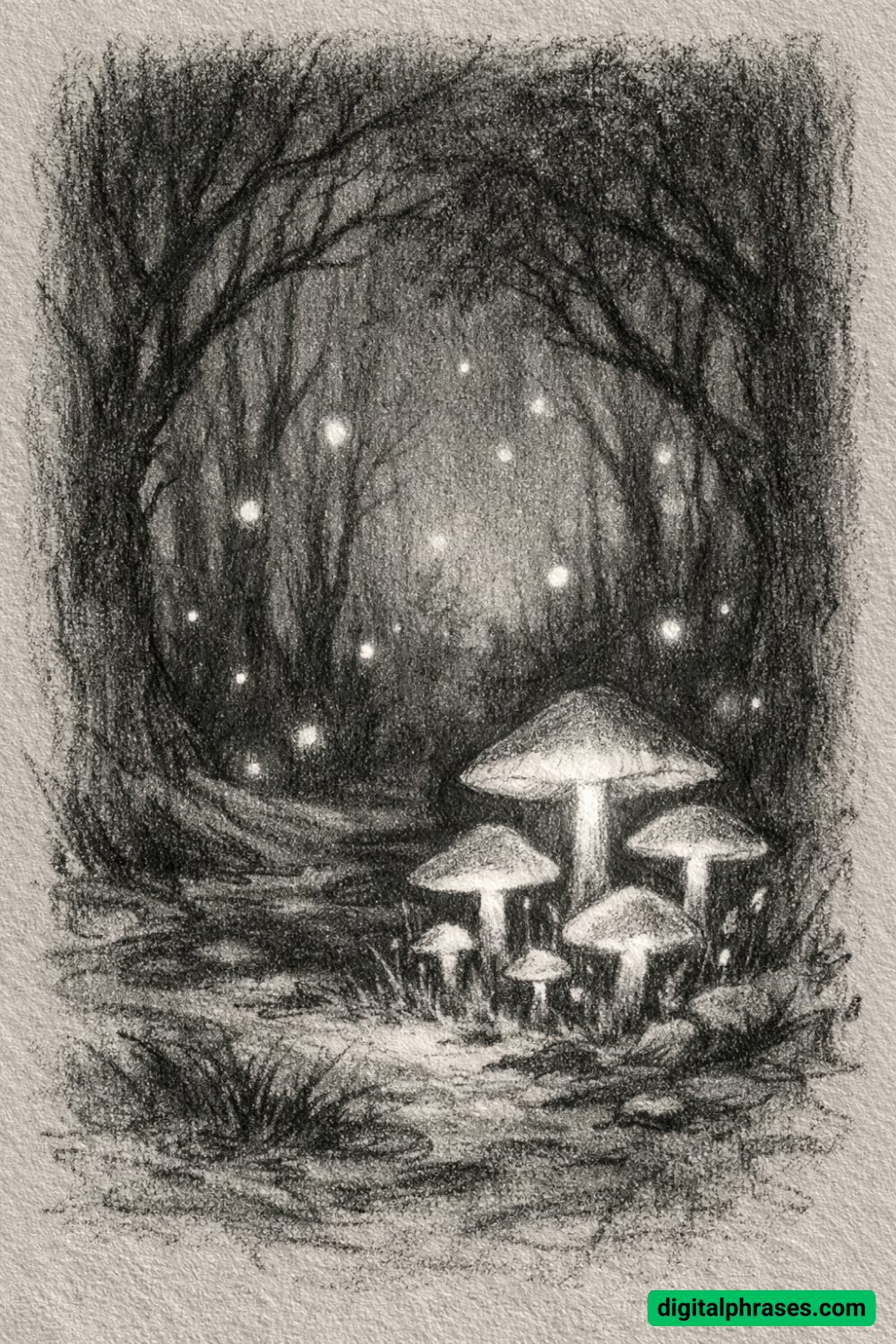
3
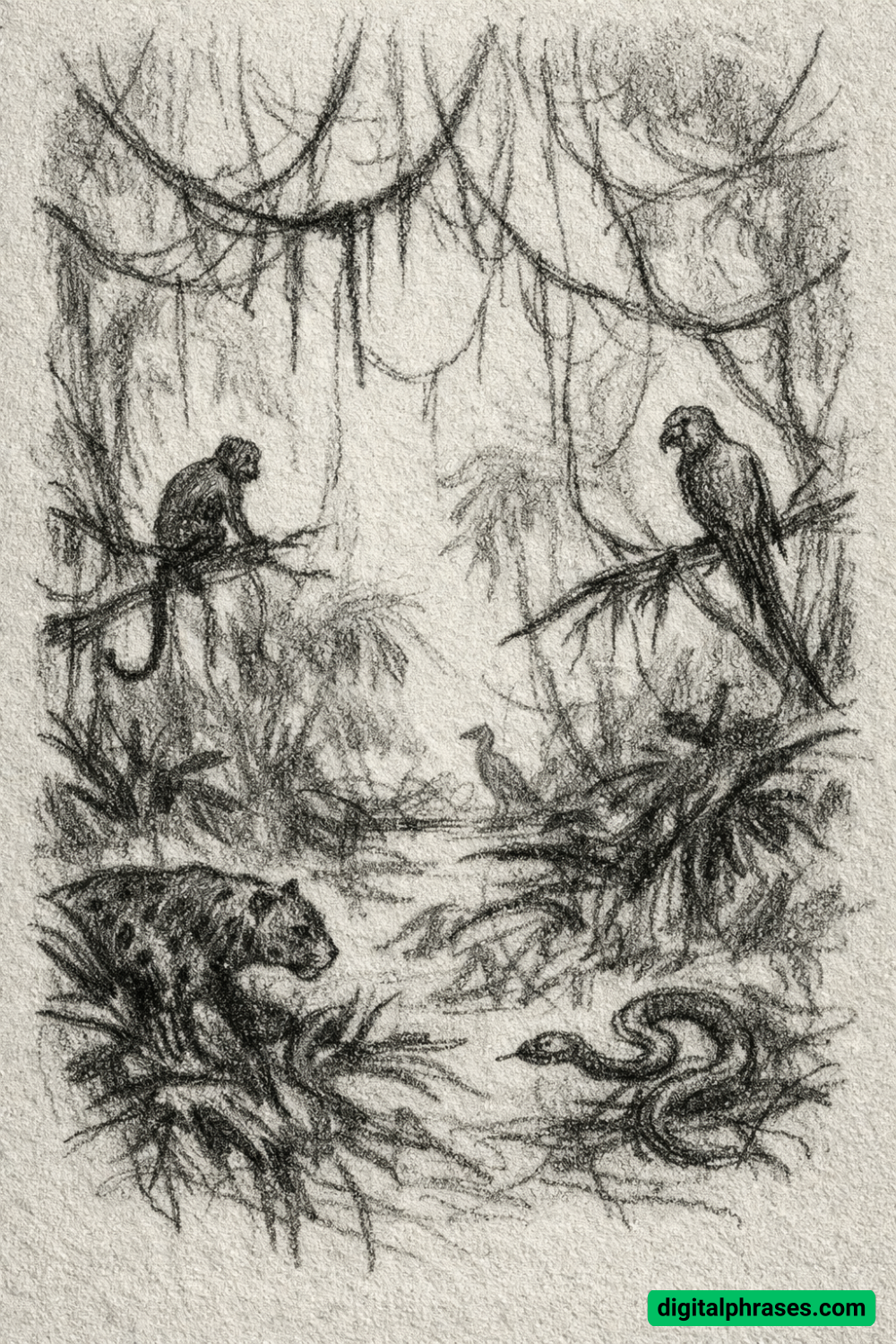
4

5

6

7
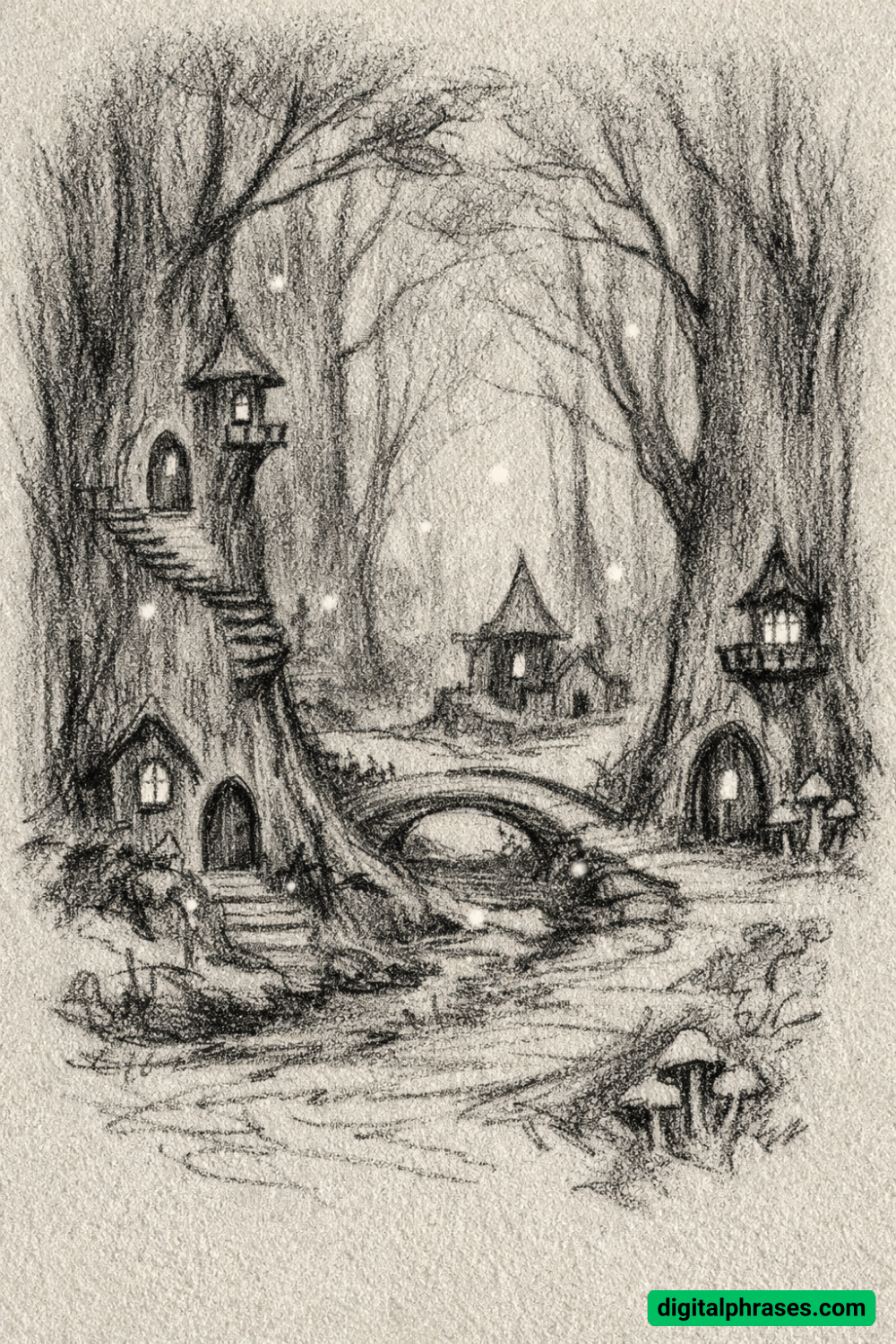
8
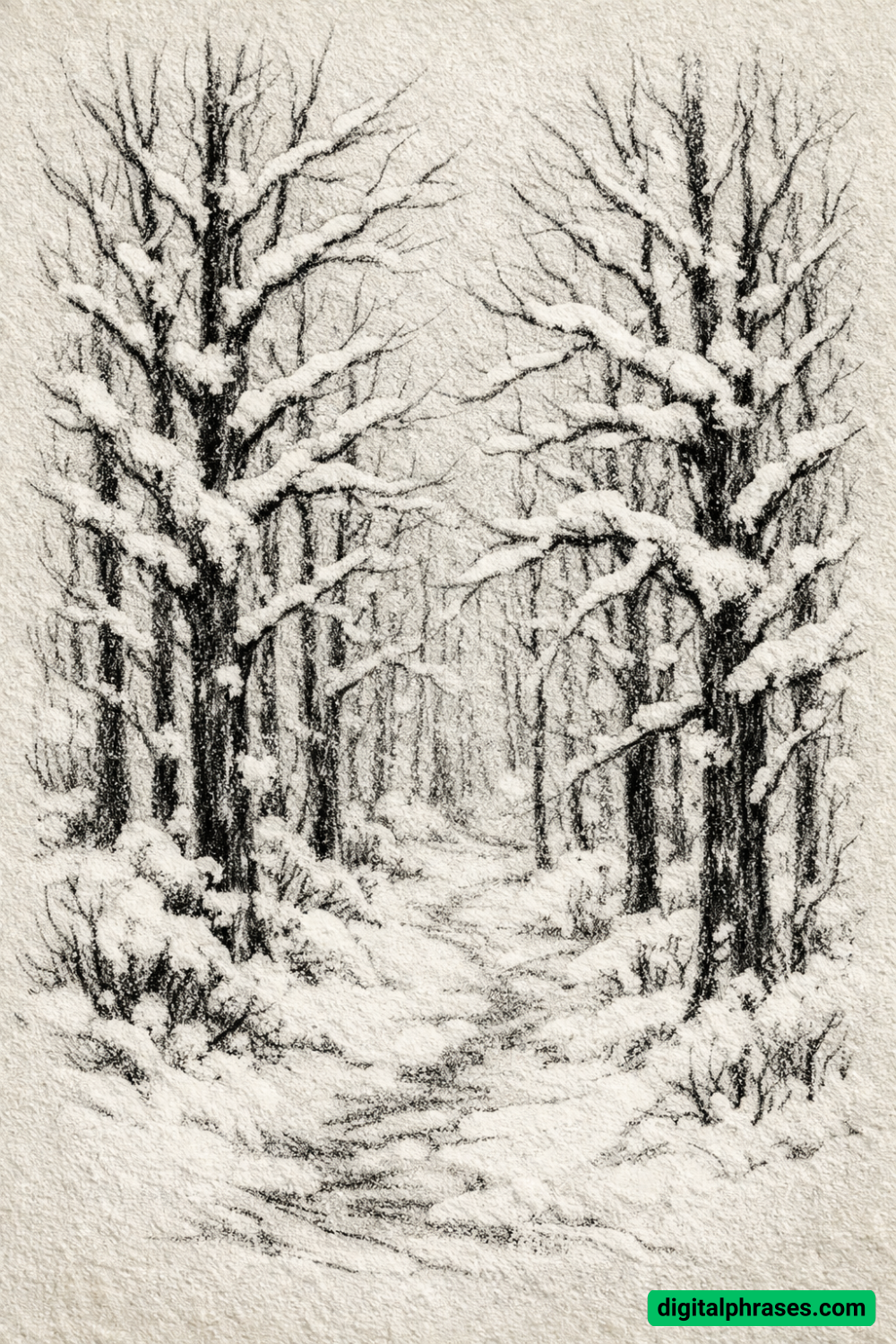
9
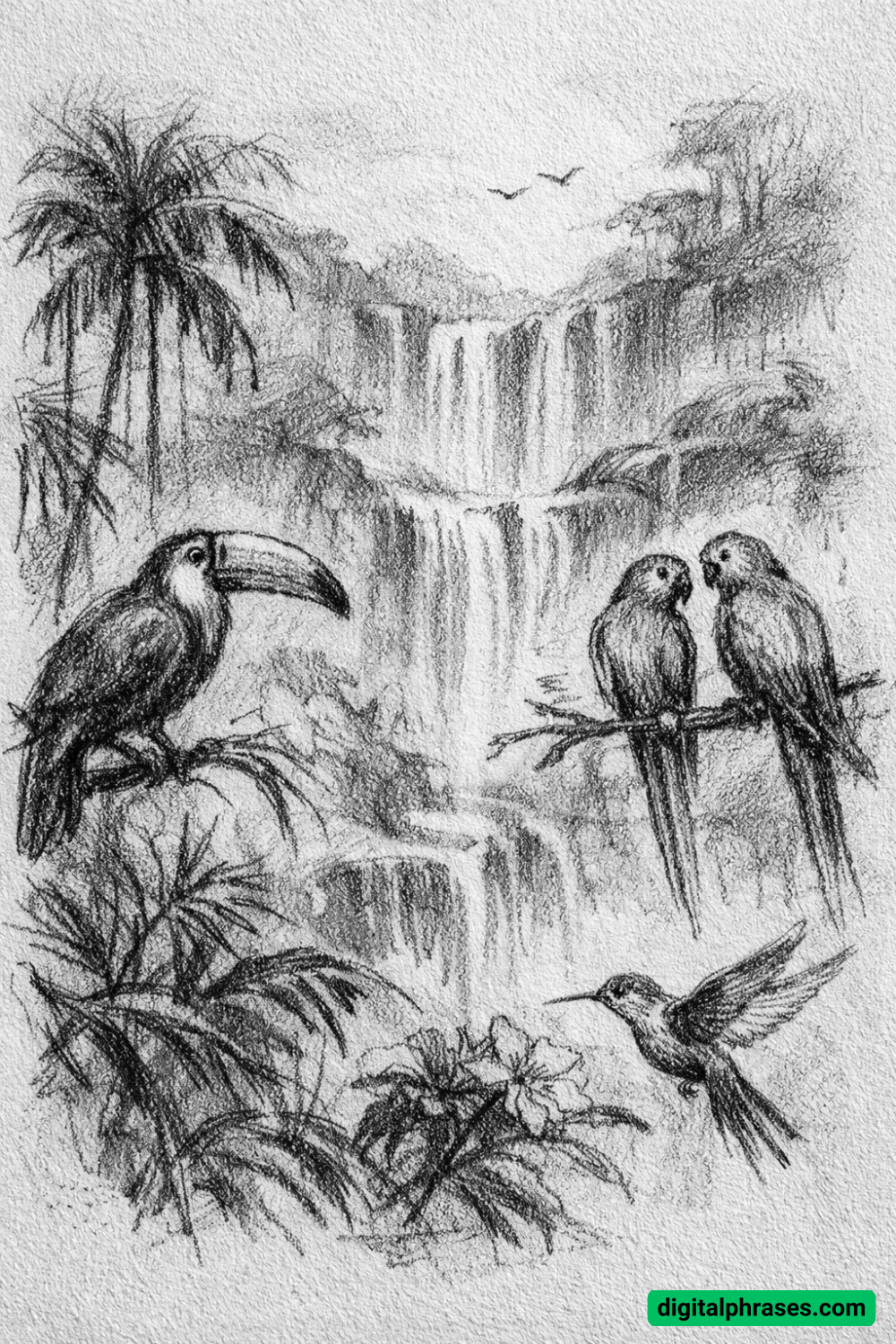
10
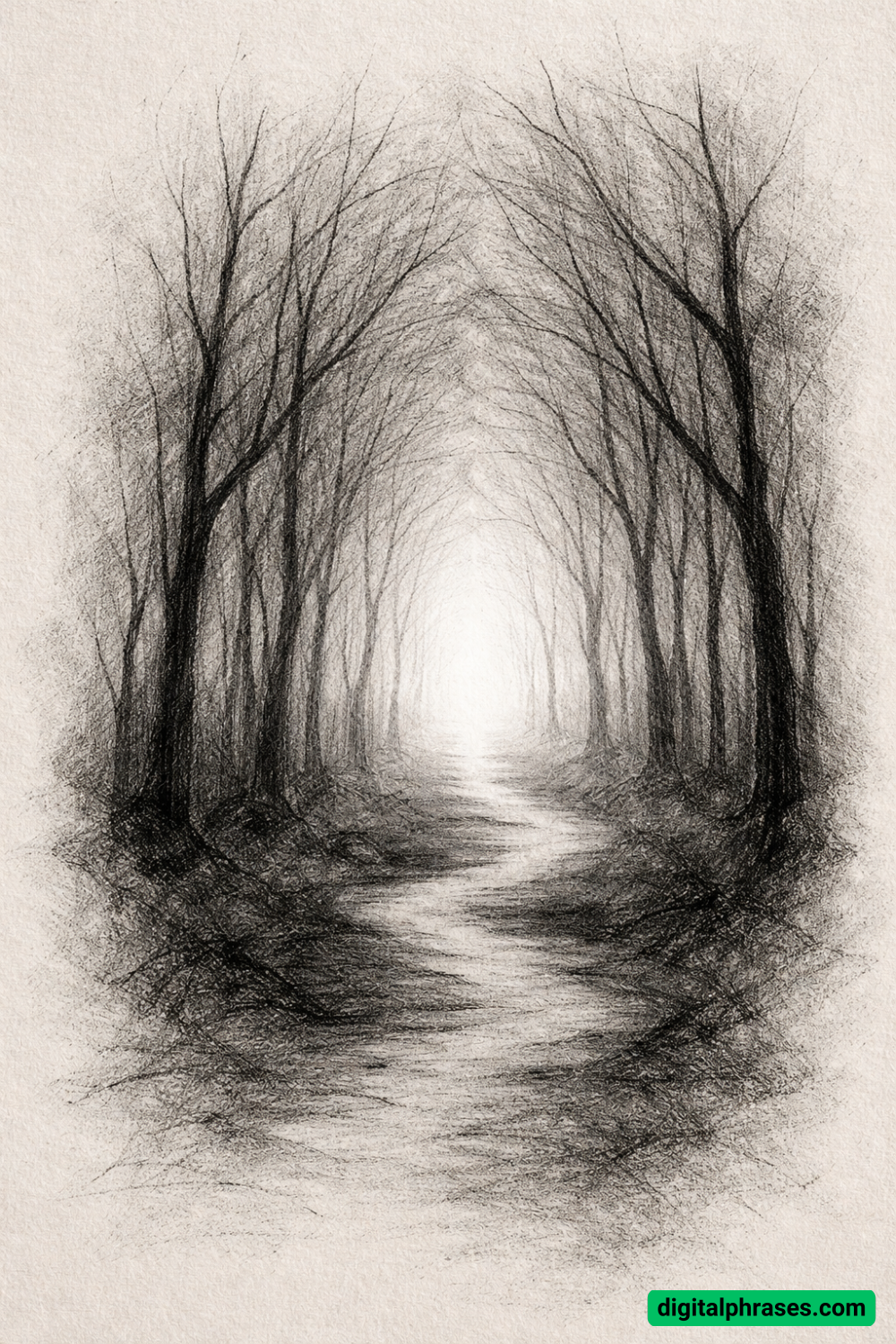
11
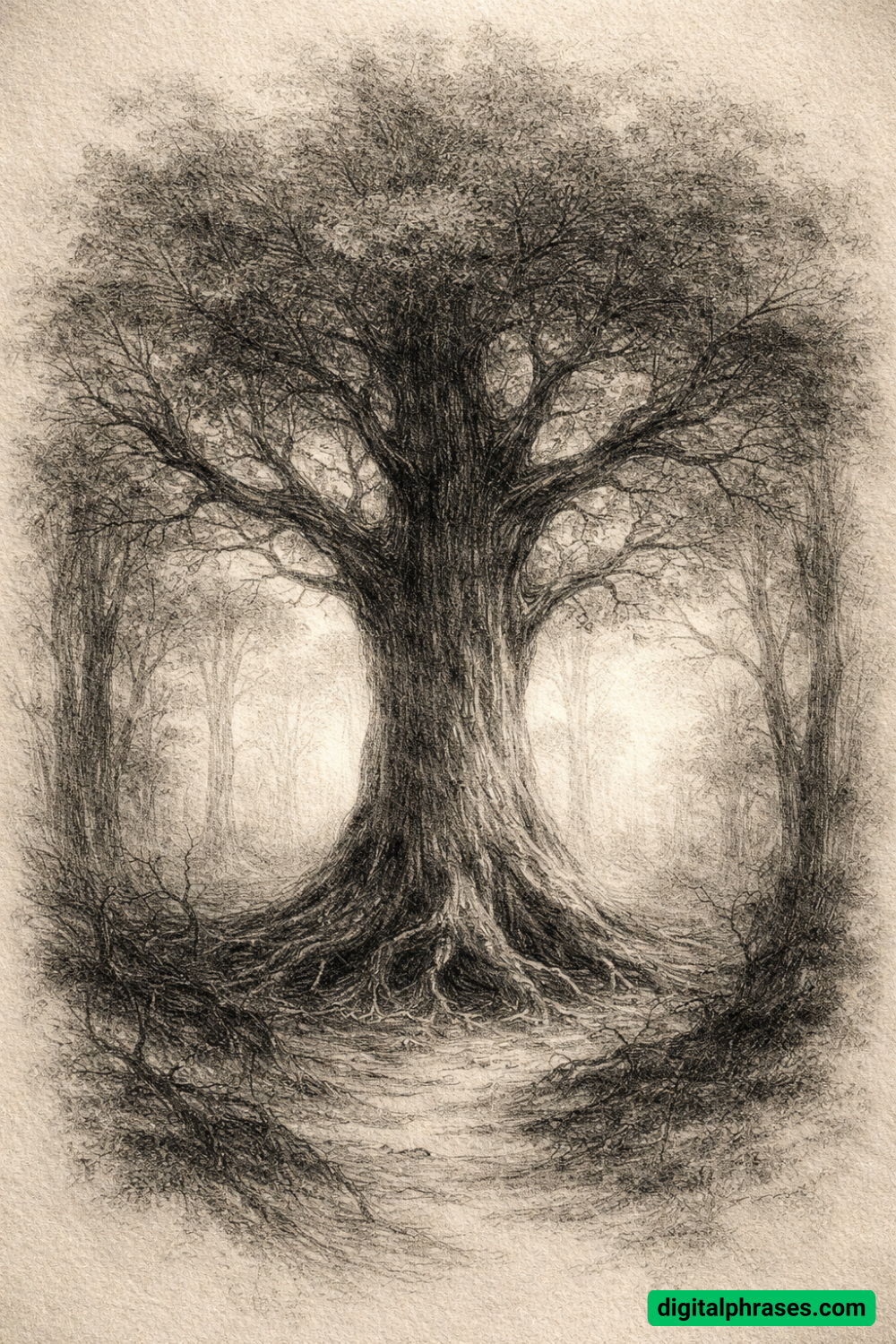
12
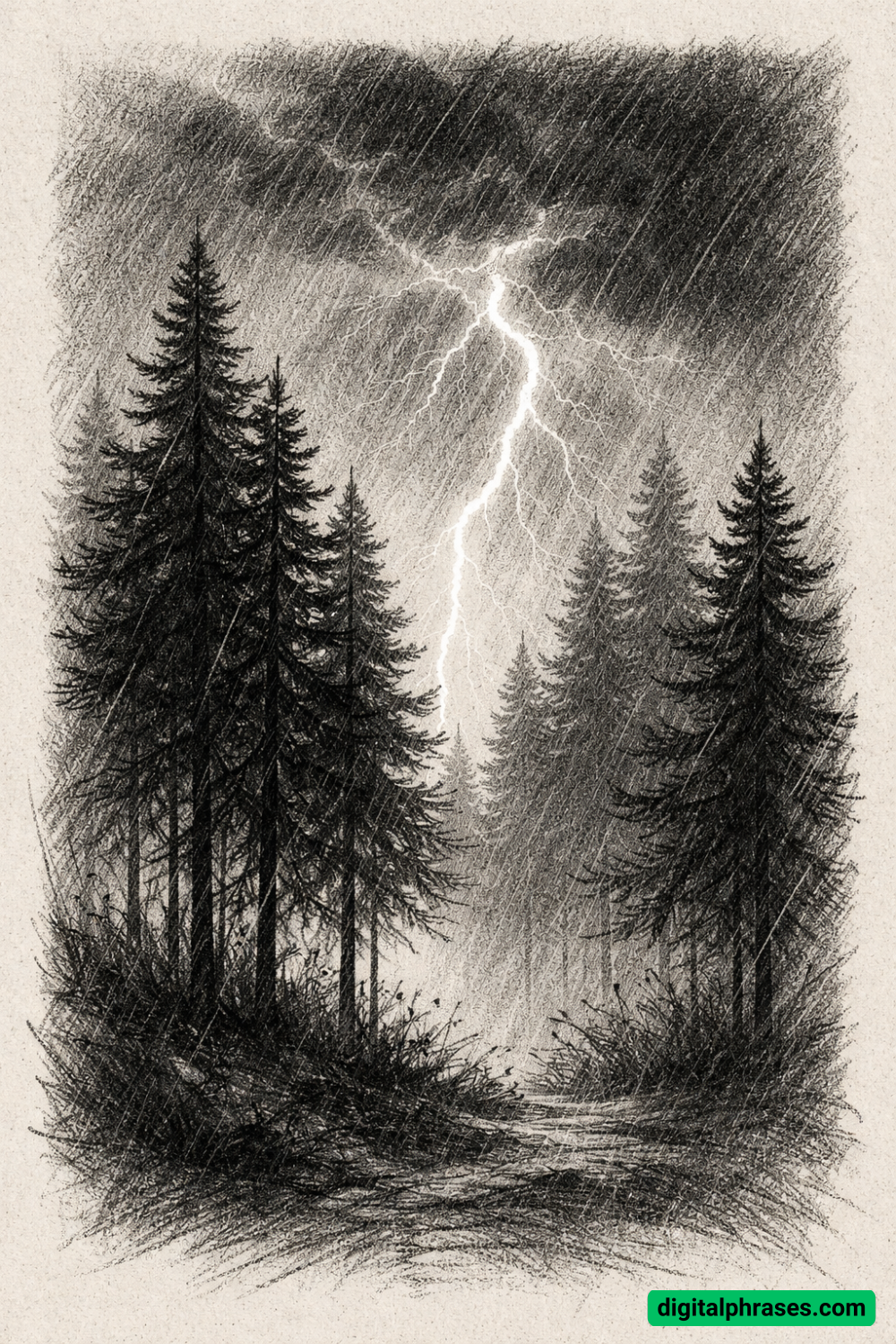
13
14

15
16

17

18
19

20
21
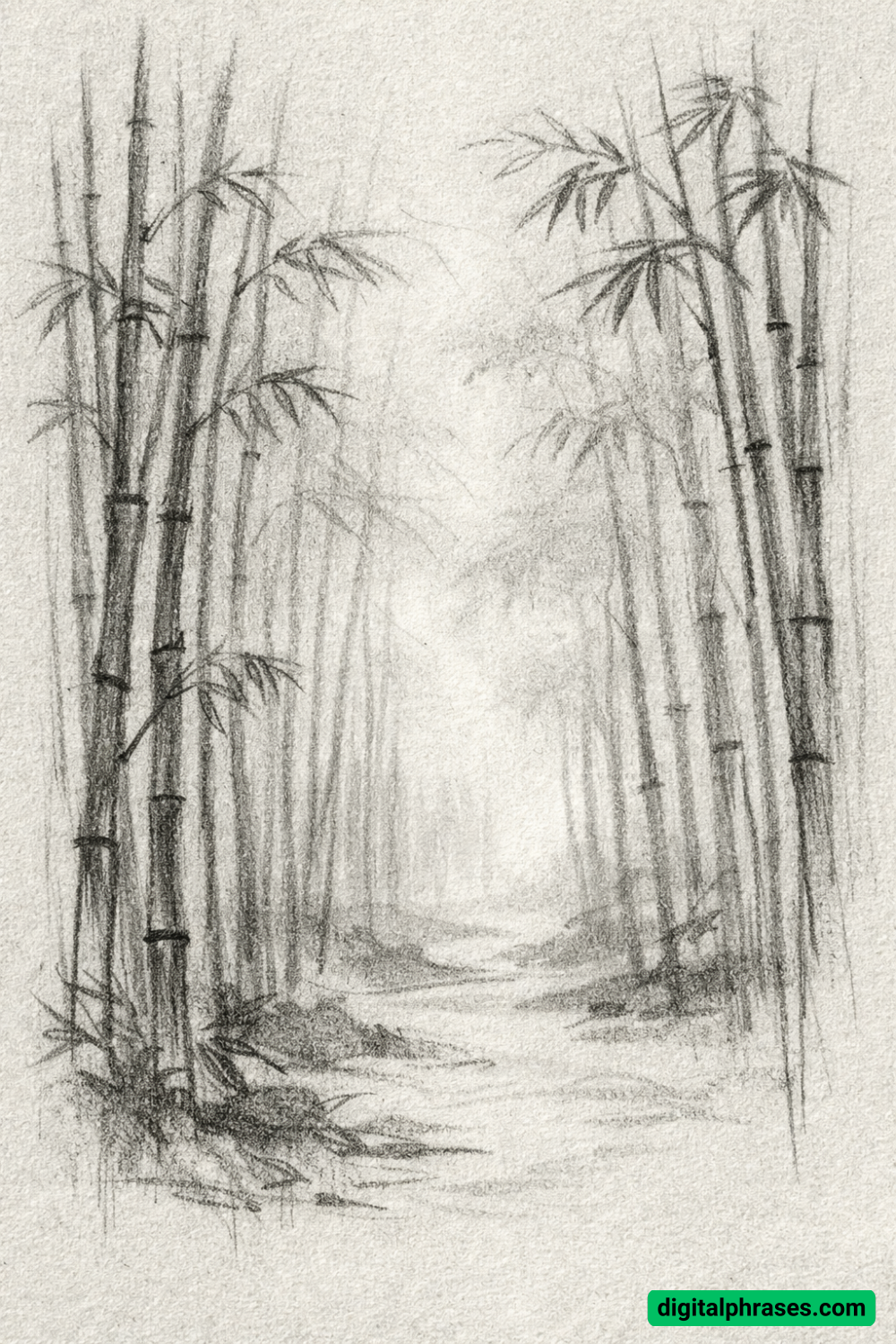
22
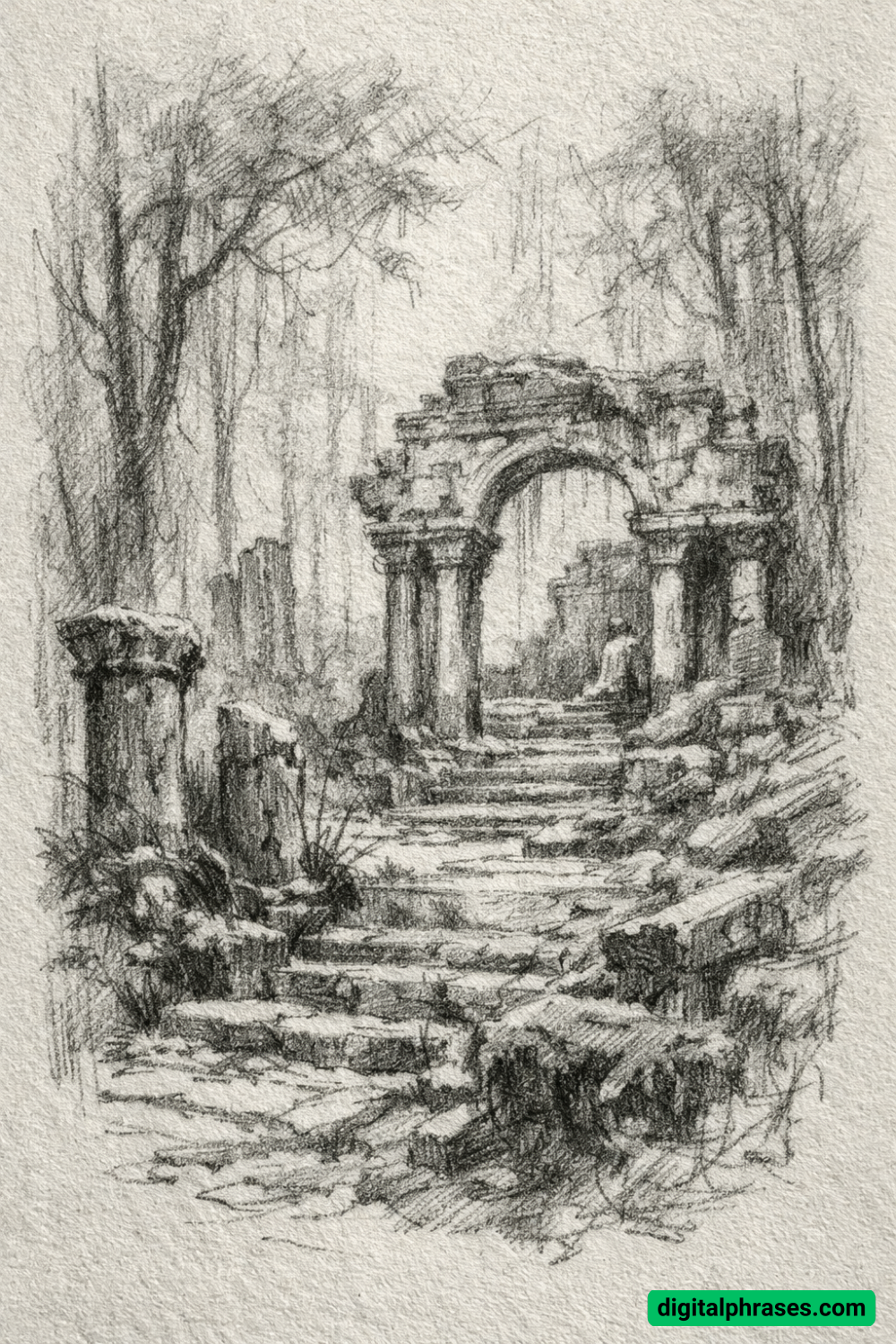
23
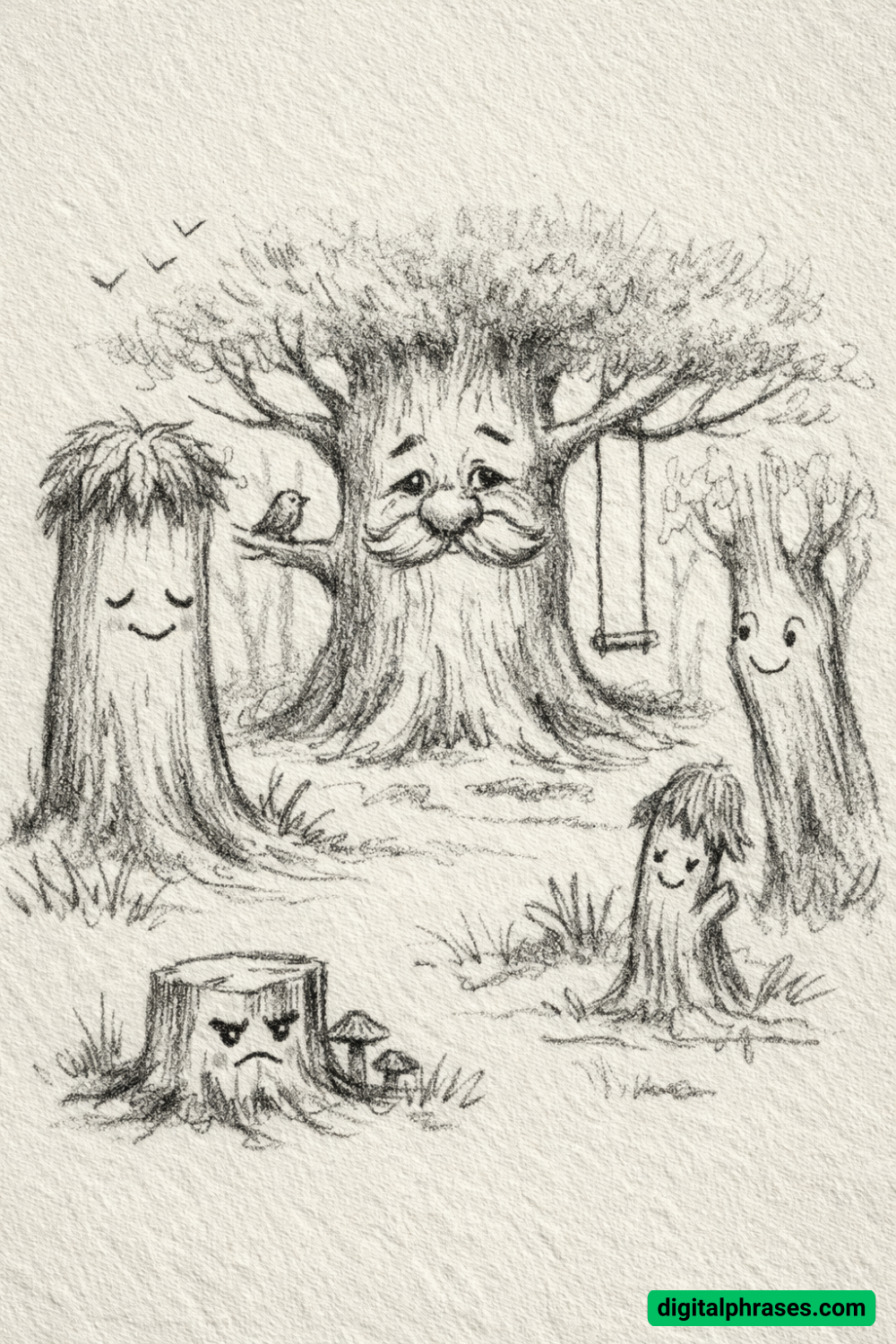
24

25
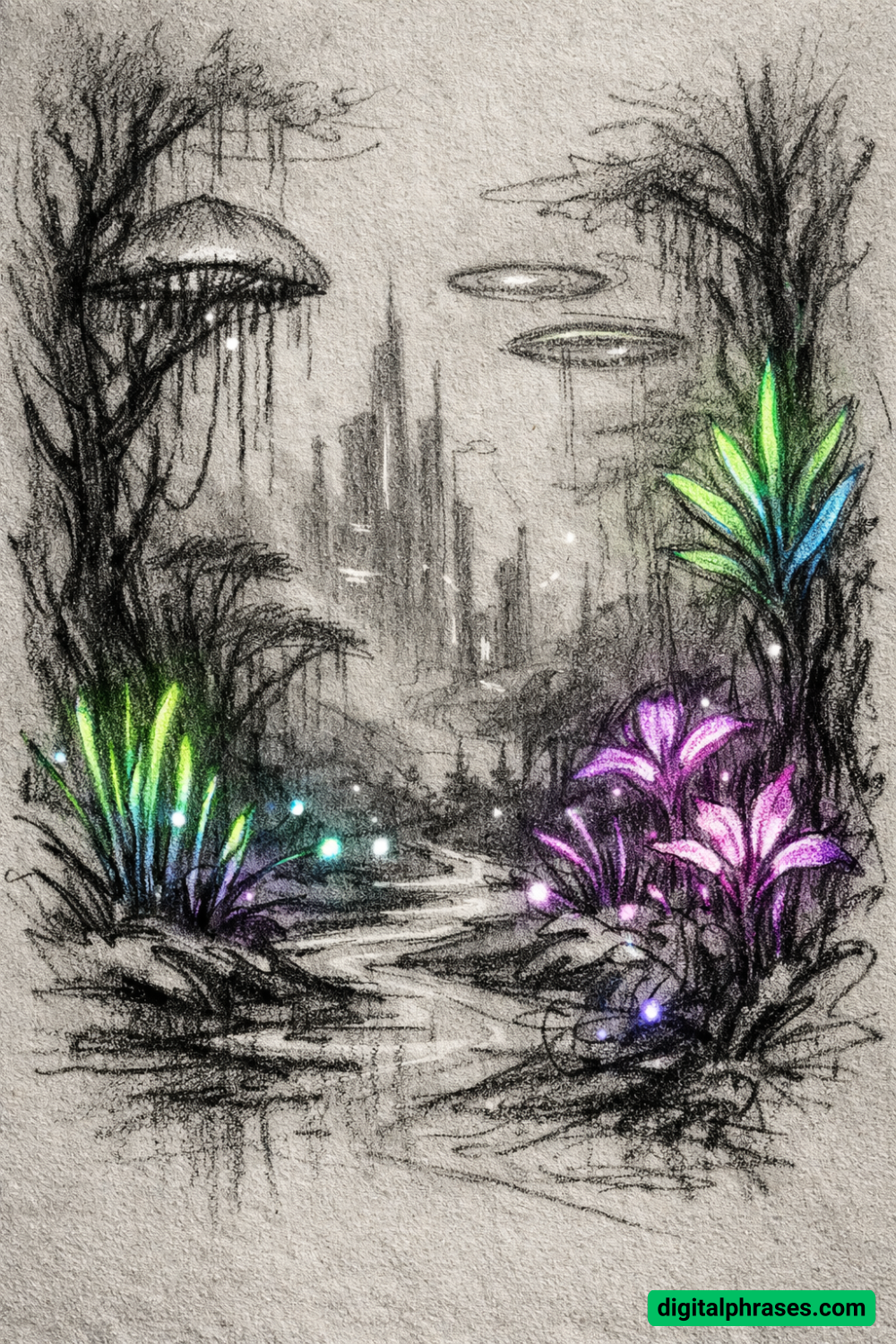
Forest Drawing Ideas
Start with Simple Shapes and Layers
When drawing a forest, it’s easy to get lost in details too quickly. Instead, begin by blocking out basic shapes—tall rectangles for tree trunks, loose ovals or triangles for foliage, and horizontal lines for the ground. Think of your forest in layers: foreground, middle ground, and background.
This approach helps create depth and keeps your drawing organized. Once the main structure is in place, you can gradually refine each section. Starting simple not only makes the process less overwhelming but also gives you a clearer sense of composition before committing to details.
Focus on Depth and Perspective
A forest feels real when it has depth. To achieve this, make objects in the foreground larger, darker, and more detailed, while keeping background elements lighter and less defined. You can also overlap trees and vary their spacing to avoid a flat look.
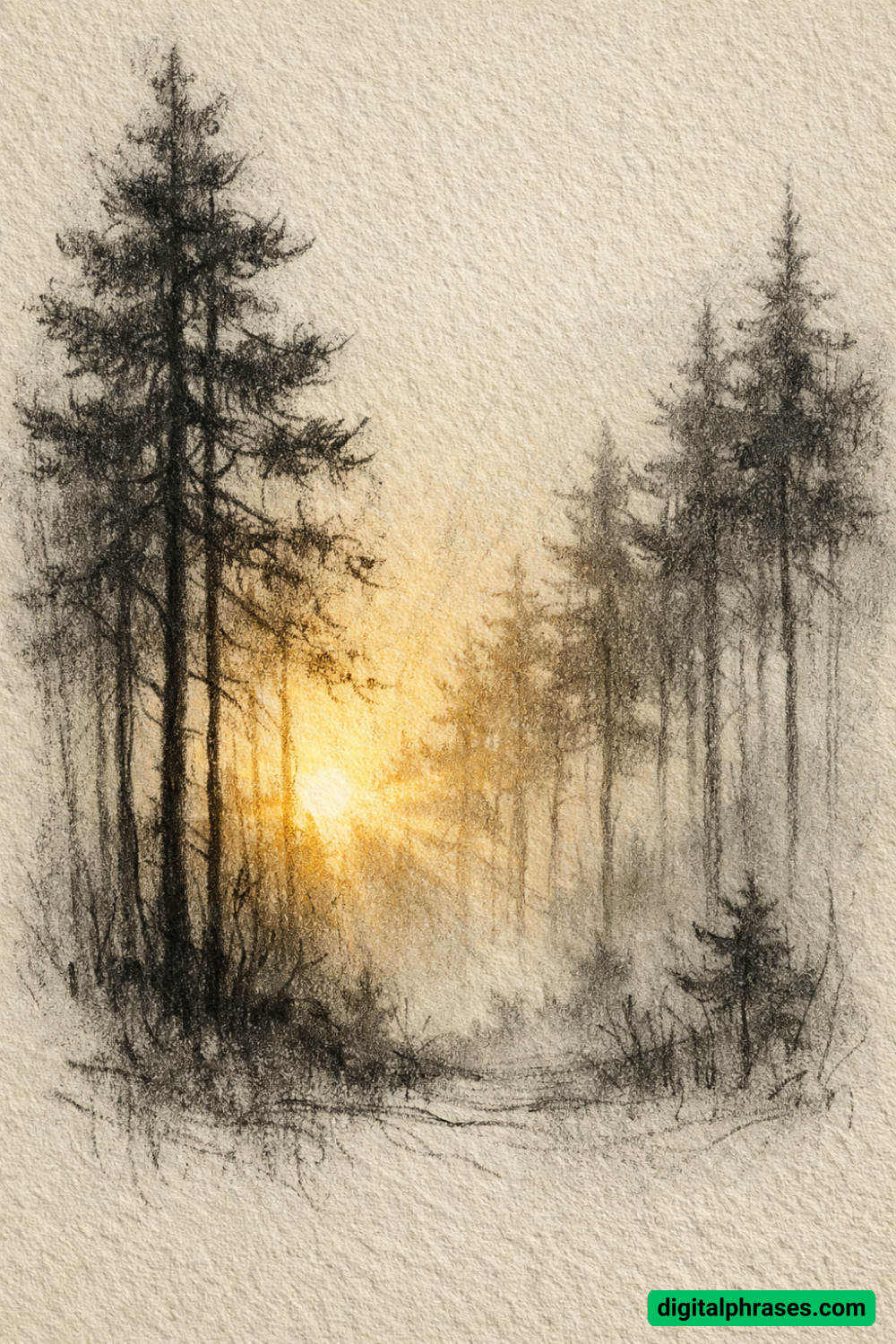
Atmospheric perspective—where distant objects appear hazier or slightly faded—can add realism. Even a few subtle changes in size and shading can make a big difference in how immersive your forest scene feels.
Vary Your Trees and Textures
Not all trees look the same, and your drawing shouldn’t either. Mix different trunk widths, branch shapes, and leaf patterns to create a more natural and interesting scene.
Some trees can be tall and straight, while others can lean or have twisted branches. You can also experiment with textures—rough bark, soft leaves, or dense clusters of foliage. Adding variety keeps your forest from looking repetitive and helps capture the randomness found in nature.
Use Light and Shadows to Create Mood
Lighting can completely change the feel of your forest drawing. Decide where your light source is coming from and use it consistently throughout your piece.
Add shadows under trees, along one side of trunks, and beneath foliage to give volume and dimension. You can also use light to guide the viewer’s eye—for example, a sunlit path cutting through darker trees. Playing with contrast can help you create anything from a calm, peaceful forest to a mysterious or dramatic scene.
Don’t Overwork Every Detail
It might be tempting to draw every leaf and branch, but that can make your artwork look cluttered and take away from the overall impact. Instead, focus on key areas—like the foreground or a main subject—and keep other parts more loose and suggestive.
Our eyes naturally fill in missing details, so you don’t need to spell everything out. Leaving some areas less defined can actually make your drawing feel more natural and balanced, while also saving you time and effort.