Candle Drawing Ideas
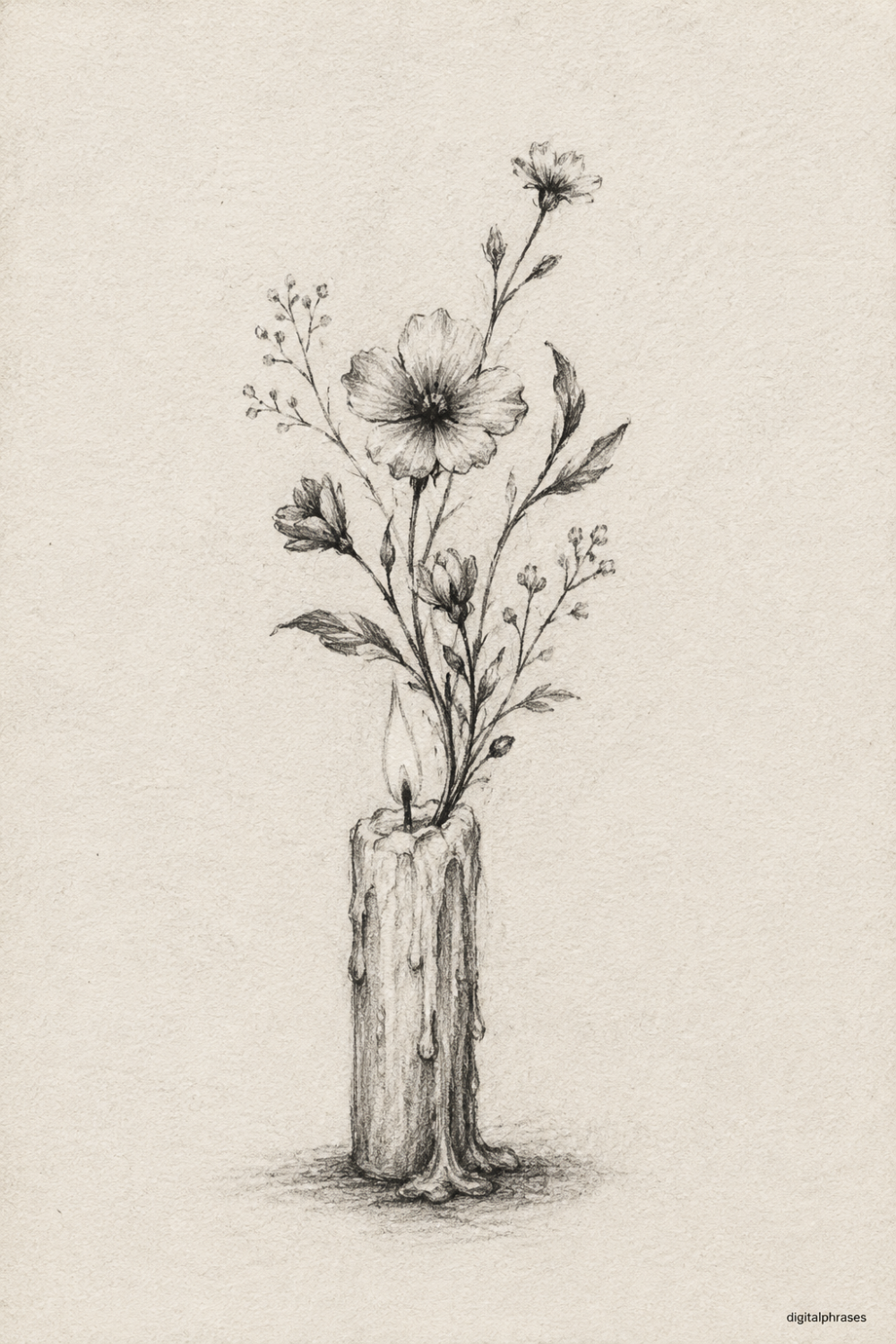
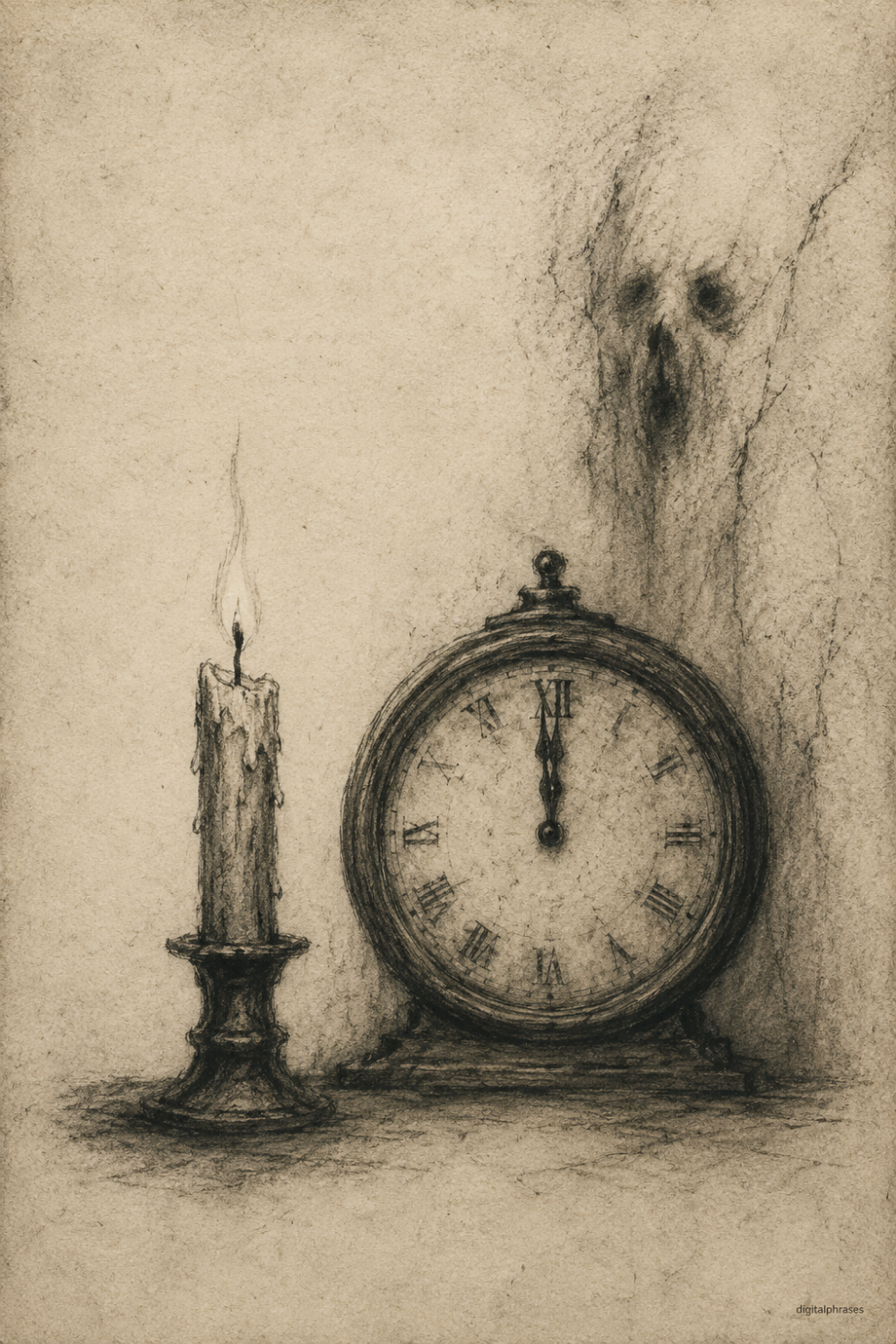
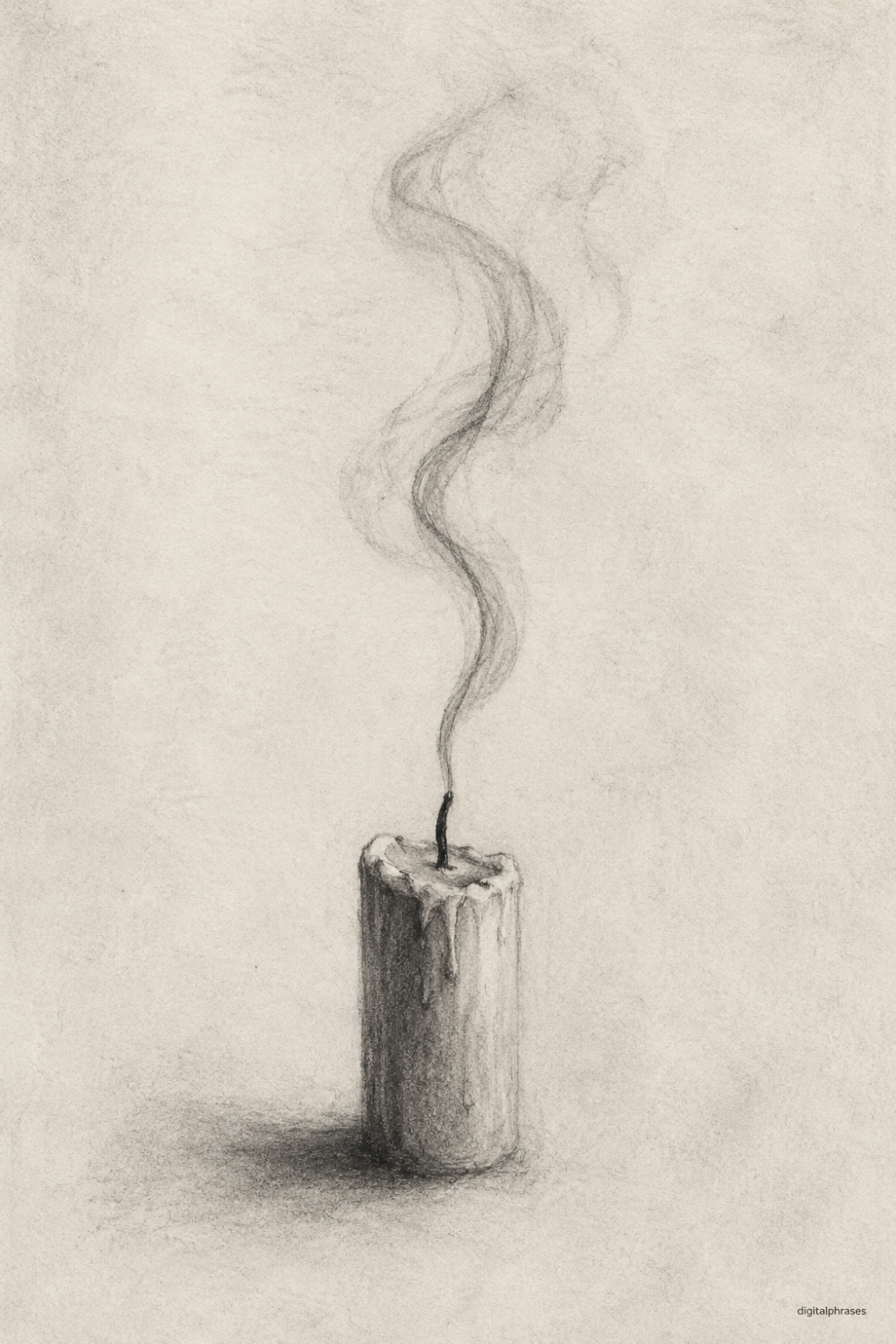
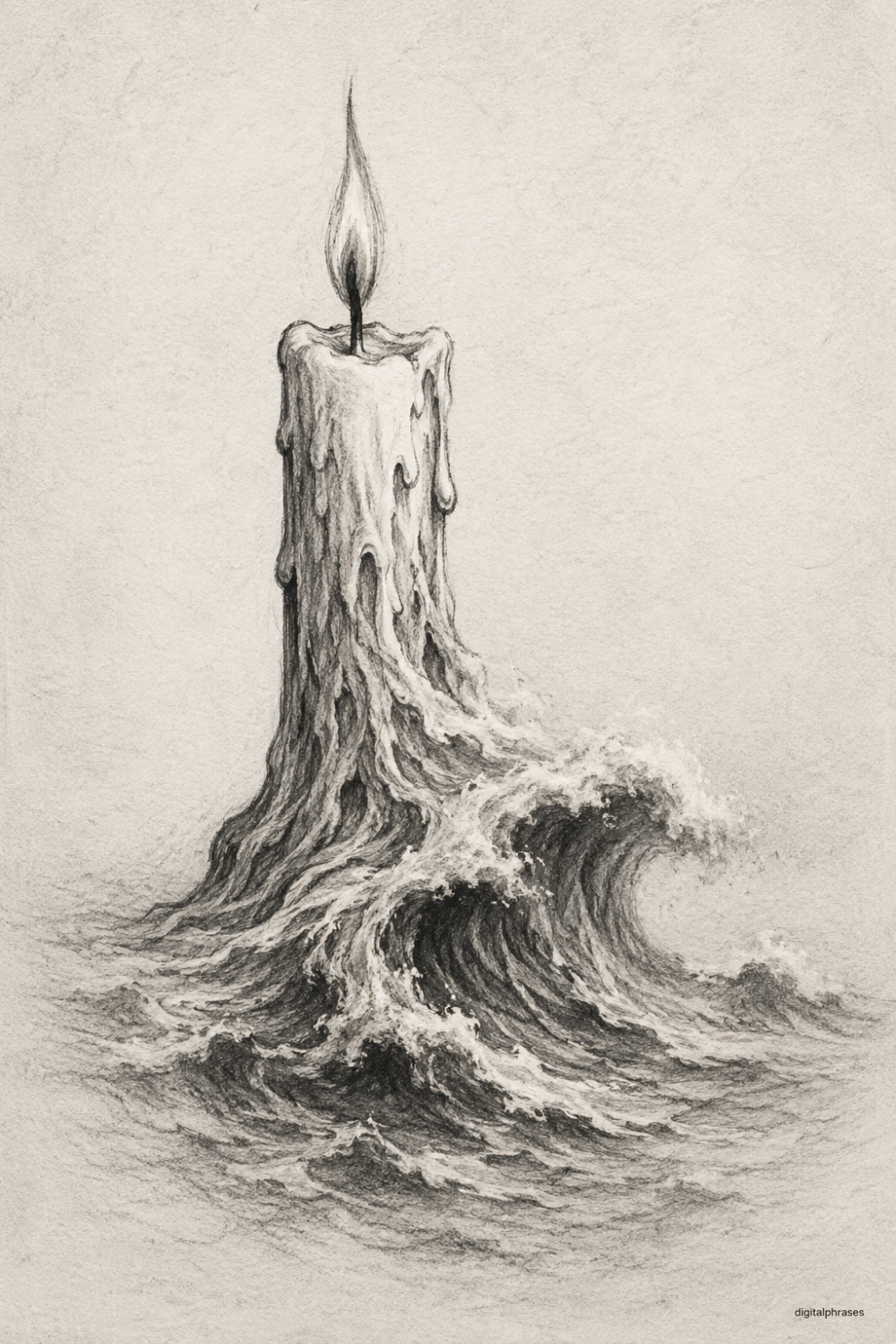
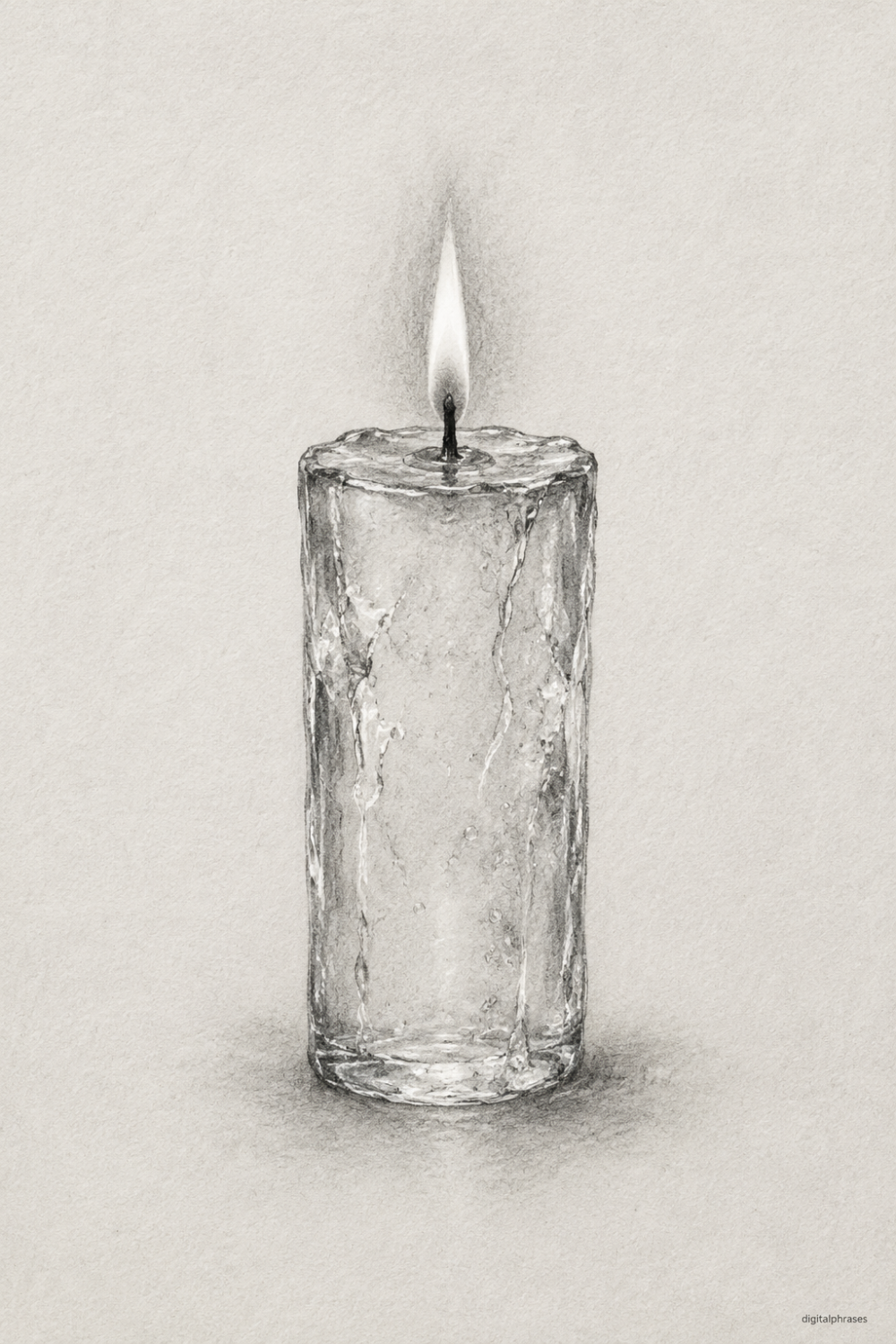
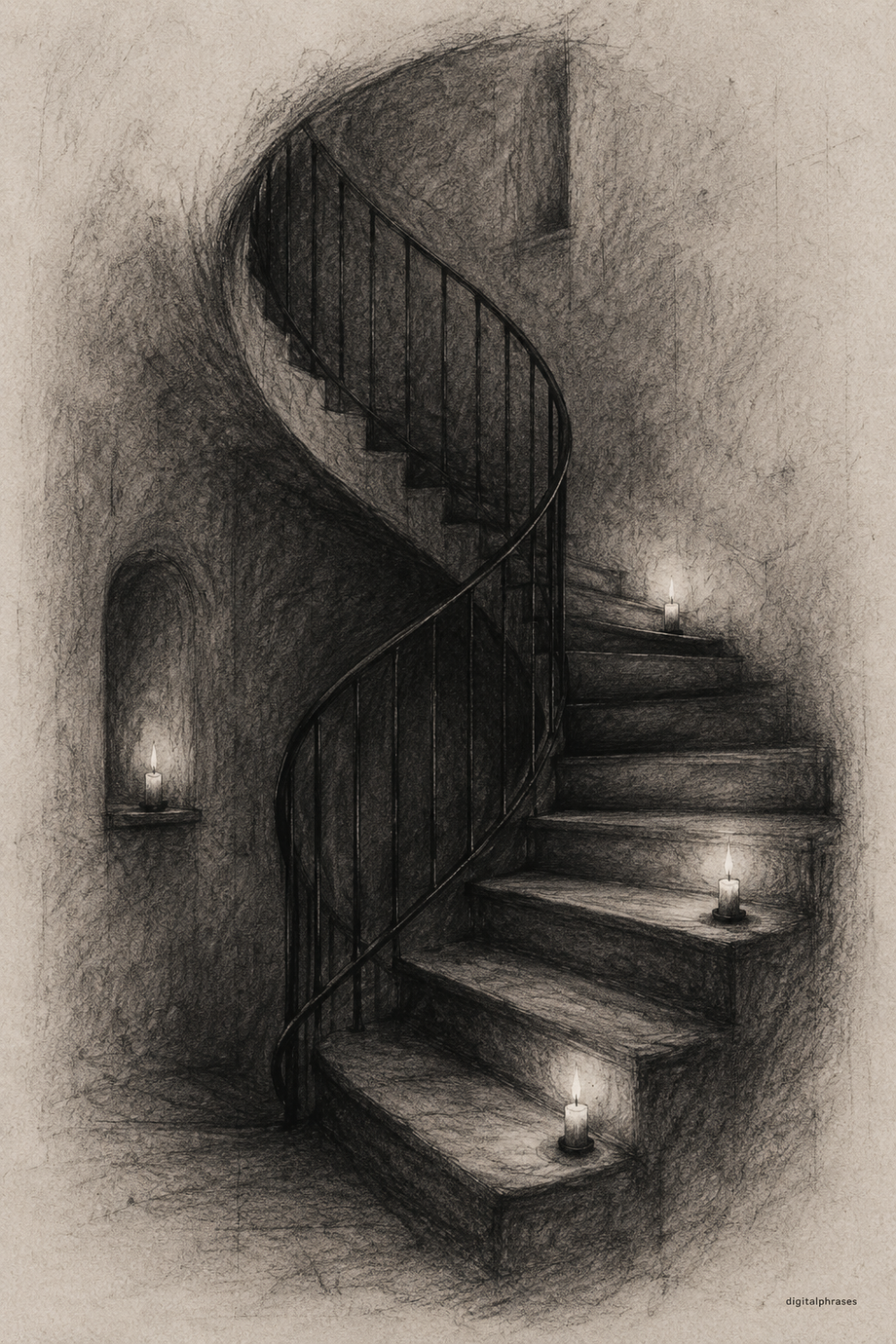
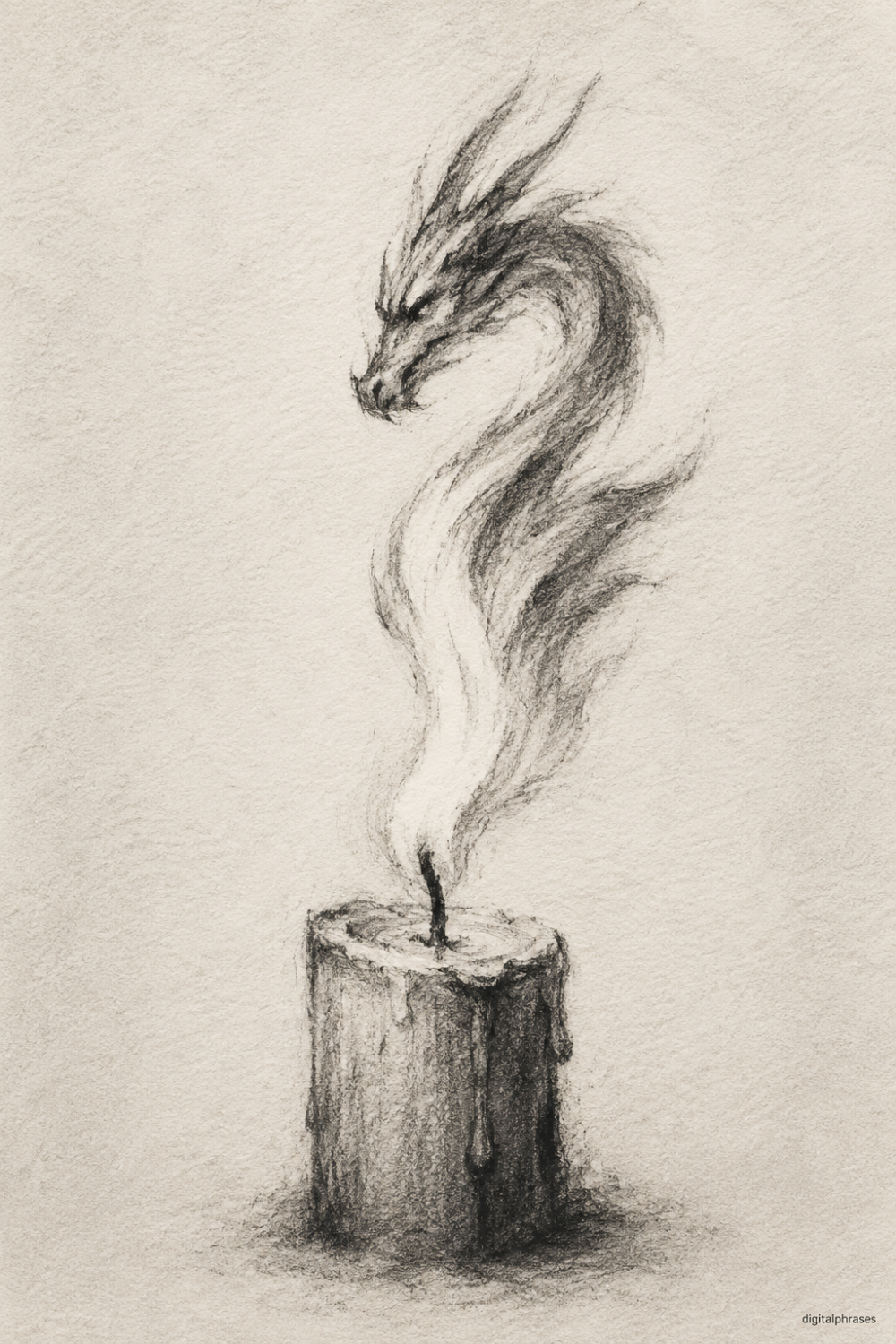
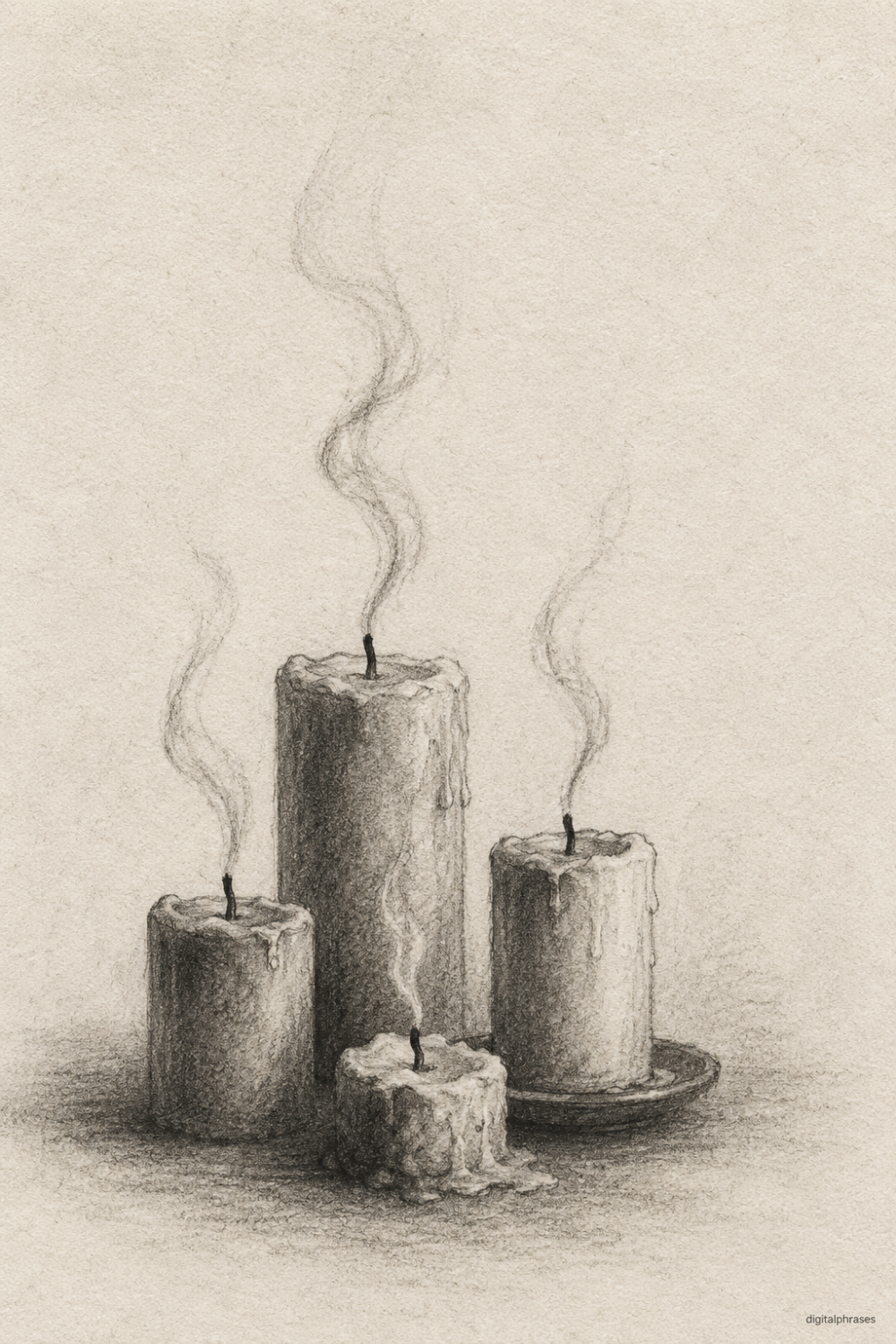
Candles have a quiet kind of beauty. Whether they’re glowing in a dark room, melting into soft shapes, or decorated with flowers and jars, they make wonderful drawing subjects for beginners and experienced artists alike.
In this list of candle drawing ideas, you’ll find simple sketches, cozy scenes, and creative styles to inspire your next artwork.
Check them out now.
Candle Drawing Ideas
1
2
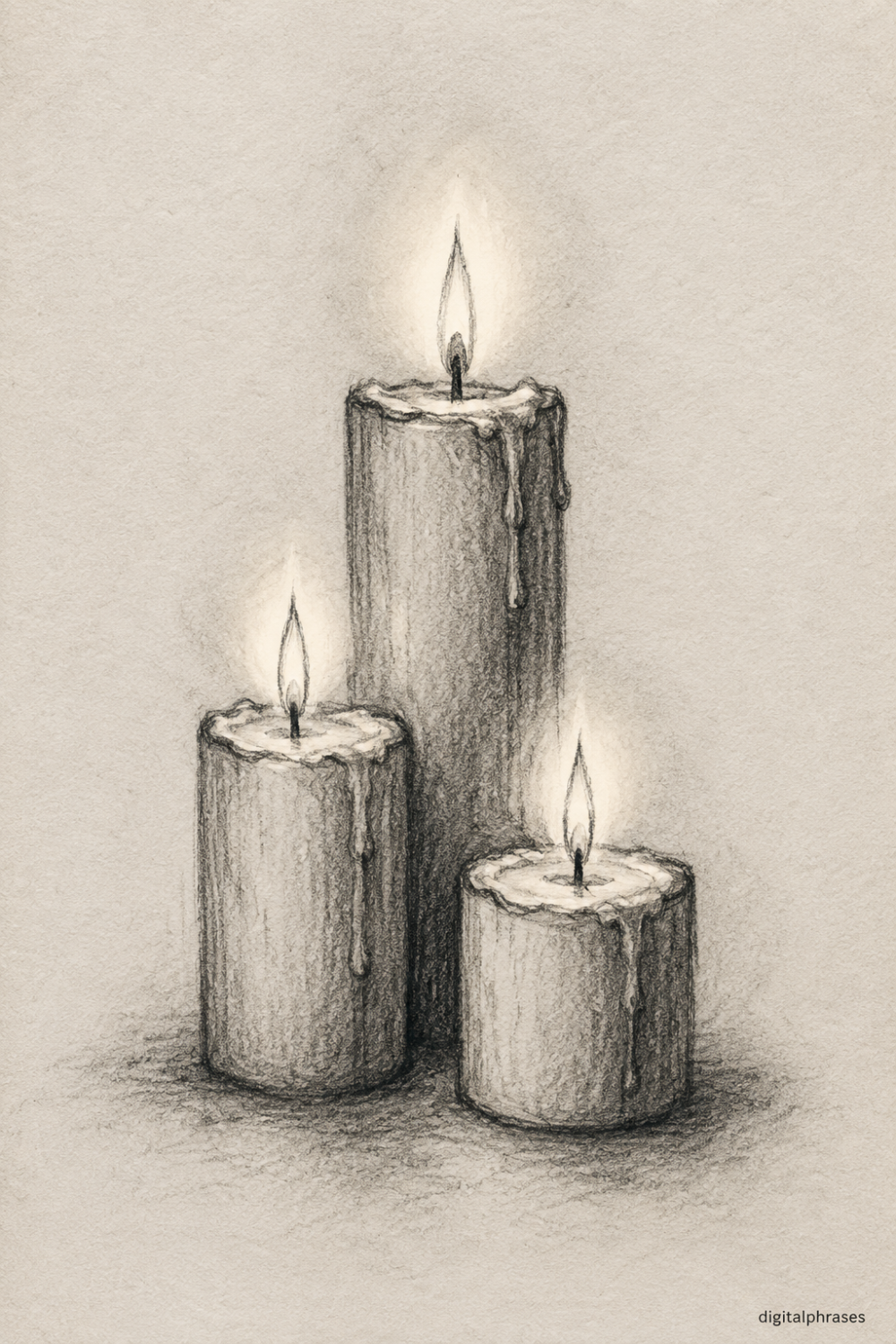
3
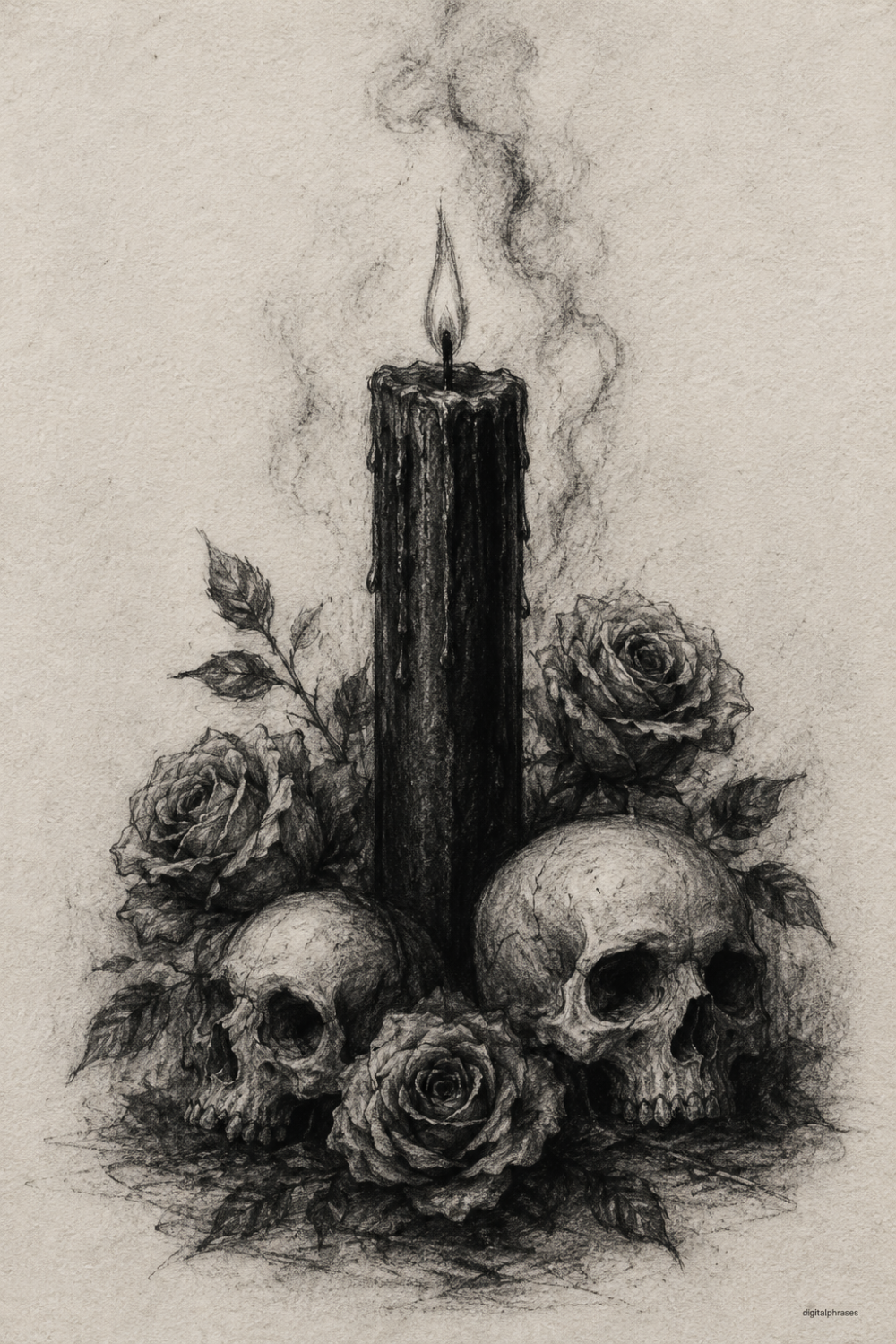
4
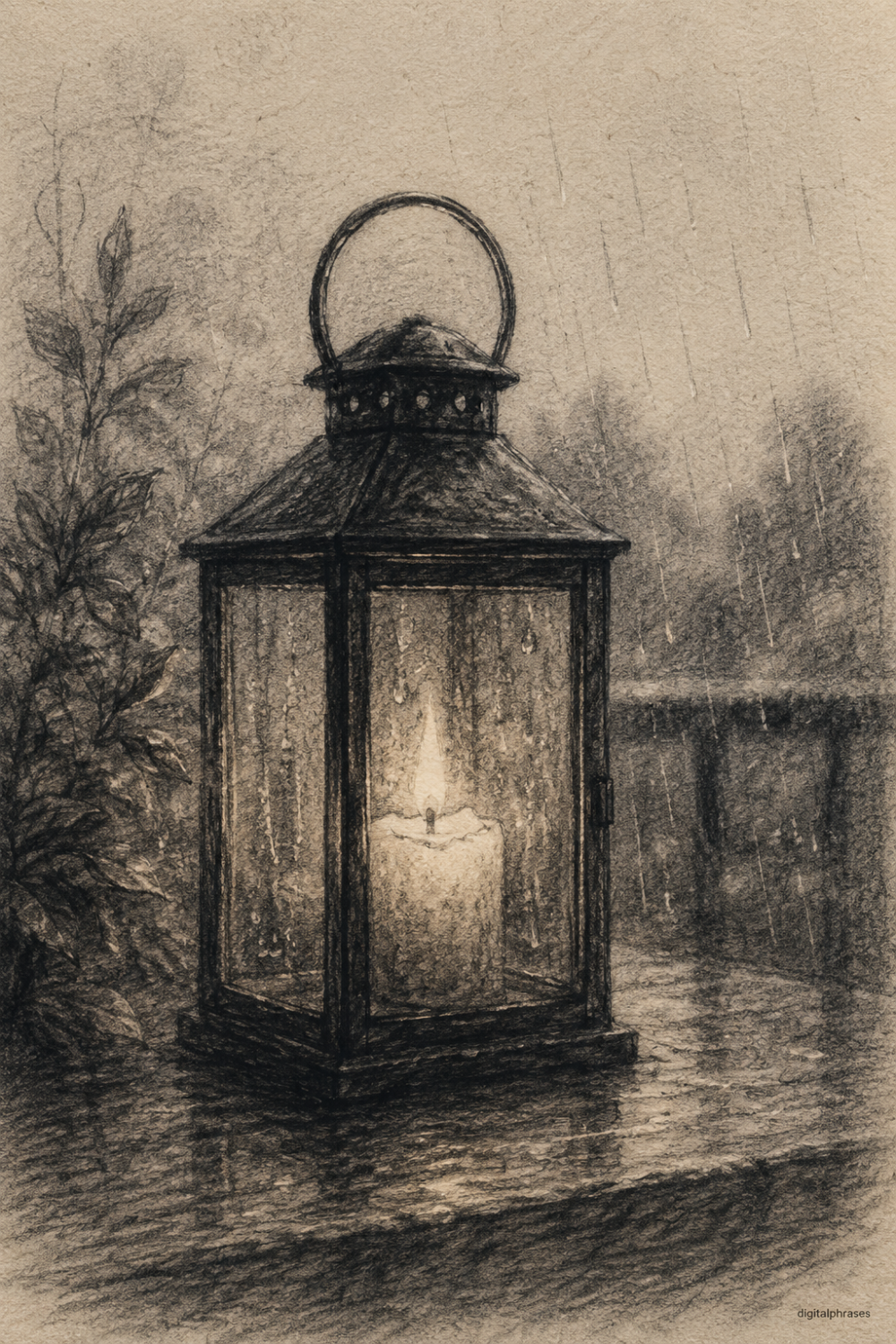
5
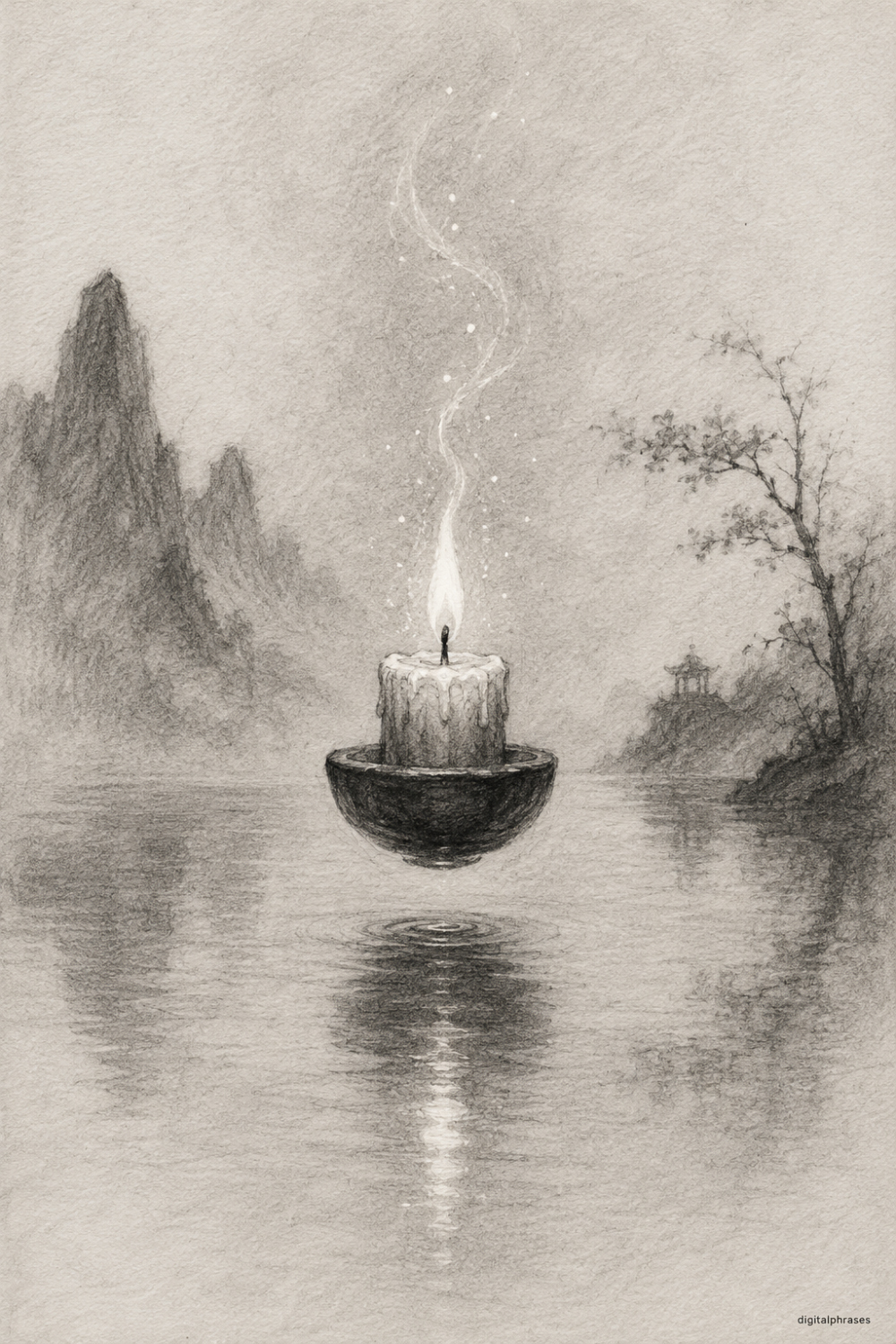
6
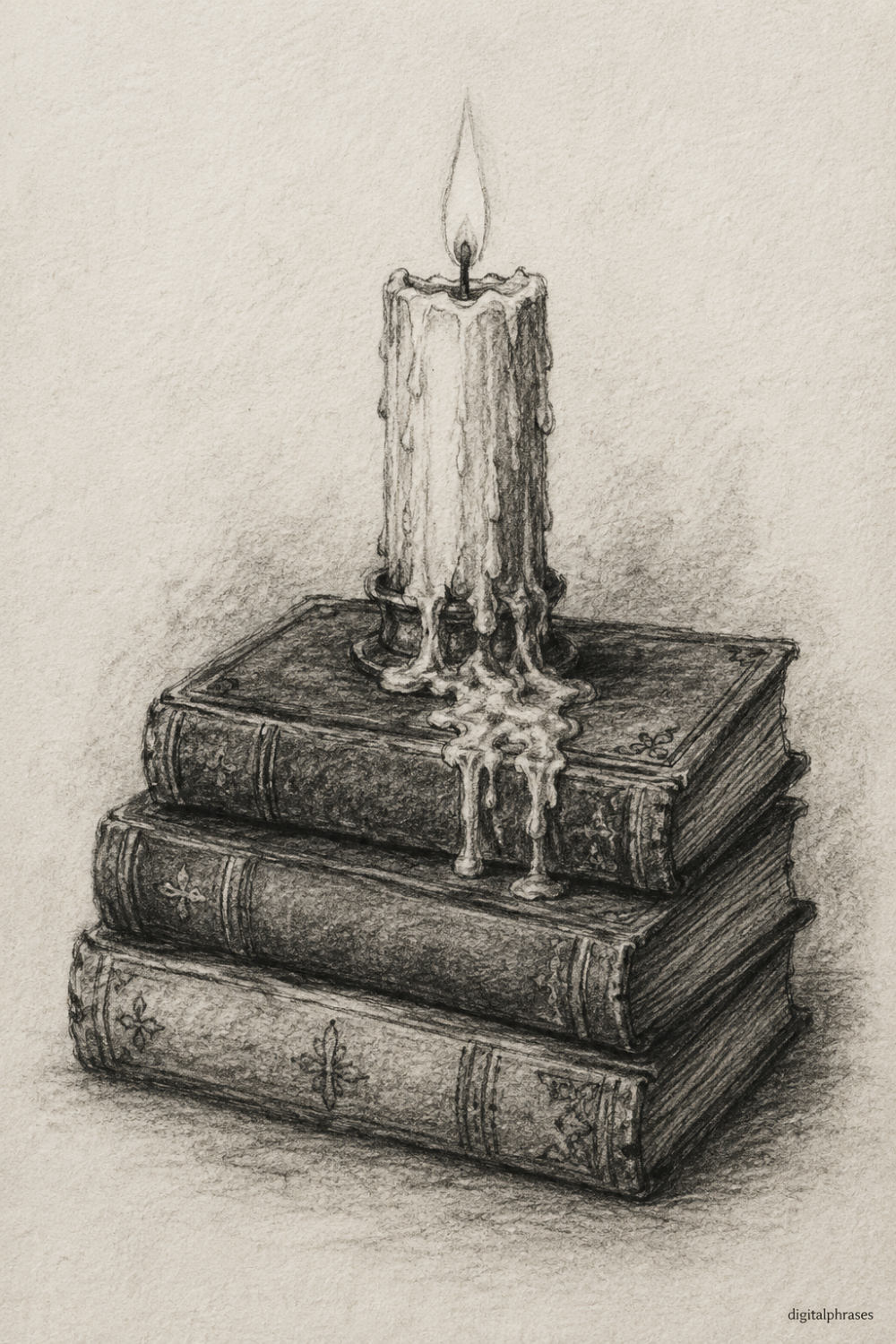
7
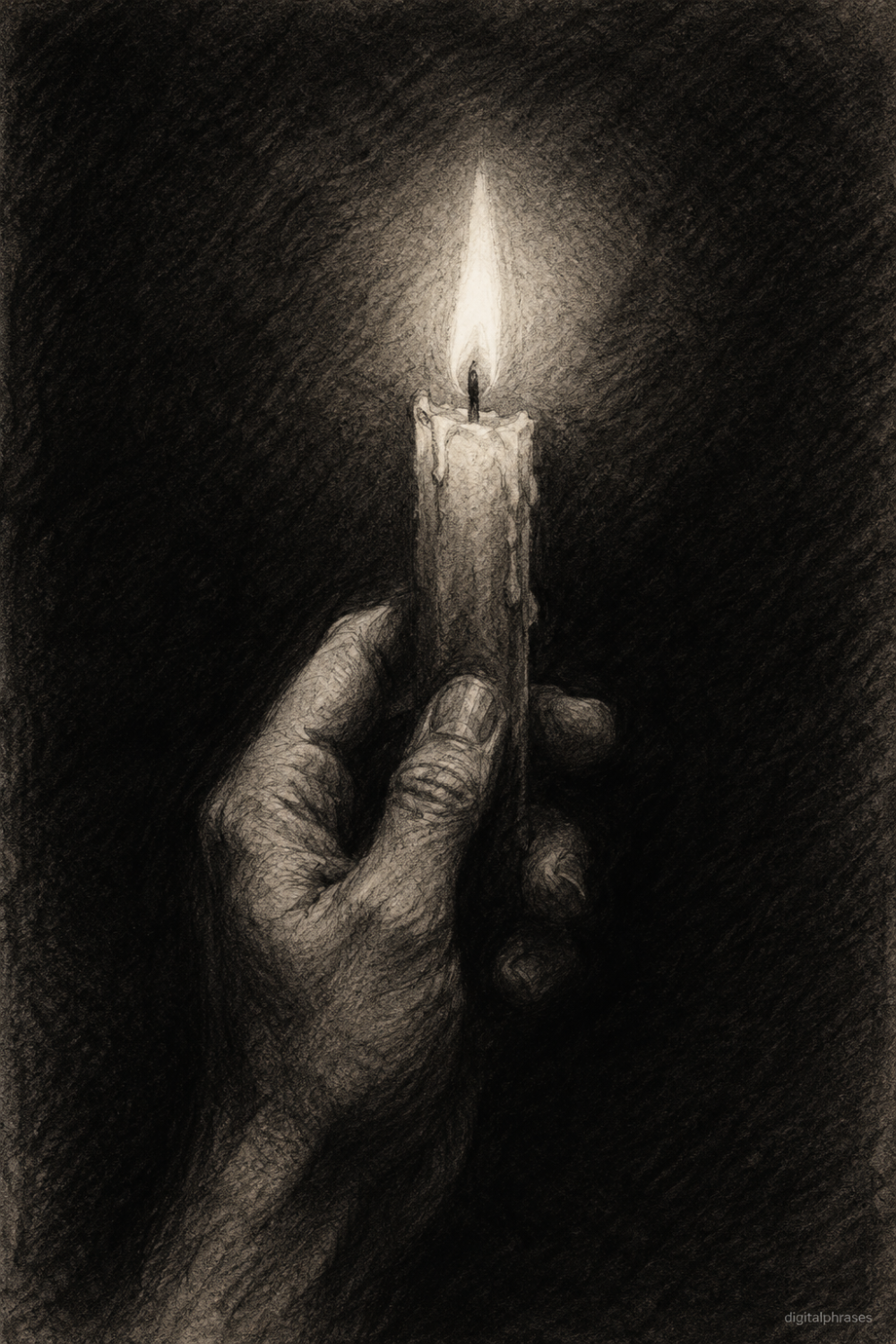
8
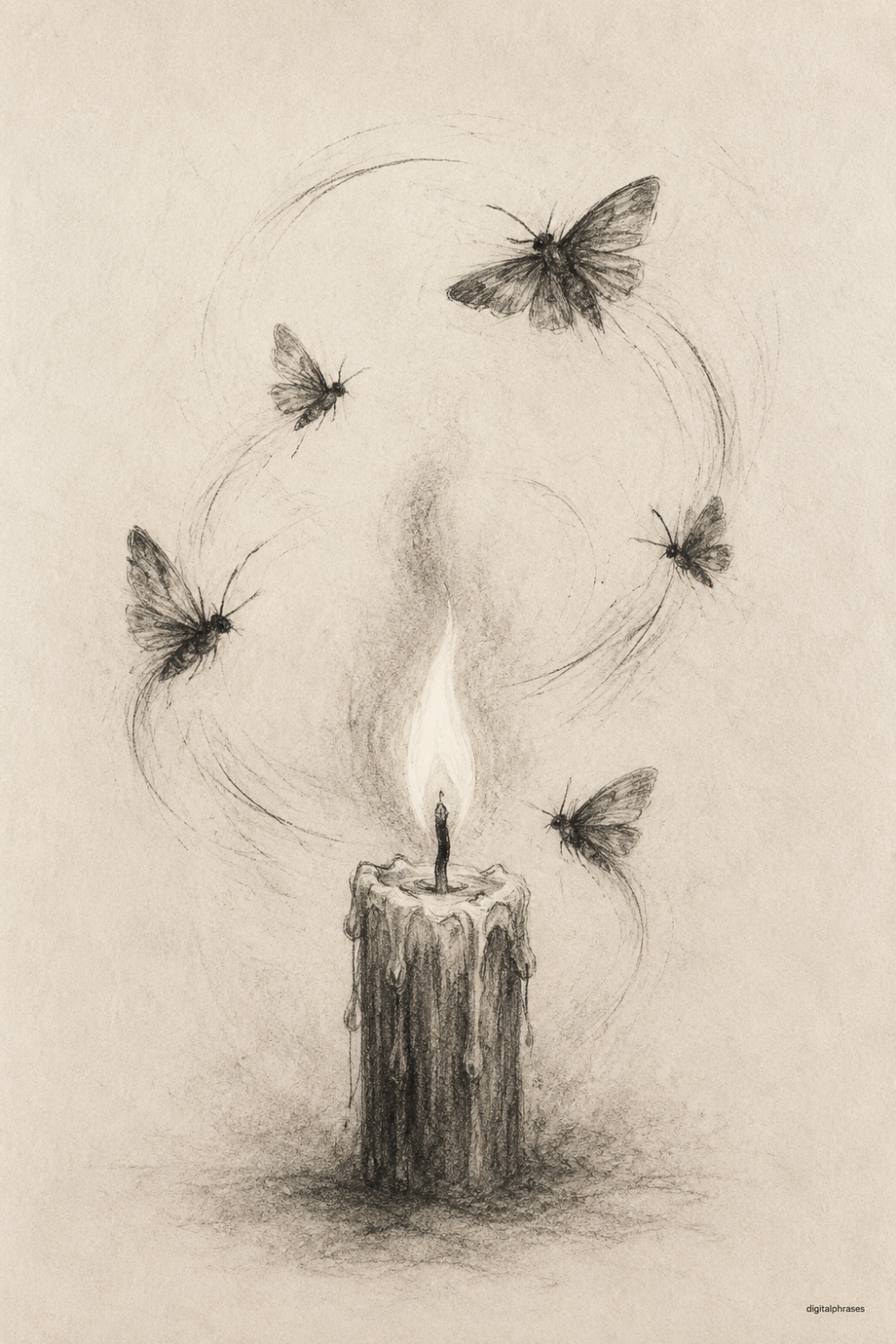
9
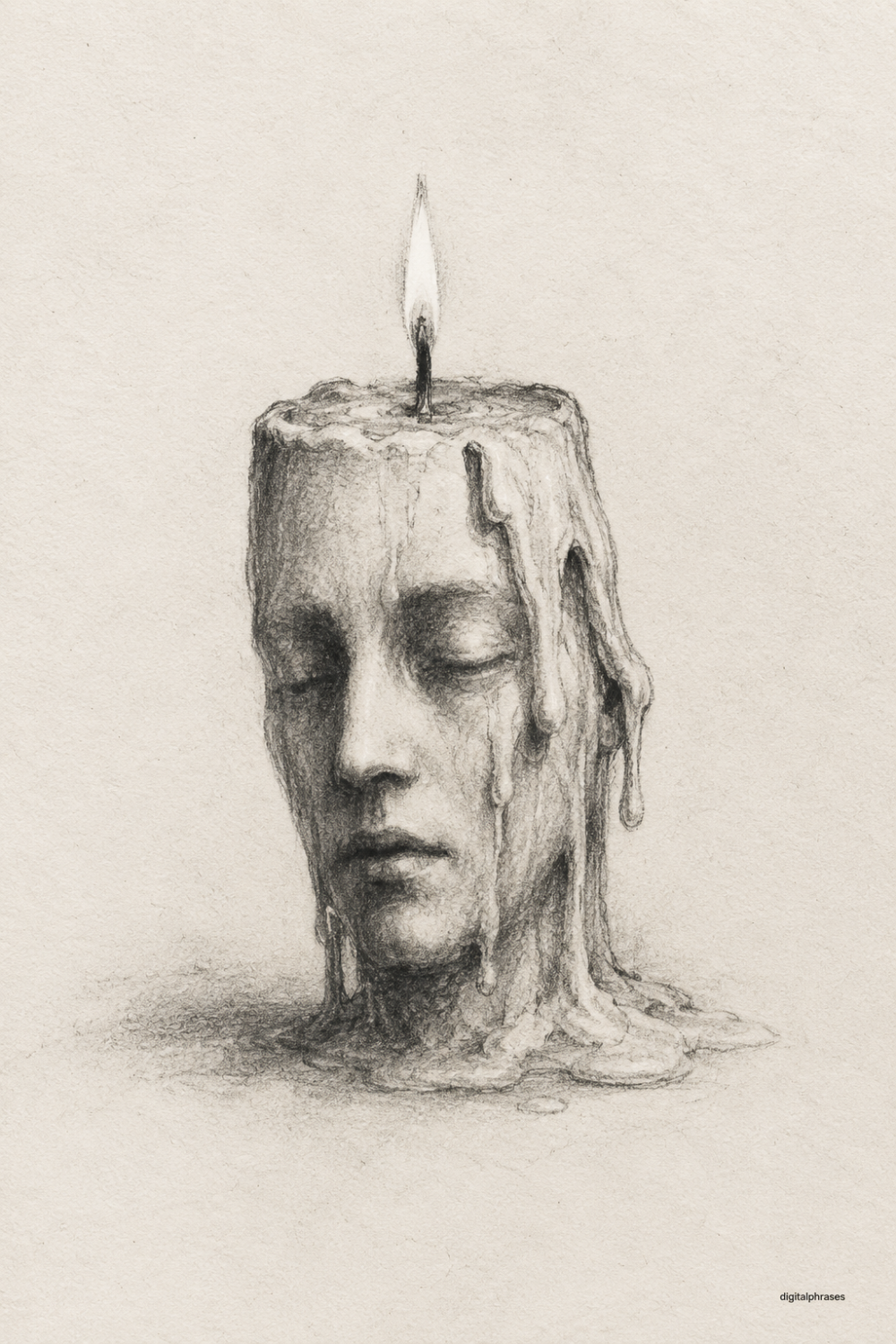
10
11
12
13
14
15
16
17
18
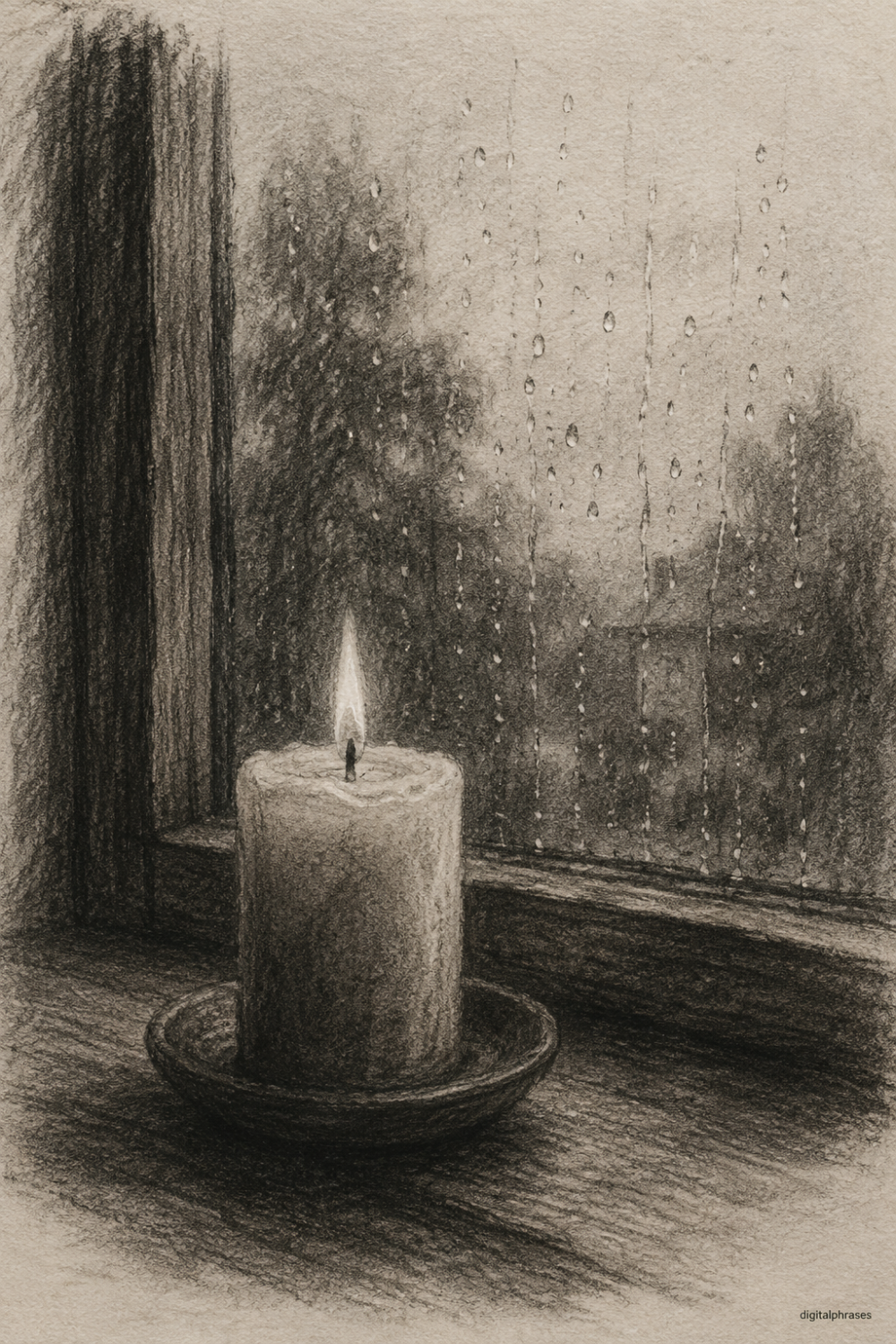
19
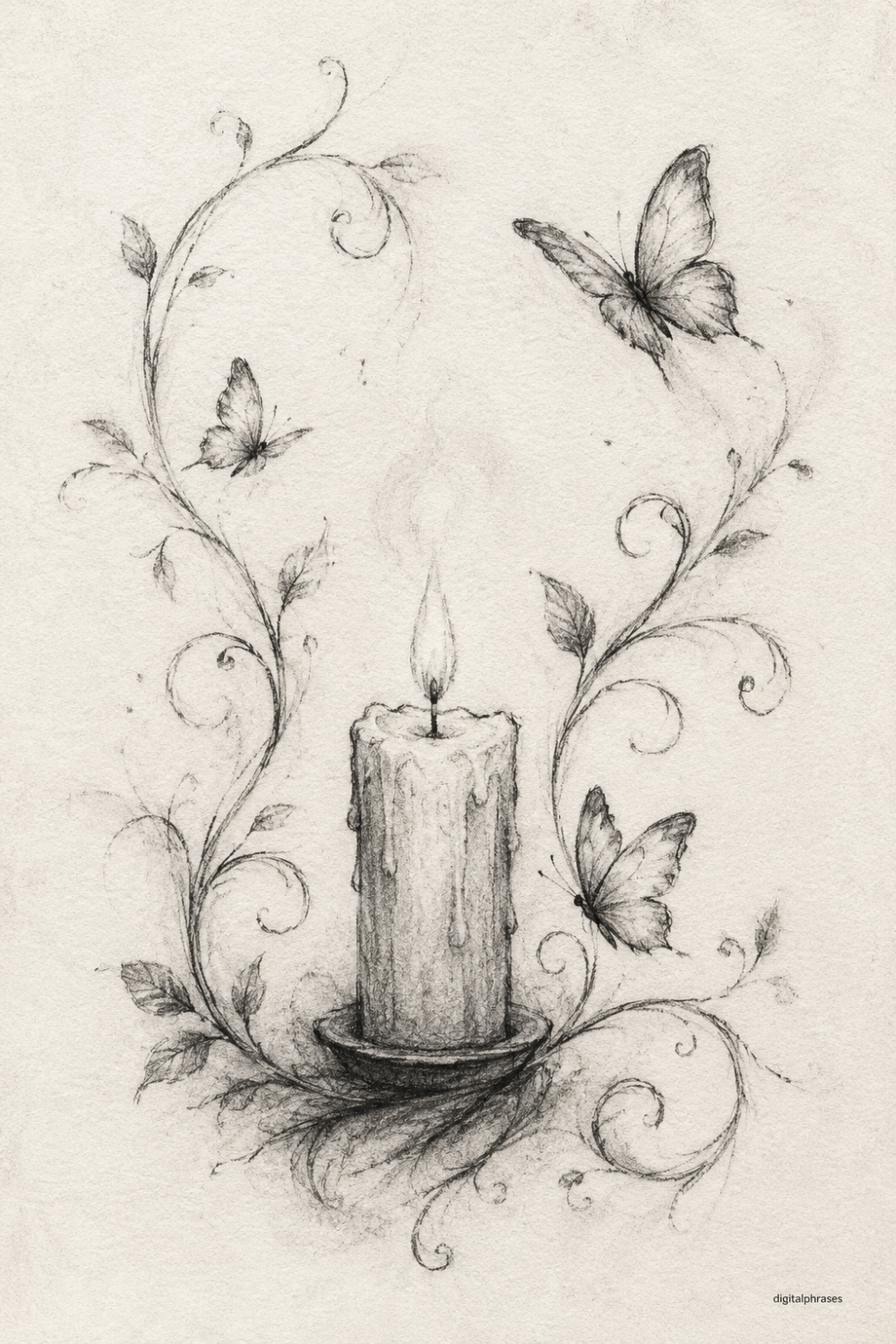
20
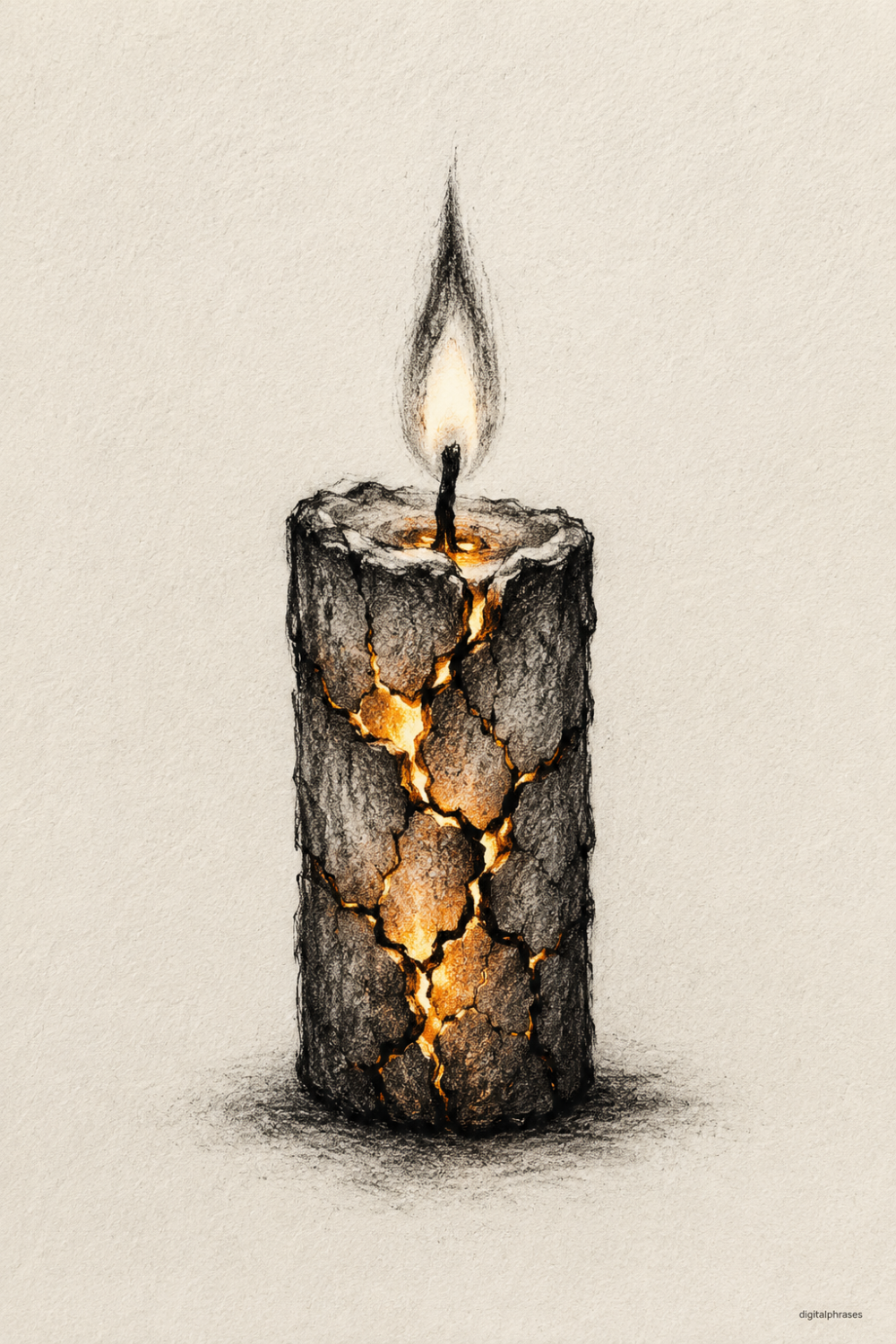
21
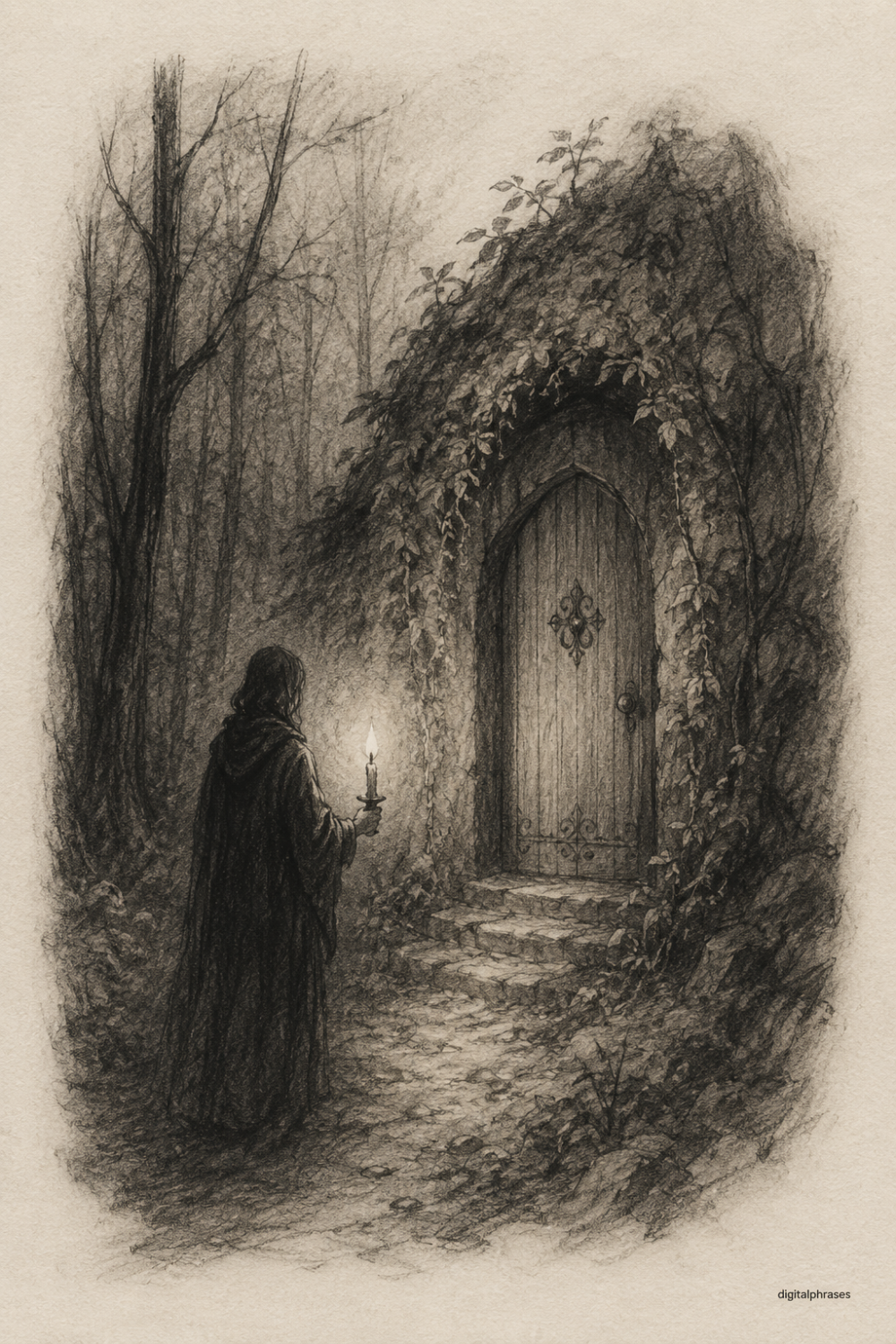
22
23
24
25
Tips For Drawing Candles
Start With Simple Candle Shapes
Before adding details, focus on drawing the basic shape of the candle. Most candles begin as simple cylinders, rectangles, or slightly curved forms. Lightly sketch the outline first so you can adjust the proportions easily. If you’re drawing a melted candle, make the edges uneven and natural instead of perfectly straight. Simple shapes help build a strong foundation for the rest of the drawing.
It’s also helpful to look at real candles or photo references while practicing. Notice how different candles have unique sizes, textures, and forms. Some are tall and elegant, while others are short and heavily melted. Starting simple makes the drawing process less stressful and helps improve your confidence over time.
Pay Attention to the Flame
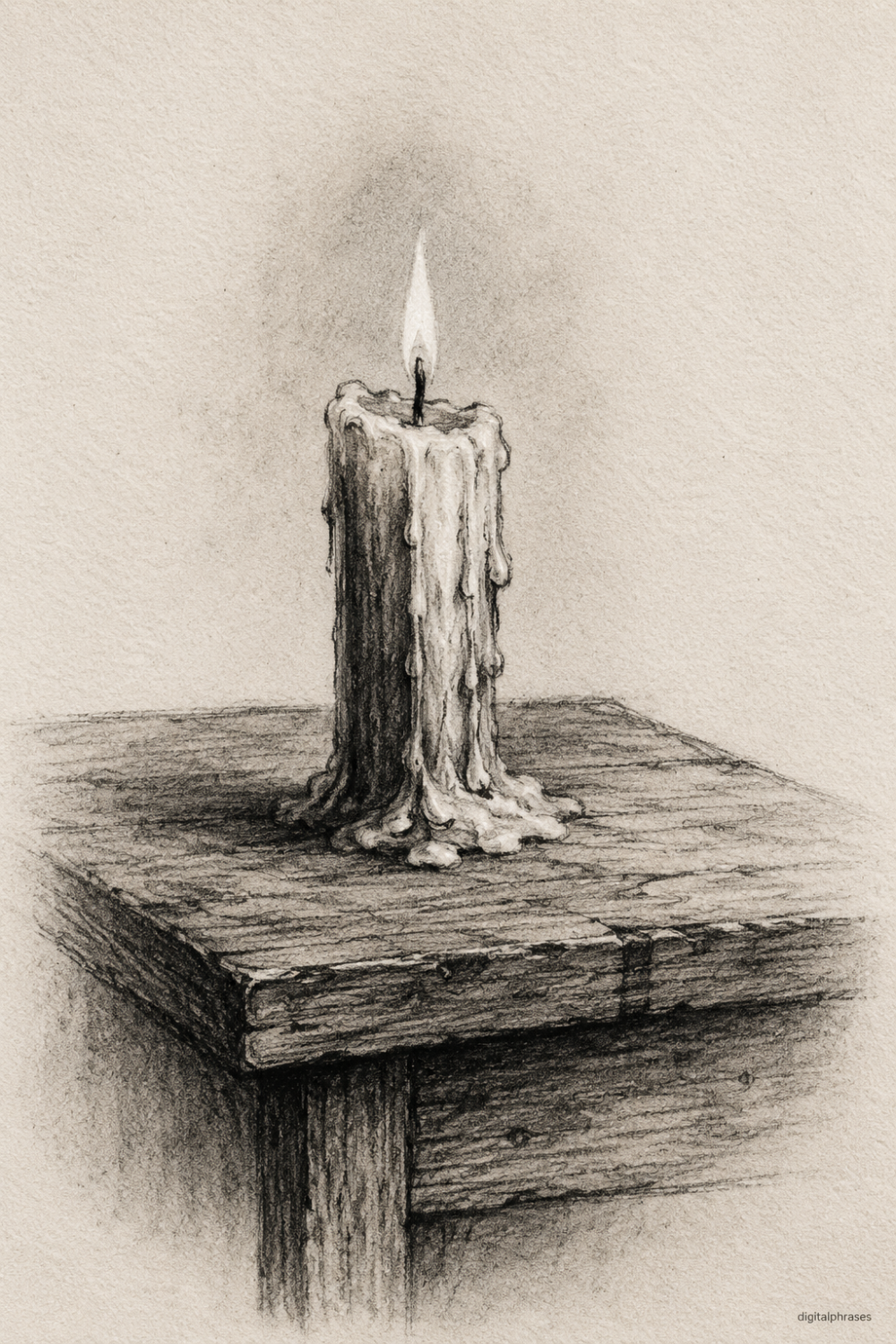
The flame is usually the main focus of a candle drawing, so take your time with it. A candle flame is not just a random shape — it often looks like a soft teardrop with gentle curves. The center of the flame is usually brighter, while the outer edges appear darker or warmer in color.
When sketching with pencils, use light shading around the flame to create a glowing effect. Avoid making the outline too harsh because flames have soft edges. You can also add a small wick beneath the flame for extra realism. A carefully drawn flame can instantly make your candle artwork feel warm and alive.
Use Shading to Create Depth
Shading is one of the most important parts of drawing candles realistically. Since candles are smooth objects, soft shading works best. Decide where your light source is coming from and darken the opposite side slightly. This creates a rounded appearance instead of a flat one.
If the candle is lit, remember that the flame itself creates light. The area closest to the flame may appear brighter, while melted wax and shadows around the base can appear darker. Blending your pencil strokes gently will help the candle look soft and realistic. Practicing shading techniques can greatly improve the overall quality of your drawings.
Add Melted Wax Details
Melted wax gives candle drawings extra personality and charm. Instead of drawing perfectly clean candles every time, try adding dripping wax along the sides. Use curved lines and uneven shapes to make the wax appear natural. Small details like this make your artwork more interesting and realistic.
You can also experiment with different amounts of melted wax. A freshly lit candle may have only a little dripping, while an old candle can have heavy wax buildup. These tiny details help tell a story through your drawing and make each candle unique.
Experiment With Creative Backgrounds
Once you’re comfortable drawing candles, try placing them in creative settings. A candle beside books, flowers, pumpkins, or holiday decorations can make the artwork feel cozy and complete. Backgrounds also help improve your composition skills and make the drawing more visually appealing.
You don’t need overly complicated scenes either. Even a simple dark background can make the candle glow stand out beautifully. Playing with different themes and moods will keep your candle drawings fun and inspiring.