20 Female Hairstyle Drawing Ideas
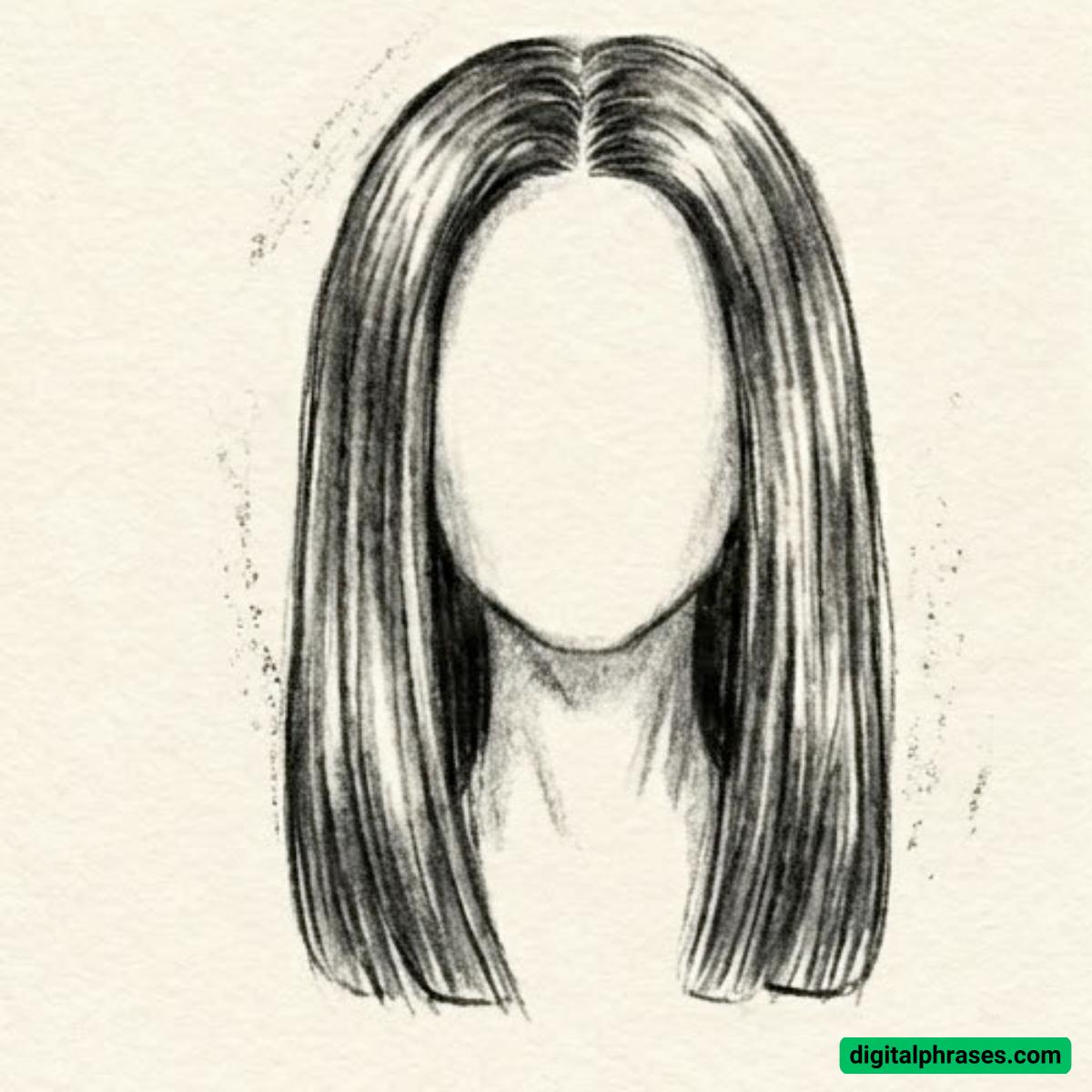
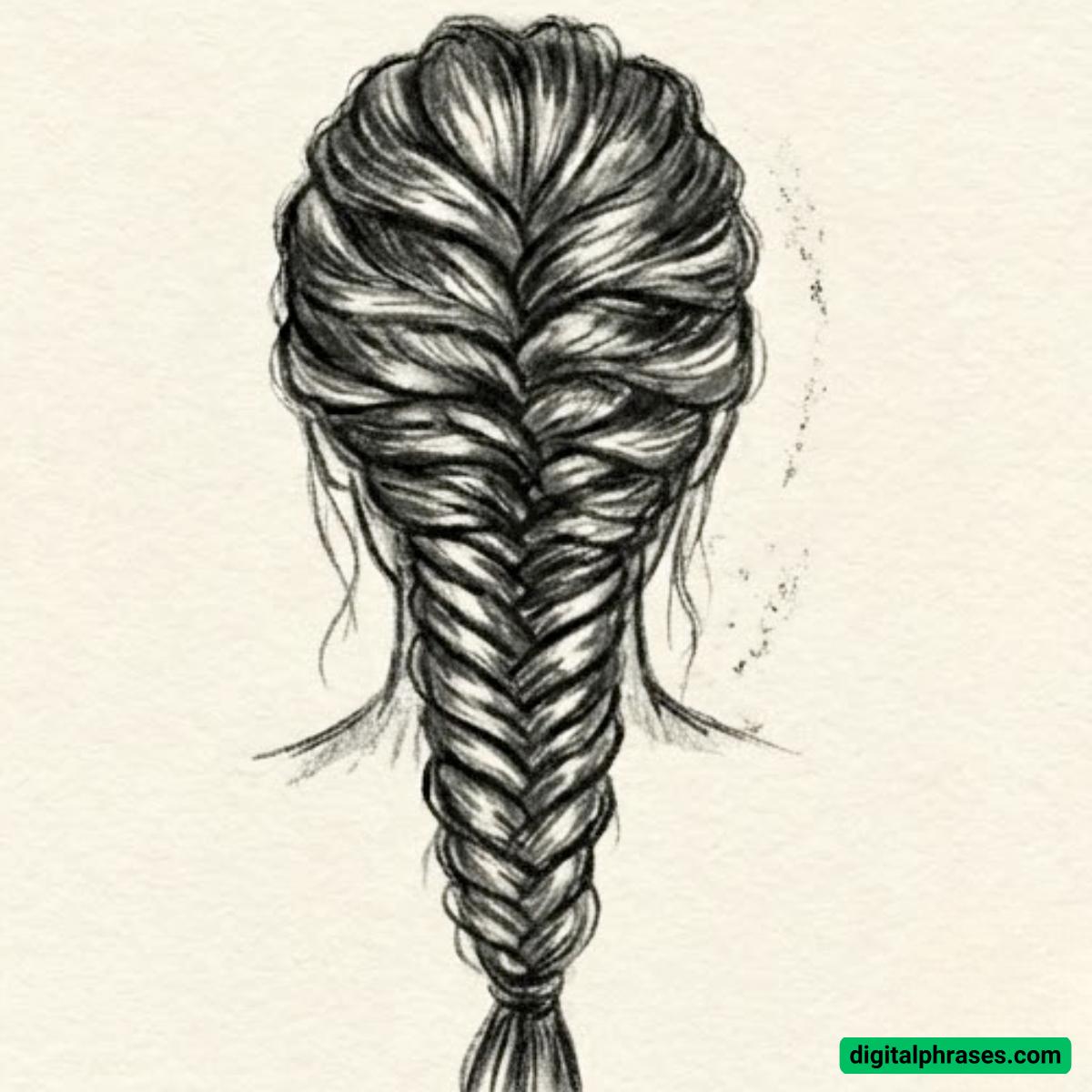
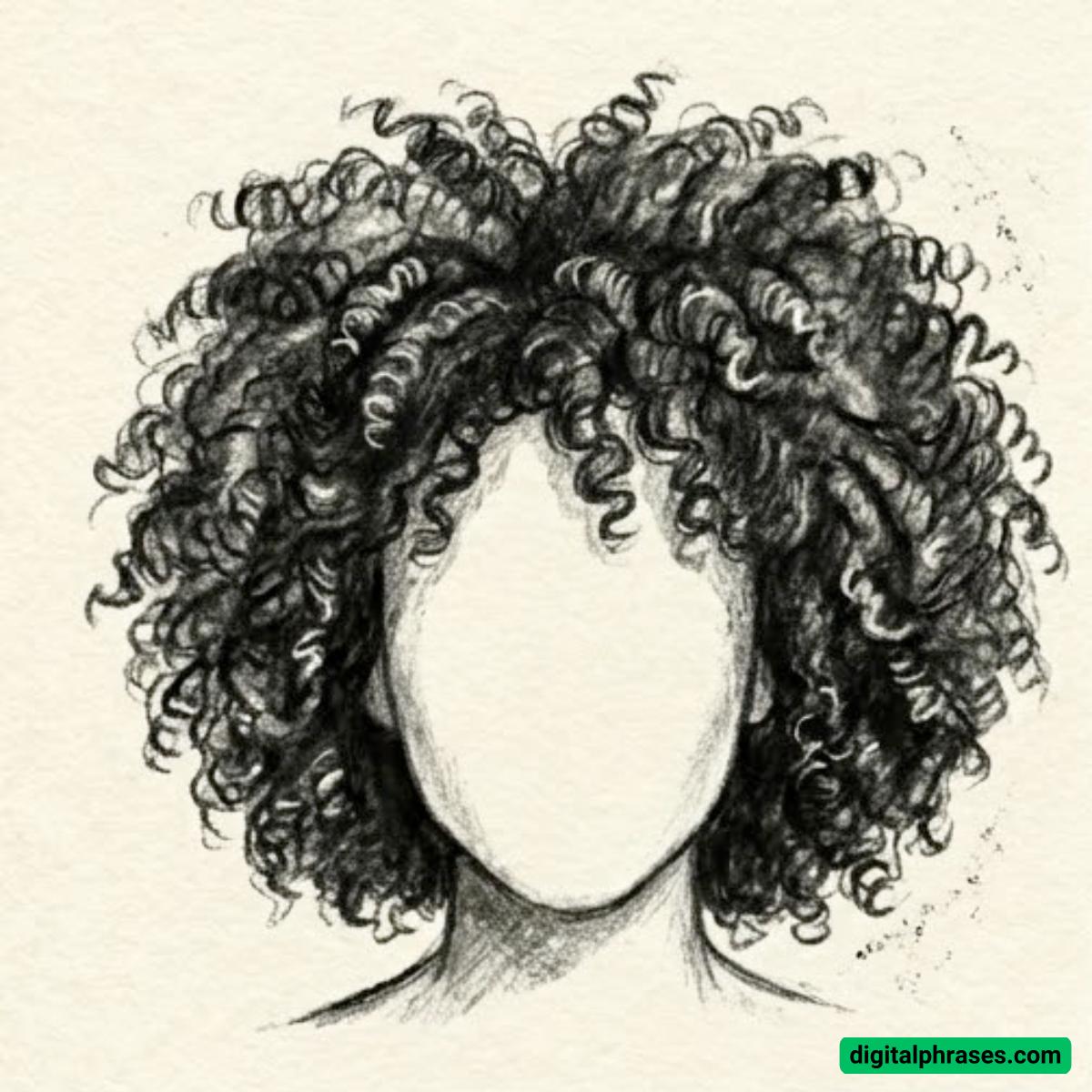
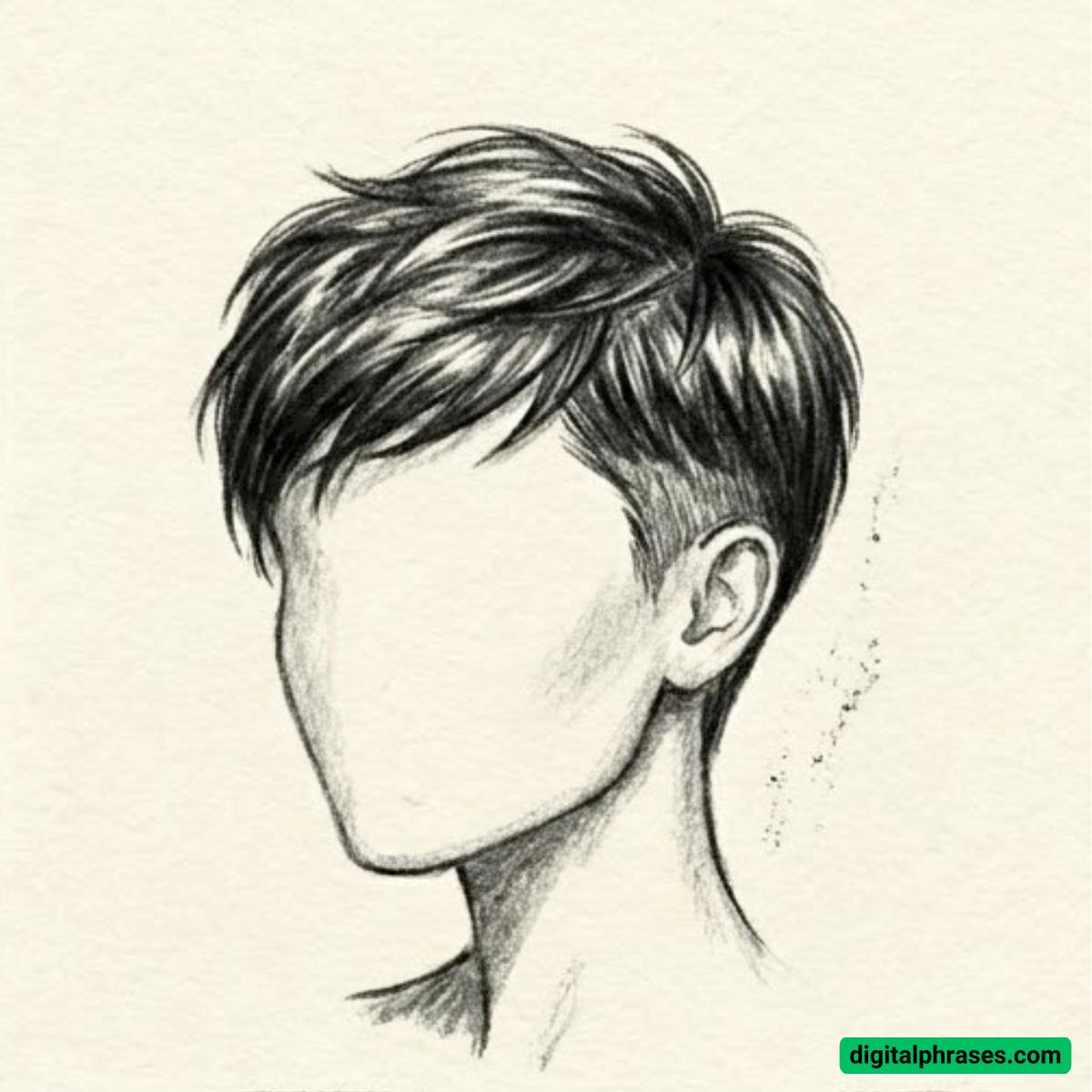
Female hair is all about art and flow.
And if you want to master it, we have created a list of some amazing hairstyle sketches for you to try out.
Check these below.
Female Hairstyle Drawing Ideas
1
2
3
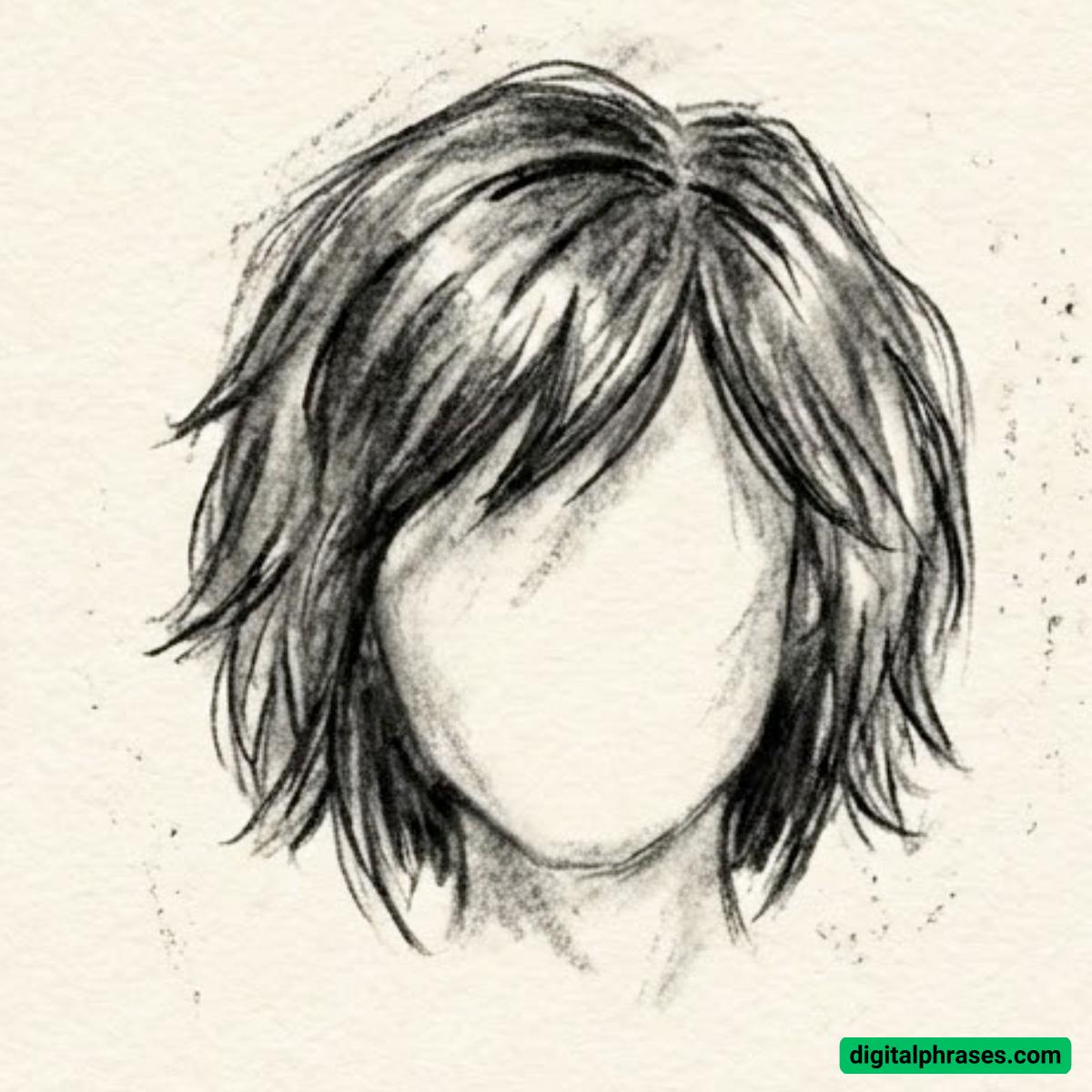
4
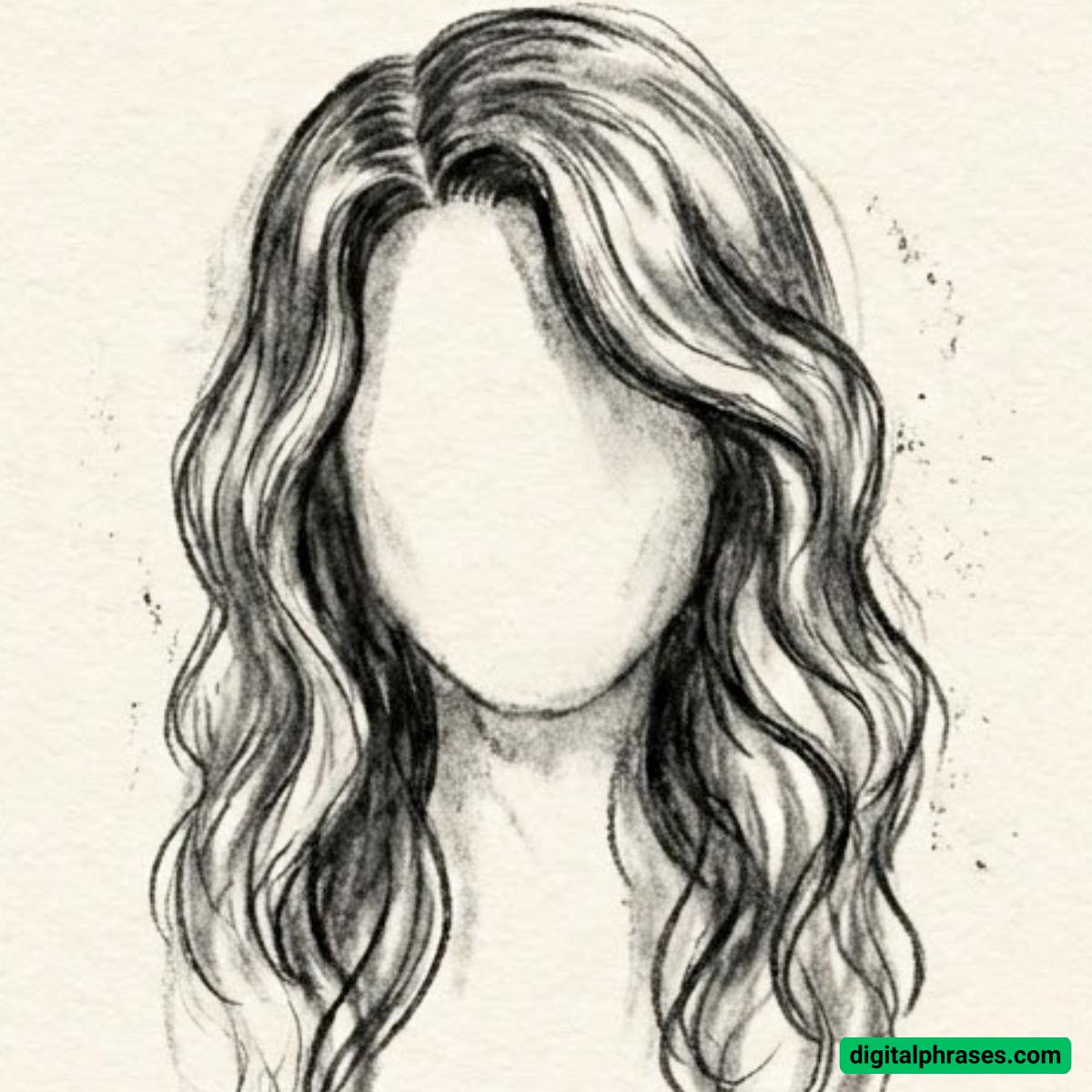
5
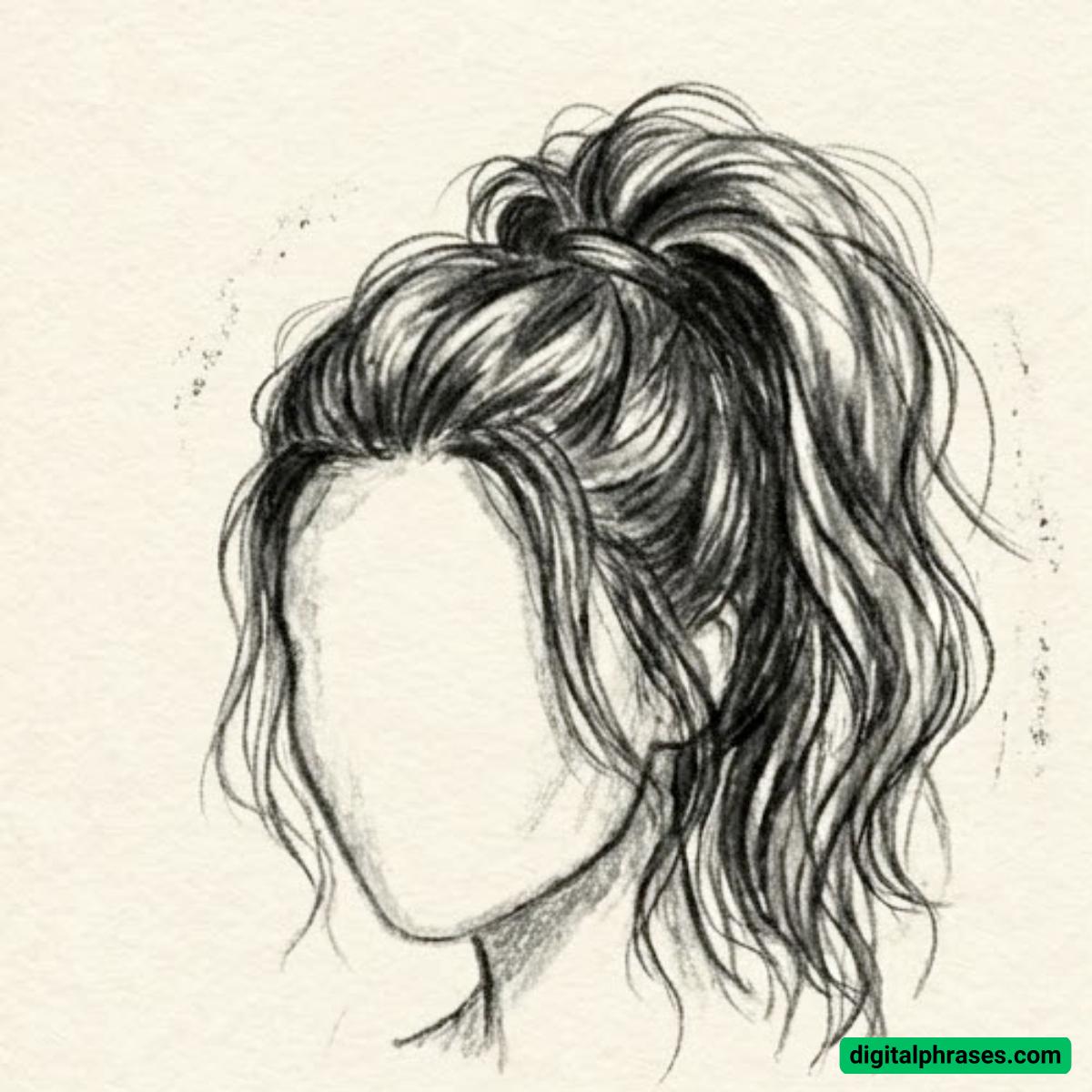
6
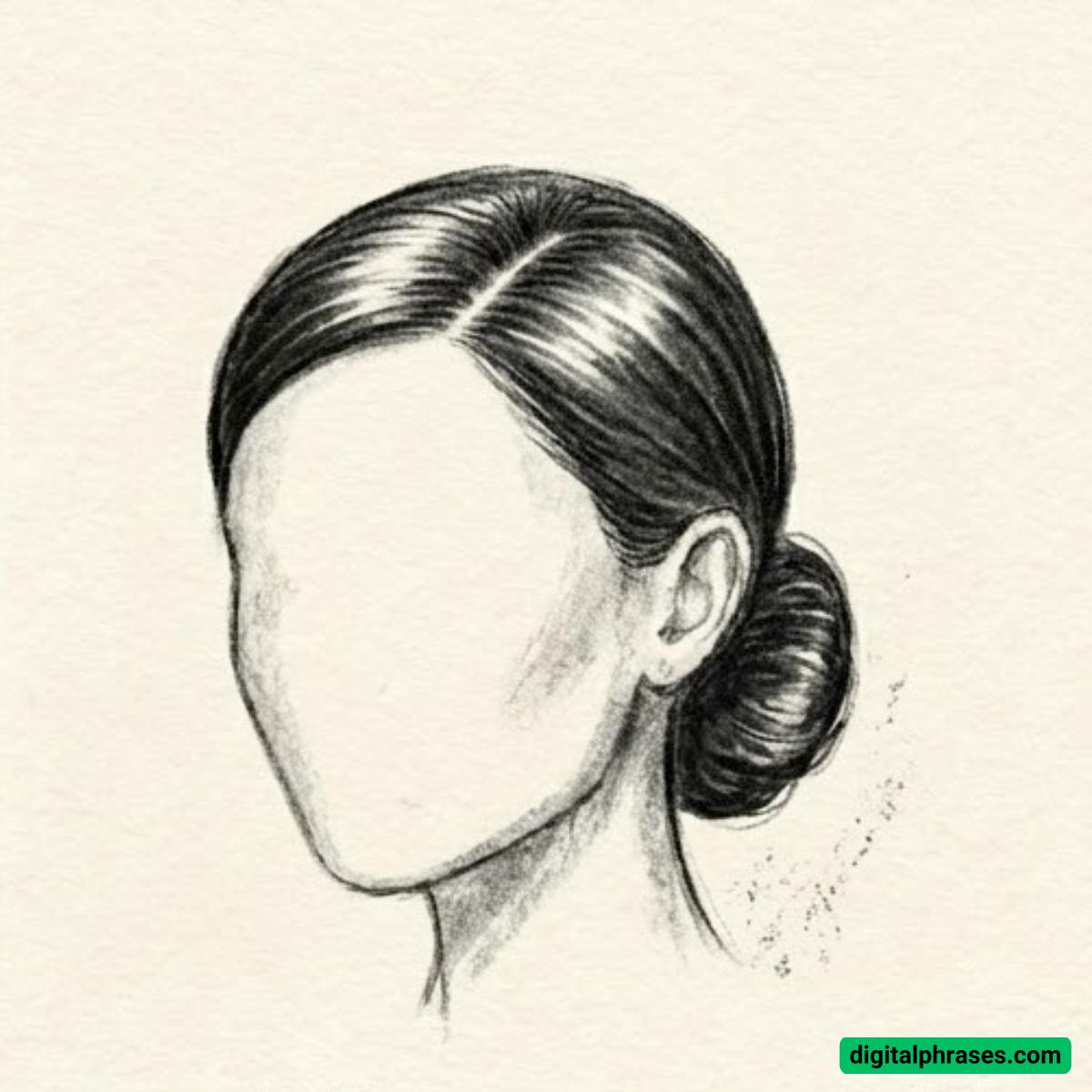
7
8
9
10
11
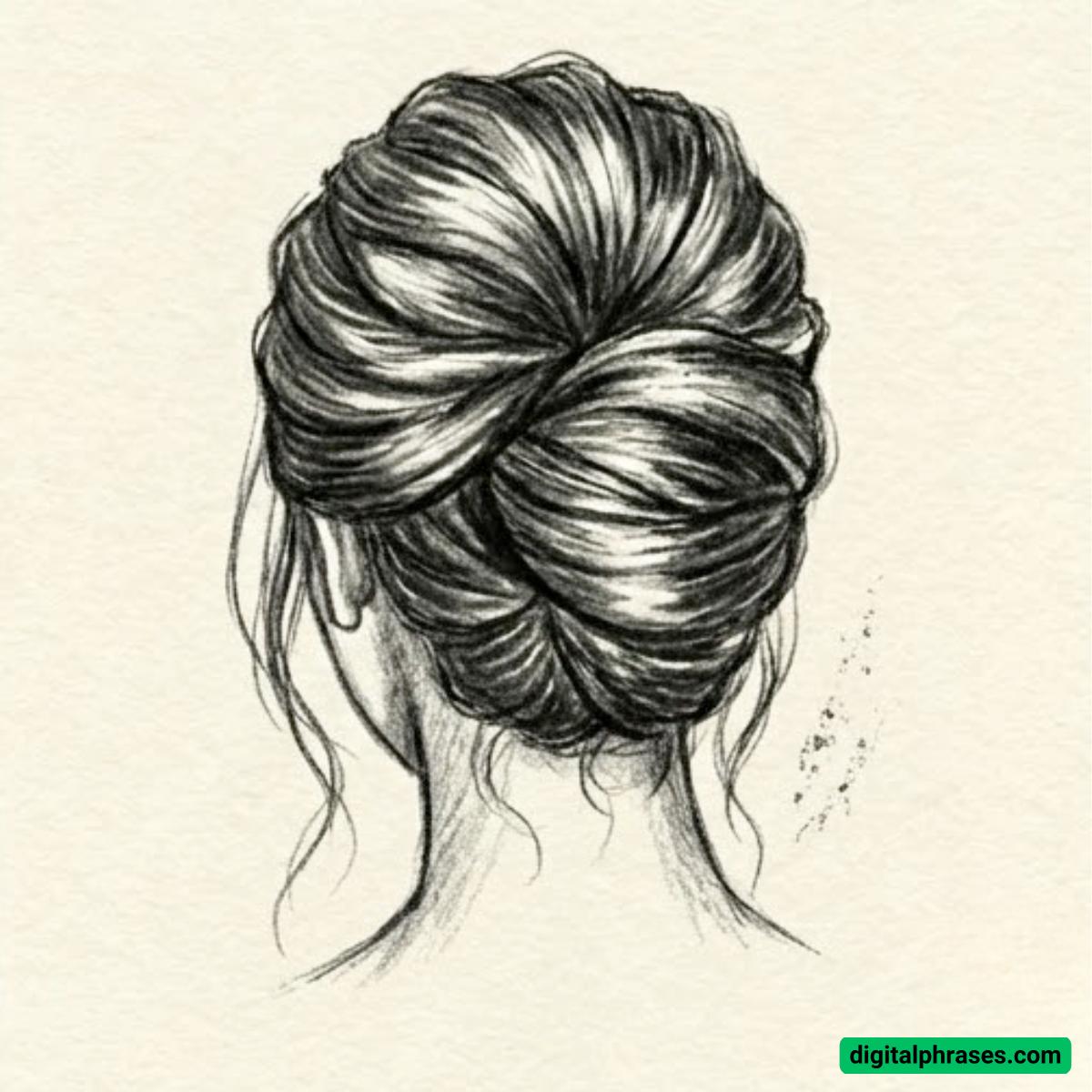
12
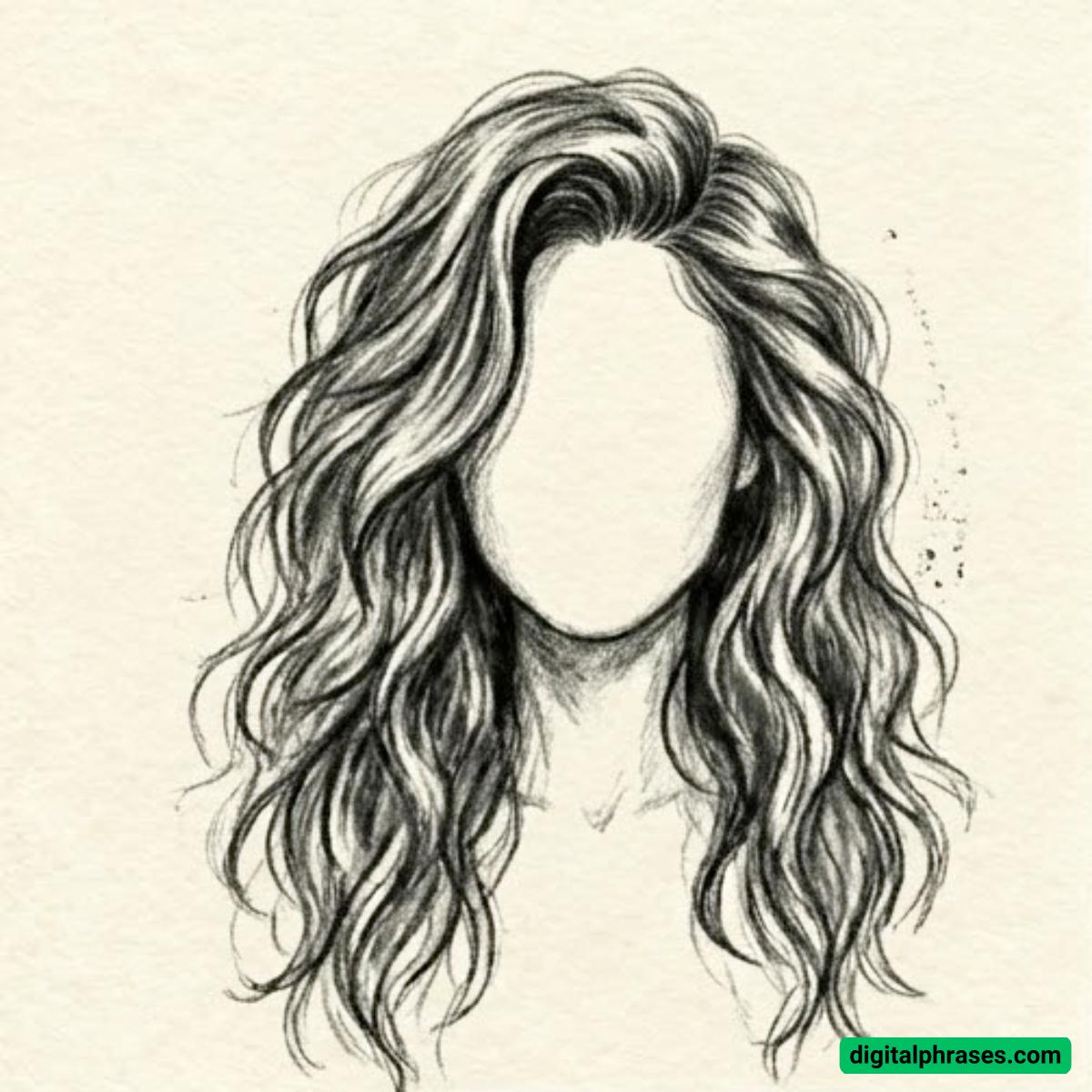
13
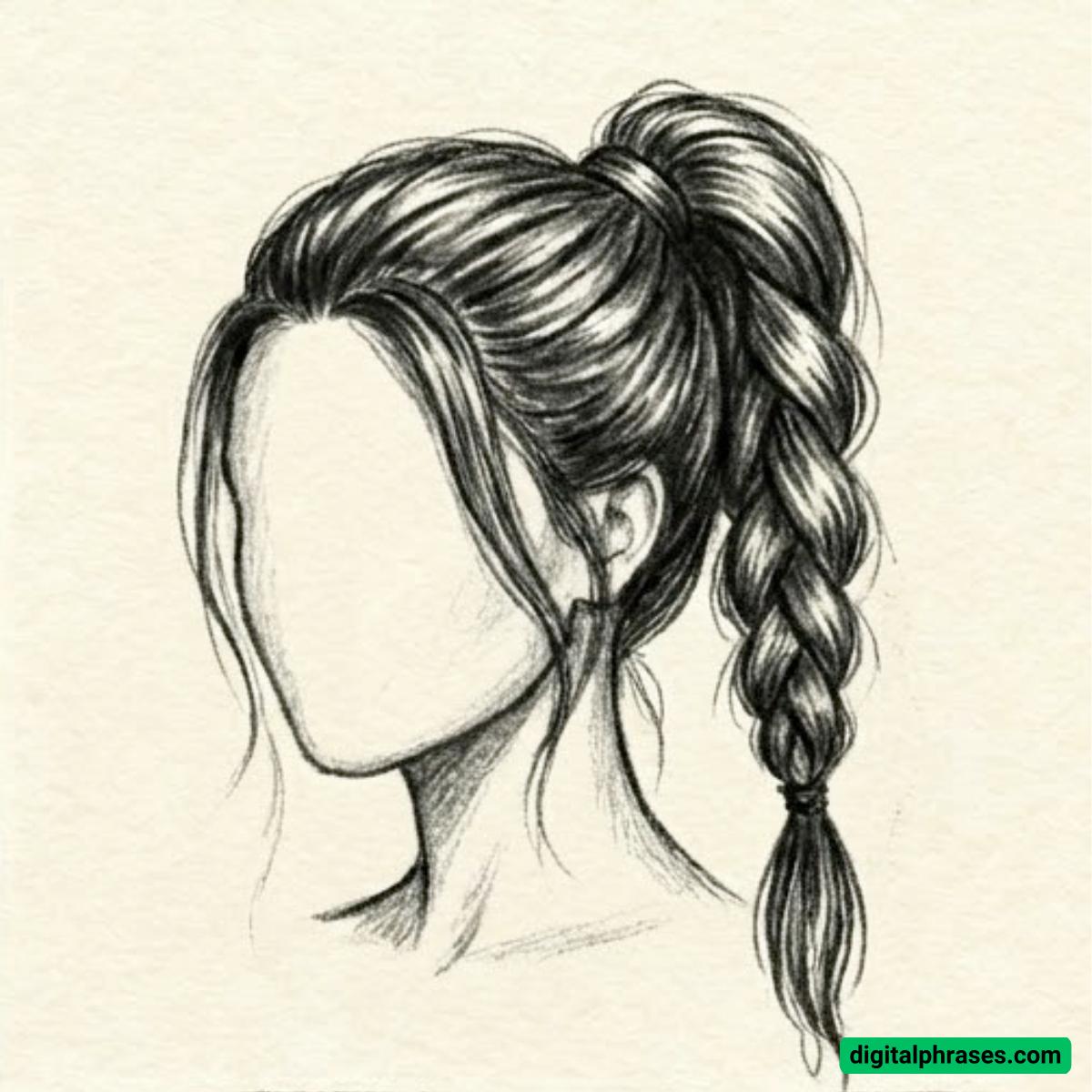
14
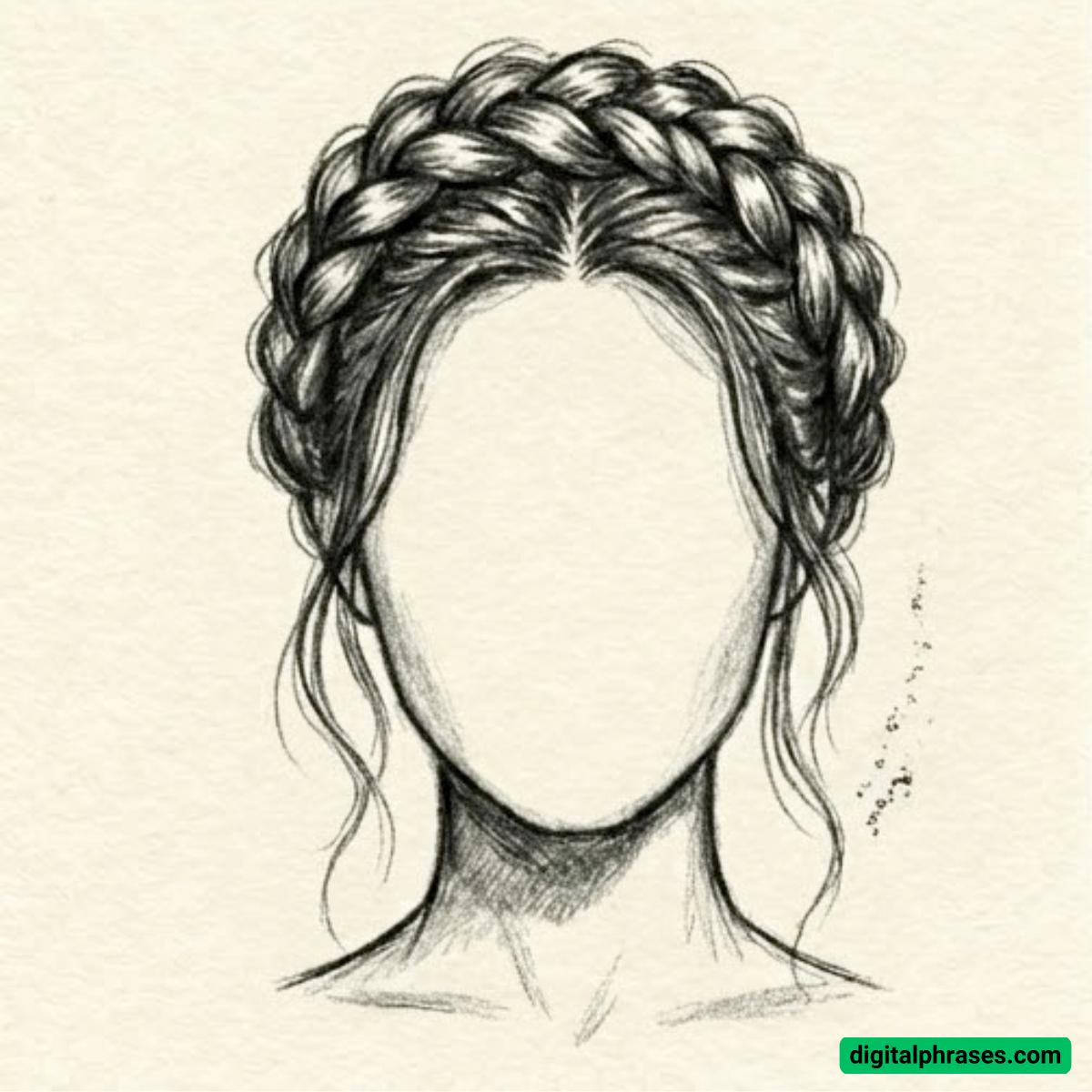
15
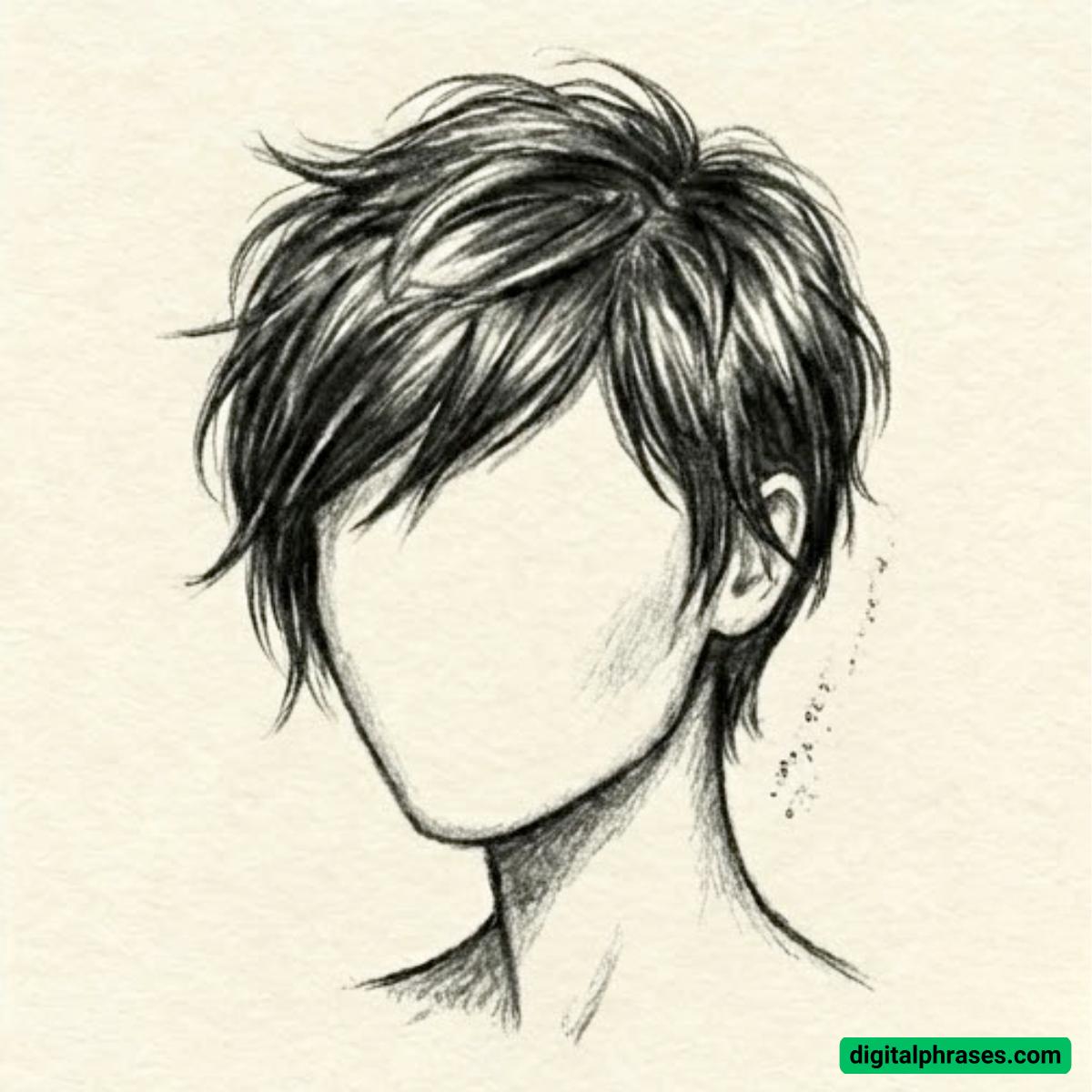
16
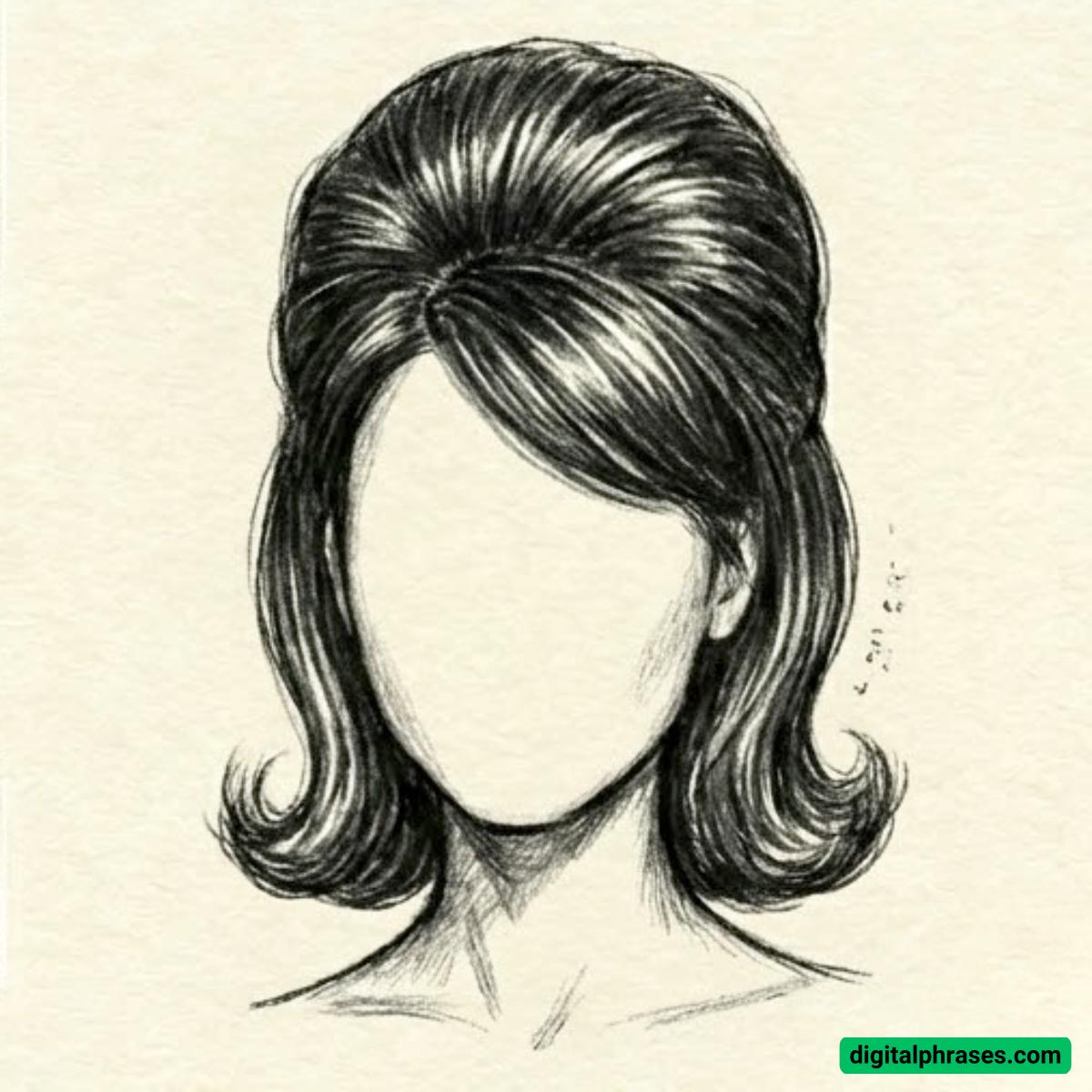
17
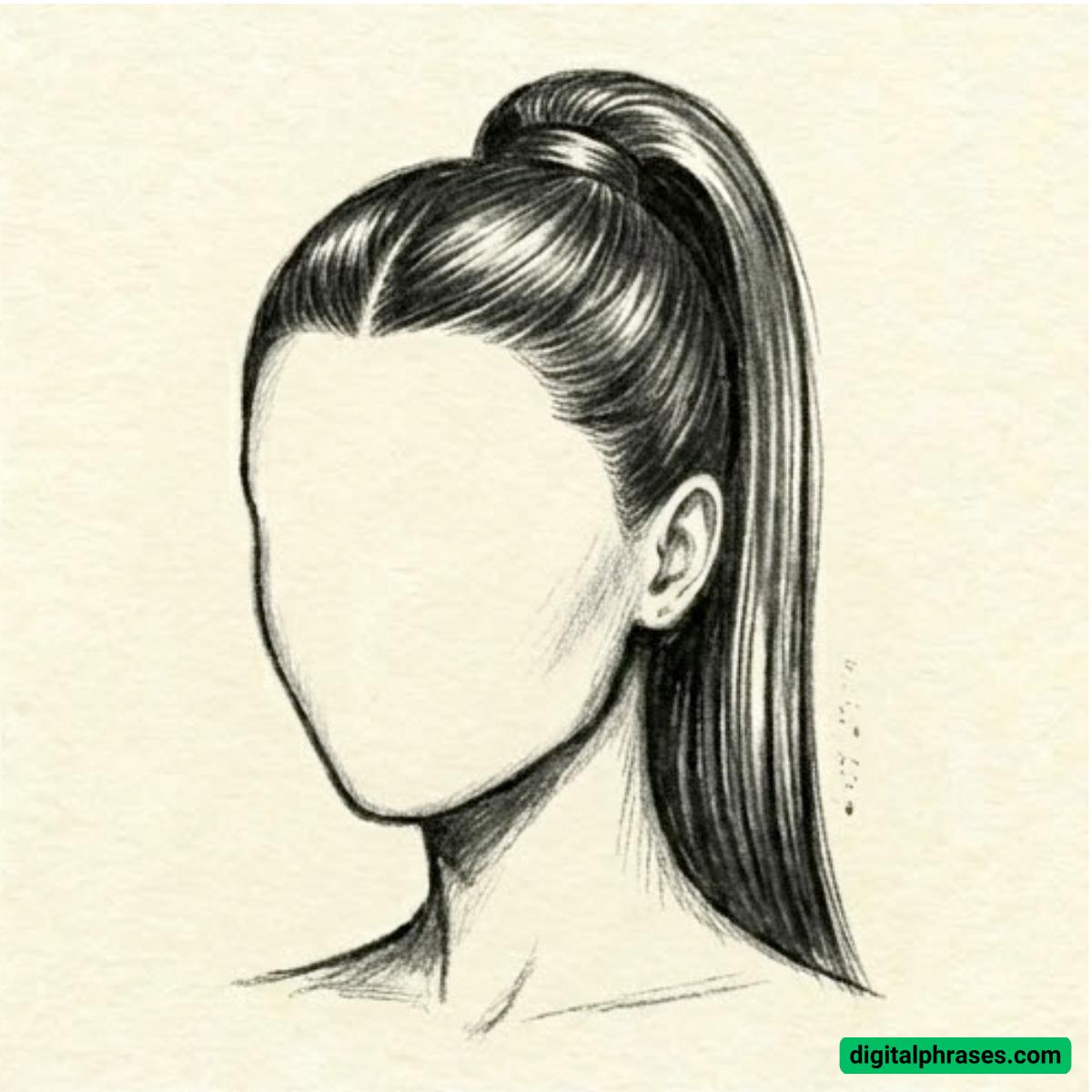
18
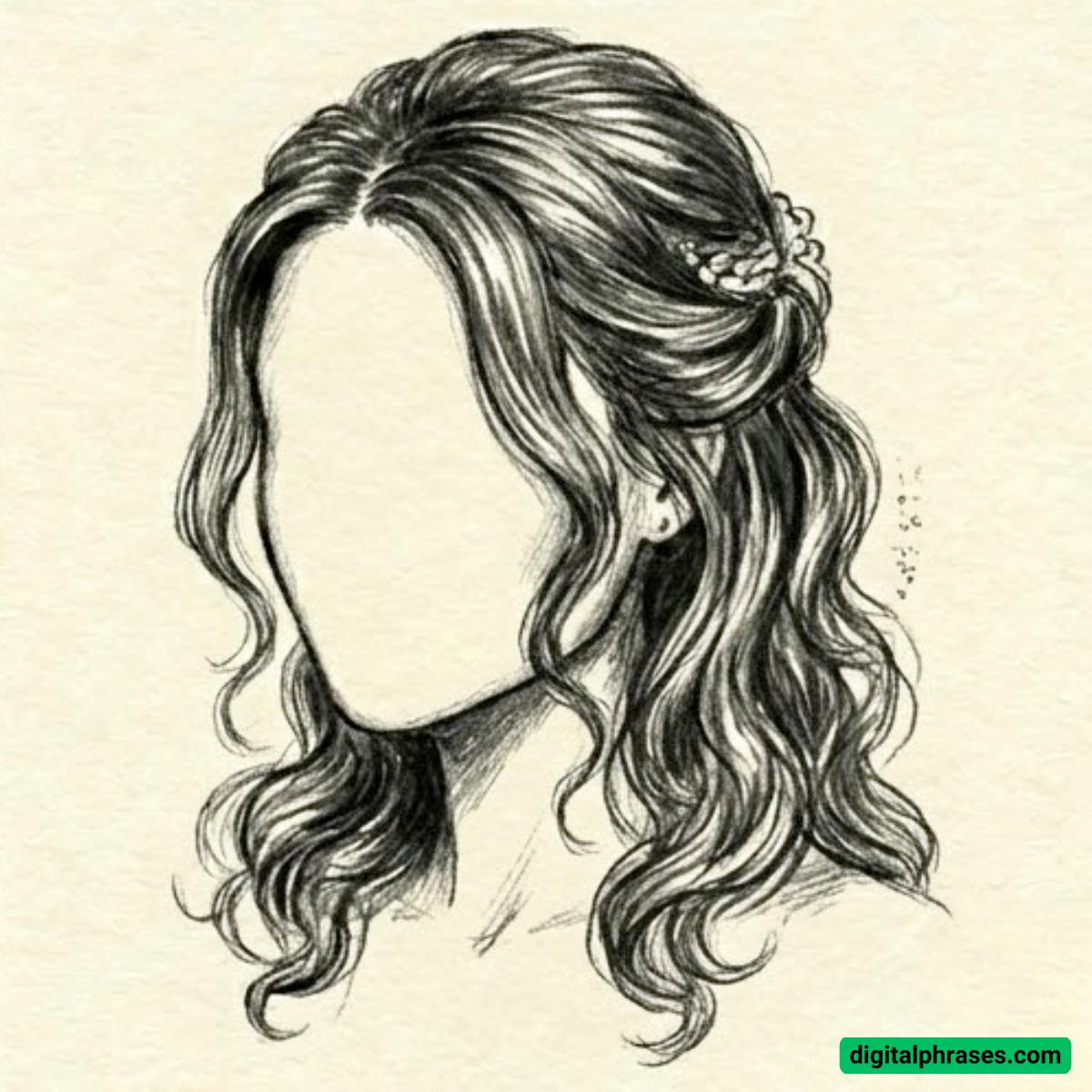
19
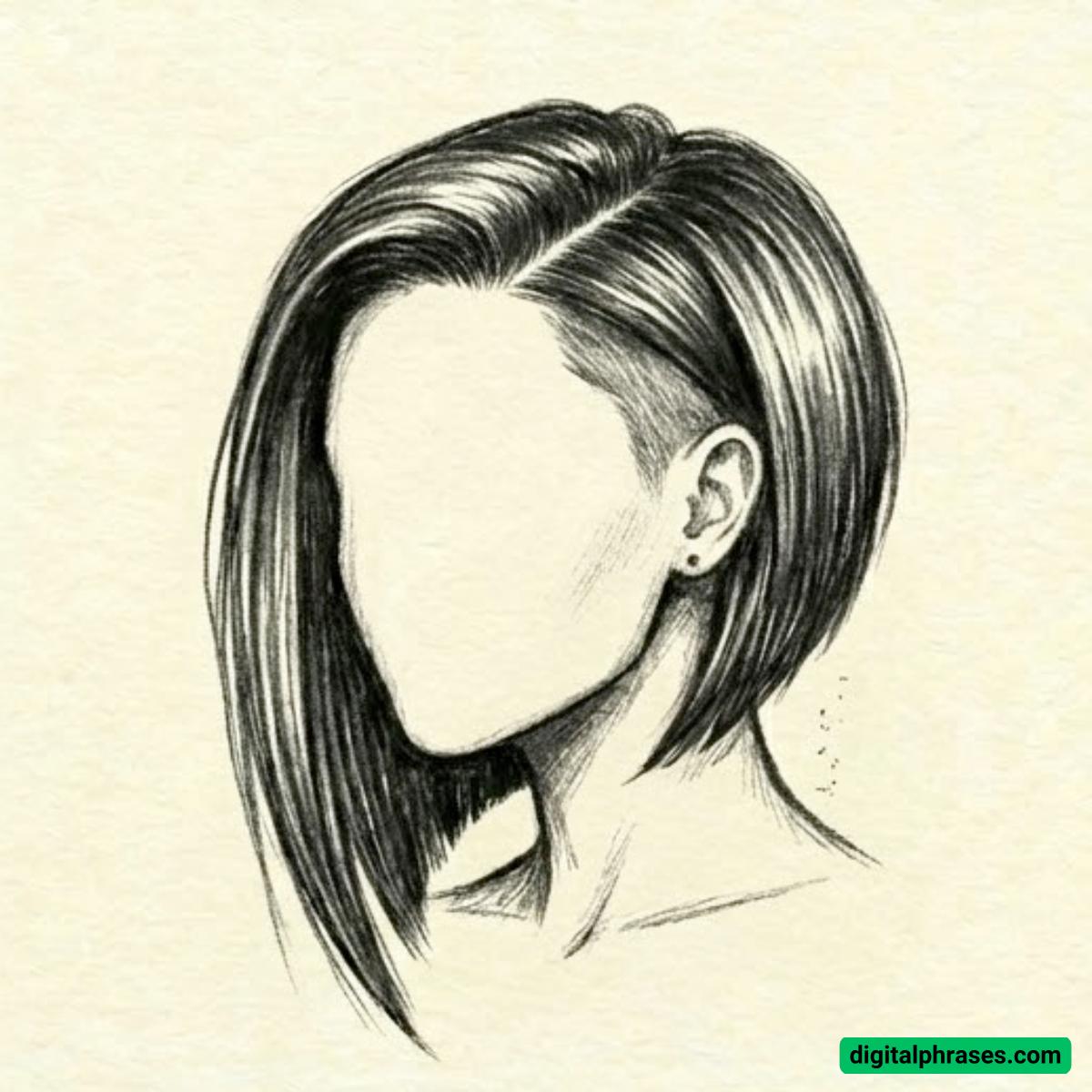
20
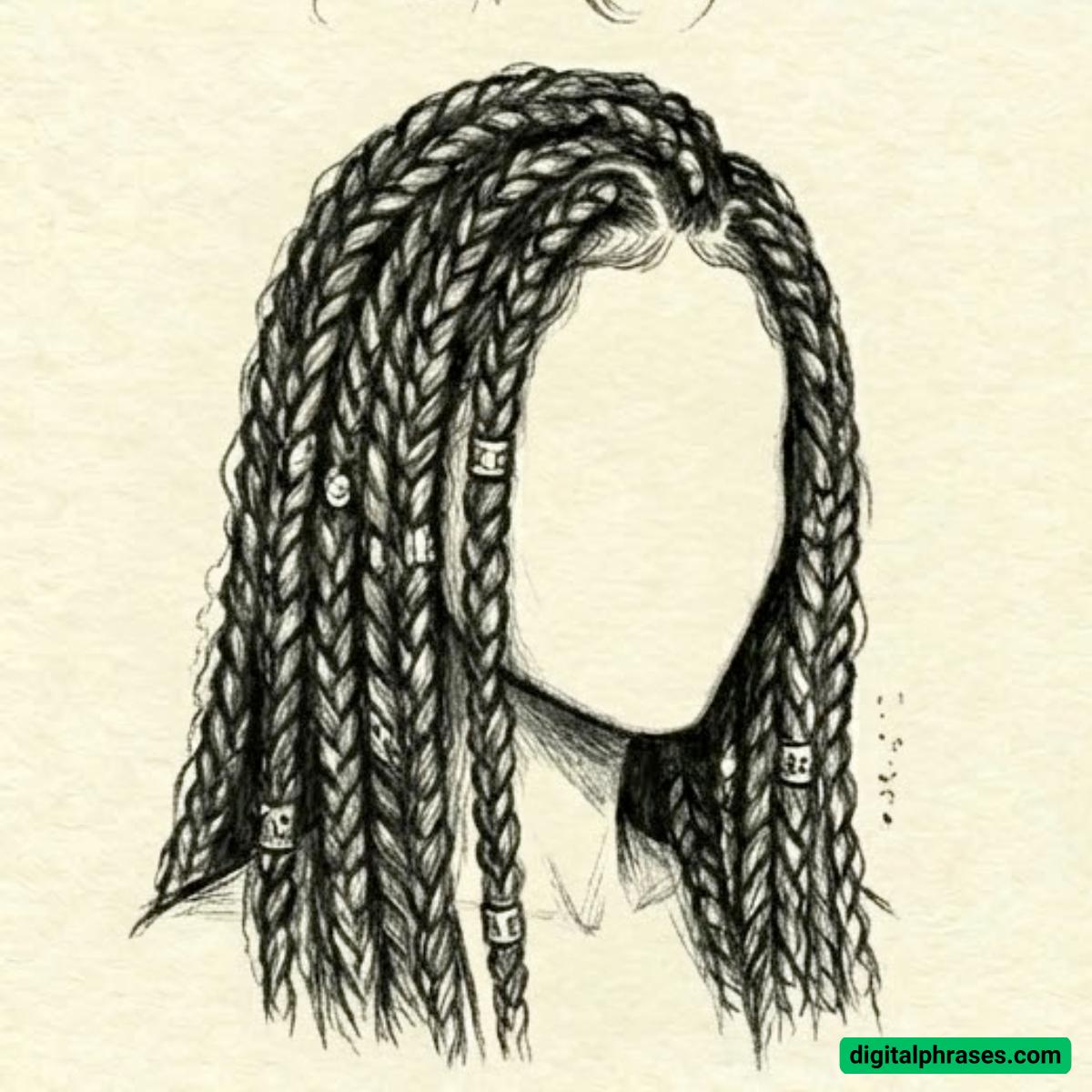
Tips To Draw Female Hairstyles
1. Start With the Head Shape, Not the Hair
Before you draw a single strand, take a moment to map out the head. This step is often skipped, but it makes a huge difference. Hair doesn’t float — it sits on the head and follows its structure.
Lightly sketch the skull and jawline first, then imagine how the hair wraps around that form. This helps you avoid flat or awkward hairstyles and instantly makes your drawing feel more realistic.
Think of hair as a soft helmet that has volume and weight. When you understand where the scalp is, you’ll know where the hair naturally parts, where it lifts, and where it falls closer to the face or neck.
2. Think in Large Shapes Before Details
It’s tempting to jump straight into drawing individual strands, but that usually leads to stiff, messy results. Instead, break the hairstyle into simple shapes first. Look for the overall silhouette — is it wide and fluffy, long and flowing, or tight and sleek?
Sketch these big sections loosely and confidently. Once the main shapes feel right, then you can add smaller clumps and strands. This approach keeps hairstyles looking natural and prevents overworking your drawing. Remember, good hair drawings read well from far away before they impress up close.
3. Use Flow and Direction to Create Movement
Hair is all about movement. Even a neat ponytail or bun has a sense of direction and flow.
When drawing female hairstyles, follow the natural paths hair takes as it grows from the scalp and responds to gravity. Use long, curved lines instead of short, scratchy ones to suggest softness and motion. Let your lines lead the viewer’s eye.
Hair that flows in consistent directions feels intentional and elegant, while random lines feel chaotic. Studying real hair — in mirrors, photos, or even people around you — helps you understand these natural rhythms.
4. Add Texture Without Drawing Every Strand
One of the biggest mistakes artists make is trying to draw all the hair. You don’t need to. Texture comes from smart line placement and contrast, not quantity. Use darker values in shadowed areas, especially near the roots, under layers, and behind the neck.
Leave lighter areas where light naturally hits. A few well-placed strands around the face or edges can suggest detail without overwhelming the drawing. Less really is more here. Let the viewer’s brain fill in the rest.
5. Match the Hairstyle to the Character’s Personality
Hairstyles aren’t just decorative — they say something about the person wearing them. A sleek bob can feel bold and confident, while loose curls might feel romantic or carefree. When drawing female hairstyles, think about who your character is.
Are they practical, dramatic, shy, trendy, or rebellious?
Let that guide your choices. This mindset instantly elevates your art from “nice drawing” to “interesting character.” Even small details, like flyaways or how tightly hair is styled, can add personality and charm.