19 Airplane Drawing Ideas
You all have sat on a plane but have you ever drawn one?
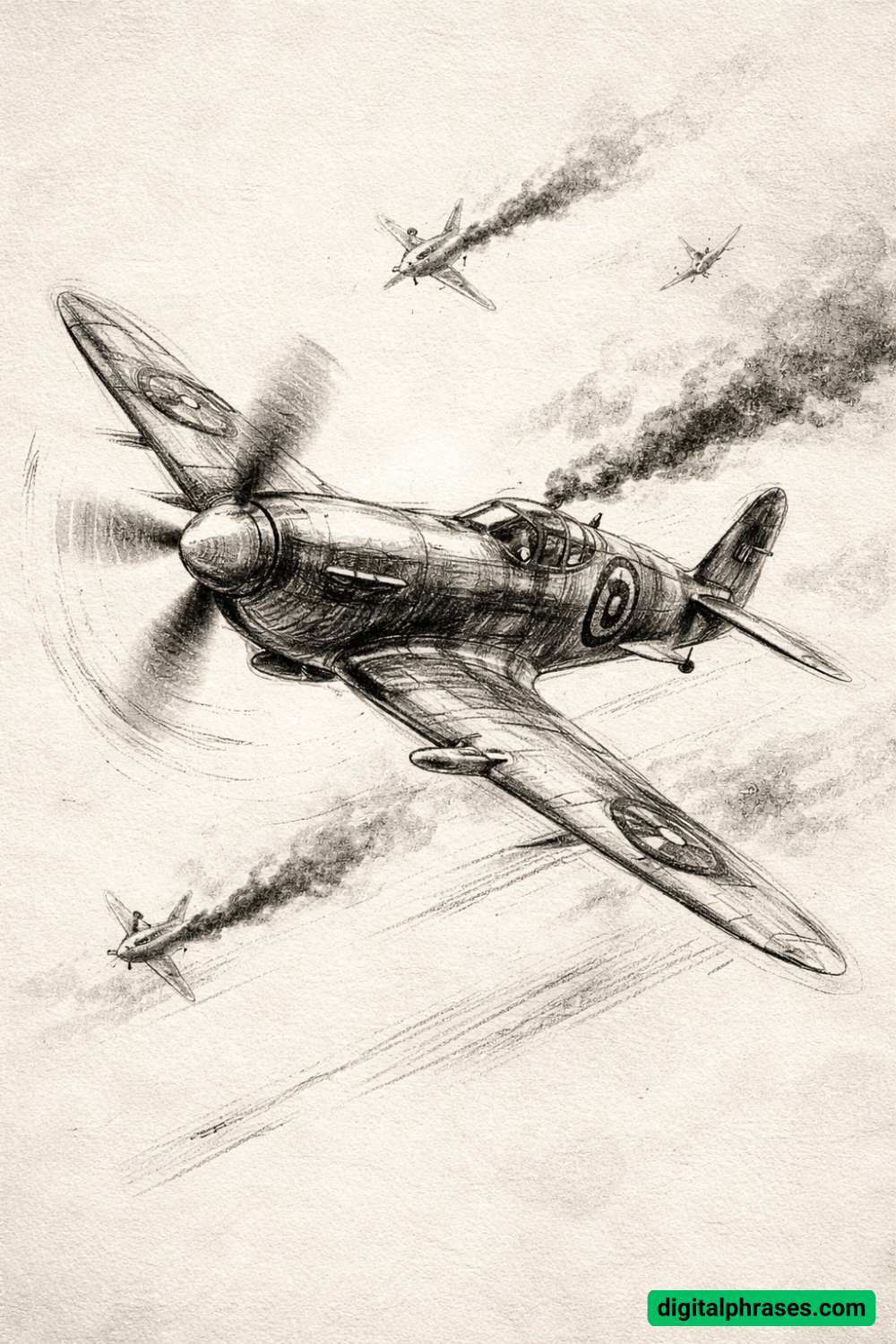
In this blog, you’ll find some easy and creative airplane drawing ideas to help you practice, explore different styles, and enjoy the process without overcomplicating things.
Airplane Drawing Ideas
1
2
3
4
5

6
7

8
9
10
11
12

13
14
15

16

17
18

19
Tips on Drawing Planes
Start with Basic Shapes
Before jumping into details, break the airplane down into simple shapes like rectangles, cylinders, and triangles. The body (fuselage) can be drawn as a long oval or tube, while the wings often resemble flattened triangles. This approach helps you get the proportions right without feeling overwhelmed. Once the basic structure looks balanced, you can refine the outline and add details. Even experienced artists rely on this method, so don’t skip it—it makes the whole process smoother and more accurate.
Pay Attention to Proportions
Airplanes may look simple, but their proportions matter a lot. Notice how the wings are usually placed near the middle of the body and how their length often matches or exceeds the fuselage width. The tail section is smaller but still important for balance. If something feels “off,” it’s often due to proportion issues. A good tip is to lightly sketch guidelines before finalizing your drawing. Looking at reference images can also help you understand how different parts relate to each other.
Focus on Perspective
Drawing an airplane from different angles can make your artwork more interesting. Instead of always drawing a side view, try a front view, top view, or even a tilted angle as if the plane is taking off. Perspective adds depth and makes your drawing feel more dynamic. Start simple—practice drawing basic shapes in perspective first, then apply that to your airplane sketch. Over time, you’ll find it easier to create more realistic and engaging drawings.
Add Details Gradually
Details like windows, engines, landing gear, and panel lines bring your airplane to life, but it’s important not to rush into them too early. Once your main shape is solid, begin adding these features step by step. Keep your details clean and consistent—windows should align, and engines should match in size and placement. Too many details can make your drawing look cluttered, so focus on the ones that enhance the overall look rather than adding everything at once.
Practice and Keep It Simple
The best way to improve your airplane drawings is through regular practice. Start with simple designs and gradually try more complex ones. Don’t worry about making every drawing perfect—each sketch helps you learn something new. It’s also okay to keep your style simple; not every drawing needs to be highly realistic. The goal is to enjoy the process while building your skills over time. Consistency matters more than perfection, so keep drawing and experimenting.