15 Bangs Drawing Ideas
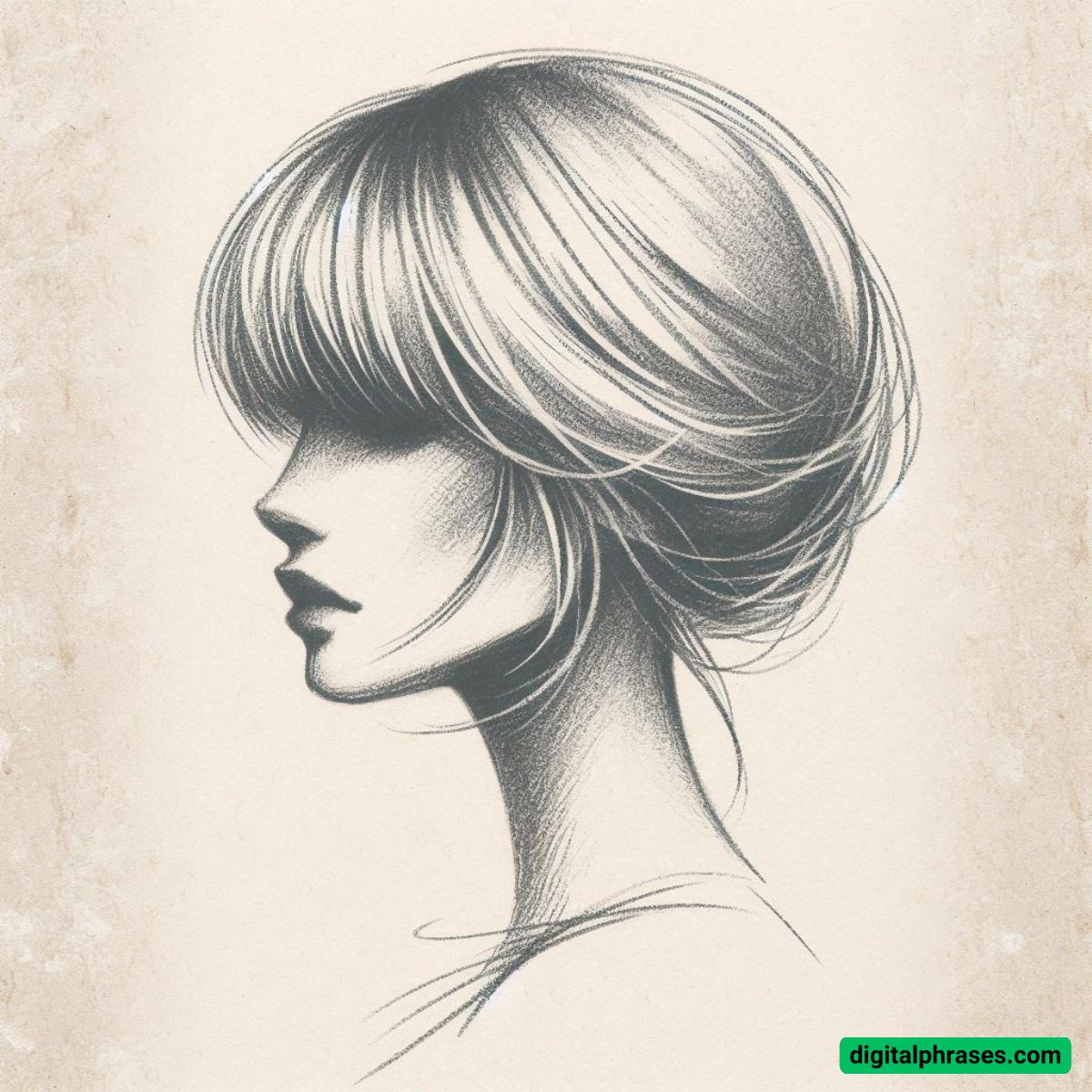
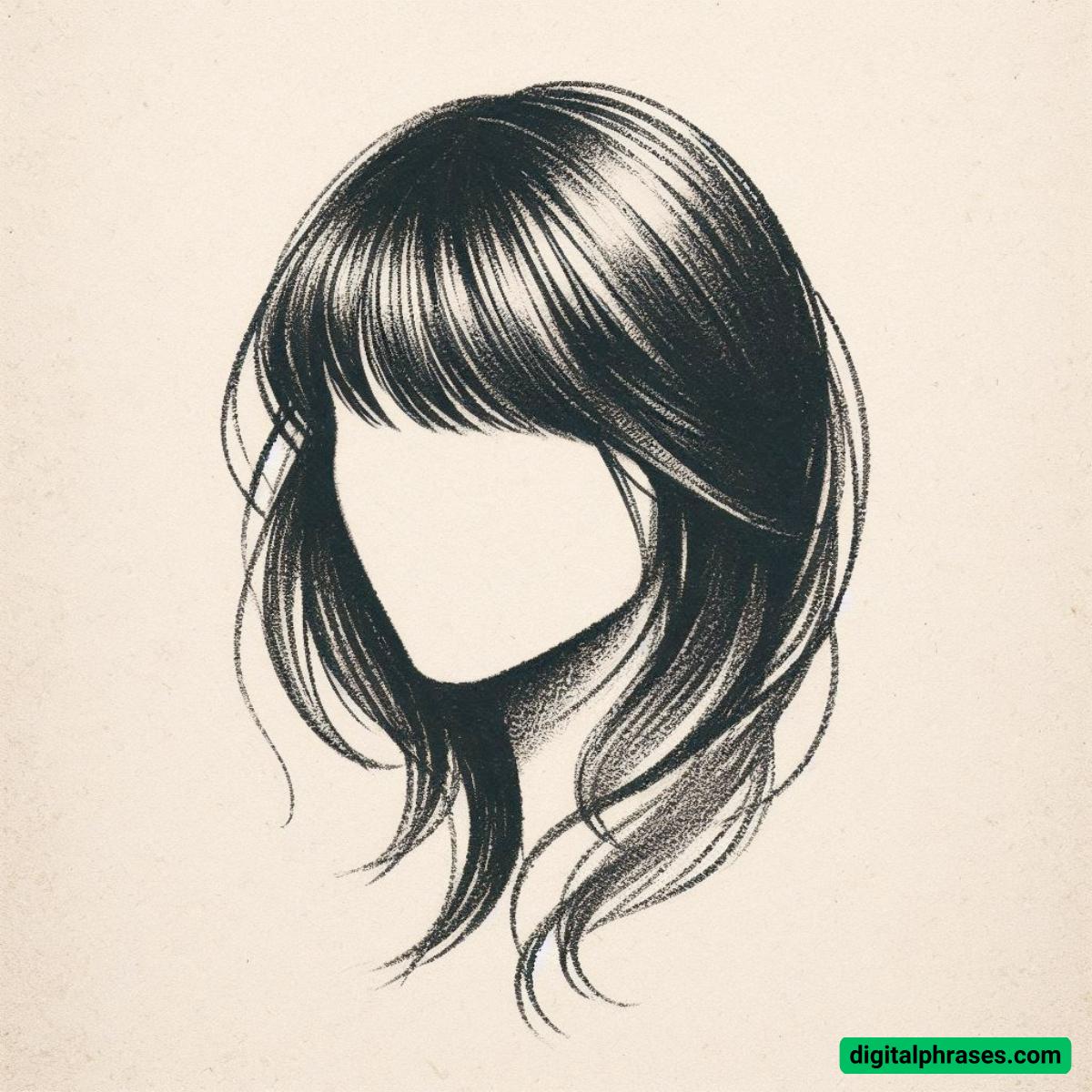
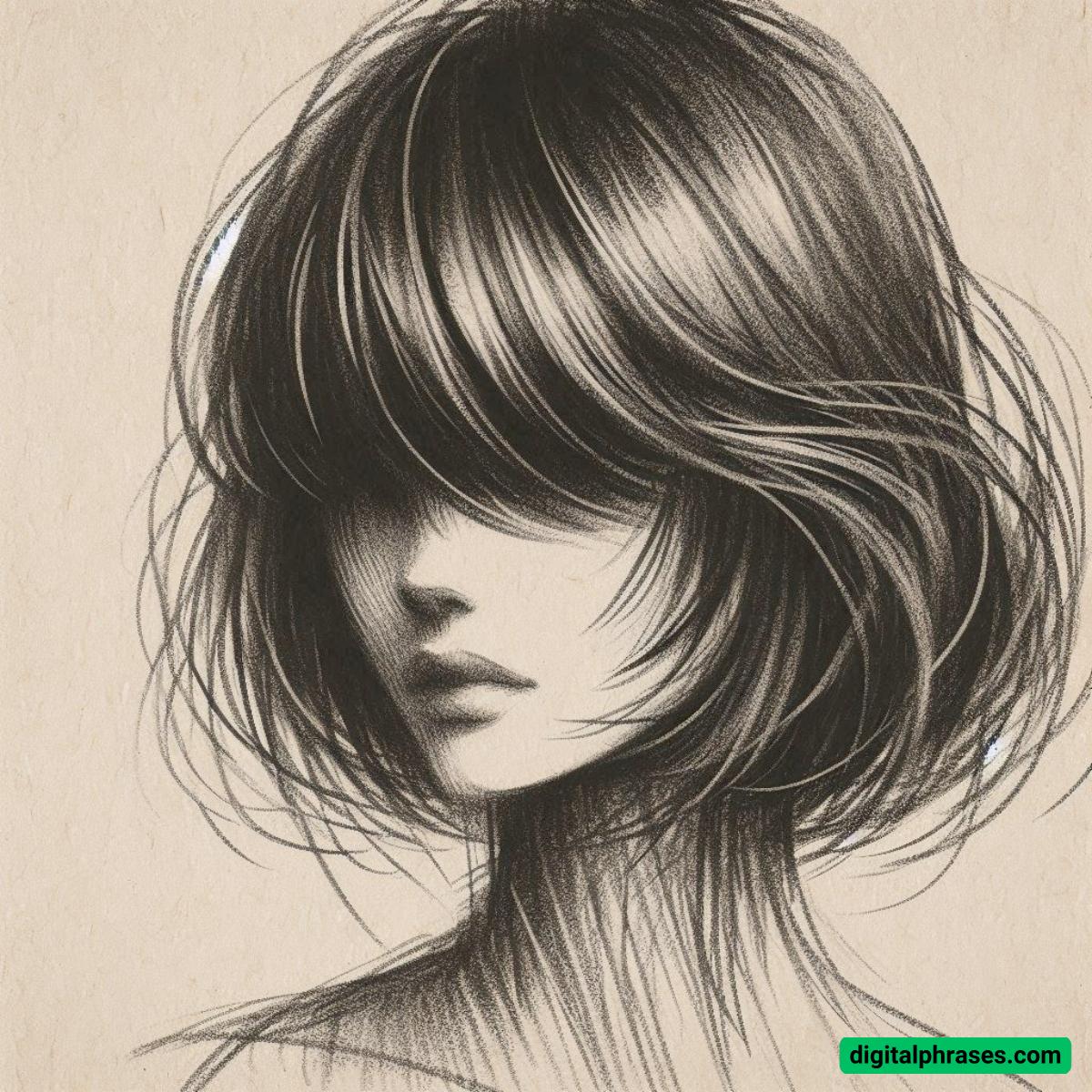
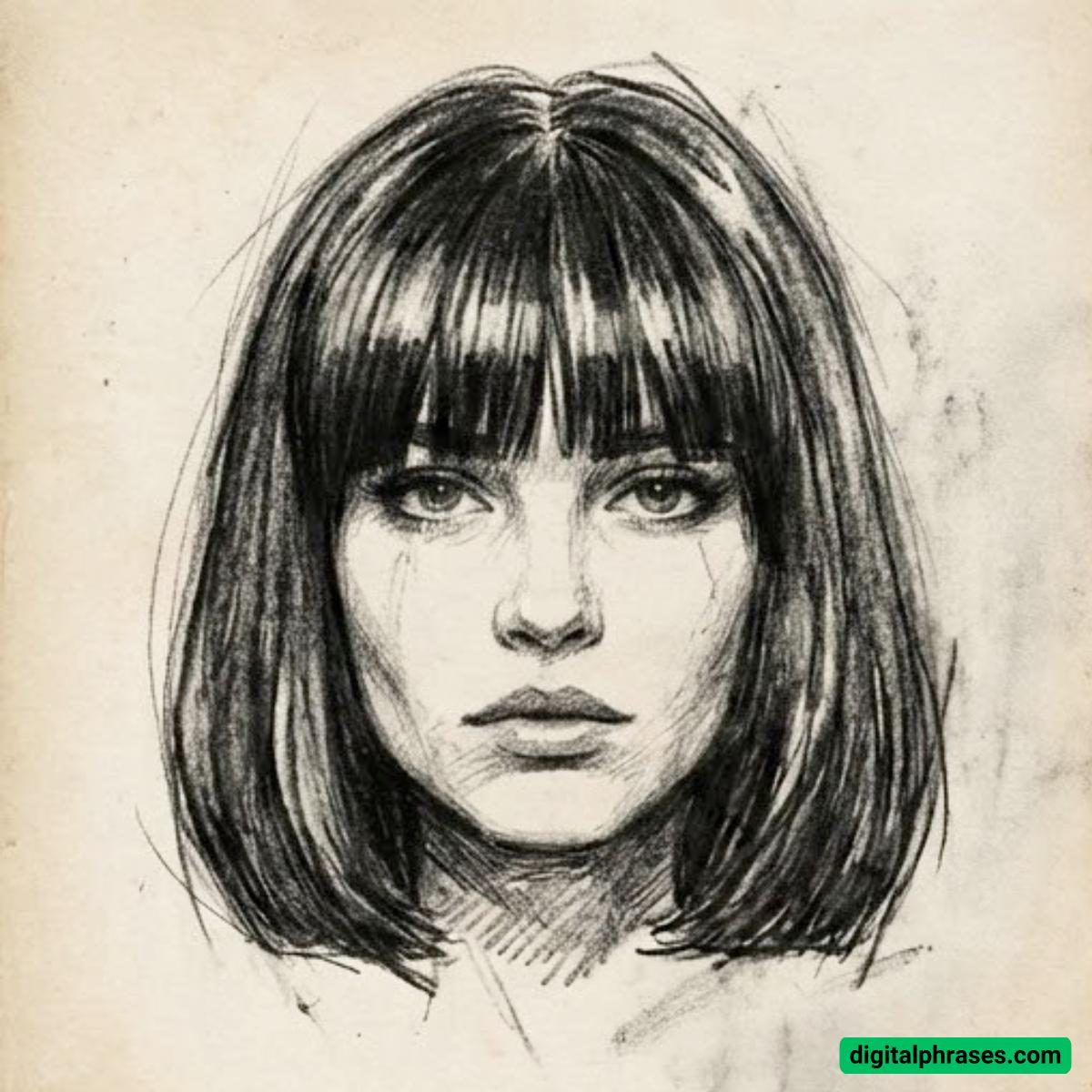
Bangs are such a fun detail to draw. They’re small, but they can completely change how a character looks and feels. Cute, cool, messy, soft, bold—bangs do it all.
The best part?
You don’t need to draw a full, complicated hairstyle to make an impact. A few well-placed strands across the forehead can instantly frame the face and make your character feel more alive. Bangs are perfect for practicing flow, movement, and layering while keeping things simple and relaxed.
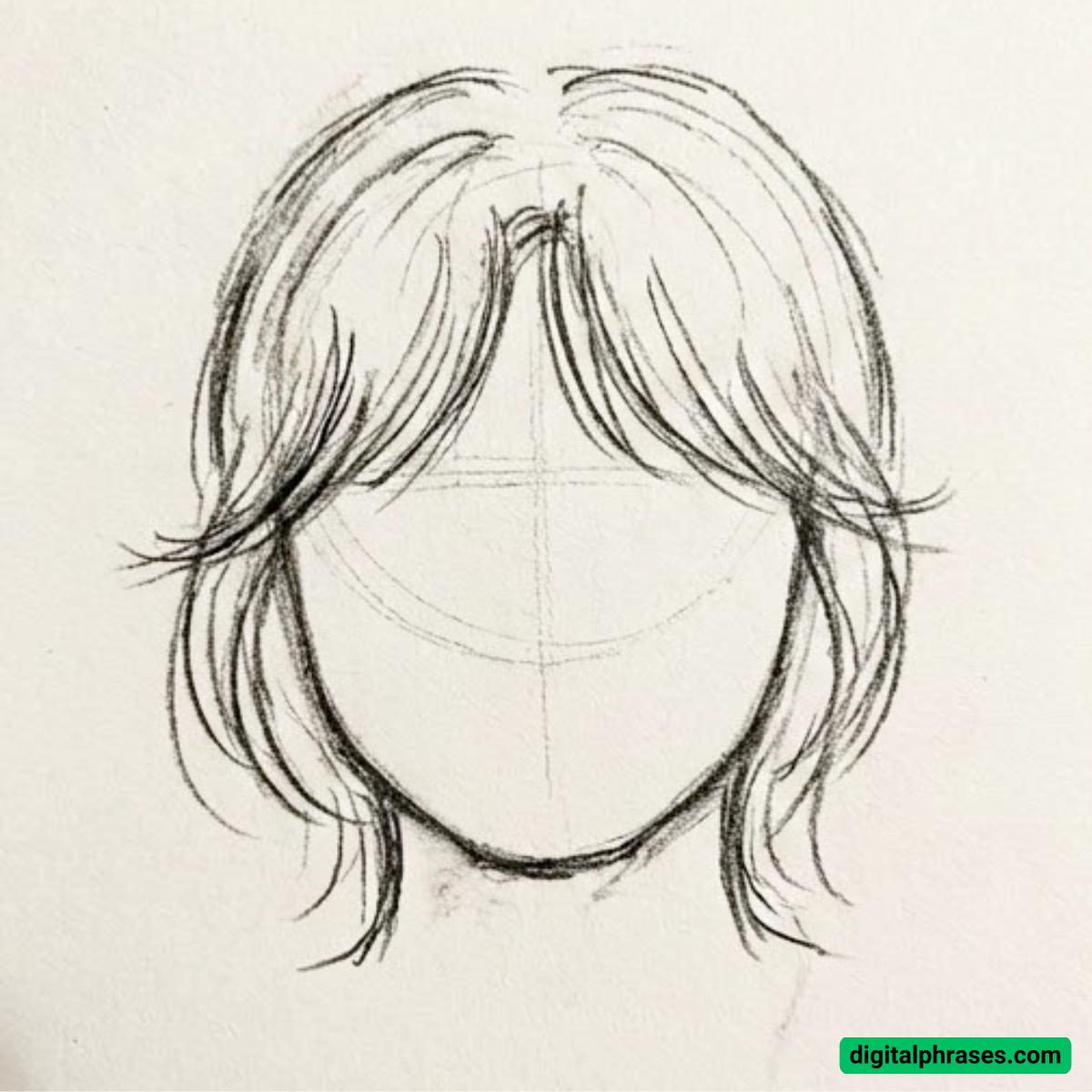
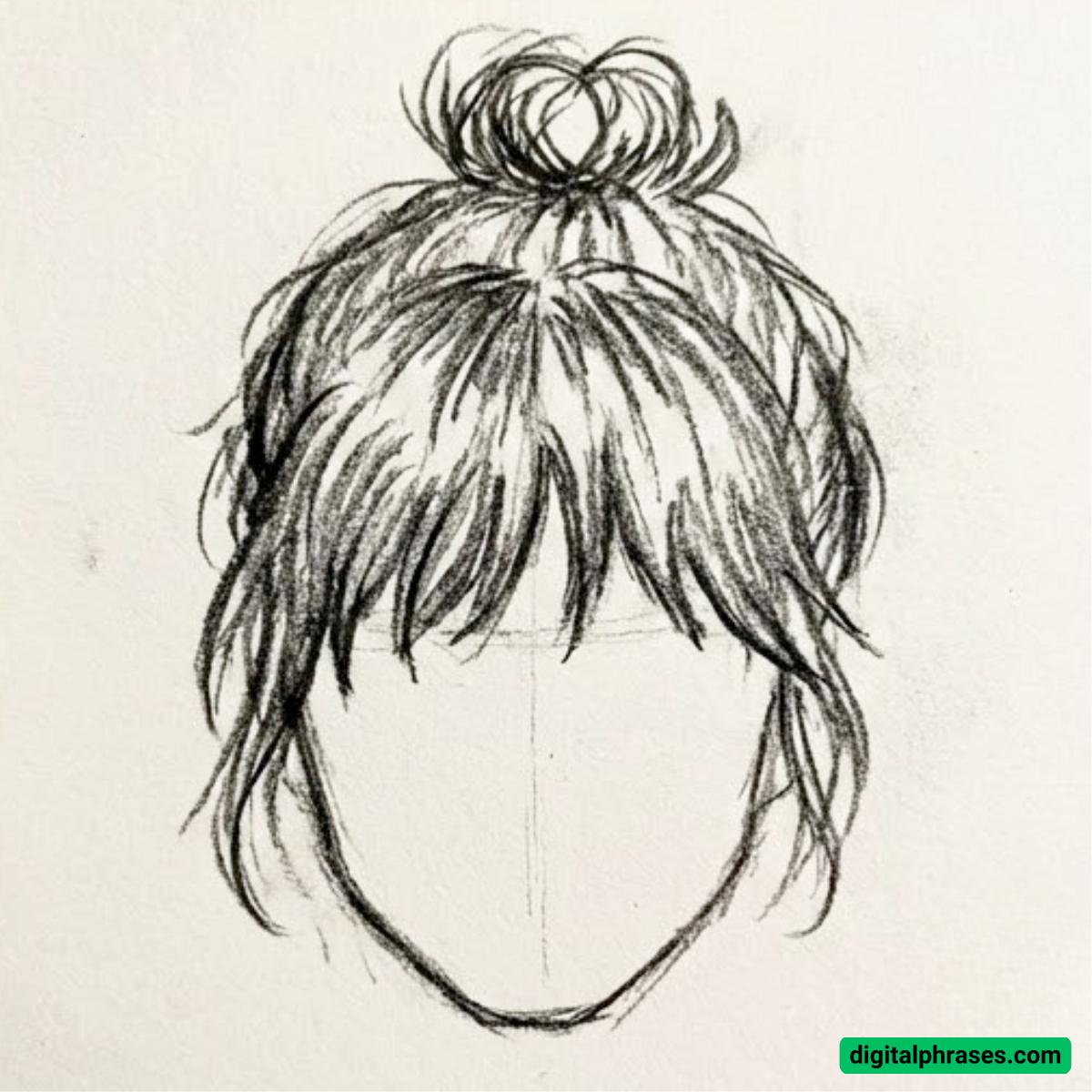
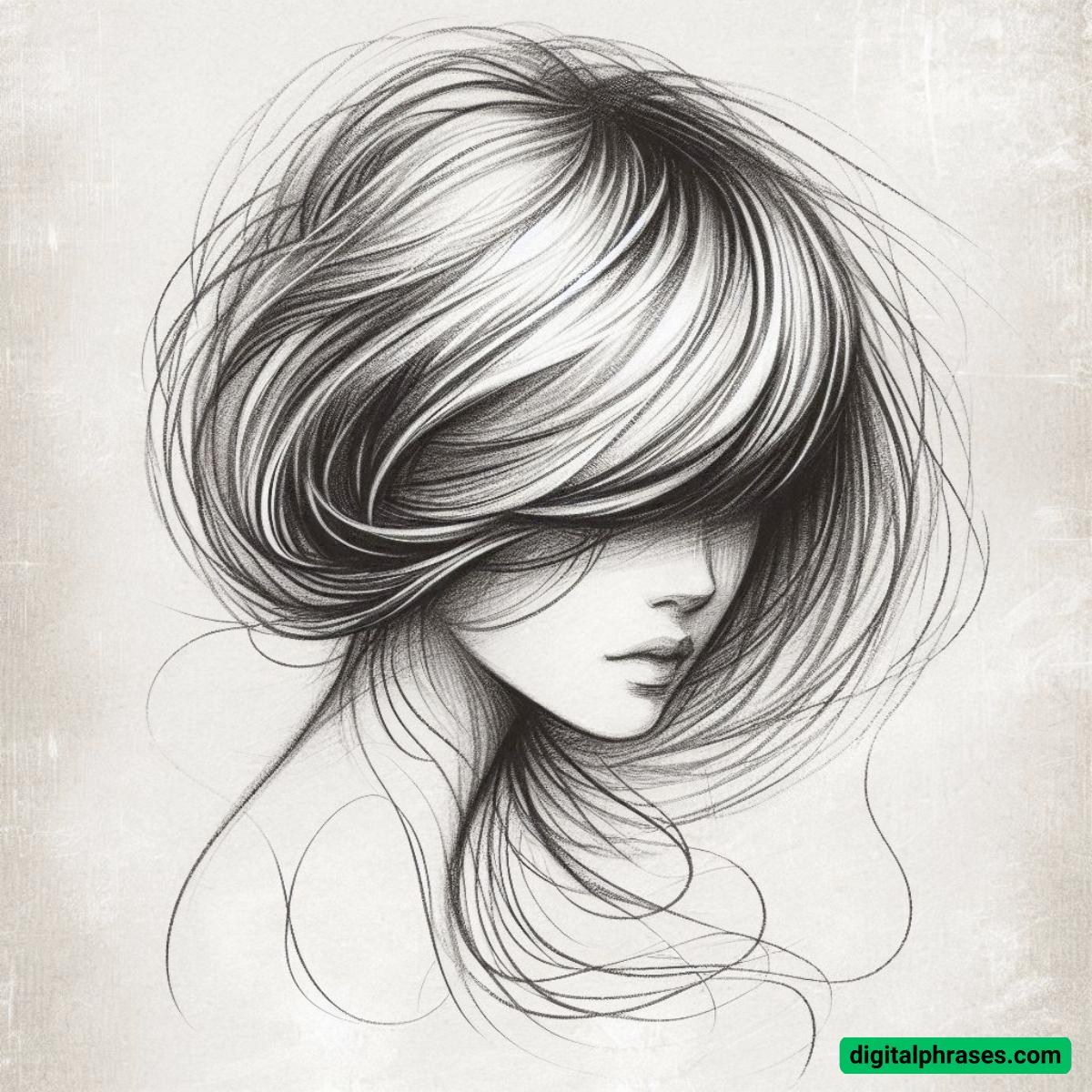
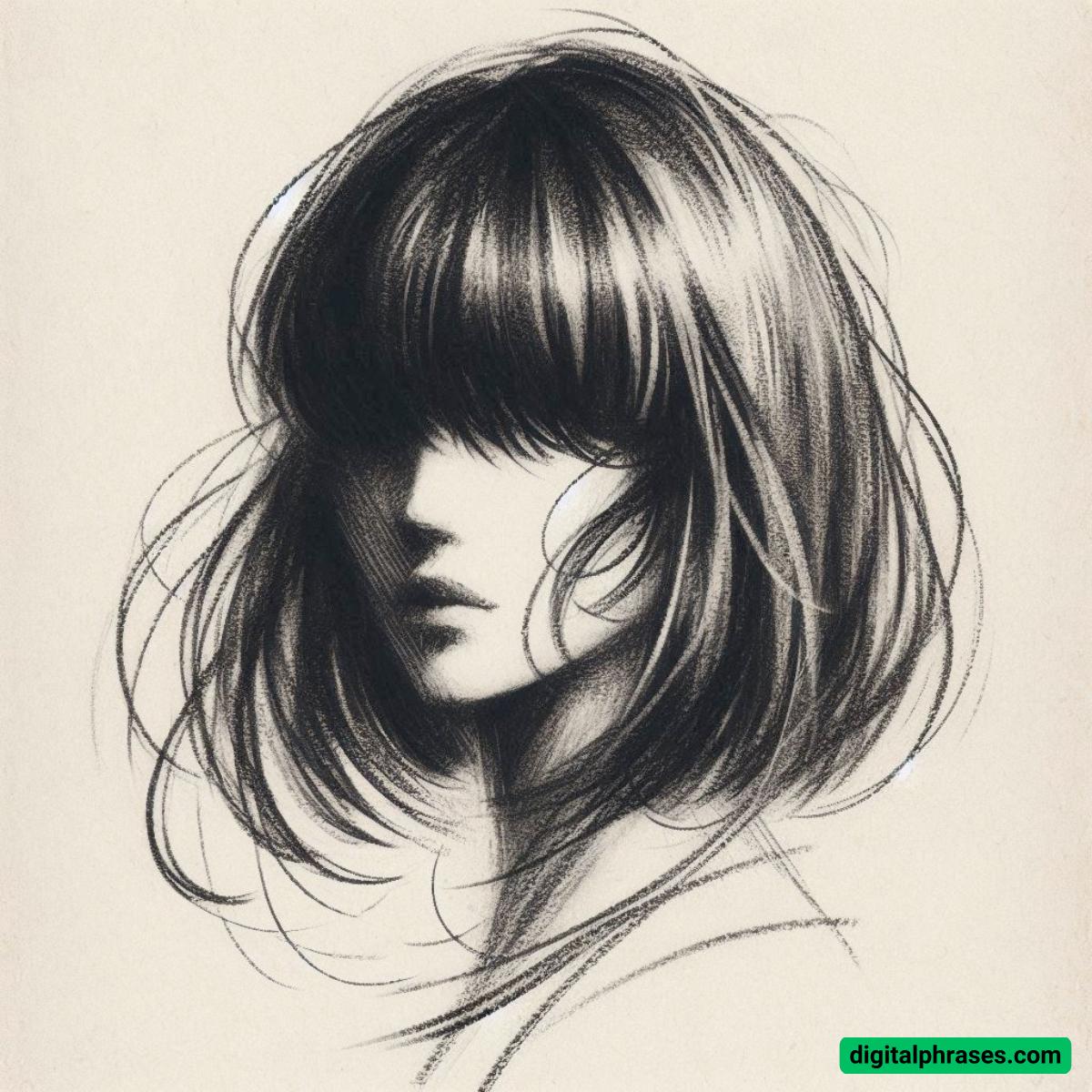
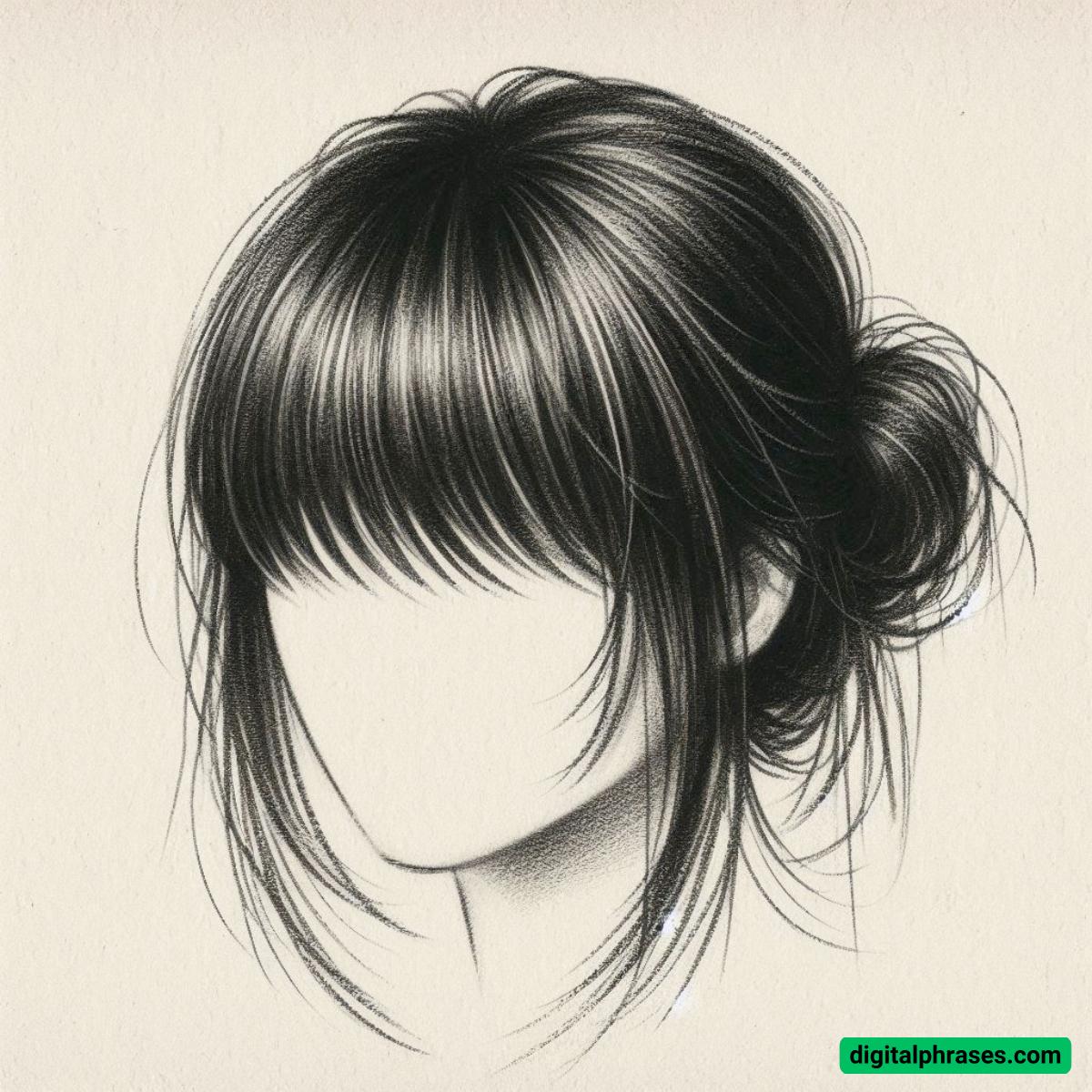
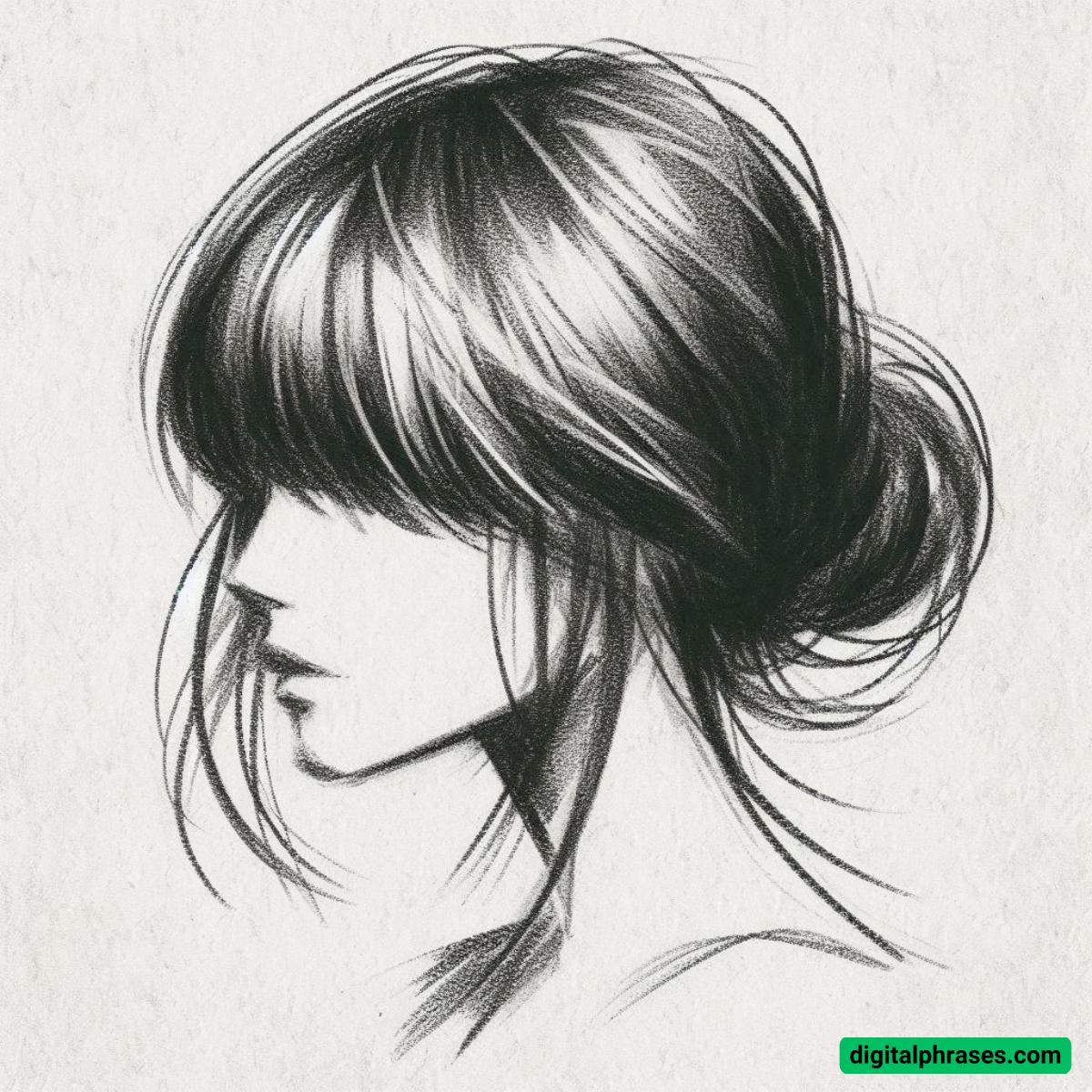
In these examples below, you’ll find simple drawing ideas of bangs to inspire your sketches and elevate them to the next level.
Bangs Drawing Ideas
1

2
3
4
5
6
7
8
9
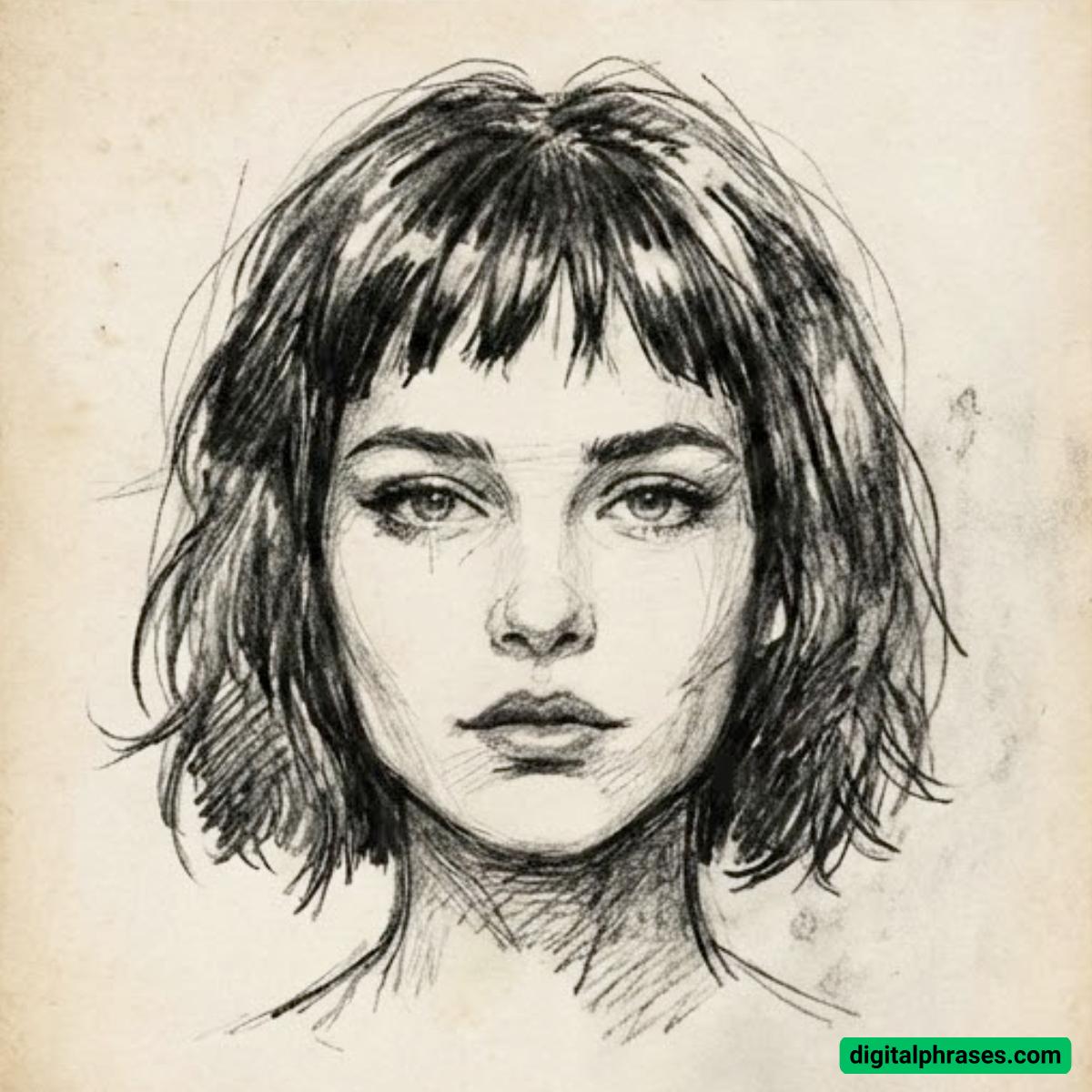
10
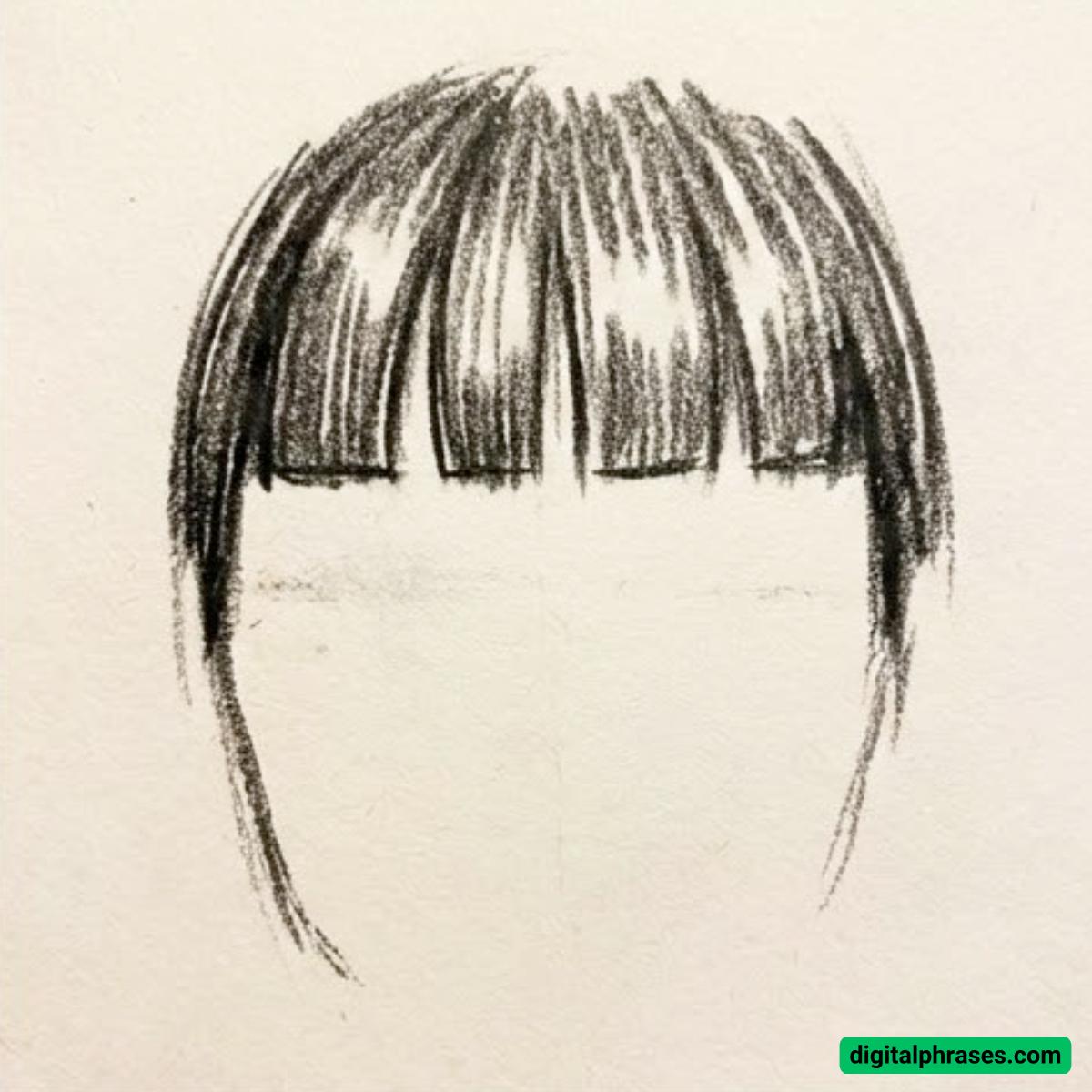
11
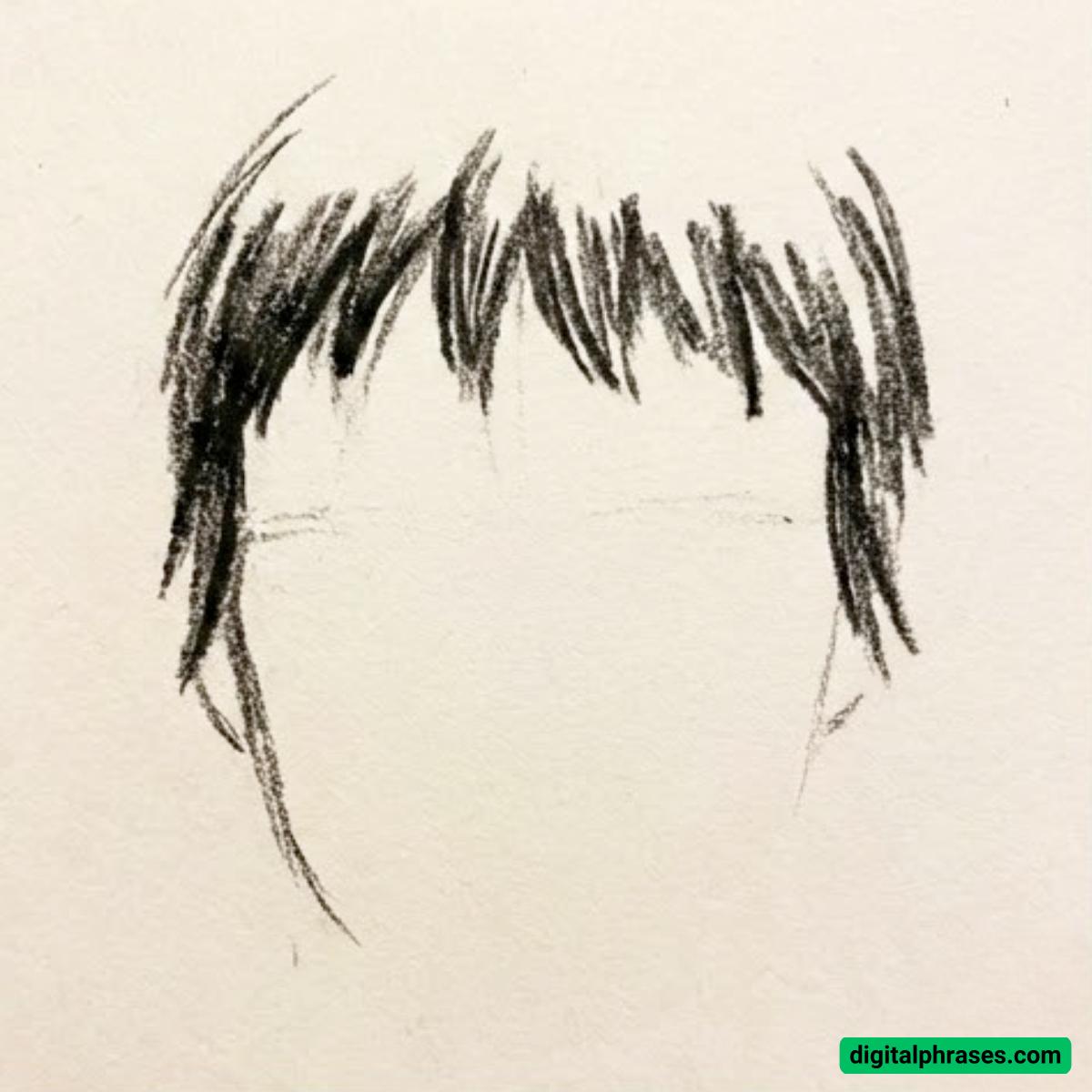
12
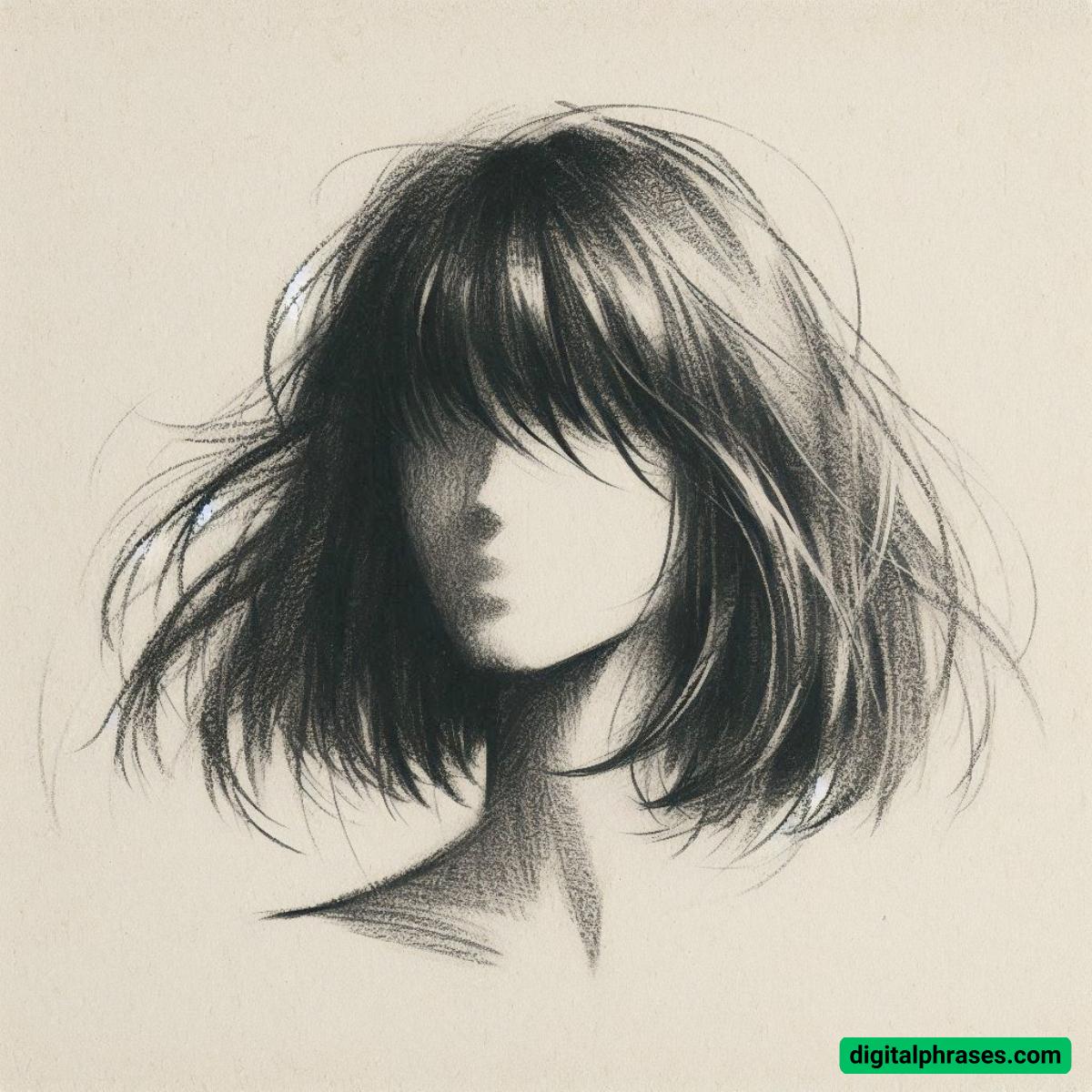
13
14
15
Tips For Drawing
Tip 1: Start With the Hairline, Not the Bangs
Before you draw a single strand, lightly sketch the hairline and forehead shape. This step is easy to skip, but it makes a huge difference. Bangs don’t float on the face—they grow from the scalp and follow the curve of the head. When you understand where the hair begins, your bangs will instantly look more natural and grounded.
Think of the hairline as a soft guide, not a sharp border. Even straight bangs usually have a gentle curve that wraps around the forehead. Drawing this first helps you place the bangs correctly and prevents them from looking pasted on.
Tip 2: Draw Bangs in Sections, Not Individual Strands
One of the most common mistakes is drawing hair strand by strand. Instead, break bangs into small sections or clumps. Real hair naturally groups together, especially at the front.
Start with two to five main shapes that flow downward, then add a few loose strands afterward. This keeps your drawing clean and readable. Once the main shapes feel right, you can add subtle texture lines to suggest hair without overloading the drawing.
Tip 3: Let Gravity and Flow Do the Work
Bangs almost always follow gravity—unless wind or motion is involved. Let them curve downward naturally, even if they’re messy or layered. Avoid stiff, straight lines.
Use soft, slightly curved strokes and vary their length. Some pieces should be shorter, some longer. This creates movement and keeps bangs from looking flat or cut with a ruler. A little unevenness goes a long way.
Tip 4: Use Overlap to Create Depth
Great bangs have layers. To show this, let some sections overlap others. A few strands crossing in front of others instantly adds depth and makes the hair feel fuller.
Don’t outline every piece perfectly. Allow shapes to blend and overlap slightly. This layering effect helps bangs feel soft and natural instead of stiff or cartoonish (unless that’s the style you want).
Tip 5: Keep Highlights and Shadows Simple
You don’t need heavy shading to make bangs look good. A few well-placed shadows near the roots and under overlapping sections will do the job.
Leave small highlight areas where light would naturally hit—usually on the top curve of the bangs. This contrast gives hair dimension without overworking it. Remember: less detail often looks better and keeps the focus on the face.
Final Thought
Bangs are all about flow, shape, and simplicity. Practice them often, keep your lines loose, and don’t stress about perfection. The more you draw bangs, the more natural they’ll feel—and soon, they’ll become one of your favorite details to sketch.