24 Bat Drawing Ideas
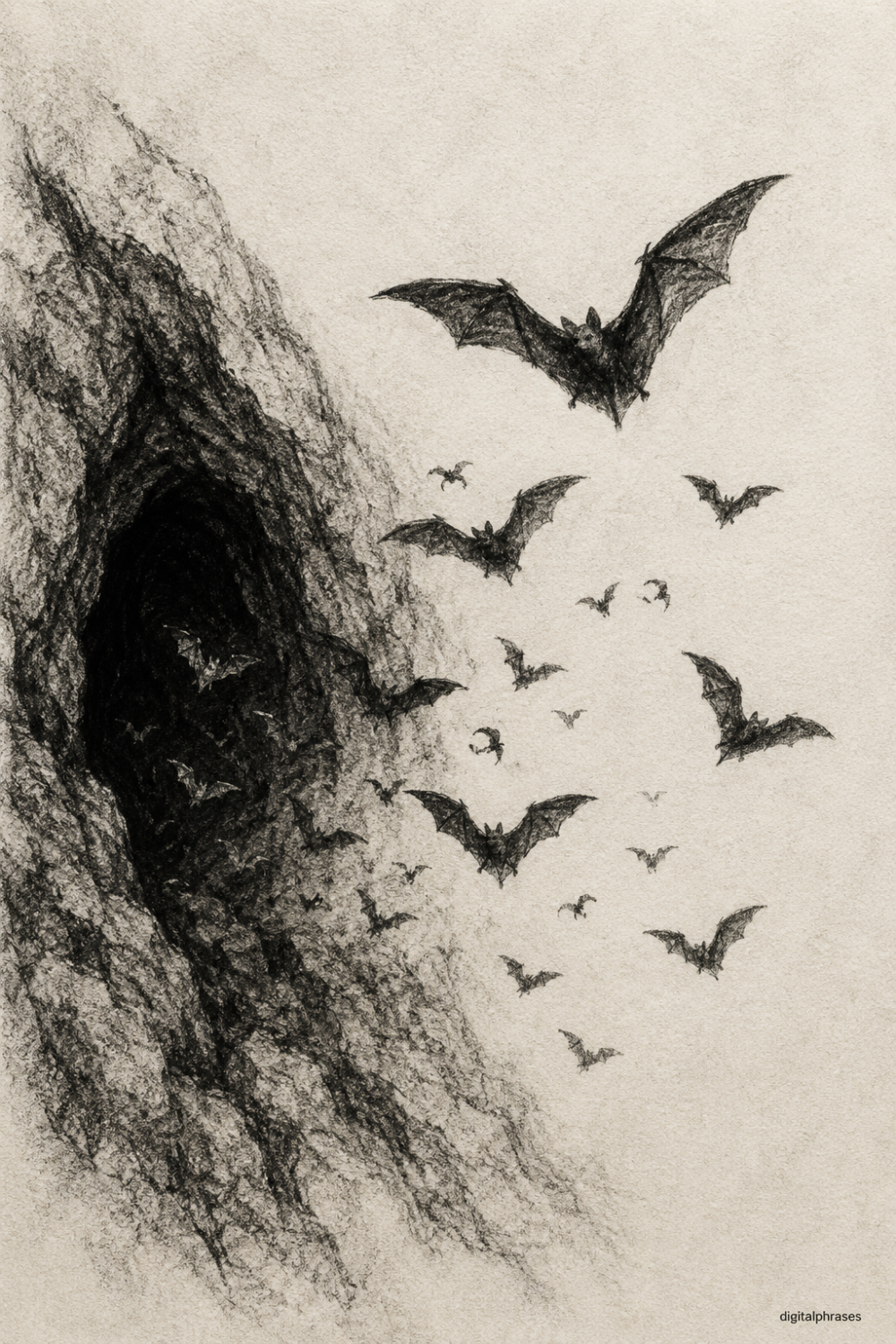
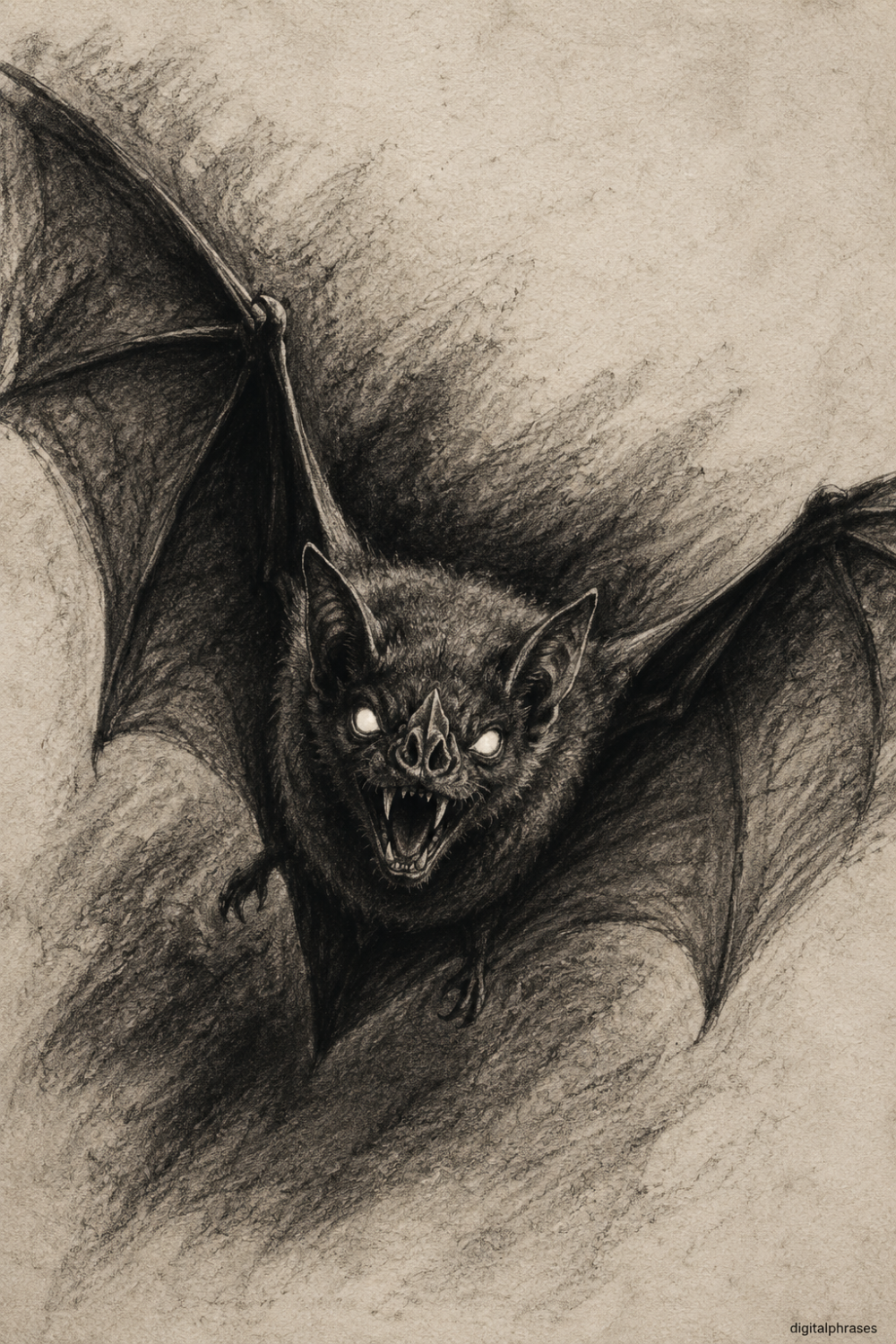
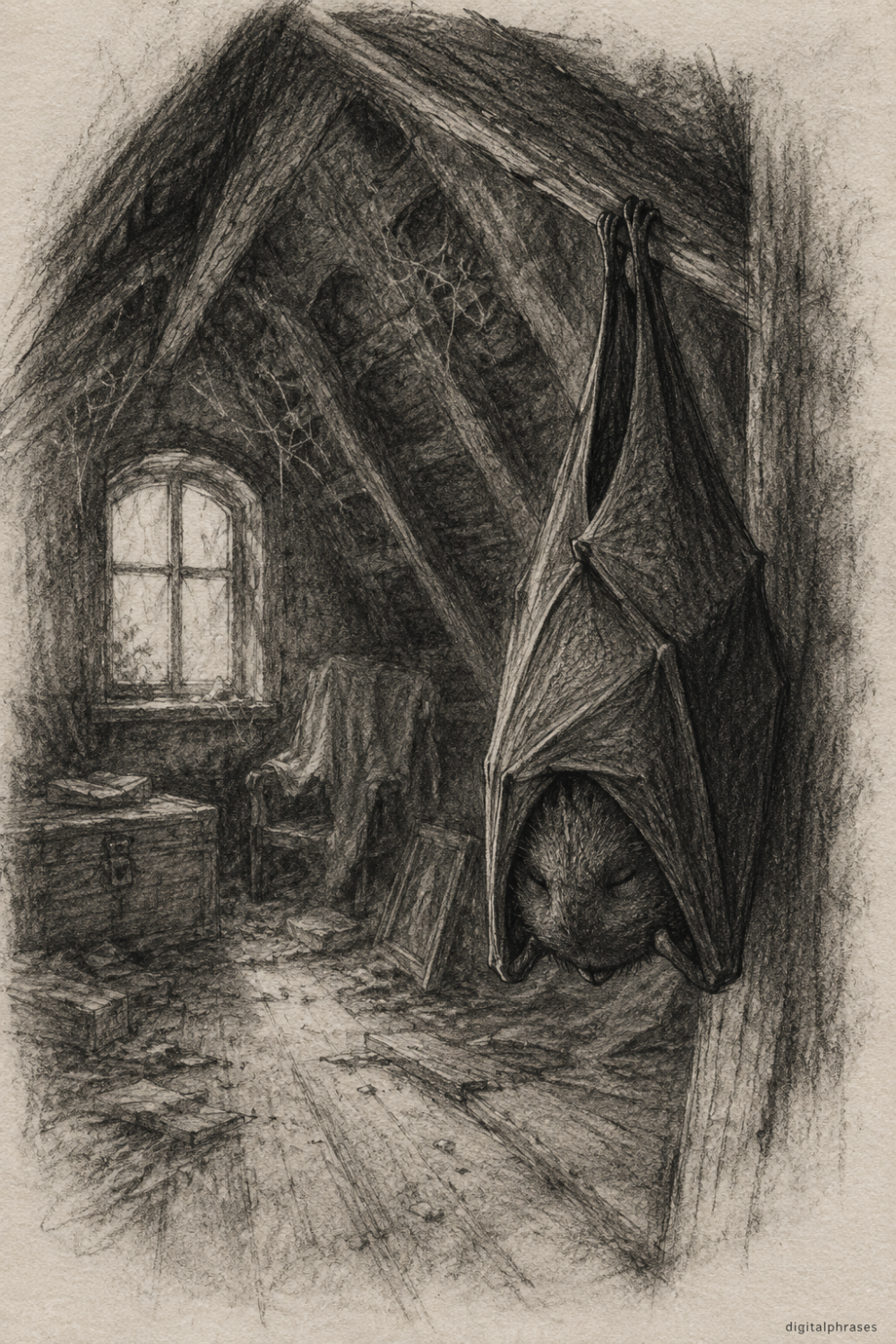
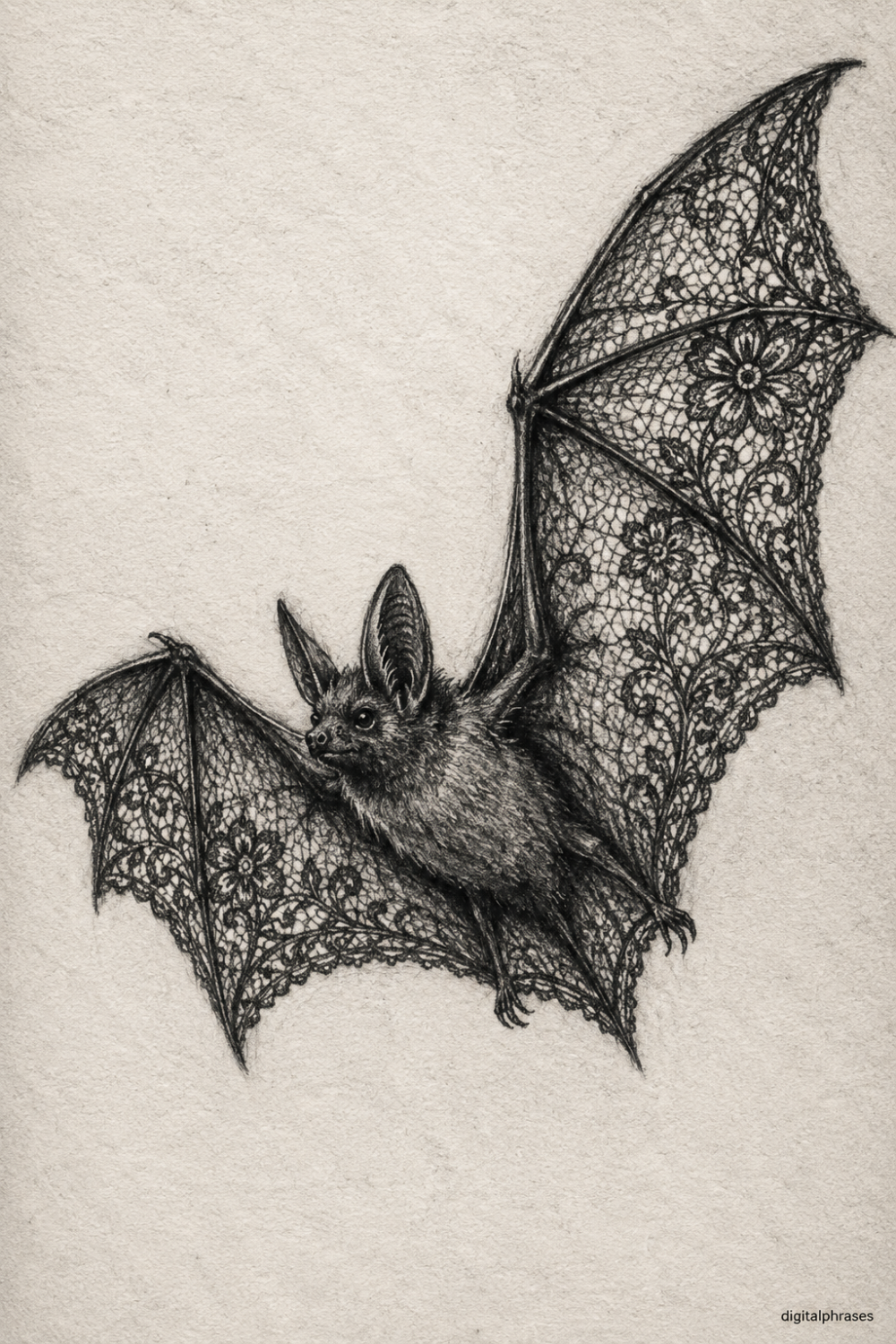
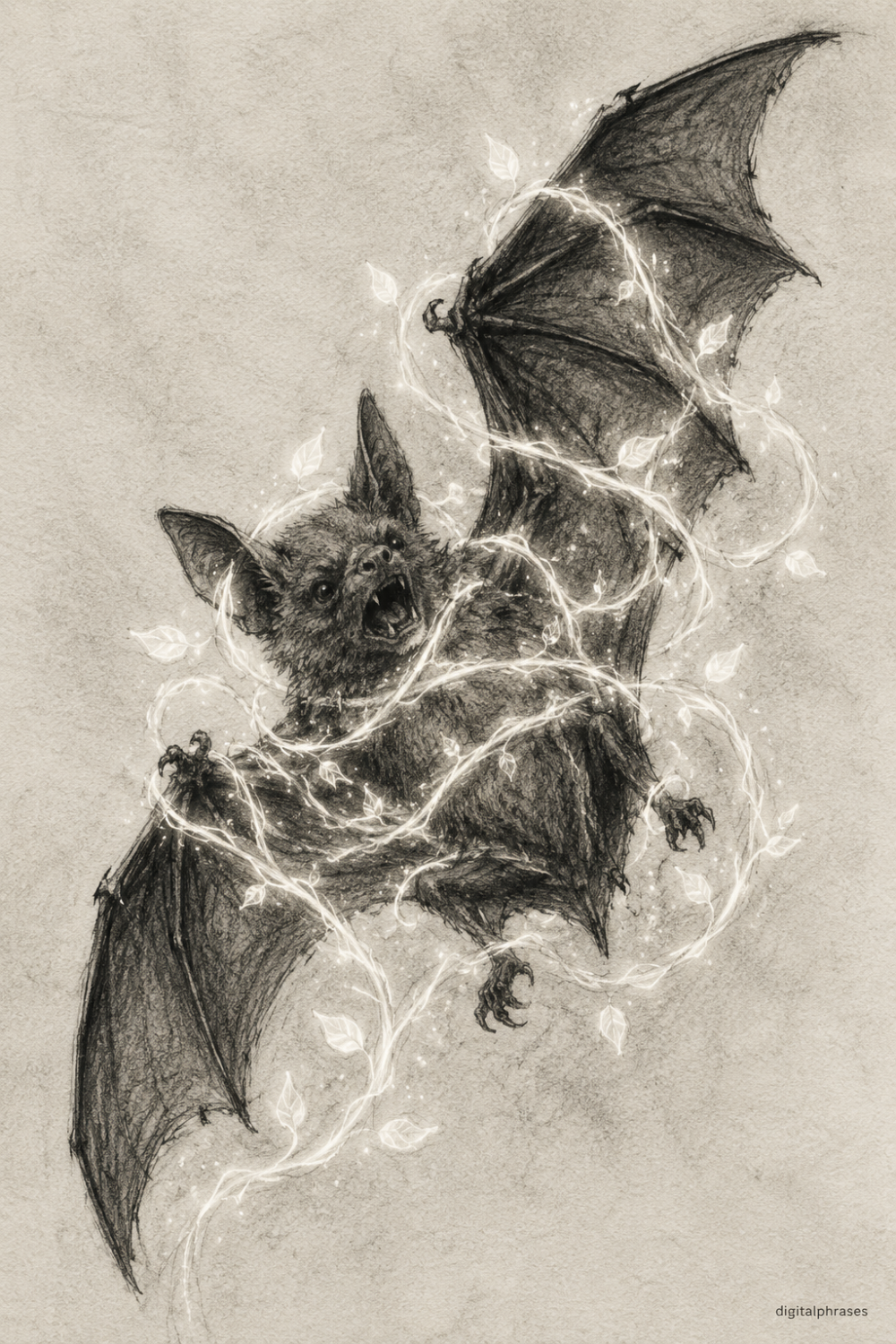
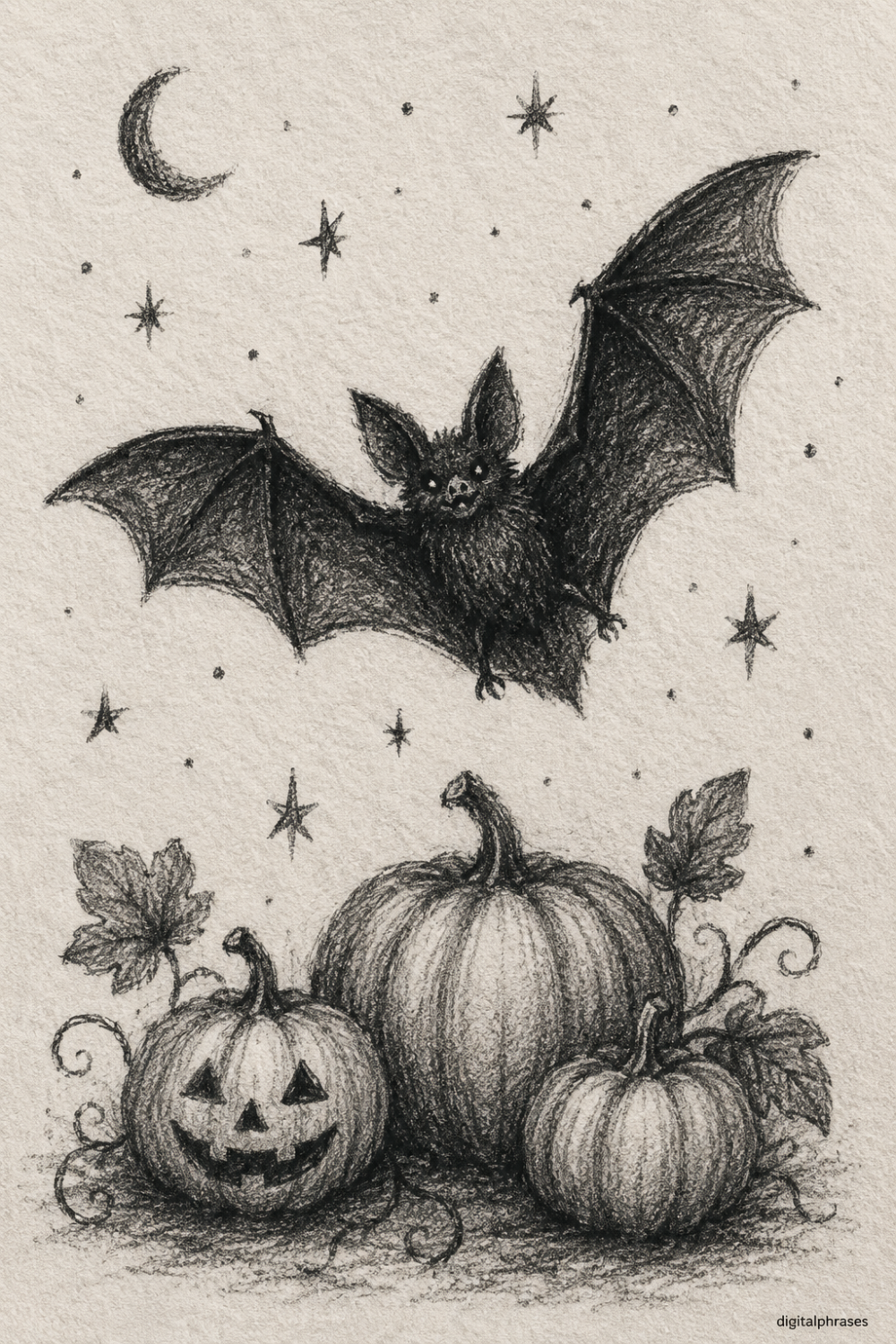
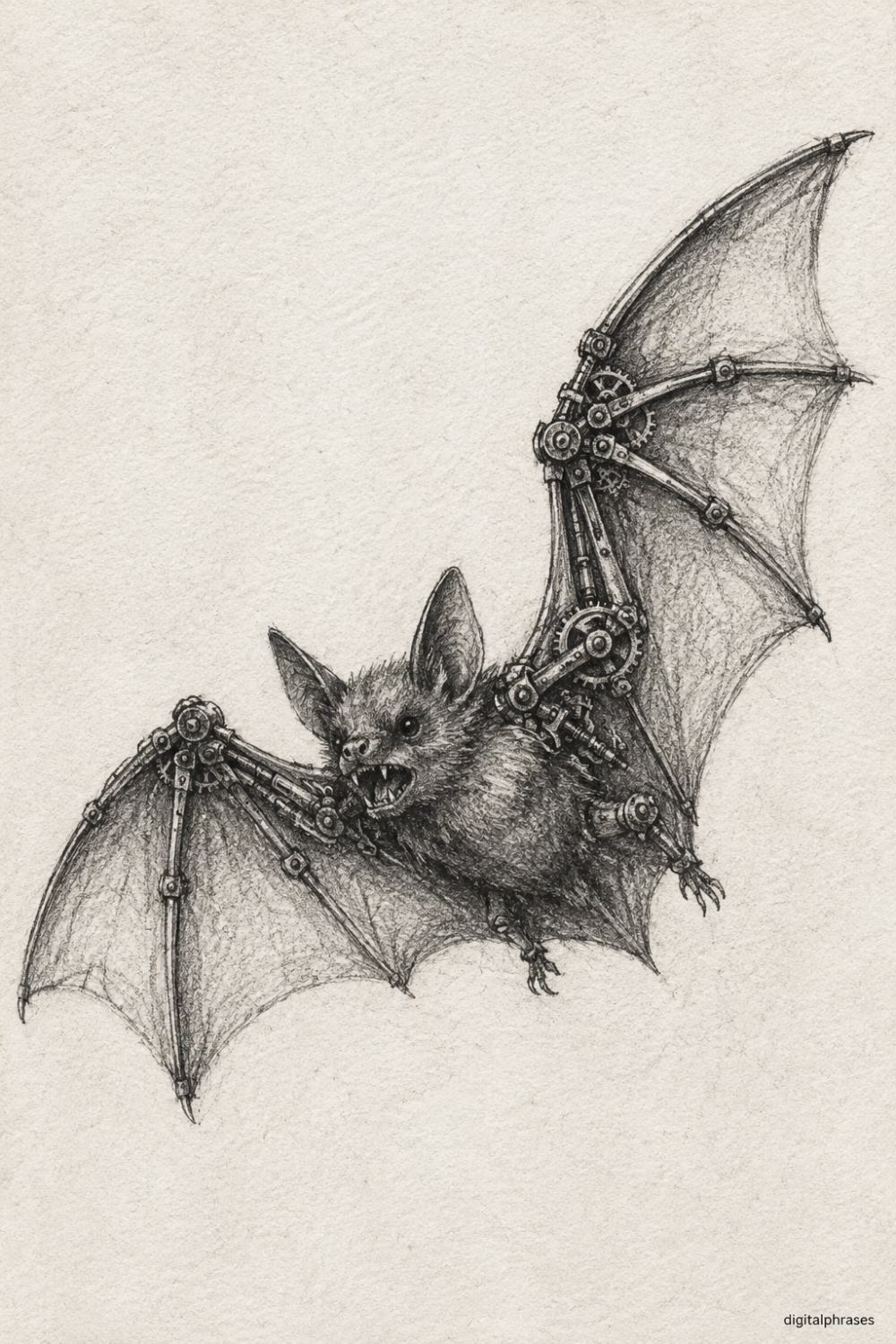
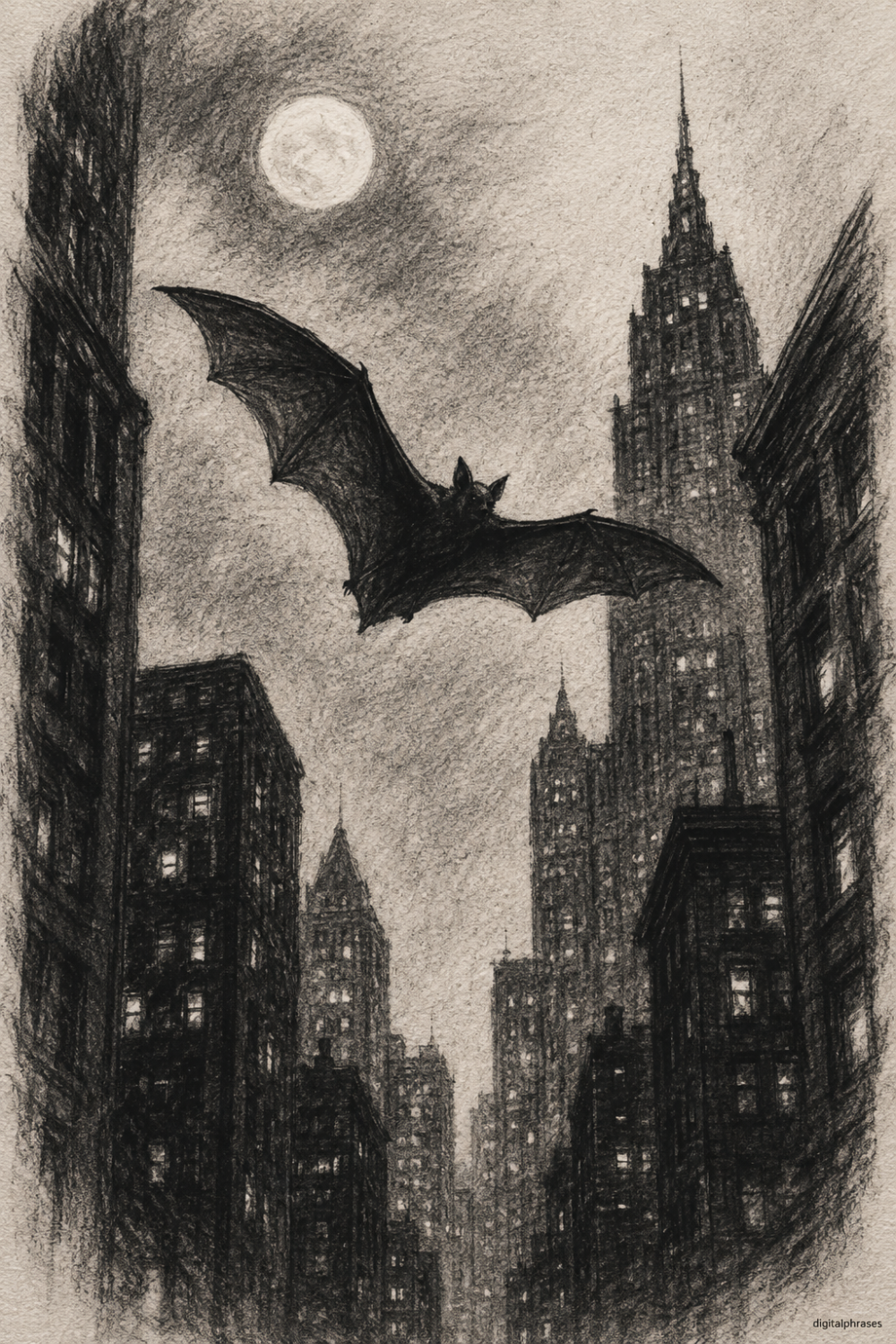
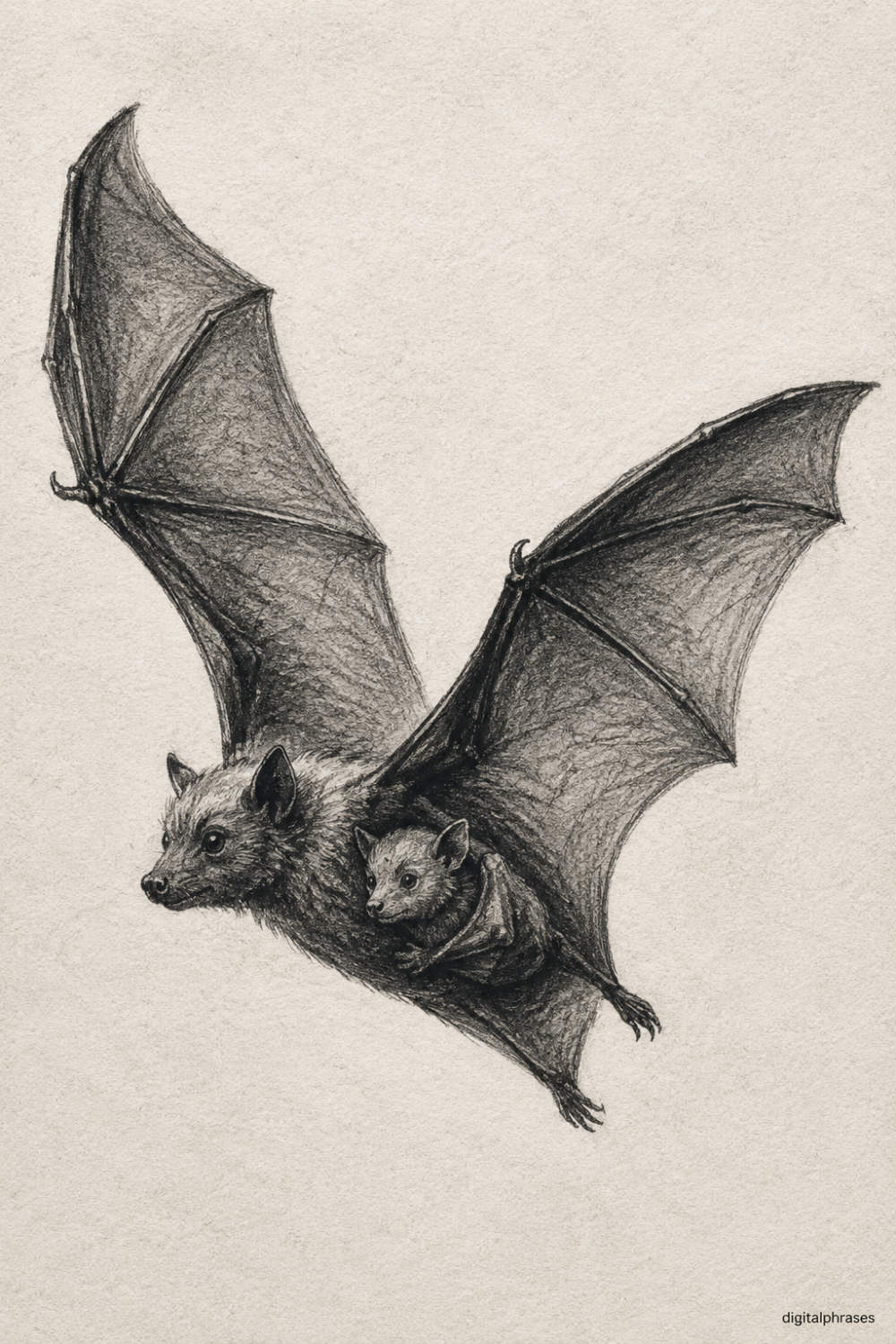
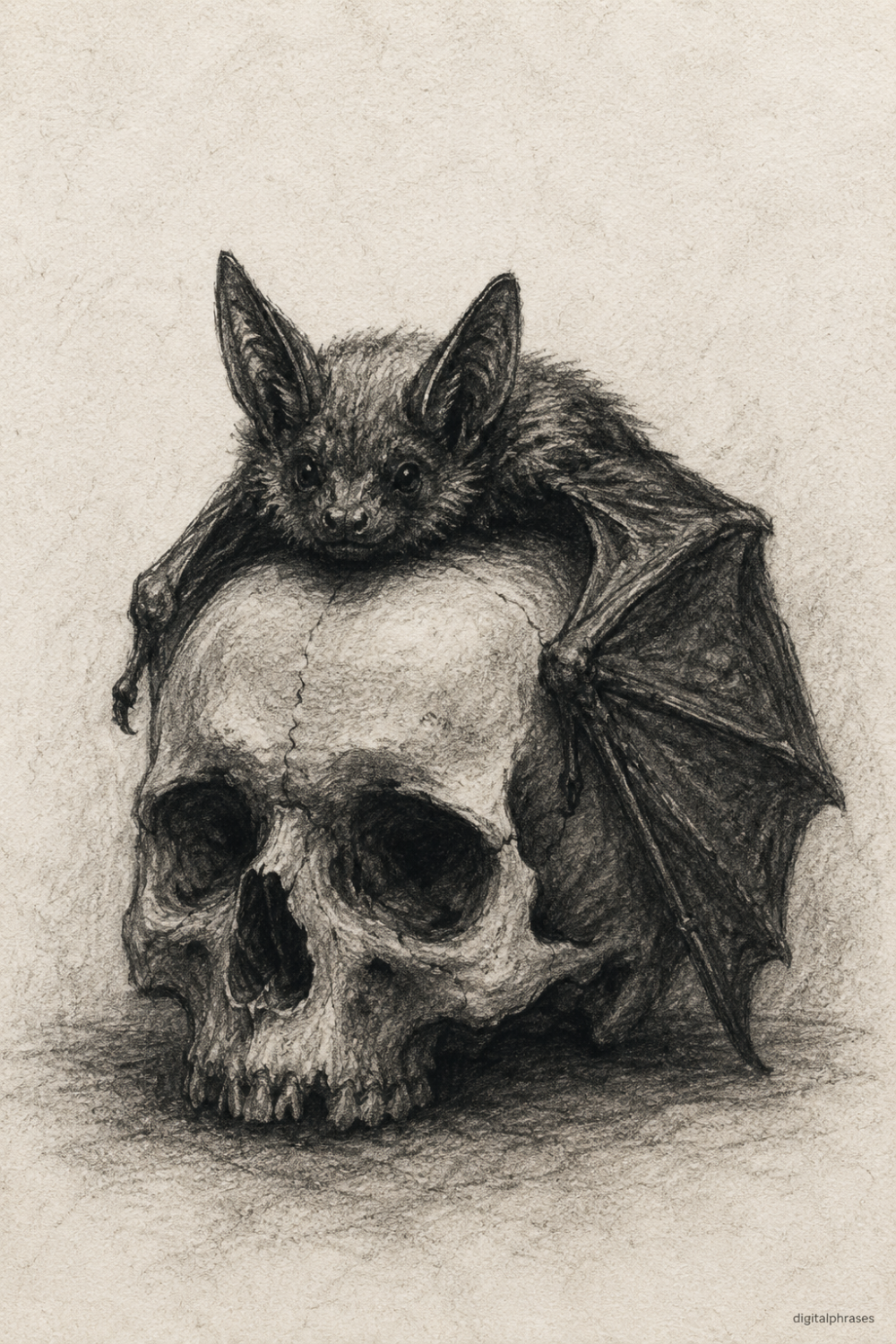
Bats are mysterious, cute, and surprisingly fun to draw, making them a great subject for artists of all ages. You can start with easy shapes, playful expressions, and bold wings, then add details like moonlit skies, caves, stars, or pumpkins.
In this post, you’ll find simple inspiration to help you create fun bat artwork and build your drawing confidence.
1
2
3
4
5
6
7
8
9
10
11
12
13
14
15
16
17
18
19
20
21
22
23
24
Tips For Drawing Bats
Start with Simple Shapes
Begin your bat drawing by breaking the body into easy shapes. Use an oval or circle for the head, a small rounded shape for the body, and long curved lines for the wings. This makes the bat feel less complicated and helps you plan the pose before adding details.
Once the basic outline looks right, you can slowly refine the ears, face, legs, and wing edges. Simple shapes are especially helpful for beginners because they give your drawing structure and balance.
Focus on the Wings
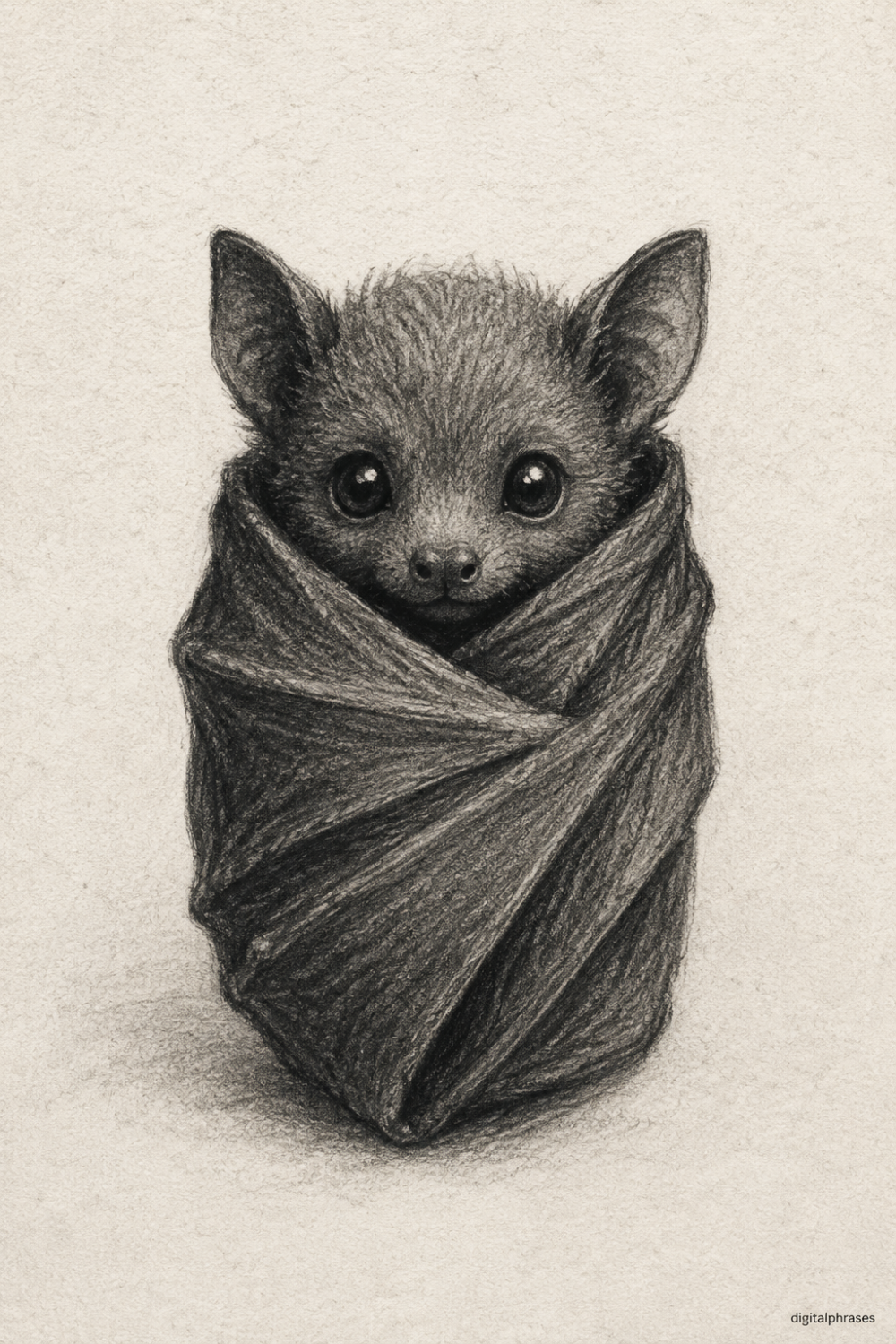
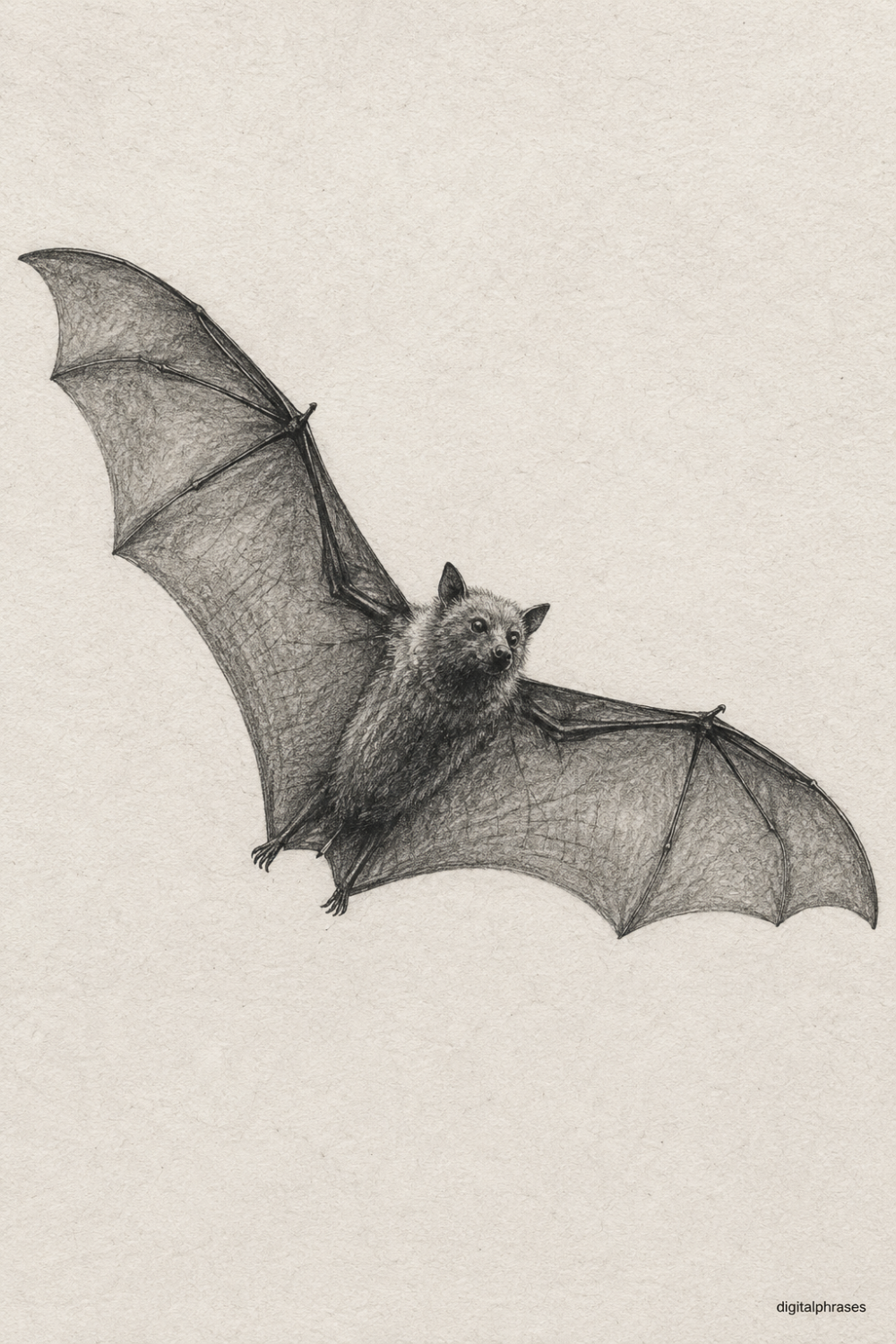
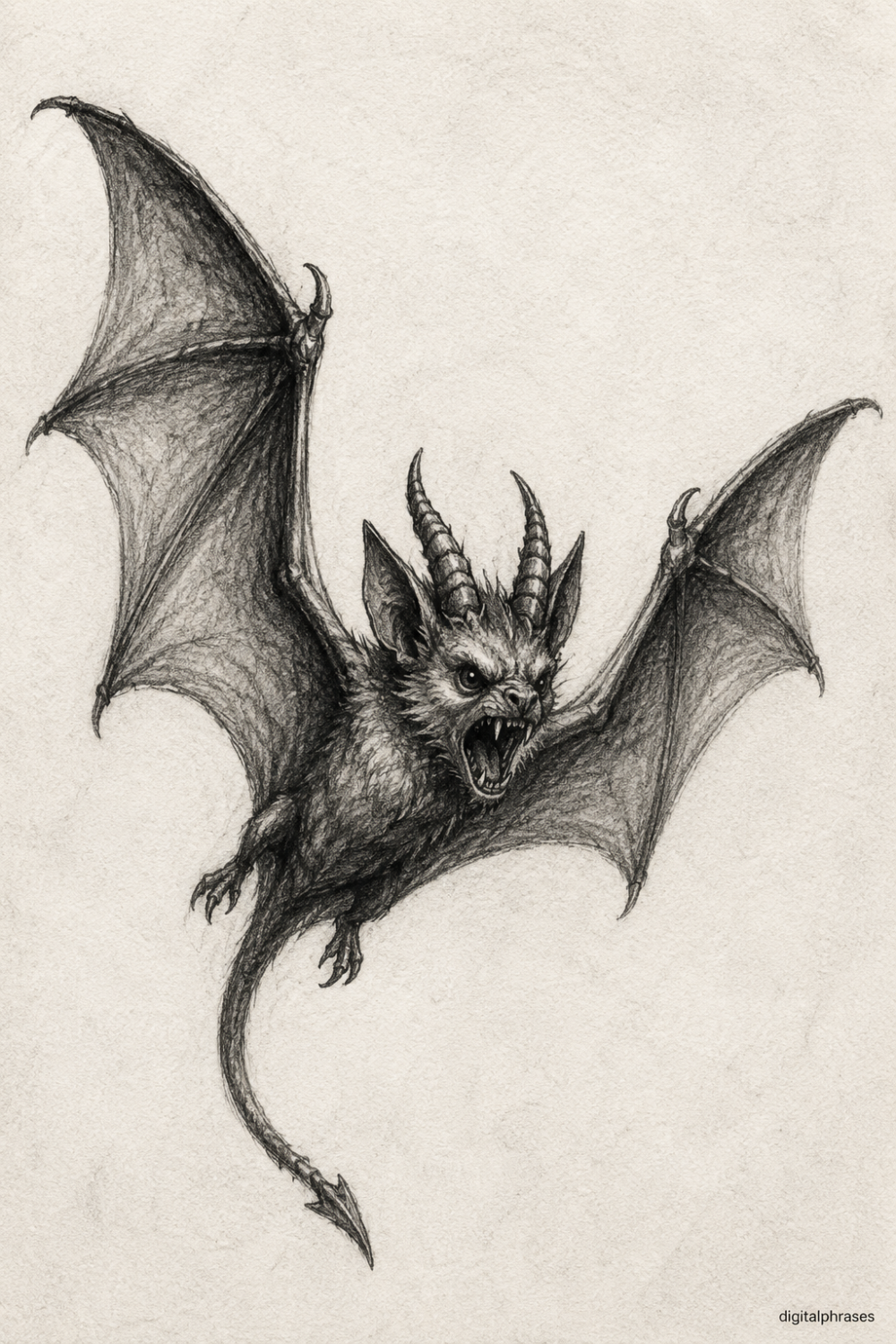
A bat’s wings are one of its most recognizable features, so spend time getting their shape right. Bat wings usually have a stretched, web-like look, with pointed sections along the bottom. You can draw them wide open for a dramatic pose or folded slightly for a softer, cuter look.
Try using smooth curved lines instead of perfectly straight ones, as this makes the wings feel more natural. Adding light details inside the wings can also make your bat drawing more interesting.
Add Personality to the Face
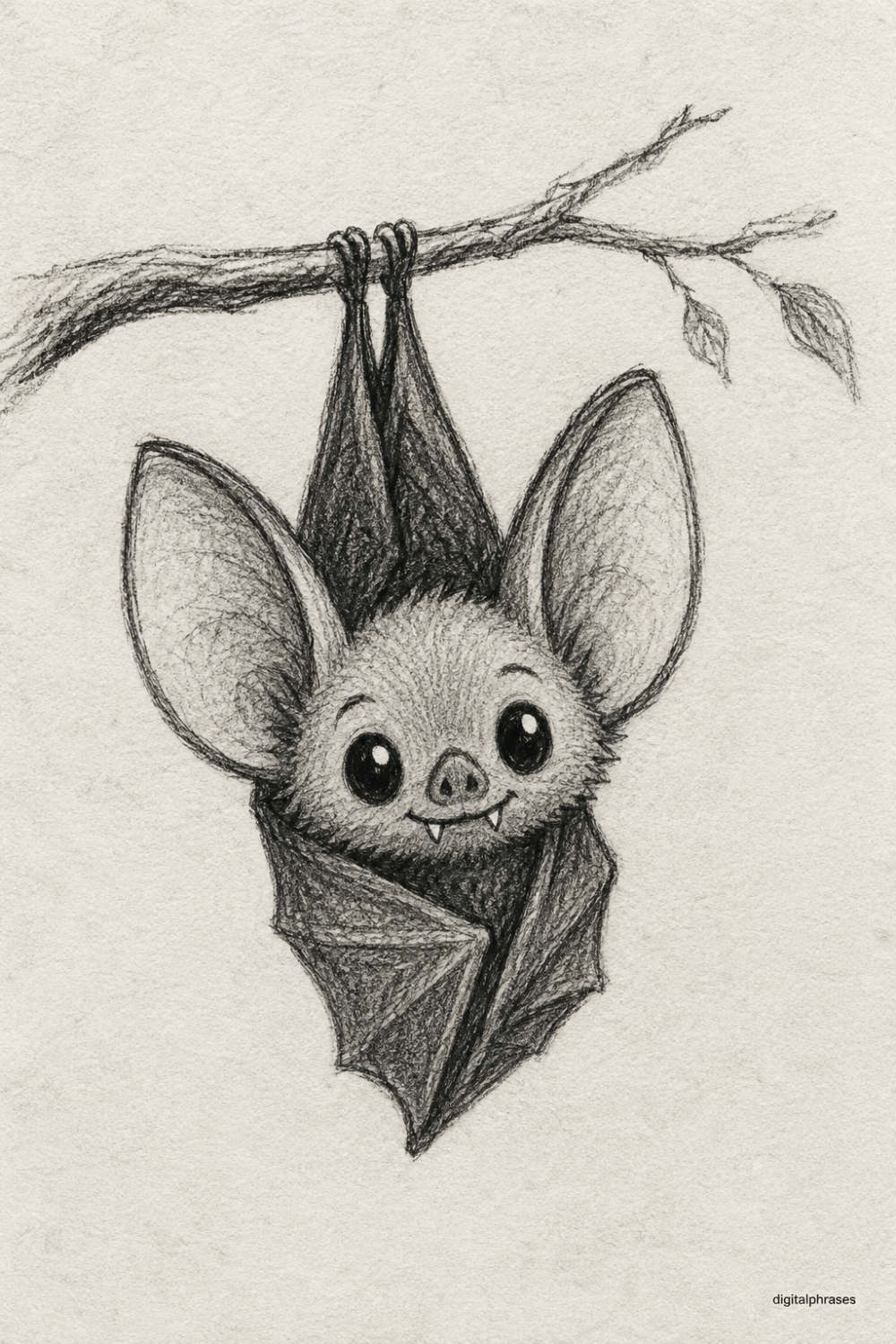
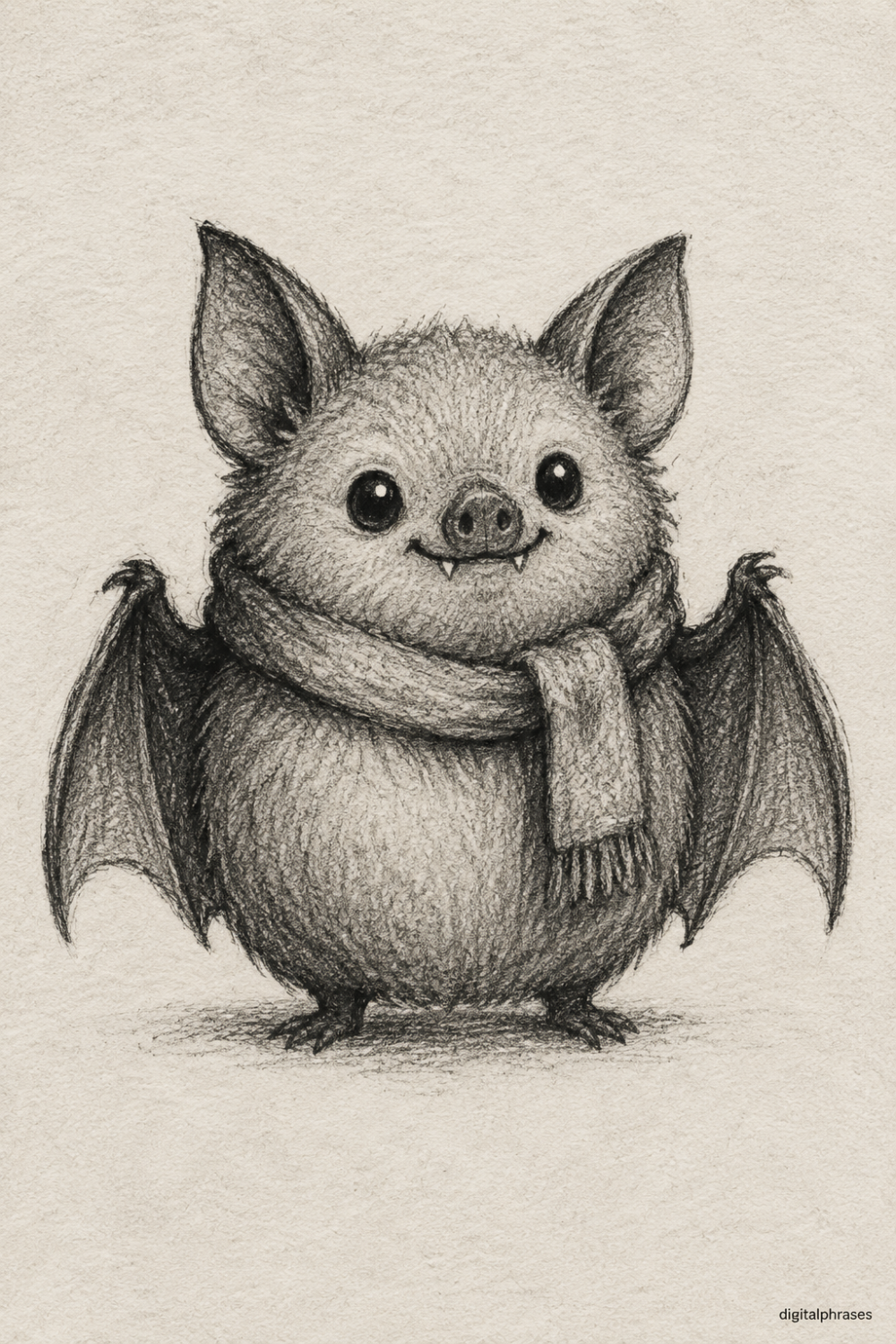
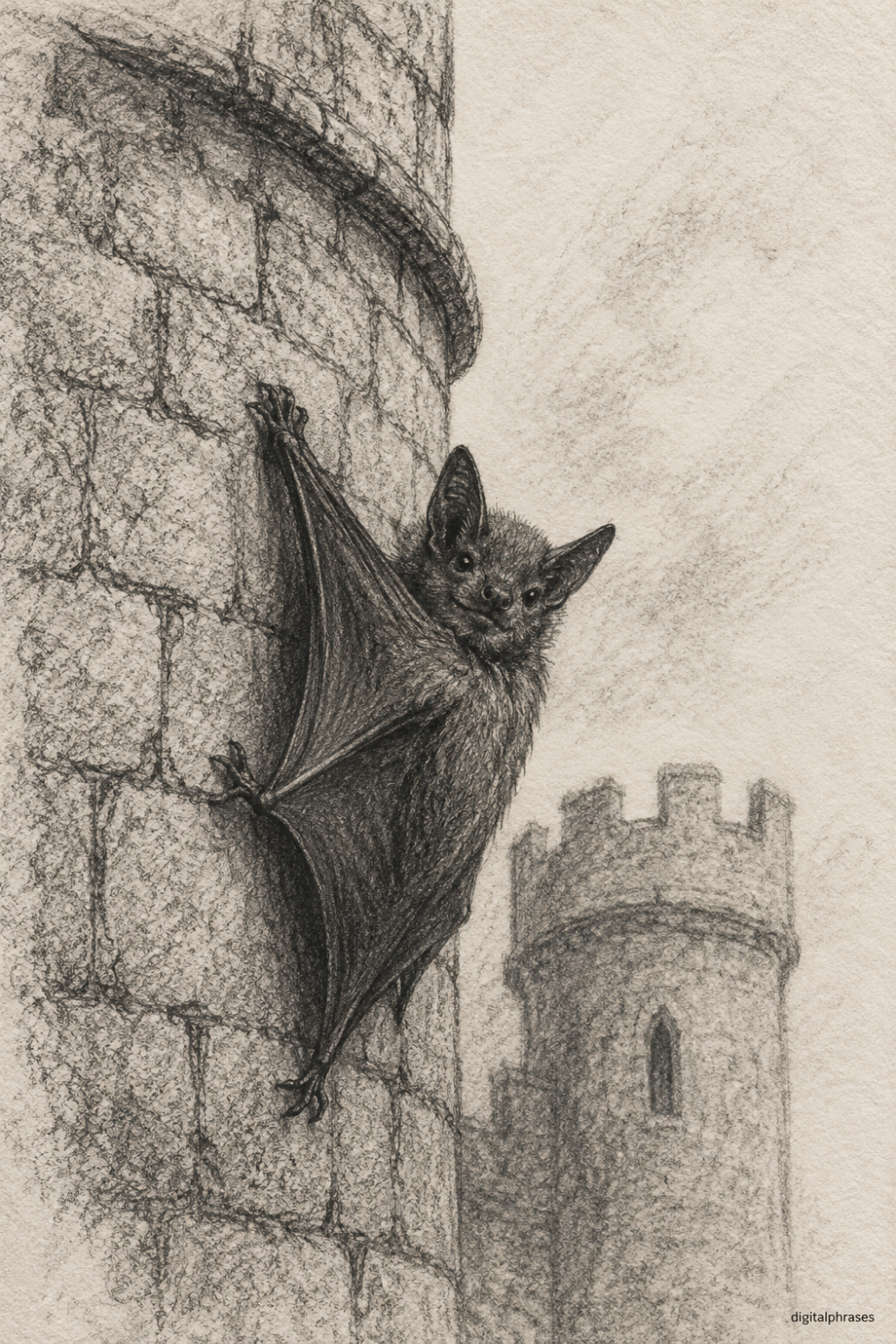
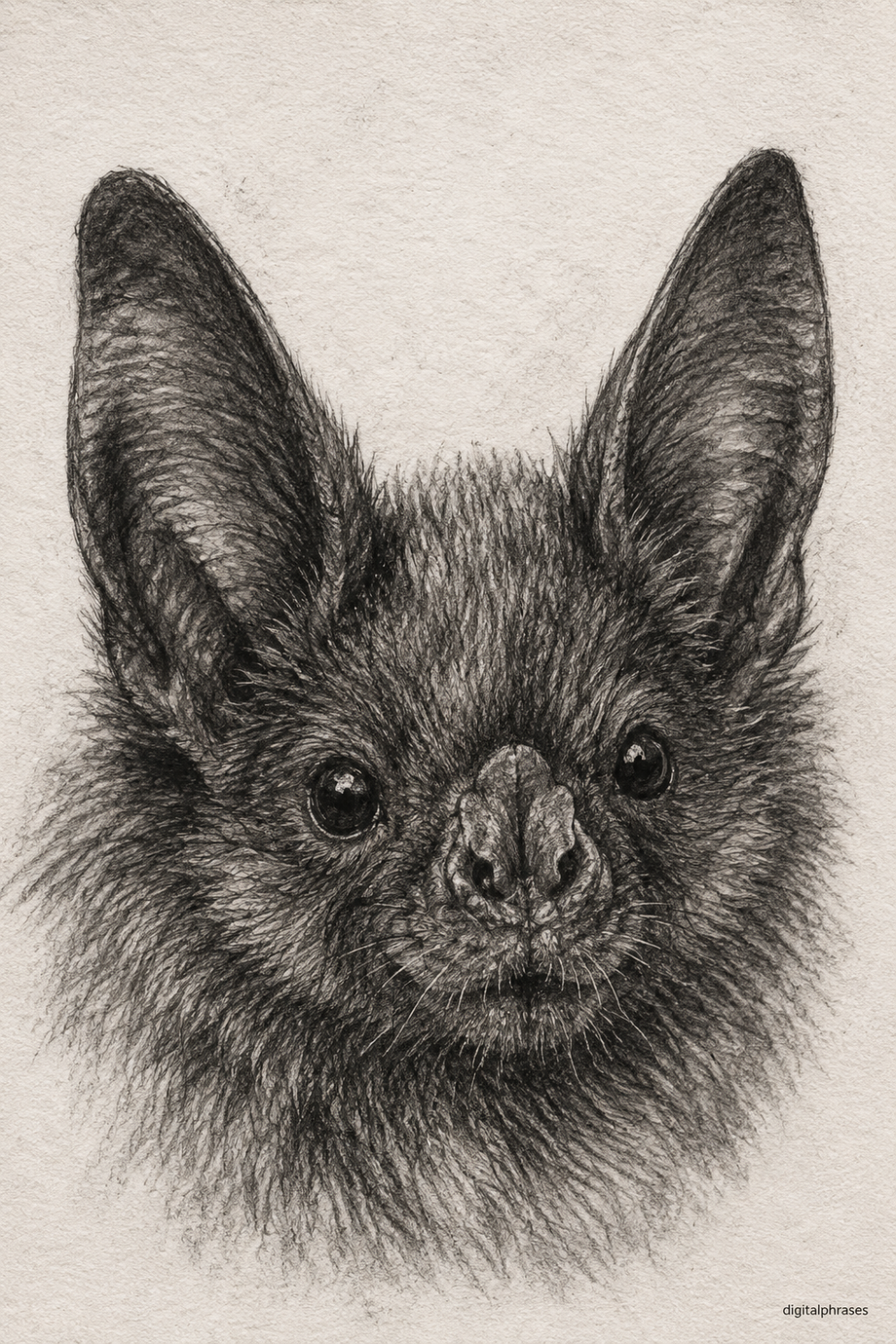
The face can completely change the mood of your bat drawing. Large eyes, a tiny smile, and rounded ears can make your bat look cute and friendly. Narrow eyes, sharp teeth, and pointed ears can create a spooky Halloween-style bat.
Keep the features simple if you want a cartoon look, or add more detail if you prefer something realistic. Small changes in expression can make your bat feel playful, sleepy, curious, or mysterious.
Use Background Details
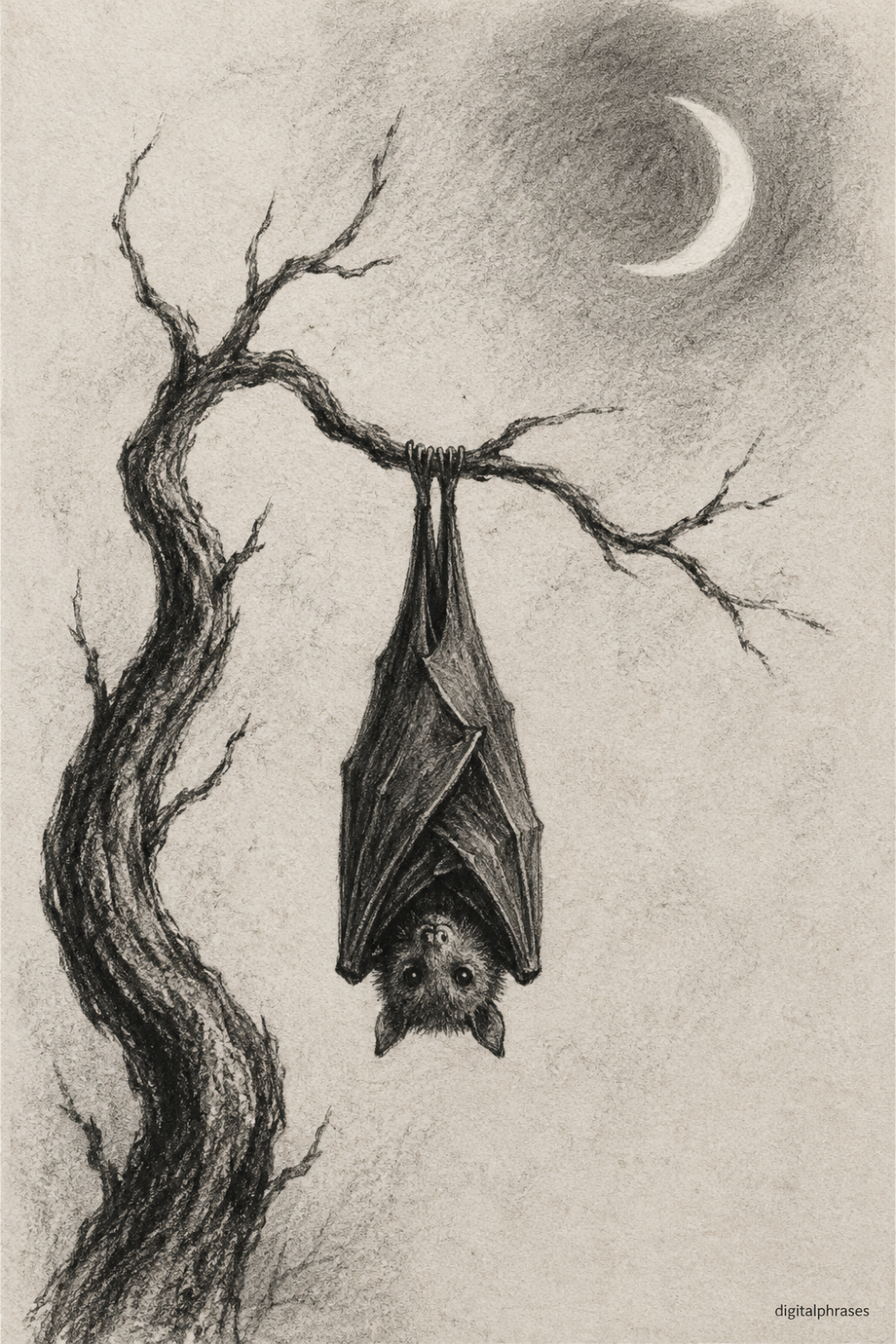
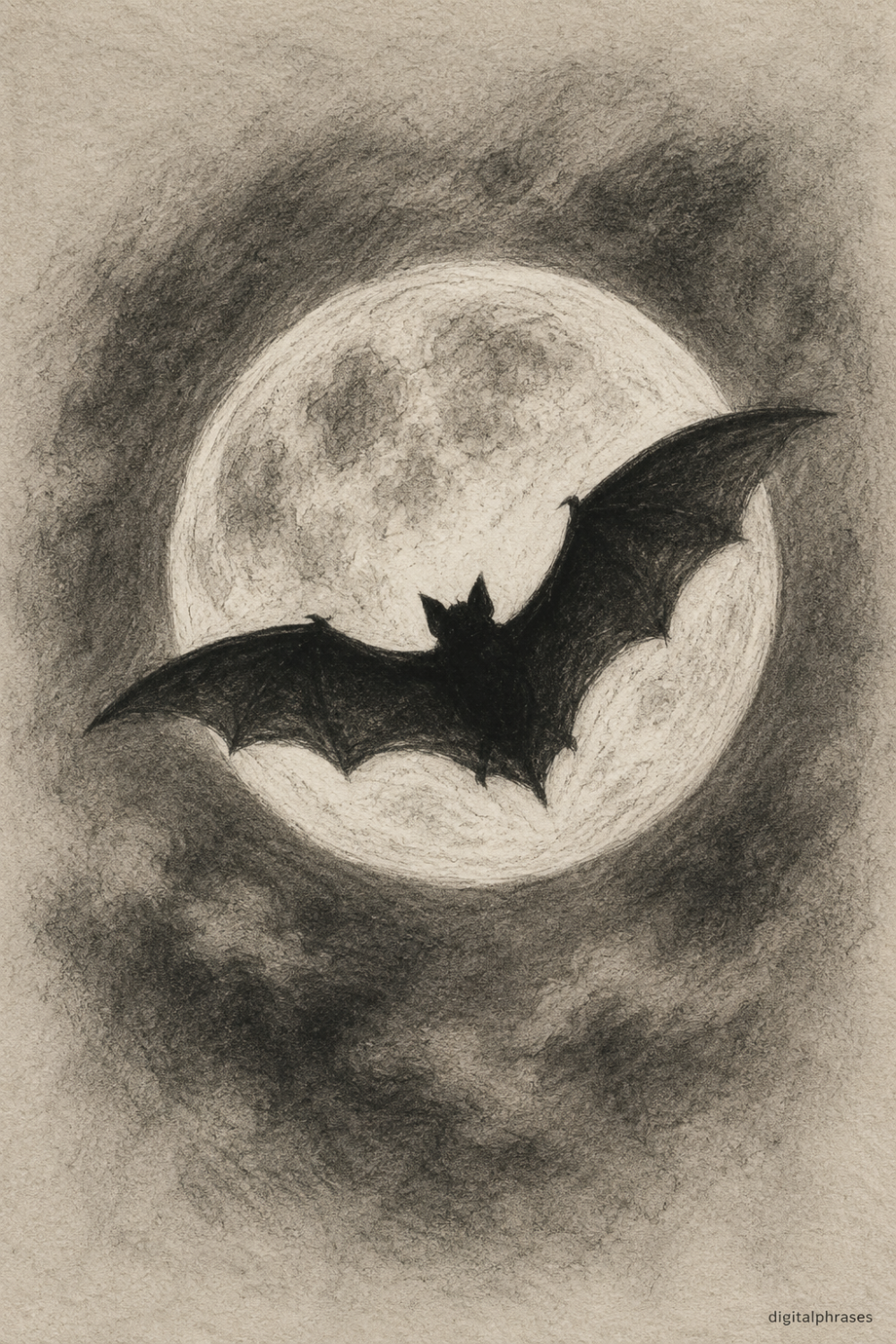
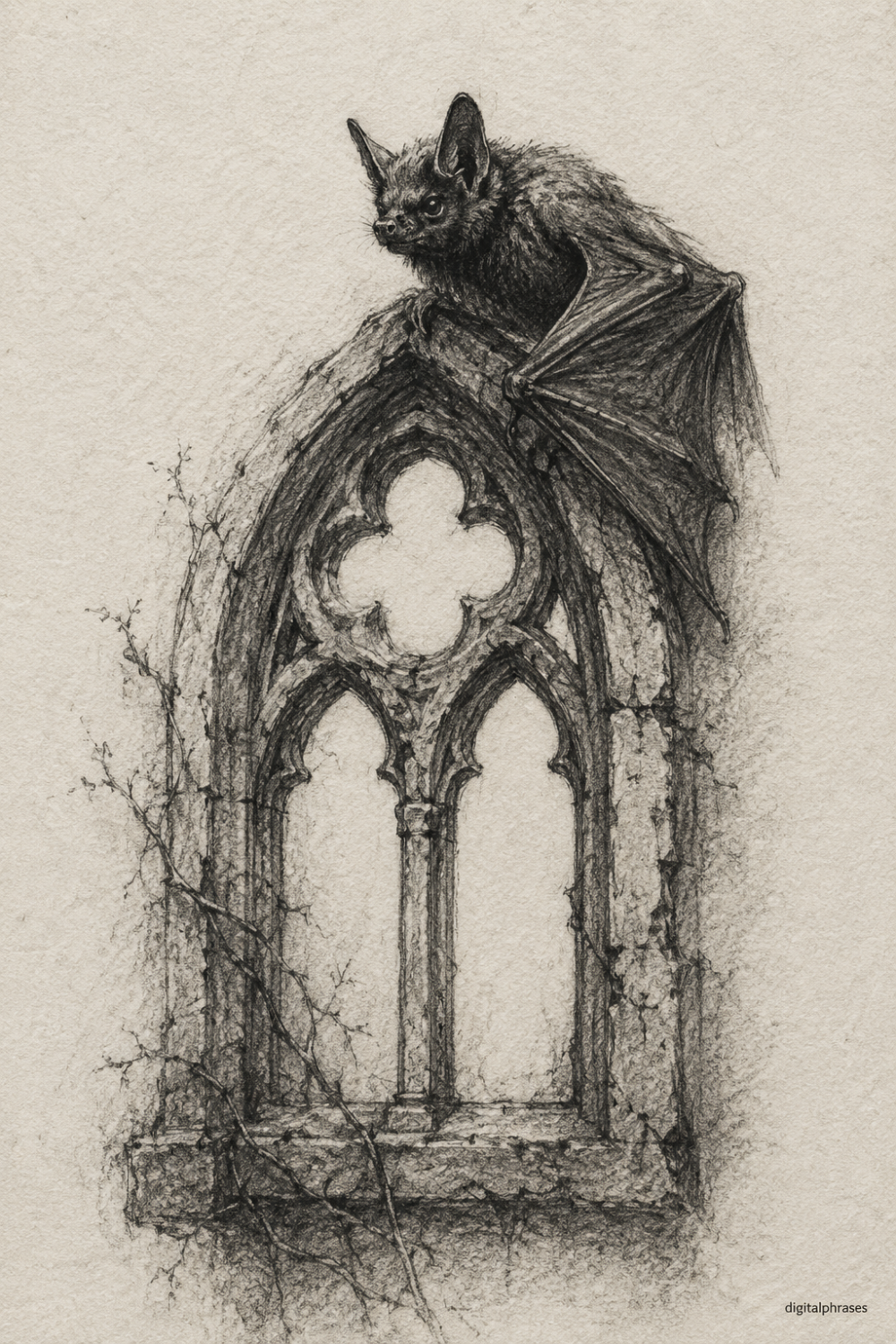
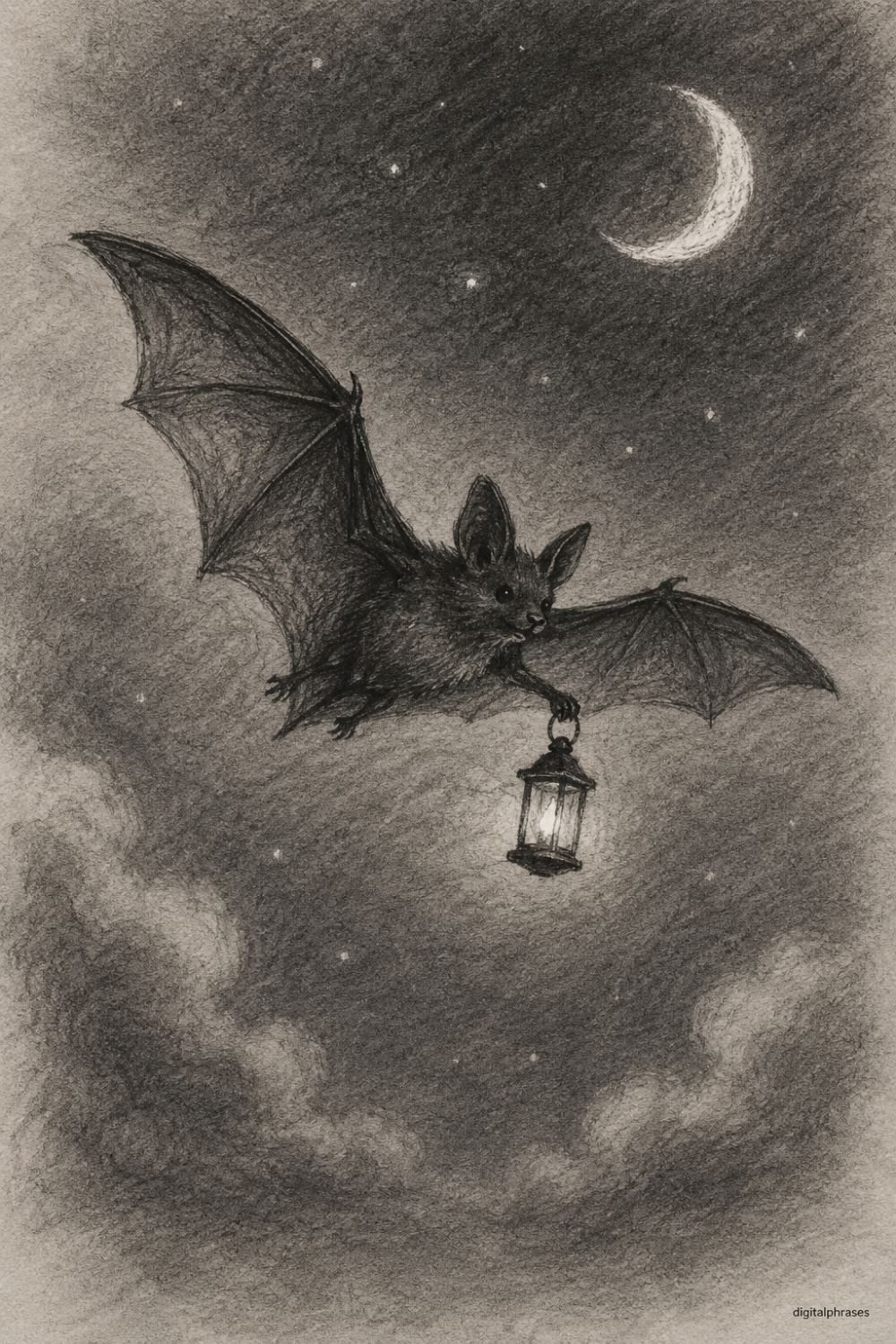
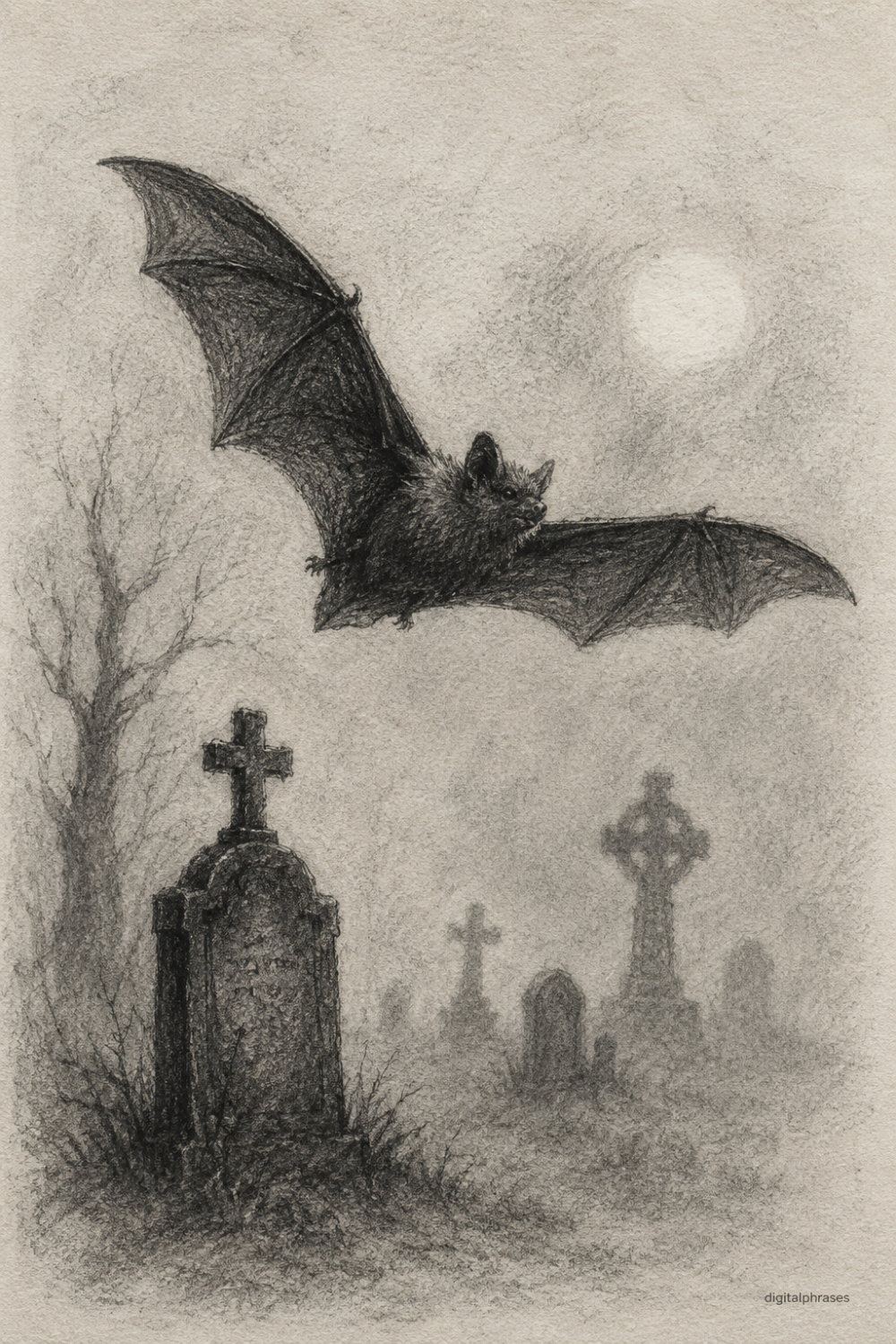
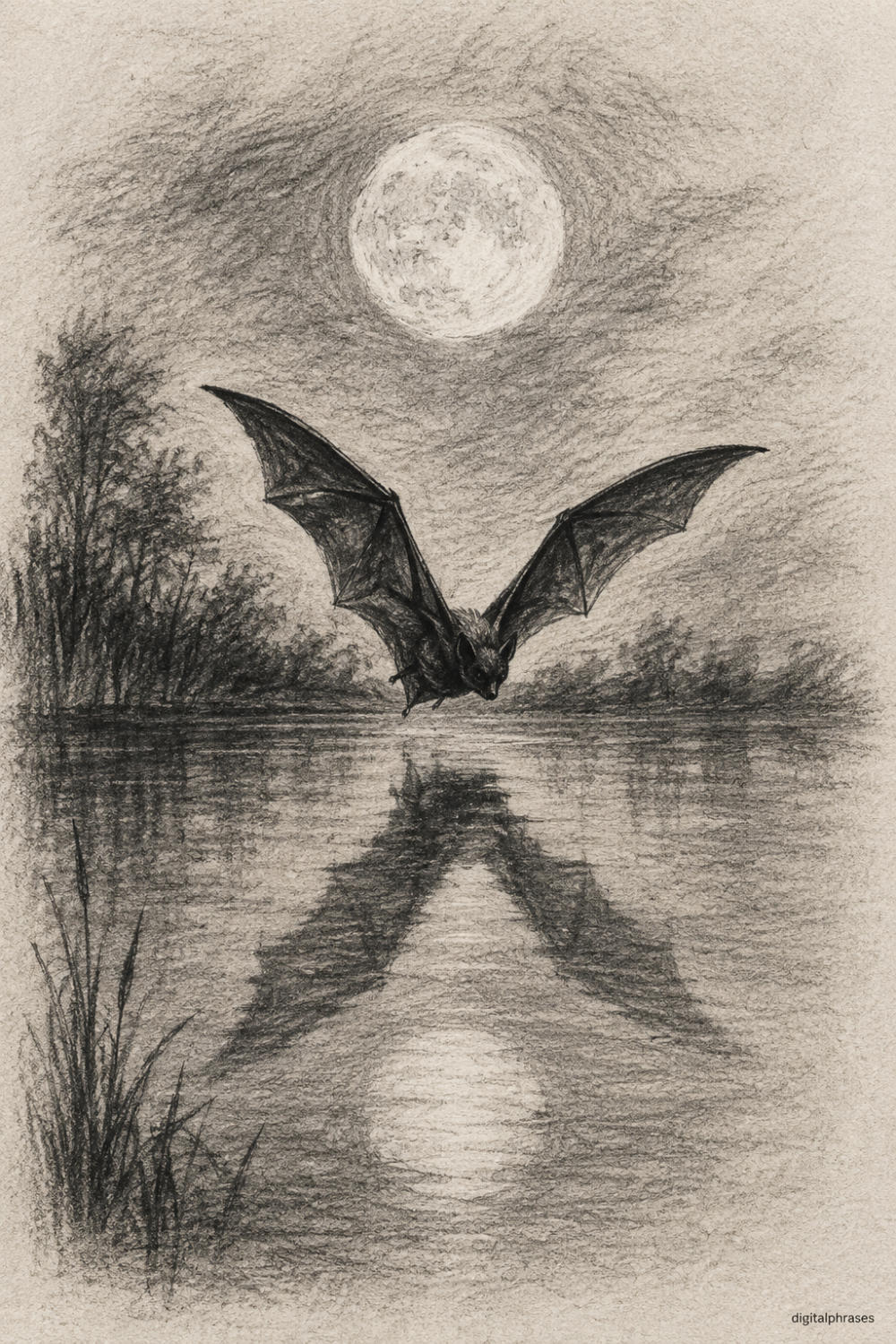
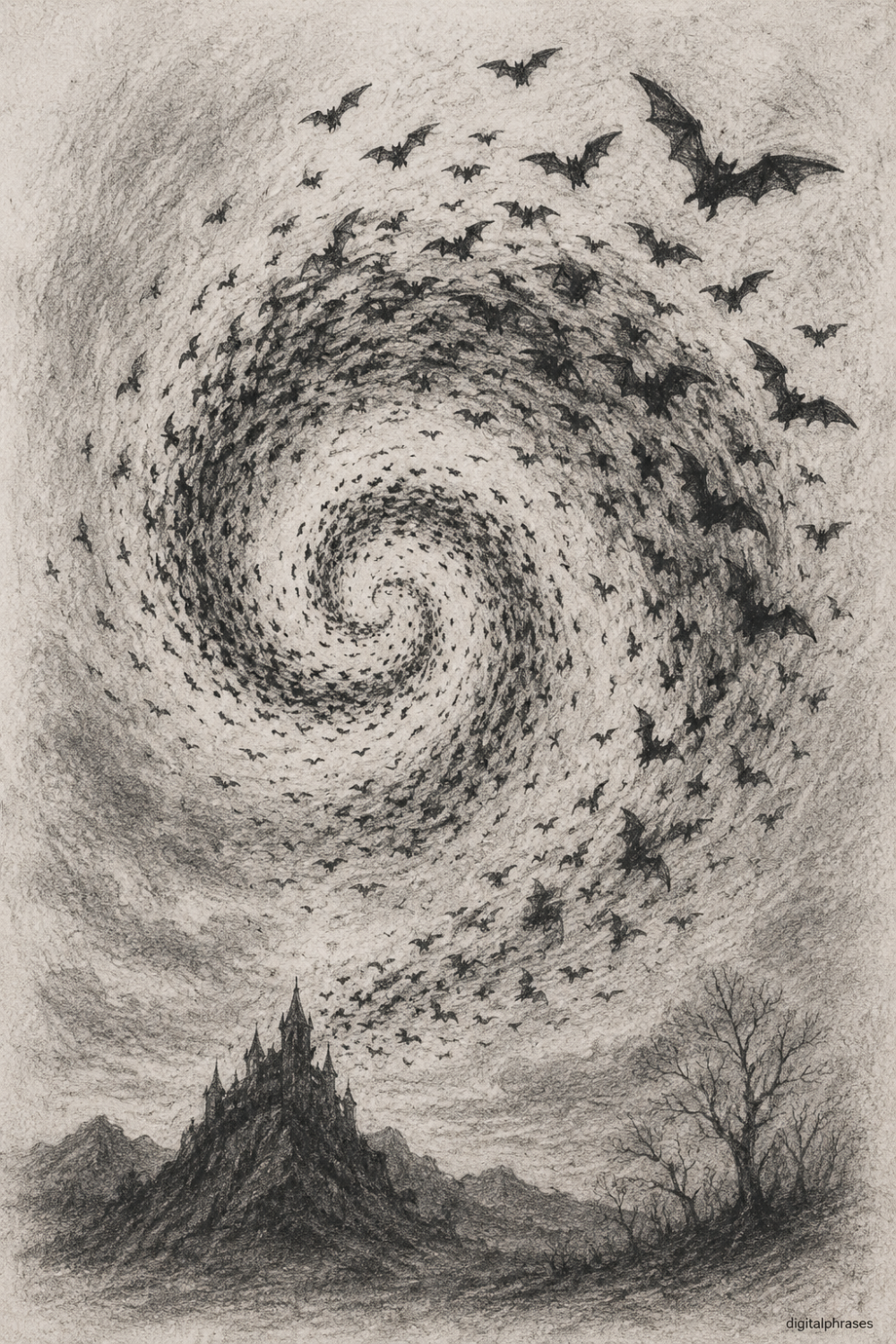
A few background elements can make your bat drawing feel complete. Try adding a crescent moon, stars, clouds, a cave entrance, tree branches, or a Halloween pumpkin. These details help set the scene and make the bat stand out. You do not need to fill the entire page; even a simple moon behind the bat can create a strong effect.
Backgrounds are also a great way to practice composition and storytelling. They help turn a basic bat sketch into a finished piece of artwork.