19 Book Drawing Ideas
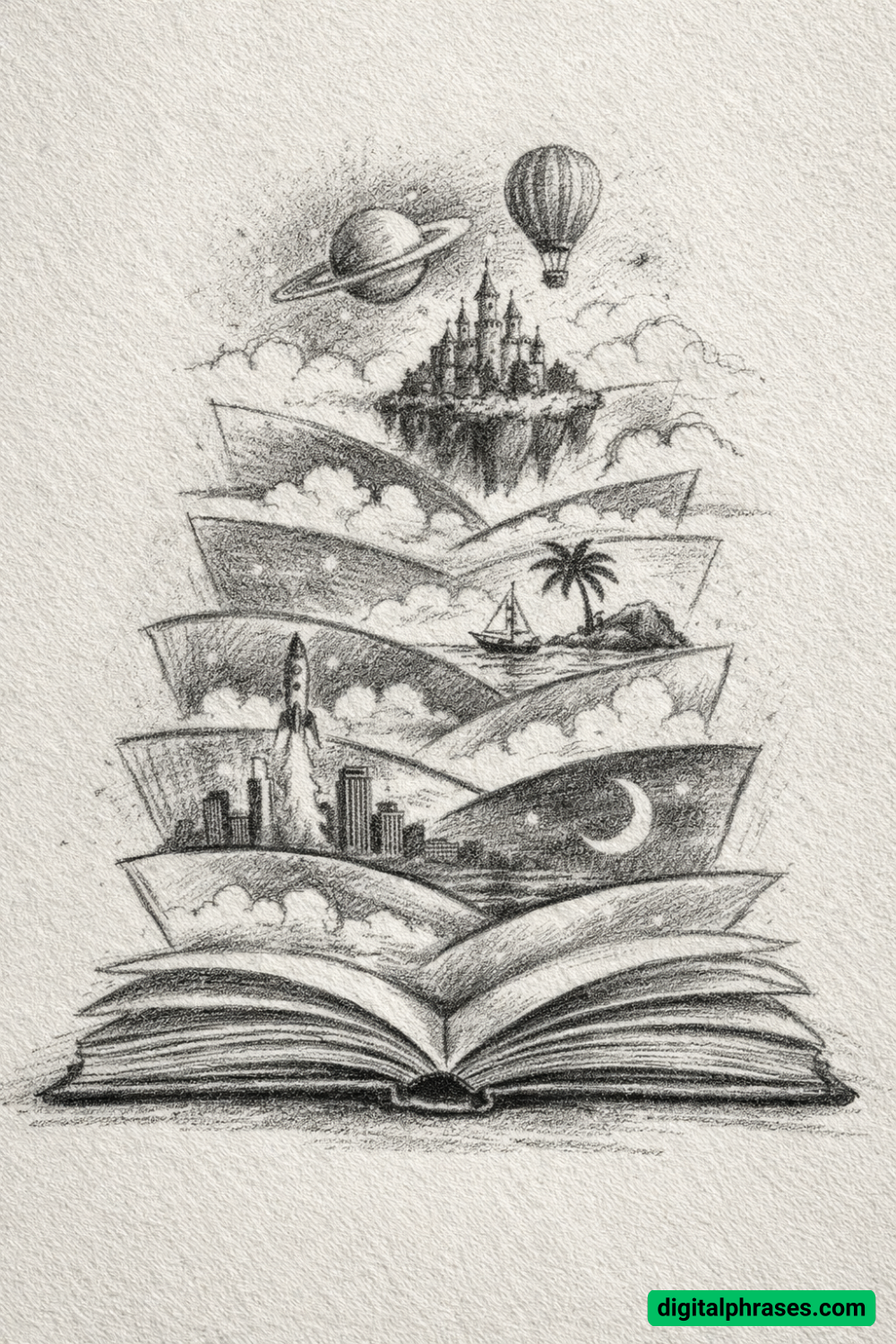
Books are full of stories, emotions, and imagination—making them a great source of inspiration for drawing.
In this list, you’ll find simple and fun book-themed drawing ideas that anyone can try, no matter your skill level.
Book Drawing Ideas
1
2
3
4
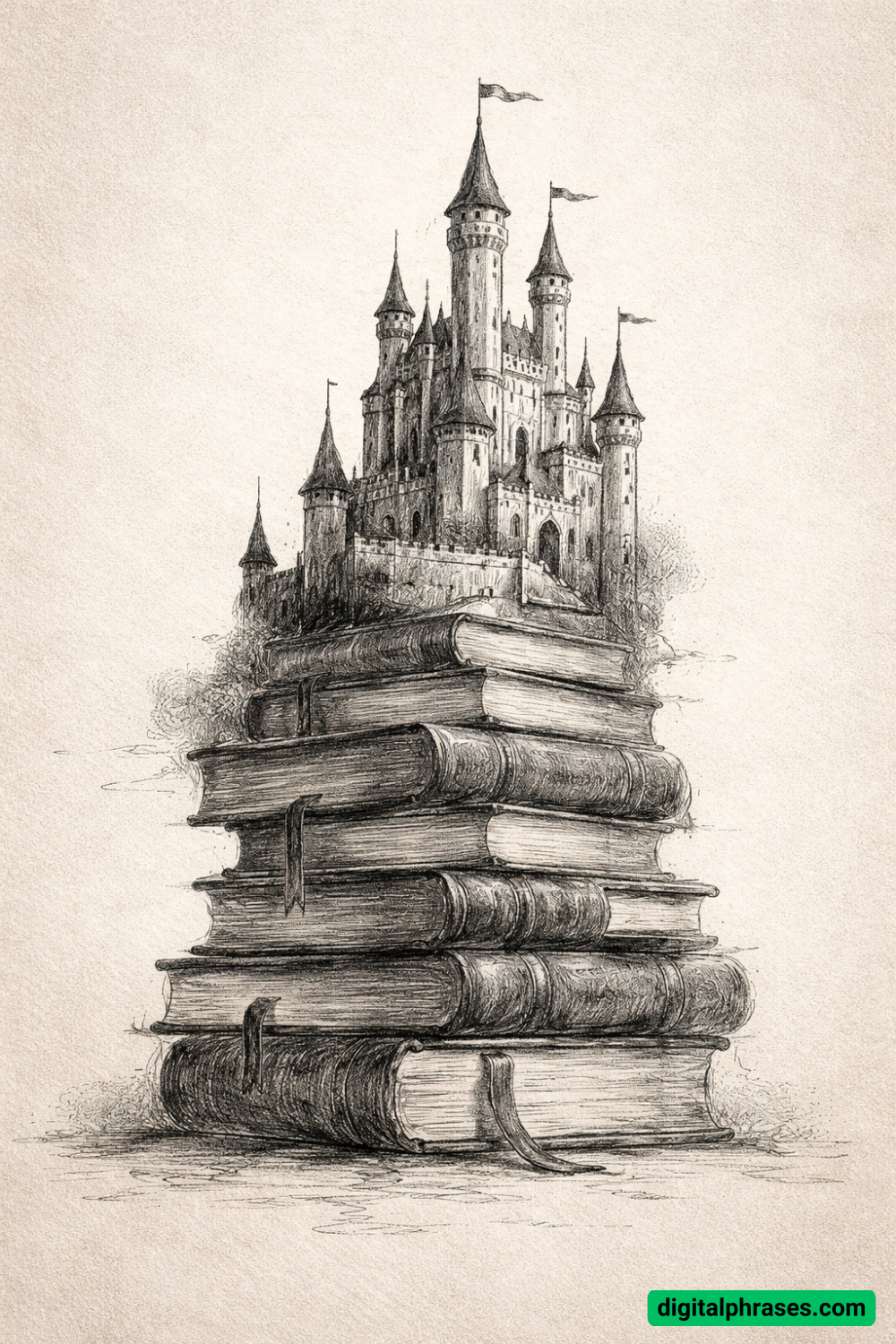
5

6
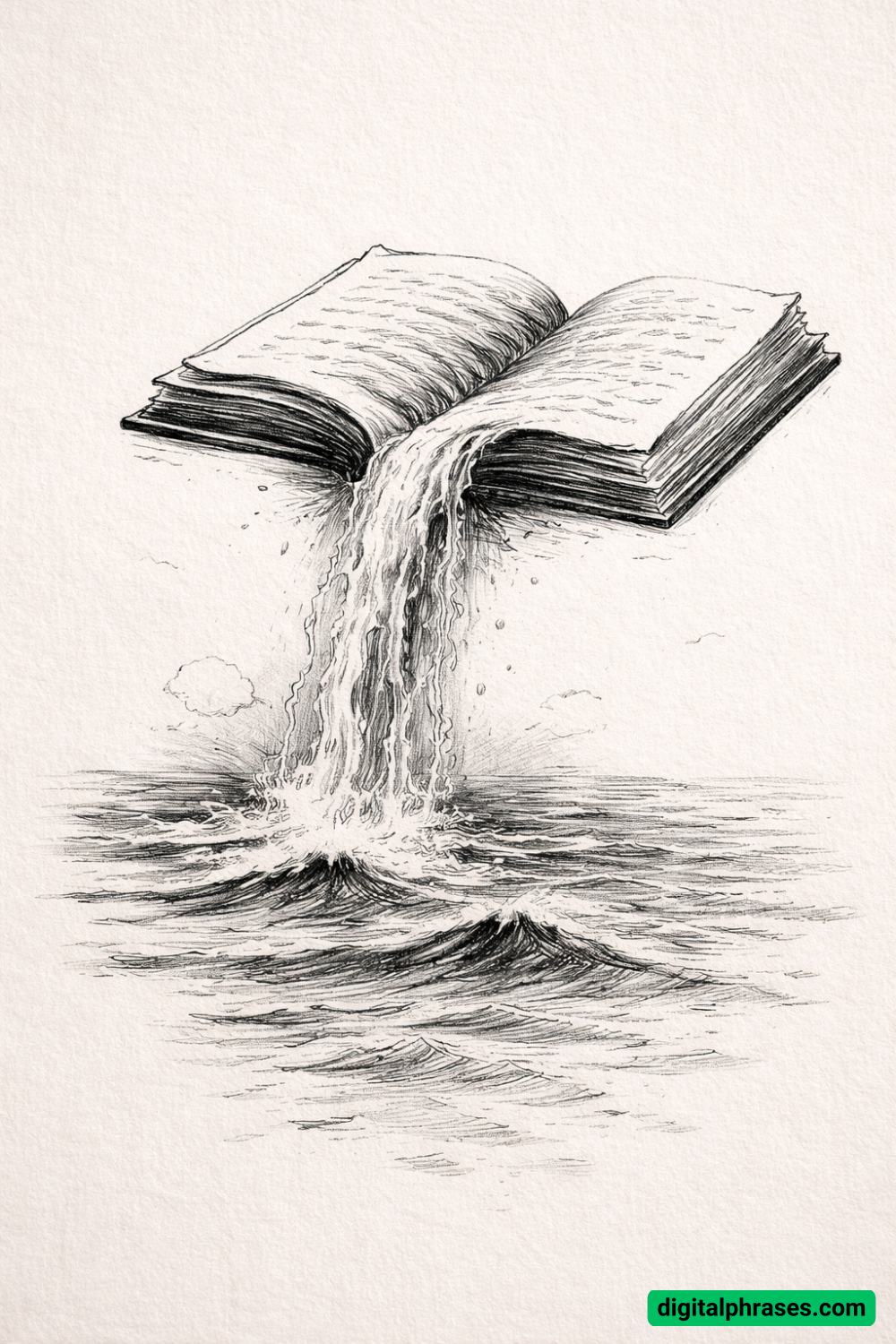
7
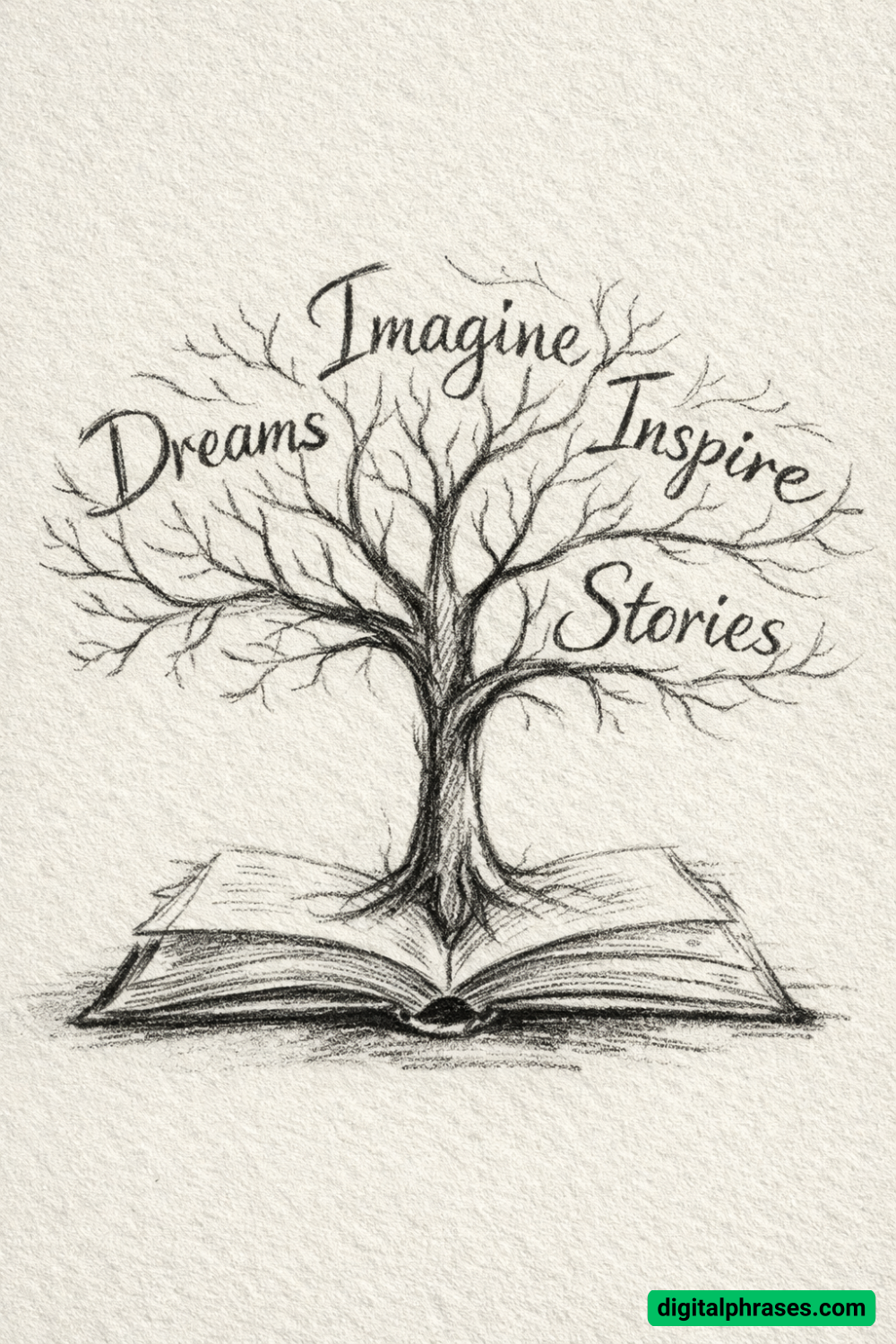
8

9
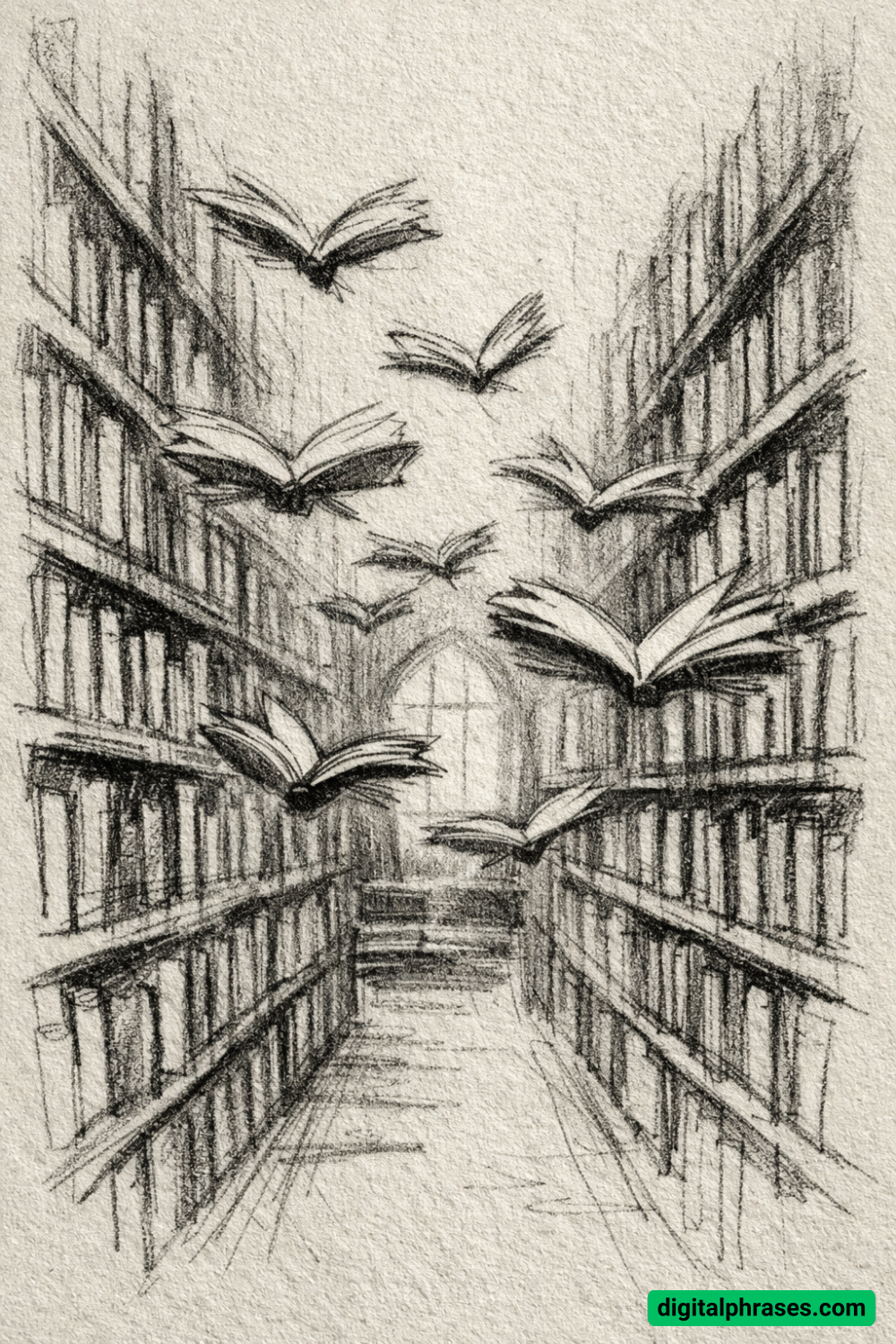
10

11
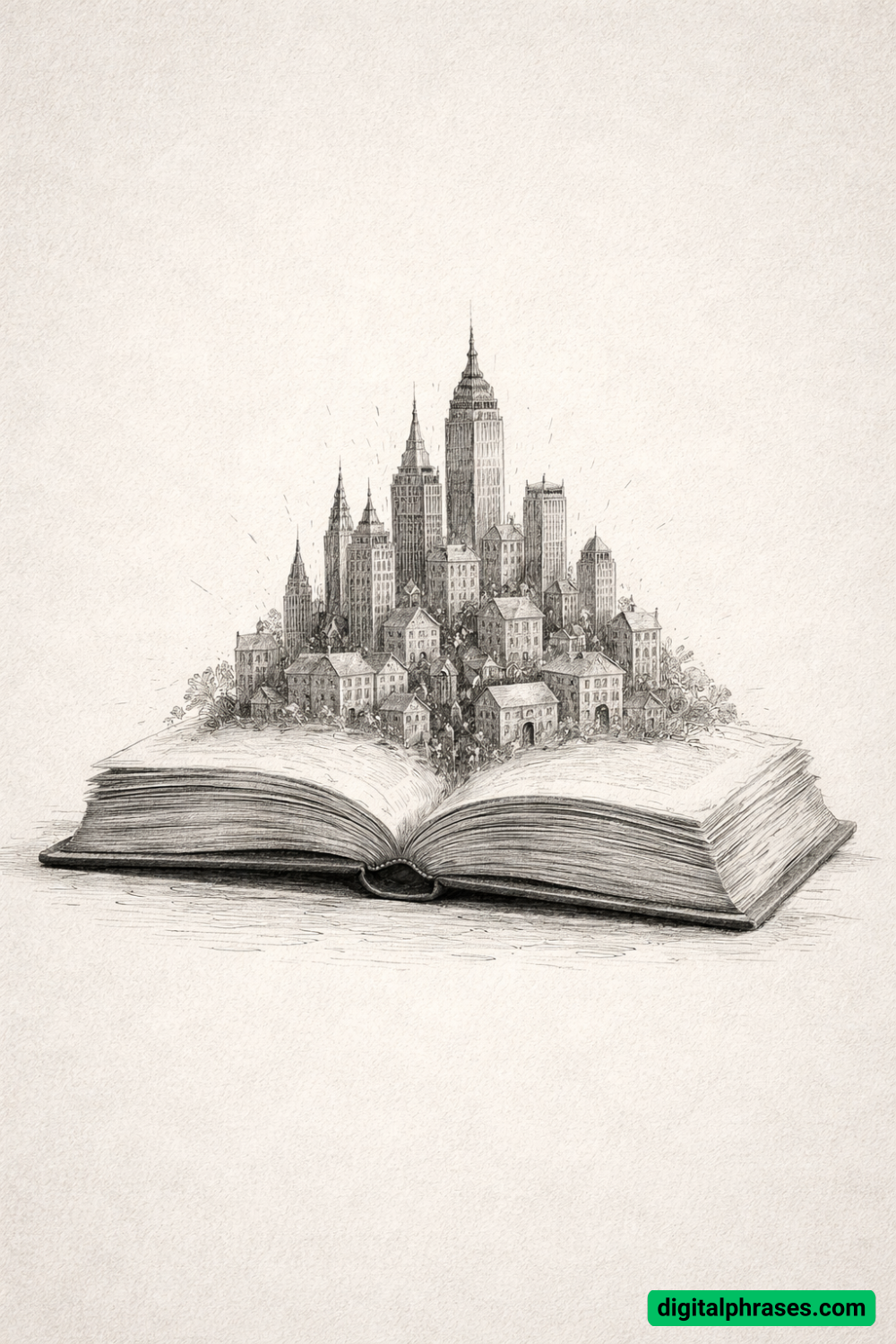
12
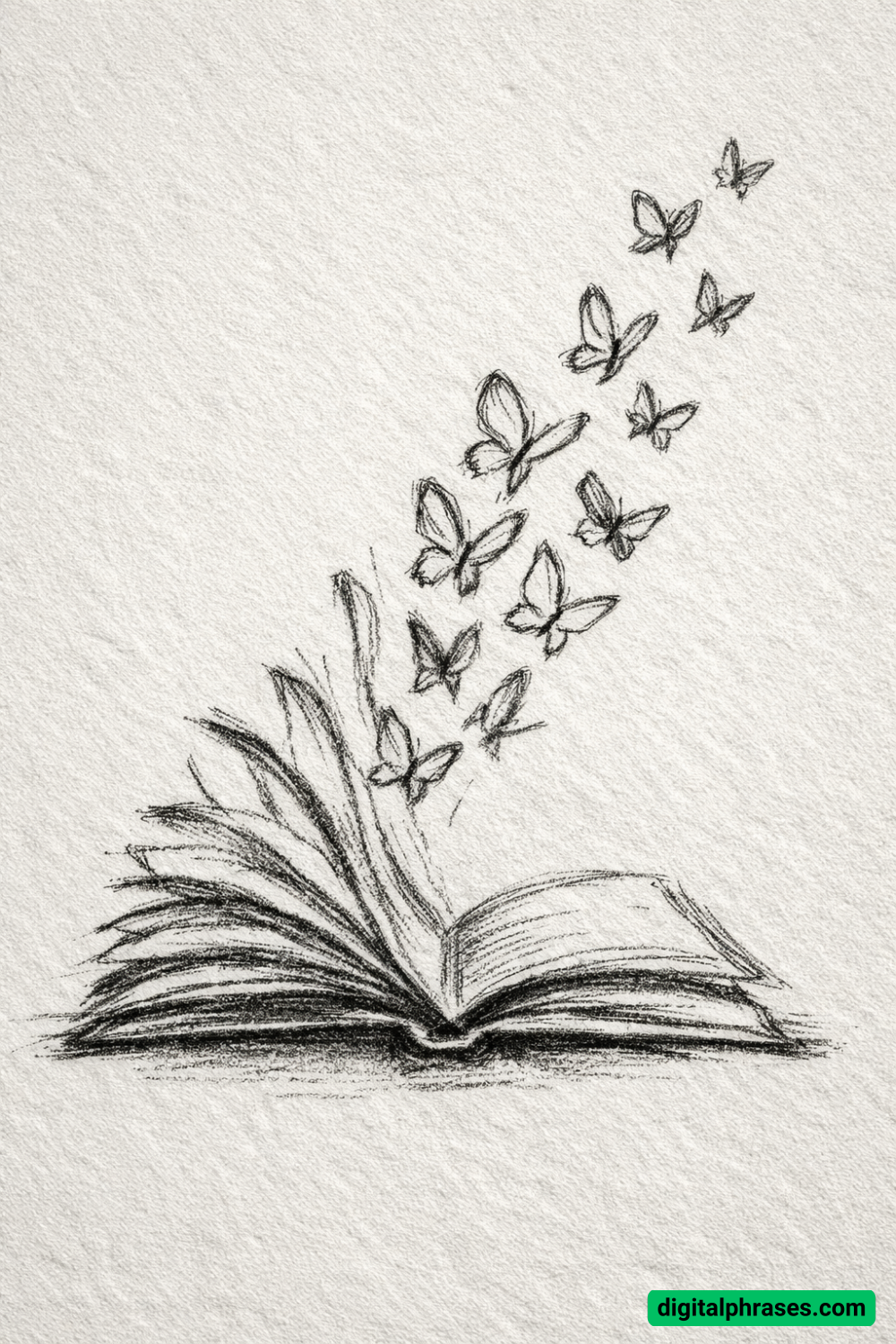
13
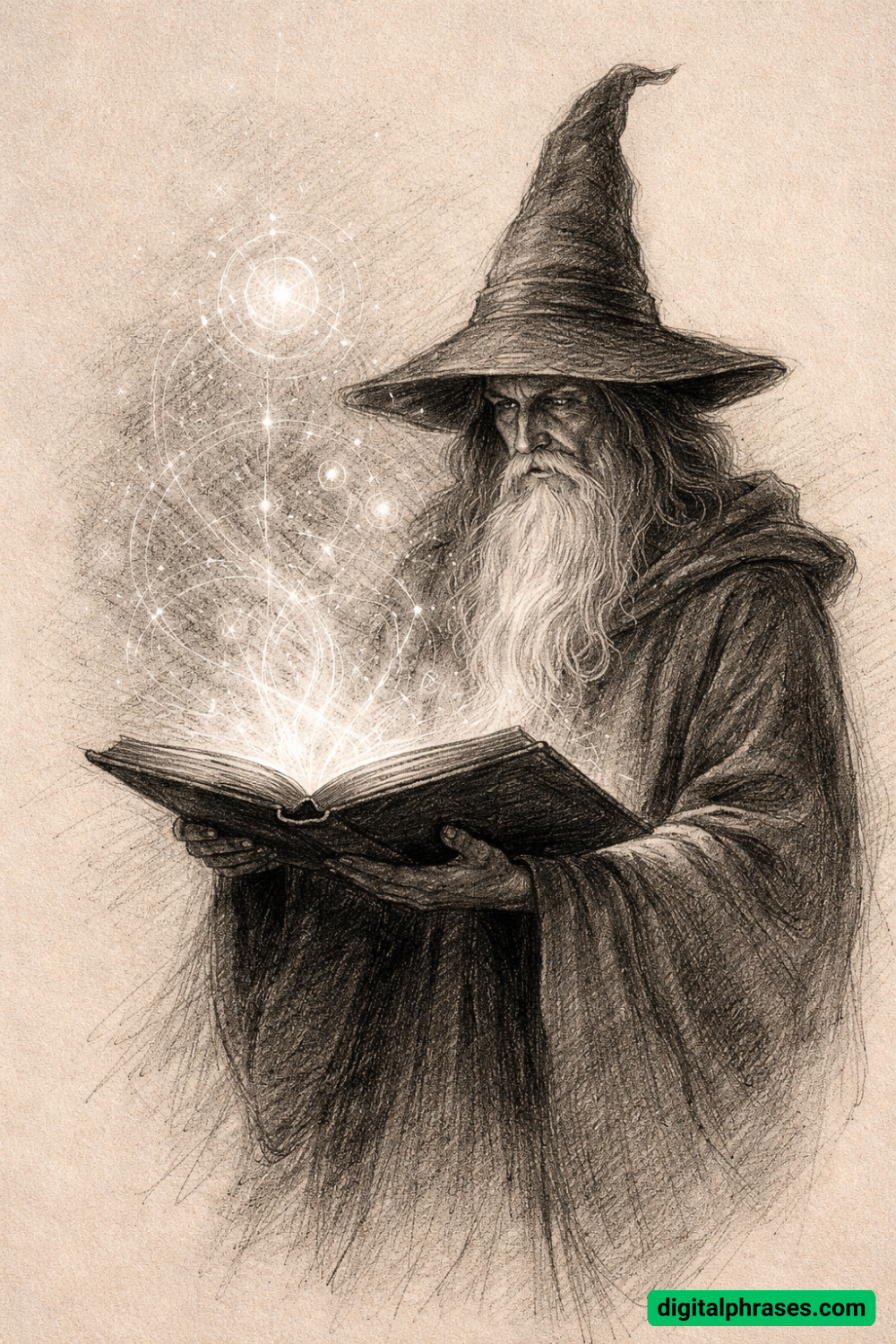
14
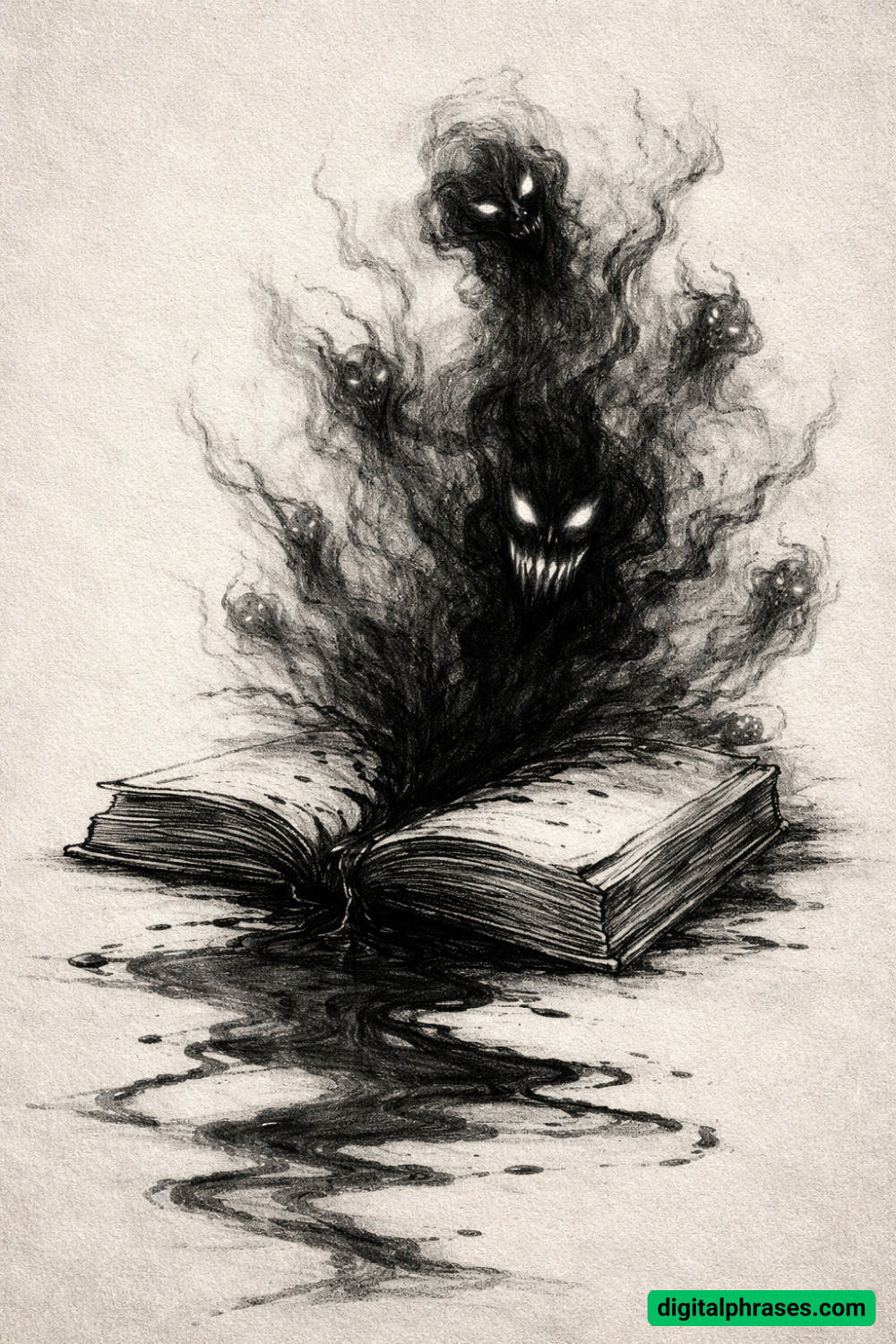
15
16
17
18
19
Tips on Drawing Books
Focus on Basic Shapes First
When drawing books, it’s easy to get caught up in details too early. Instead, start with simple shapes like rectangles and cubes to build the foundation. A closed book can be seen as a rectangular box, while an open book can be broken down into two slightly angled rectangles. This approach helps you understand the structure and proportions before adding details. Lightly sketch these shapes first so you can easily adjust them if needed. Once the base looks right, you can gradually refine the edges, curves, and angles to make the book look more natural.
Pay Attention to Perspective
Books are rarely viewed straight-on, so understanding perspective can make your drawings look more realistic. If you’re drawing a book on a table or at an angle, the edges will appear shorter or longer depending on the viewpoint. Practice drawing books from different angles—like slightly tilted, stacked, or open on a surface. Even a simple one-point perspective can add depth and make your drawing more interesting. Don’t worry about making it perfect; the goal is to train your eye to see how shapes change in space.
Add Realistic Details Gradually
Details are what bring your book drawing to life, but they should be added step by step. Start with the outline, then move on to elements like the spine, page edges, and cover thickness. You can include small features such as bookmarks, creases, or even slight bends in the cover to make it look more realistic. Avoid overloading your drawing with too many details at once. Instead, build them up gradually so you maintain control and keep the overall drawing clean and balanced.
Use Shading to Create Depth
Shading can transform a flat drawing into something that looks three-dimensional. Think about where your light source is coming from and add shadows accordingly. The areas under the book, between pages, or along the spine are usually darker. Use light, soft strokes at first and build up the shading slowly. Blending can help create smooth transitions, especially on the cover or page edges. Even simple shading can make a big difference in how realistic your book drawing appears.
Practice with Different Styles
There’s no single “right” way to draw a book. Try experimenting with different styles to find what suits you best. You can go for a realistic approach, a cartoon style, or even a minimalist sketch. Drawing books in stacks, as floating objects, or as part of a larger scene can also improve your creativity. The more you experiment, the more confident you’ll become. Over time, you’ll develop your own unique style while still understanding the basic techniques behind drawing books.