23 Curly Hair Drawing Ideas
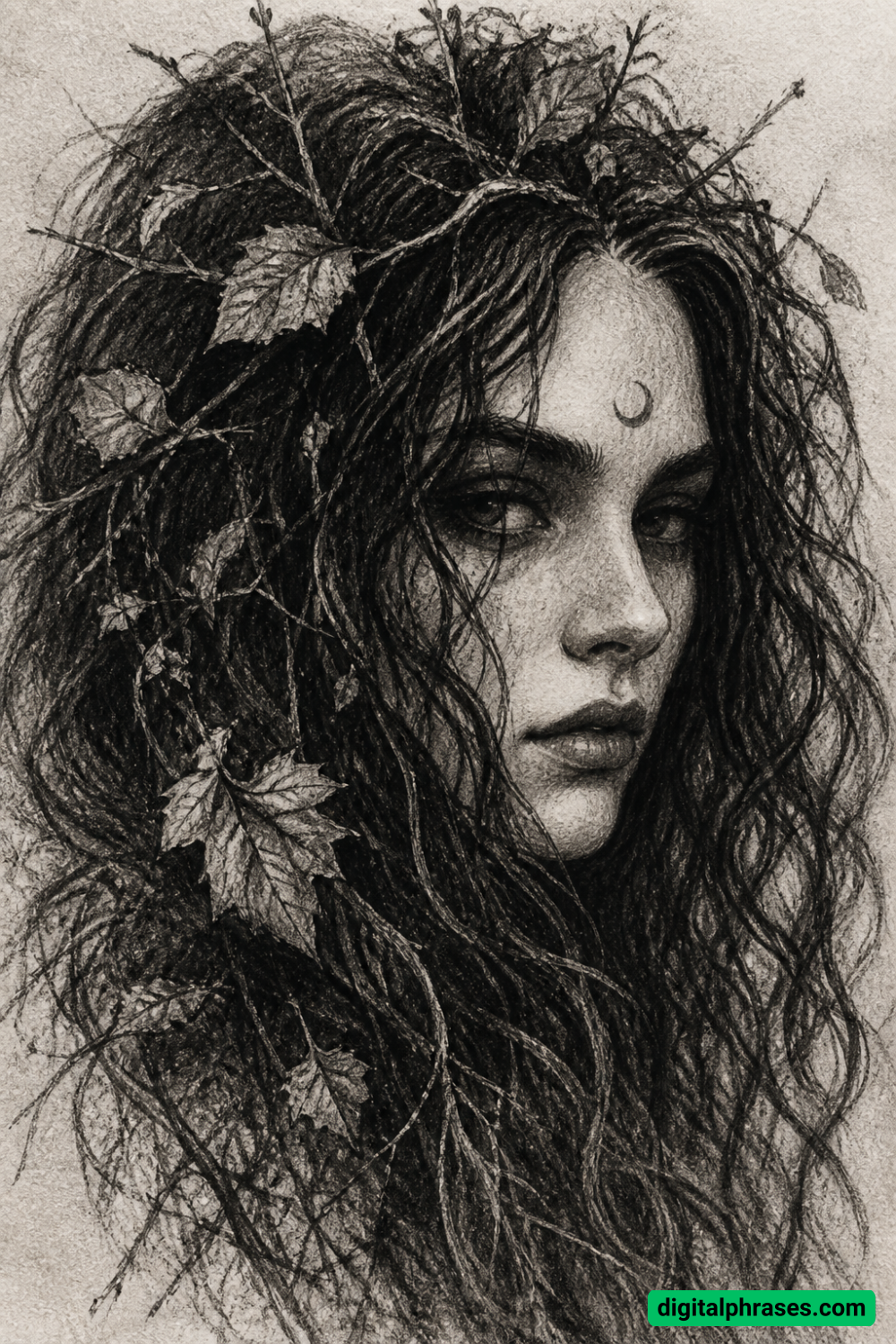
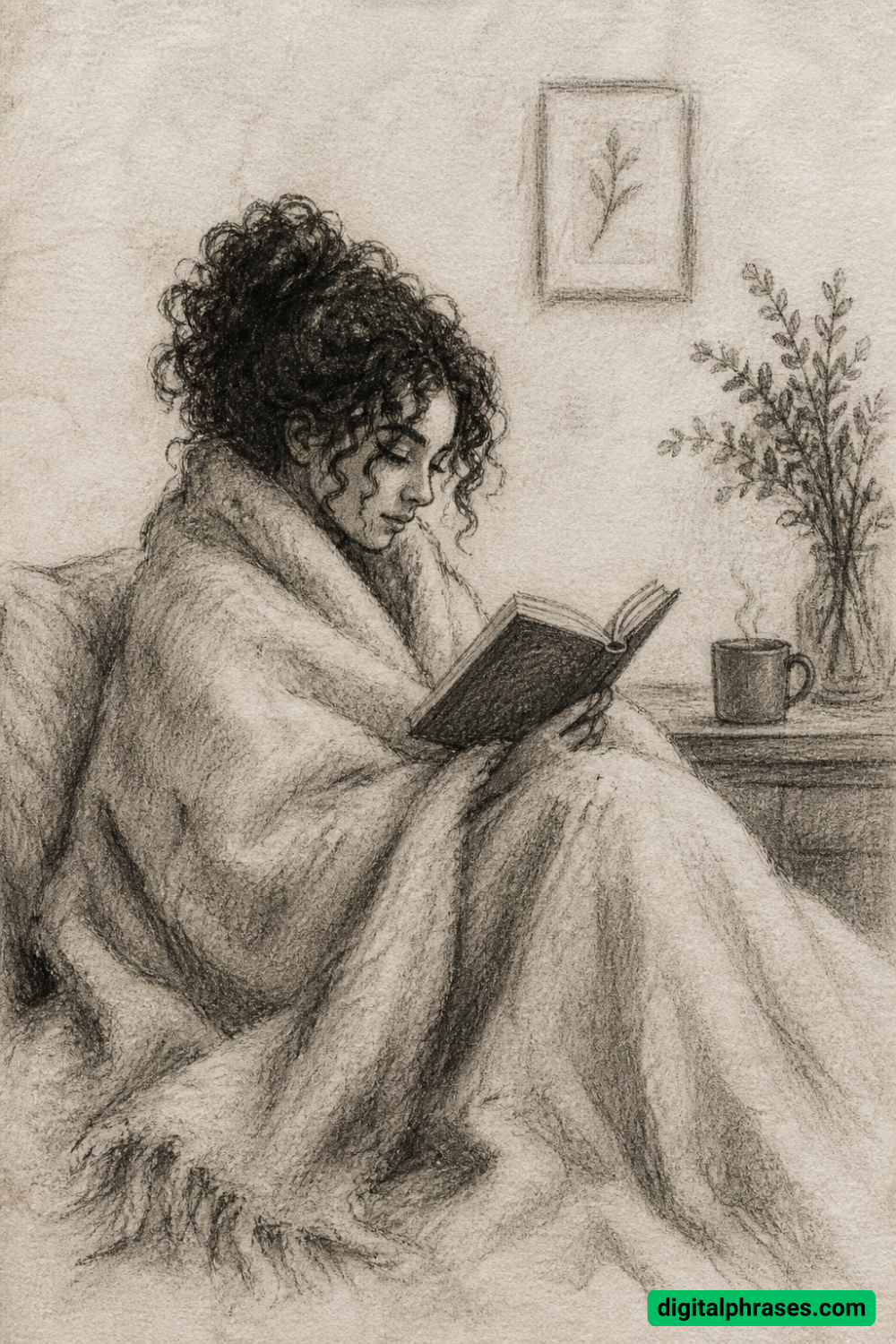
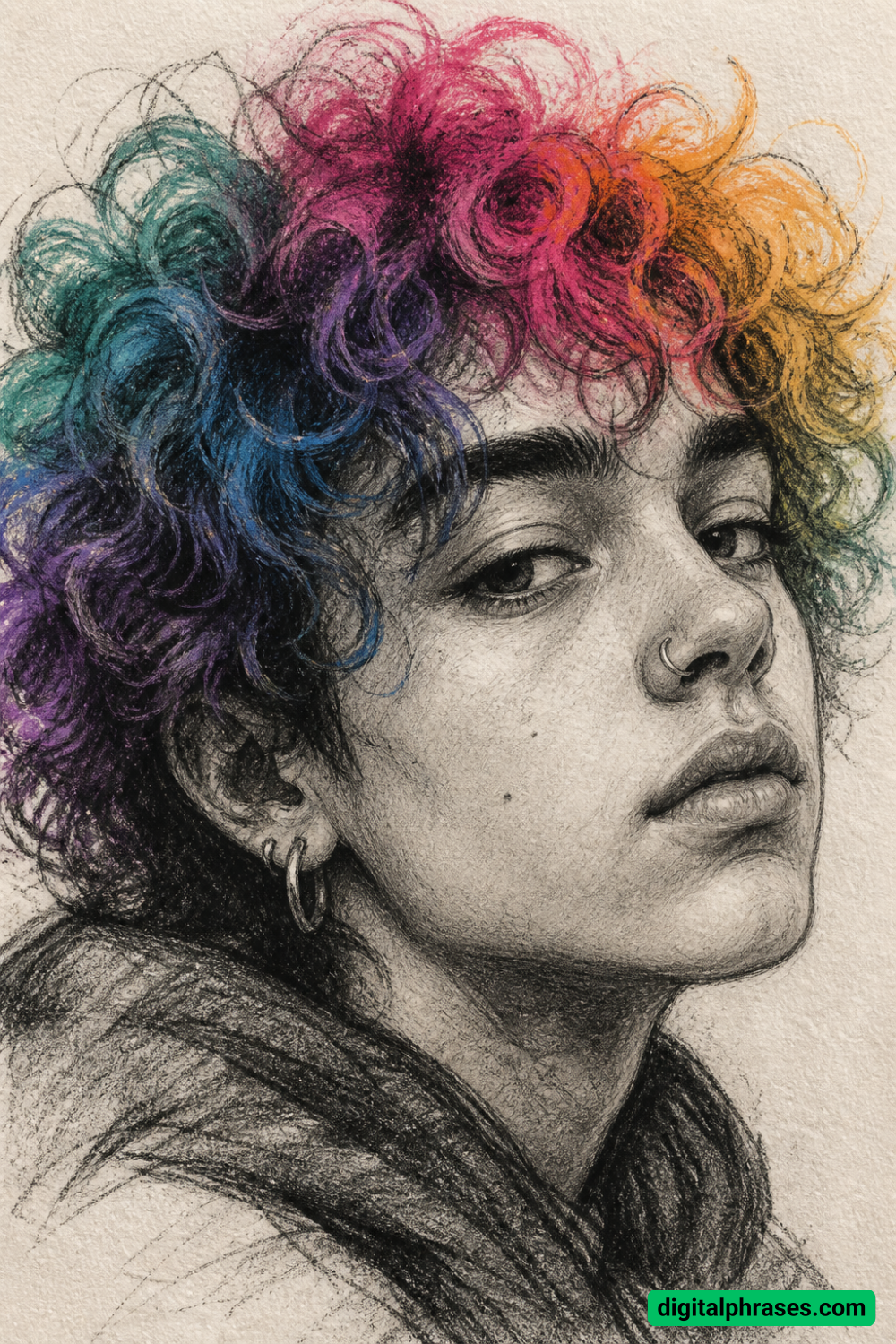
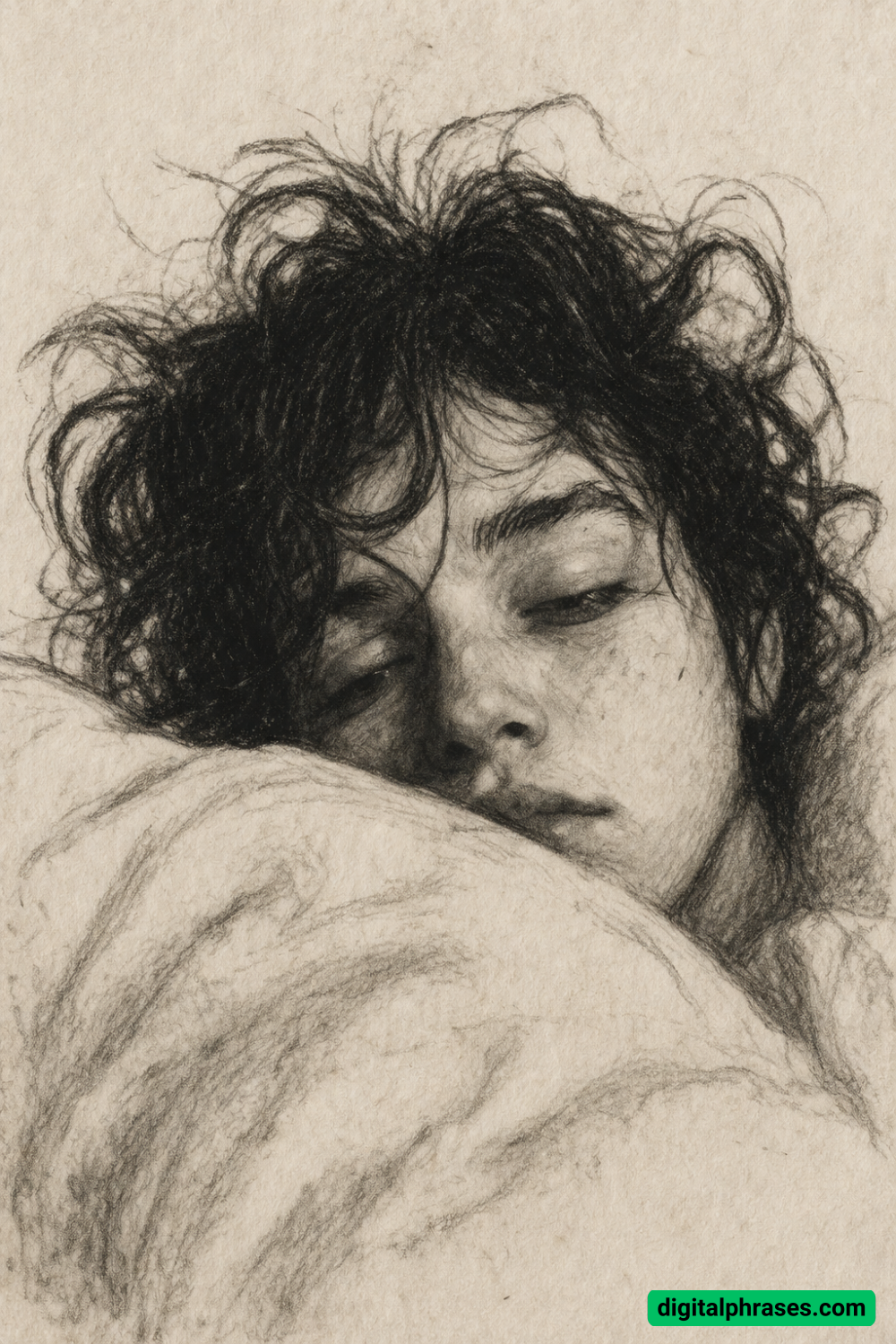
Curly hair is full of personality—it bends, coils, and moves in ways straight hair just doesn’t.
That makes it both fun and a little tricky to draw. If you’ve ever felt stuck trying to capture its texture or flow, the key is to experiment and observe how curls naturally group and twist.
These ideas are meant to give you simple starting points, whether you’re practicing basics or looking to add more life to your sketches.
1
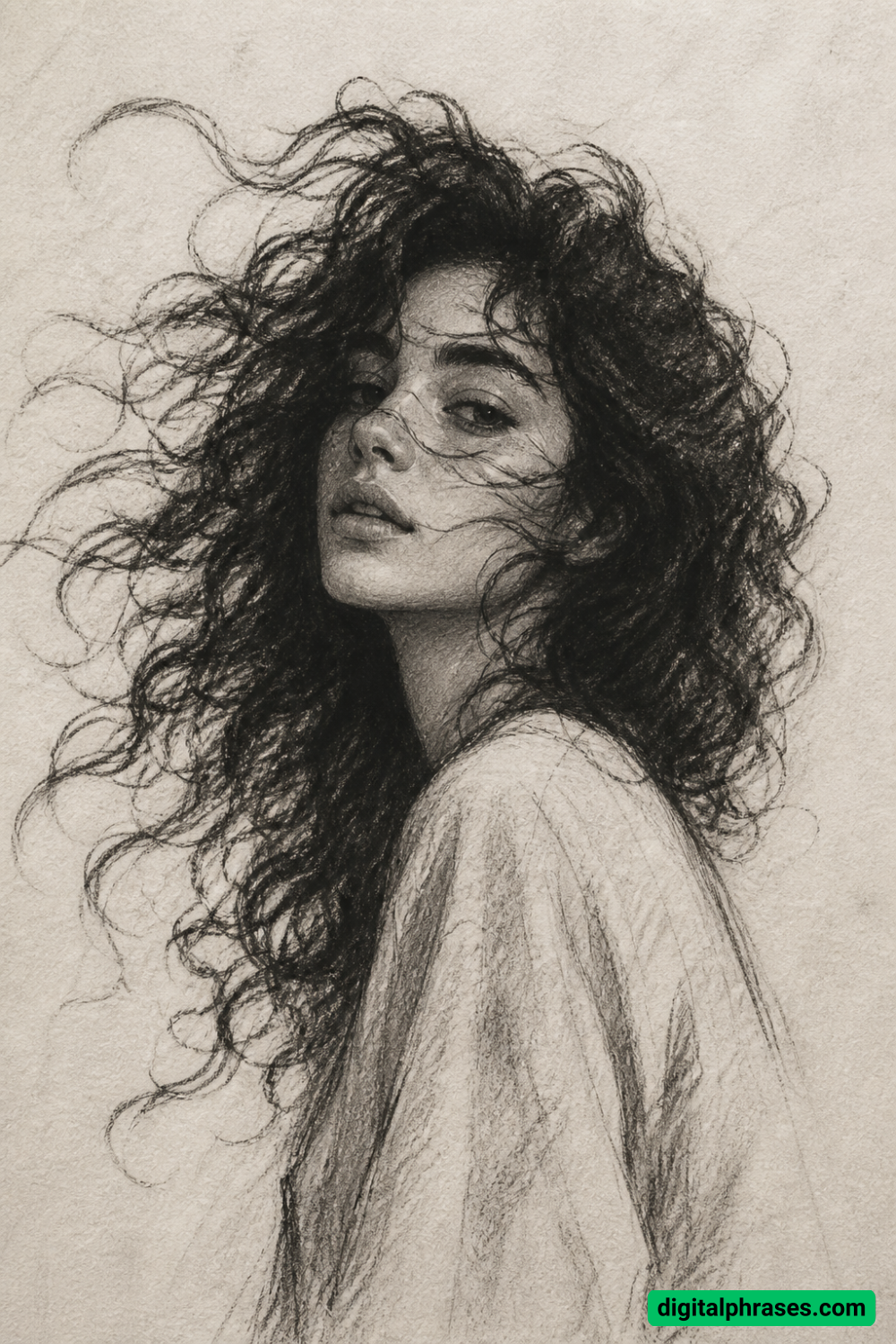
2
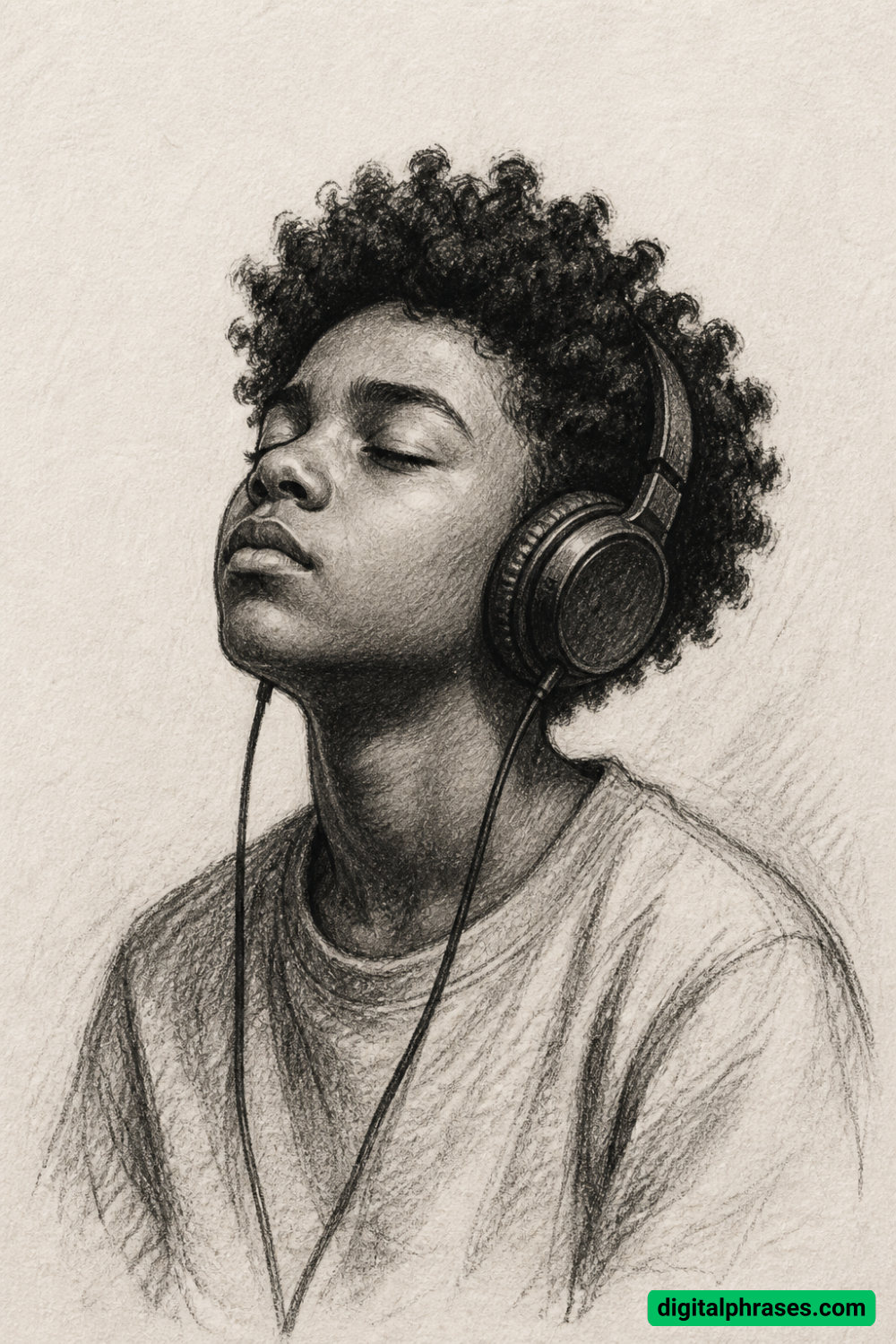
3
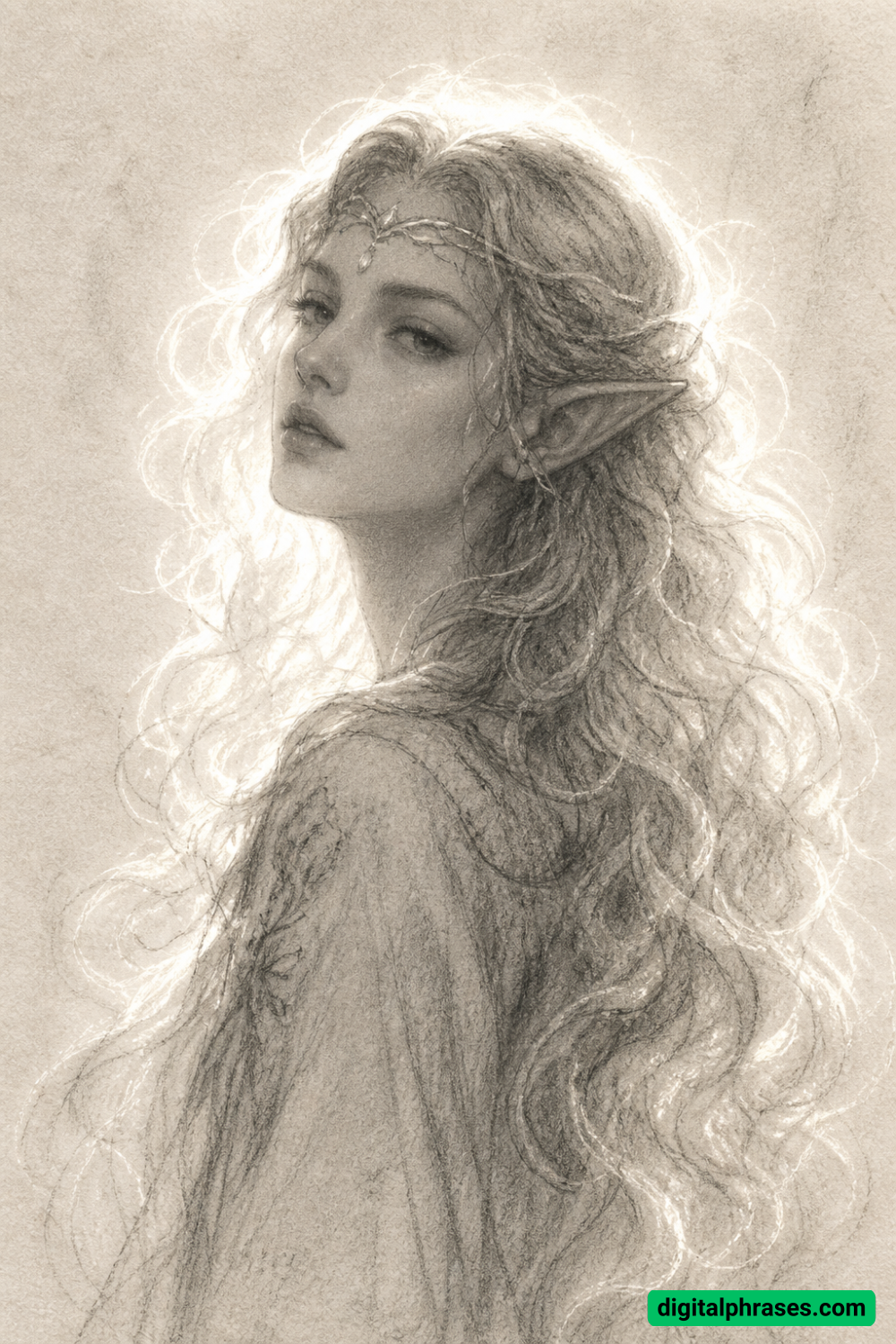
4
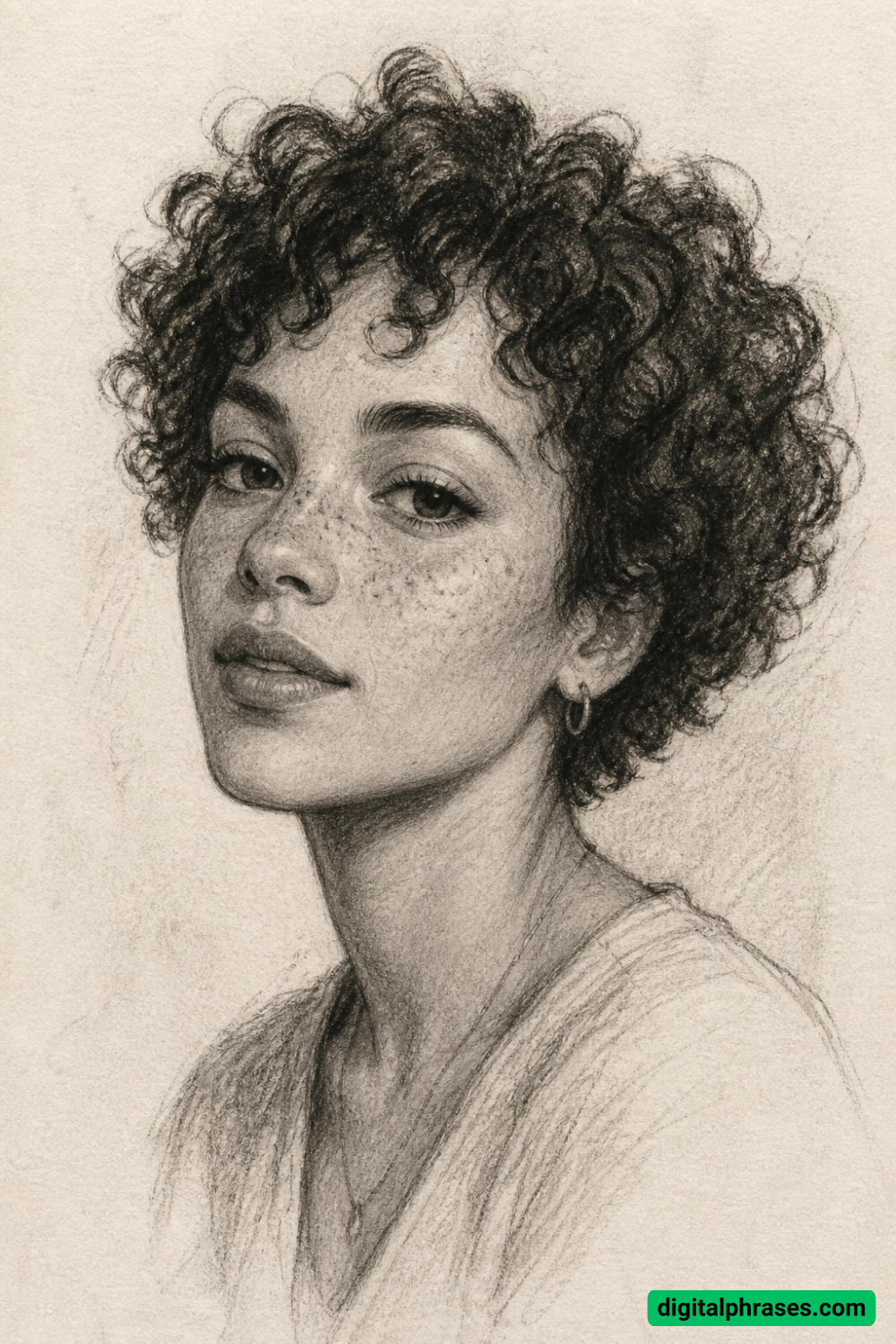
5
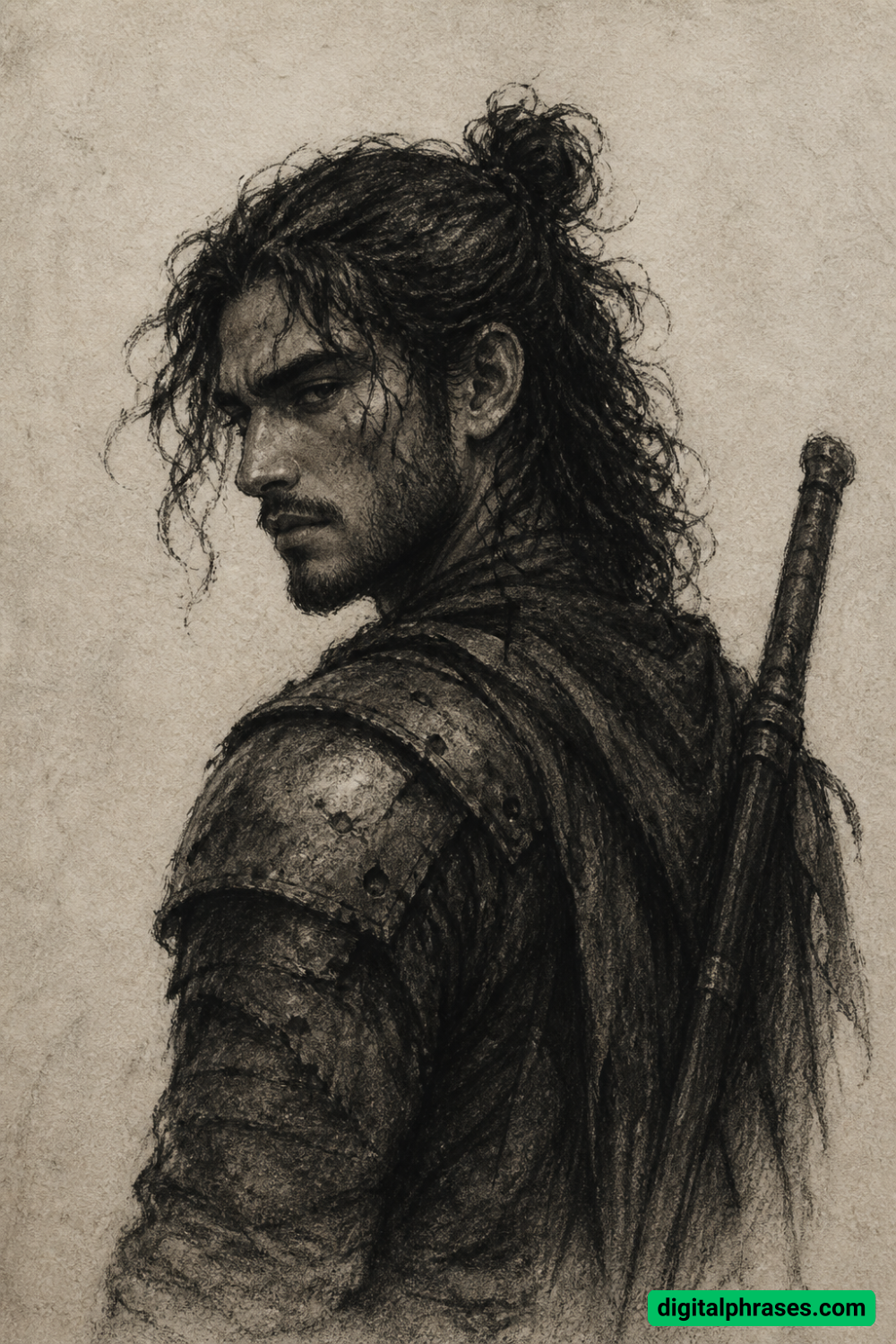
6
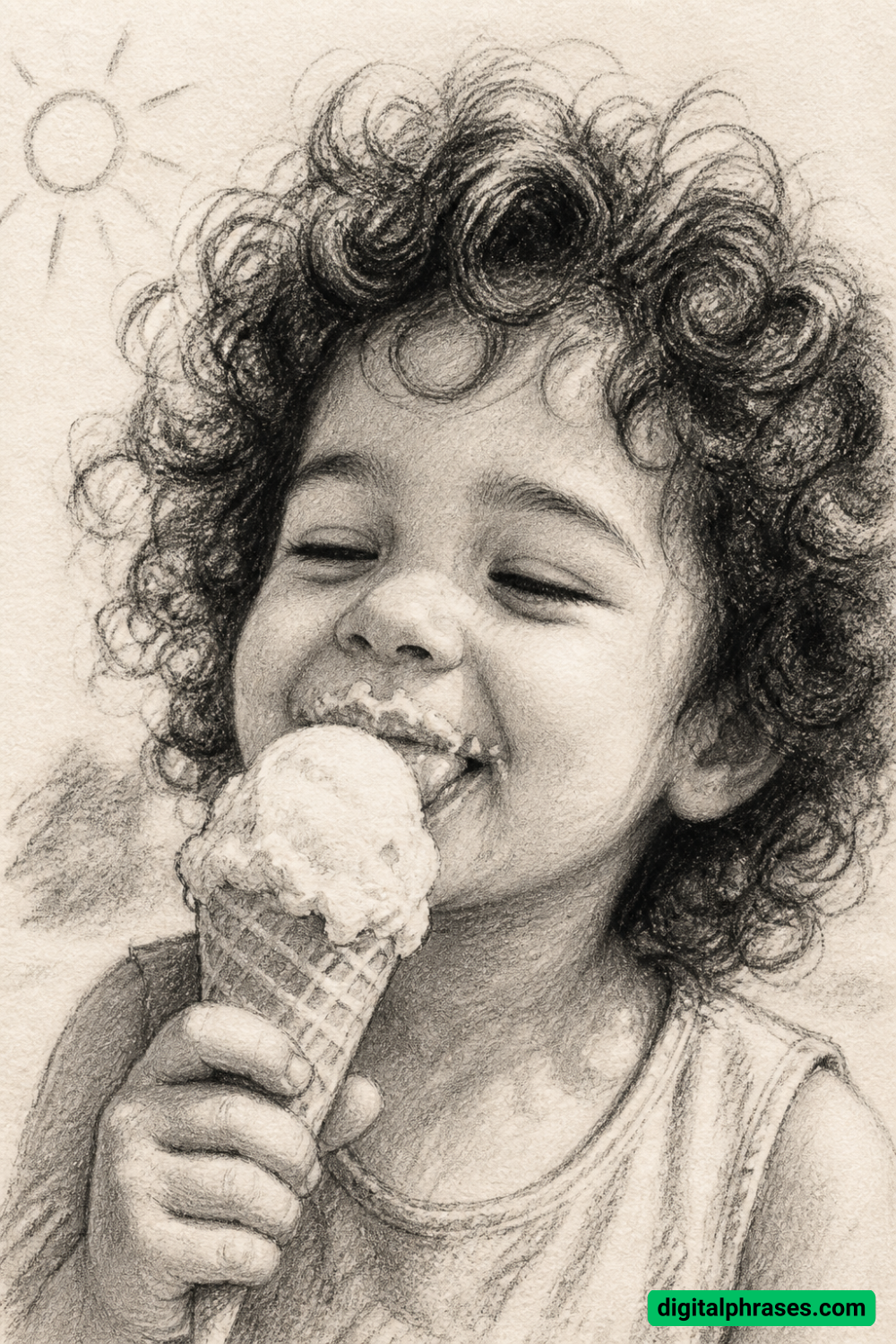
7
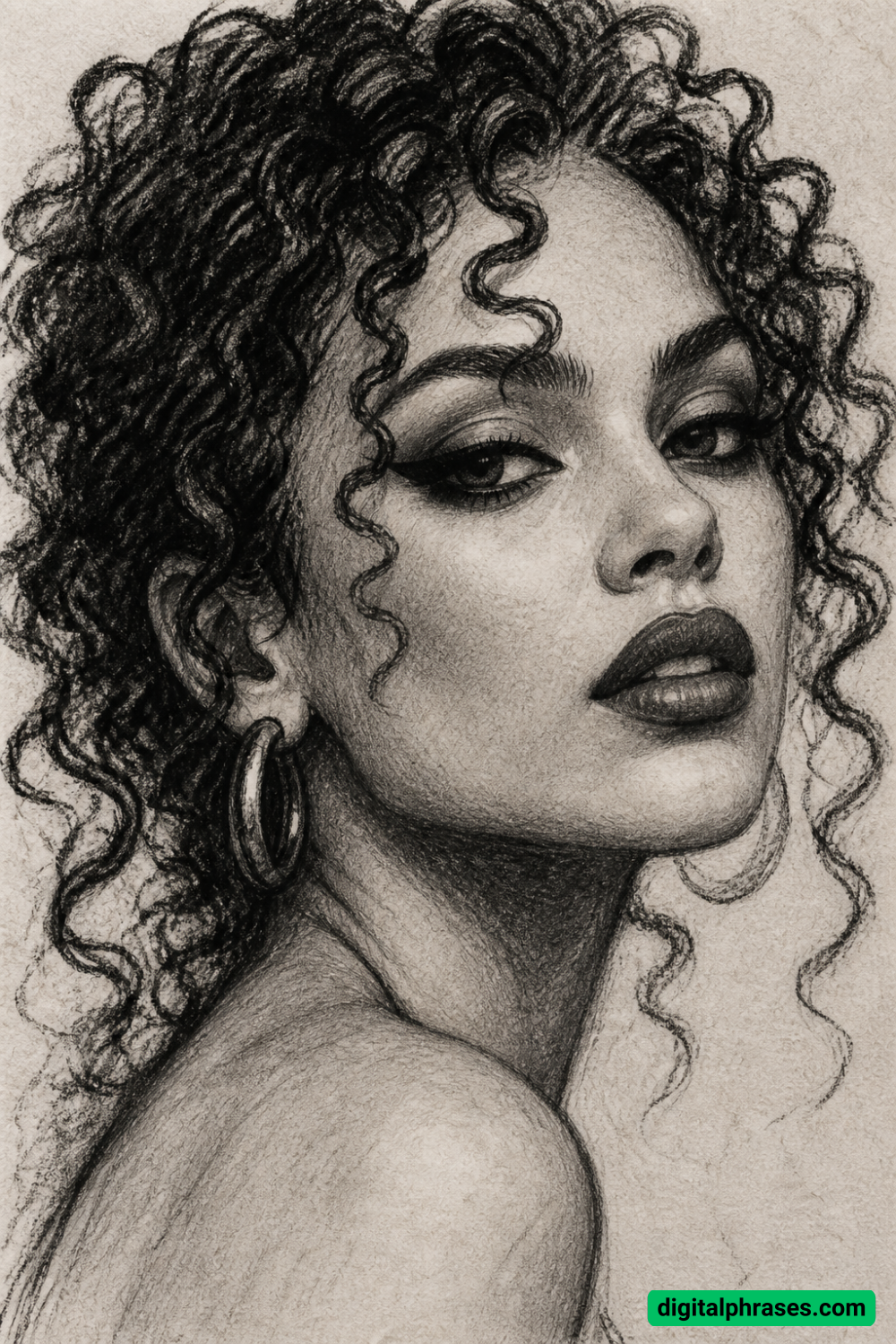
8
9

10
11
12
13
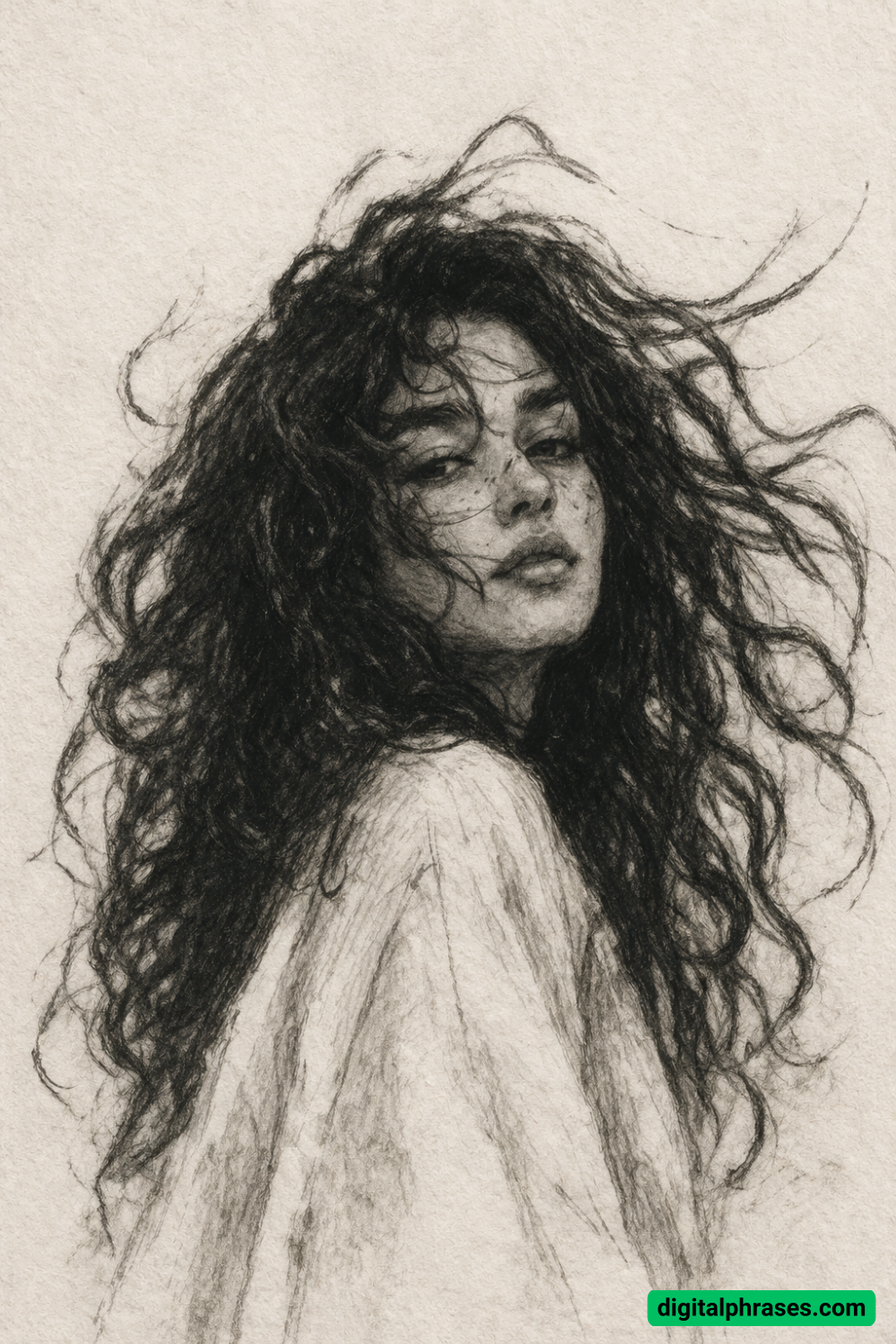
14

15
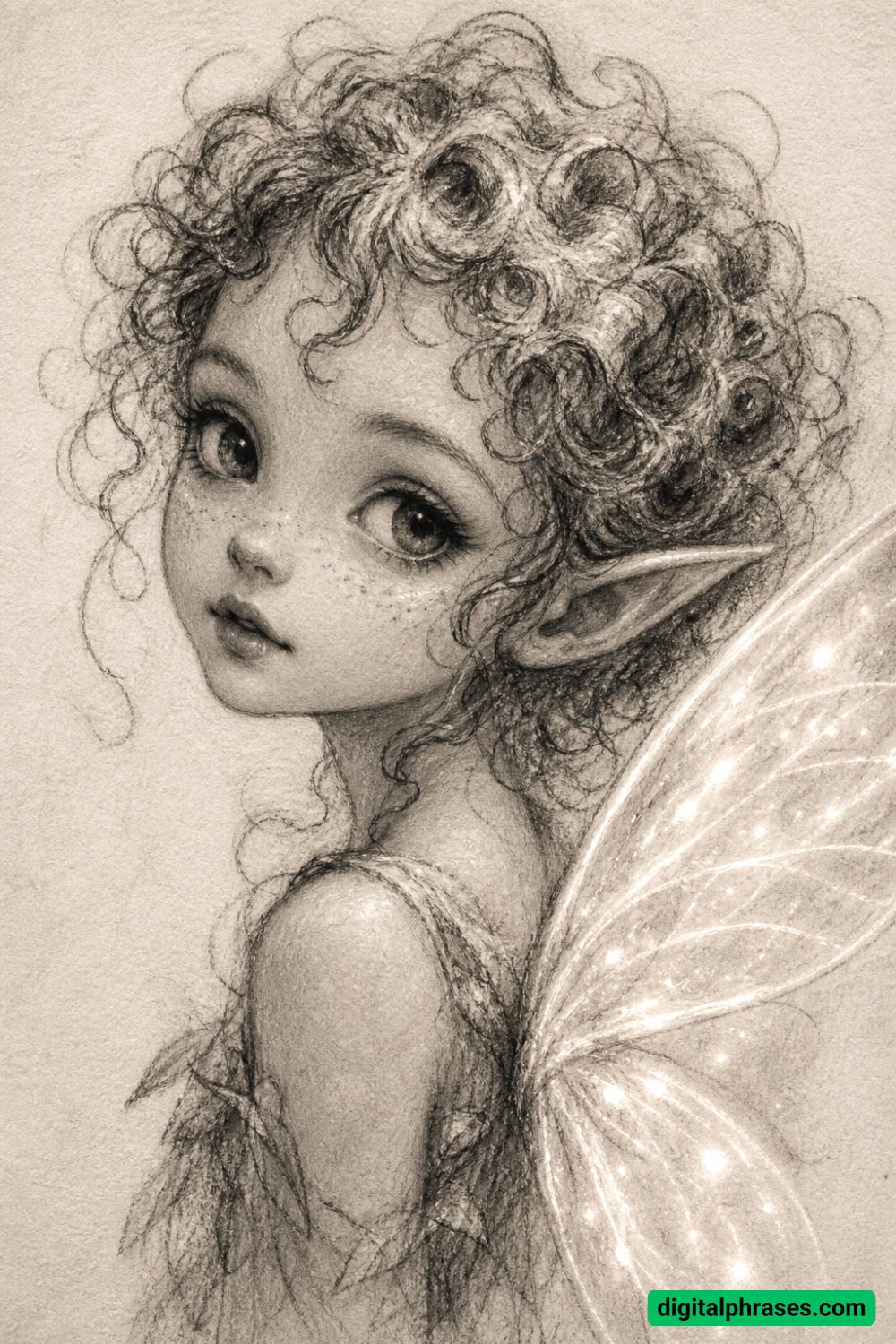
16

17
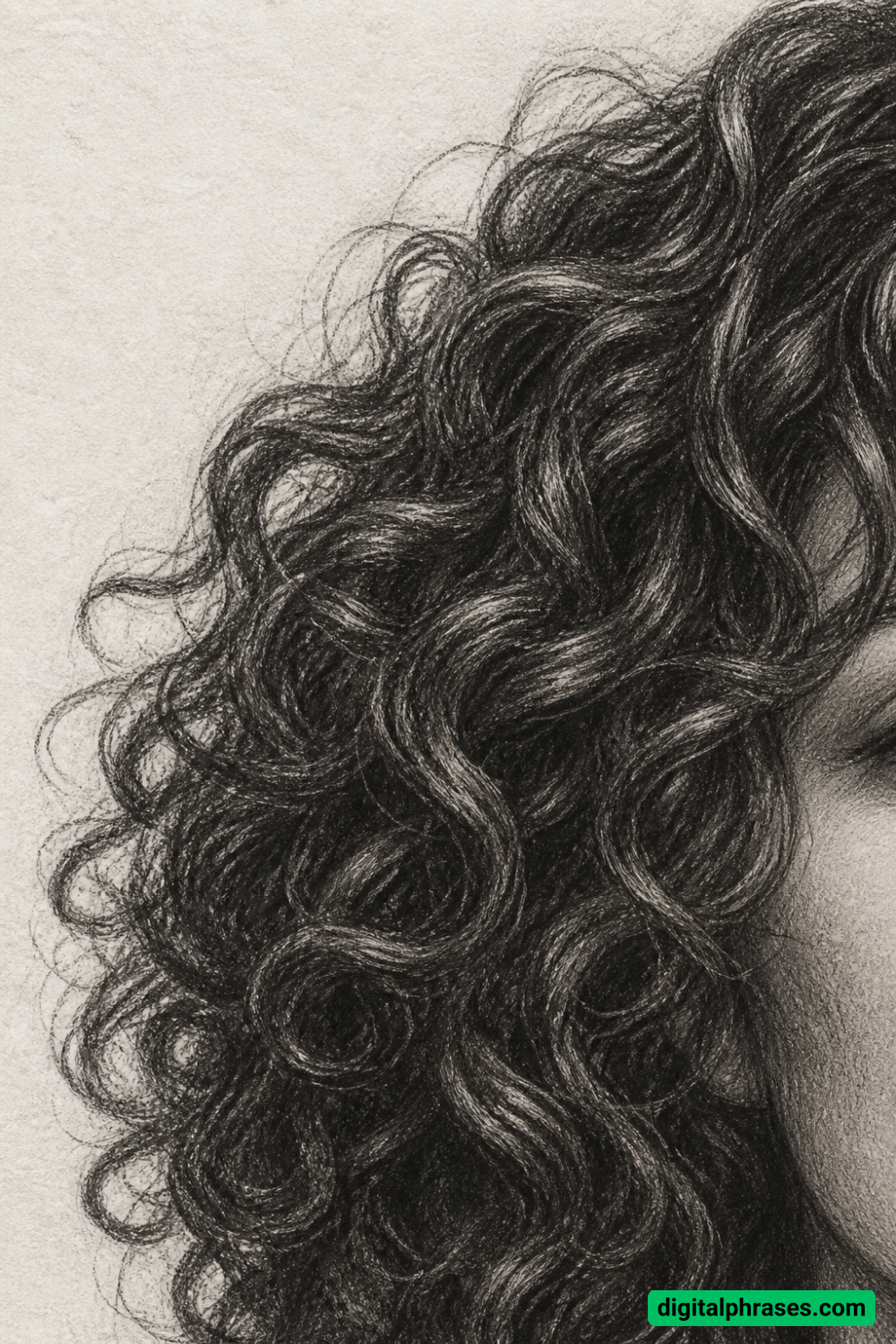
18
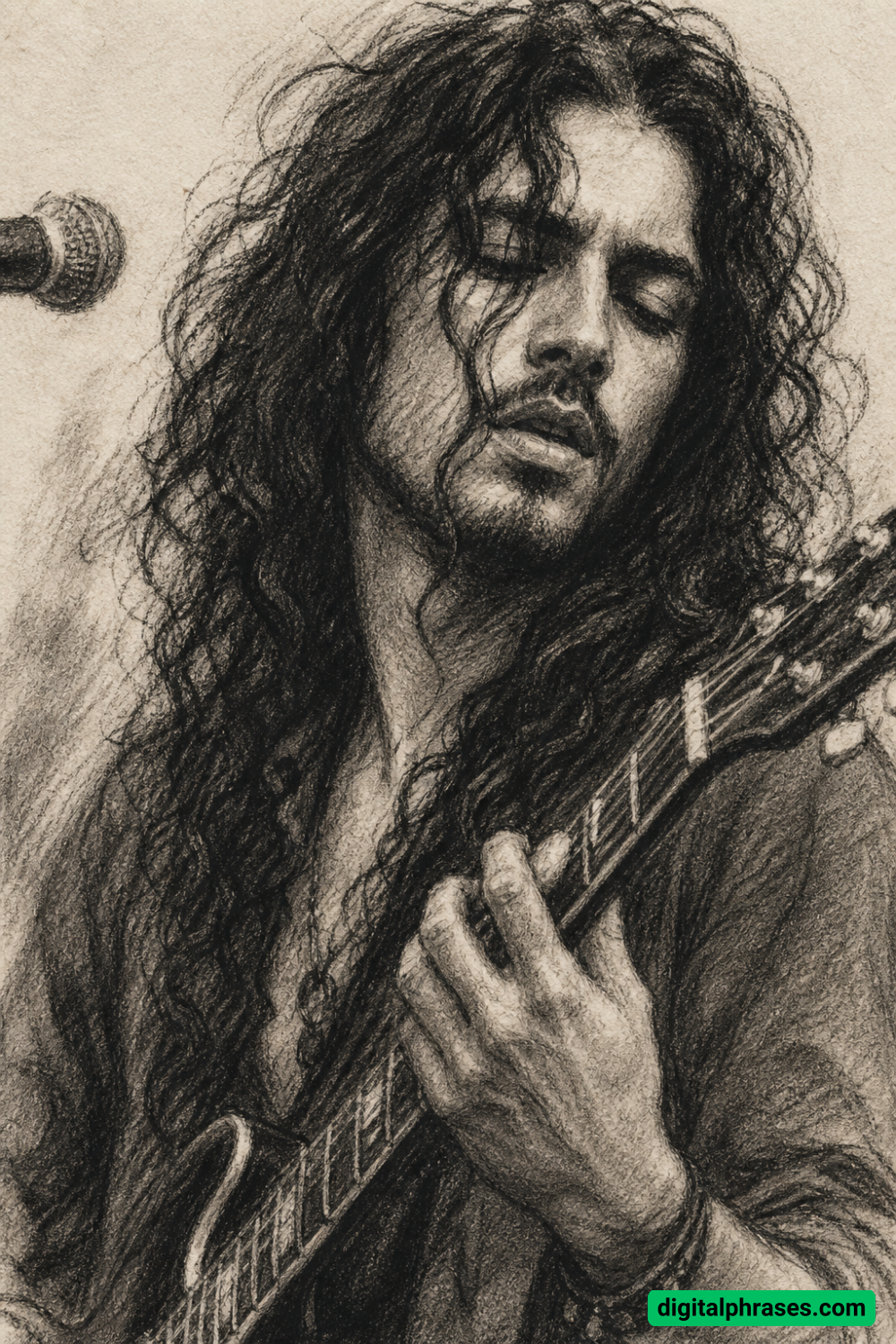
19

20
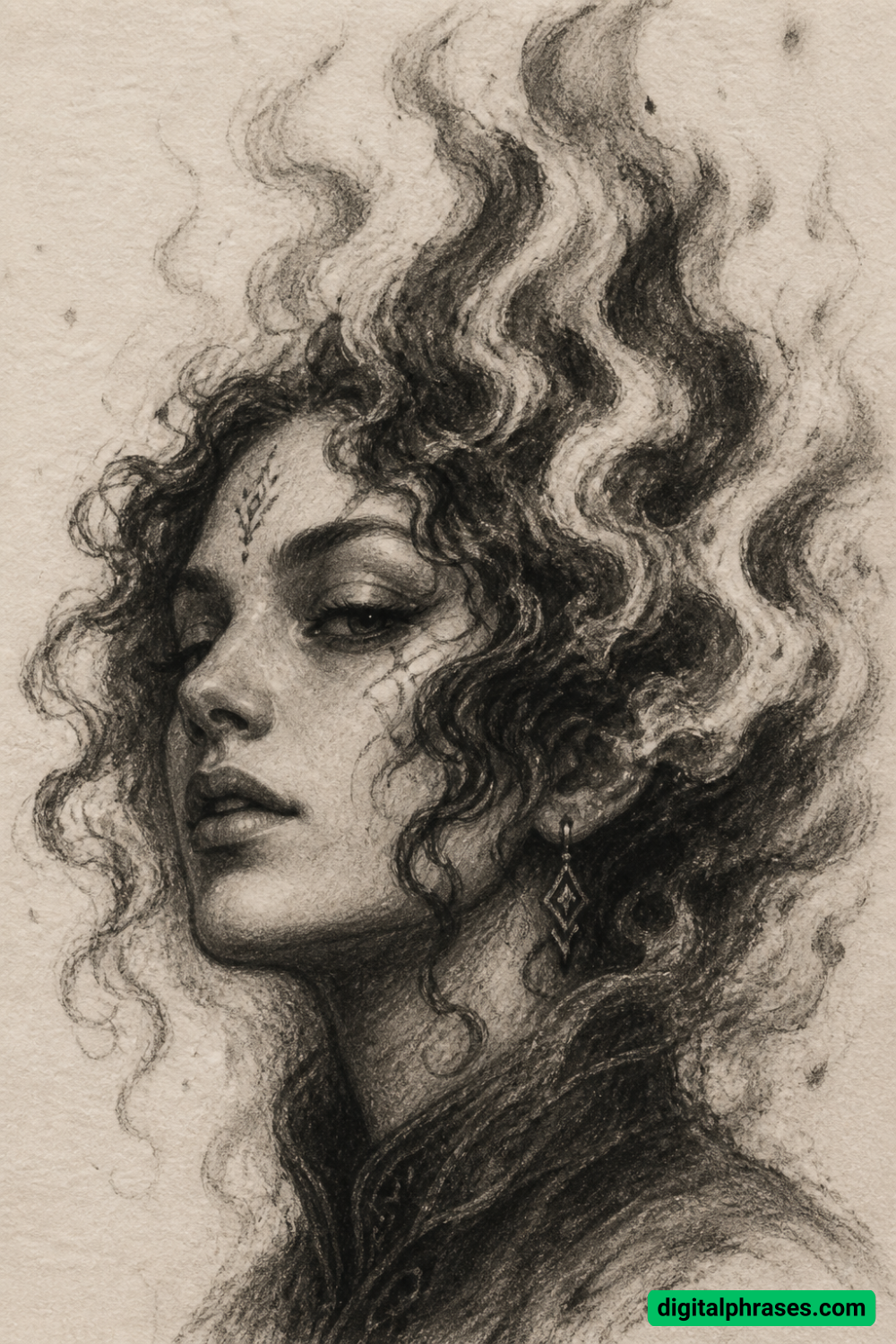
21
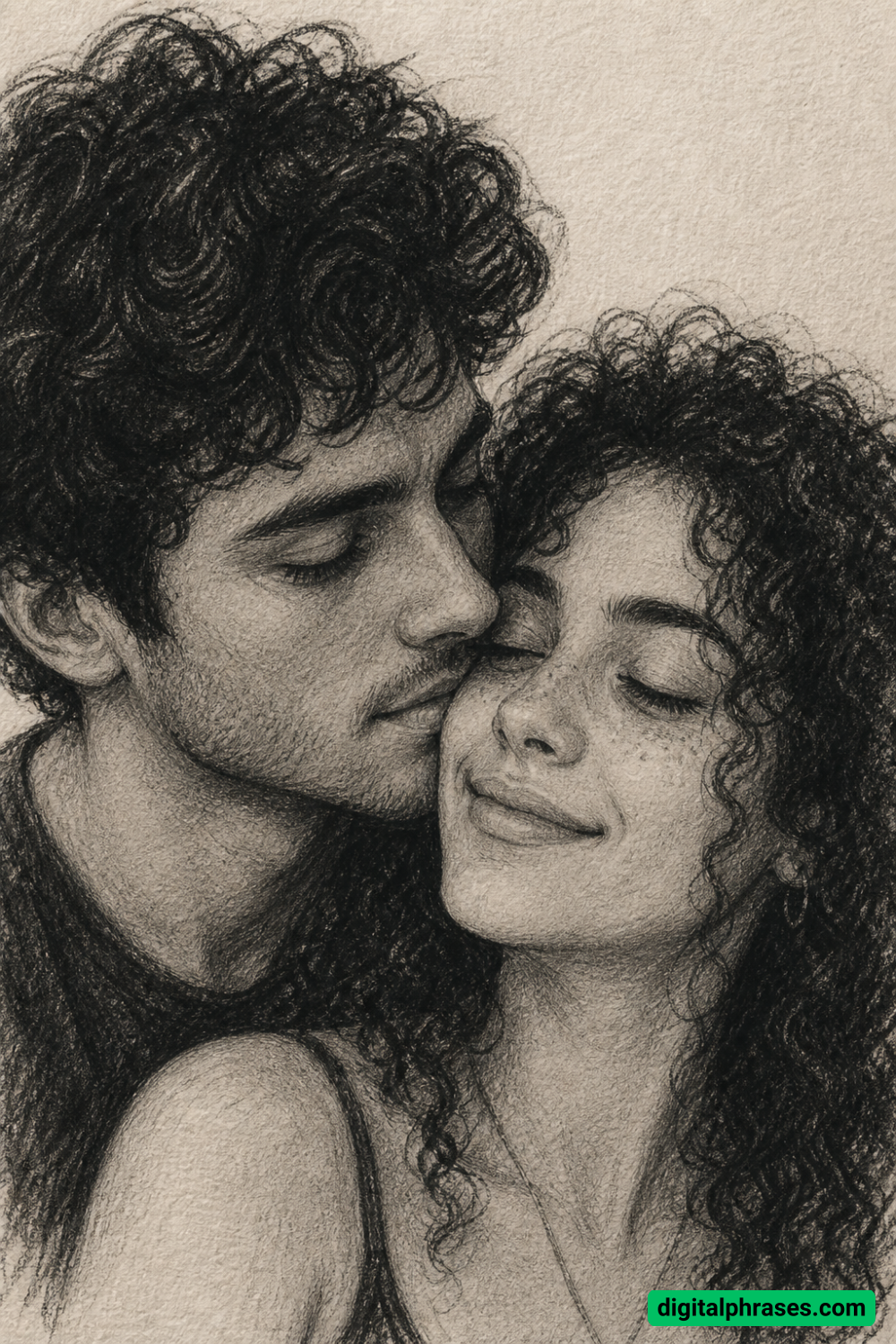
22
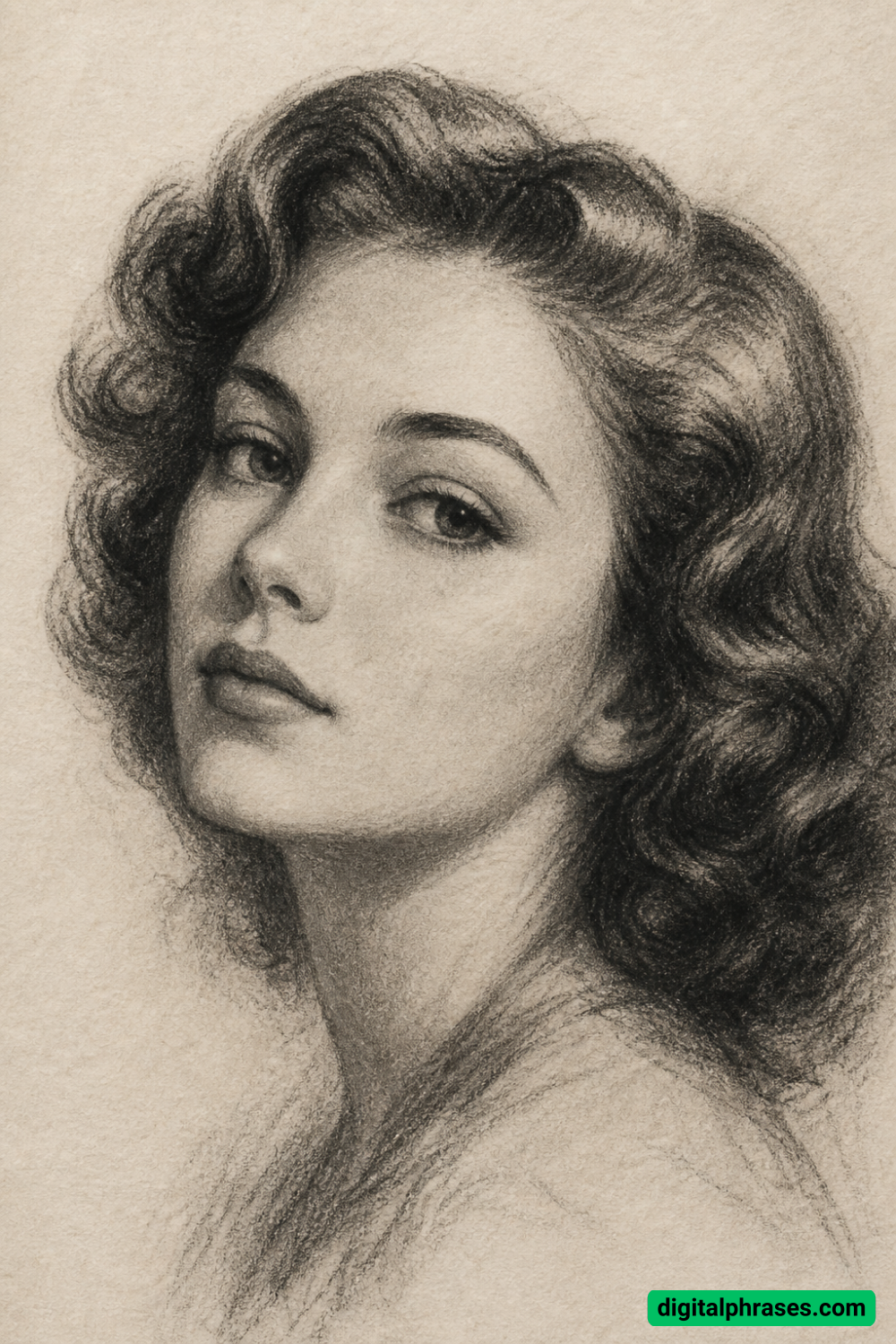
23

Tips for Drawing Curly Hair
1. Focus on the Overall Shape First
Before getting lost in individual curls, start by sketching the general shape of the hair. Curly hair usually has volume, so think in terms of big, soft forms rather than flat outlines.
Block in the silhouette—whether it’s round, triangular, or flowing downward. This helps your drawing feel balanced and prevents the curls from looking scattered.
Once the main shape looks right, you can gradually add details. Beginners often jump straight into drawing strands, but that can make the hair look messy and confusing. A strong base shape gives your curls structure and makes the final result more believable.
2. Draw Curls as Groups, Not Strands
Curly hair doesn’t behave like straight hair—it forms clumps and sections. Instead of drawing every single strand, group curls into chunks or locks. Think of them as ribbons or spirals that overlap each other. This approach keeps your drawing cleaner and more natural.
You can suggest texture with a few well-placed lines rather than overloading the page. Look at reference images and notice how curls bunch together instead of spreading evenly. Simplifying curls into groups also saves time and helps you avoid stiff or unnatural-looking hair.
3. Use Flow and Direction Lines
Curly hair still follows a direction, even if it looks chaotic. Start with light flow lines to guide how the hair moves—downward, outward, or swirling around the head. These lines act like a roadmap for placing curls. Without them, your drawing may feel random or flat.
Pay attention to gravity and movement: curls tend to fall and bounce in a certain way depending on length and style. By establishing direction early, you create a sense of motion and rhythm that makes the hair feel alive.
4. Build Depth with Light and Shadow
Shading is what brings curly hair to life. Because curls overlap, they naturally create shadows between sections. Darken the inner parts of curls and the areas where hair layers stack. Leave lighter areas where light hits the surface. This contrast adds depth and volume.
Avoid shading everything evenly—variation is key. You don’t need extreme detail; even simple shading can make curls look more realistic. Think of the hair as a 3D form, not just lines on paper.
5. Keep It Loose and Avoid Overworking
One of the biggest mistakes is trying to control every curl. Curly hair looks best when your lines are relaxed and slightly imperfect. Use quick, confident strokes instead of slow, stiff ones. If you overwork the drawing with too many lines, it can lose its natural feel.
Step back occasionally and check if the hair still looks soft and flowing. Sometimes less detail actually makes the drawing stronger. Let the curls feel free rather than forced.