15 Drawing Ideas of Legs
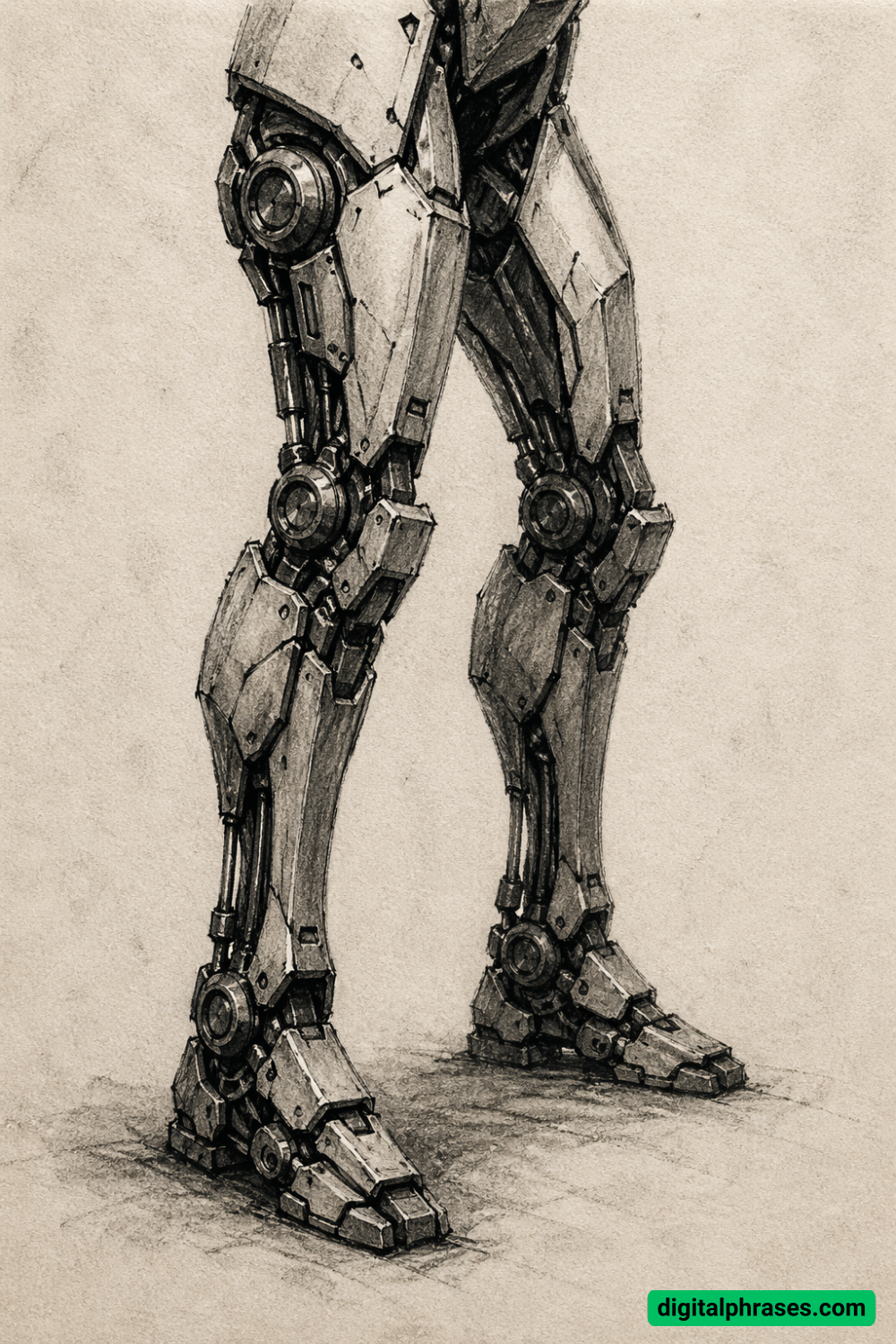
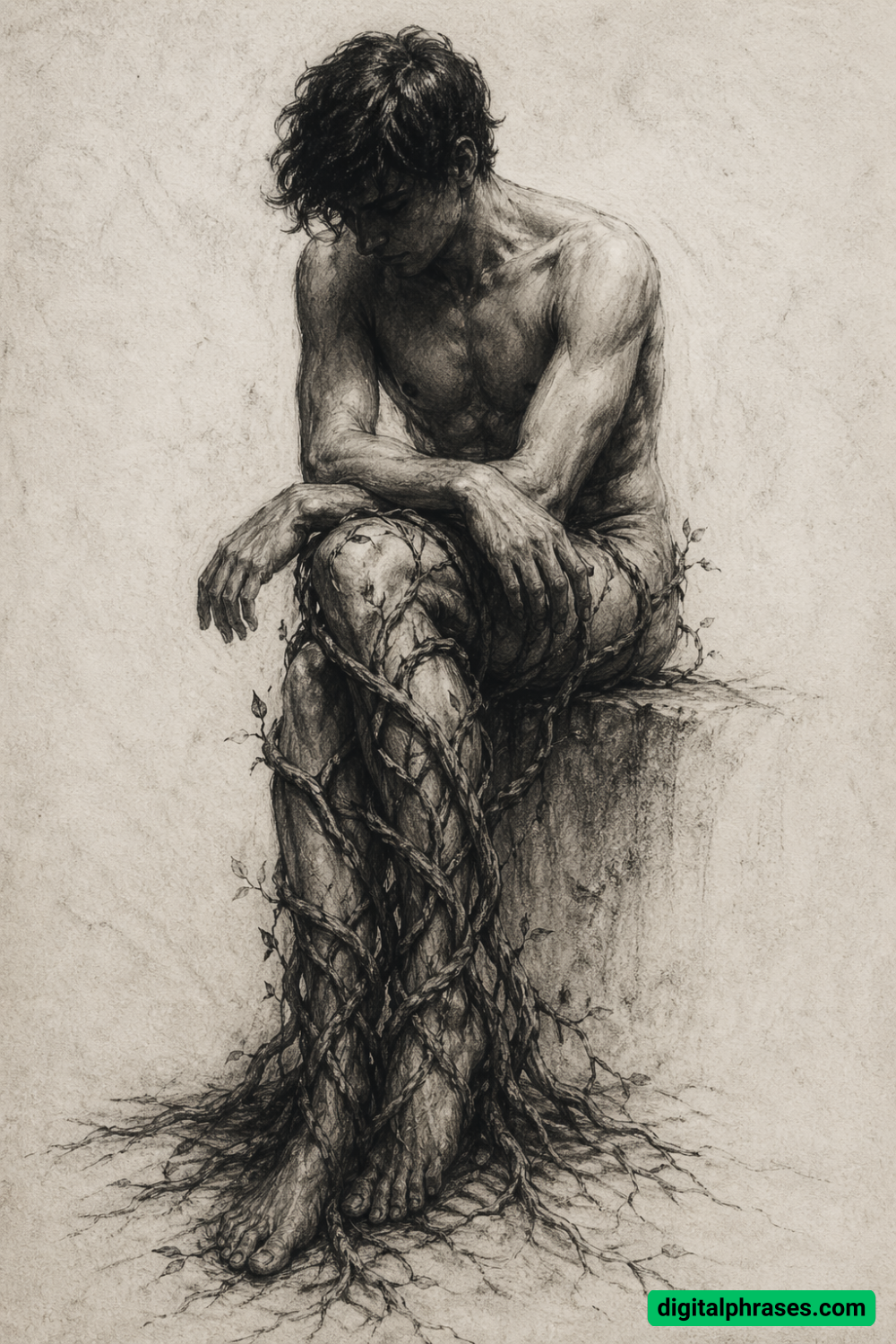
Drawing legs can feel surprisingly tricky, even for artists who are comfortable with faces or hands. The proportions, angles, and subtle muscle shapes all work together in ways that aren’t always obvious at first glance. If you’ve ever struggled to make legs look natural or dynamic, you’re definitely not alone.
This blog isn’t about perfect anatomy or strict rules. Instead, it’s a collection of simple drawing ideas to help you practice, experiment, and build confidence. Check these out below.
Leg Drawing Ideas
1
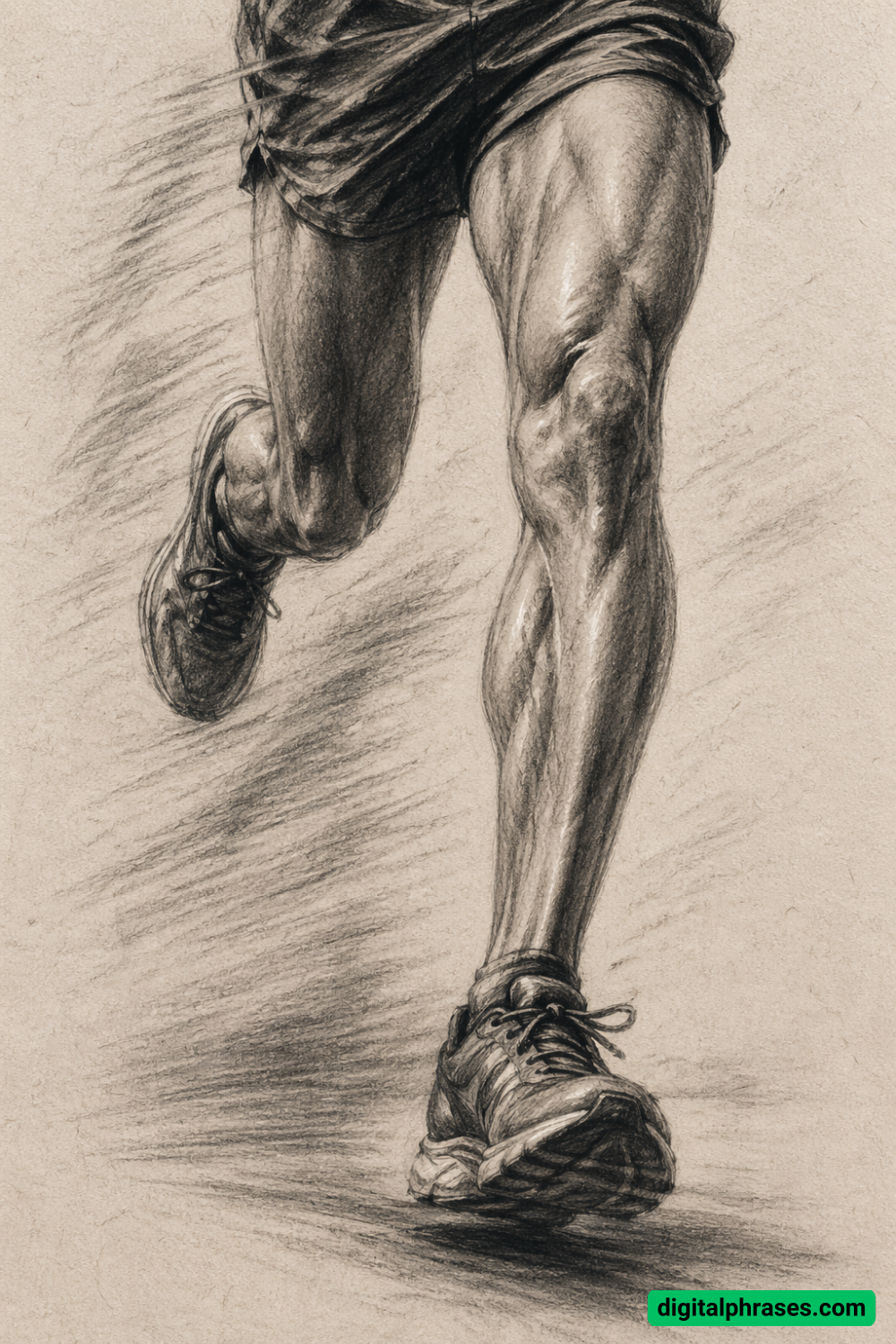
2
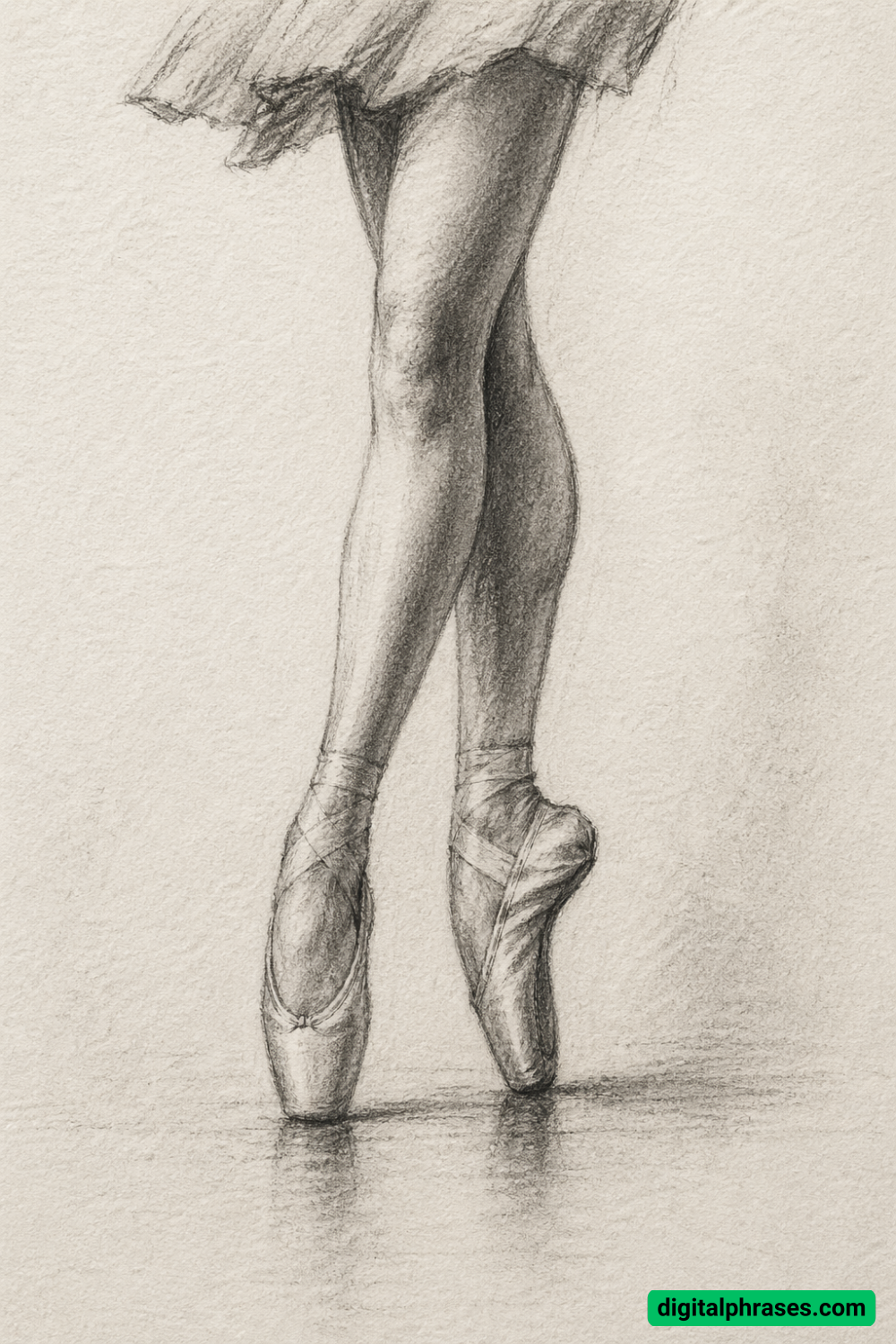
3
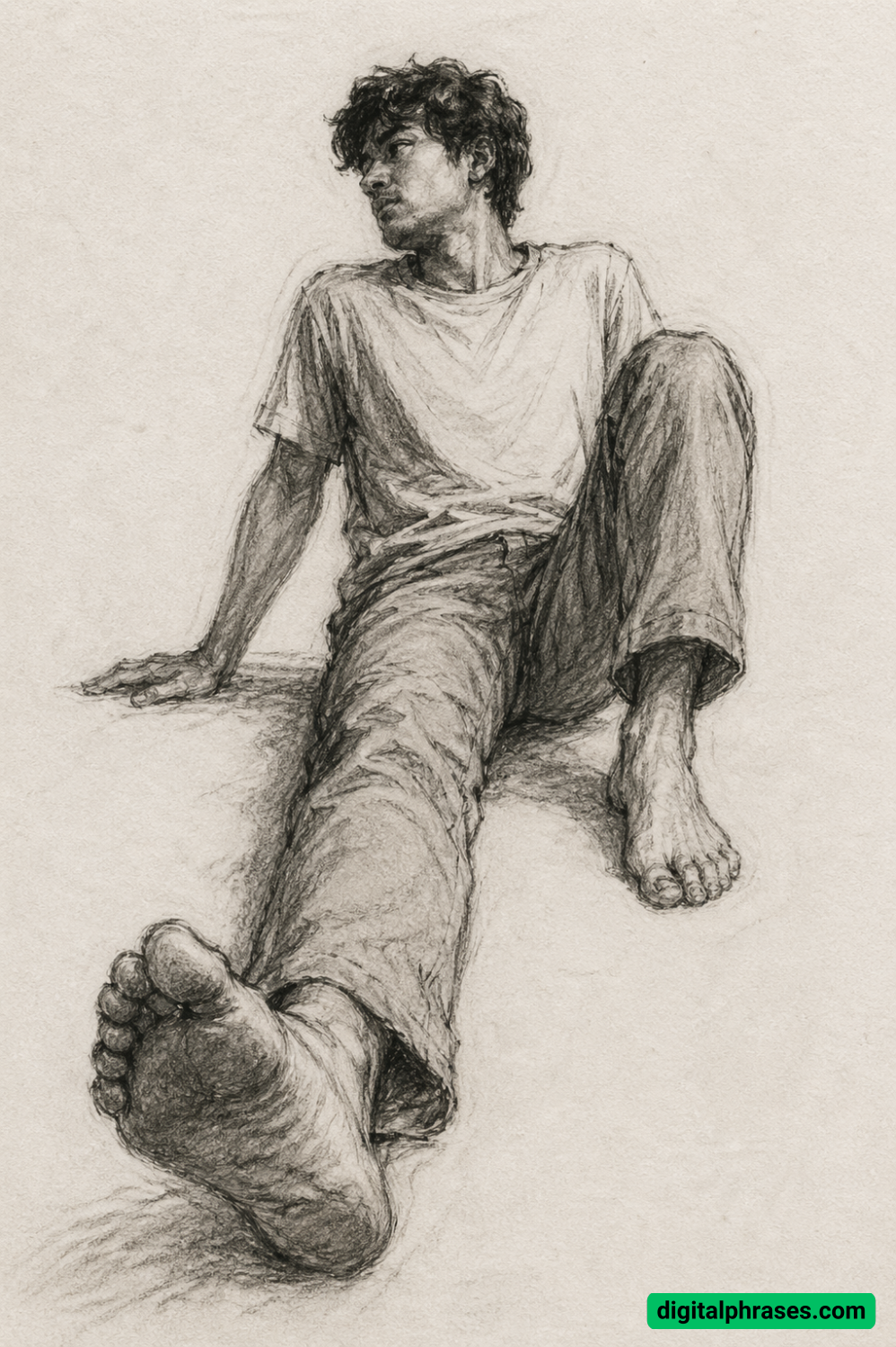
4
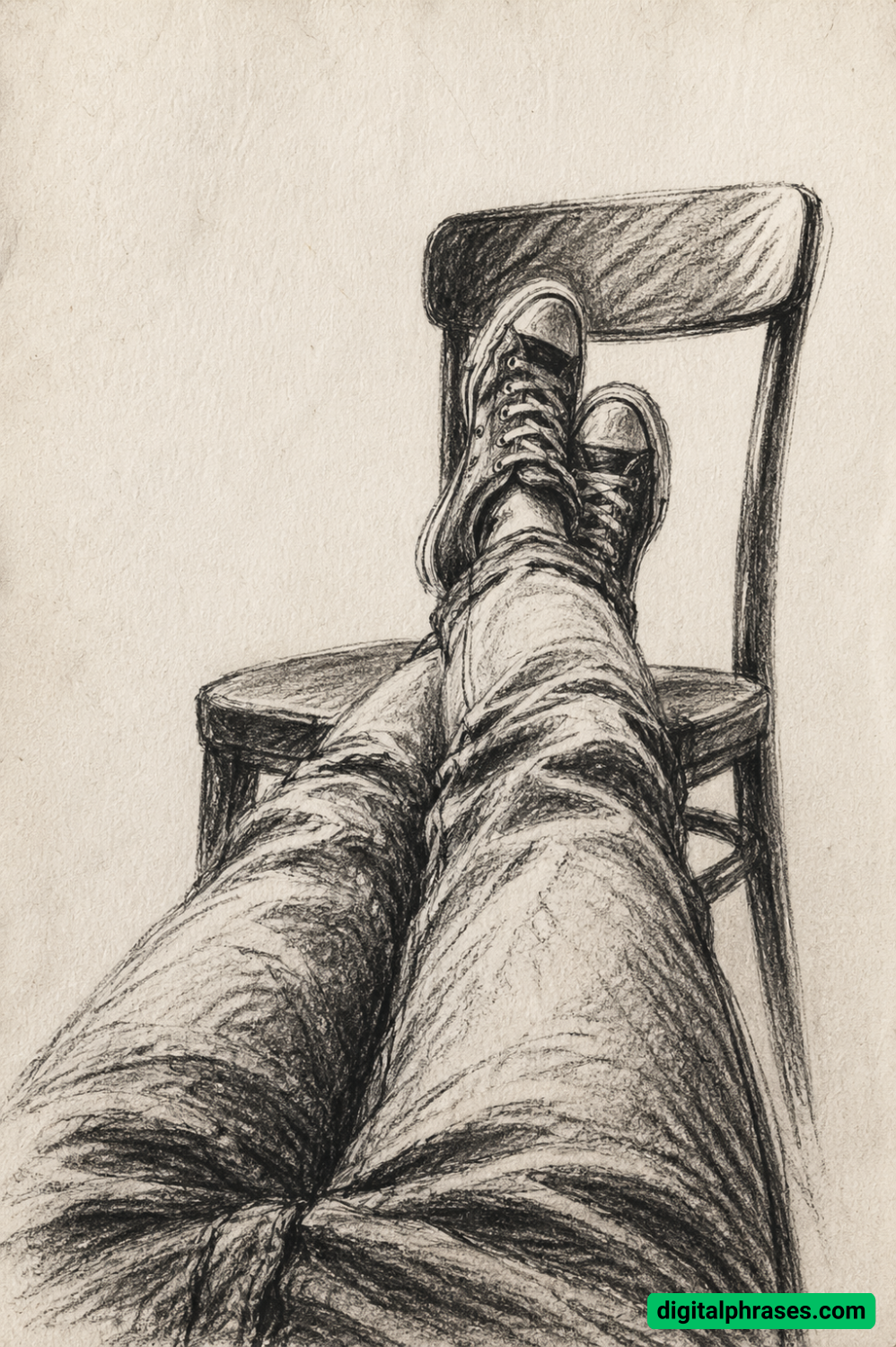
5
6

7

8
9

10
11
12

13

14

15

Tips For Drawing Legs
Start with Simple Shapes
Before worrying about details, block the leg in using basic shapes like cylinders and ovals. Think of the thigh and calf as two separate forms connected by the knee. This helps you understand structure and proportion without getting overwhelmed. Once the foundation looks right, you can slowly build on top of it with more refined lines.
Focus on Proportions First
Legs can look “off” even if your lines are clean, simply because the proportions aren’t quite right. Pay attention to how long the thigh is compared to the calf, and where the knee sits. A good habit is to lightly sketch guidelines before committing to darker lines. This step saves time and frustration later.
Study Real References
Working from imagination is great, but using references will improve your drawings much faster. Look at photos, your own legs, or even people around you (discreetly). Notice how muscles shift in different poses and how weight affects the shape. Over time, these observations will naturally show up in your sketches.
Practice Different Poses
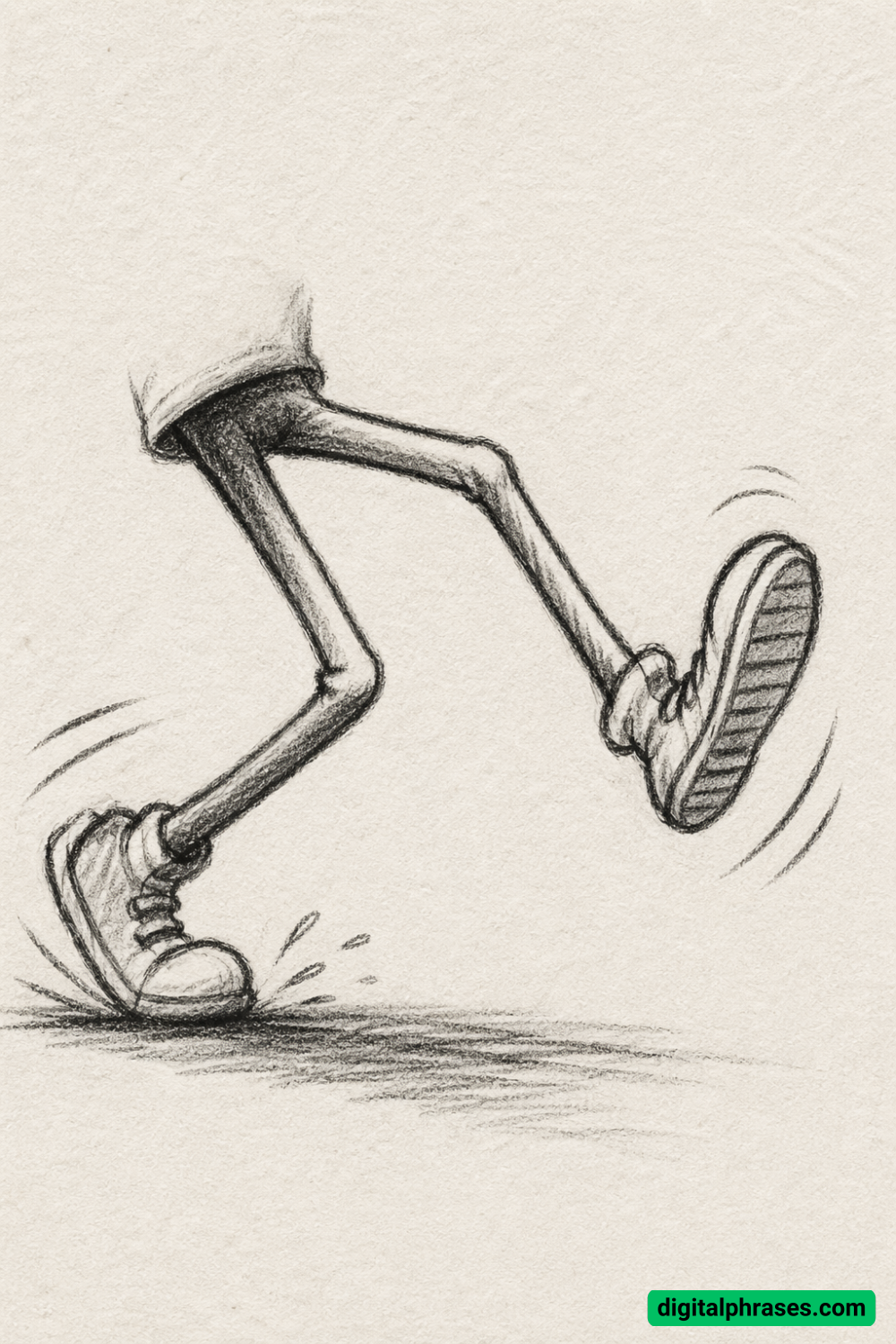
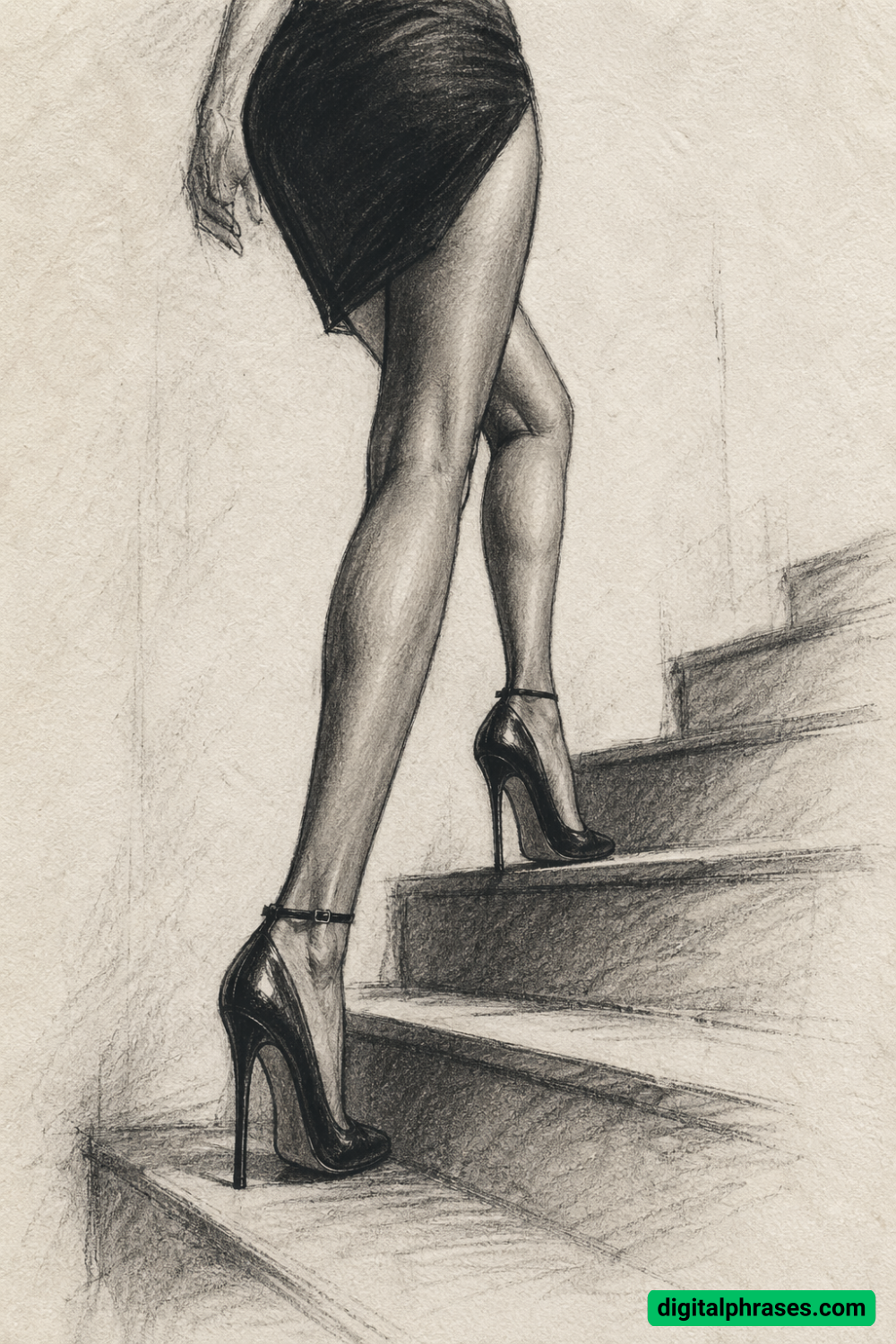
Don’t just draw straight standing legs. Try bent knees, crossed legs, walking poses, or sitting positions. Different angles teach you how legs move and balance. Even quick gesture sketches can help you capture motion and make your drawings feel more alive and less stiff.
Keep Your Lines Loose
It’s tempting to aim for perfect lines right away, but that often makes drawings stiff. Start with light, loose strokes and allow yourself to adjust as you go. Sketching loosely gives you freedom to explore shapes and correct mistakes without pressure, which ultimately leads to more natural-looking legs.