25 Earth Drawing Ideas
Earth is our home, and drawing it can be a fun way to celebrate the planet we live on. Whether you’re a beginner, a student, or someone who simply enjoys sketching, Earth-themed drawings are easy to try and full of creative possibilities.
In this article, we’ll explore some Earth drawing ideas that are simple, creative, and perfect for artists of all ages.
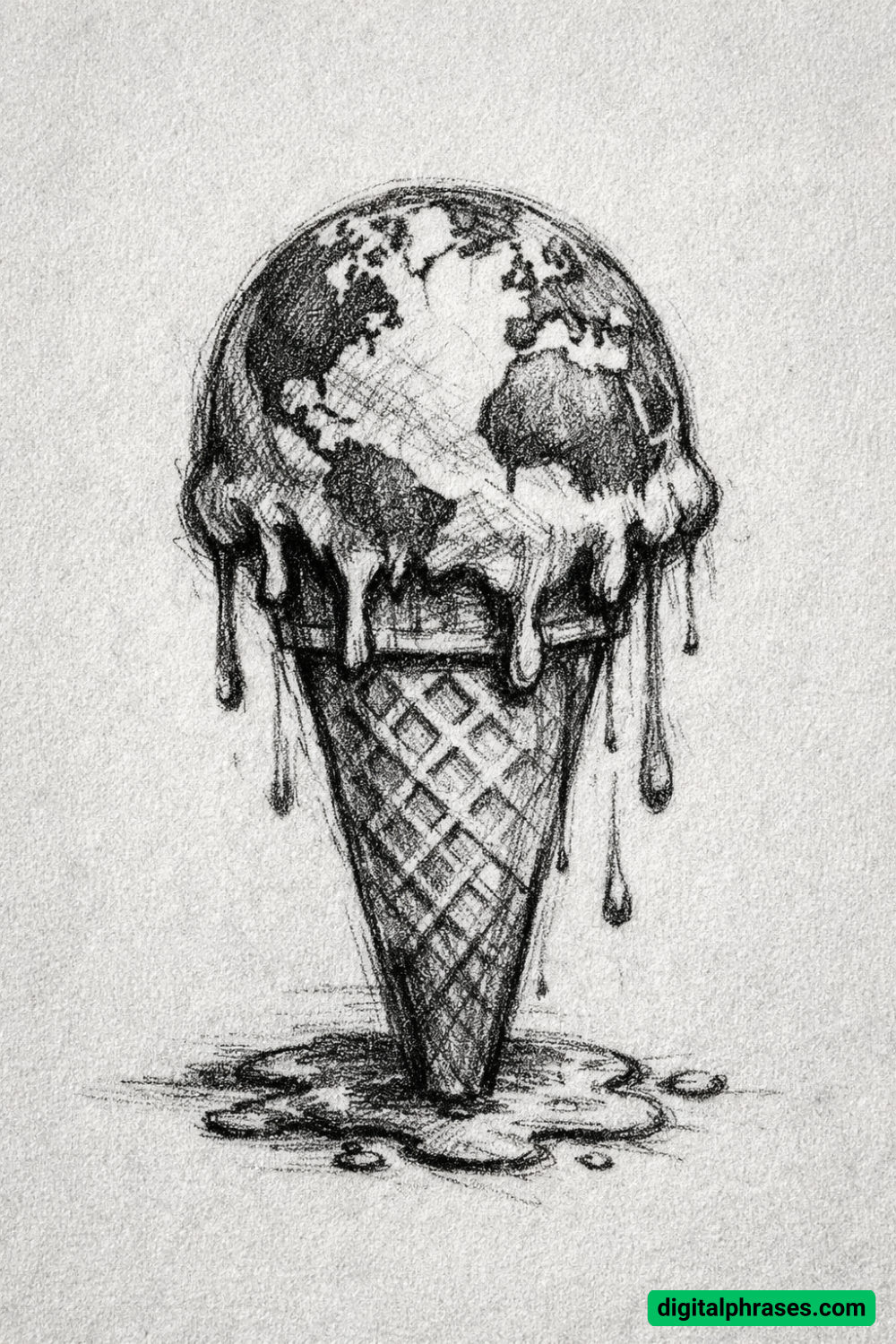
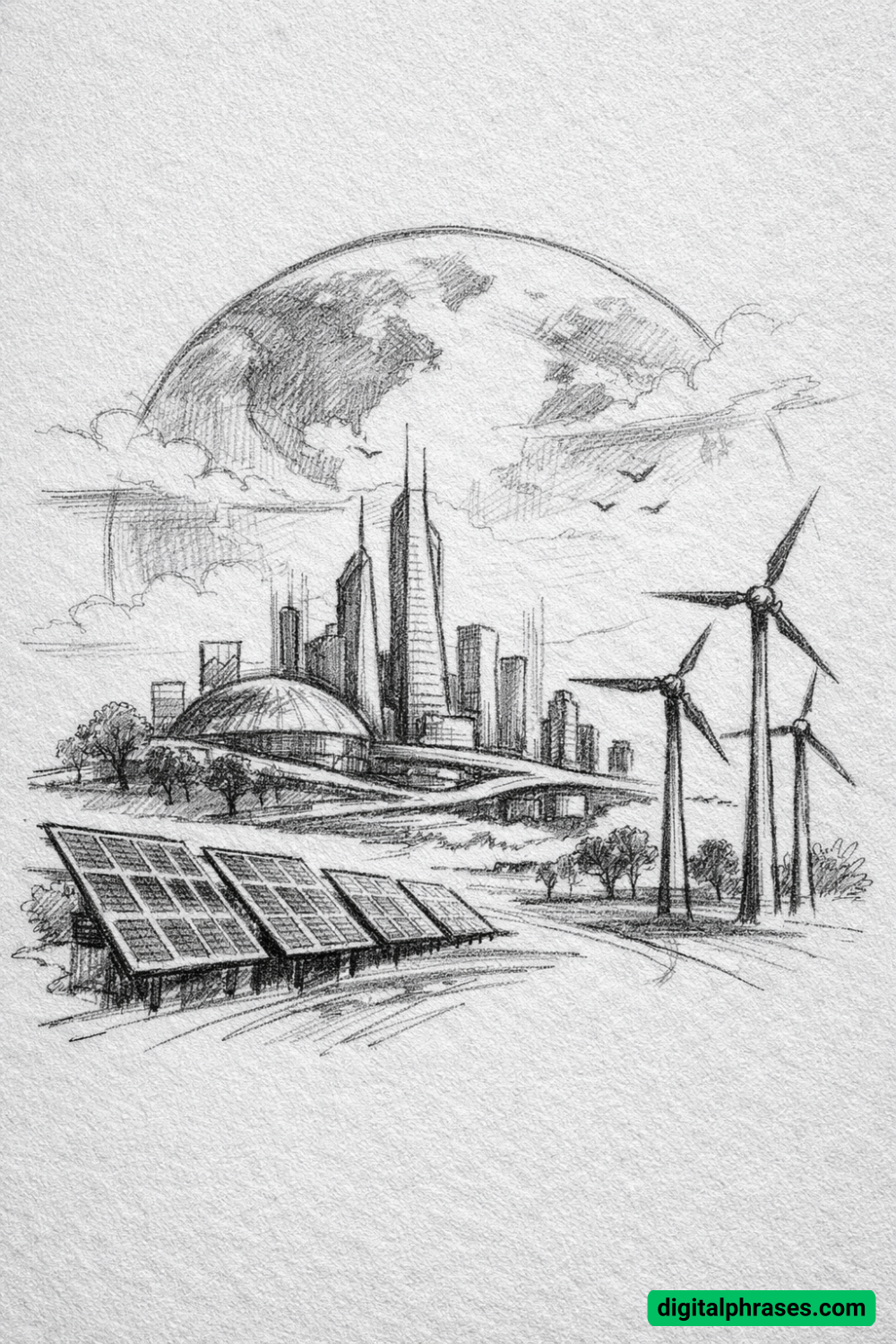
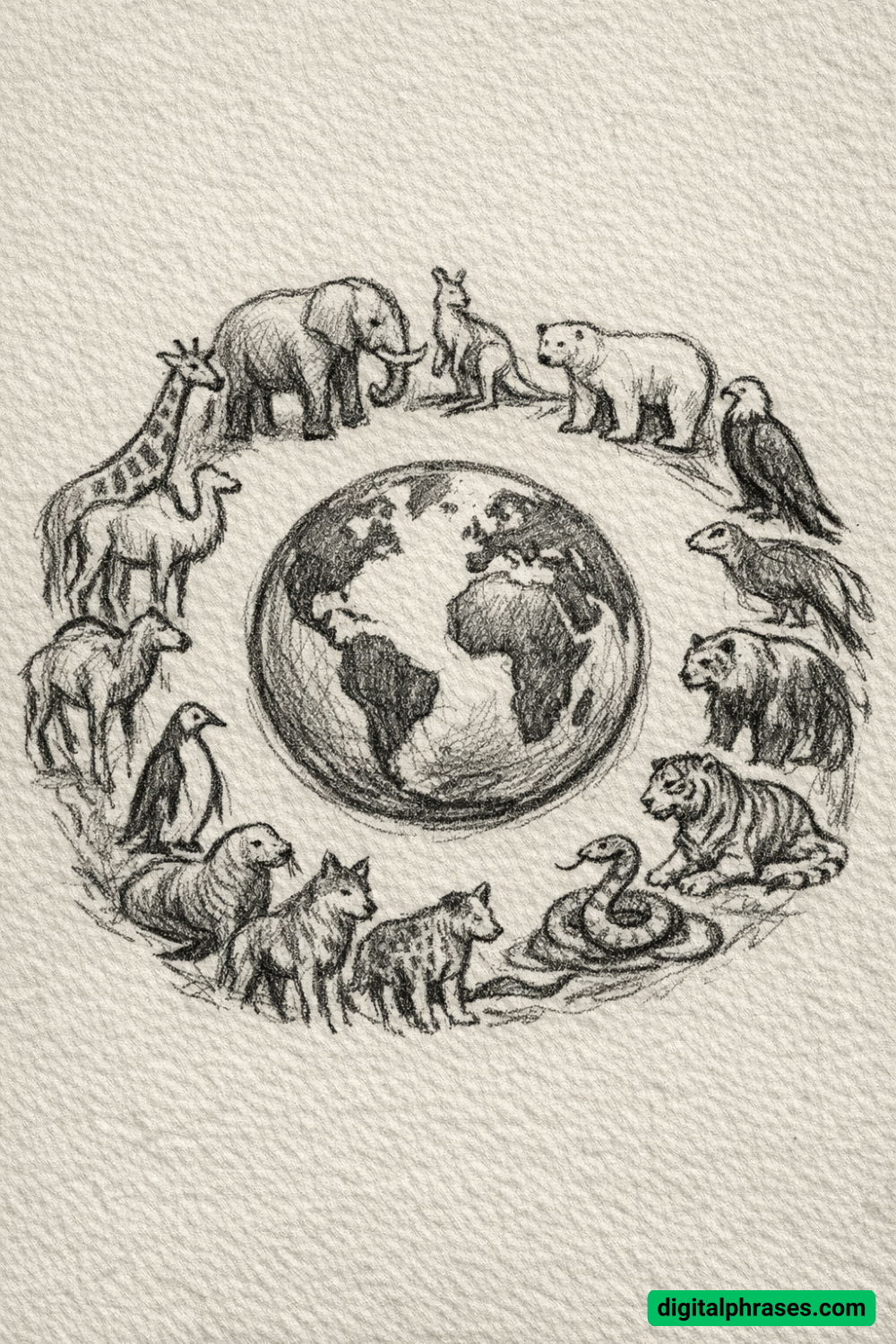
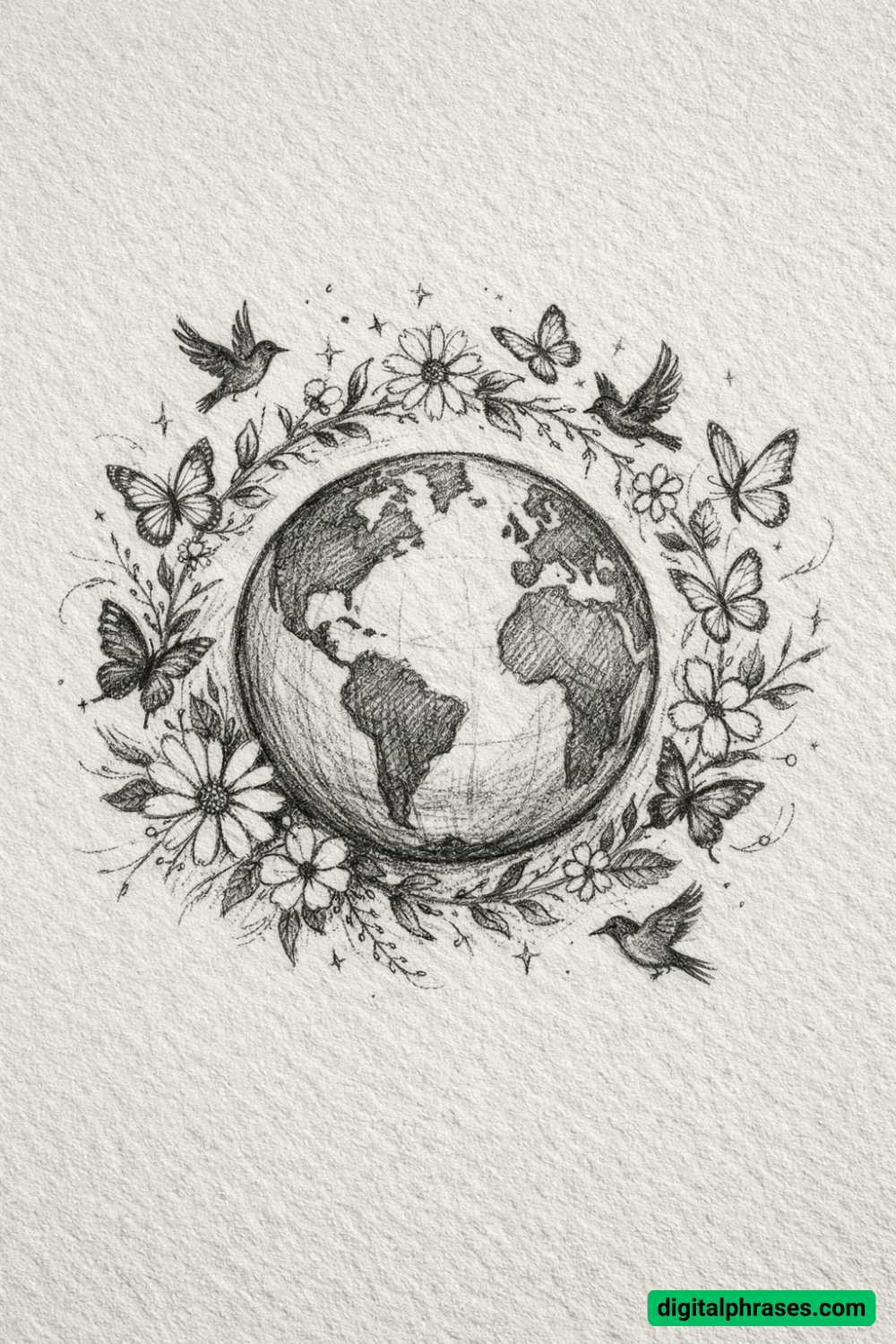
Earth Drawing Ideas
1
2
3
4
5
6
7
8
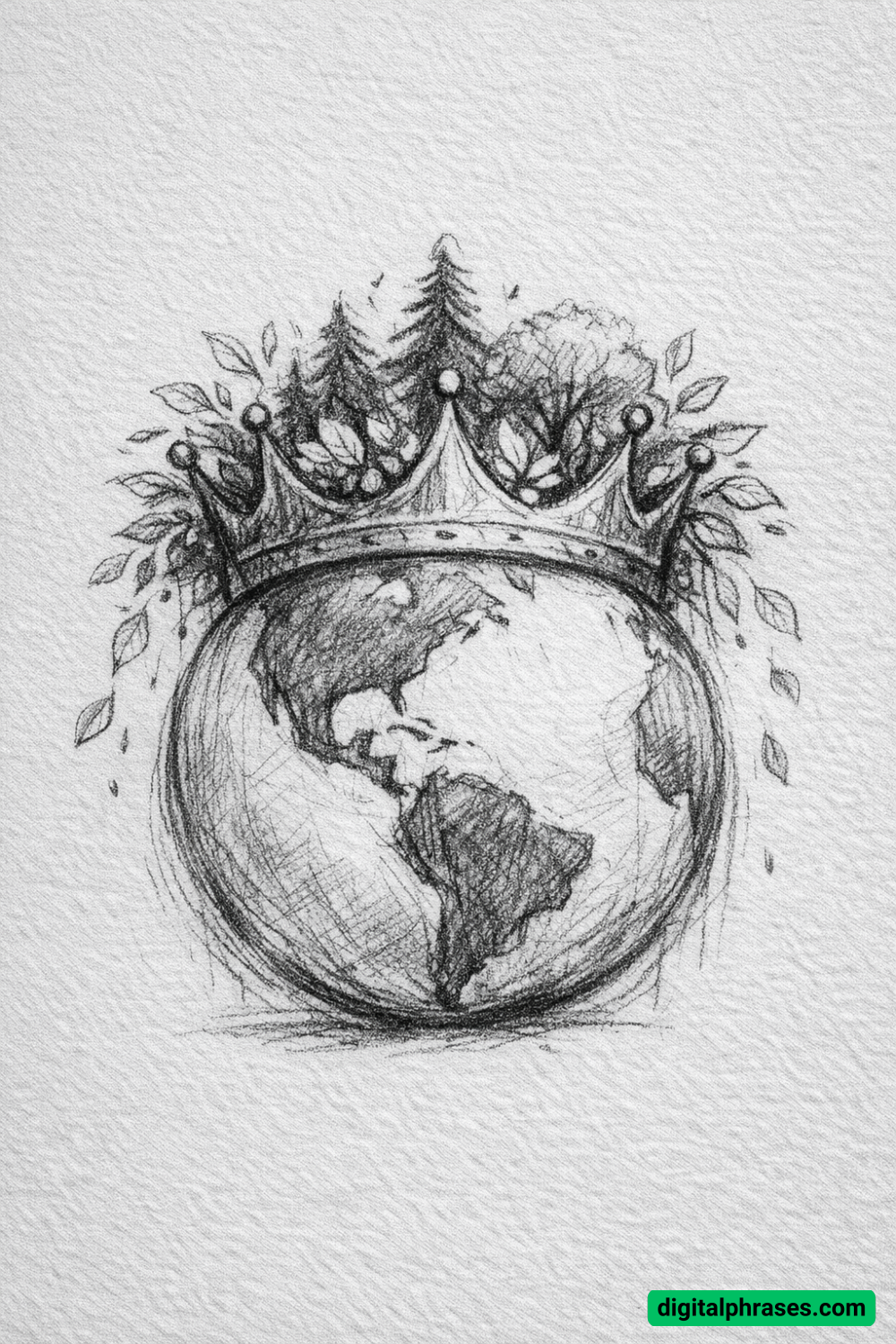
9
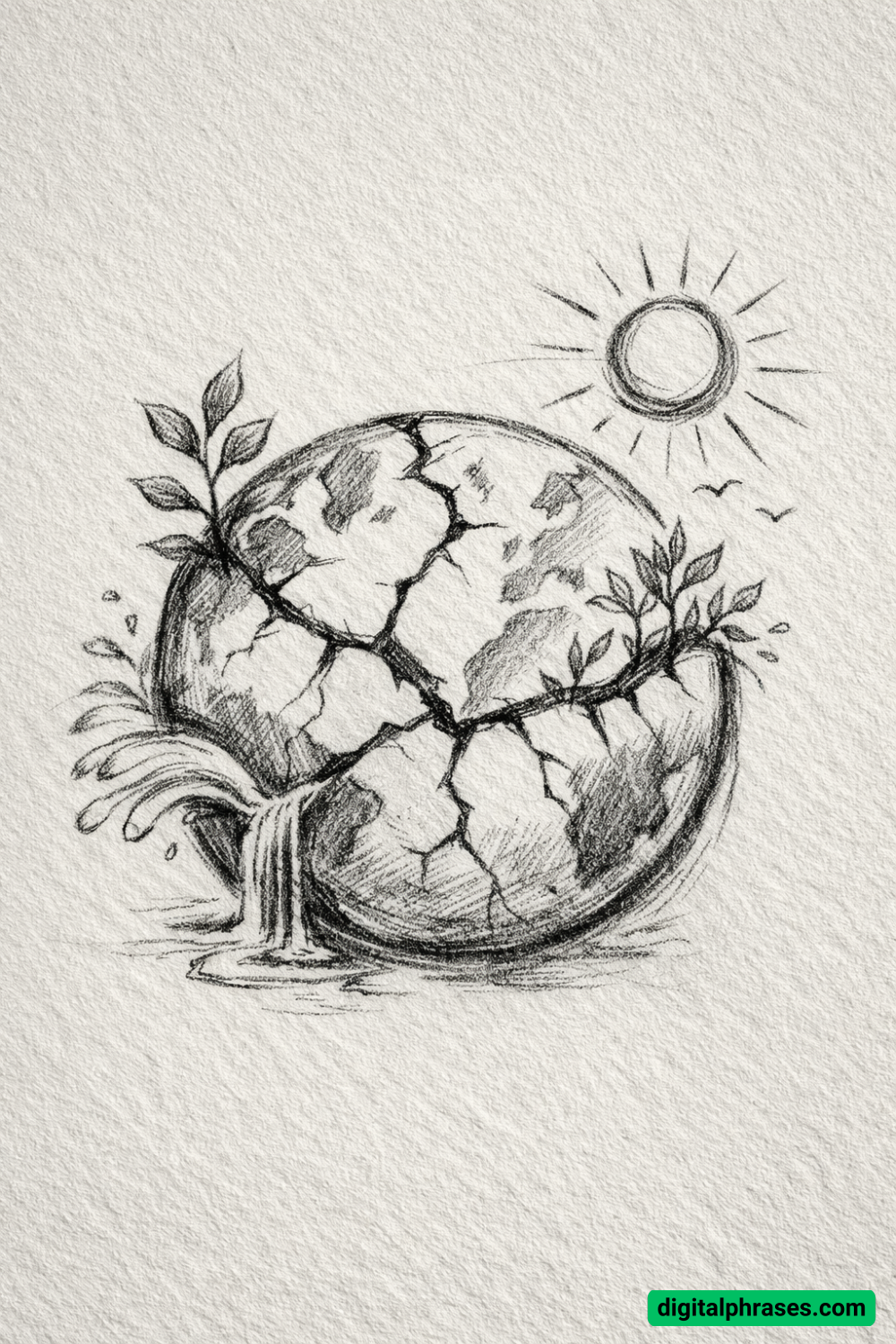
10
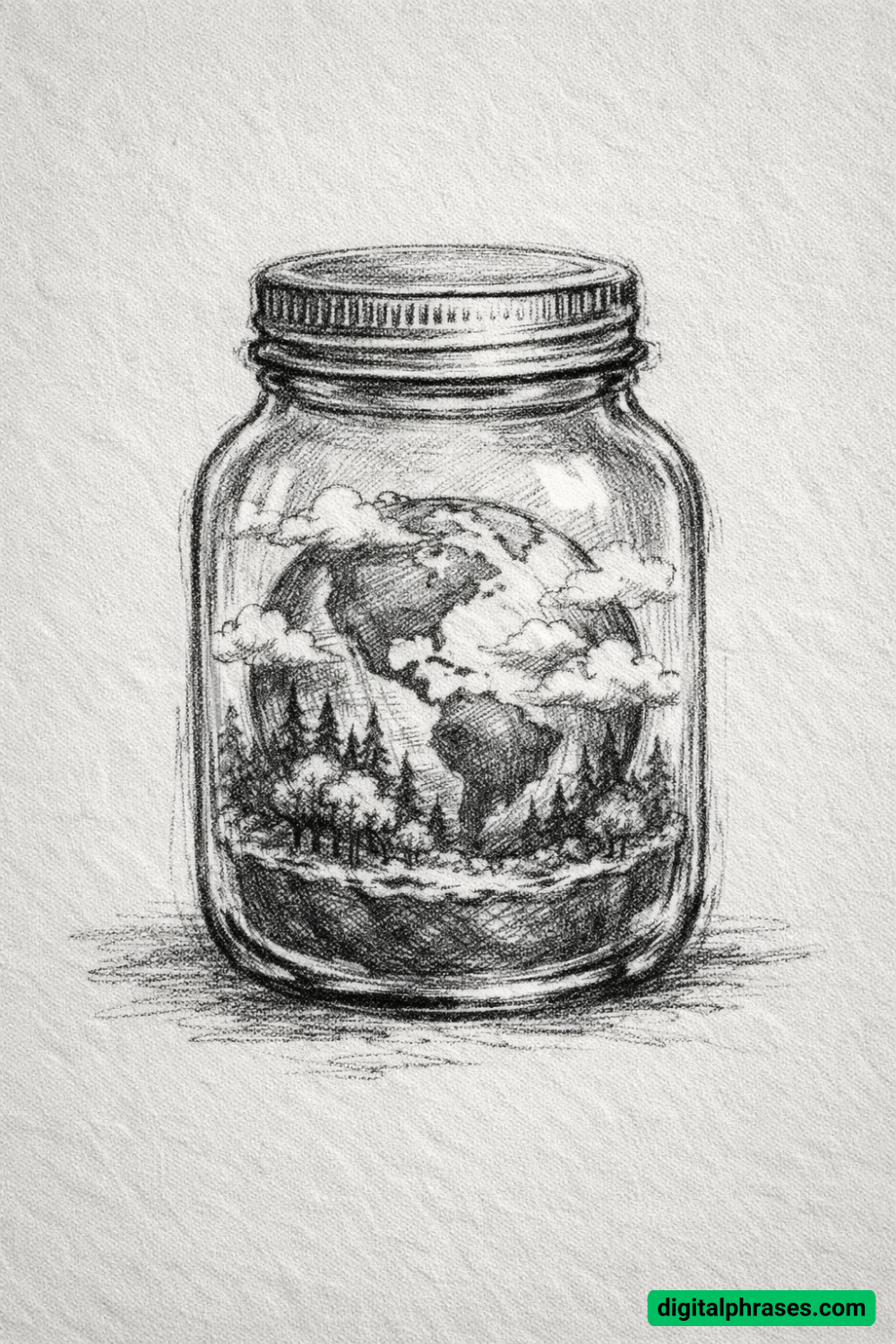
11
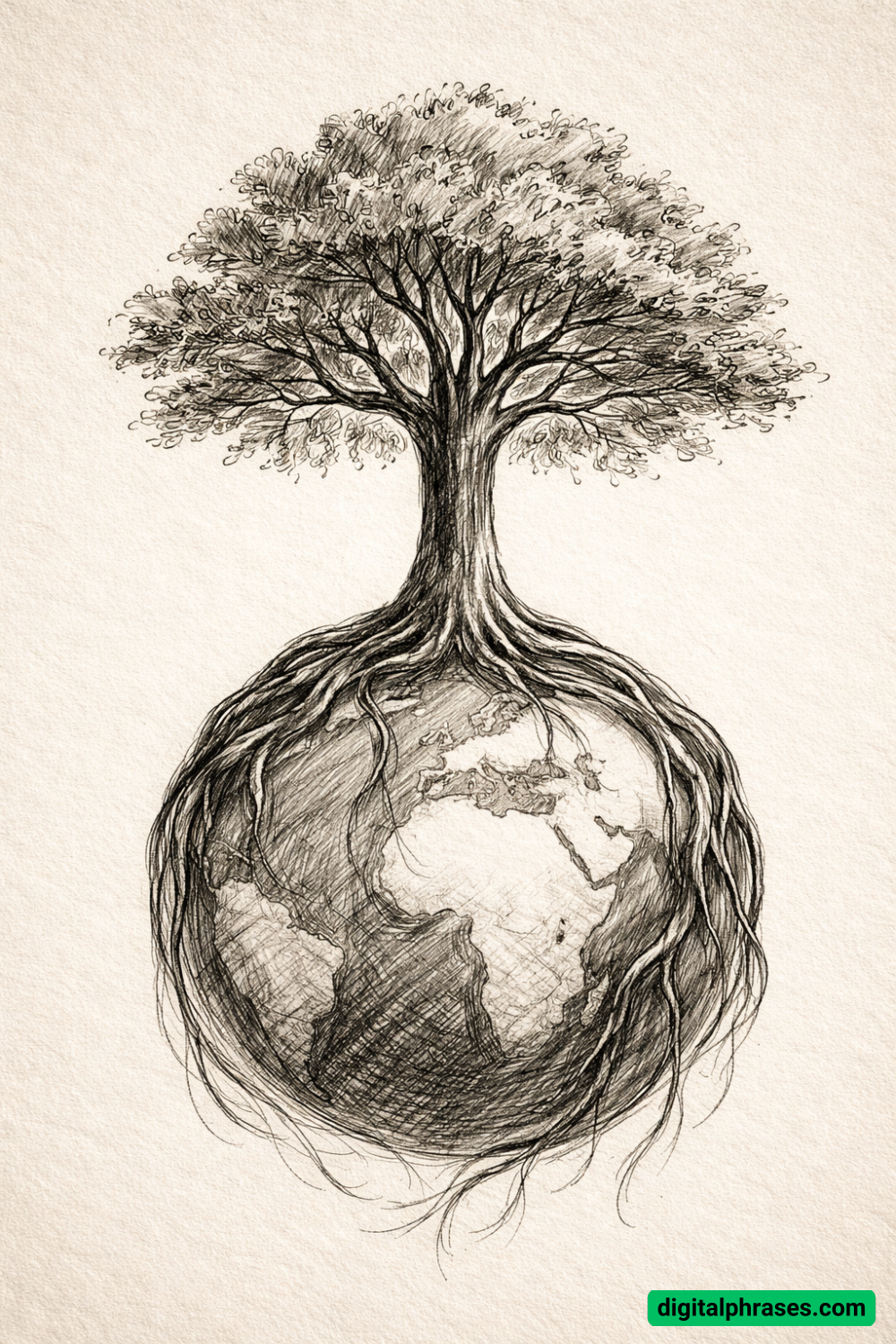
12
13
14
15
16
17
18
19
20
21
Tips on Drawing Earth
1. Start with a Perfect Circle
The first step in drawing Earth is creating a clean and balanced circle. Since Earth is a sphere, the circle forms the foundation of the entire drawing. You can draw it freehand if you feel confident, but using a compass, a round object like a bowl, or even tracing a lid can help make the shape more accurate.
Lightly sketch the circle with a pencil first. Avoid pressing too hard so you can easily erase and adjust the shape if needed. Once the circle looks even and smooth, you can darken the outline slightly.
Remember that the circle does not have to be absolutely perfect. Small imperfections can actually make your drawing look more natural and hand-drawn. The goal is simply to create a balanced base where you can start adding continents and other details.
Practicing circles regularly will also improve your drawing skills over time. If you draw Earth often, you’ll eventually find it easier to create smooth circular shapes without guides.
2. Keep the Continents Simple
When drawing Earth, you don’t need to copy the exact shapes of the continents from a map. In fact, simplifying the land shapes often makes the drawing look clearer and more visually appealing, especially for beginners.
Start by sketching large, irregular shapes to represent major landmasses like North America, South America, Africa, and Eurasia. Think of the continents as puzzle pieces with uneven edges. The key is to capture the general idea rather than perfect geographic accuracy.
If you want a more realistic look, you can quickly glance at a world map and loosely follow the continent outlines. However, avoid adding too many tiny details, since they can clutter the drawing.
For cartoon or decorative Earth drawings, the continents can be even simpler—almost like blobs or rounded shapes. This style works well for posters, school projects, and creative illustrations.
The most important thing is that the continents look balanced within the circle.
3. Use Color to Bring Earth to Life
Color plays a big role in making your Earth drawing look vibrant and recognizable. The most common color combination is blue for the oceans and green or brown for the land.
Start by coloring the oceans with a light or medium blue. Try to keep the color smooth and even across the circle. If you are using colored pencils, you can layer different shades of blue to create a richer look.
Next, fill the continents with green. Some artists also add touches of brown or yellow to represent mountains and deserts. These extra shades can make your drawing look more interesting without making it complicated.
Markers, crayons, and watercolor paints can also work well depending on the style you want. Watercolors, for example, can give the oceans a soft and natural feel.
Adding color is where your drawing really starts to feel like Earth.
4. Add Clouds and Atmosphere
Clouds can make your Earth drawing look more dynamic and realistic. They also help show that Earth has an atmosphere, which makes it different from most other planets.
To draw clouds, lightly sketch soft, curved shapes across some parts of the globe. These shapes should look fluffy and irregular rather than perfectly round. You can place them over the oceans or partially covering continents.
Keep the clouds light so they don’t hide too much of the land beneath them. Using white colored pencils, gel pens, or simply leaving parts of the paper uncolored can help create this effect.
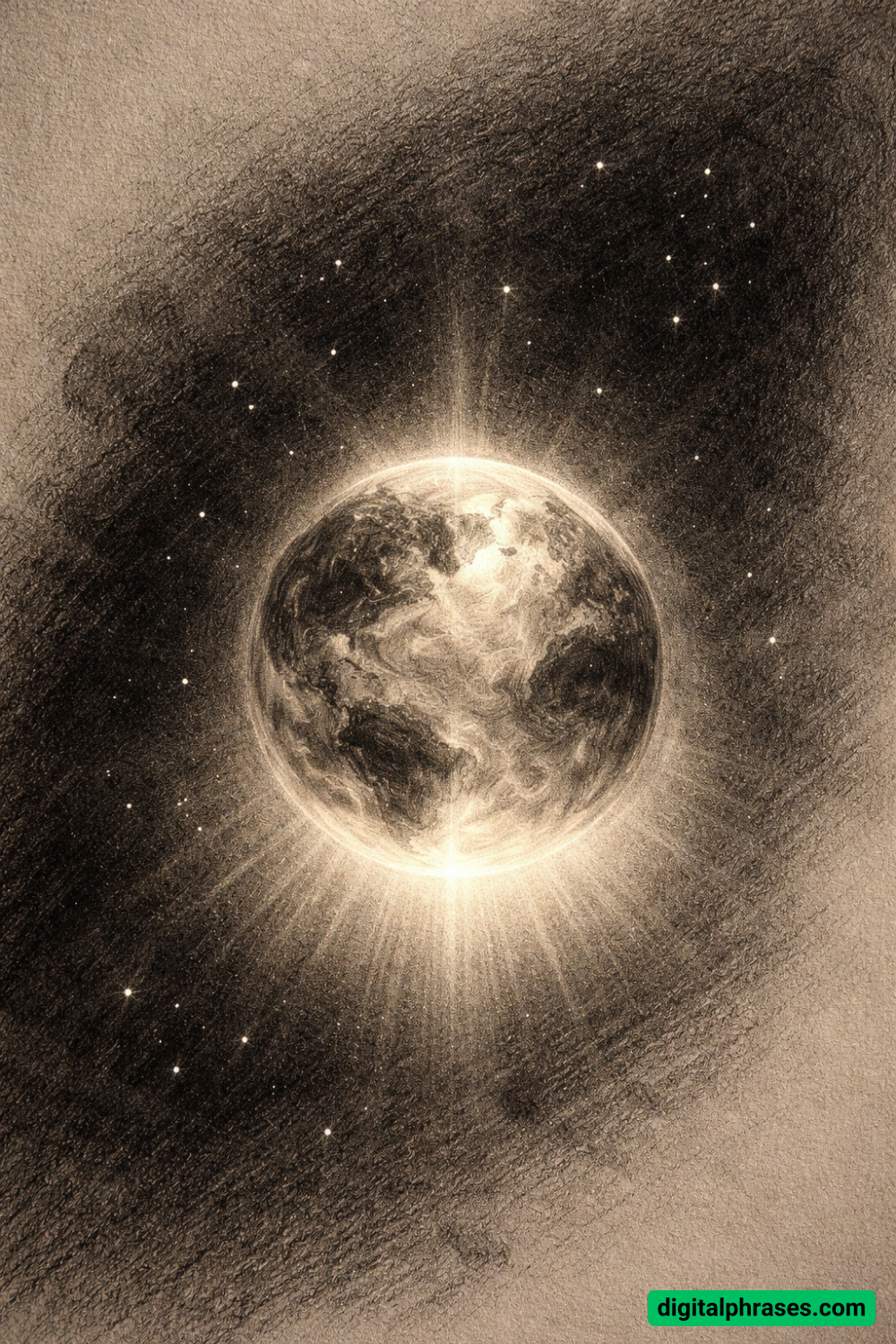
Some artists also like to add a thin glow around the edge of the Earth to represent the atmosphere. This can be done with a faint blue outline around the circle.
Small details like clouds can add depth and make your drawing feel more alive.
5. Experiment with Creative Styles
Once you understand the basic way to draw Earth, you can start experimenting with different styles. There are many creative ways to represent the planet beyond a simple globe.
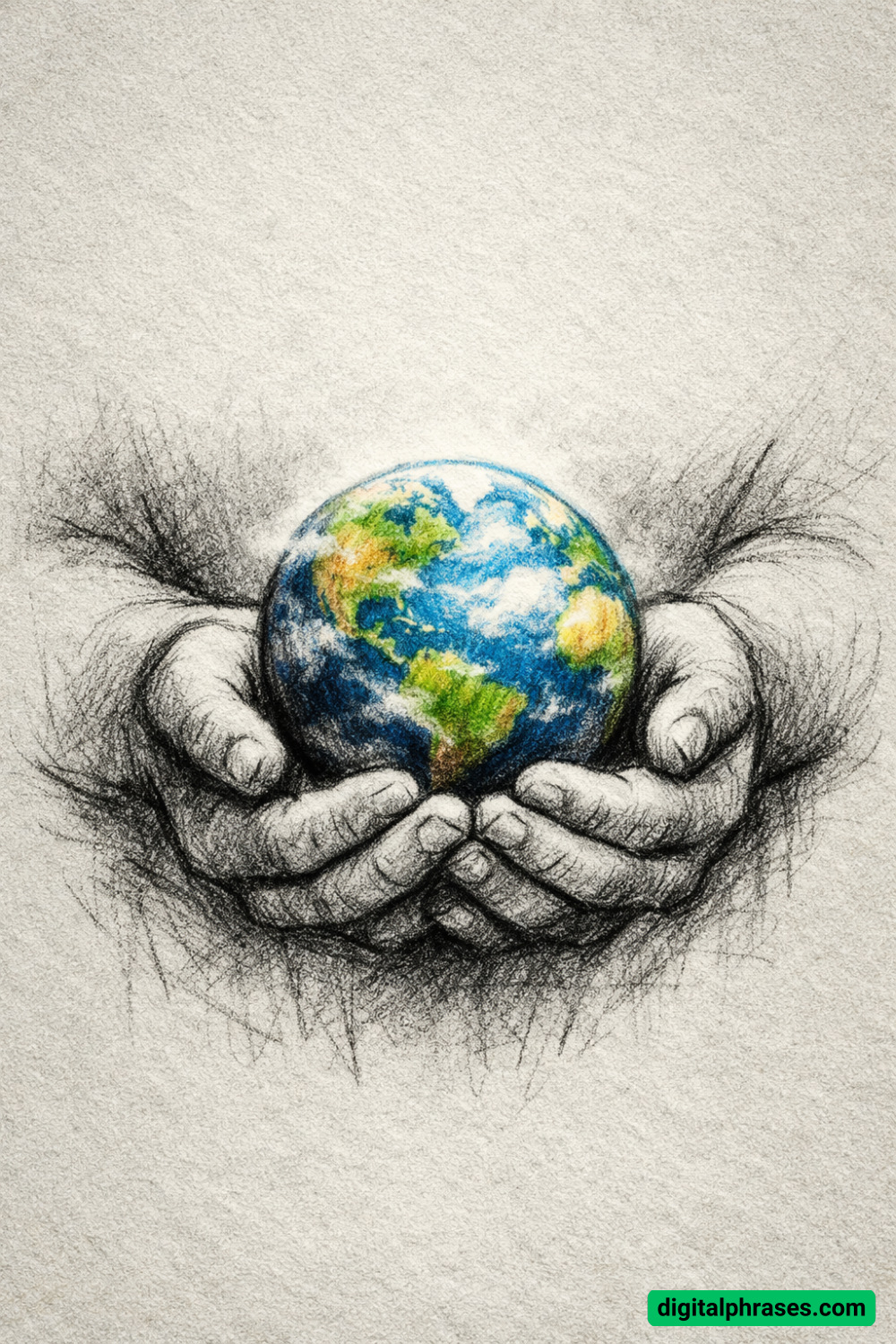
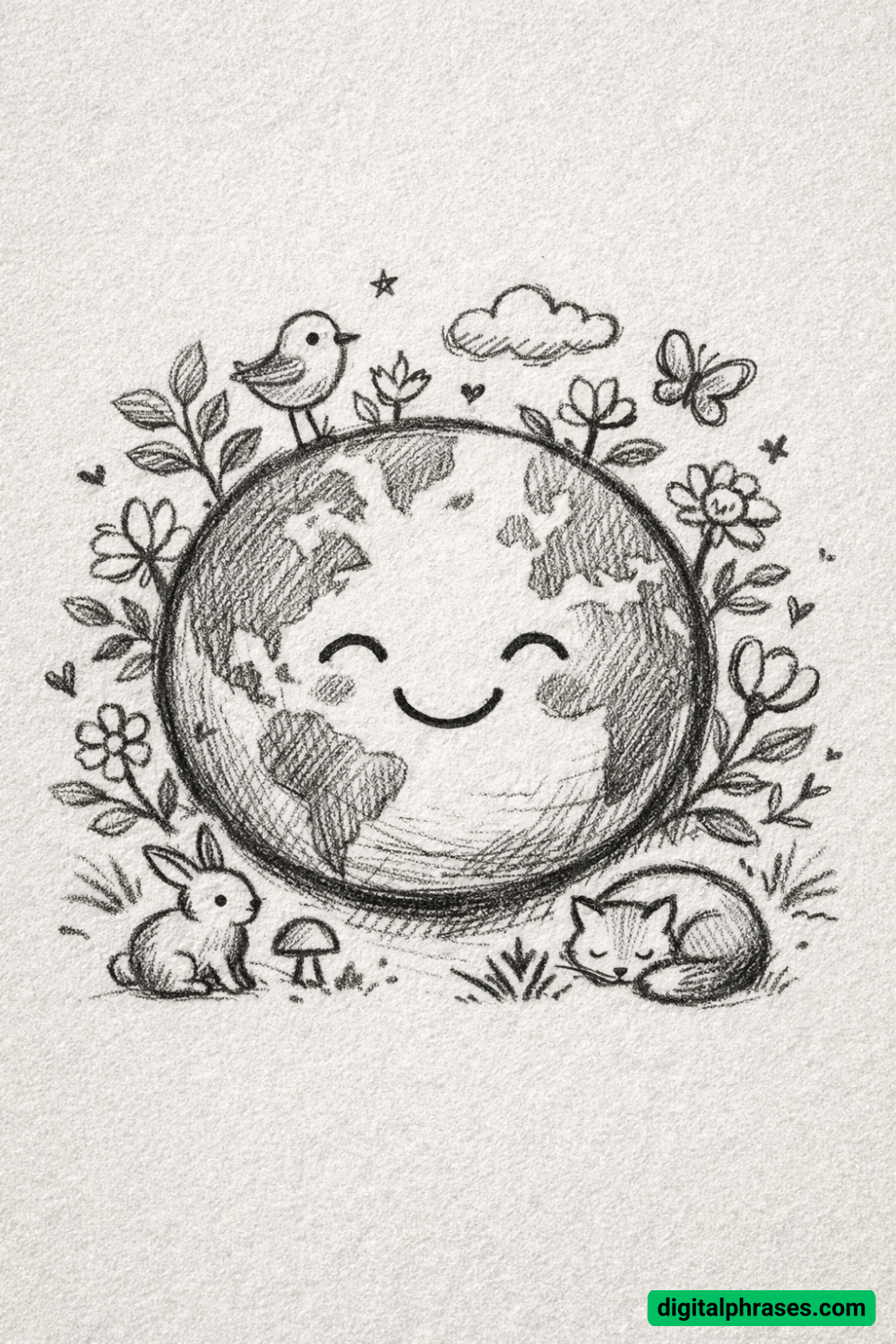
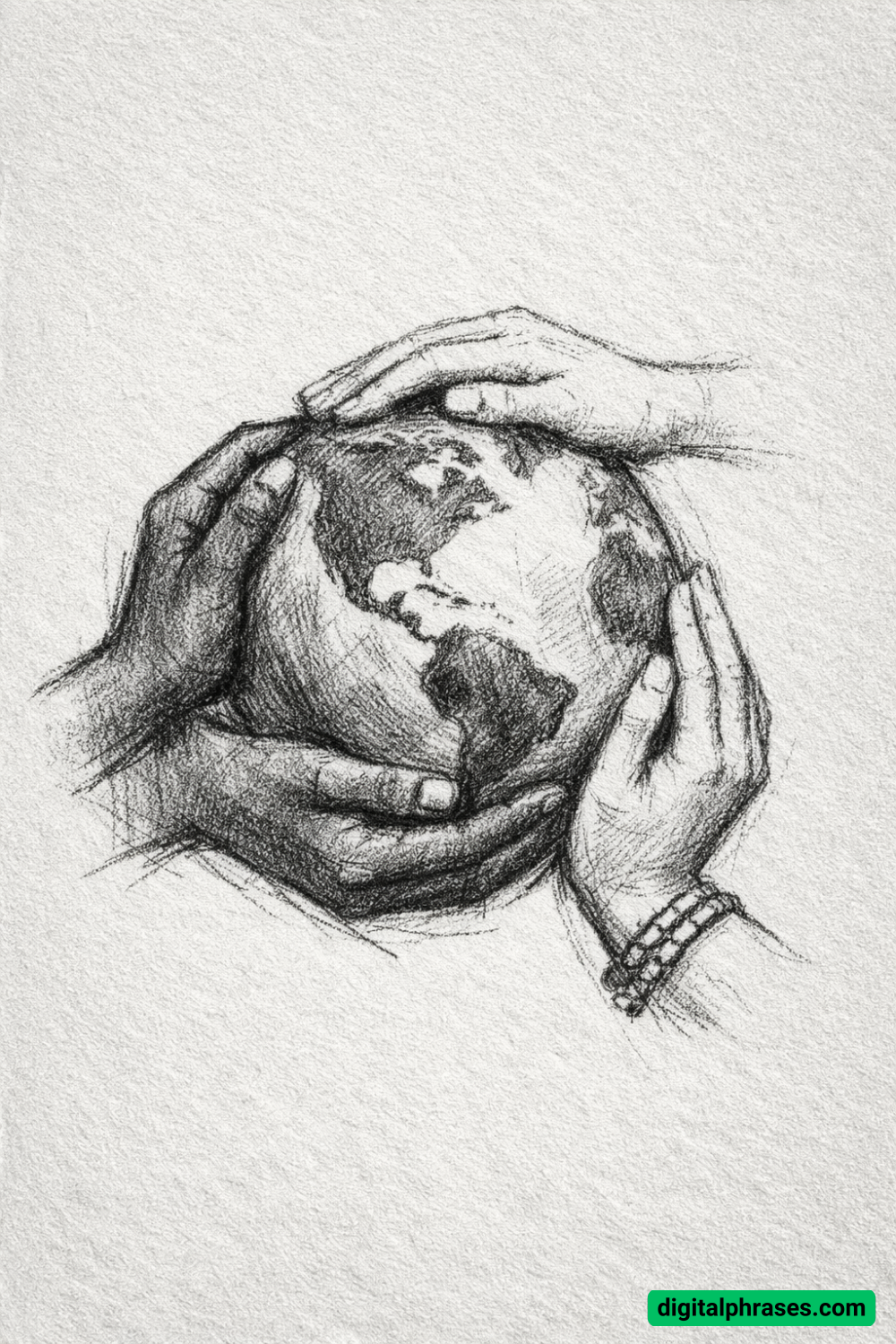
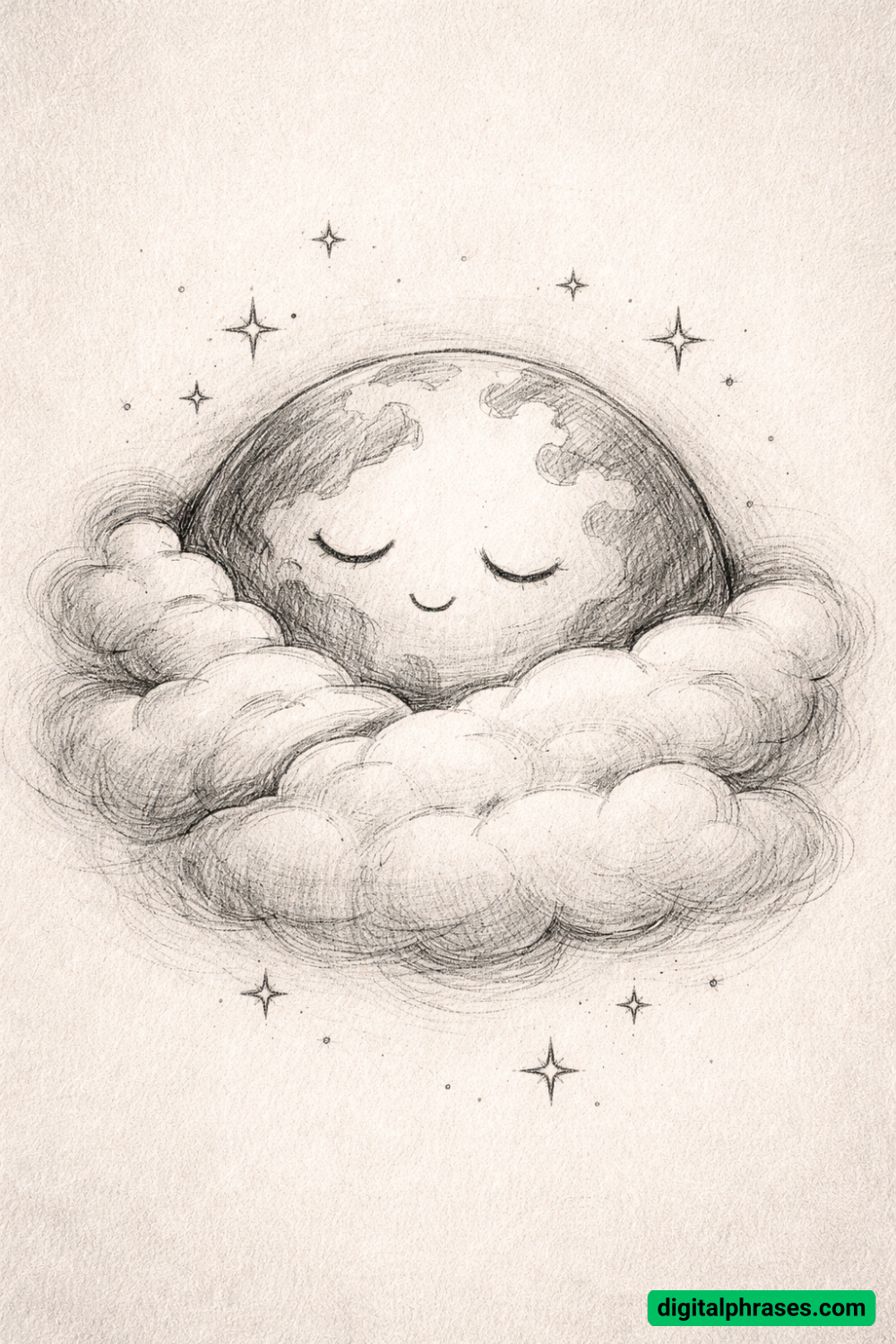
For example, you could draw a cute cartoon Earth with eyes and a smile. This style is popular for educational posters and children’s illustrations. Another idea is to draw Earth being held in hands to symbolize protection and care for the environment.
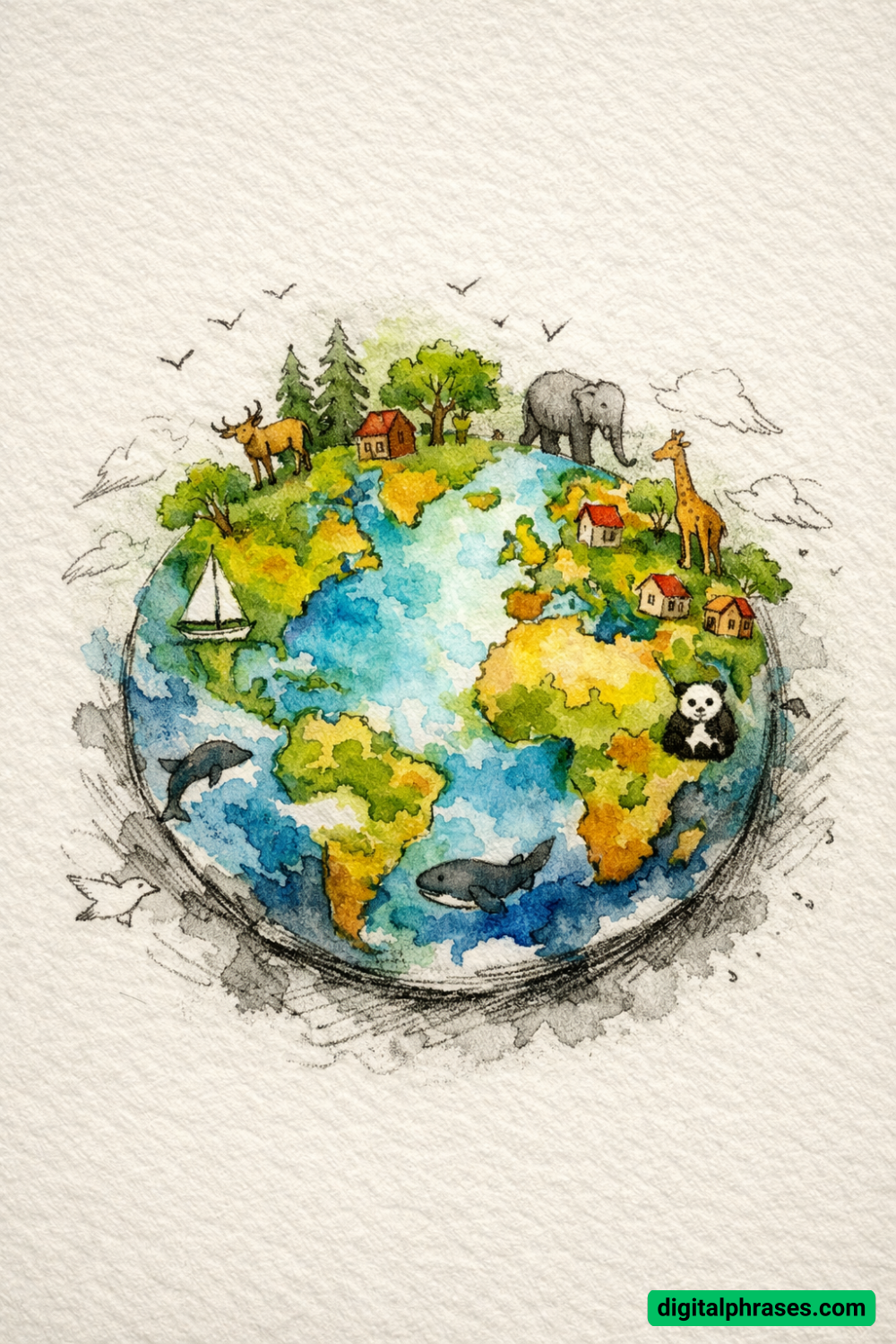
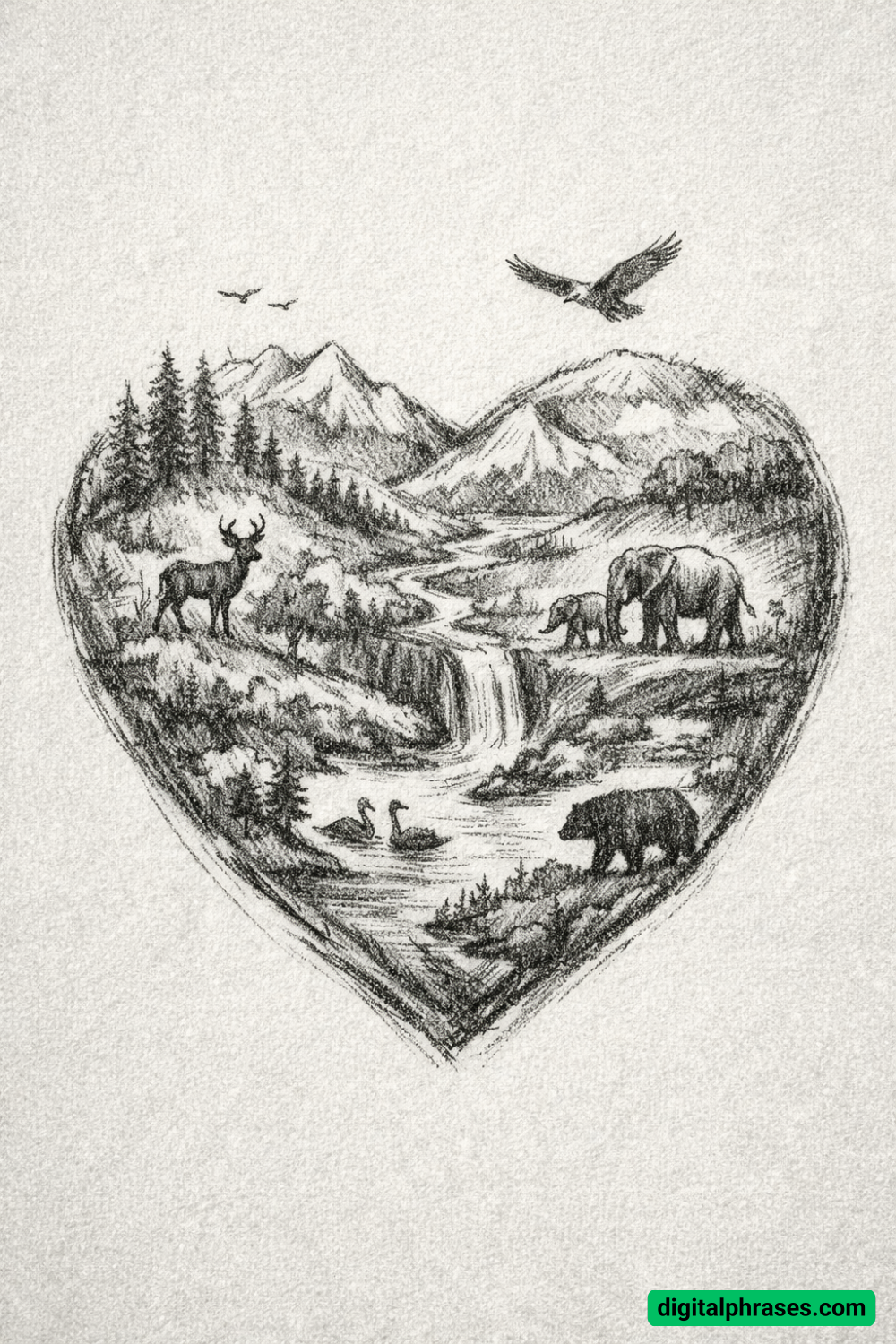
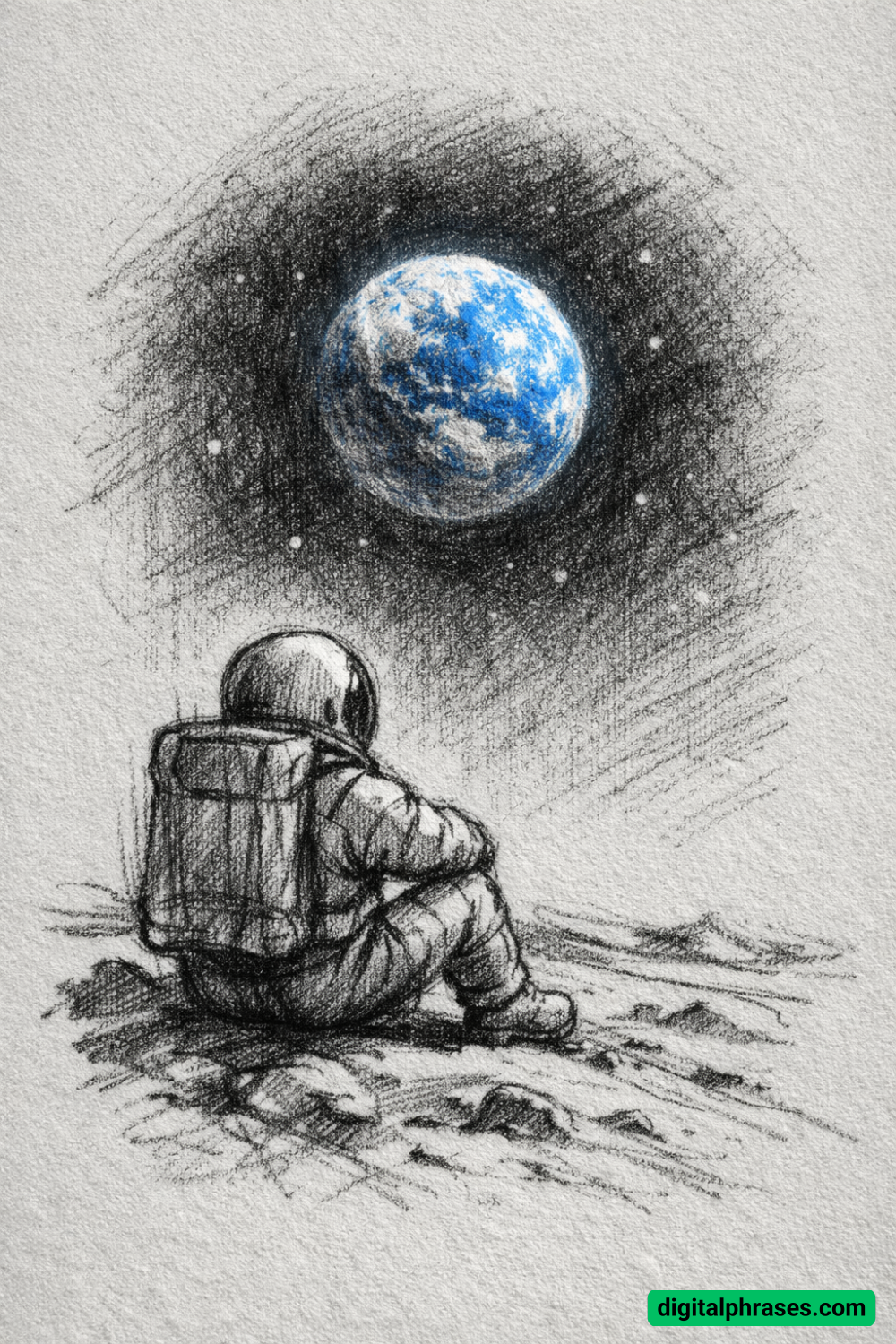
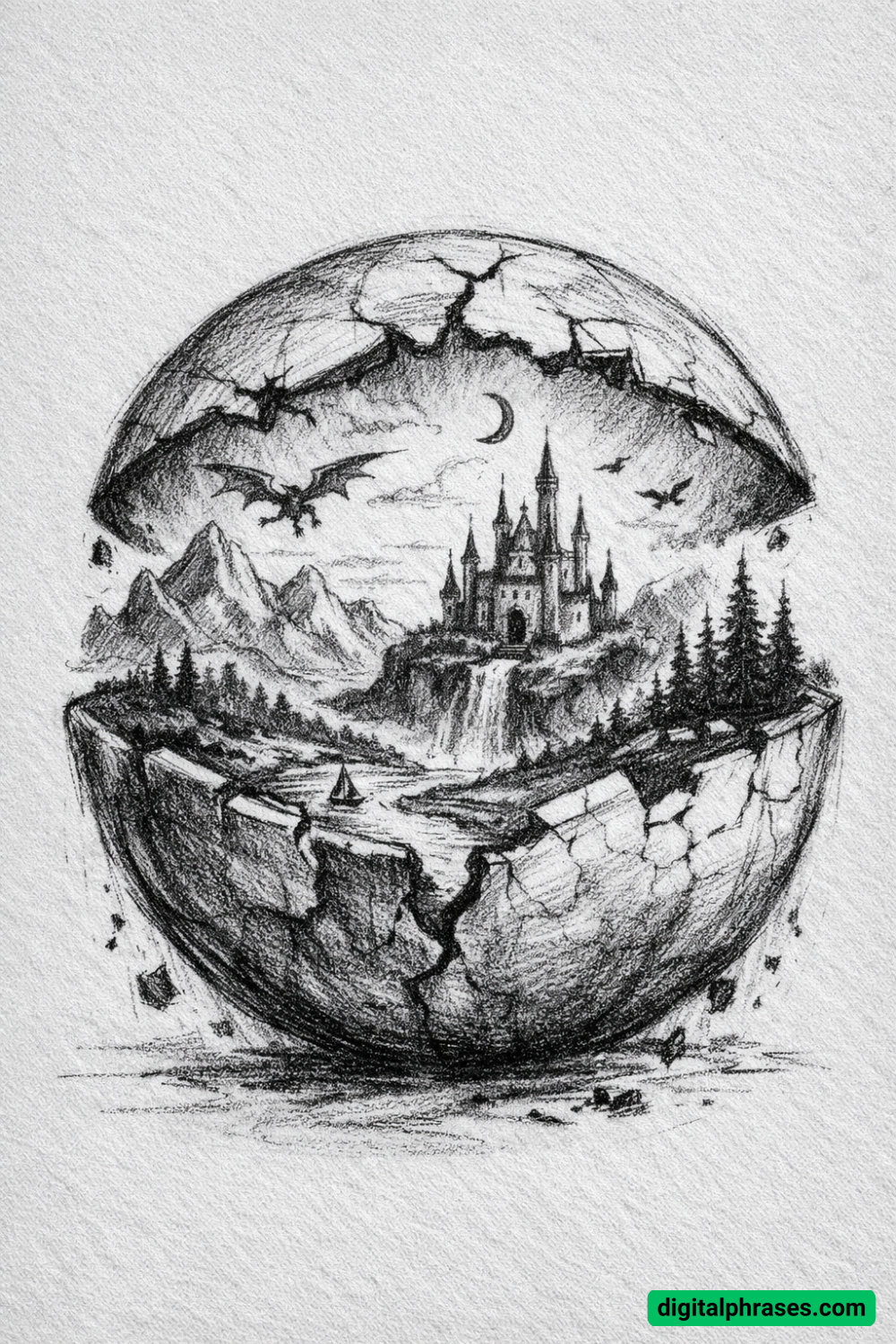
You might also try artistic versions such as a watercolor Earth, a space-themed background with stars, or an Earth combined with nature elements like trees and animals.
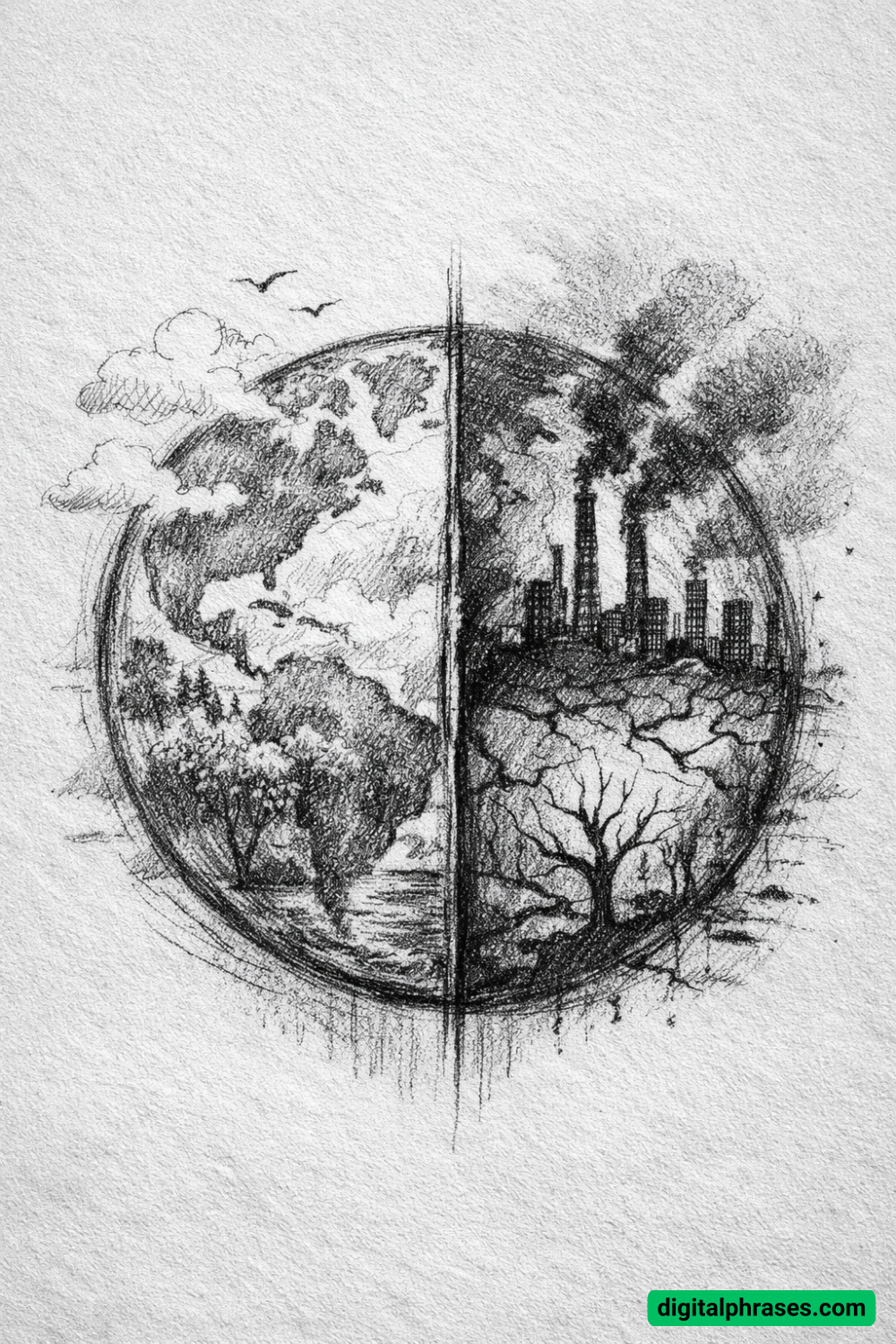
Exploring different styles helps you develop your creativity and keeps drawing fun. It also allows you to create artwork that communicates different messages about our planet.
The more styles you try, the more confident and versatile you’ll become as an artist.