
23 Fish Drawing Ideas
Fish make wonderful drawing subjects thanks to their graceful shapes and unique patterns.
In this list, you’ll discover some creative fish drawing ideas that are simple, fun, and inspiring.
Fish Drawing Ideas
1

2
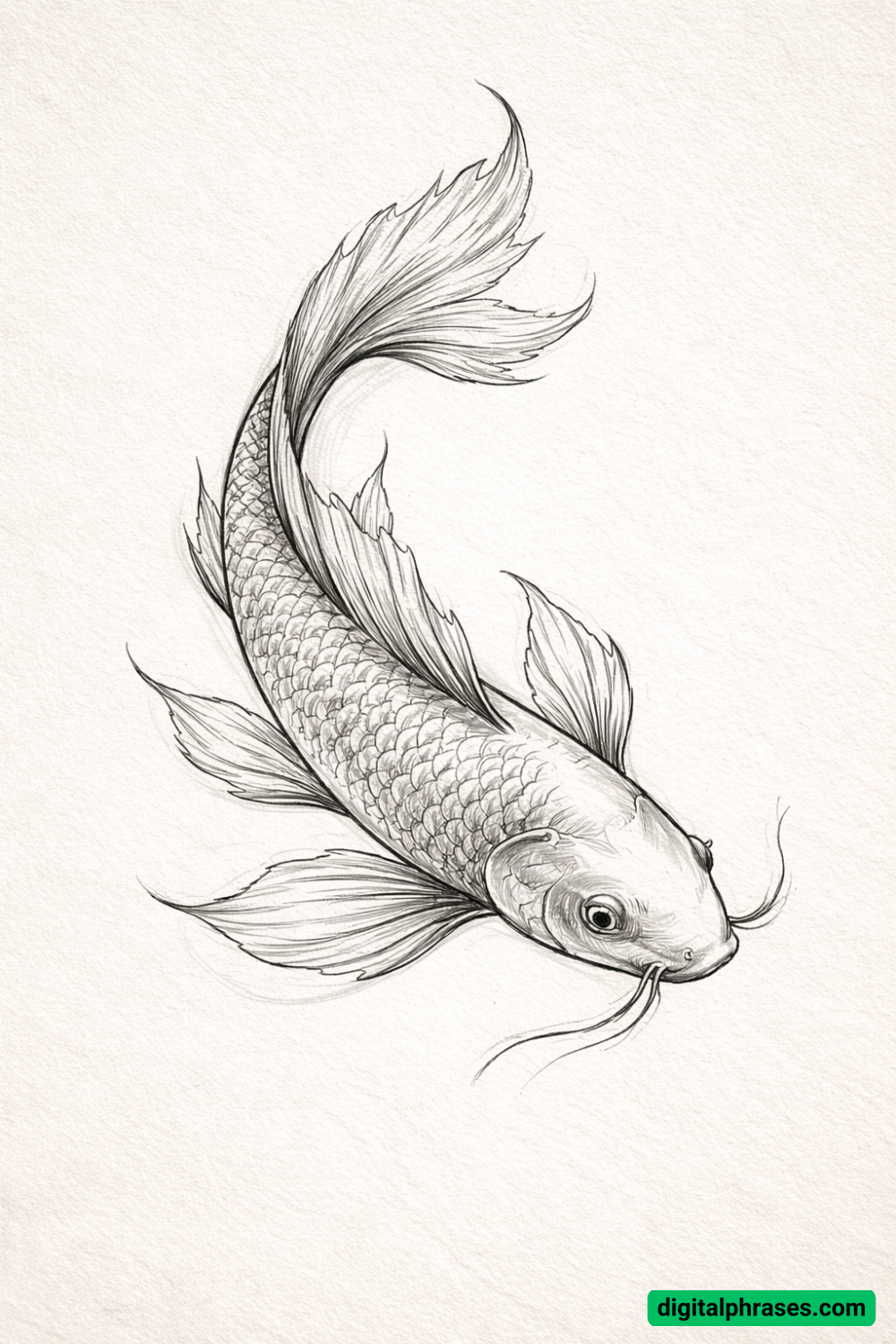
3

4
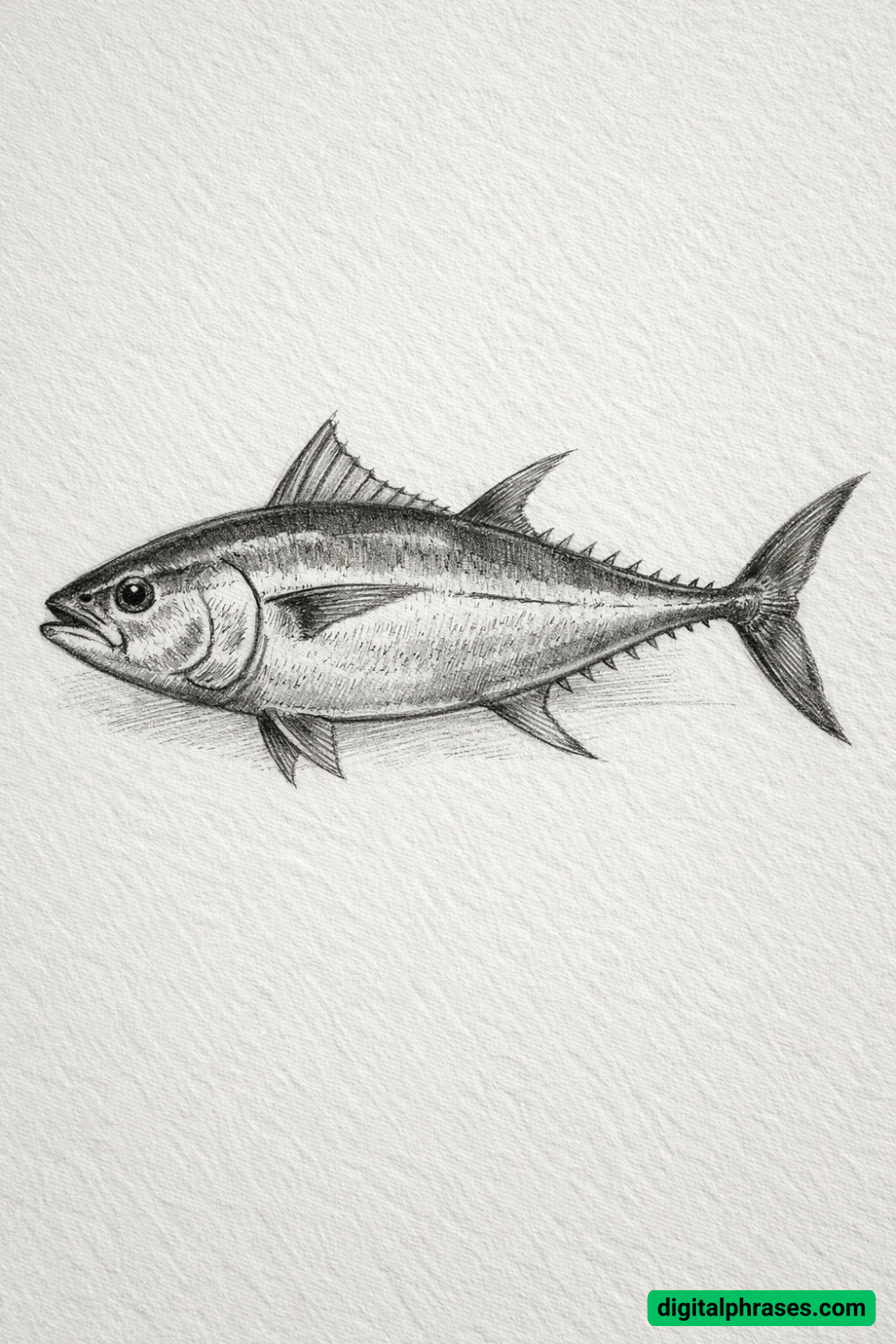
5

6
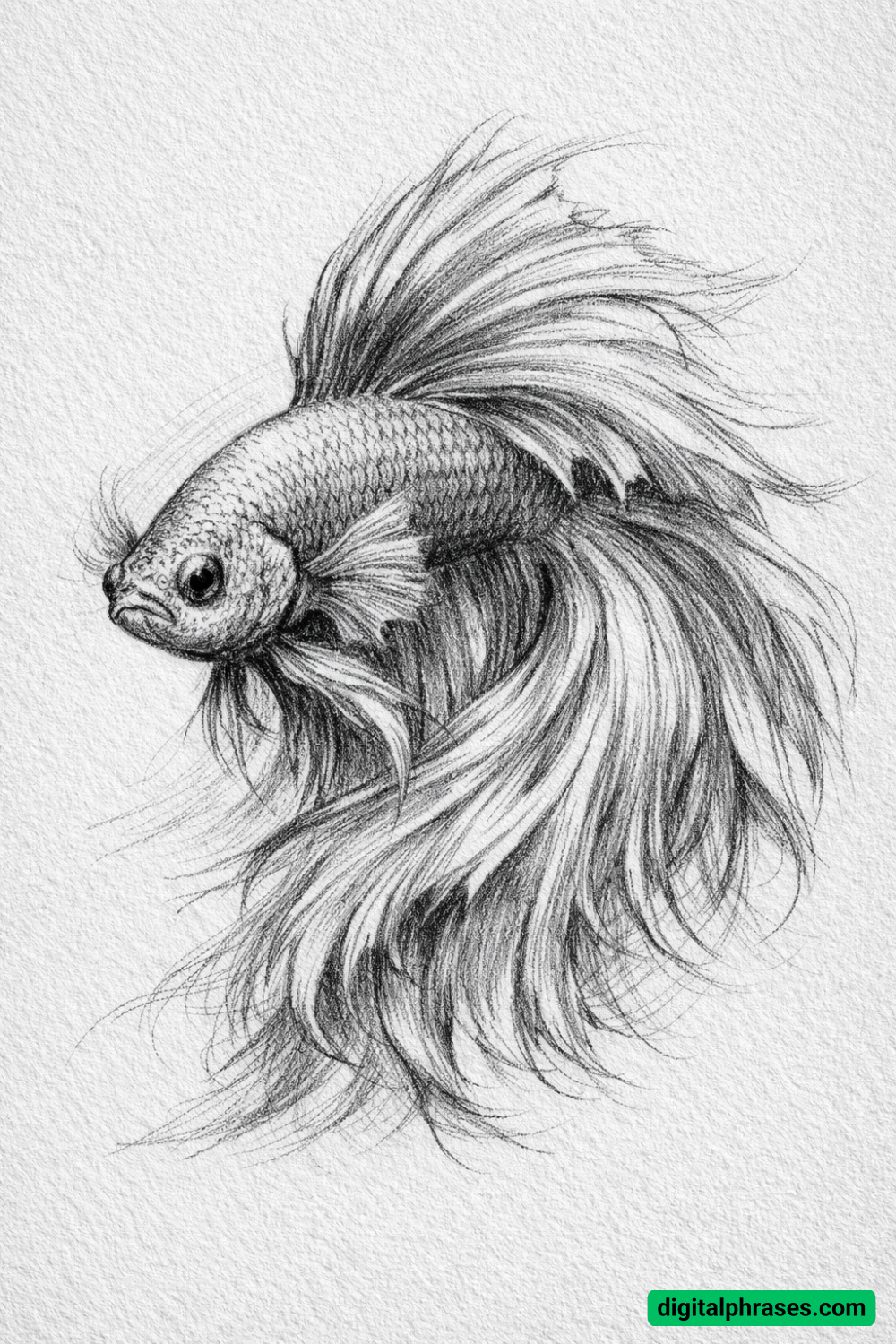
7

8

9
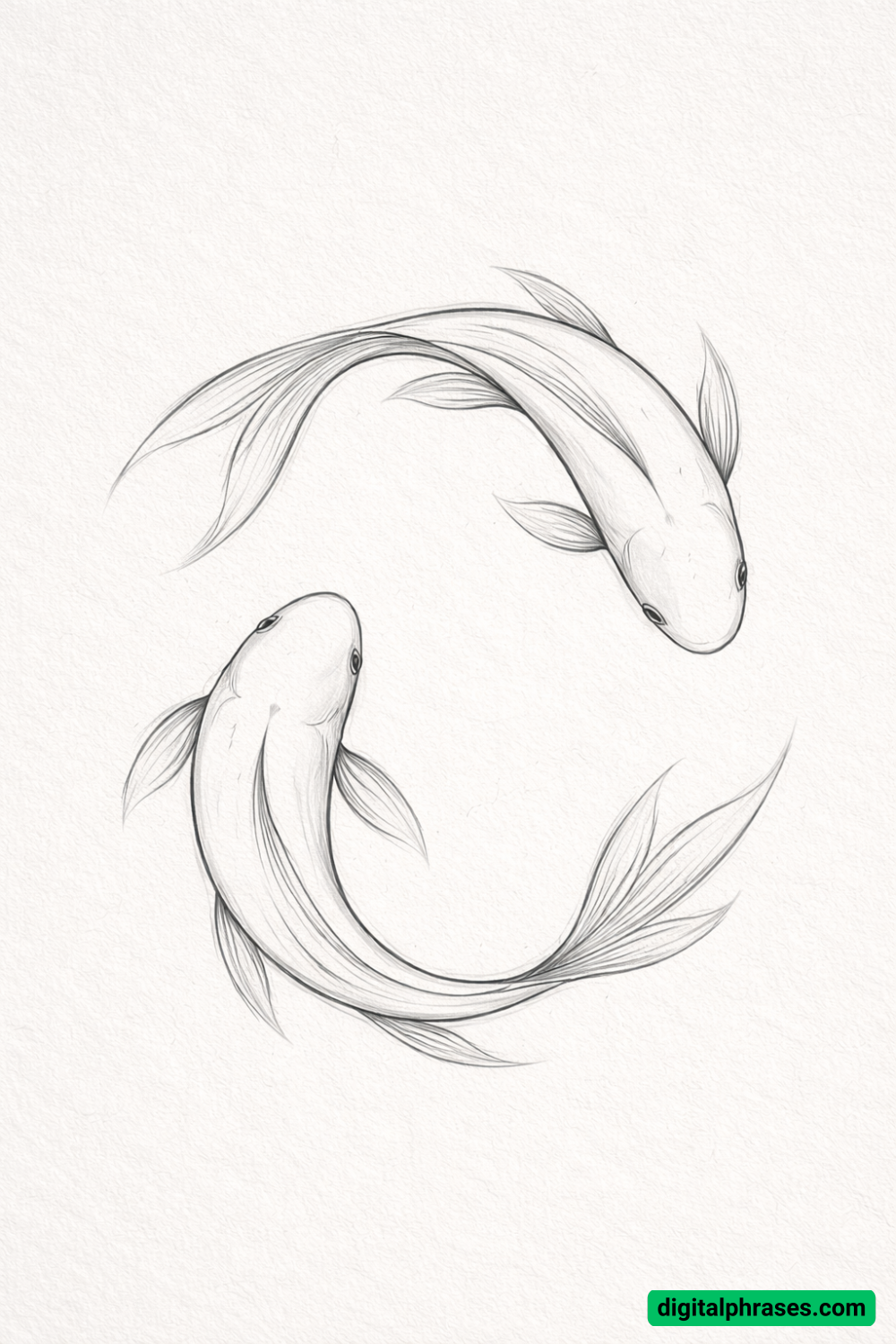
10

11
12

13
14

15
16

17

18

19

20

21
22

23

Tips on Drawing Fishes
Observe Real Fish Shapes and Movements
Before you start drawing fish, it helps to observe how real fish look and move. Fish have smooth, flowing bodies that are designed for swimming, so their shapes are usually curved and streamlined. Spend some time looking at photos, aquarium videos, or even real fish if you have access to them. Notice how the body tapers toward the tail and how the fins are positioned along the body.
Pay attention to the proportions as well. Most fish have a slightly oval or elongated body, with the head taking up a smaller portion of the total length. The tail fin often spreads out wider than the body, which helps the fish move through water efficiently.
Observing real fish will also help you understand how different species vary. Some fish are round and compact, while others are long and slender. By studying these differences, you can make your drawings look more natural and interesting.
Start With Simple Basic Shapes
One of the easiest ways to draw fish is by starting with basic shapes. Instead of jumping straight into details, sketch a simple oval or almond shape for the body. Then add a triangle shape for the tail and smaller triangles or curved shapes for the fins.
Using simple shapes helps you build the structure of the fish without worrying about perfection. Once the basic outline looks right, you can gradually refine the drawing by smoothing the lines and adding details.
This approach is especially helpful for beginners because it breaks the drawing process into manageable steps. Even complex fish designs become easier when you think of them as a combination of simple shapes.
Pay Attention to Fins and Tail Details
Fins and tails are some of the most distinctive features of fish, so giving them proper attention can make your drawing stand out. Fish usually have several fins, including the dorsal fin on top, side fins near the head, and sometimes smaller fins underneath the body.
Each fin has a soft, flowing structure that should look light and slightly curved. Avoid drawing them as stiff triangles. Instead, use gentle lines to create a sense of movement.
You can also add thin lines inside the fins to represent the fin rays. These subtle details help make the drawing look more realistic and visually appealing.
Add Texture With Scales and Patterns
Fish often have beautiful textures and patterns that bring character to your drawing. Adding scales, stripes, or spots can instantly make your artwork more interesting.
When drawing scales, you don’t need to draw every single one. Instead, suggest the texture by sketching a few rows of overlapping curves. This keeps the drawing clean while still giving the impression of scales.
Different fish species also have unique patterns. Some have bold stripes, while others have scattered spots or gradient color changes. Experimenting with these patterns can help make your fish drawings more creative and lively.
Use Light Shading for Depth and Realism
Shading is a simple but powerful technique that can make your fish drawing look more three-dimensional. Start by imagining where the light is coming from. Areas farther from the light source will naturally appear darker.
Use soft pencil strokes to add shading along the bottom of the body, near the fins, and around the edges of the fish. This subtle contrast creates depth and helps the fish stand out on the page.
You can also blend the shading lightly to keep the smooth, watery look that suits fish drawings. With just a bit of shading, even a simple sketch can look polished and professional.