25 Funny Drawing Ideas
Sometimes the best way to get your creativity flowing isn’t to draw something “impressive,” but to draw something ridiculous.
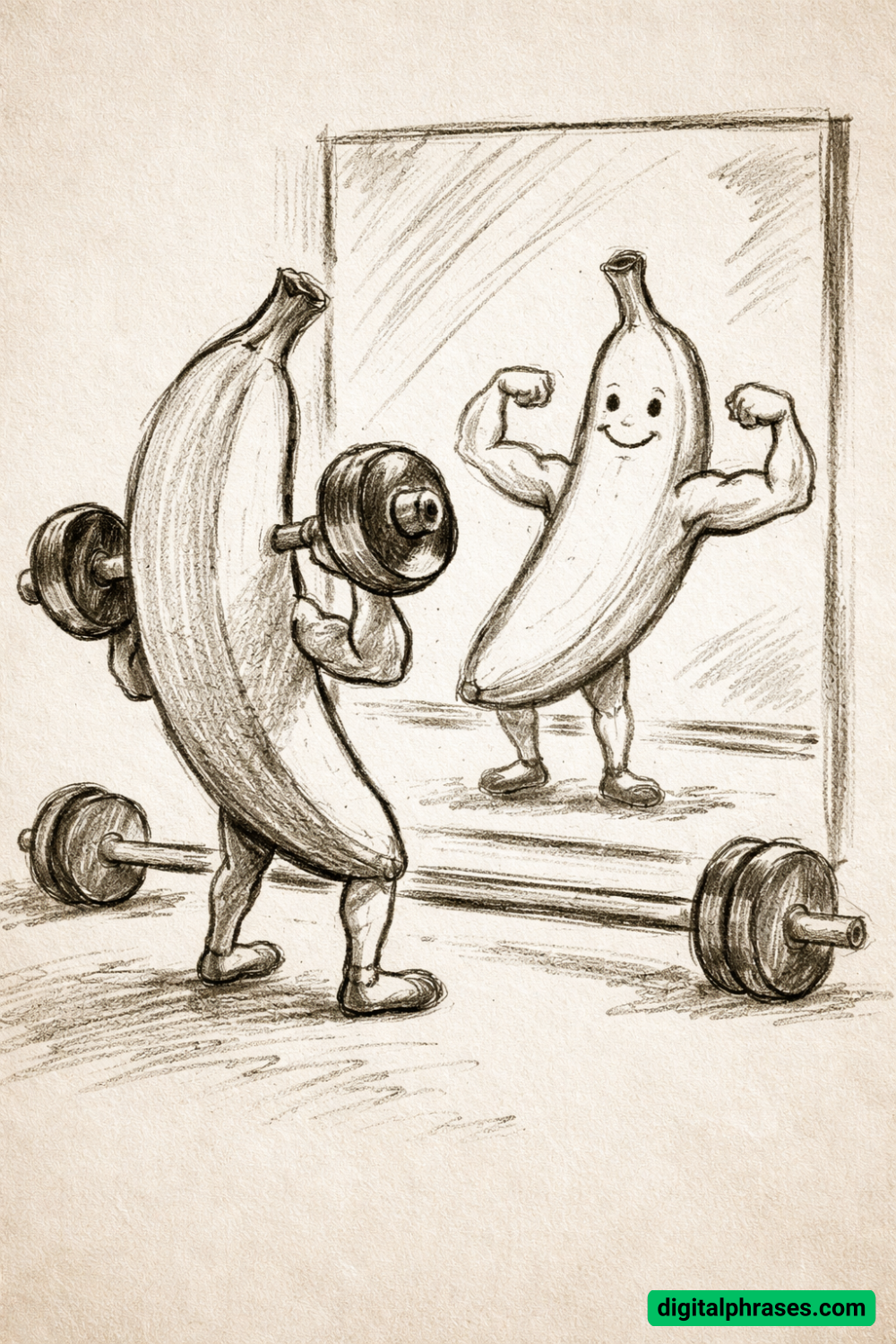
A banana lifting weights.
A pigeon detective solving crumb crimes.
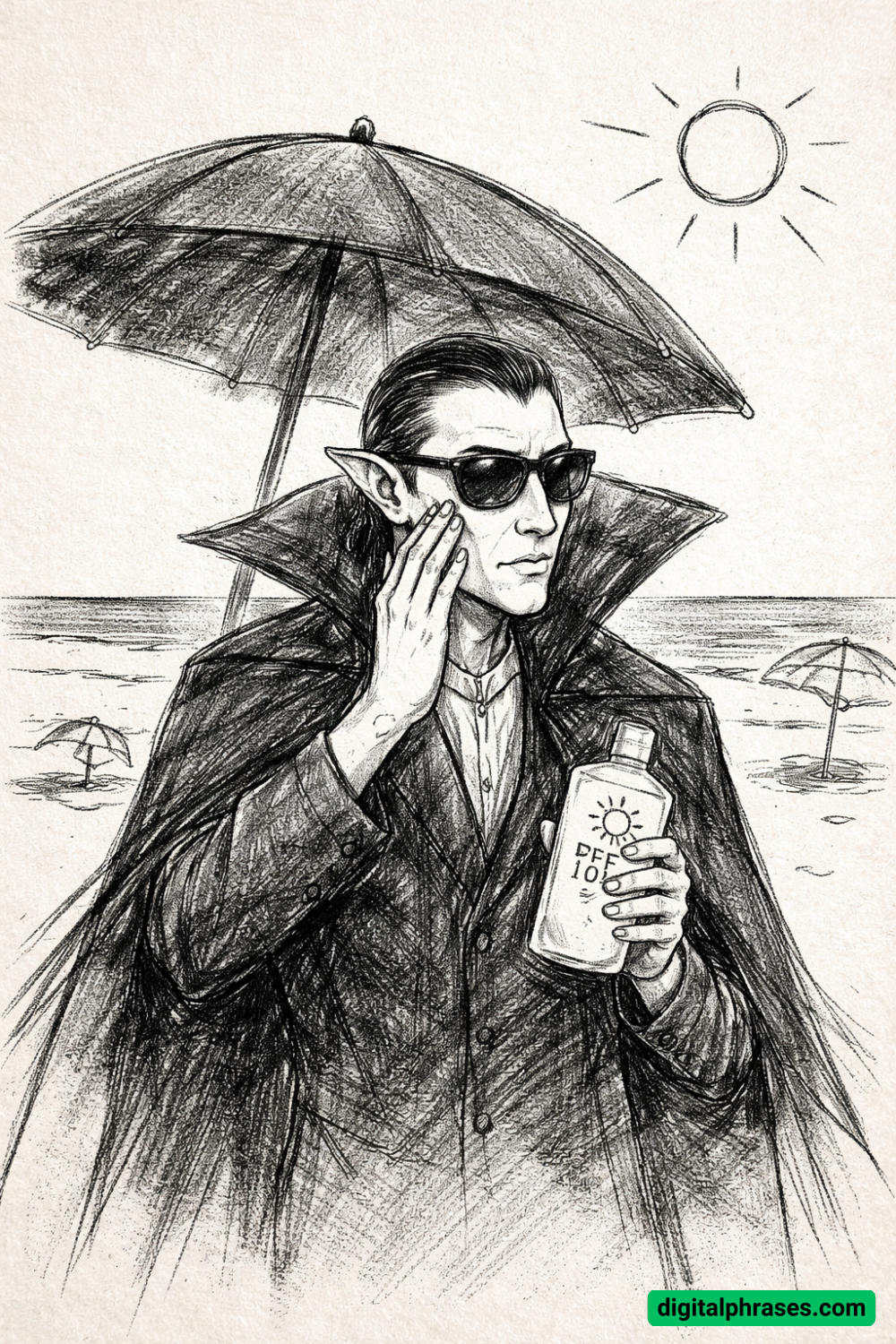
A vampire nervously applying sunscreen at the beach.
These funny drawing ideas are designed to kick your brain out of perfection mode and into play mode. They’re not about being realistic or polished—they’re about having fun, loosening up, and letting your imagination run wild. Whether you’re warming up before a serious art session, fighting art block, or just doodling for the joy of it, these prompts are here to remind you that drawing can be playful, weird, and wonderfully pointless in the best way.
Now that you know, check these ideas out.
Funny Drawing Ideas
1
2
3
4
5
6
7
8
9
10
11
12
13
14
15
16
17
18
19
20
21
22
23
24
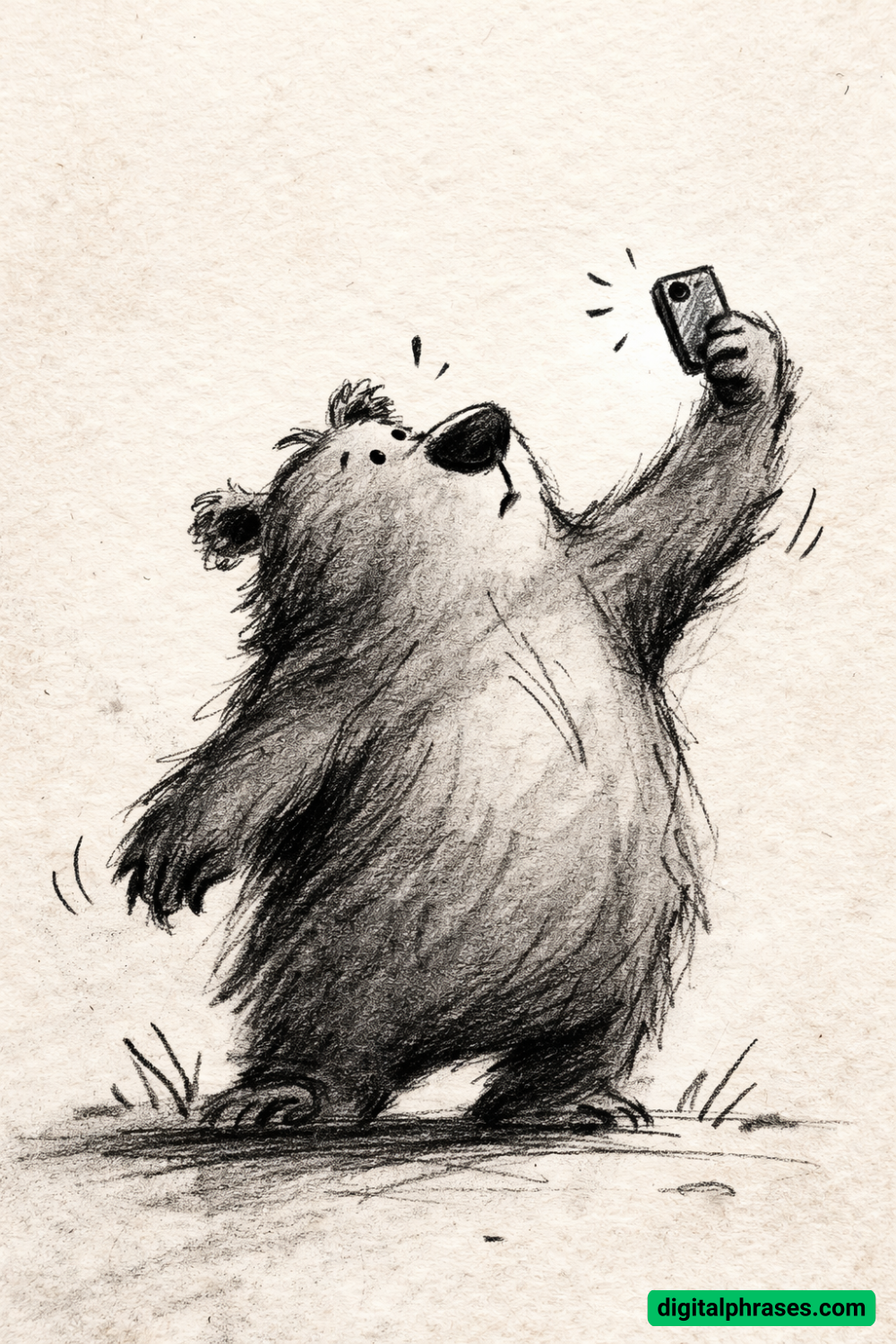
25
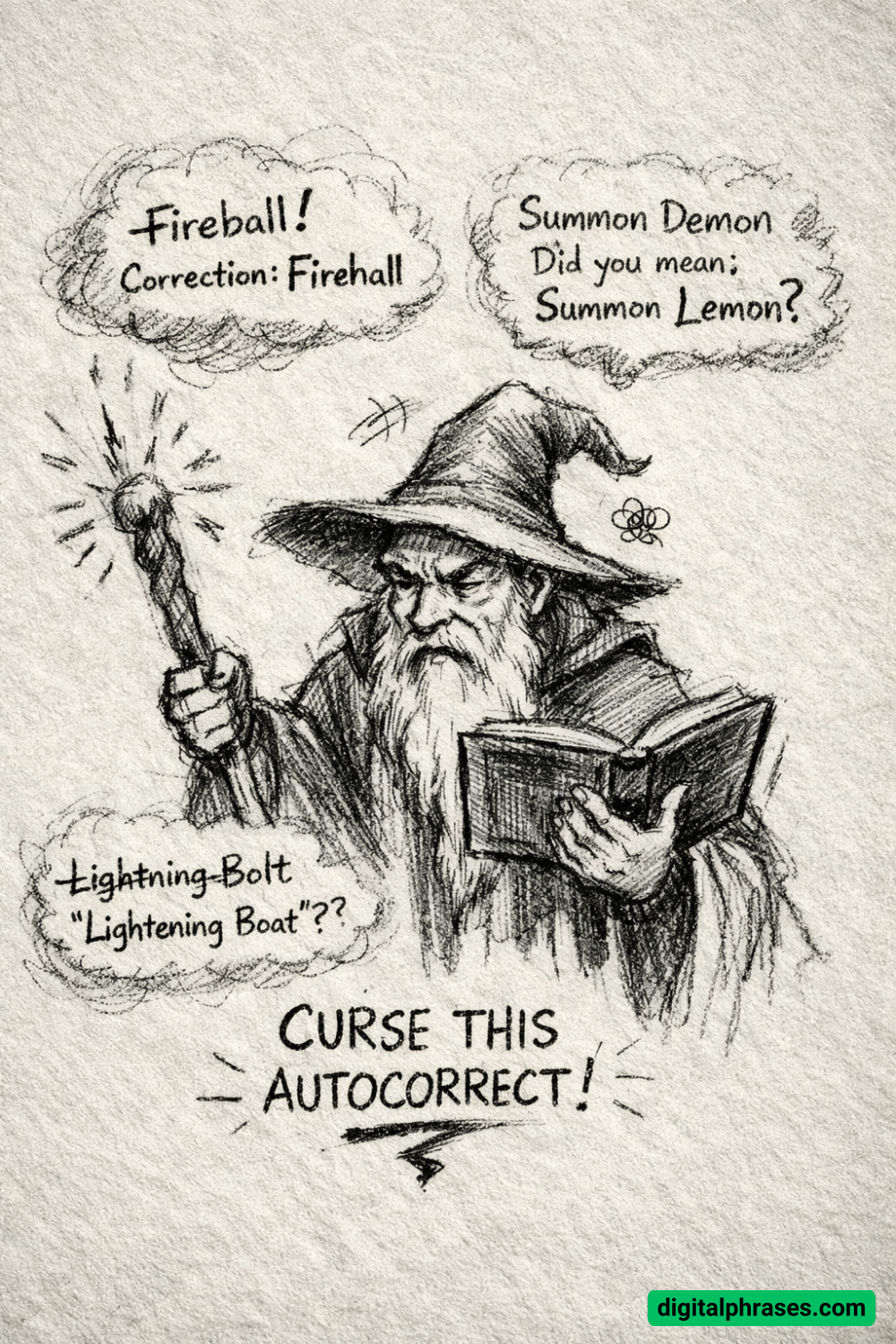
26
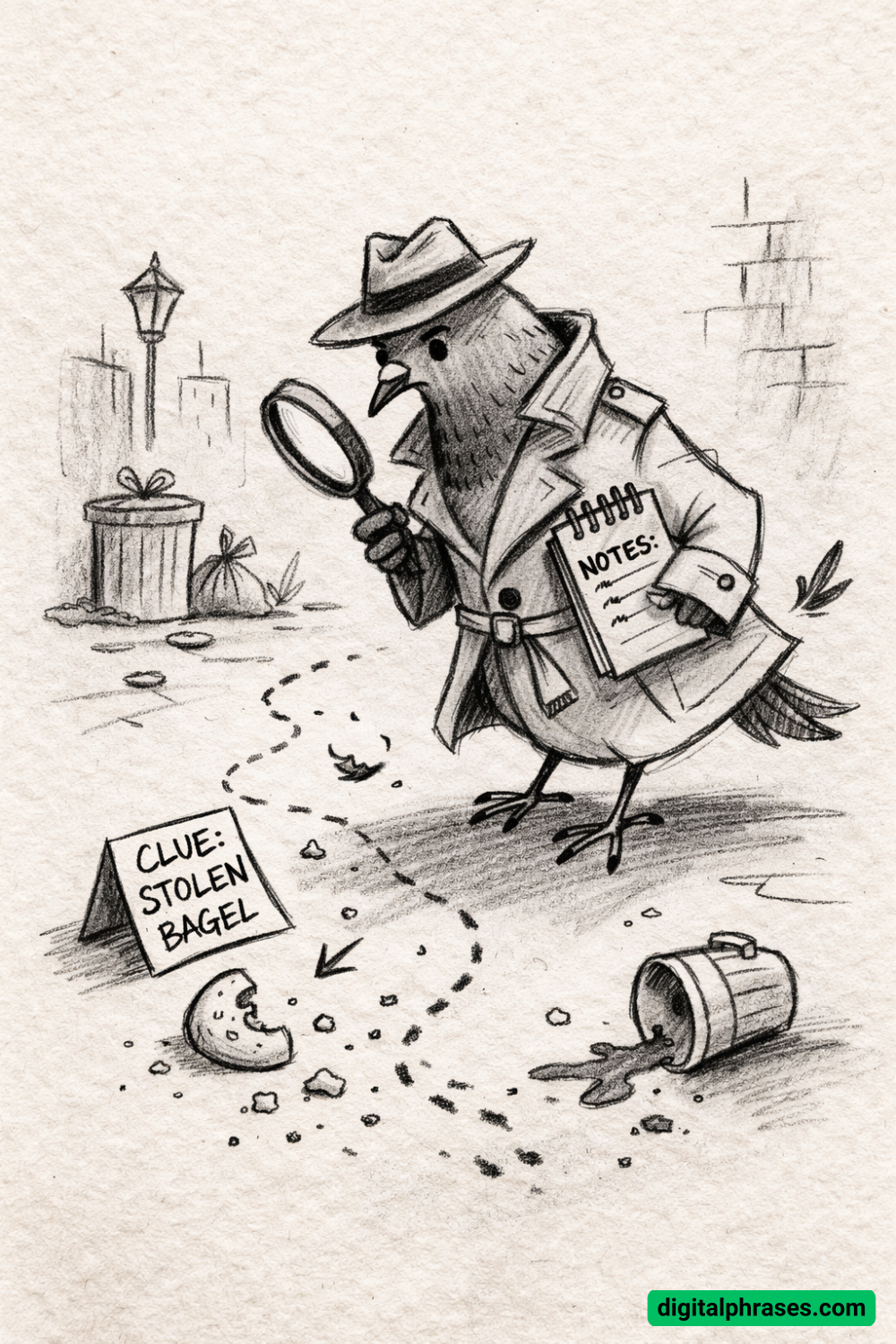
27
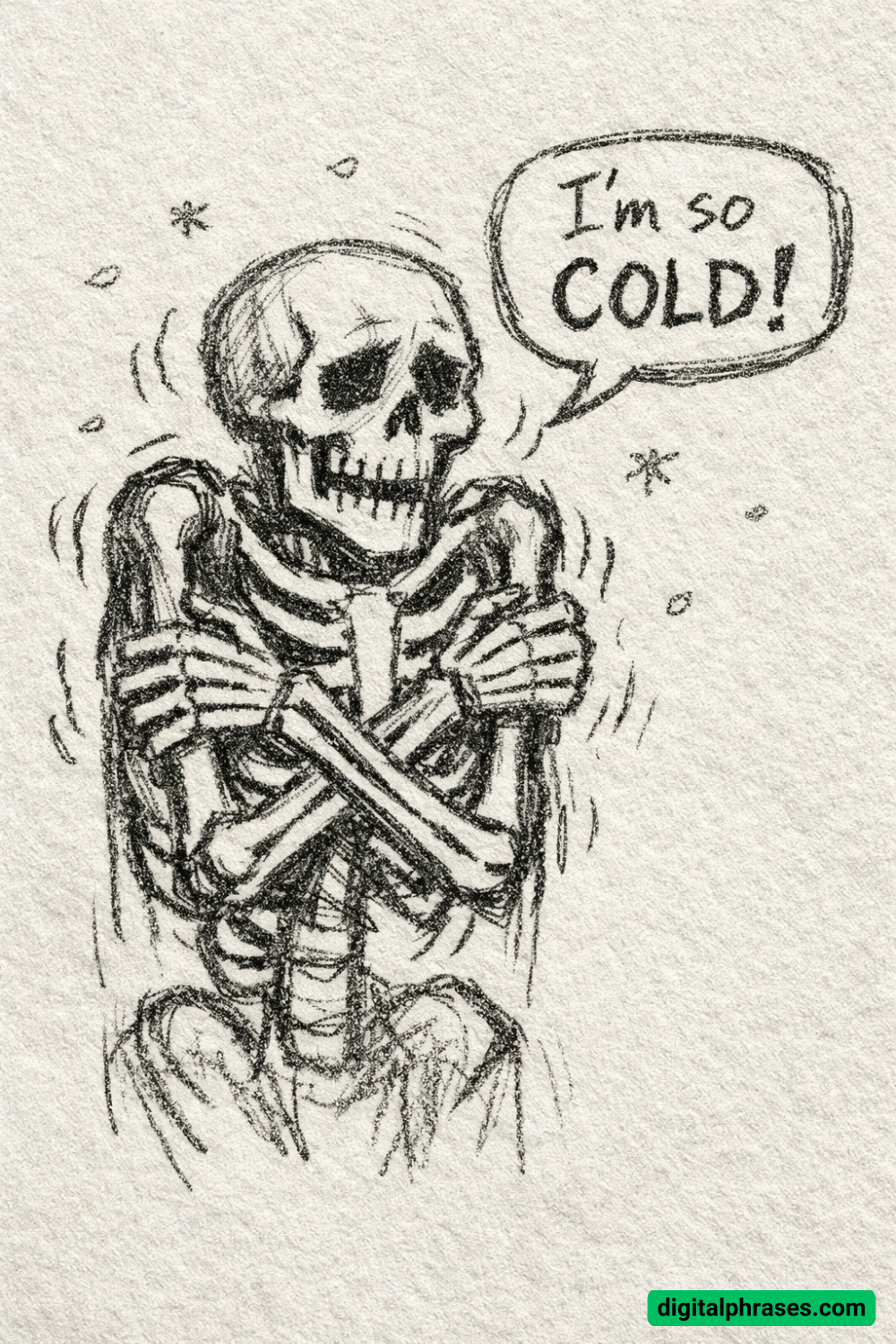
28
Tips For Drawing These Funny Ideas
1. Exaggeration Is the Engine of Humor
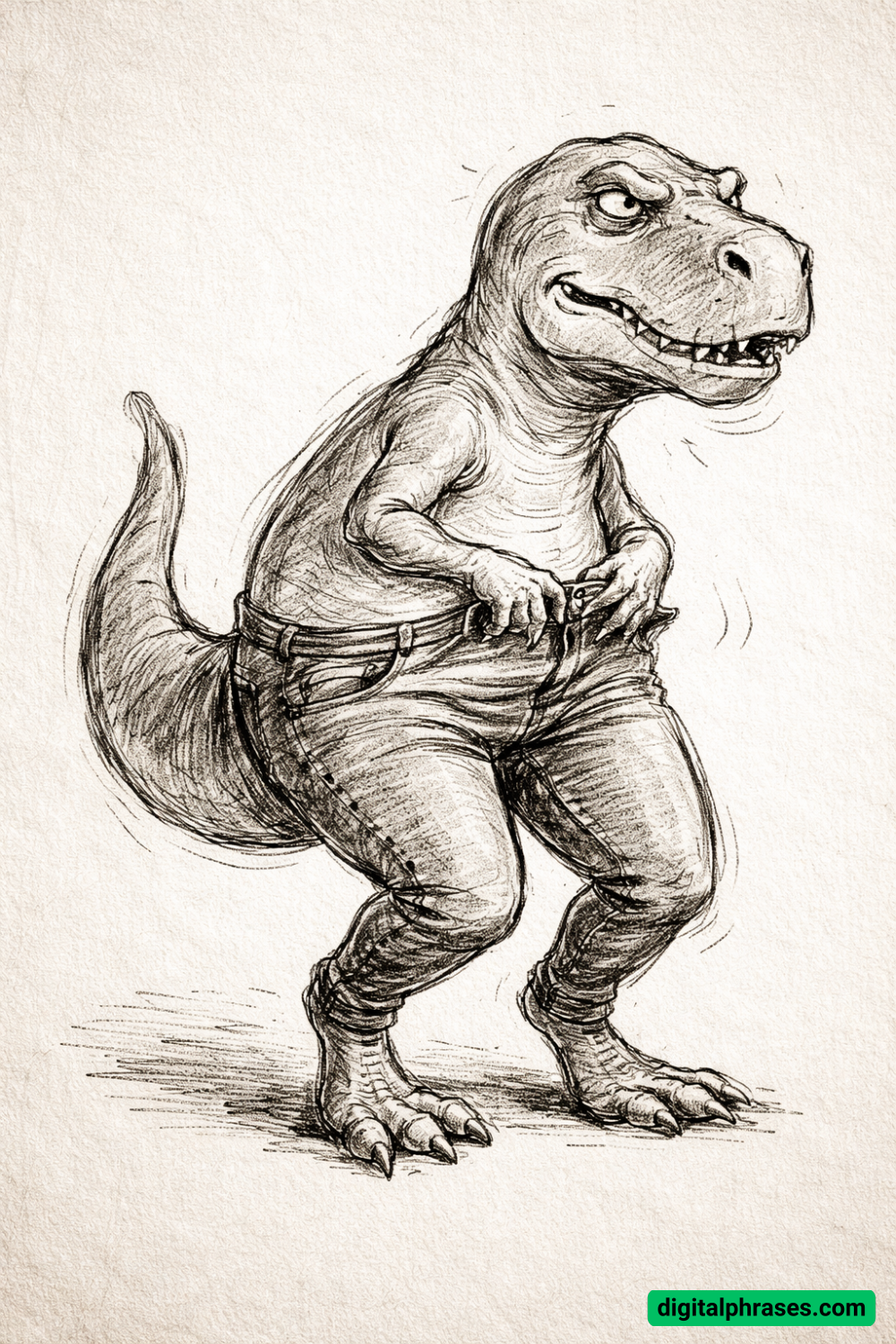
Comedy in drawing lives and dies on exaggeration. If you draw something realistically but the concept is silly, the humor may feel muted. Exaggeration pushes the idea into visual comedy. Think about what makes your idea funny, then stretch that element way past realism. For example, if you’re drawing a dinosaur trying to fit into skinny jeans, the humor isn’t just “dinosaur + clothes.” It’s the struggle. Make the jeans impossibly tiny. Let the seams scream for mercy. Show fabric tearing, buttons flying, and the dinosaur’s face scrunched up in pure frustration. The more you lean into the physical mismatch, the funnier the image becomes.
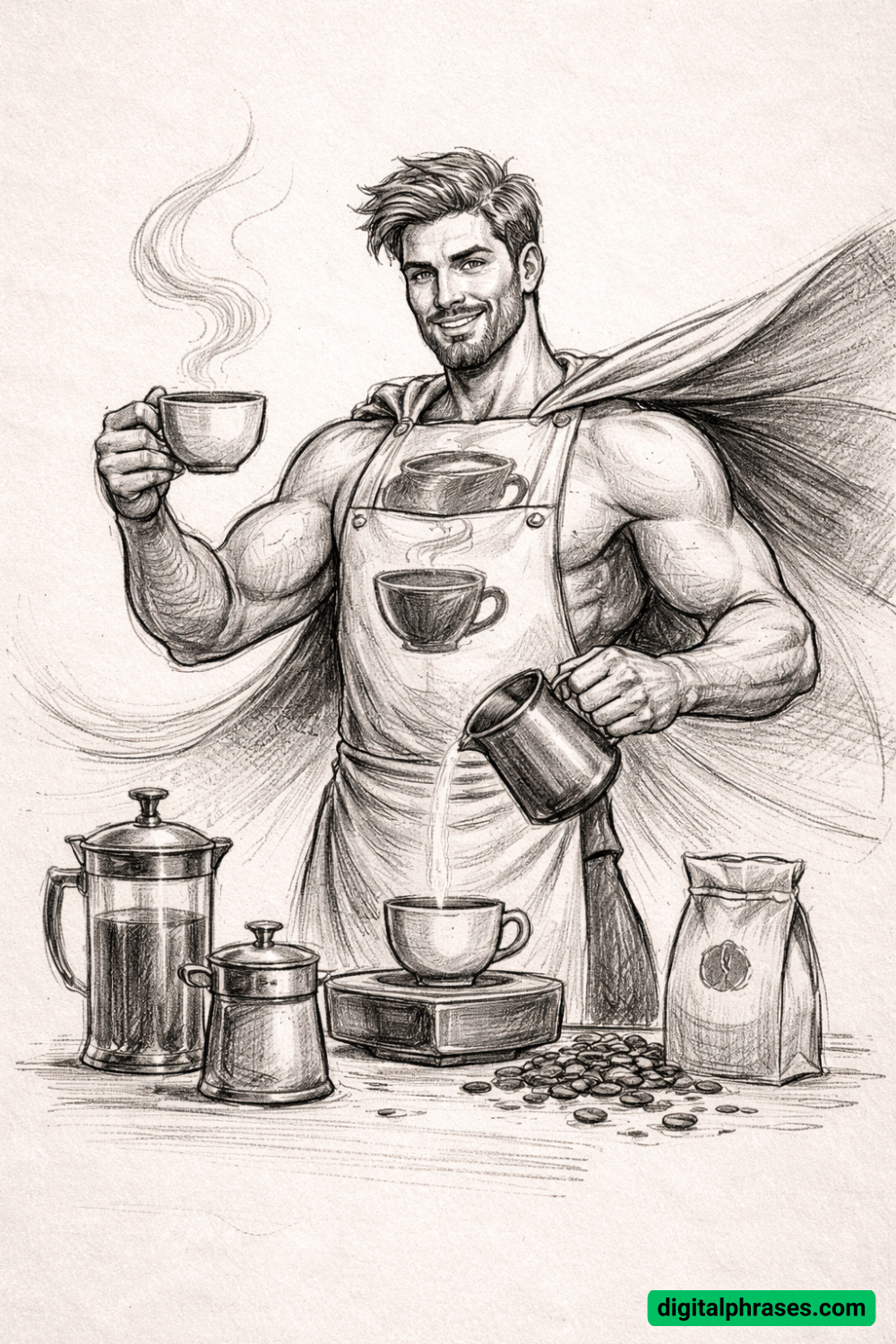
Exaggeration works on multiple levels: body shapes, facial expressions, poses, and even props. A banana lifting weights is already funny, but it becomes much funnier if the banana is absurdly ripped with cartoonish muscles, veins popping, and a tiny headband sliding off. On the flip side, exaggerating weakness can be just as comedic—imagine a superhero whose only power is making coffee, posed heroically on a rooftop… holding a tiny coffee cup with dramatic lighting like it’s the most important mission of all time.
Facial expressions deserve special attention. Humans are wired to read faces instantly, so pushing expressions beyond subtle realism helps sell the joke. Raise eyebrows higher than seems possible. Drop jaws lower. Squash faces when characters panic or scream. If you’re drawing animals or objects with faces, anthropomorphize them boldly—big eyes, dramatic mouths, and clear emotions make the humor readable even at a glance.
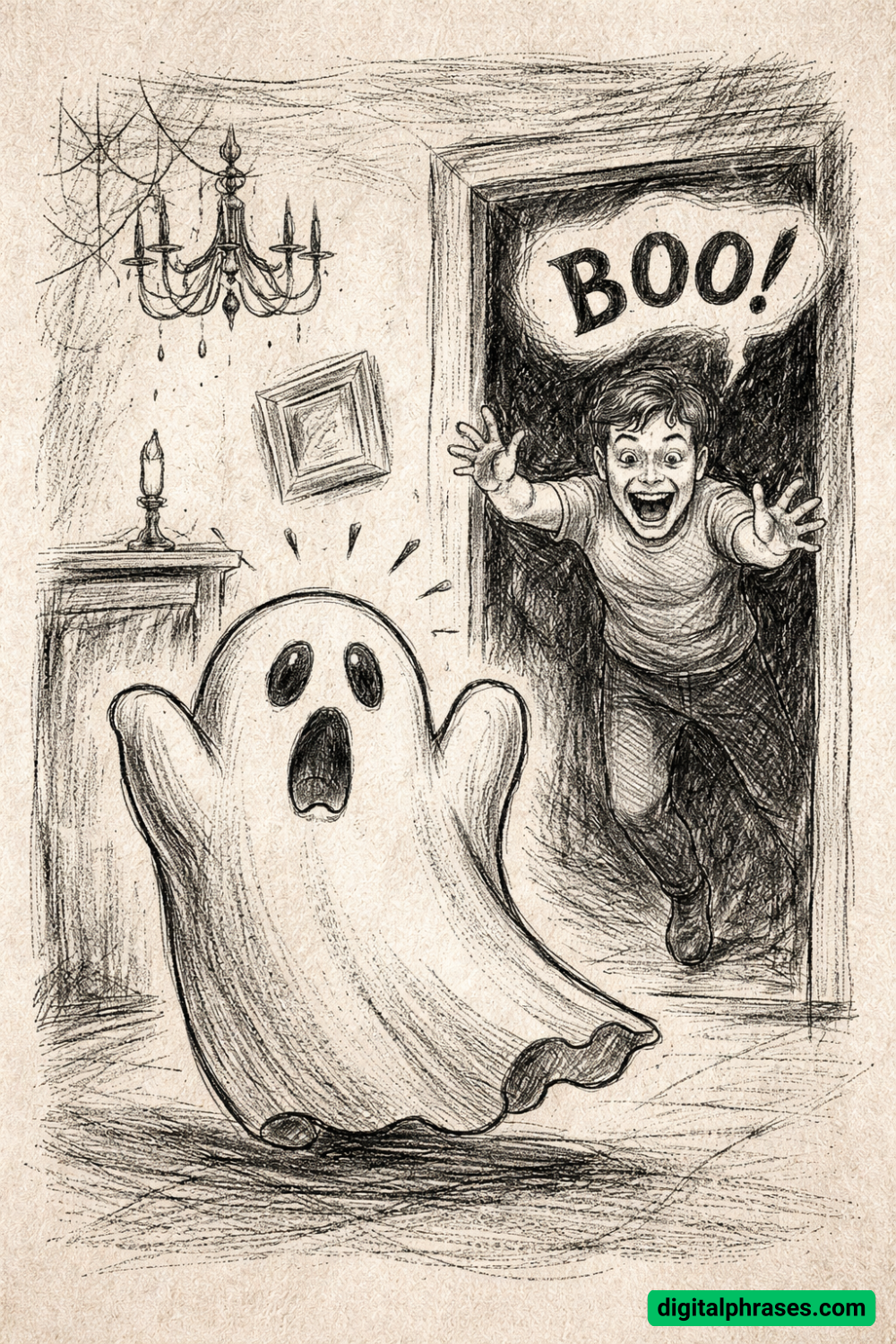
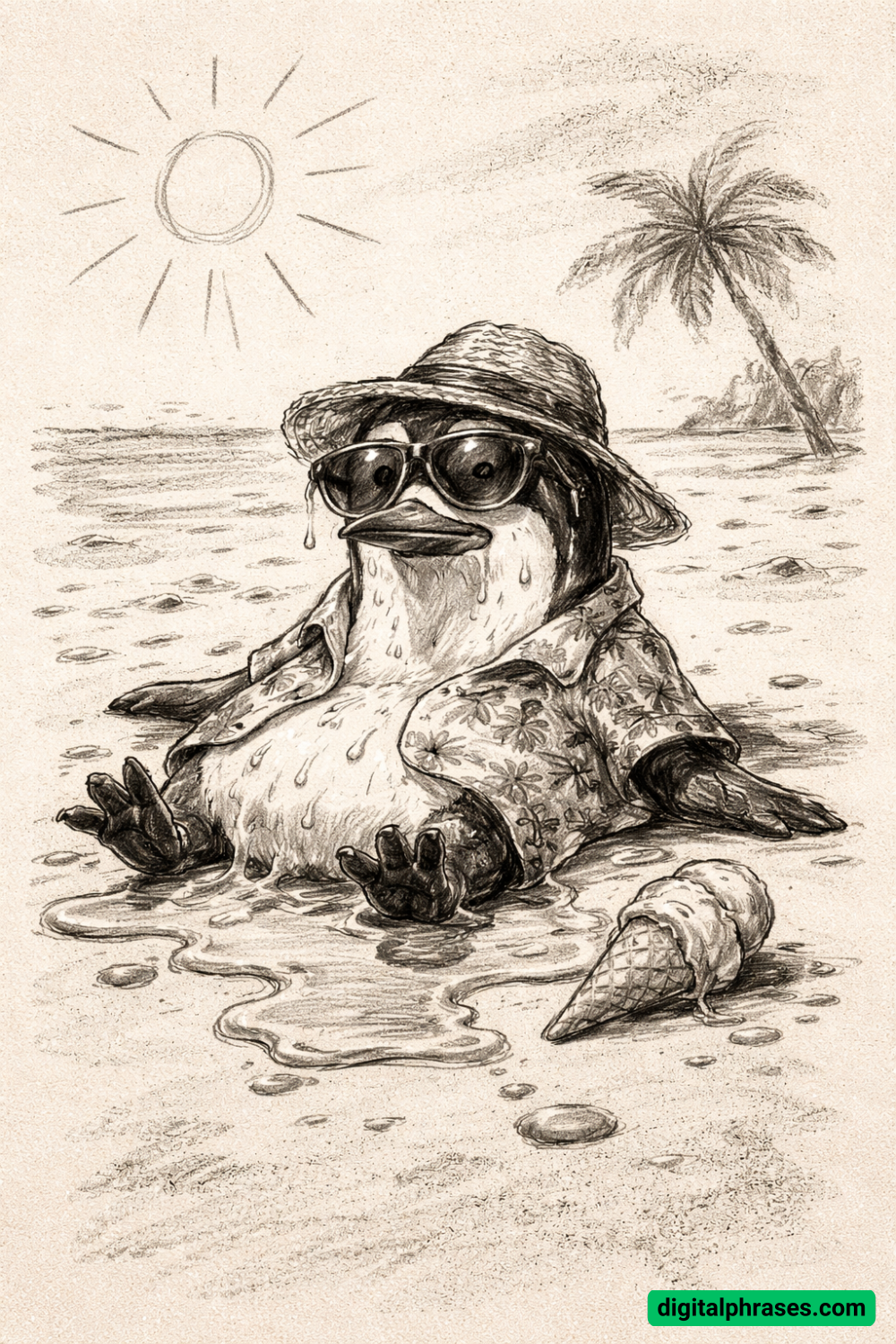
Body language is another gold mine. A ghost being scared by a human becomes funnier if the ghost is recoiling, arms flailing, sheet flying backward like it’s been jump-scared. A penguin melting on the beach can slump dramatically, with droopy wings and a puddle forming beneath it. Think in silhouettes: could someone understand the emotion of your character just from their outline? If yes, your exaggeration is working.
One practical exercise: before finalizing your drawing, do three tiny thumbnail sketches of the same idea—one mildly exaggerated, one very exaggerated, and one ridiculously over-the-top. Compare them. You’ll often find that the most extreme version, the one that feels “too much,” is actually the funniest and most readable. Comedy thrives on boldness. Don’t be shy—push it until it almost breaks, then push it a little more.
2. Clear Visual Storytelling: Make the Joke Instantly Readable
A funny idea only works if the viewer can “get it” quickly. Unlike written jokes, visual jokes rely on instant clarity. Your drawing should communicate the setup and the punchline at a glance, even to someone who has no context. This means thinking like a visual storyteller, not just an illustrator.
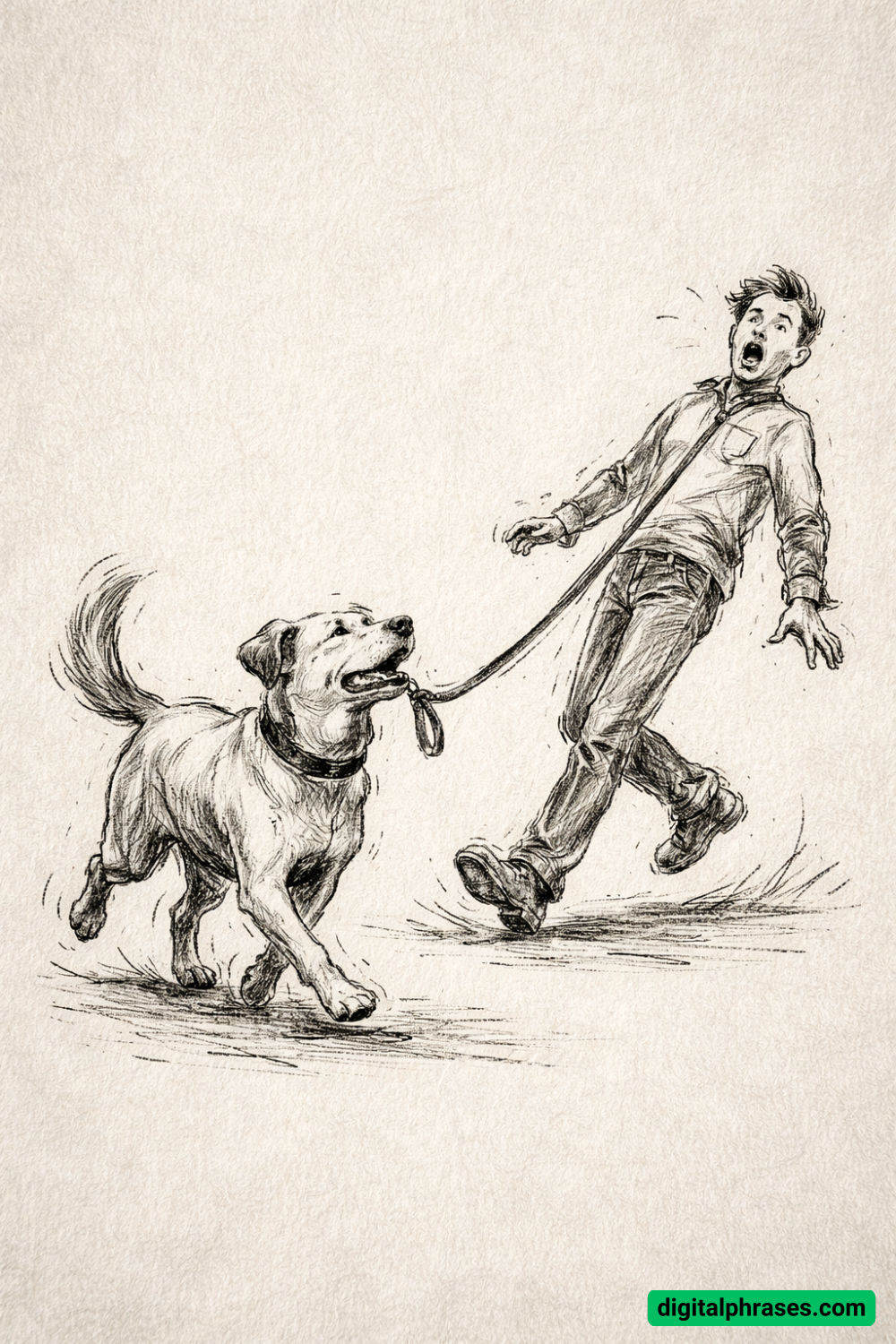
Start by identifying the core joke. For example: “A dog walking a human on a leash.” The joke hinges on role reversal. To make this instantly readable, you need strong visual cues: the dog confidently holding the leash in its mouth or paw, chest puffed out like it’s on a normal walk, while the human looks confused, embarrassed, or tired, being dragged along. If both are just standing there with a leash between them, the joke may feel unclear. The storytelling comes from pose, expression, and context.
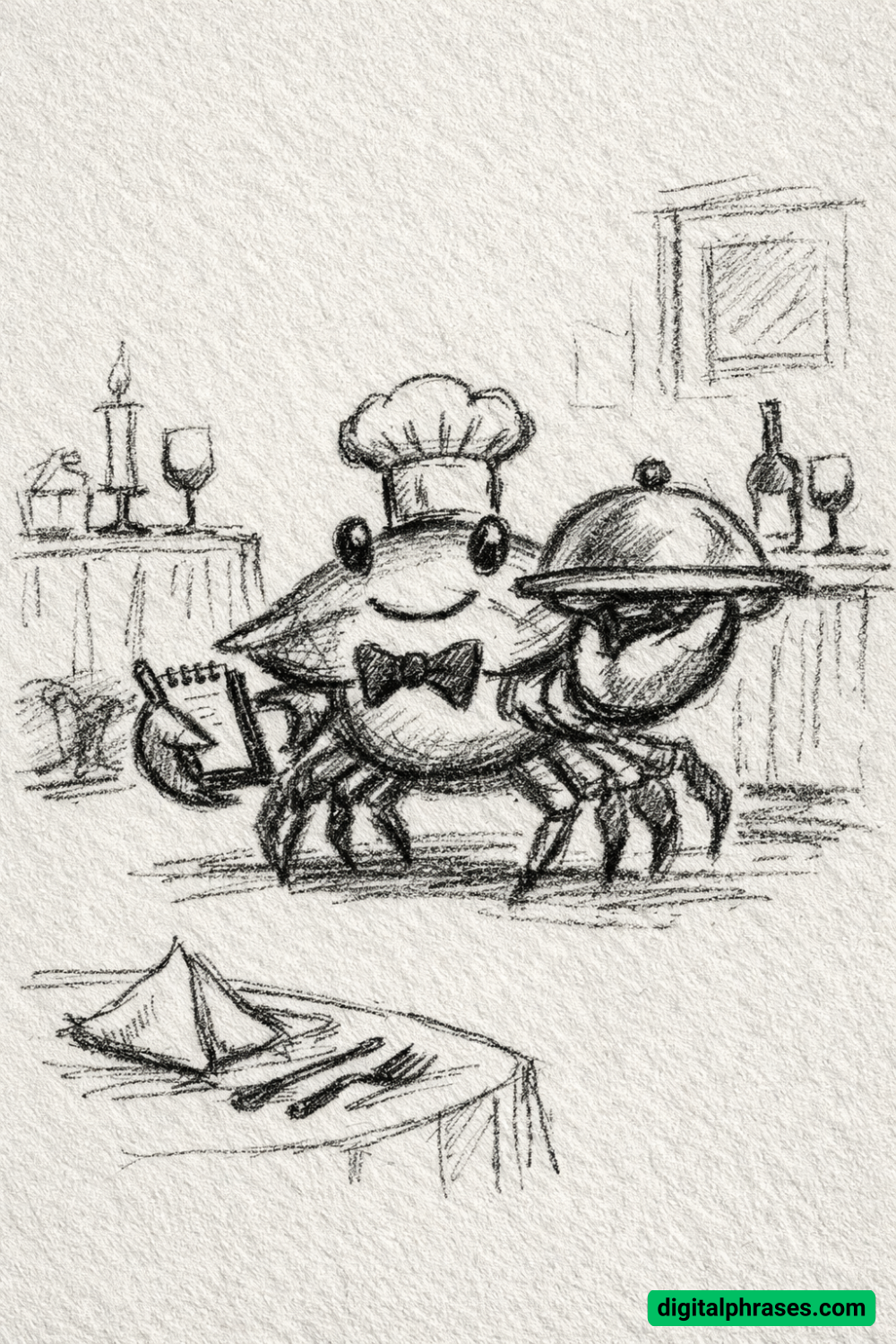
Props and environment are your supporting cast. They help anchor the scene and clarify what’s happening. If you’re drawing a crab running a fine-dining restaurant, include details like tiny tables, menus, a fancy chef’s hat, maybe a bell on the counter. These little cues help the viewer immediately understand the setting before they even process the character. The faster the viewer understands the scene, the faster the humor lands.
Composition matters too. Place the most important joke element front and center. If the funny part is the banana lifting weights, don’t bury the banana in a busy gym scene. Frame it clearly: big banana in the foreground, comically straining, with maybe tiny gym bros staring in disbelief. Use visual hierarchy—larger size, stronger contrast, and clearer shapes for the key comedic elements.
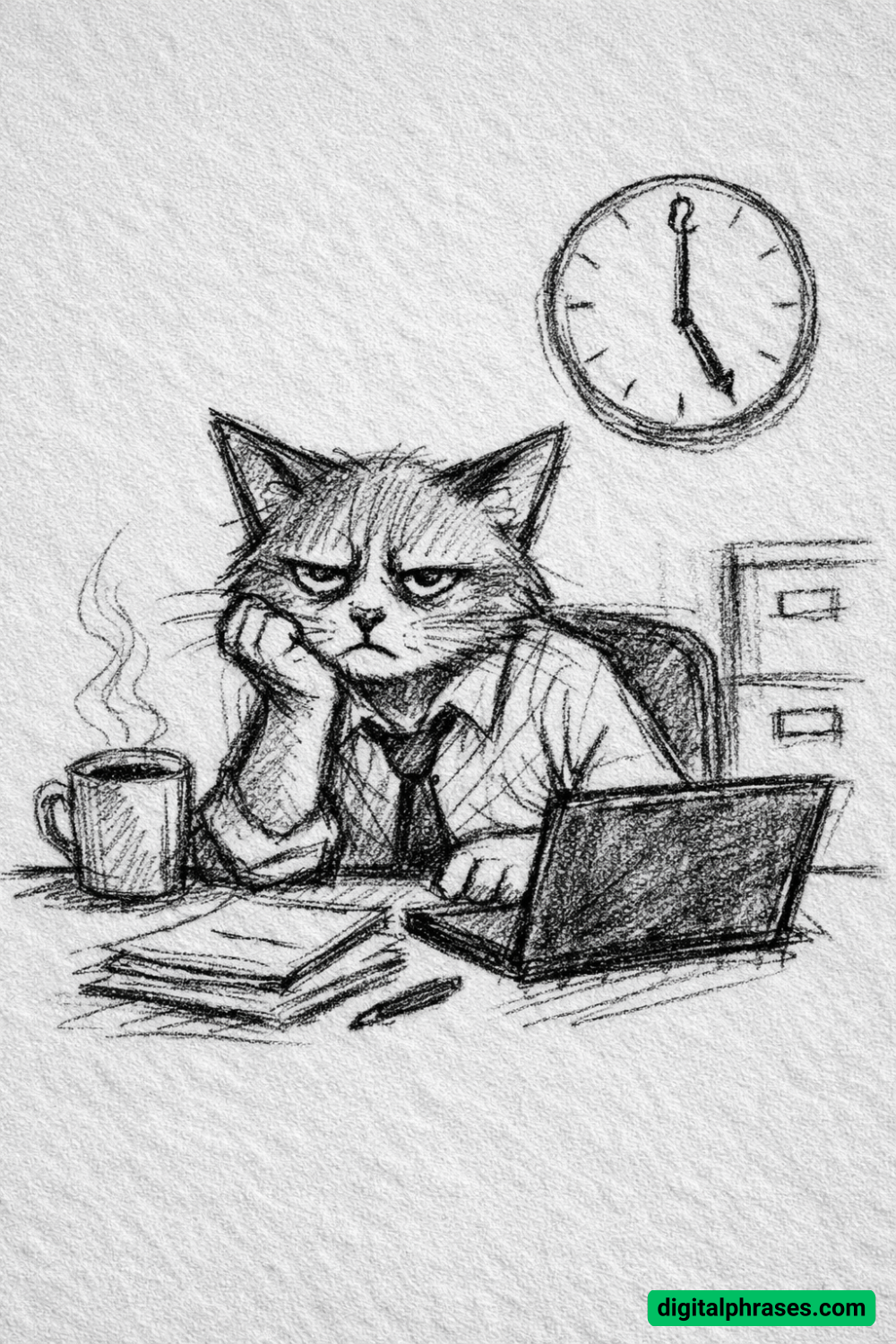
Think about “beats” in your image, similar to comedic timing in a joke. The setup might be the environment (e.g., a serious office setting), and the punchline is the absurd character (a cat in a tie, staring dead inside). Arrange your composition so the eye naturally travels from setup to punchline. This can be done with leading lines, lighting, or simply placement within the frame.
A helpful technique is the “one-sentence test.” Imagine describing your drawing in one simple sentence: “A vampire nervously applying sunscreen at the beach.” If your drawing doesn’t visually communicate all the important parts of that sentence—vampire, sunscreen, beach, nervousness—then you may need to add or emphasize certain elements. Clarity doesn’t kill humor; it empowers it. The clearer your visual story, the harder the joke can hit.
3. Expressive Faces and Body Language: Acting on Paper
Think of your characters as tiny actors on a stage. Even the funniest concept can fall flat if the characters feel emotionally neutral. Expression is what makes the joke feel alive. Whether you’re drawing humans, animals, monsters, or sentient slices of toast, their faces and bodies should “act” the joke.
Start with the emotion you want to communicate: frustration, pride, fear, confusion, smugness, embarrassment. Then design the pose and facial features around that emotion. For example, a giraffe stuck in a revolving door is funny, but it becomes much funnier if the giraffe is politely apologizing, with a sheepish smile, hunched shoulders, and maybe a little sweat drop of awkwardness. The humor comes from the contrast between the absurd situation and the polite, human-like reaction.
Push your facial expressions beyond subtlety. In real life, emotions can be nuanced, but in cartoons and humorous drawings, clarity beats realism. Big eyes for surprise, squinted eyes for smugness, wide mouths for panic. Eyebrows are incredibly powerful—tilt them sharply to show anger, arch them high for surprise, droop them for sadness. Don’t be afraid to distort facial proportions to serve the emotion.
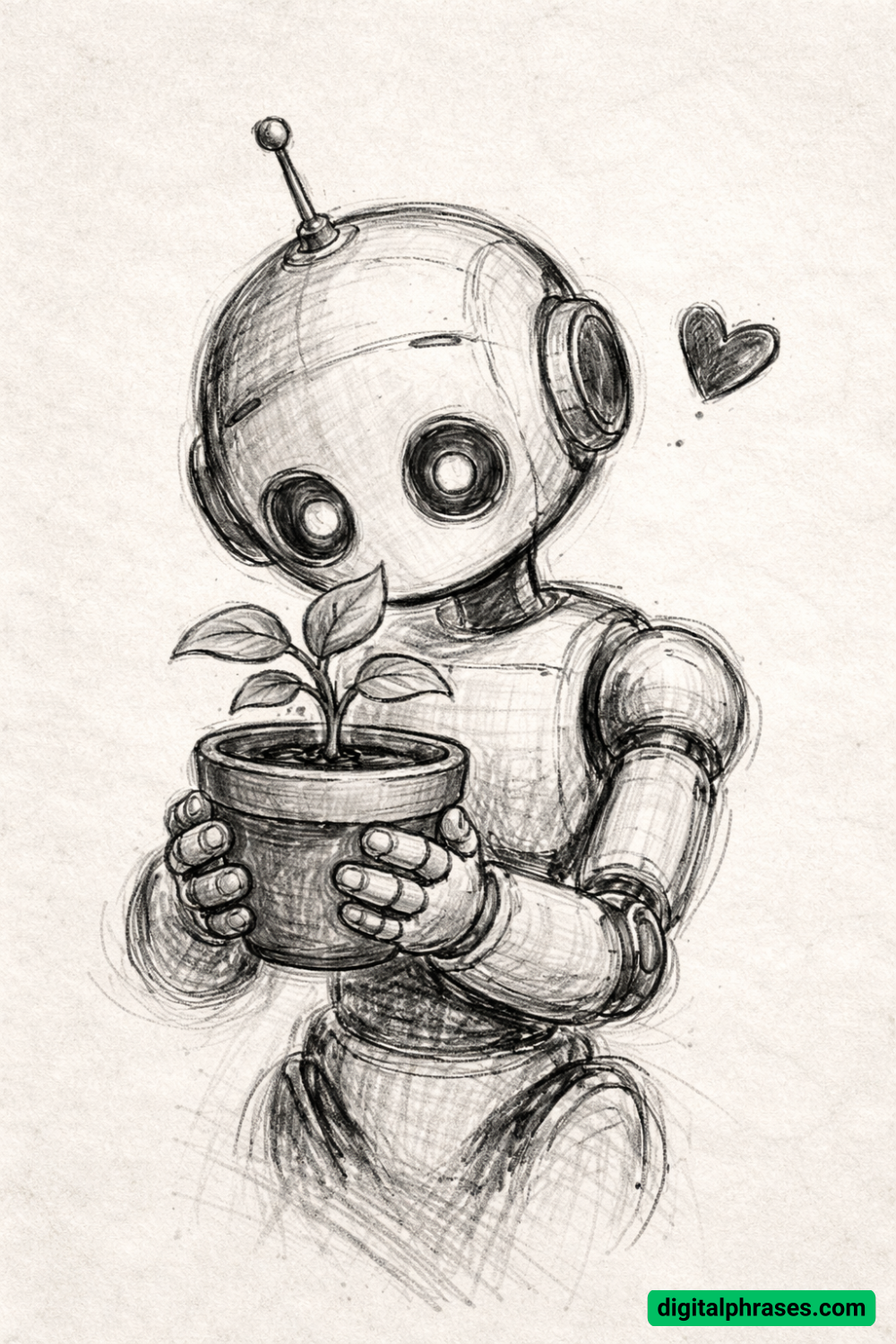
Body language is just as important. A character’s posture can tell a whole story before you even look at their face. A proud pose (chest out, head high) communicates confidence. A slumped pose (rounded shoulders, drooping head) communicates defeat or exhaustion. If you’re drawing a robot emotionally attached to a houseplant, show the robot carefully cradling the plant, leaning in close, maybe shielding it protectively. That physicality sells the joke of “robot + feelings.”
Gesture drawing is a great practice tool here. Before doing your final drawing, quickly sketch loose stick-figure or simplified poses to explore different ways the character might stand, sit, or react. Focus on the flow and energy of the pose rather than details. Once you find a pose that feels emotionally clear and funny, build your final drawing on top of it.
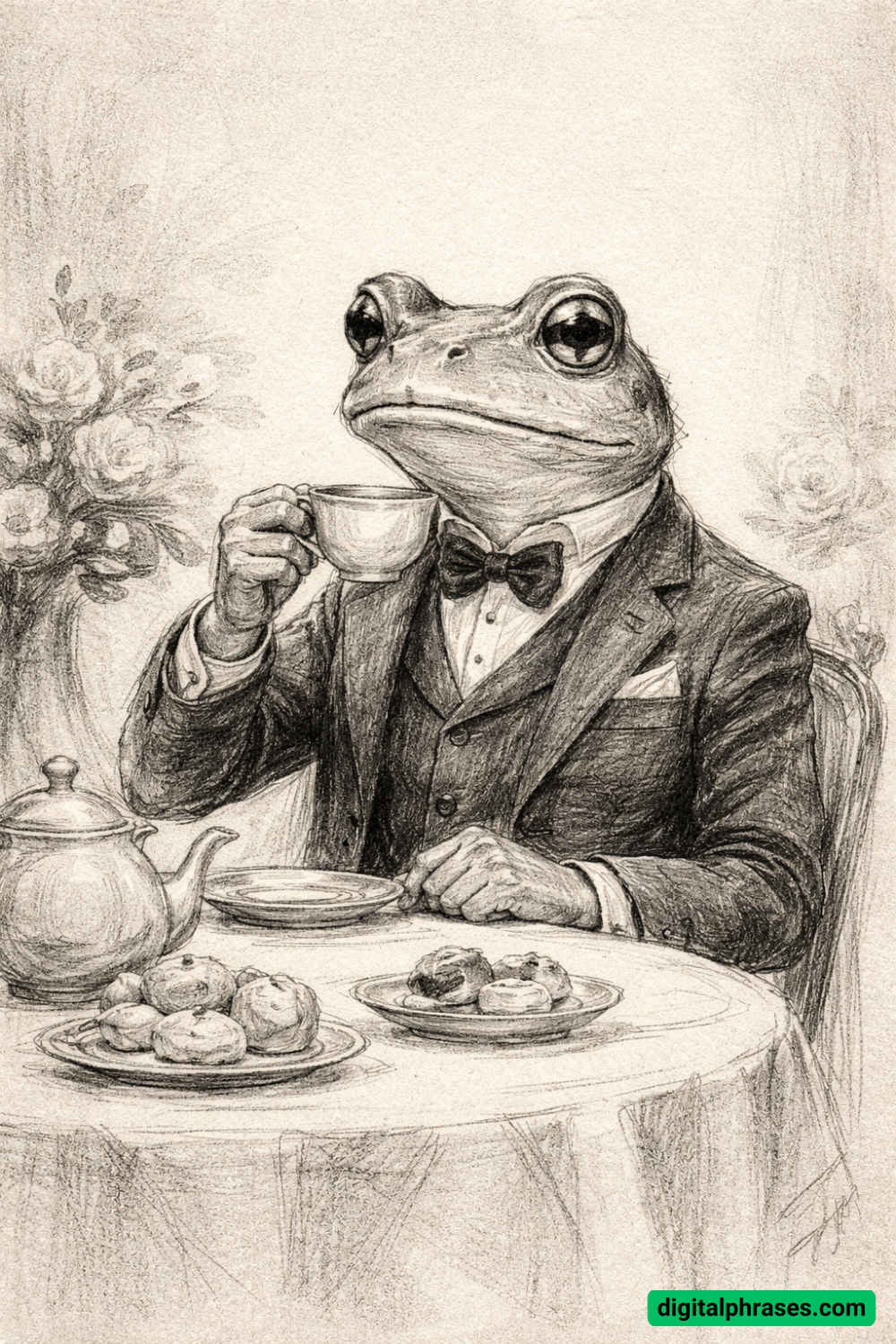
Also consider interaction between characters. Comedy often comes from contrast. If one character is overly serious and the other is chaotic, play that up in their expressions and body language. A frog in a fancy suit at a tea party becomes funnier if everyone else is equally fancy, but the frog is way too serious—perfect posture, stern face—while the situation itself is inherently silly.
In short: draw feelings, not just forms. If someone can look at your drawing and immediately read what each character is feeling, you’re halfway to a great visual joke.
4. Contrast and Juxtaposition: Where the Comedy Lives
Most of your funny ideas are built on contrast: normal vs. absurd, serious vs. silly, powerful vs. tiny. Lean into that contrast visually. Comedy thrives when two opposing ideas collide in one image.
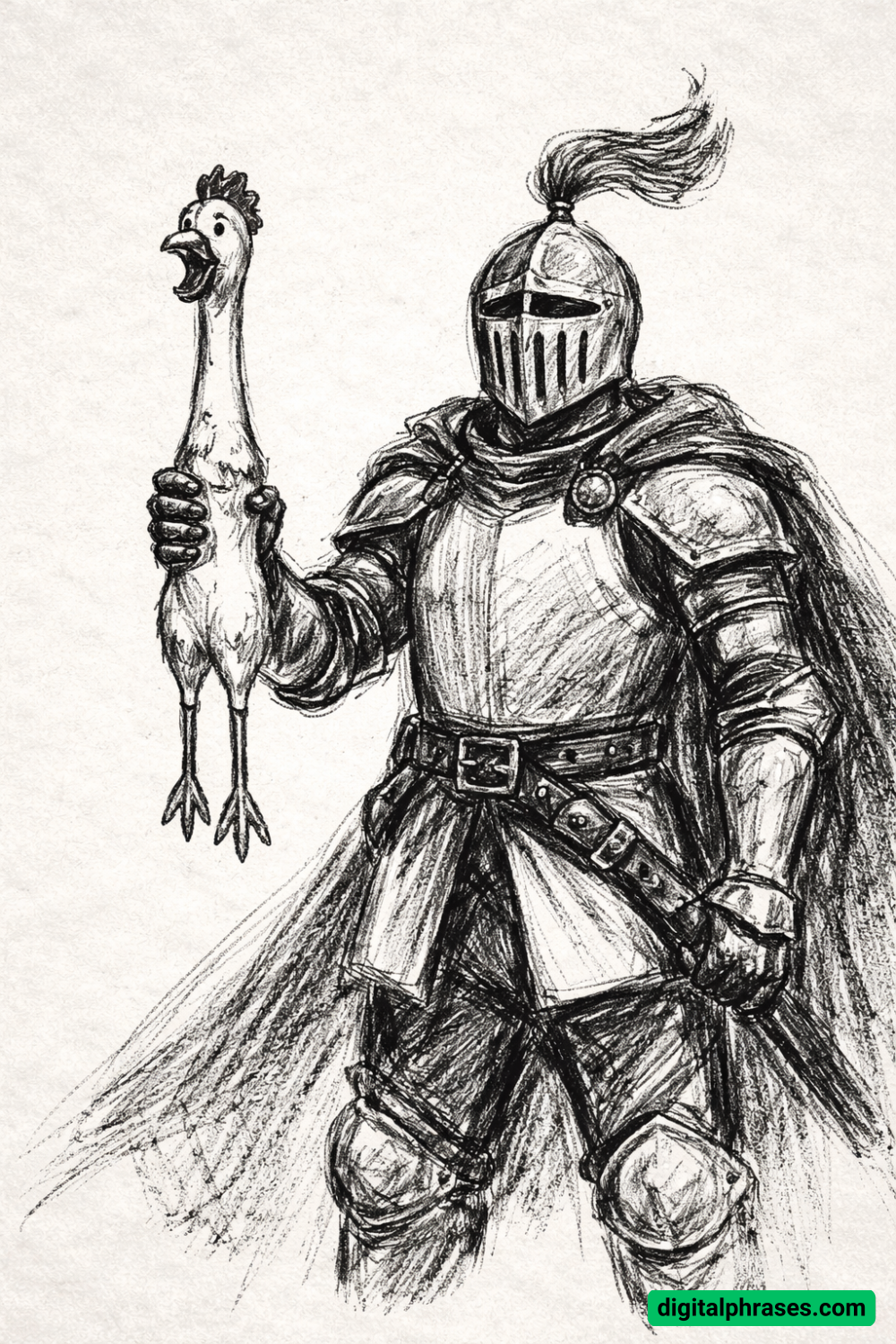
Start by identifying the two things you’re contrasting. For example: “A knight whose sword is a rubber chicken.” The knight represents seriousness, honor, and epic fantasy. The rubber chicken represents silliness and slapstick humor. To make the joke land, push both sides of the contrast. Make the knight extra noble—shiny armor, heroic stance, dramatic lighting. Then make the rubber chicken extra ridiculous—floppy, squeaky, maybe with a goofy face. The stronger each side of the contrast, the funnier their collision becomes.
Scale is another powerful contrast tool. Big vs. small is instantly funny. A bear trying to take a tiny selfie with a tiny phone works because the bear is huge and the phone is comically small. Emphasize this by making the bear’s paw massive compared to the phone, maybe struggling to tap the screen with one claw. The physical mismatch sells the joke without needing any explanation.
Mood contrast is also great. A serious environment paired with a ridiculous character can be hilarious. Picture a formal courtroom scene… and in the witness stand sits a pigeon in a detective trench coat. The straight-faced seriousness of the setting amplifies the absurdity of the character. Draw the background with clean, formal lines, and then let the pigeon’s presence feel out of place in the best way.
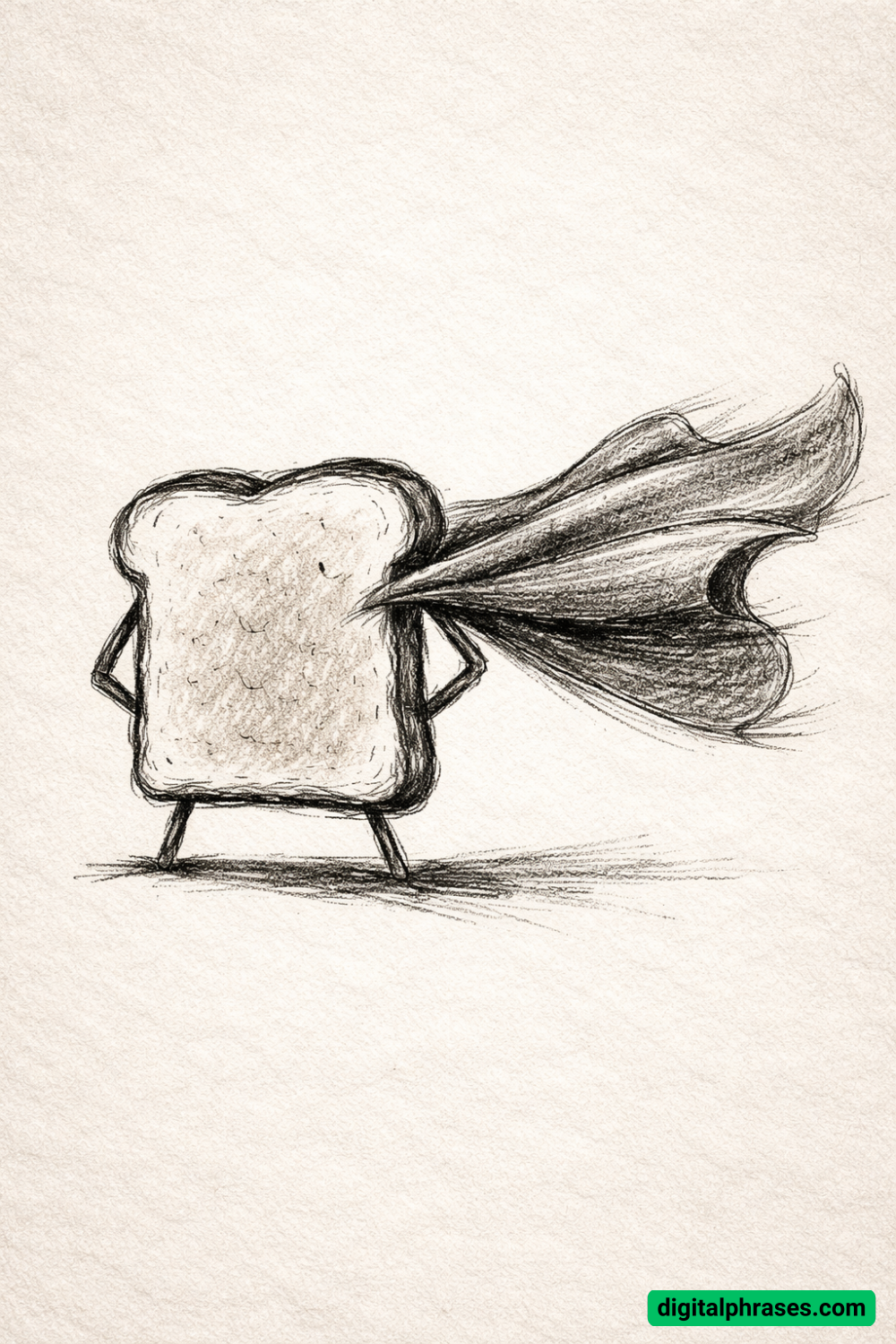
Even color and lighting can support contrast. Dramatic lighting, epic shadows, or cinematic composition used for a very silly subject creates a comedic mismatch. A slice of toast with a superhero cape, drawn like a dramatic movie poster, feels funnier than the same toast drawn casually on a kitchen counter. You’re basically parodying visual tropes.
When you’re stuck, ask yourself: “What is the normal version of this scene, and how can I make the weird part stand out more?” The clearer the “normal,” the stronger the impact of the “weird.” Comedy is often just reality… with one thing delightfully wrong.
5. Iteration, Play, and Letting Yourself Be Silly
Finally, the most important tip: don’t aim for perfection on the first try. Funny drawings come from play. The more you let yourself sketch messy, dumb, and exaggerated versions of your ideas, the more you’ll stumble into something genuinely hilarious.
Start loose. Do ugly sketches. Try weird variations. Draw the same idea three different ways: different expressions, different poses, different levels of exaggeration. One version might fall flat, another might be mildly funny, and the third might suddenly click. Comedy is experimental. You don’t always know what’s funniest until you see it.
Give yourself permission to be silly. A lot of people subconsciously hold back because they’re worried their drawing will look “too dumb.” But “too dumb” is often where the magic lives in humor. A wizard whose spells autocorrect can be drawn as a dignified old mage… or you can lean into chaos: scrolls exploding into emojis, the wizard screaming as “Fireball” becomes “Fire bell,” bells raining from the sky. The second version is riskier—and usually way funnier.
Study what makes you laugh visually. Is it slapstick? Awkwardness? Cute stupidity? Deadpan seriousness in absurd situations? Lean into your personal sense of humor. Your drawings will feel more natural and more confident when they reflect what you find funny, not just what you think is “supposed” to be funny.
One great habit is keeping a small “dumb ideas” sketch page. Whenever you think of something silly, jot it down or doodle it quickly. Over time, you’ll build a library of funny concepts and visual gags. Some will be bad. Some will be surprisingly great. That’s the point.
Remember: funny art isn’t about technical perfection—it’s about communication and joy. If you’re smiling while drawing it, there’s a good chance someone else will smile when they see it.