22 Lamb Drawing Ideas
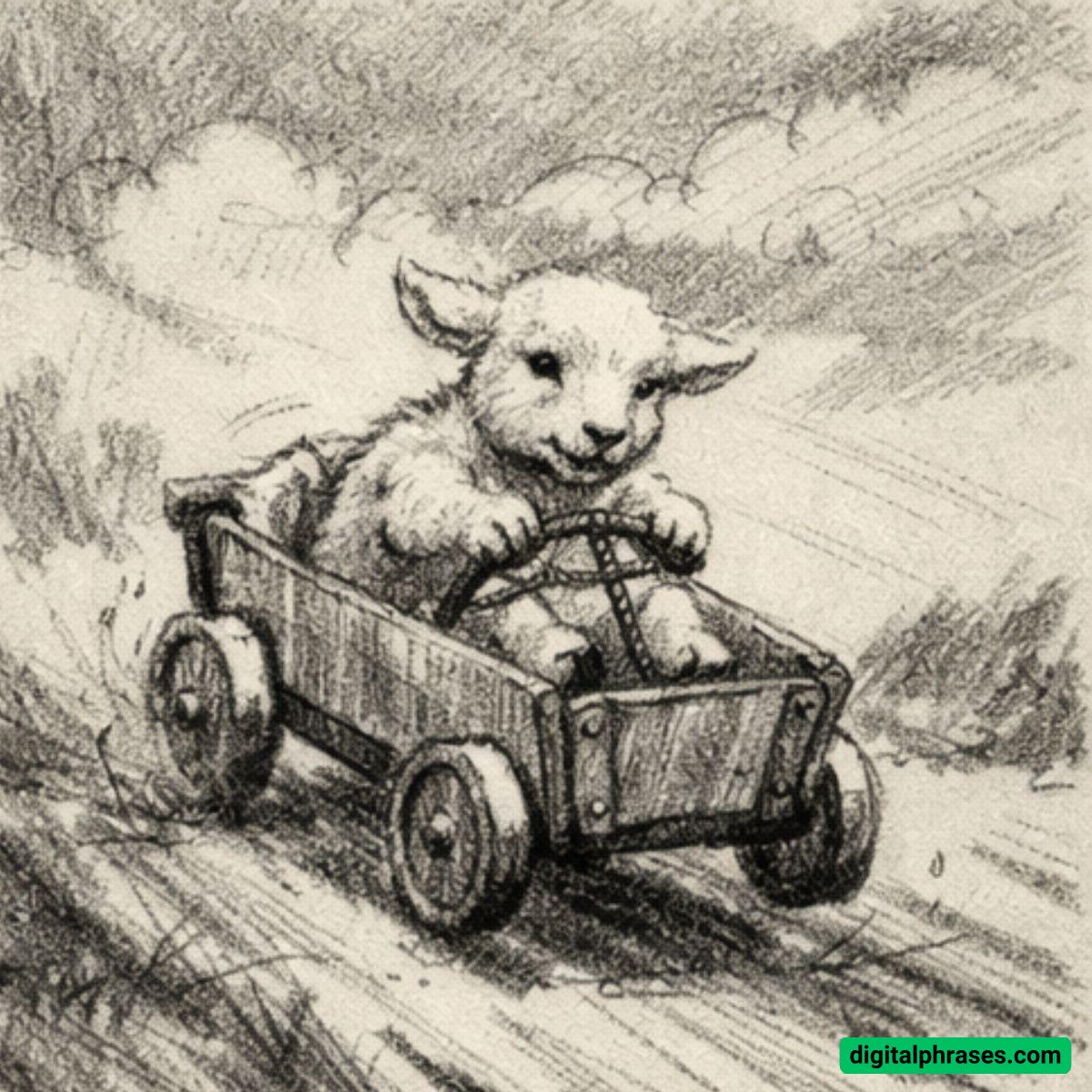
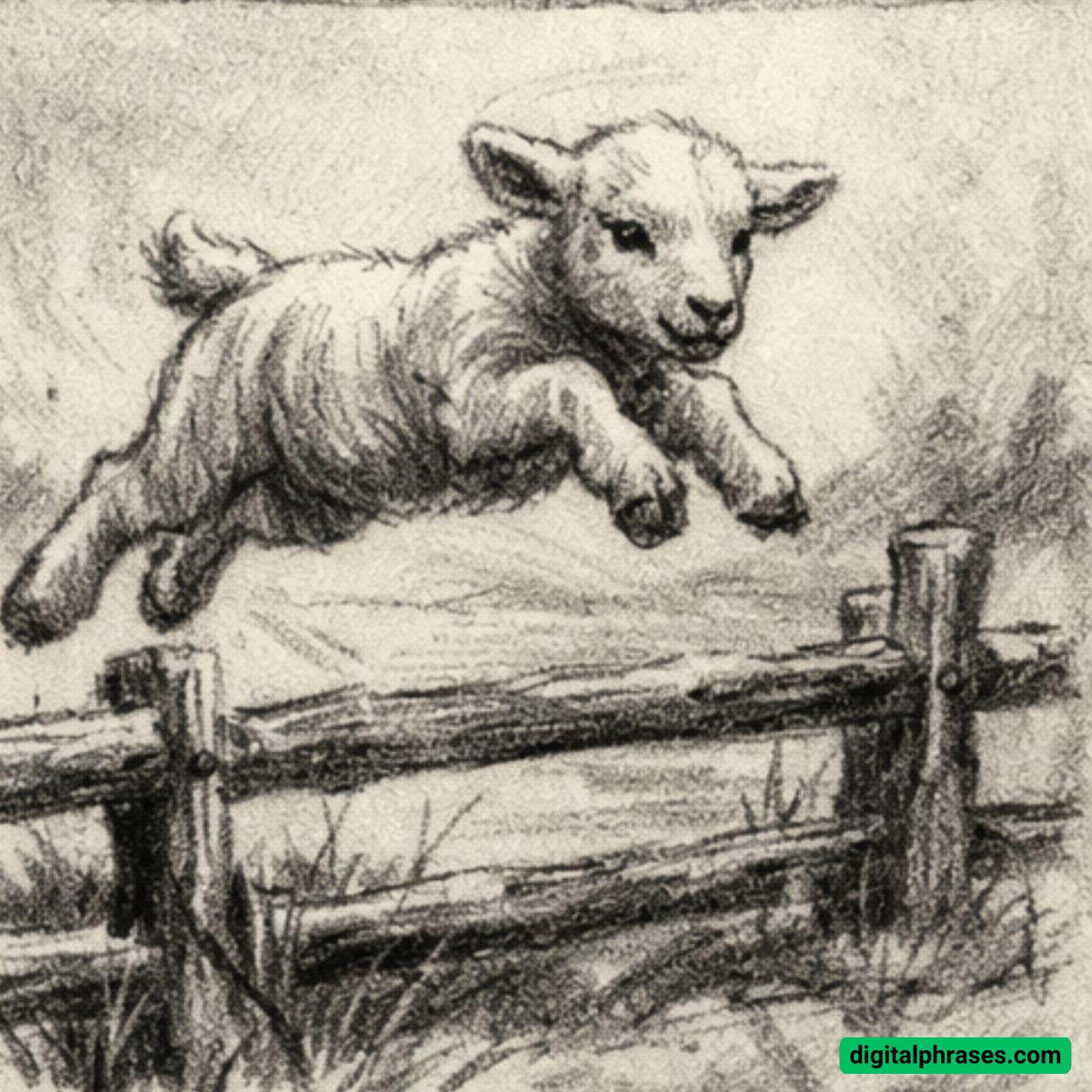
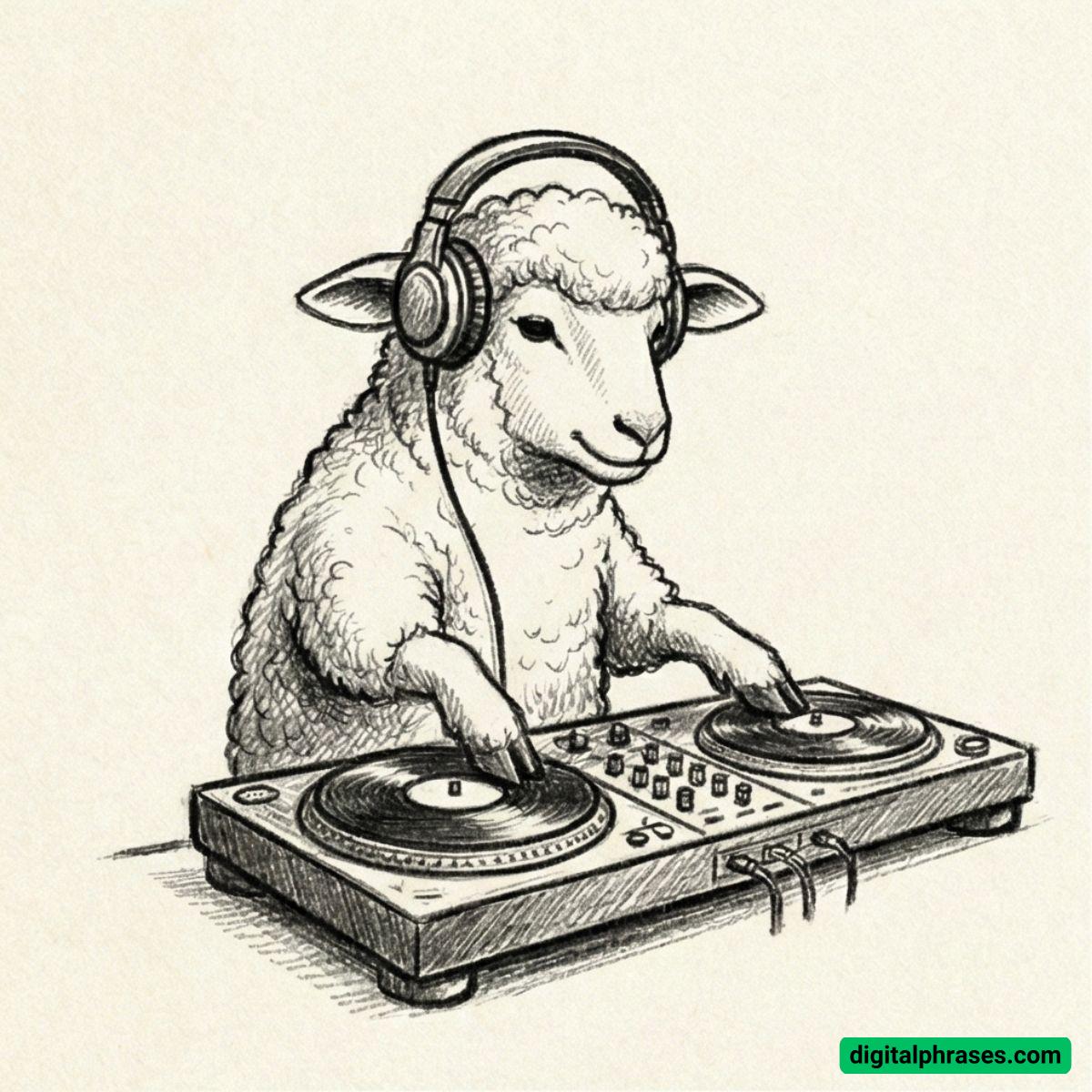
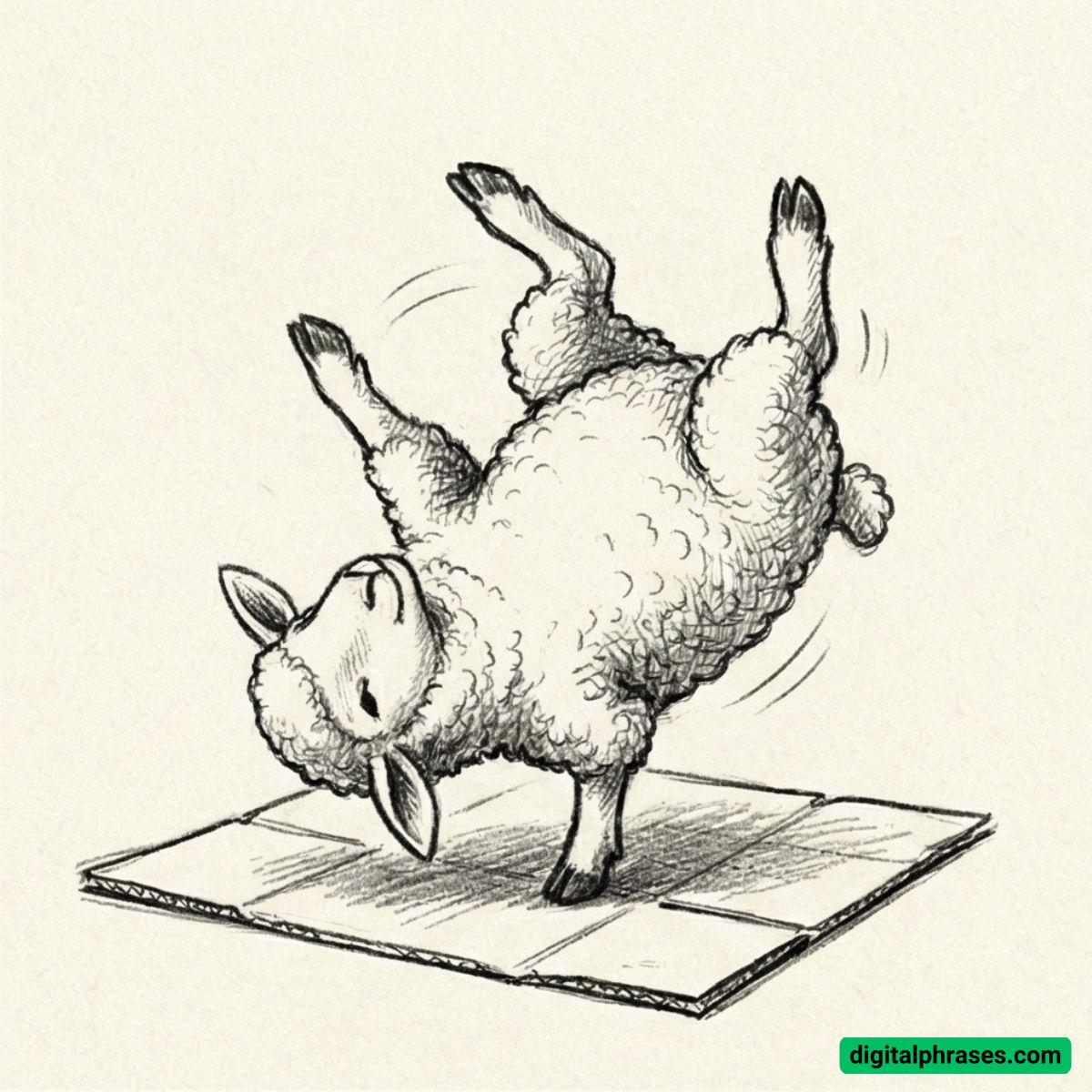
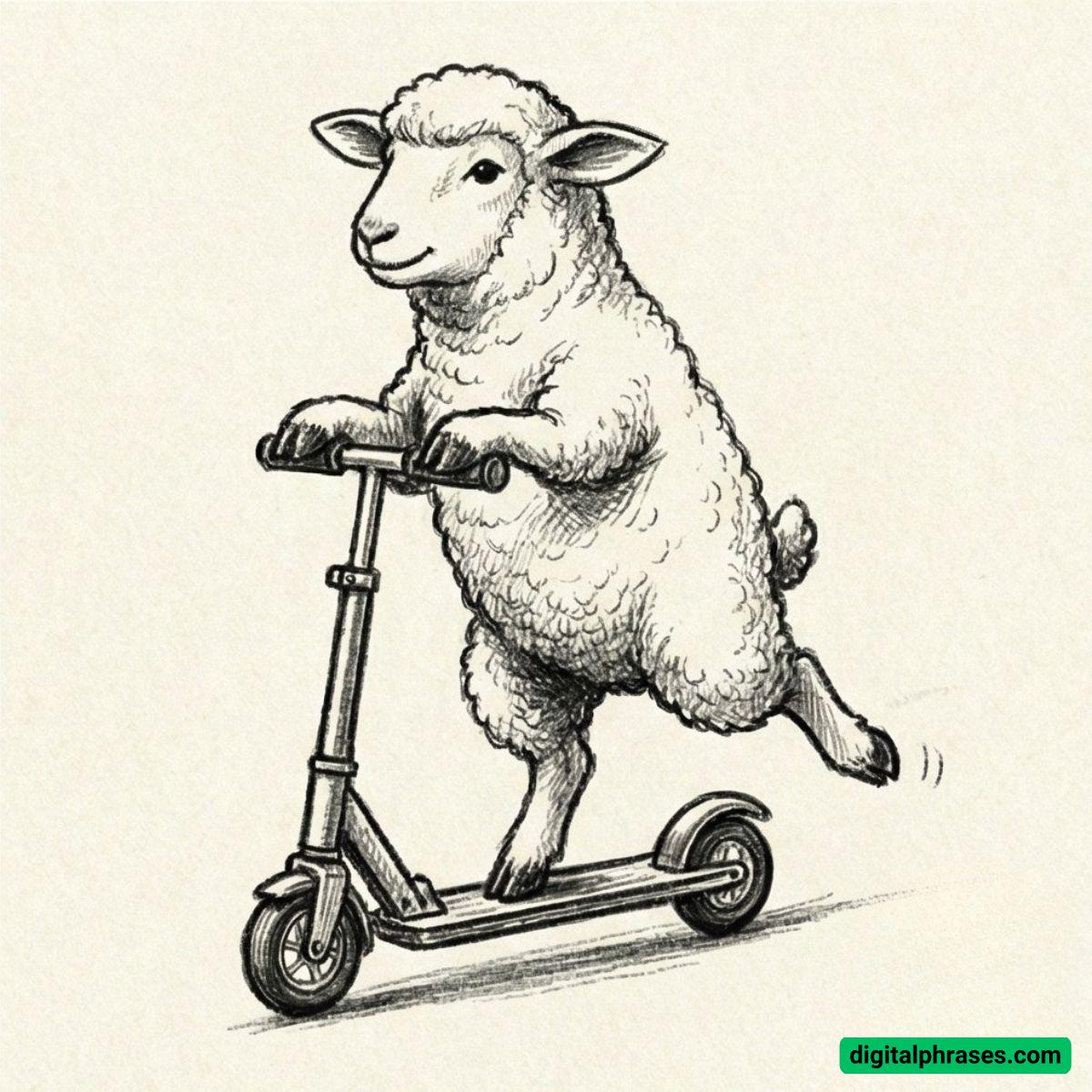
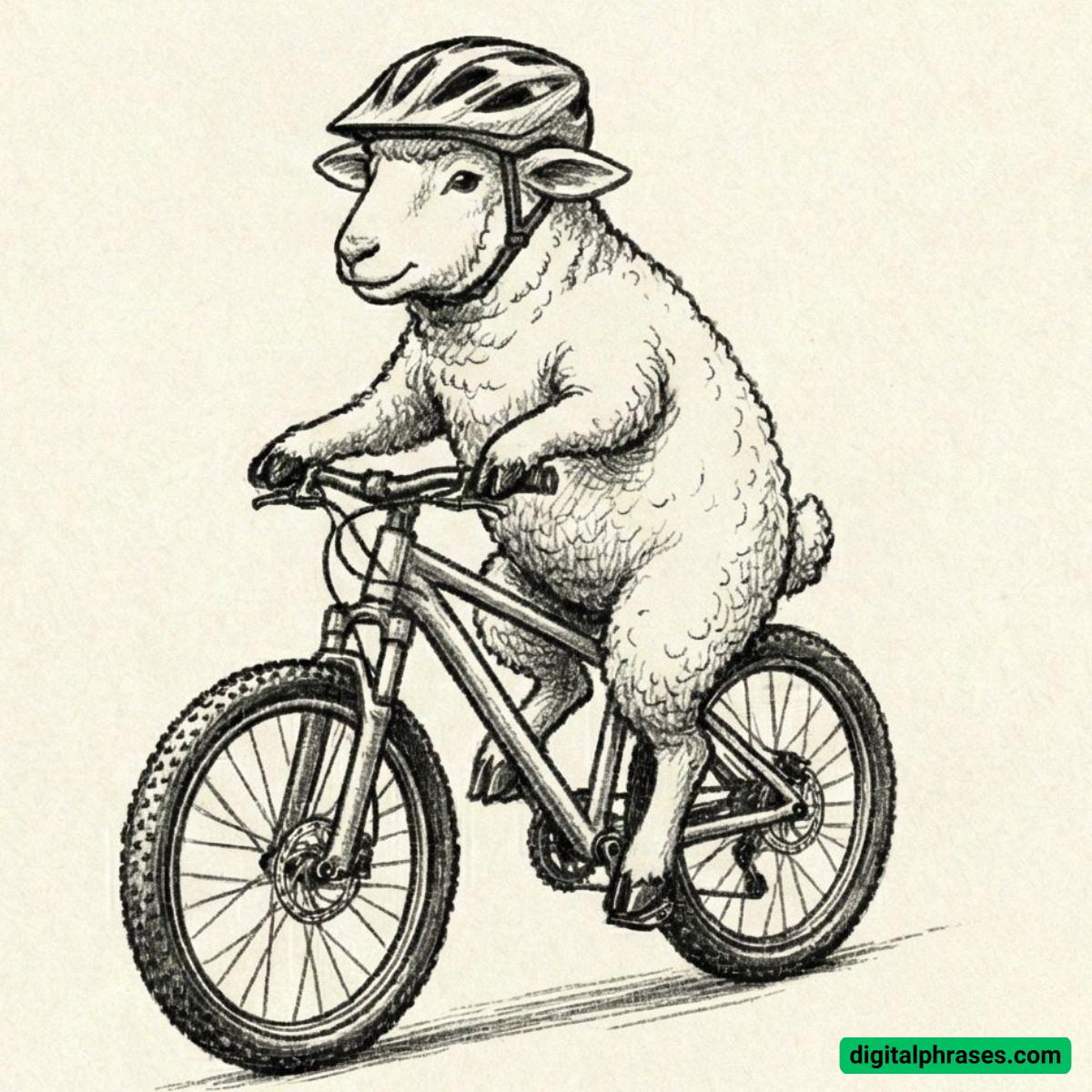
Drawing a basic lamb is easy, but what about the lamb doing something?
Or probably some funky lamb in an awkward situation?
These are the ideas that this post touches upon.
Check these lamb drawing ideas below.
Lamb Drawing Ideas
1
2
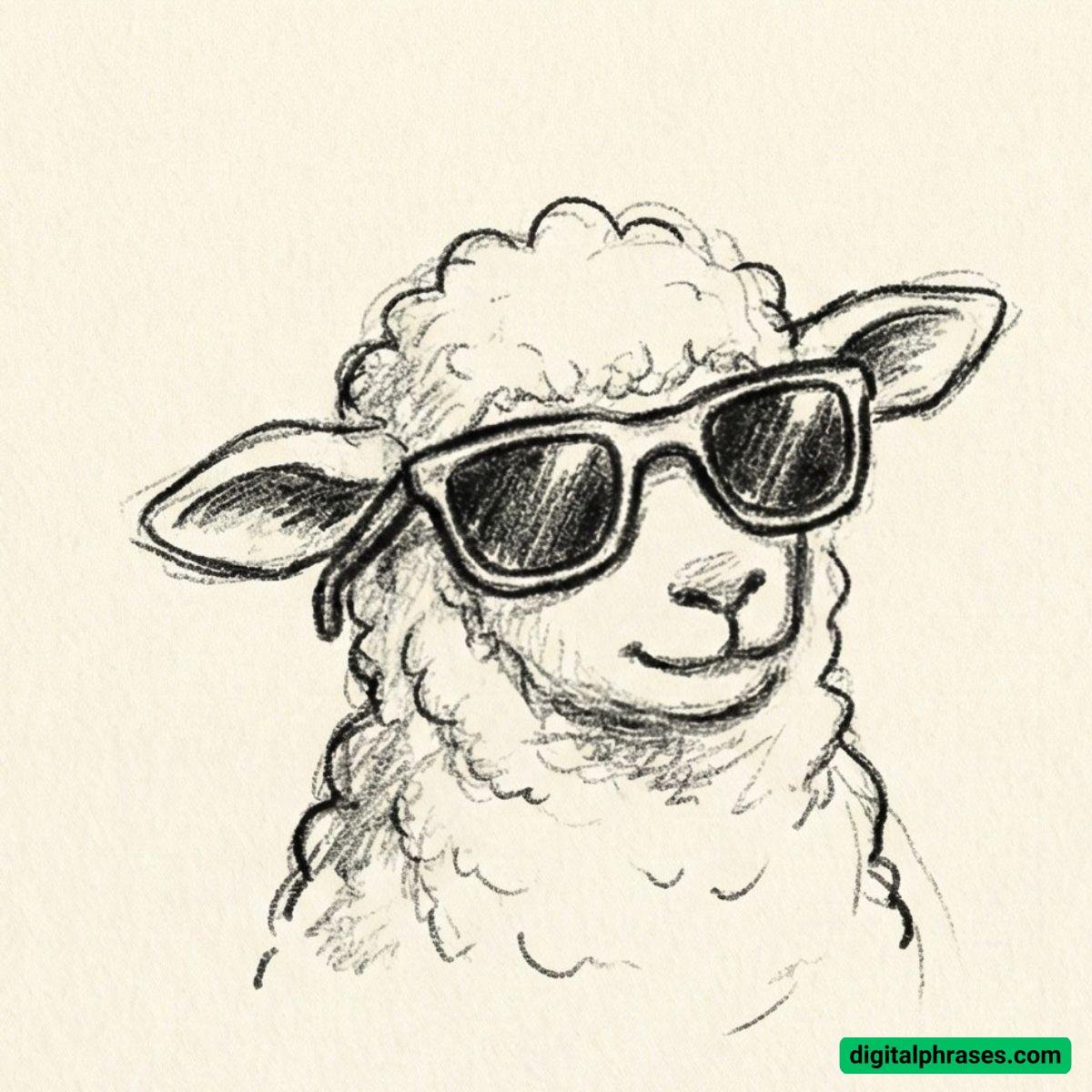
3
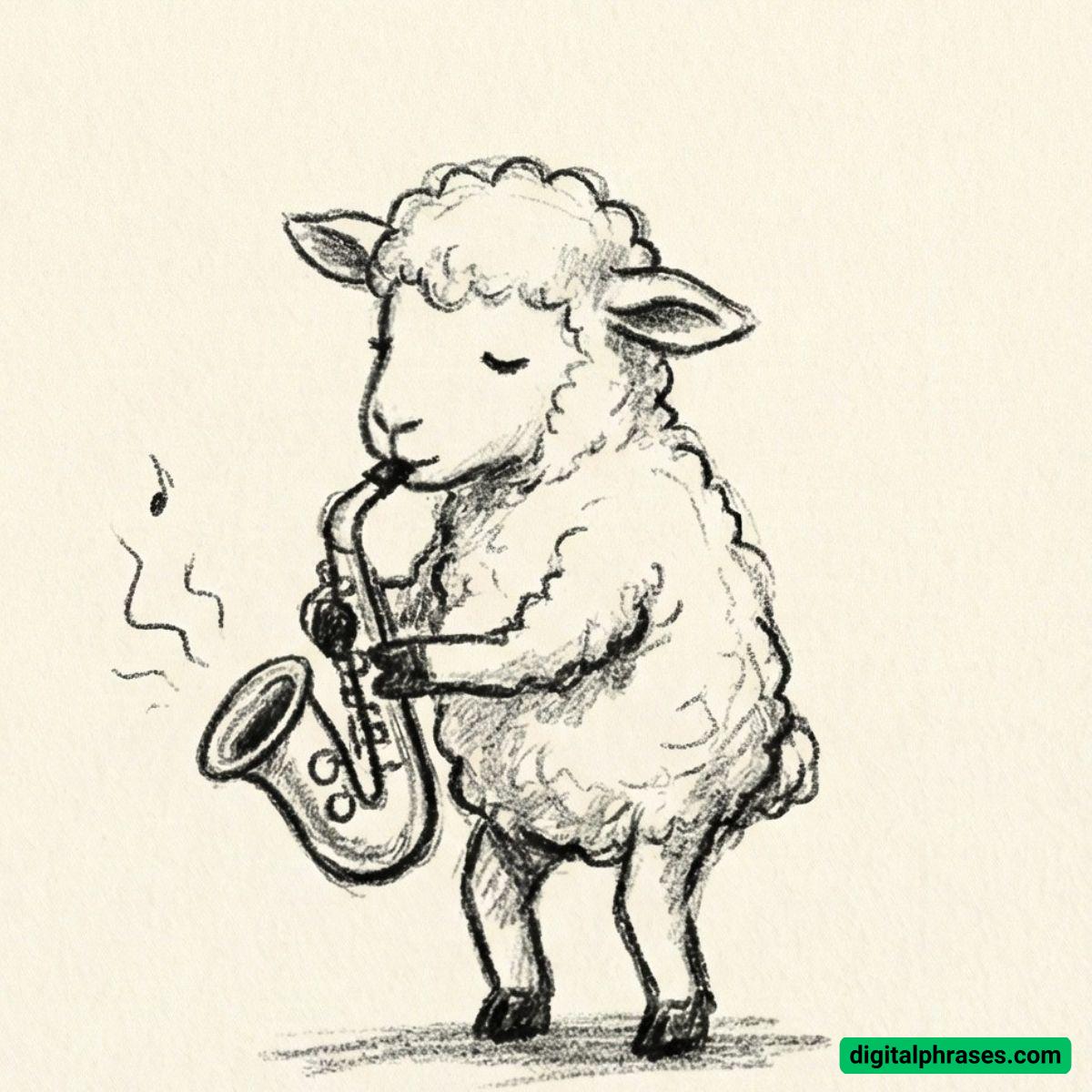
4
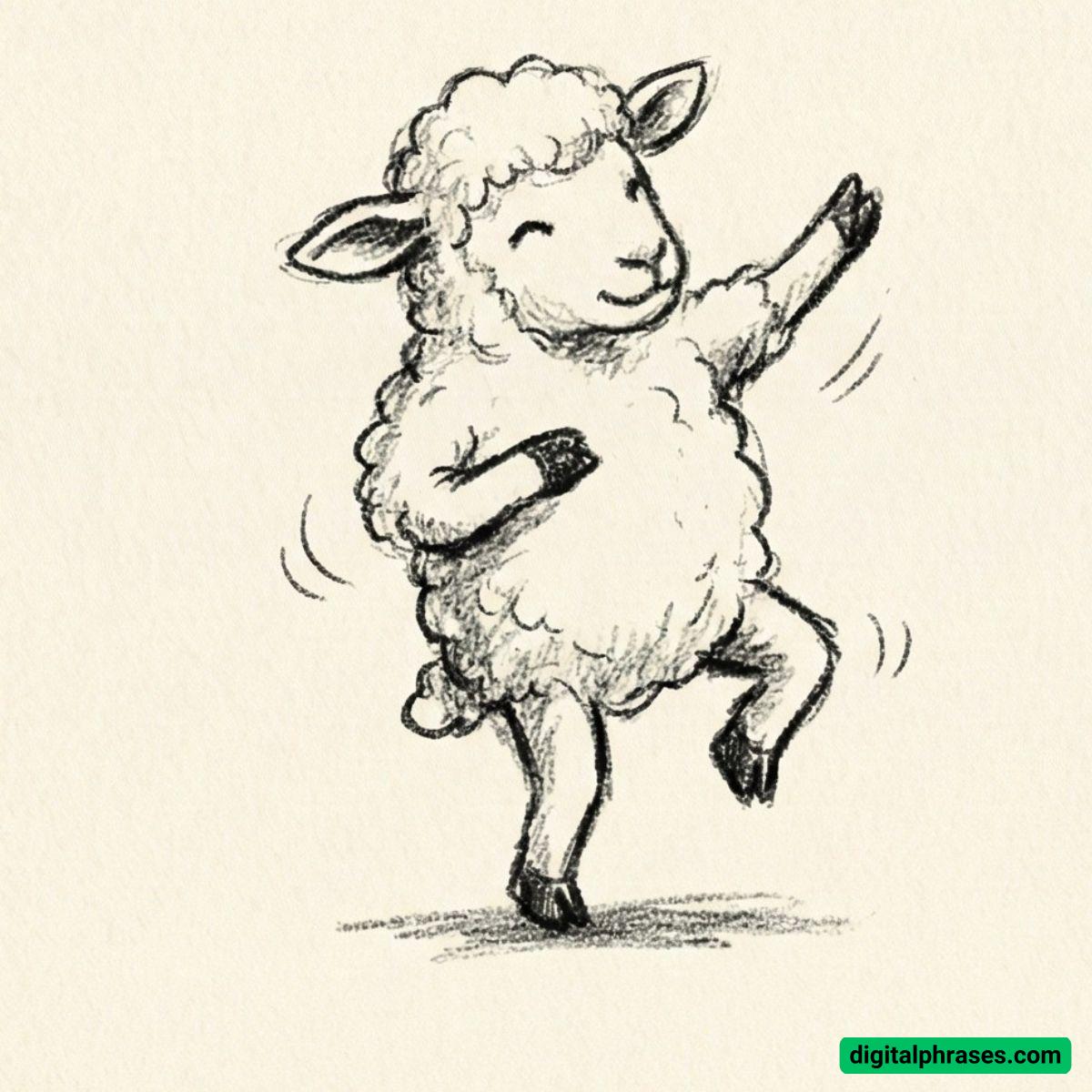
5
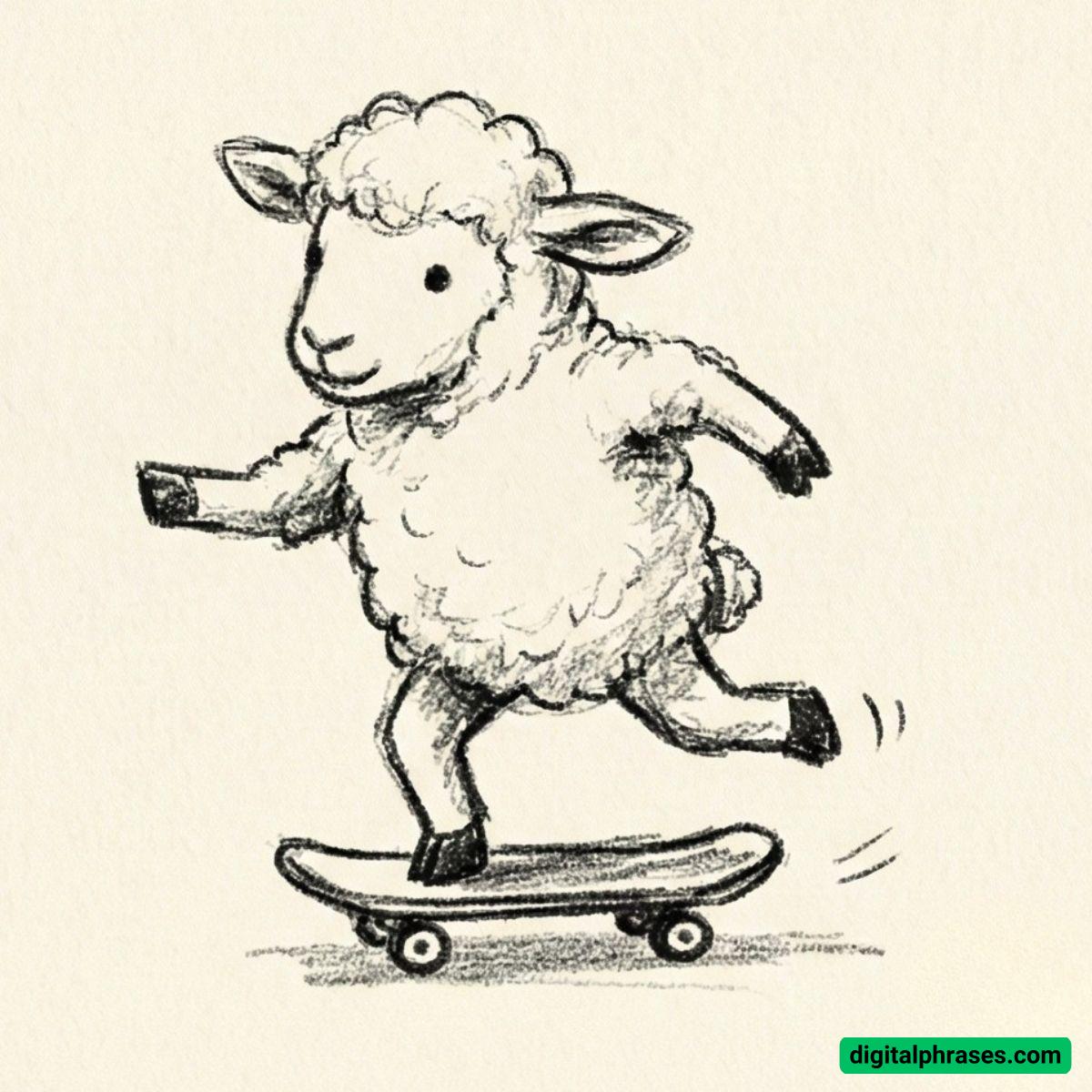
6
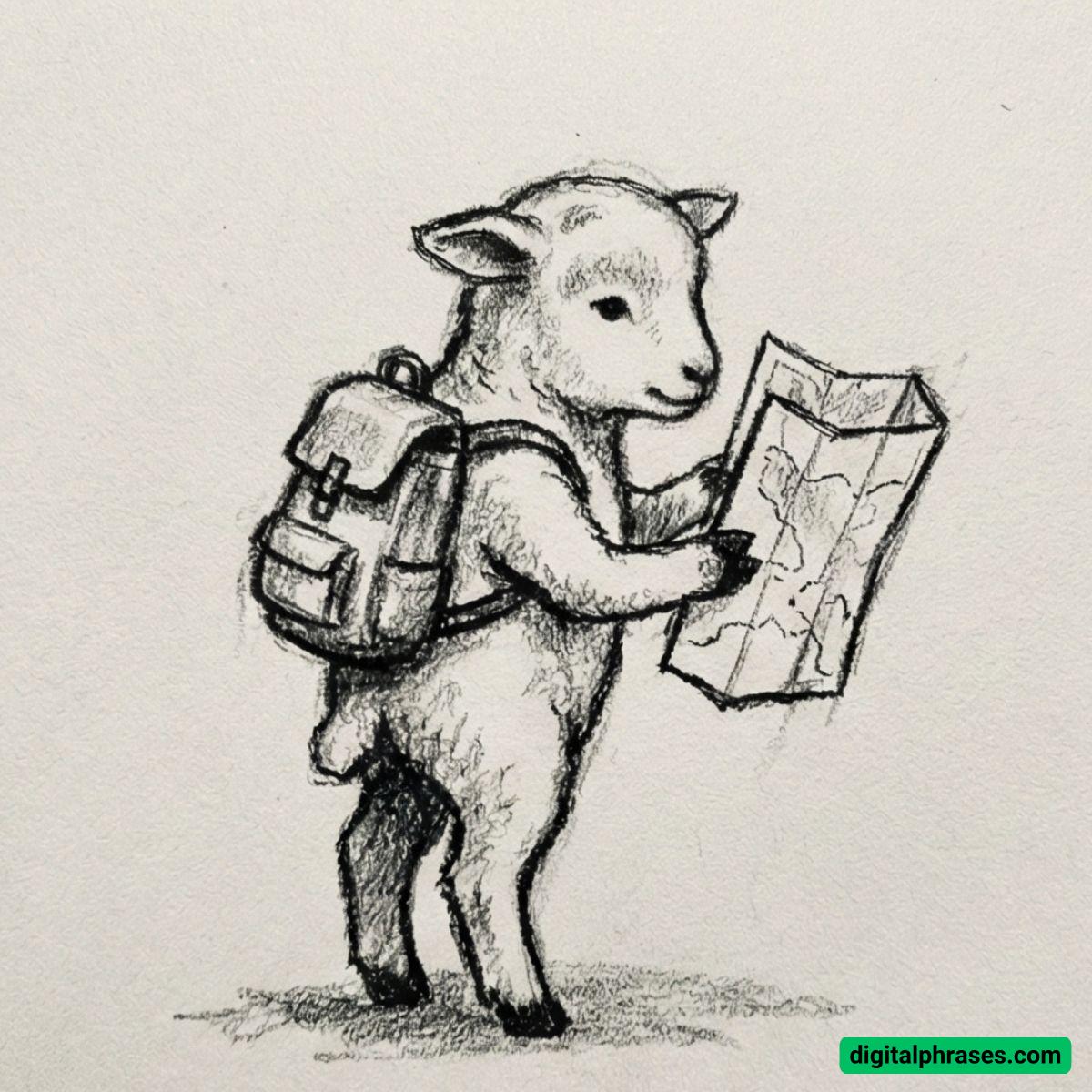
7
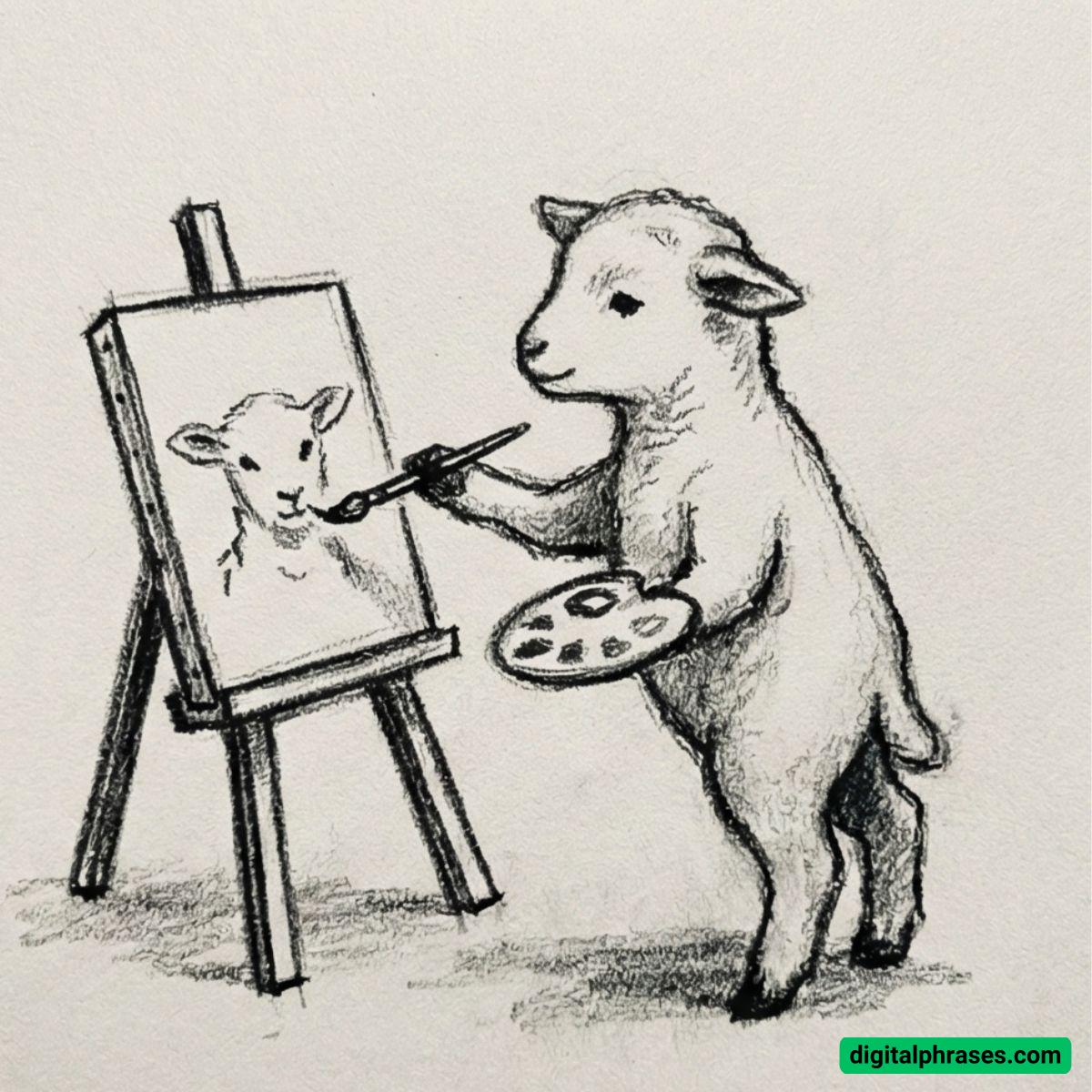
8
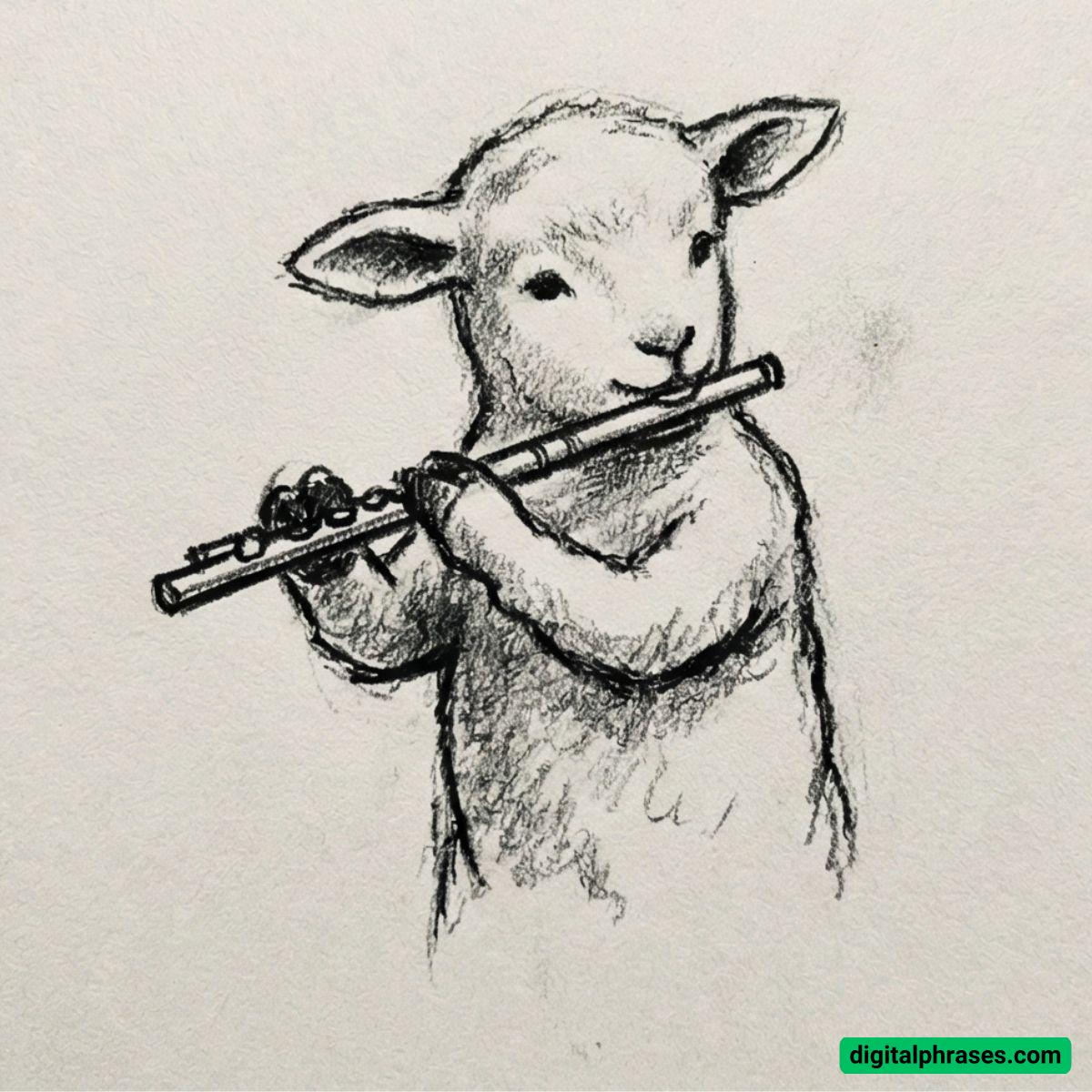
9
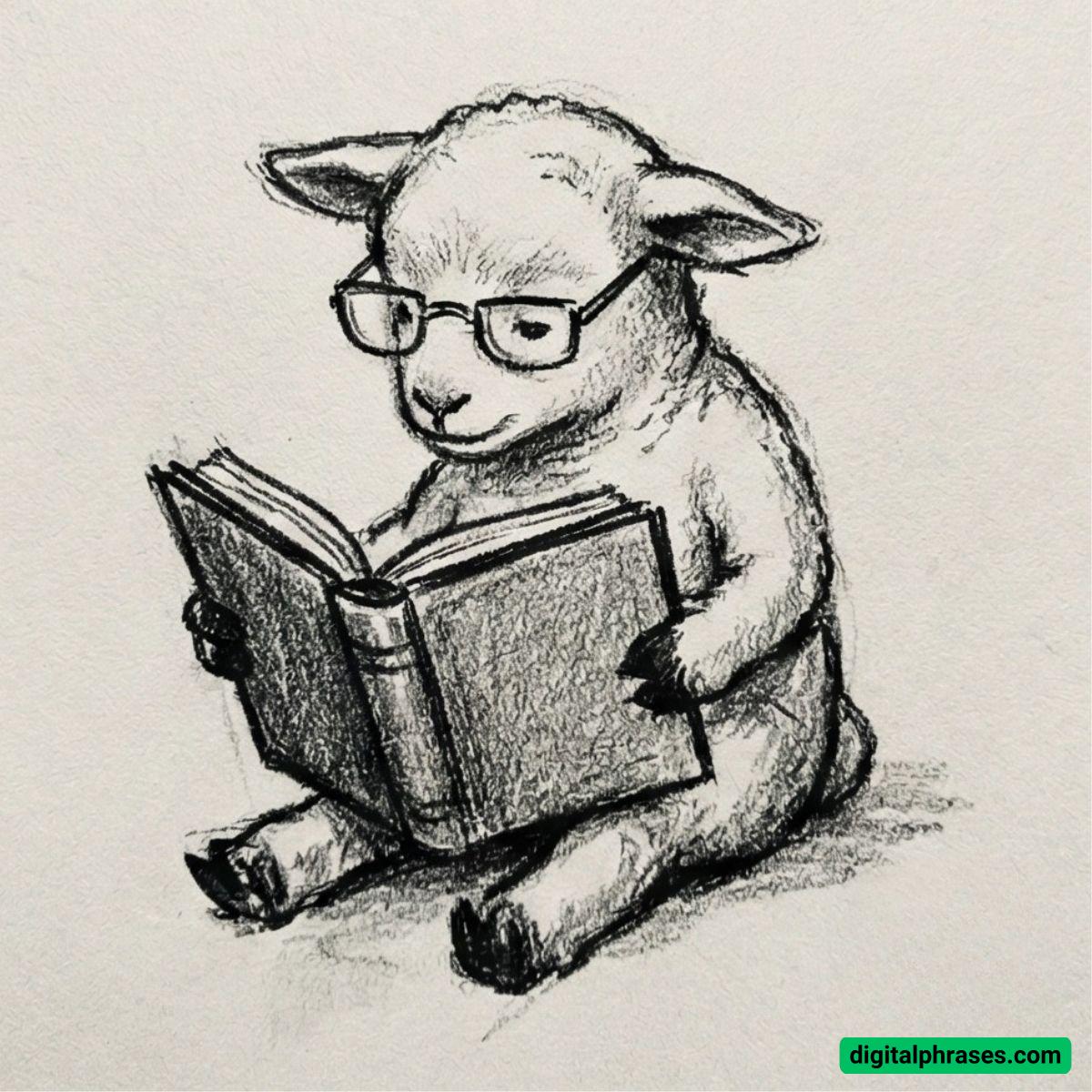
10
11
12
13
14
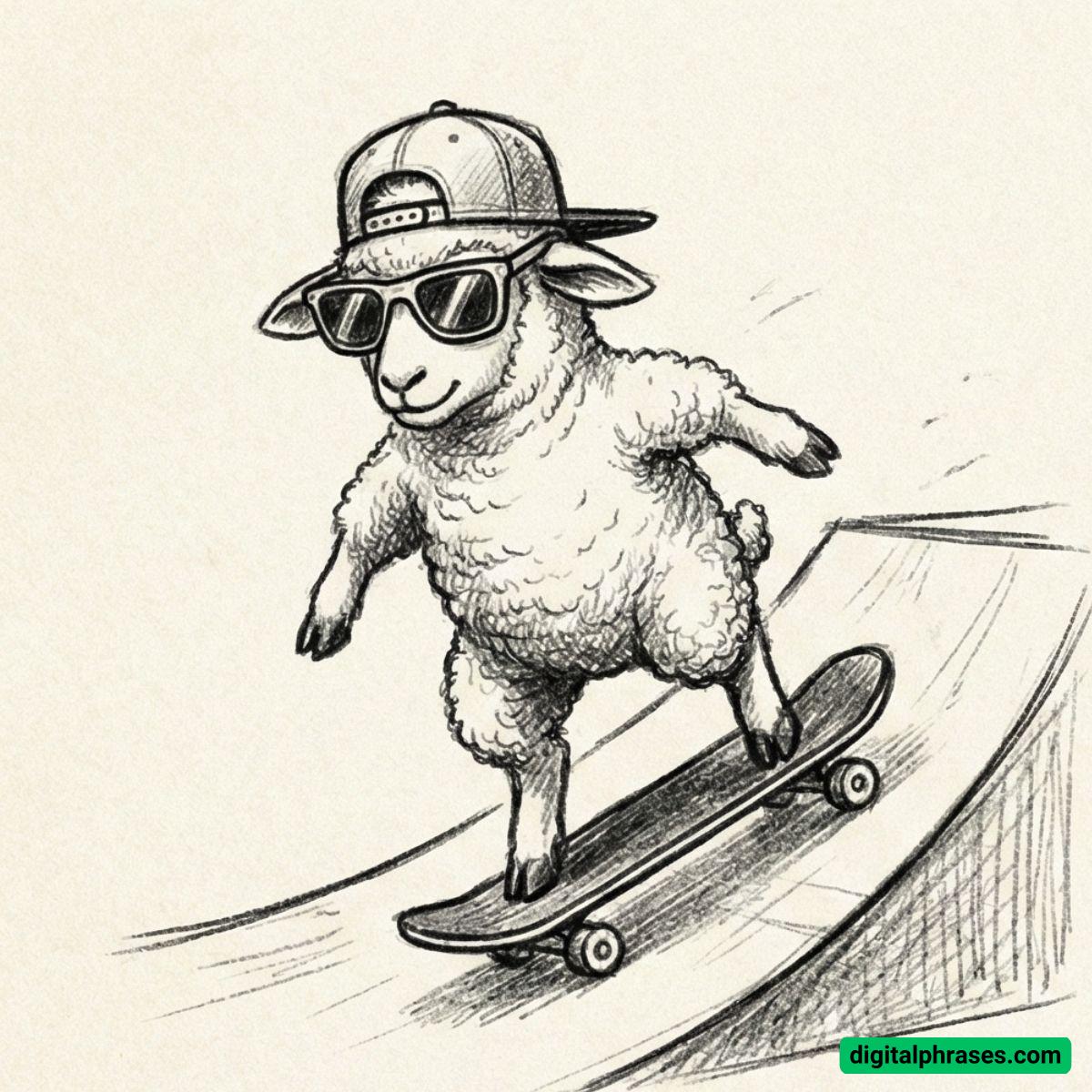
15
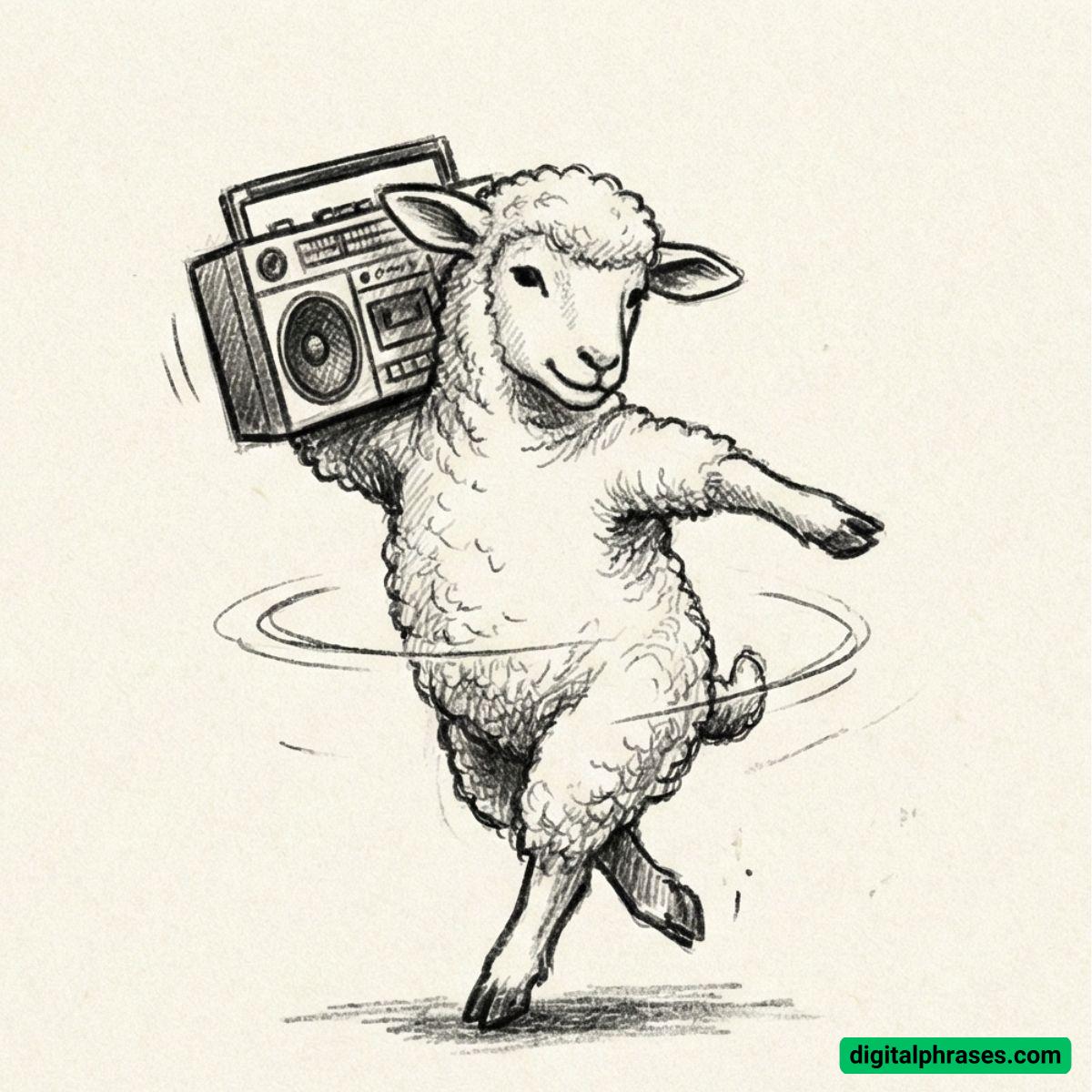
16
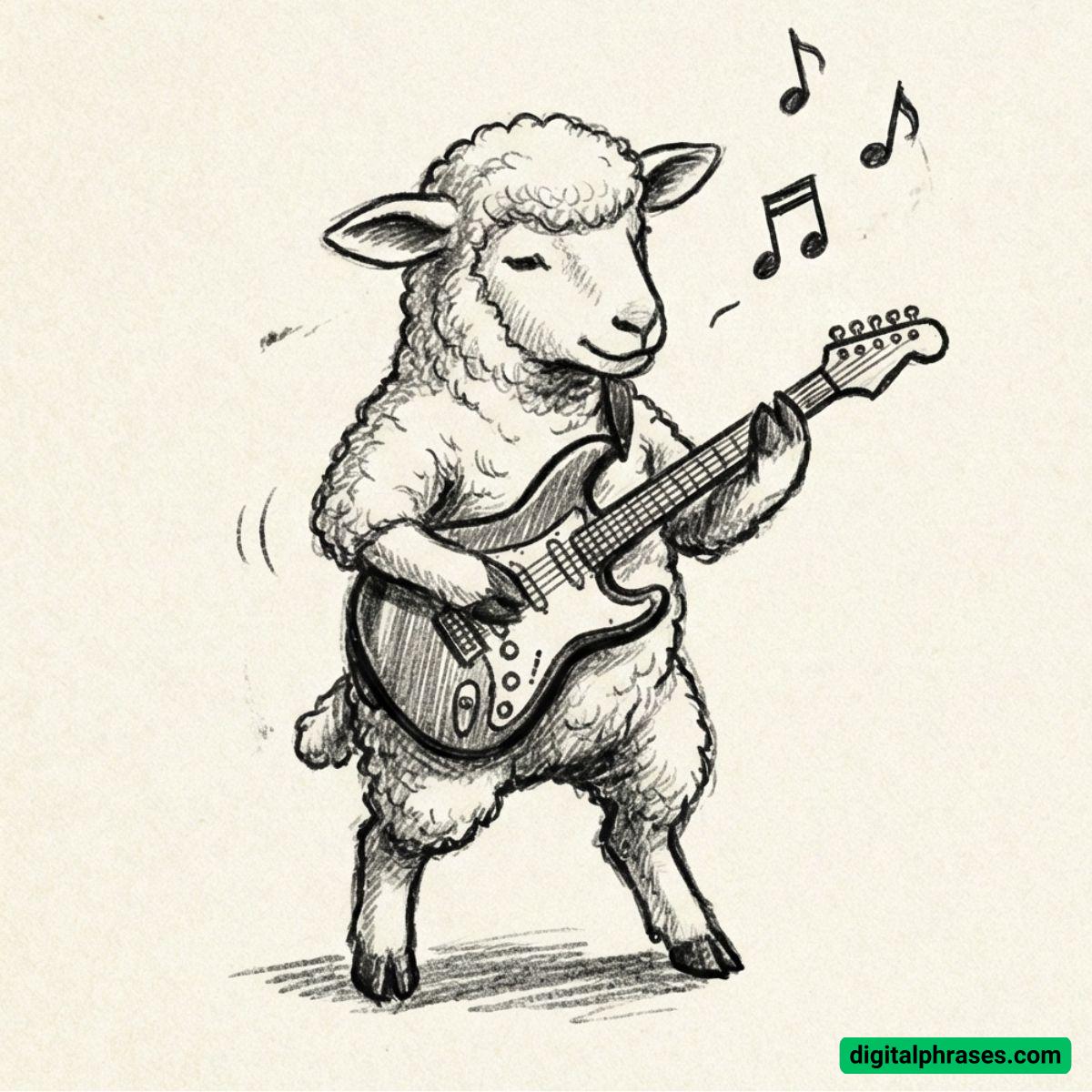
17
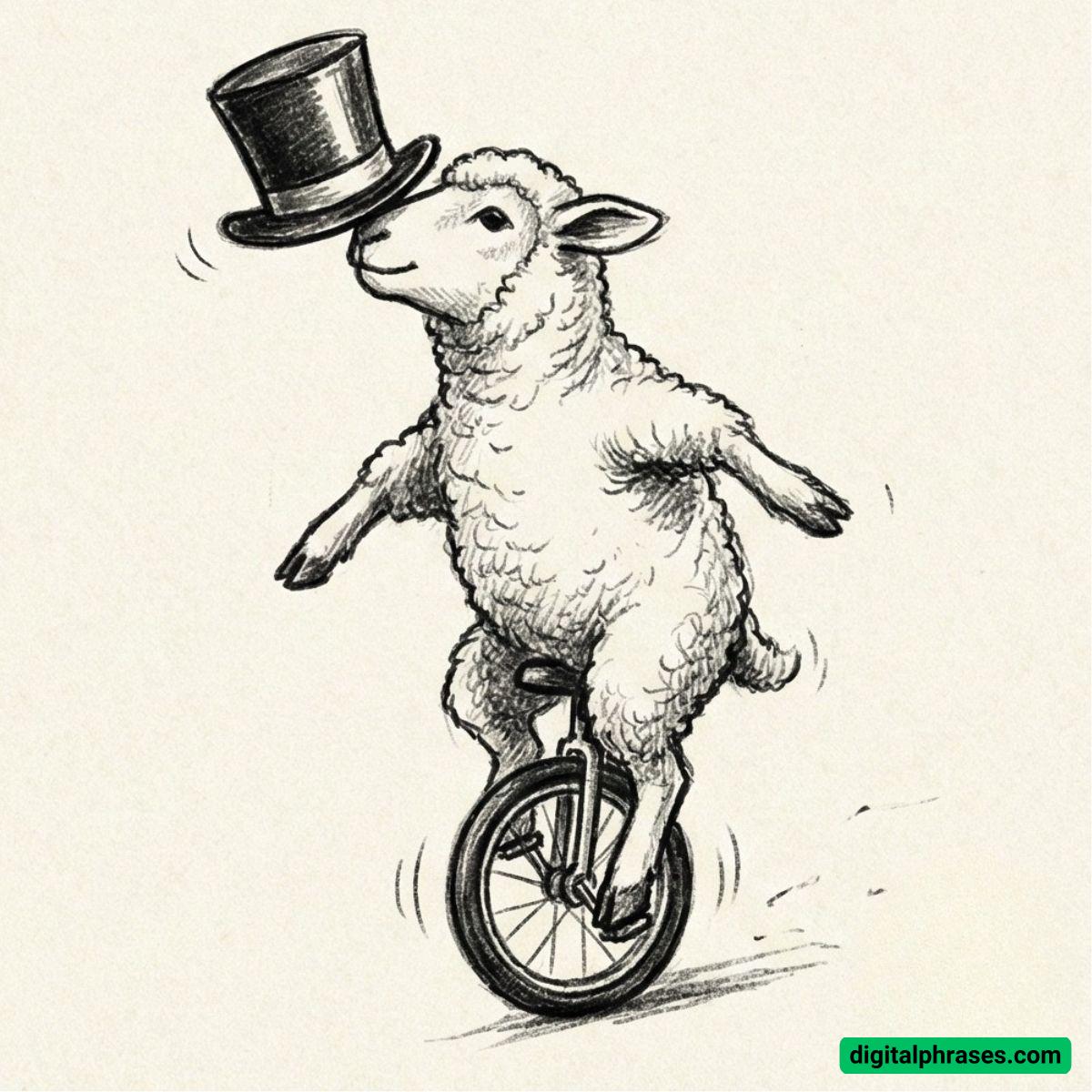
18
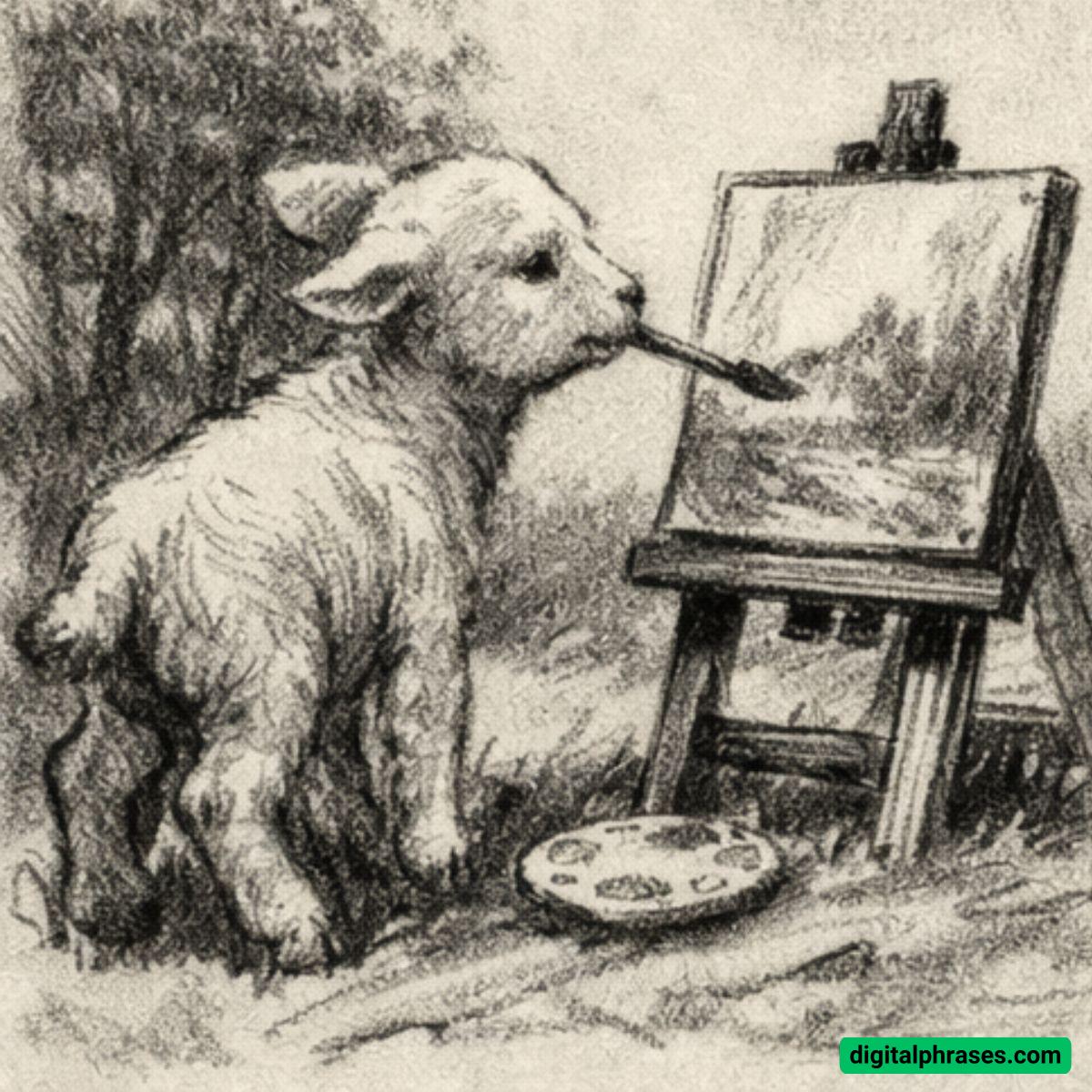
19
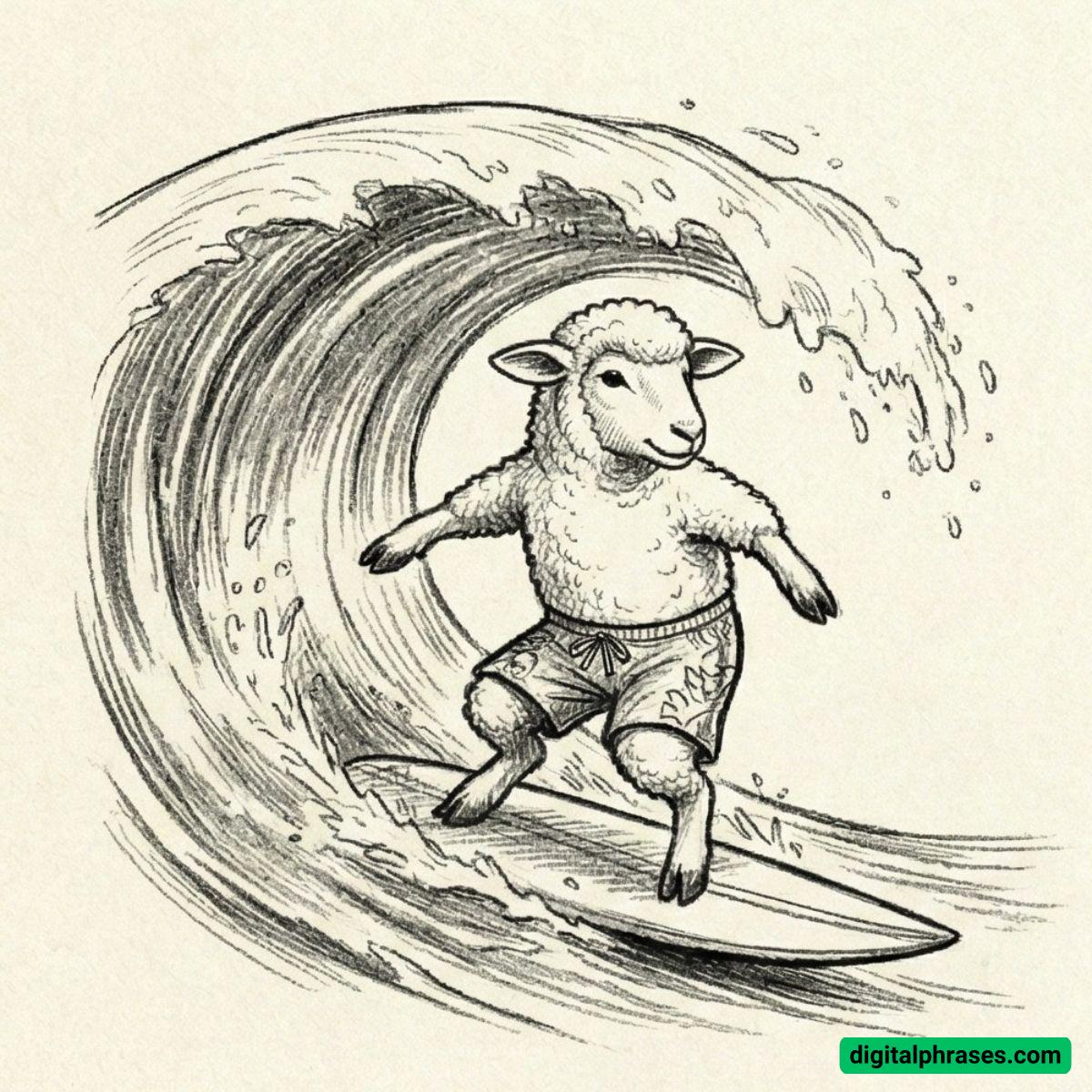
20
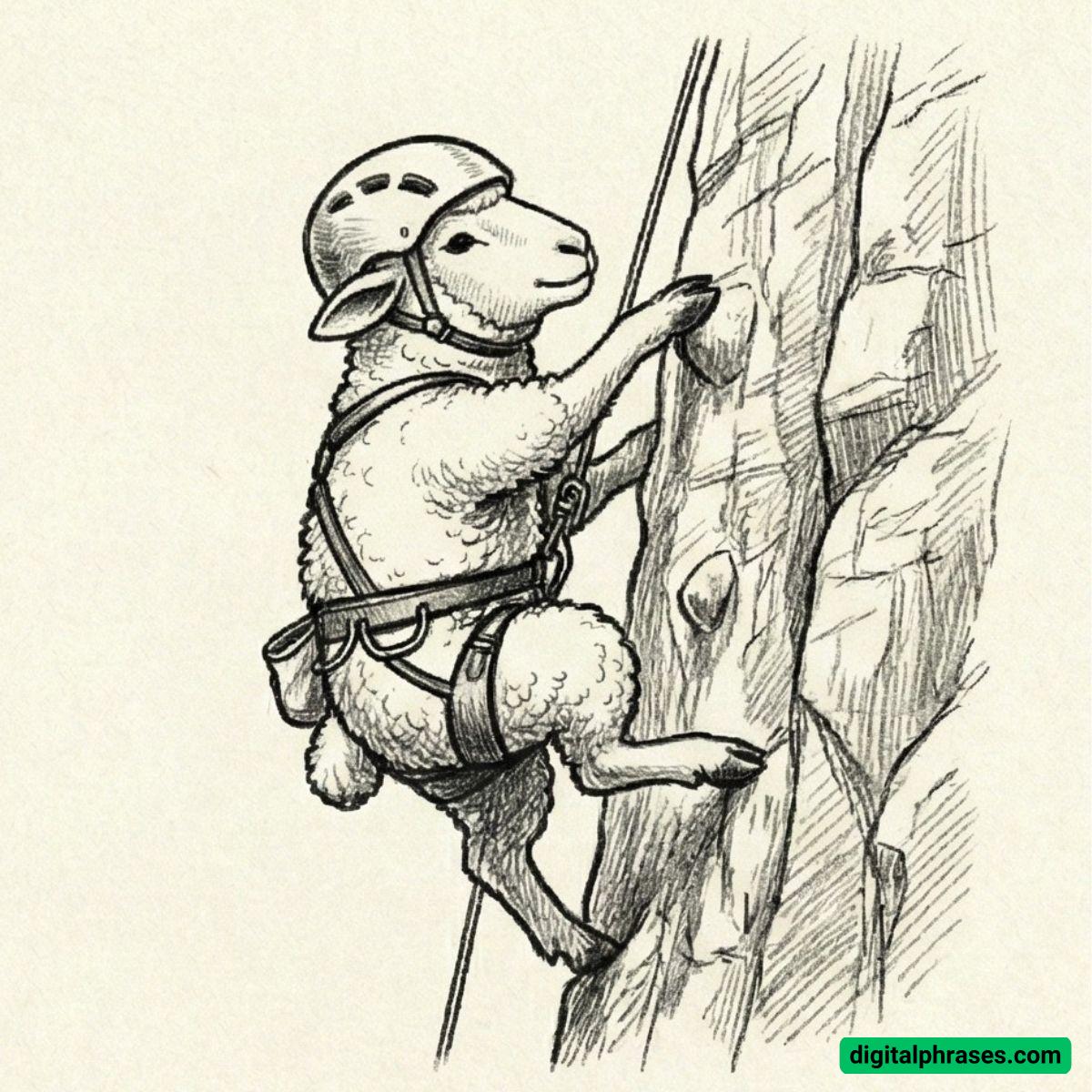
21
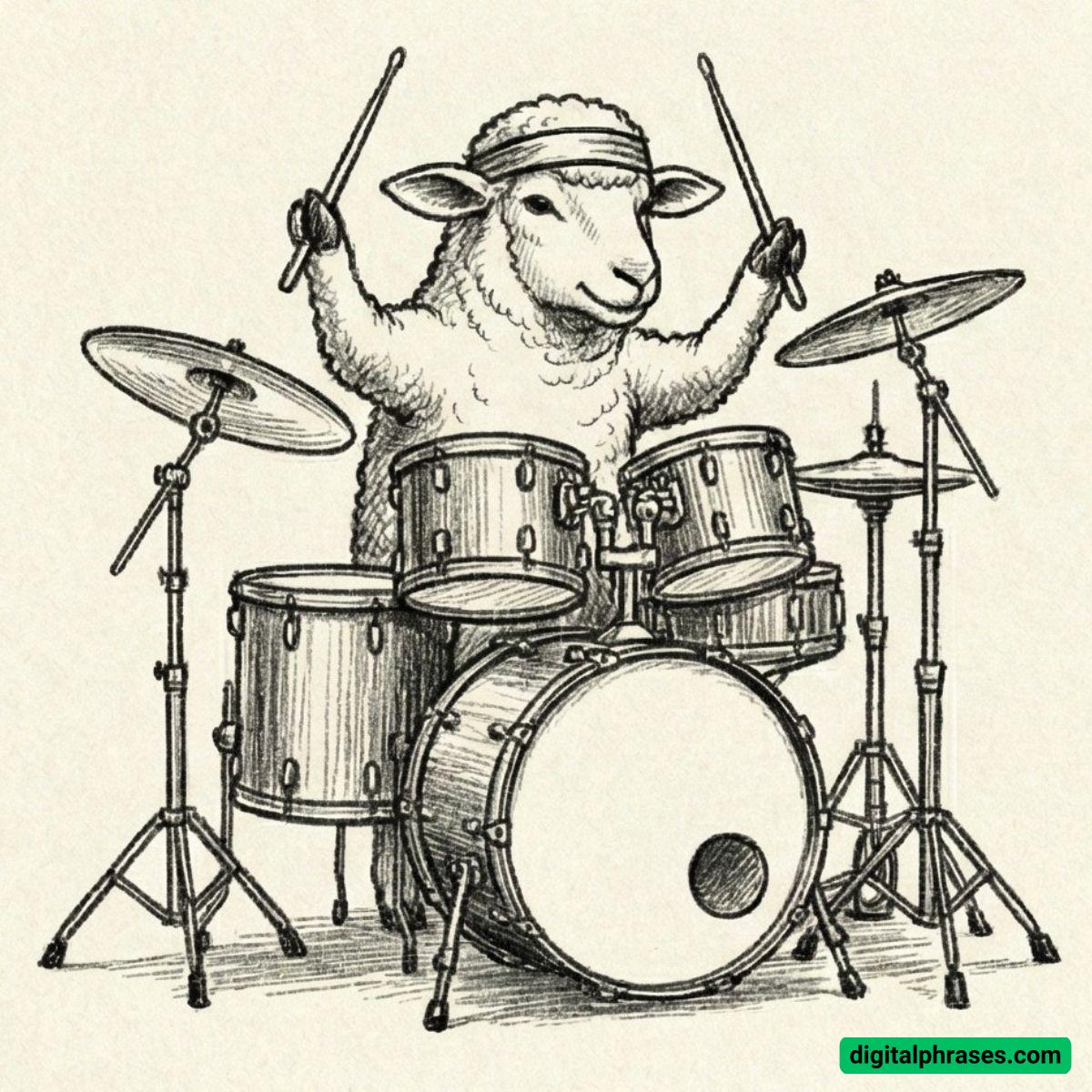
22
Tips on Drawing Lambs
Tip 1: Start With Simple Shapes
Before worrying about details, think of your lamb as a collection of soft, simple shapes. A circle for the head, an oval for the body, and smaller ovals for the legs will instantly give you a solid foundation.
Lambs are round and fluffy by nature, so avoid sharp angles at this stage. Keeping things loose helps you capture their gentle personality and makes the drawing process feel less intimidating. Think of this step as building the “skeleton” of your lamb—once the proportions feel right, everything else becomes much easier.
Tip 2: Keep the Face Sweet and Expressive
A lamb’s charm lives in its face. Place the eyes slightly lower than you might expect and keep them soft and rounded. A small nose and gentle smile go a long way. Don’t overwork facial details; simple lines often look more appealing and friendly.
If you’re drawing a cartoon-style lamb, exaggerate the eyes slightly to enhance cuteness. For a more realistic lamb, focus on calm, relaxed expressions. Either way, aim for warmth—your lamb should look like it could happily trot right off the page.
Tip 3: Draw Wool as Texture, Not Strands
One of the most common mistakes when drawing lambs is trying to draw every single strand of wool. Instead, think in terms of texture. Use small, curved strokes or cloud-like shapes to suggest fluffiness without overwhelming your drawing.
Vary the size of these curves to create depth and softness. Leaving small gaps between lines helps the wool feel light and airy rather than heavy. Remember, less is more—your viewer’s imagination will fill in the rest.
Tip 4: Pay Attention to Proportions
Lambs have short legs, round bodies, and slightly oversized heads, especially when they’re young. Keeping these proportions in mind will instantly make your drawing more believable.
If the legs are too long or the body too slim, the lamb may start to resemble another animal entirely. Take a moment to step back and assess your sketch before adding details. A quick proportion check can save you a lot of erasing later.
Tip 5: Use Soft Lines and Gentle Shading
Lambs are delicate creatures, so harsh lines can make them look stiff or unfriendly. Use light pressure when sketching and gradually build up darker lines where needed. When shading, focus on subtle transitions rather than strong contrasts.
Soft shadows under the body or around the face add dimension without overpowering the drawing. Blending lightly with a pencil or your fingertip can enhance the wool’s softness and give your lamb a cozy, inviting feel.
Tip 6: Add Personality With Small Details
Once the basics are complete, it’s time for the fun part—personality. A slight head tilt, a lifted hoof, or a playful tail can bring your lamb to life. You might add a tiny flower crown, a bell collar, or even a curious expression looking off to the side.
These little touches tell a story and make your drawing memorable. Don’t be afraid to experiment; each lamb you draw can have its own mood and character.