21 Ornament Drawing Ideas
Ornaments have a timeless charm—small details that can transform a simple design into something elegant and eye-catching. Whether you’re sketching for fun, decorating a journal, or creating festive artwork, ornament drawings offer endless possibilities to explore patterns, shapes, and creativity.
In this blog, you’ll discover some ornament drawing ideas that are simple to try yet classy enough to elevate your artistic style.
Ornament Drawing Ideas
1
2
3

4
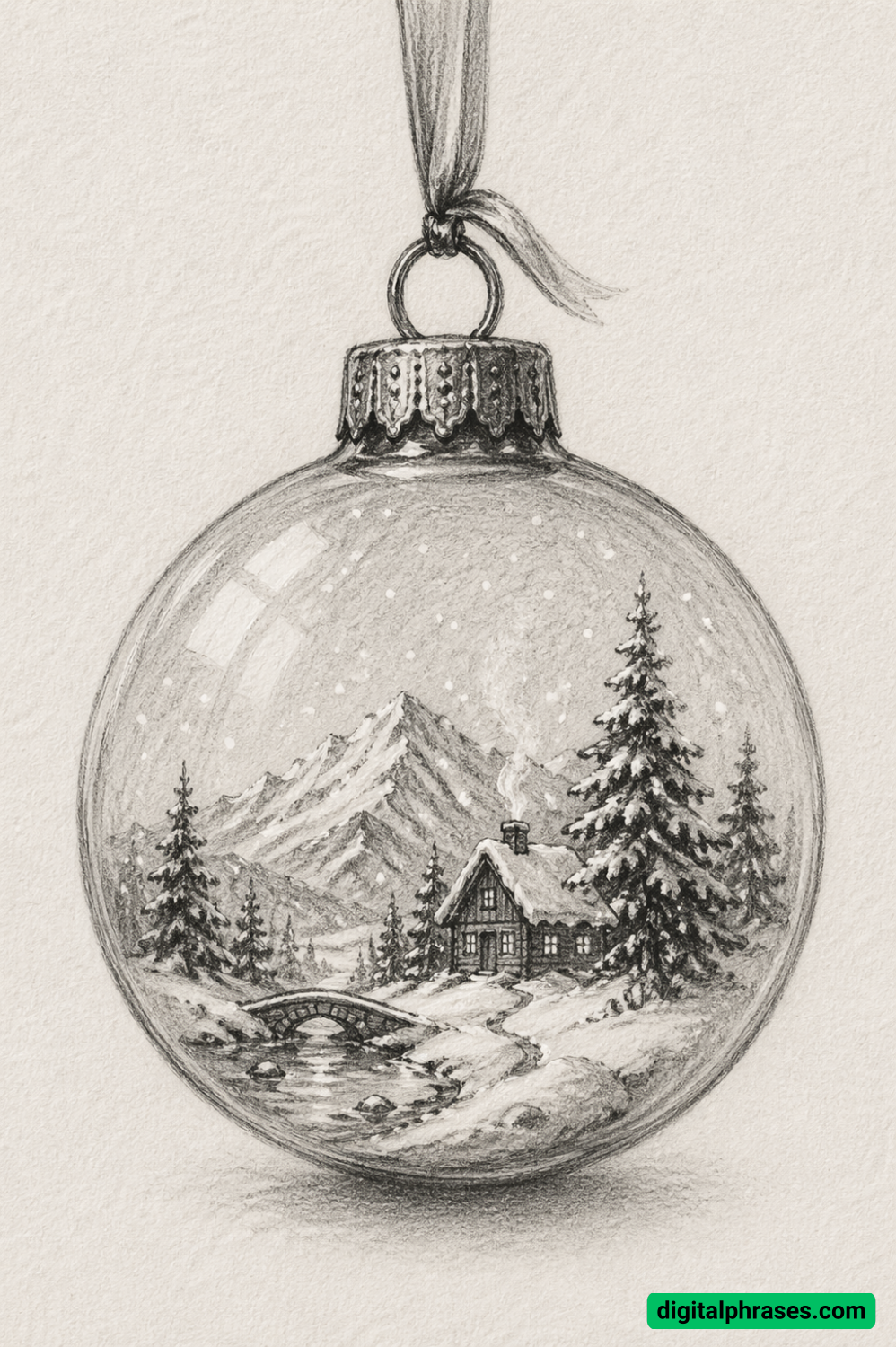
5
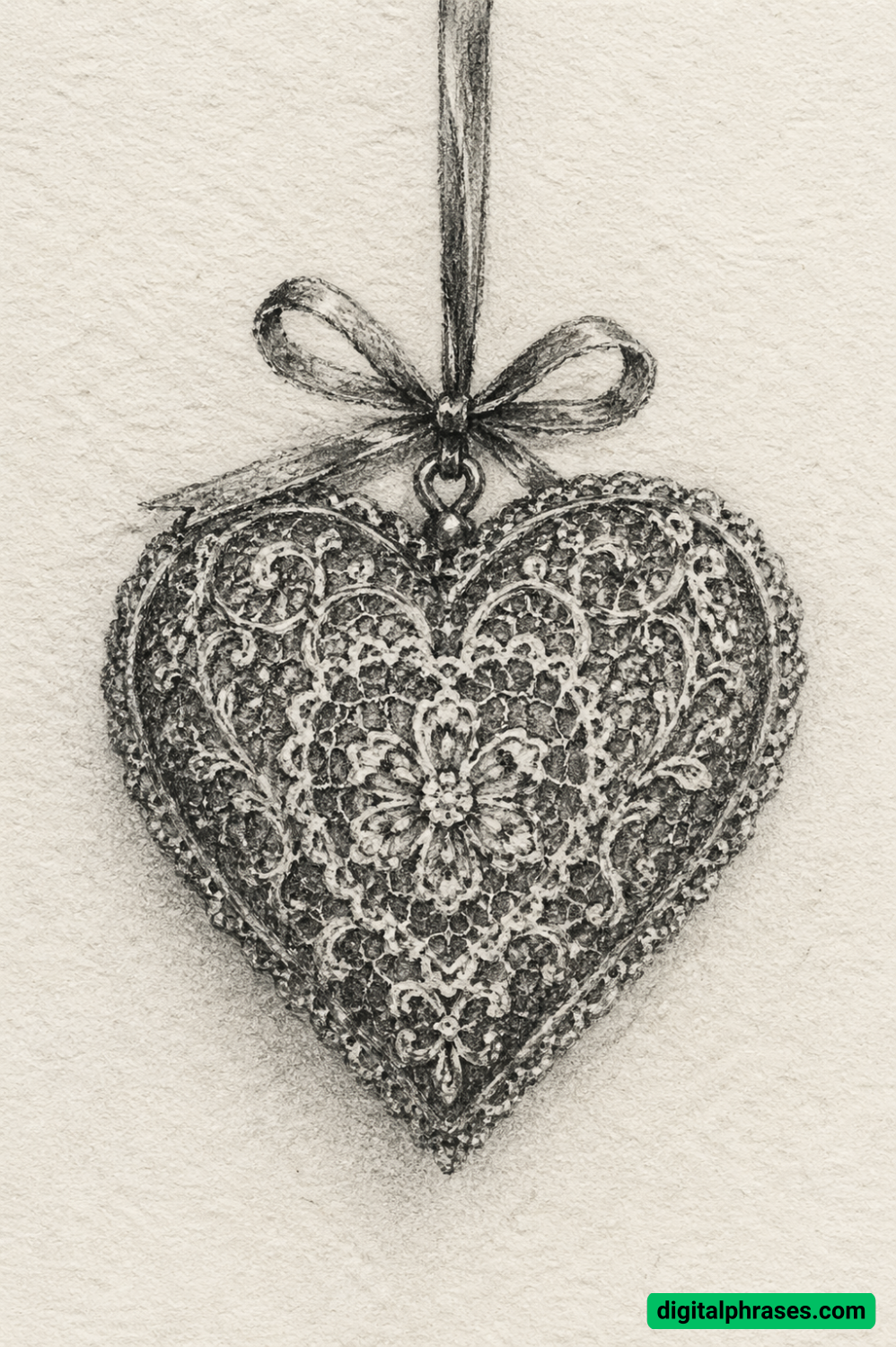
6

7
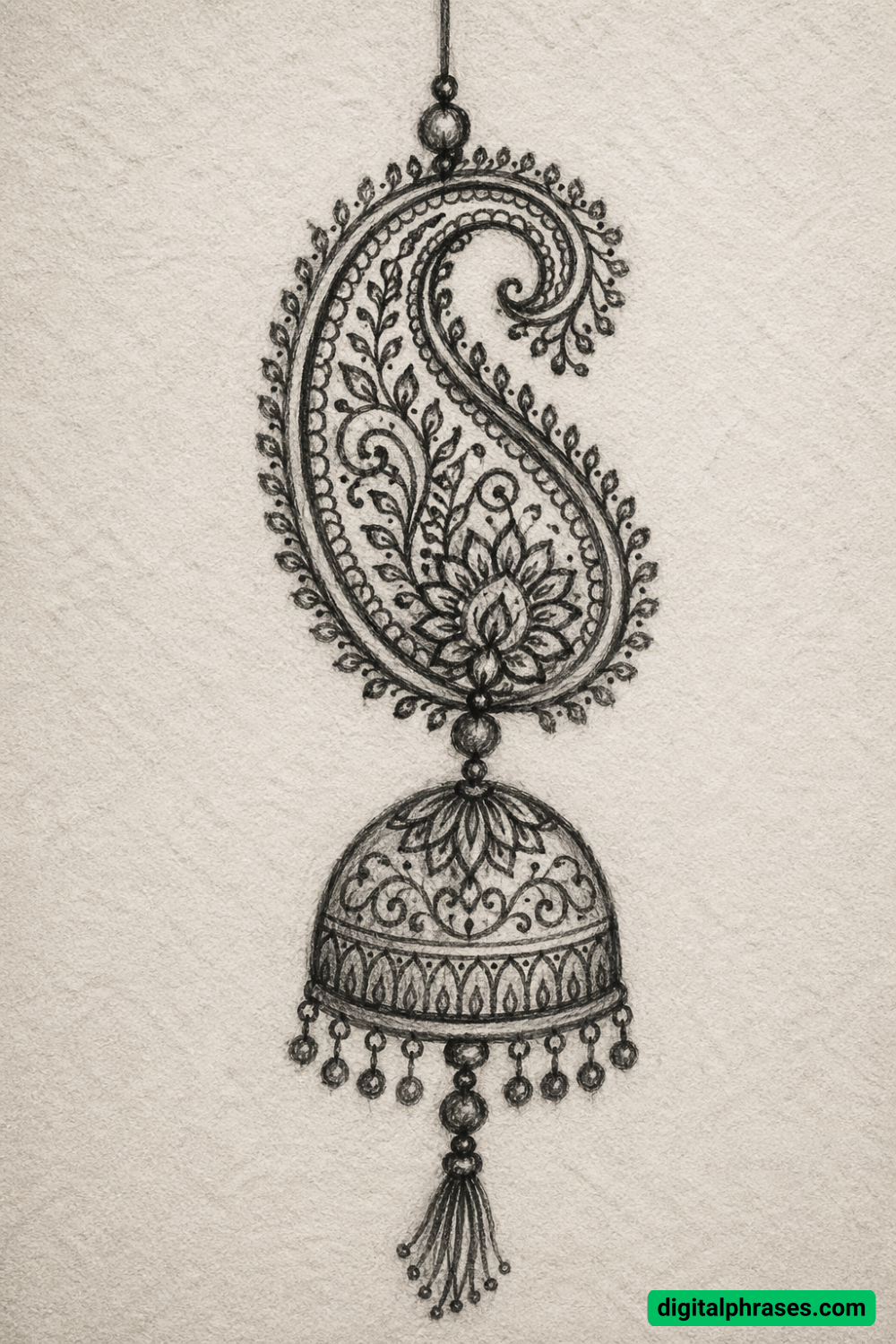
8
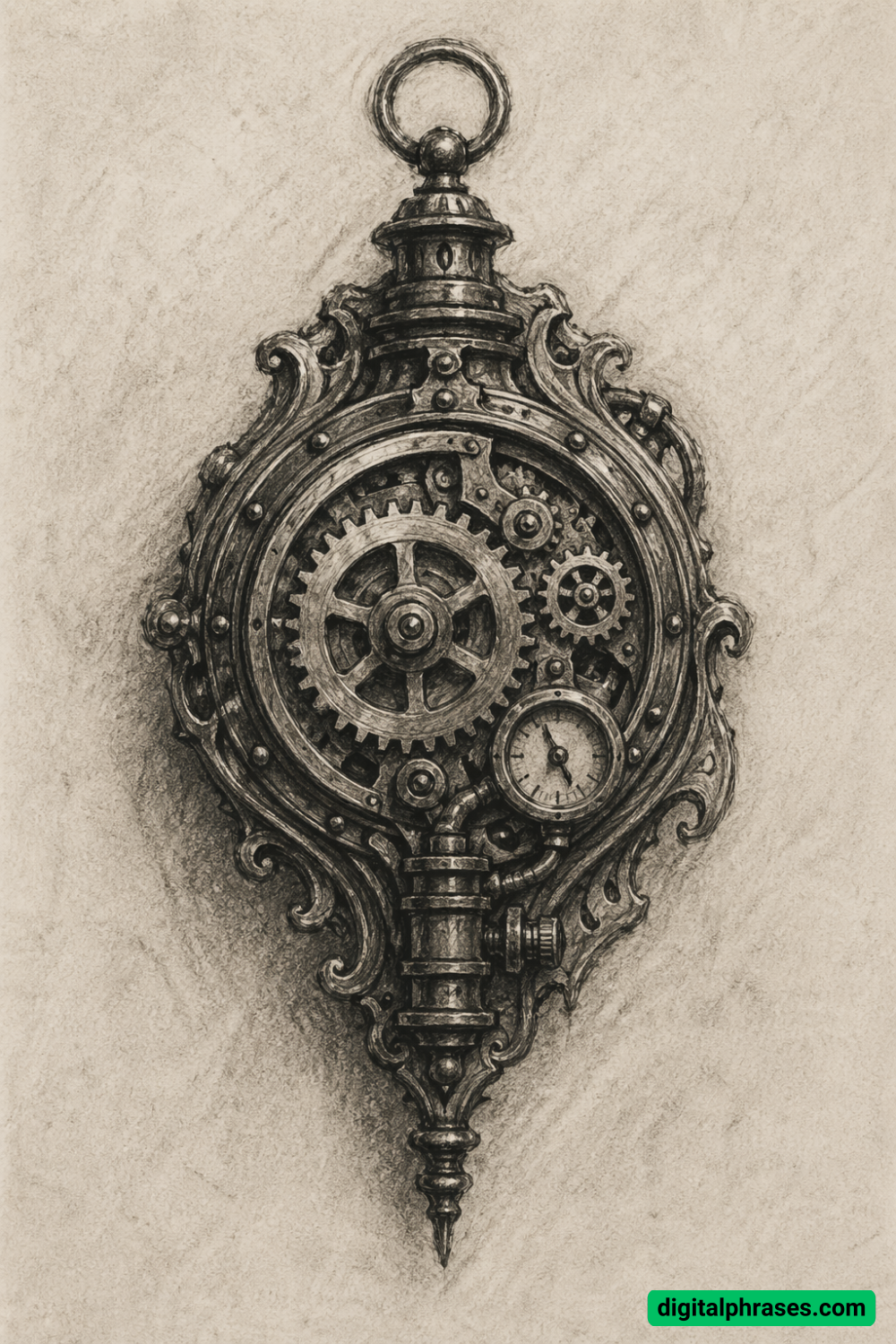
9
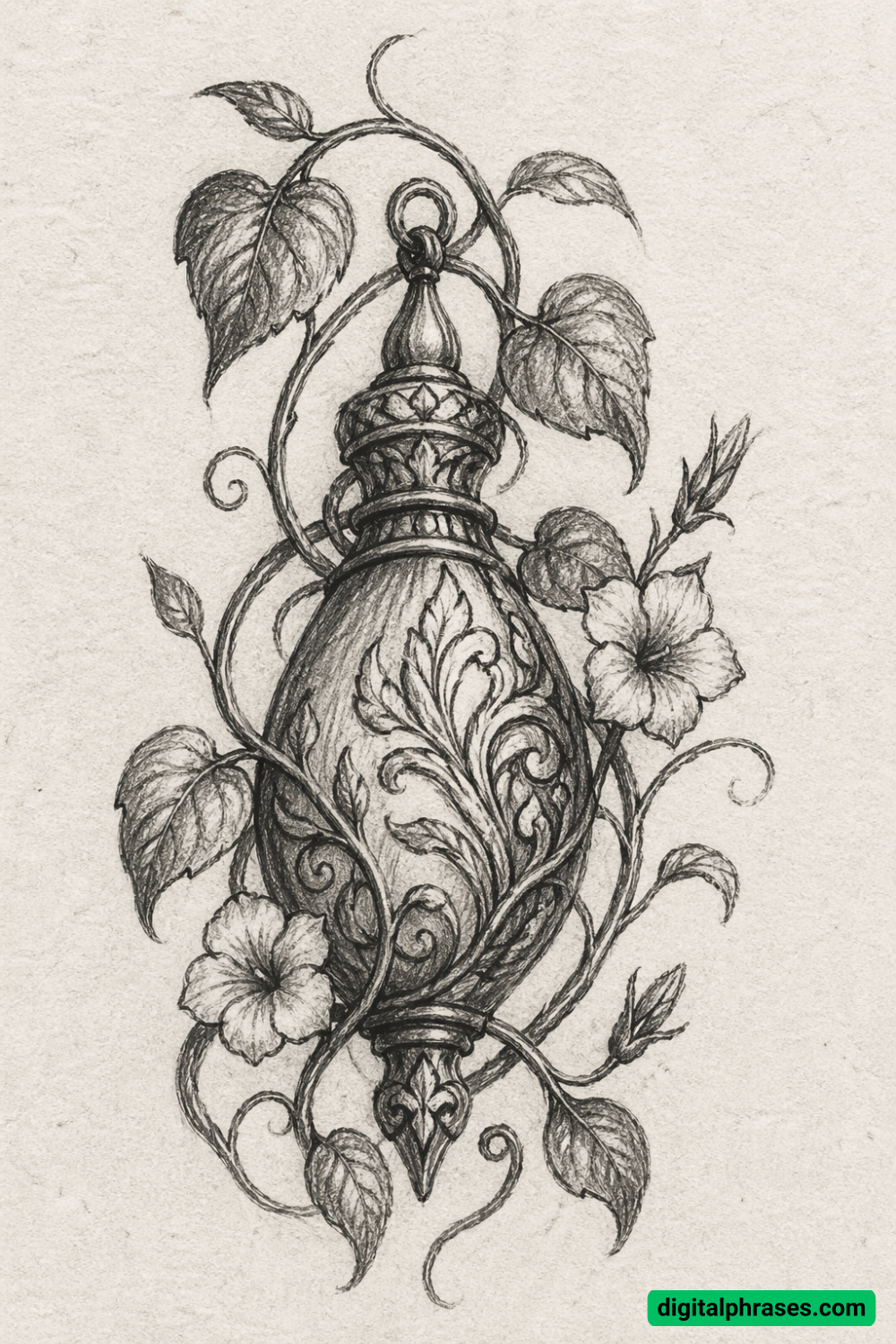
10
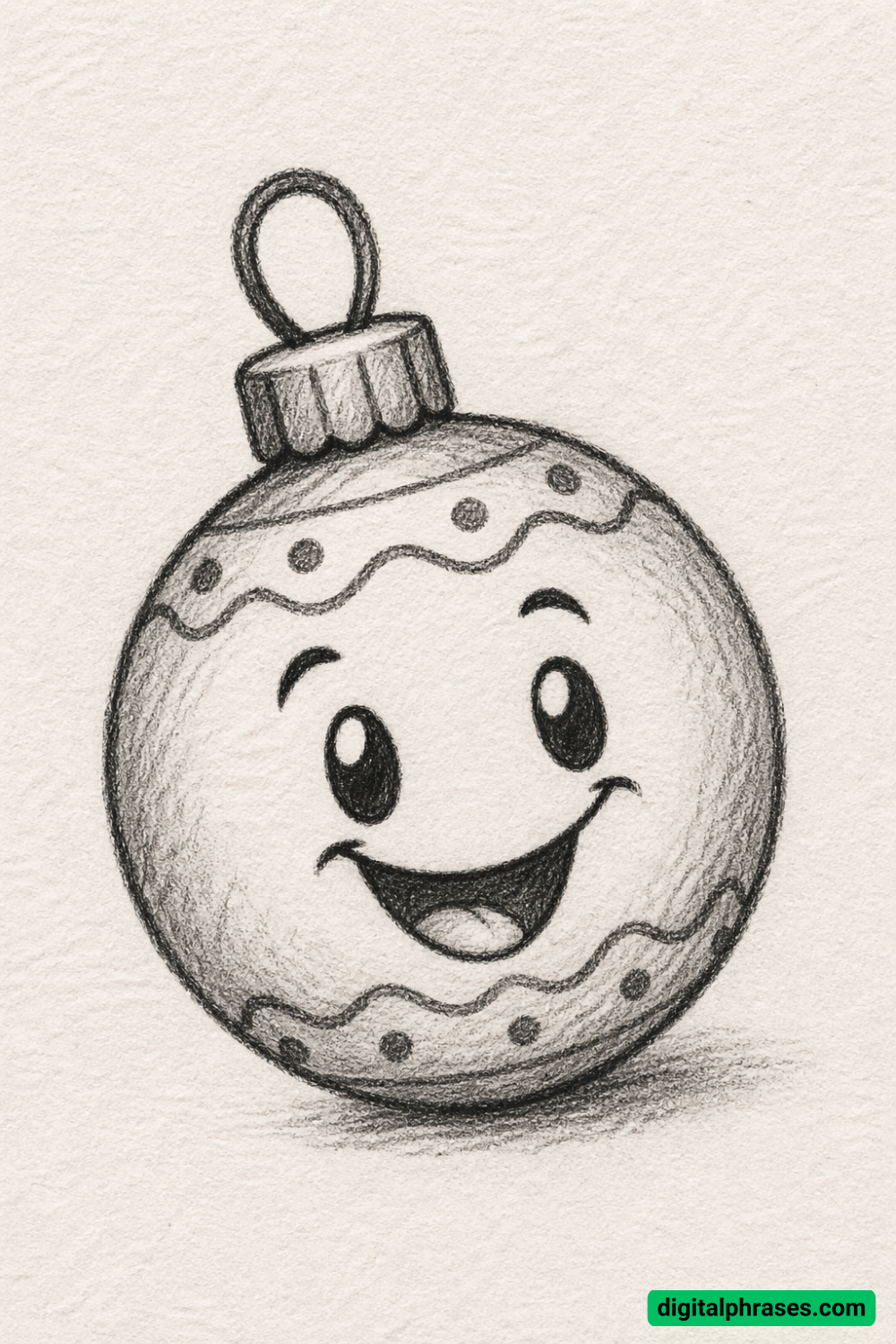
11

12

13
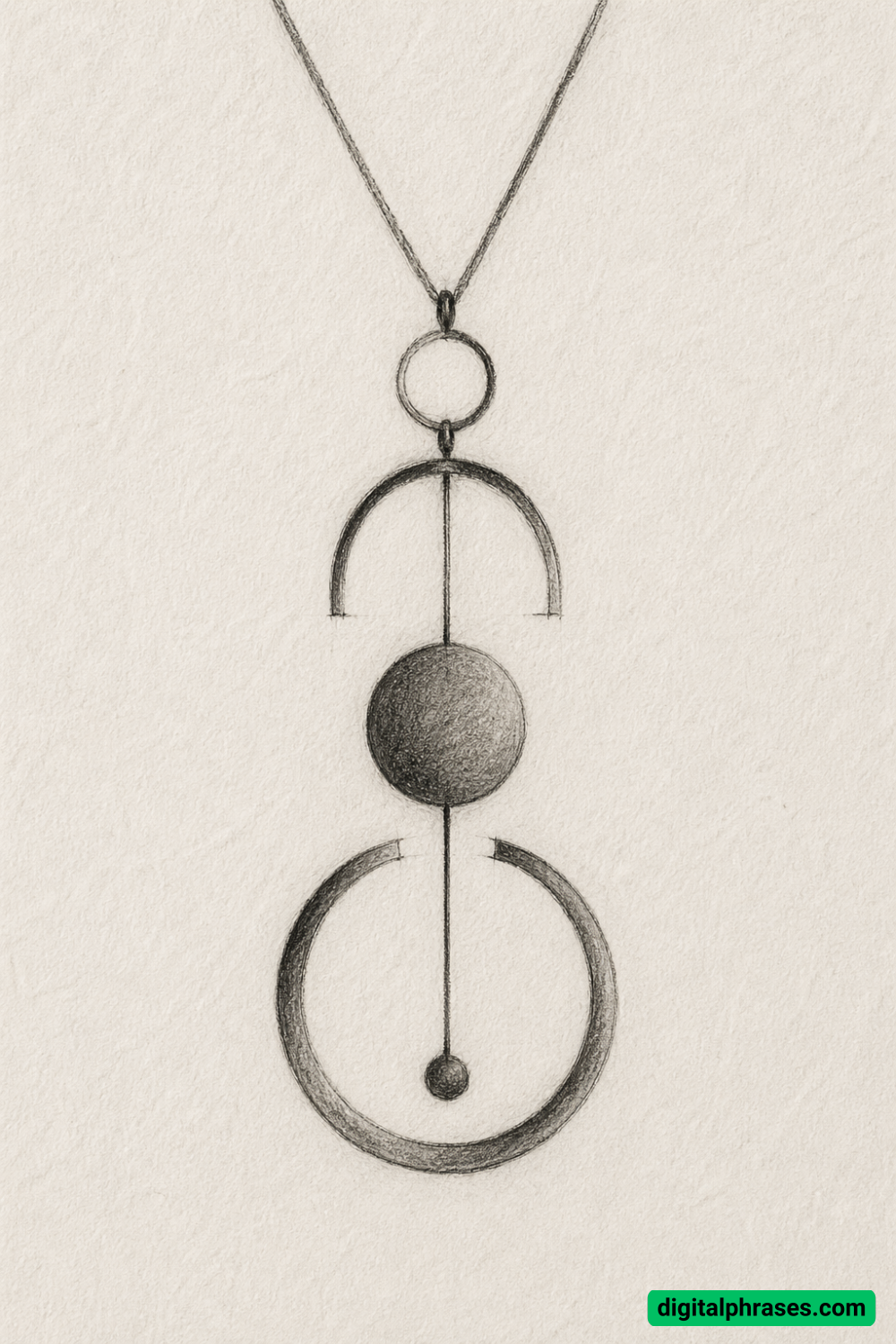
14

15

16
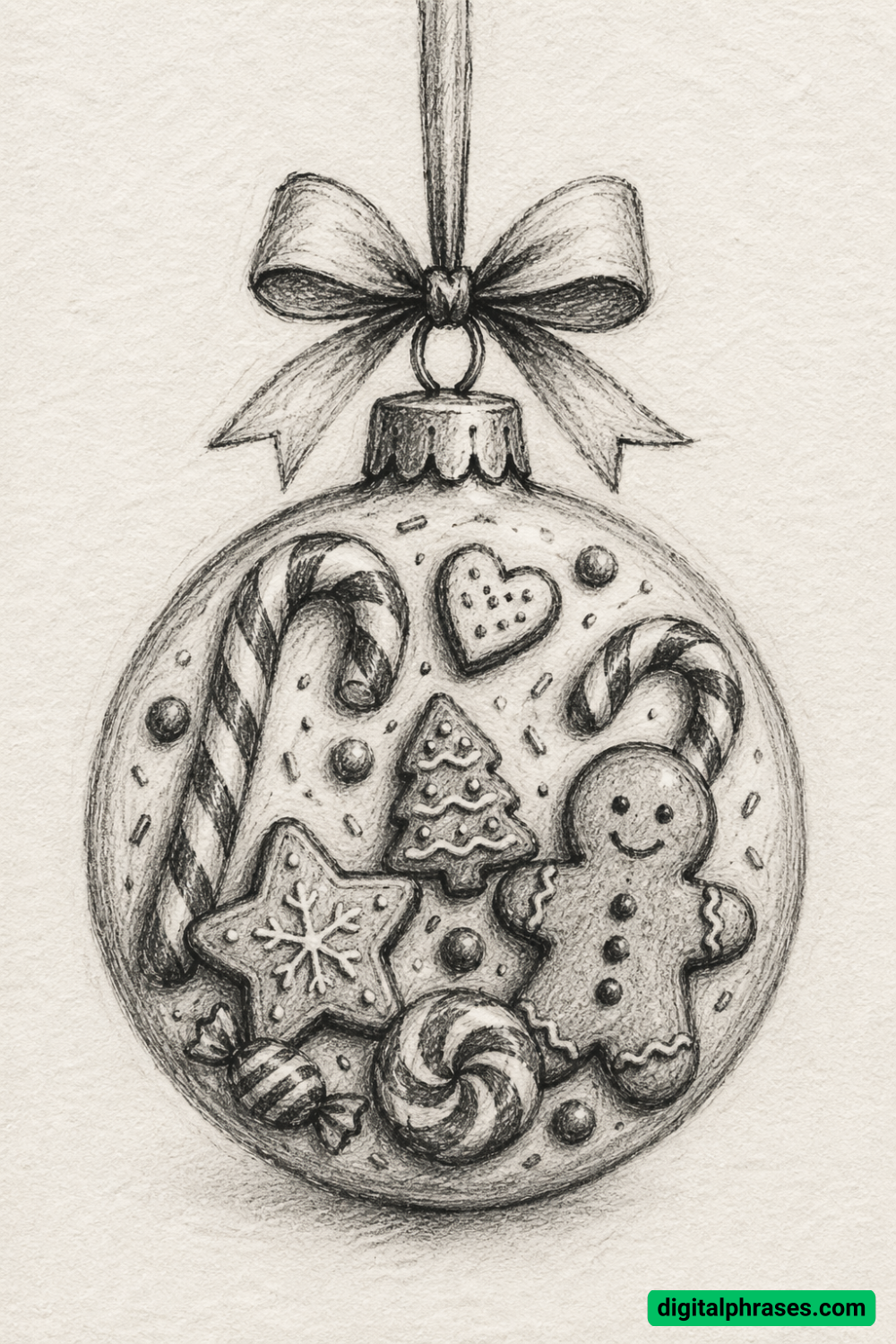
17
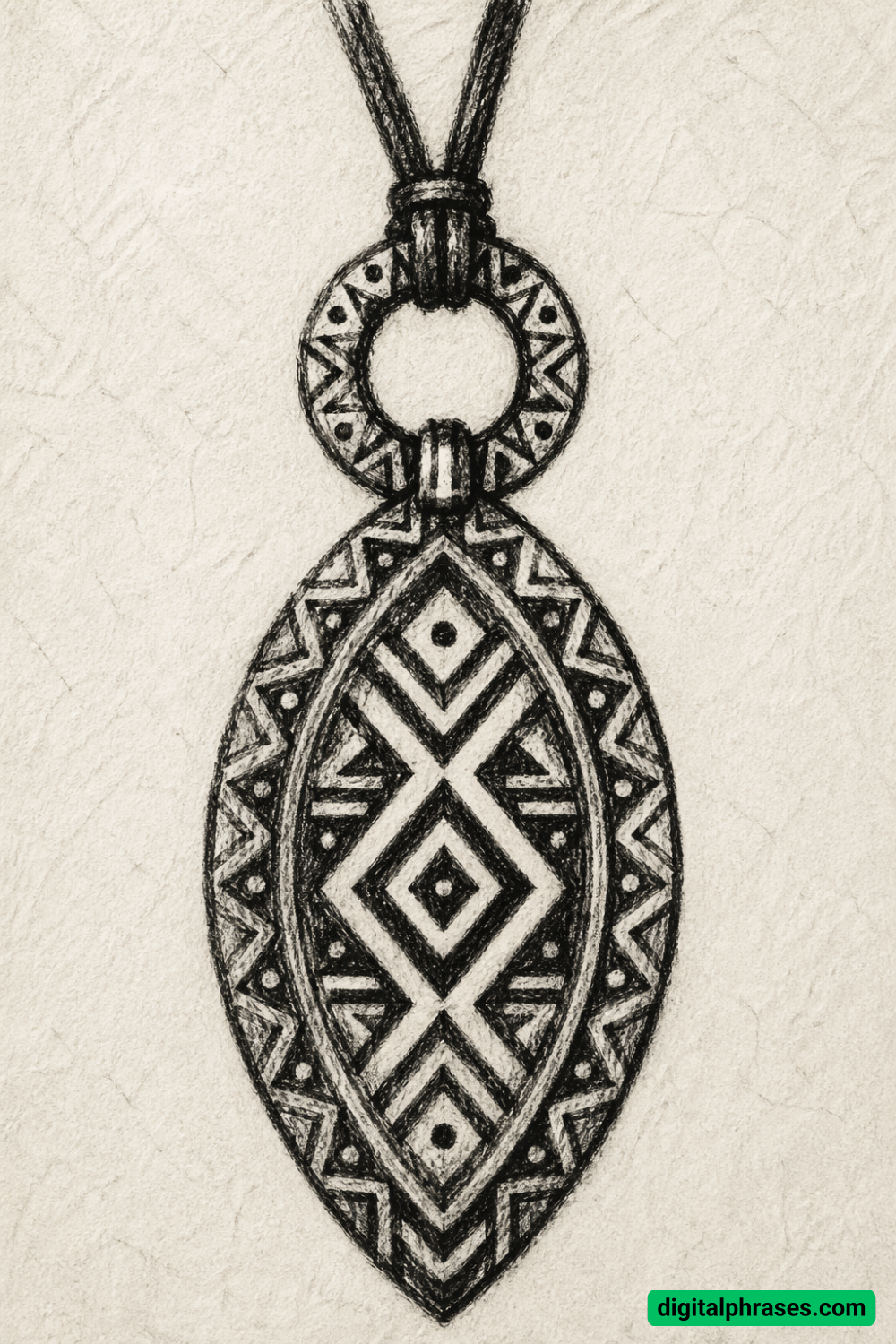
18

19
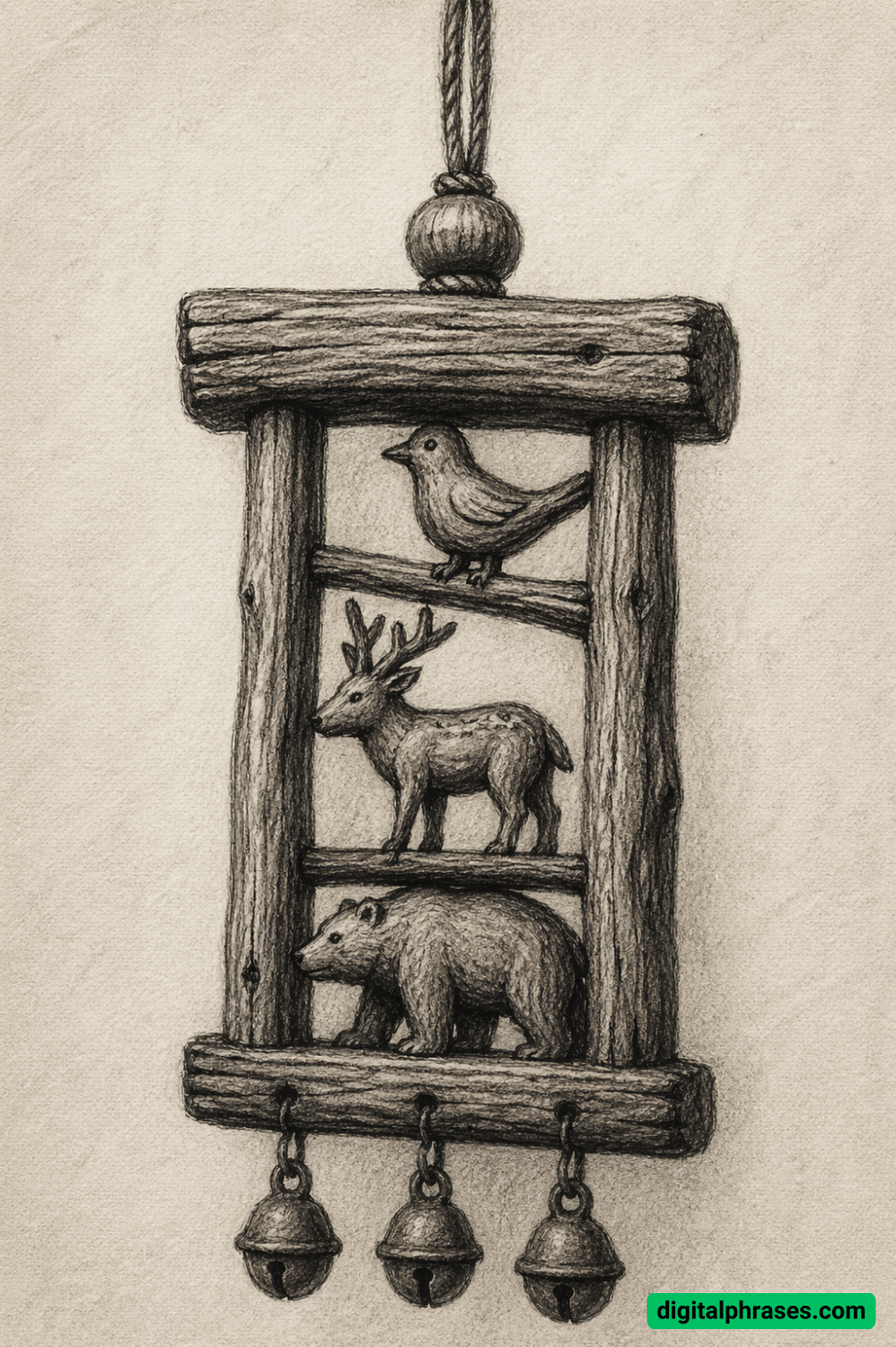
20
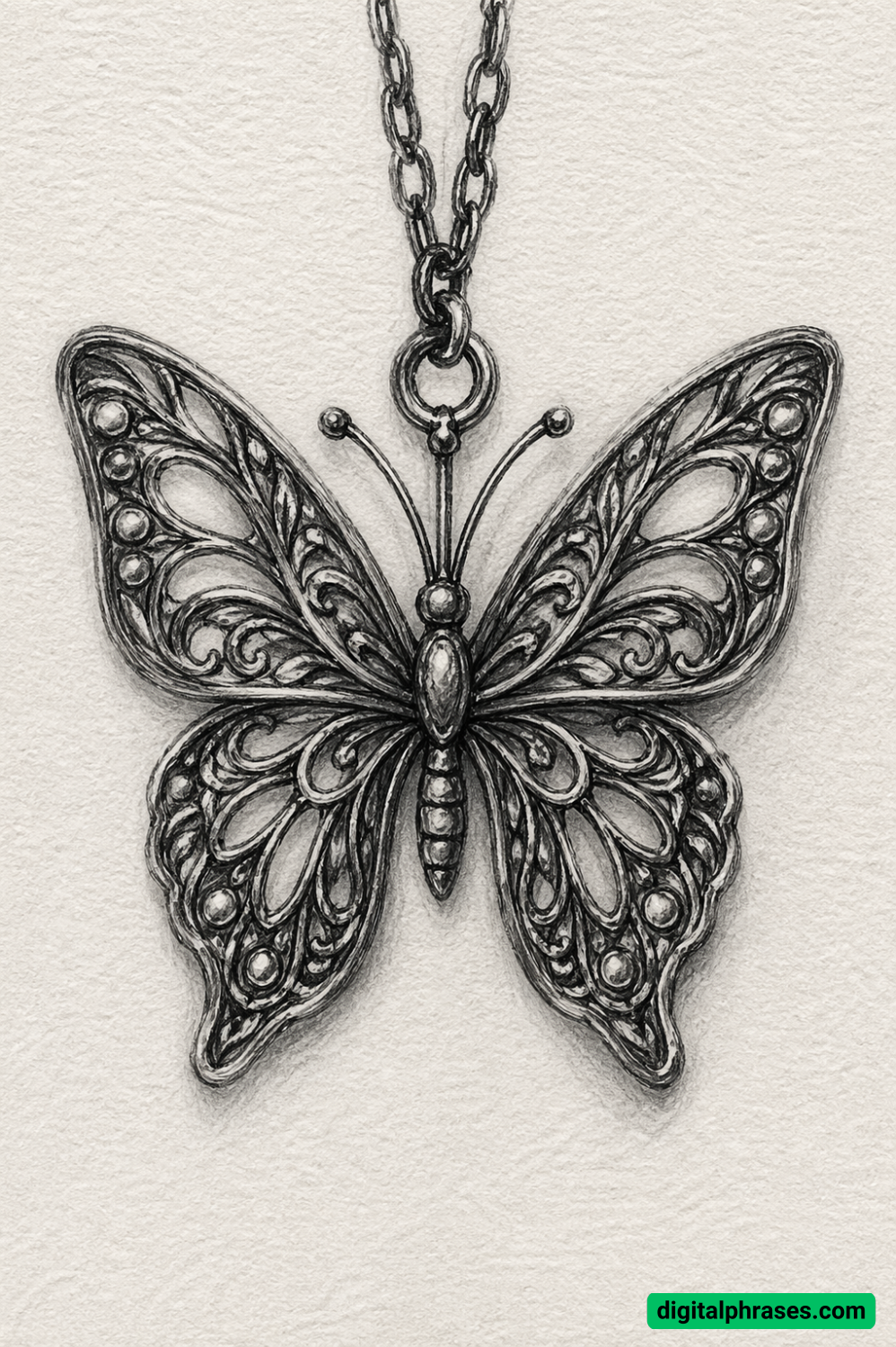
21

Tips For Drawing Ornaments
Start with Simple Shapes
Every great drawing begins with a strong foundation, and simple shapes are the easiest way to build it. Instead of jumping straight into details, break your subject down into basic forms like circles, squares, and triangles.
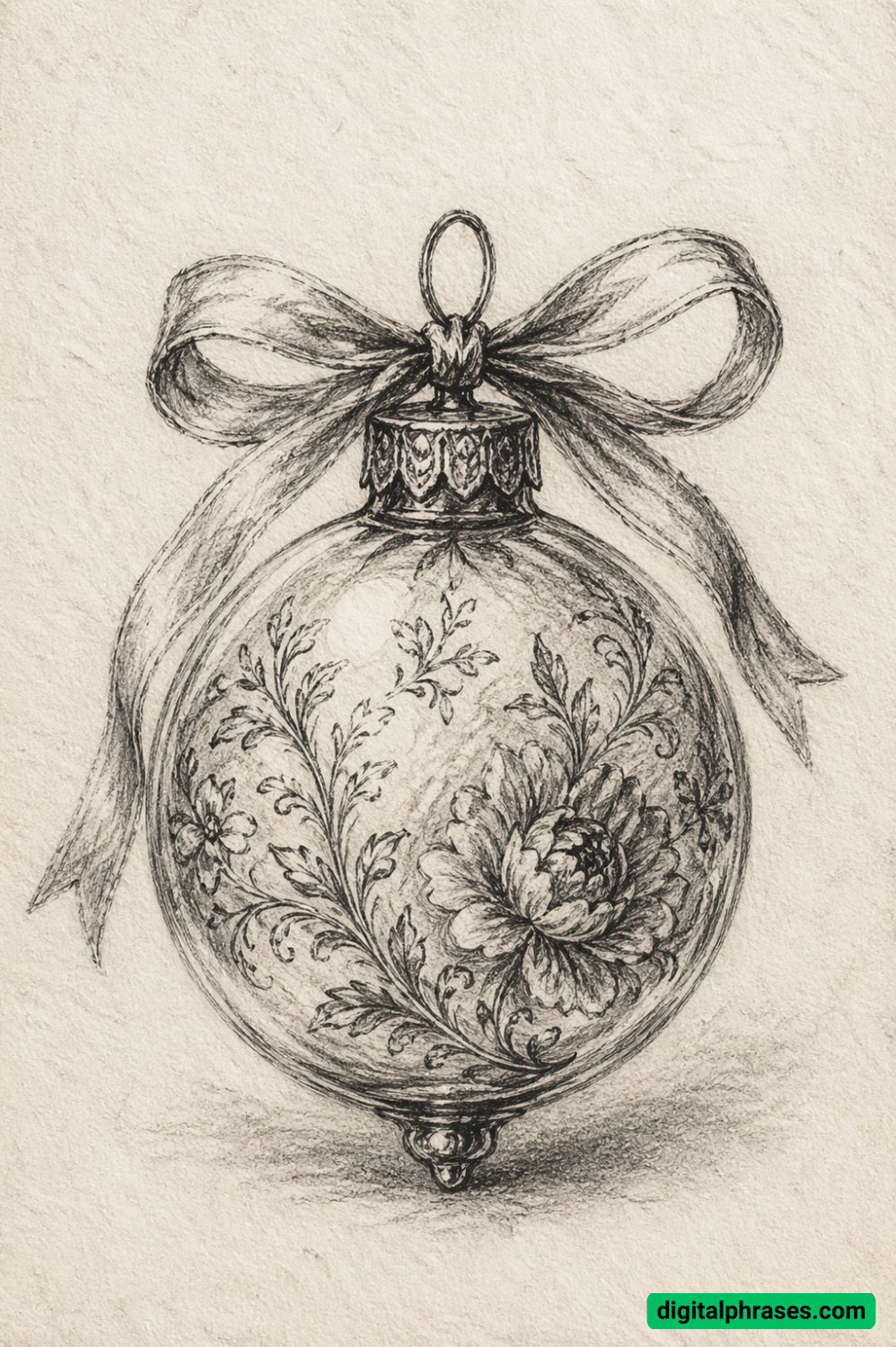
This approach helps you understand proportions and placement without feeling overwhelmed. For example, if you’re sketching an ornament, start with a circle for the base and add smaller shapes for details.
Once the structure feels right, you can refine it with smoother lines and intricate patterns. Practicing this method regularly trains your eye to see objects as a collection of shapes, making even complex drawings easier to handle. Over time, you’ll notice improved accuracy and confidence in your sketches.
Practice Light Sketching First
One of the most helpful habits for beginners and experienced artists alike is drawing lightly at the start. Use gentle strokes to outline your ideas so you can easily erase and adjust as needed.
Pressing too hard too soon can make mistakes difficult to fix and may discourage experimentation. Light sketching allows you to explore different compositions, tweak proportions, and refine your design before committing to darker, final lines. Think of it as a draft stage where nothing is permanent.
Once you’re satisfied with the structure, go over your lines with more confidence and definition. This technique not only keeps your work clean but also helps you develop a more flexible and forgiving drawing process.
Focus on Line Quality
Clean, confident lines can instantly elevate the look of your drawing. Instead of sketching with short, shaky strokes, aim for smooth and deliberate lines.
This doesn’t mean rushing—take your time and move your hand steadily across the page. Practicing line control exercises, like drawing straight lines, curves, and loops, can greatly improve your consistency. Additionally, varying your line thickness can add depth and interest to your artwork.
Thicker lines can emphasize outlines, while thinner lines work well for details and textures. Paying attention to line quality helps your drawings appear more polished and professional, even if the design itself is simple.
Use Reference and Observation
Drawing from imagination is fun, but using references can significantly improve your skills.
Observing real objects, photos, or even other artworks helps you understand details, textures, and proportions more accurately. For ornament drawings, you might look at decorative patterns, festive designs, or traditional motifs for inspiration. The key is not to copy exactly but to study and interpret what you see. Notice how shapes connect, how patterns repeat, and how symmetry is maintained.
Over time, this practice sharpens your observation skills and builds a mental library of forms you can draw from memory. References are a powerful learning tool that can accelerate your artistic growth.
Be Patient and Practice Consistently
Improvement in drawing doesn’t happen overnight—it’s the result of consistent practice and patience. Set aside a little time each day or week to sketch, even if it’s just for a few minutes.
Regular practice helps reinforce techniques and builds muscle memory. It’s also important to accept that not every drawing will turn out perfectly, and that’s okay. Mistakes are part of the learning process and often lead to valuable insights. Keep experimenting with new ideas, styles, and techniques to keep your creativity flowing. Over time, you’ll notice steady progress and a growing sense of confidence in your abilities.