25 Plant Drawing Ideas
Plants are one of the easiest and most relaxing things to draw.
In this post, you’ll find some simple and creative plant drawing ideas to inspire your next sketch. Grab your pencil, open your sketchbook, and let’s start drawing.
Plant Drawing Ideas
1
2
3
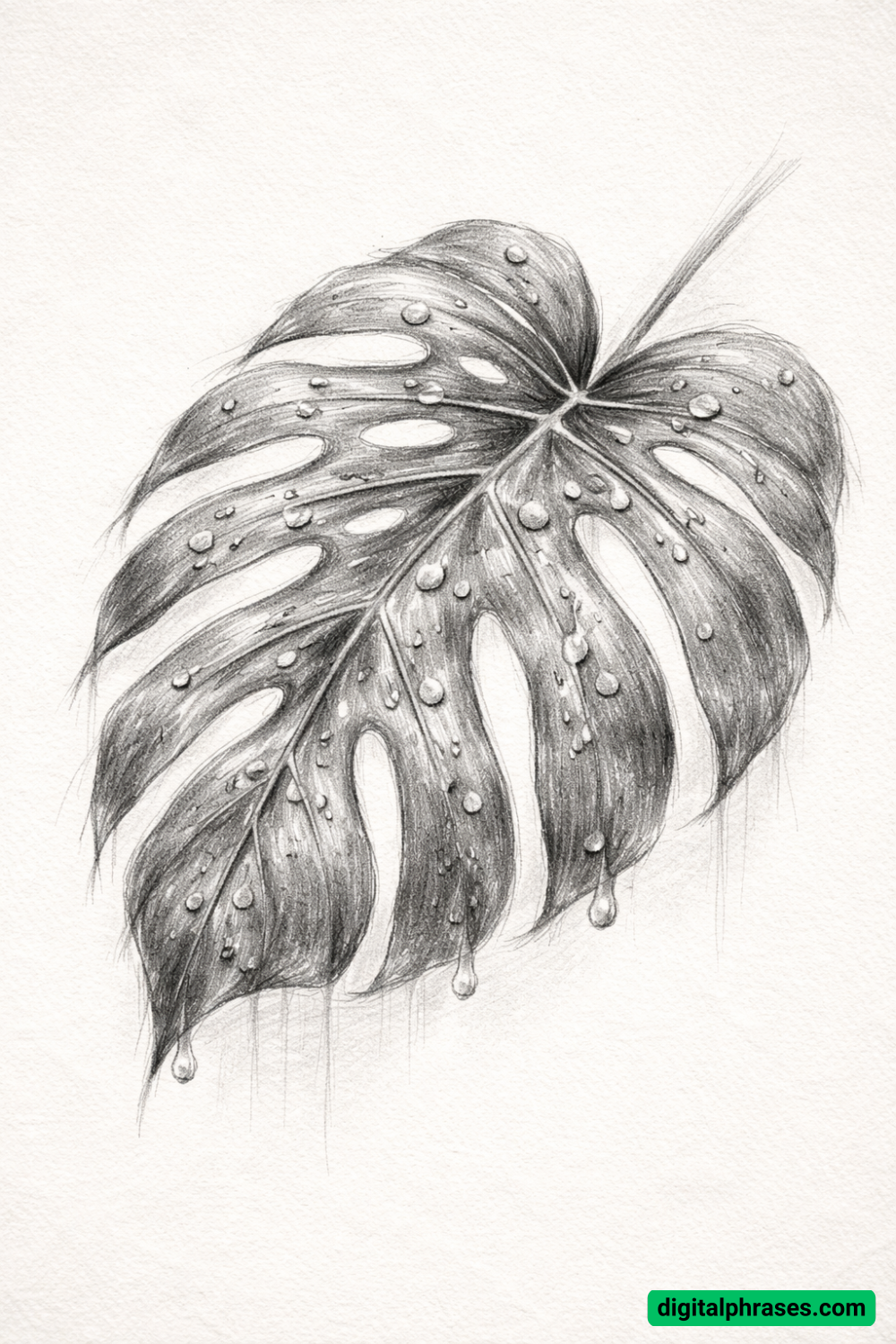
4
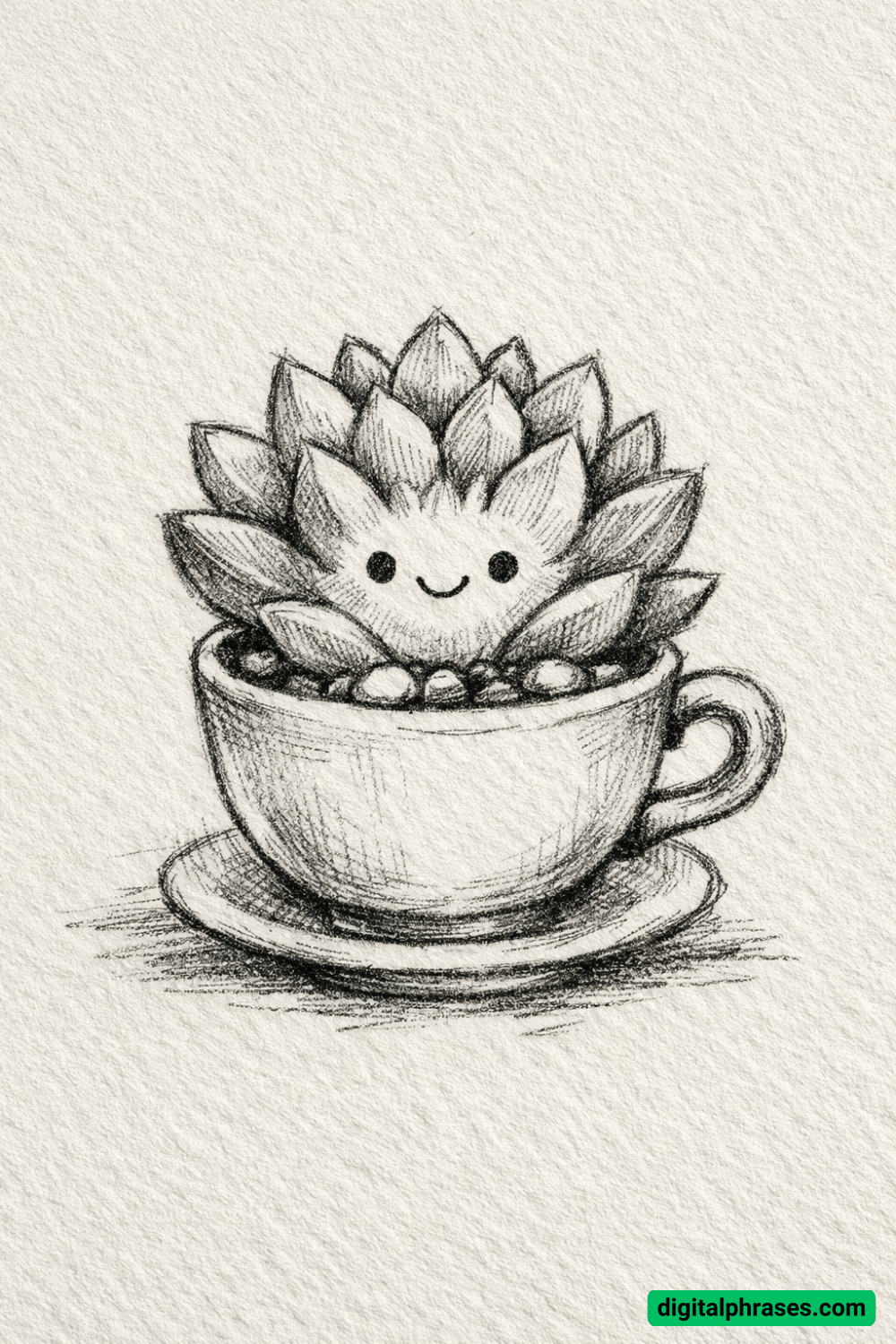
5
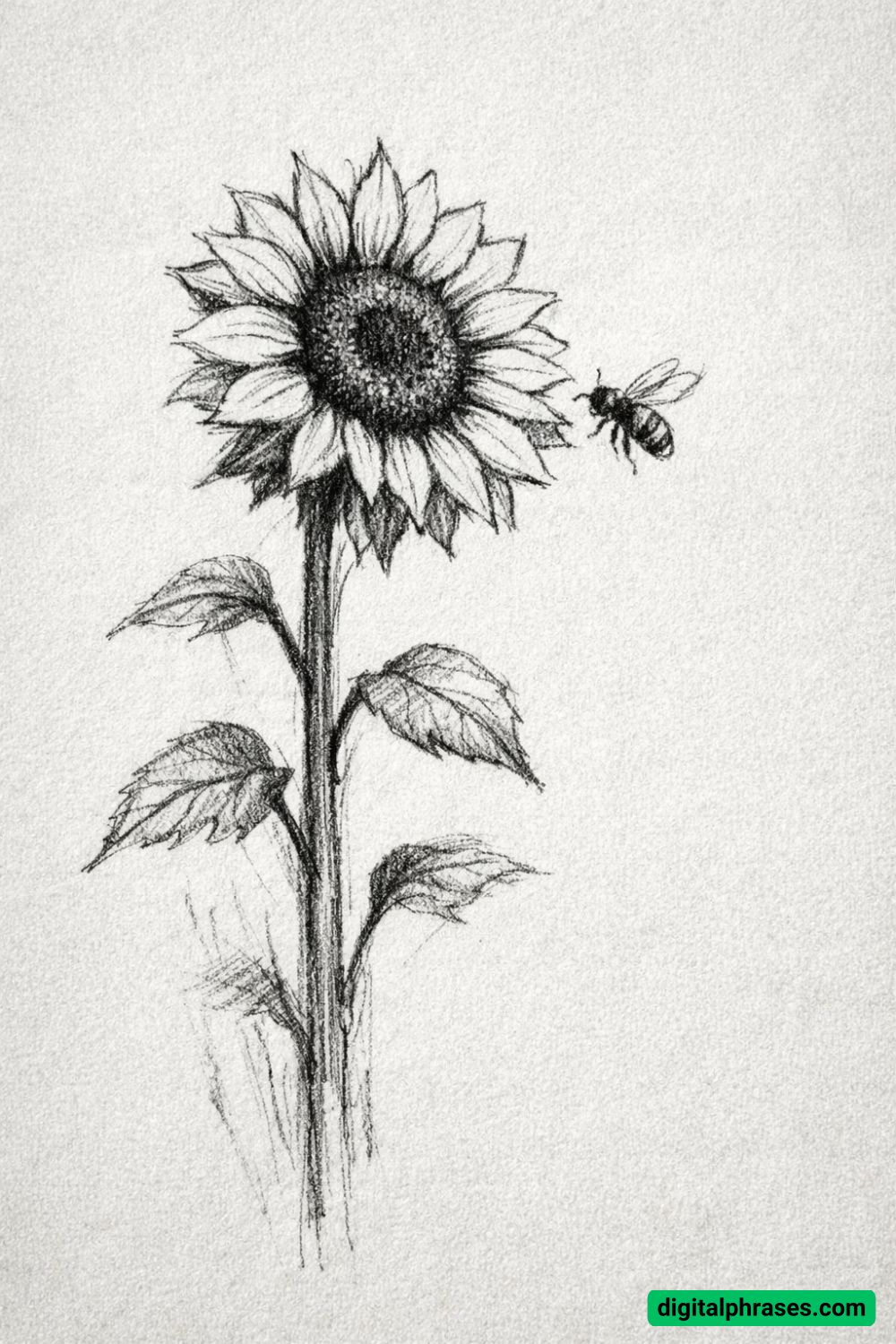
6
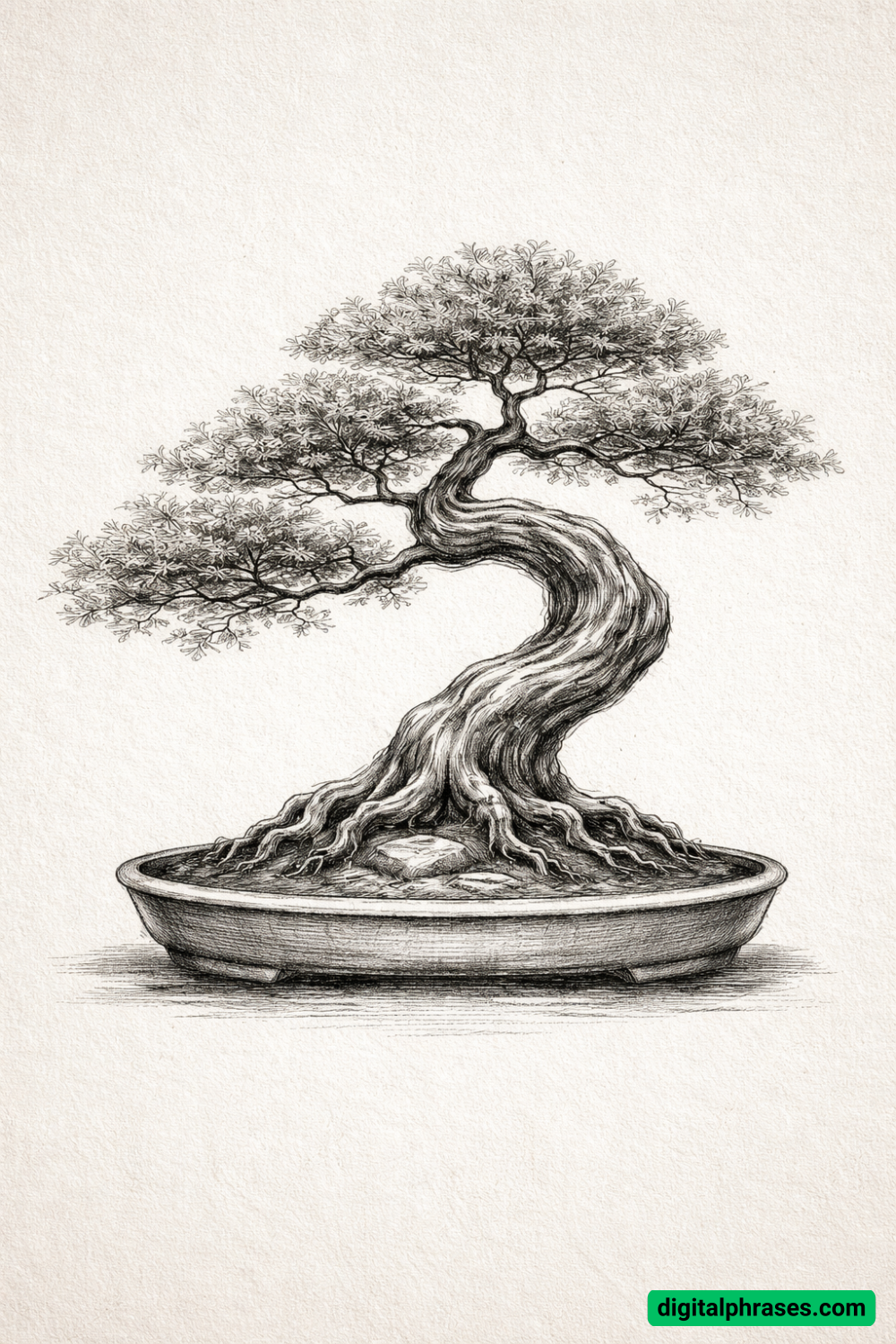
7
8
9
10
11
12
13
14
15
16
17
18
19
20
21
22
23
24
25
Tips on Drawing Plants
1. Start with Simple Shapes
When drawing plants, it helps to begin with basic shapes instead of jumping straight into details. Many leaves can be simplified into ovals, teardrops, or long curved shapes. Flowers often start as circles, while stems can be sketched as simple lines.
By building your drawing with these easy forms, you create a strong foundation before adding texture or details. This approach also makes the process less intimidating, especially for beginners.
Once the shapes are in place, you can slowly refine the edges, add veins to the leaves, and adjust proportions. Starting simple allows you to focus on structure first and prevents your drawing from becoming messy or overwhelming.
2. Observe Real Plants Carefully
One of the best ways to improve your plant drawings is by observing real plants. Look closely at how leaves grow from stems, how they curve, and how different plants have unique patterns.
Notice the spacing between leaves and how some overlap each other. Even small details, like the direction of veins or the way a leaf folds, can make your drawing look more natural. If possible, keep a small plant near your workspace and use it as a reference.
Taking a few minutes to truly observe what you’re drawing will help you understand plant structures better and make your sketches feel more realistic.
3. Practice Different Leaf Shapes
Plants come in an incredible variety of leaf shapes, and practicing them can greatly improve your drawing skills. Some leaves are long and narrow, while others are round, heart-shaped, or deeply divided.
Try sketching several types in your sketchbook, focusing on their outlines first. Once you feel comfortable with the shapes, experiment with adding veins and slight imperfections.
No two leaves are exactly the same, and embracing those small differences will make your drawings more interesting. By regularly practicing different leaf forms, you’ll also build confidence and develop a better understanding of plant diversity.
4. Use Light Sketch Lines First
Light sketch lines are an important step when drawing plants. Instead of pressing hard on the pencil right away, start with soft and loose lines.
This allows you to adjust shapes and proportions without leaving heavy marks on the page. Plants often have organic and flowing forms, so keeping your lines light helps you maintain that natural feel. Once you’re satisfied with the overall structure, you can go back and darken the final lines.
This method also helps prevent mistakes from becoming too noticeable and keeps your drawing looking clean and polished.
5. Add Texture with Simple Details
Texture plays a big role in making plant drawings look more realistic and lively. Leaves often have veins, subtle ridges, or tiny patterns that can be added with simple lines.
You don’t need to draw every detail perfectly—just suggesting a few veins or gentle textures can make a big difference. Pay attention to how the veins spread from the center of the leaf outward. You can also add small variations along the edges to show natural imperfections.
These small touches help your drawing feel less flat and more like a real plant.
6. Experiment with Shading and Depth
Shading helps give your plant drawings depth and dimension. Even a simple leaf can look more realistic when light and shadow are added. Start by imagining where the light source is coming from.
The areas facing the light should stay lighter, while parts underneath or behind other leaves can be shaded slightly darker. You can use gentle pencil strokes to build up shadows gradually. Layering light shading instead of pressing hard will keep the drawing smooth and natural.
Practicing shading also helps separate different parts of the plant and makes your overall sketch look more complete.