12 Pumpkin Drawing Ideas
Pumpkins are one of the most fun and easy things to draw, especially during the fall and Halloween season.
Their round shape and simple details make them perfect for beginners, but they can also be styled in many creative ways.
In this blog, you’ll find some pumpkin drawing ideas that are simple, cute, and, honestly, quite inspiring.
Pumpkin Drawing Ideas
1
2
3
4
5
6
7
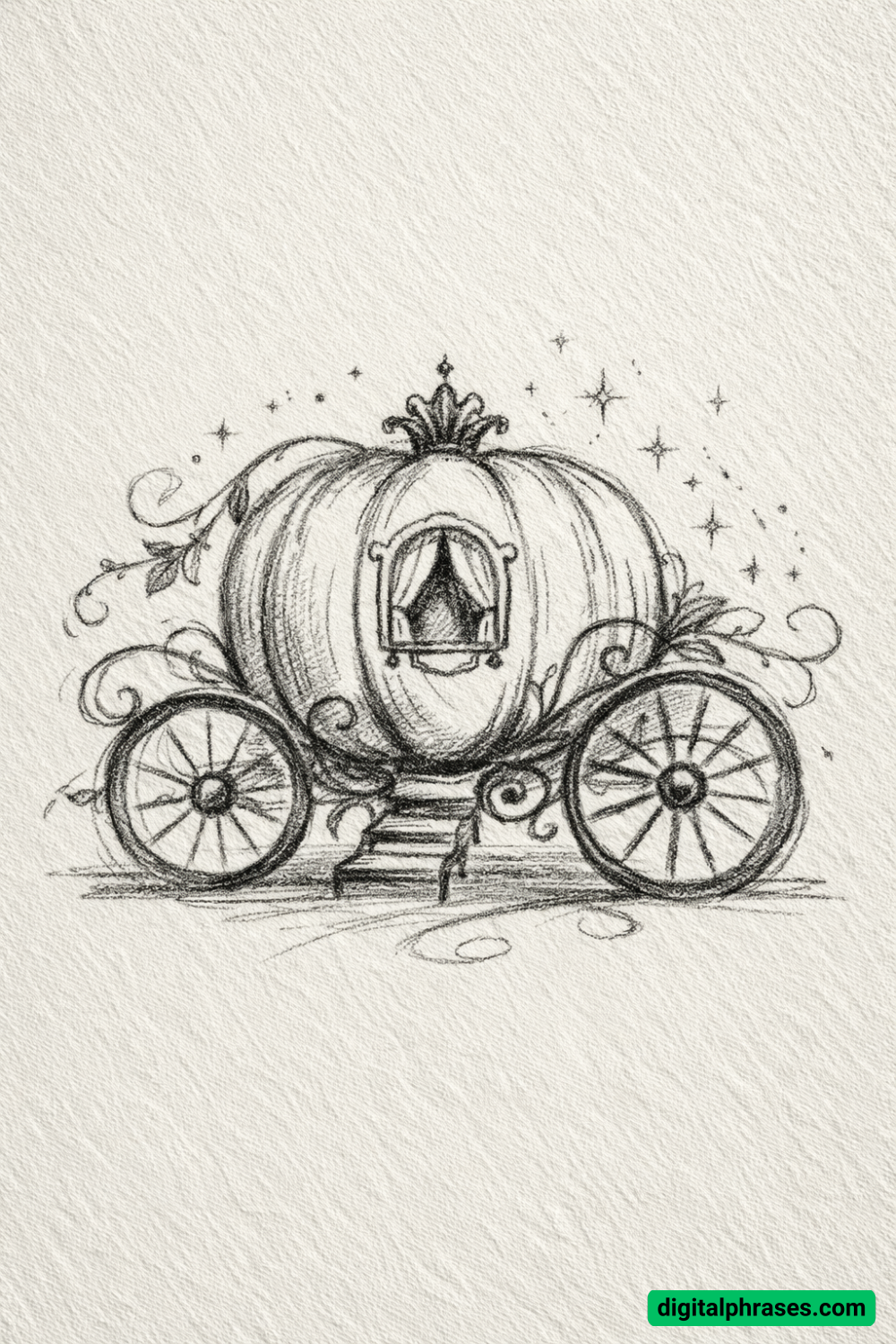
8
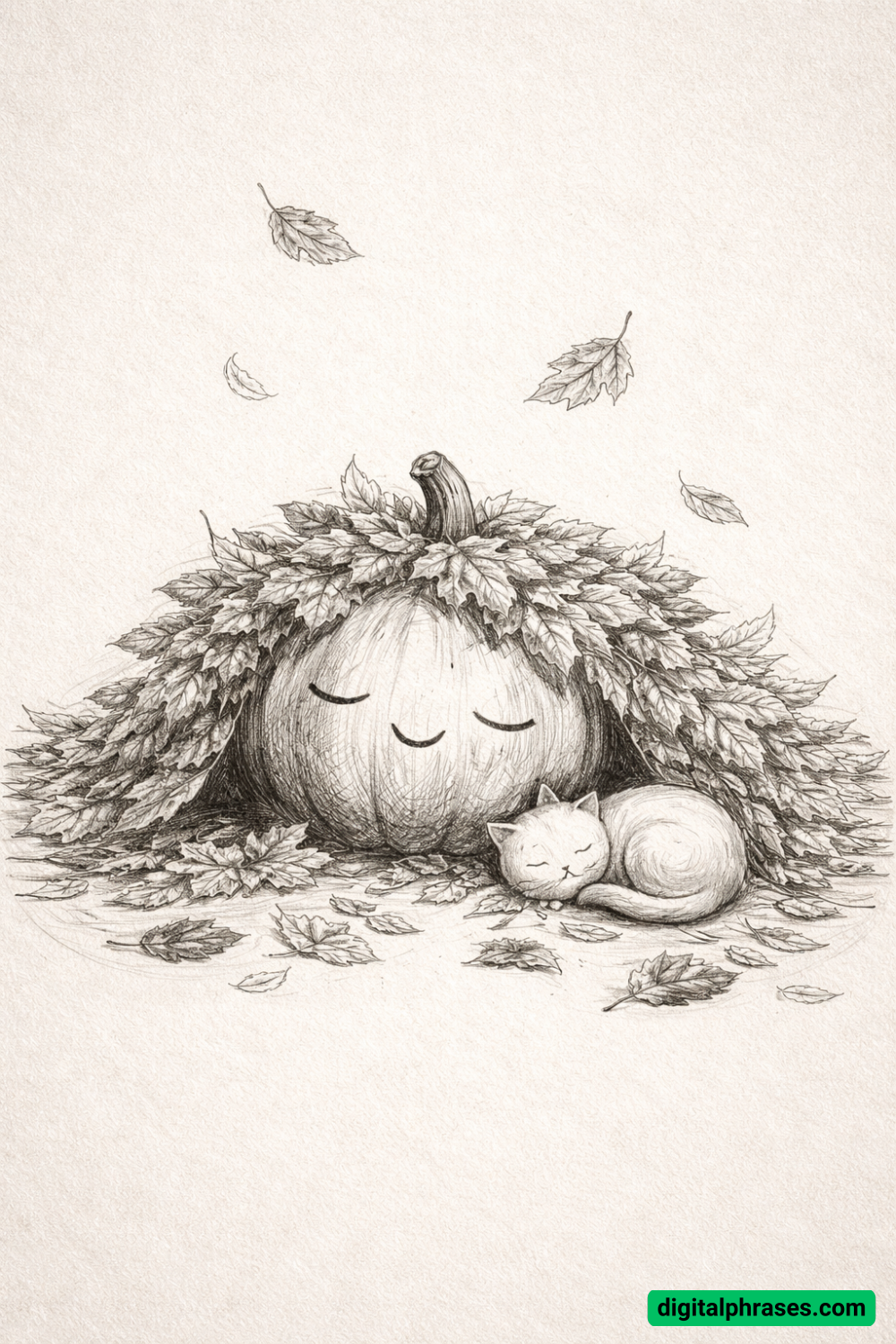
9
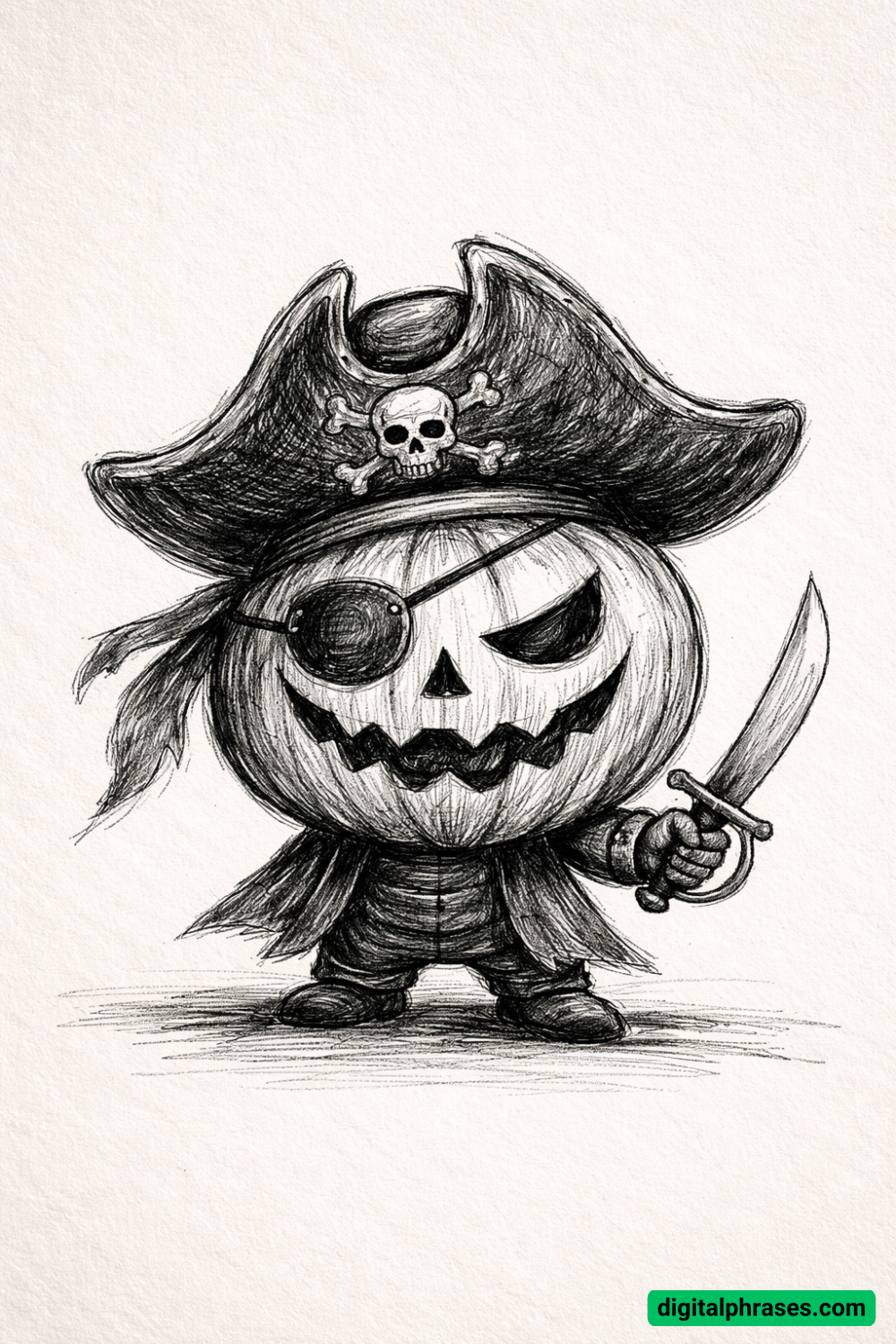
10
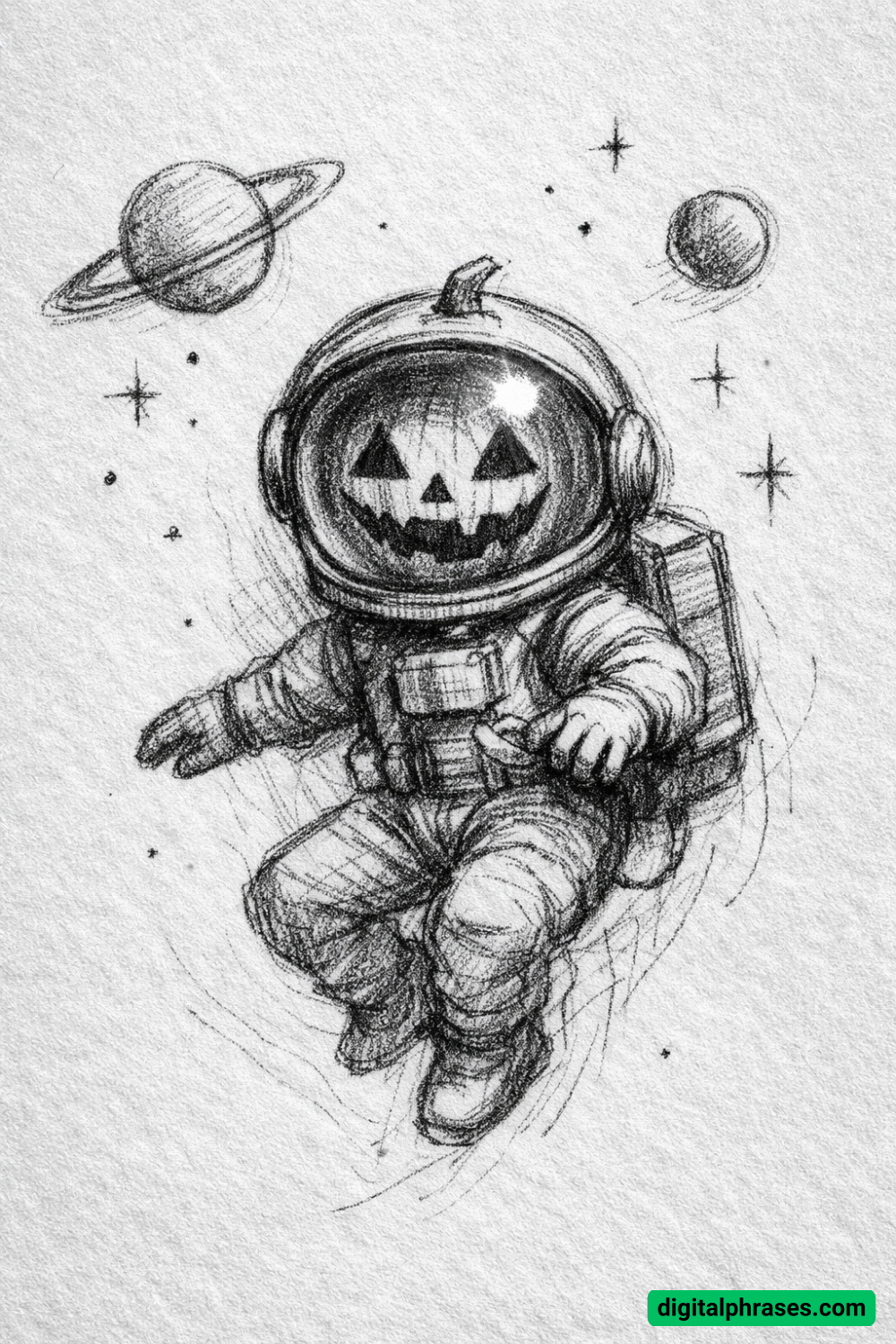
11
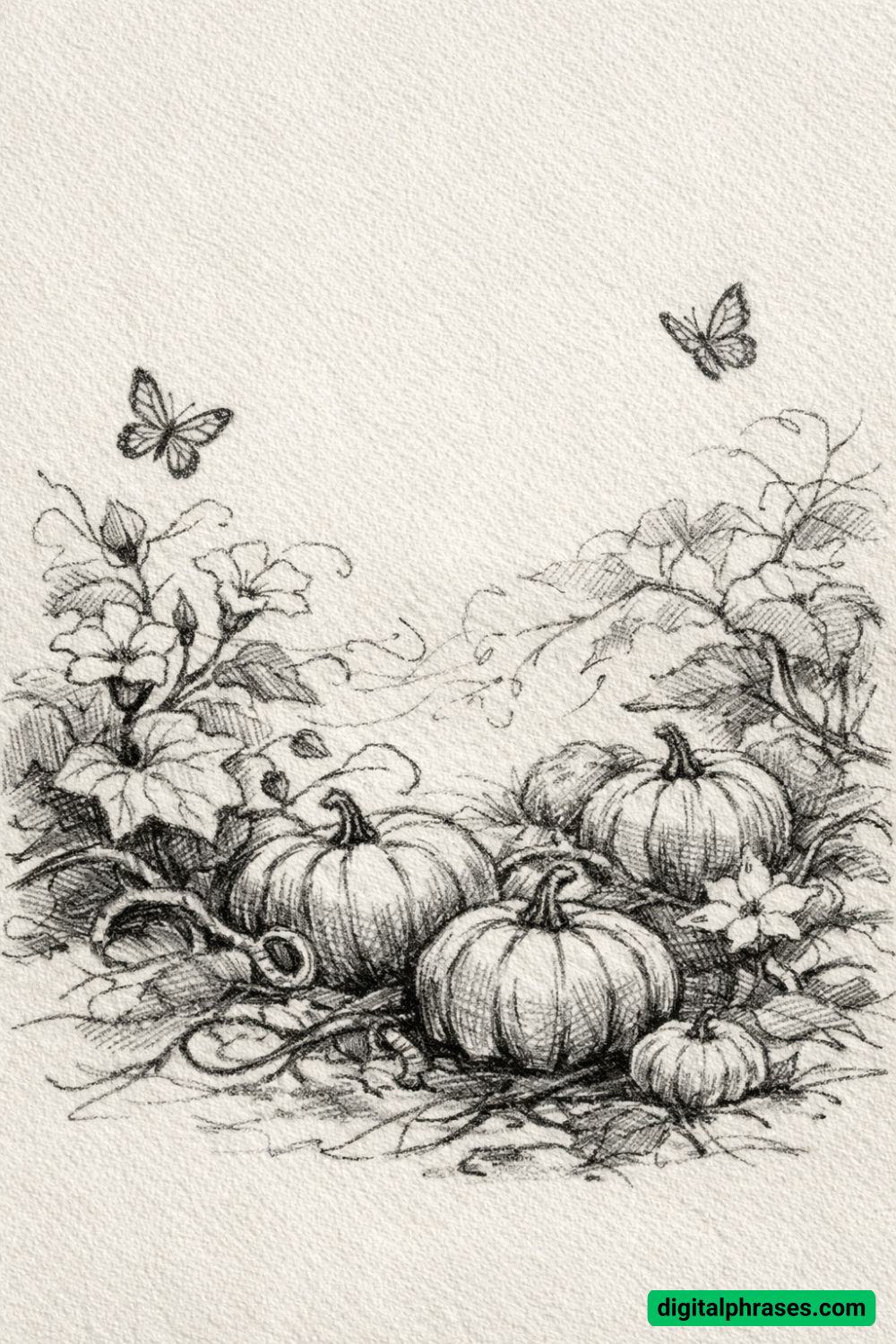
12
Tips on Drawing Pumpkins
1. Start With Simple Basic Shapes
When drawing pumpkins, the easiest way to begin is by breaking the pumpkin down into simple shapes. Most pumpkins are naturally round or slightly oval, so starting with a circle or an oval helps create a strong foundation for your drawing. Don’t worry about making the shape perfect at first. Pumpkins in real life are rarely perfectly round, and slight irregularities can actually make your drawing look more natural.
Once you have your main shape, lightly sketch vertical curved lines from the top to the bottom of the pumpkin. These lines represent the pumpkin’s natural ridges. They help give the pumpkin its recognizable structure and make it look more three-dimensional. You can draw three to six ridges depending on how detailed you want the pumpkin to look.
Using light pencil strokes at the beginning is very helpful. This allows you to adjust your shapes easily without leaving heavy marks on the paper. After the base shape looks right, you can go over your lines again to refine the form and add more detail. Starting with basic shapes keeps the drawing process simple and prevents you from getting overwhelmed, especially if you are a beginner.
2. Pay Attention to Pumpkin Ridges and Segments
One of the most important features of a pumpkin is its ridges. These vertical sections give pumpkins their unique texture and shape. When drawing them, try not to make the lines straight. Instead, use slightly curved lines that follow the rounded shape of the pumpkin.
Think of the pumpkin as being made up of several connected segments. Each ridge should curve outward slightly, creating a soft bulging effect. This helps the pumpkin look fuller and more realistic. If all the lines are perfectly even, the pumpkin may look flat or unnatural.
It can also help to look at reference images of real pumpkins. You’ll notice that every pumpkin has different ridge patterns. Some have deep grooves, while others are smoother. Observing these small differences can make your drawing more interesting and realistic.
As you add ridges, remember to keep them spaced naturally around the pumpkin. They usually start near the stem and flow downward to the base. This simple detail instantly transforms a plain circle into something that clearly looks like a pumpkin.
3. Draw a Natural-Looking Stem
The stem is a small detail, but it plays a big role in making your pumpkin drawing look believable. Many beginners draw the stem as a straight rectangle, but real pumpkin stems are usually rough, thick, and slightly curved.
Start by drawing a short, chunky shape on the top of the pumpkin. It can lean slightly to one side to give it a more natural look. Then add a few small lines or ridges along the stem to show its rough texture. Pumpkin stems often have uneven edges and small cracks, which adds character to the drawing.
You can also make the stem slightly wider at the bottom where it connects to the pumpkin. This helps it look more firmly attached. Adding a little shading around the base of the stem can create depth and make it feel more three-dimensional.
Even though the stem is a small part of the drawing, spending a little extra time on it can make the whole pumpkin look more complete and realistic.
4. Add Shading to Create Depth
Shading is what turns a flat pumpkin drawing into something that looks round and realistic. Since pumpkins are naturally curved, the light will hit them differently across their surface. This creates highlights and shadows that define the shape.
Start by imagining where your light source is coming from. For example, if the light is coming from the top left, the right side and lower areas of the pumpkin will be slightly darker. You can gently shade these areas with soft pencil strokes.
The ridges you drew earlier will also create small shadows between the segments. Darkening these grooves slightly helps emphasize the pumpkin’s structure. The curved sections between ridges can stay lighter to show the rounded surface catching the light.
Blending your shading with a finger, blending stump, or soft tissue can make the transitions smoother. This helps the pumpkin look softer and more natural. Shading doesn’t need to be very dark; even subtle shading can make a big difference in how three-dimensional your drawing appears.
5. Experiment With Different Pumpkin Styles
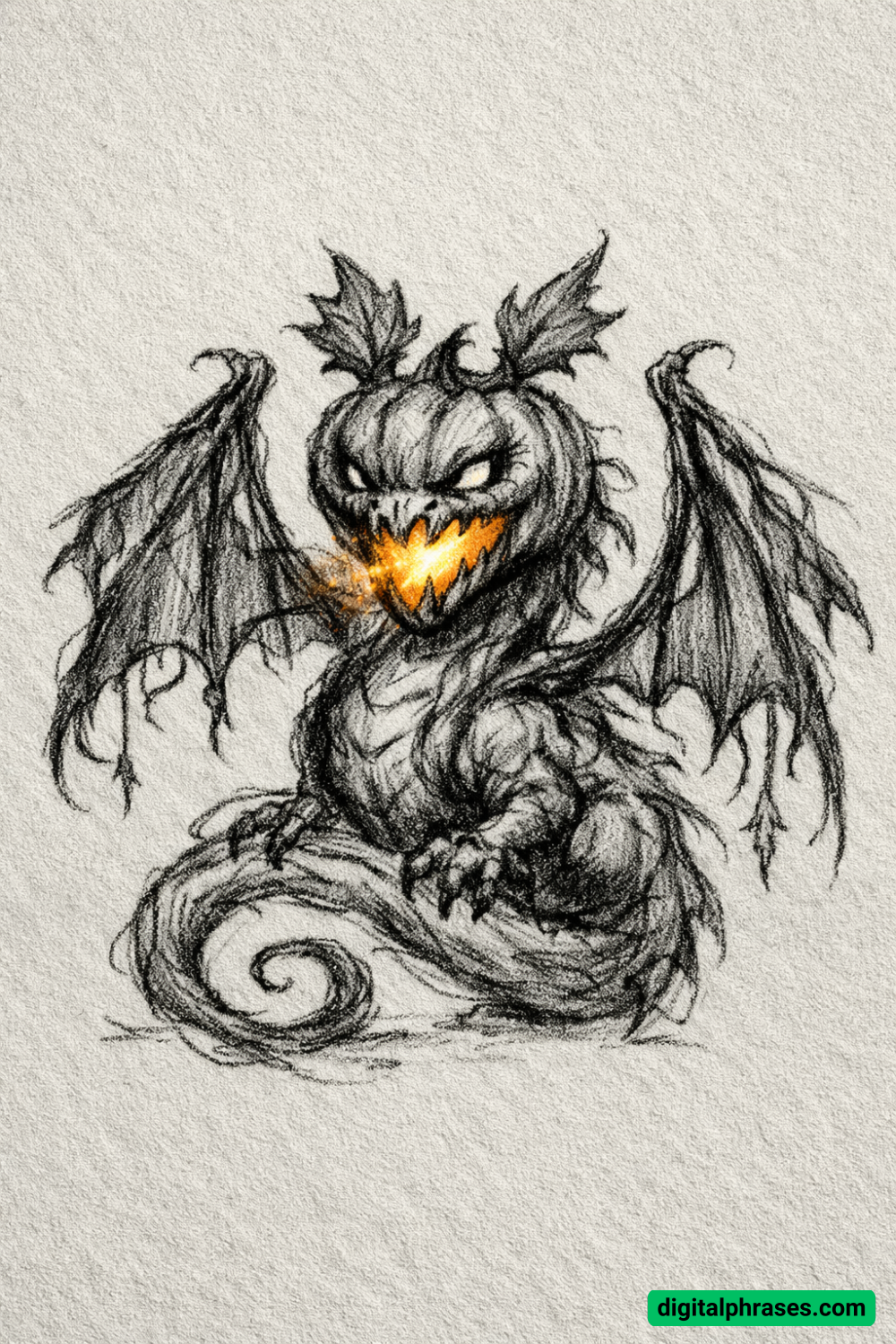
Pumpkins don’t always have to look realistic. One of the best things about drawing pumpkins is how many styles you can explore. You can draw cute cartoon pumpkins, spooky Halloween pumpkins, or even decorative pumpkins with patterns.
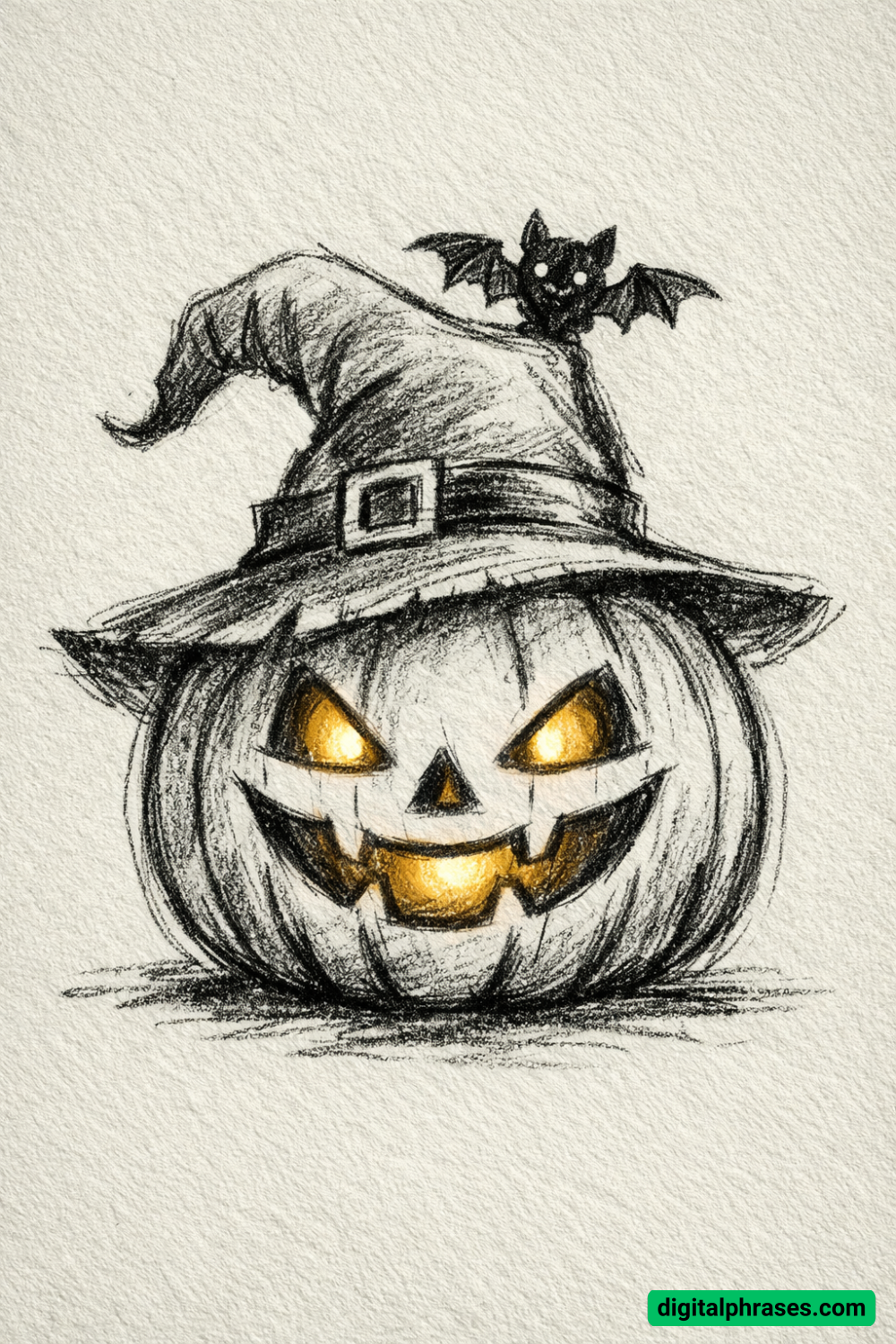
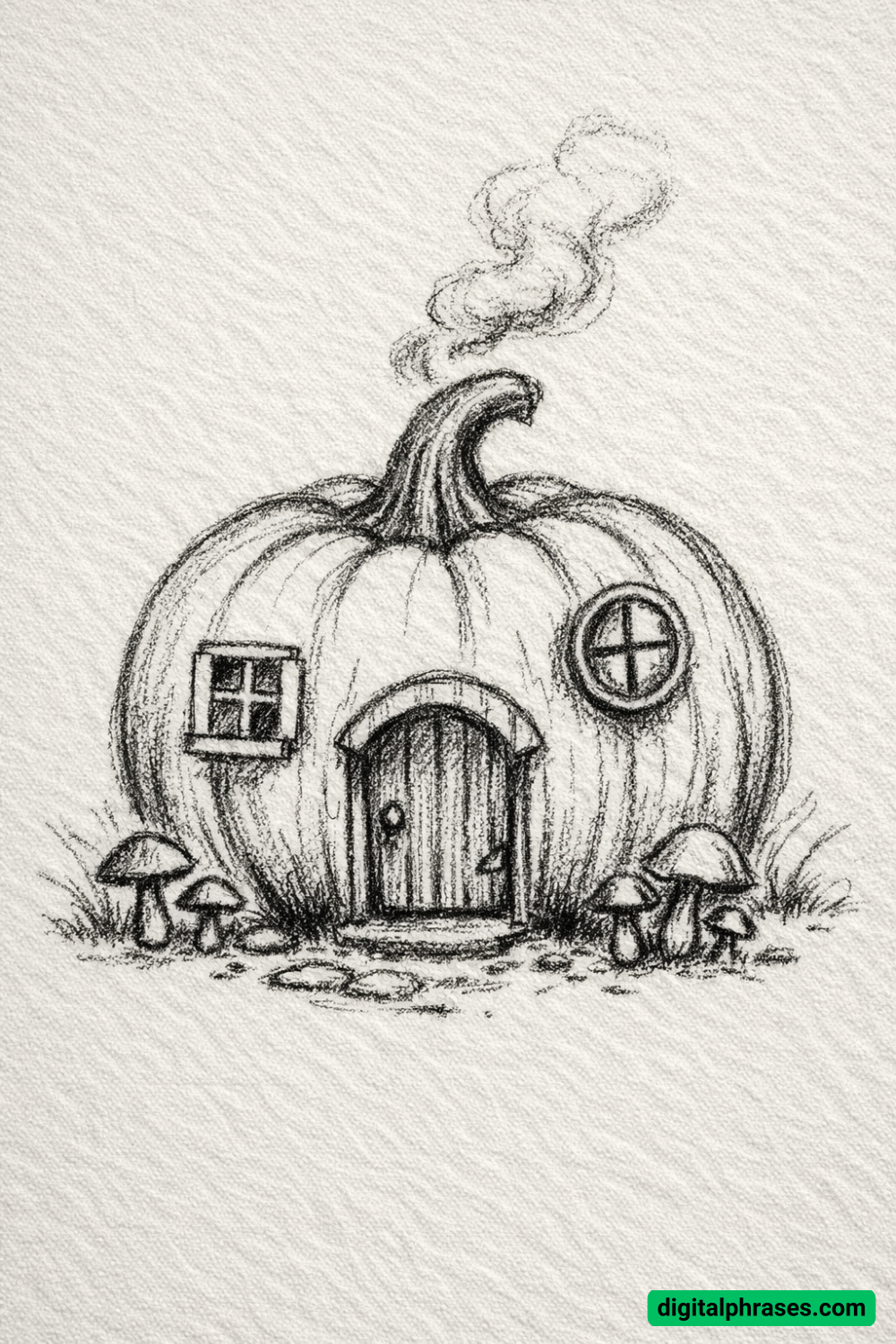
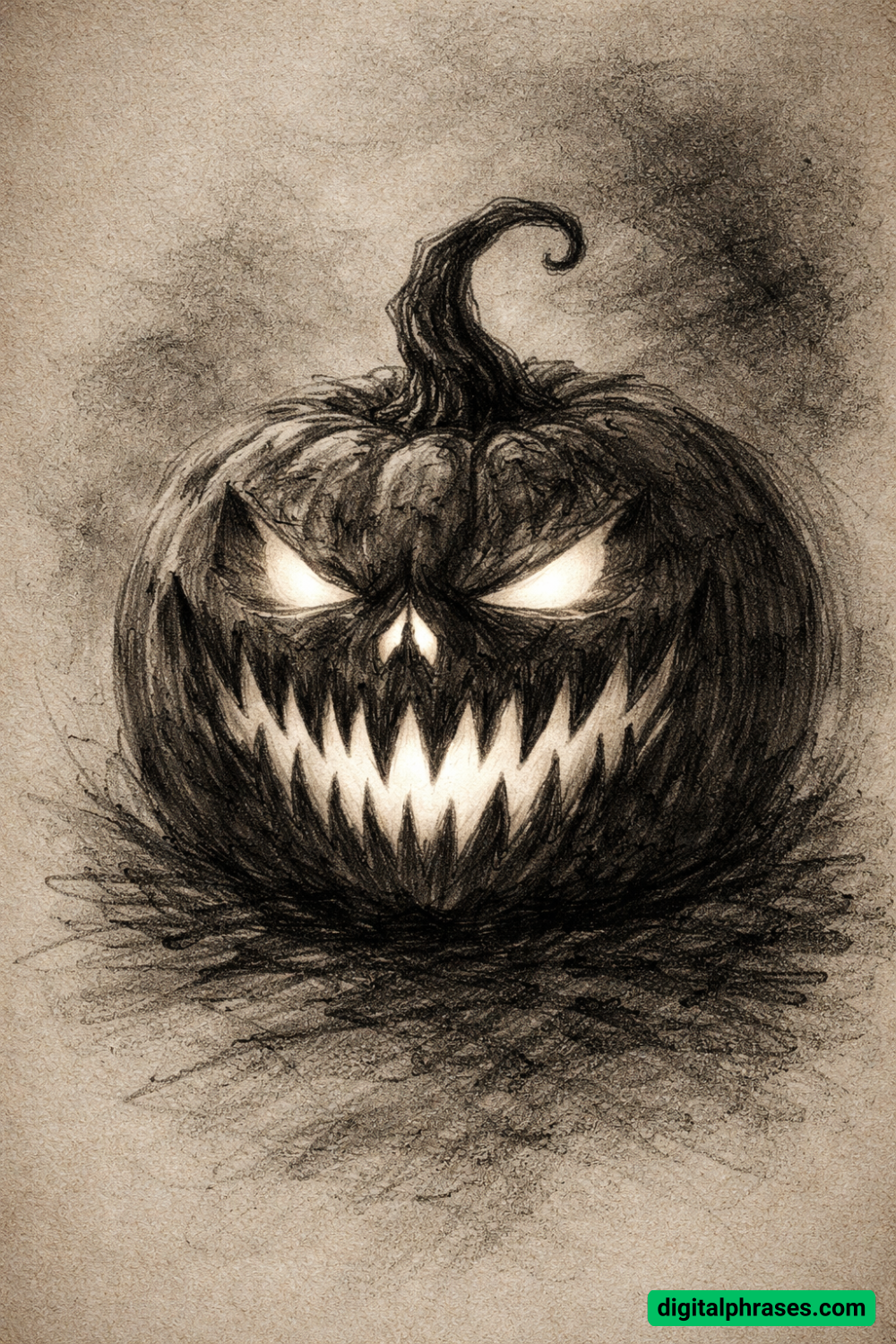
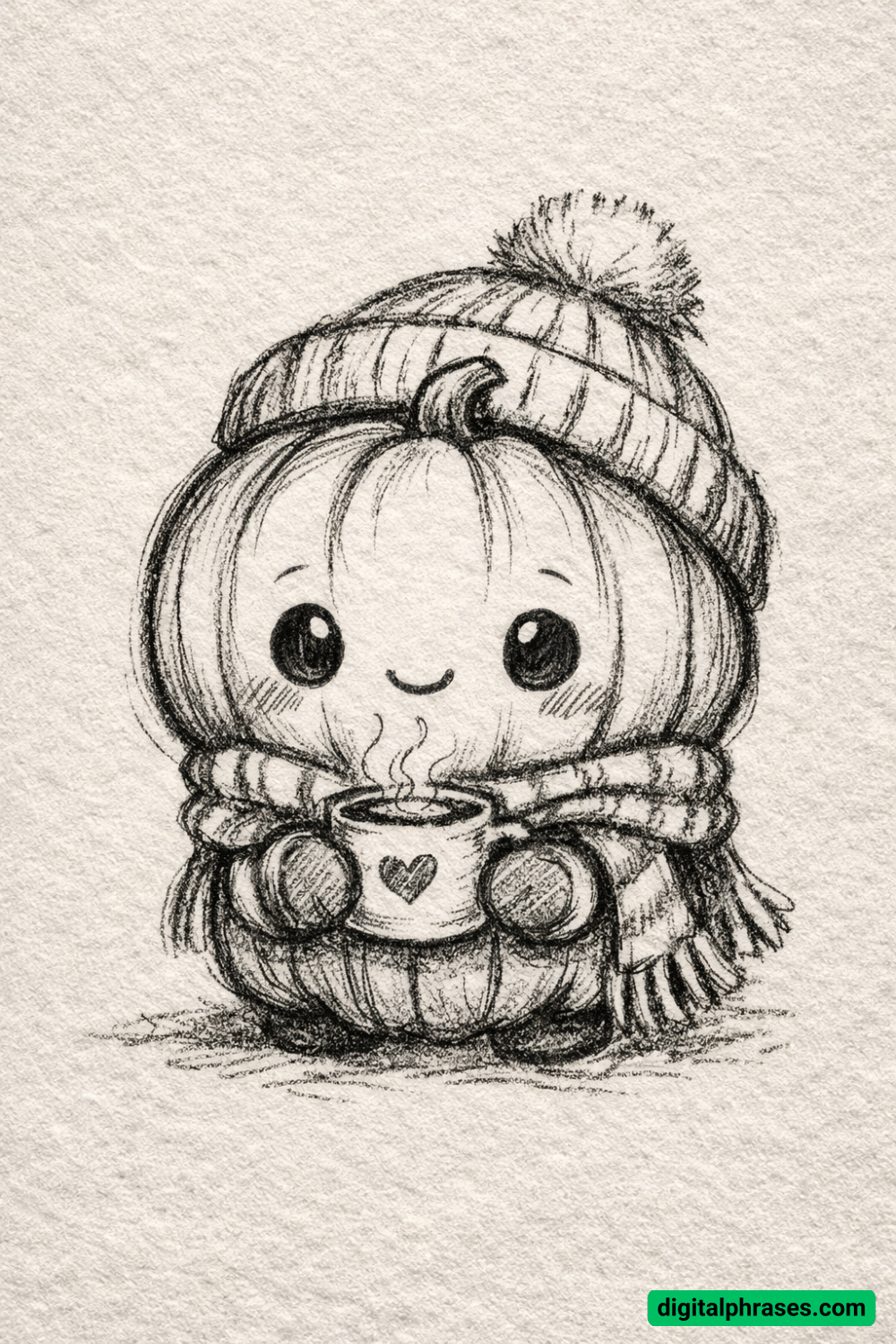
For example, a cartoon pumpkin might have larger eyes, a smiling face, or exaggerated shapes. A Halloween jack-o’-lantern can include carved facial expressions, glowing interiors, and dramatic shadows. Decorative pumpkins might feature patterns, leaves, or vines around them.
Trying different styles helps improve your creativity and keeps the drawing process fun. You can also experiment with different art materials like colored pencils, markers, ink pens, or digital drawing tools.
The more you practice drawing pumpkins in different ways, the more comfortable you’ll become with their shape and structure. Over time, you’ll develop your own style and discover new creative ways to draw them.