19 Rainbow Drawing Ideas
If you think rainbows are just cute little arcs in the sky, think again. We’re about to take that seven-color legend and turn it into bold, trippy, mind-blowing art.
This isn’t your average “sun + cloud + rainbow” situation.
Nope.
We’re talking neon explosions, dreamy fantasy worlds, aesthetic doodles, cosmic vibes, and designs that practically hum with color.
Check these rainbow drawing ideas and you will find it out yourself.
Rainbow Drawing Ideas
1
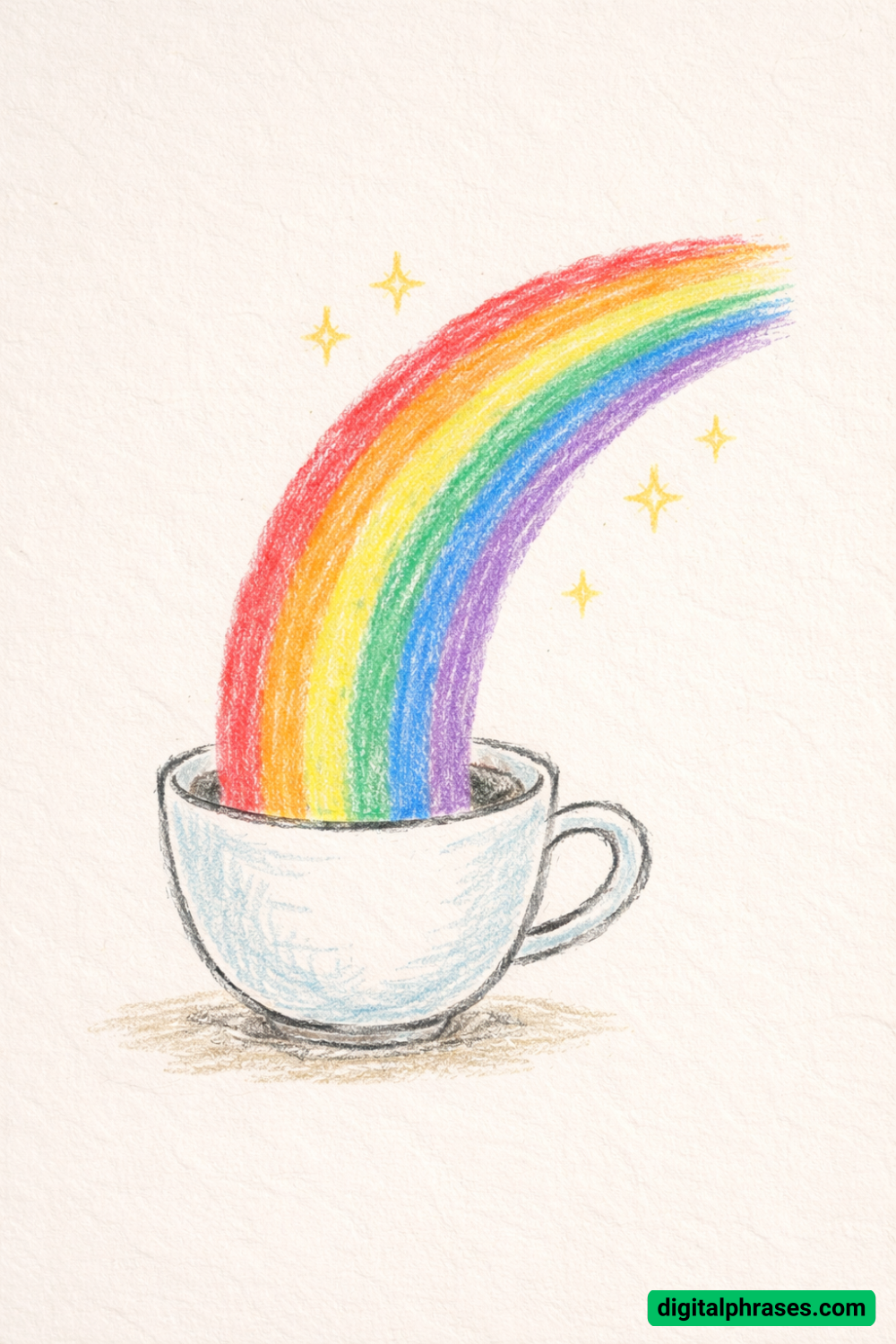
2
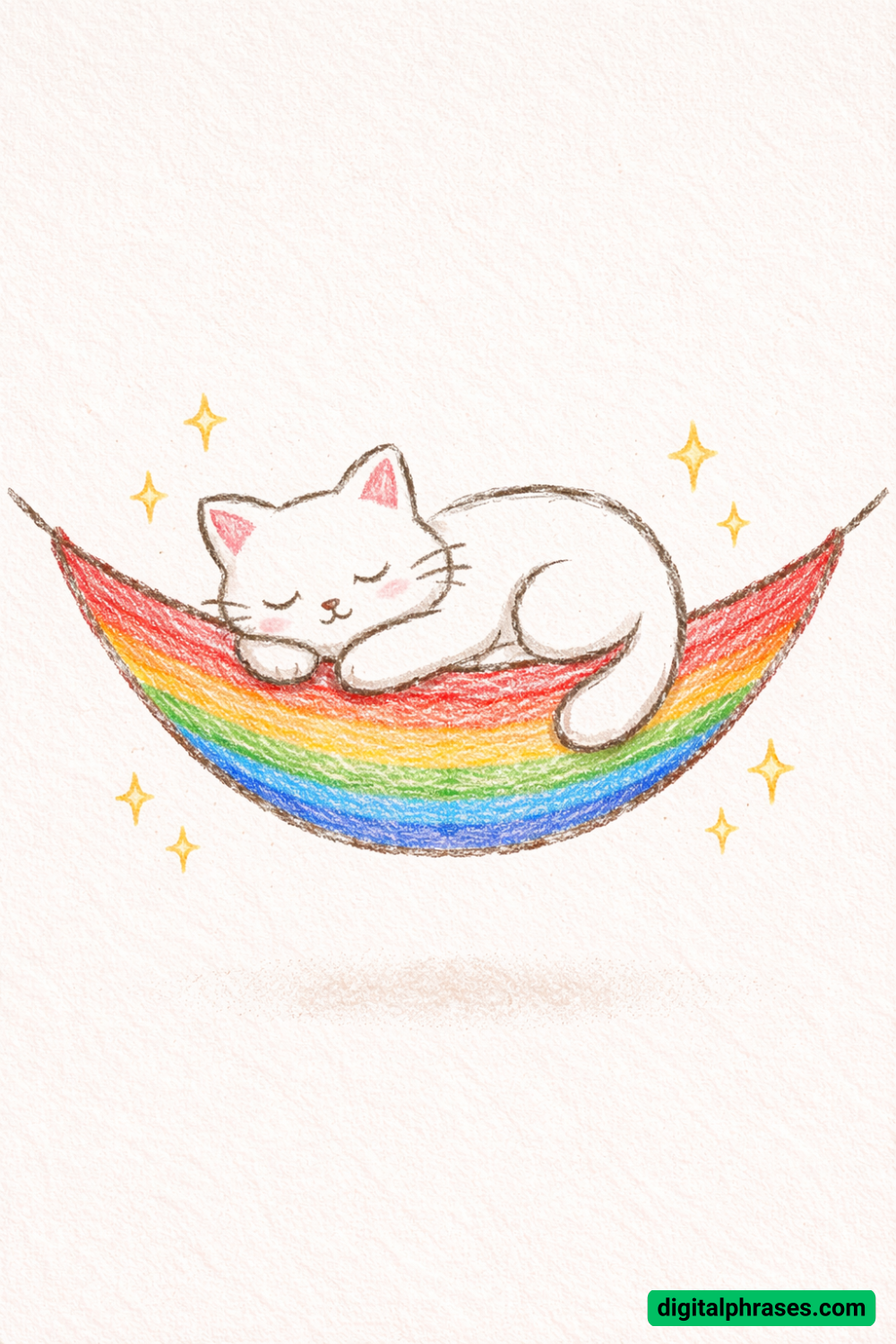
3
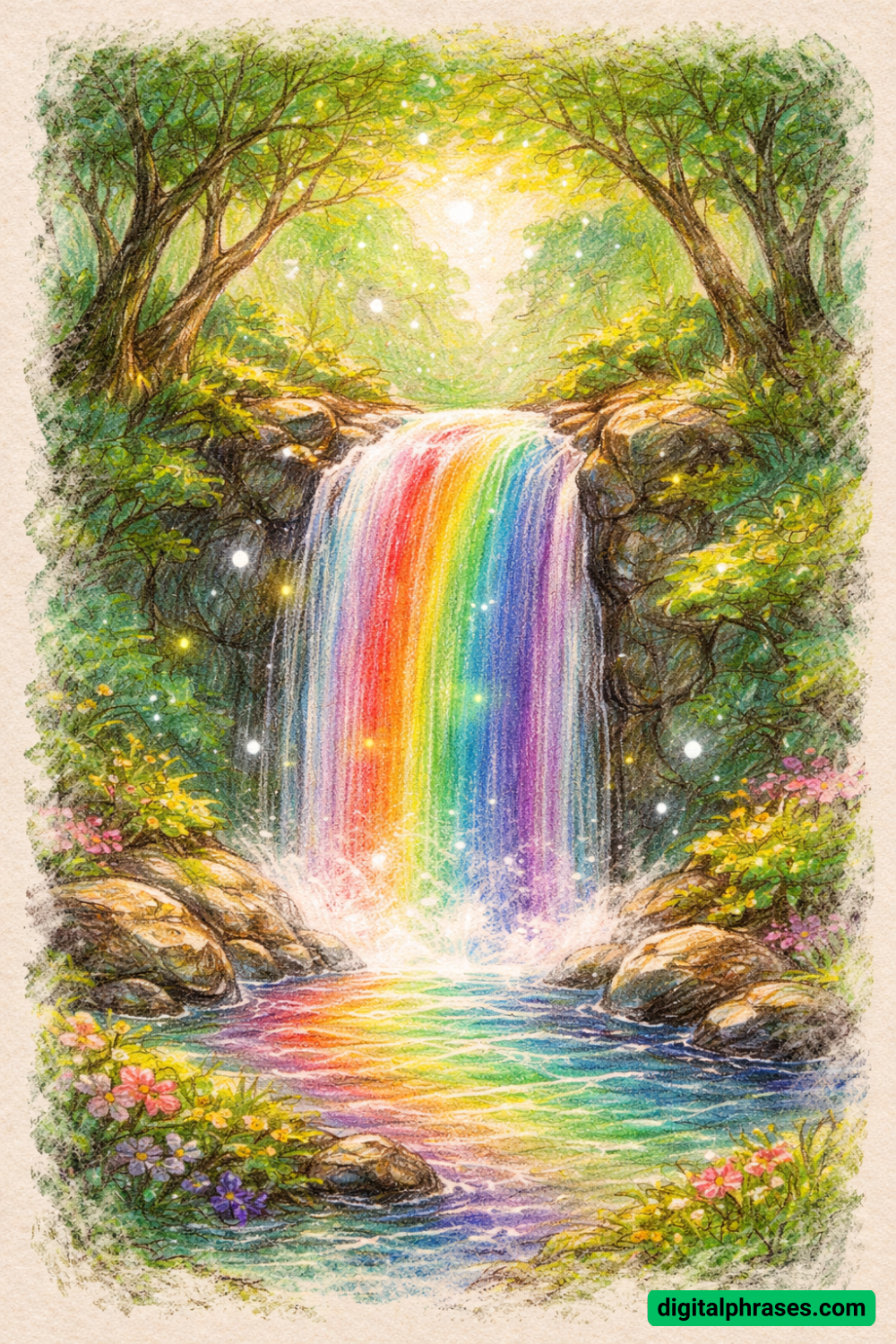
4
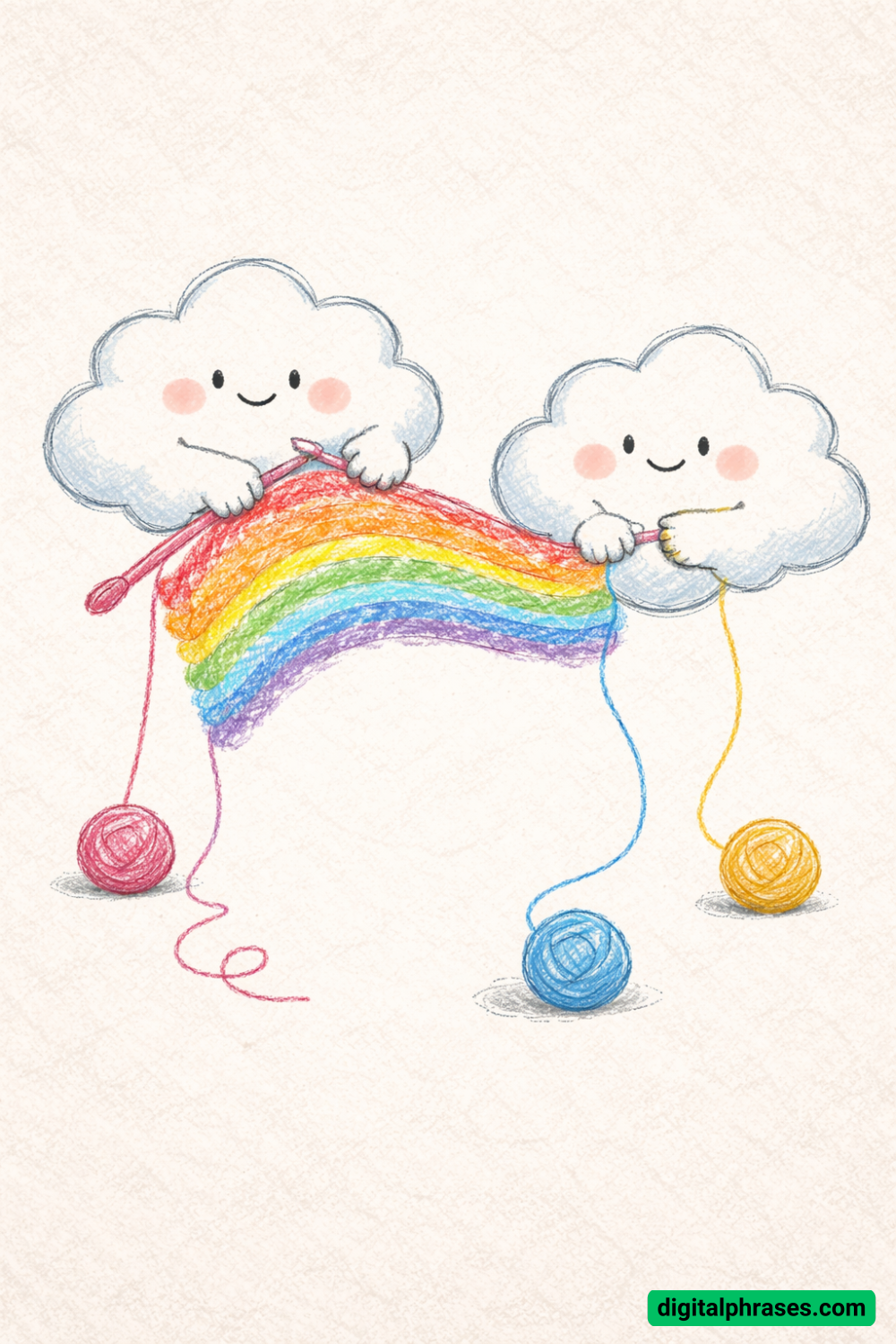
5
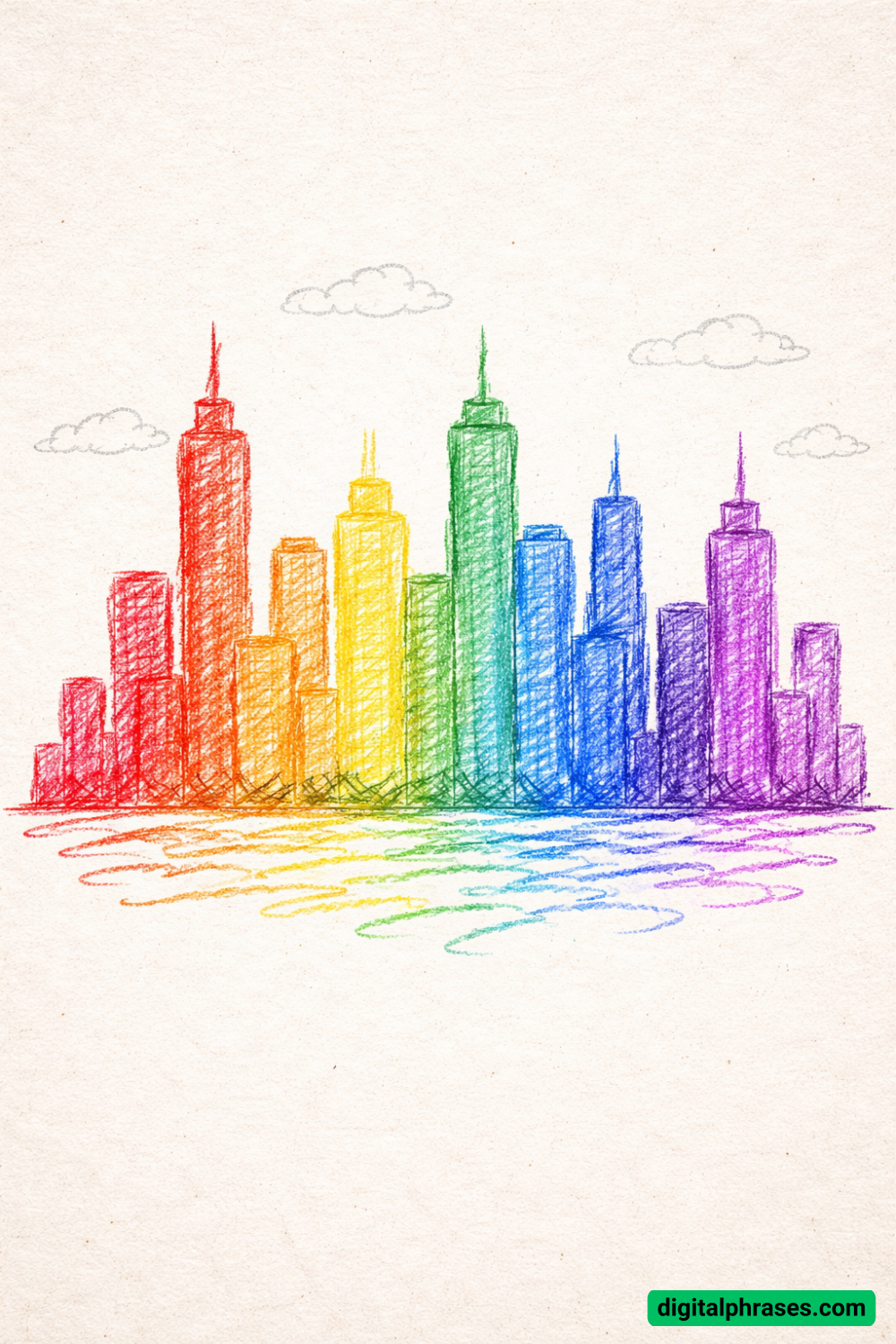
6
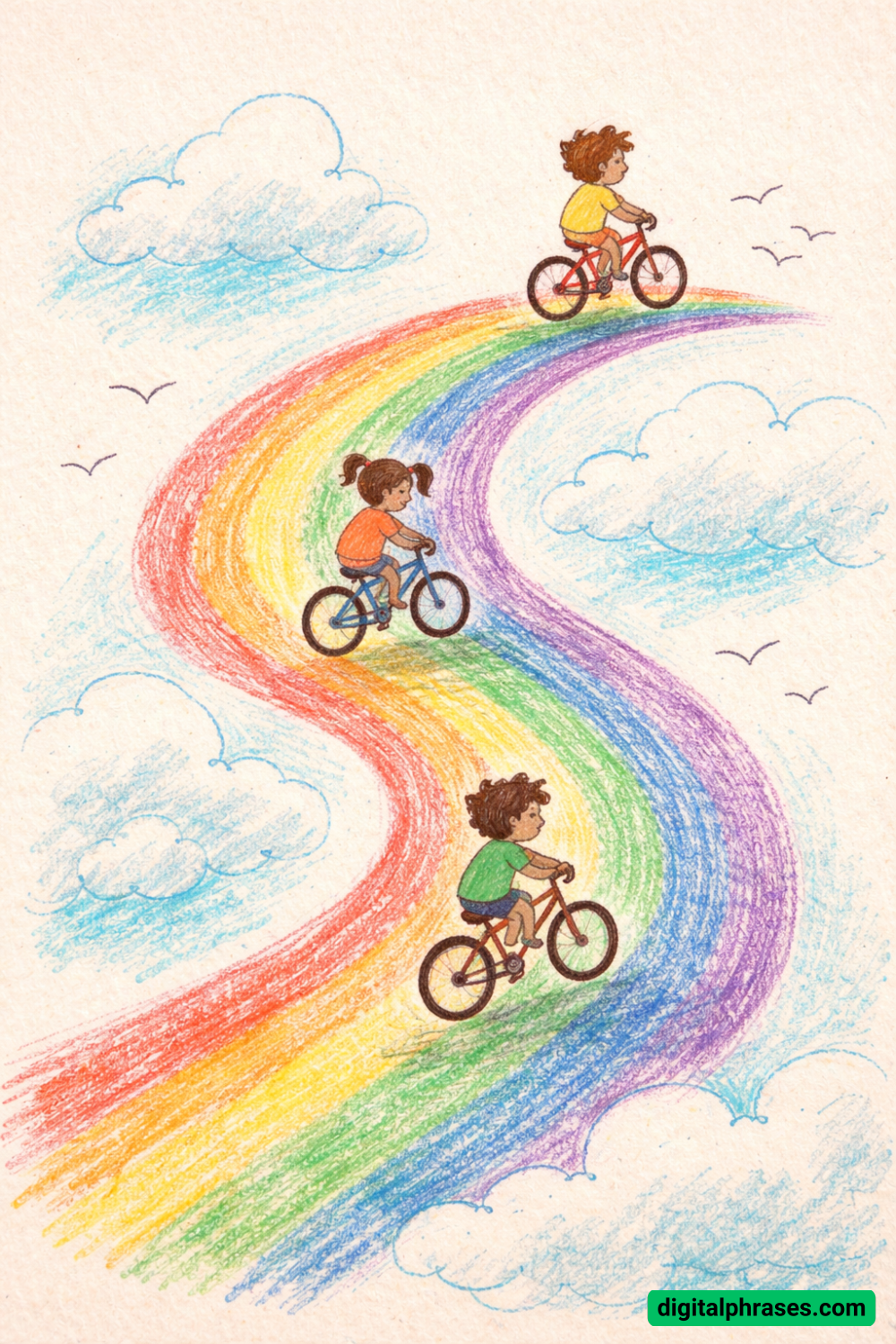
7
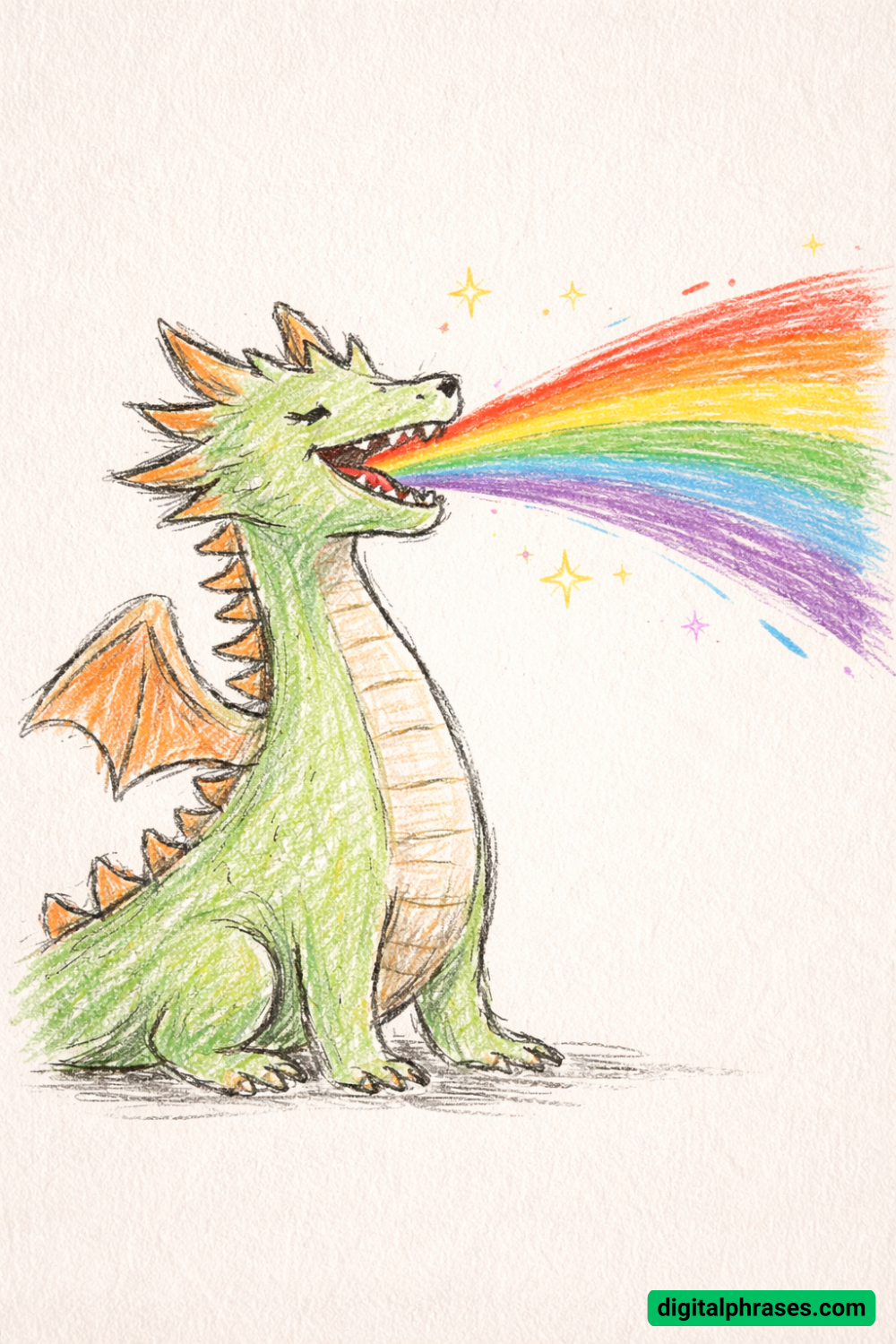
8
9
10
11
12
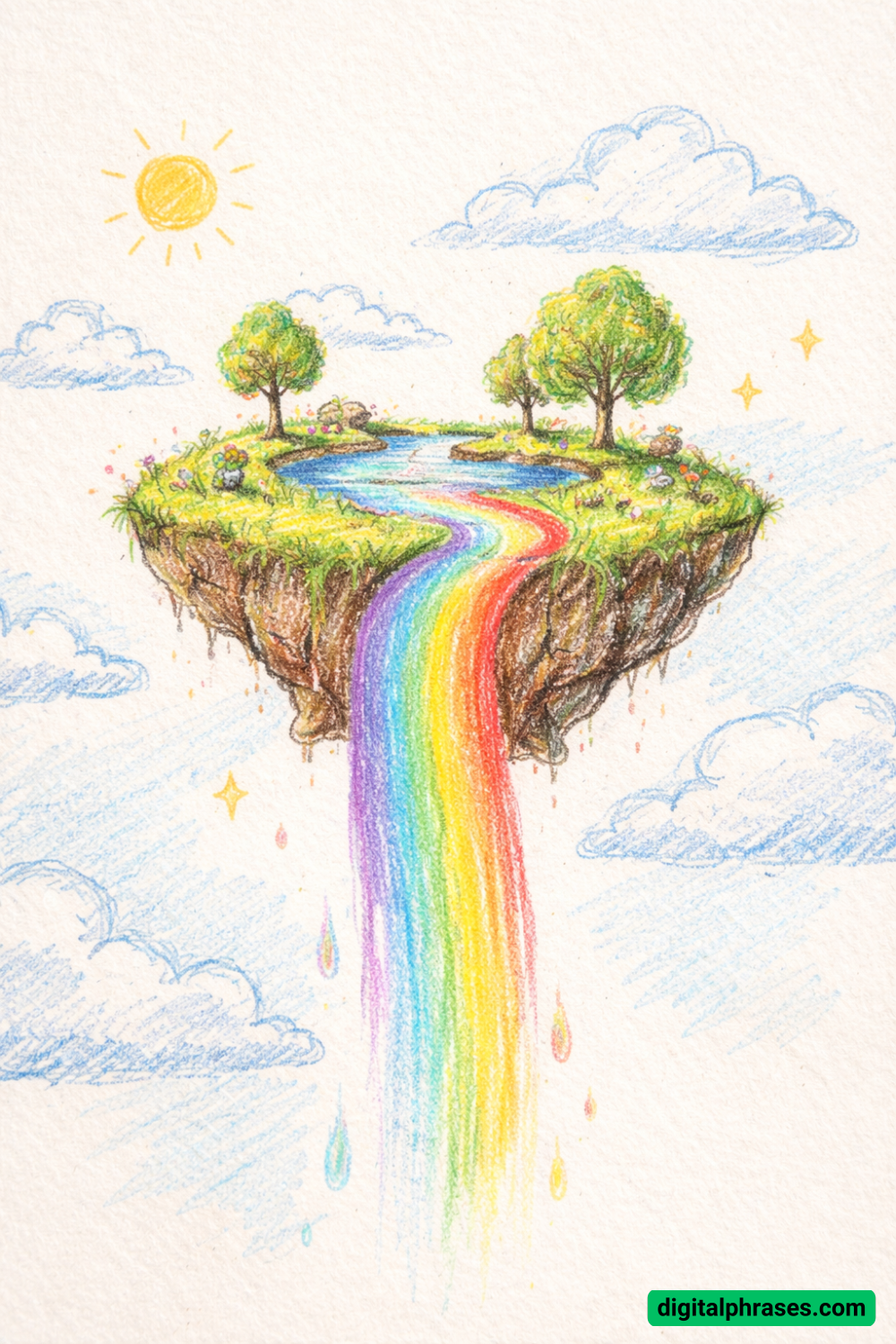
13
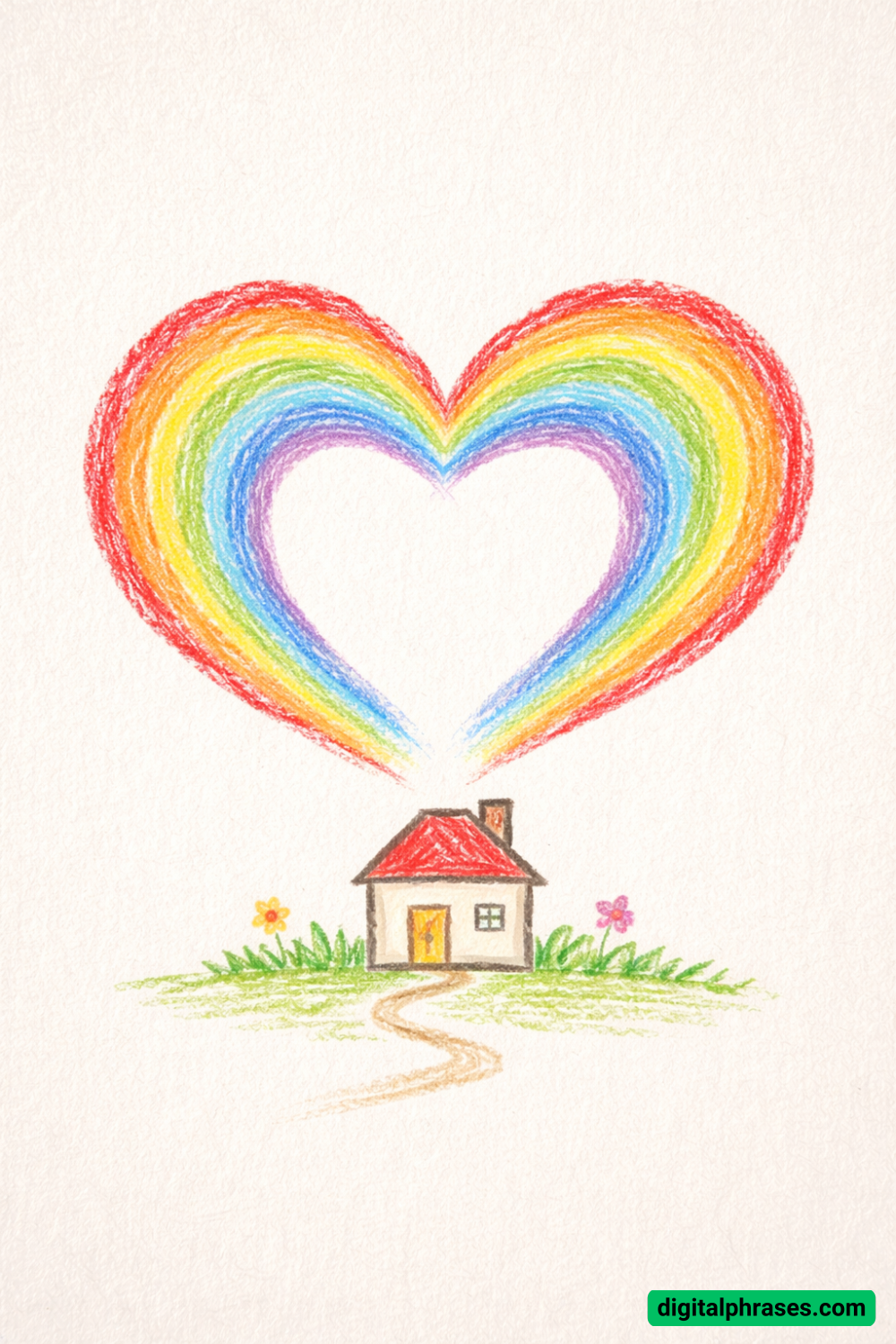
14
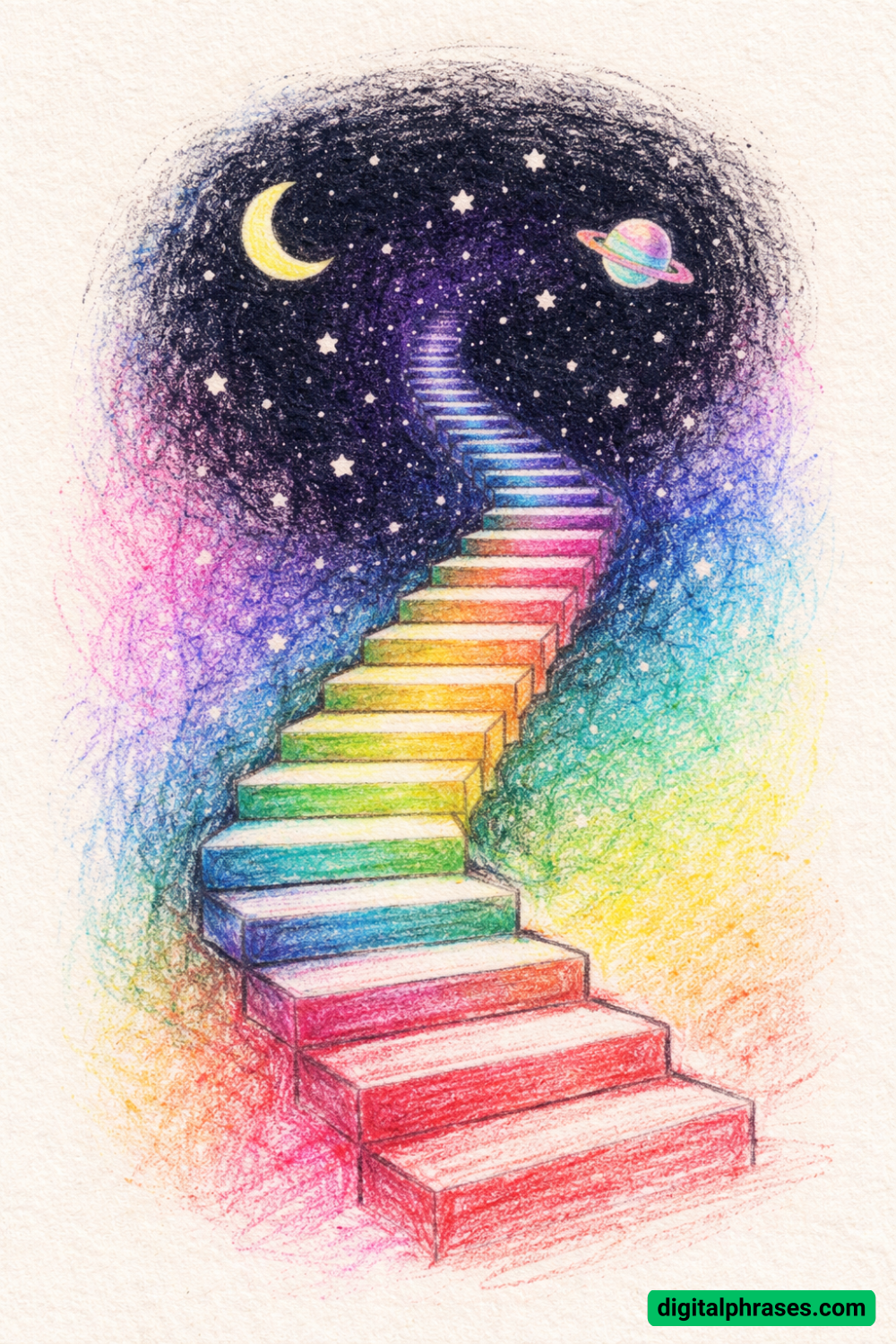
15
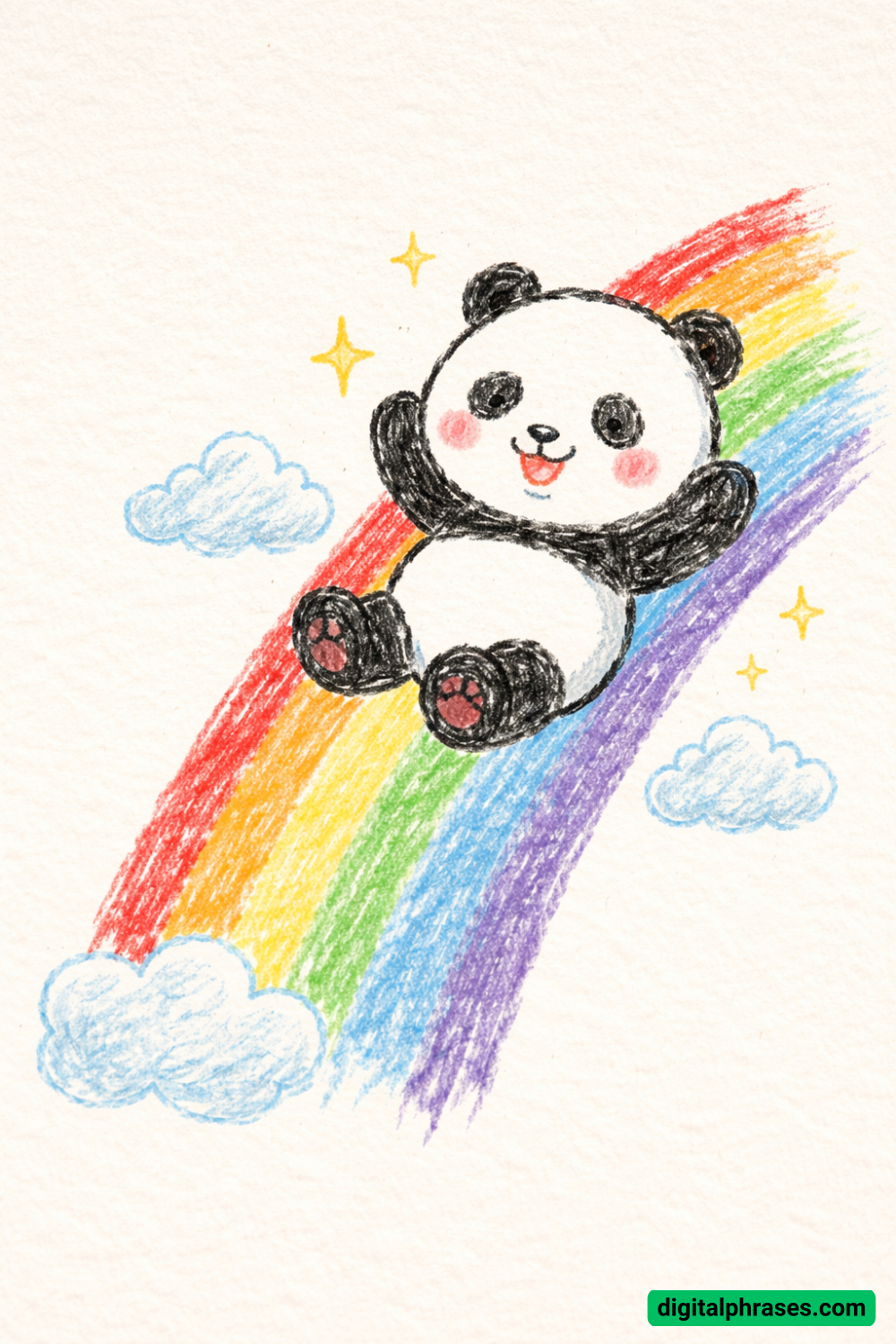
16
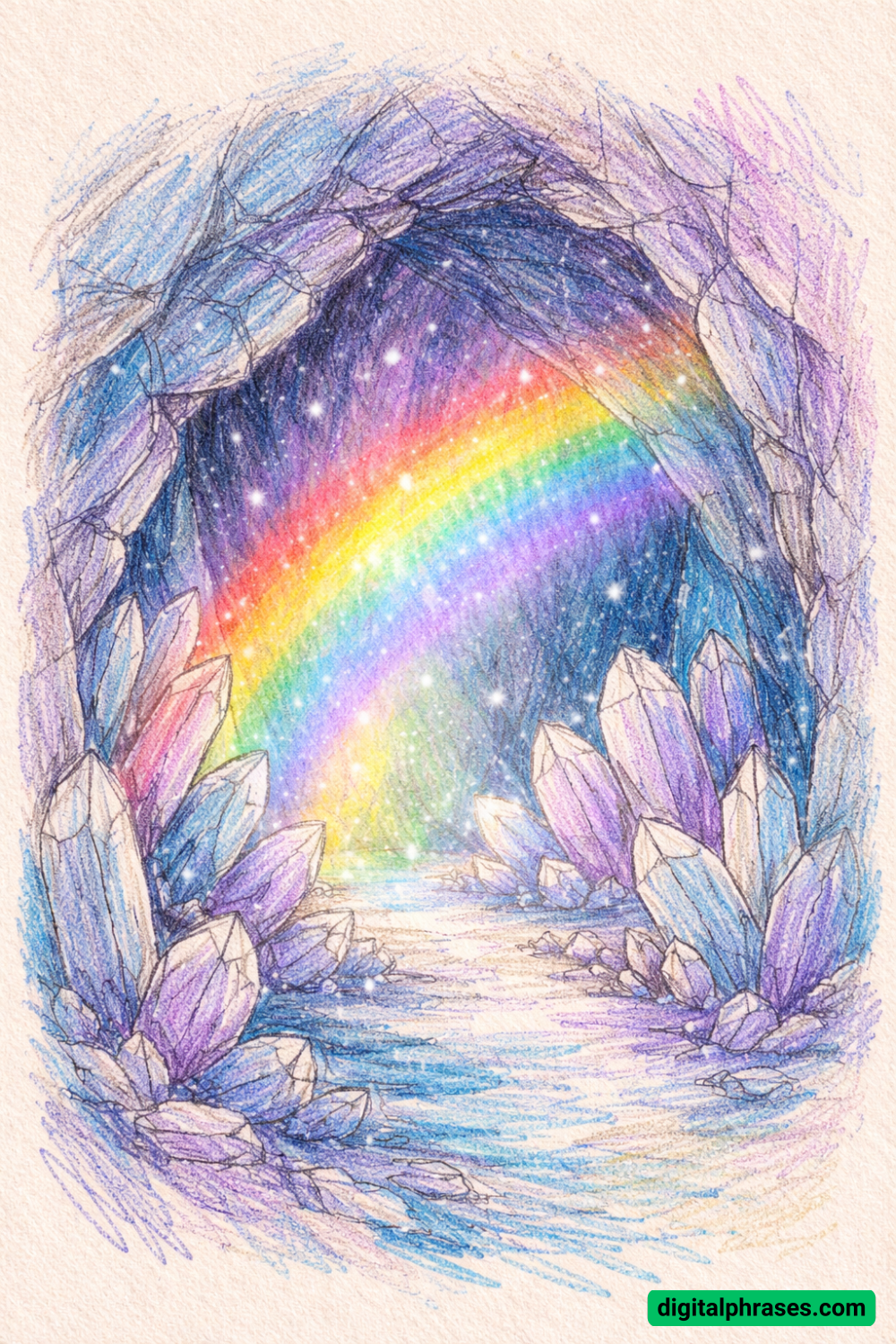
17
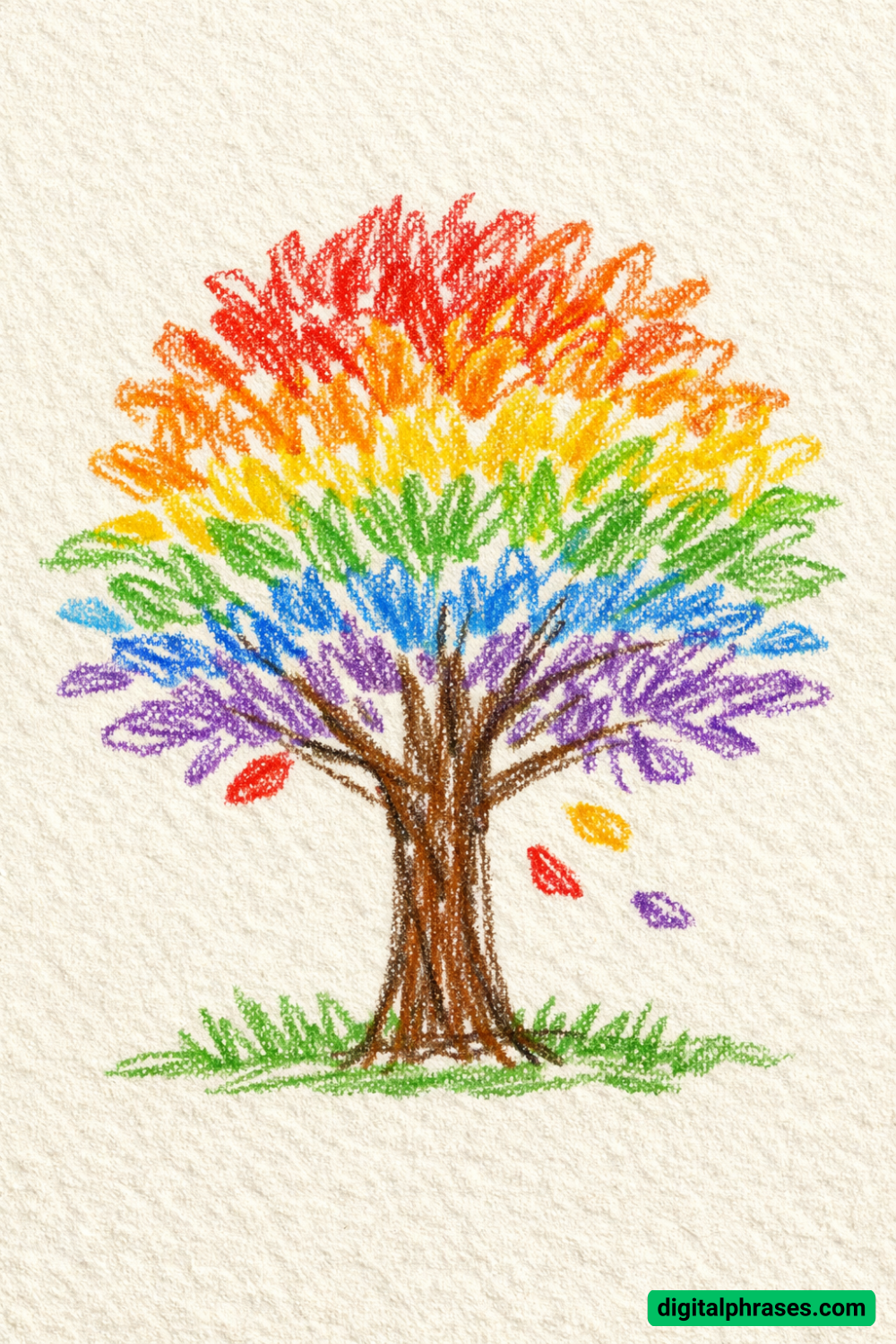
18
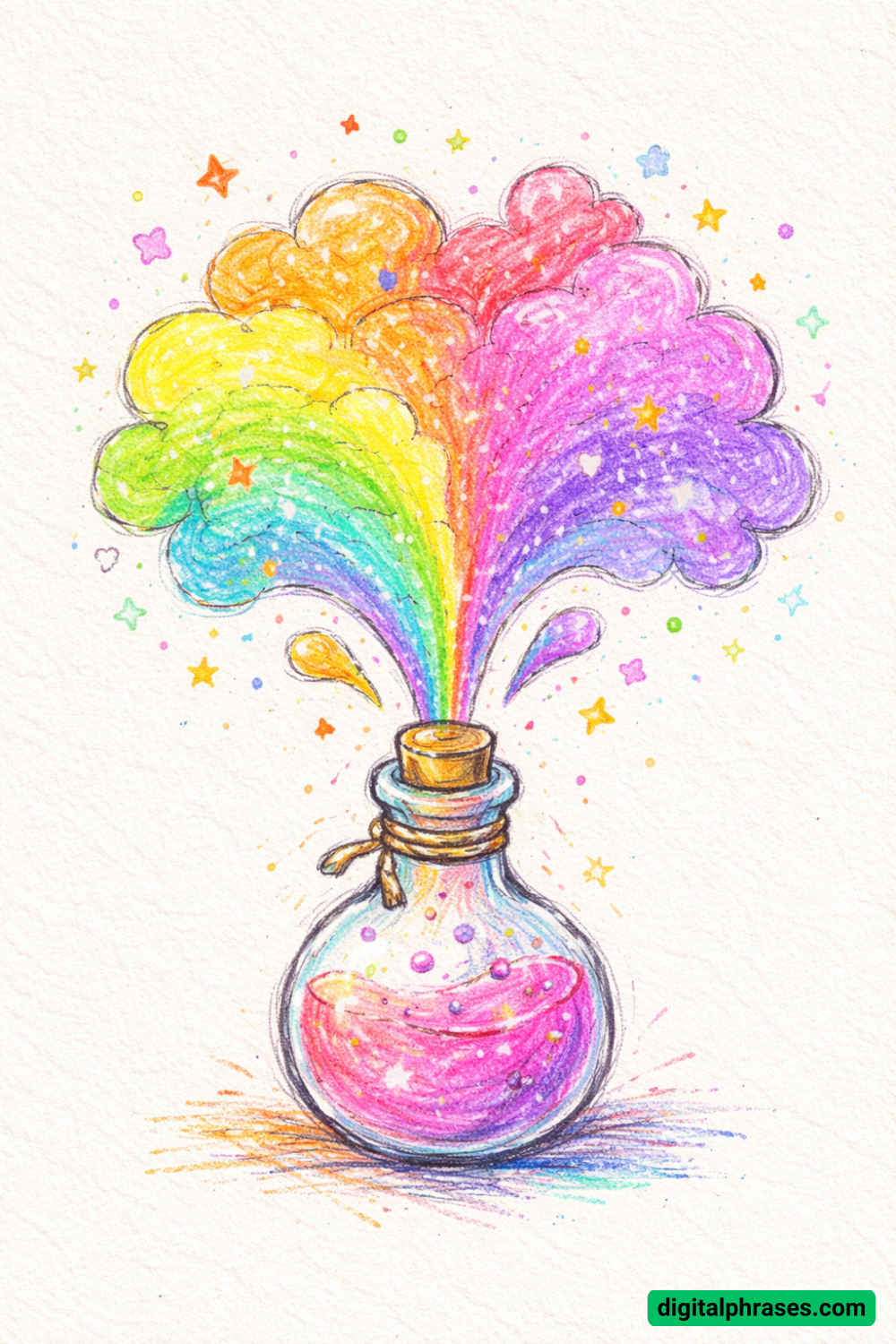
19
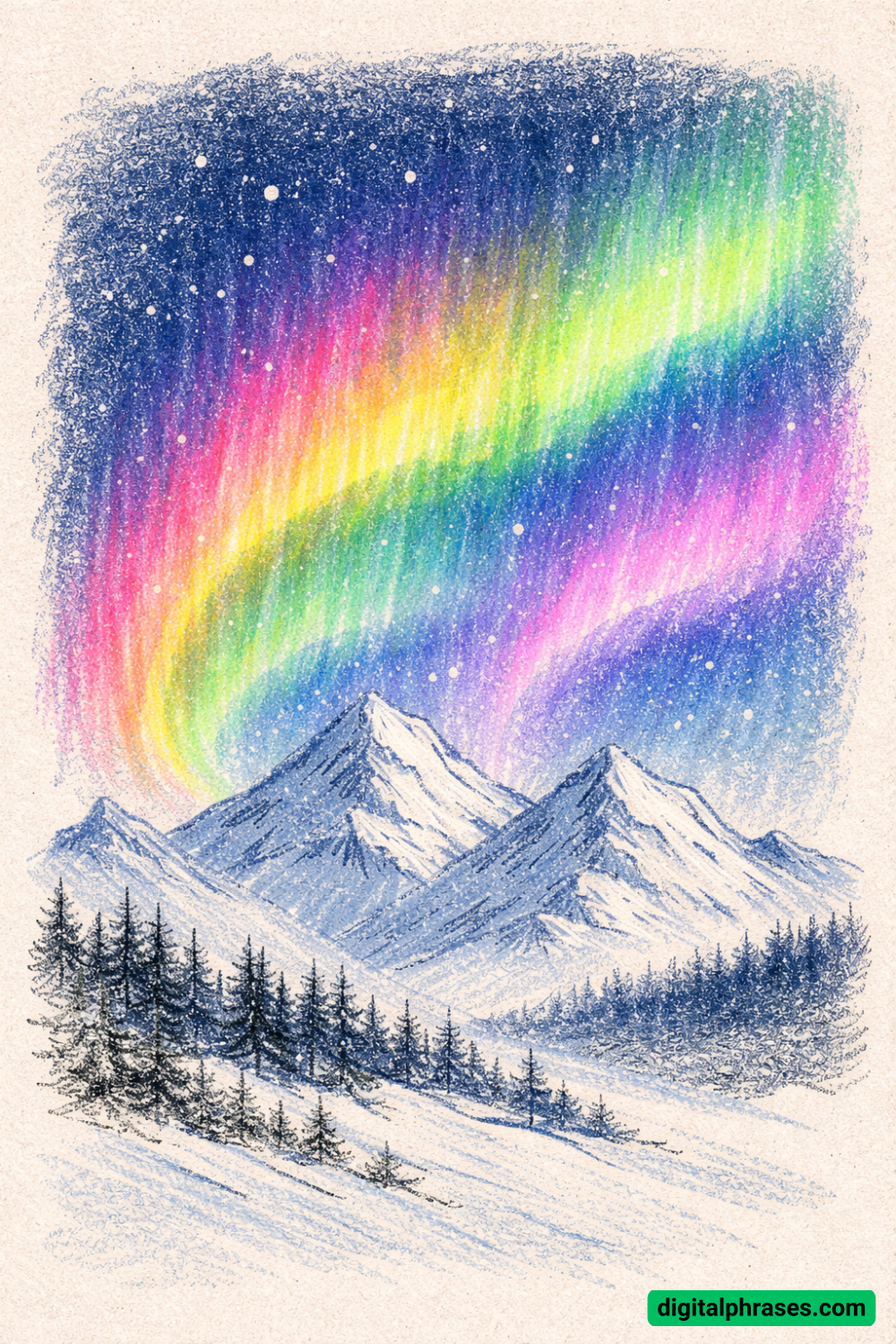
Tips On How To Draw a Rainbow
1. Think of the Rainbow as a Light Source, Not Just Stripes
A common beginner move is to draw rainbows as flat, evenly spaced color bands. Instead, imagine your rainbow as a light-emitting object interacting with the world around it. Is it glowing?
Is it misty?
Is it reflecting on water, clouds, glass, or skin?
Add subtle light spill onto nearby surfaces—soft color gradients on clouds, a faint rainbow tint on a character’s face, or reflections on shiny objects. This makes your rainbow feel integrated into the scene rather than pasted on top. Even a small glow effect around the rainbow edges can give it depth and atmosphere.
2. Control Your Color Transitions (Blend With Purpose)
Rainbows look best when the transitions between colors are smooth and intentional. Instead of hard lines between red, orange, yellow, green, blue, indigo, and violet, softly blend where colors meet.
You don’t have to perfectly follow the textbook order every time either—stylized rainbows can skip colors, add pastel tones, or shift toward warm or cool palettes depending on the mood of your piece.
For dreamy or fantasy scenes, try softer, desaturated transitions. For bold, graphic art, go higher contrast but keep the spacing consistent. The key is making the blending feel designed, not accidental.
3. Use Shape and Perspective to Make Rainbows Dynamic
Rainbows don’t always have to be perfect arches. Let them twist, spiral, drip, or flow with the composition of your drawing. If your rainbow is a road, make it curve with perspective.
If it’s a waterfall, let gravity shape it. If it’s wrapping around a character or object, follow the form of that object so the rainbow feels three-dimensional.
Thinking in terms of volume—like your rainbow is a ribbon in 3D space—instantly adds depth and motion. This turns a simple rainbow into a dynamic visual element that guides the viewer’s eye through your artwork.
4. Balance Saturation So Your Rainbow Doesn’t Overpower the Scene
Rainbows are naturally eye-catching, but too much saturation everywhere can overwhelm the viewer.
Decide what the focal point is. If the rainbow is the main subject, let it be bright and vivid while keeping the background softer or more muted. If the scene is about a character or environment, slightly tone down the rainbow so it supports the story instead of hijacking it.
You can also use atmospheric effects—mist, clouds, glow, blur—to soften parts of the rainbow and create depth. Contrast isn’t just about color; it’s about controlling visual noise so your piece feels harmonious.
5. Add Texture and Story to Make the Rainbow Feel Alive
The most memorable rainbow drawings aren’t just pretty—they feel like they belong to a story. Add texture to give personality: soft airbrush for dreamy clouds, watercolor bleeds for gentle rainbows, grain or noise for a vintage look, or sparkles for magical scenes. Then think about why the rainbow is there. Is it magical energy?
A portal?
A natural phenomenon after rain?
A character’s creation?
Small narrative touches—like a character interacting with the rainbow, animals using it as a bridge, or colors dripping into the world—make your drawing feel intentional and emotionally engaging.