
25 School Drawing Ideas
Schools are more than just buildings where lessons are taught—they are places filled with memories, friendships, creativity, and everyday moments that shape our lives.
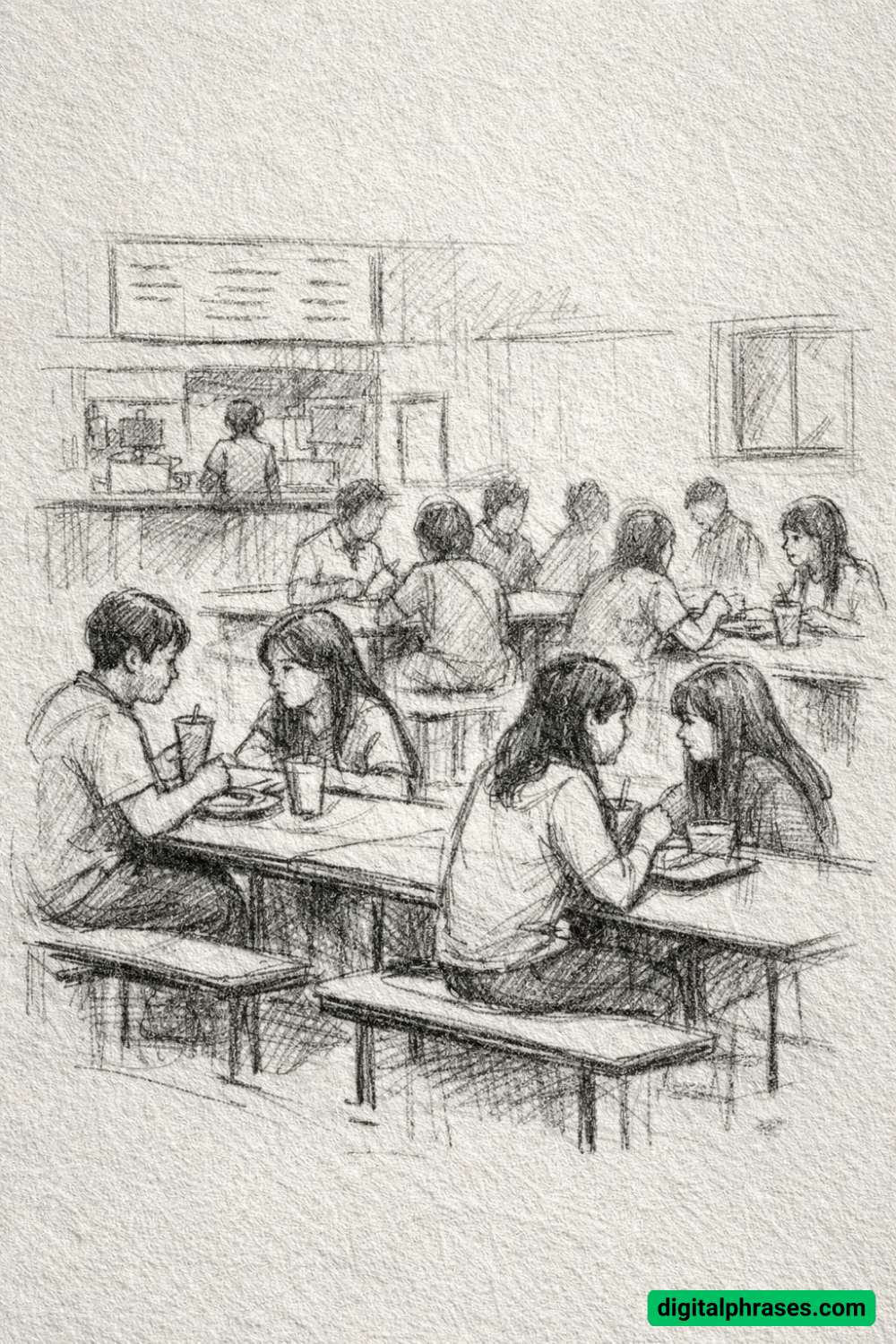
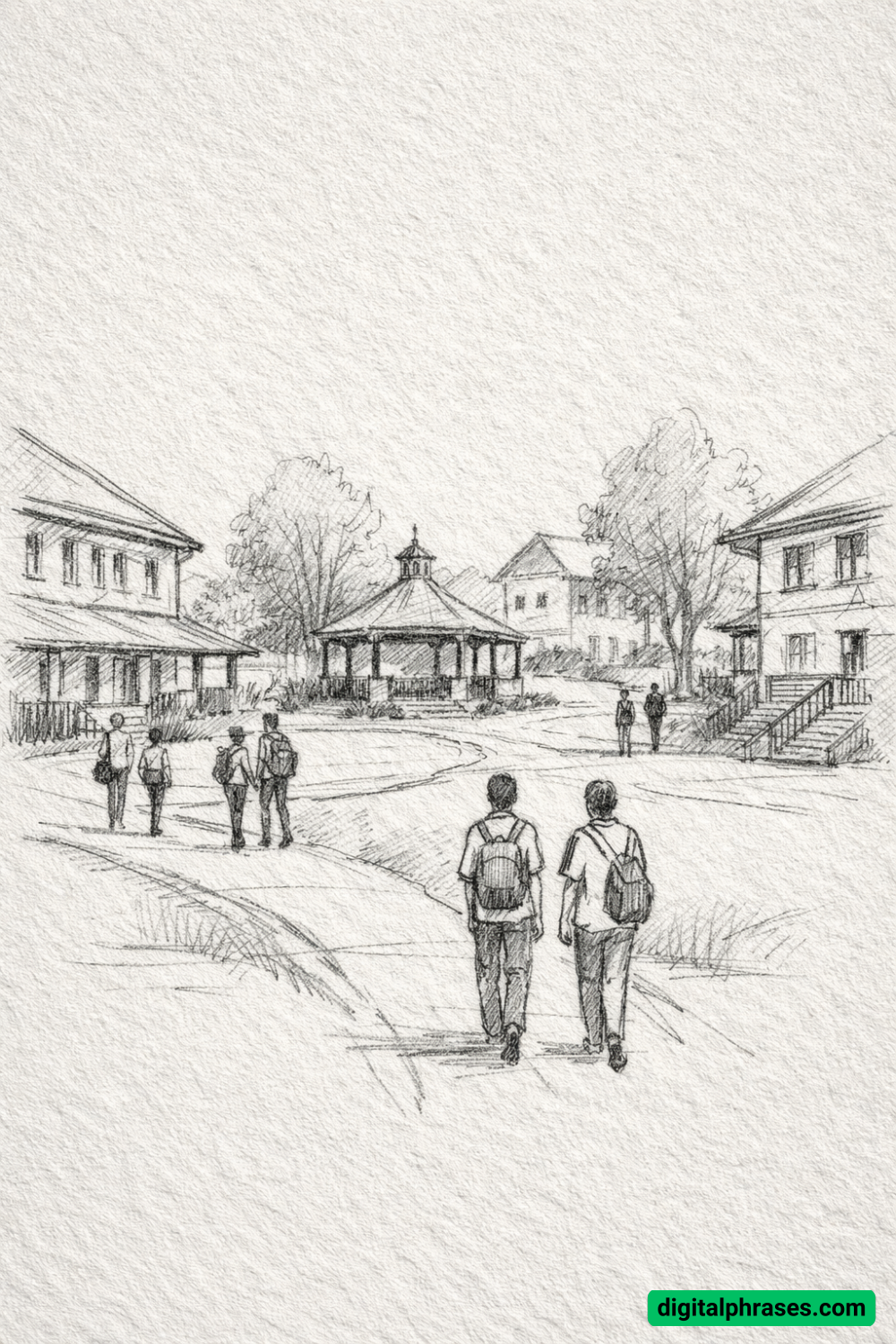
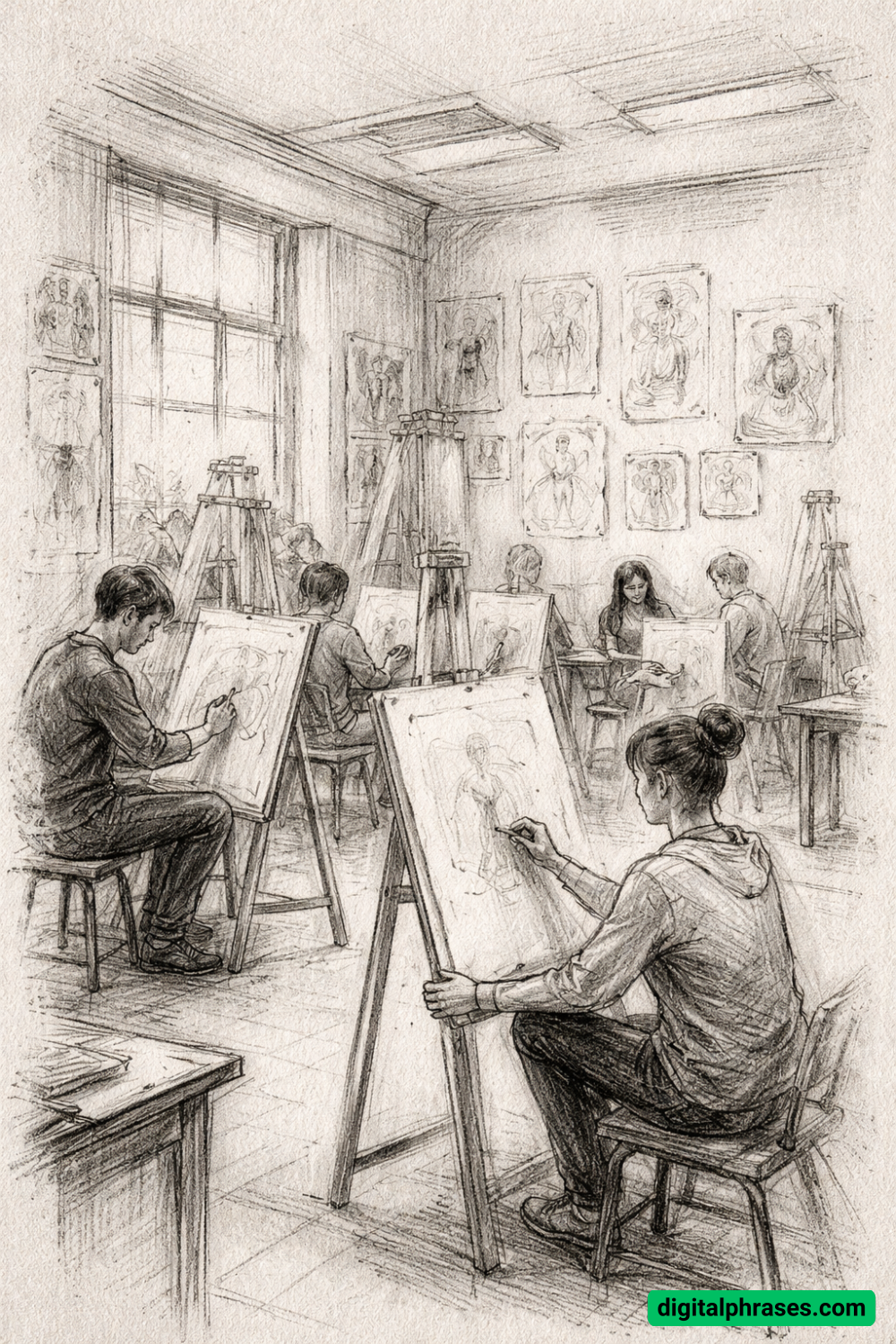
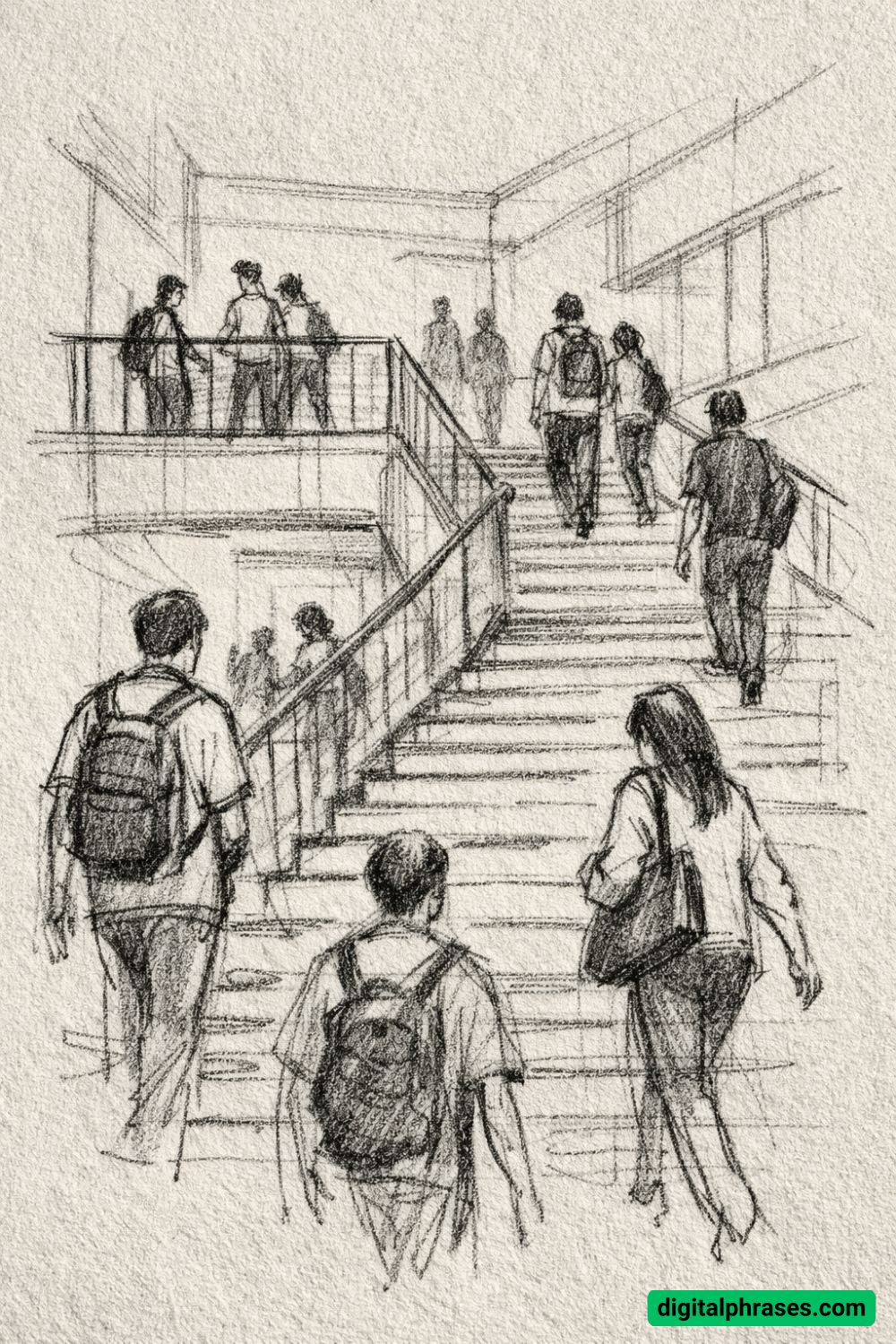
Drawing school scenes is a wonderful way to capture these moments and express the atmosphere of school life through art.
In this blog, you’ll discover some drawing ideas inspired by school life that are fun, simple, and perfect for artists of all levels
School Drawing Ideas
1
2

3

4
5

6
7
8

9

10
11

12

13
14
15

16
17
18
19

20

21
22
23
24
25

Tips on How To Draw a School
1. Start with Simple Shapes
When drawing a school, the easiest way to begin is by breaking the building into simple shapes. Most school buildings are made up of rectangles, squares, and triangles. For example, the main building can be a large rectangle, windows can be small squares, and the roof can be a triangle or flat rectangle.
Starting with these basic shapes helps you create a clean structure before adding details. Lightly sketch the outlines first so you can adjust proportions easily. Once the basic layout looks balanced, you can darken the lines and begin refining the drawing.
This approach makes drawing less overwhelming, especially for beginners. Instead of focusing on complex details right away, you build the drawing step by step. It also helps ensure that the building looks realistic and well-proportioned.
Using simple shapes is a common technique artists use for architecture drawings, and it works perfectly when sketching schools.
2. Add Recognizable School Features
To make your drawing clearly look like a school, include elements that people easily associate with school life. These recognizable features help tell the story of the place and make the drawing more engaging.
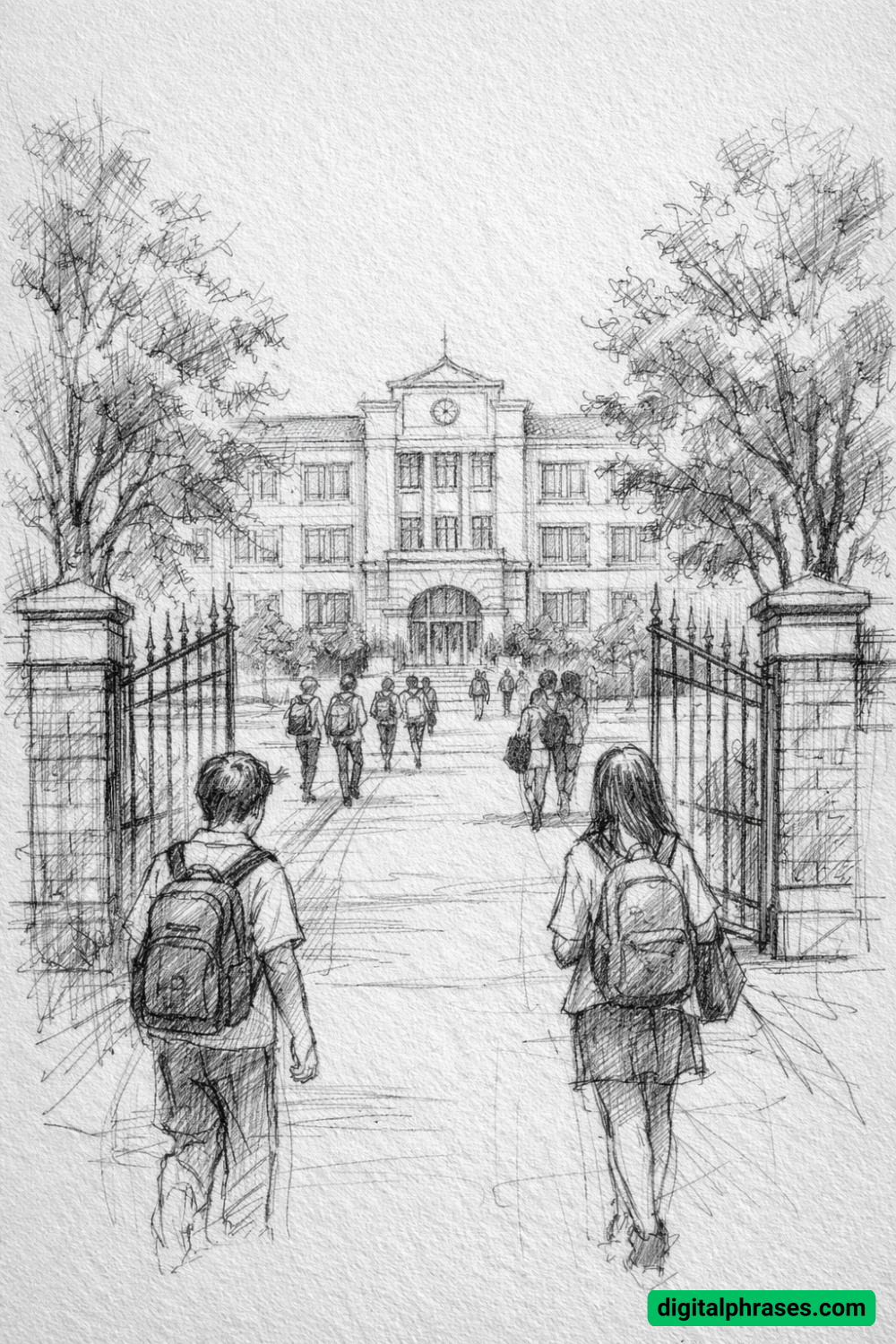
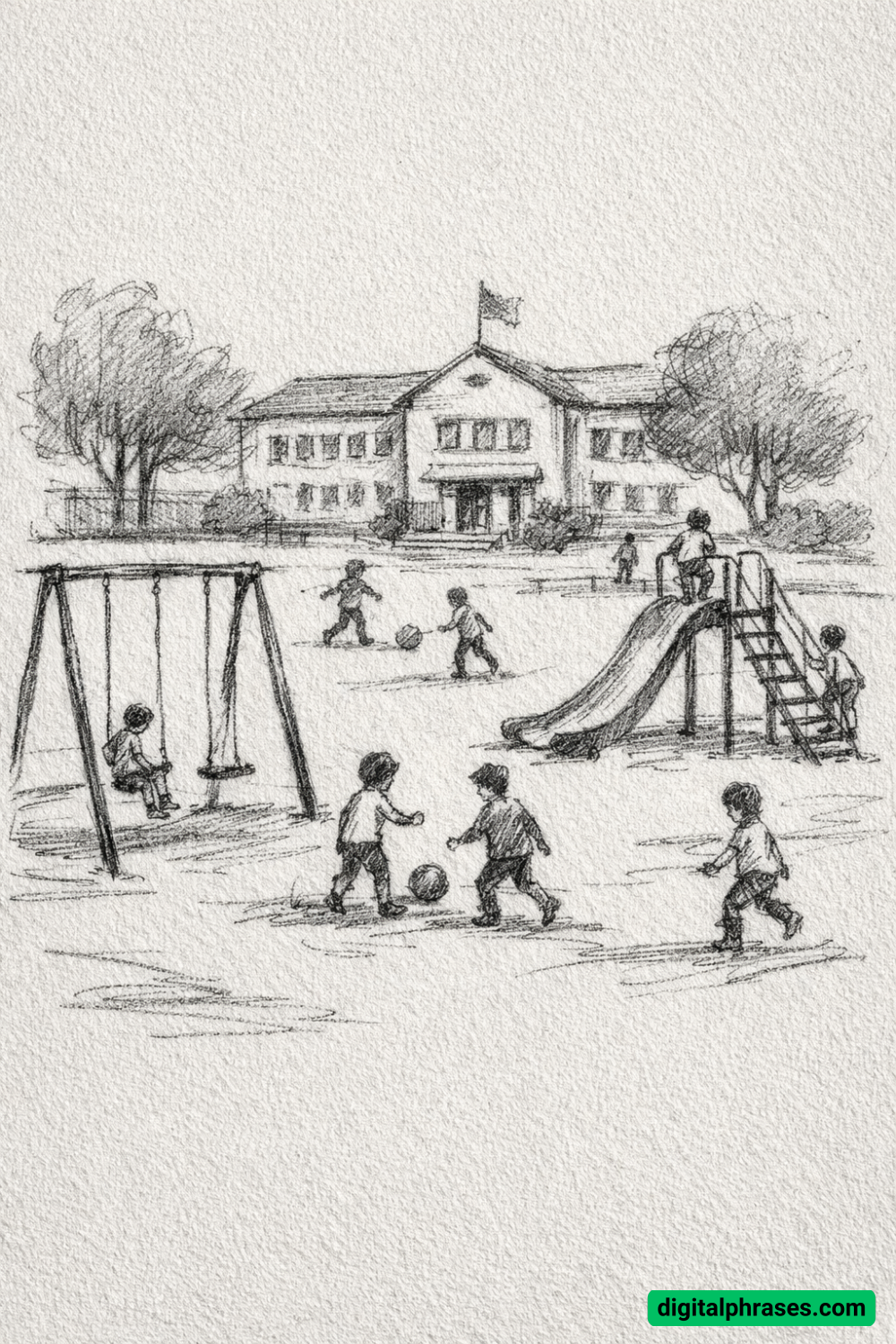
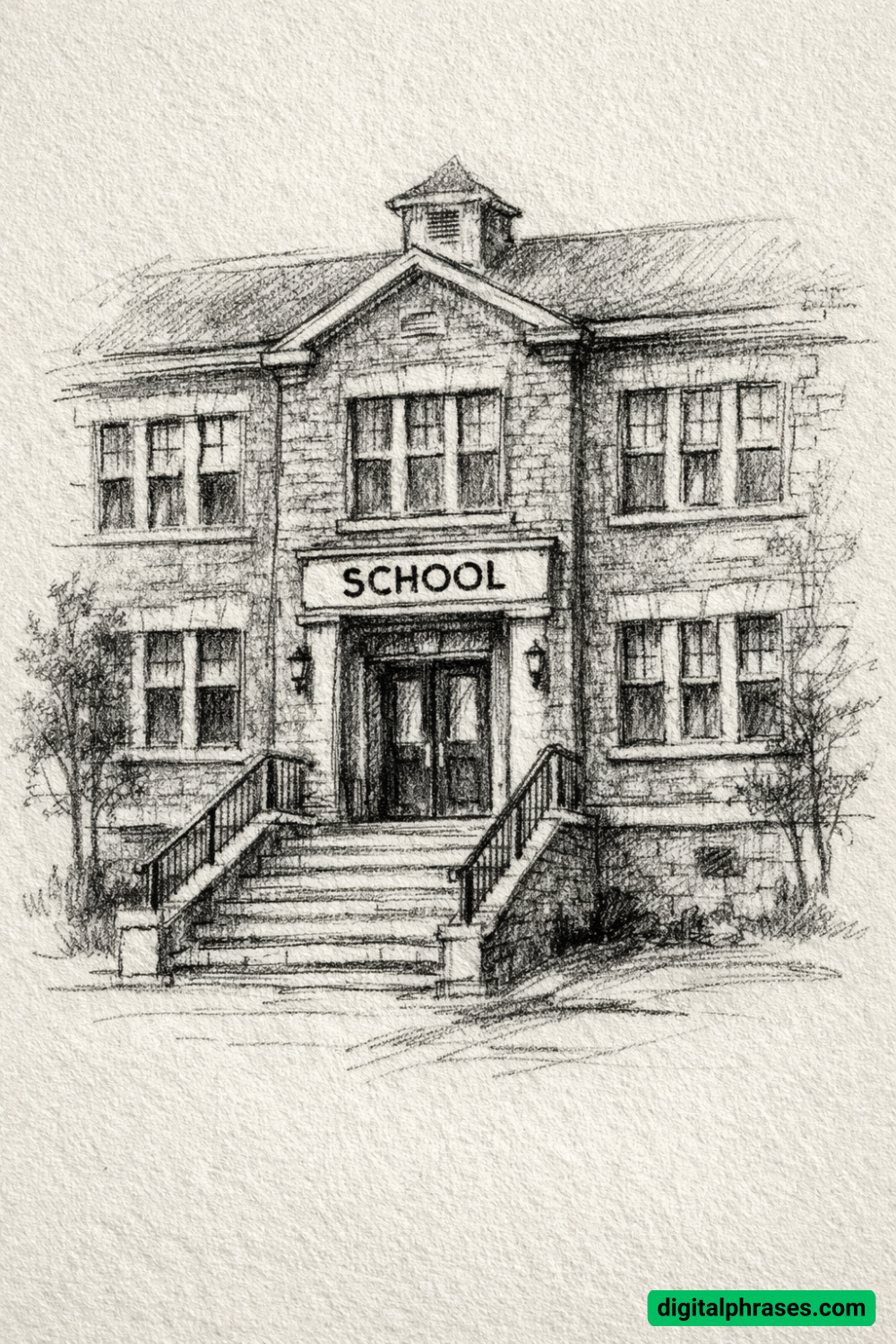
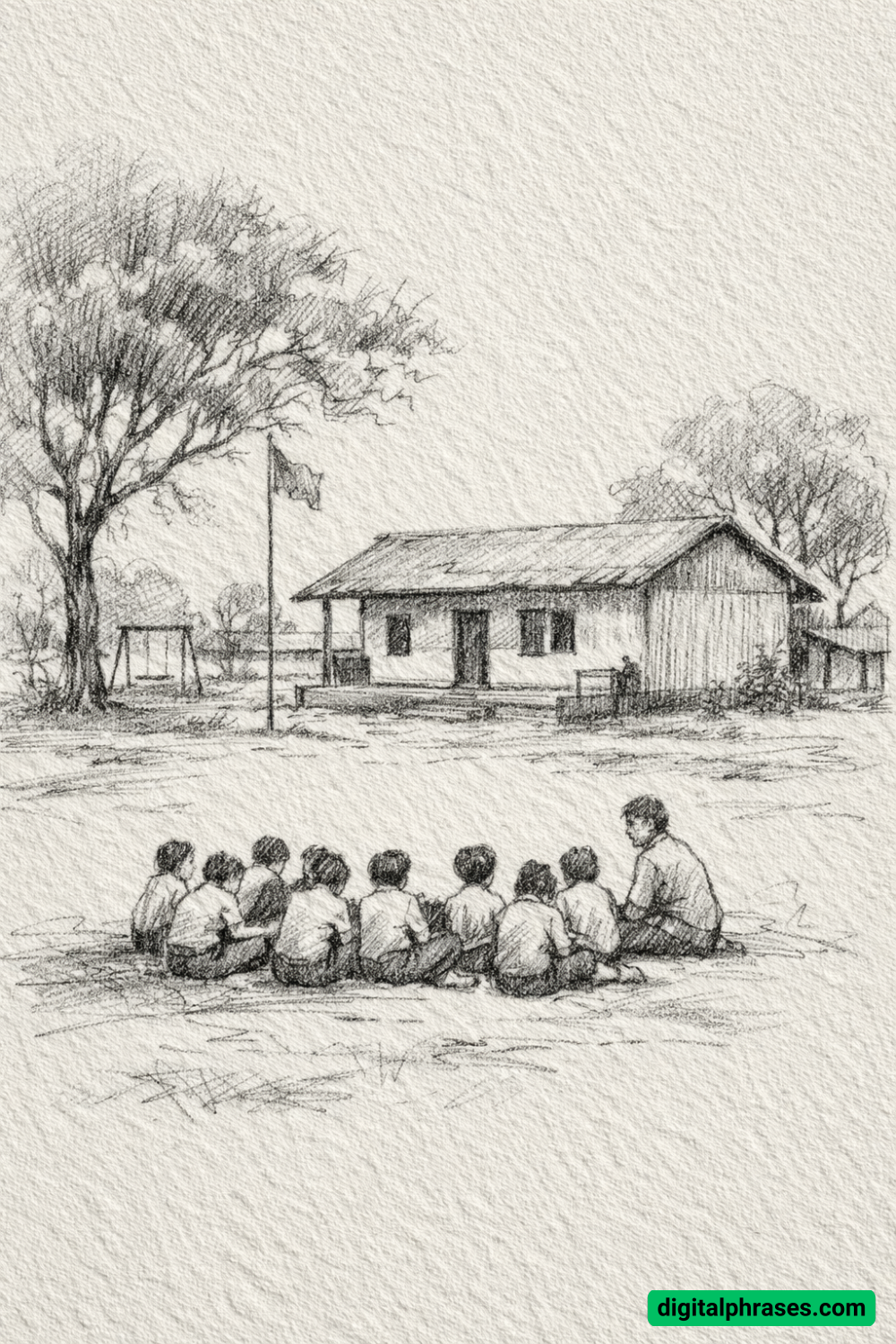
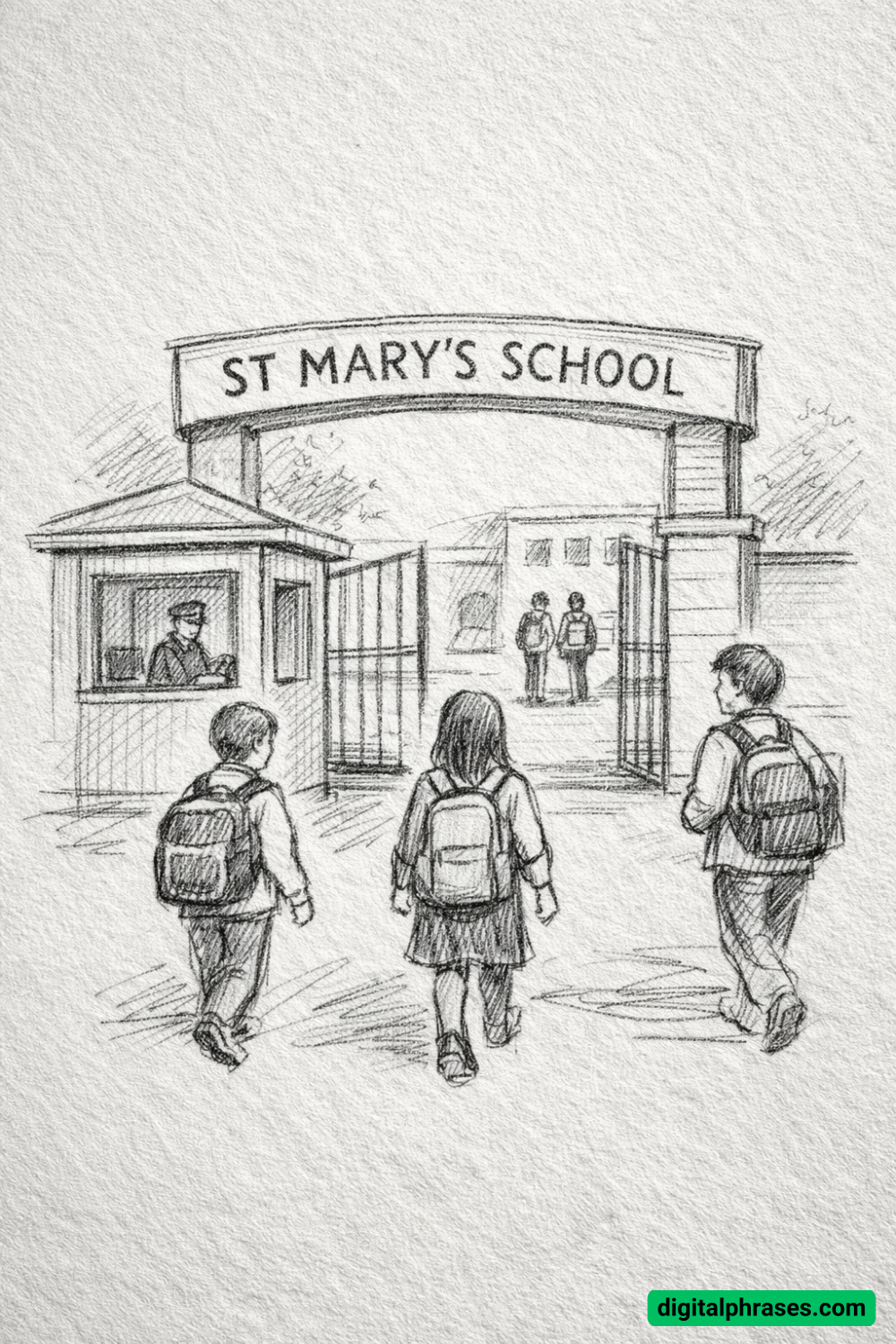
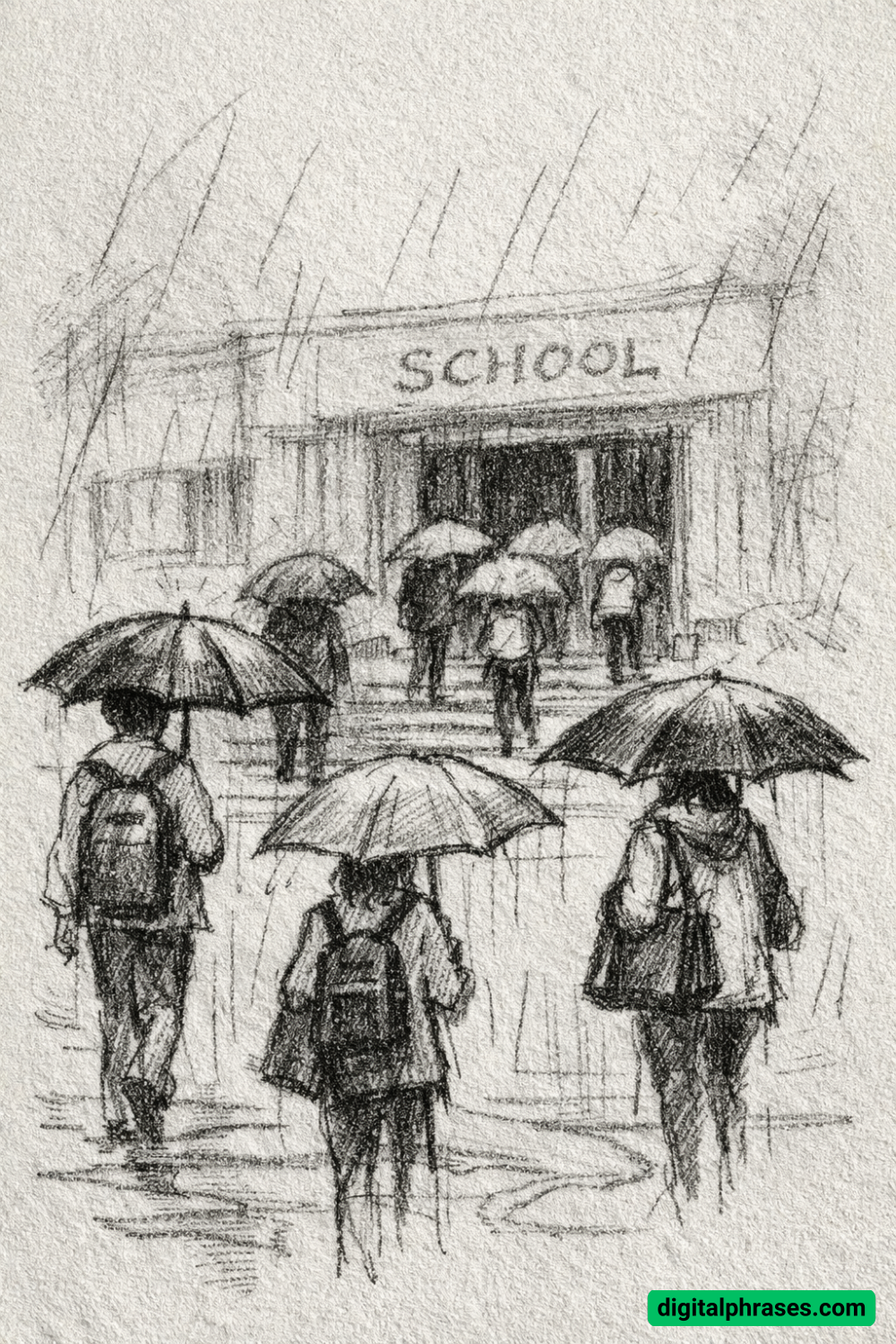
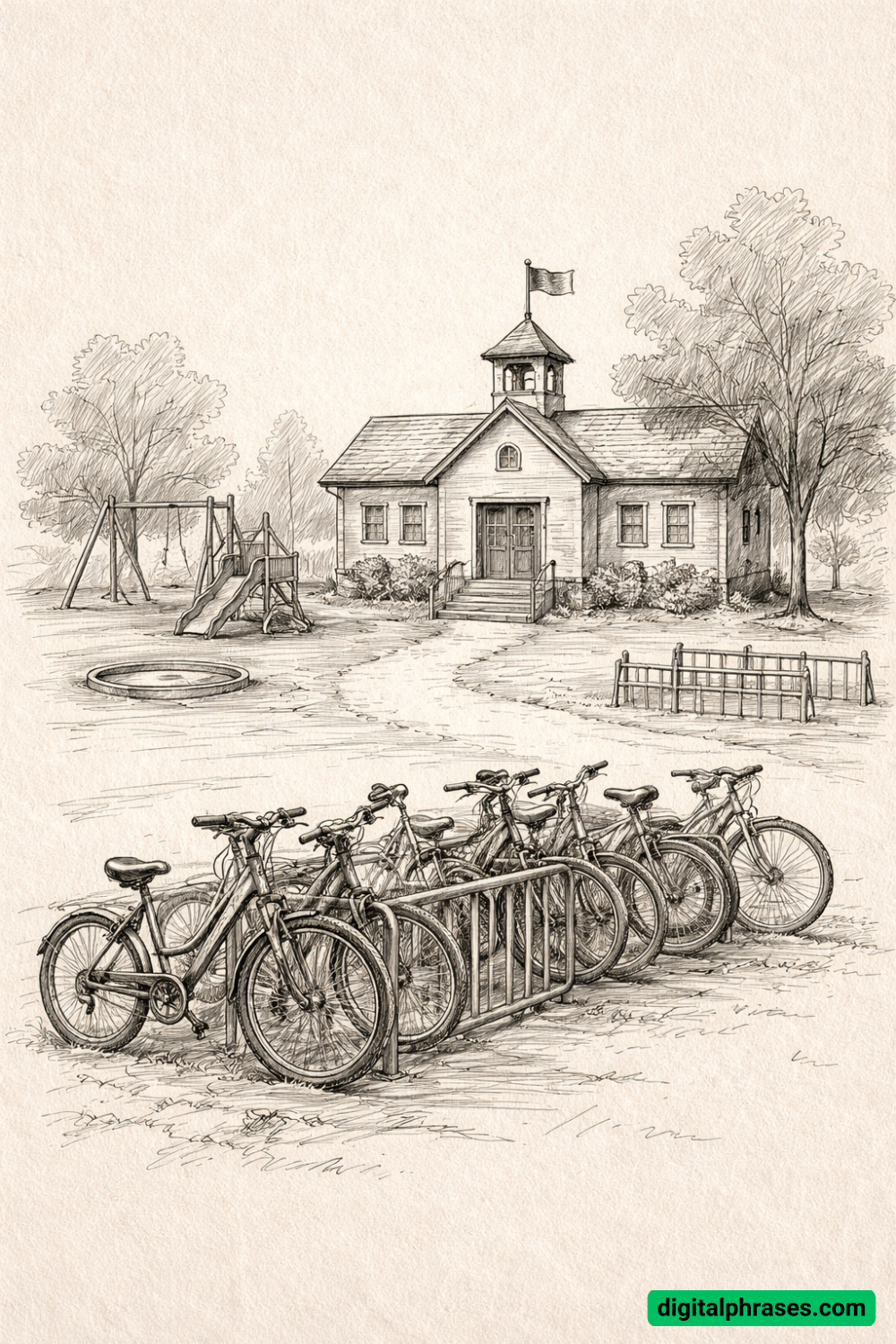
You can draw a flagpole with a flag in front of the building, a playground nearby, or a signboard with the word “School” on it. Adding a bell tower, school buses, bicycles, or students walking with backpacks can also bring the scene to life.
Details like rows of classroom windows, a front entrance with steps, and a wide playground area make the drawing feel authentic. These elements help viewers instantly understand the setting.
Think about what makes a school unique and include those small but meaningful details in your artwork.
3. Focus on Perspective and Layout
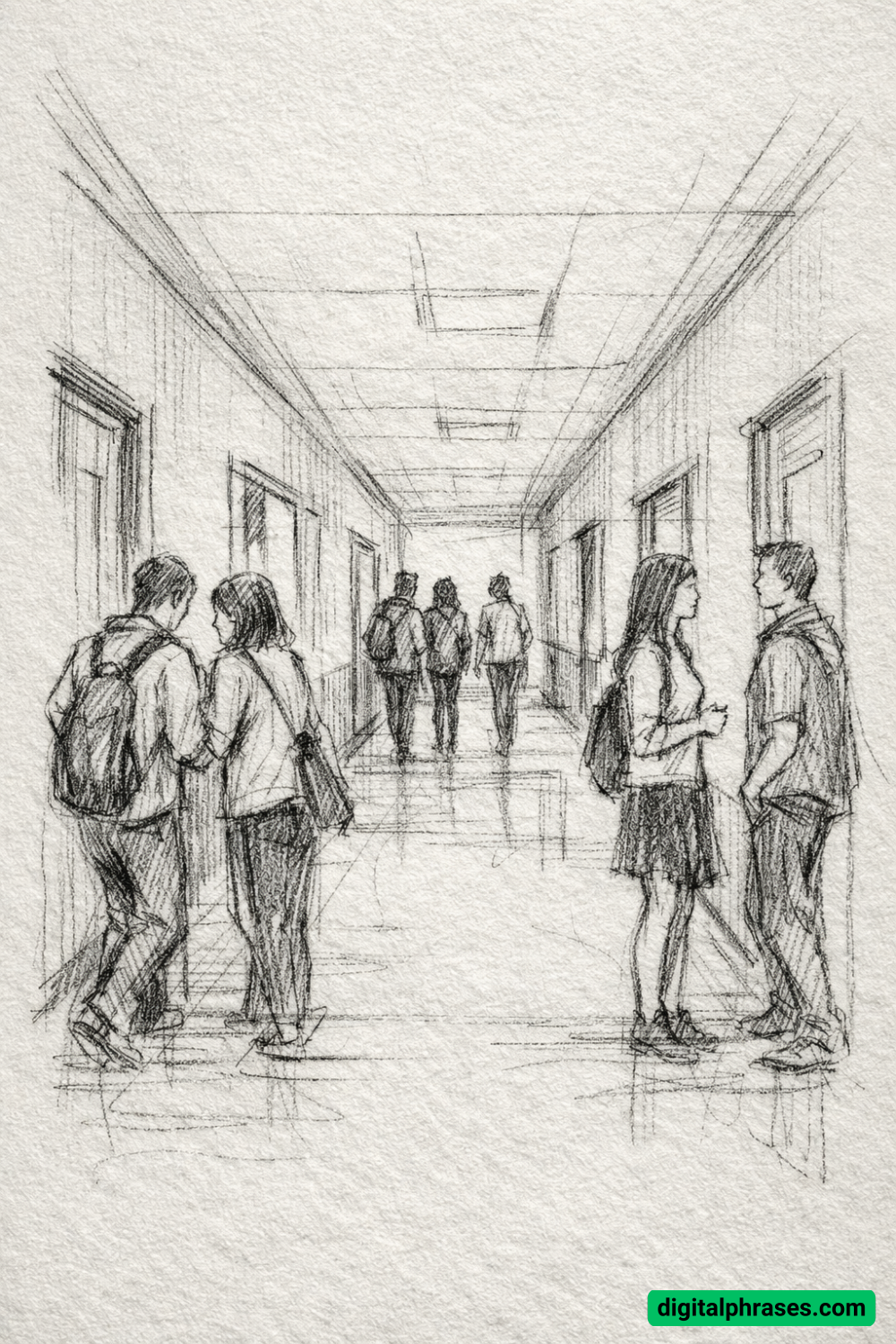
Perspective is important when drawing buildings like schools. It helps create depth and makes the structure look more realistic instead of flat. Even simple perspective techniques can make a big difference.
For example, instead of drawing everything straight-on, you can angle the building slightly so two sides are visible. This technique, often called two-point perspective, makes the drawing appear more three-dimensional.
You can also place objects like trees, benches, or a playground in the foreground to add depth. The school building can stay in the middle, while smaller elements appear farther away.
Planning the layout of your drawing before adding details ensures that everything fits nicely on the page and creates a balanced composition.
4. Include School Environment and Surroundings
A school is rarely just a single building. The surrounding environment plays a big role in making the drawing feel complete and lively. Adding trees, pathways, sports fields, and playground equipment can make the scene more interesting.
You might include children playing on swings, students sitting on benches, or a teacher standing near the entrance. Even small details like clouds, birds, or the sun can add warmth and atmosphere to the drawing.
The environment helps tell the story of school life. Instead of focusing only on the building, think about the activities that happen around it.
These surroundings make your drawing more dynamic and help capture the everyday energy of a school campus.
5. Use Colors and Details to Bring the Drawing to Life
Once the sketch is complete, coloring and adding details can transform your drawing into something vibrant and engaging. Many schools have bright walls, green playgrounds, and colorful surroundings that make the scene visually appealing.
You can use colored pencils, markers, or watercolors to fill in your drawing. Try using different shades for the building, sky, grass, and trees to create contrast.
Small details such as window frames, doors, bricks, or classroom curtains can also make the drawing look richer and more realistic.
Take your time during this stage. Careful coloring and thoughtful details will give your school drawing personality and make it feel alive.