19 Sea Waves Drawing Ideas
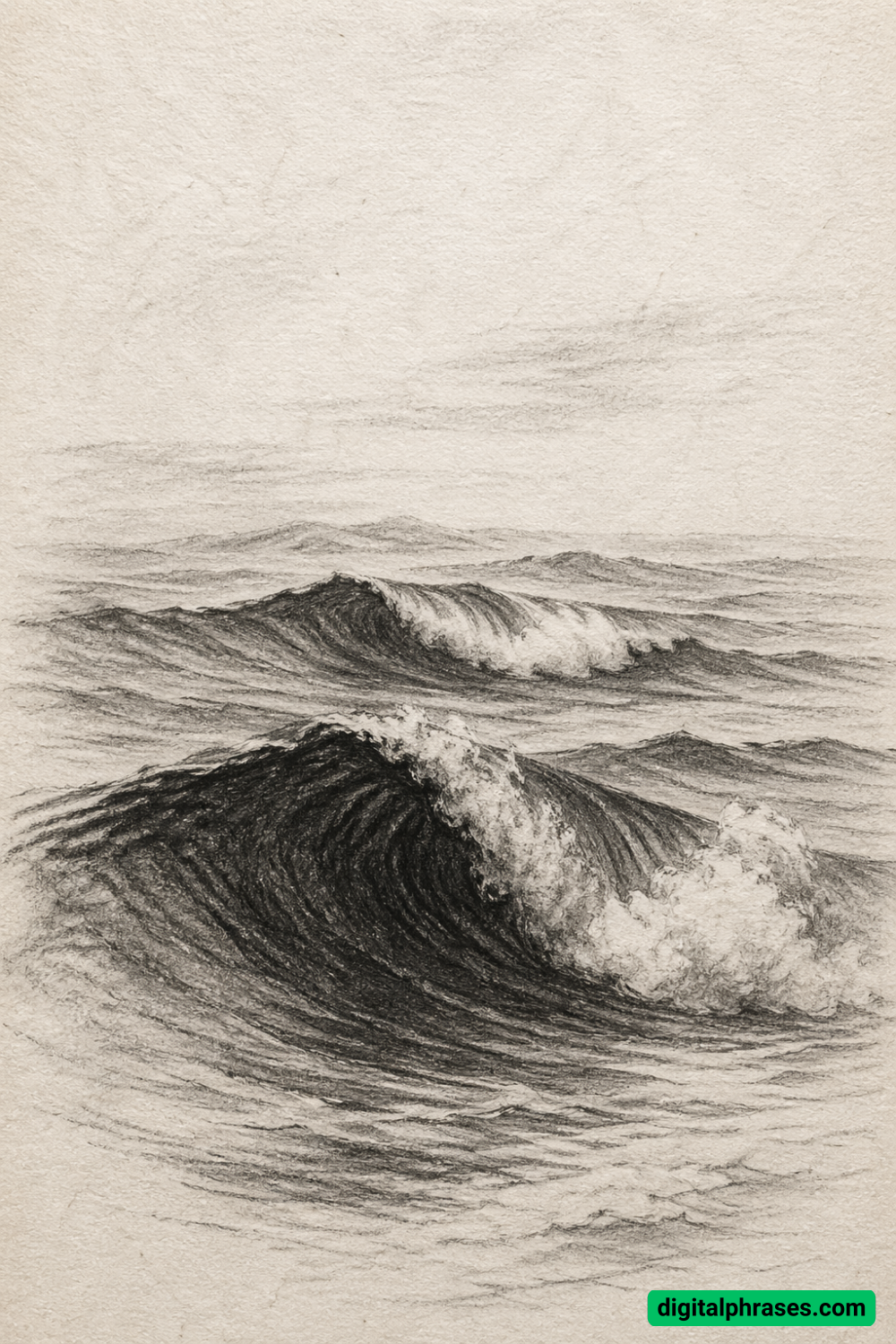
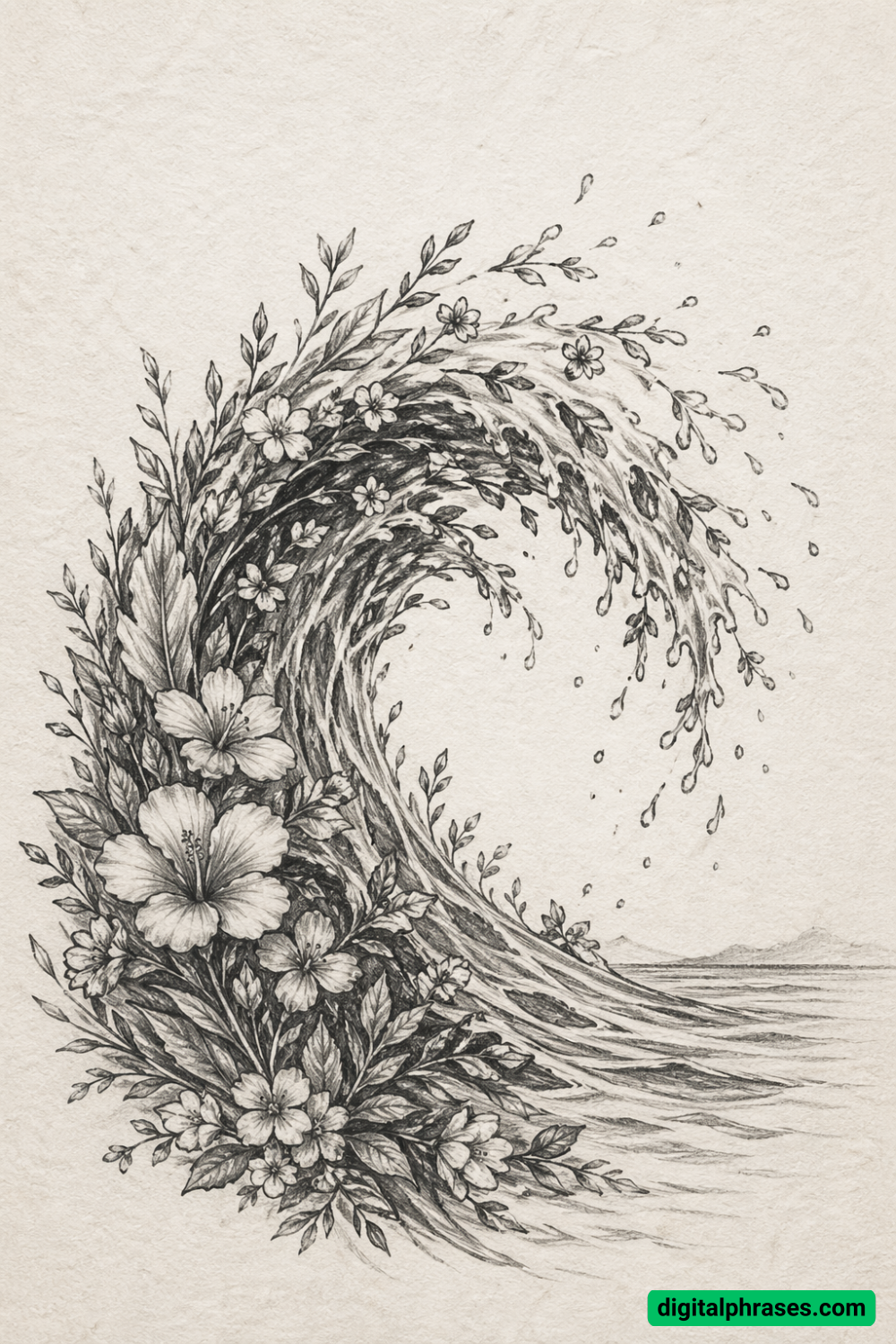
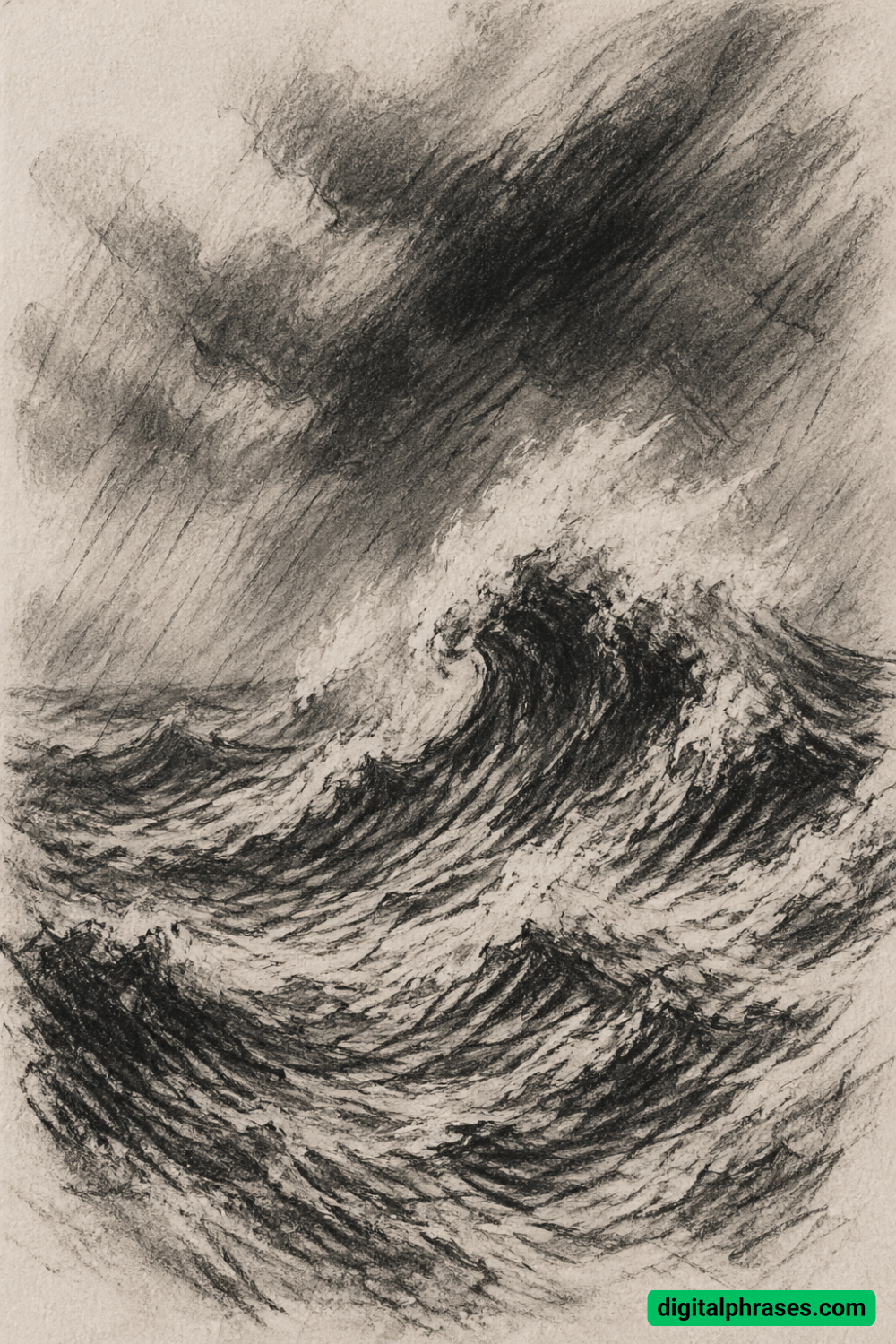
There’s something naturally calming about drawing sea waves.
Whether you’re a beginner just exploring sketching or someone who already enjoys art, waves are simple to start with but can become as detailed as you like.
This list of sea wave drawing ideas is meant to give you inspiration without overwhelming you.
Let’s begin.
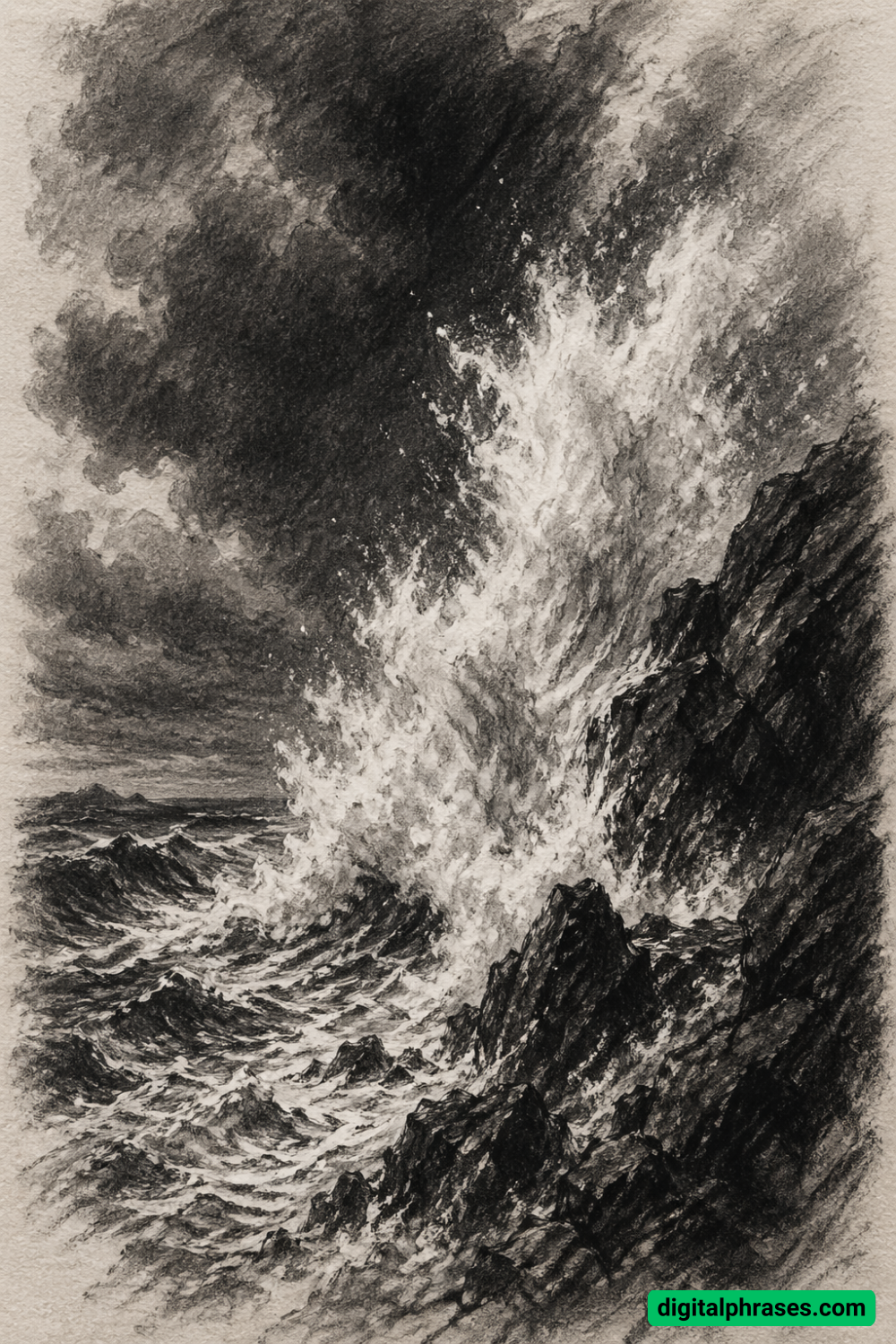
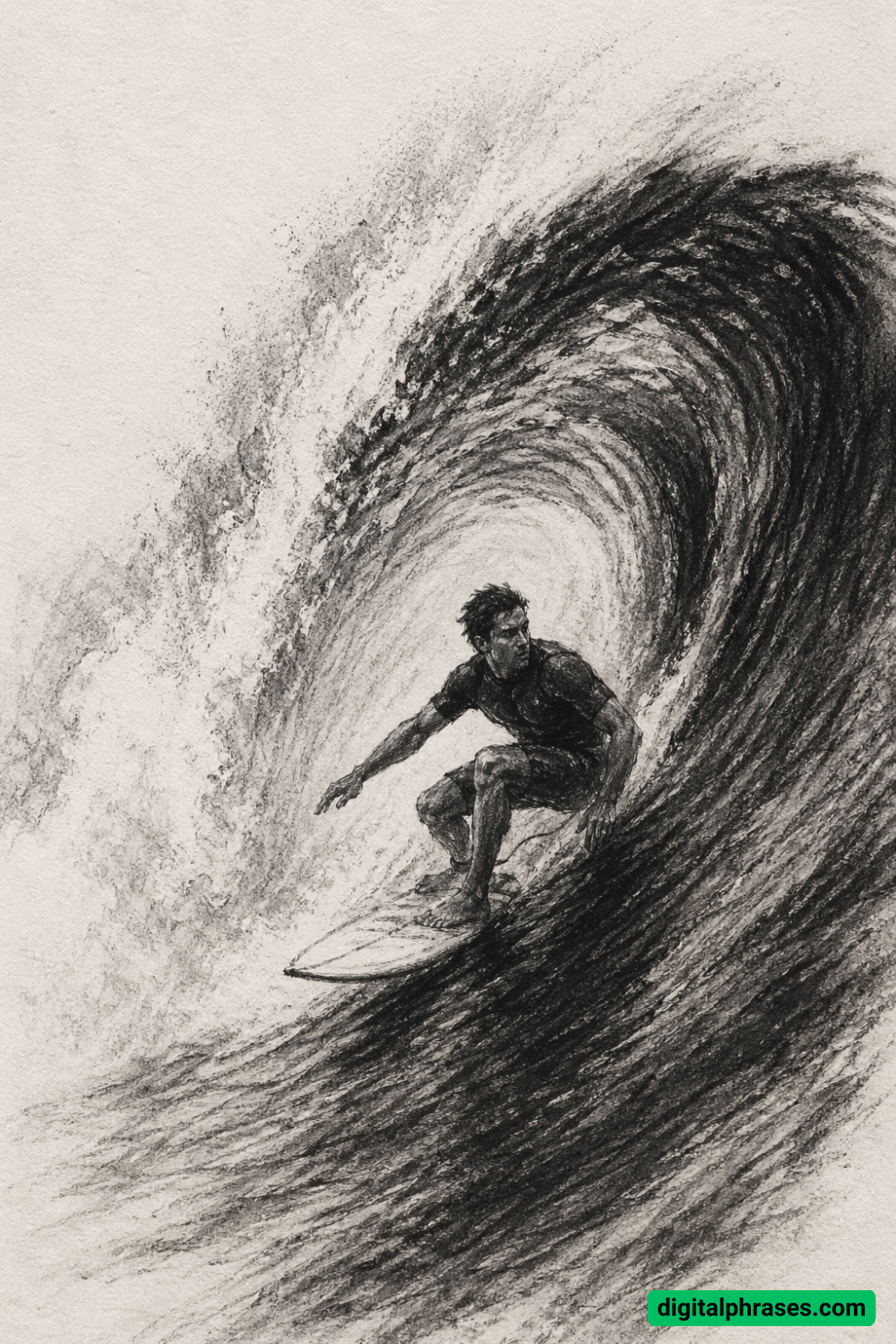
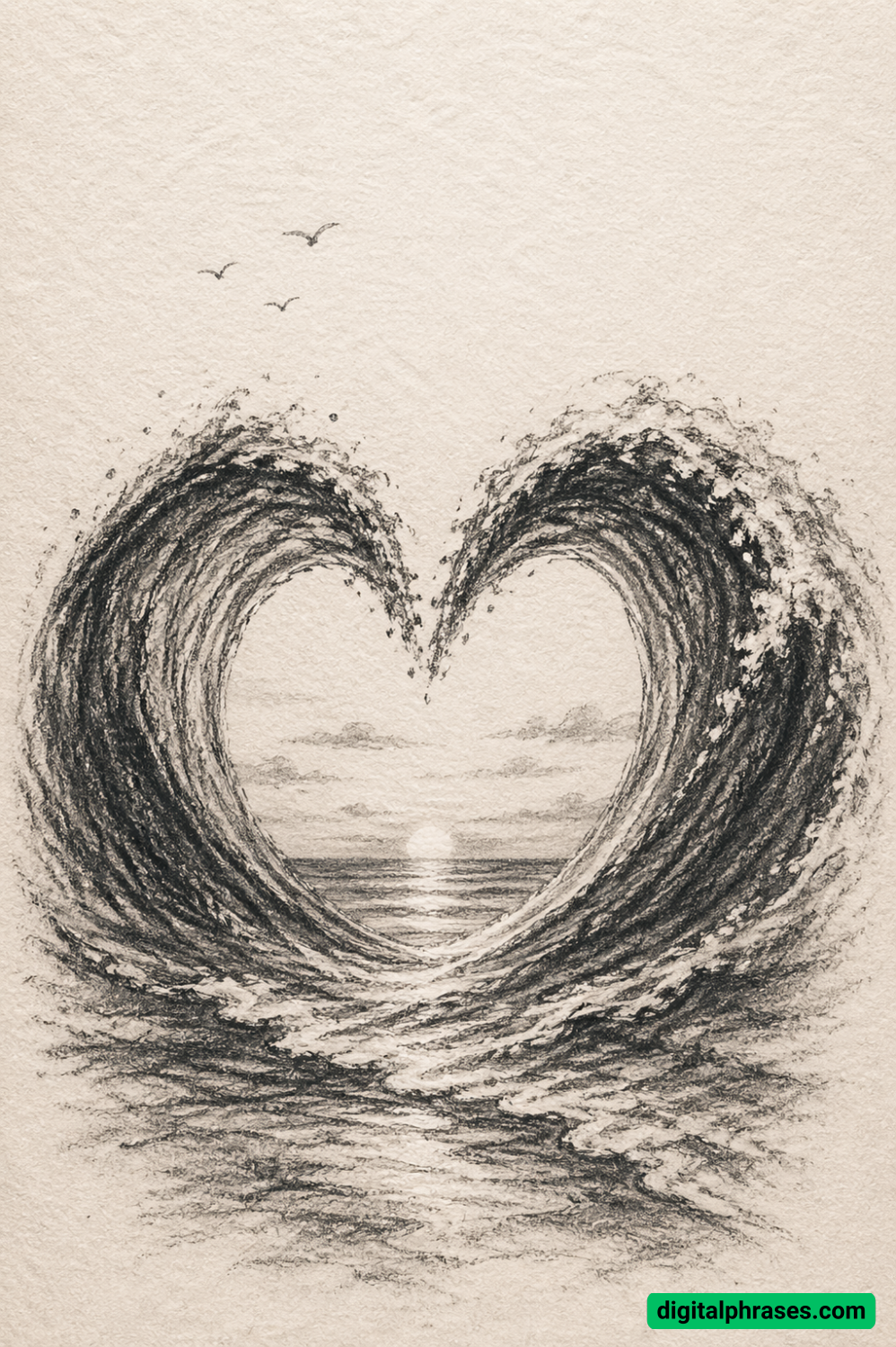
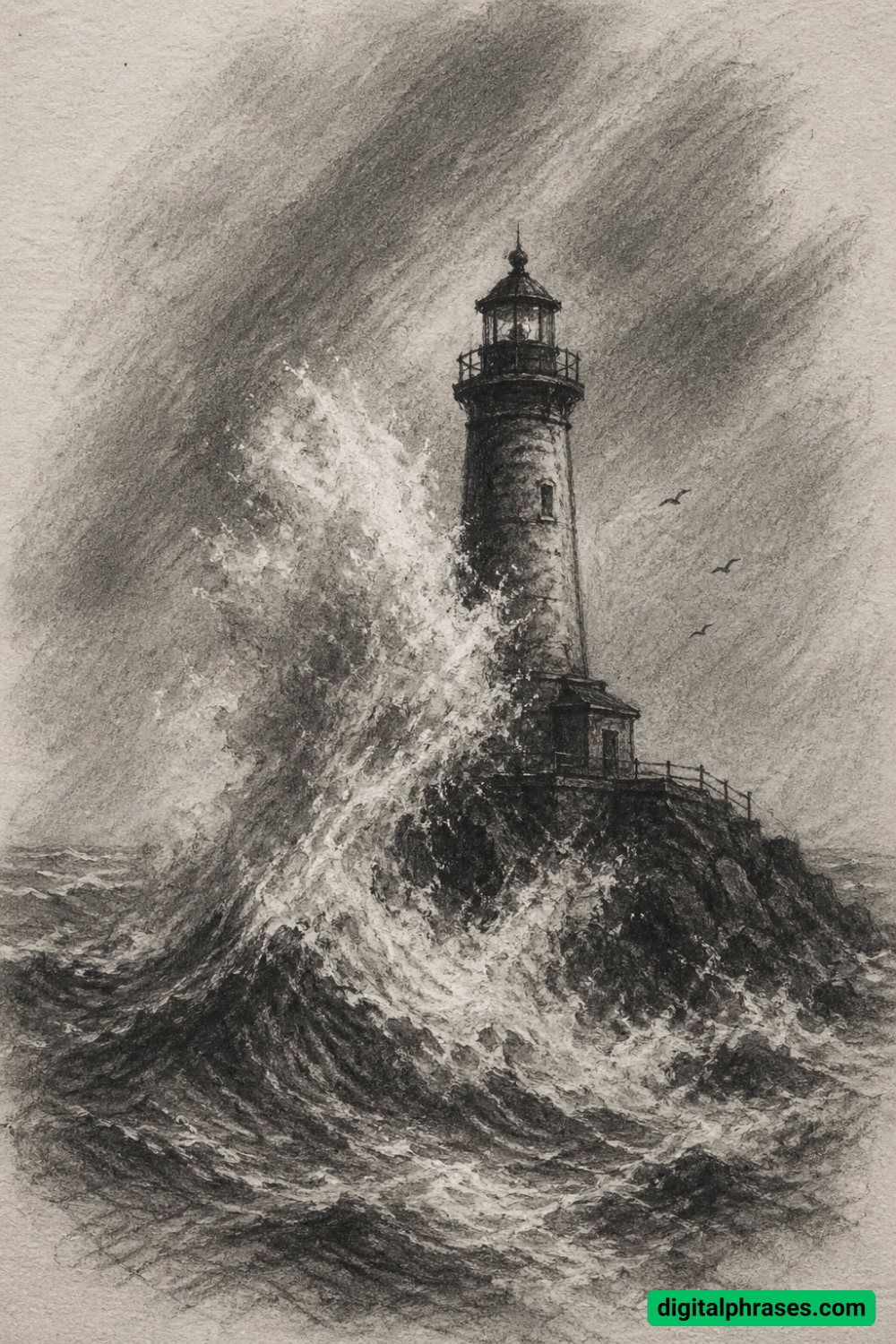
Sea Waves Drawing Ideas
1

2

3

4
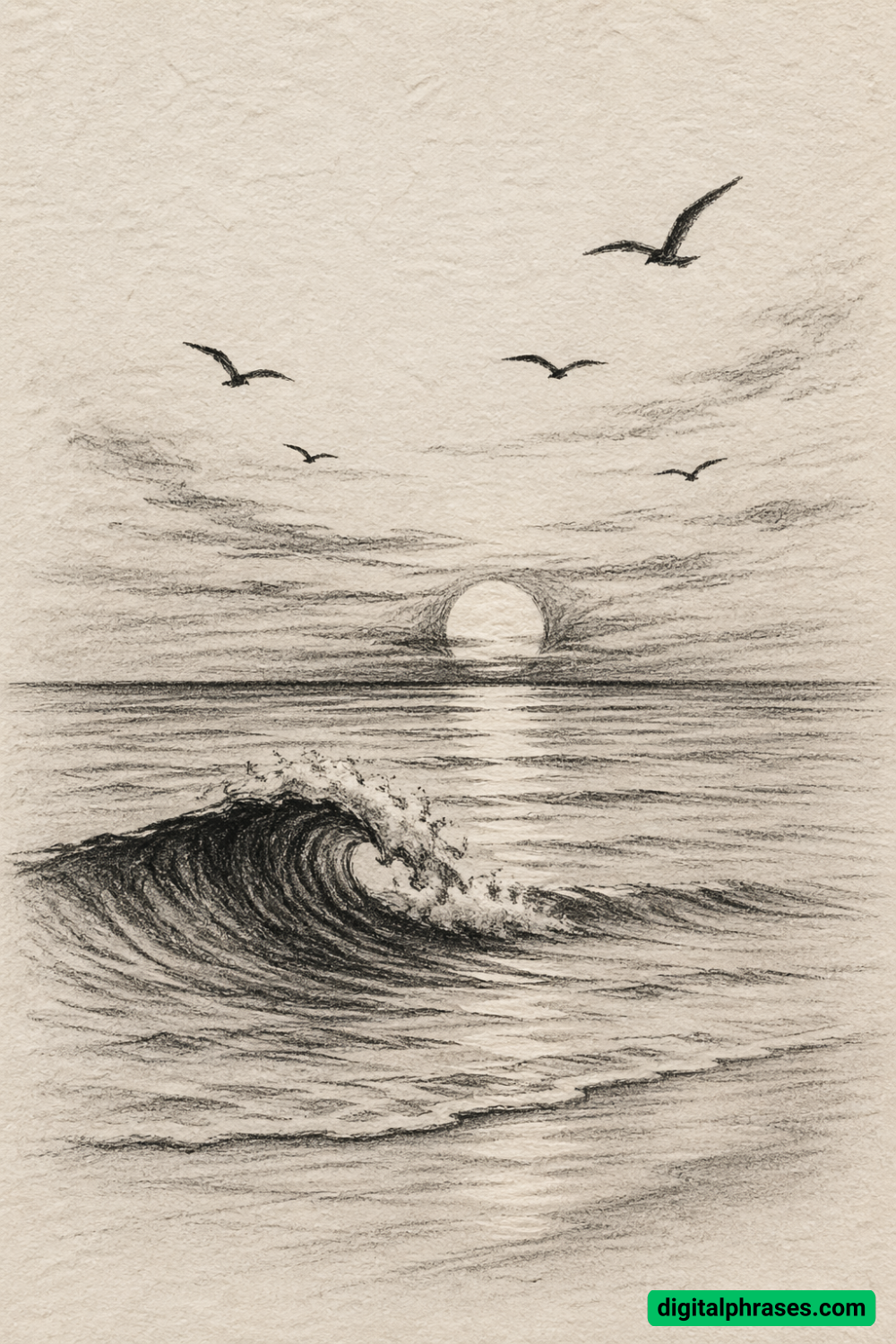
5

6

7

8

9
10

11
12

13
14

15
16
17
18
19
Tips For Drawing Sea Waves
Start with Simple Wave Shapes
Begin by sketching basic curved lines that mimic the natural flow of waves. Don’t worry about perfection—waves are irregular by nature. Practice drawing loose “S” and “C” shapes to build confidence. Once you’re comfortable, you can layer additional lines to create depth and movement. Starting simple helps you understand the rhythm of water without feeling overwhelmed.
Observe Real Waves for Inspiration
Take time to look at real-life references, whether it’s the ocean, videos, or photos. Notice how waves rise, curl, and break. Pay attention to details like foam patterns and how light hits the surface. Observation trains your eye and helps your drawings feel more natural instead of forced or repetitive.
Focus on Flow and Movement
Waves are all about motion, so try to capture their energy rather than drawing stiff lines. Use smooth, continuous strokes and let your hand move freely. Imagine the direction the water is traveling and guide your lines accordingly. This approach makes your artwork feel more alive and dynamic.
Add Depth with Shading
Shading can transform a flat wave into something more realistic. Darken areas where the wave curves inward and keep the highlights lighter where light hits. You don’t need complex techniques—simple pencil shading or soft blending can create a strong sense of depth and dimension.
Experiment with Styles and Tools
Don’t limit yourself to one way of drawing waves. Try different styles like minimal line art, detailed realism, or even abstract designs. Use various tools such as pencils, pens, or digital brushes. Experimenting helps you discover what you enjoy most and keeps the creative process fun and engaging.