20 Summer Season Drawing Ideas
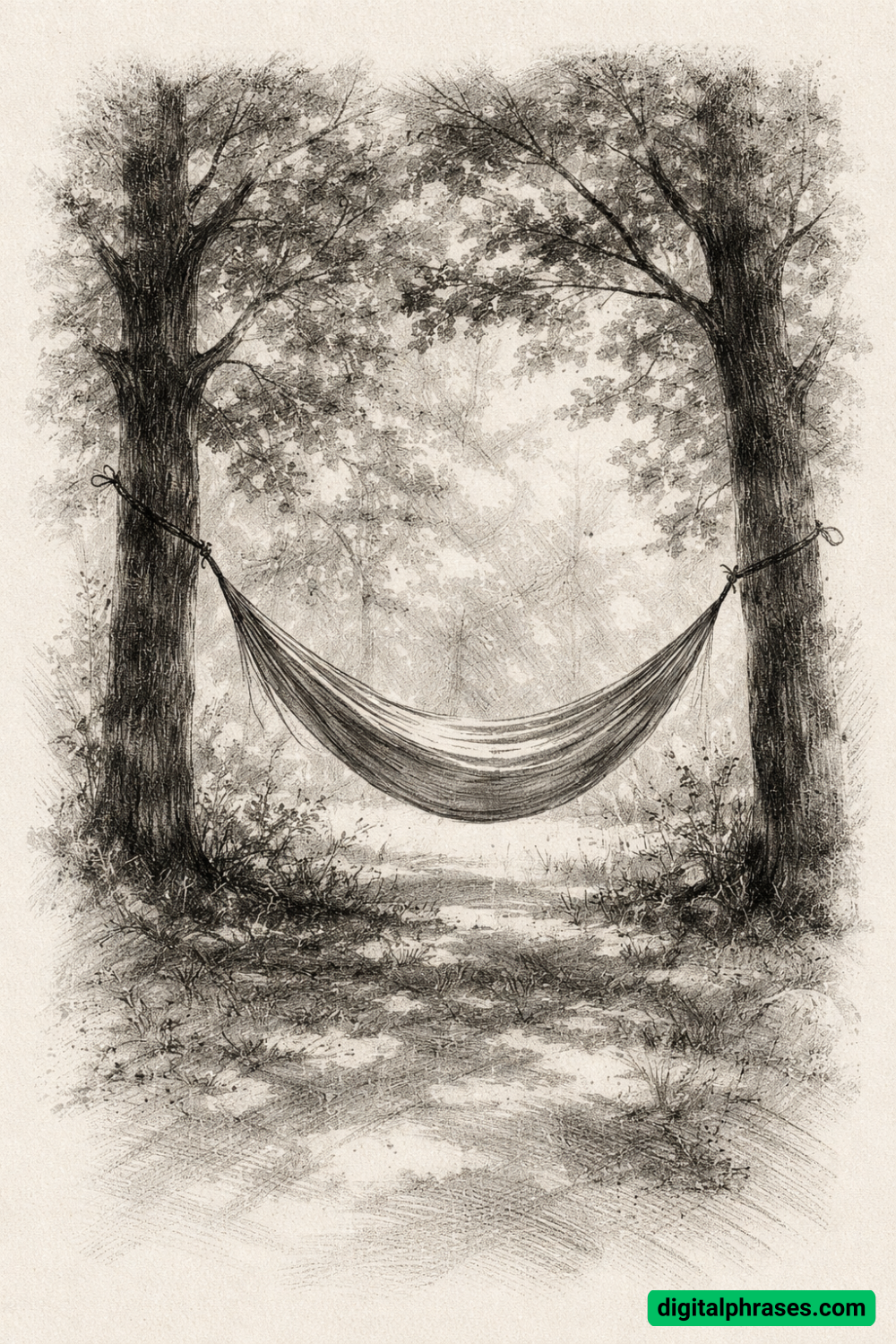
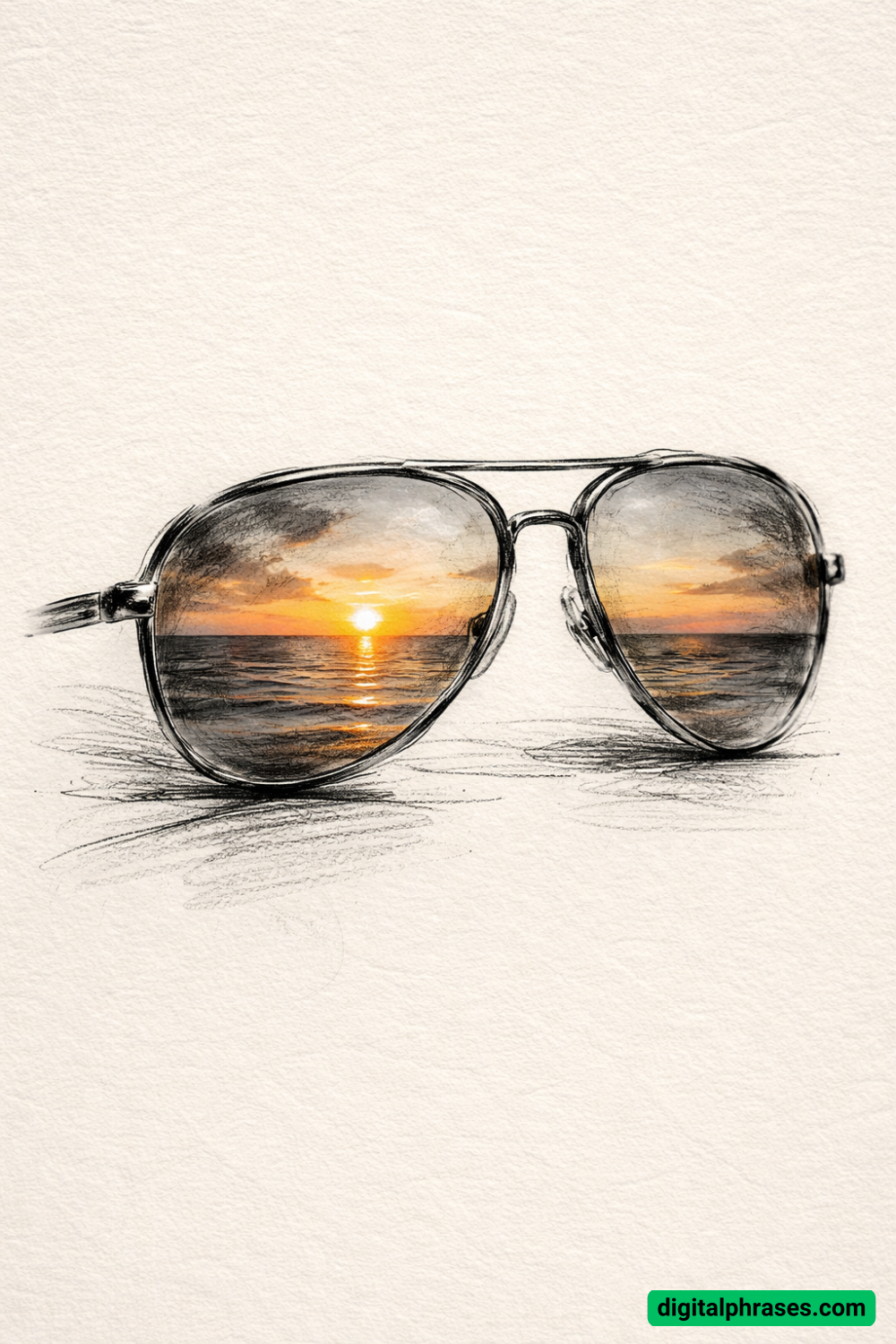
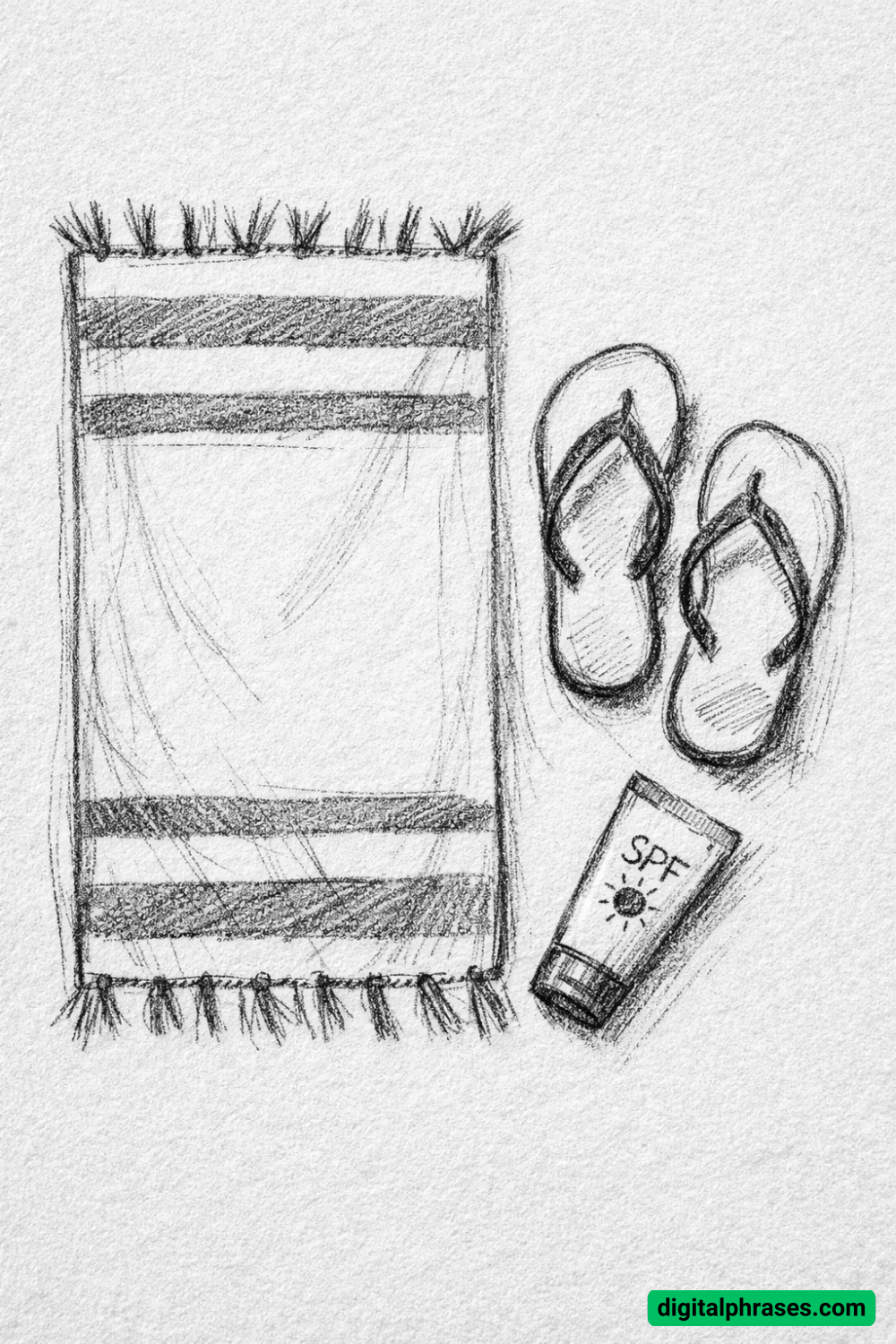
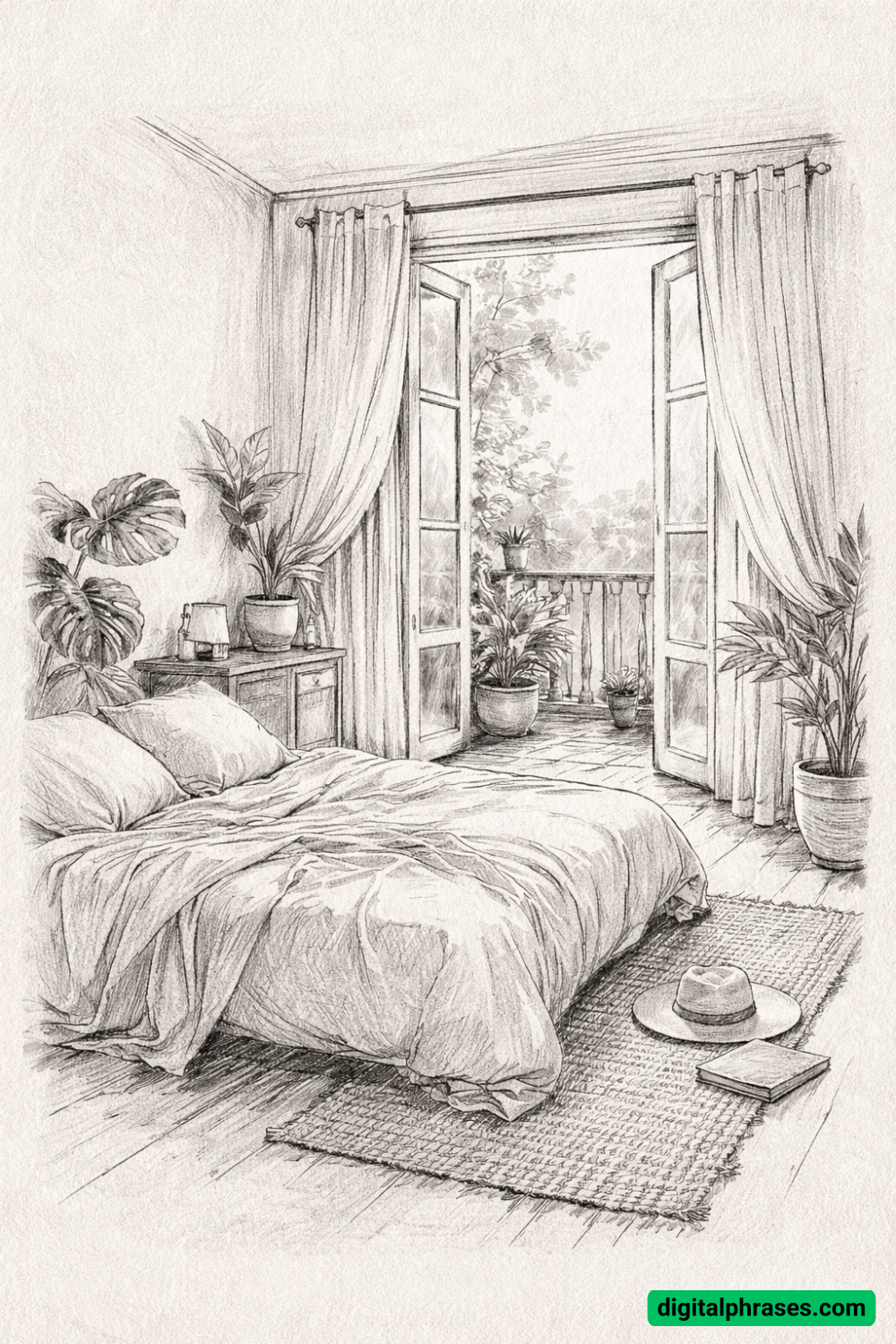
Time to draw some summer-focused drawings.
A dare to put down the doomscrolling, pick up your pencil, and capture the chaos of summer before it slips through your fingers like melting ice cream.
We’re talking sunburned shoulders, sticky fingers, neon skies, bad decisions, beach hair, late nights, loud laughs, and the kind of moments that feel illegal to waste.
If your sketchbook’s been collecting dust, this is your sign. Check out the ideas below and you are good to go.
1
2
3
4
5
6
7
8
9
10
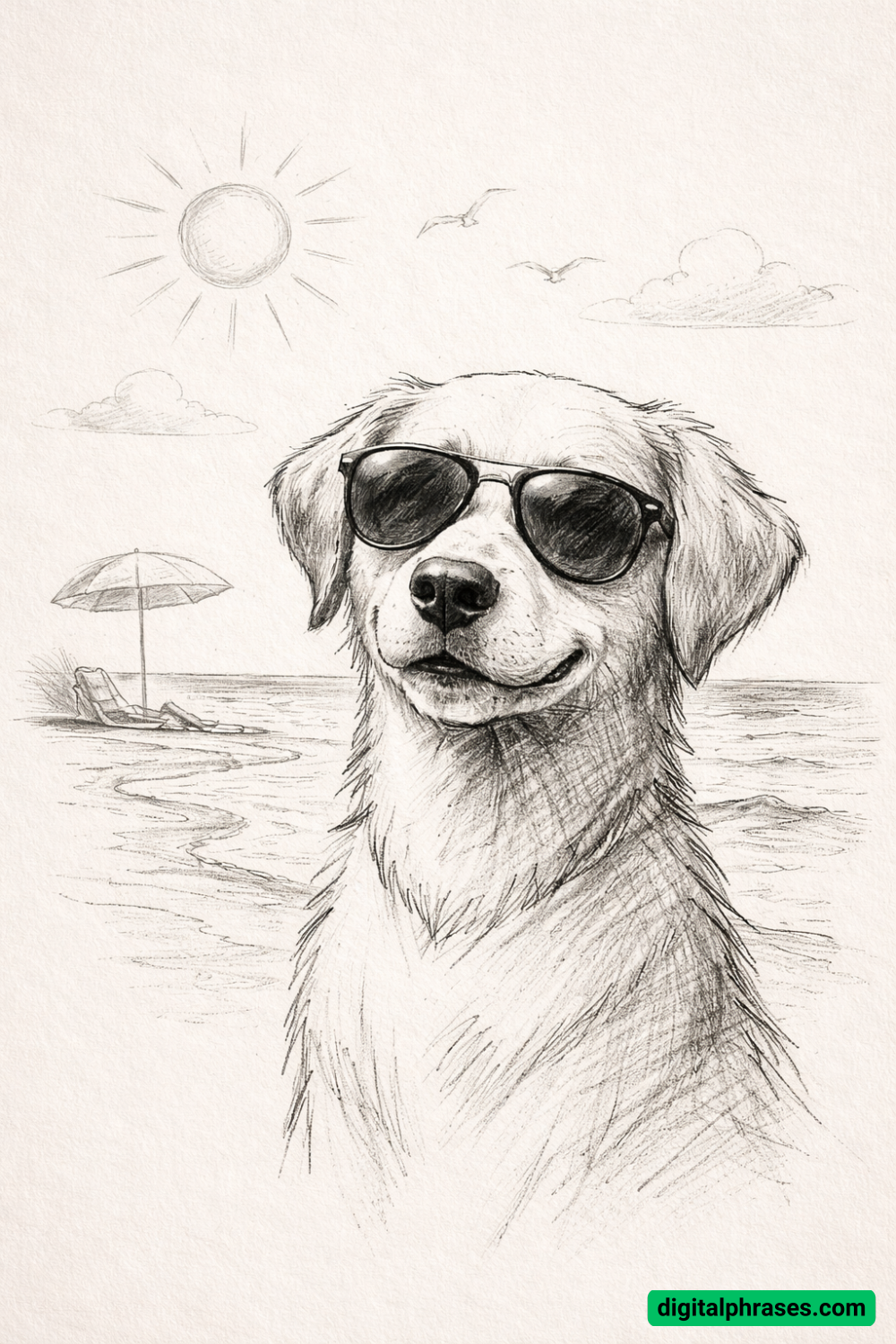
11
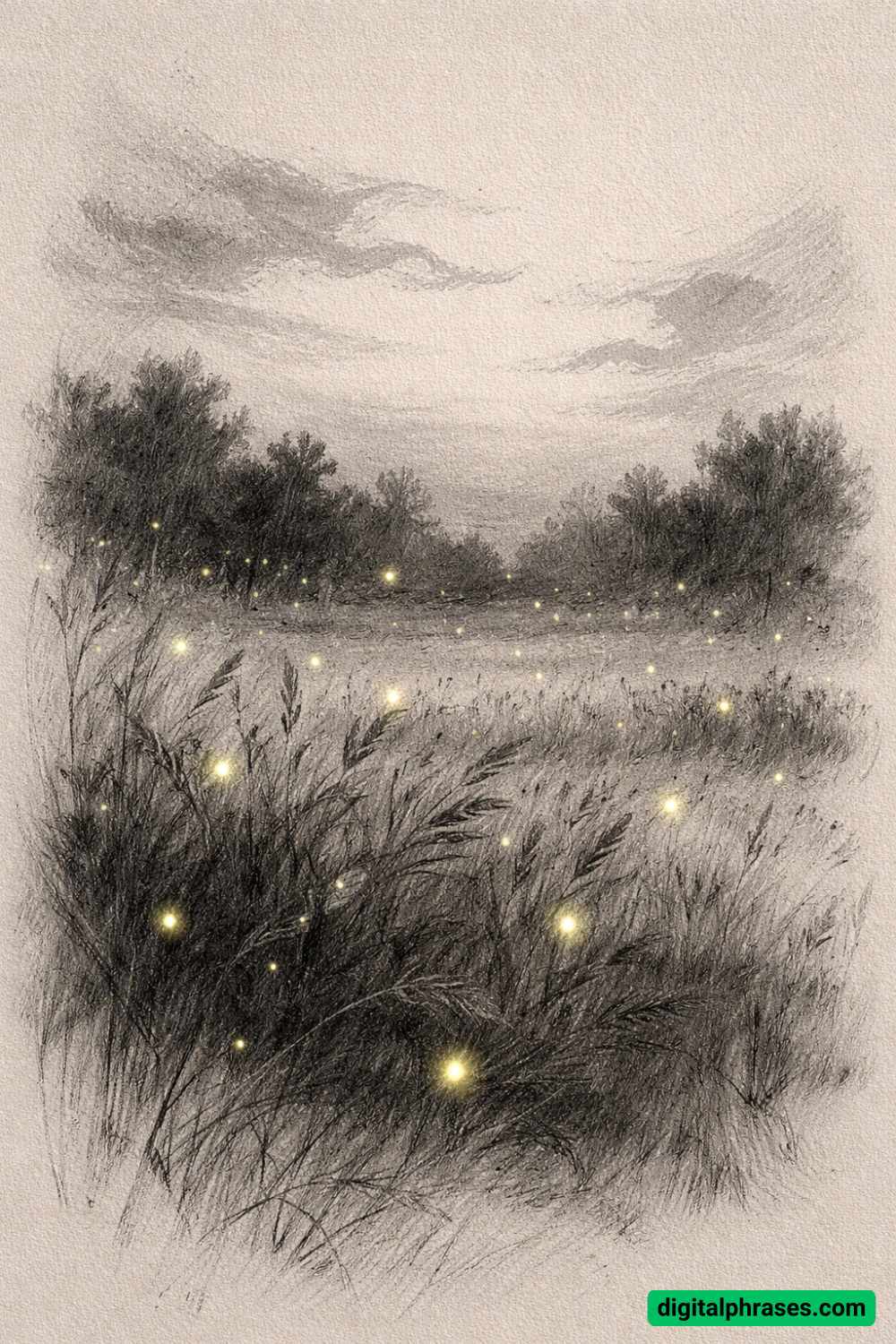
12
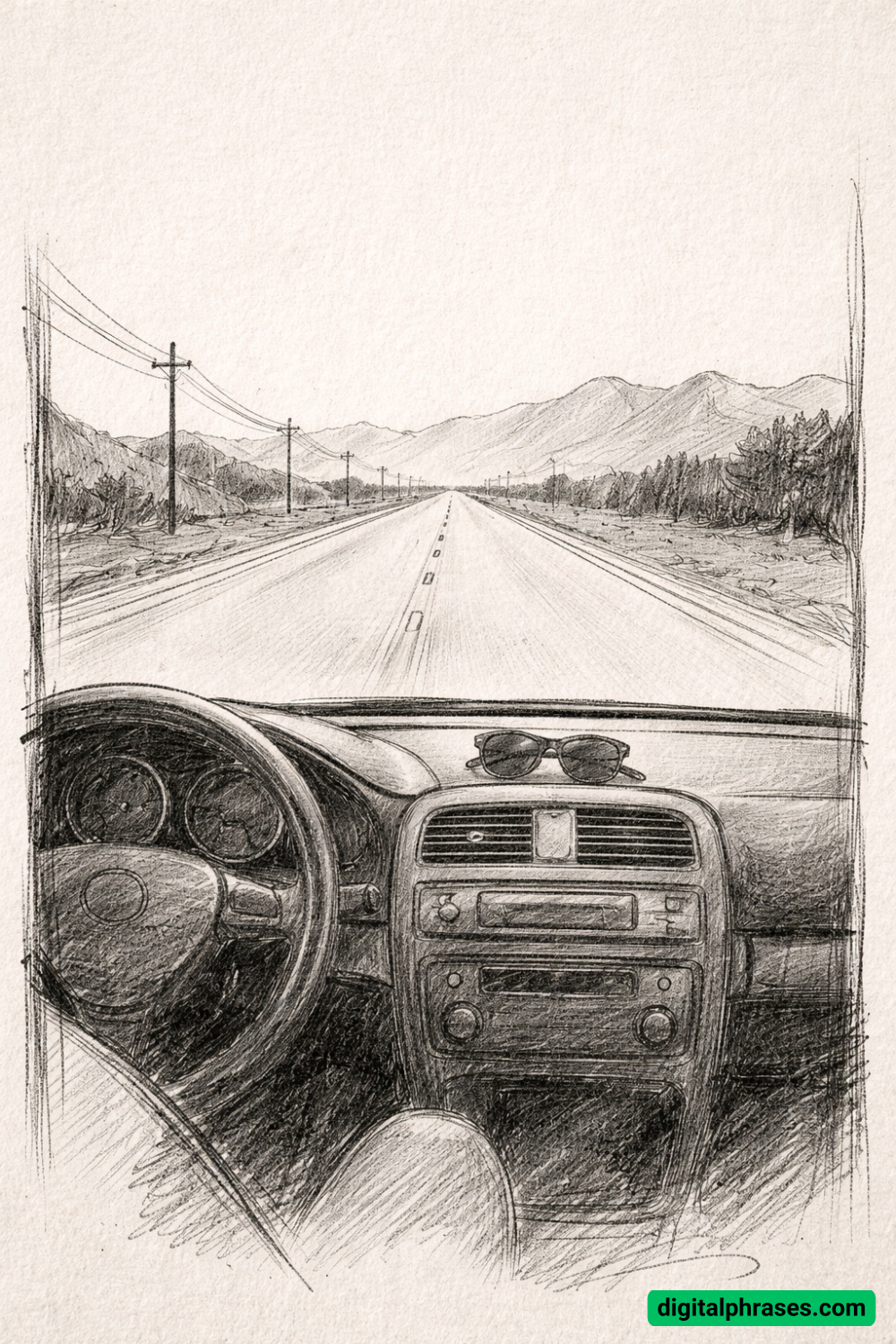
13
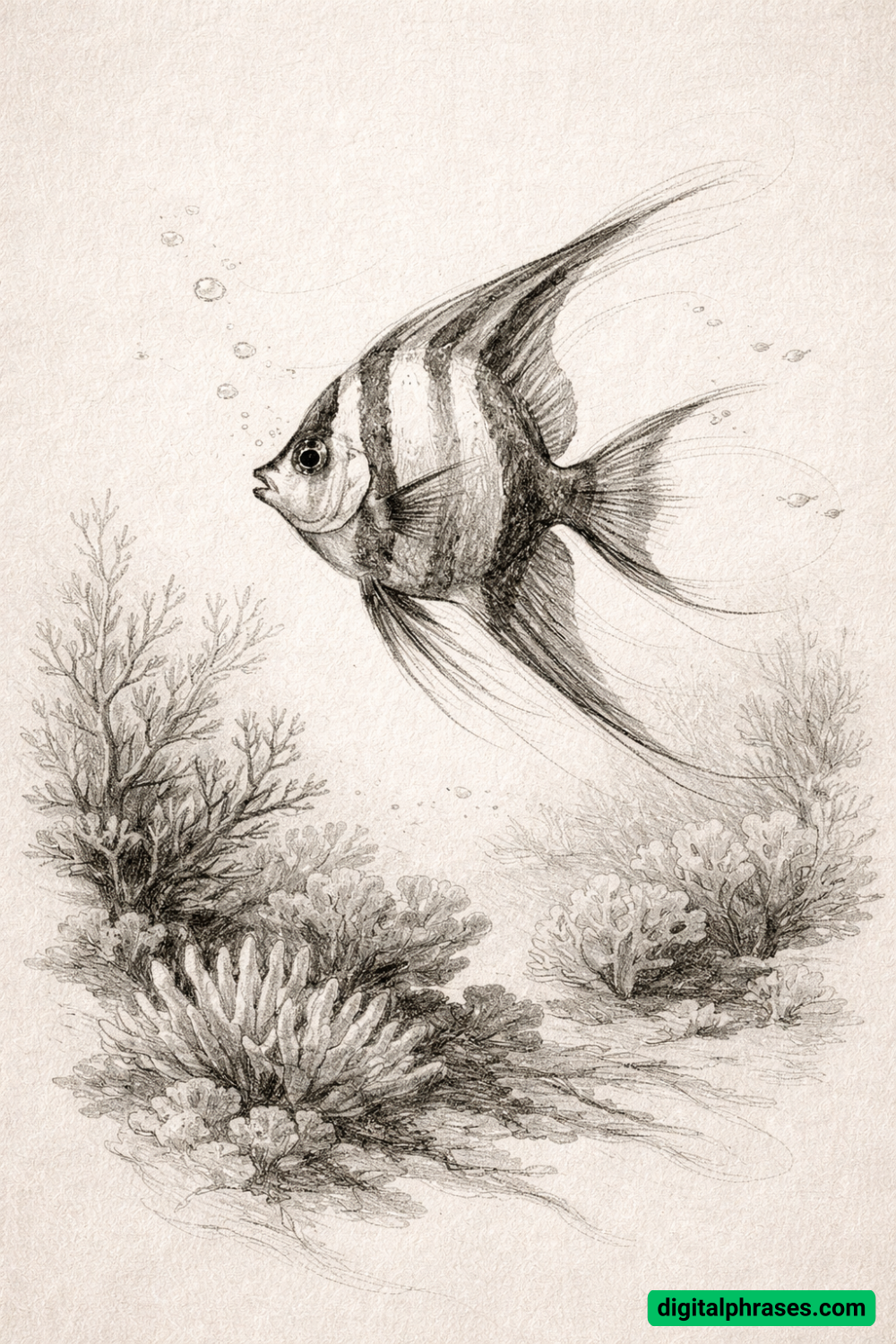
14
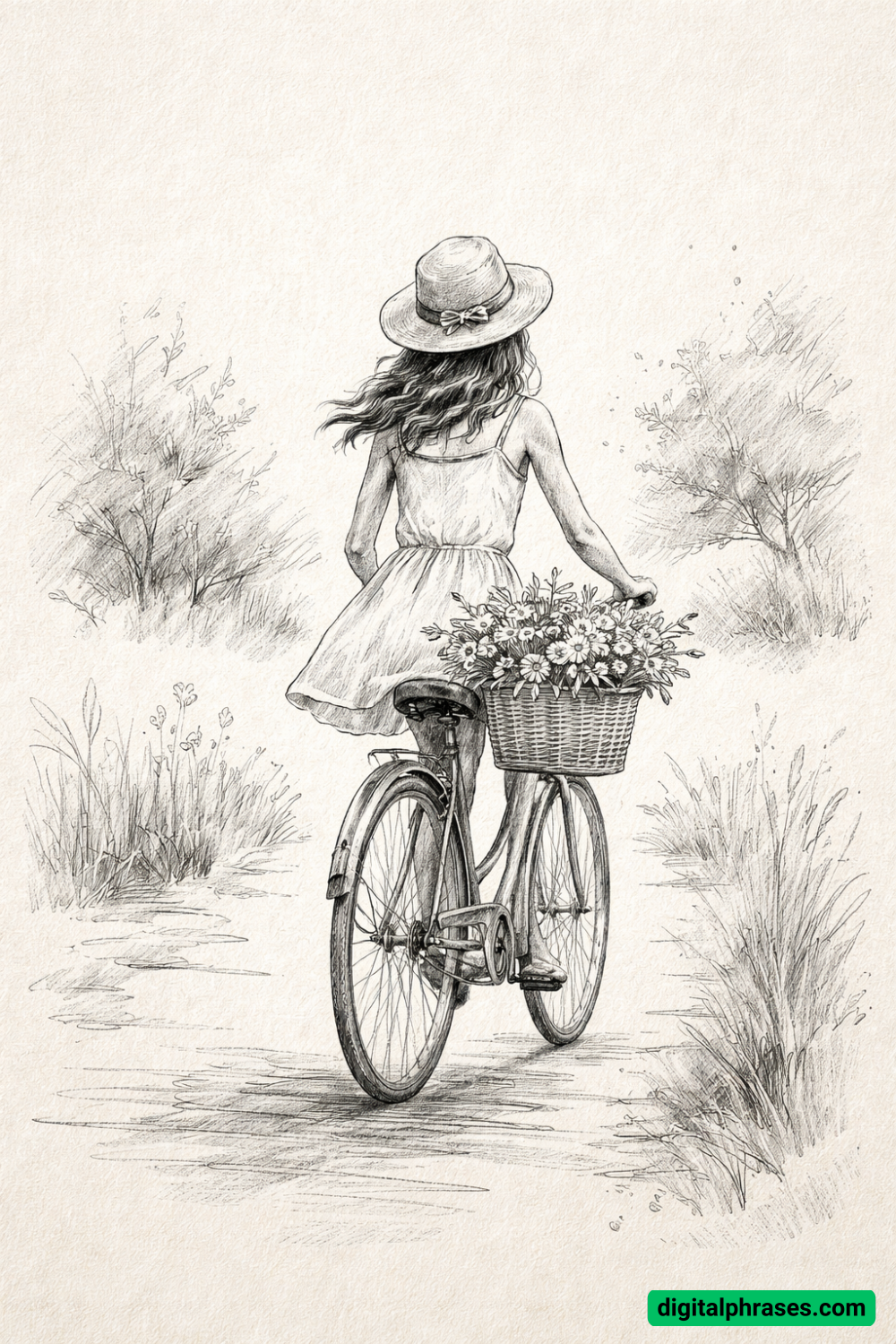
15
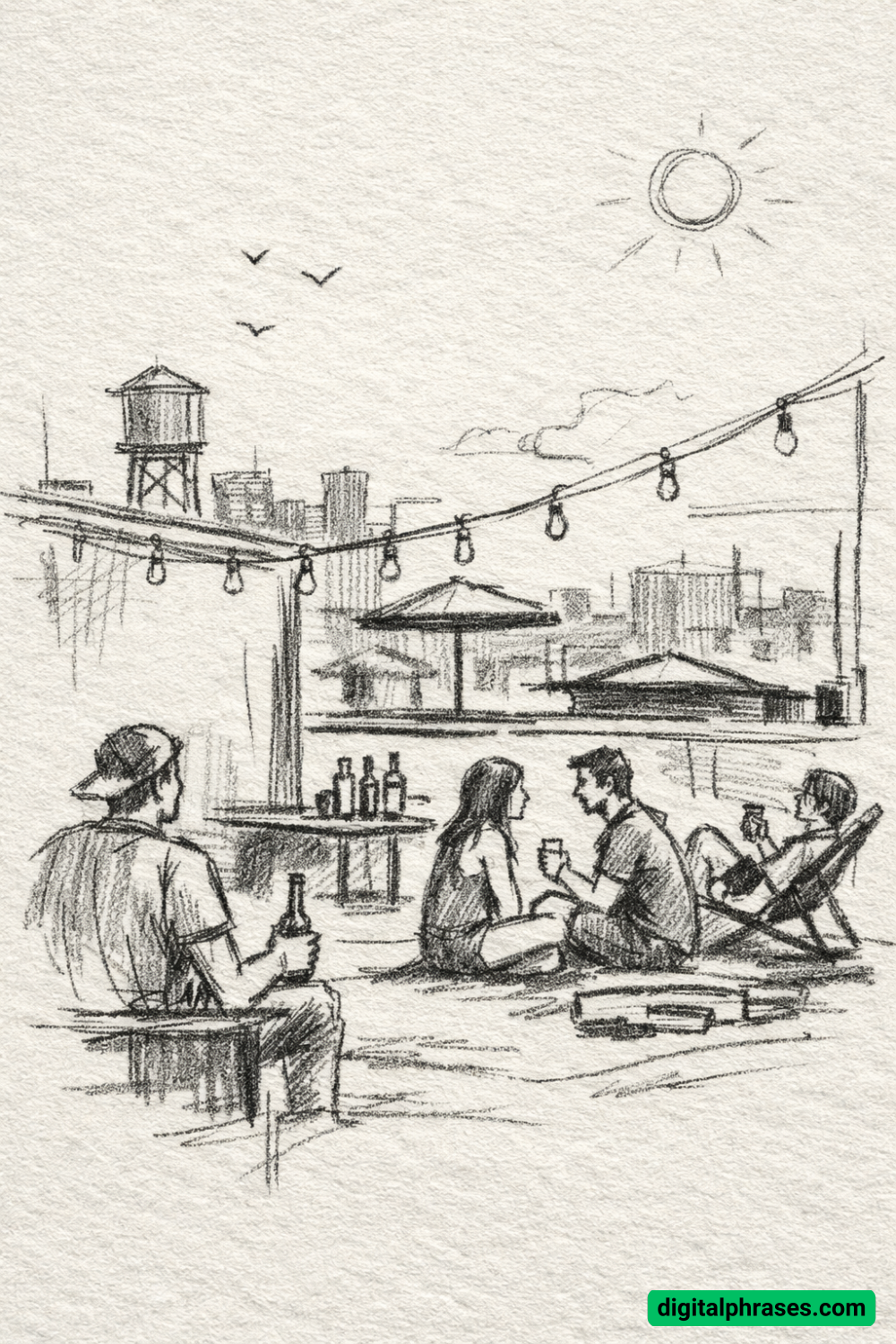
16
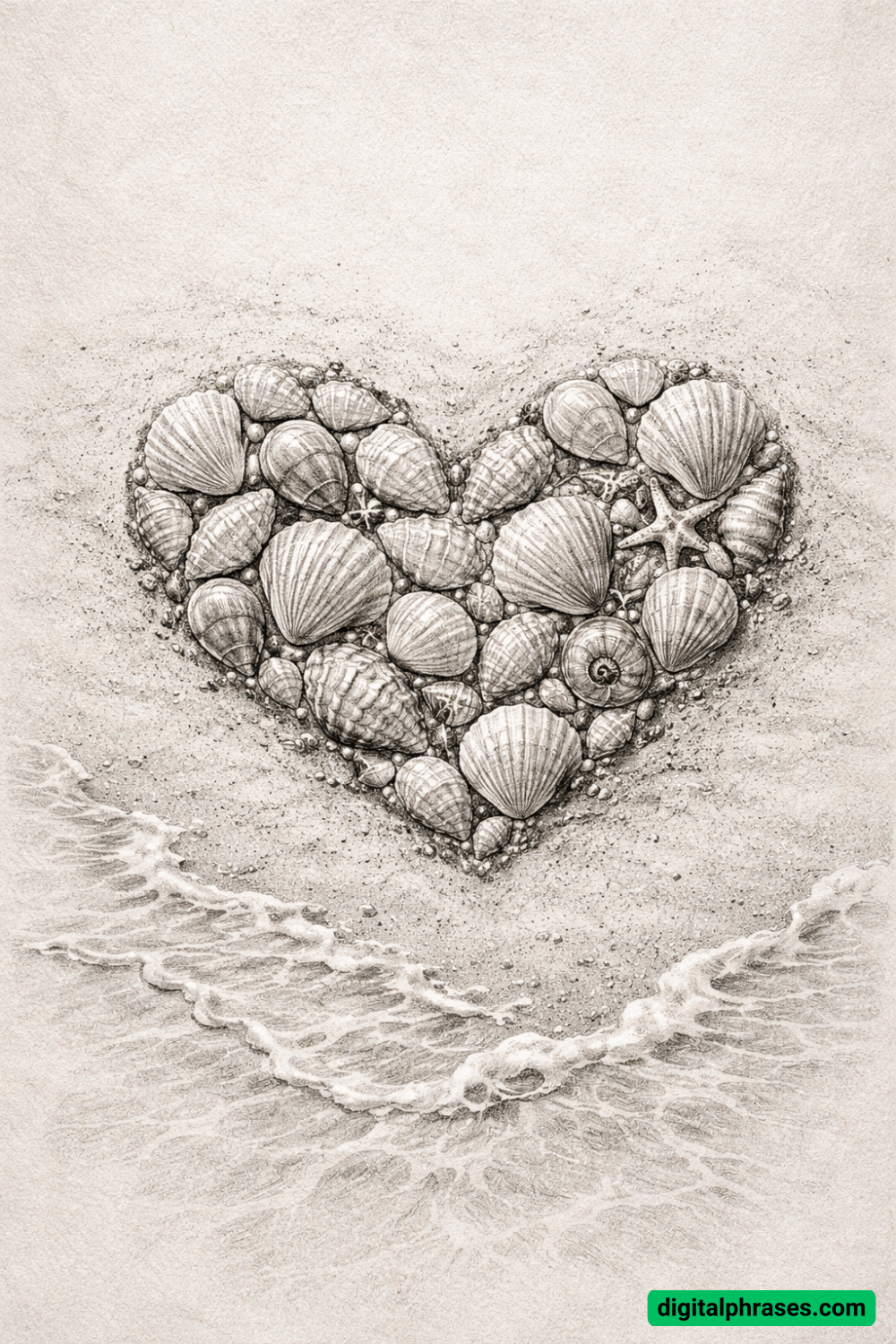
17
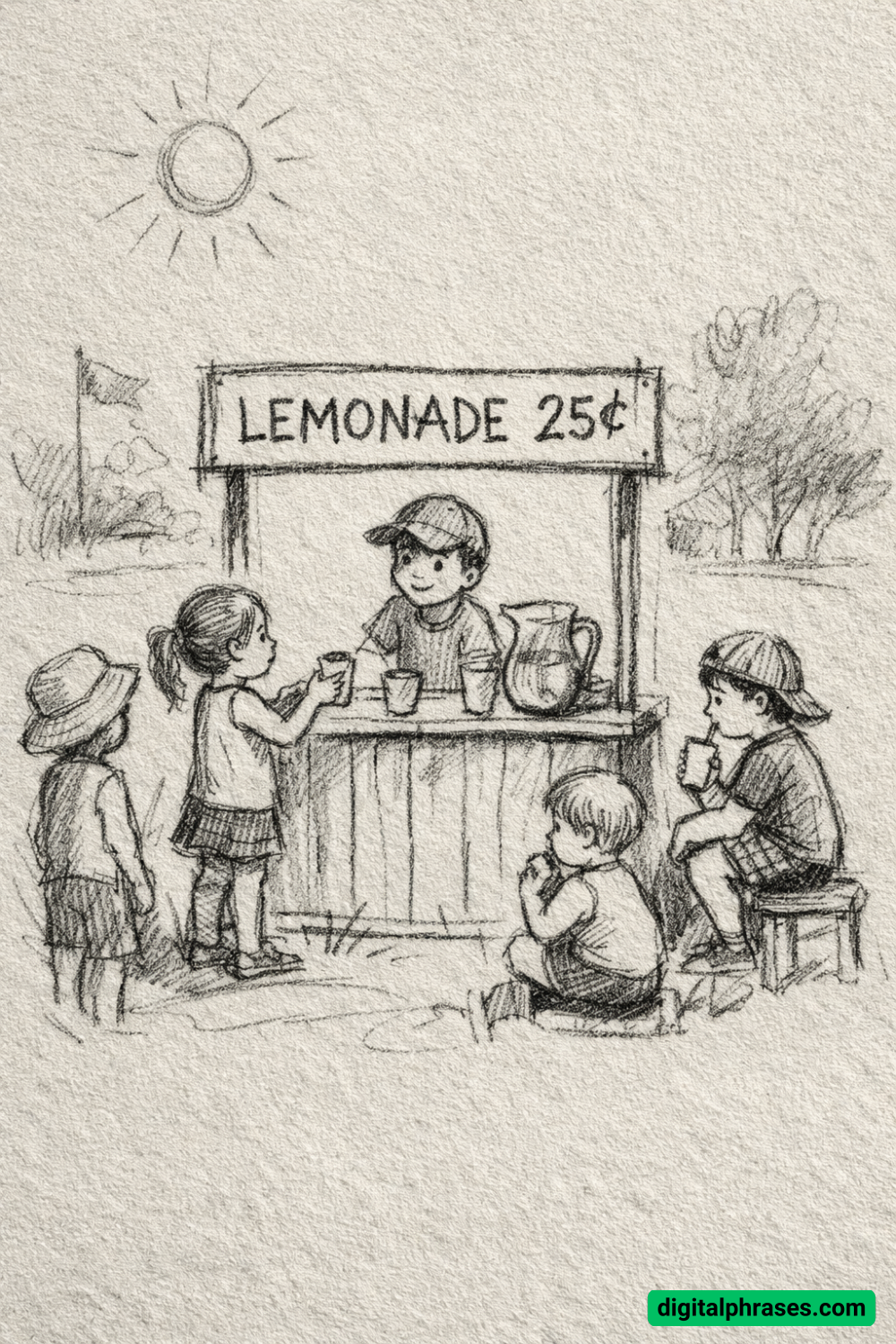
18
19
20
21
How To Draw Summer Drawings
1. Study Summer Light and Color (It’s the Soul of the Season)
Summer has a very distinct quality of light: bright, warm, and high-contrast. To make your drawings feel summery, pay close attention to how sunlight behaves.
Shadows in summer are often sharper and darker because the sun is high in the sky, while highlights are intense and crisp. Try observing photos or real-life scenes during midday and golden hour.
You’ll notice how colors become more saturated—blues look deeper, greens pop, and warm tones like yellow, orange, and coral dominate.
When choosing a color palette, lean into warm hues. Even in black-and-white sketches, you can suggest heat and brightness through strong contrast and clean highlights. In colored work, avoid dull or muddy tones.
Summer visuals feel vibrant: turquoise water, bright skies, fresh greenery, sunlit skin. You don’t need to use neon colors, but slightly more saturated tones will instantly give your drawing that sunny, warm-season energy.
2. Capture the Atmosphere, Not Just Objects
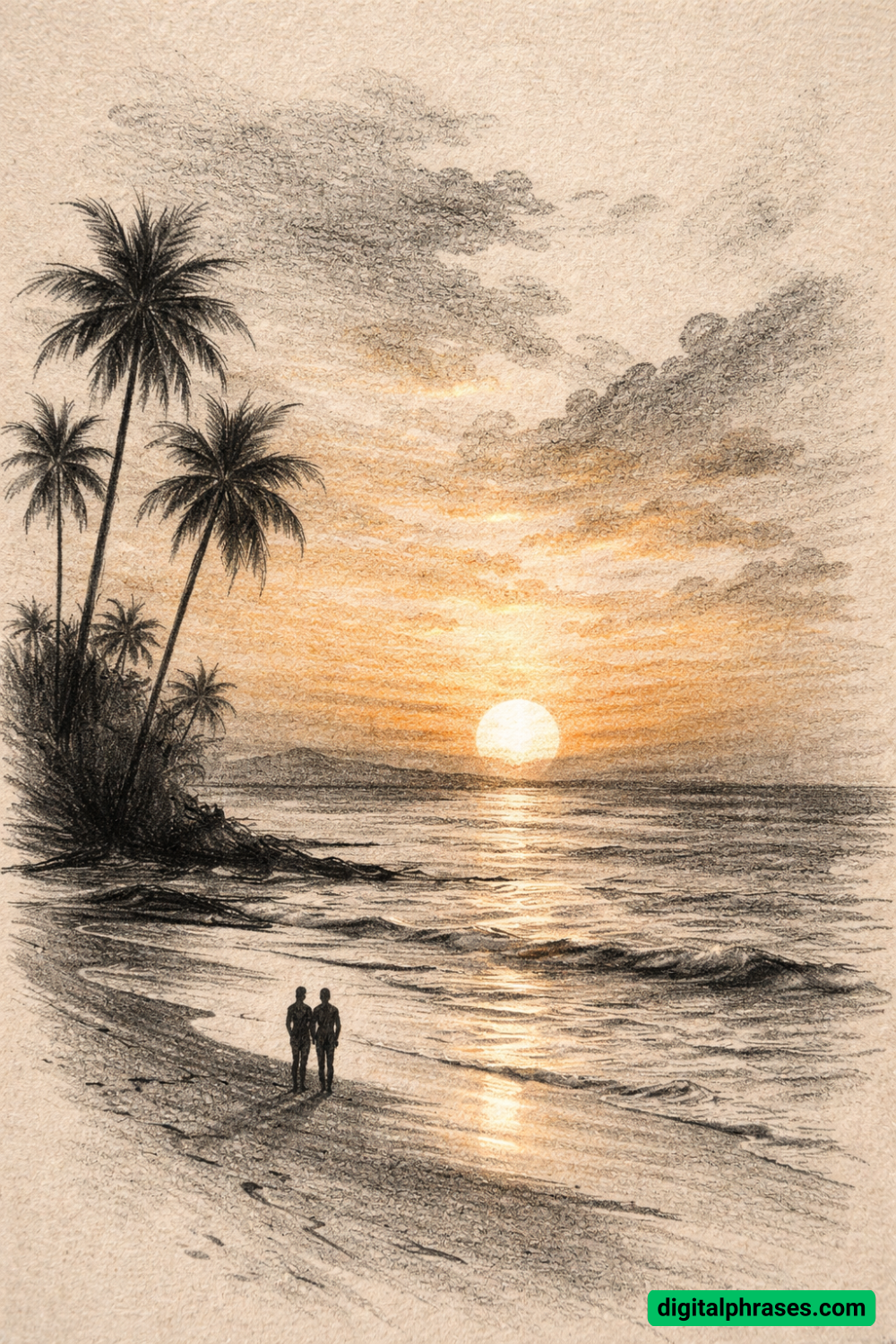
A good summer drawing isn’t just “a beach” or “an ice cream.” It’s the feeling of summer: warmth, relaxation, freedom, or playful energy. Think about the mood you want to convey before you start drawing. Is it a lazy afternoon? A lively summer festival?
A peaceful sunset?
Let that mood guide your composition.
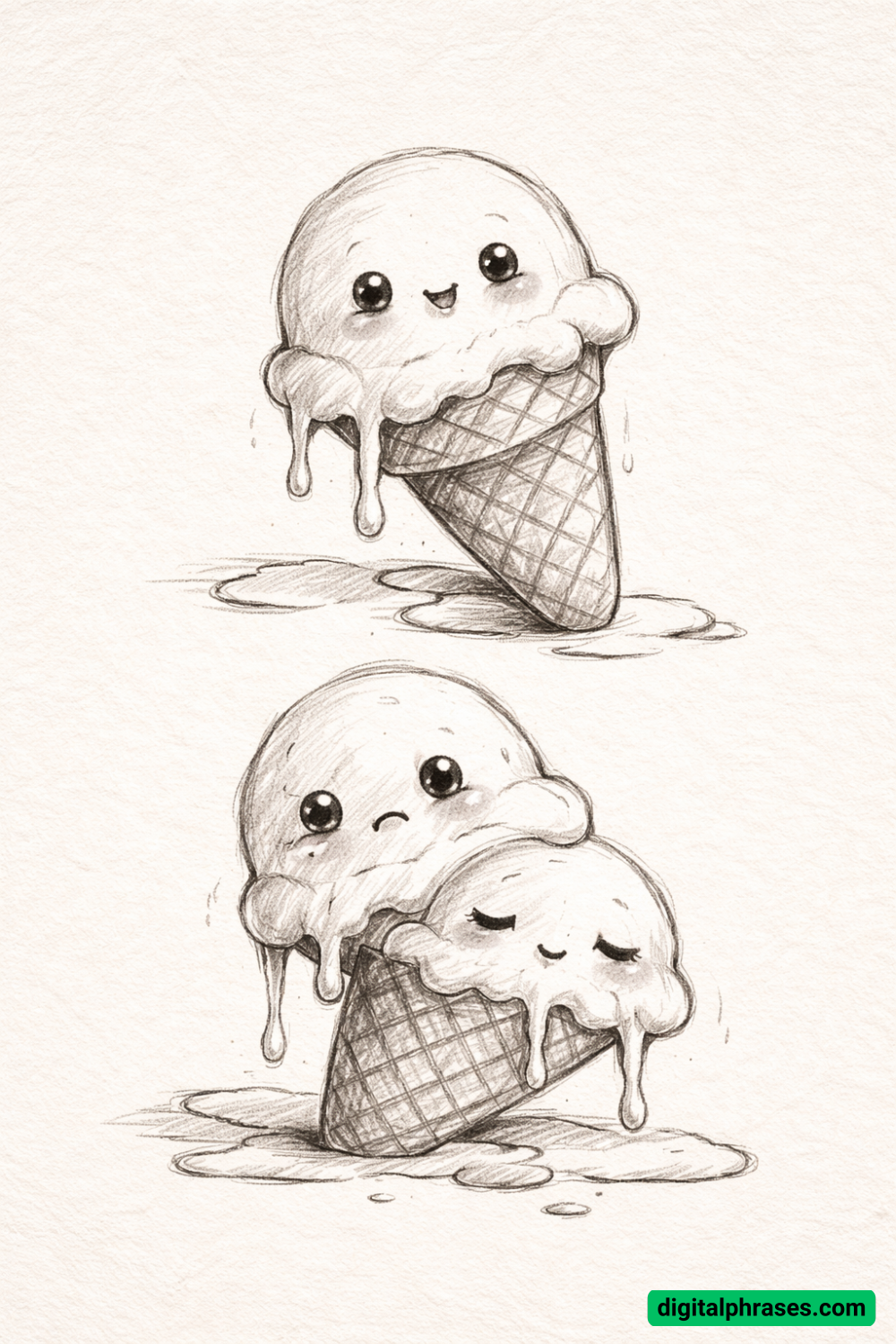
Small details help sell the atmosphere. Add things like wind-blown hair, slightly melted ice cream, shimmering water, heat waves rising from pavement, or soft glowing light around the sun.
Even subtle background elements—like distant birds, drifting clouds, or floating pollen—can make a scene feel alive. These atmospheric touches give your drawing depth and emotion, making it feel more like a moment in time rather than just a still image.
3. Use Dynamic Poses and Natural Movement
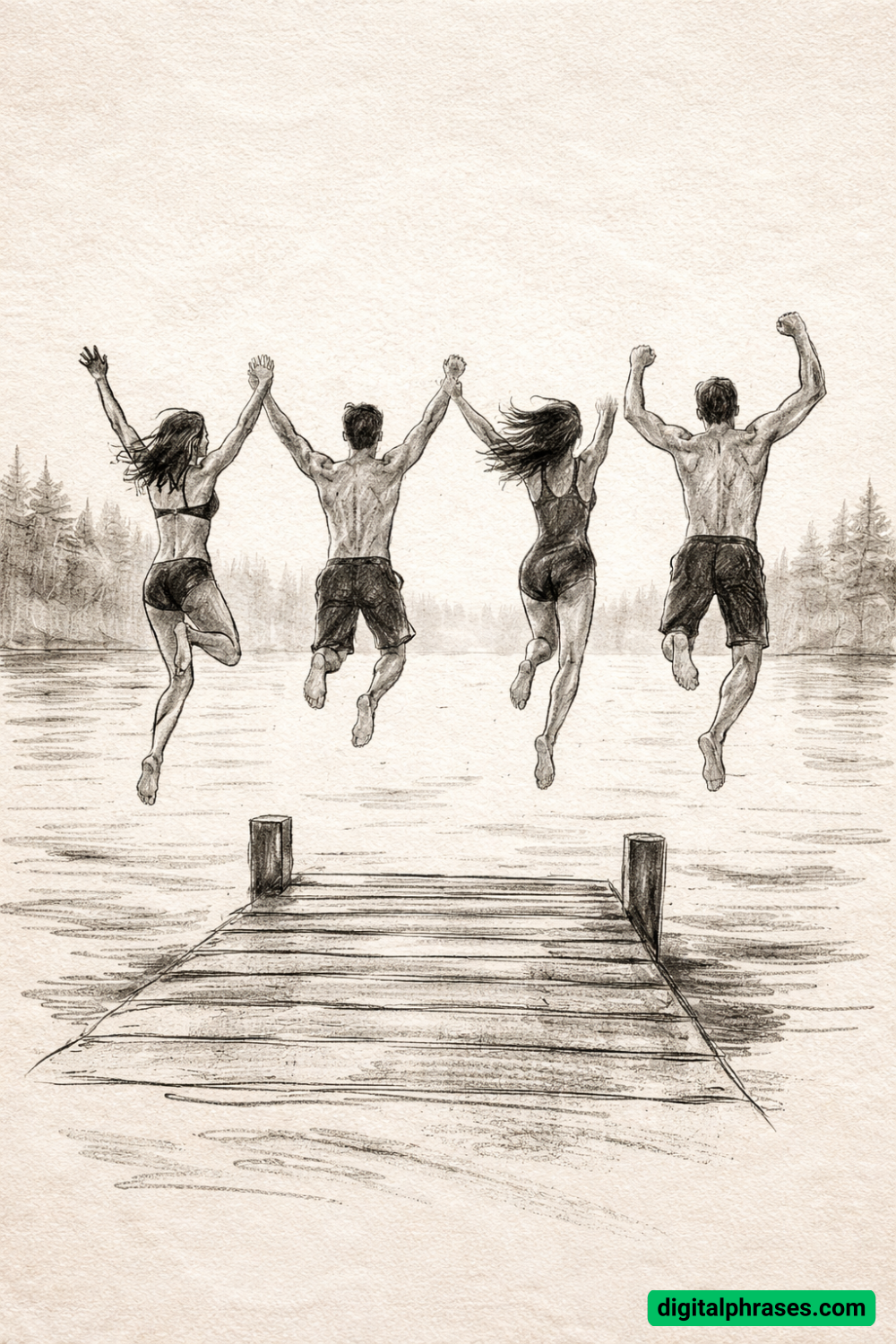
Summer is an active season. People swim, run, jump, bike, lounge, and stretch in the sun. If you want your drawings to feel lively, focus on body language and natural movement. Avoid stiff, straight-on poses. Instead, draw figures in motion: someone diving into water, walking with a relaxed slouch, or lying on a towel with limbs casually spread out.
Even in calm scenes, add gentle movement. Clothes can flutter in the breeze, hair can flow, tree leaves can tilt with the wind. This gives your artwork a sense of life and warmth. Practicing gesture drawing is great for this—quick sketches that capture movement and posture will help you draw more fluid, natural summer scenes later.
4. Build Strong, Simple Compositions
Summer drawings often benefit from clean, open compositions. Think about how summer spaces feel: wide beaches, open skies, long roads, open fields. Let your composition breathe. Don’t overcrowd the scene with too many details. Decide what your main focus is (the subject) and arrange other elements to guide the viewer’s eye toward it.
Use simple framing tricks:
- Place the horizon low to emphasize a big summer sky.
- Use foreground elements like leaves, umbrellas, or window frames to add depth.
- Try rule-of-thirds placement for your main subject to create a natural, pleasing balance.
A strong composition makes even a simple summer idea look intentional and visually appealing.
5. Add Texture to Show Heat and Environment
Textures help sell the physical feel of summer. Think about how different surfaces look and feel in the heat: sand is grainy and uneven, water is smooth and reflective, skin might shine with sweat or sunscreen, and wood can look dry and sun-bleached.
You can suggest texture with line work, shading patterns, or brush strokes. For example, short, broken lines can imply sparkling water, while soft shading can show warm sunlight on skin. Don’t over-render everything—choose a few key textures to emphasize, and let the rest stay simple. This keeps your drawing from feeling cluttered while still giving it a rich, sensory quality.
6. Use Real-Life Reference and Sensory Memory
Your own summer experiences are gold for art. Think about how summer feels: the warmth on your skin, the smell of sunscreen, the sound of cicadas, the glare of sunlight. Even if you’re drawing from imagination, grounding your art in real sensory memory makes it more authentic.
Using photo references is also super helpful. Look up summer lighting, beach scenes, summer outfits, or nature photos.
Notice how colors shift in sunlight, how shadows fall under hats and umbrellas, and how reflections work on water. Don’t copy photos exactly—study them, then interpret them in your own style. Over time, you’ll build a visual library in your mind, making it easier to draw convincing summer scenes without heavy reference.
Final Thought
The key to great summer drawings is intention: knowing what mood you want, choosing colors and light that support that mood, and adding small details that bring the season to life.
Practice observing summer around you, experiment with light and color, and don’t be afraid to exaggerate warmth and brightness a little. Summer art is about energy, warmth, and atmosphere—lean into those vibes, and your drawings will instantly feel more alive and seasonal.