22 Sun Drawing Ideas
What makes sun drawings so fun is that there’s no single “right” way to do them.
Your sun can be happy, dramatic, calm, abstract, realistic, or wildly imaginative. It can rise over mountains, peek through clouds, smile from the corner of a page, or explode into bold patterns and textures.
Some days it’s all about playful rays and bright colors; other days it’s soft shading and gentle light.
If you’ve ever stared at a blank page wondering what to draw, consider this your invitation to look up—at least creatively.
These sun drawing ideas below are perfect for beginners, relaxing for experienced artists, and endlessly adaptable to your mood and style.
Let’s begin.
Sun Drawing Ideas
1
2
3
4

5
6
7

8

9
10
11
12

13
14
15
16

17

18

19

20

21

22
Tips on How To Draw a Sun
Tip 1: Start With a Confident Circle
Every sun drawing begins with a circle, but don’t let that simplicity fool you. A confident, relaxed circle sets the tone for the entire drawing.
Try not to overthink it. Lightly sketch your circle first, using your wrist rather than your fingers to keep the motion loose.
If it’s not perfect, that’s actually a good thing—slightly uneven lines can give your sun character and warmth.
You can always refine the shape once you’re happy with the overall size and placement. Remember, the sun isn’t a ruler-made object; it’s glowing, organic, and alive.
Tip 2: Play With Different Ray Styles
Sun rays are where personality really shines. Instead of defaulting to straight lines, experiment.
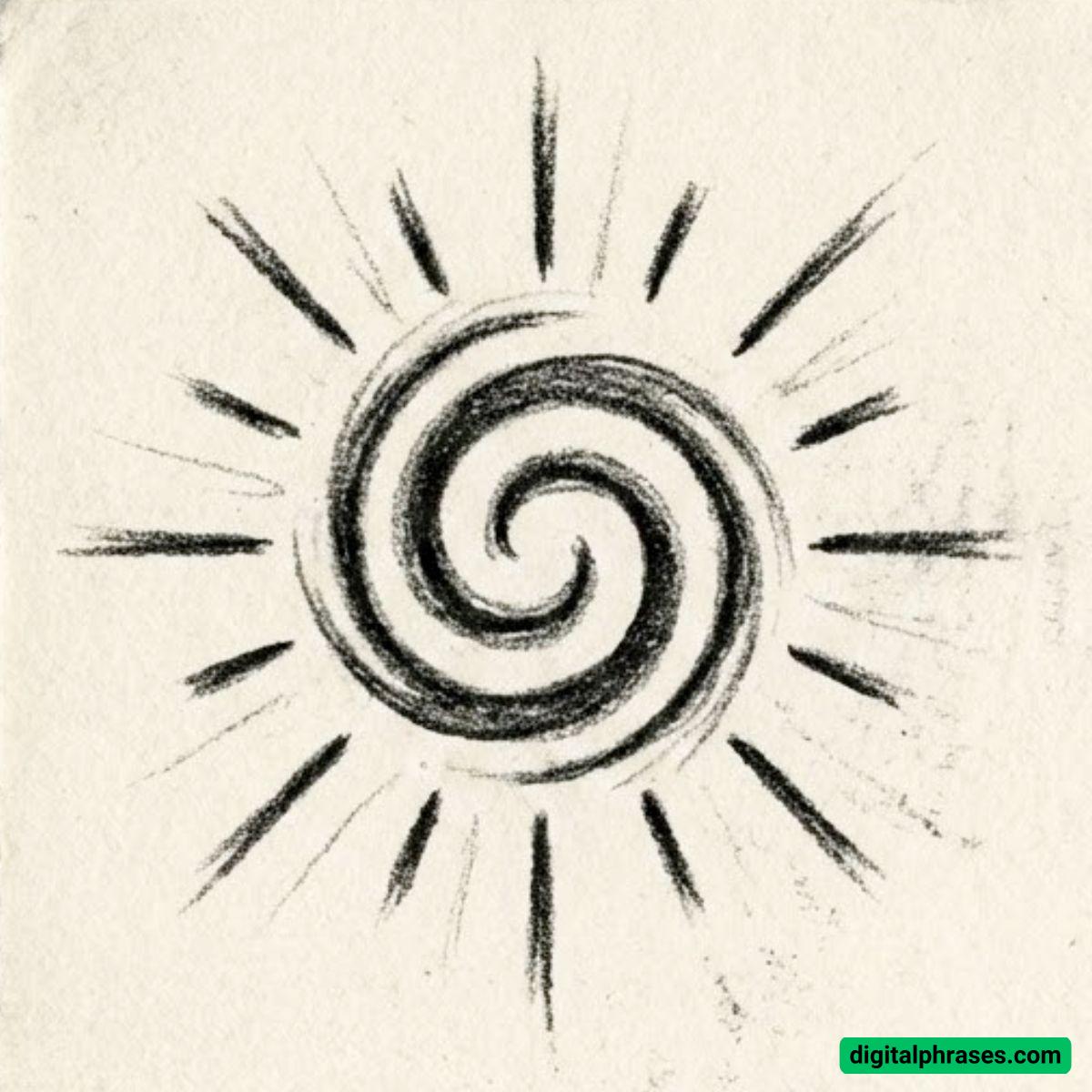
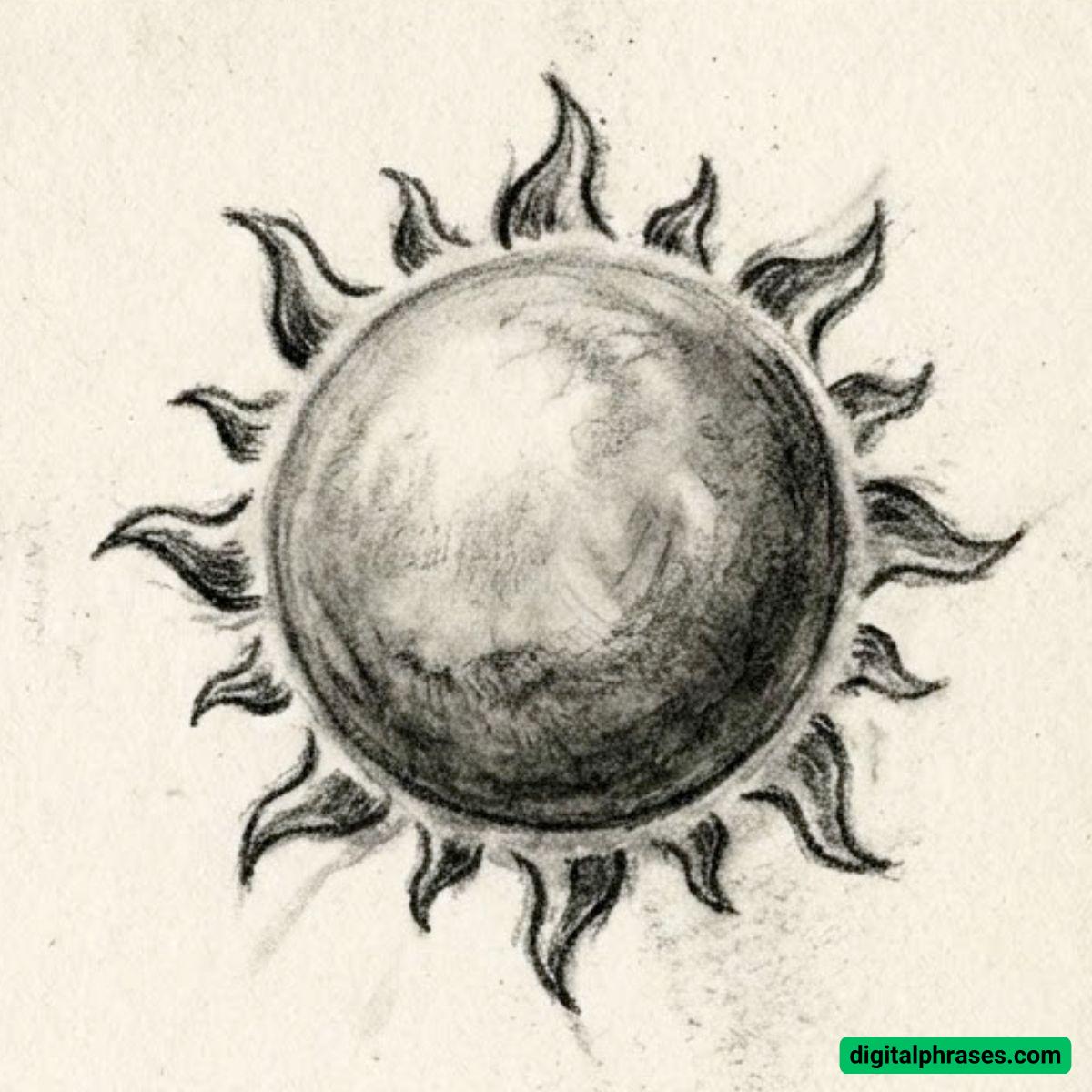
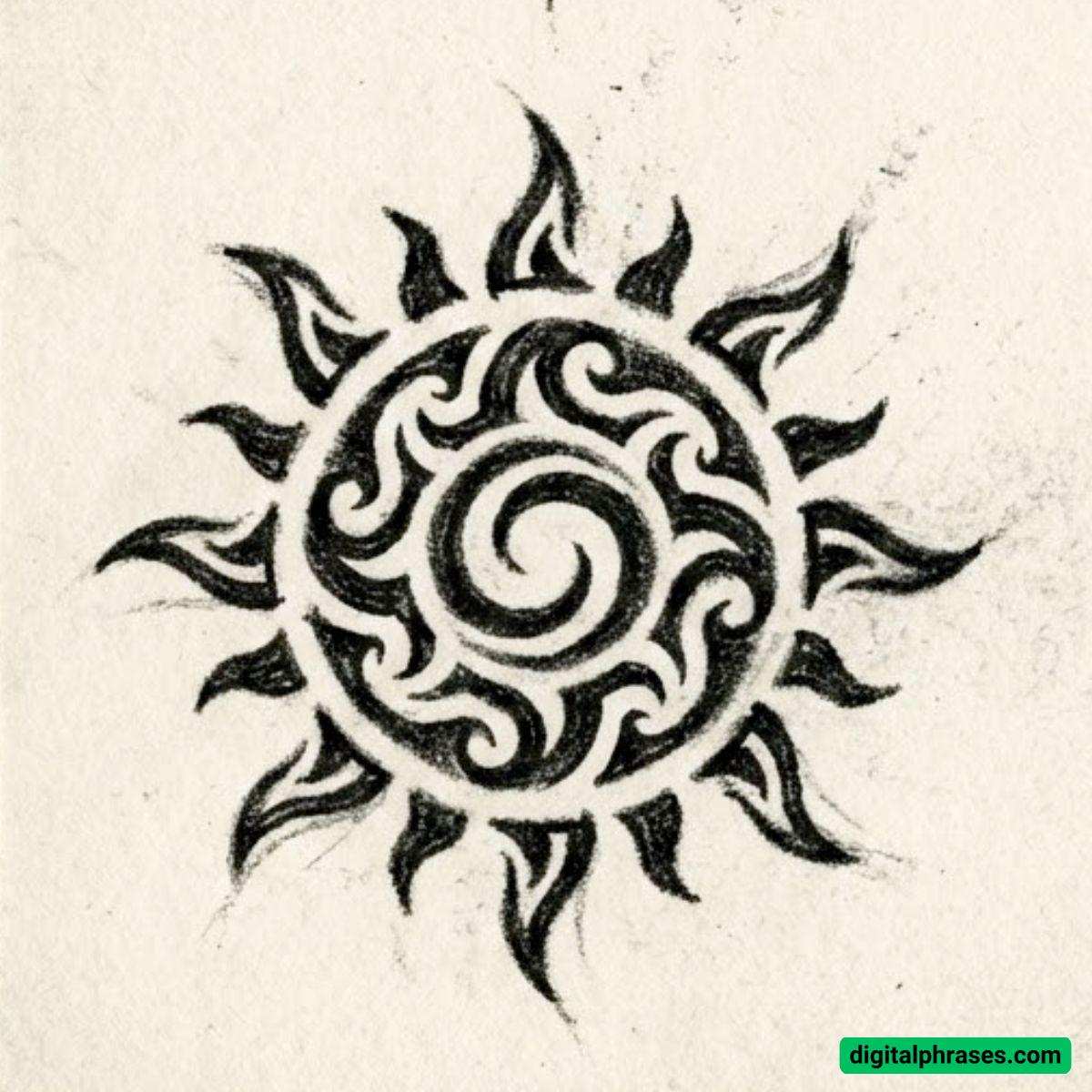
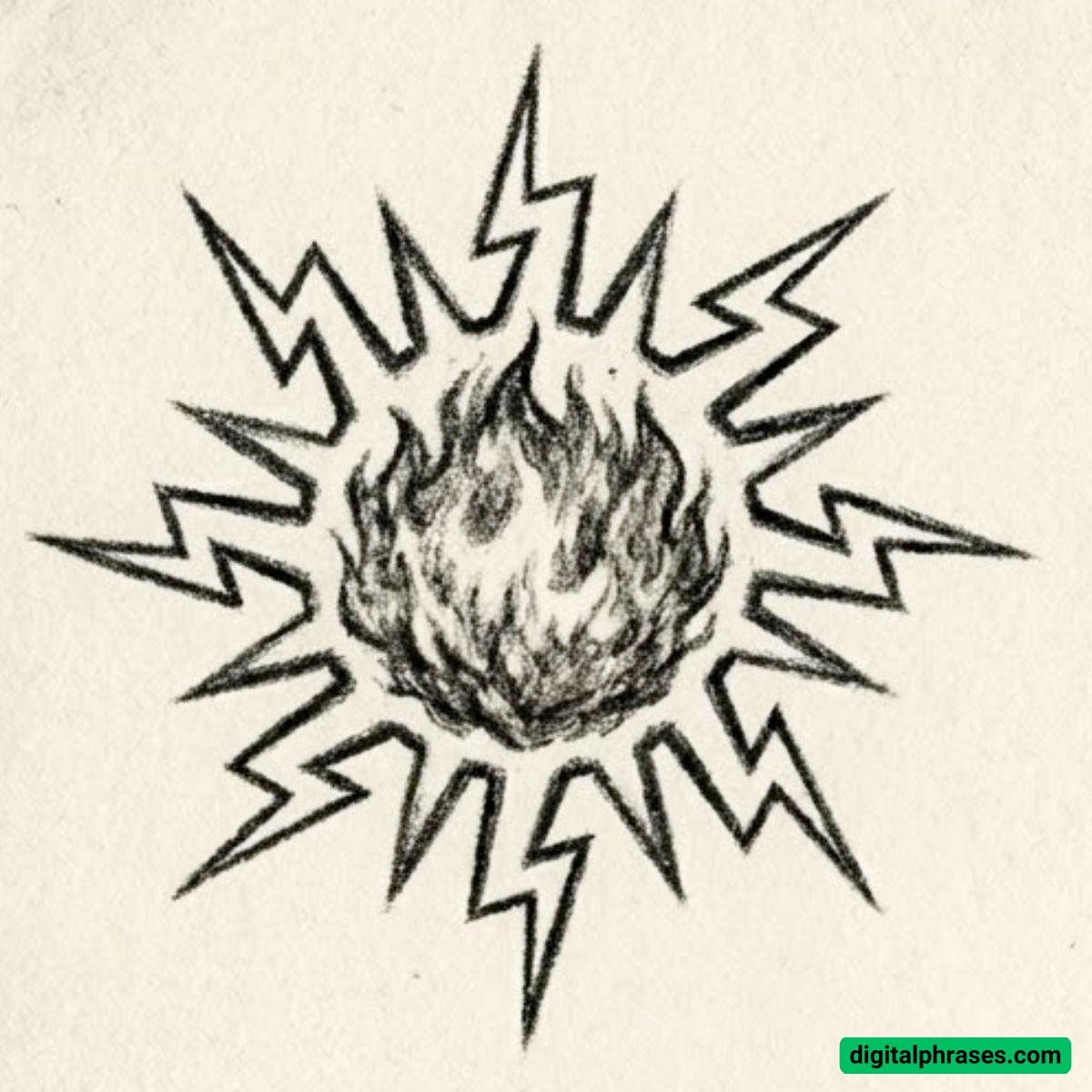
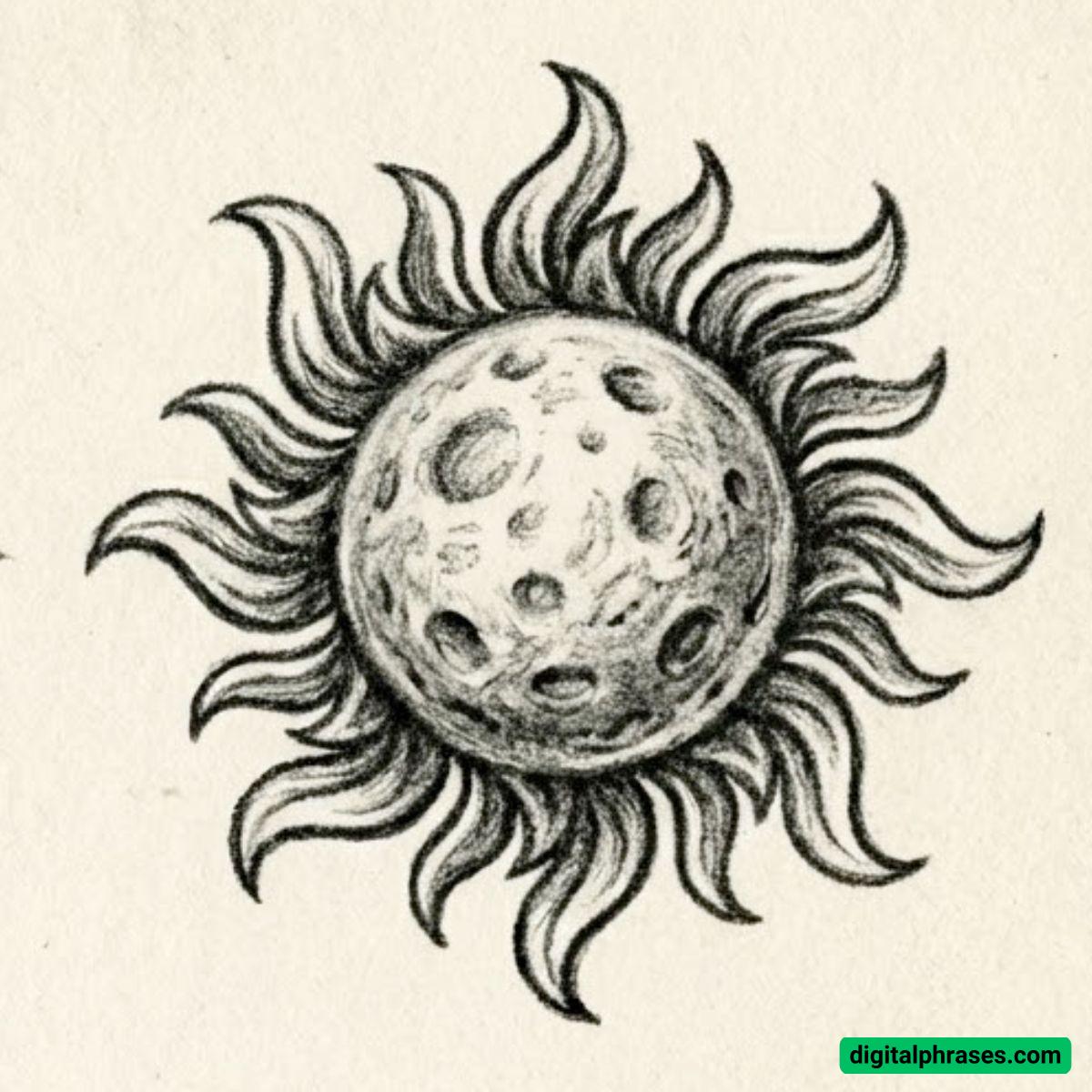
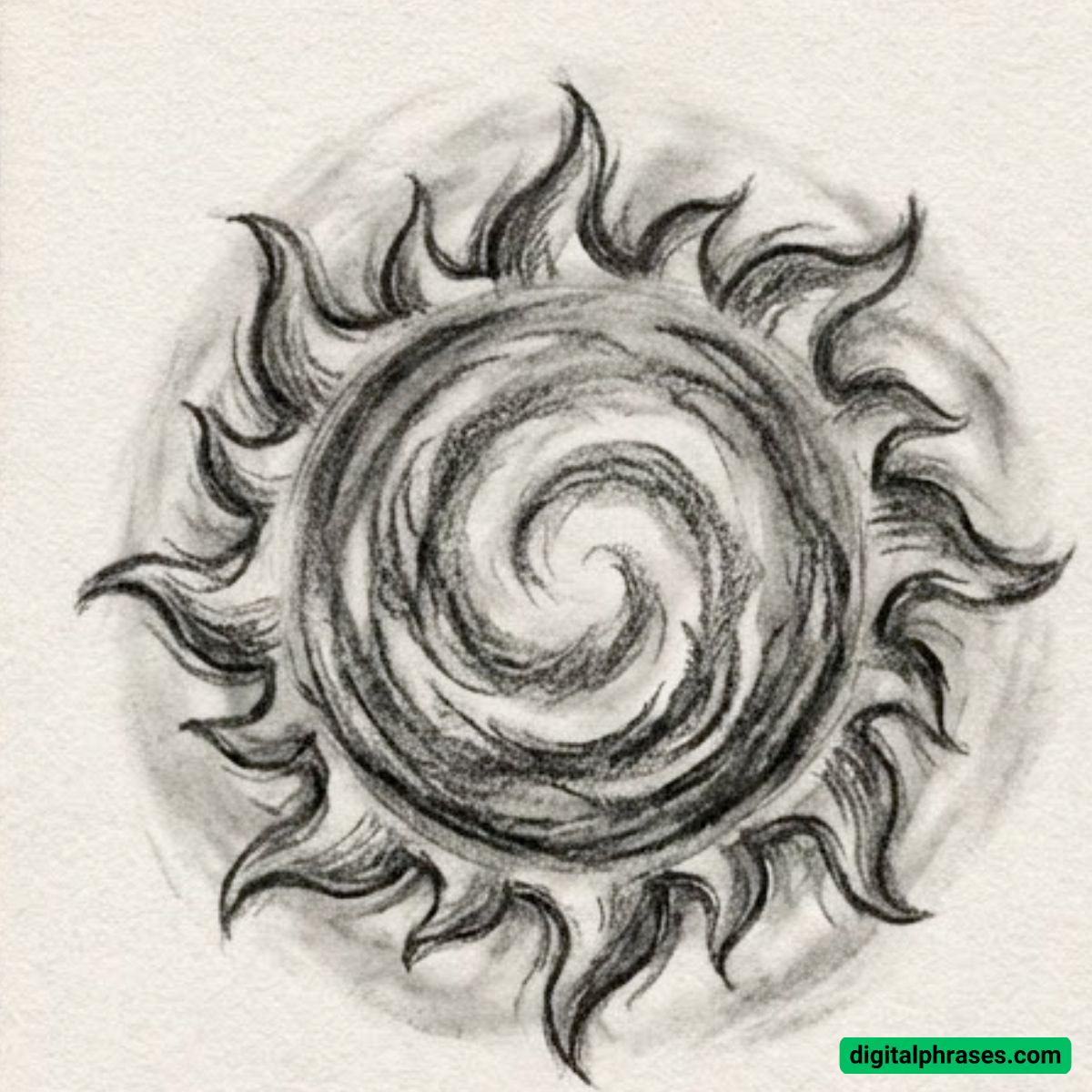
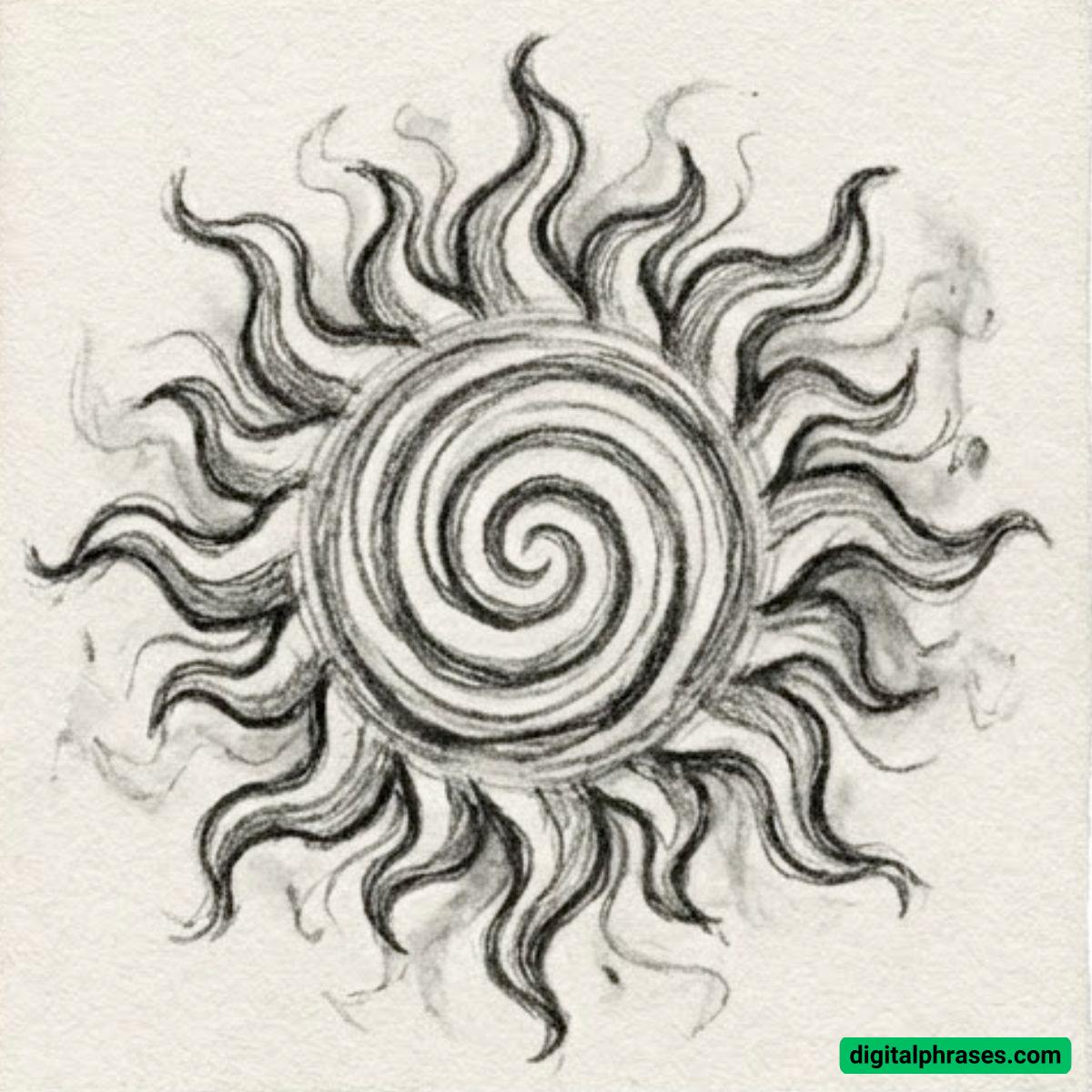
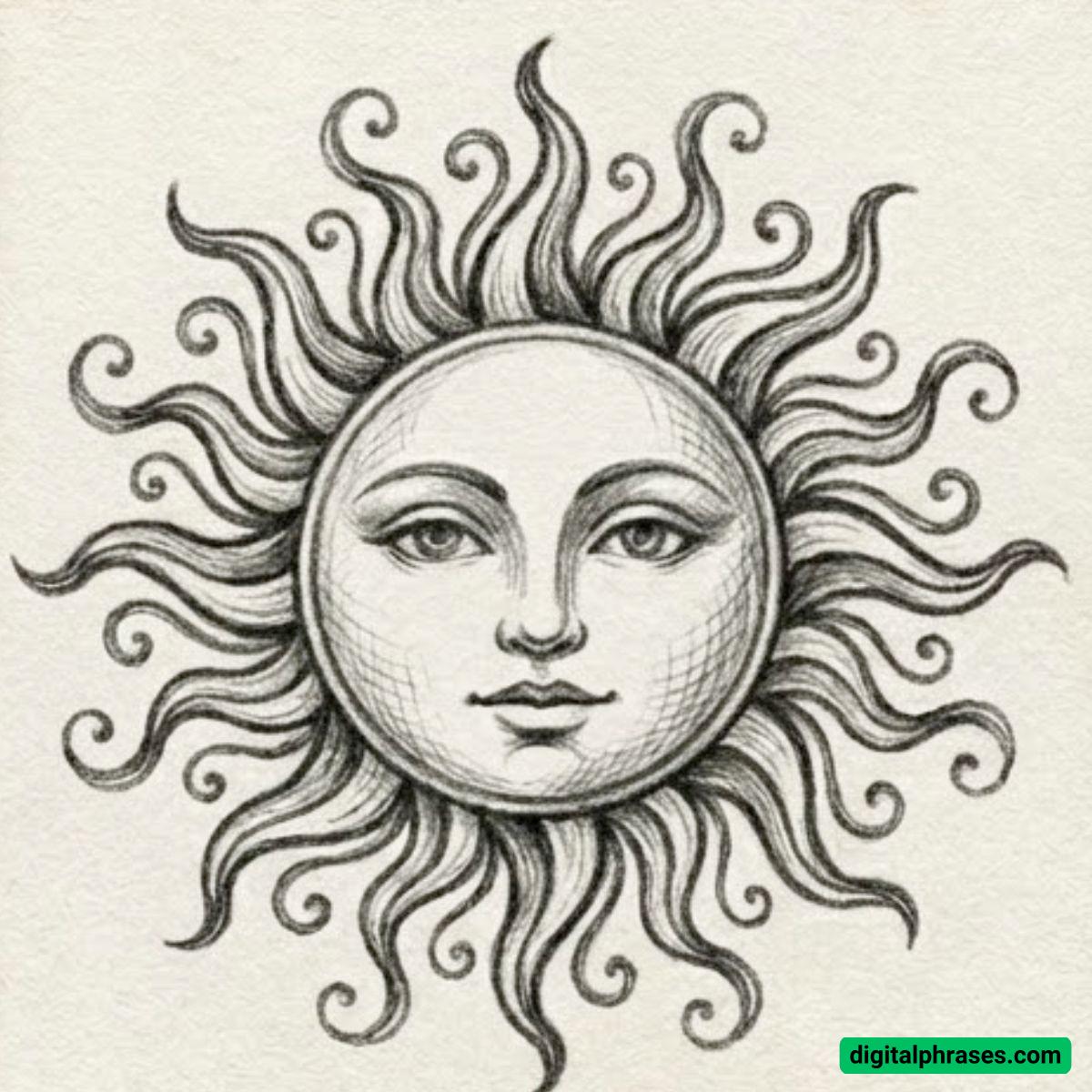
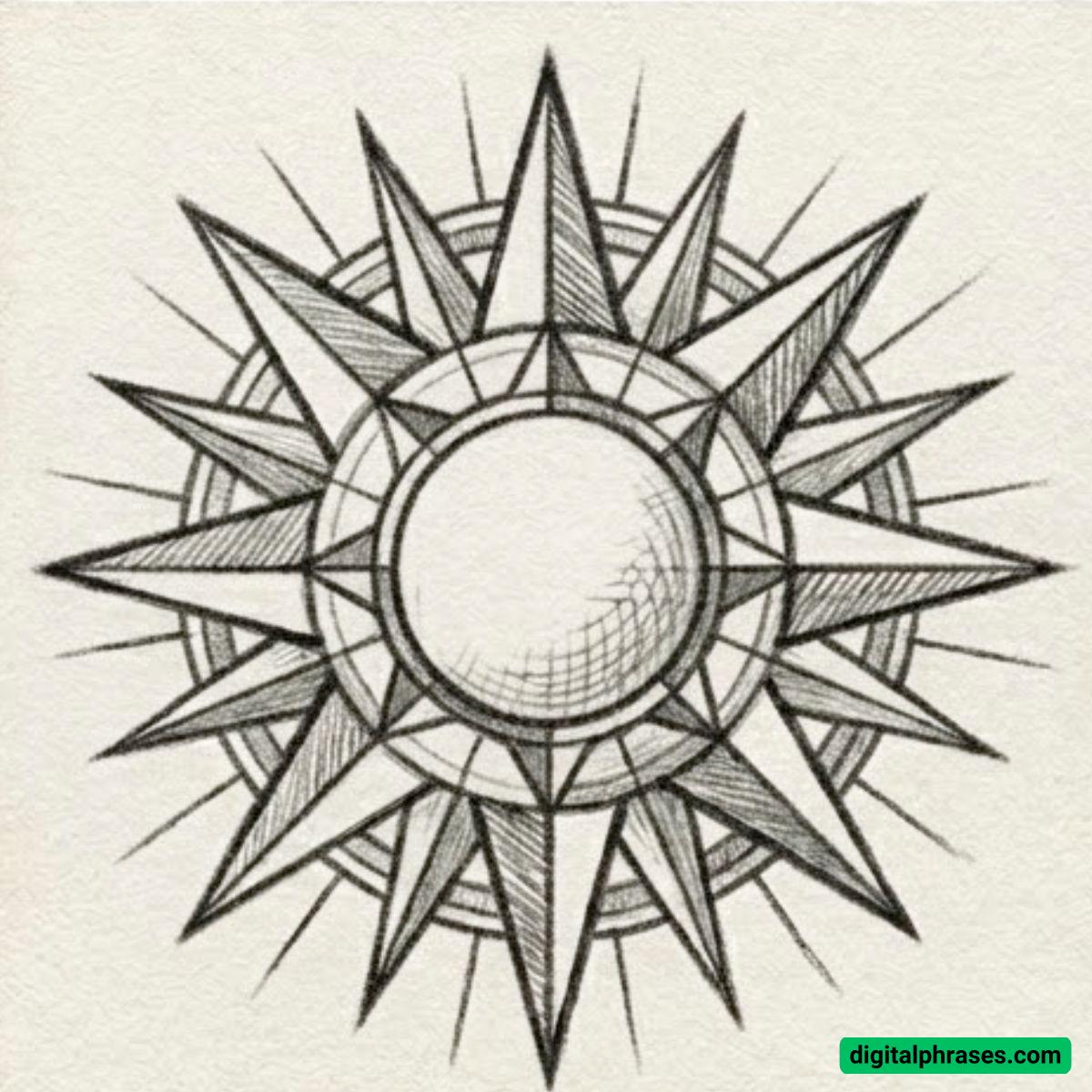
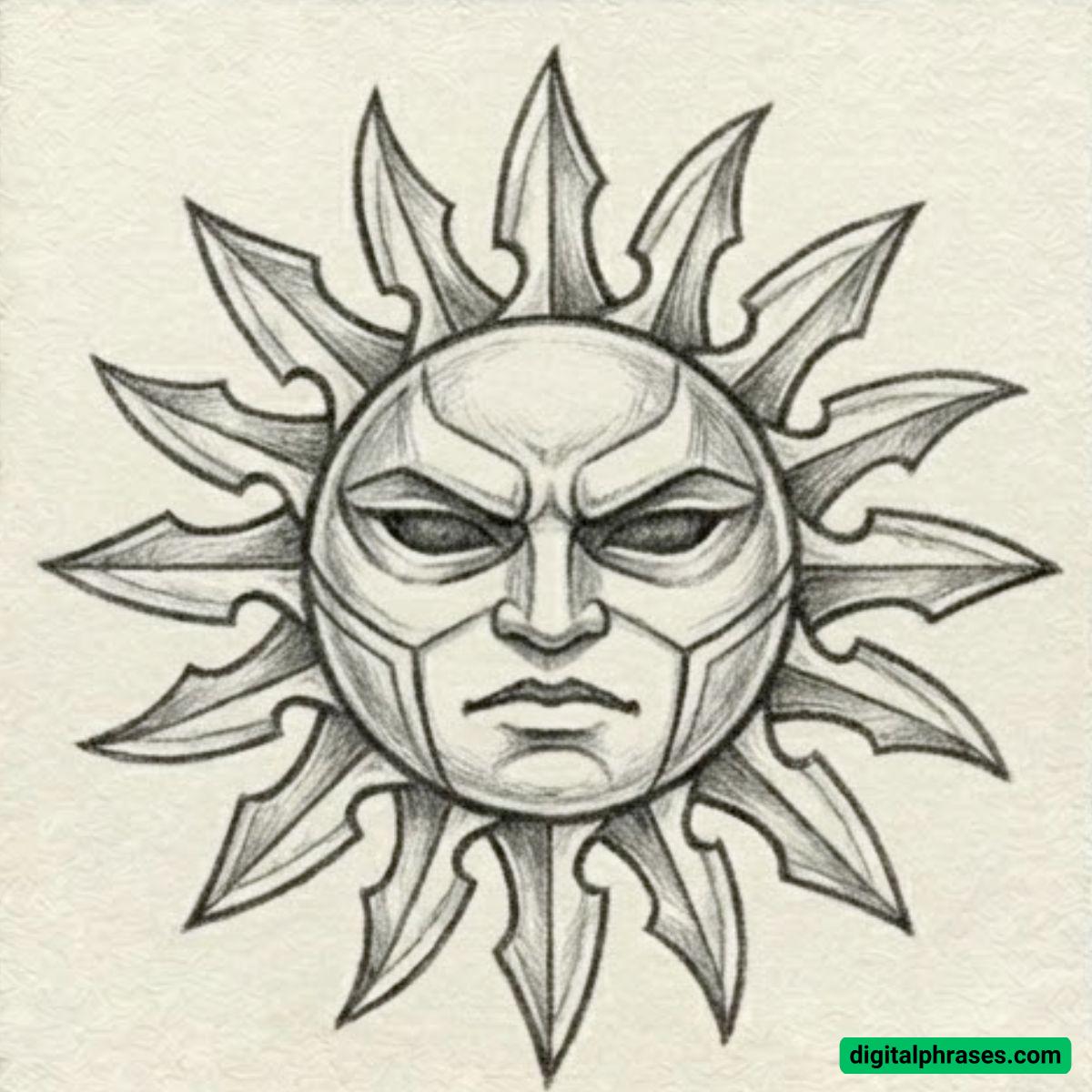
Try wavy rays for a soft, dreamy feel, sharp triangular rays for energy and drama, or alternating long and short lines for rhythm. You can even mix styles in one drawing.
Think of the rays as an extension of the sun’s mood—gentle, bold, playful, or powerful. Don’t be afraid to exaggerate; rays are meant to radiate outward and grab attention.
Tip 3: Use Line Weight to Add Depth
Varying your line thickness can instantly make your sun more interesting. Thicker outlines can help the sun stand out, while thinner lines inside the circle or in the rays add detail without clutter.
If you’re using a pen, try pressing harder in some areas and lighter in others. With pencils, layer lines gradually. This simple technique adds depth and makes your drawing feel intentional rather than flat.
Tip 4: Experiment With Facial Expressions
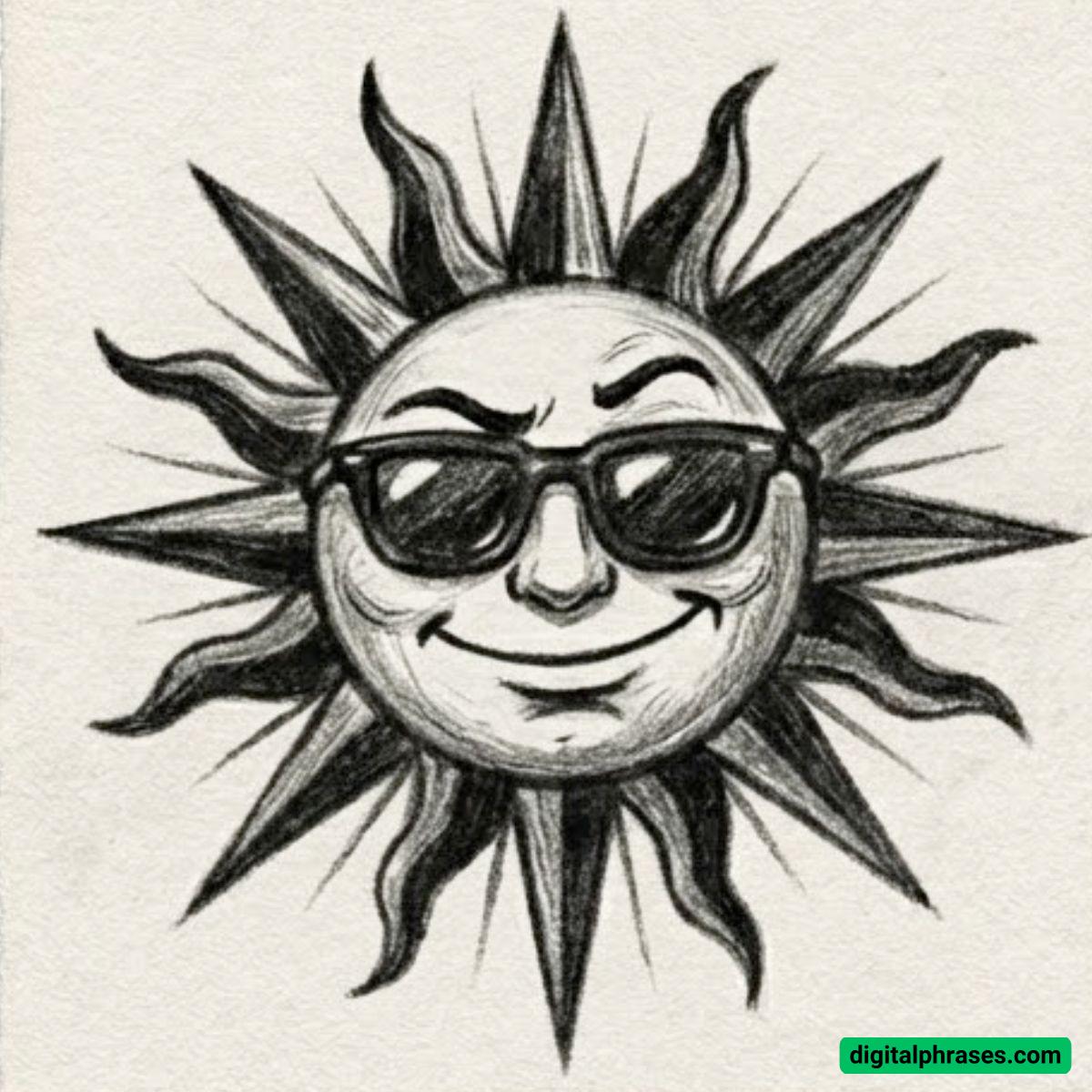
If you enjoy character-style drawings, give your sun a face. A smile, sleepy eyes, or raised eyebrows can completely change the vibe.
Keep it simple at first—dots and curves often work better than detailed features. Think about emotion: is your sun cheerful, calm, curious, or mischievous?
Let the expression guide the rest of the drawing. This is especially fun if you’re drawing with kids or creating playful illustrations.
Tip 5: Add Texture and Shading
Texture brings your sun to life. Light shading around the edges can suggest glow, while soft pencil strokes inside the circle add warmth. You can try crosshatching, stippling, or gentle blending.
If you’re working digitally or with color, gradients work beautifully for suns. The goal isn’t realism—it’s atmosphere. Even subtle texture can turn a simple drawing into something visually rich.
Tip 6: Place Your Sun in a Scene
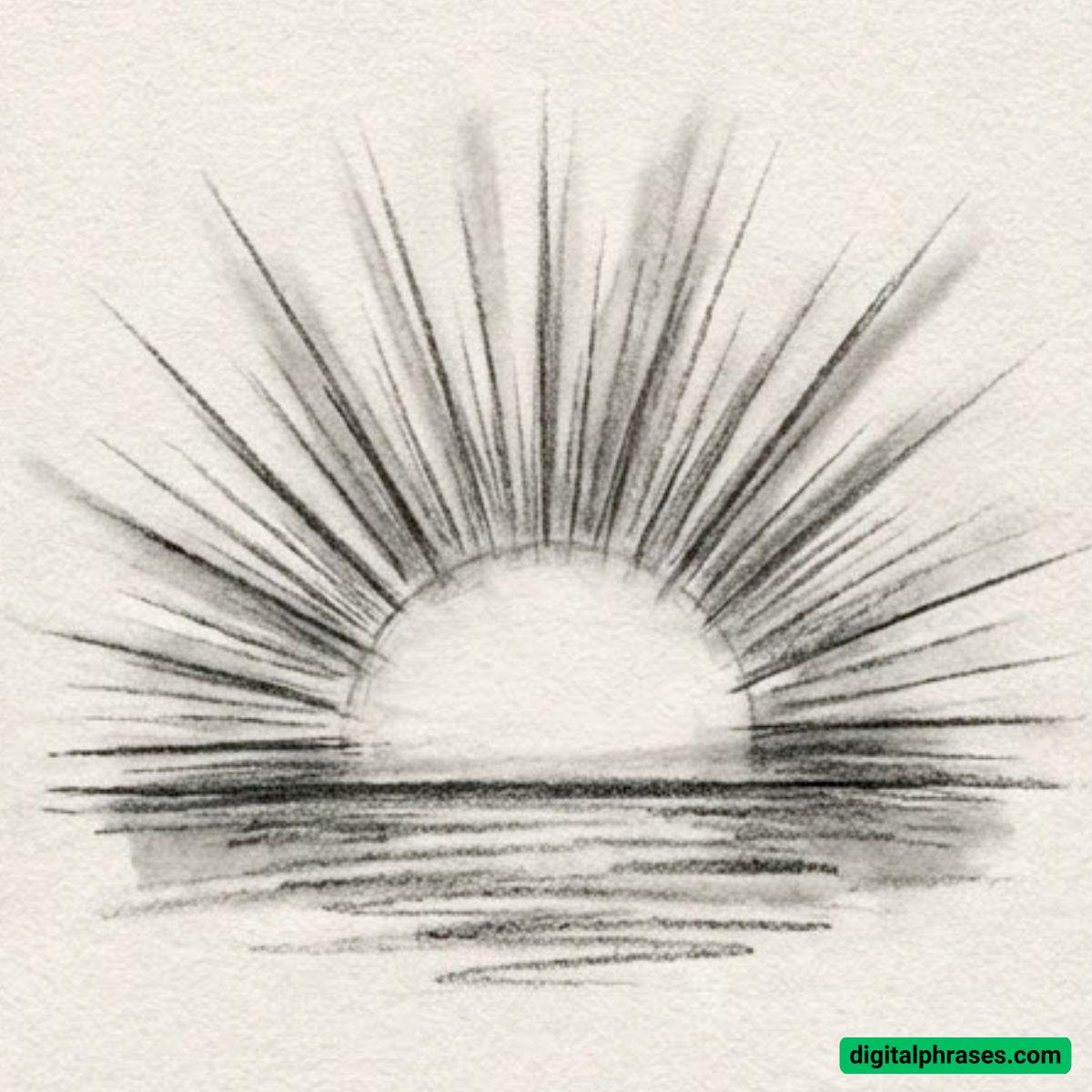
A sun doesn’t have to float alone. Add clouds, mountains, waves, or a horizon line to give it context. Is it rising, setting, or high in the sky?
Placing your sun within a scene helps tell a story and makes the drawing feel complete. Start simple, then build outward. Often, the sun becomes the anchor that pulls the entire composition together.