14 Umbrella Drawing Ideas
Umbrellas make wonderful drawing subjects—and they invite far more creativity than you might expect at first glance.
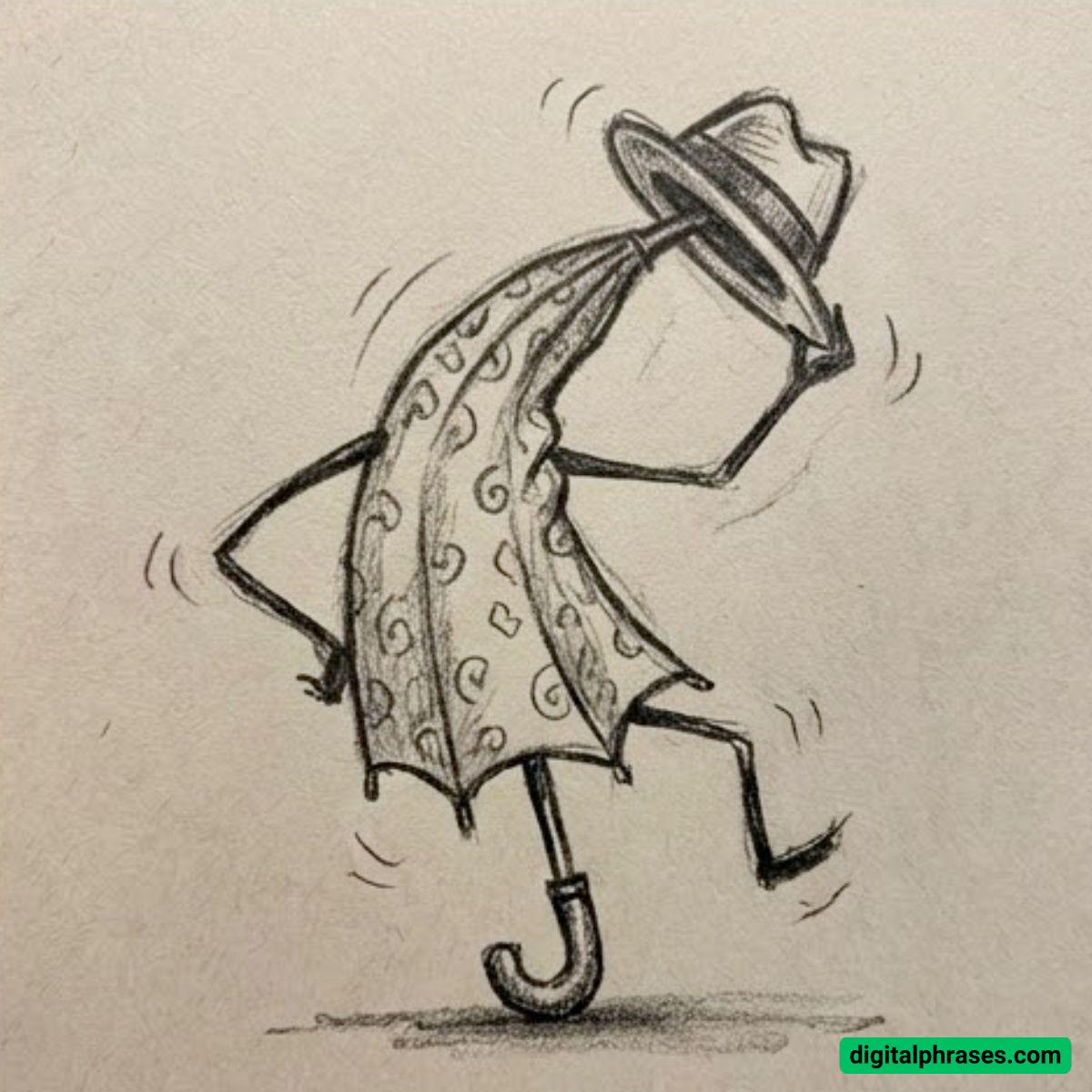
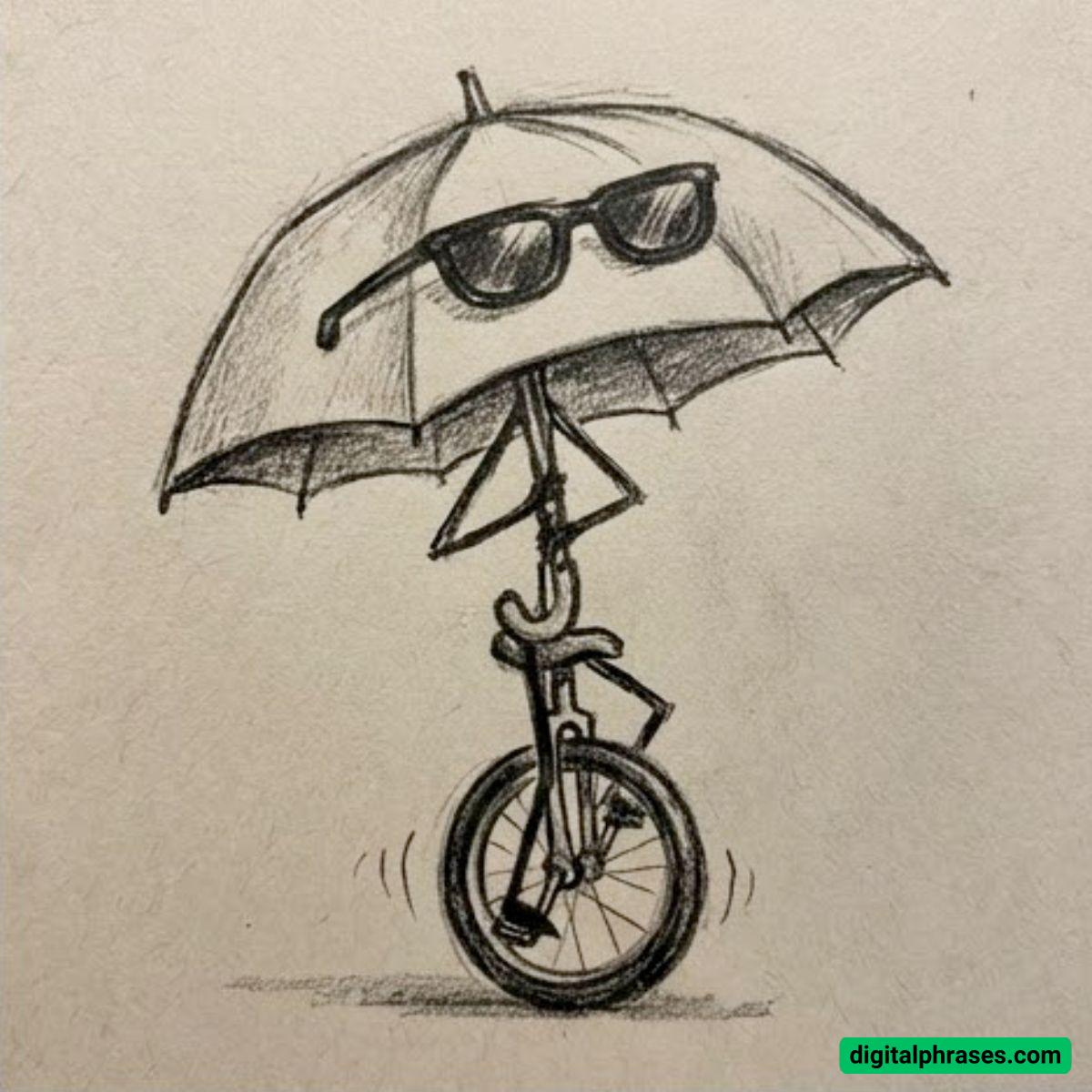
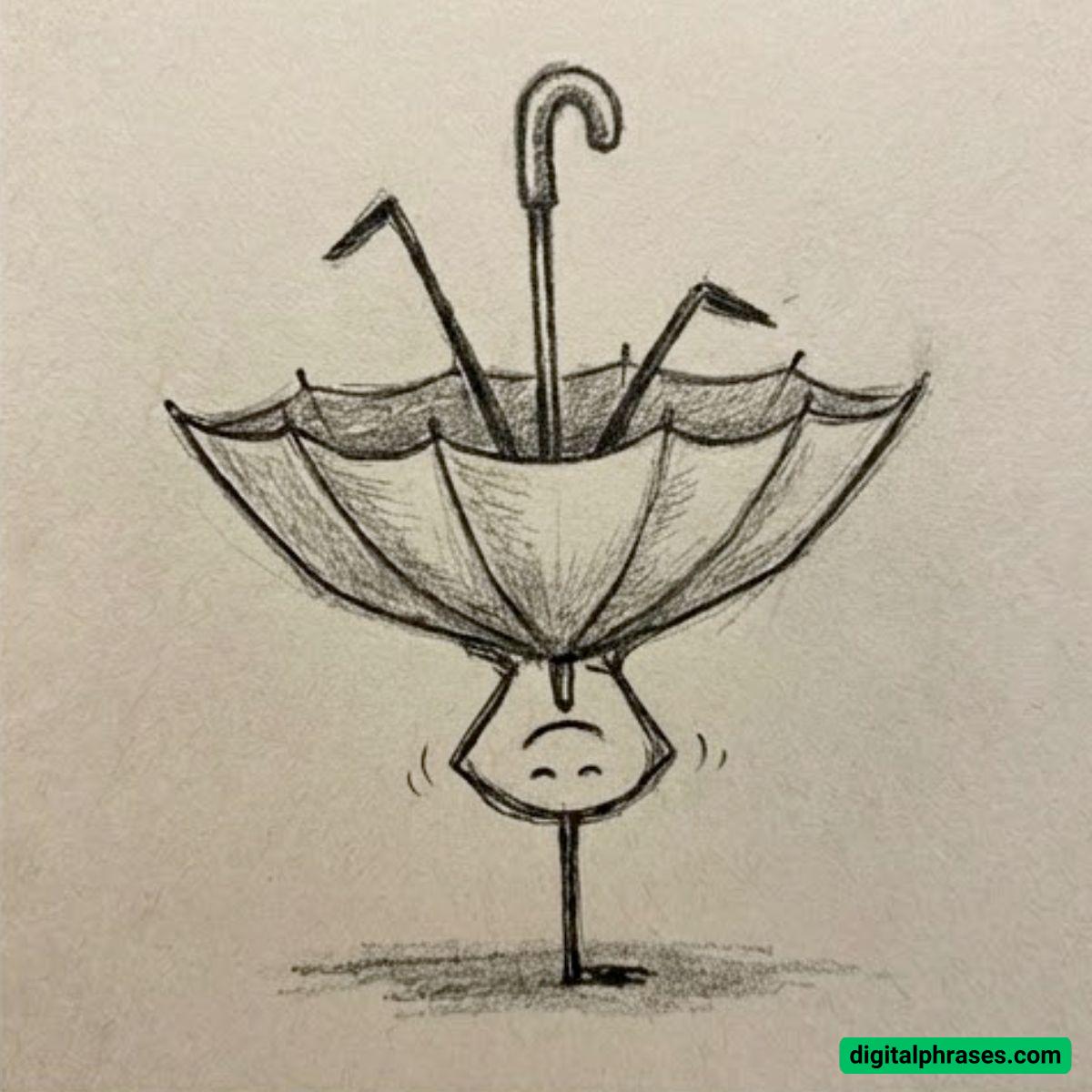
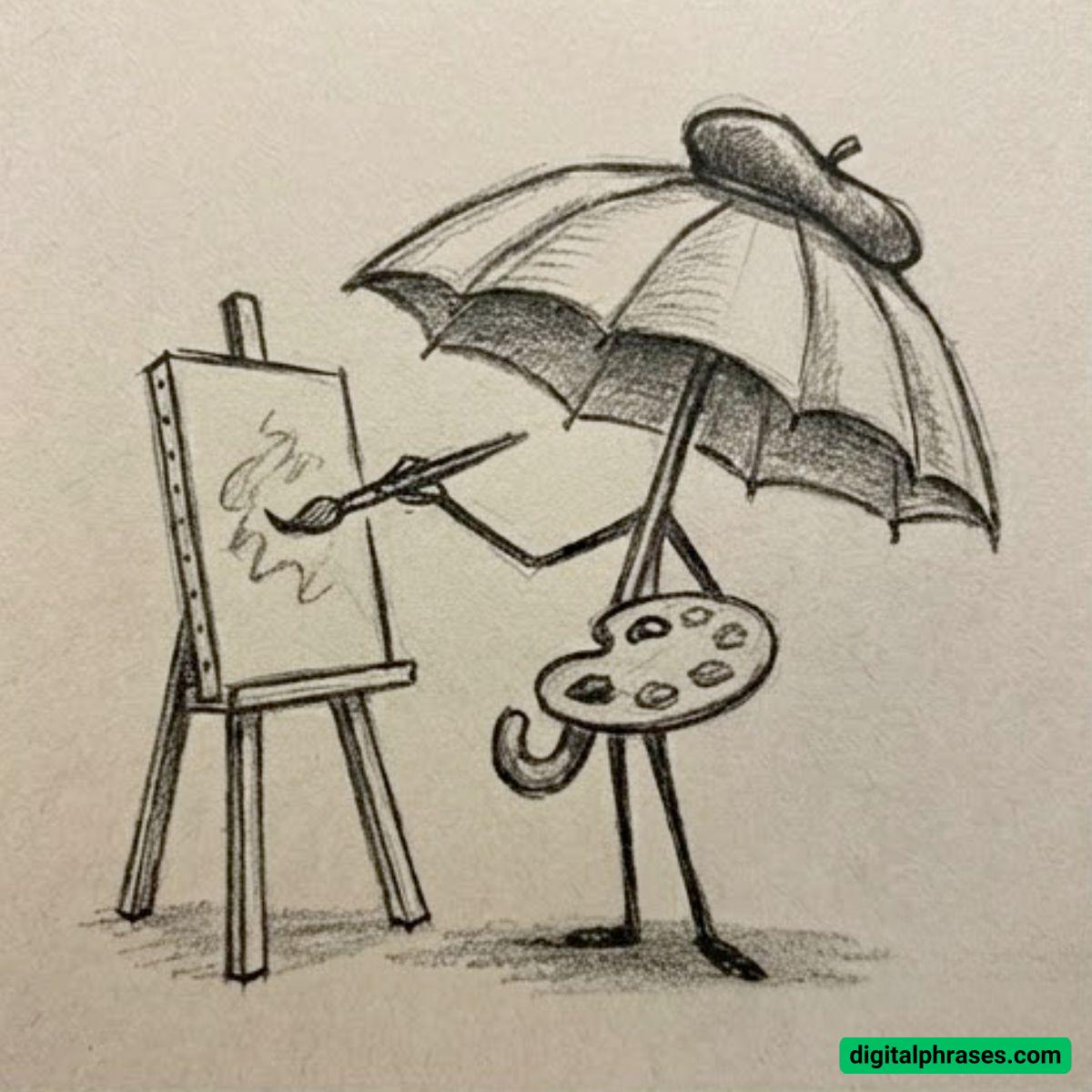
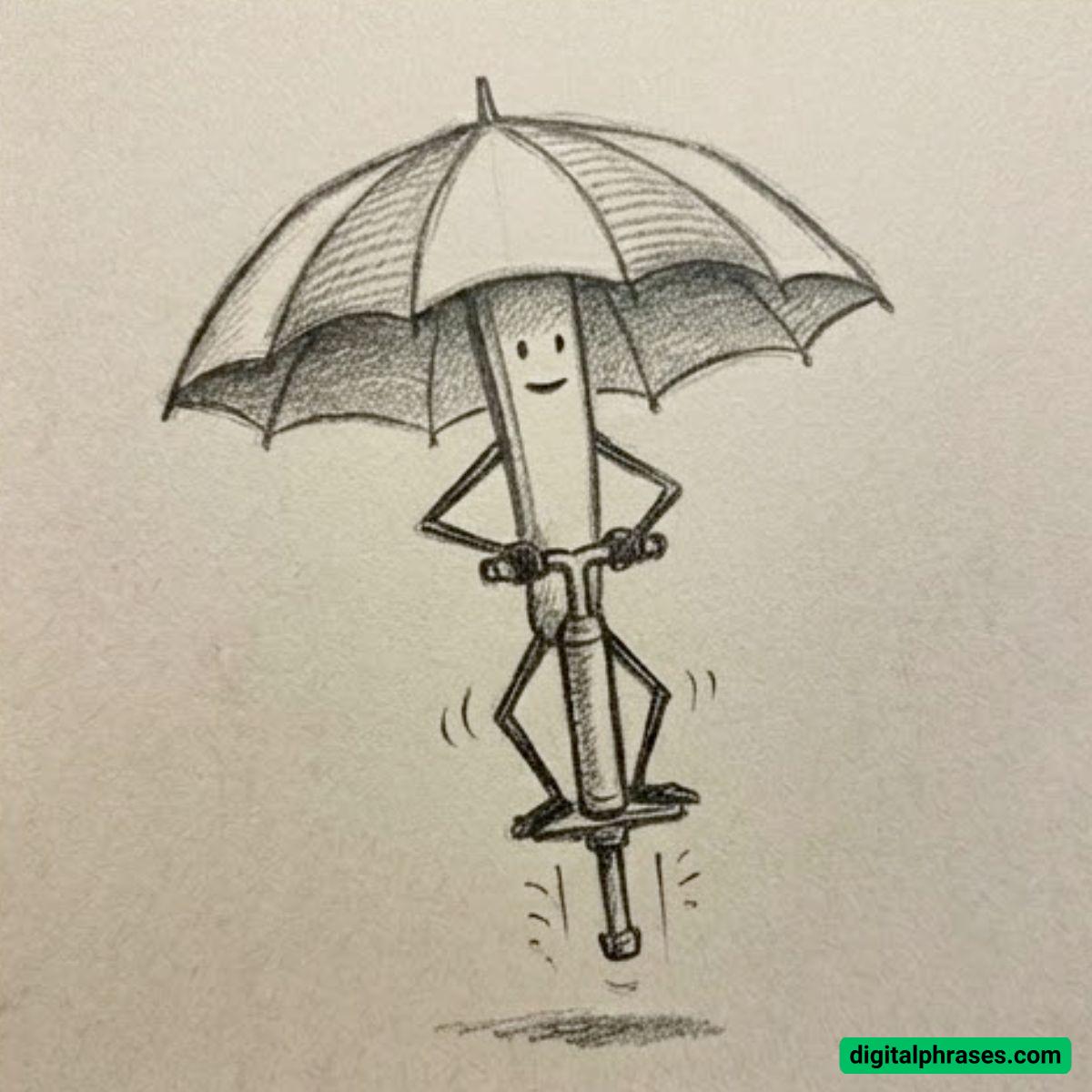
Think about it: an umbrella isn’t just an umbrella. It can be elegant or playful, vintage or modern, realistic or completely imaginary. It might be caught in a gust of wind, floating through the sky, or leaning patiently by a café door. You can decorate it with patterns, florals, stars, or stories. You can draw it in a quiet moment of drizzle or in the middle of a joyful, puddle-splashing scene.
In this post, we’re going to explore some umbrella drawing ideas that spark curiosity and make you want to pick up a pencil right away.
Check these out.
Umbrella Drawing Ideas
1
2

3
4

5
6
7
8
9
10

11

12

13
14
Tips on How to Draw an Umbrella
Tip 1: Start With the Basic Shape (Don’t Overthink It)
Before you dive into details, take a moment to understand the umbrella’s core structure.
At its heart, an umbrella is a combination of simple shapes—usually a dome or semi-circle on top, a straight or slightly curved handle below, and a central shaft connecting everything. Lightly sketch these basic forms first. This gives you a strong foundation and keeps your drawing balanced.
Try drawing the umbrella from different angles: straight-on, slightly tilted, or viewed from below. Each perspective changes the mood and makes the drawing more interesting.
Don’t worry if it looks too simple at this stage—that’s exactly the point. Simple shapes help you place everything correctly before committing to lines. Think of this step as setting the stage before the real performance begins.
Tip 2: Pay Attention to the Ribs and Panels
The ribs are what give an umbrella its character and realism. These thin lines radiating from the center help define the fabric panels and create a sense of depth.
When drawing them, avoid making them perfectly straight or evenly spaced. Slight variations make your umbrella feel more natural and hand-drawn.
You can choose how detailed you want to be. For a clean, minimal look, a few subtle lines will do.
For a more realistic or decorative style, clearly define each panel and let them curve gently outward. Remember, the fabric stretches over the ribs, so soft curves work better than sharp angles. This is where your umbrella starts to feel three-dimensional rather than flat.
Tip 3: Make the Handle Tell a Story
The handle is a small part of the umbrella, but it carries a lot of personality. Is it a classic curved handle, a sleek straight one, or something ornate and vintage? Maybe it’s wrapped in leather, shaped like a hook, or exaggerated for a whimsical style.
Don’t be afraid to experiment here. A simple handle gives a modern feel, while a detailed one can suggest age, elegance, or even mystery. Add subtle shading to show roundness, and pay attention to how the handle connects to the shaft.
This tiny detail can elevate the entire drawing and make it feel intentional rather than rushed.
Tip 4: Add Texture, Patterns, and Personality
This is where umbrellas really shine as drawing subjects. Polka dots, stripes, florals, stars, raindrops—anything goes.
Patterns can instantly change the mood of your illustration, from playful to classy to dreamy. Lightly map out patterns first so they follow the curve of the umbrella instead of sitting flat.
You can also add texture with gentle shading, crosshatching, or soft pencil strokes to suggest fabric.
Think about the environment too. Is the umbrella wet from rain?
Wind-blown?
Slightly folded?
These small choices give your drawing life and help tell a story without needing words.
Tip 5: Practice With Scenes, Not Just Objects
Once you’re comfortable drawing a single umbrella, place it in a scene. An umbrella leaning against a wall, floating in the sky, or held by an unseen figure instantly sparks curiosity.
Scenes help you practice scale, perspective, and storytelling all at once.
You don’t need a complex background—just a hint of ground, rain lines, or a café doorway can be enough. Drawing umbrellas in different moods and settings keeps practice fun and prevents creative boredom. Over time, you’ll find that the umbrella becomes less of a challenge and more of a creative playground.
Above all, enjoy the process. Umbrellas are forgiving, expressive, and perfect for experimenting.
Let each drawing be a little exploration, not a test—and you’ll be surprised how much your confidence grows.