How To Draw Grass?
Here’s a simple and smart way to draw the grass
Step 1 – Planning and Setting Up Your Grass Sketch
- Start by choosing the drawing tools you will use, such as a pencil (HB or 2B is ideal for beginners), an eraser, and plain drawing paper. Using a pencil allows easy corrections while learning.
- Lightly observe real grass or reference images to understand how grass naturally grows. Notice that grass does not grow in straight, identical lines but in varied directions and lengths.
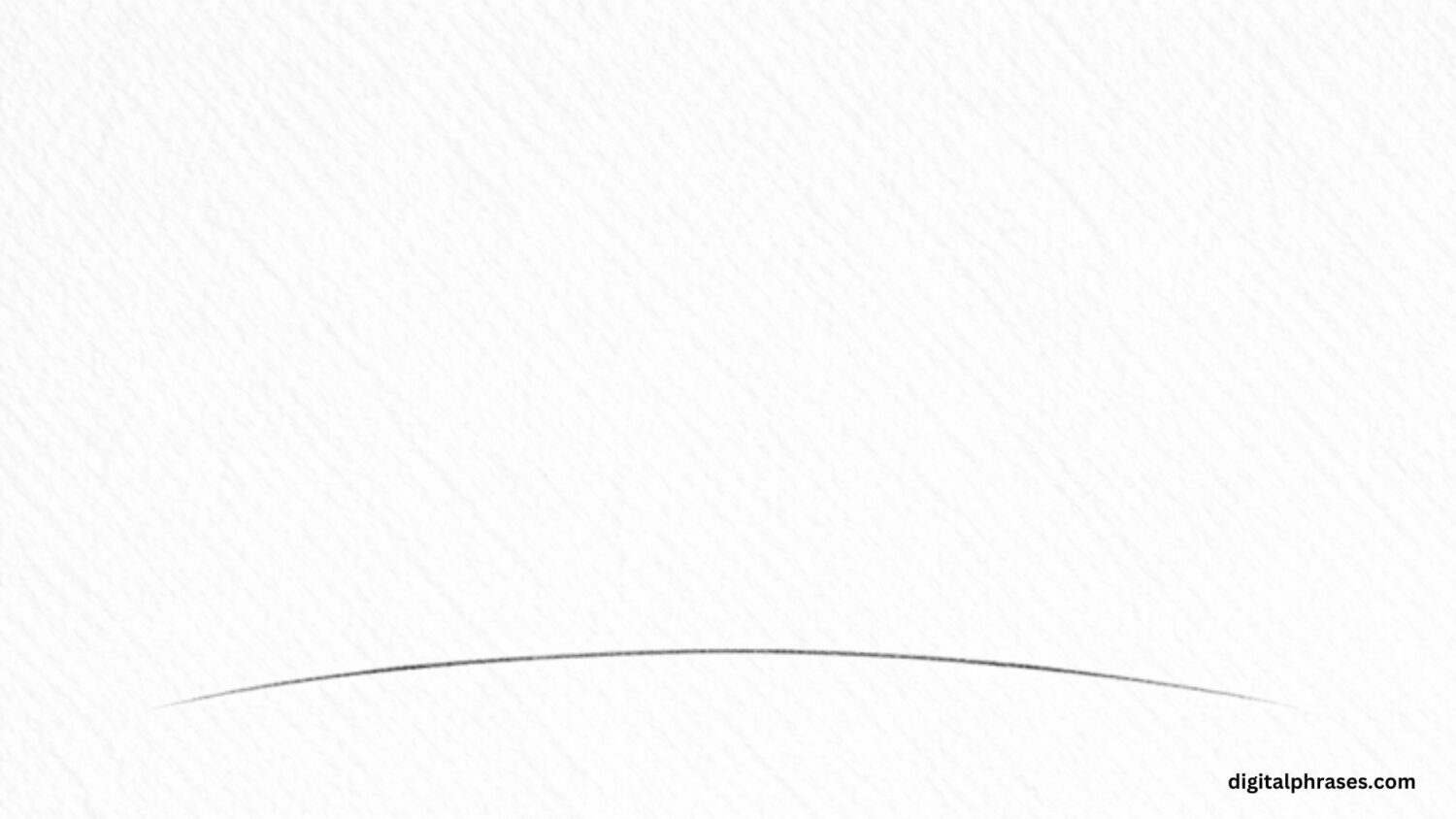
- Draw a very light, slightly uneven horizontal line across your paper. This line represents the ground level where the grass emerges.
- Decide the perspective of your sketch. Grass drawn close to the viewer appears taller and more detailed, while grass farther away looks shorter and less defined.
- Keep your hand relaxed and avoid pressing hard with the pencil. Soft strokes help maintain a natural and organic look.
- Mentally divide the area into sections so you can build the sketch gradually instead of filling the entire page at once.
Step 2 – Drawing the Basic Grass Blades
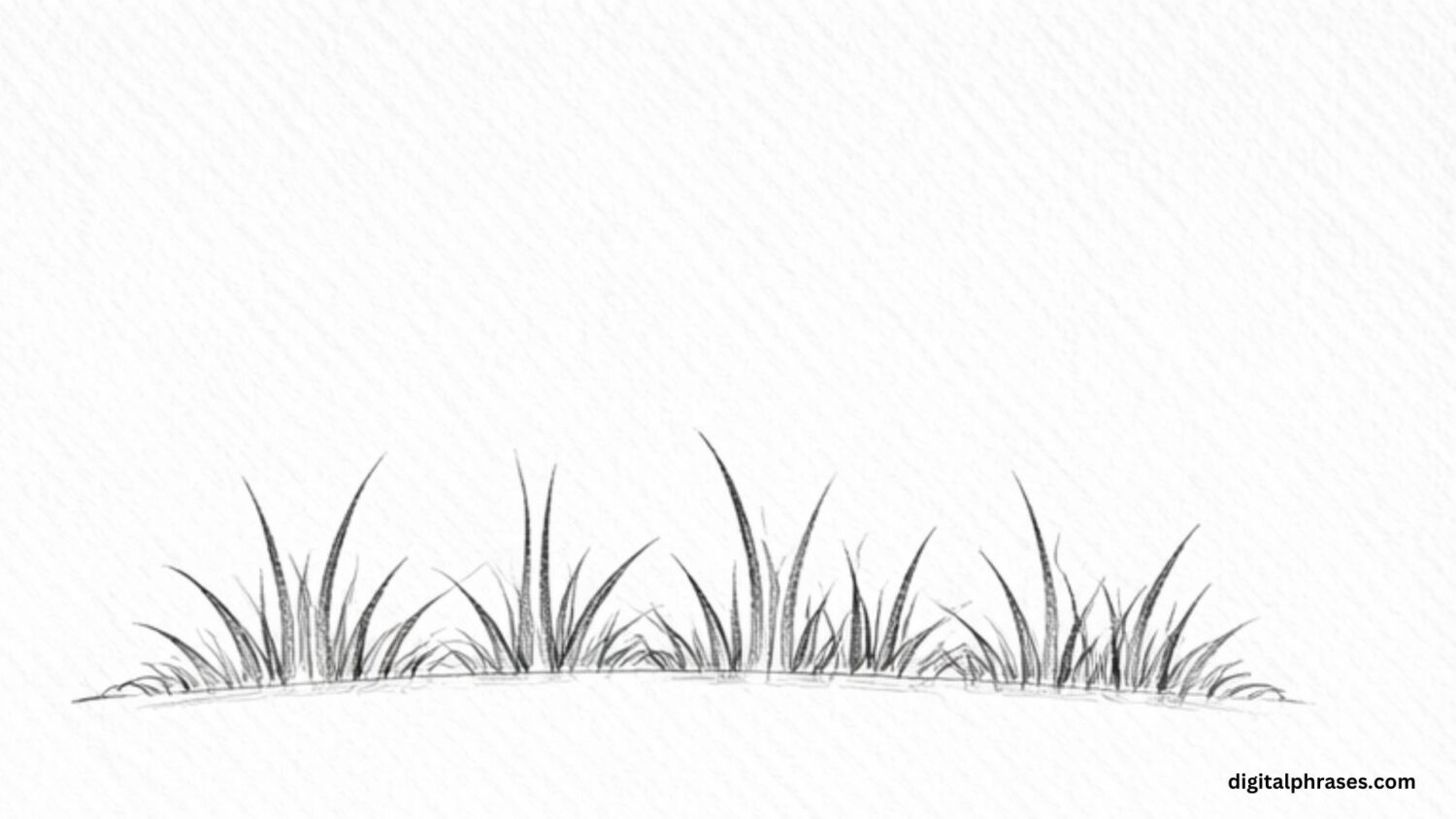
- Begin drawing individual grass blades starting from the ground line and moving upward with quick, light strokes.
- Make each blade slightly curved rather than straight to reflect natural growth patterns.
- Vary the height of the blades so they do not look uniform. Some blades should be short, others medium, and a few taller.
- Draw grass in small clusters or clumps instead of evenly spaced lines. This creates a more realistic appearance.
- Create depth by adding a second layer of grass behind the first. This background layer should be lighter and slightly shorter.
- Use softer pressure on the pencil for distant grass and darker strokes for grass in the foreground.
- Add slight variations in direction by bending some blades left or right, as grass is influenced by wind and growth patterns.
- Darken the area near the base of the grass where blades cluster together. This shadow effect adds realism.
- Use quick, sketchy strokes to suggest texture rather than drawing every blade in detail.
Step 3 – Refining, Shading, and Final Touches
- Review the sketch and erase unnecessary guide lines or overly dark strokes.
- Enhance contrast by darkening selected foreground blades to make them stand out.
- Add subtle shading between clumps of grass to suggest shadows and uneven ground.
- Draw a few stray or broken blades leaning outward to make the sketch look natural and lively.
- Avoid overworking the drawing. Simplicity often looks more realistic than excessive detail.
- Finish by lightly smudging or blending the base area if desired, giving the grass a grounded, finished appearance.
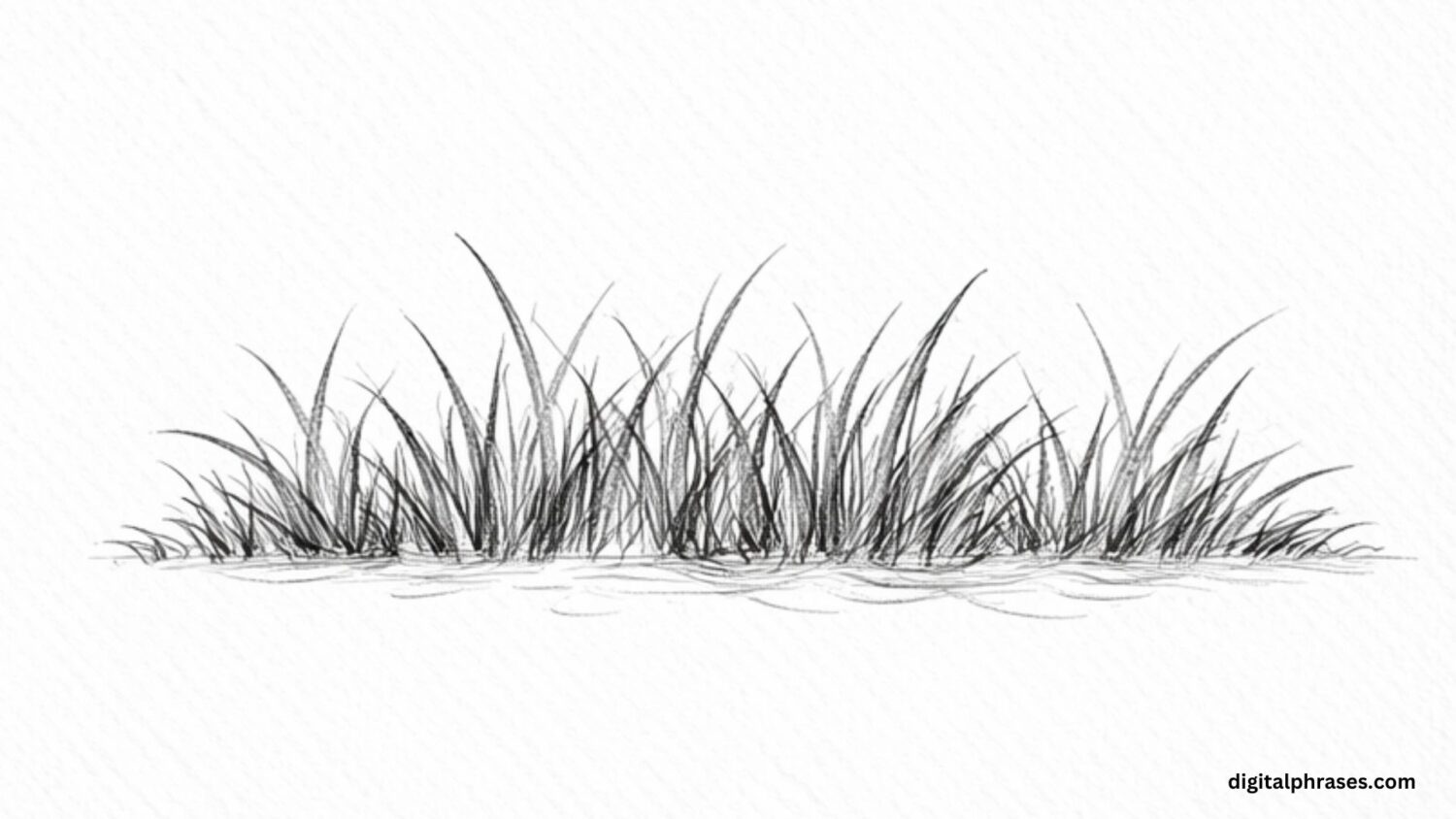
This structured approach helps you gradually build a natural and realistic grass sketch while improving control, observation, and drawing confidence.