What Exactly Is Conflict in Fiction? Understanding True Story Conflict
If you’ve ever tried writing a story and felt like it was… fine, but somehow flat, I’ve been there too. The scenes move. The characters talk. Things happen. And yet, nothing feels urgent.
For the longest time, I thought conflict just meant arguments, villains, or dramatic fights. You know—explosions, betrayals, shouting matches. But the more I studied storytelling (and honestly, the more I messed up my own drafts), the more I realized something surprising:
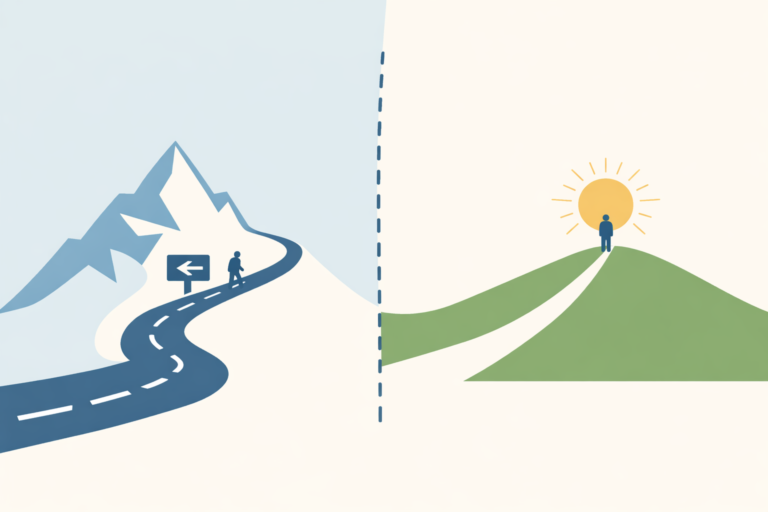
Conflict isn’t about chaos. It’s about resistance.
It’s what happens when someone wants something badly—and something meaningful stands in the way.
That might sound simple. But when you really understand it, it changes how you write forever.
Let’s break it down.
What Conflict Really Means
Here’s how I explain it now:
Conflict is the gap between desire and obstruction.
A character wants something. Something—or someone—makes it difficult, risky, or painful to get it.
That’s it. But here’s the part most people miss: the obstruction has to matter.
If your character wants coffee and the café is closed, that’s not real conflict. That’s inconvenience.
But if your character wants to reconcile with their estranged father before he dies—and their pride won’t let them make the first call? Now we’re getting somewhere.
See the difference?
The second example creates tension because there’s emotional weight. There’s history. There’s something to lose.
When I started thinking of conflict this way, my stories improved almost overnight. Instead of asking, “What bad thing can happen next?” I started asking, “What does my character want more than anything—and what would make getting it genuinely hard?”
That shift changed everything.
What Conflict Is Not
Let’s clear up a few common misunderstandings:
- It’s not random tragedy.
- It’s not just action scenes.
- It’s not suffering for the sake of suffering.
A tornado hitting a town isn’t automatically conflict. It becomes conflict when someone in that town wants something specific—maybe to protect their family, maybe to prove they’re brave—and the tornado directly threatens that goal.
Without desire, there’s no conflict. Just weather.
The Different Ways Conflict Shows Up
Conflict doesn’t wear just one costume. It shows up in different forms, and honestly, the strongest stories often combine several.
Here are the main ones I see again and again:
Character vs Character
This is the obvious one. Two people want incompatible things.
Think about a courtroom drama. The defense attorney wants to prove their client is innocent. The prosecutor wants a conviction. Only one can win.
But what makes this interesting isn’t just the clash—it’s the stakes. If the defense attorney is also trying to redeem their reputation after a past failure, now the conflict hits deeper.
It’s never just about winning. It’s about what winning means.
Character vs Self
This one? It’s powerful.
Sometimes the biggest obstacle isn’t another person. It’s fear. Guilt. Pride. Trauma.
Let’s say a talented musician gets a life-changing opportunity—but they’re terrified of failure because of a humiliating performance years ago. No villain. No external enemy.
Just internal resistance.
And honestly? That can be more gripping than a sword fight.
When I read stories like this, I feel seen. Because we’ve all fought ourselves at some point.
Character vs Society
Here, the character pushes against rules, systems, or cultural expectations.
Maybe it’s a journalist exposing corruption in a powerful corporation. Maybe it’s a teenager in a rigid community questioning traditions.
The tension comes from imbalance. The individual is small. The system is huge.
And we can’t help but wonder: can they actually win?
Character vs Nature or Fate
Storms. Illness. Time. Prophecy. Mortality.
A mountaineer trapped in a blizzard.
A parent racing against the clock to get their child to the hospital.
A character trying to avoid a foretold destiny.
These conflicts remind us how fragile we are. They’re often physical on the surface—but emotionally, they’re about survival, hope, or defiance.
And again, the key isn’t the blizzard. It’s what the character wants despite it.
The Difference Between Surface Problems and Real Conflict
This is where things get interesting.
When I first started writing, I’d throw obstacles at my characters constantly. Car crashes. Missed calls. Surprise enemies.
But I eventually realized something uncomfortable: I had problems, but not real conflict.
Here’s what I mean.
Surface problem:
The hero has to defuse a bomb.
Real conflict:
The hero has to defuse a bomb planted by their estranged brother—and stopping it means sending him to prison for life.
See the difference?
The bomb is the plot problem.
The brother is the emotional conflict.
Surface problem:
A woman is offered a promotion in another city.
Real conflict:
A woman is offered her dream promotion—but accepting it means leaving behind her aging mother who depends on her.
The external situation creates tension. But the internal dilemma creates transformation.
And transformation is what readers remember.
True conflict forces choice.
Not easy choice. Not obvious choice.
Costly choice.
If your character can solve the problem without losing anything meaningful, the tension collapses.
But when they have to sacrifice something—love, safety, pride, identity—that’s when the story comes alive.
Why Understanding Conflict Changes Your Writing
Once I truly understood conflict, I stopped decorating my stories with random drama.
Instead, I focused on three questions:
- What does this character want?
- Why does it matter deeply to them?
- What makes getting it emotionally expensive?
Every strong story I admire answers those questions clearly.
In The Hunger Games, Katniss doesn’t just want to survive. She wants to protect her sister and hold onto her humanity. The arena isn’t just danger—it’s a system trying to turn her into something she refuses to become.
In Pride and Prejudice, the conflict isn’t just romantic misunderstanding. It’s pride, prejudice, social status, ego, vulnerability.
When you look closely, the most powerful stories don’t rely on noise. They rely on meaningful resistance.
And that’s the heart of conflict.
Not shouting.
Not explosions.
Not chaos.
Just a person who wants something deeply—and a world that won’t make it easy.
How to Build Conflict That Actually Feels Real
Alright, so now that we know what conflict is and what it isn’t, let’s talk about something practical: how do you actually build it in a way that feels real and not forced?
Because here’s the truth—readers can tell when you’re manufacturing drama. I’ve done it. You’ve probably done it. A sudden argument that comes out of nowhere. A betrayal that doesn’t quite make sense. A twist that feels more like a stunt than an emotional inevitability.
Real conflict doesn’t feel random. It feels earned.
And in my experience, that comes down to three things: clear desire, meaningful stakes, and escalating resistance.
Start With a Deep Want
Every time I outline a story now, I ask myself one slightly annoying but powerful question:
What does this character want so badly that it scares them a little?
Not what they casually prefer. Not what would be nice.
What do they crave?
Maybe it’s external—winning a championship, solving a case, escaping poverty.
But the strongest conflicts usually sit under the surface.
A detective might want to solve a murder. But deeper down? Maybe they want redemption after failing a previous victim.
A teenager might want to get into a top university. But underneath that? They want their emotionally distant parent to finally say, “I’m proud of you.”
When you layer desire like this, conflict becomes richer. Because now obstacles don’t just block plot—they threaten identity.
And when identity is on the line, readers lean forward.
Raise the Stakes in a Way That Hurts
I used to think stakes meant “make it life or death.” Bigger explosions. Bigger consequences.
But here’s what I’ve learned: emotional stakes often matter more than physical ones.
Imagine this:
A boxer wants to win a championship fight.
That’s fine.
Now imagine the boxer is fighting the opponent who humiliated him years ago, the one who publicly destroyed his confidence—and this is his last chance before retirement.
Same fight. Completely different weight.
Stakes aren’t about scale. They’re about cost.
Ask yourself:
- What does winning cost?
- What does losing cost?
- What belief might shatter either way?
If nothing meaningful is at risk, the conflict will feel thin no matter how loud it is.
Let the Resistance Escalate
Here’s where many stories lose steam: the conflict stays flat.
If the obstacles don’t intensify, the tension plateaus.
Let’s say your character wants to expose corruption at their company.
At first, maybe they face subtle warnings.
Then they’re demoted.
Then they’re threatened.
Then they discover someone close to them is involved.
See how the resistance evolves?
Escalation doesn’t always mean bigger explosions. It means deeper complications. The situation tightens. Options shrink. Pressure increases.
And here’s something I love doing in my own writing:
Make the character’s own choices create new problems.
That’s when conflict feels organic.
They lie to protect someone—now they’re trapped in the lie.
They push someone away to stay focused—now they’ve isolated themselves.
They take a risky shortcut—now the consequences multiply.
When conflict grows out of character decisions, it feels inevitable instead of convenient.
Blend External and Internal Conflict
If you really want your story to hit, don’t separate internal and external conflict—intertwine them.
Think about a surgeon performing a high-risk operation.
Externally, the patient might die.
Internally, the surgeon might be battling doubt after losing a previous patient.
Now the operating room isn’t just a medical setting—it’s a battlefield of confidence, guilt, and redemption.
The scalpel trembles not because of difficulty, but because of memory.
That layering? It’s powerful.
And readers don’t always consciously notice it—but they feel it.
Make Conflict Personal
One of the biggest upgrades you can make as a writer is this:
Stop giving your character generic problems.
Instead of:
“The kingdom is under attack.”
Try:
“The kingdom is under attack by the army led by the former mentor who once saved the hero’s life.”
Instead of:
“She has to choose between two jobs.”
Try:
“She has to choose between financial security and the artistic dream she promised her late sister she’d pursue.”
When conflict touches history, relationships, or personal values, it stops being situational and becomes intimate.
And intimate conflict sticks.
Common Mistakes That Kill Story Conflict
Let’s be honest—conflict is hard to get right. I still catch myself slipping into some of these traps.
So here are the big ones I’ve noticed (and painfully corrected over time).
Solving Problems Too Easily
If your character resolves a major conflict without sacrifice, the tension evaporates.
Readers don’t need misery. But they do need effort.
If the hero forgives someone instantly after years of betrayal, we don’t feel the struggle. If the villain gives up without resistance, we don’t feel the victory.
Struggle creates value.
Confusing Noise With Tension
Loud arguments aren’t automatically conflict.
A couple screaming at each other means nothing if we don’t understand what they want and why it matters.
Sometimes the quietest scenes carry the most tension.
A son sitting across from his father, trying to say “I forgive you,” but unable to get the words out—that’s conflict.
No shouting required.
Giving Characters No Agency
This one is subtle but deadly.
If things just happen to your character and they constantly react without choosing, the story feels passive.
Real conflict demands decisions.
Even bad decisions.
Even messy ones.
When a character chooses—even wrongly—they participate in their own struggle. That’s compelling.
When they’re just pushed around by fate? It’s frustrating.
Forgetting the Emotional Core
I’ve read stories where technically everything is in place—clear goals, escalating obstacles, big stakes—and yet something feels empty.
Usually, it’s because we don’t know how the character feels about any of it.
Conflict isn’t mechanical. It’s emotional.
We need to see fear. Anger. Doubt. Hope. Resentment. Longing.
Without that inner landscape, conflict becomes choreography instead of experience.
Repeating the Same Obstacle
If every chapter presents the same type of resistance, tension flattens.
Variety matters.
Physical danger.
Emotional betrayal.
Moral dilemma.
Unexpected temptation.
Mix it up. Let the character be challenged in different dimensions.
Before You Leave
If there’s one thing I hope you take away from all this, it’s this:
Conflict isn’t about making your character suffer. It’s about making them choose.
When someone wants something deeply and has to fight through meaningful resistance to get it, we care.
That’s story.
So next time you’re drafting and something feels flat, don’t ask, “How can I make this more dramatic?”
Ask, “What does my character truly want—and what would make that painfully difficult?”
That question alone can transform your writing.