What’s the Difference Between a Plot Turn and a Turning Point in a Story?
If you’ve ever taken a writing class or watched a YouTube video about storytelling, you’ve probably heard people throw around the terms plot turn and turning point like they mean the same thing.
For a long time, I thought they did too.
But once I started outlining my own stories—and especially when I had a draft that felt “off” but I couldn’t explain why—I realized these two ideas are related, but they’re not interchangeable. And understanding the difference genuinely changed the way I structure stories.
Here’s the simplest way I think about it:
A plot turn is when something unexpected happens. A turning point is when the story fundamentally shifts direction and can’t go back.
They often show up together. But they’re not the same thing. And once you see the difference, you can use both on purpose instead of by accident.
What a Plot Turn Really Is
When I say “plot turn,” I’m talking about an event. Something happens that shakes things up.
It’s external. It’s situational. It’s often surprising.
A plot turn makes you go, “Wait… what?”
But here’s the key: a plot turn changes what’s happening, not necessarily what the story is about.
Let me give you an example.
Imagine a detective story. The investigator believes the husband committed the murder. Halfway through the story, DNA evidence reveals the husband is innocent.
That’s a plot turn.
The direction of the investigation shifts. The suspect list changes. The stakes rise. But the core story—solve the murder—hasn’t changed. The protagonist’s fundamental goal is still the same.
Plot turns are powerful because they:
- Inject surprise
- Increase tension
- Redirect the action
- Reveal new information
- Complicate the protagonist’s path
They can happen multiple times in a story. In fact, most good stories have several.
Think about The Empire Strikes Back when Darth Vader reveals he’s Luke’s father. That’s a massive plot turn. It shocks the audience and recontextualizes everything.
But here’s where it gets interesting: that moment is also more than just a plot turn. It’s a turning point.
And that’s where the distinction really matters.
What a Turning Point Actually Does
A turning point isn’t just something happening. It’s a moment after which the story cannot go back to the way it was.
It’s structural. It’s transformational. And most importantly, it’s often tied to a choice or an irreversible shift.
I like to think of it this way: a turning point changes the trajectory of the entire story.
Let’s use a classic example: The Hunger Games.
When Katniss volunteers to take her sister’s place, that’s not just a surprising event. It’s the moment that defines the entire narrative. Before that, we’re in District 12. After that, we’re headed into the Games.
The story doesn’t just twist. It pivots.
Turning points often:
- Launch the protagonist into a new phase of the story
- Force a major decision
- Shift the character’s goal
- Raise the stakes permanently
- Change the emotional direction of the narrative
Another example I love is in Breaking Bad. When Walter White decides to let Jane die, that’s a turning point. Not because it’s shocking (though it is), but because after that moment, there’s no moral return. He’s crossed a line. The story becomes about his descent, not his desperation.
That’s what makes it a turning point. It alters the core of the narrative.
The Real Difference Most People Miss
This is where I see writers get tripped up.
They add lots of twists—betrayals, reveals, surprise attacks—and wonder why the story still feels flat.
Here’s why: not every plot turn is a turning point.
A plot turn can send the story sideways.
A turning point sends the story forward into a new chapter.
Let’s break it down clearly:
Plot Turn
- An unexpected event
- Often external
- Can be temporary
- Adds surprise or tension
- May or may not change the protagonist internally
Turning Point
- A decisive shift
- Often tied to character choice
- Irreversible
- Marks a structural transition
- Changes what the story is really about
Here’s a simple way to test it in your own writing:
Ask yourself, “If I removed this moment, would the overall arc of the story still basically work?”
If yes, it’s probably a plot turn.
If no—if removing it collapses the entire structure—it’s likely a turning point.
That’s a huge difference.
And here’s something I didn’t fully appreciate until I started outlining more intentionally: Turning points are rare. Plot turns are frequent.
In a typical three-act structure, you might have:
- A turning point at the end of Act One
- Another at the midpoint
- A final one leading into the climax
But you’ll probably have several plot turns inside each of those sections.
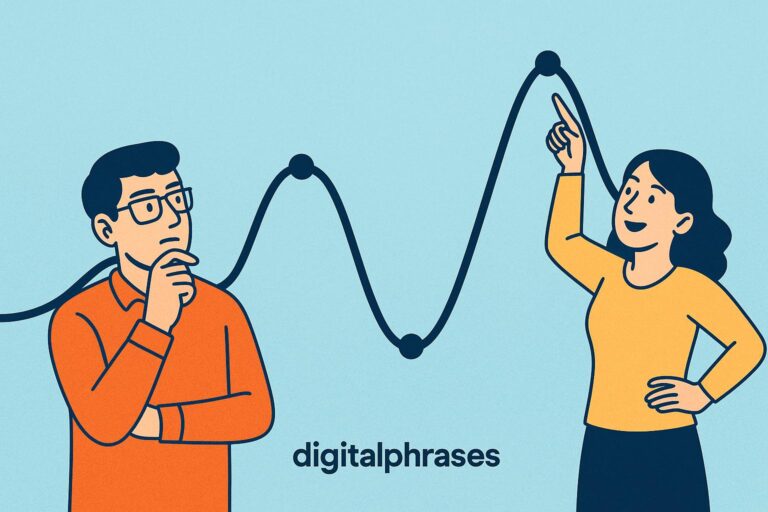
Plot turns create motion.
Turning points create transformation.
When you understand that distinction, you stop stuffing your story with random twists and start building meaningful shifts instead.
And honestly? That’s when storytelling starts to feel deliberate instead of accidental.
Why Mixing Them Up Weakens Your Story
I’ll be honest — for years, I thought if I just packed enough twists into a story, it would feel exciting.
Wrong.
What I eventually learned (the hard way) is that a story can have tons of plot turns and still feel like it’s going nowhere. You can surprise readers over and over again… and yet the narrative feels strangely flat.
Why? Because movement isn’t the same thing as progress.
Plot turns create movement. Turning points create progress.
And when writers confuse the two, they often mistake noise for development.
Let me show you what I mean.
Imagine a thriller where:
- The hero is betrayed by a friend.
- Then they discover a secret file.
- Then they survive an ambush.
- Then they uncover corruption in the government.
- Then another ally betrays them.
That sounds dramatic, right?
But if none of those moments actually change the hero’s central goal, worldview, or direction, then the story isn’t evolving. It’s just reacting. The character is running in circles, not moving into new territory.
A turning point, on the other hand, locks something into place.
Think about The Lord of the Rings. Early in the story, Frodo inherits the Ring. That’s a plot turn. Interesting. Important. But the real turning point comes when he decides to leave the Shire and carry the Ring to Mordor.
That decision changes everything.
Before that, the story is about danger approaching. After that, it’s about a journey that cannot be undone.
That’s the difference in energy.
Plot Turns Feel Like “Oh No”
Most plot turns trigger a reaction.
“Oh no, the villain escaped.”
“Oh no, the secret is out.”
“Oh no, the plan failed.”
They’re disruptive. They increase tension. They force the protagonist to adjust.
But here’s the key: the protagonist is still fundamentally the same person chasing the same outcome.
Even big twists can function this way.
In a romance, maybe one character discovers the other lied about something. That’s a plot turn. The relationship is shaken. Tension rises. But if the overall story is still “will they get together?” then the narrative hasn’t structurally pivoted yet.
Plot turns are incredibly useful. They:
- Prevent predictability
- Raise stakes
- Deepen conflict
- Add emotional spikes
- Keep pacing alive
Without them, stories feel stale.
But they don’t define the arc.
Turning Points Feel Like “There’s No Going Back”
Turning points are different emotionally.
They feel heavier.
They feel irreversible.
You don’t just think, “Oh no.” You think, “This changes everything.”
In The Matrix, when Neo takes the red pill, that’s a turning point. The story moves from suspicion to revelation. From questioning reality to confronting it. The entire framework of the narrative shifts.
He can’t return to his old life.
That’s the test I personally use now when I’m outlining:
Can the character go back to how things were before this moment?
If the answer is yes, I’m probably looking at a plot turn.
If the answer is absolutely not, I’m probably dealing with a turning point.
And here’s something subtle but important: turning points often involve choice.
Even when circumstances force them, the protagonist usually commits to something.
- Katniss volunteers.
- Neo takes the pill.
- Michael Corleone kills Sollozzo.
- Elizabeth Bennet rejects Darcy the first time.
Those decisions redefine the story.
They don’t just complicate the plot. They transform the direction.
Once I understood that, I stopped asking, “What shocking thing can happen next?” and started asking, “What moment will fundamentally shift this story into its next phase?”
That question changes everything.
How to Use Both Intentionally in Your Writing
Now here’s the fun part.
Once you really understand the difference, you can design stories more deliberately instead of hoping structure magically works out.
And trust me, this makes drafting so much easier.
Use Plot Turns to Keep the Story Alive
Plot turns are your momentum builders.
They’re especially useful when:
- A scene feels predictable
- Tension starts dipping
- The middle feels slow
- Characters are too comfortable
- The stakes need to escalate
If readers can see exactly what’s going to happen next, you probably need a plot turn.
Let’s say you’re writing a courtroom drama. The defense attorney seems to be winning. Everything’s going smoothly.
Insert a plot turn: surprise witness.
That doesn’t necessarily change the core story — it’s still about winning the case — but it forces adaptation. It keeps readers engaged.
Plot turns are flexible. You can have many of them. They’re tools for energy.
But here’s the trap: if you only rely on them, your story becomes chaotic instead of meaningful.
That’s where turning points come in.
Use Turning Points to Define Structure
Turning points shape your narrative spine.
They typically appear at major structural beats:
- The moment the protagonist commits to the journey
- The midpoint where the stakes or understanding shift dramatically
- The final irreversible decision before the climax
They’re fewer. They’re heavier. And they demand setup.
If plot turns are sparks, turning points are tectonic shifts.
Let’s go back to The Hunger Games.
Inside the Games, there are tons of plot turns:
- The rule change allowing two victors.
- The tracker jacker attack.
- The announcement that the rule change is revoked.
Each one adds tension.
But the true turning points are moments like:
- Katniss volunteering.
- The rule change allowing two winners (because it shifts her goal from survival to protecting Peeta too).
- Her decision to threaten suicide with the berries.
That last one? Pure turning point energy.
Before that moment, the story is about surviving within the system. After that, it becomes about defying it.
Irreversible.
That’s structure.
A Simple Framework You Can Try
When I outline now, I do something very practical.
I separate moments into two columns:
Column One: Plot Turns
- What unexpected events complicate things?
- Where does tension spike?
- What surprises the protagonist?
Column Two: Turning Points
- Where does the story shift phases?
- When does the protagonist commit?
- What moments permanently alter the direction?
- What decisions redefine the narrative?
If I notice I have ten twists but no real structural pivot, I know something’s wrong.
If I have big turning points but no plot turns in between, the story might feel heavy and slow.
Balance matters.
And here’s something I wish someone had told me earlier: A turning point often contains a plot turn, but it goes further.
The Darth Vader reveal isn’t just shocking. It reshapes Luke’s identity conflict and reframes the entire saga.
The red pill isn’t just surprising. It moves Neo into a new reality.
The difference is depth.
Plot turns change circumstances.
Turning points change meaning.
Once you start thinking in those terms, you’ll see it everywhere — in novels, films, TV shows, even in your own drafts.
And you’ll stop confusing surprise with transformation.
Before You Leave
If there’s one thing I hope you take away, it’s this:
Don’t chase twists. Chase shifts.
Use plot turns to keep your story dynamic and unpredictable. But guard your turning points carefully. They’re the moments that give your narrative shape, weight, and purpose.
When you know which is which, you’re not just writing scenes anymore.
You’re building a story that actually moves.