27 Fruit Drawing Ideas
Fruit is one of those subjects that never gets boring. It’s colorful, familiar, and full of personality—perfect for drawing at any skill level.
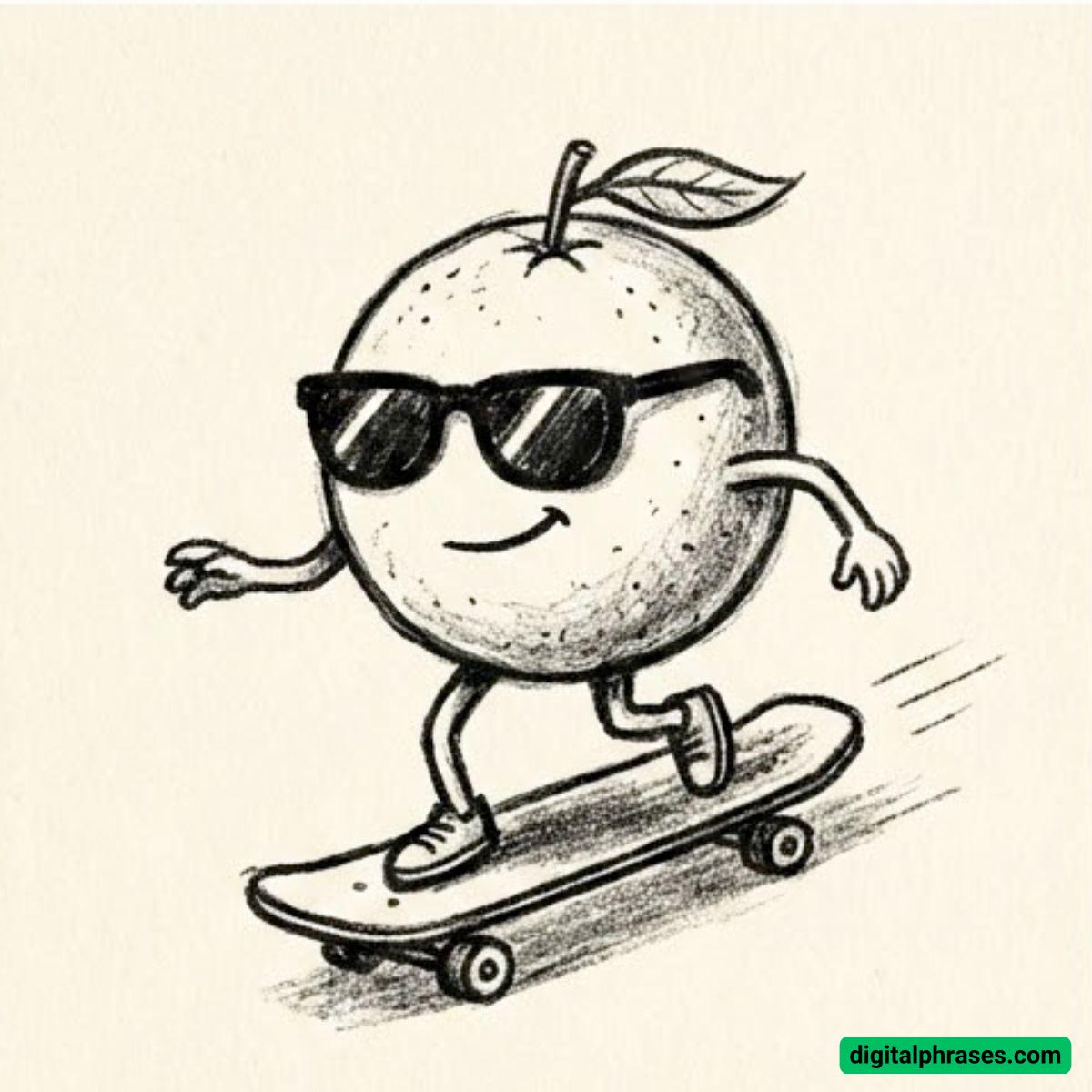
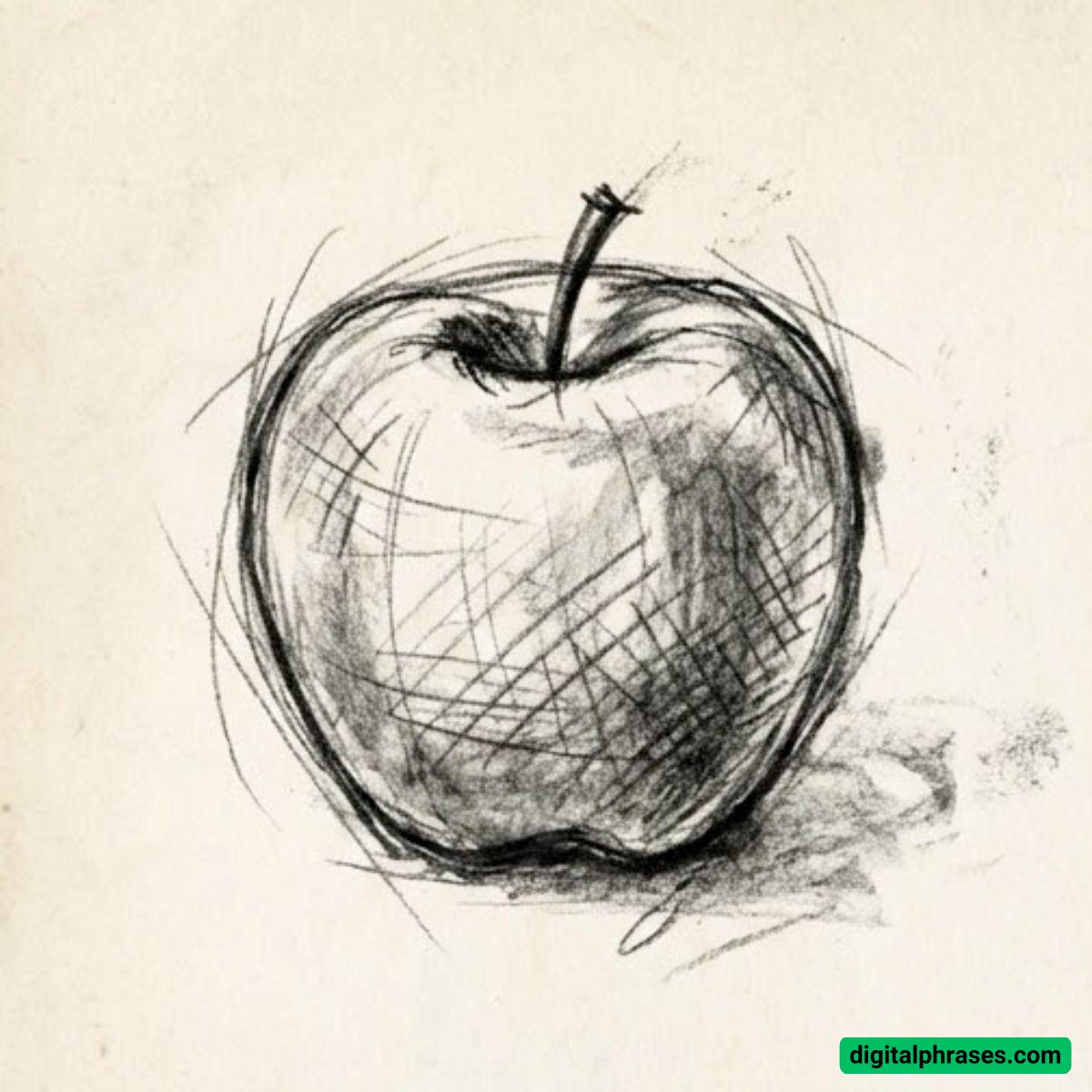
Here are some ideas given below on how to draw a fruit.
Let’s go.
Fruit Drawing Ideas
1

2
3
4
5
6

7
8
9

10
11
12
13
14
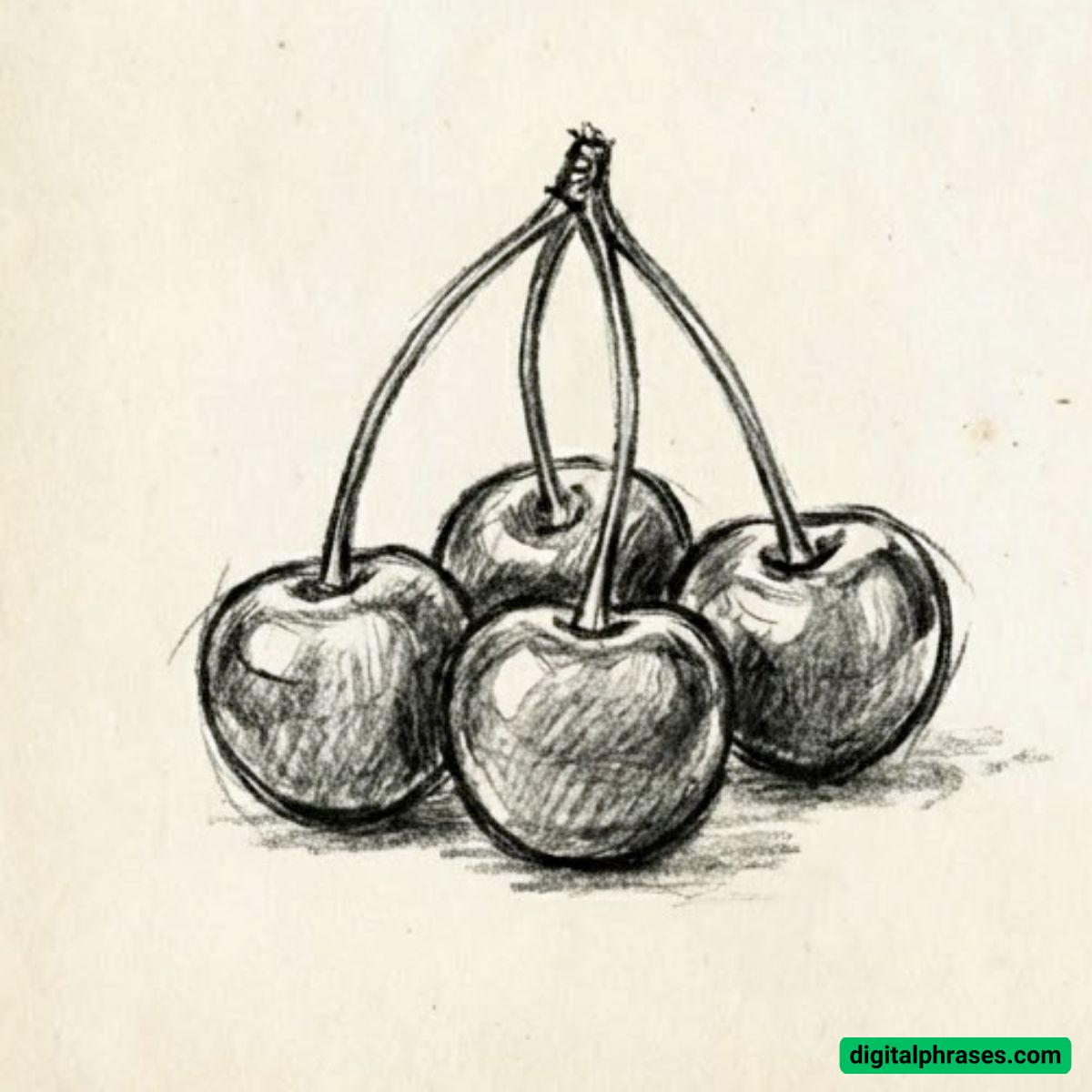
15
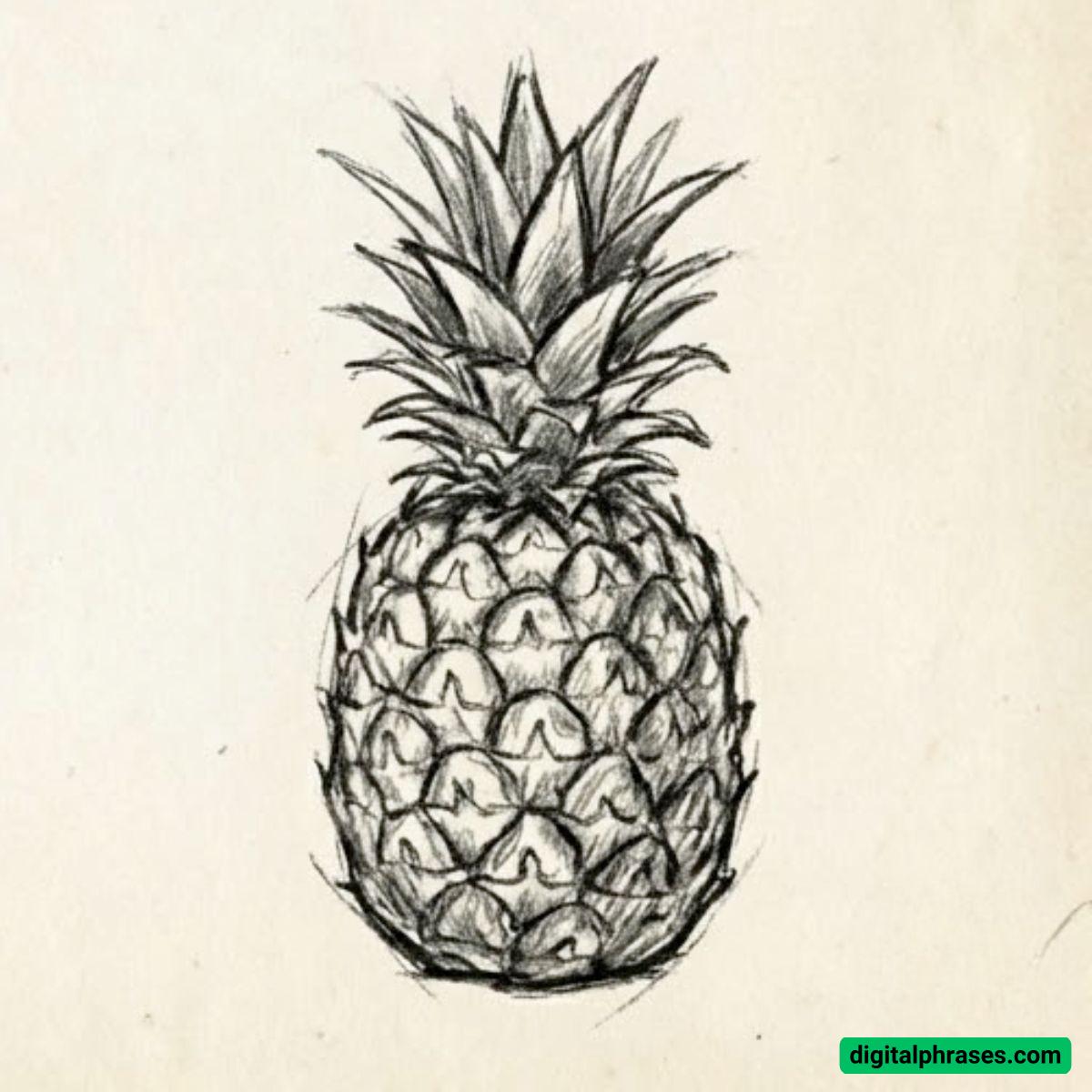
16

17

18
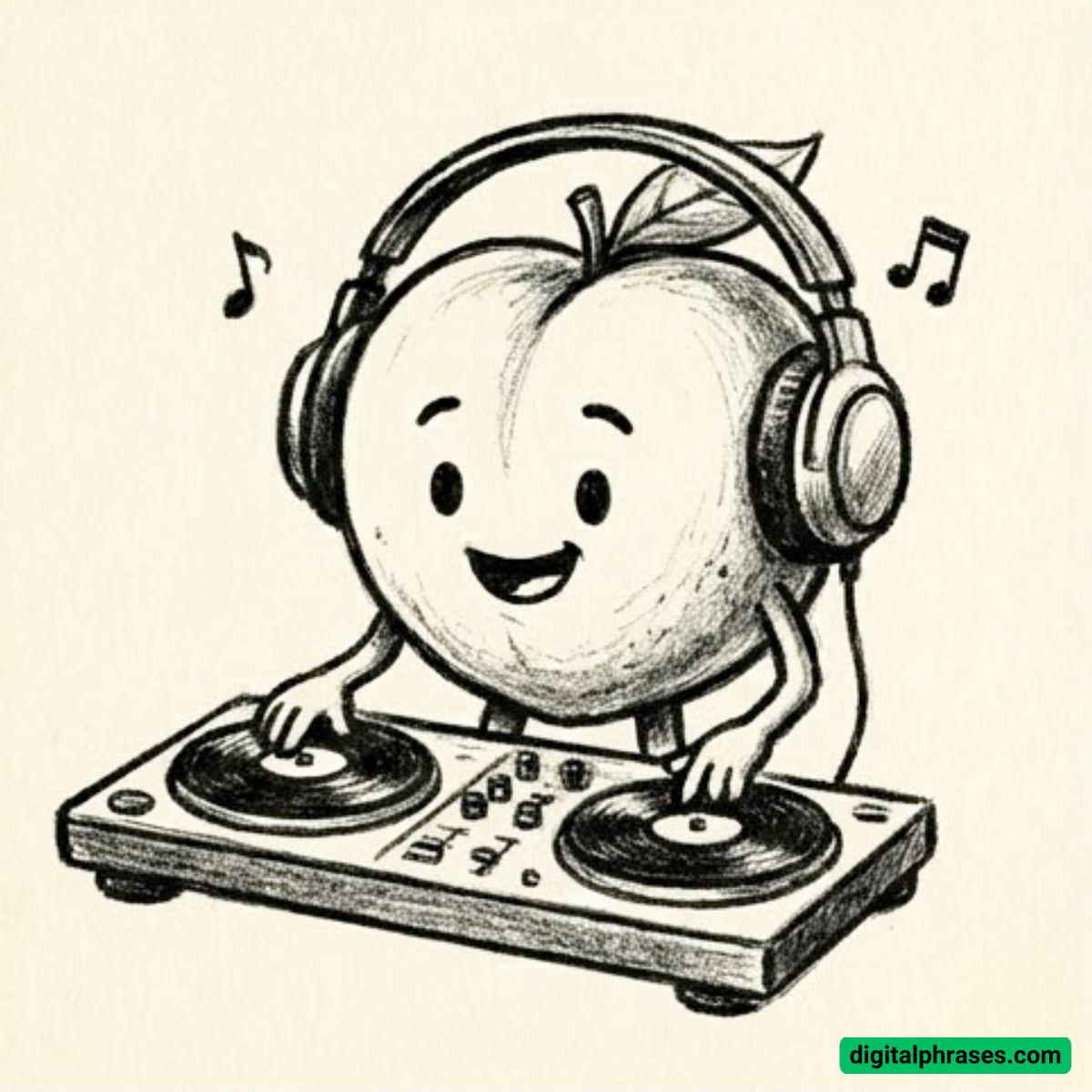
19
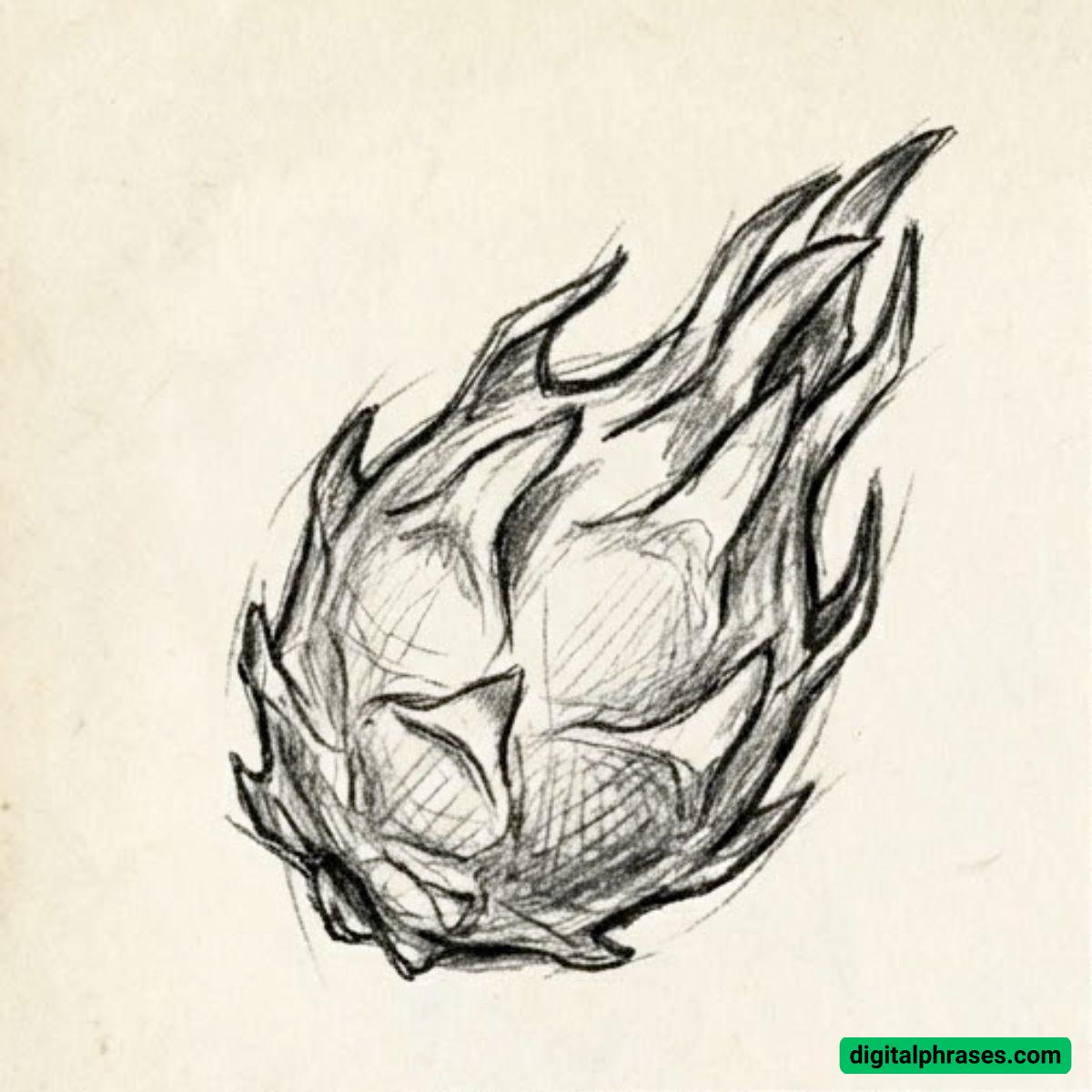
20
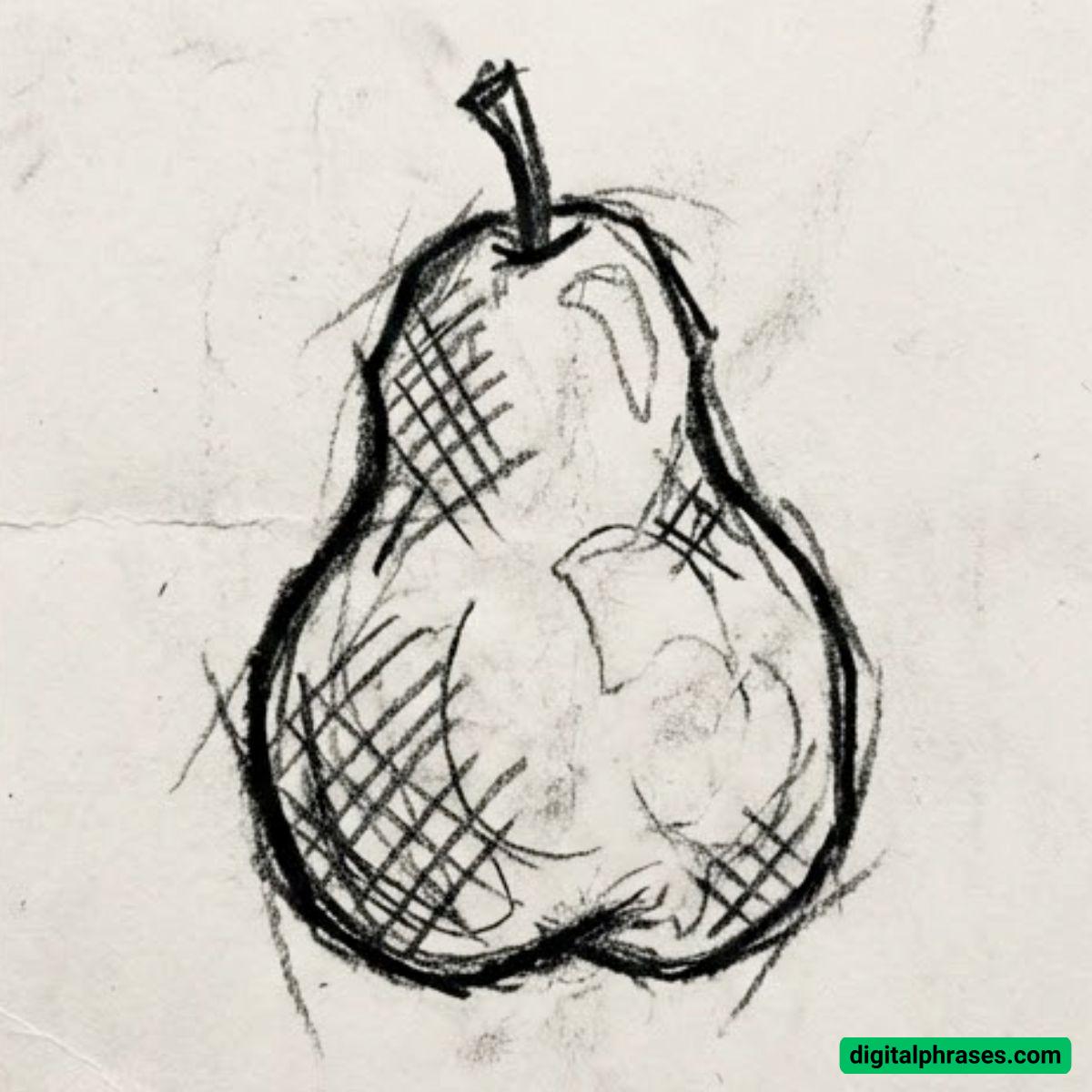
21
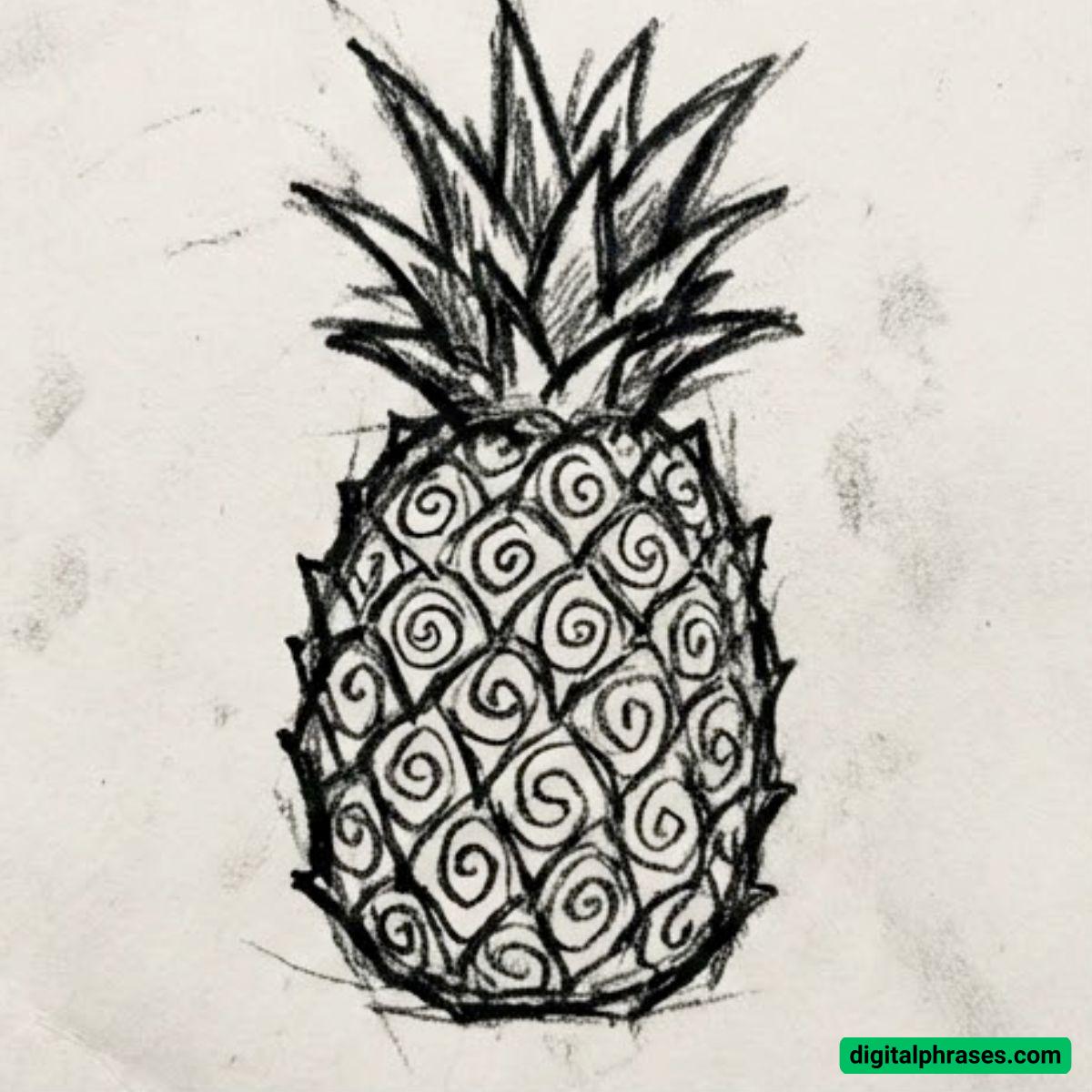
22
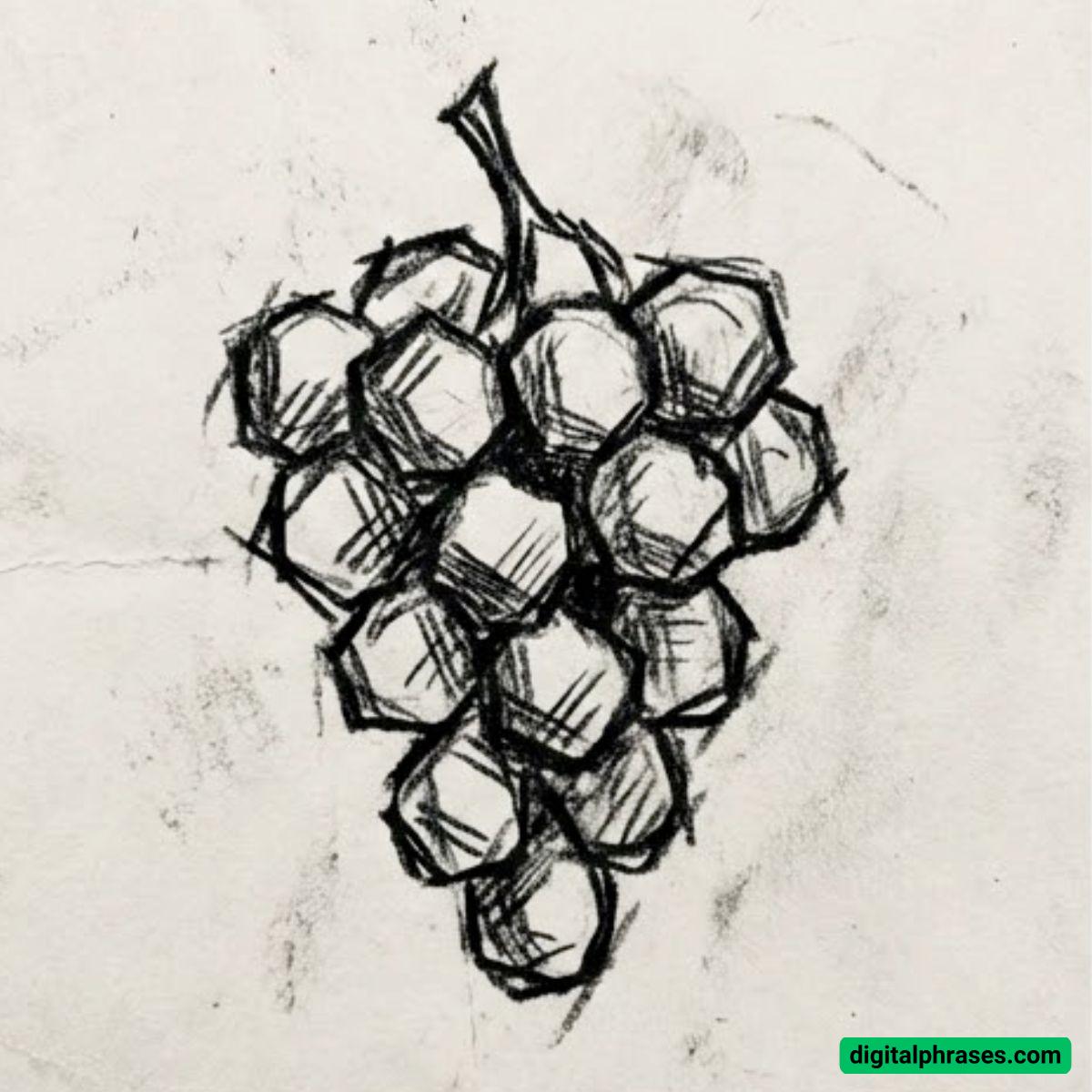
23
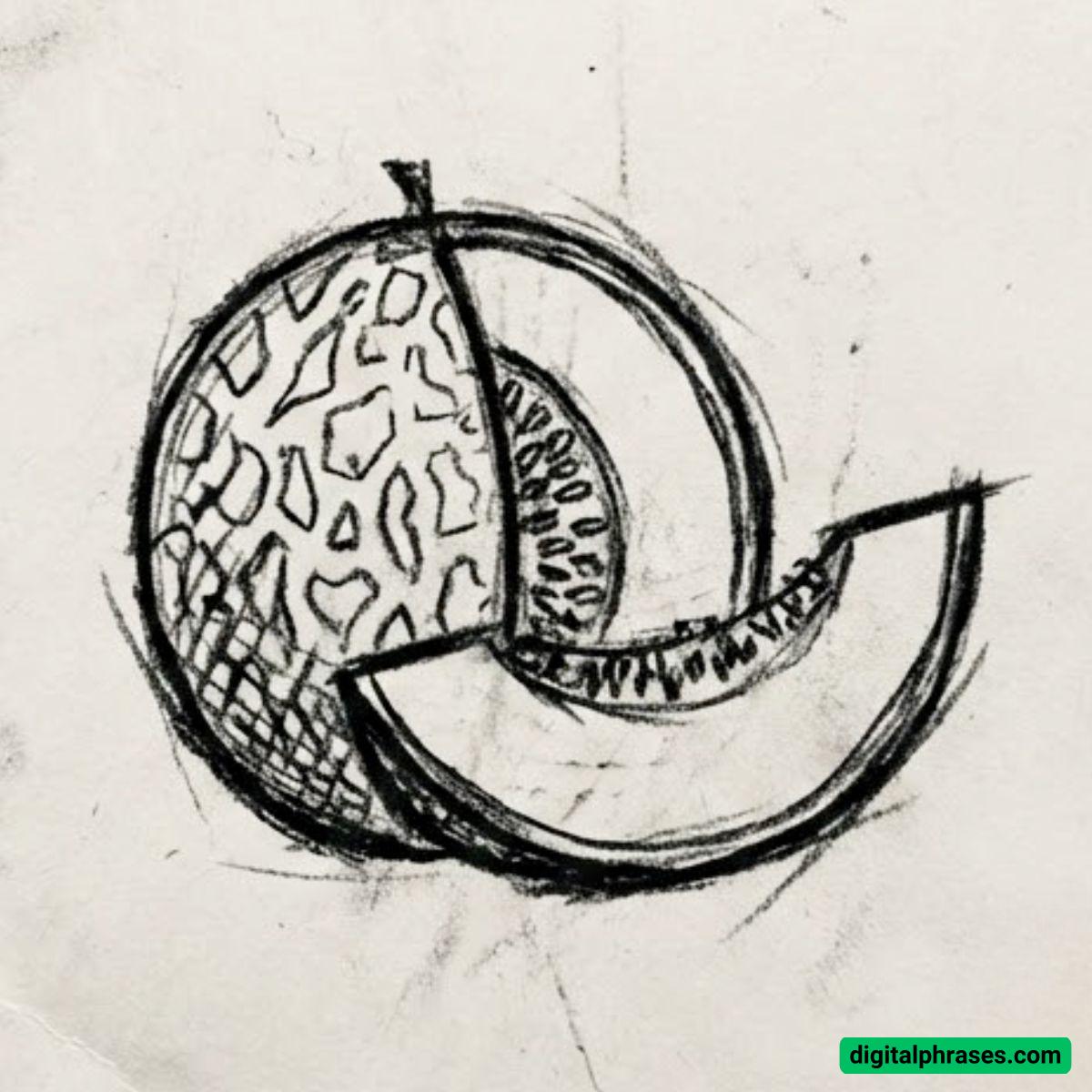
24
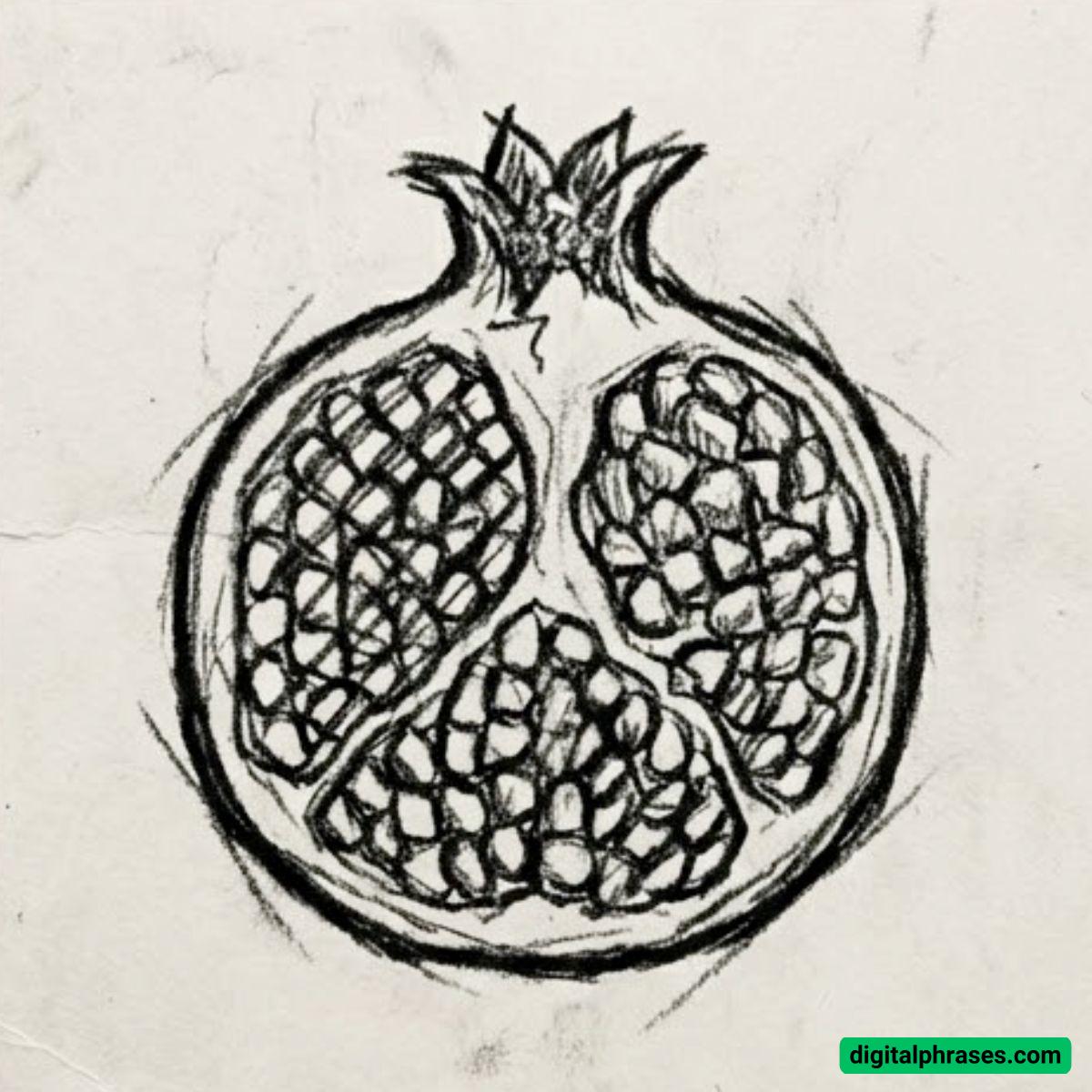
25
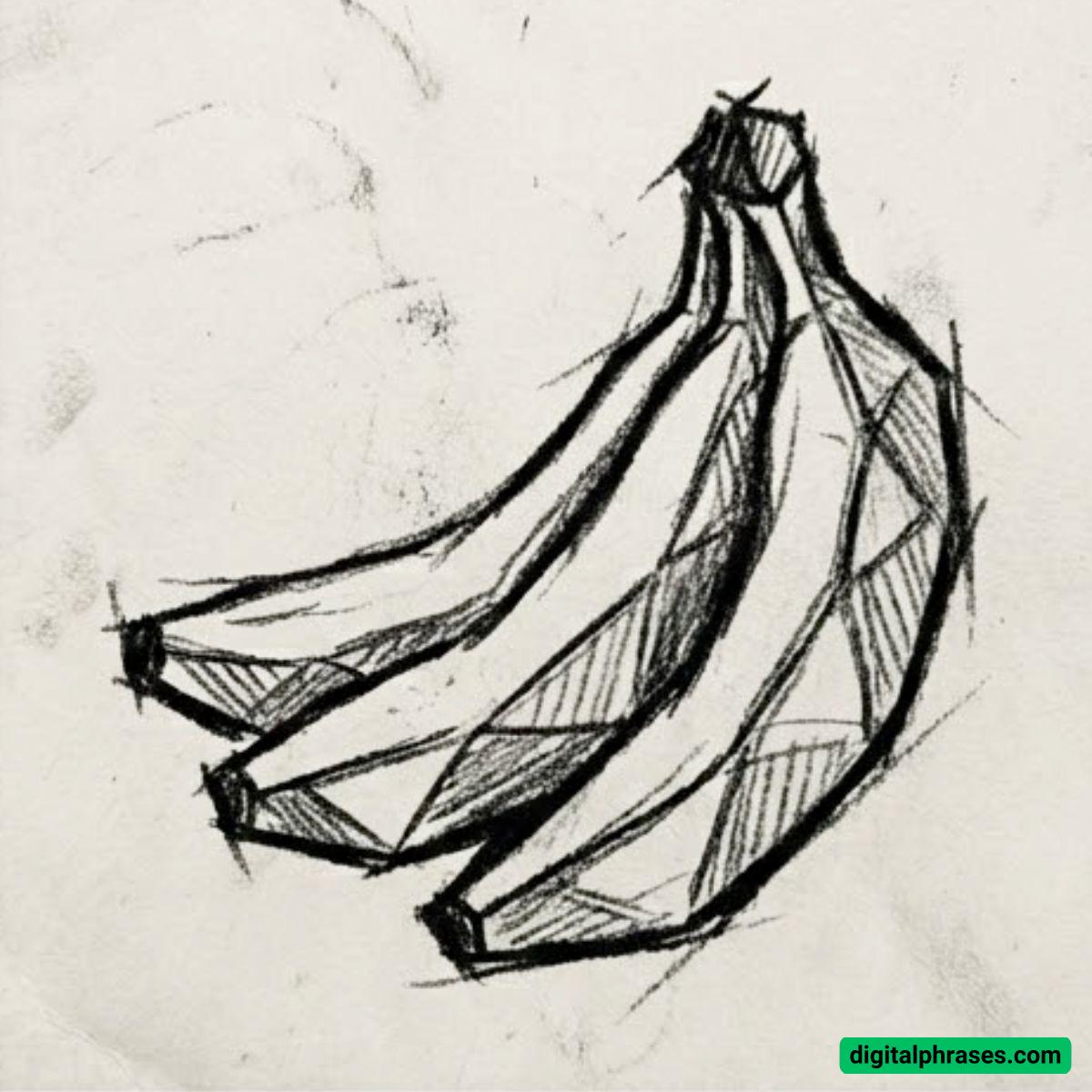
26
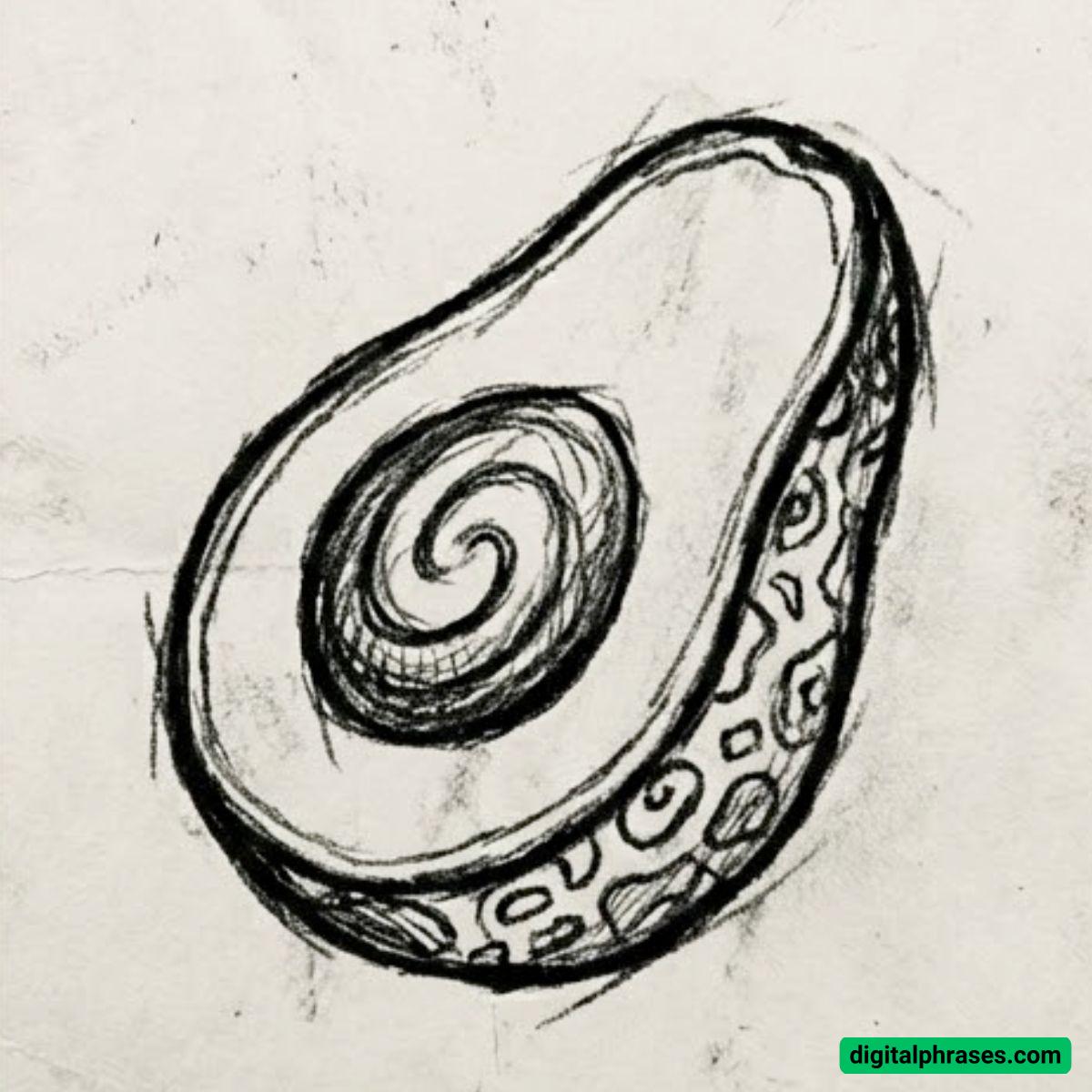
27
Tips On How To Draw Fruits
Tip 1: Start With Simple Shapes
Before you worry about details, take a moment to really see the fruit. Almost every fruit can be broken down into simple shapes like circles, ovals, or cylinders.
Apples and oranges usually start as circles, bananas as curved cylinders, and strawberries as soft triangles. Lightly sketch these basic forms first.
This step helps you get the proportions right without pressure. Think of it as building a foundation—once the shape feels balanced, everything else becomes easier.
Don’t rush this part; strong shapes make your drawing feel solid and confident from the start.
Tip 2: Observe Light and Shadow
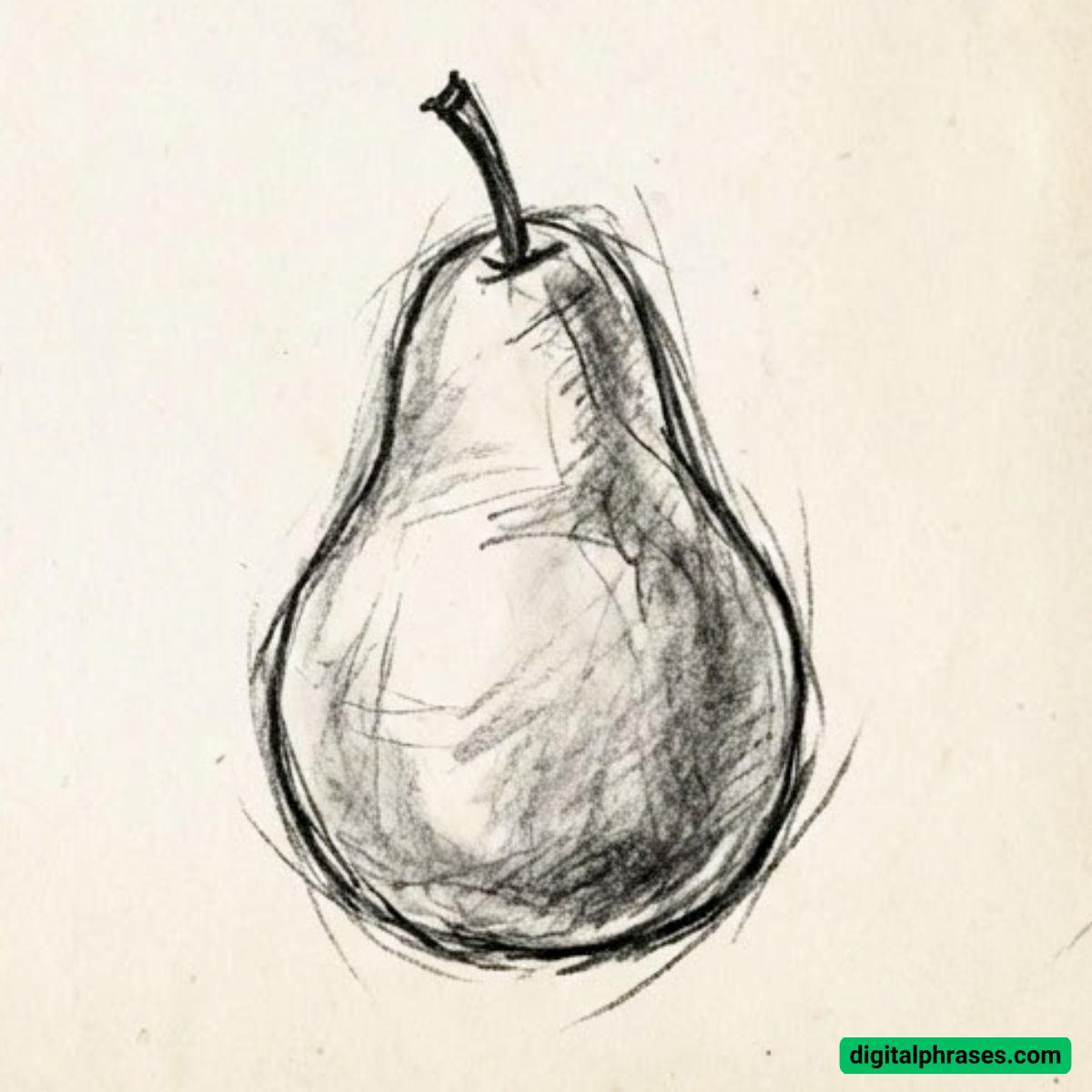
Fruits are great teachers when it comes to light and shadow. Notice where the light hits the surface and where shadows naturally fall. This contrast is what gives fruit its juicy, three-dimensional look.
Start shading gently, building up darker tones slowly rather than pressing hard right away. Pay attention to subtle gradients—most fruits aren’t flat in color. A soft transition from light to dark will instantly make your drawing feel more realistic and polished.
Tip 3: Focus on Texture, Not Perfection
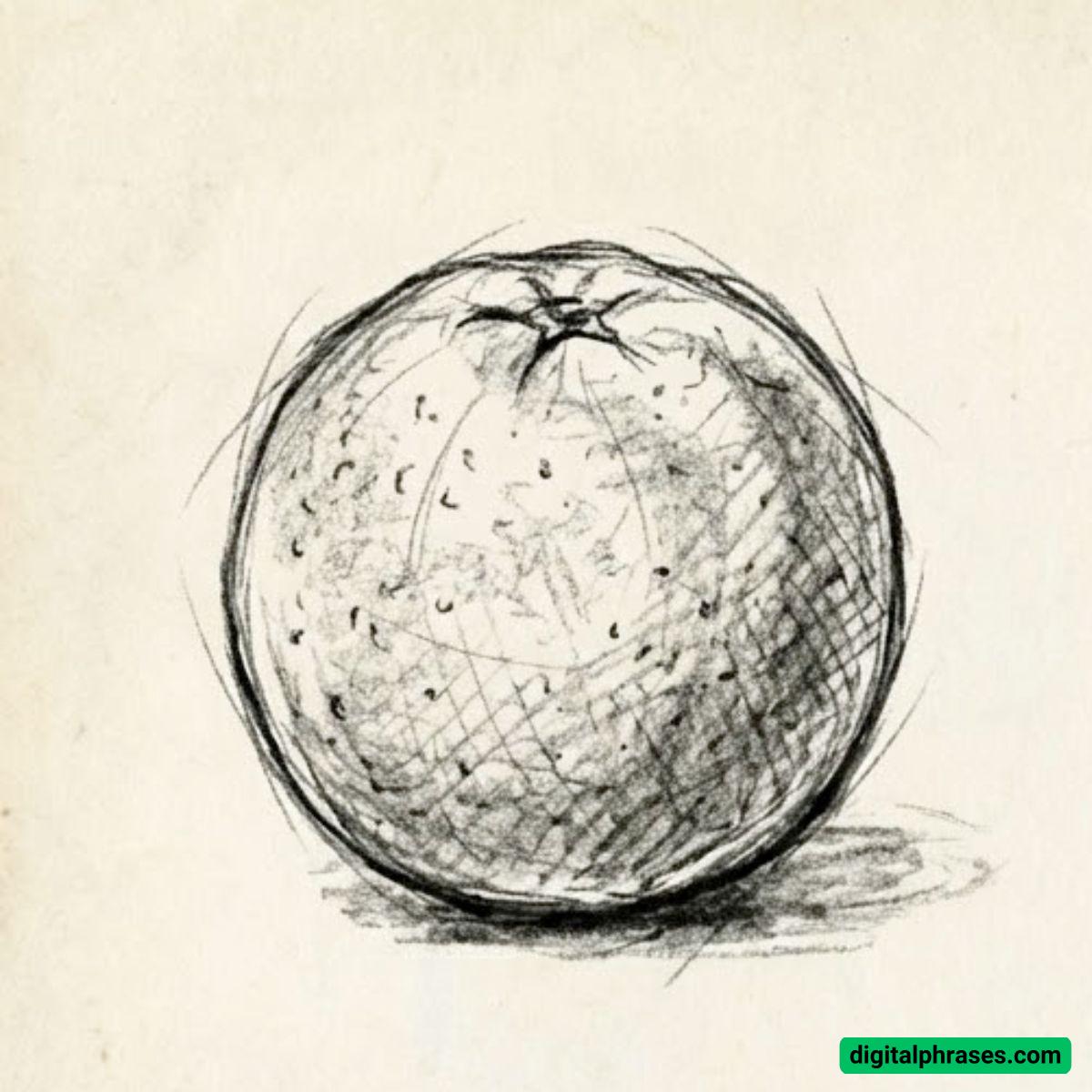
Every fruit has its own texture, and capturing that is more important than making it look “perfect.” Apples might have tiny speckles, oranges have a bumpy peel, and peaches look soft and fuzzy.
Instead of outlining every detail, suggest texture using light marks and variations in shading. Let your lines stay loose and natural. A few well-placed details often say more than overworking the entire surface. Remember, drawings feel more alive when they aren’t overly stiff.
Tip 4: Use Color With Intention
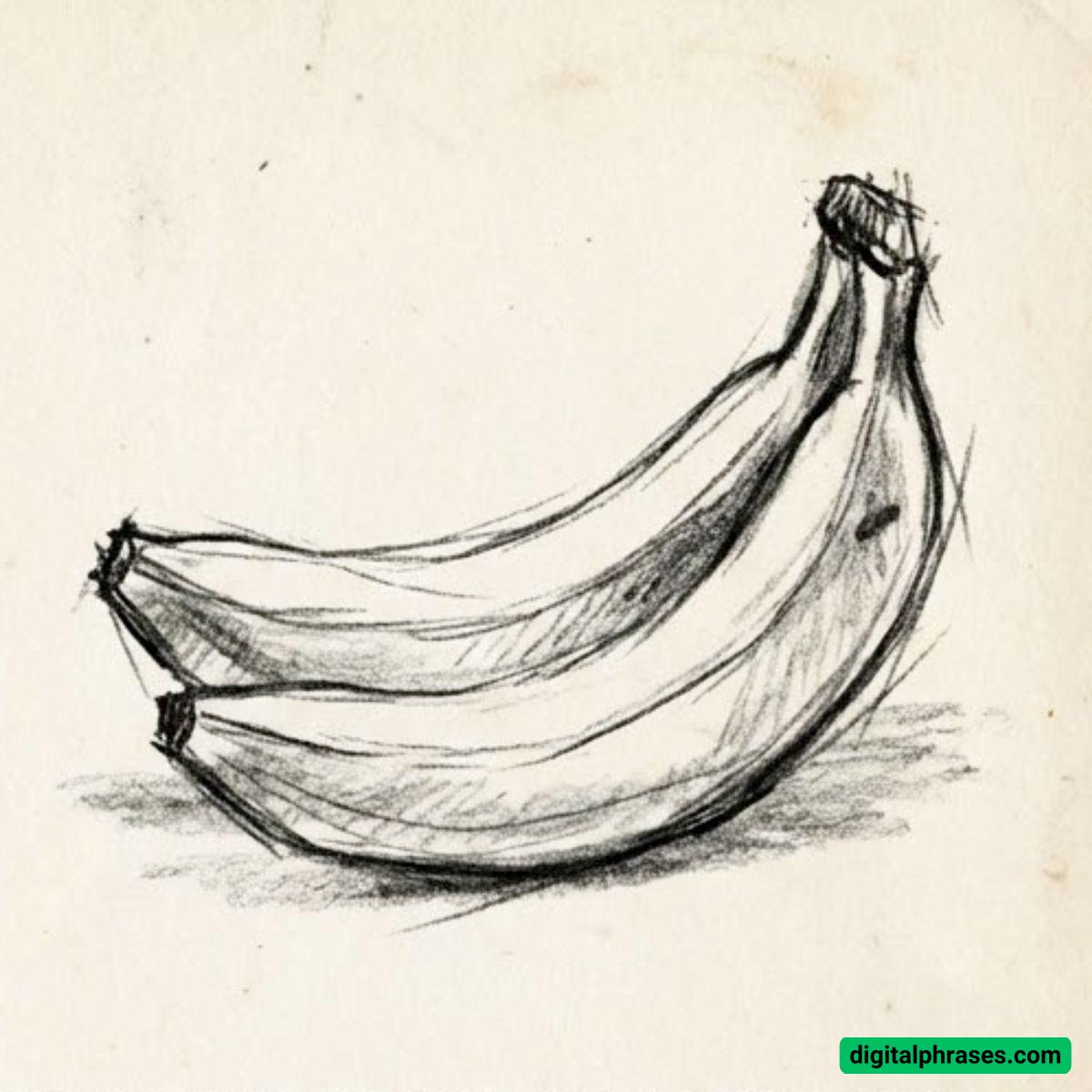
If you’re working with color, avoid filling everything with a single flat shade. Fruits are full of subtle color shifts. A banana might move from pale yellow to green at the stem and brown at the tips.
Layer colors slowly and blend where needed. Even when drawing in black and white, think in terms of color values—light, medium, and dark. This mindset helps your fruit look rich and dimensional rather than dull or flat.
Tip 5: Practice With Real Fruit (and Have Fun)
Drawing from real fruit is one of the best ways to improve. Place a piece of fruit on a table, move it under different lighting, and sketch it from multiple angles. You’ll notice new shapes and shadows each time. And don’t forget to enjoy the process.
Fruit drawing should feel playful and relaxing, not stressful. Experiment, make mistakes, and try again. The more curious and relaxed you are, the better your drawings will become.