Tree Drawing Ideas
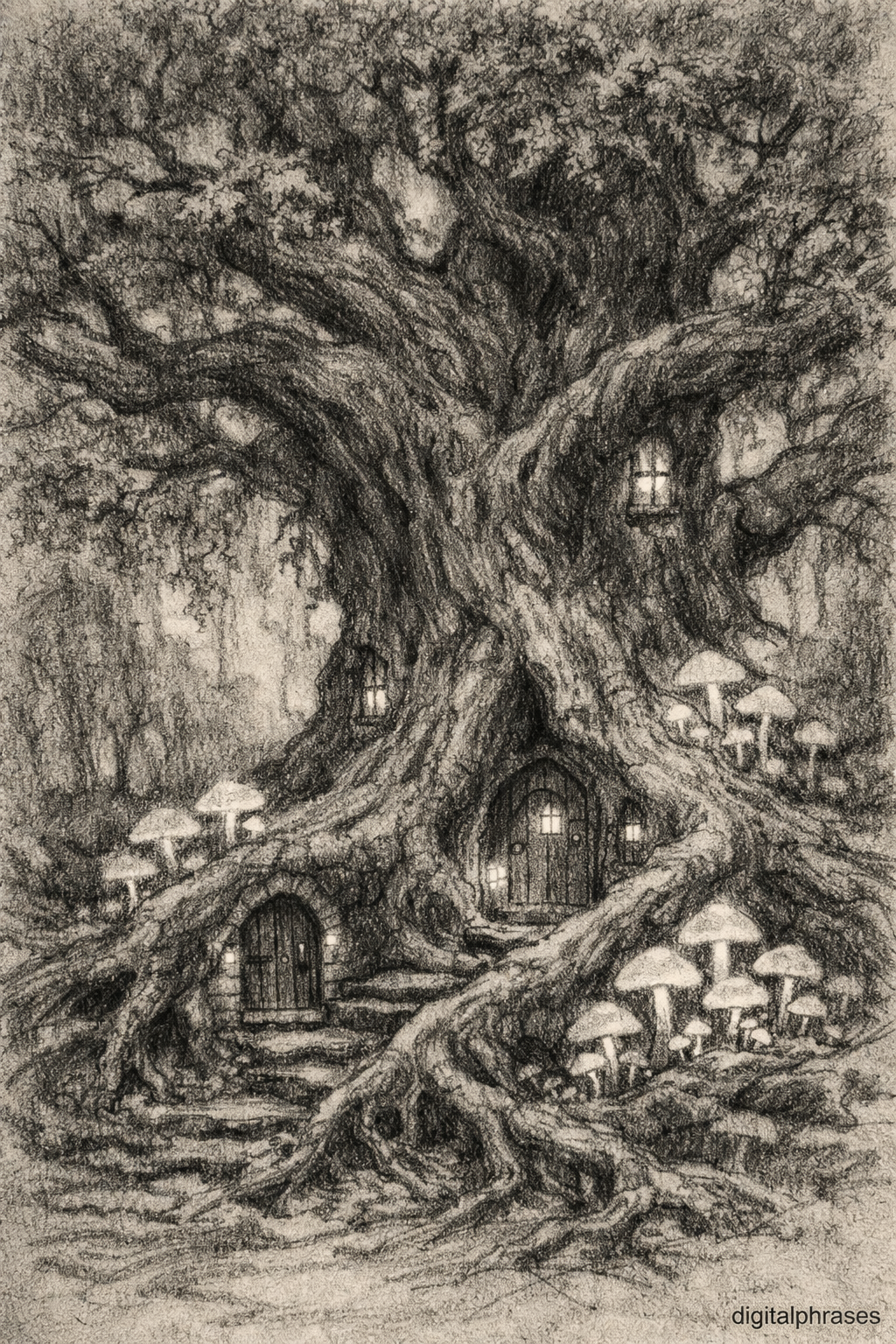
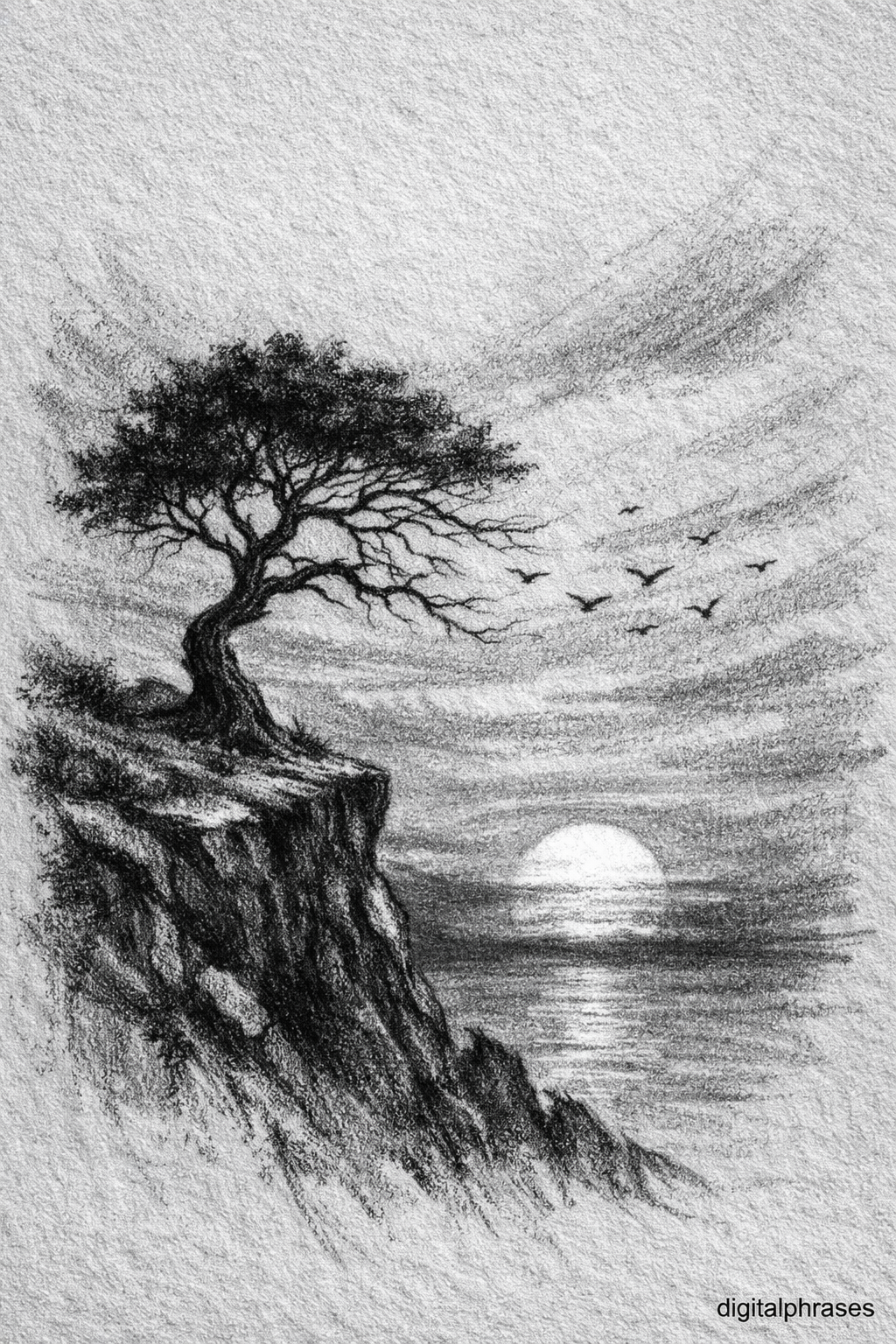
Tree drawings can be simple, soothing, and surprisingly creative. Whether you want to sketch a bare winter tree, a leafy forest scene, a whimsical cartoon tree, or a detailed old oak, there are endless ways to bring nature onto the page.
These tree drawing ideas are perfect for beginners, students, hobby artists, and anyone looking for fresh sketchbook inspiration. Use them to practice shapes, textures, shading, branches, roots, leaves, and seasonal details while building your own unique drawing style.
Tree Drawing Ideas
1
2
3
4
5
6
7
8
9
10
11
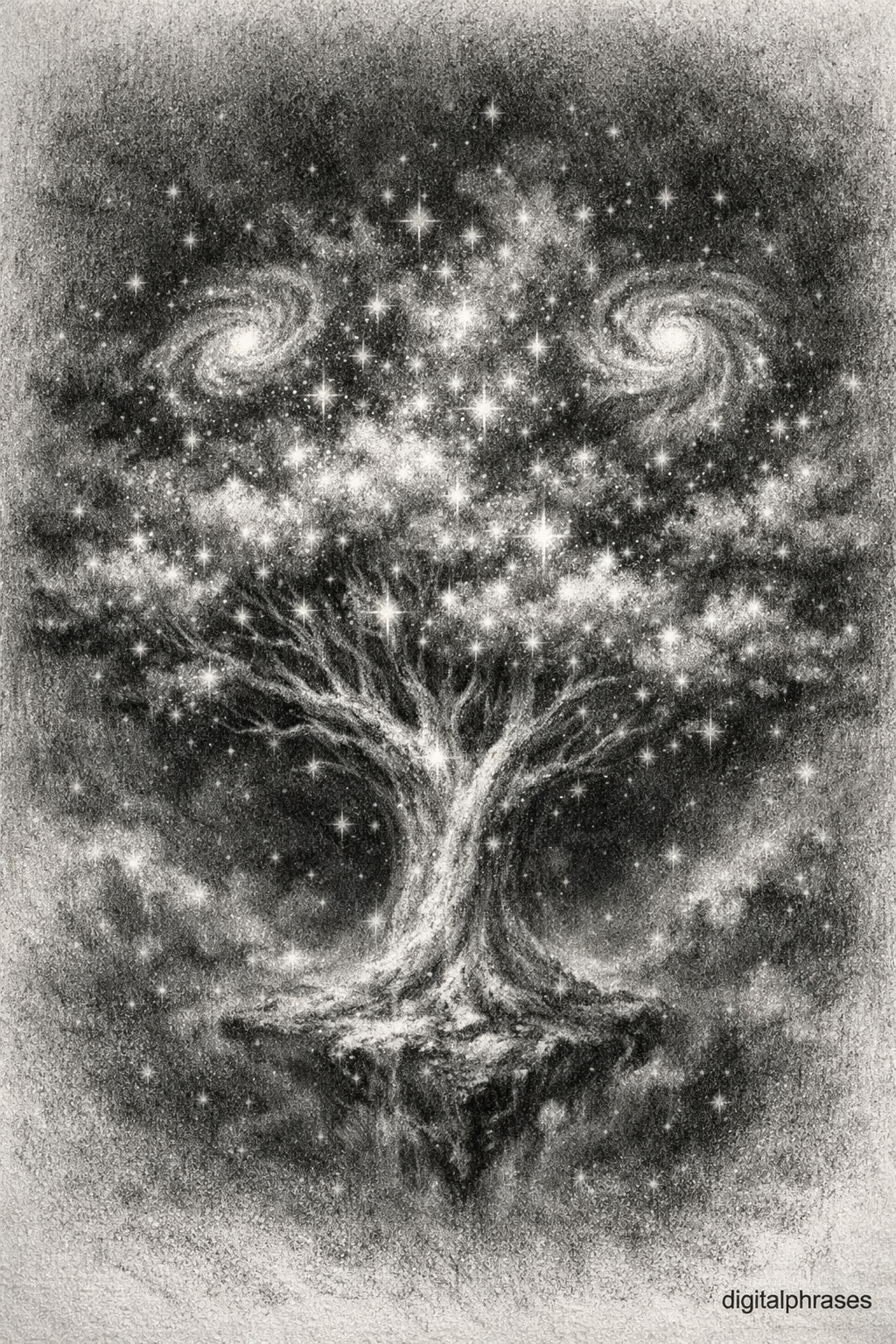
12
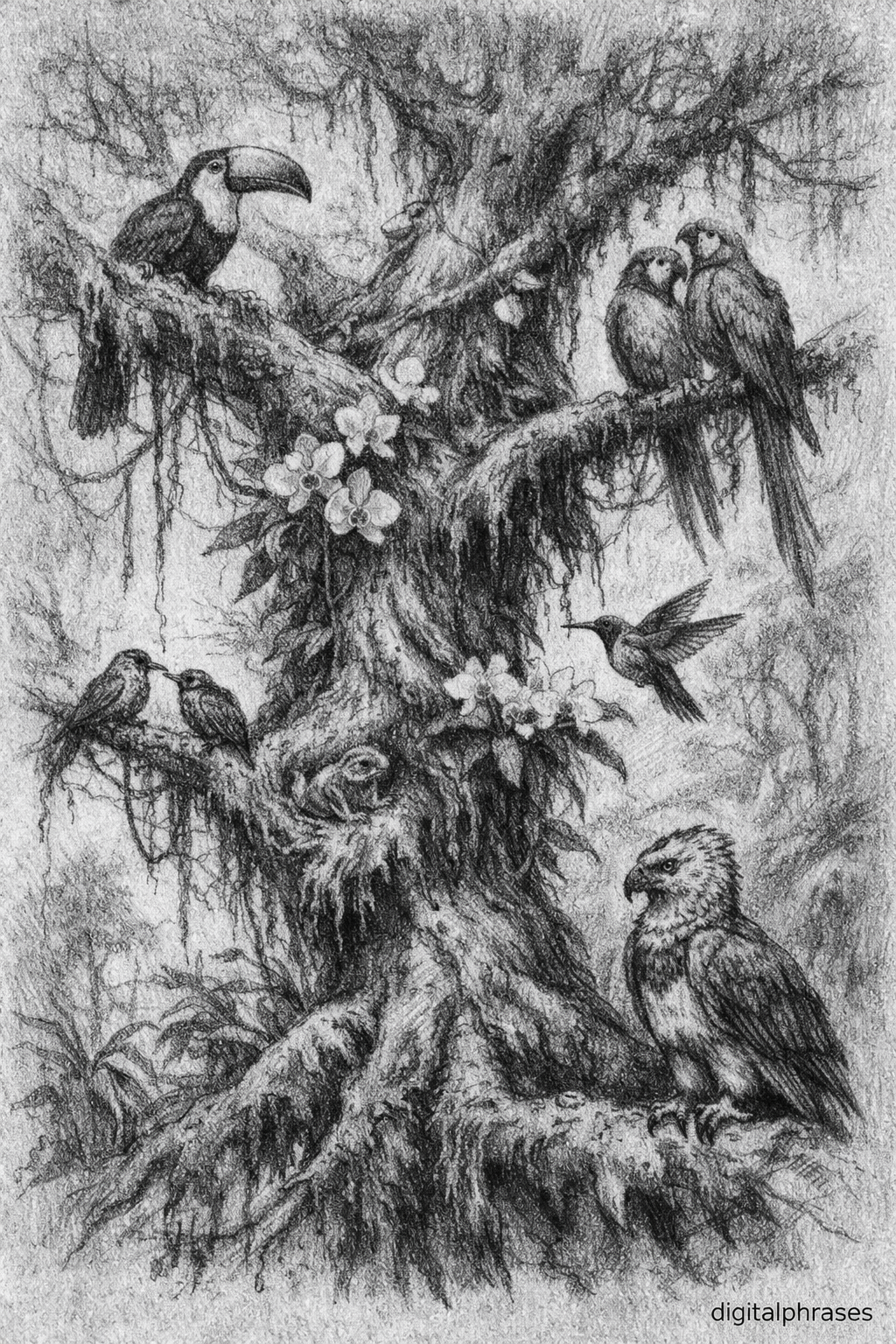
13
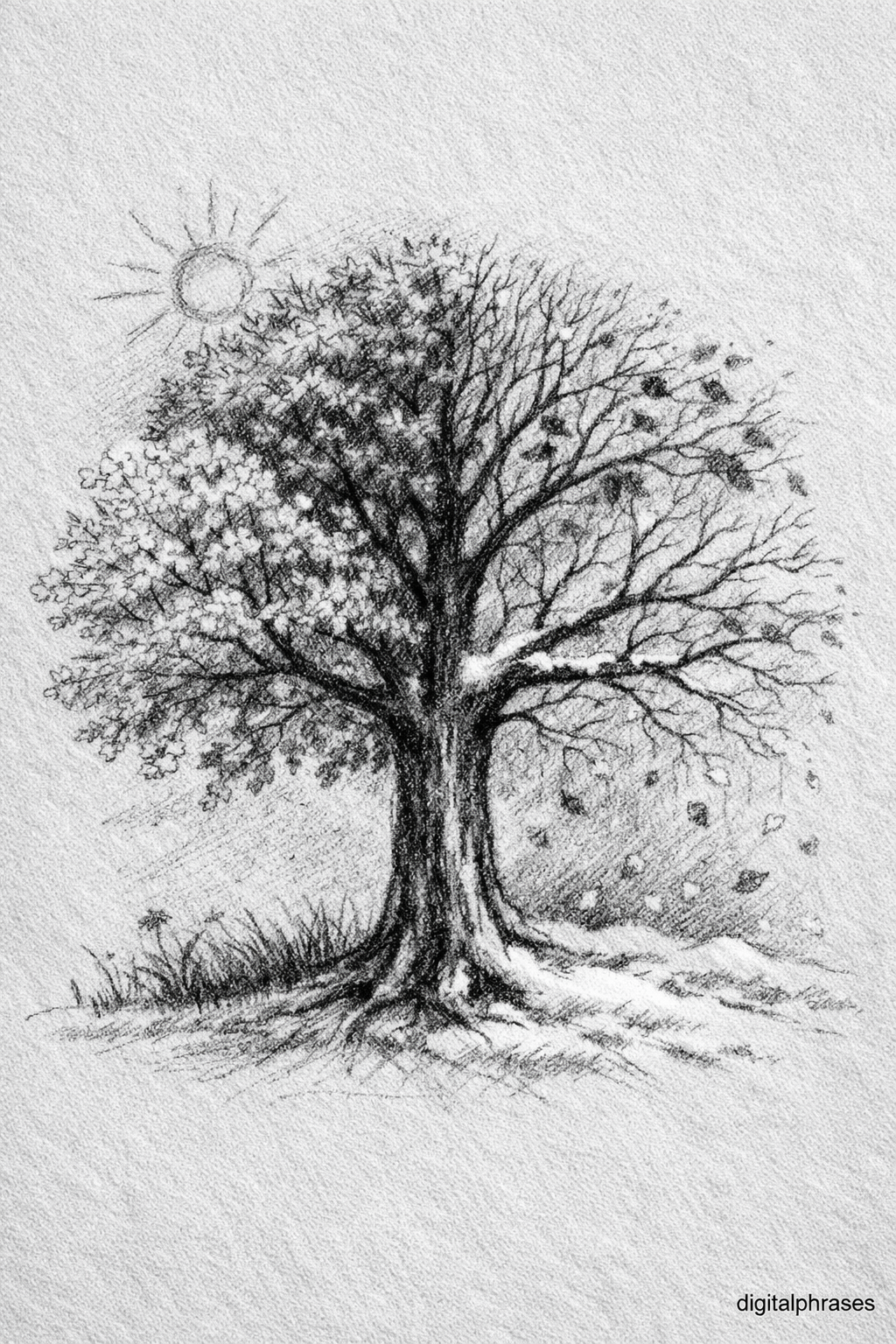
14
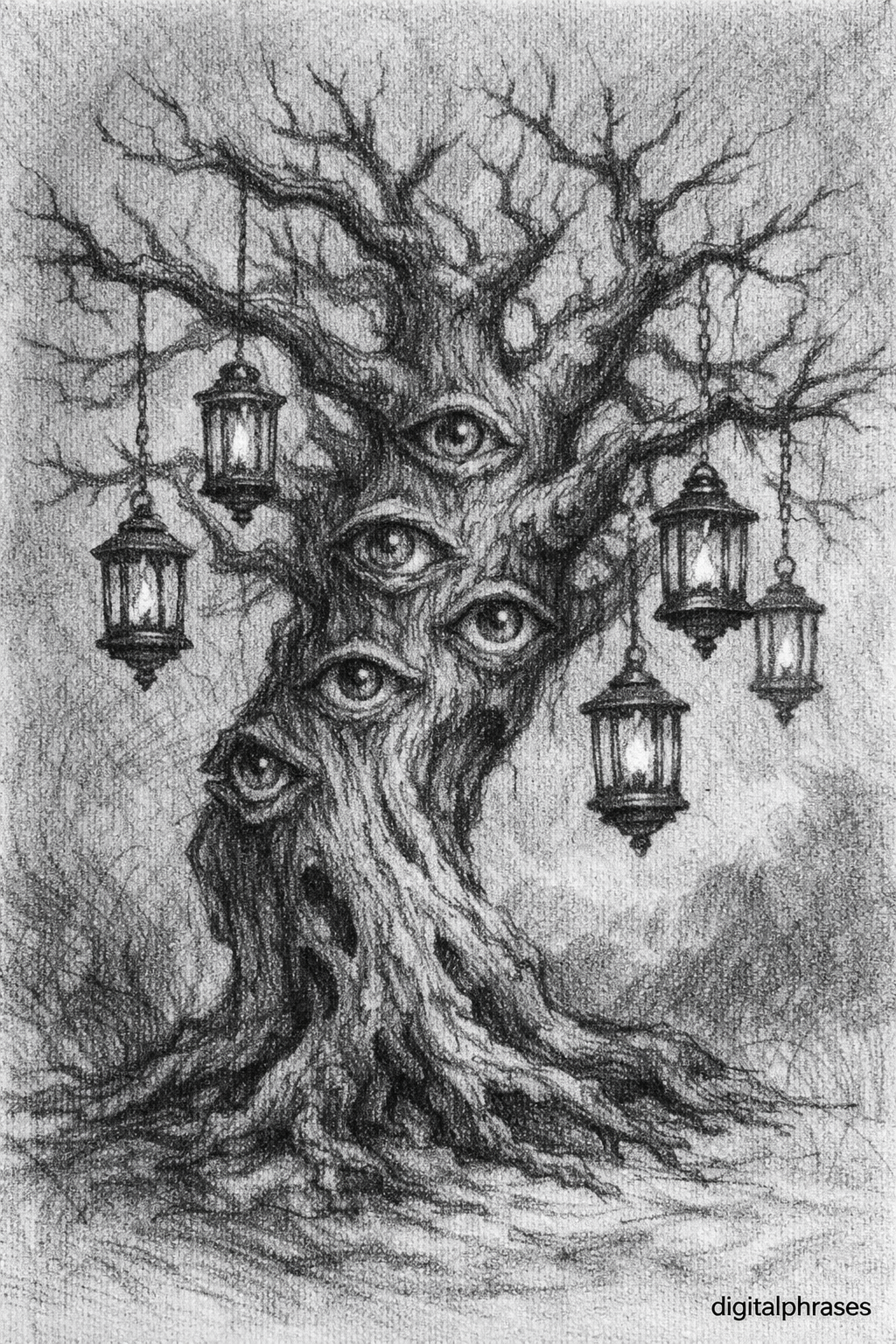
15
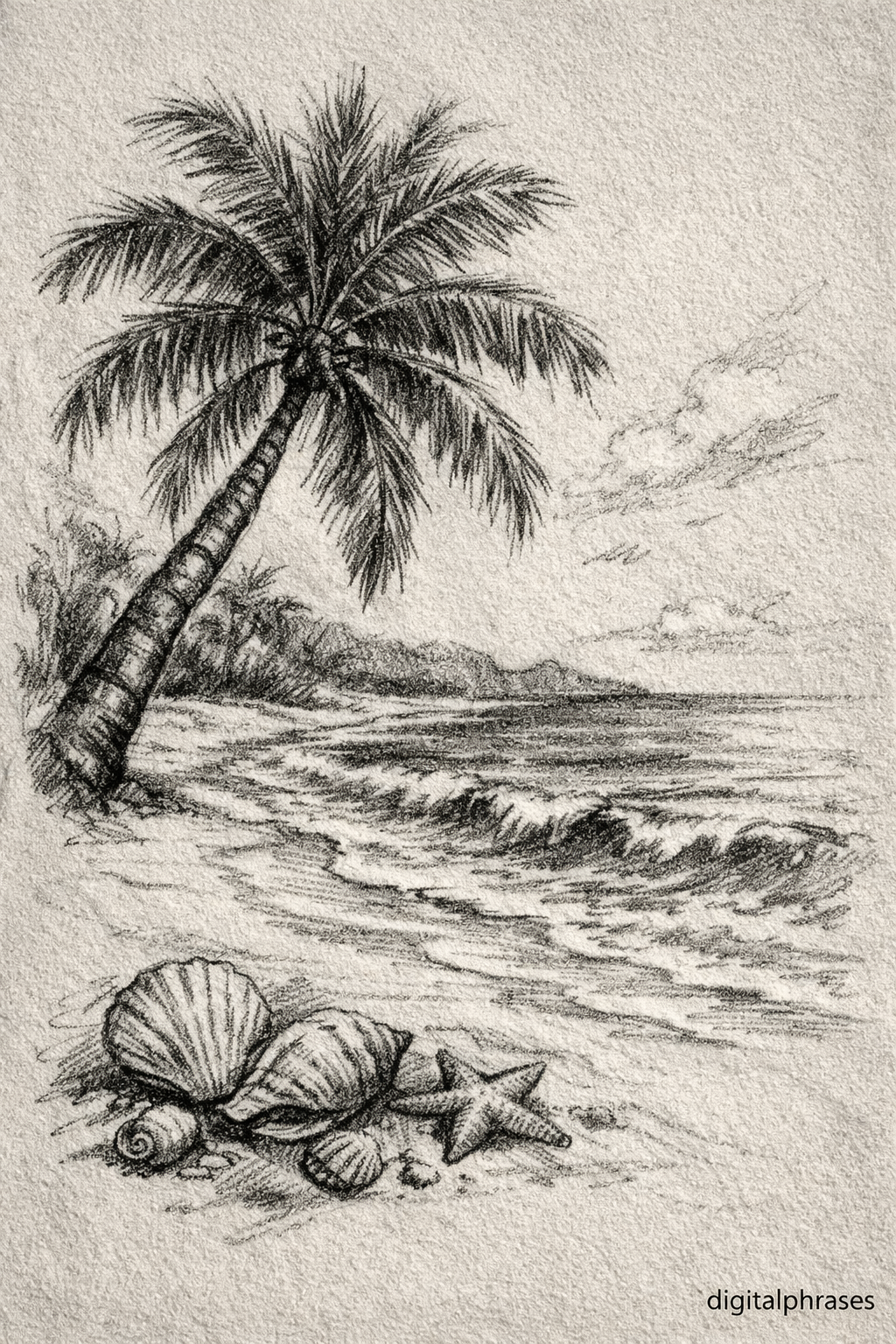
16
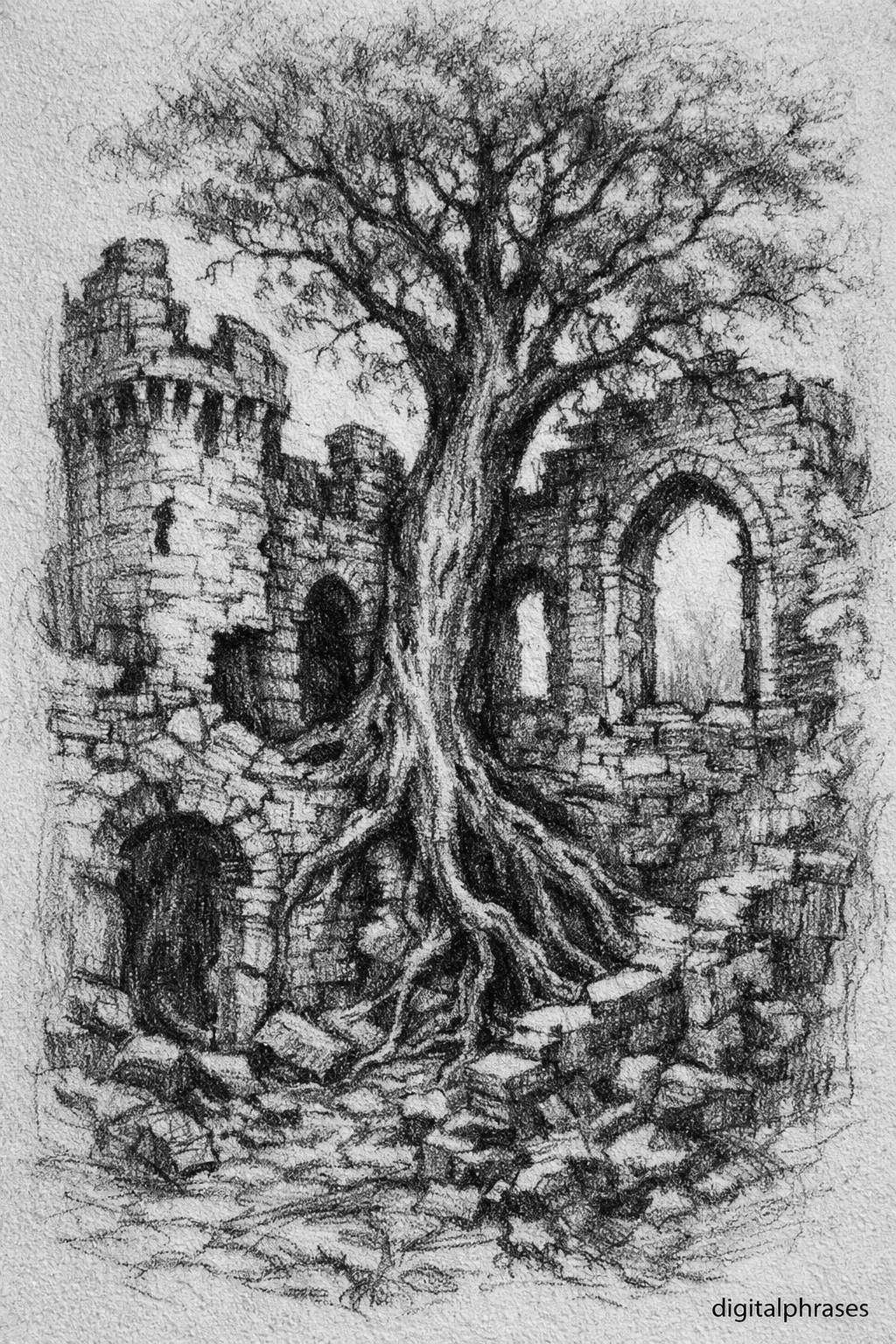
17
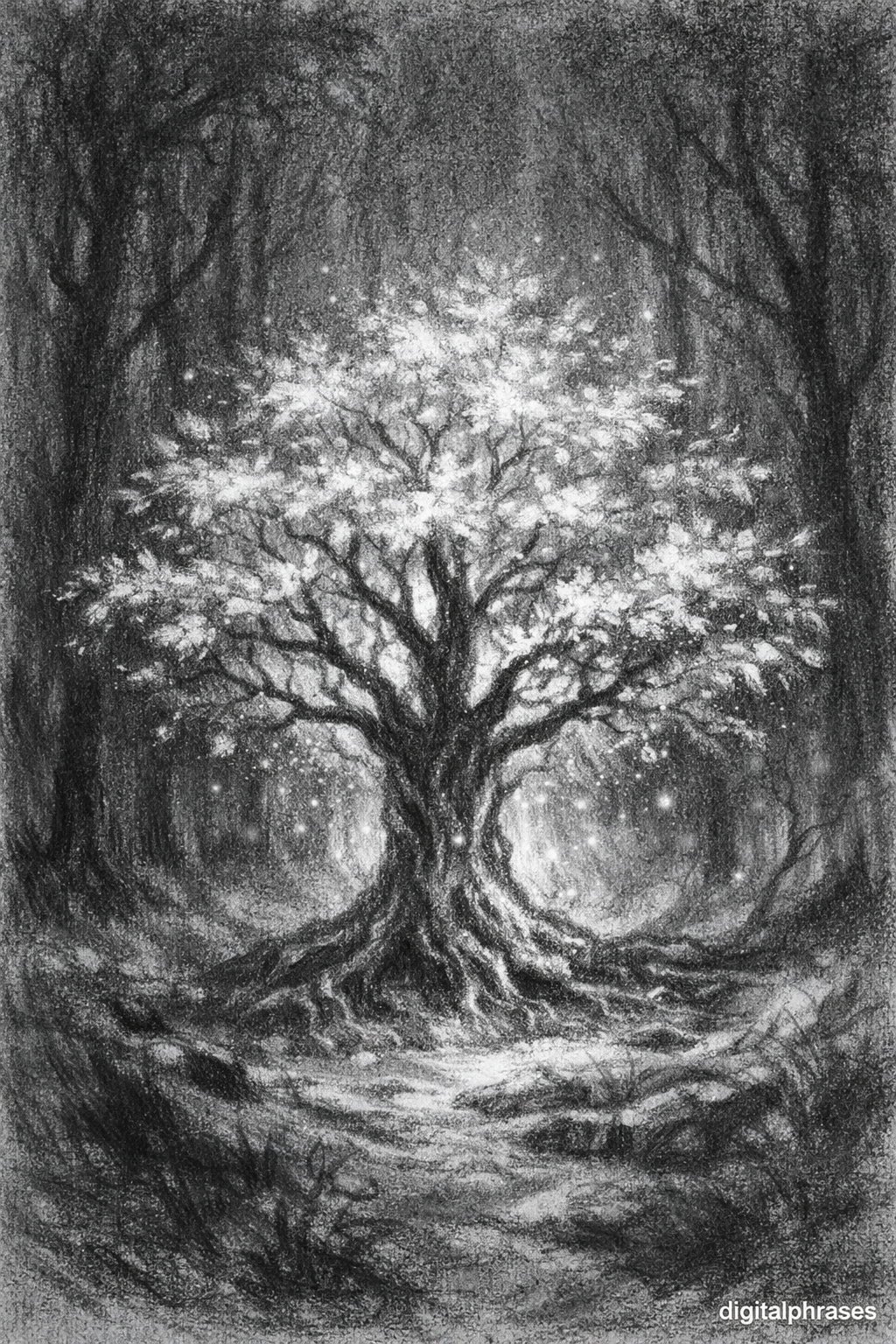
18
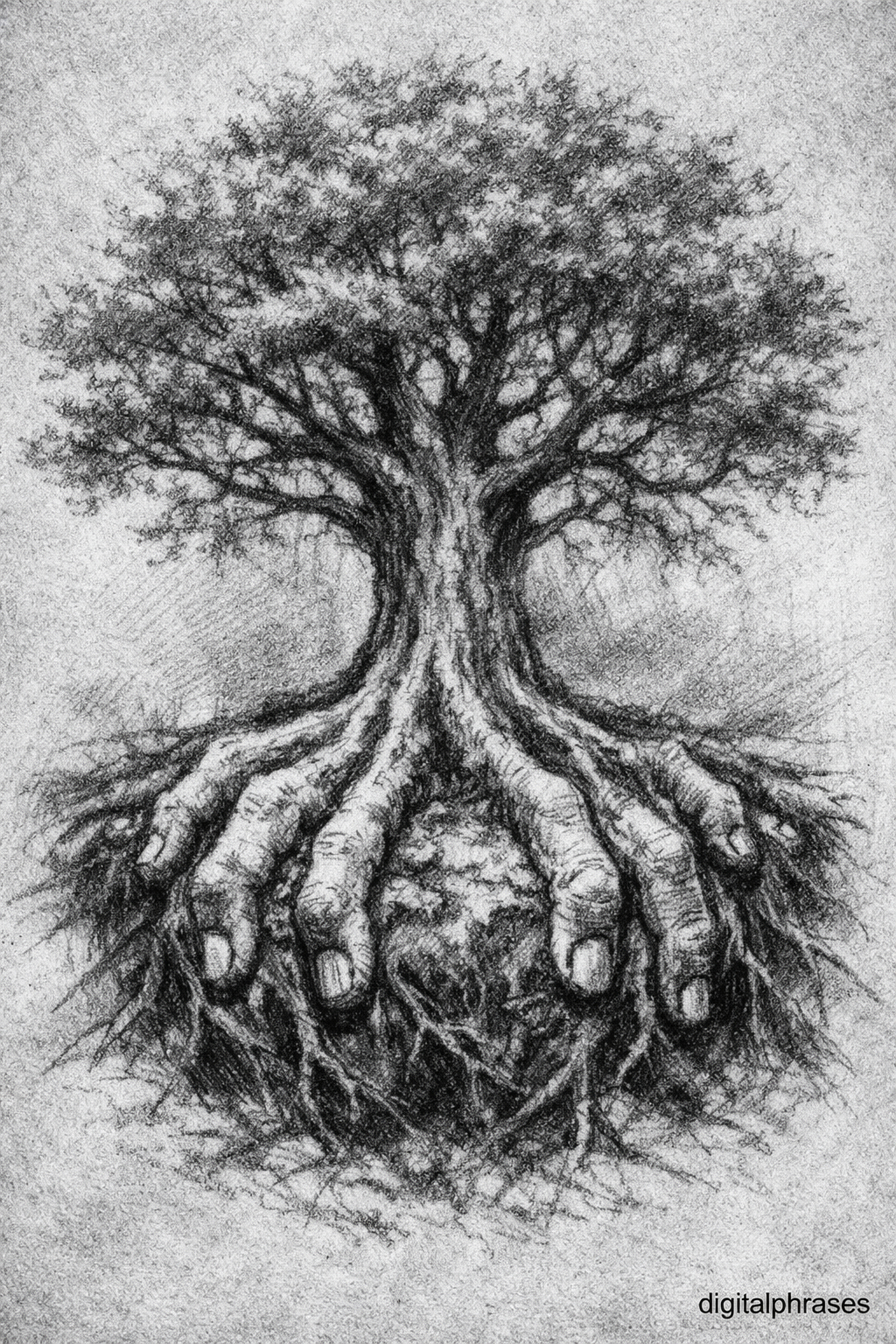
19
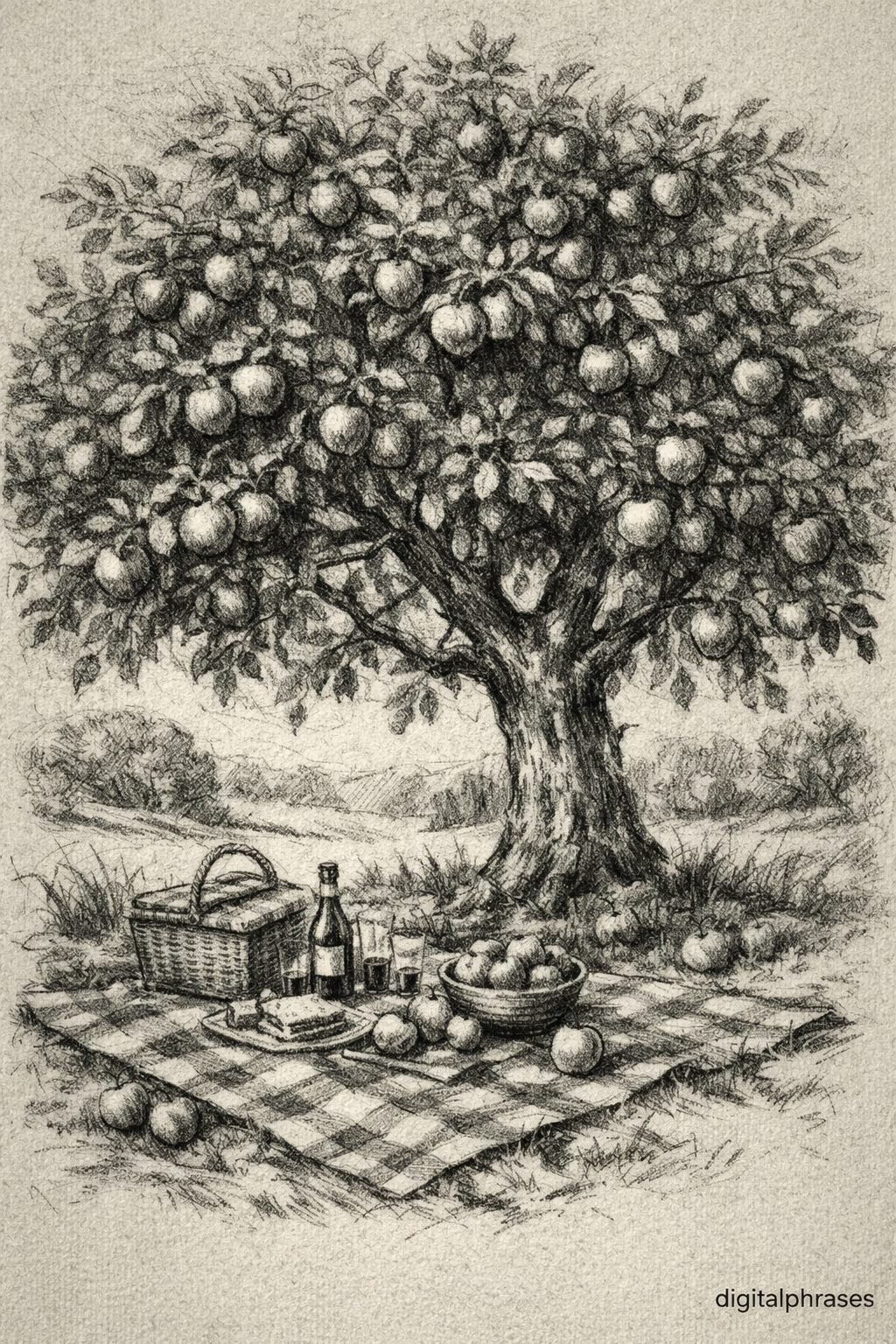
20
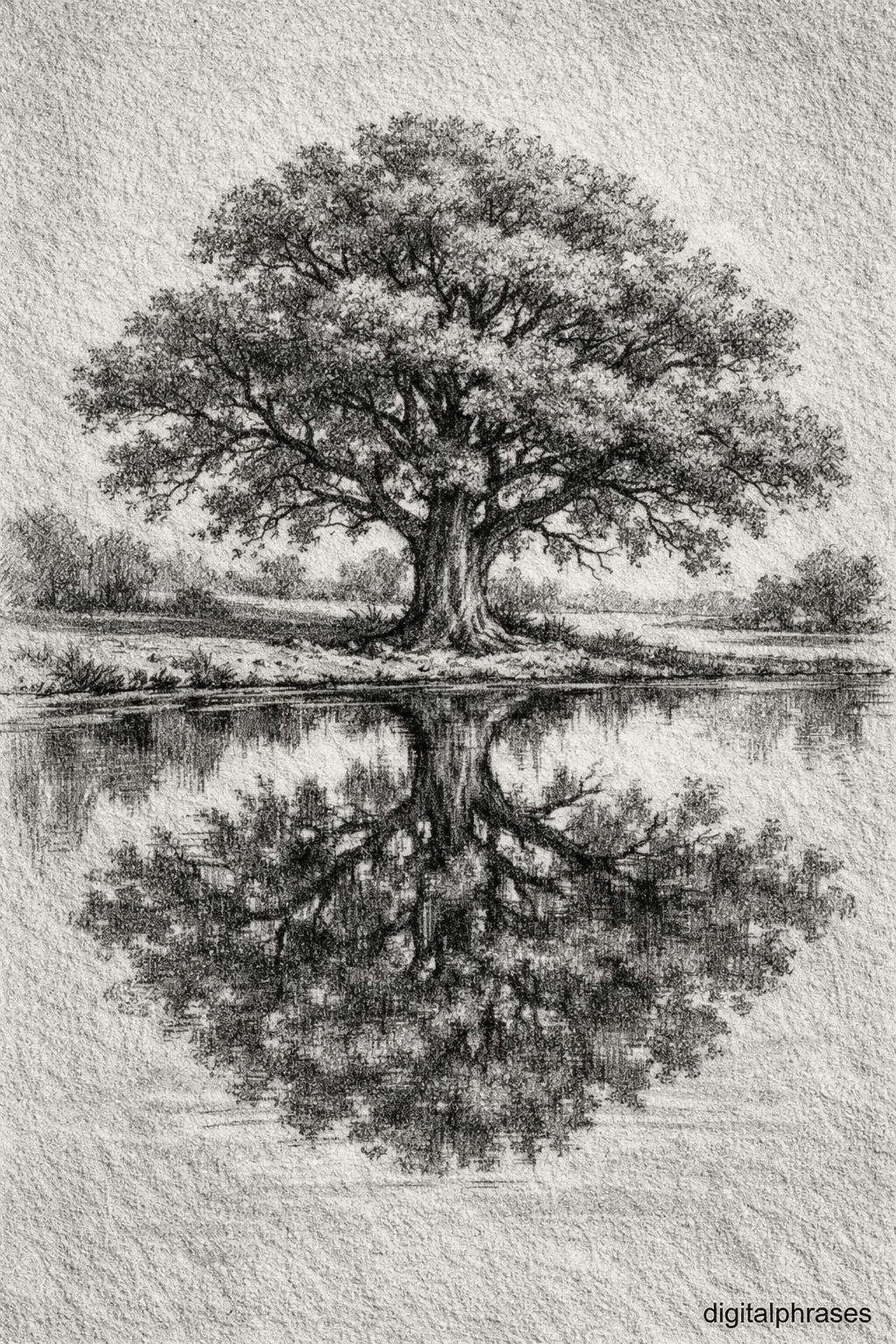
21
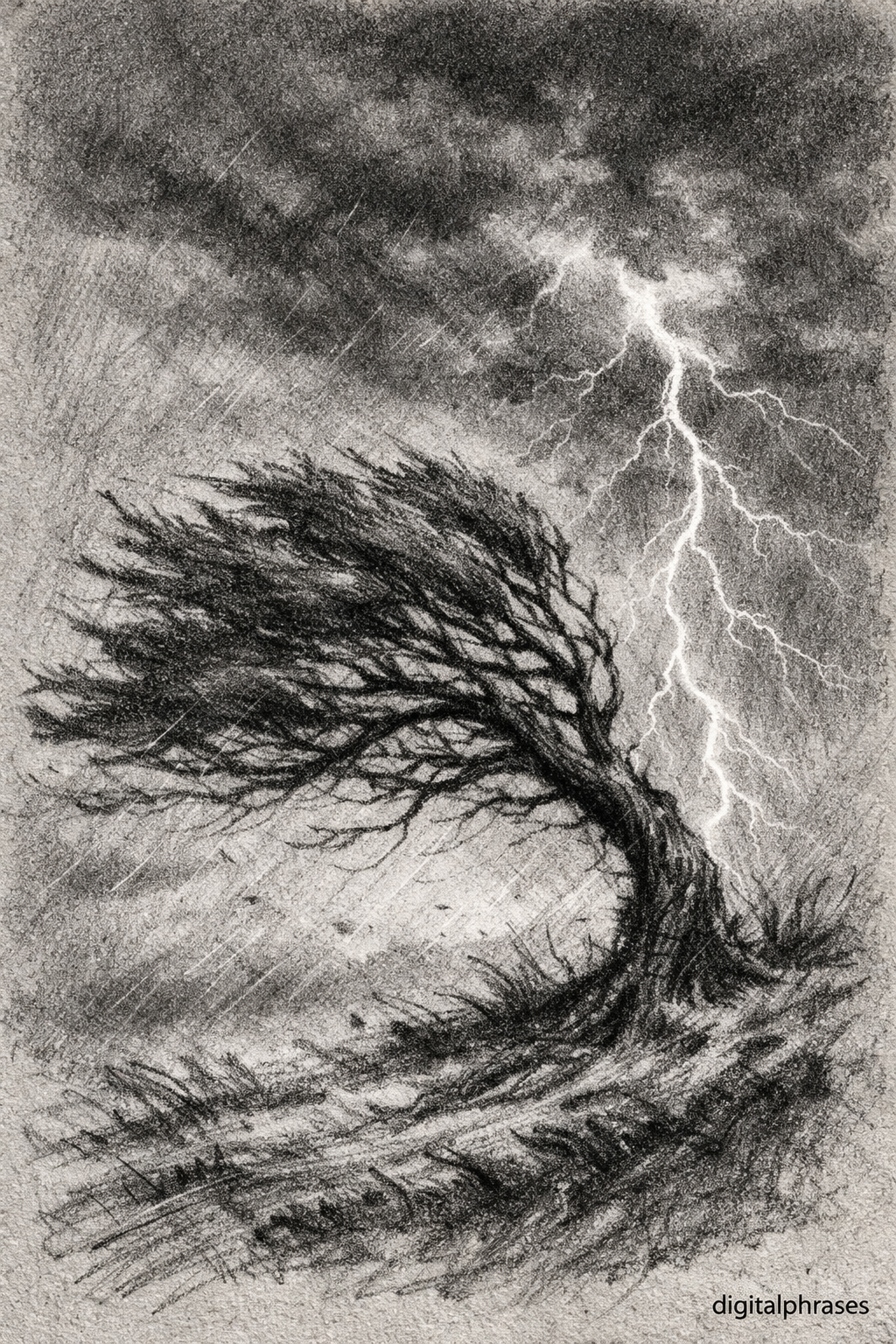
22
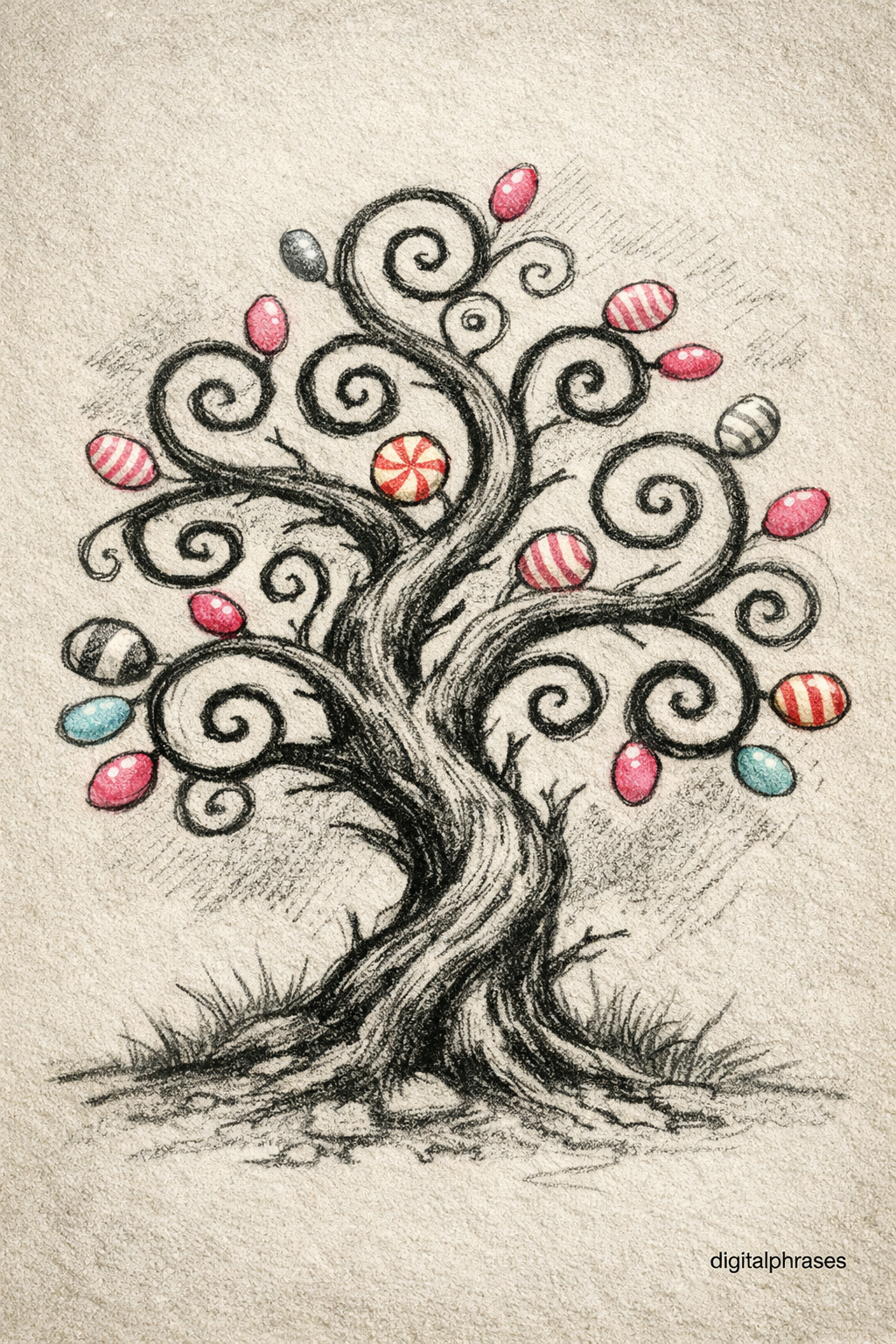
23
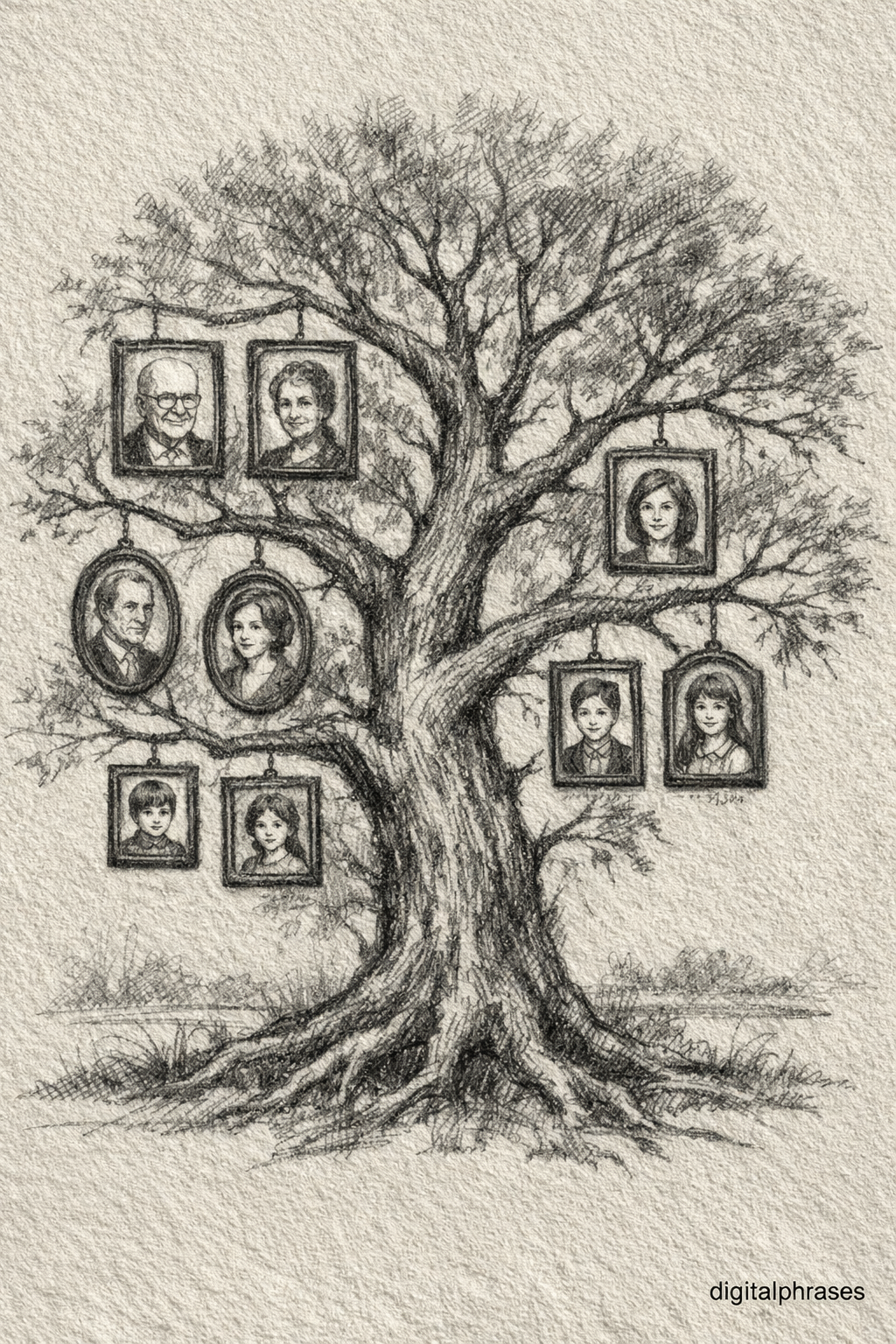
24
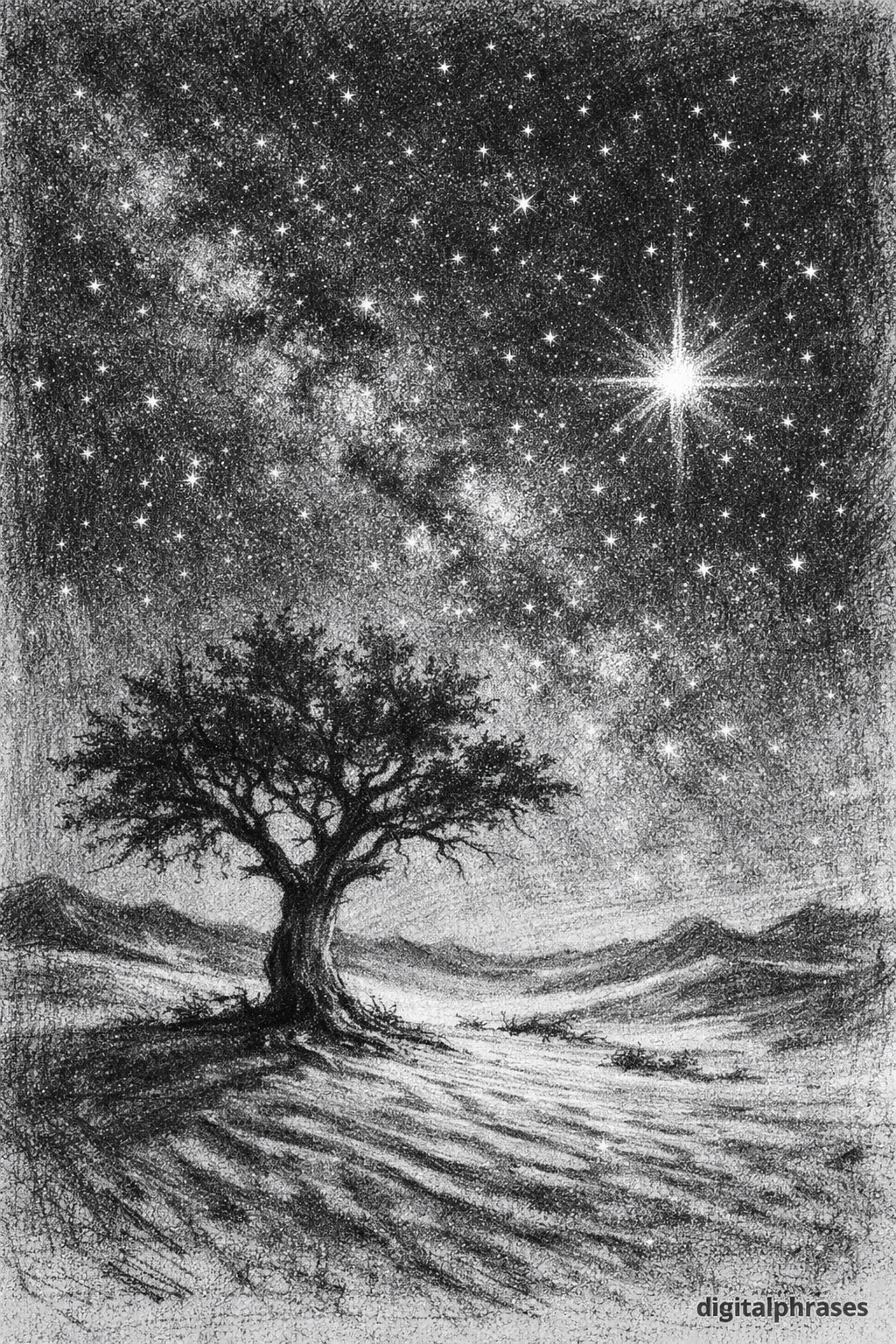
25

Tips For Drawing a Tree
1. Start with the Basic Shape
Before adding details, begin your tree drawing with simple shapes. Think of the trunk as a long rectangle or tapered cylinder, and the crown of the tree as a large circle, oval, or cloud-like form.
This helps you plan the size and position of the tree before committing to final lines. Lightly sketch these shapes with a pencil so you can adjust them easily. A tree does not need to be perfectly symmetrical; in fact, slight unevenness makes it look more natural. Once the basic shape feels balanced, you can build branches, leaves, and texture around it.
2. Observe Real Trees
One of the best ways to improve your tree drawings is to study real trees. Look closely at how branches grow, how leaves group together, and how the trunk changes from bottom to top.
Different trees have different shapes: pine trees are tall and narrow, oak trees are wide and full, and palm trees have curved trunks with leaves at the top. Observing these differences helps you avoid drawing every tree the same way. You can also take photos or sketch trees outdoors to understand their natural structure better.
3. Draw Branches Naturally
Branches should not look stiff or perfectly straight. Start with thicker branches near the trunk, then make them thinner as they spread outward. Let them curve, bend, and split in different directions.
Avoid making branches evenly spaced, because real trees grow in irregular patterns. Some branches may overlap, disappear behind leaves, or extend farther than others. This variety creates a more realistic effect. Remember that branches usually follow the general direction of growth, reaching upward or outward toward light.
4. Add Texture to the Trunk
A plain trunk can make a tree look flat, so texture is important. Use short, uneven lines to show bark, cracks, and shadows. Make the lines follow the direction of the trunk, usually moving vertically.
You can press harder in darker areas and use lighter strokes where light hits the bark. Knots, bumps, and broken marks can make the trunk more interesting. Do not cover the entire trunk with the same texture; leave some areas lighter to create depth and contrast.
5. Use Light and Shadow
Light and shadow bring your tree to life. Decide where the light source is coming from before shading. The side facing the light should stay brighter, while the opposite side should be darker.
Add shadows under groups of leaves, where branches overlap, and near the base of the trunk. Use gradual shading instead of harsh blocks of darkness. This helps the tree look three-dimensional. Even a simple tree drawing can look polished when the lighting is clear and consistent.