Lavender Drawing Ideas
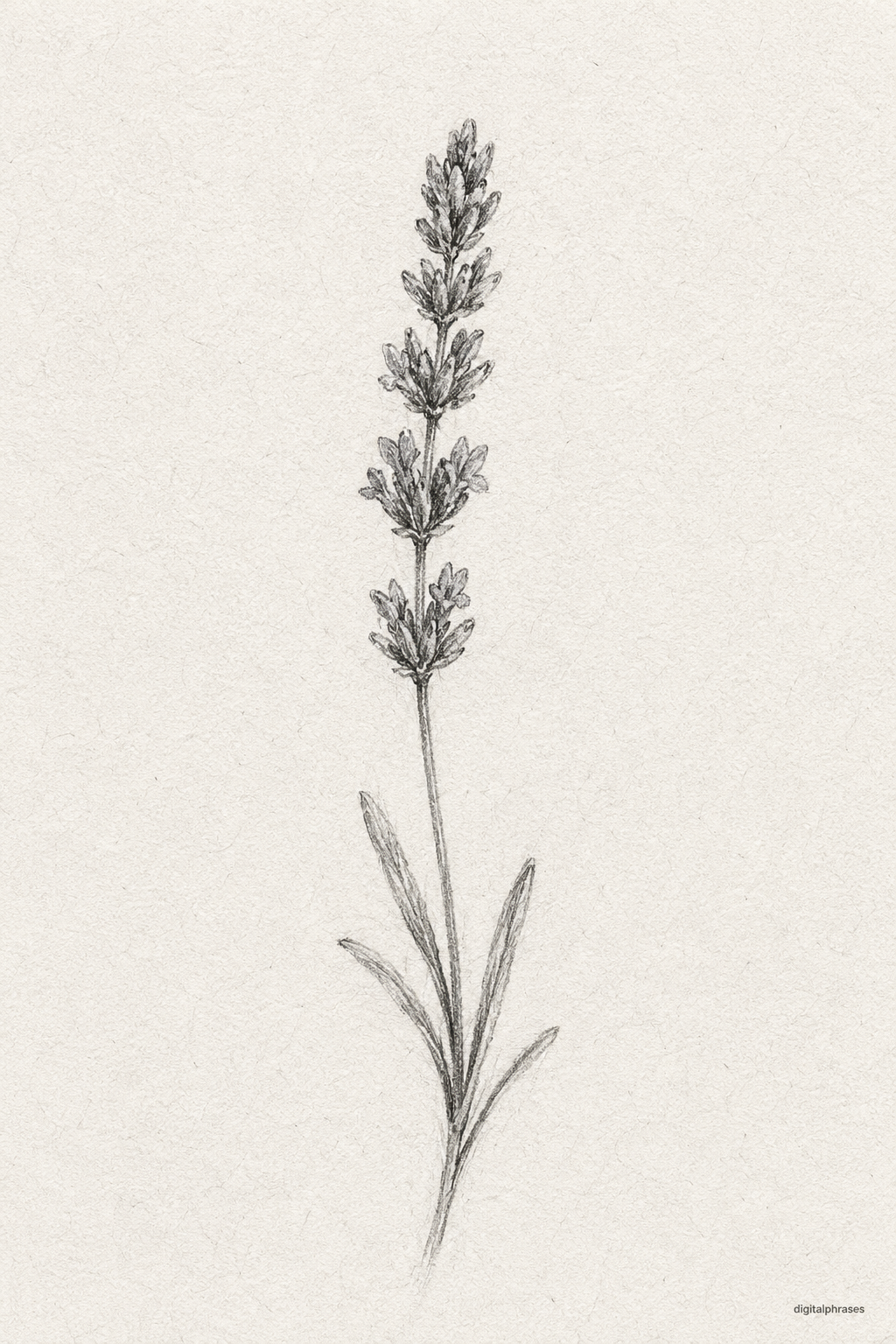
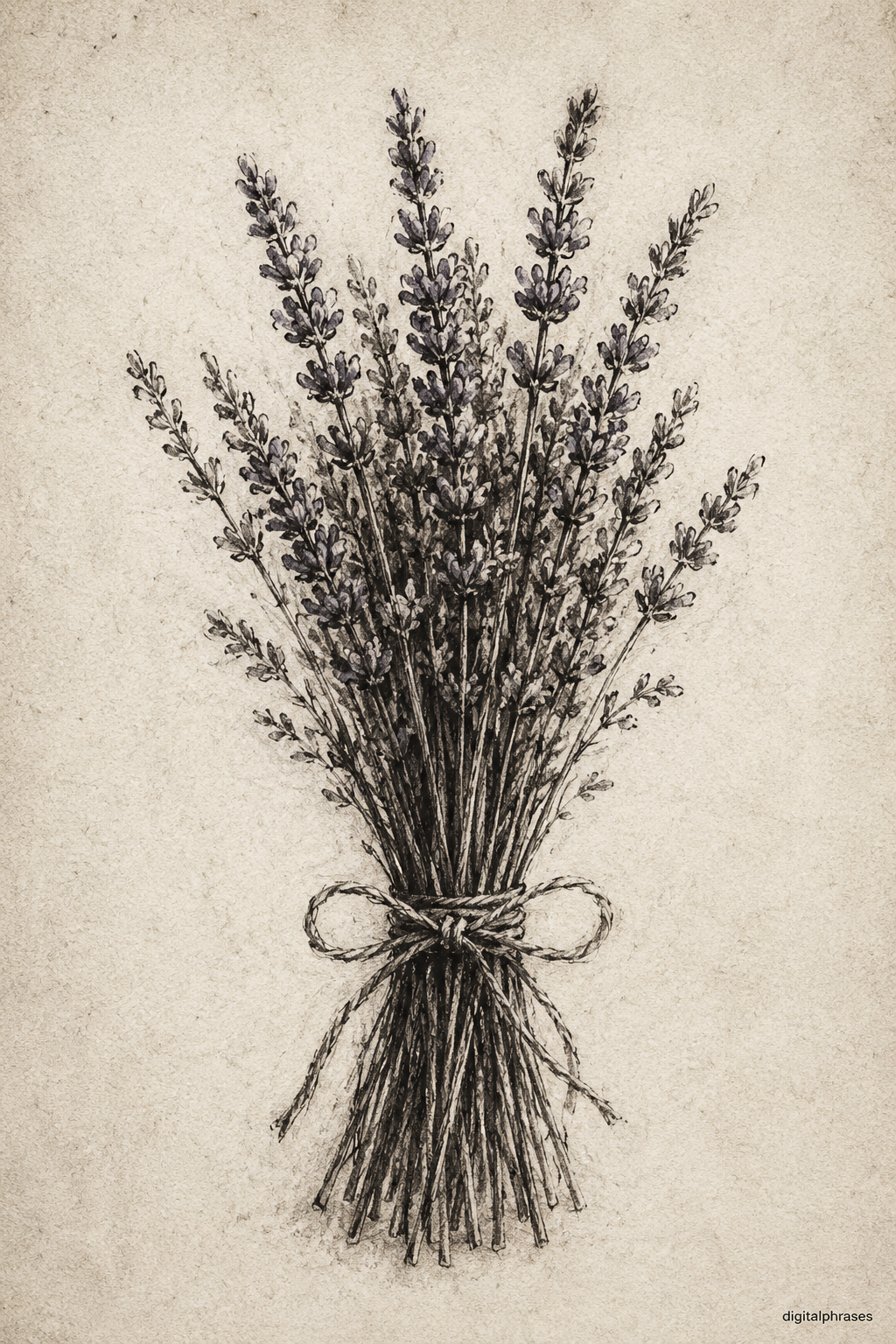
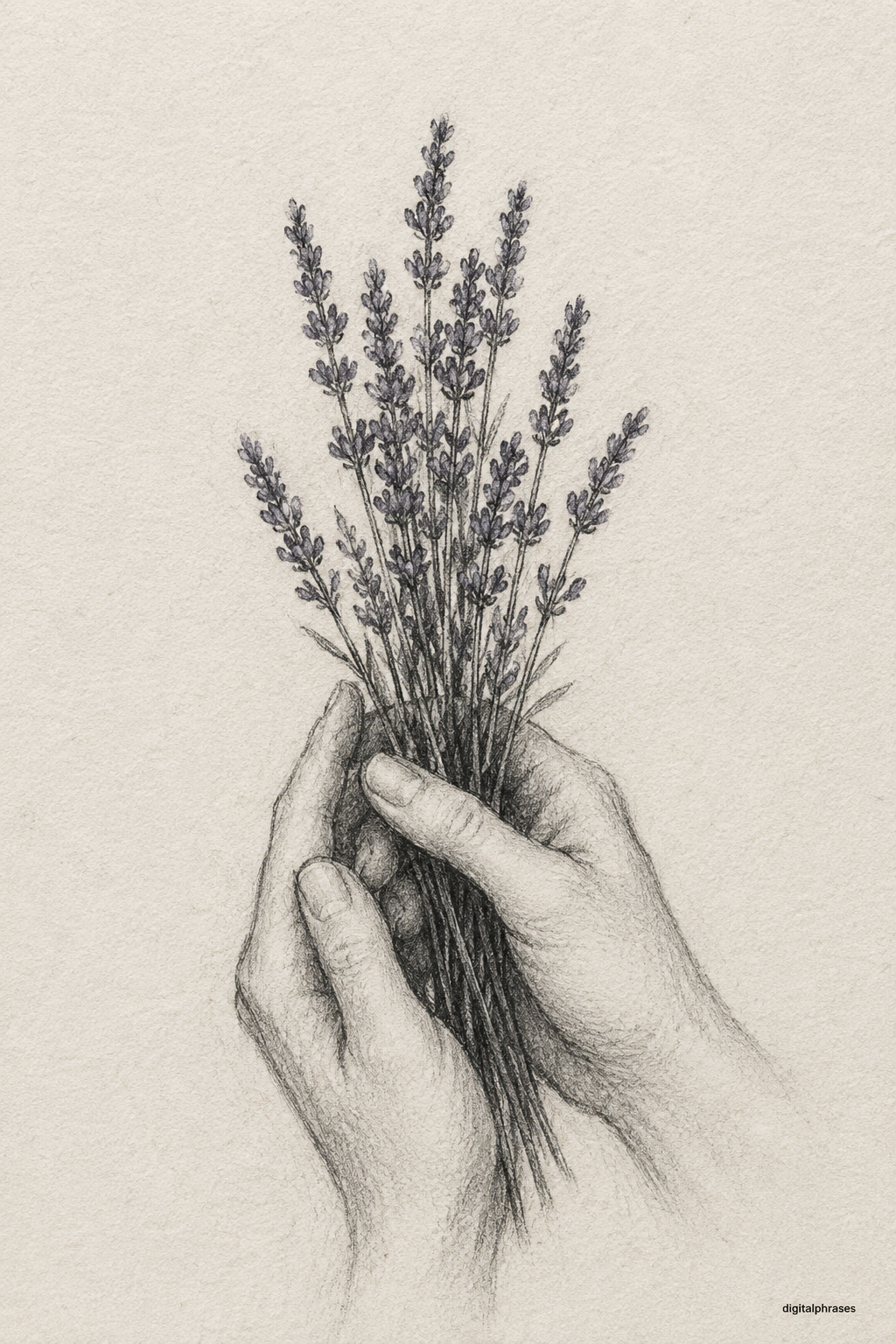
Lavender is one of those flowers that looks beautiful without needing too much detail, which makes it perfect for drawing.
In this list, you’ll find easy and calming lavender drawing ideas that work for beginners as well as more experienced artists looking for fresh sketchbook prompts.
1
2
3
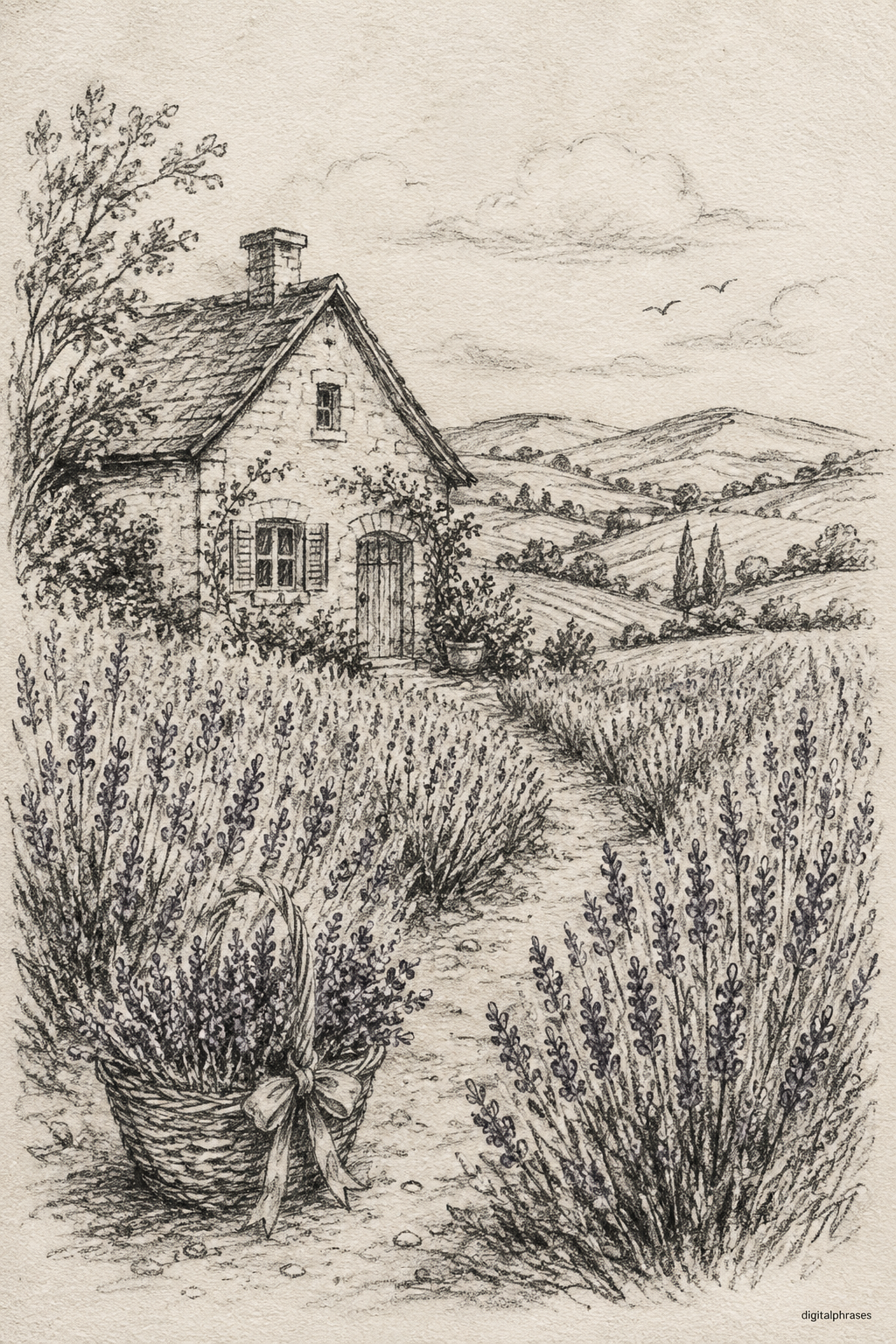
4
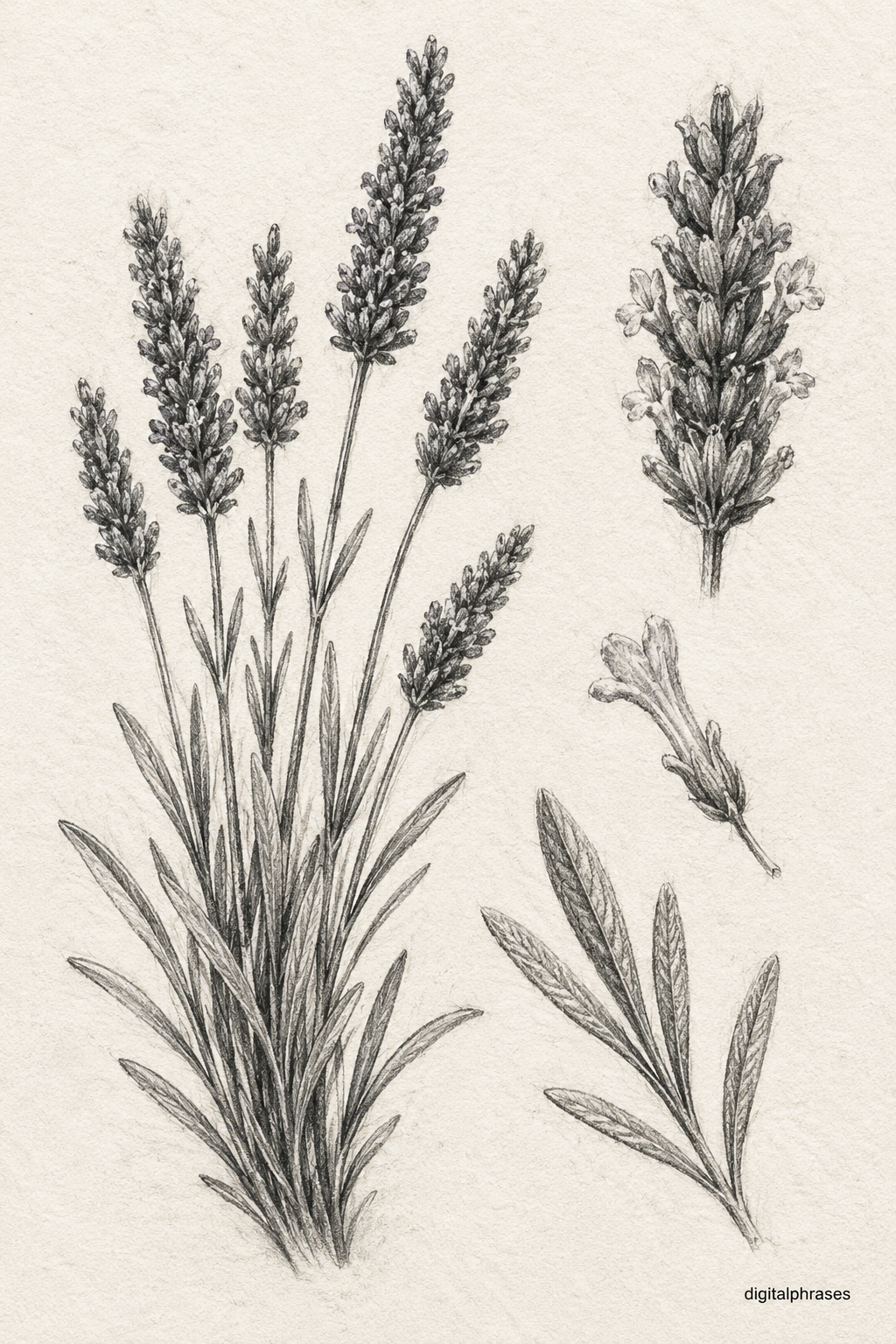
5
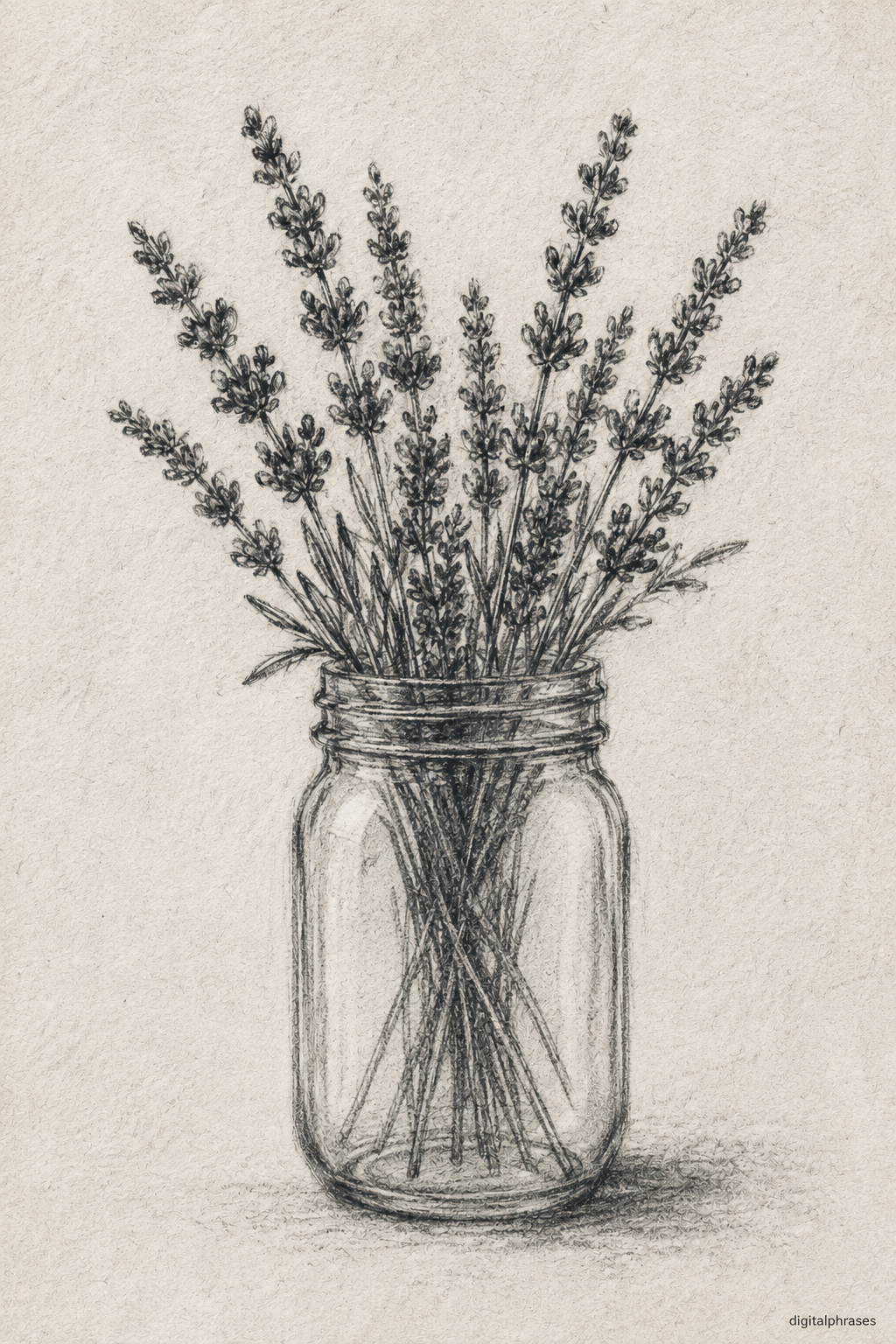
6
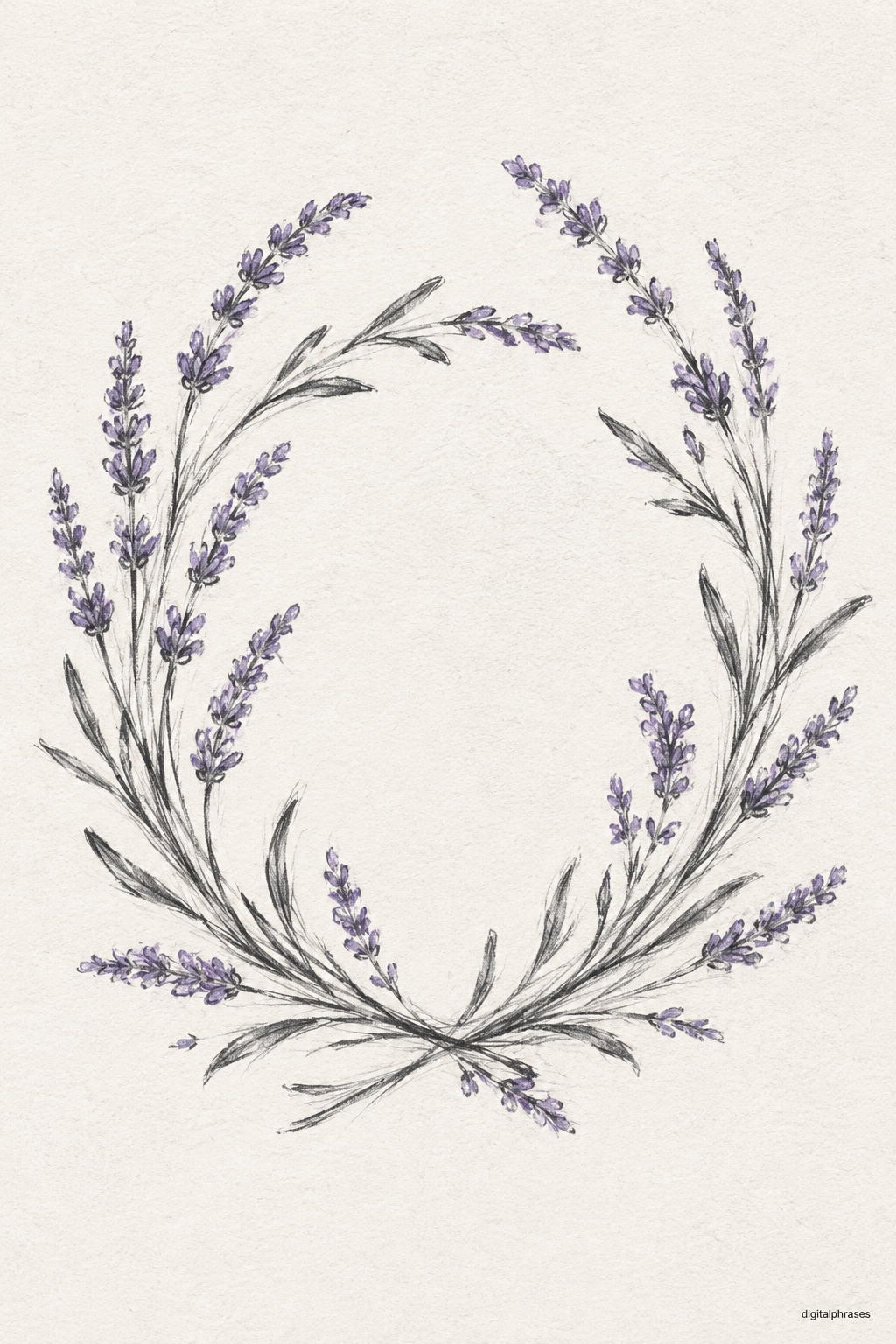
7
8
9
10
11
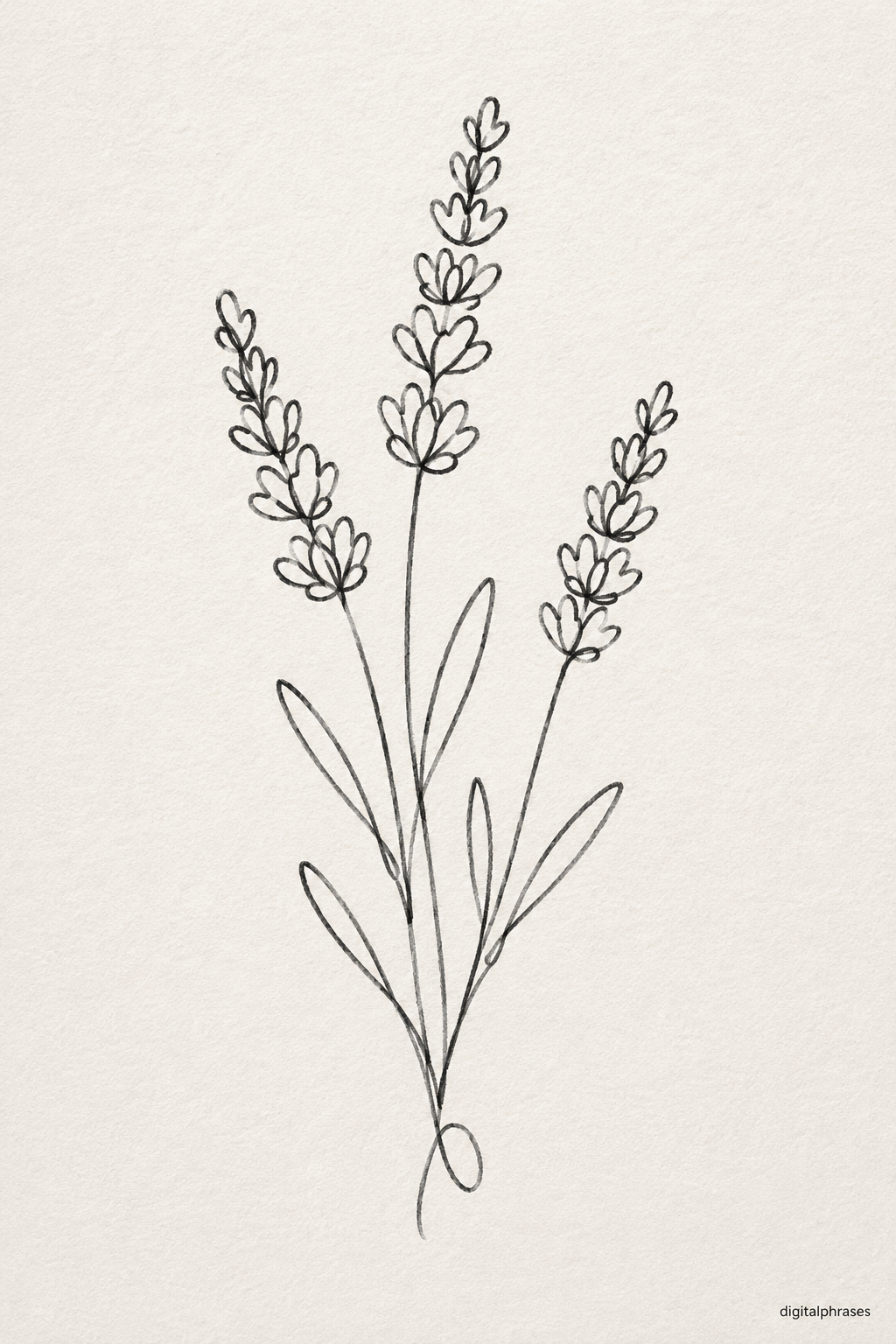
12
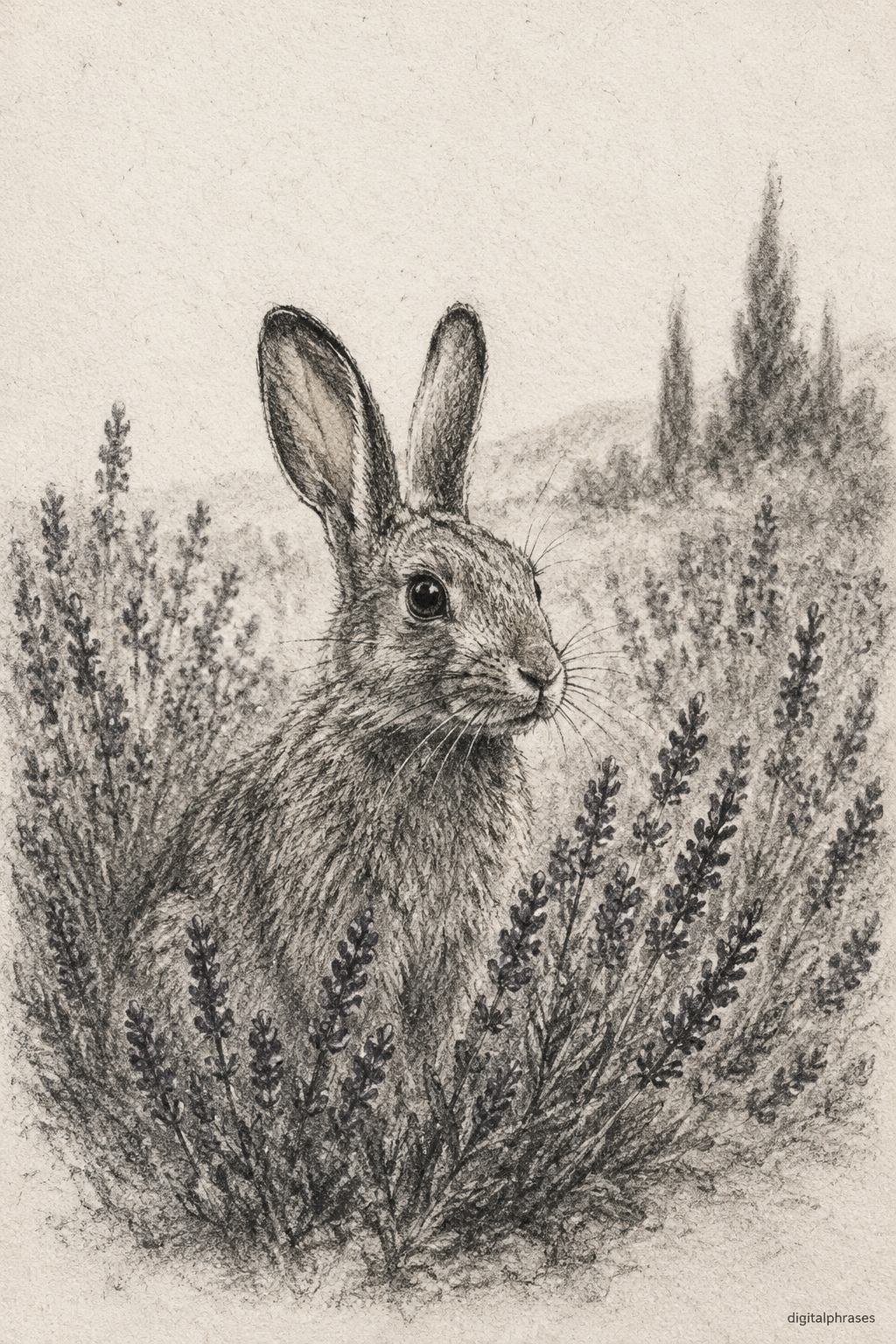
13
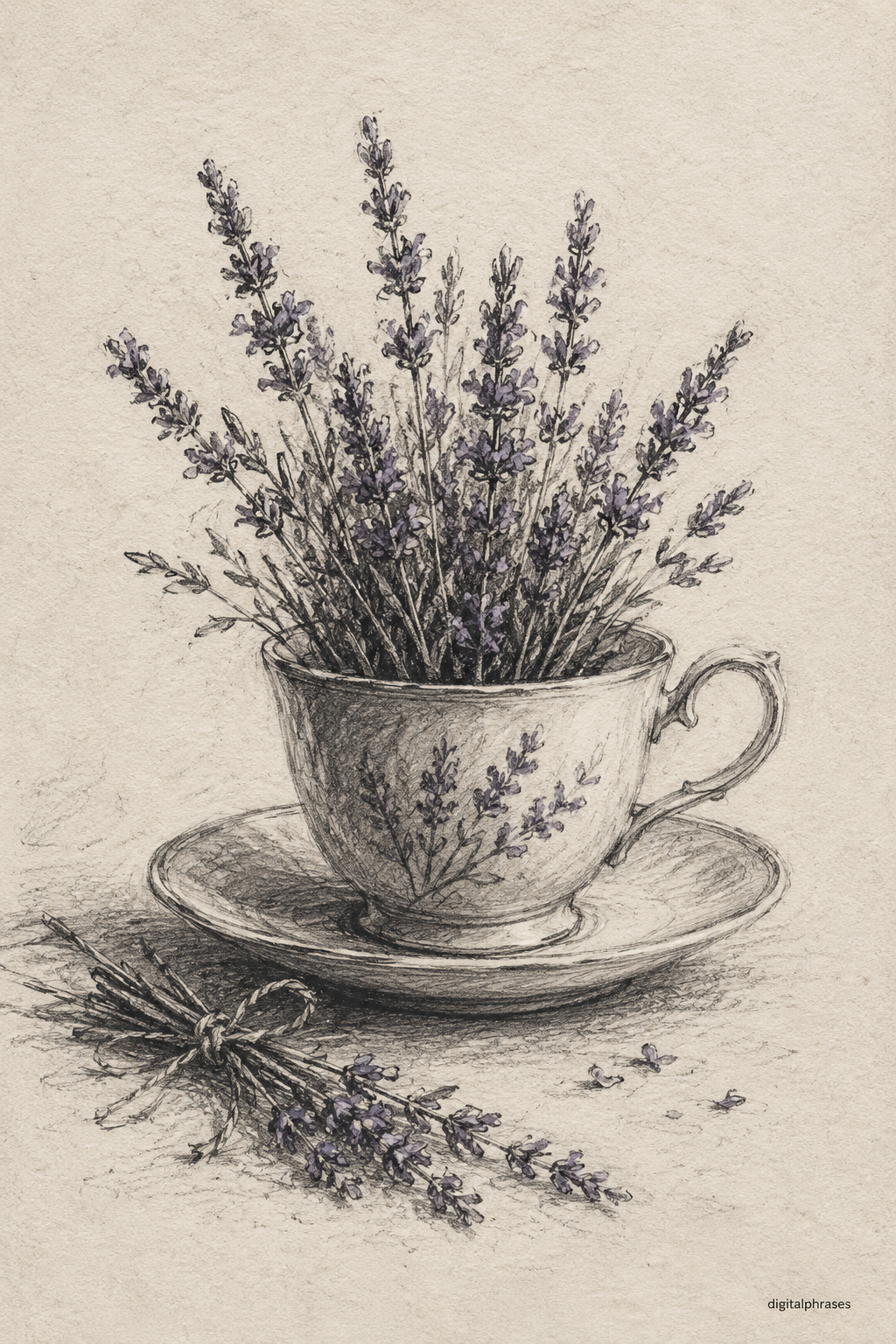
14
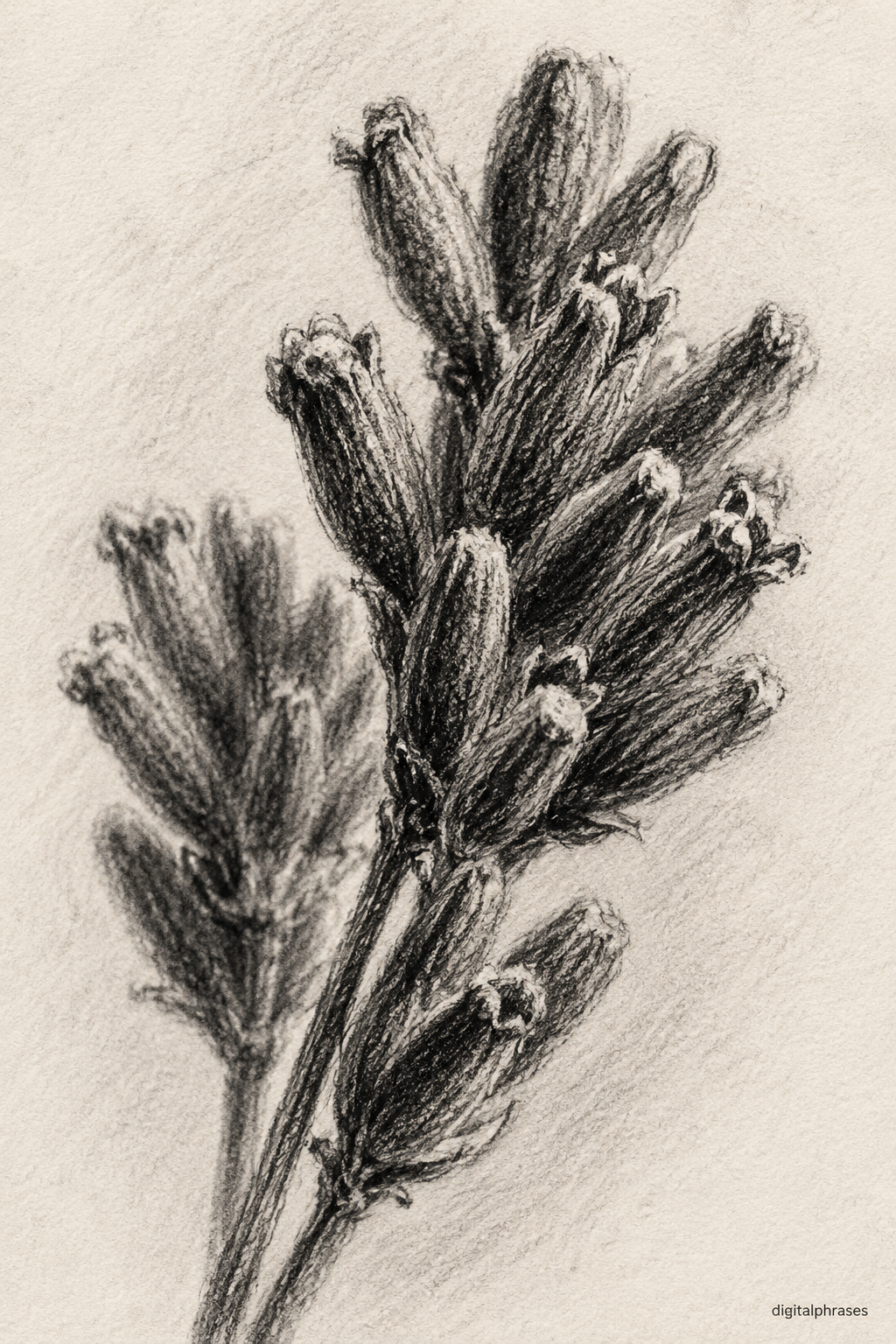
15
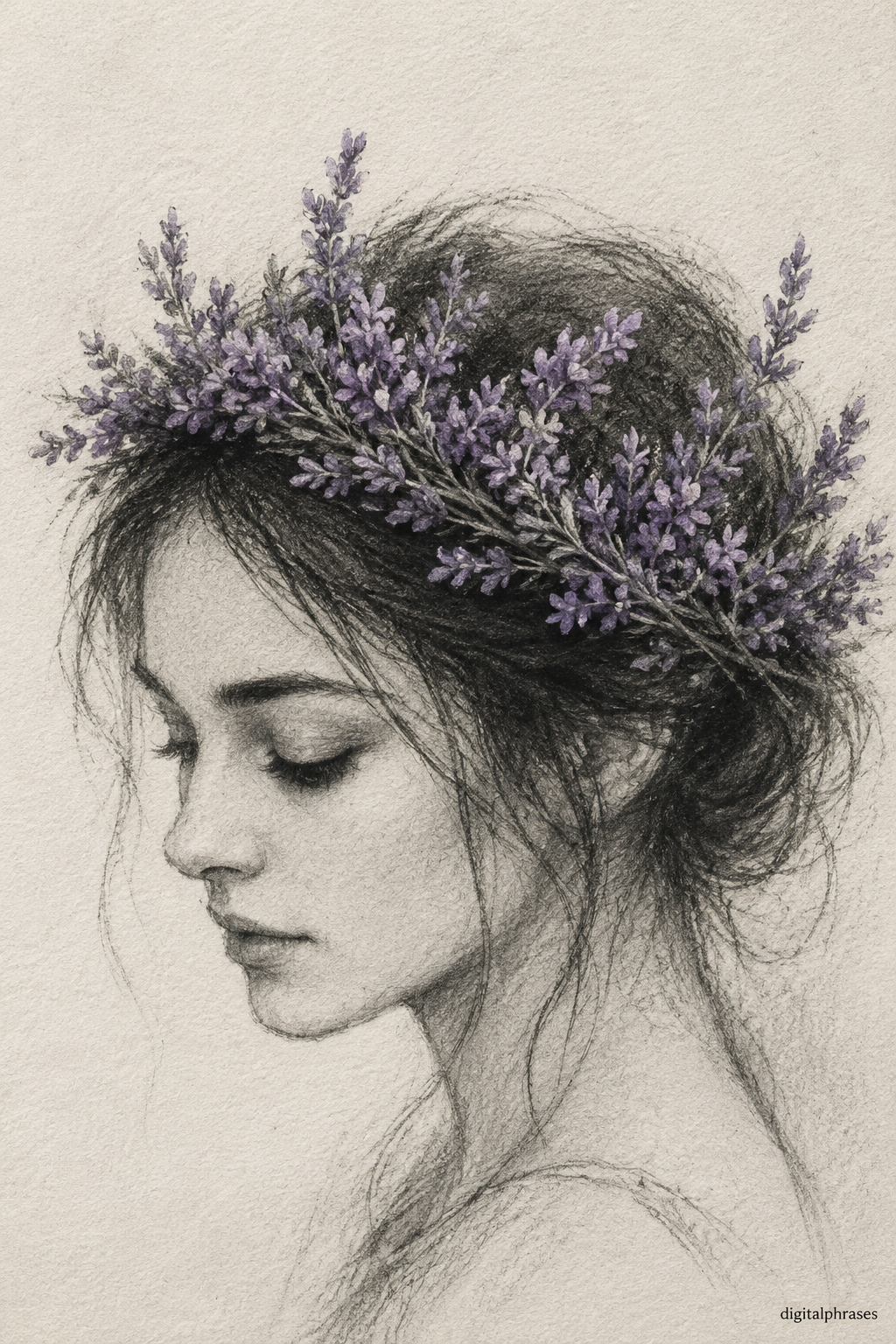
16
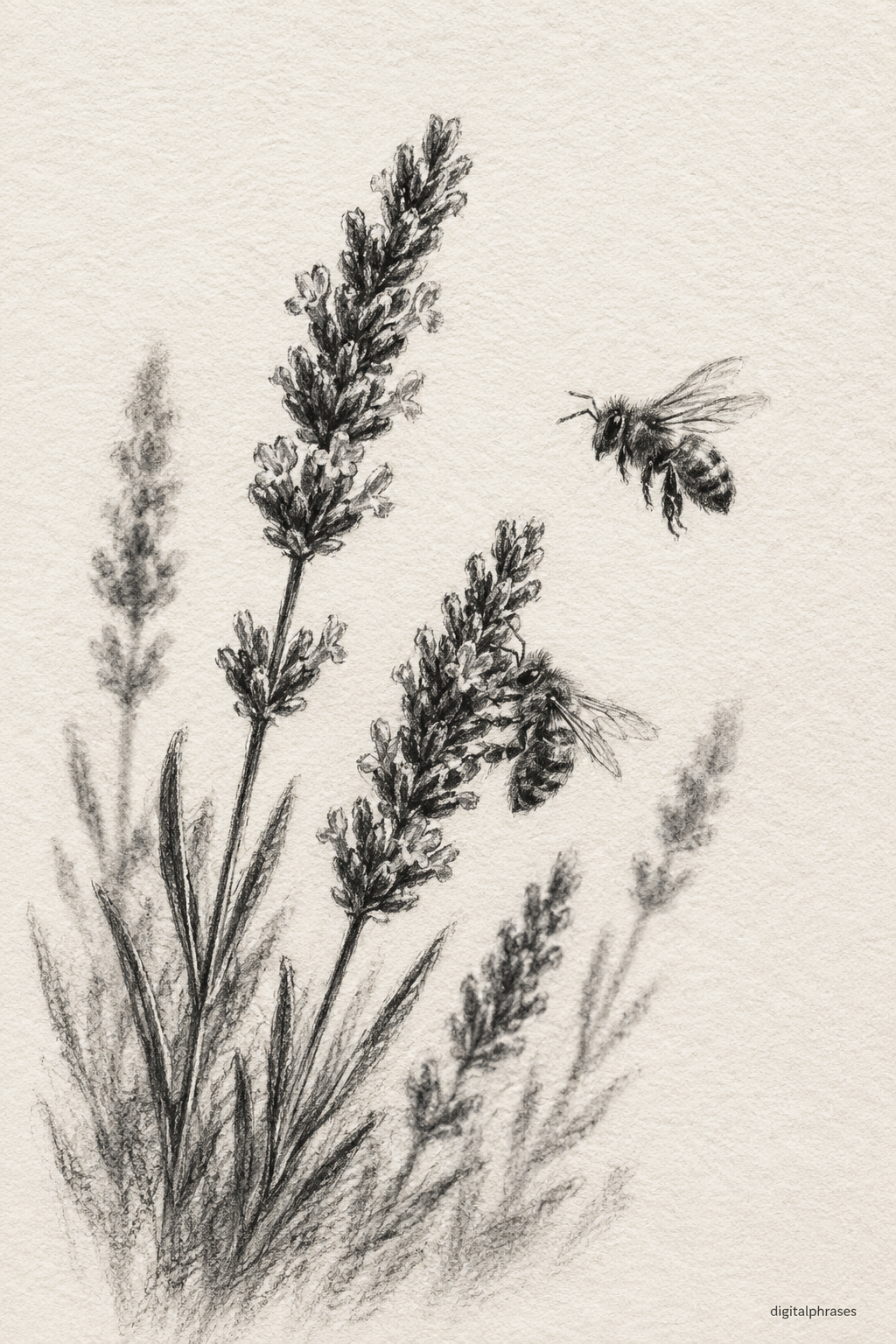
17
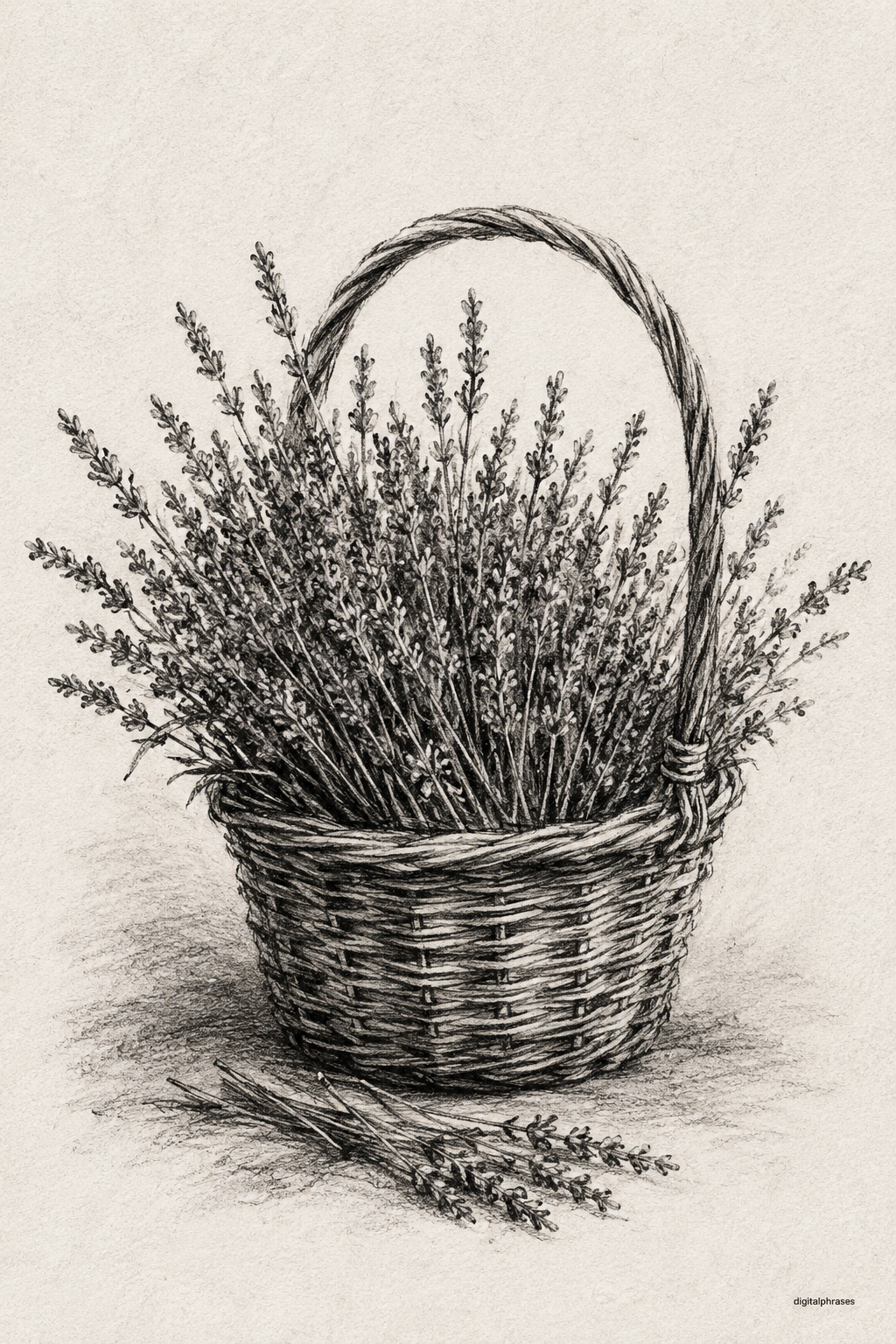
18
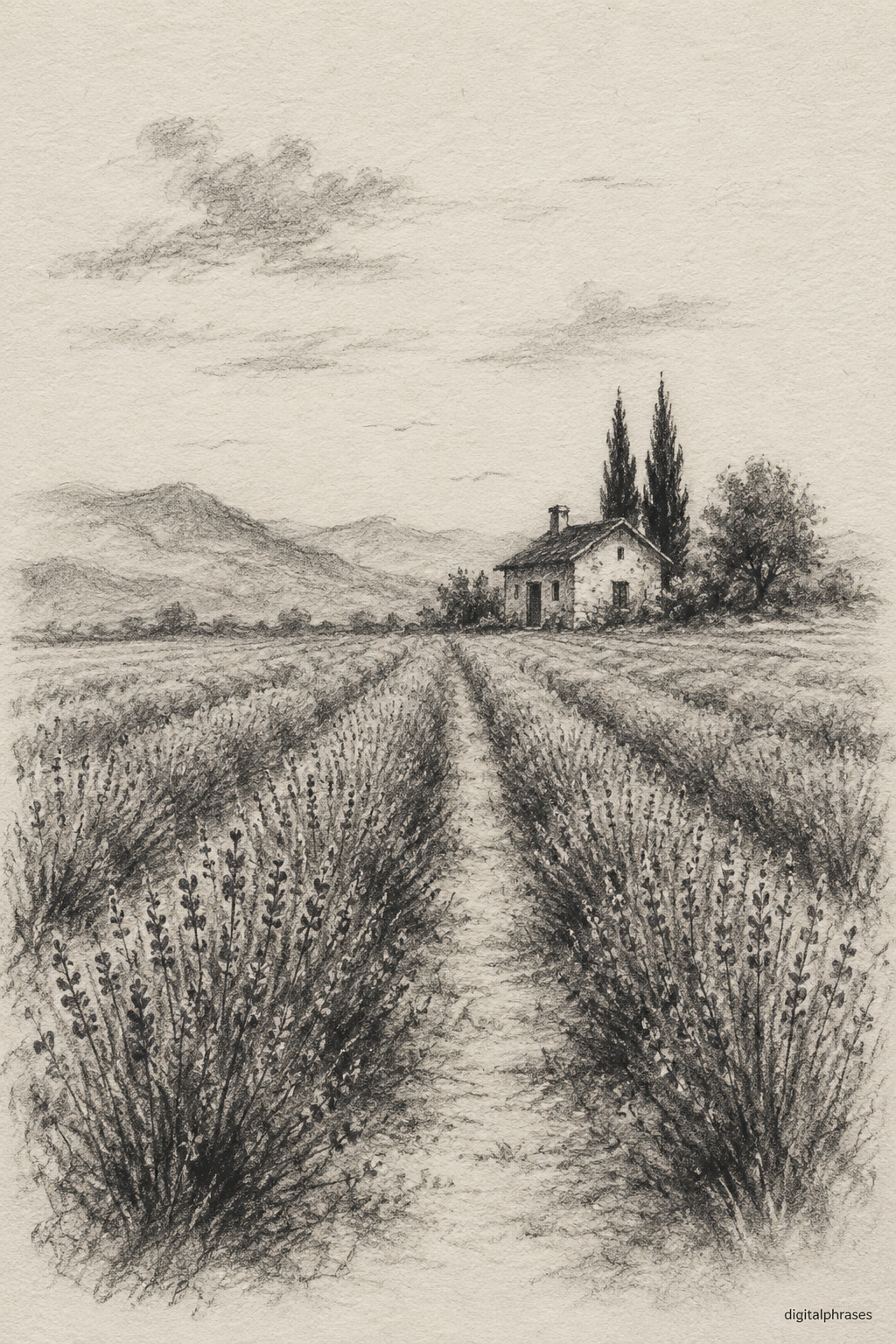
19
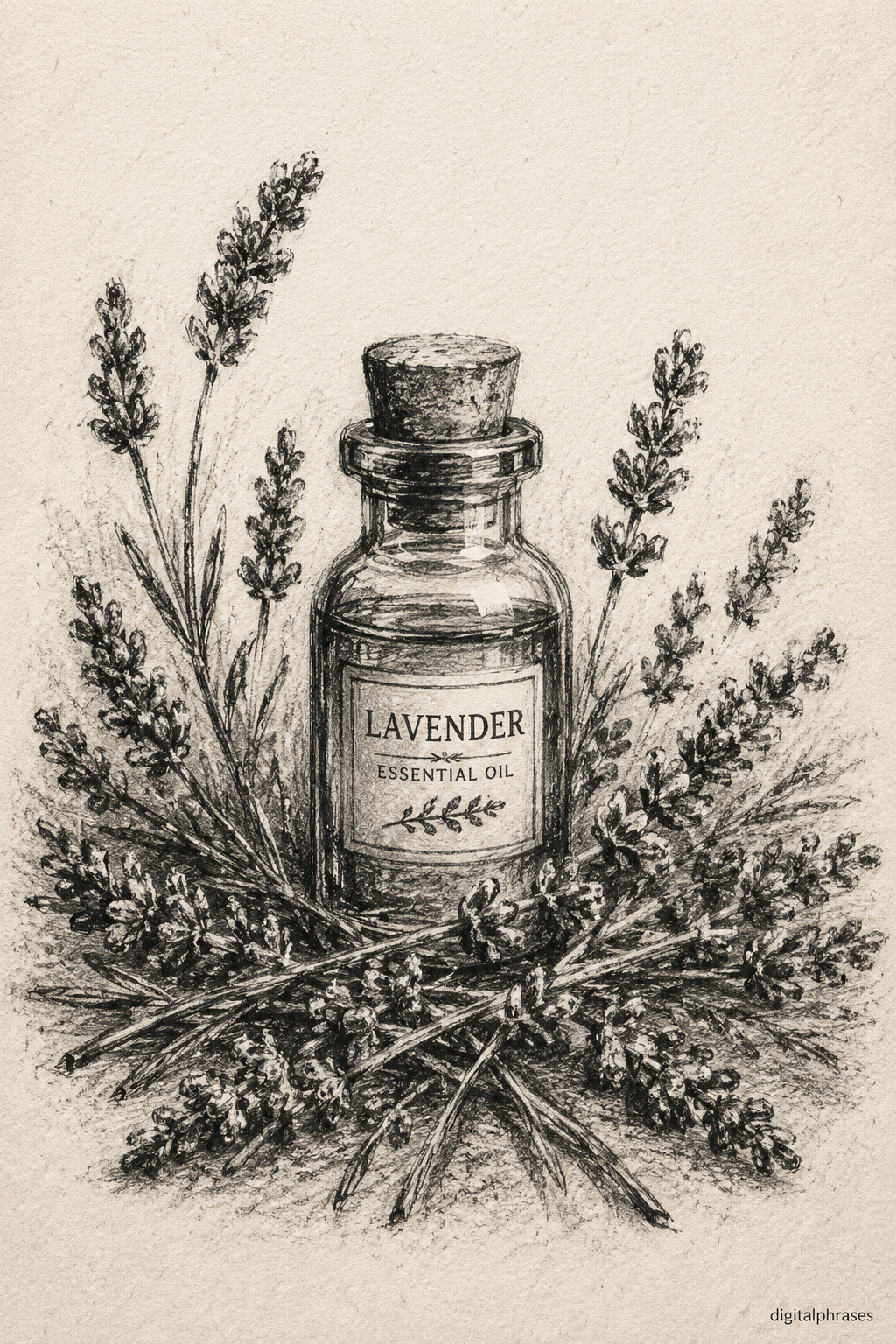
20
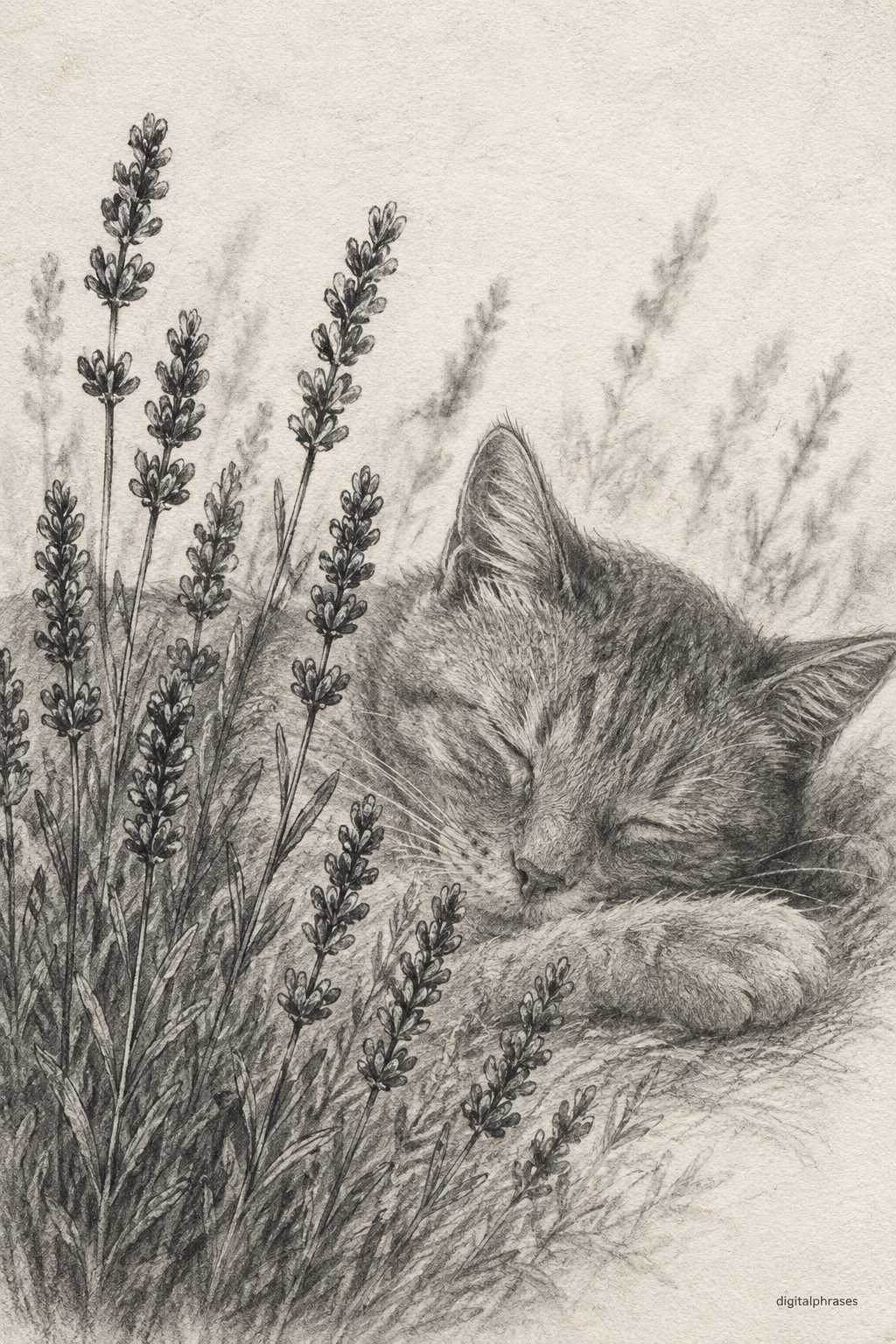
21
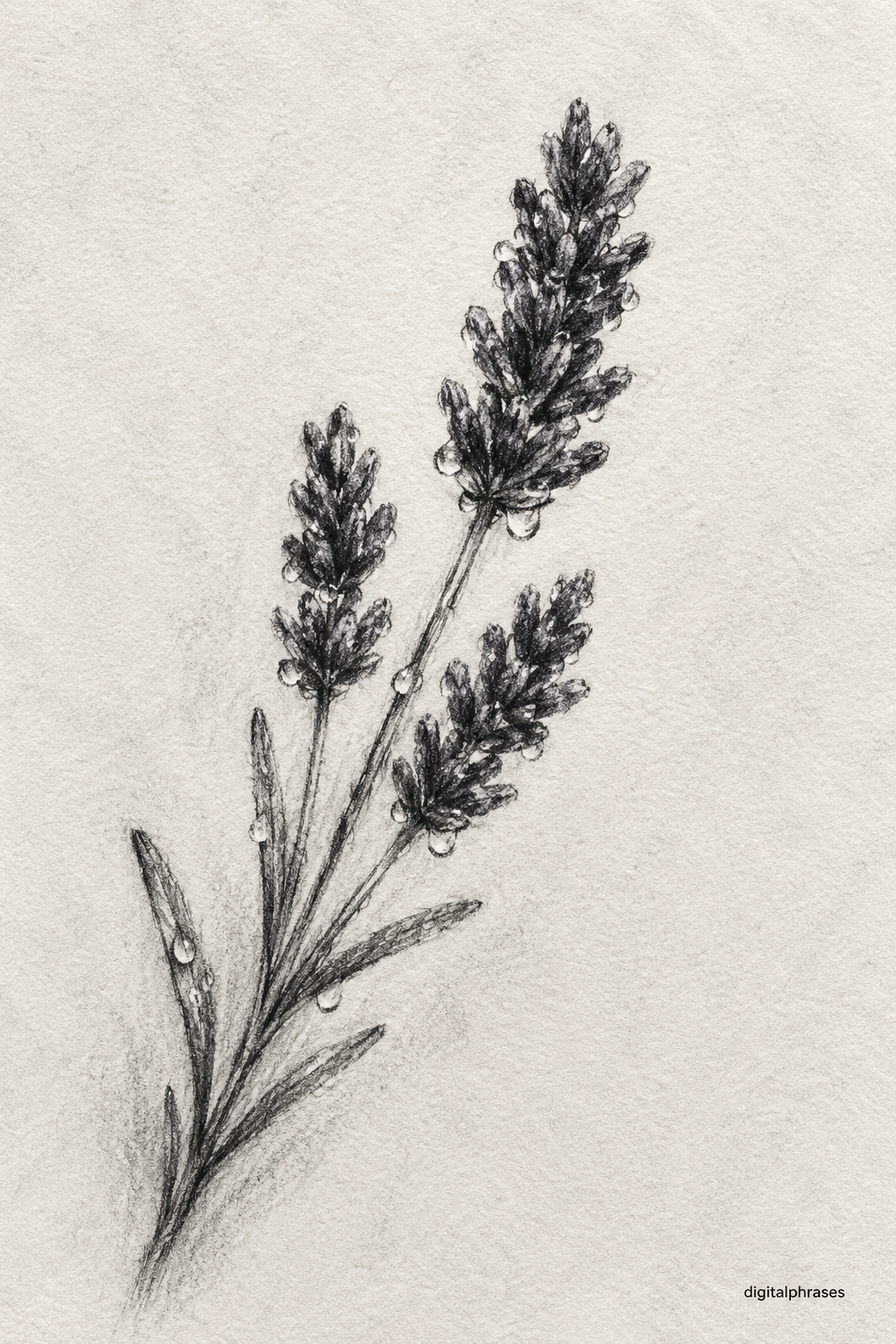
22
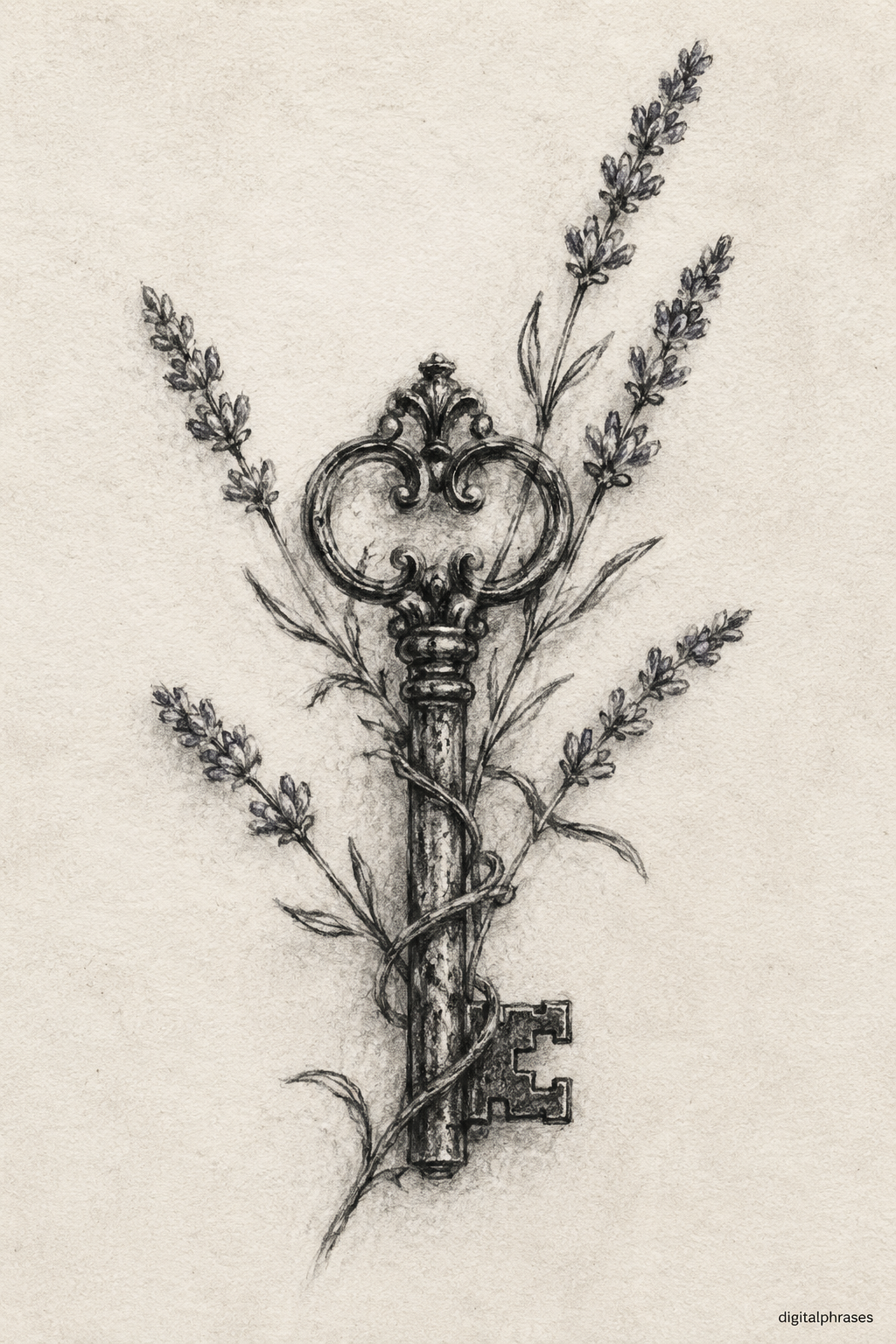
23
Tips For Drawing Lavender Flowers
Start With Simple Stem Shapes
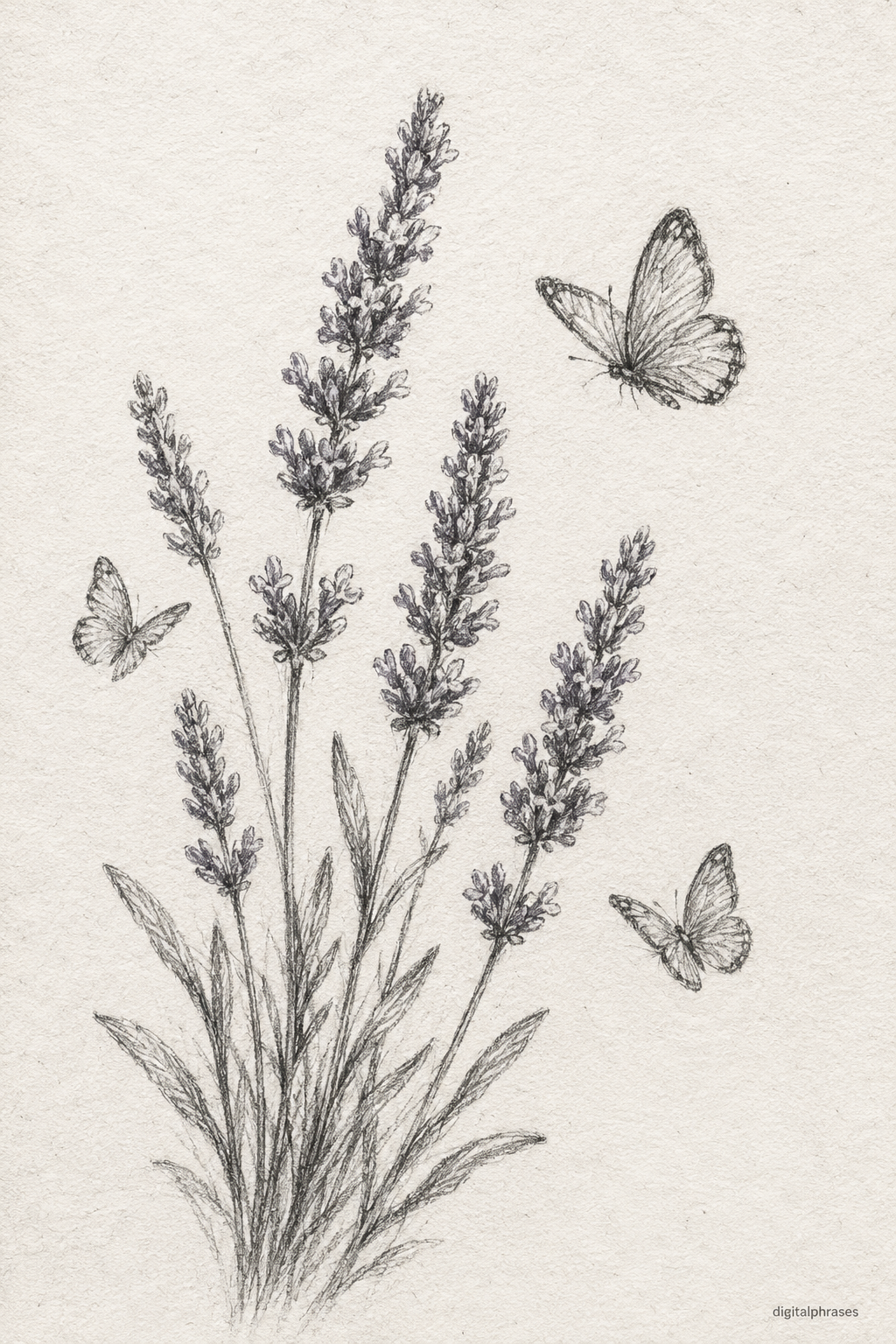
Lavender flowers may look detailed at first, but they become much easier to draw when you break them into simple shapes. Begin with long, thin stems using light pencil lines. Lavender naturally grows in slightly curved directions, so avoid making every stem perfectly straight. Once the stems are in place, sketch small oval or teardrop shapes along the top section where the flower buds sit.
Instead of focusing on every tiny bloom, think about the overall form first. This helps your drawing feel more natural and keeps you from getting overwhelmed by details too early. A loose outline creates a better foundation for adding texture later.
Use Small Repeating Strokes for Texture
One of the most recognizable features of lavender is its soft, clustered texture. To create this effect, use short and gentle pencil strokes rather than drawing each flower individually. Small repeated marks can give the impression of many tiny blossoms without making the drawing look stiff.
Try layering the strokes more closely near the center of the flower clusters and leaving small gaps around the edges. This creates depth and makes the lavender appear fuller. Using a slightly darker pencil for shaded areas can also help add dimension while keeping the overall drawing soft and delicate.
Pay Attention to Natural Movement
Lavender rarely grows in perfectly symmetrical patterns. Some stems lean outward, some curve slightly, and flower clusters often vary in size. Adding this natural movement makes your drawing feel more realistic and less rigid.
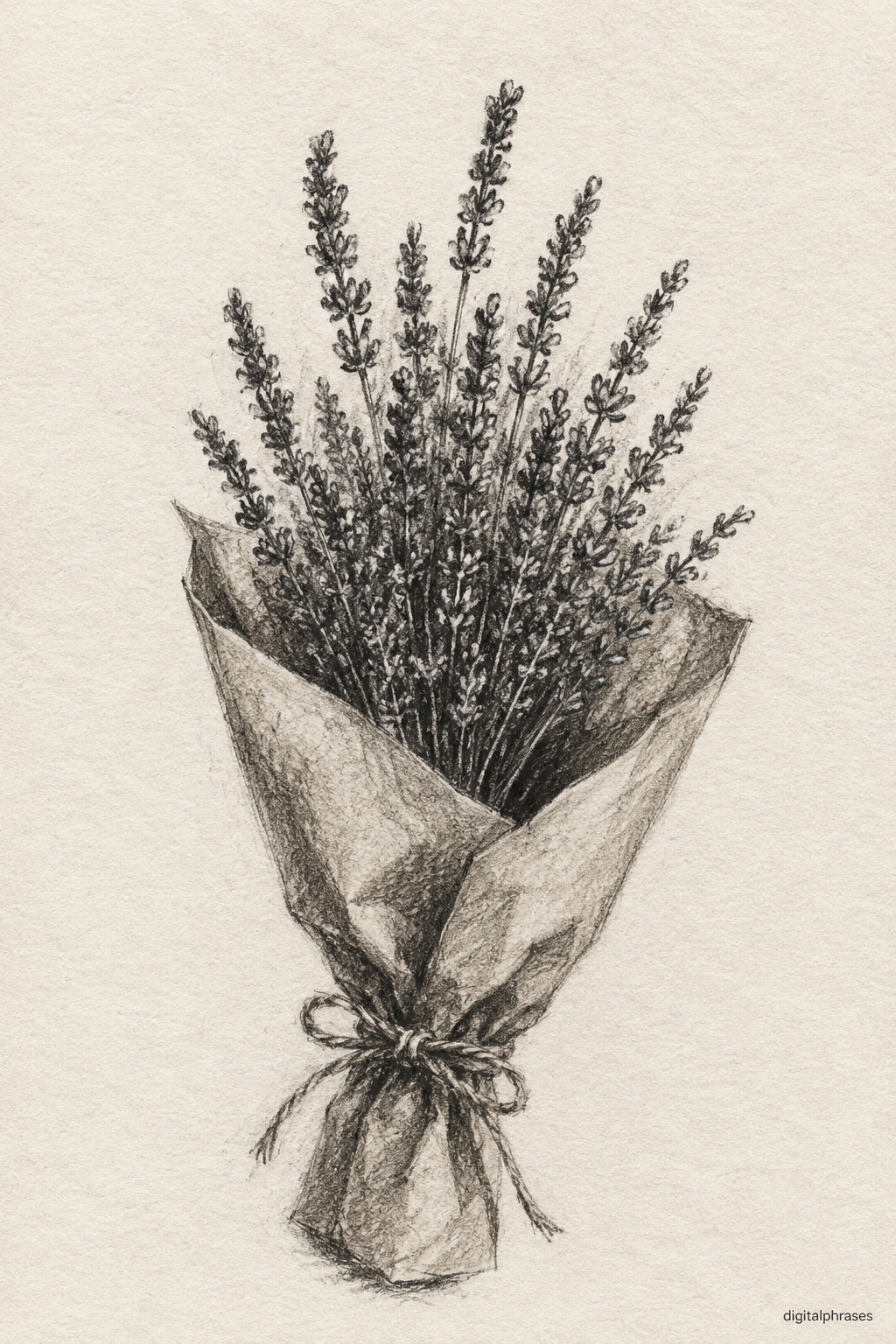
When sketching multiple stems together, vary their heights and directions. Overlapping a few stems can also make the arrangement look more organic. Even a simple lavender doodle becomes more visually interesting when the flowers don’t all follow the same shape and spacing.
Keep Your Color Palette Soft
If you decide to add color, soft shades usually work best for lavender drawings. Light purples, muted greens, and pale blues help capture the calm and relaxing feel of the flower. Colored pencils, watercolor, or digital brushes with low saturation can create a gentle botanical look.
Avoid using overly bright or neon tones unless you want a more stylized illustration. Blending lighter and darker purple shades together can help the flower clusters look more textured and realistic.
Practice Loose Sketches First
Before creating a finished lavender drawing, spend time making quick practice sketches. Loose sketches help you understand the flower’s structure without worrying about perfection. You can experiment with different stem shapes, flower arrangements, and shading styles in a relaxed way.
The more you practice simple lavender studies, the more confident your final drawings will become. Even a few minutes of sketching regularly can improve your ability to capture the soft and elegant appearance of lavender flowers.