Types of Conflict in a Story and How to Write Them in the Right Flow
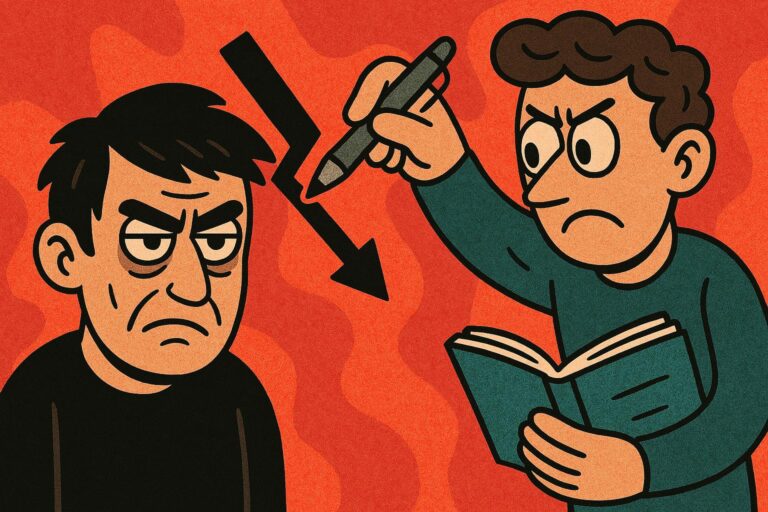
If you’ve ever felt bored halfway through a story and couldn’t quite explain why, chances are it lacked one thing: real conflict. I used to think conflict just meant characters arguing or fighting, but the more I read and wrote, the more I realized it’s actually about tension, pressure, and something being at stake.
Think about Harry Potter and the Sorcerer’s Stone. It’s not just about magic classes—it’s about Harry facing danger, questioning who to trust, and dealing with his own fears. That’s what keeps us hooked.
A story without conflict feels like a straight line. There’s no curiosity, no reason to turn the page. But when conflict shows up—especially in layers—it creates movement. It forces characters to make choices, and honestly, that’s where things get interesting.
The main types of conflict you’ll see in stories
Character vs Self
This one is surprisingly powerful because it’s all happening inside the character’s head. It’s about doubt, fear, guilt, or tough decisions—the kind of stuff we all deal with in real life.
Take Black Swan. Nina isn’t fighting a villain in the traditional sense. She’s battling her own need for perfection and her fragile mental state. The tension comes from watching her slowly lose control.
When I write this kind of conflict, I try to focus on internal dialogue and emotional reactions. It’s less about action and more about what a character feels when they’re alone with their thoughts. And honestly, this type often makes a story feel more personal.
Character vs Character
This is the most obvious and probably the most fun to write. Two characters want something, and they can’t both have it. That’s your conflict.
Think of The Dark Knight. The clash between Batman and Joker isn’t just physical—it’s ideological. One believes in order, the other in chaos. That’s why their conflict feels so intense.
What I’ve learned here is that good character conflict isn’t just shouting matches. It works best when both sides have understandable motivations. Even if one is clearly “wrong,” you should still see why they think they’re right.
Character vs Society
This type hits hard because it reflects real-world struggles. The character is up against rules, traditions, or systems that feel unfair or limiting.
A great example is The Hunger Games. Katniss isn’t just trying to survive an arena—she’s resisting an entire political system that controls people through fear.
When writing this, I try to show how the system affects everyday life. Not just the big dramatic moments, but the small restrictions too. That’s what makes the conflict feel real instead of abstract.
Character vs Nature
Here, the enemy isn’t a person—it’s the environment. Storms, wilderness, survival situations—this kind of conflict strips everything down to basics.
In The Revenant, the main character fights brutal weather, injuries, and isolation. There’s very little dialogue, but the tension is constant because survival itself is uncertain.
The trick with this type is detail. I’ve noticed that the more vividly you describe the setting—the cold, the hunger, the danger—the more readers feel the struggle.
Character vs Technology
This one feels especially relevant now. What happens when the tools we create start controlling us instead?
Look at The Matrix. Humans are trapped inside a simulated reality created by machines. The conflict isn’t just physical—it’s about truth, control, and identity.
When I think about writing this kind of conflict, I try to explore consequences. Technology itself isn’t always the villain—it’s how it’s used, or misused, that creates tension.
Character vs Fate or the Supernatural
This is where things get bigger than human control. Destiny, gods, or unexplained forces shape the conflict.
In Macbeth, prophecy plays a huge role. Macbeth’s actions are influenced by what he believes is his fate, and that belief drives everything that follows.
What makes this type interesting is the question it raises: Do characters have control, or are they just following a path already set for them? I love playing with that ambiguity.
Why mixing conflict types makes stories stronger
Here’s something I didn’t fully understand at first: most great stories don’t stick to just one type. They layer them.
Take Avengers: Infinity War. There’s character vs character (heroes vs Thanos), but also character vs fate, and even internal struggles within the heroes themselves.
When you combine conflicts, the story feels richer. A character isn’t just fighting an external enemy—they’re also dealing with their own doubts or the world around them.
And from a writing perspective, that gives you more tools. If one type of conflict slows down, another can take over and keep the story moving.
If there’s one thing I’ve learned, it’s this: conflict isn’t just about making things harder for your character—it’s about making things meaningful.
How to write conflict so it actually flows
When I first started writing stories, I made a classic mistake—I threw in a big dramatic problem right away and expected it to carry everything. It didn’t. It felt rushed, almost hollow. Over time, I realized that conflict isn’t just about what happens, it’s about how it unfolds.
Start small and let it grow
One of the best things you can do is introduce conflict in a subtle way. It doesn’t have to explode on page one.
Think about Jaws. The shark isn’t fully revealed right away. Instead, we get hints—fear, tension, uncertainty. That slow build makes the eventual danger feel much bigger.
When I write, I like to start with something that feels slightly “off.” Maybe a character notices something strange, or there’s a small disagreement. It gives readers a reason to lean in without overwhelming them.
Let tension rise step by step
Here’s something I wish someone had told me earlier: don’t jump from zero to chaos. Conflict should feel like it’s climbing.
A good way to think about it is like pressure building in a pipe. At first, it’s manageable. Then it starts to strain. Eventually, it bursts.
Take Jurassic Park. The early parts are almost calm—touring the park, learning about dinosaurs. But then systems fail, small incidents happen, and suddenly everything spirals.
Each step adds a layer. That’s what keeps readers hooked. They’re not just watching events—they’re feeling the escalation.
Make your character’s choices matter
This is huge. Conflict becomes meaningful when it’s shaped by decisions, not accidents.
In Spider-Man, Peter Parker’s choice to ignore the thief early on directly leads to Uncle Ben’s death. That moment isn’t random—it’s a consequence.
When you tie conflict to choices, it does two things:
- It makes the story feel more believable
- It deepens emotional impact
I always ask myself while writing: “Did my character cause this in some way?” If the answer is yes, I know I’m on the right track.
Balance what’s happening outside and inside
A lot of stories focus heavily on action, but internal conflict is what gives everything weight.
Look at Iron Man. Yes, there are explosions and battles, but Tony Stark is also dealing with guilt, identity, and responsibility. That inner struggle is what makes his journey satisfying.
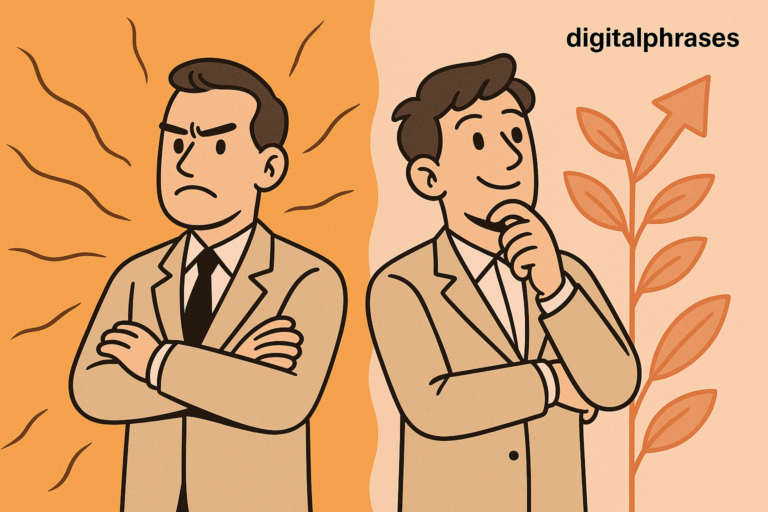
If you only focus on external conflict, things can feel shallow. If you only focus on internal conflict, it can feel slow. The magic happens when both are working together.
Keep something at stake at all times
This might sound obvious, but it’s easy to lose track of. Every scene should have something to lose.
It doesn’t always have to be life or death. It could be:
- A relationship
- Trust
- Reputation
- A personal goal
In The Social Network, there’s no physical danger, but the stakes are still intense—friendships break, trust is lost, and ambitions clash.
When I feel a scene dragging, I usually realize nothing is really at risk. Adding stakes instantly makes it more engaging.
Let conflict change over time
One of the biggest signs of weak storytelling is static conflict—when the problem stays the same from start to finish.
In Frozen, the conflict shifts. At first, it’s about Elsa hiding her powers. Then it becomes about fear, isolation, and ultimately love and acceptance.
Conflict should evolve as characters grow. The problem might get bigger, or it might reveal a deeper layer. Either way, it shouldn’t stay flat.
How to structure conflict across your story
The basic flow most stories follow
If you zoom out, most stories handle conflict in a similar pattern. It’s simple, but it works:
- Beginning introduces the problem
- Middle builds complications and tension
- Climax delivers the biggest confrontation
- Falling action shows immediate consequences
That structure isn’t a rule, but it’s a really helpful guide—especially when you’re stuck.
Beginning where the problem starts
This is where you plant the seed of conflict.
In Finding Nemo, the conflict begins with Marlin’s fear of losing his son. That fear shapes everything that comes after.
What I’ve learned is that the beginning doesn’t need chaos—it needs clarity. The reader should understand:
- Who the character is
- What they want
- What might get in their way
Once that’s clear, the story has direction.
Middle where things get messy
The middle is where many writers struggle, and I get why. It’s not as exciting as the climax, but it’s where the real work happens.
This is where:
- Obstacles stack up
- Plans fail
- Stakes increase
In The Lord of the Rings: The Two Towers, the journey becomes harder, alliances are tested, and the sense of danger grows.
What helps me here is thinking in terms of escalation. Every new problem should be harder or more complicated than the last. If it’s not, the story starts to feel repetitive.
Climax where everything collides
This is the moment where all the built-up tension finally pays off.
In Avengers: Endgame, the climax isn’t just a battle—it’s the result of everything that’s been building across multiple films.
A good climax does two things:
- Resolves the main conflict
- Forces the character to face their biggest challenge
And importantly, it should feel earned. If it comes out of nowhere, it won’t land.
Falling action and immediate aftermath
After the big moment, the story doesn’t just stop. We need to see what it all meant.
In Harry Potter and the Deathly Hallows – Part 2, after the final battle, we get time to process the loss, the victory, and the changes.
This part is often short, but it’s important. It lets readers breathe and understand the impact of everything that happened.
Using subplots to deepen conflict
Here’s something I love experimenting with—parallel conflicts.
Subplots can introduce:
- Secondary character struggles
- Emotional side stories
- Smaller stakes that mirror the main conflict
In Stranger Things, you’ve got the main supernatural conflict, but also friendships, family dynamics, and personal growth happening at the same time.
These layers make the story feel fuller. They also give you flexibility—if one thread slows down, another can keep things engaging.
Pacing your conflict the right way
Pacing is something you really feel when it’s off. Either things are dragging, or they’re moving too fast to care.
What I try to do is:
- Slow down during emotional or important moments
- Speed up during action or high tension
Think about Mad Max: Fury Road. It’s fast and intense, but it still pauses just enough for character moments to land.
The key is balance. You don’t want readers exhausted, but you also don’t want them bored.
Before You Leave
If there’s one takeaway I’d leave you with, it’s this: conflict is less about chaos and more about purpose. It’s not just there to make your character suffer—it’s there to reveal who they are.
The more intentional you are with how conflict builds, shifts, and connects, the more your story starts to feel alive. And honestly, that’s when writing becomes really fun.