16 Orange Drawing Ideas
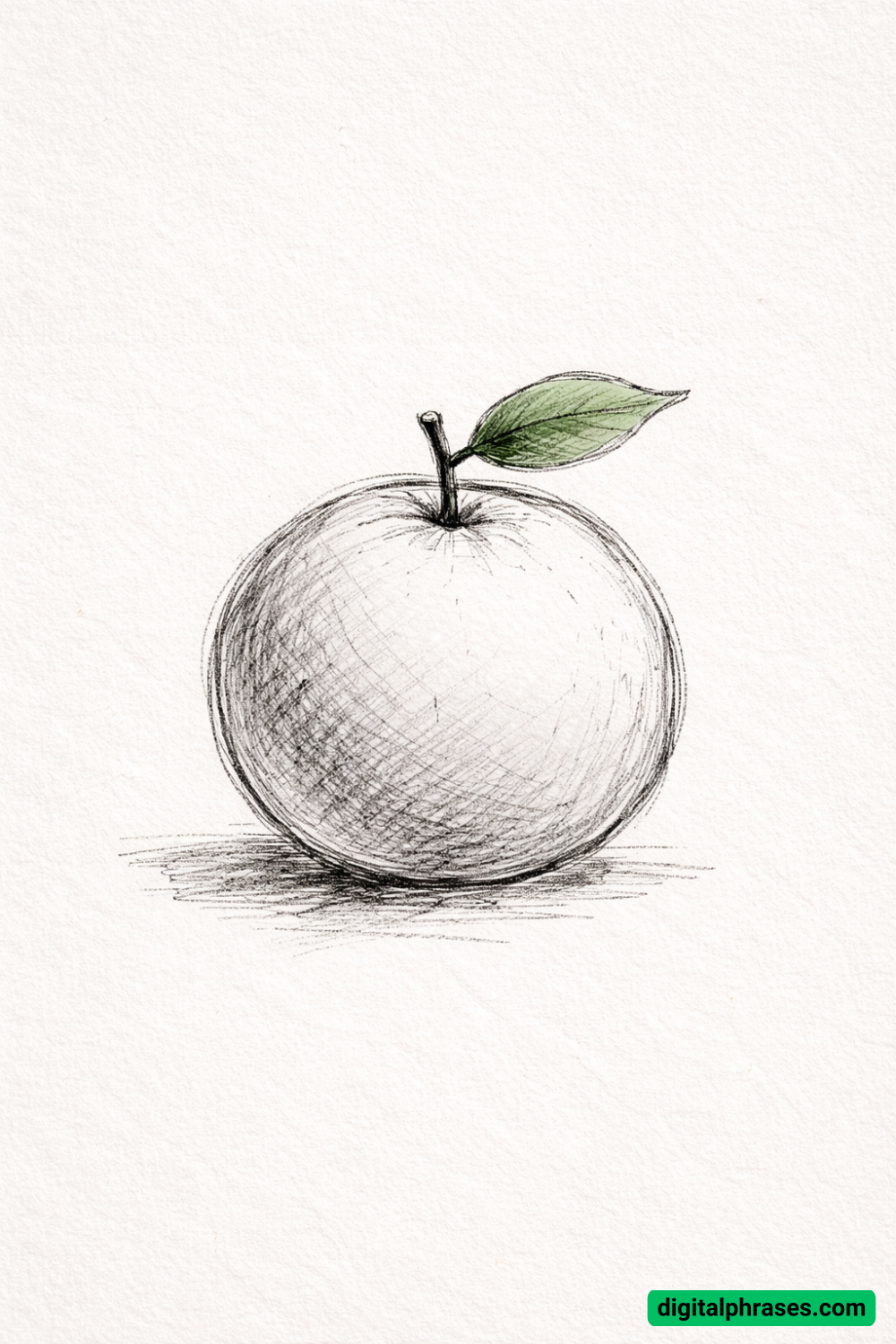
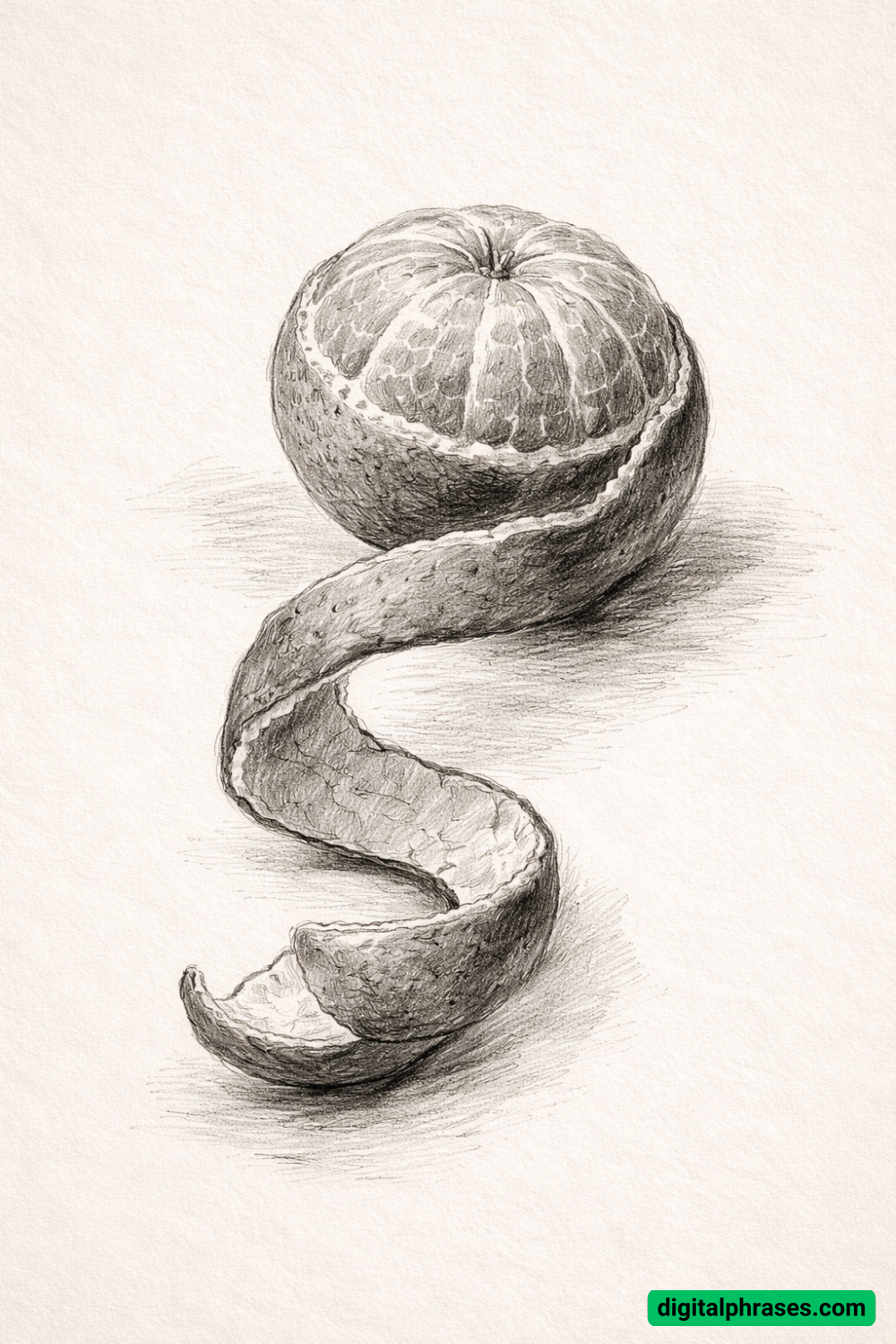
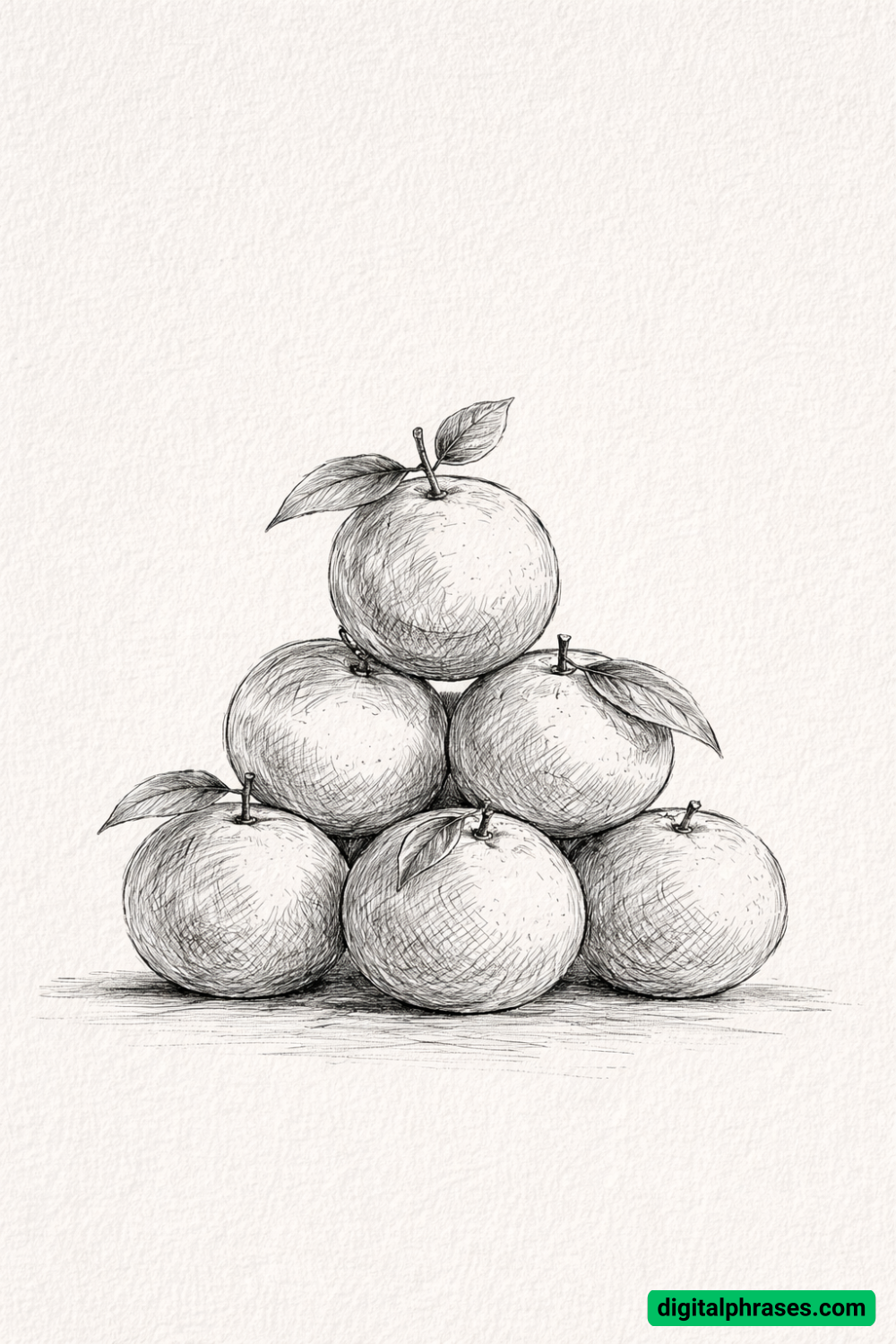
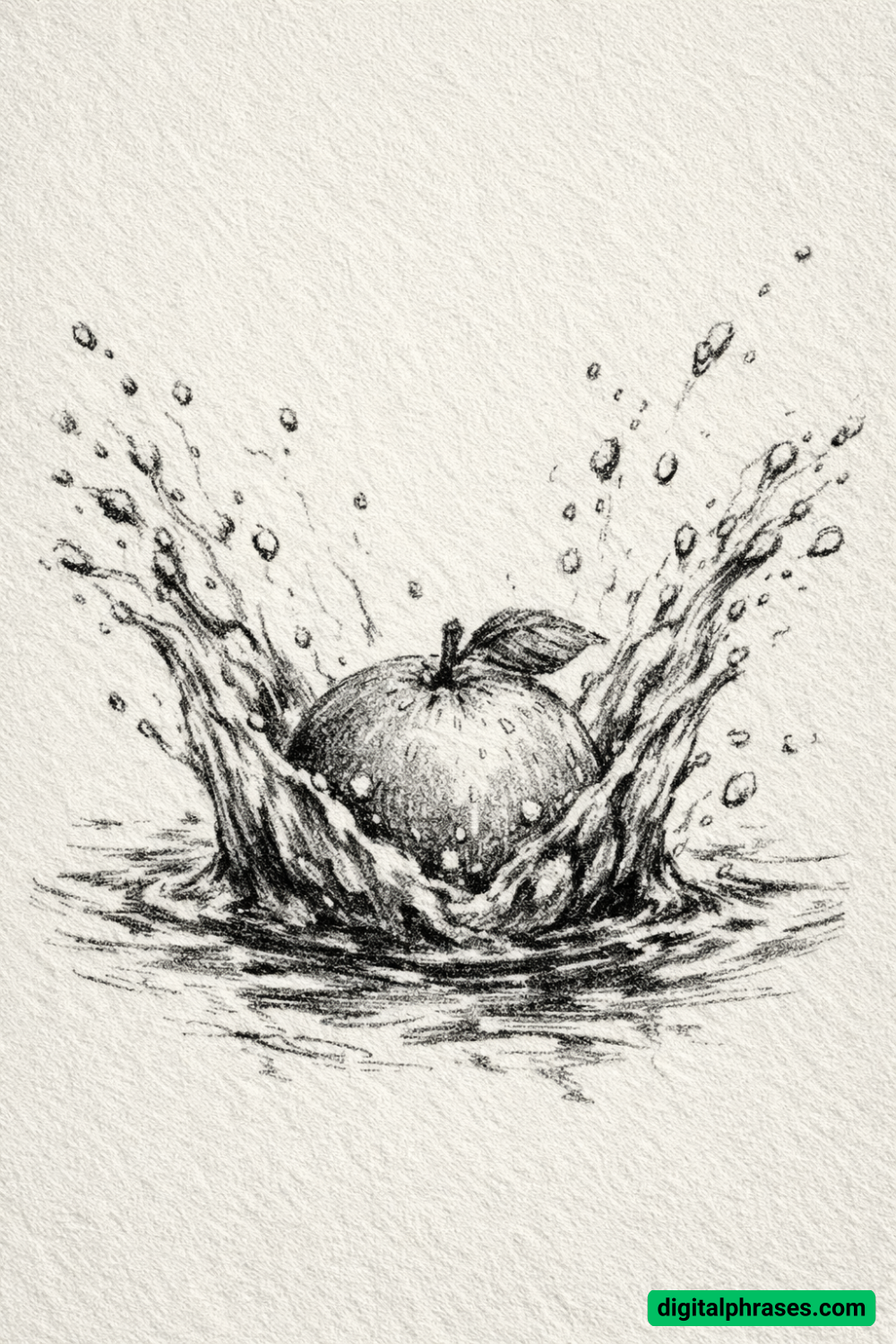
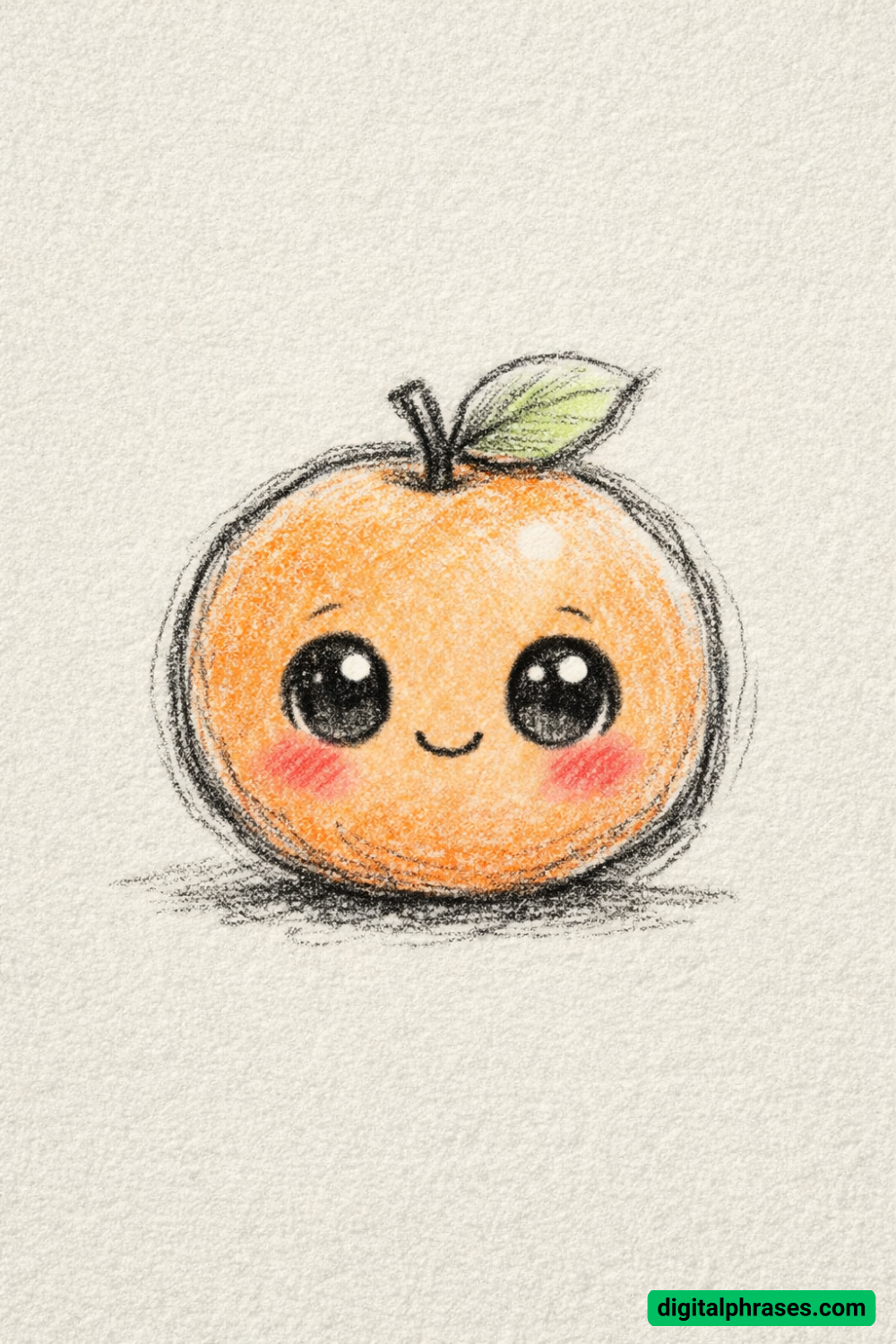
Oranges are a great subject for drawing because of their bright color, round shape, and interesting textures.
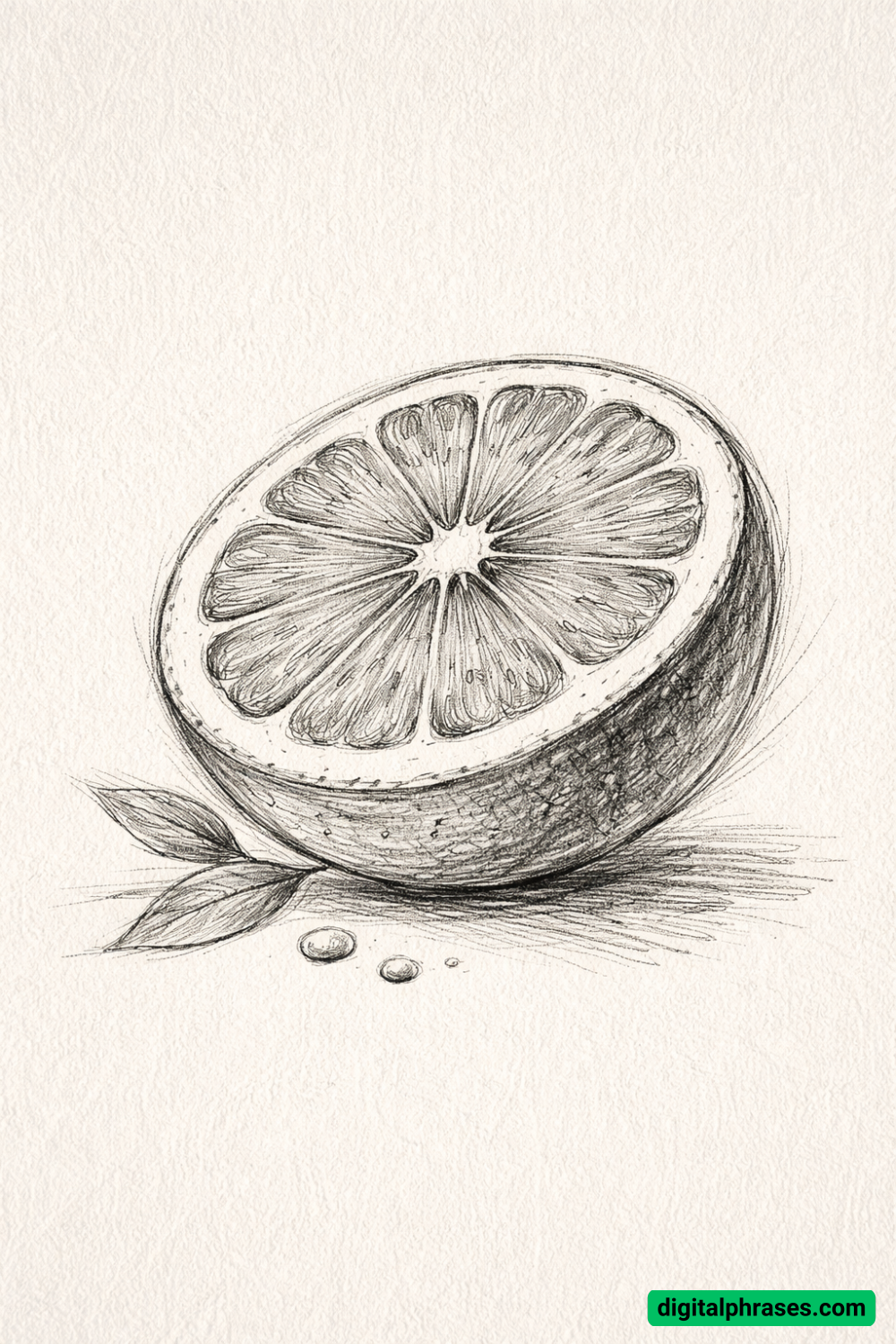
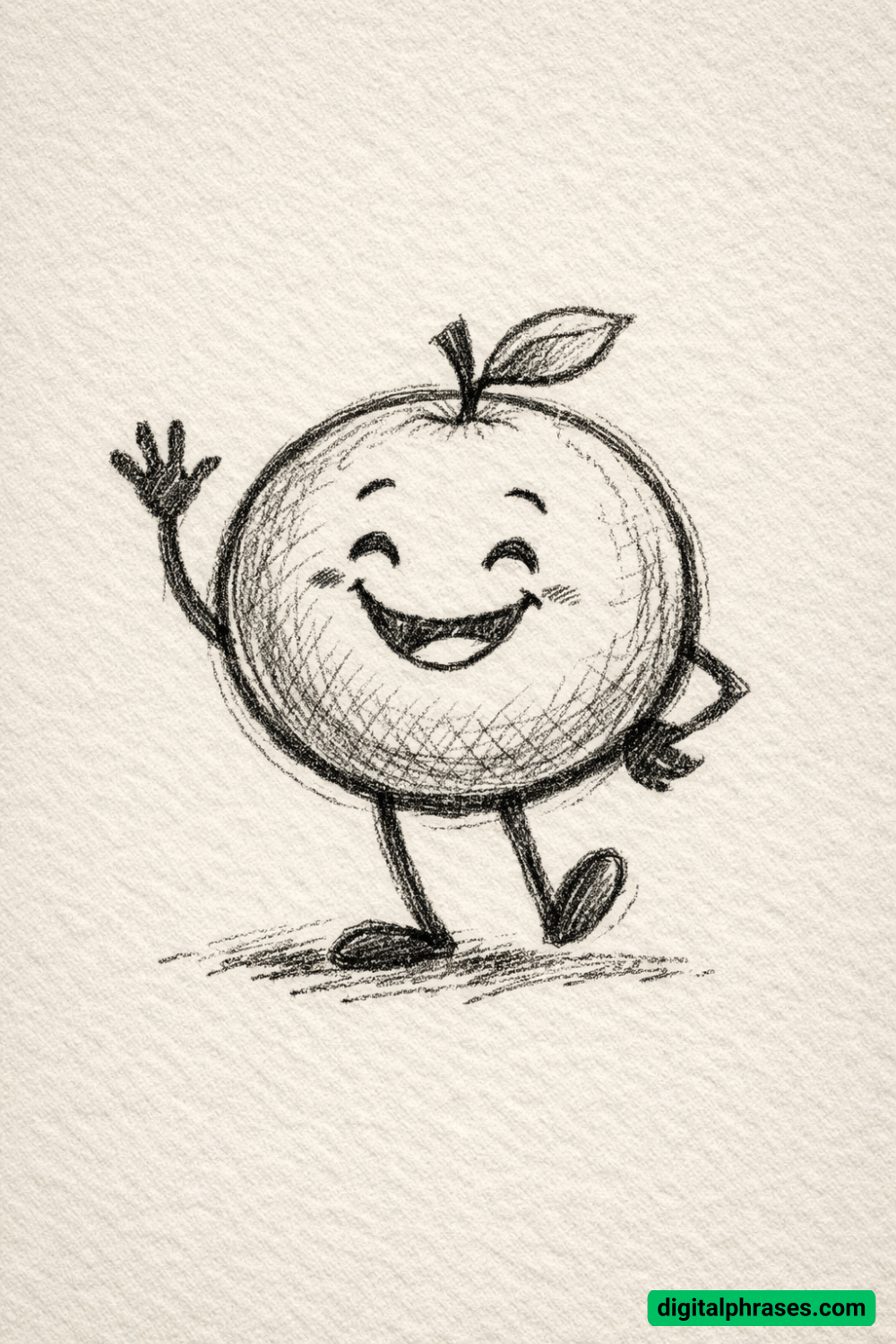
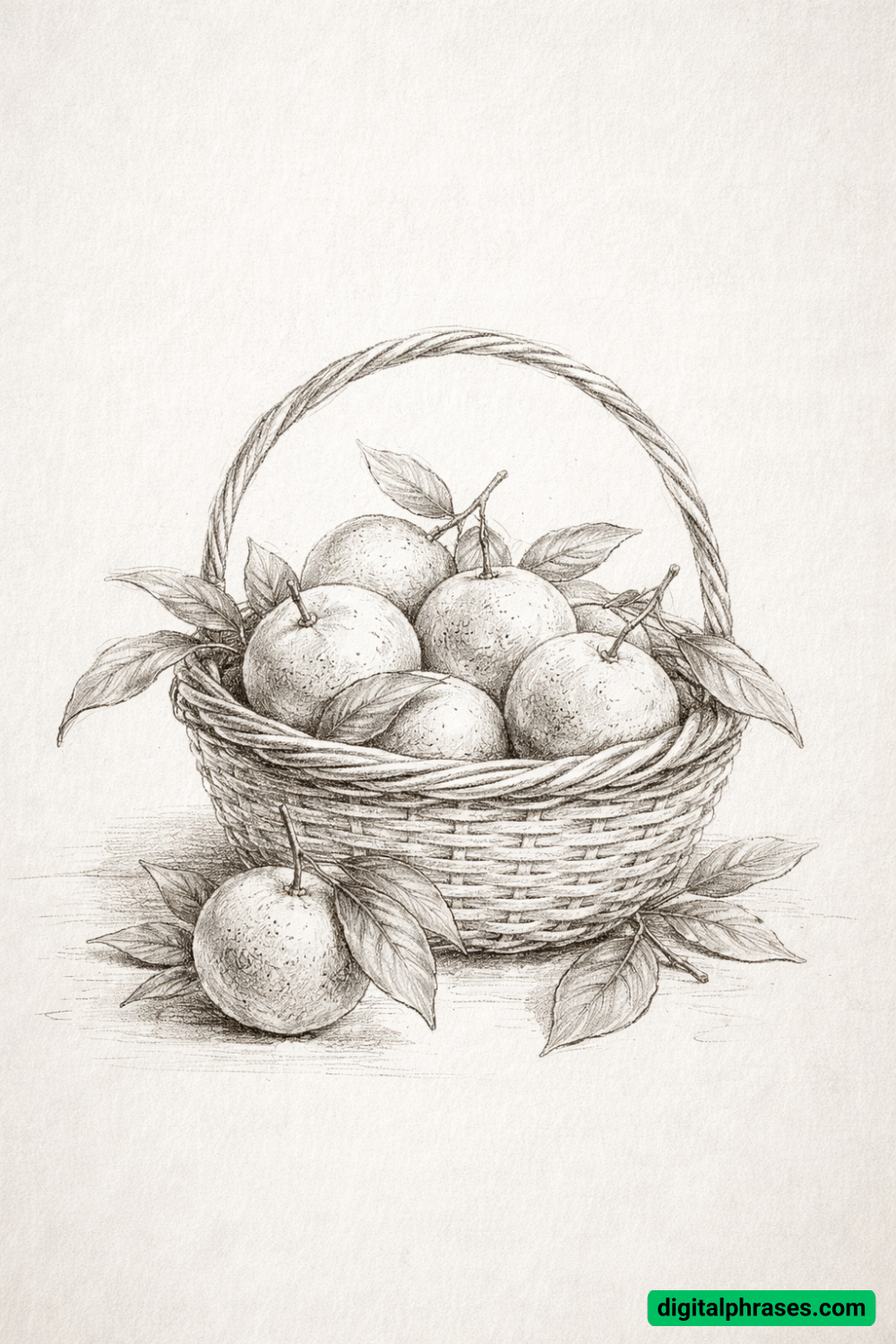
In this blog, you’ll find some orange drawing ideas that range from simple sketches to more creative concepts. These ideas can help you practice shapes, shading, and creativity while having fun with a familiar fruit.
Orange Drawing Ideas
1
2
3
4
5
6
7
8
9
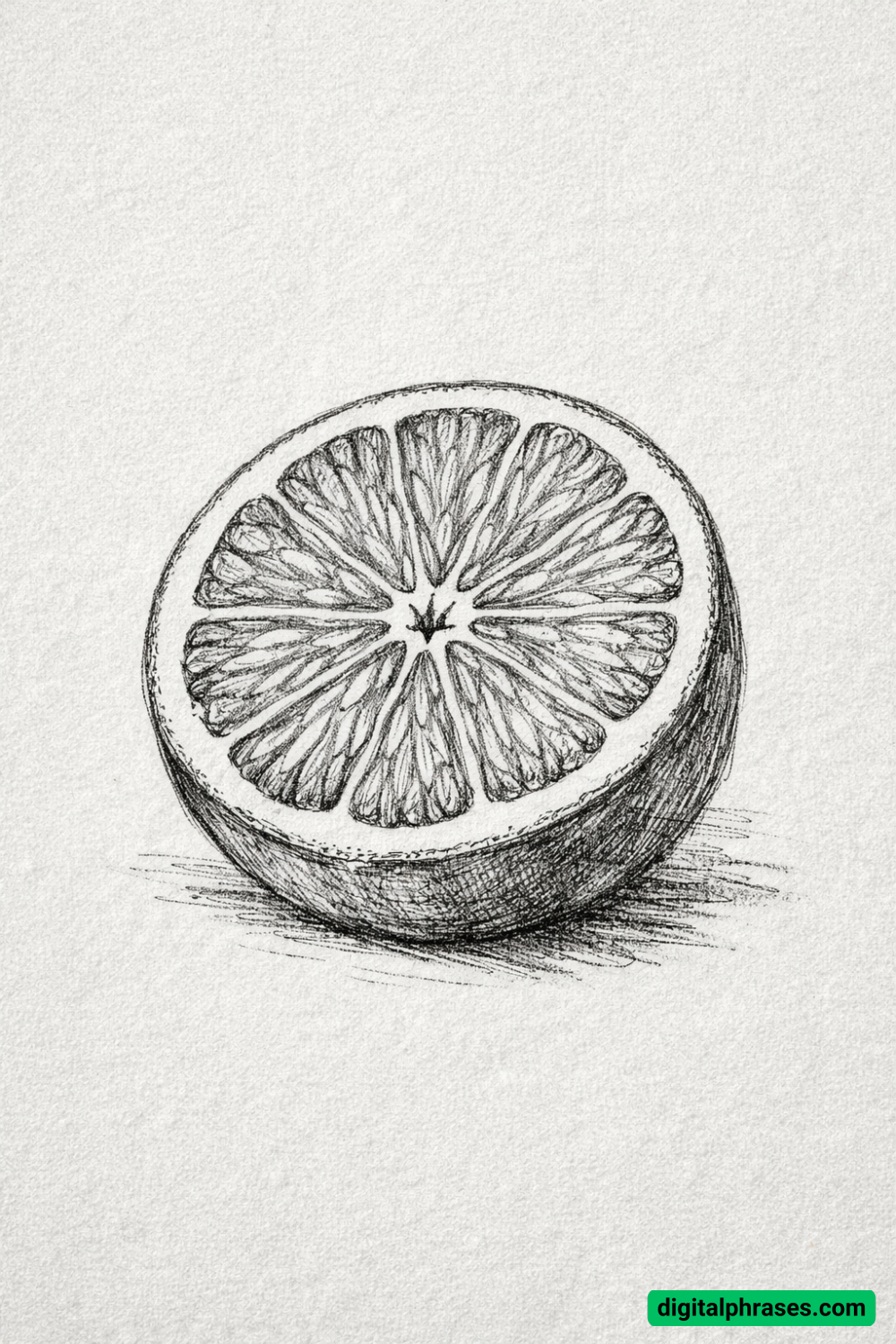
10
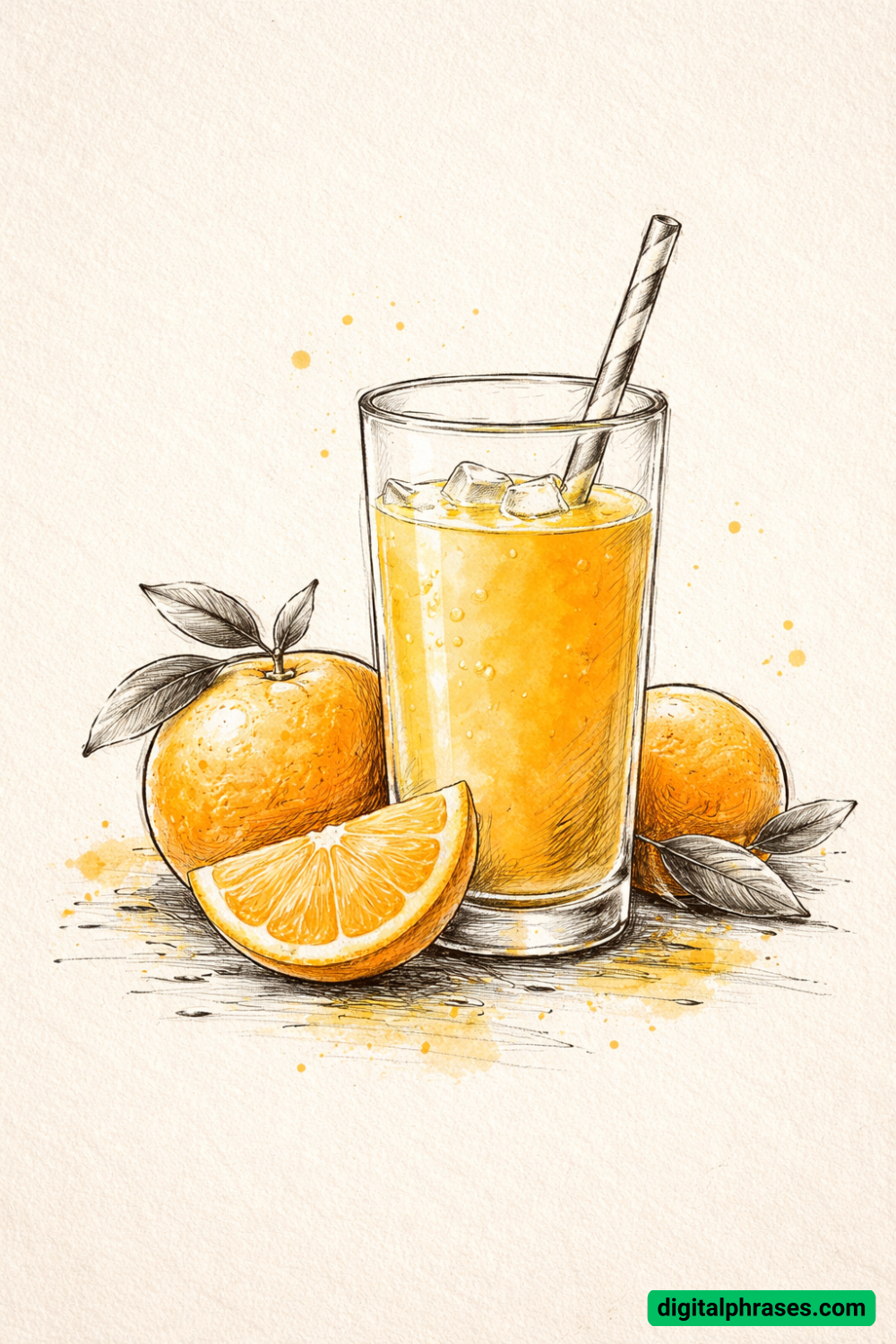
11
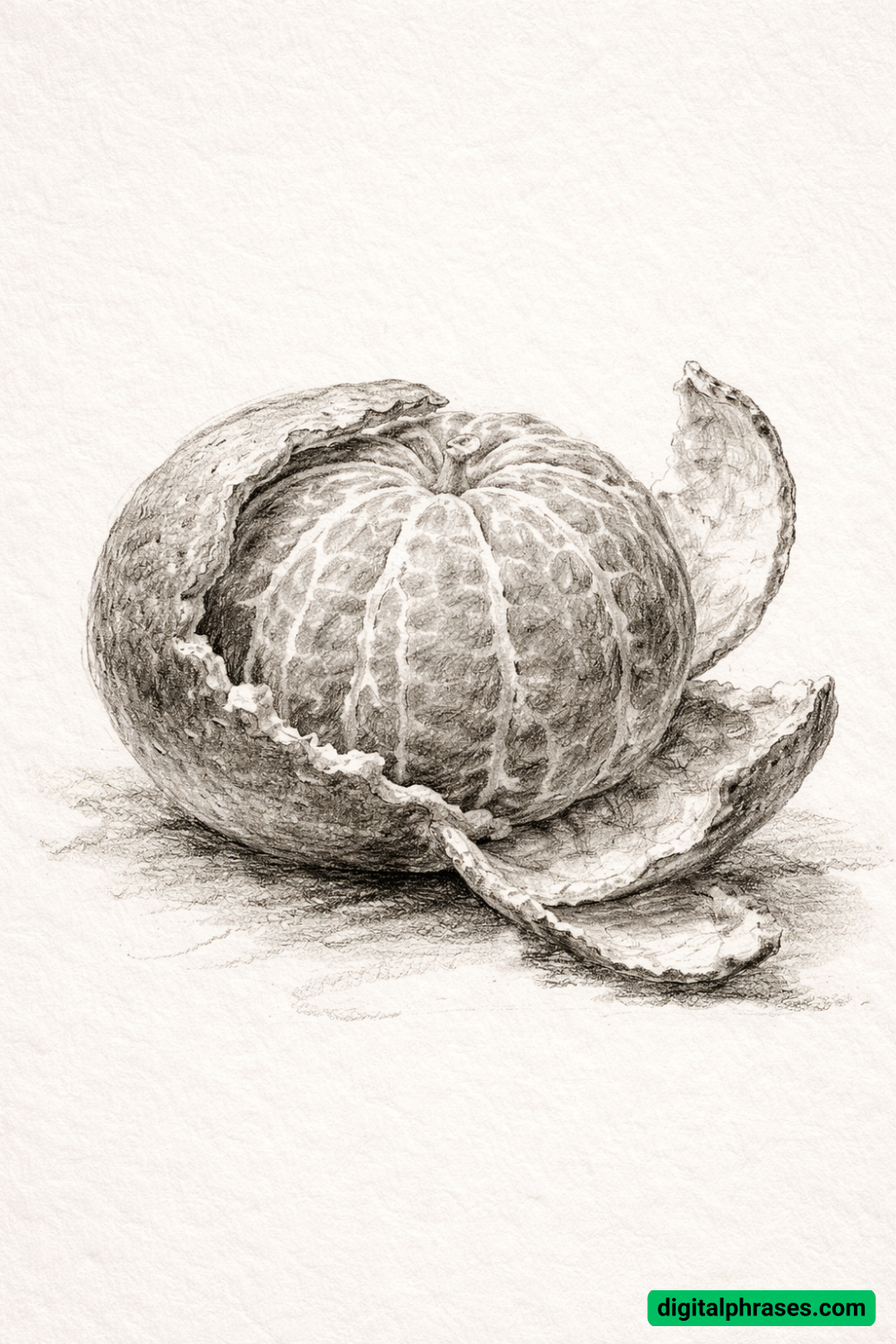
12
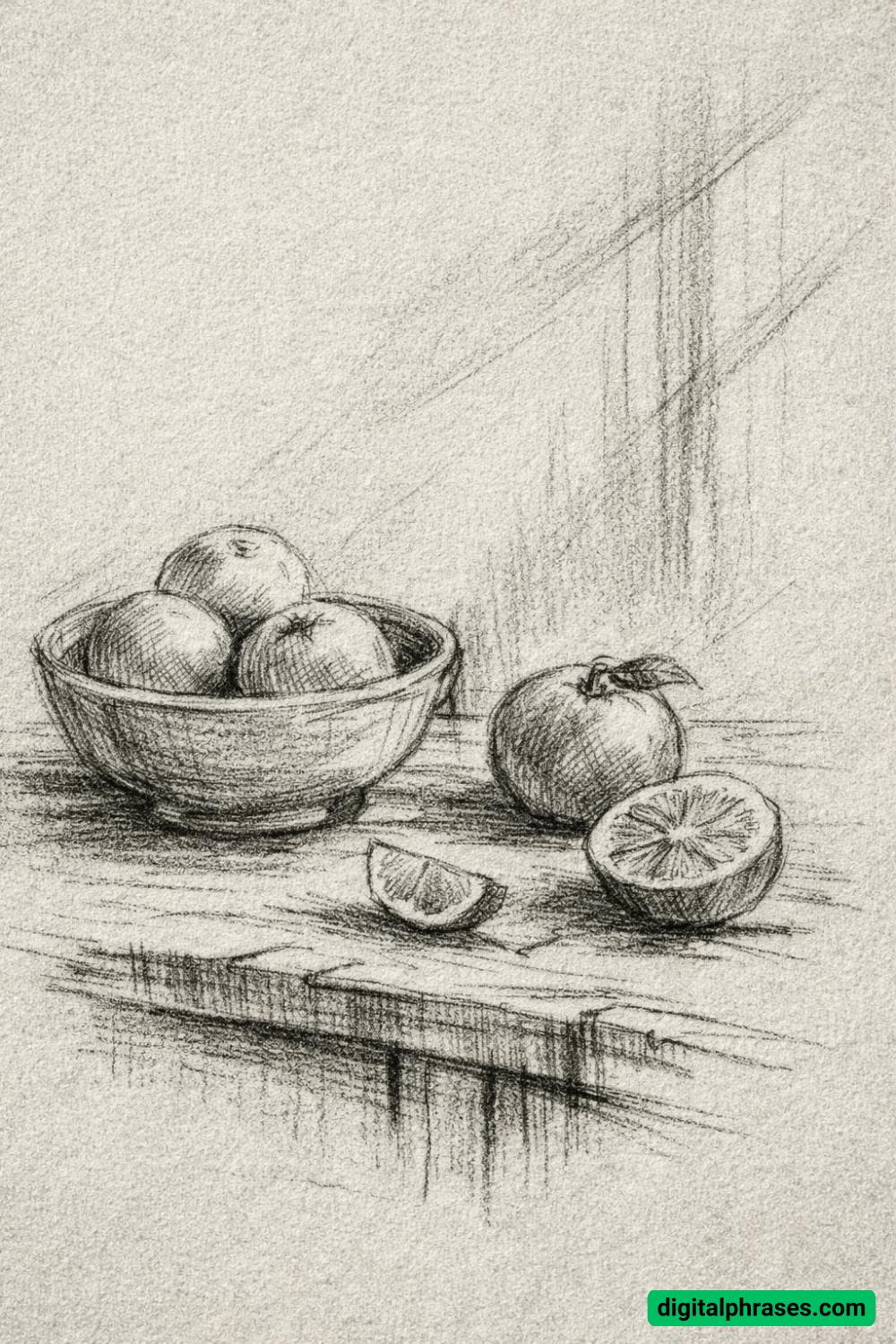
13
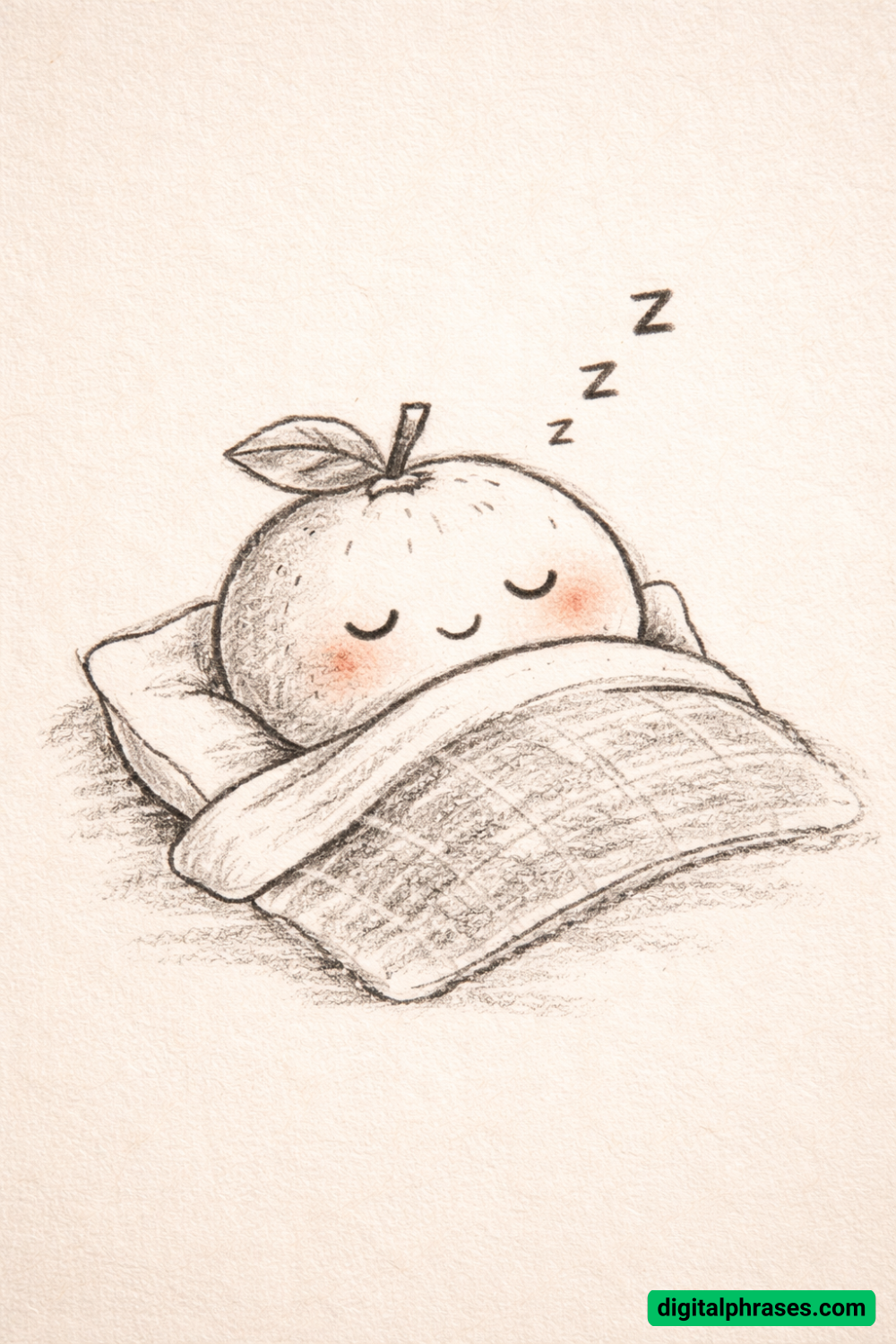
14
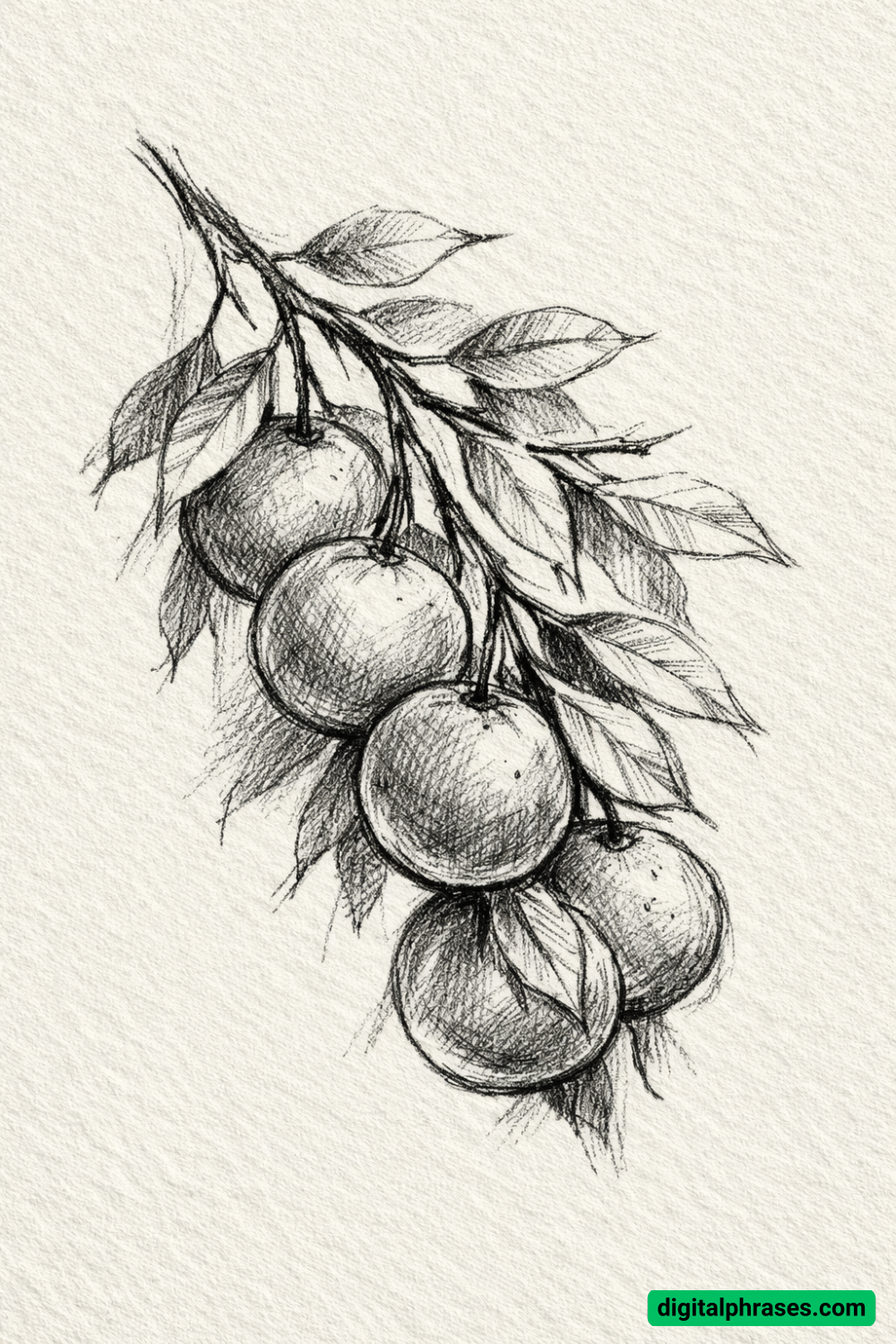
15
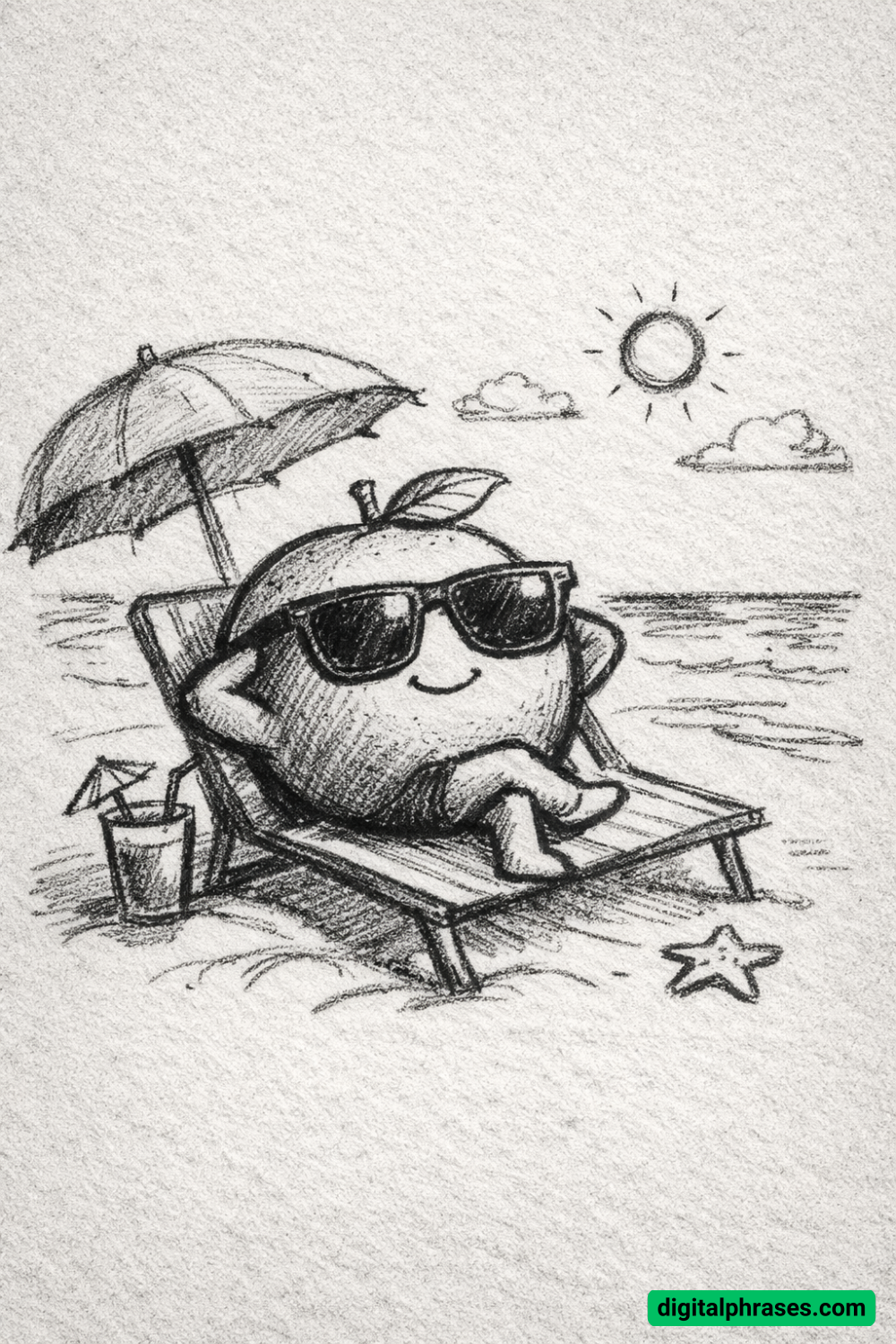
16
Tips on Drawing an Orange
1. Start with a Simple Circle
The first step in drawing an orange is starting with a basic circle. Since oranges are naturally round, a circle provides the perfect foundation for your sketch. Don’t worry about making the circle perfectly symmetrical—real oranges are not perfectly round. A slightly uneven shape can actually make your drawing look more natural and realistic.
Lightly sketch the circle using a pencil so you can easily erase and adjust it if needed. Many artists use loose, light strokes instead of pressing hard on the paper. This helps you refine the shape as you go. If you’re drawing multiple oranges, you can vary the size and shape of each circle to make the composition look more interesting.
Practicing circles regularly can also improve your overall drawing skills. It trains your hand control and helps you understand proportions better. Even though it seems simple, mastering basic shapes like circles is an important step in creating good drawings.
2. Observe Real Oranges for Reference
One of the best ways to improve your orange drawings is by observing a real orange. Look closely at its shape, surface, and small details. You’ll notice that oranges often have slight bumps, small dimples, and sometimes a little stem or leaf at the top. These details help make your drawing look more realistic.
Pay attention to how light falls on the orange. Usually, one side is brighter while the other side is slightly darker. This natural variation creates depth and dimension in your drawing. If possible, place an orange on a table and observe it from different angles before you start sketching.
Using references helps artists understand real-life textures and forms. Even experienced artists rely on reference objects or photos. By studying real oranges, you train your eye to notice subtle details that make a big difference in your final drawing.
3. Add Texture to Show the Orange Peel
An orange’s peel has a unique texture that makes it different from smoother fruits like apples. To capture this texture, you can add small dots, tiny bumps, or soft shading across the surface. Avoid making the texture too uniform—natural textures are irregular.
Instead of drawing large circles or lines, use small, light marks scattered across the peel. You can also vary the pressure of your pencil to create different levels of texture. This technique helps your orange look more realistic and visually interesting.
If you’re working with colored pencils or markers, layering colors can also help represent the texture. A combination of light orange, darker orange, and subtle shadows can give the peel a more natural appearance. Taking time to build texture gradually will make your drawing look more detailed and lively.
4. Use Shading to Create Depth
Shading is essential when drawing oranges because it helps turn a flat circle into a three-dimensional object. Start by identifying where the light source is coming from. The side facing the light will be brighter, while the opposite side will have darker shadows.
Use gentle shading techniques such as blending, cross-hatching, or soft pencil strokes to build depth. Begin with light shading and gradually add darker tones where needed. This layering technique helps create a smooth transition between light and shadow.
Don’t forget to add a small highlight where the light hits the orange most strongly. This bright spot gives the fruit a realistic look and makes it appear round and glossy. With good shading, your orange will look much more lifelike and dimensional.
5. Practice Drawing Orange Slices
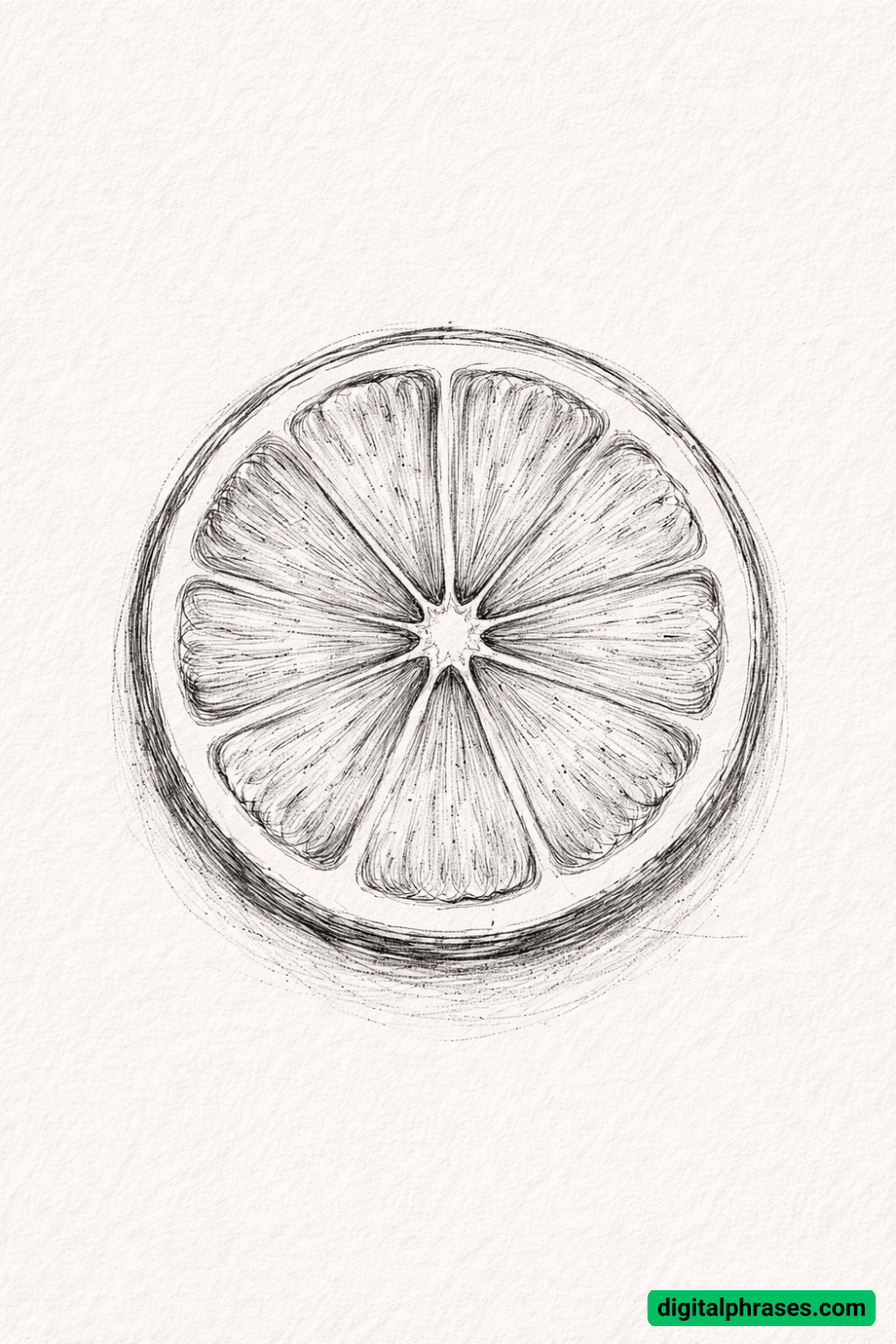
Drawing orange slices is a great way to practice more detailed fruit illustrations. When you cut an orange open, you can see the beautiful segments arranged inside. Each slice forms a triangular shape that connects to the center of the fruit.
Start by drawing a circle for the slice, then add a smaller circle in the middle to represent the core. From there, draw lines radiating outward to create the segments. You can refine each segment with slightly curved edges to make them look more natural.
Adding small details like juice lines, pulp texture, and the thin outer peel can make the slice look more realistic. Orange slices also give you a chance to experiment with brighter colors and layered shading. Practicing slices not only improves your drawing skills but also makes your artwork more dynamic and visually appealing.