21 Manga Drawing Ideas
You know when you sit down with a blank page, pencil in hand, and your brain suddenly decides to take a vacation?
Yeah, that’s me every time I try to come up with a new manga drawing idea. It’s like the creative part of my mind packs its bags, leaves a note that says, “BRB, figuring out life,” and leaves me staring at the paper, wondering if I should just draw a stick figure and call it a minimalist masterpiece.
But hey, I know I’m not alone. If you’ve ever found yourself in this artistic crisis, where you spend more time wondering what to draw than actually drawing, then we’re in this together.
Fortunately, after numerous doodles that look more like abstract potato people than characters, I’ve gathered a list of fun and quirky manga drawing ideas to kickstart the inspiration. Hopefully, these will save both of us from the dreaded blank page paralysis.
Let’s dive in and get those pencils moving!
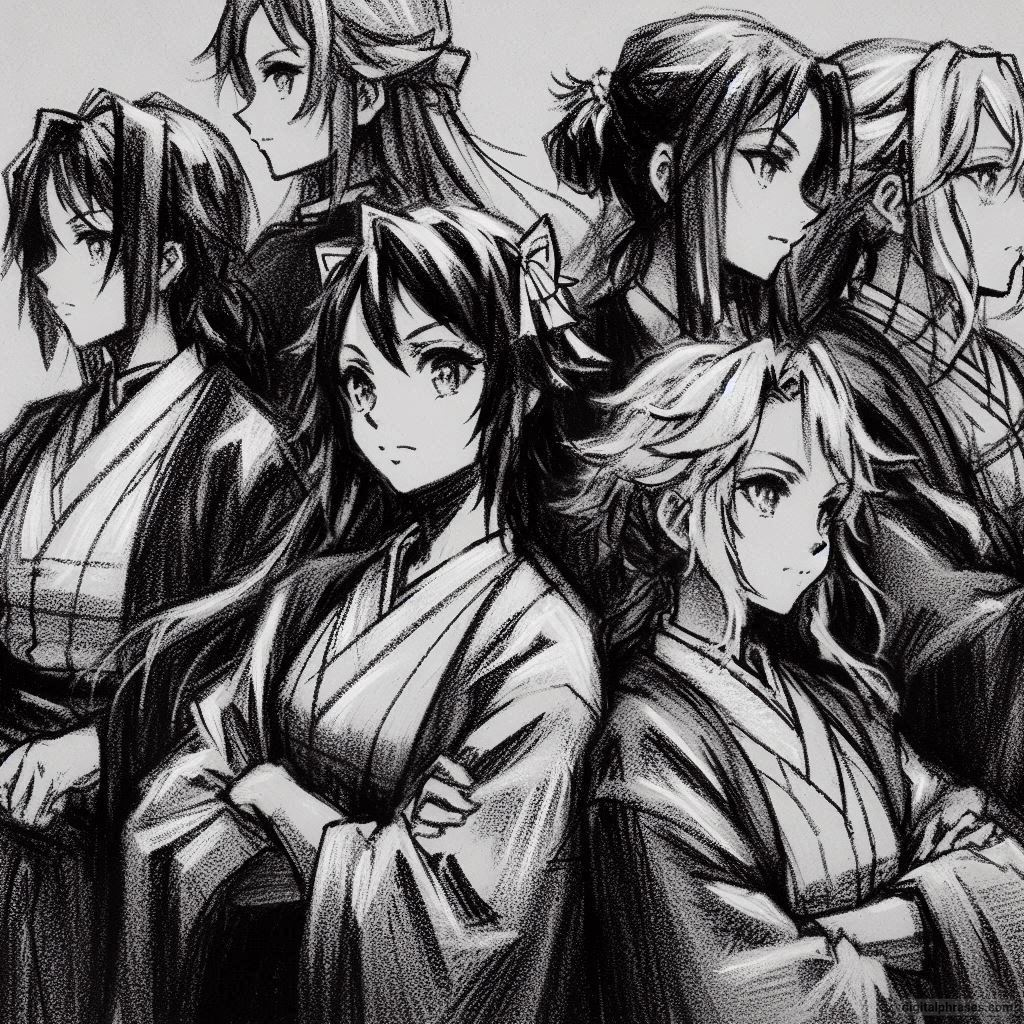
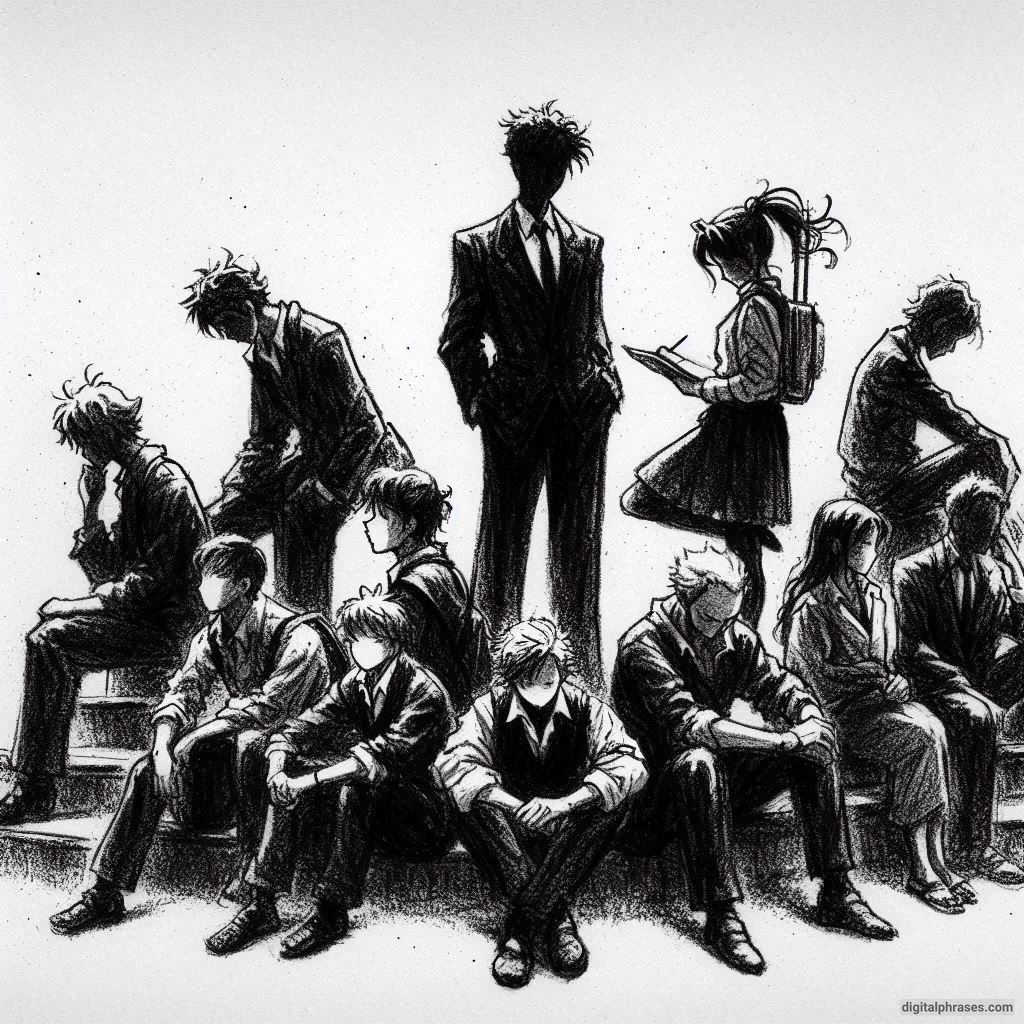
Manga Drawing Ideas
1
2
3
4
5
6
7
8
9
10
11
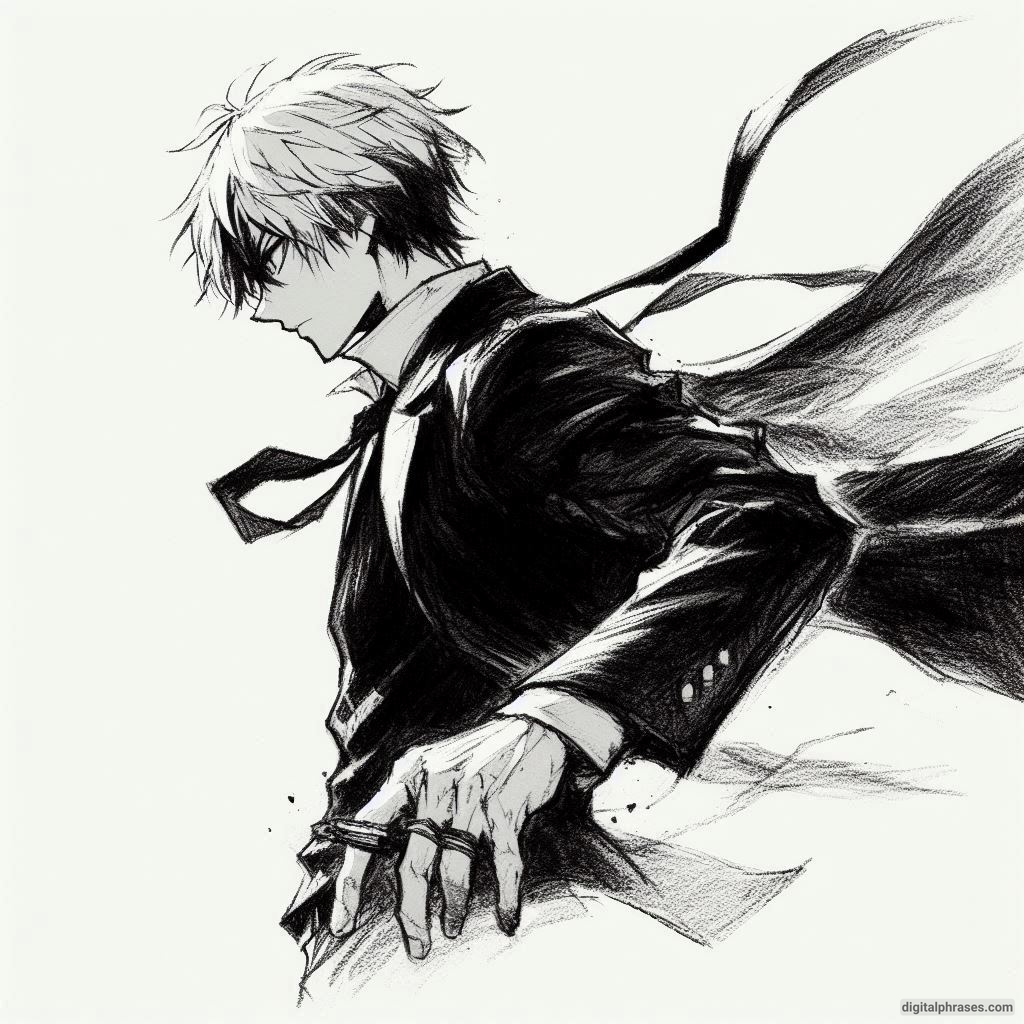
12
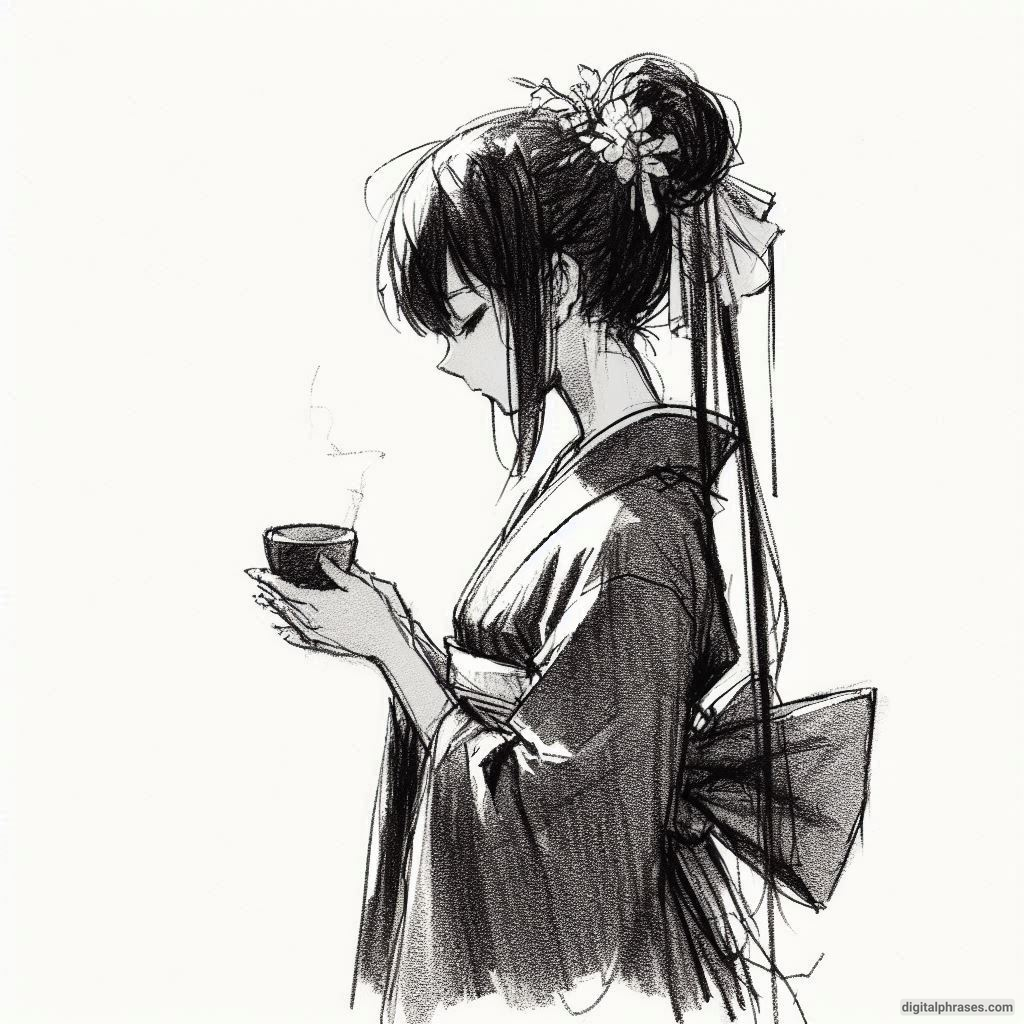
13
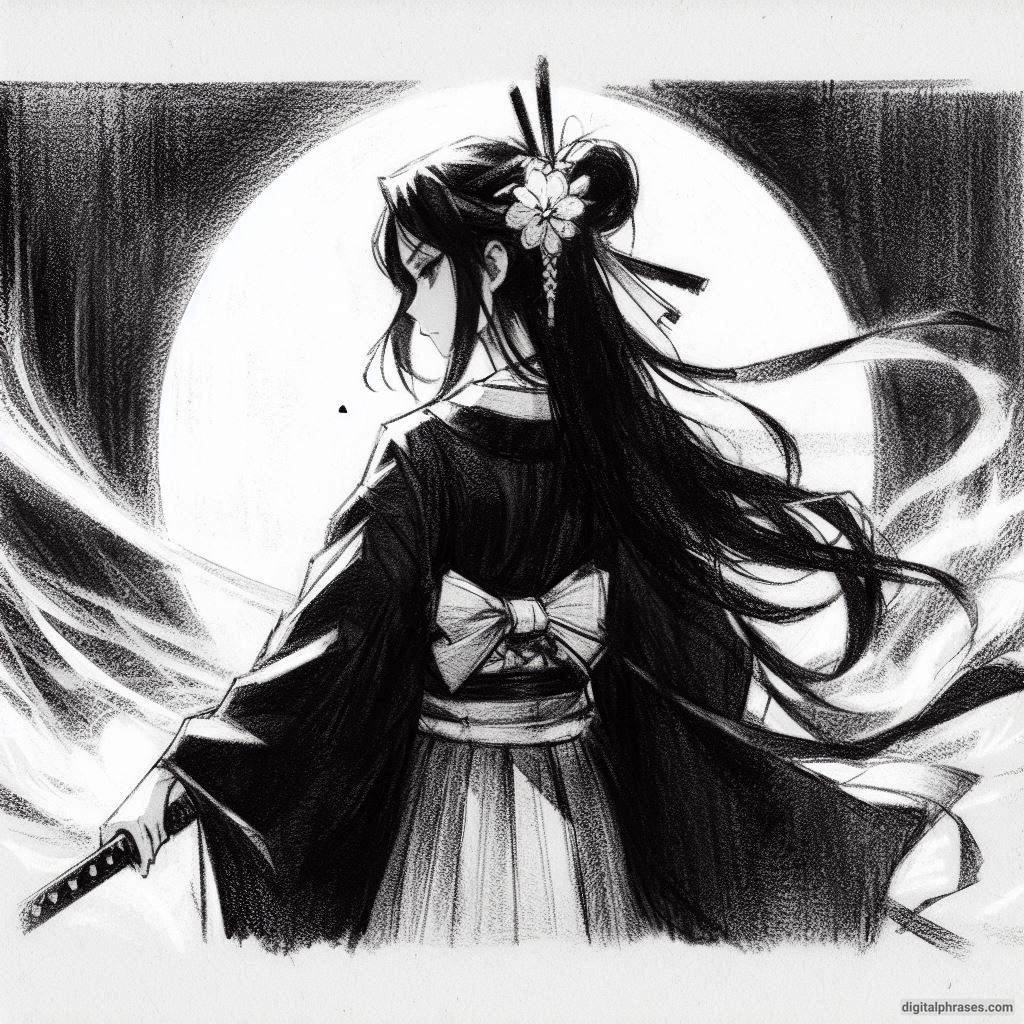
14
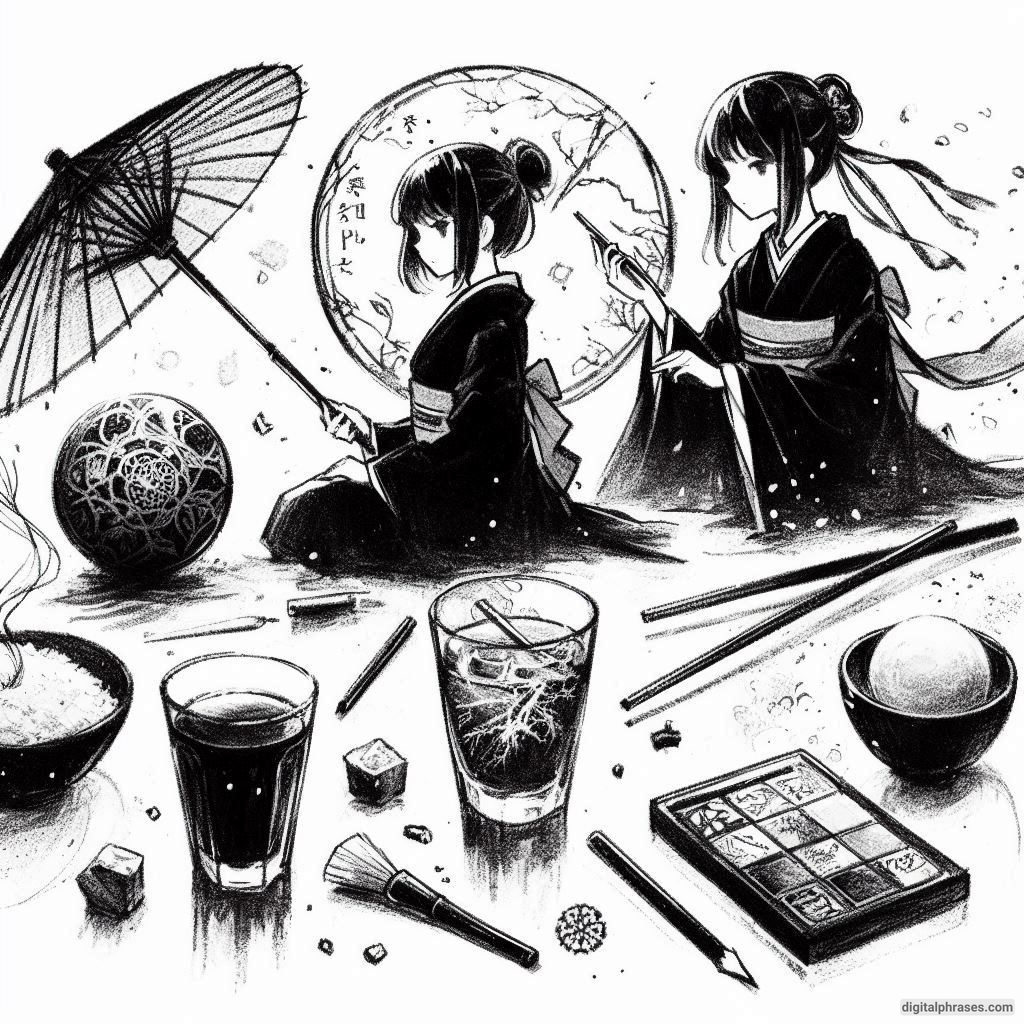
15
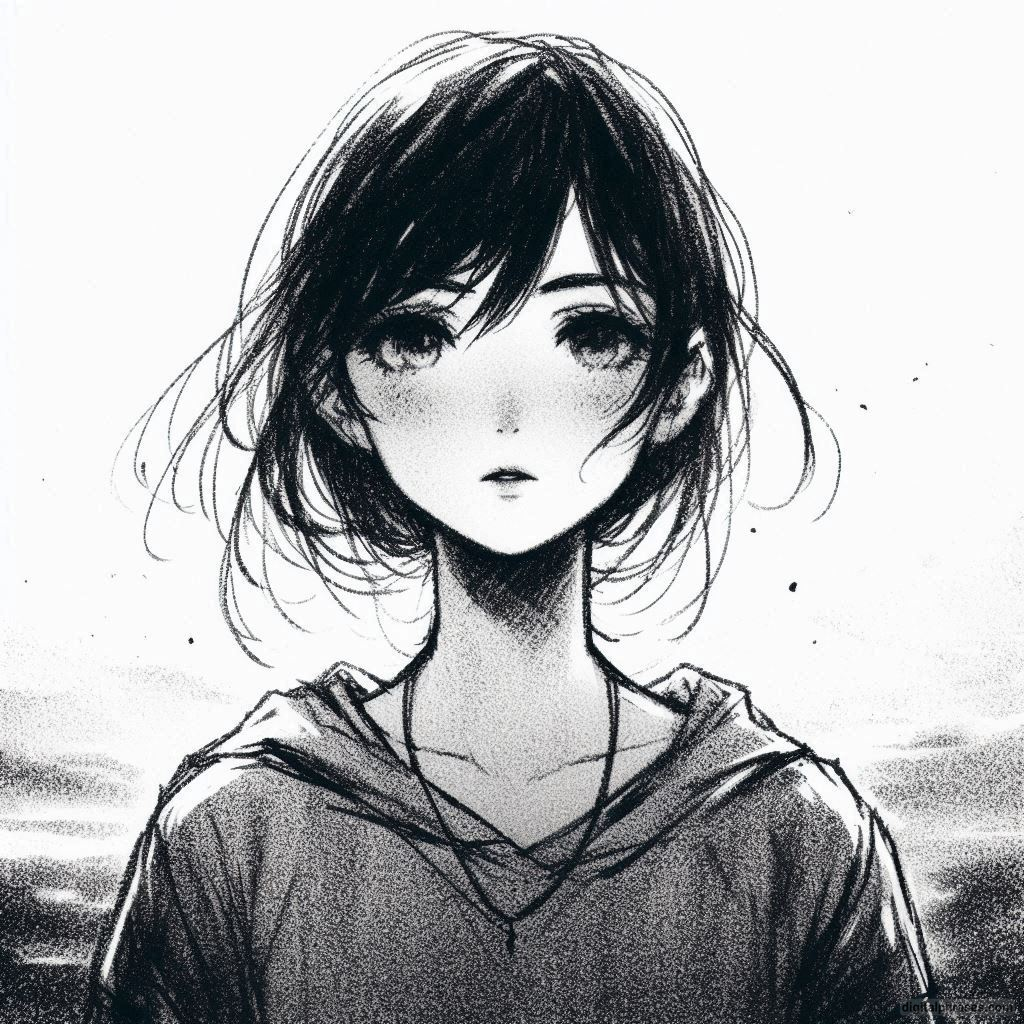
16
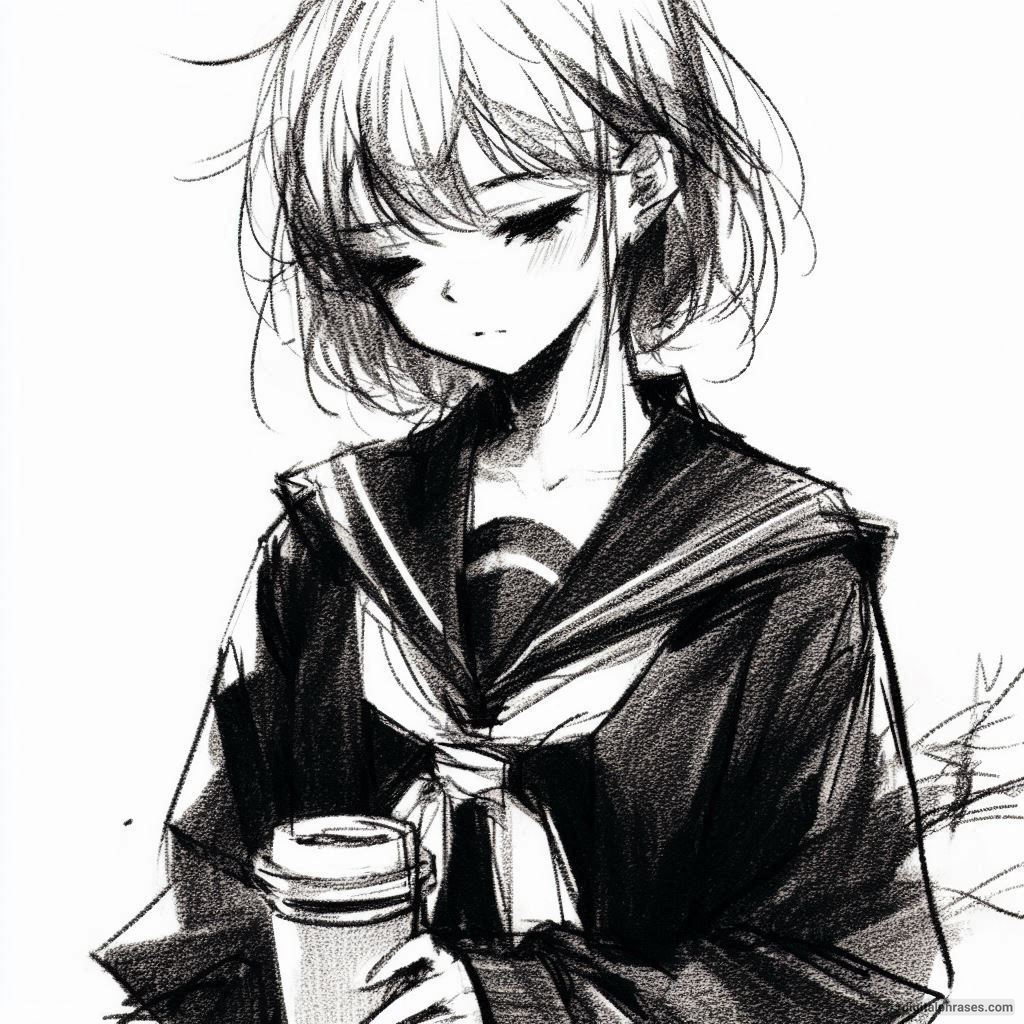
17
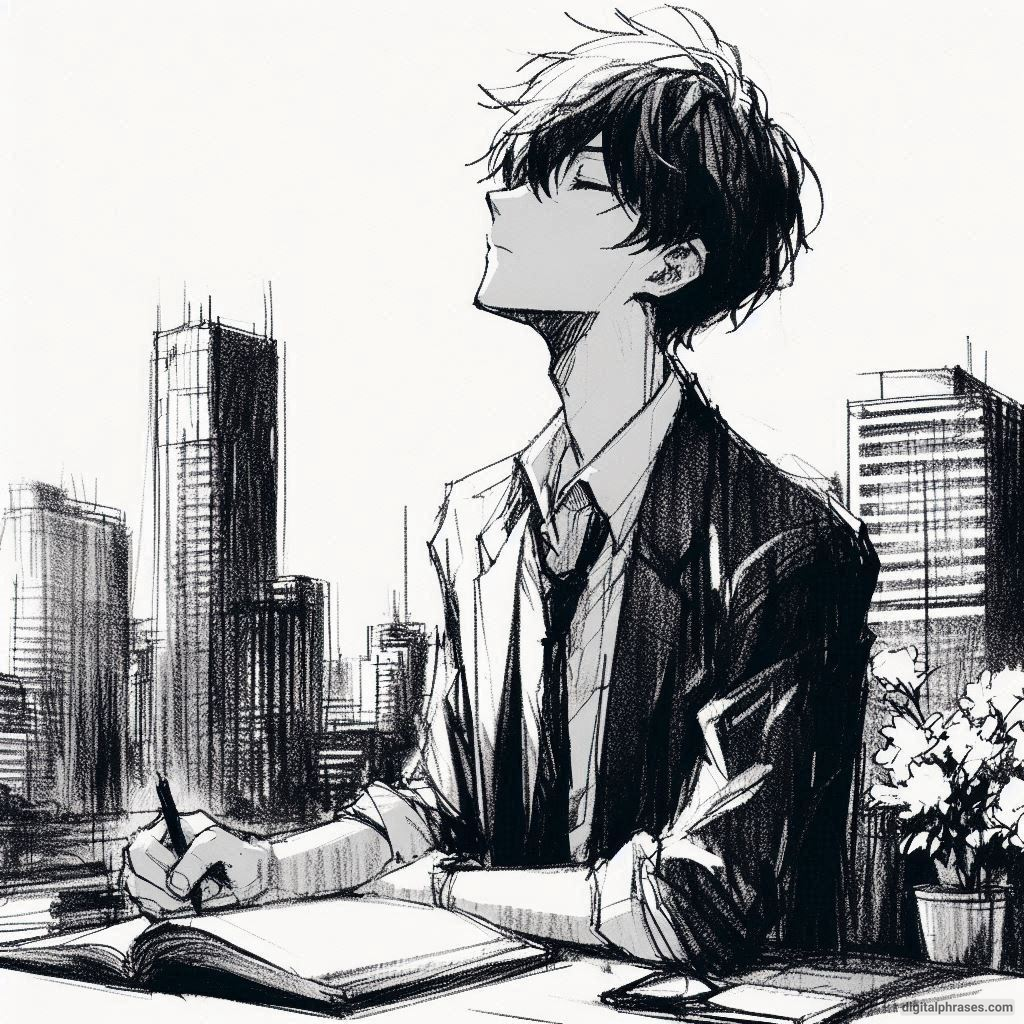
18
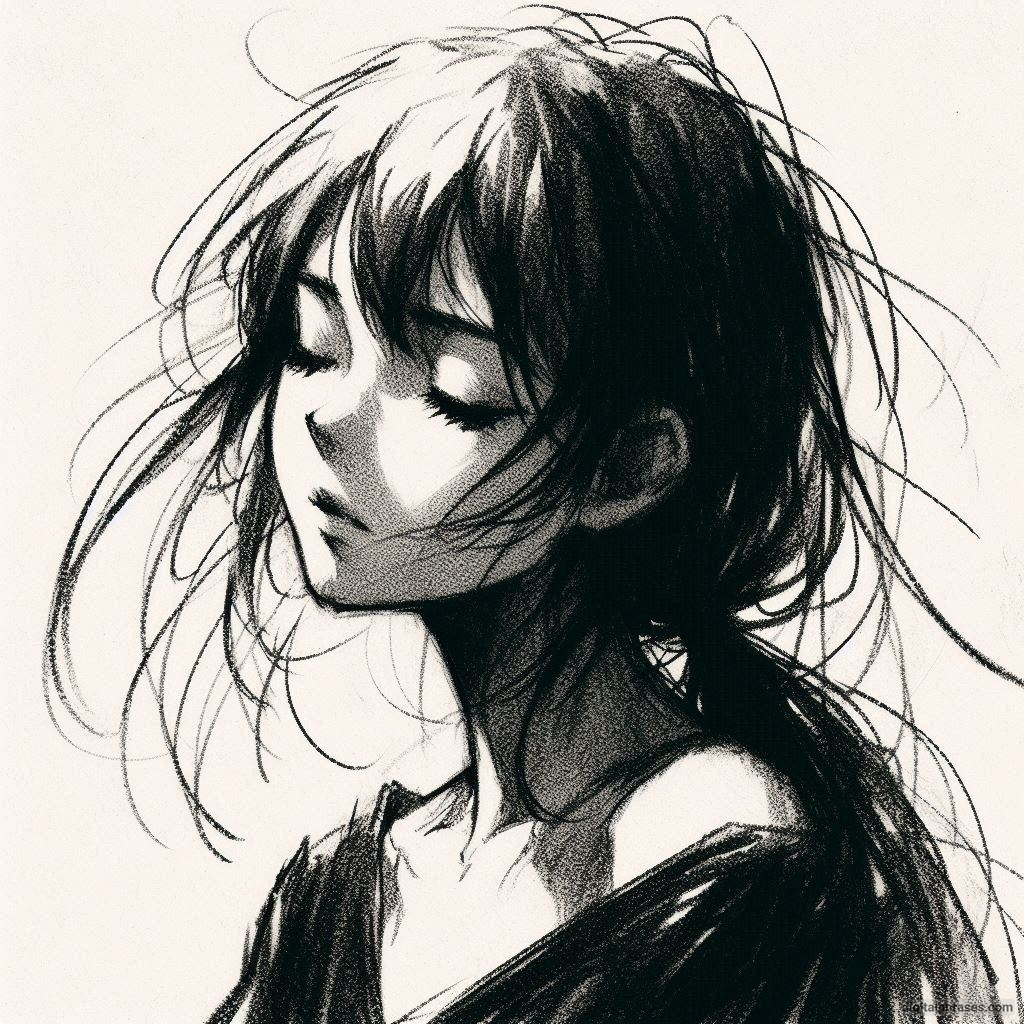
19
20
21
Things To Keep in Mind Before Drawing Manga
1. Characters Don’t Skip Leg Day… Or Any Day!
First things first, let’s talk about characters. I’ve spent more time trying to perfect a single hairstyle than I’d like to admit, but that’s not where the real struggle begins.
No, the real challenge comes when you realize that your character’s head looks like it belongs on a completely different body.
I once gave a character such a massive set of arms that he looked like he’d been exclusively working out his upper body for years.
Let’s just say, no one skips leg day in manga. Or torso day. Or hand day. Every part of your character matters.
You’ve got to get the proportions right. Manga tends to be a bit exaggerated (huge eyes, tiny mouths, and hair that looks like it defies the laws of gravity), but the basic rules of anatomy still apply.
Otherwise, you end up with a superhero whose arms are so long they can scratch their knees without bending over.
Not quite the epic battle scene I had in mind.
So, when you’re sketching characters, always keep proportions in mind. Use reference images if you have to—there’s no shame in looking at a human body to figure out where the elbow is supposed to go. Trust me, it’s better than ending up with an elbow where the knee should be. Been there. Drawn that.
2. Facial Expressions: The More Dramatic, the Better
Manga is known for its over-the-top facial expressions, and I love it. You know what I’m talking about—those moments when a character is shocked, and their eyes become bigger than their whole face, or they’re angry, and suddenly their mouth is wide enough to swallow a watermelon whole. These expressions are half the fun of drawing manga!
But there’s a fine line between “fun” and “what the heck is this creature?” One of my first attempts at drawing a surprised face ended with a character that looked like a startled fish. Not exactly what I was going for.
The trick is to study real-life emotions, exaggerate them just enough to make them pop, but not so much that your character looks like they belong in an alien invasion comic.
Start simple—practice the basics like happy, sad, angry, and shocked. Then you can gradually crank up the exaggeration. One of my personal favorite techniques is what I call the “intense scream.”
Just imagine the character yelling so loud they could be heard from space. It works for every situation—whether they’re mad, scared, or just had their ramen stolen.
3. Backgrounds Are Not Optional (I Learned That the Hard Way)
Oh, backgrounds. The bane of my existence.
If you’re anything like me, you might be tempted to just draw your characters floating in a white void forever. Honestly, who needs backgrounds when the characters are so good, right? Wrong. Turns out, even in the wild world of manga, your characters do need a place to exist. Go figure.
I used to avoid drawing backgrounds like the plague. My thought process was, “If I put all my effort into making the characters look cool, no one will notice that there’s literally nothing behind them.” Spoiler alert: people notice. And they will call you out on it.
So, lesson learned: don’t skip the background. But here’s the catch—backgrounds don’t need to be these ultra-detailed, perspective-perfect masterpieces.
It’s manga, not architecture. Simple lines, some shading, and a few objects can go a long way in giving your scenes depth. Pro tip: throw in a couple of trees, some buildings, or just random street signs.
Suddenly, your character goes from floating in space to standing in a bustling city (or a desolate forest, depending on how many trees you feel like drawing).
4. Hands: Nature’s Cruel Joke
Let’s talk about hands for a second. I don’t know who decided that hands should be so complicated to draw, but they’re probably laughing at us from wherever they are.
Honestly, hands are just nature’s cruel joke on artists. I can’t tell you how many times I’ve tried to draw a hand, only for it to end up looking like a misshapen claw or a weirdly large mitten.
And don’t even get me started on fingers—they either look like sausages or noodles, with no in-between.
But don’t lose hope! Drawing hands is a skill that takes time, patience, and probably a bit of black magic to master. Start by studying your own hand (you’ve got two right there with you, unless you’re currently juggling something—then maybe later).
Take a look at how the fingers bend, how the thumb moves, and how the hand changes shape when you grip something.
Then, just keep practicing. One day, you’ll draw a hand that actually looks like a hand, and you’ll feel like you’ve conquered Mount Everest.
5. Perspective: The Silent Killer
Ah, perspective—another one of those things that sounds simple in theory but becomes a nightmare in practice.
At least, that’s how it felt the first time I tried to draw a character walking down a street.
Somehow, they ended up looking like a tiny ant next to a building that was shaped like a giant block of cheese. Not quite the action-packed street scene I had imagined.
Here’s the thing: perspective is important, but it’s not going to magically make sense on its own.
You’ve got to learn the basics. One-point perspective, two-point perspective, three-point perspective—yeah, it can feel like too many points.
But once you get the hang of it, it makes your drawings so much more dynamic. Characters will look like they actually belong in the world you’re creating instead of floating in the middle of nowhere (unless floating is part of your plot, then by all means, float away).
The key is practice. Start with simple objects—draw cubes, spheres, and cylinders from different angles, then slowly work your way up to more complex scenes.
And don’t be afraid to use perspective grids—they’re not cheating, they’re tools. Trust me, your future self will thank you when you’re not trying to guess where a building’s vanishing point is supposed to go.
6. Patience: Rome Wasn’t Built in a Day, and Neither Are Epic Manga Panels
Finally, if there’s one thing I’ve learned through my adventures in drawing manga, it’s that patience is key.
You’re not going to create a flawless masterpiece on your first try. In fact, your first few attempts might look like they were drawn by someone who’s never seen a human being before.
And that’s okay! Drawing manga is a journey, and like any good journey, it’s filled with trial, error, and probably a few crumpled-up sheets of paper thrown across the room in frustration.
Take your time, practice consistently, and don’t get discouraged if things don’t turn out the way you want them to right away.
I’ve had more failed attempts than I can count, but each one taught me something valuable. Plus, those wonky drawings make for a good laugh when you look back at them later.
So, embrace the process, enjoy the learning, and remember—there’s always time to fix that arm that looks like it belongs to a T-rex.