Zombie Drawing Ideas
Zombies have been a favorite subject for artists, horror fans, and creative doodlers for years. Whether you enjoy drawing creepy creatures, creating Halloween-themed artwork, or simply practicing character design, zombie drawings offer endless possibilities.
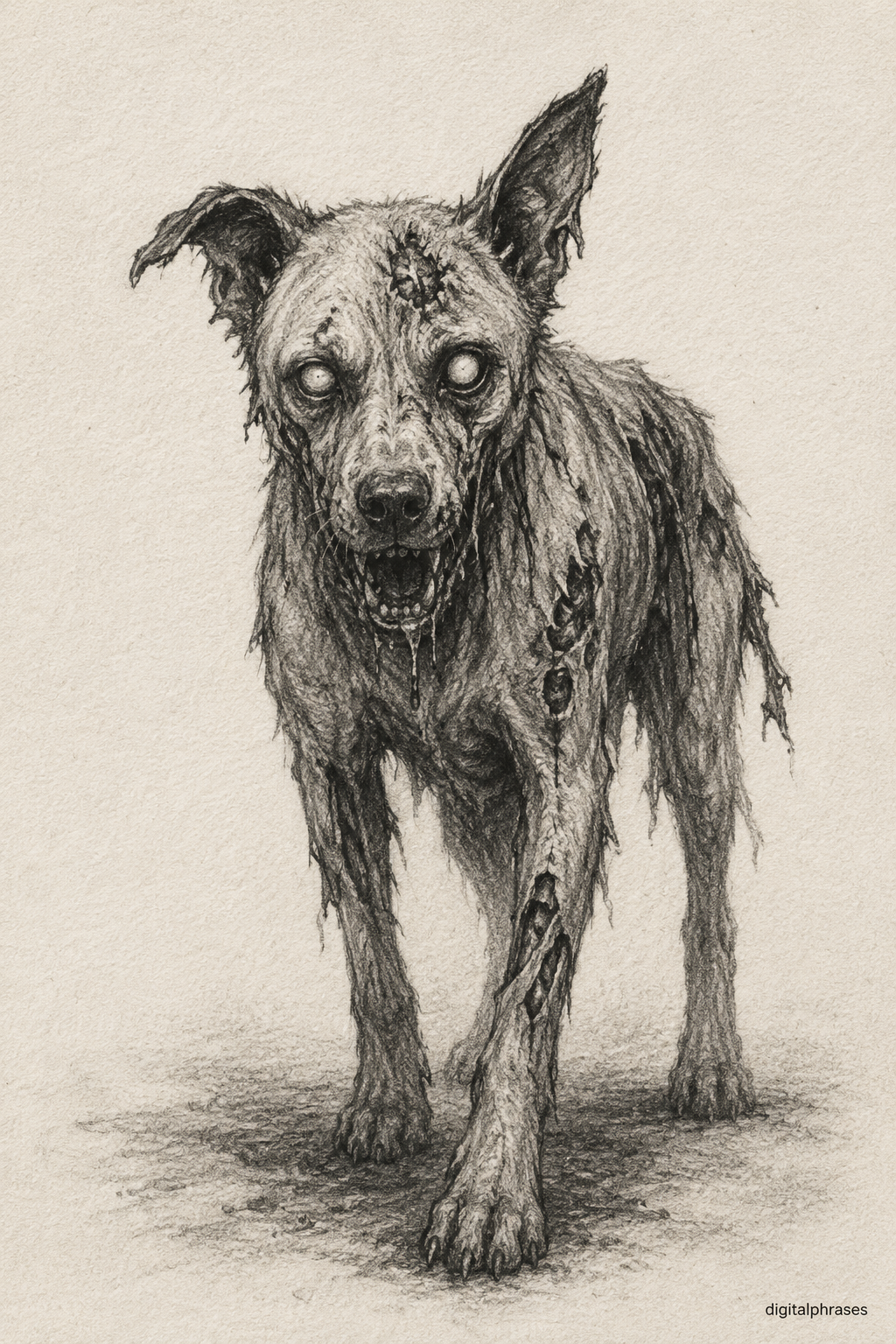
From classic undead walkers and zombie animals to funny cartoon zombies and detailed post-apocalyptic characters, there’s a style for every skill level. This collection of zombie drawing ideas is designed to inspire your creativity and help you explore different approaches to drawing the undead.
Grab your sketchbook, experiment with new details, and bring these spooky characters to life—or back from the dead.
Zombie Drawing Ideas
1
2
3
4
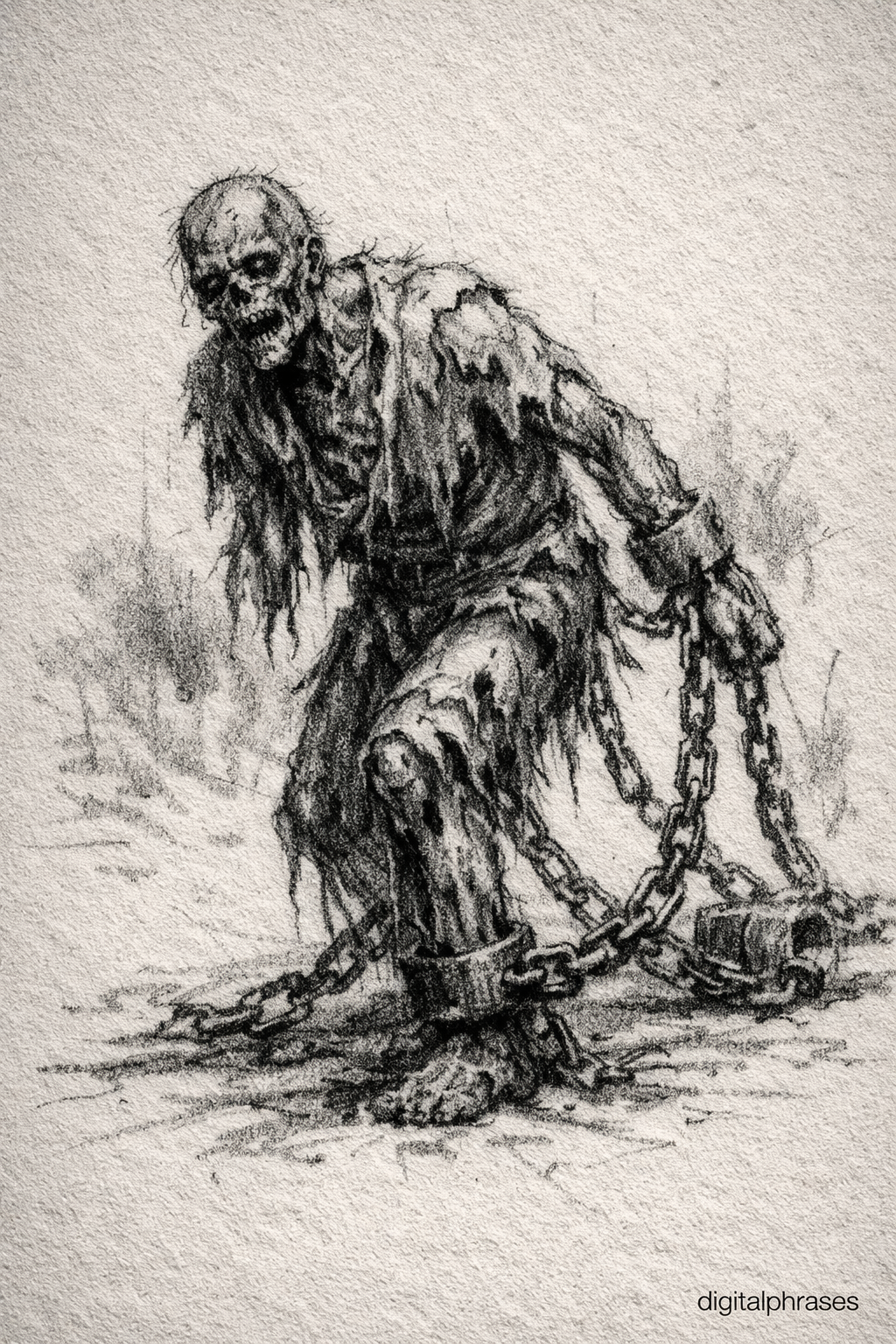
5
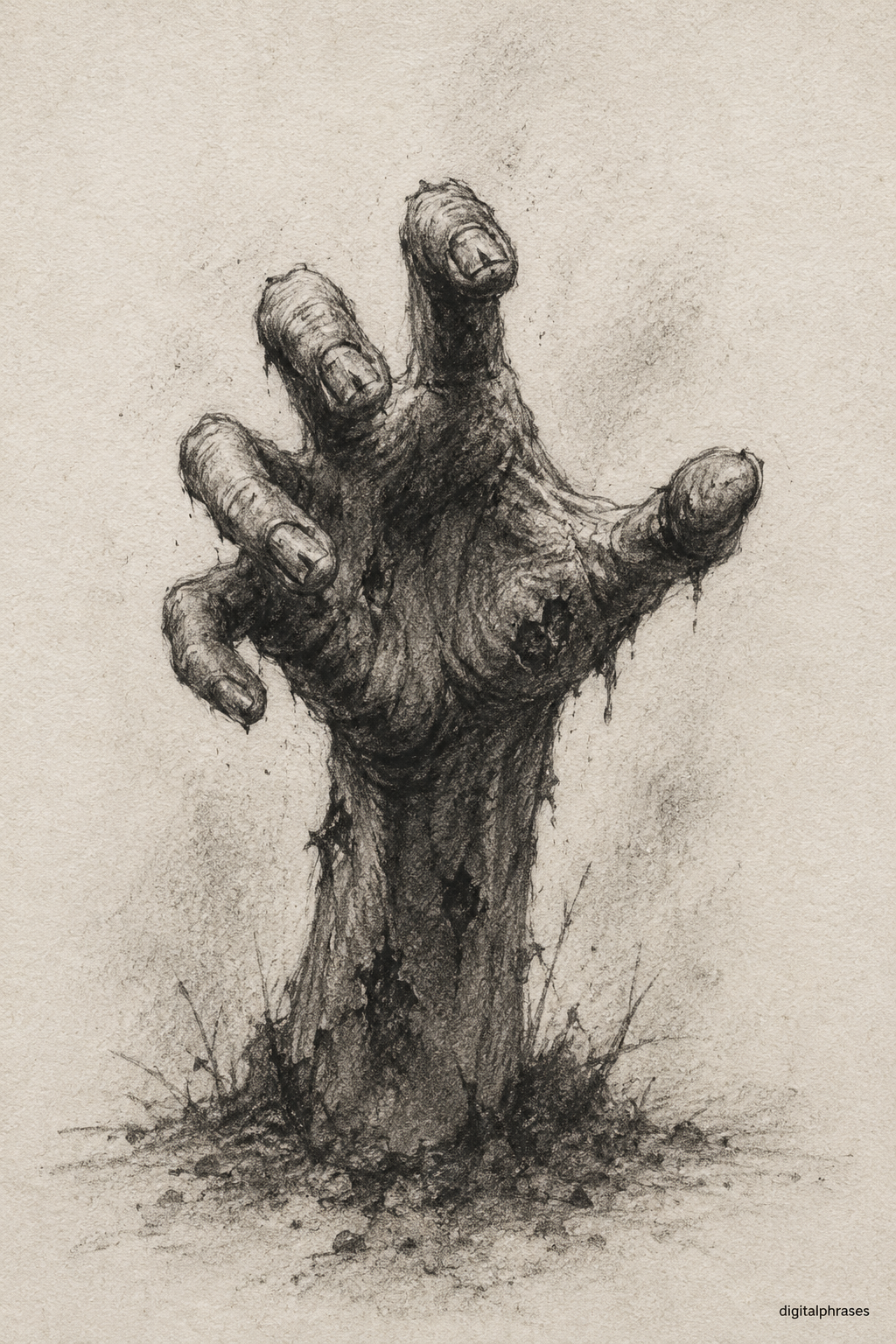
6
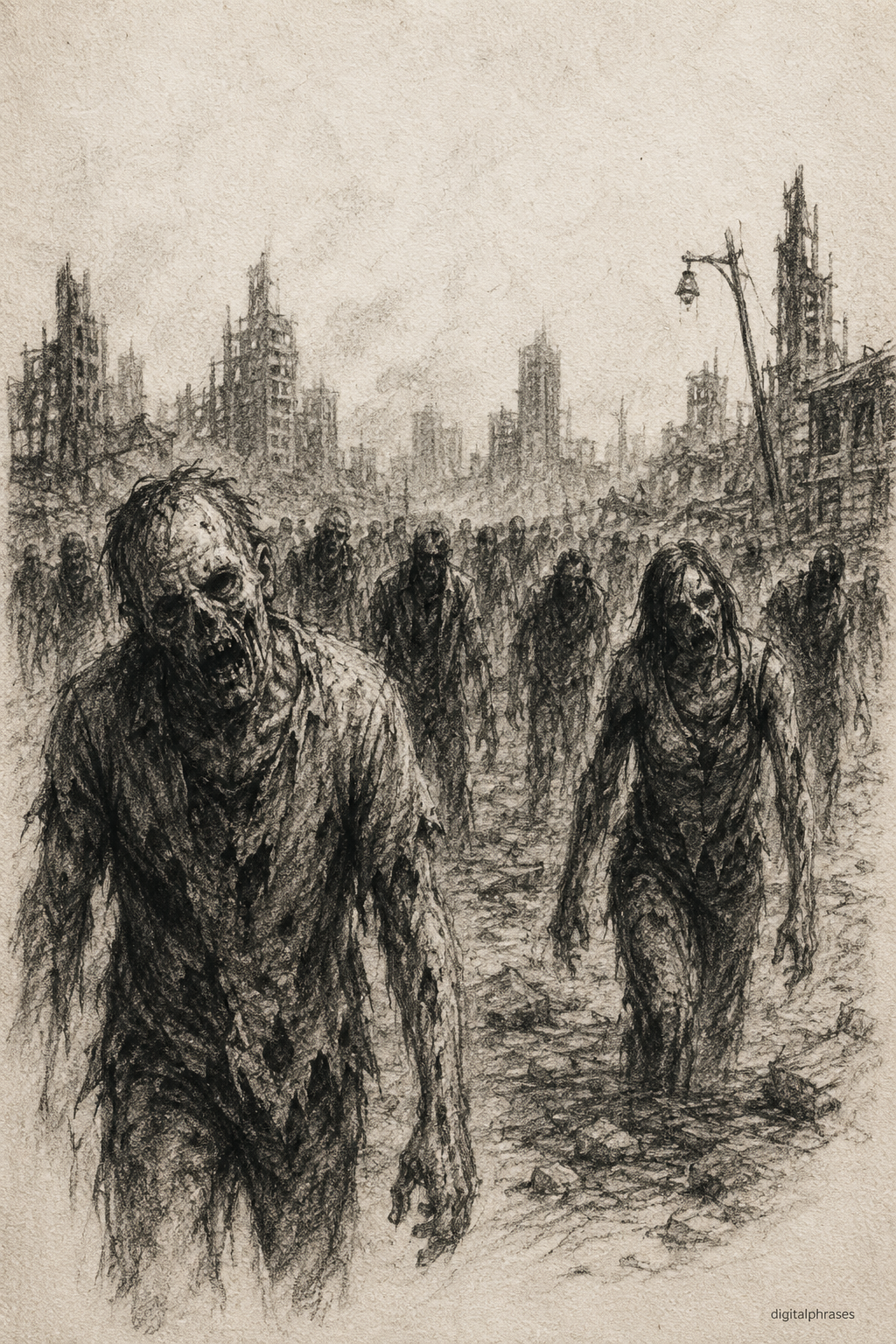
7
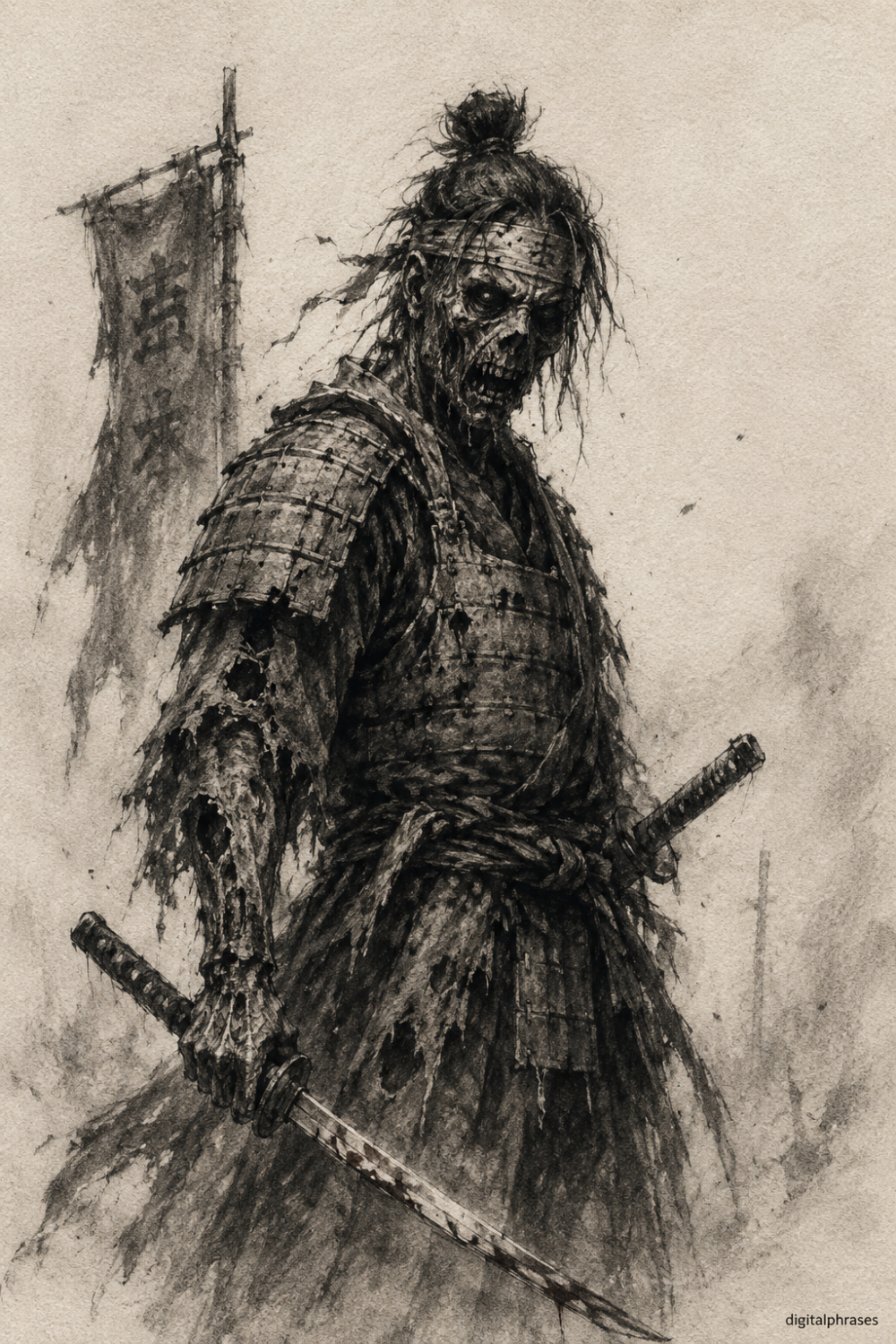
8
9
10
11
12
13
14
15
16
17
18
19
20
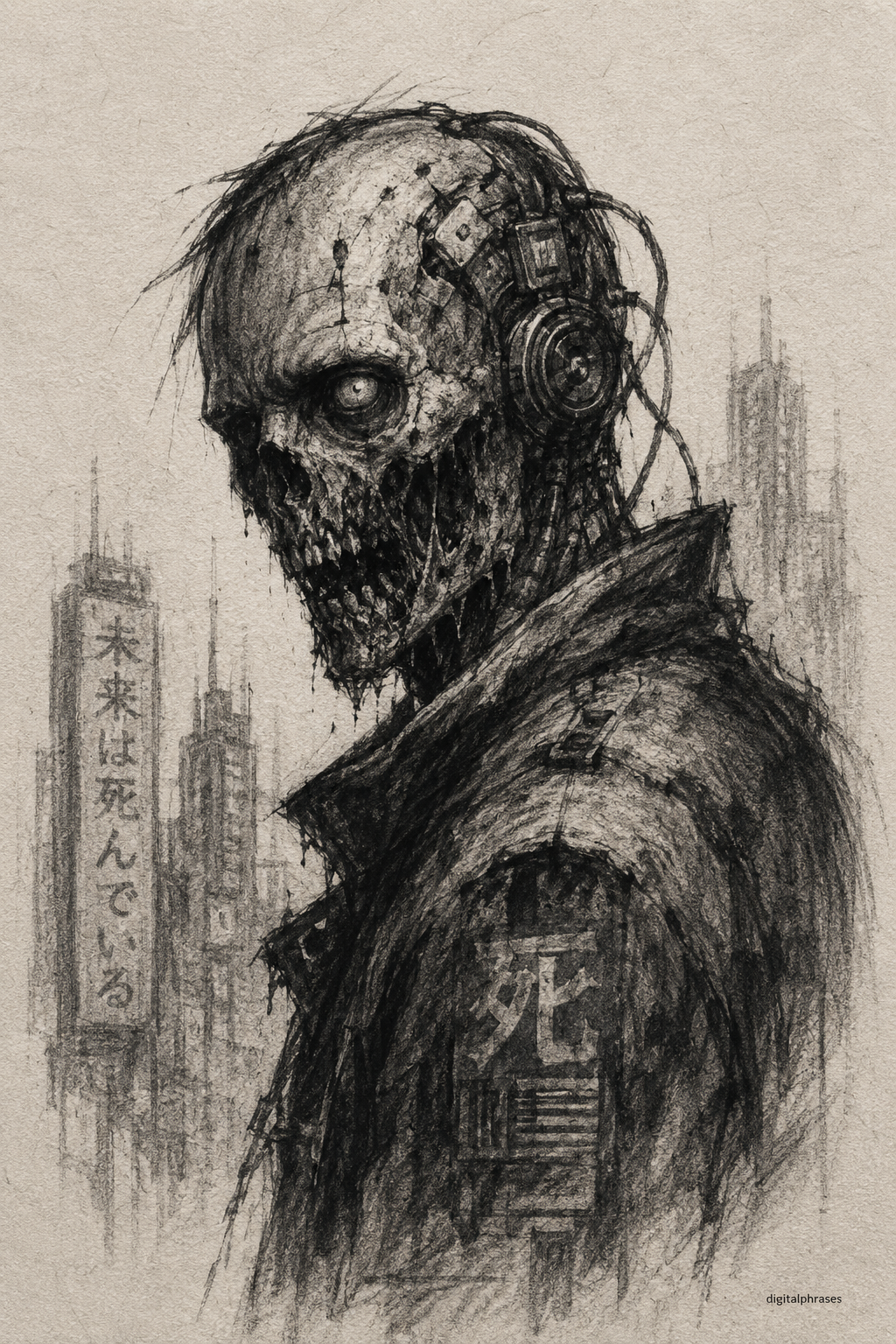
21
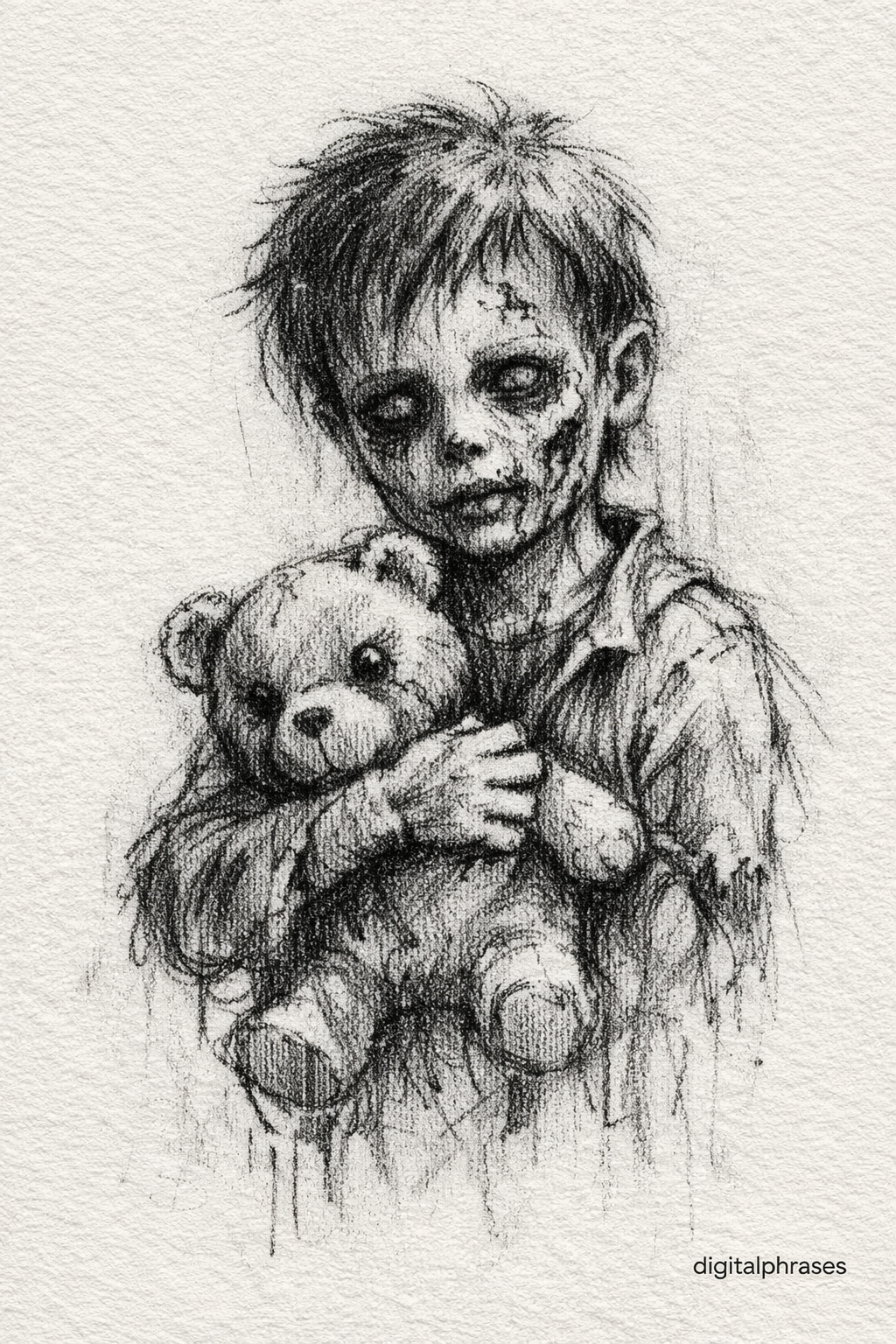
22
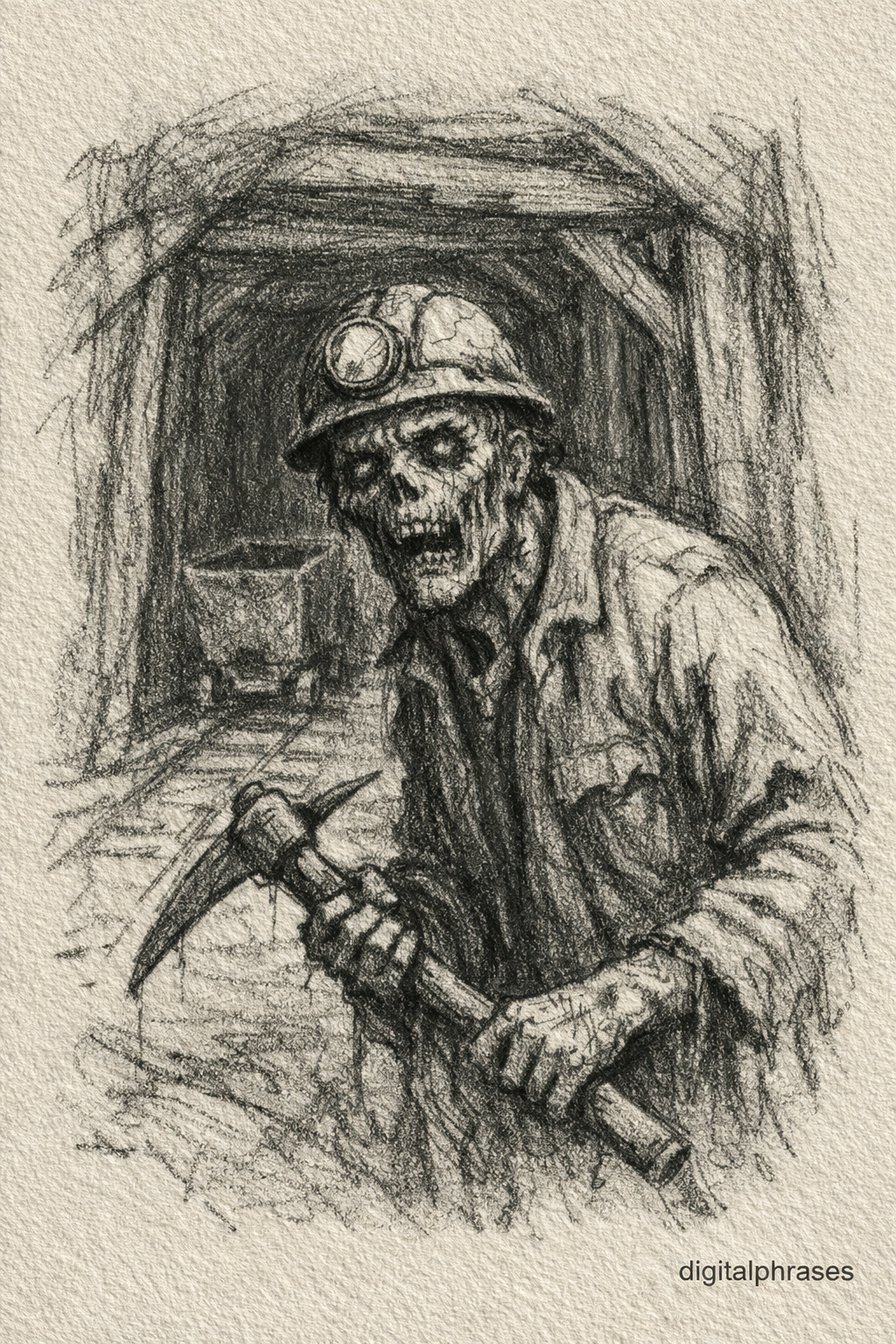
23
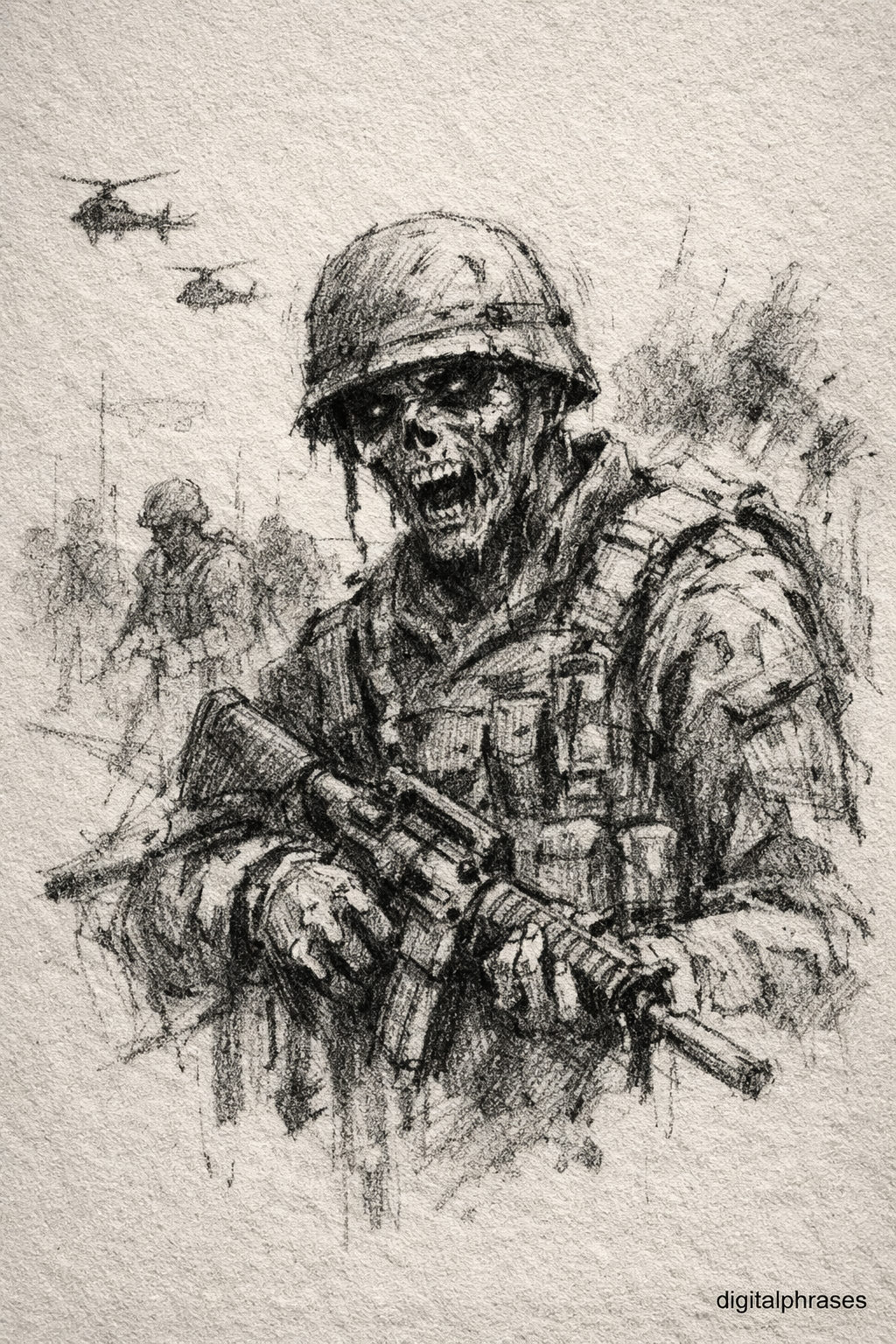
24
25
26
Tips For Drawing a Zombie
Start with Sunken Facial Features
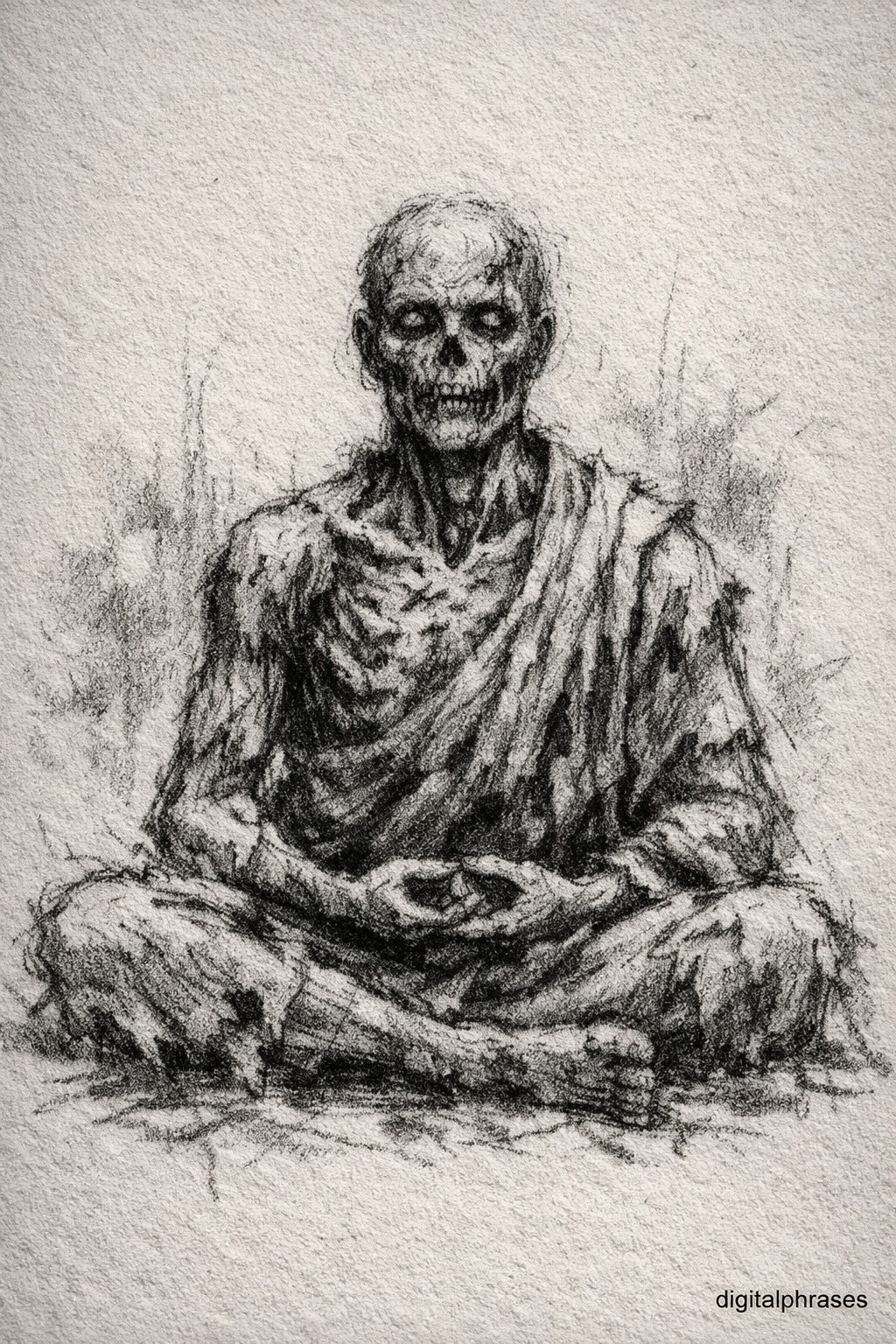
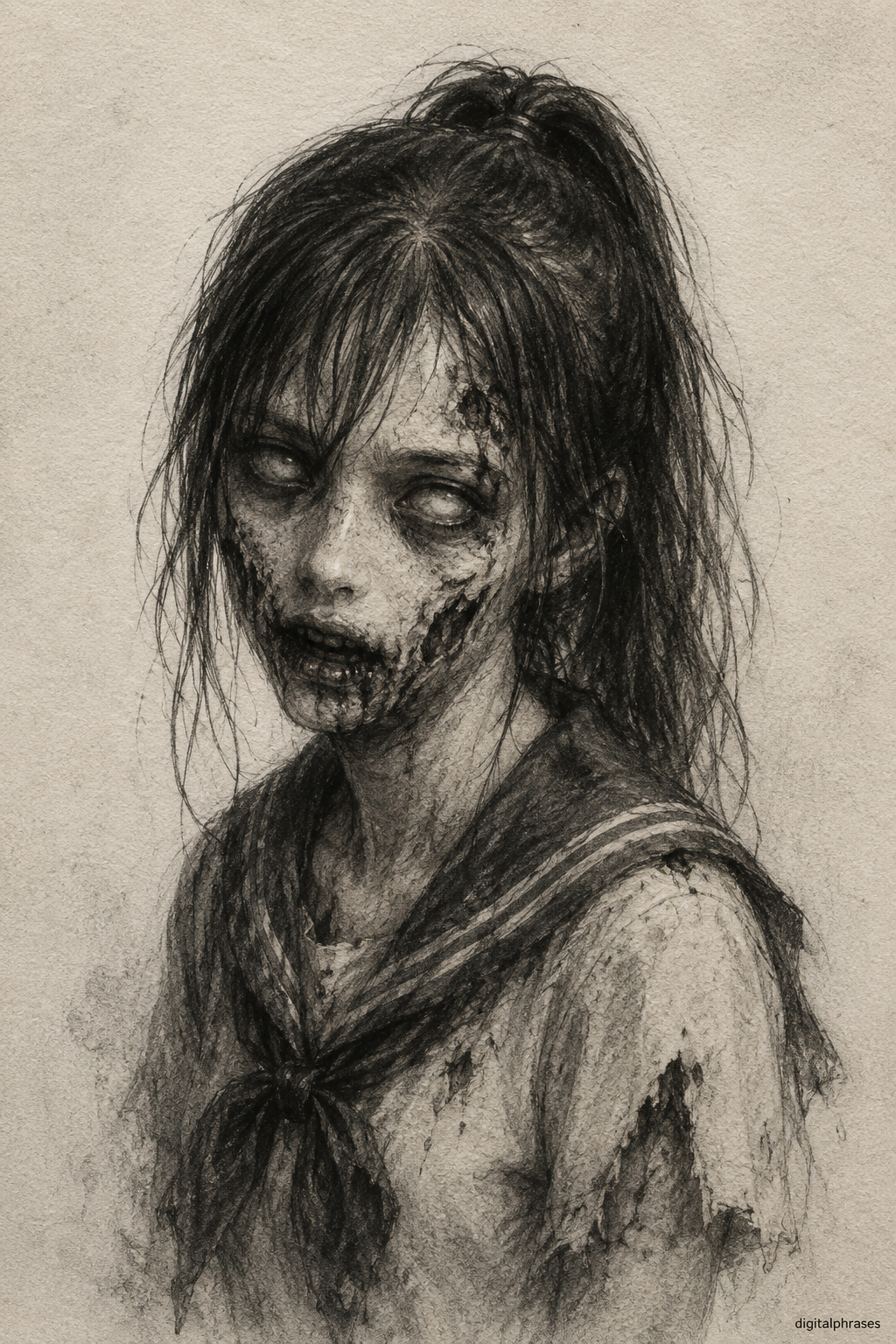
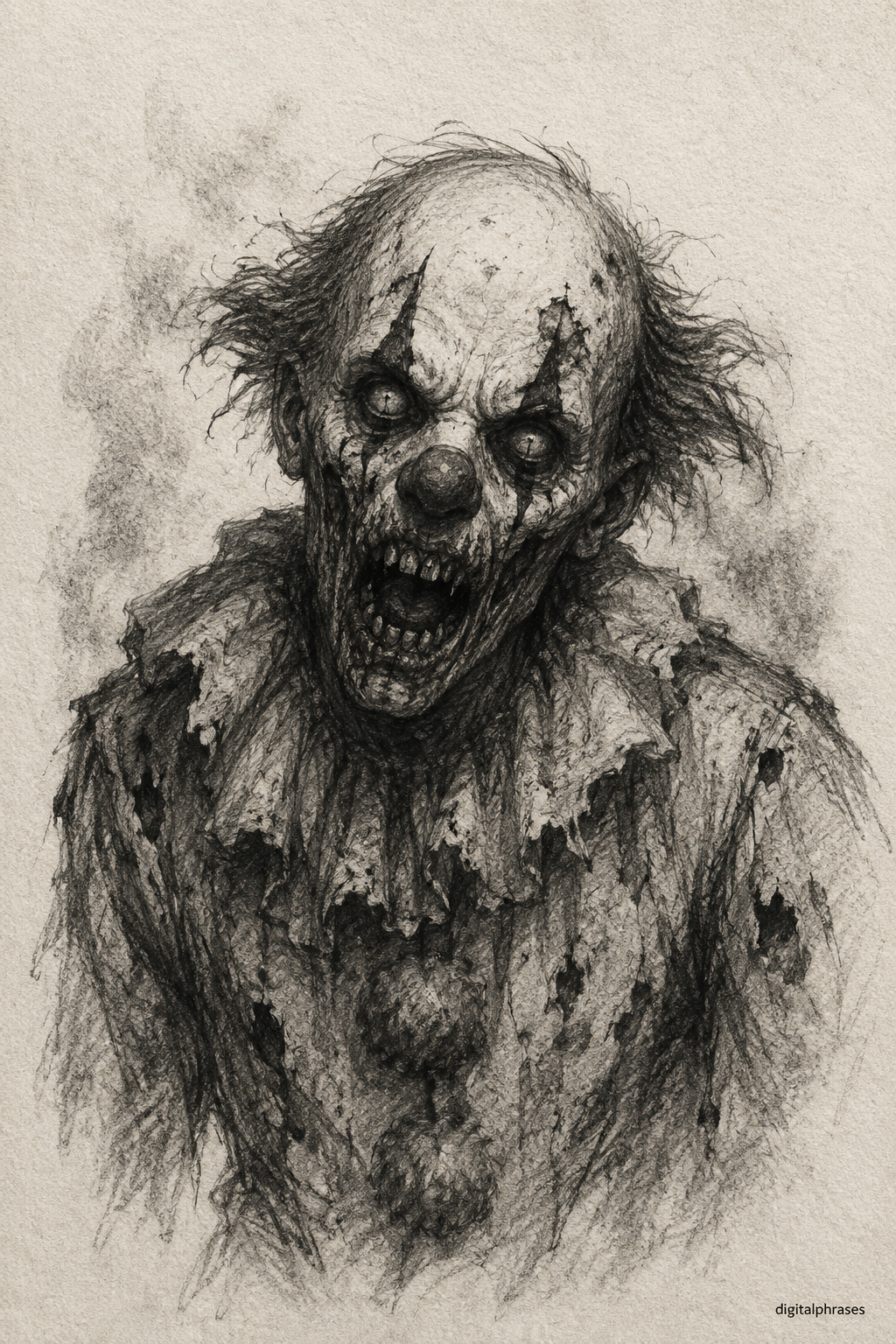
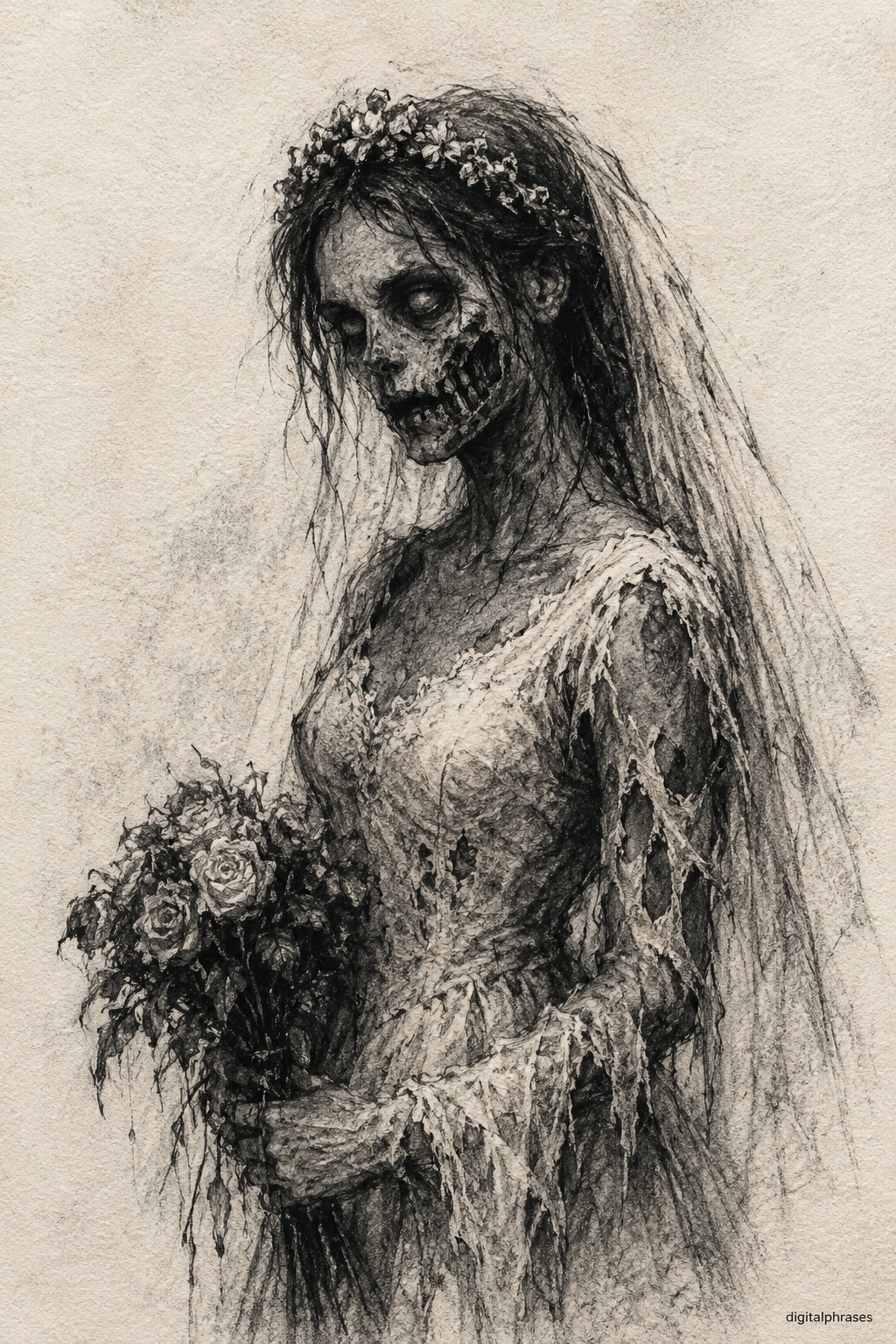
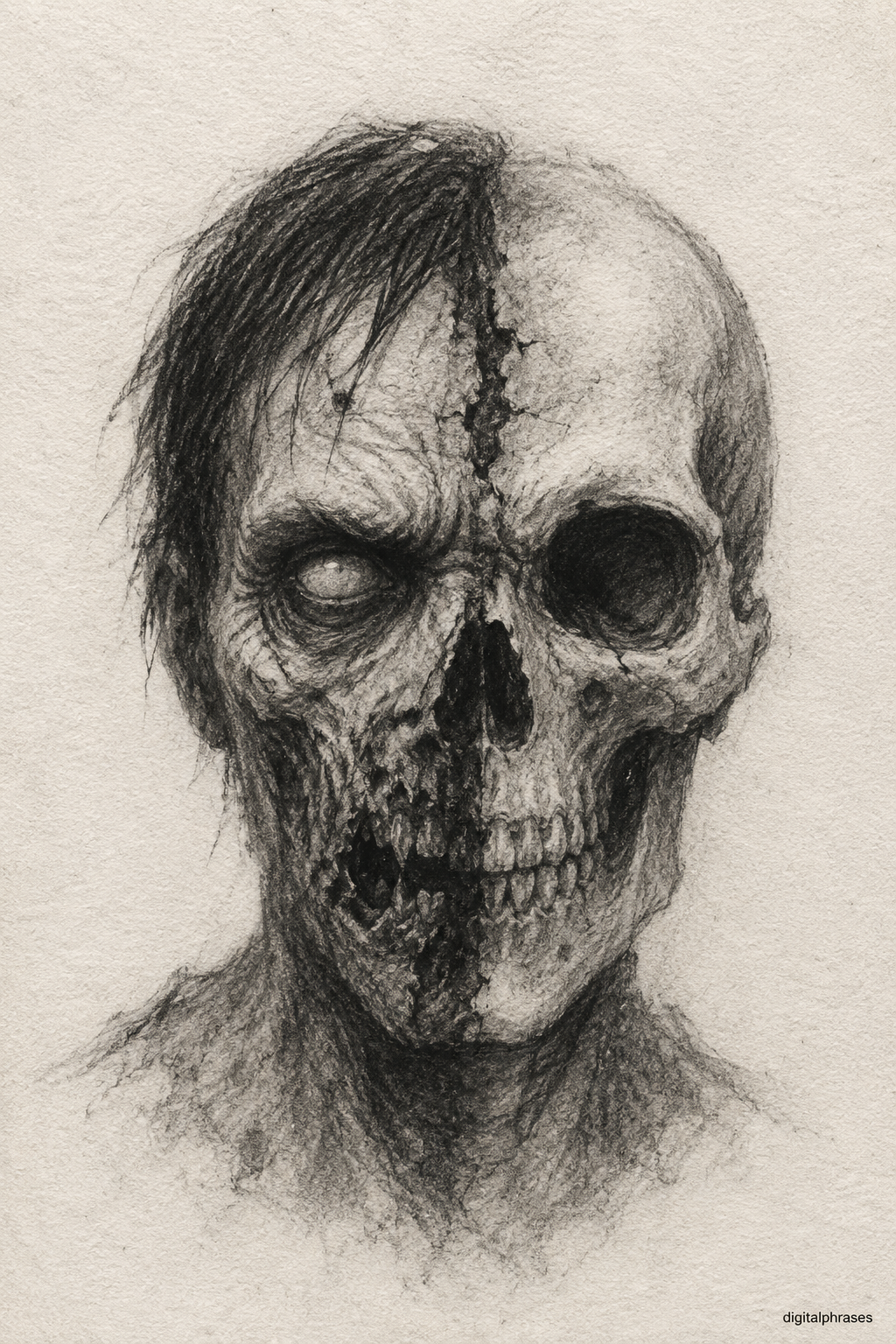
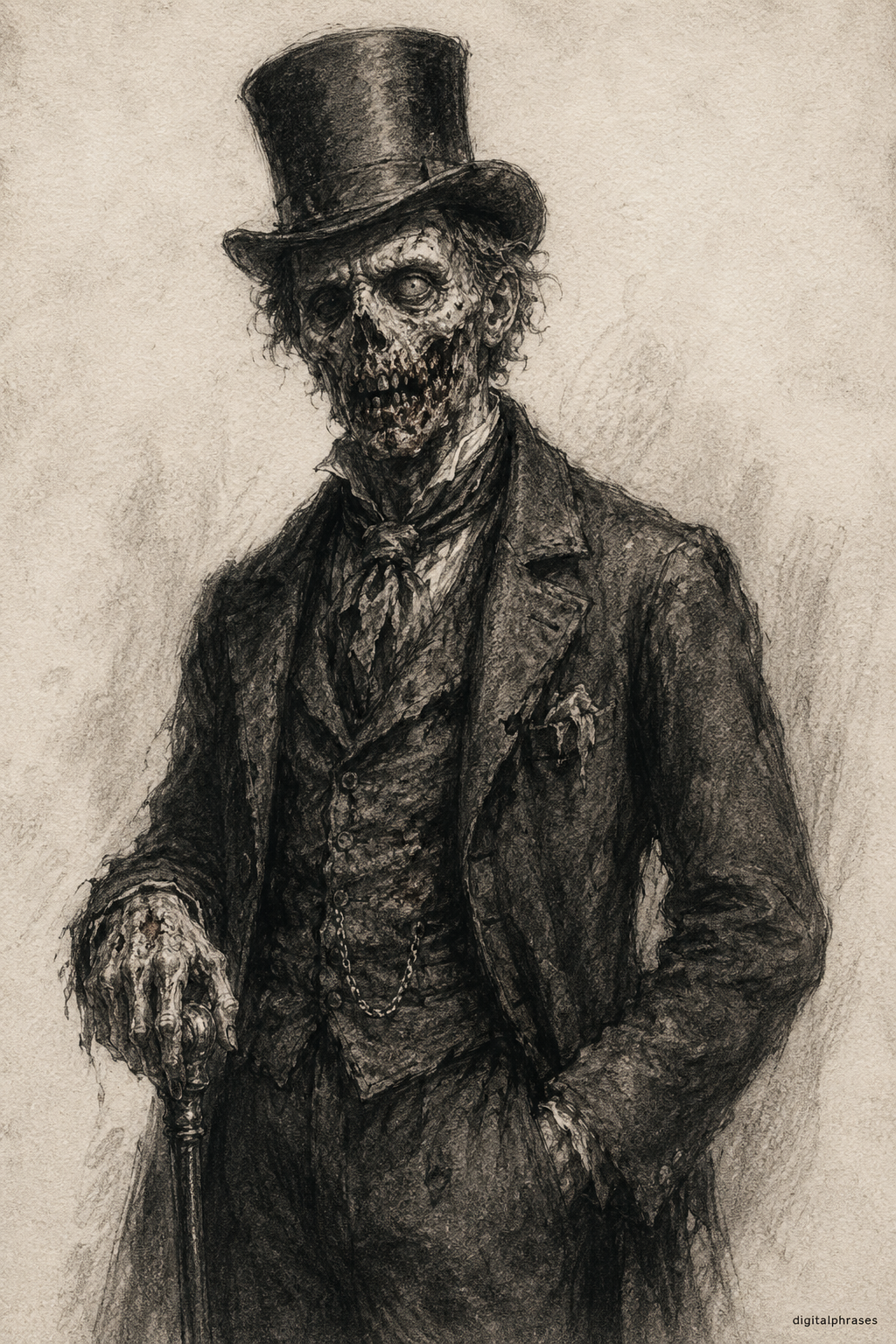
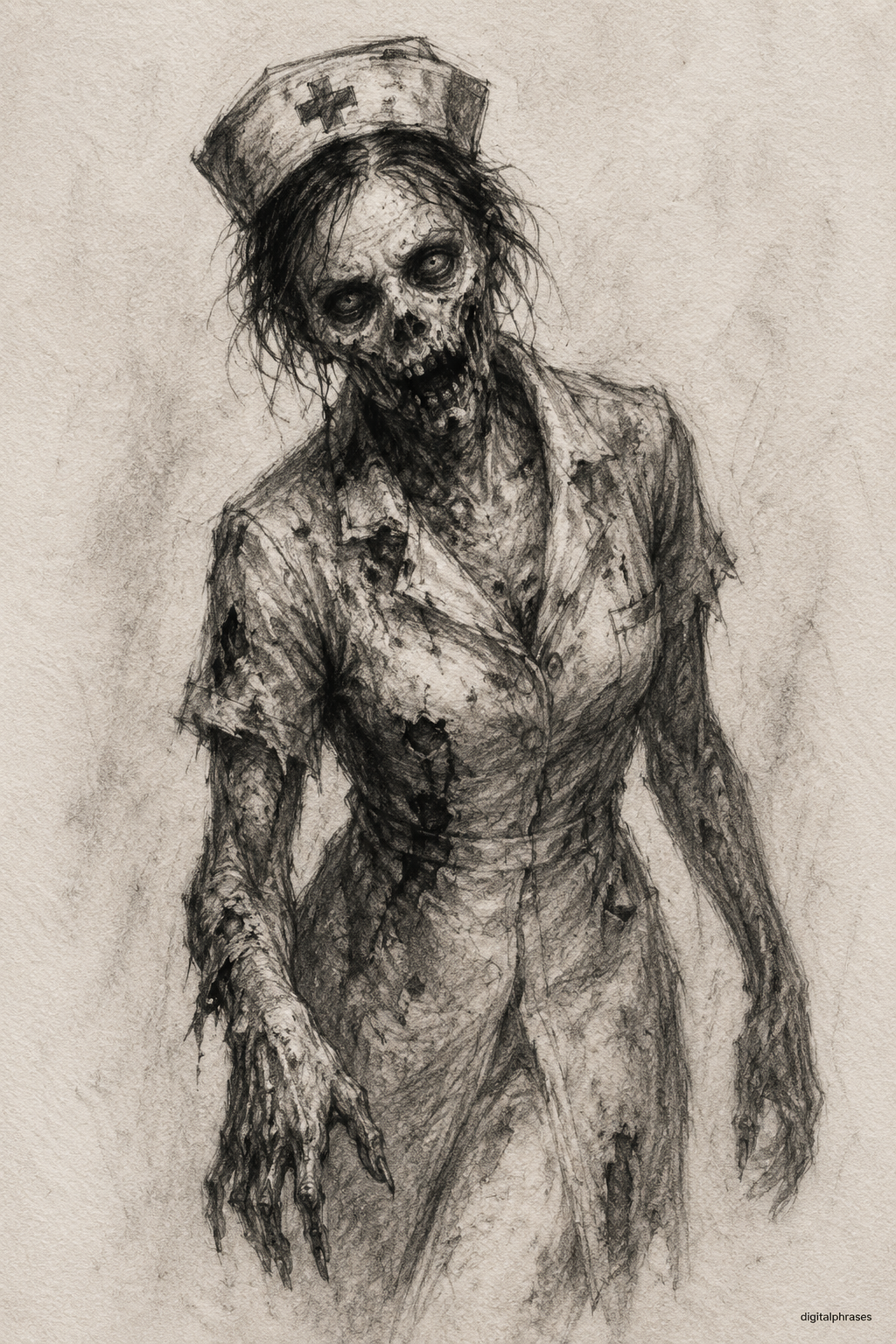
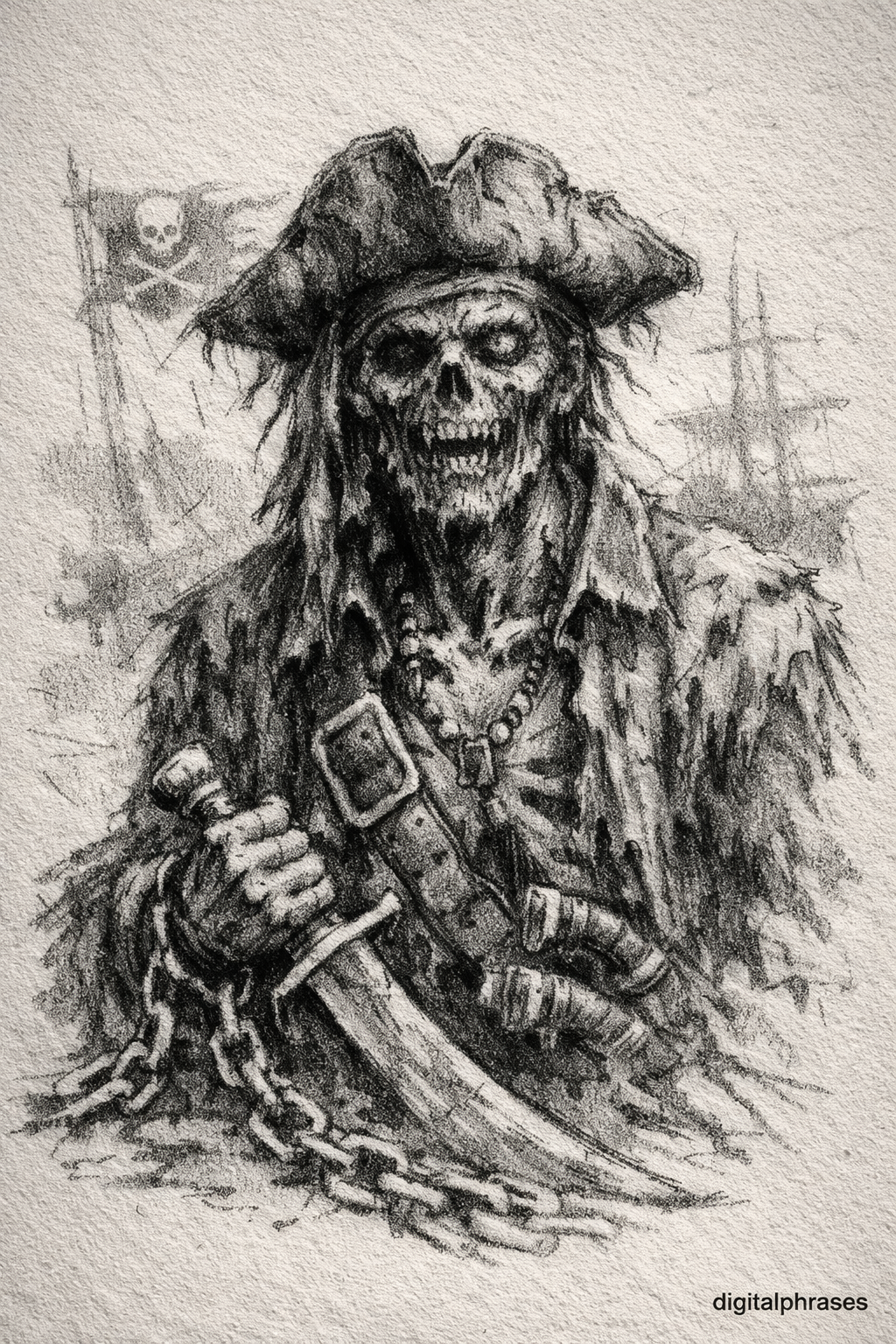
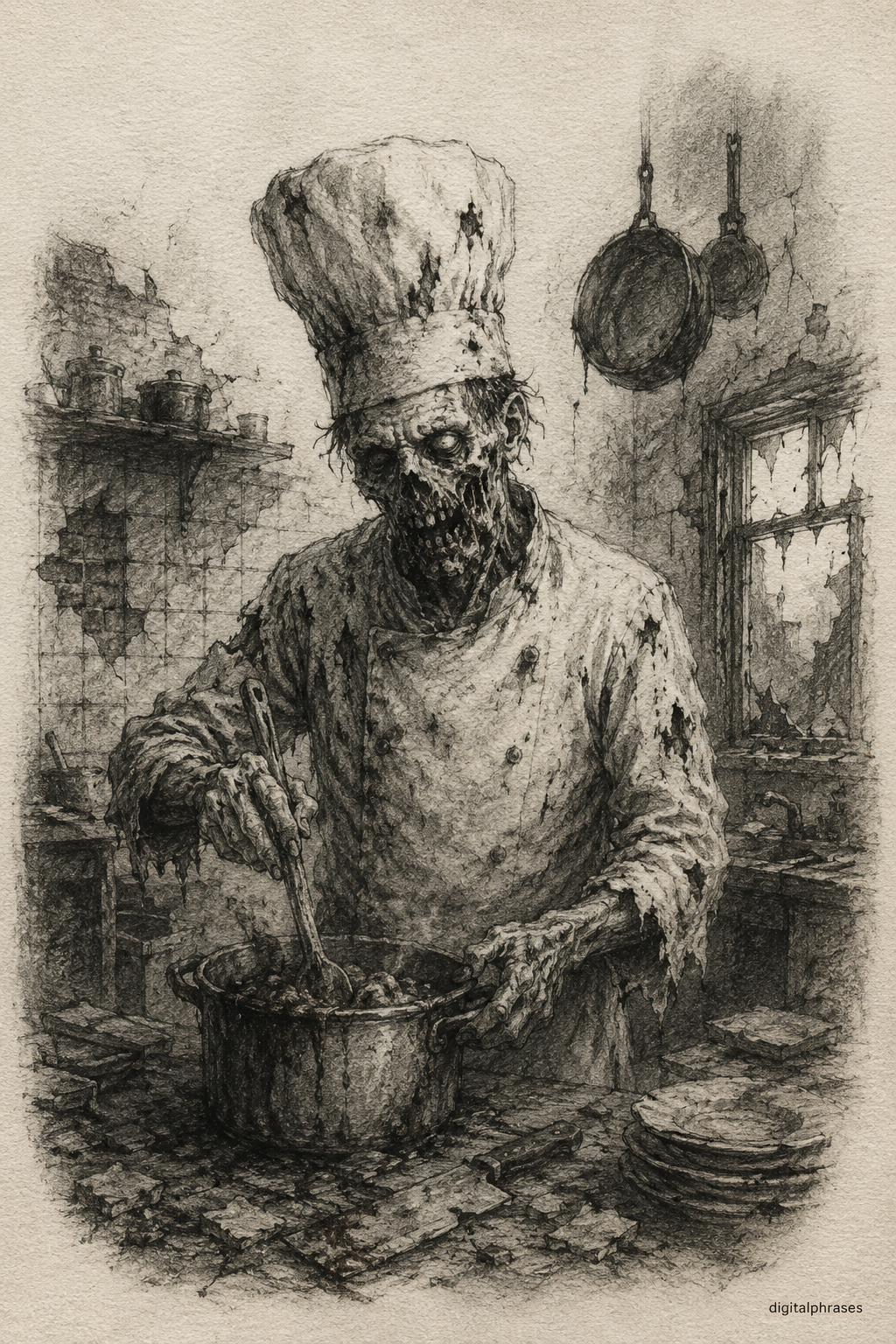
One of the most recognizable traits of a zombie is its gaunt, decaying face. Begin by sketching the basic head shape, then add hollow cheeks, a thin jawline, and deep eye sockets. The eyes should appear lifeless, often with tiny pupils or blank white irises. Adding wrinkles, cracks, and torn skin around the face can make the zombie look more realistic and frightening. Avoid making the features too symmetrical, as imperfections help create the unsettling appearance associated with the undead.
Add Damaged and Decaying Skin
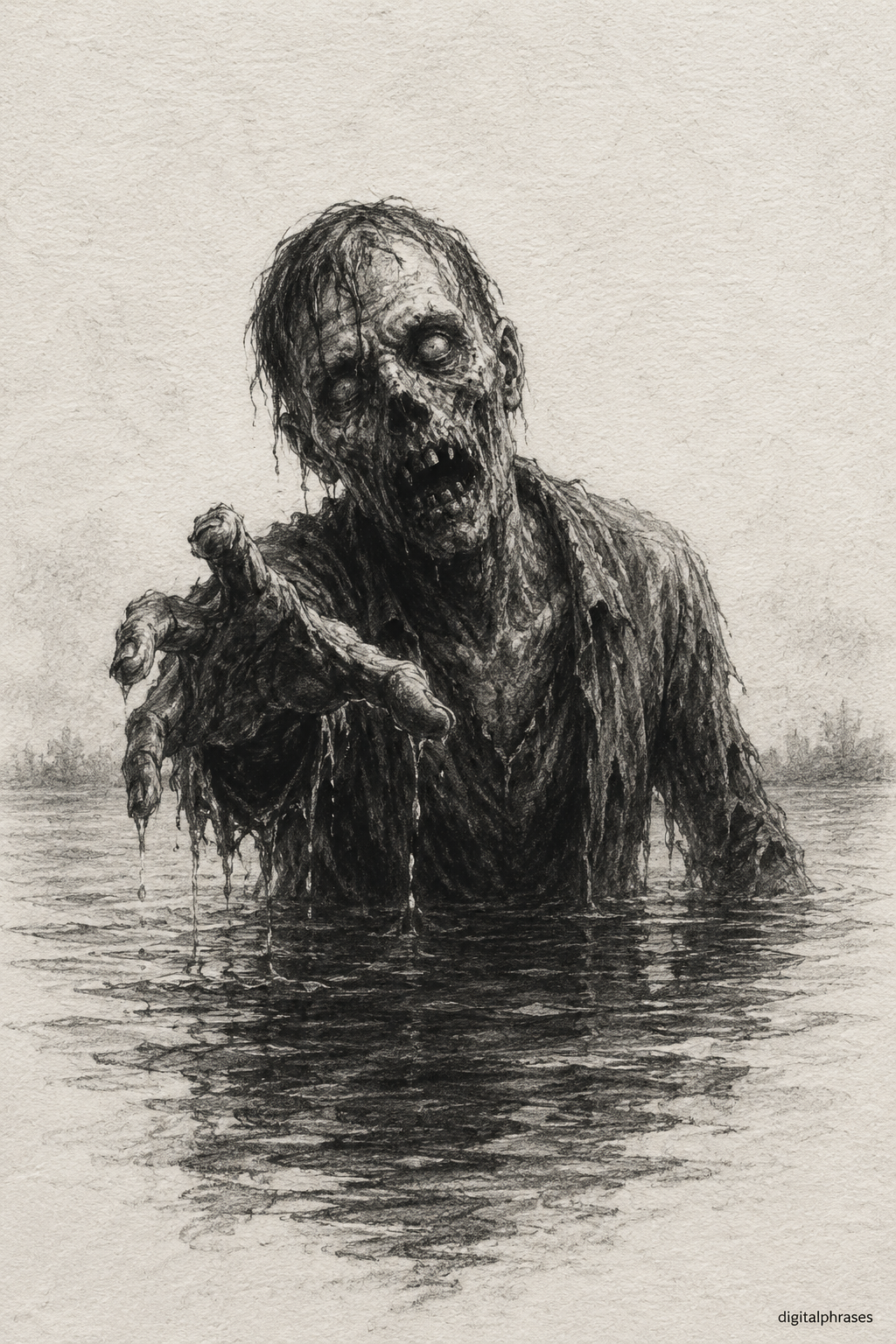
Zombie skin should look worn, damaged, and unhealthy. Use rough lines and irregular shapes to draw cuts, scars, exposed muscle, or patches of missing flesh. Consider adding torn areas around the arms, neck, or face to suggest decomposition. Texture is important, so use shading and cross-hatching to create depth and emphasize decayed areas. You can also include stitches or bite marks to tell a story about how the zombie met its fate. The more varied the skin details, the more convincing the character will appear.
Create Tattered Clothing
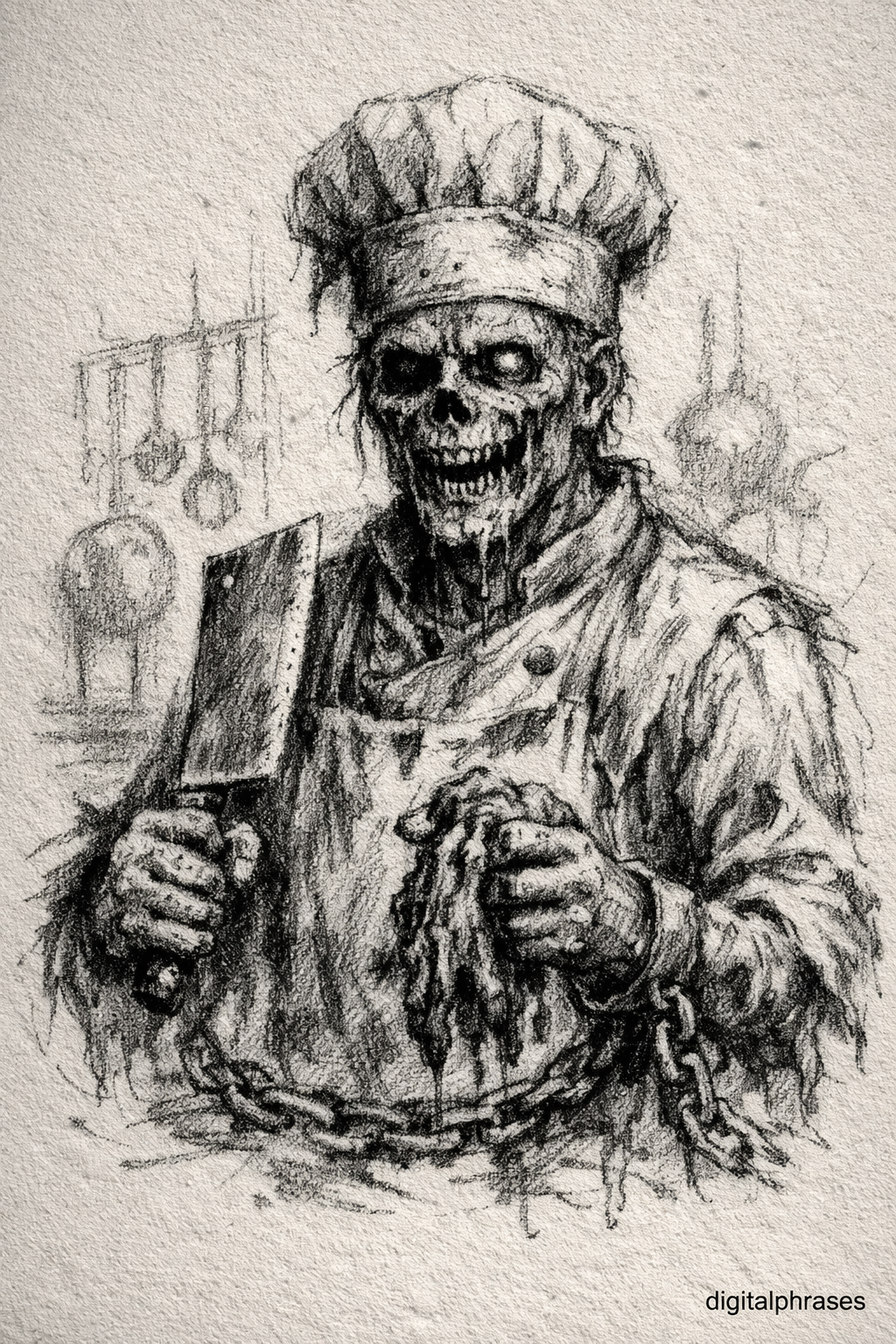
A zombie’s outfit can reveal clues about its past life. Start with simple clothing such as a shirt, jacket, or dress, then distress it by adding tears, holes, and frayed edges. Draw loose fabric hanging from the body and include stains or damage caused by age and decay. Clothing should not look neat or freshly worn. Small details, like ripped sleeves or missing buttons, can make the design feel more authentic. Mixing clothing damage with visible wounds creates a stronger visual impact.
Use an Unnatural Pose
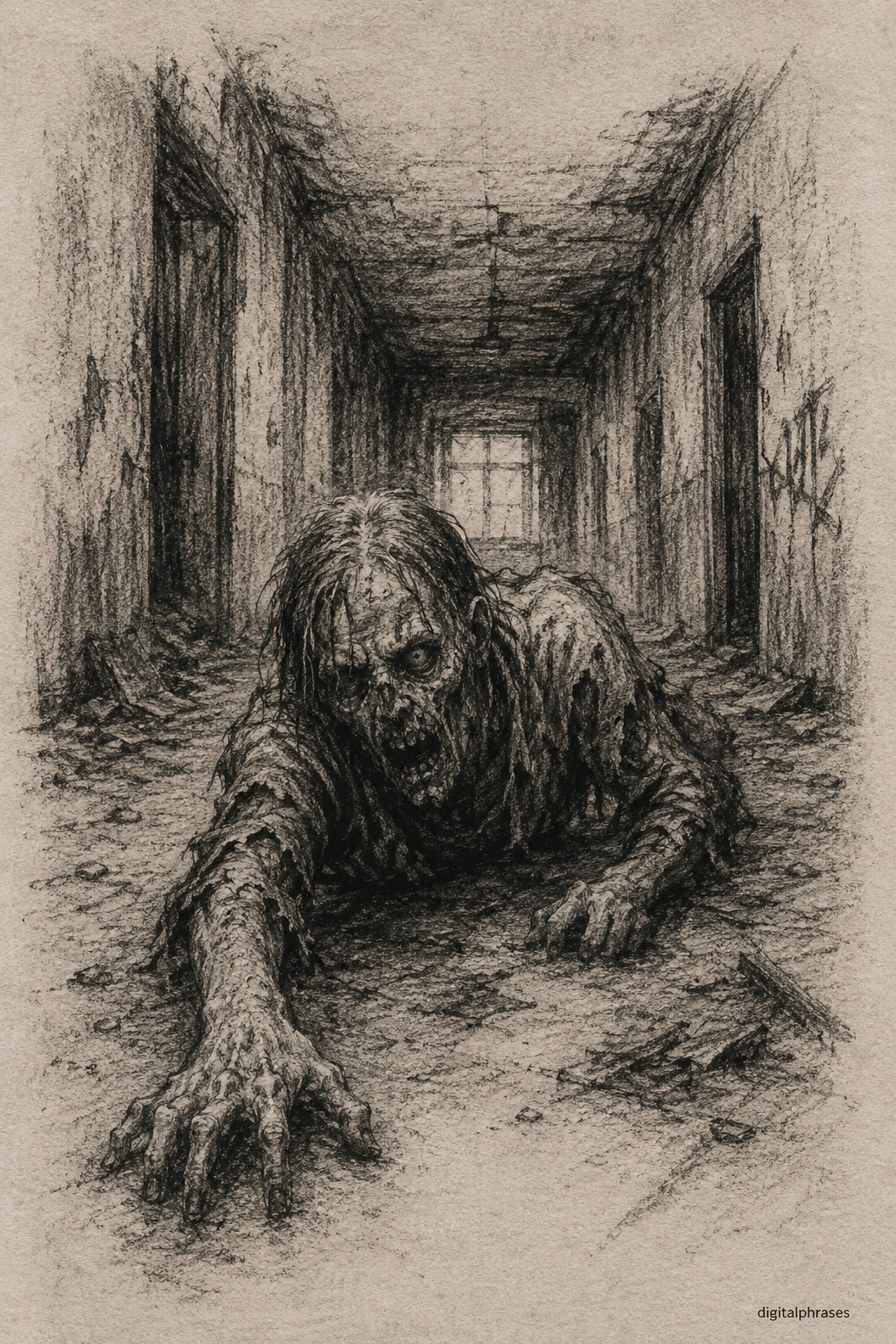
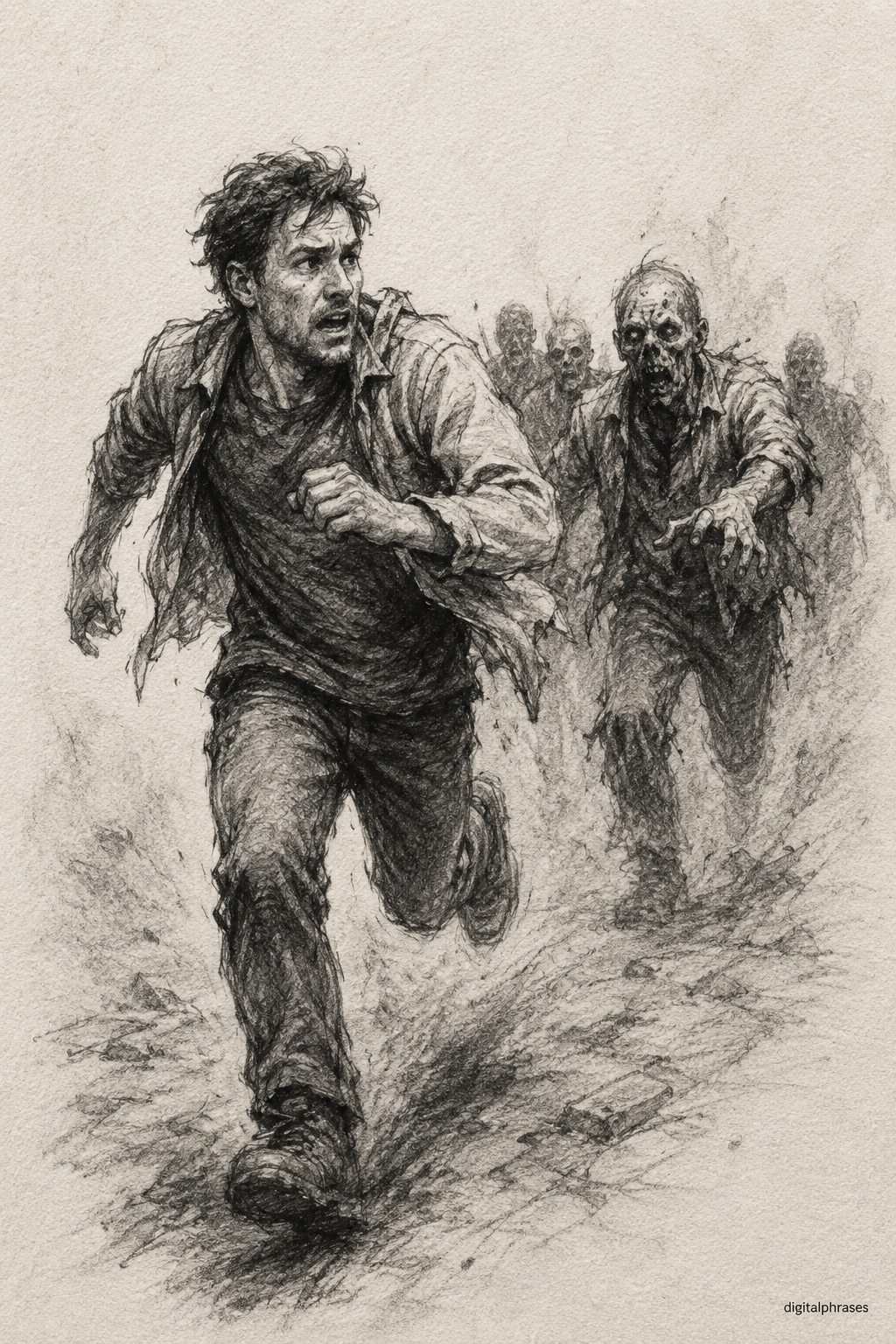
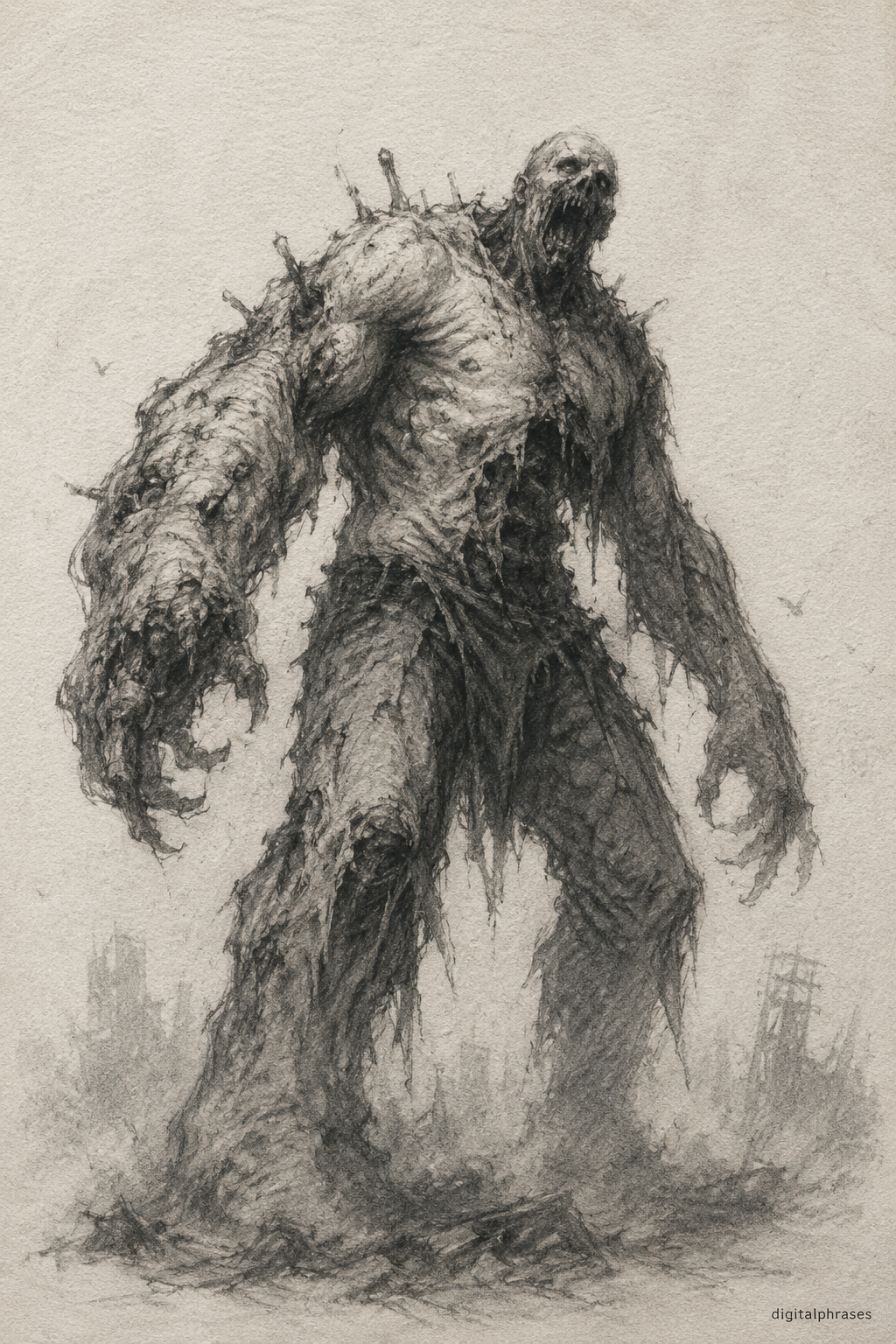
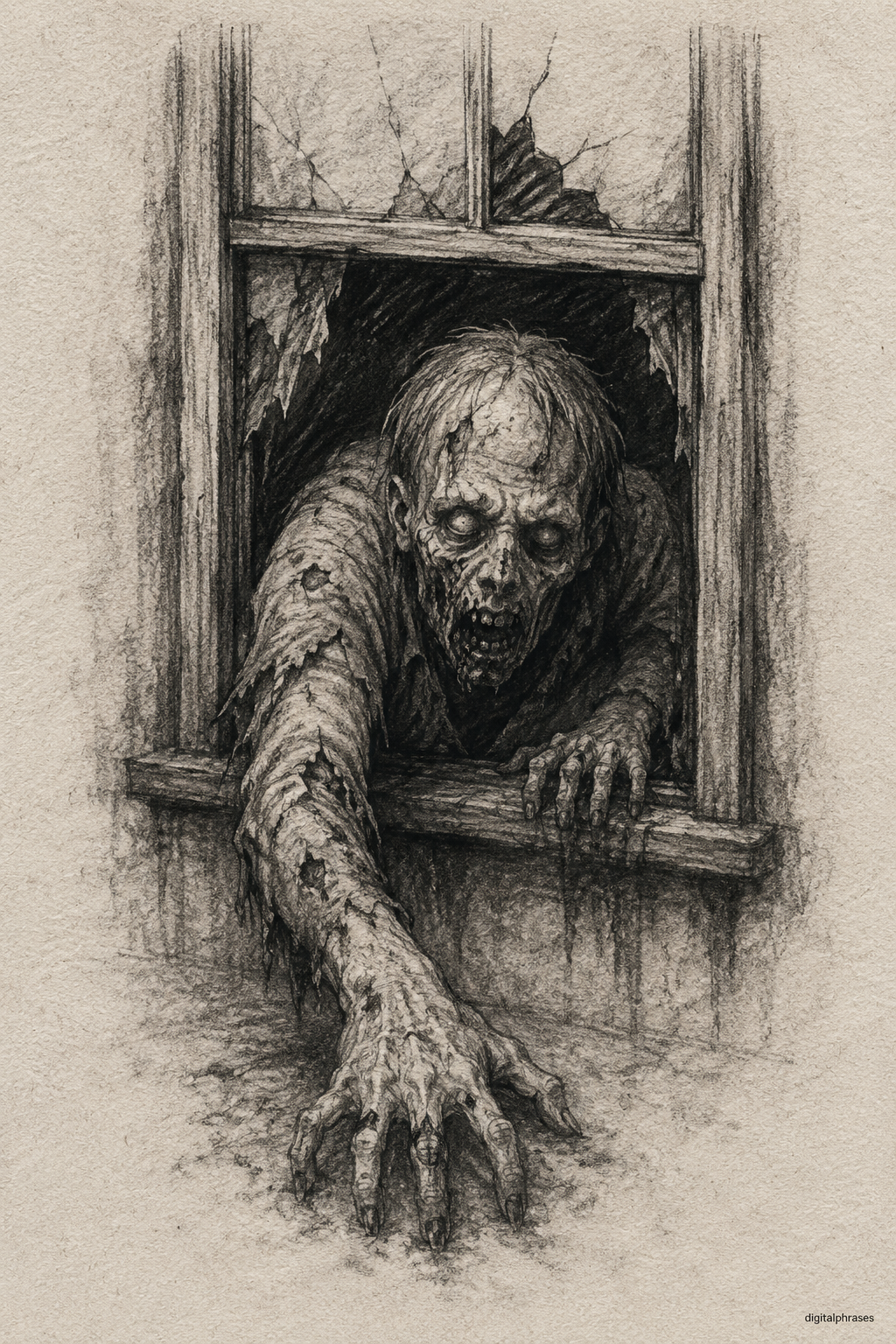
The way a zombie stands can be just as important as its appearance. Instead of drawing a normal posture, experiment with hunched shoulders, bent limbs, or an awkward walking stance. A tilted head or dragging arm can instantly make the character appear undead. Exaggerated body language helps communicate that the zombie is no longer a healthy human. Observing horror movie creatures or studying dynamic poses can provide inspiration for creating eerie and memorable movements.
Focus on Dark Shading and Details
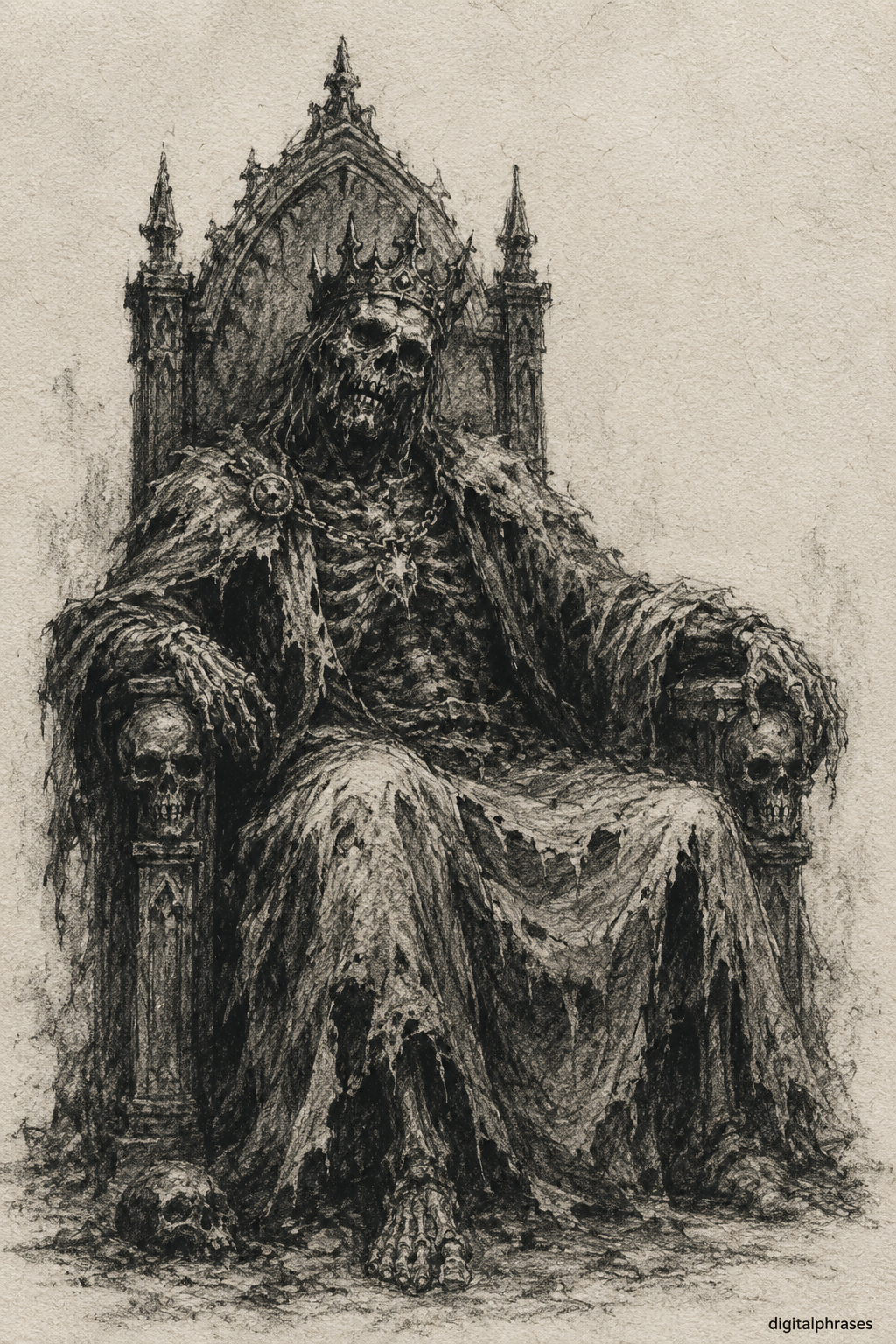
Shading brings a zombie drawing to life—or death. Use darker tones around the eyes, wounds, and folds of clothing to create contrast and depth. Shadows can make features appear more dramatic and unsettling. Pay attention to small details such as exposed bones, broken teeth, dirty fingernails, or tangled hair. These finishing touches help enhance realism and make the zombie stand out. Taking extra time with shading and texture can transform a simple sketch into a chilling piece of artwork.