21 Drawings of Female Poses
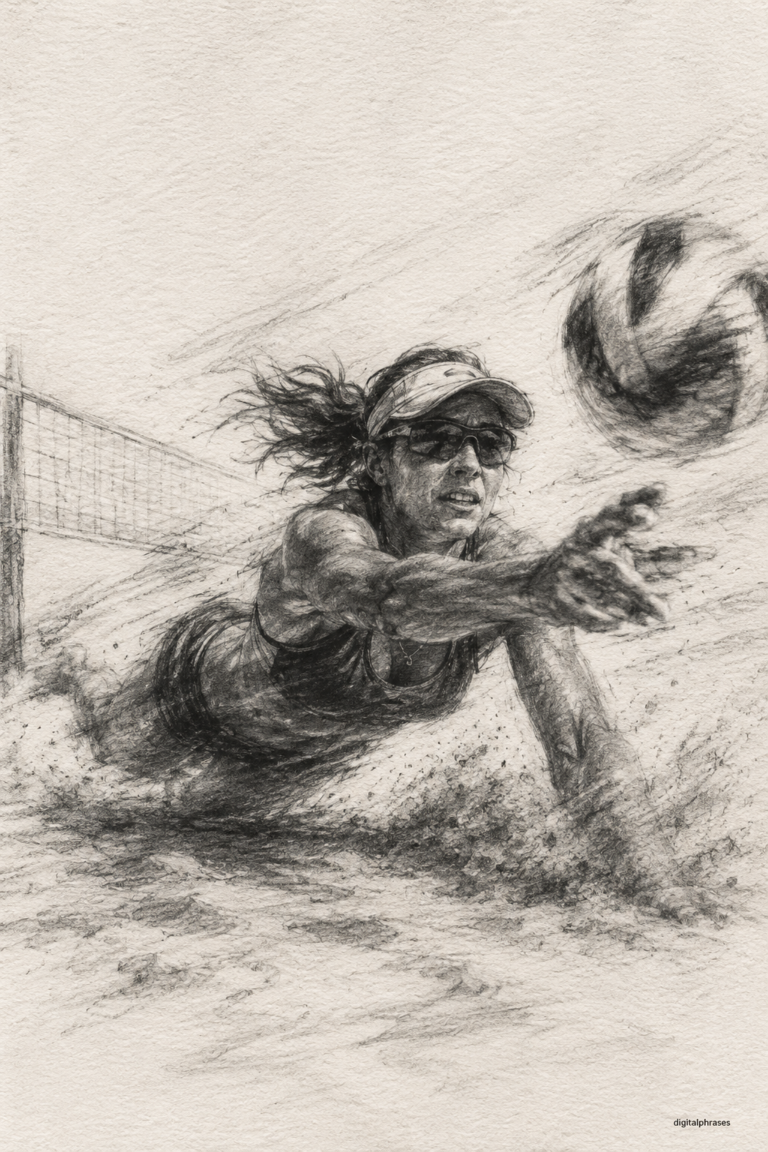
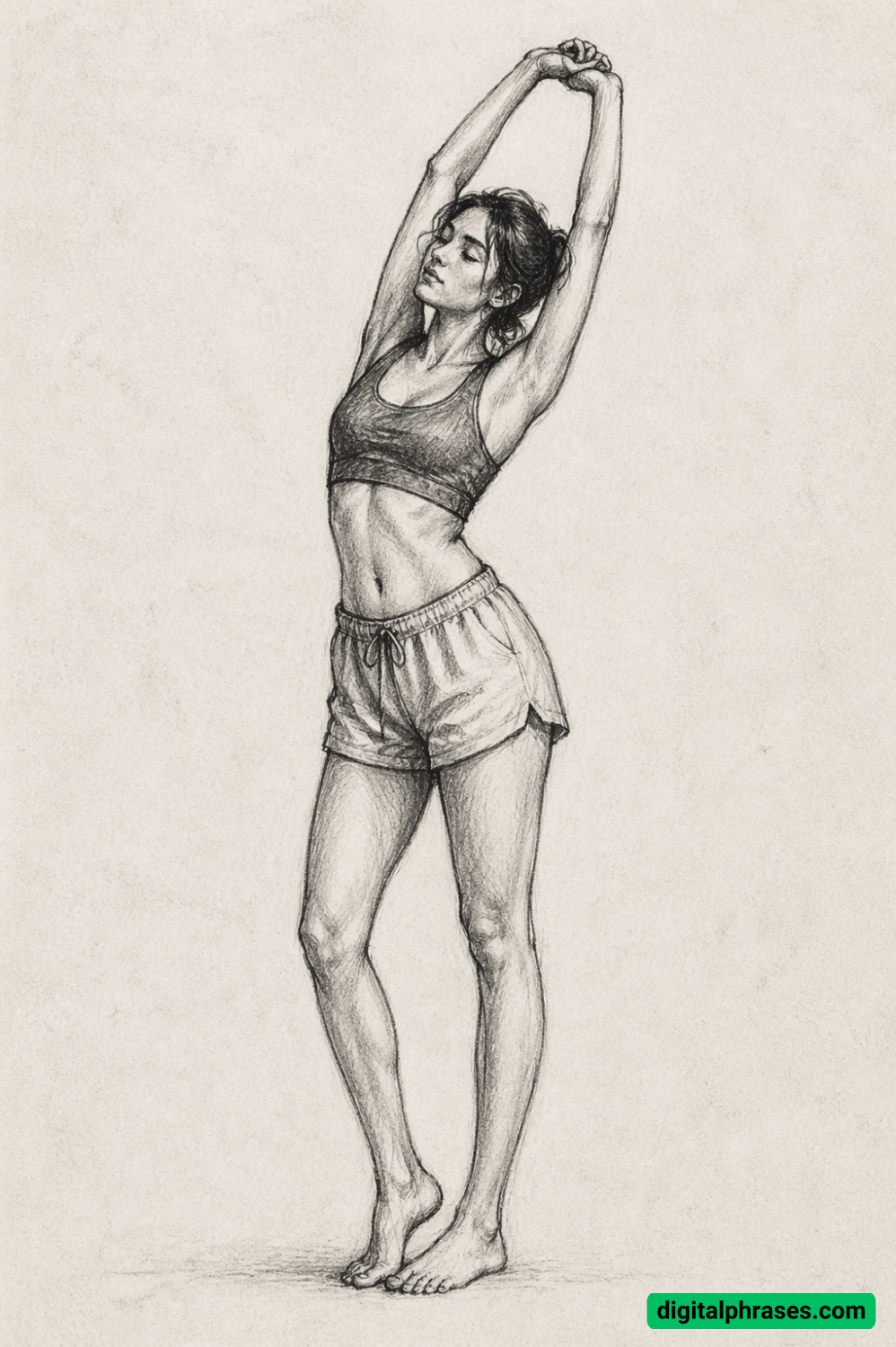
Drawing female poses can feel both exciting and challenging. Whether you’re just starting or trying to improve your figure drawing, exploring different poses helps you understand movement, balance, and expression better.
The goal isn’t perfection—it’s learning how the body flows and telling a story through posture. These pose ideas are meant to inspire you, not restrict you. Keep things simple, observe carefully, and allow your style to grow naturally over time.
Female Drawing Poses
1
2

3
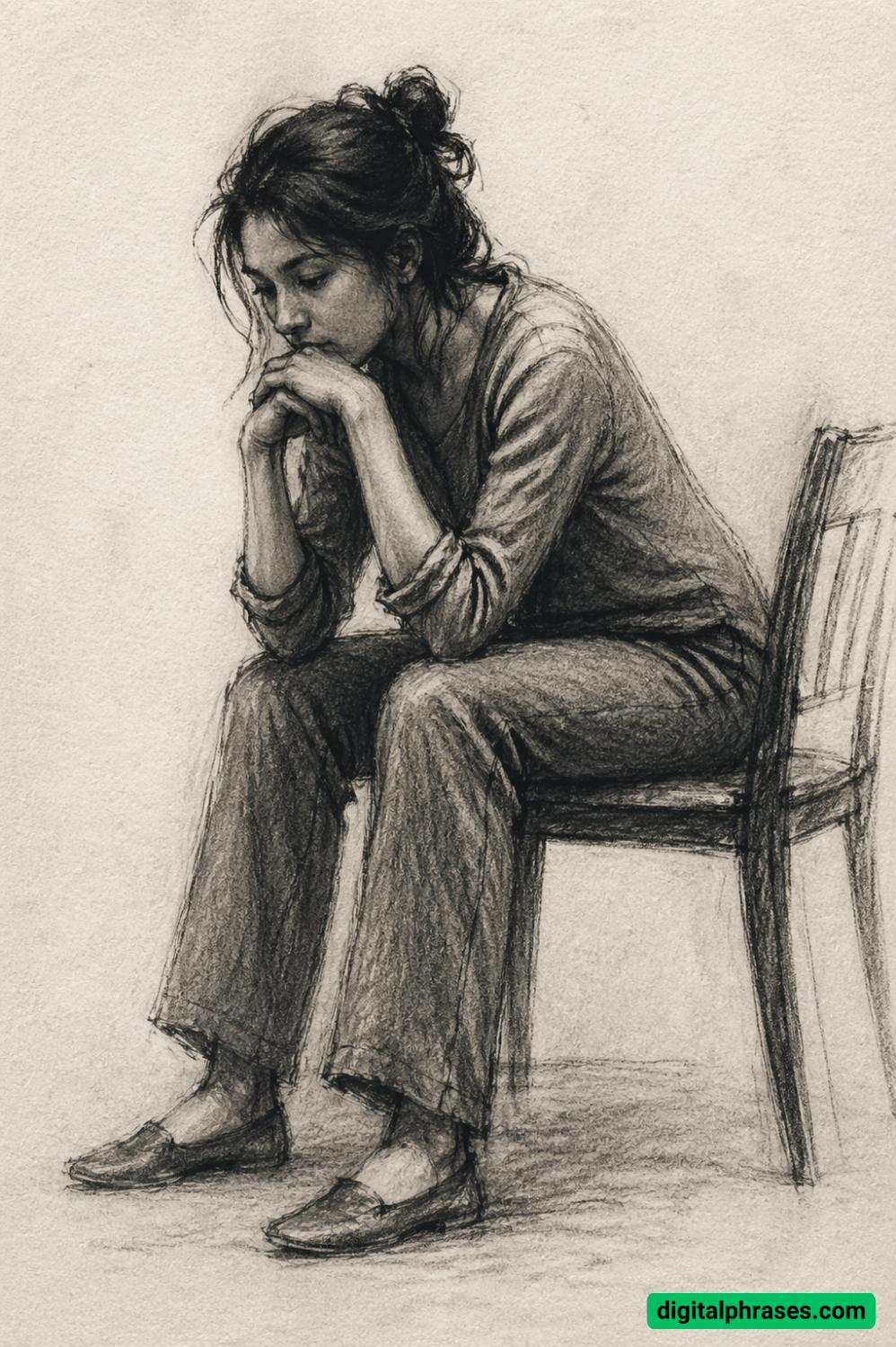
4
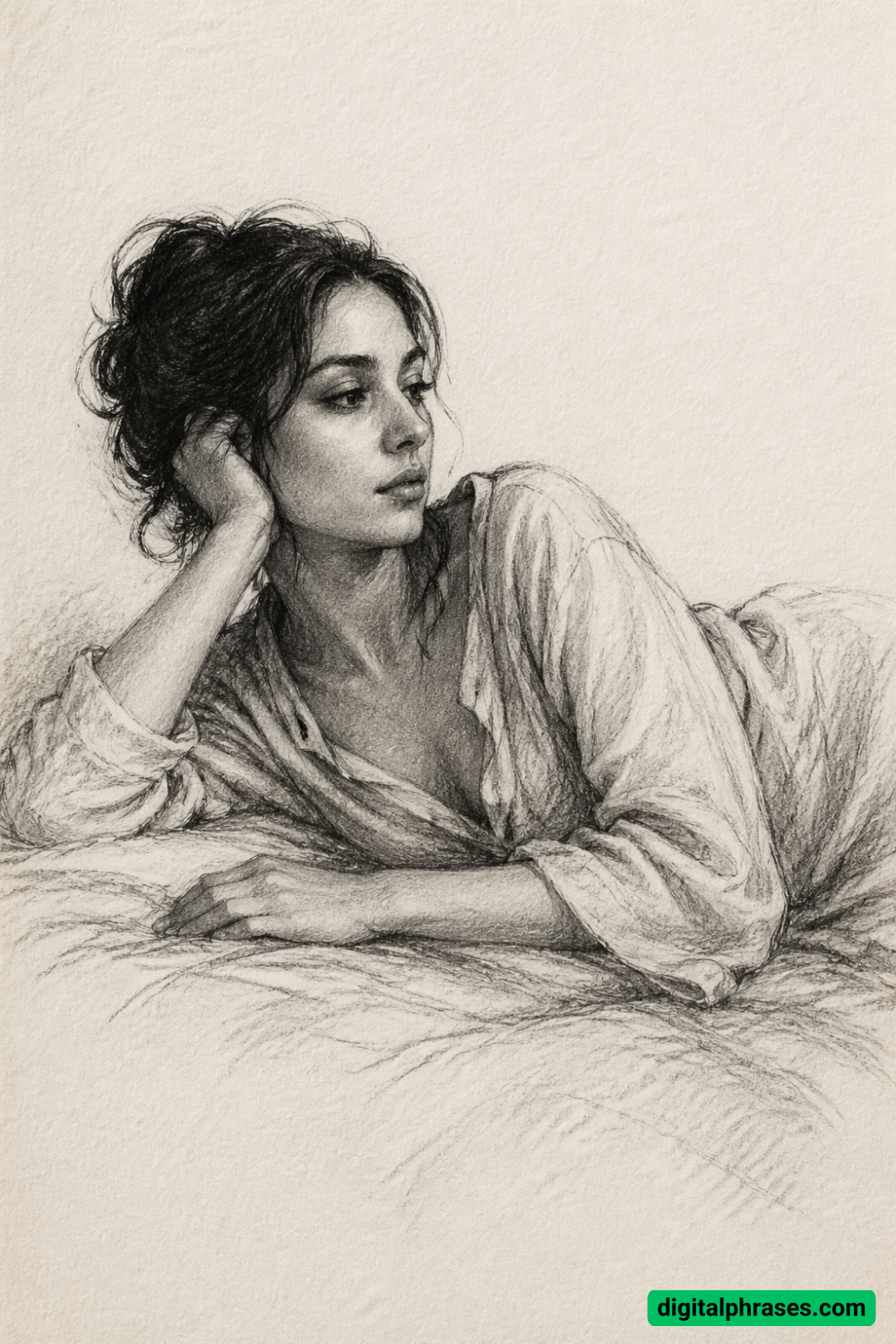
5

6
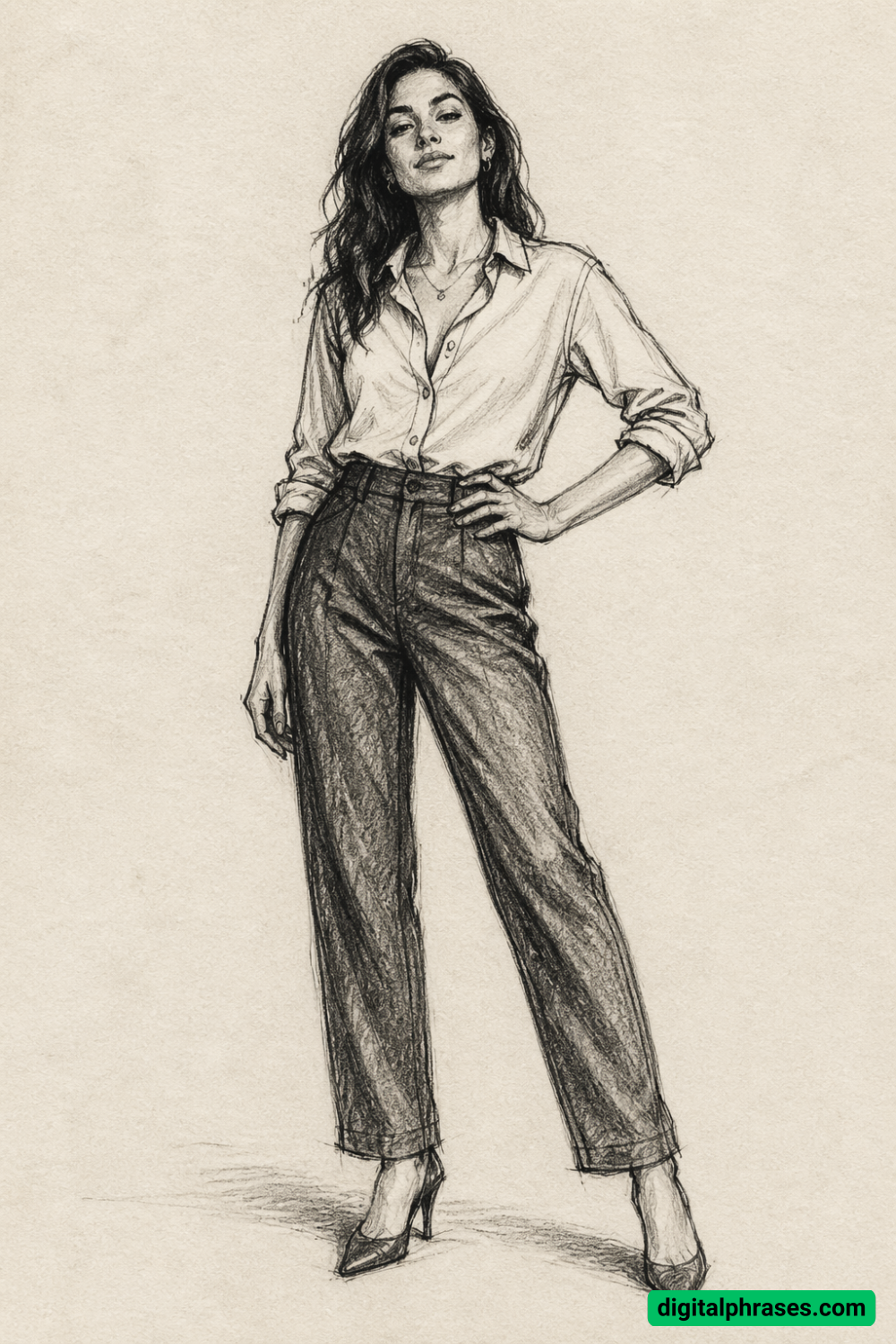
7

8

9

10

11

12

13

14

15

16

17

18

19

20
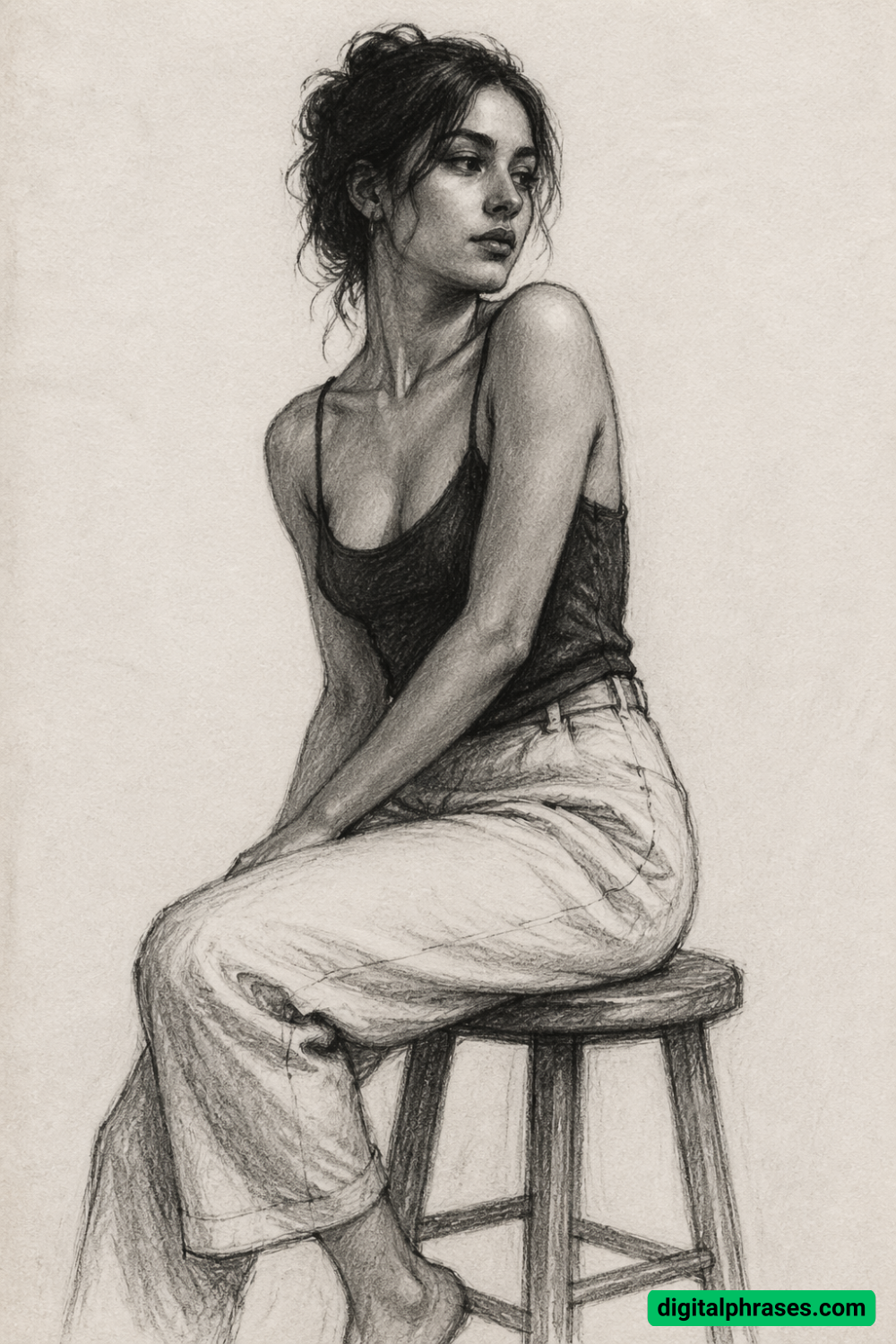
21

Tips for Drawing These Poses
Start with Simple Gesture Lines
Before focusing on details, capture the overall movement using quick gesture lines. This helps you understand the pose’s energy and direction. A loose sketch sets a strong foundation and prevents stiff-looking figures. Don’t worry about accuracy at this stage—focus on flow.
Focus on Balance and Weight
Every pose has a center of gravity. Pay attention to how the body balances itself—whether it’s standing, sitting, or leaning. Notice how weight shifts between legs or how the spine curves. This makes your drawings feel more natural and believable.
Break the Body into Basic Shapes
Instead of drawing everything at once, simplify the body into basic forms like circles, ovals, and cylinders. This makes complex poses easier to construct and adjust. Once the structure looks right, you can refine it into a more detailed figure.
Observe Real References
Using references is not cheating—it’s learning. Look at photos, real people, or even yourself in a mirror. Study how muscles stretch, how clothing falls, and how posture changes with emotion. Observation builds accuracy over time.
Practice Consistently, Not Perfectly
Improvement comes from repetition, not perfection. Some sketches will look off—and that’s okay. Focus on drawing regularly rather than getting every pose right. Over time, your understanding of anatomy and movement will improve naturally.