25 Hawaiian Flower Drawing Ideas
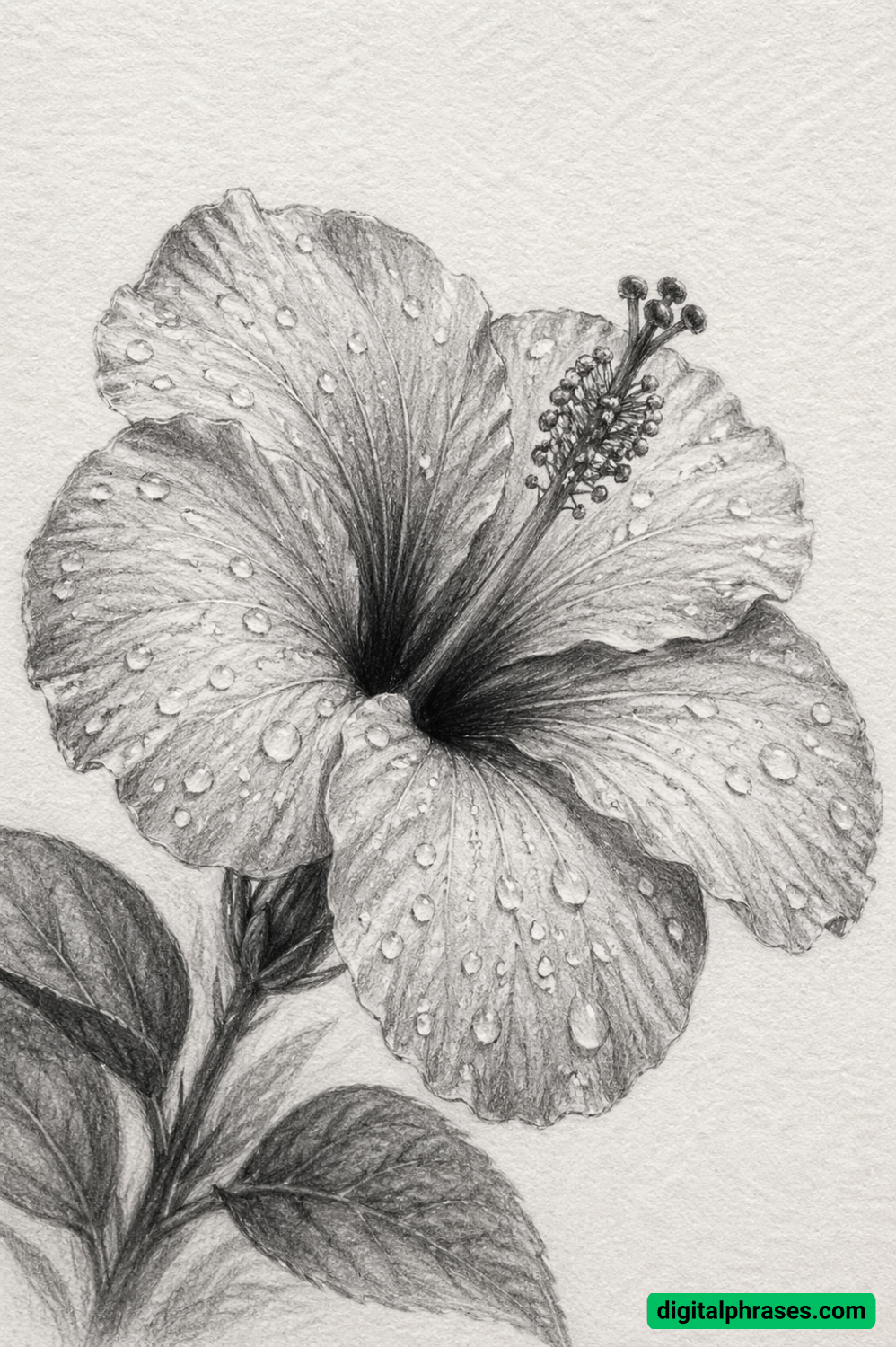
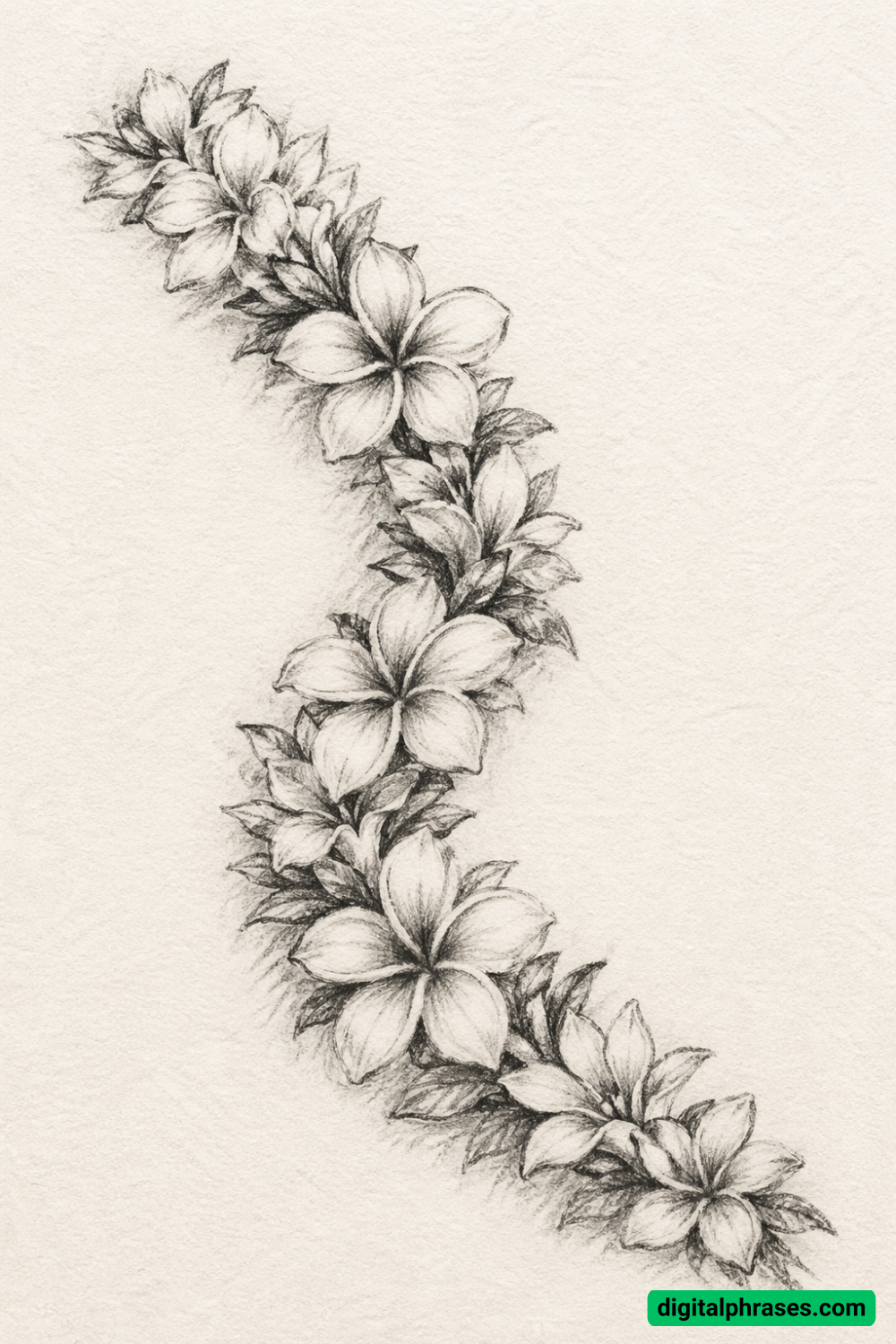
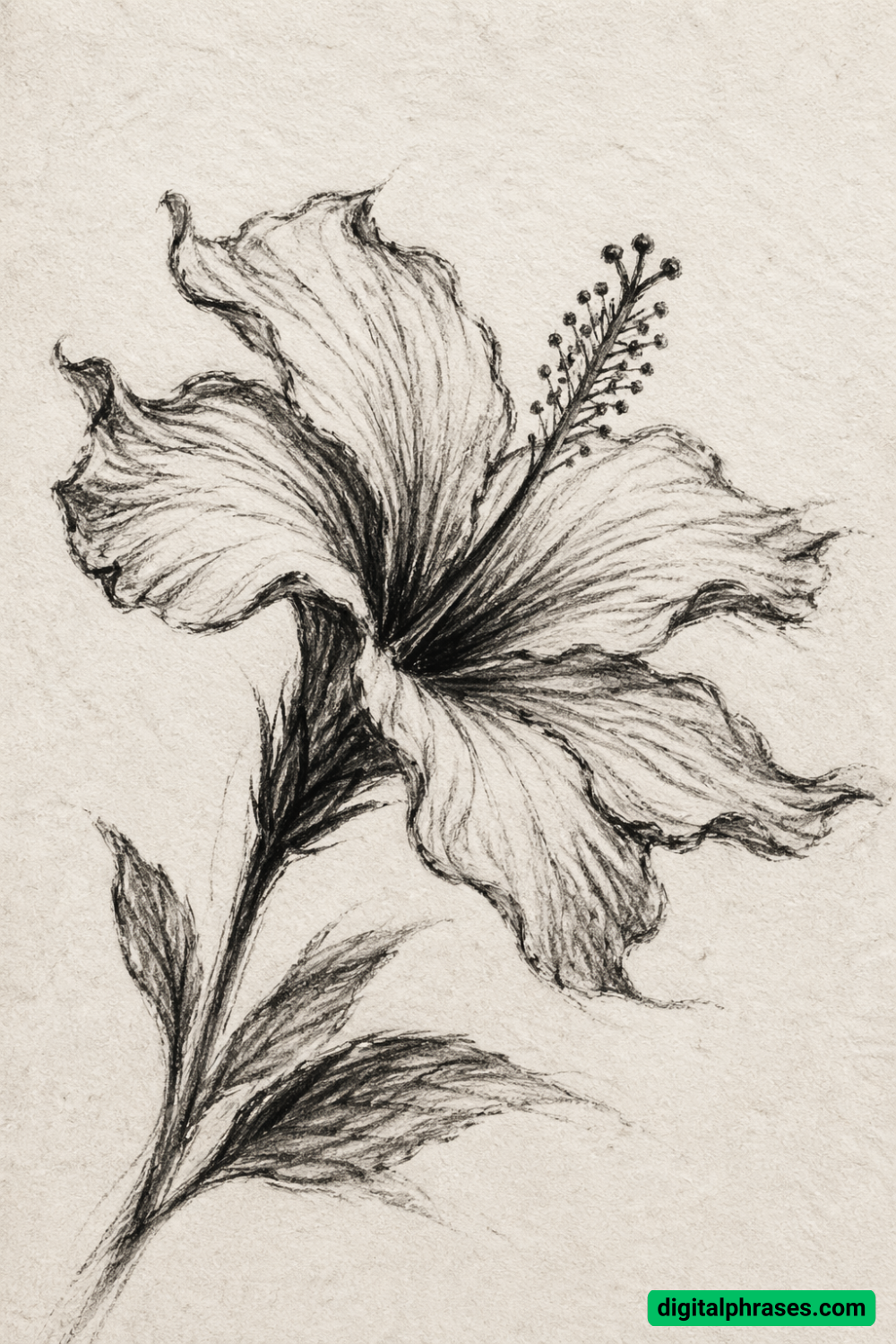
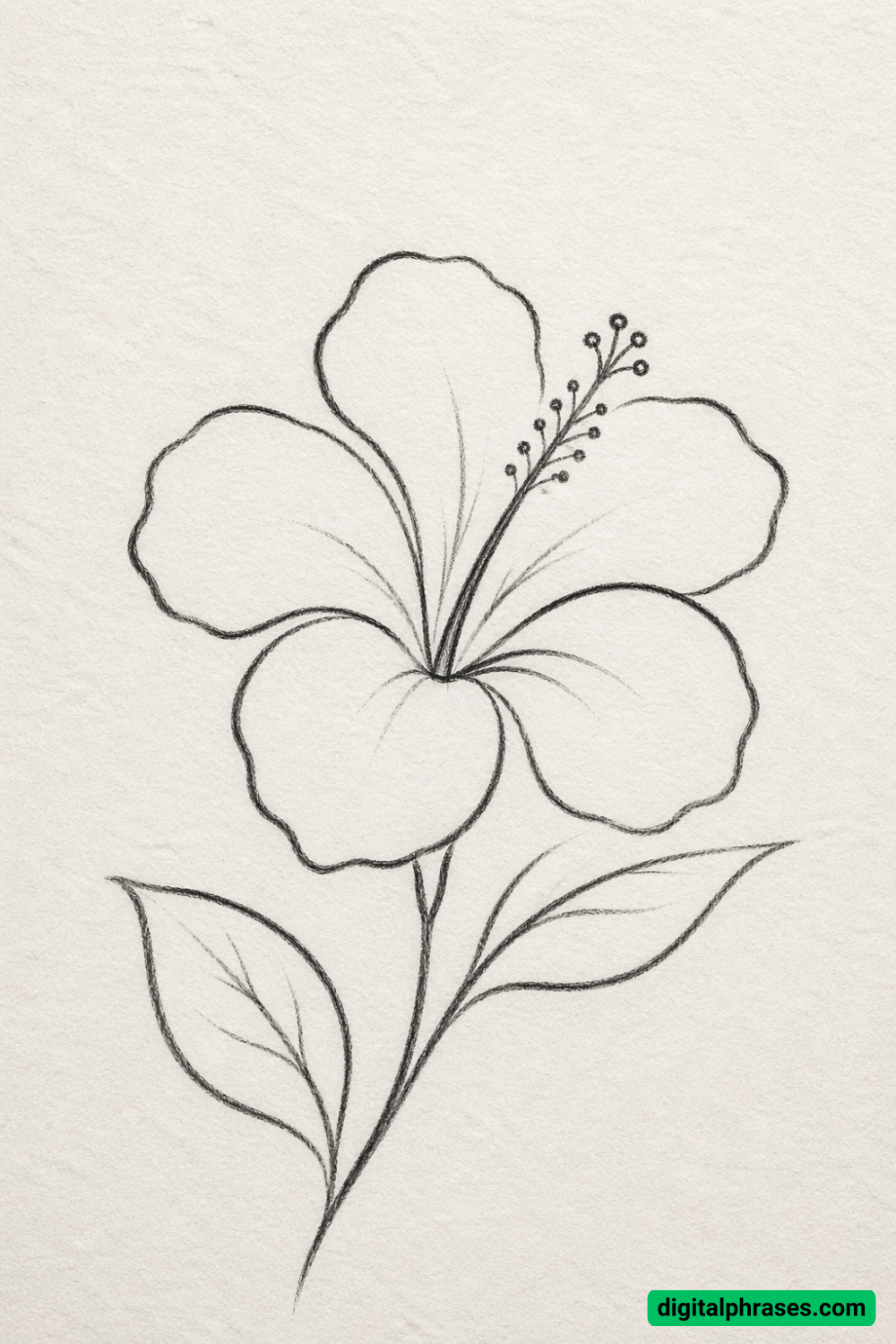
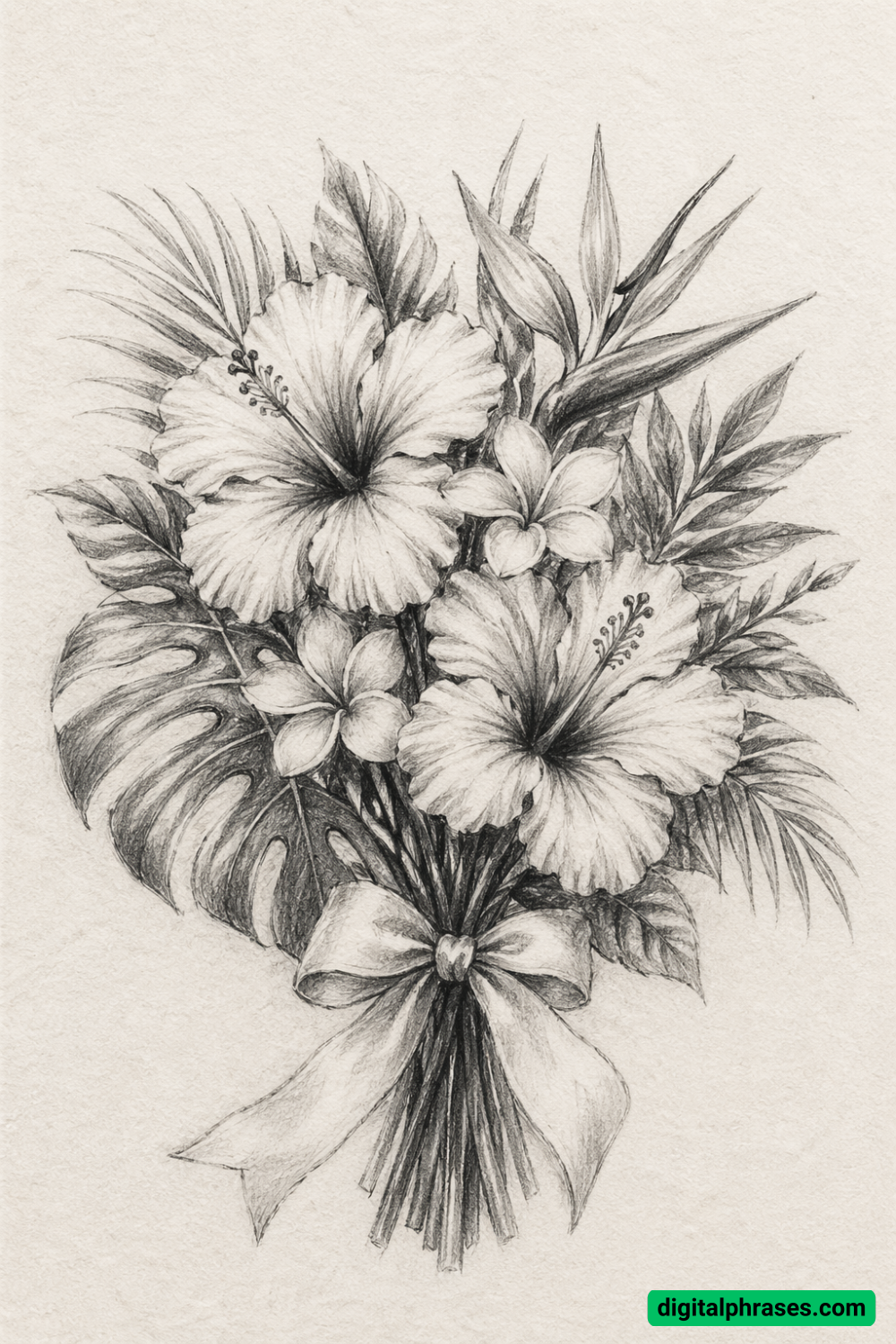
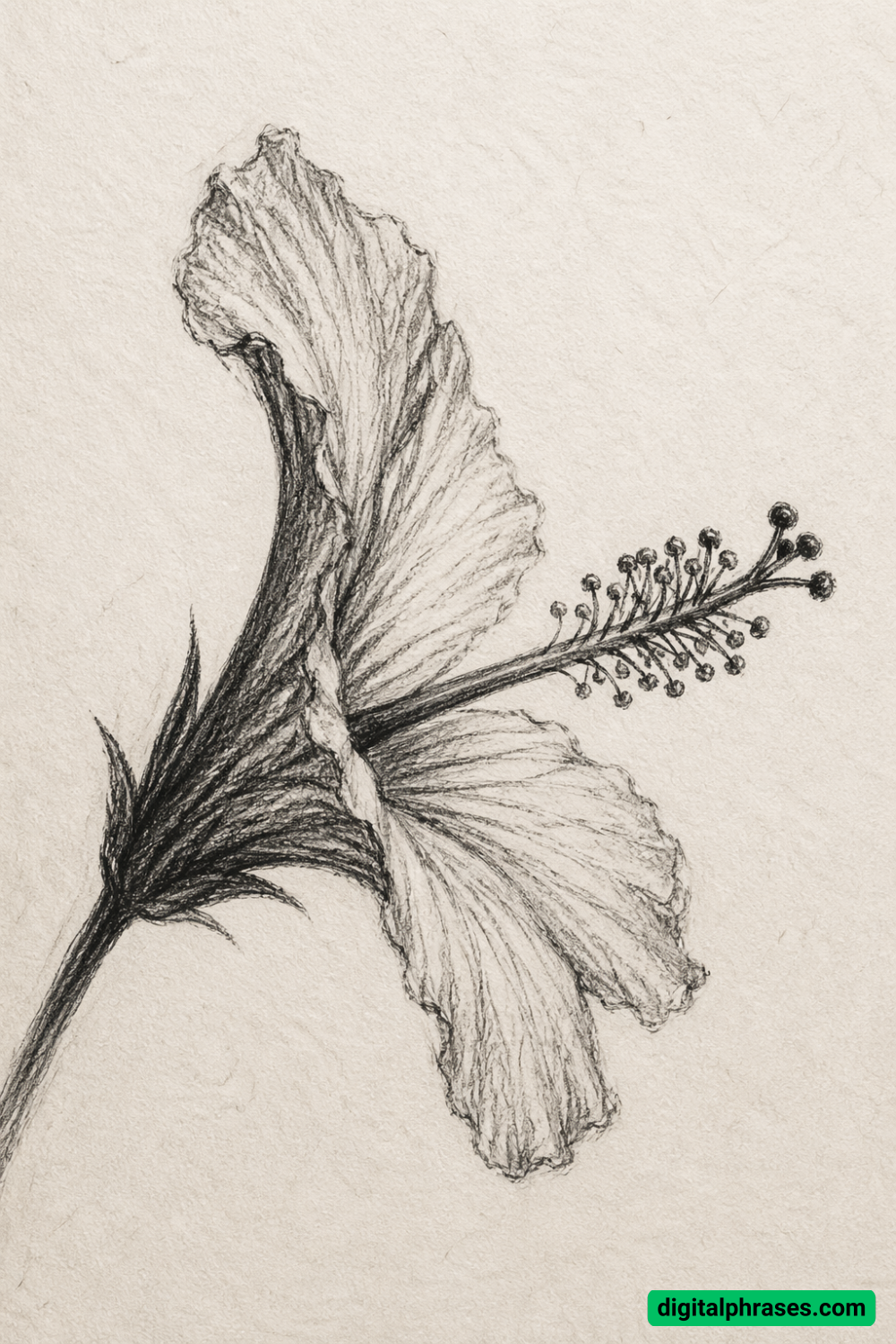
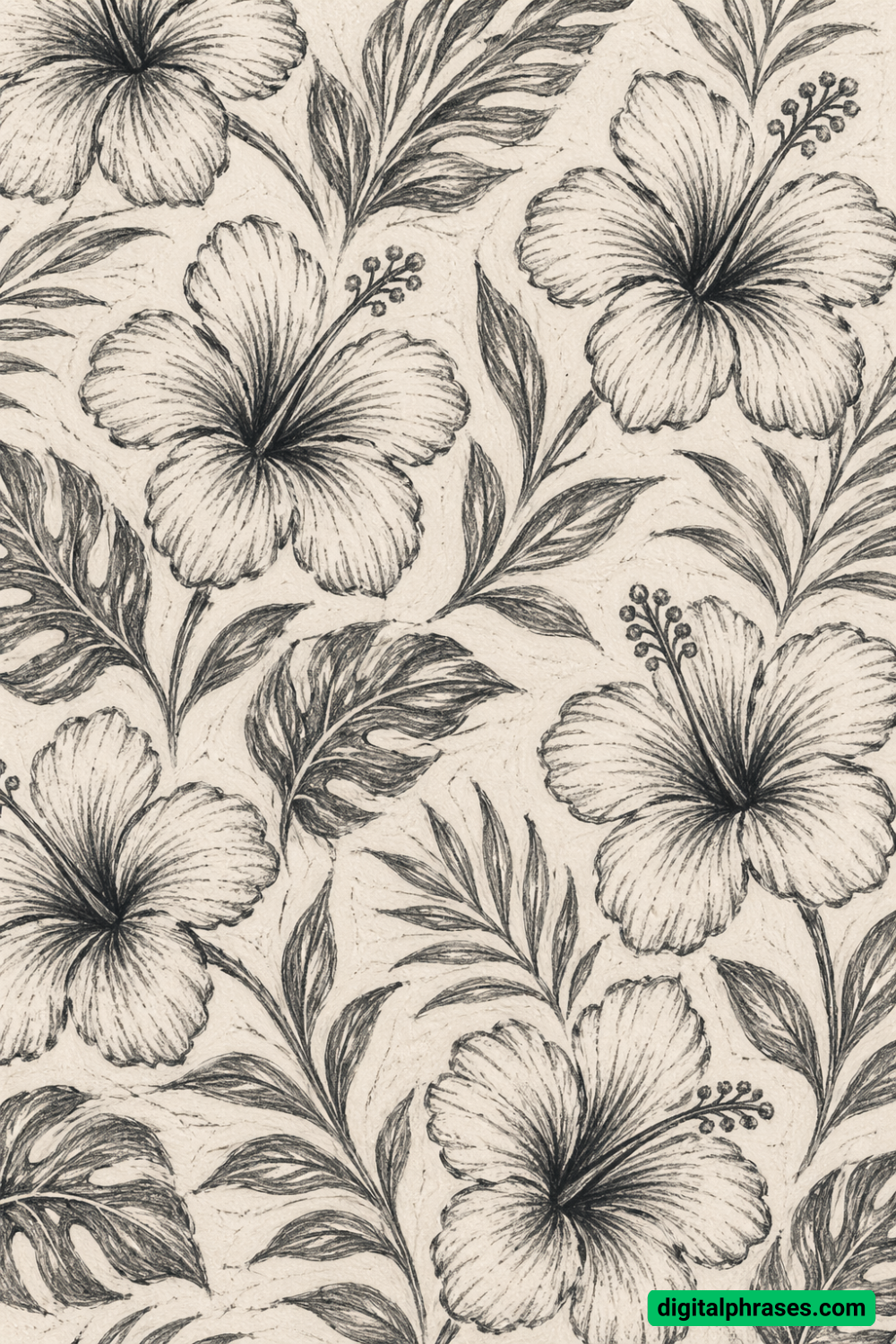
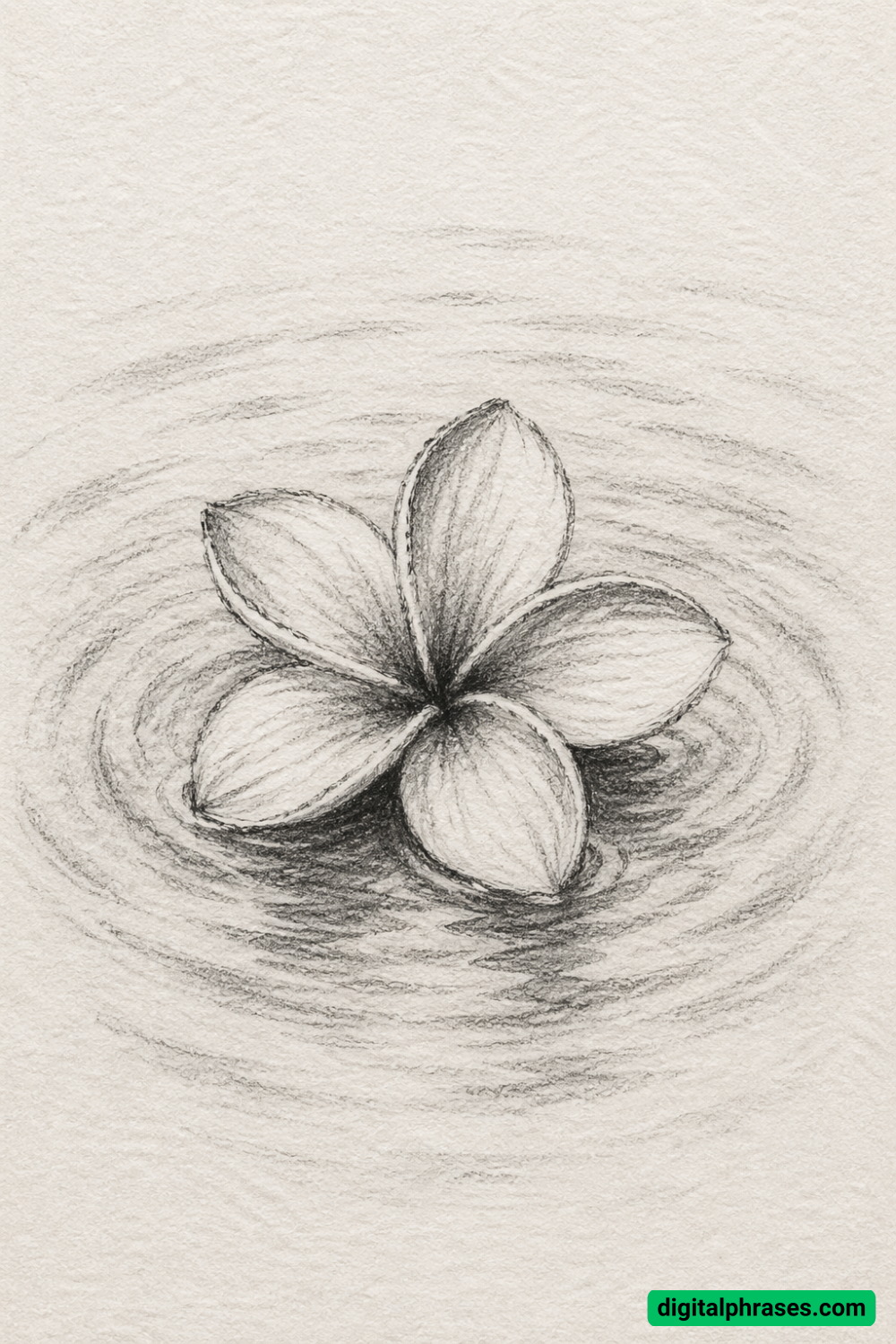
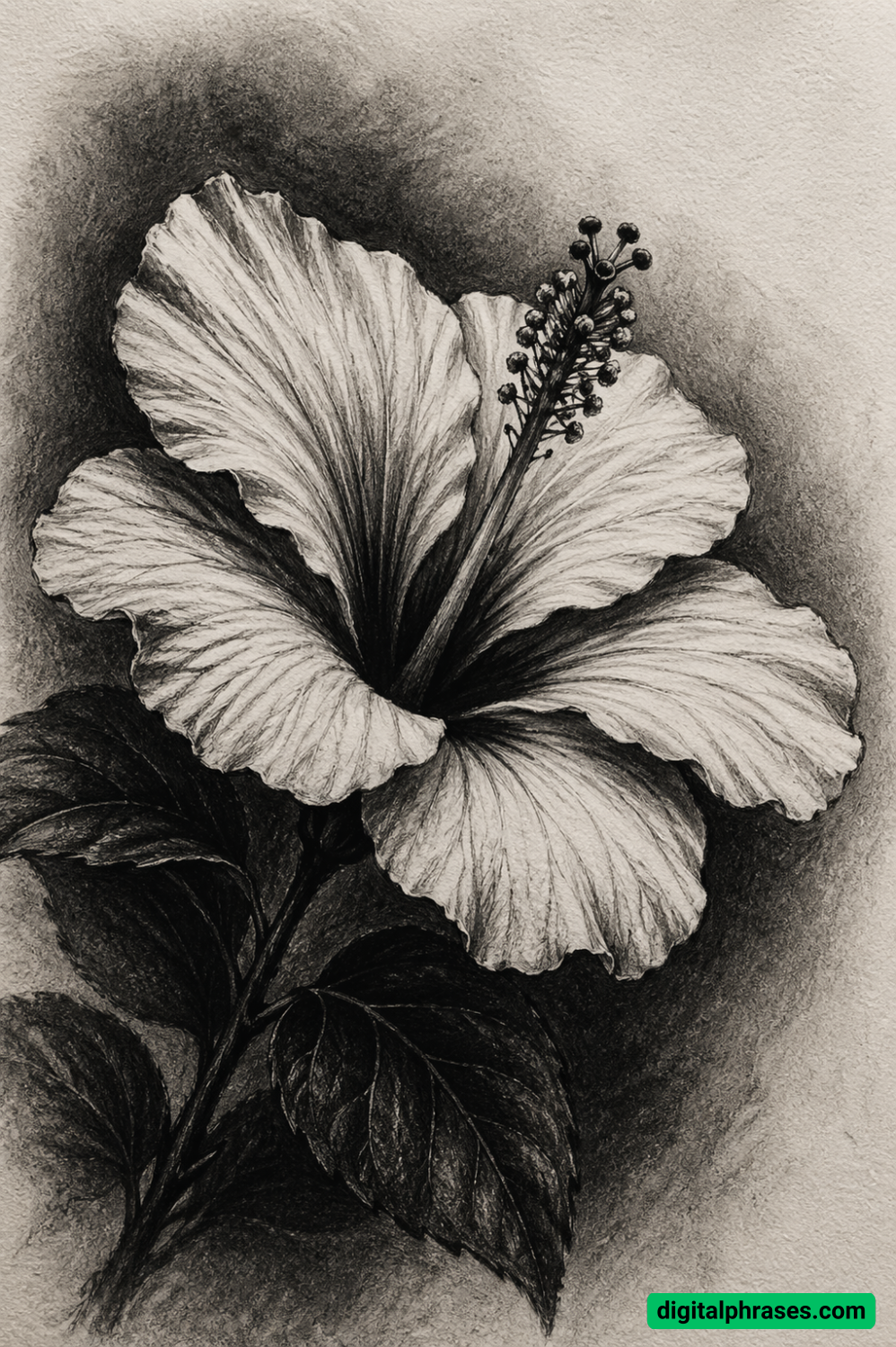
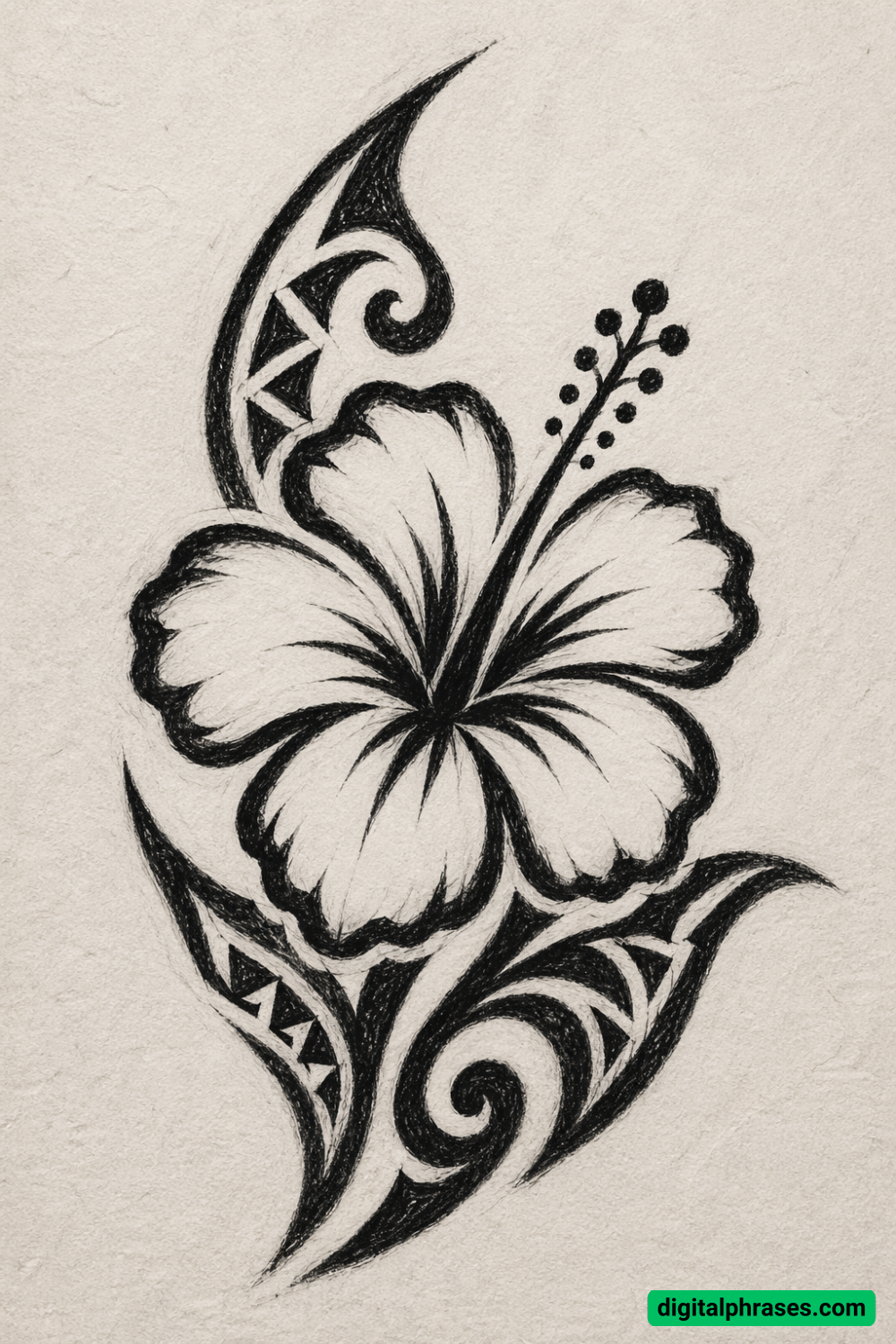
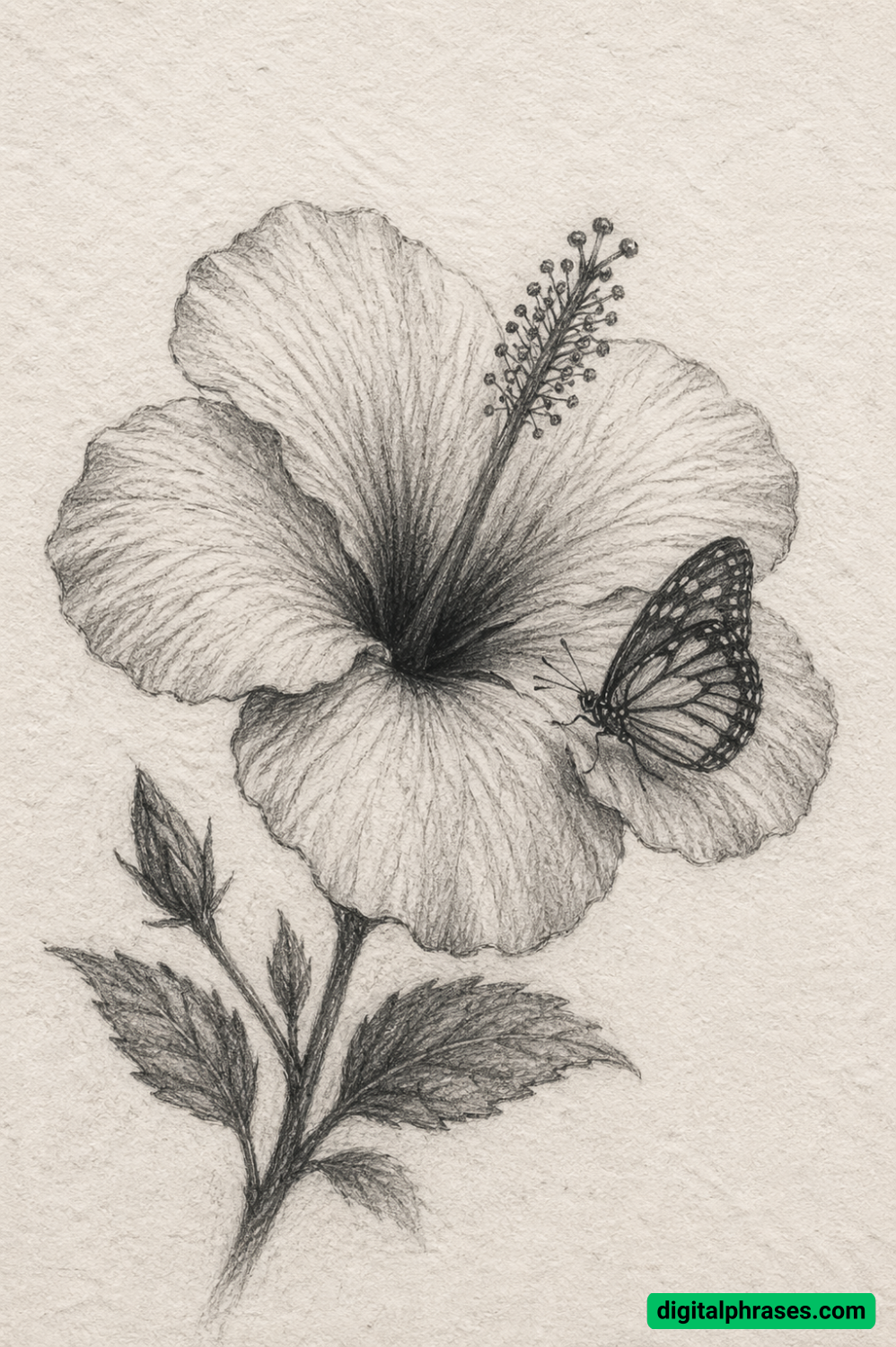
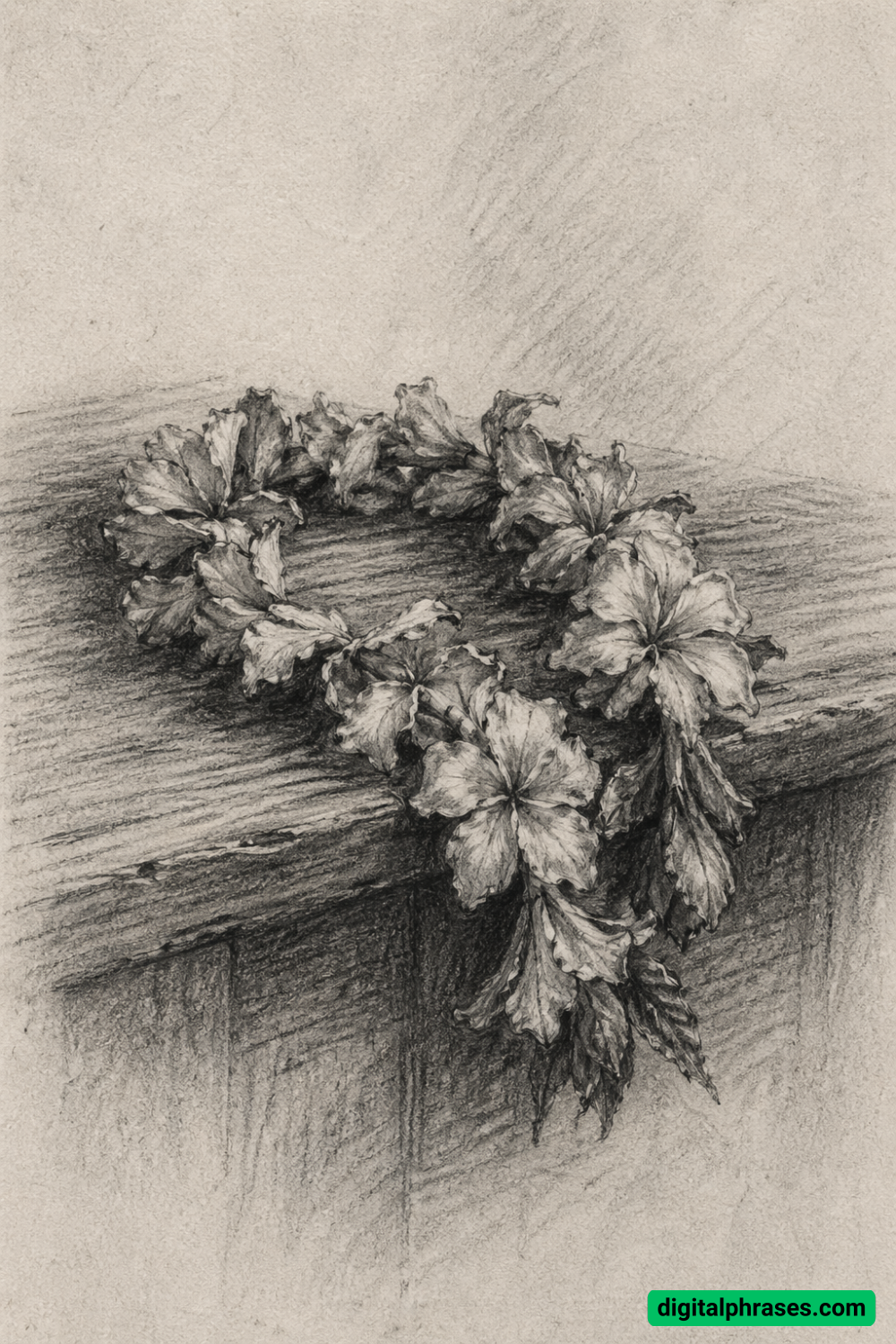
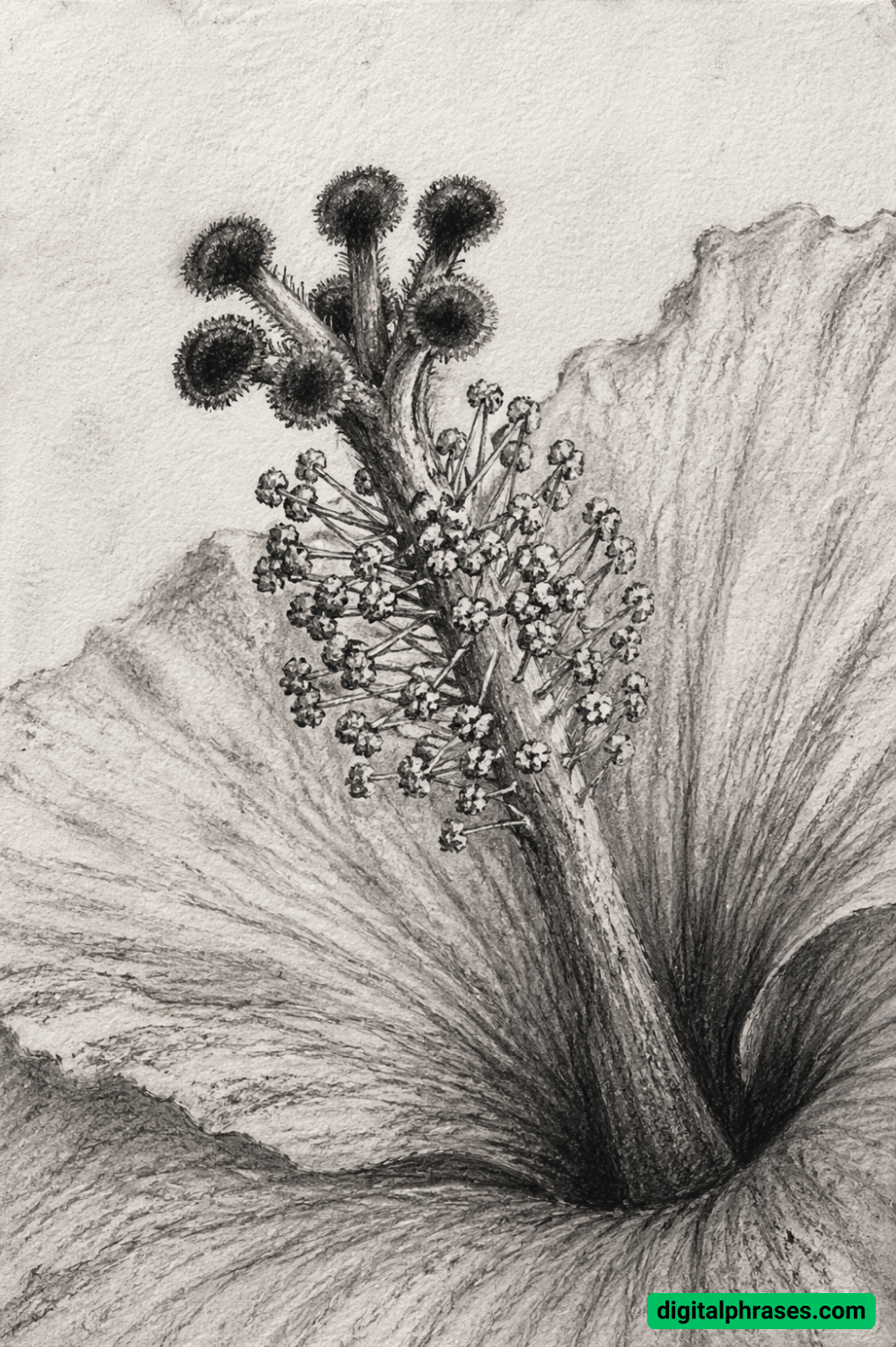
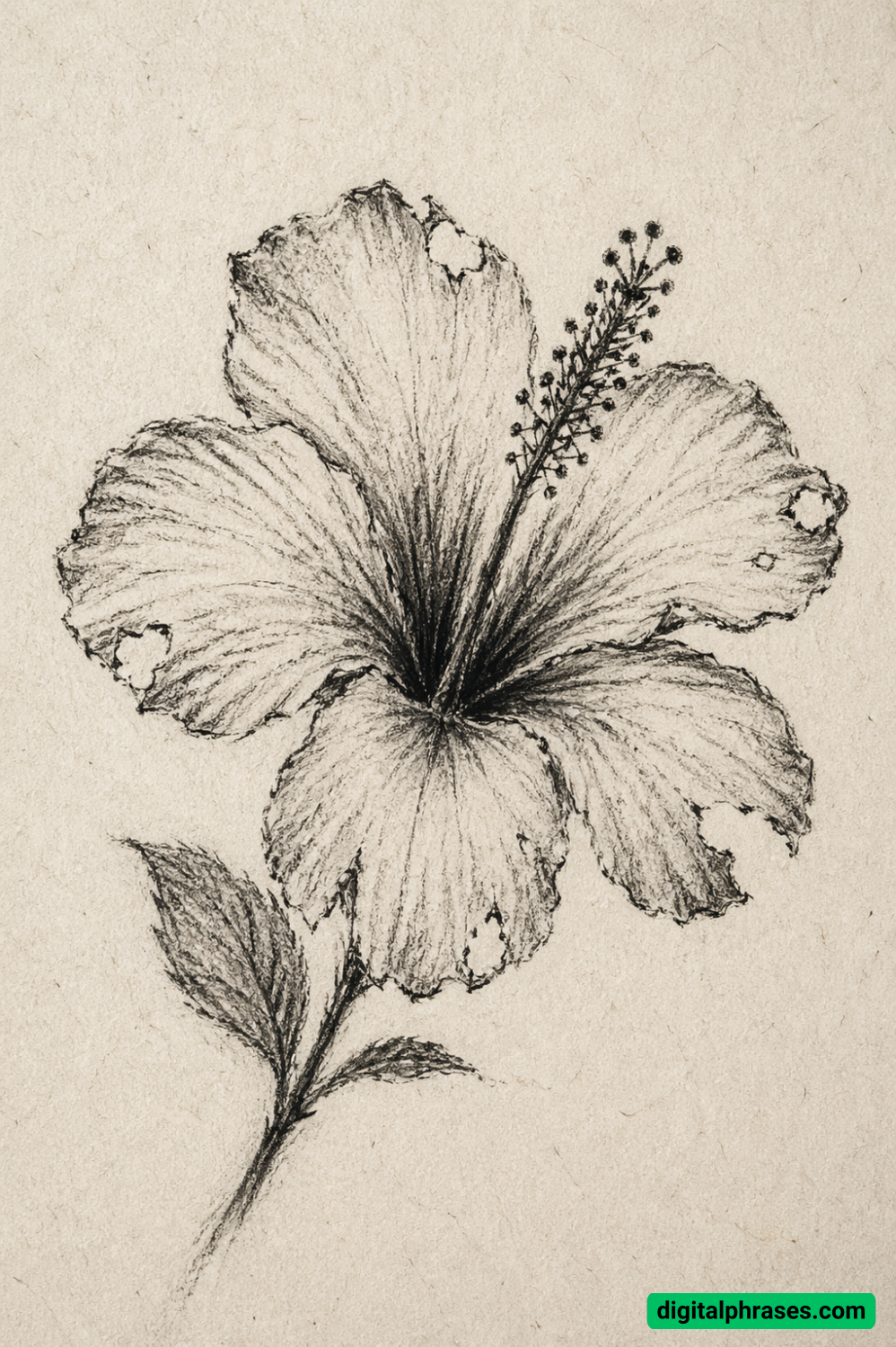
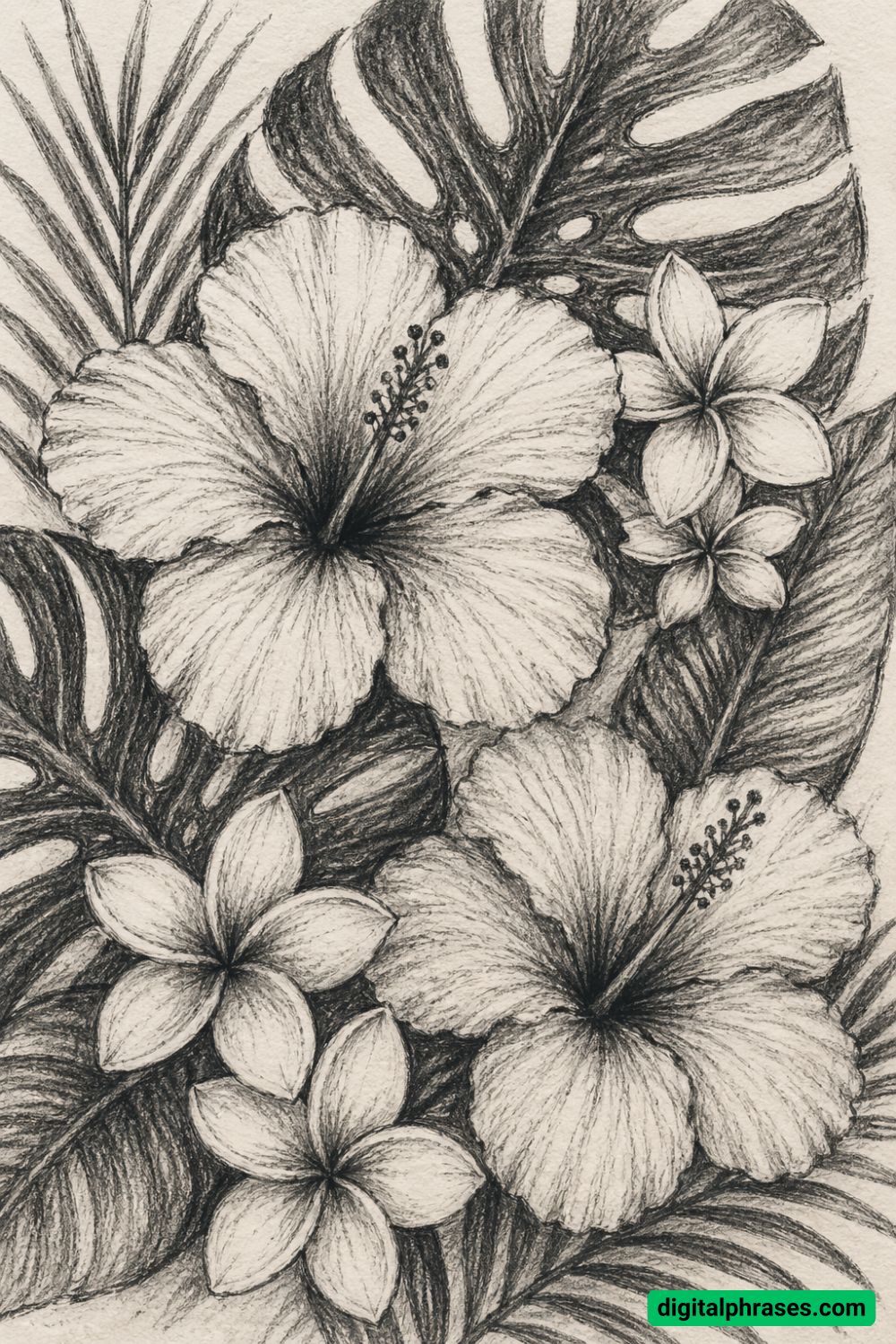
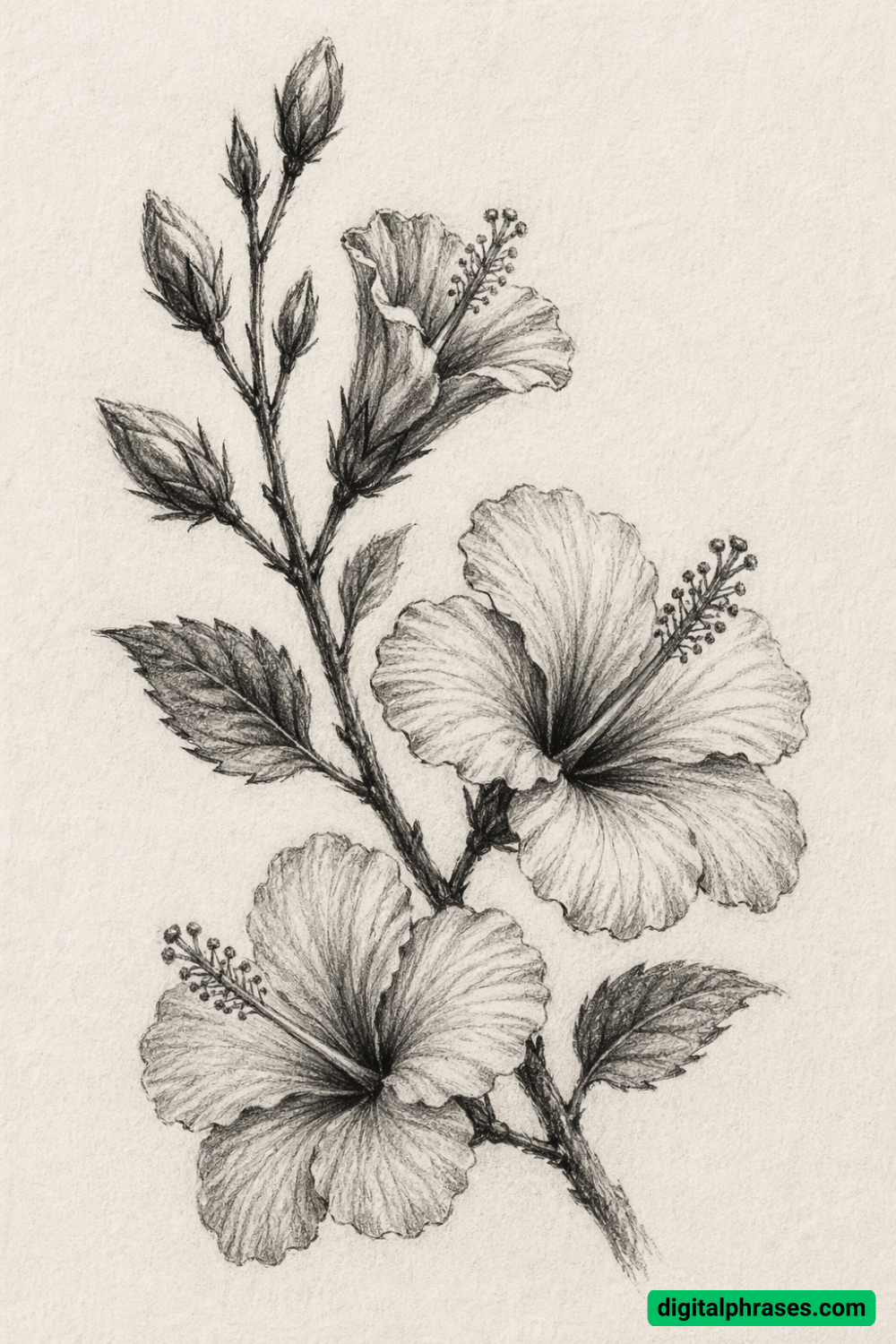
Hawaiian flowers are known for their soft shapes, and natural elegance—making them a beautiful subject for art. Whether you’re a beginner exploring simple sketches or an experienced artist looking for fresh inspiration, drawing these tropical blooms can be both relaxing and creatively fulfilling.
In this collection of Hawaiian flower drawing ideas, you’ll find a mix of styles and concepts that capture the charm and beauty of island flora in a simple, classy way.
Hawaiian Flower Drawing Ideas
1
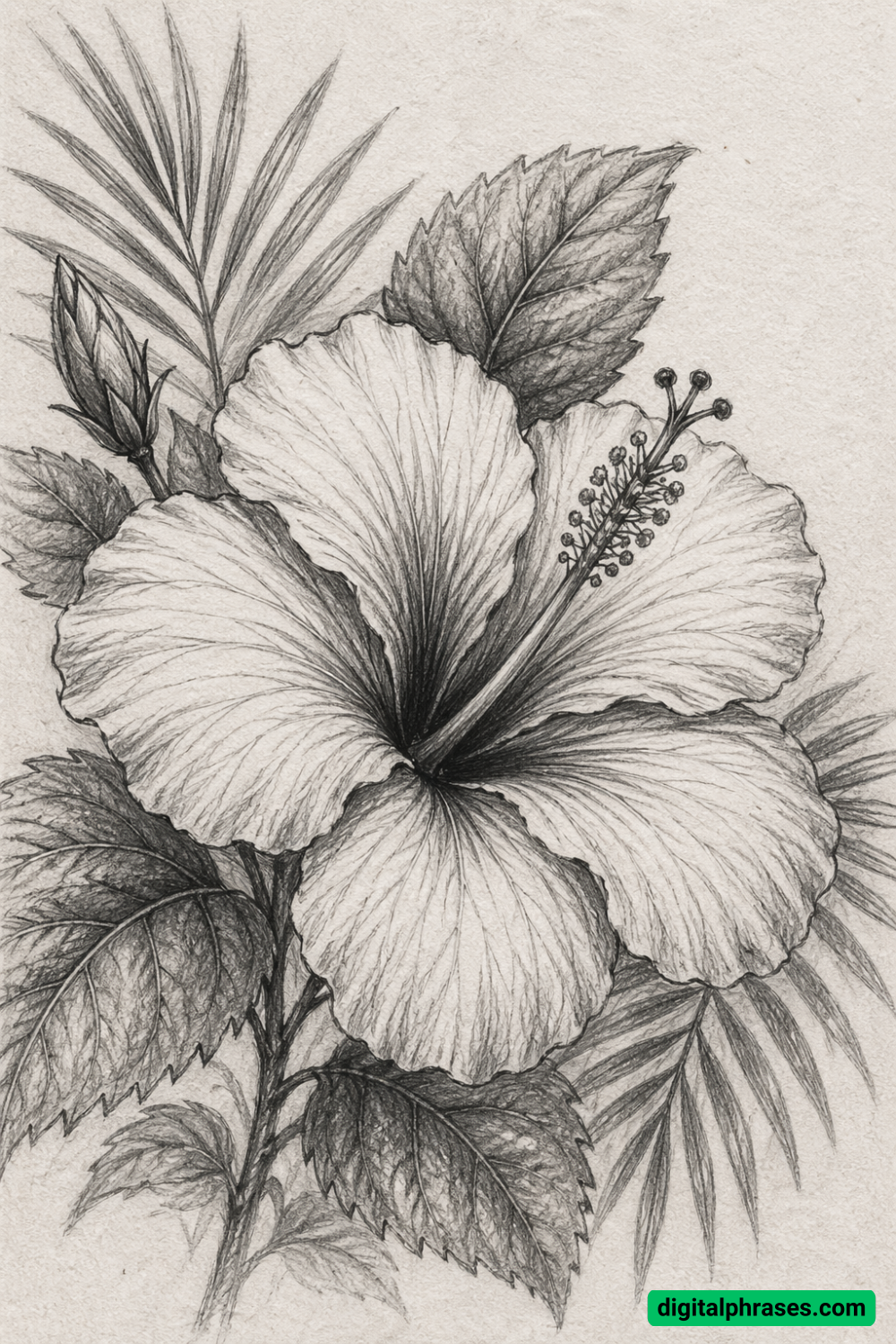
2
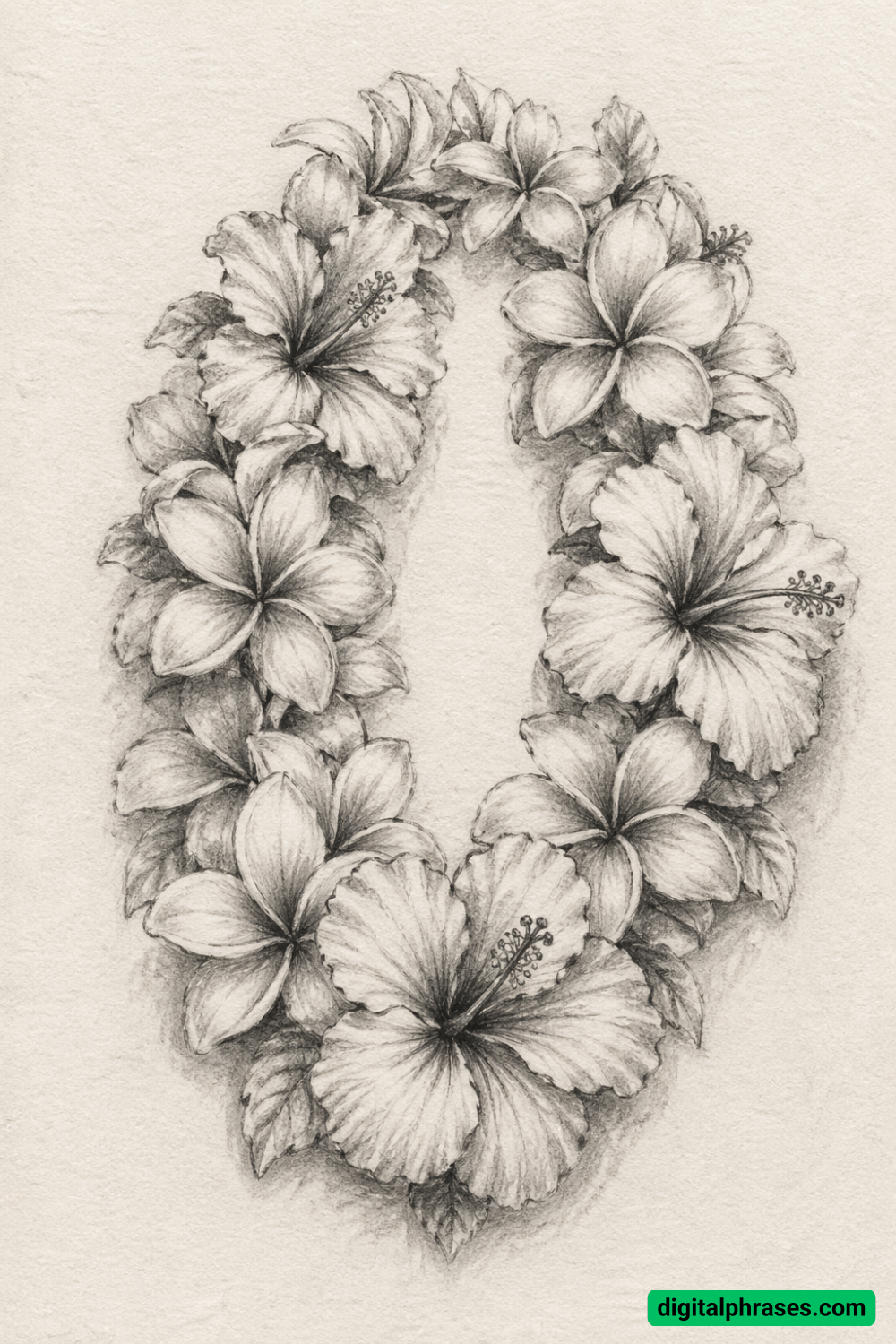
3
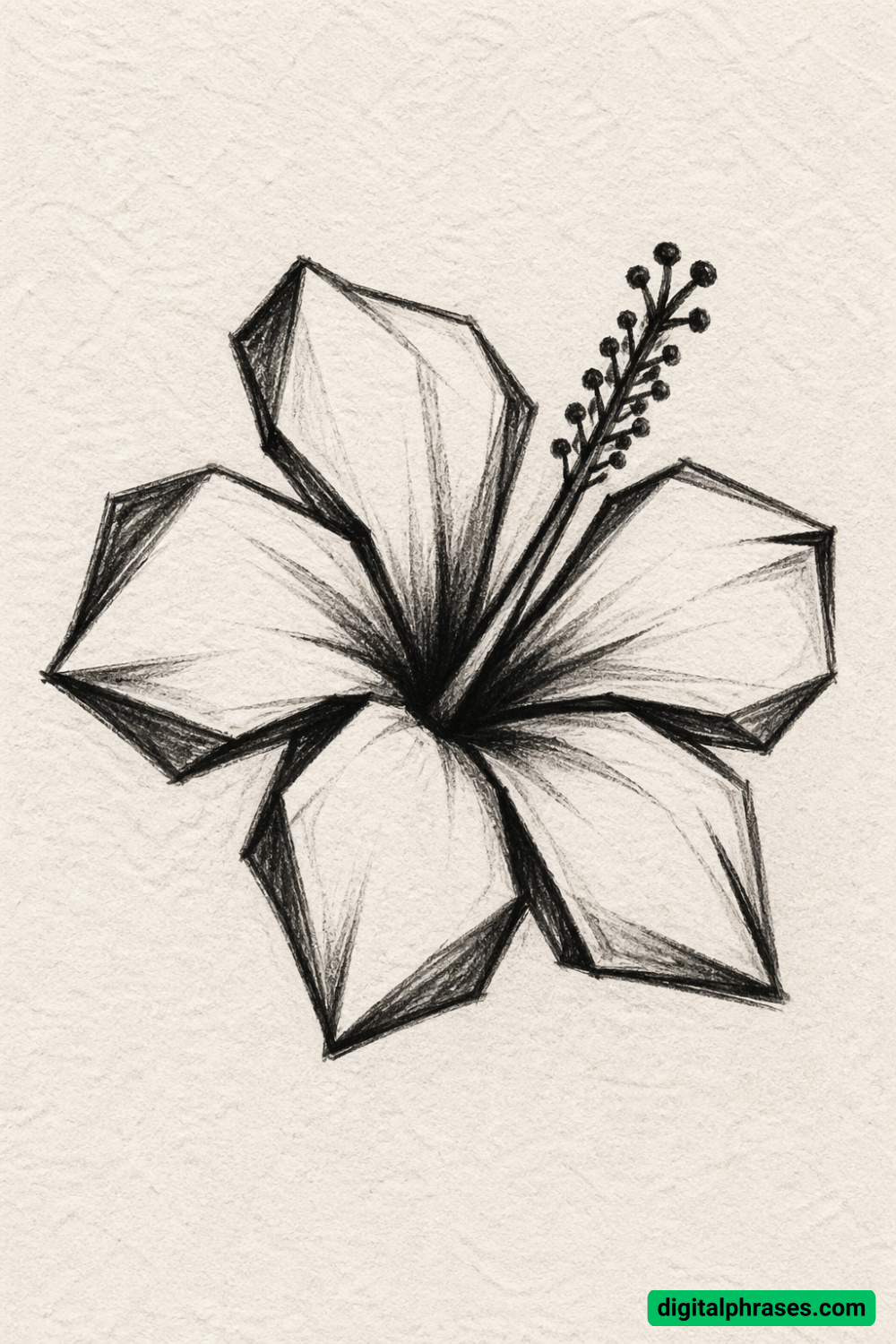
4
5
6
7
8
9
10
11
12
13
14
15
16
17
18
19
20
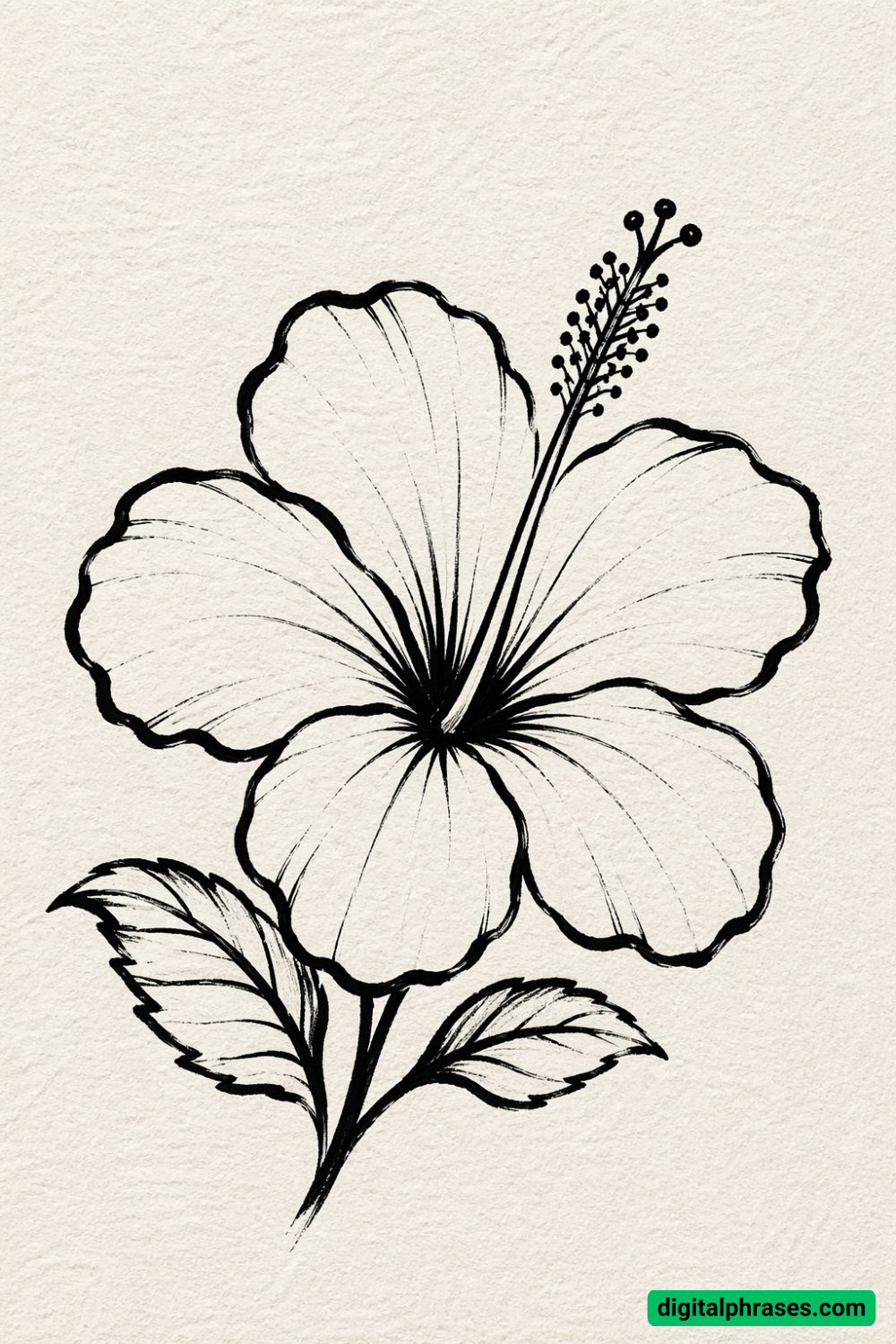
21
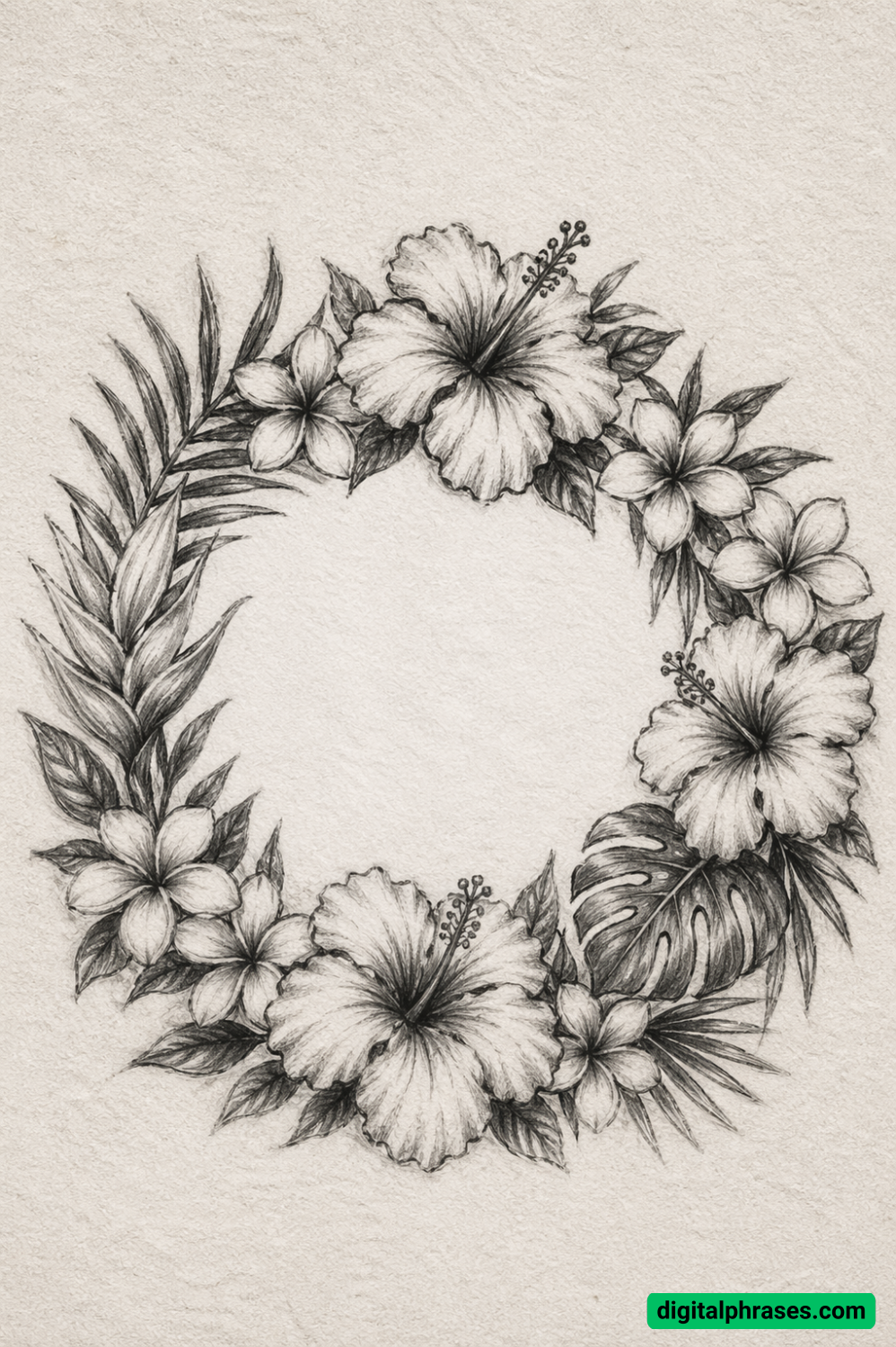
22
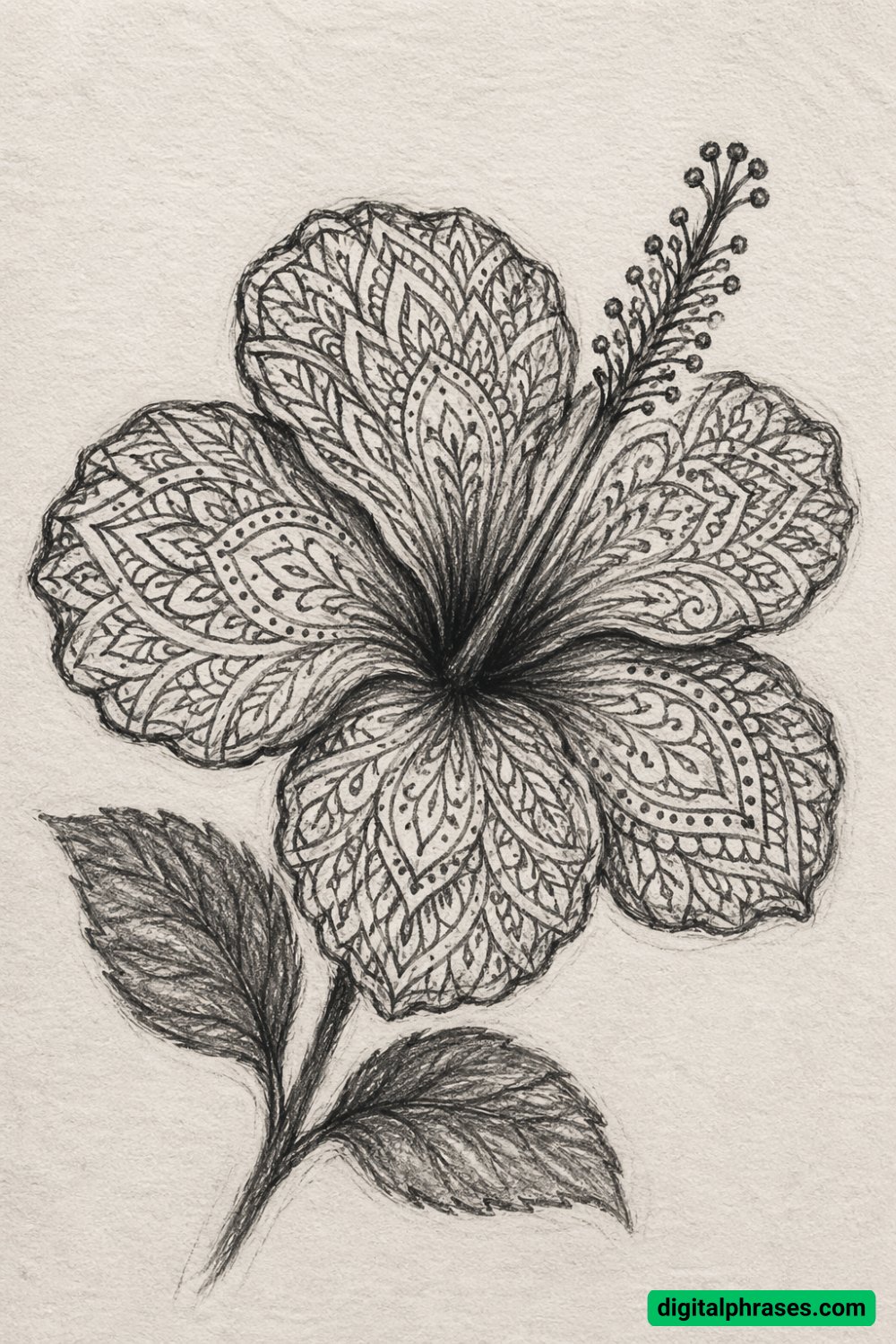
23
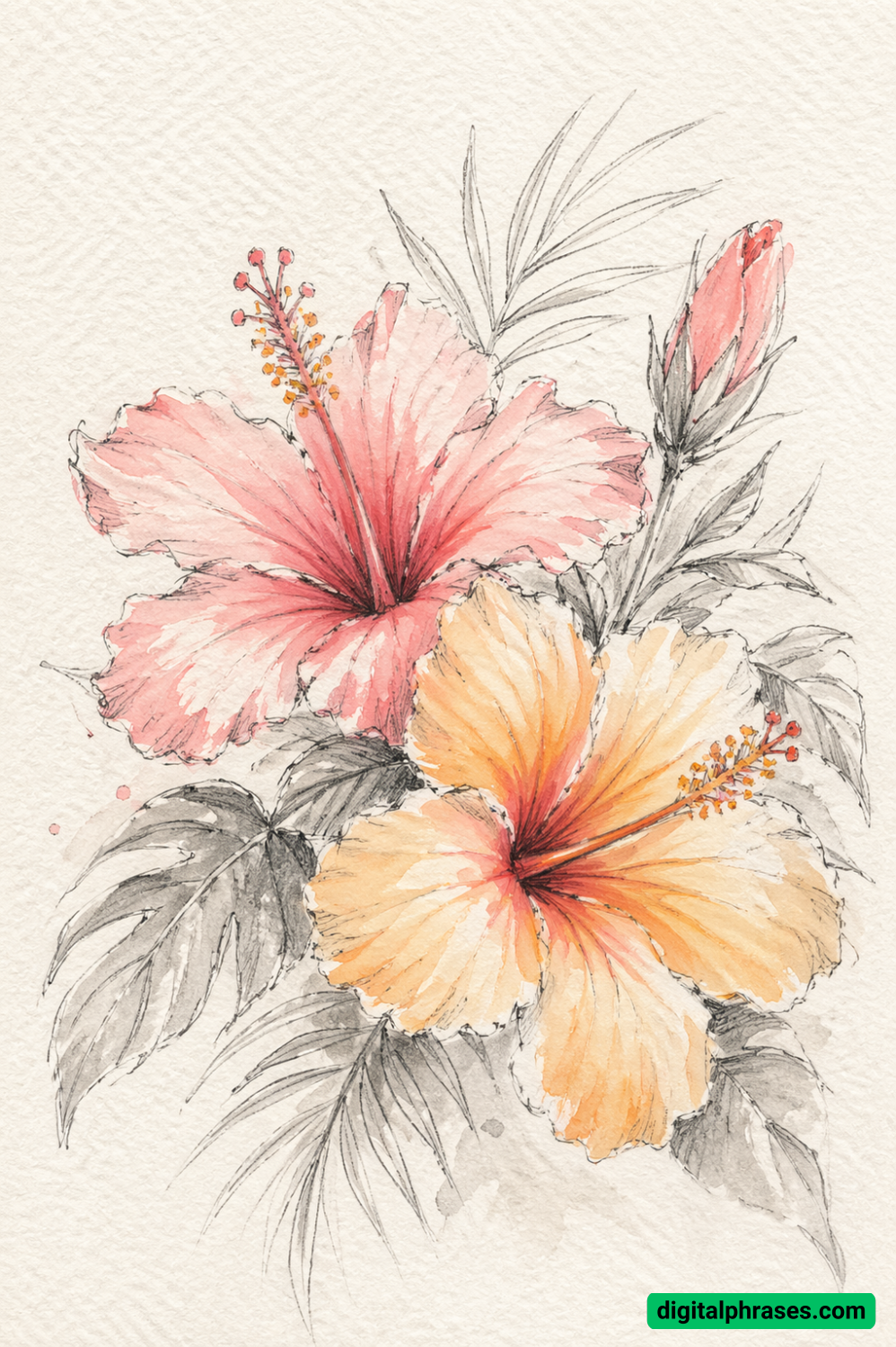
24
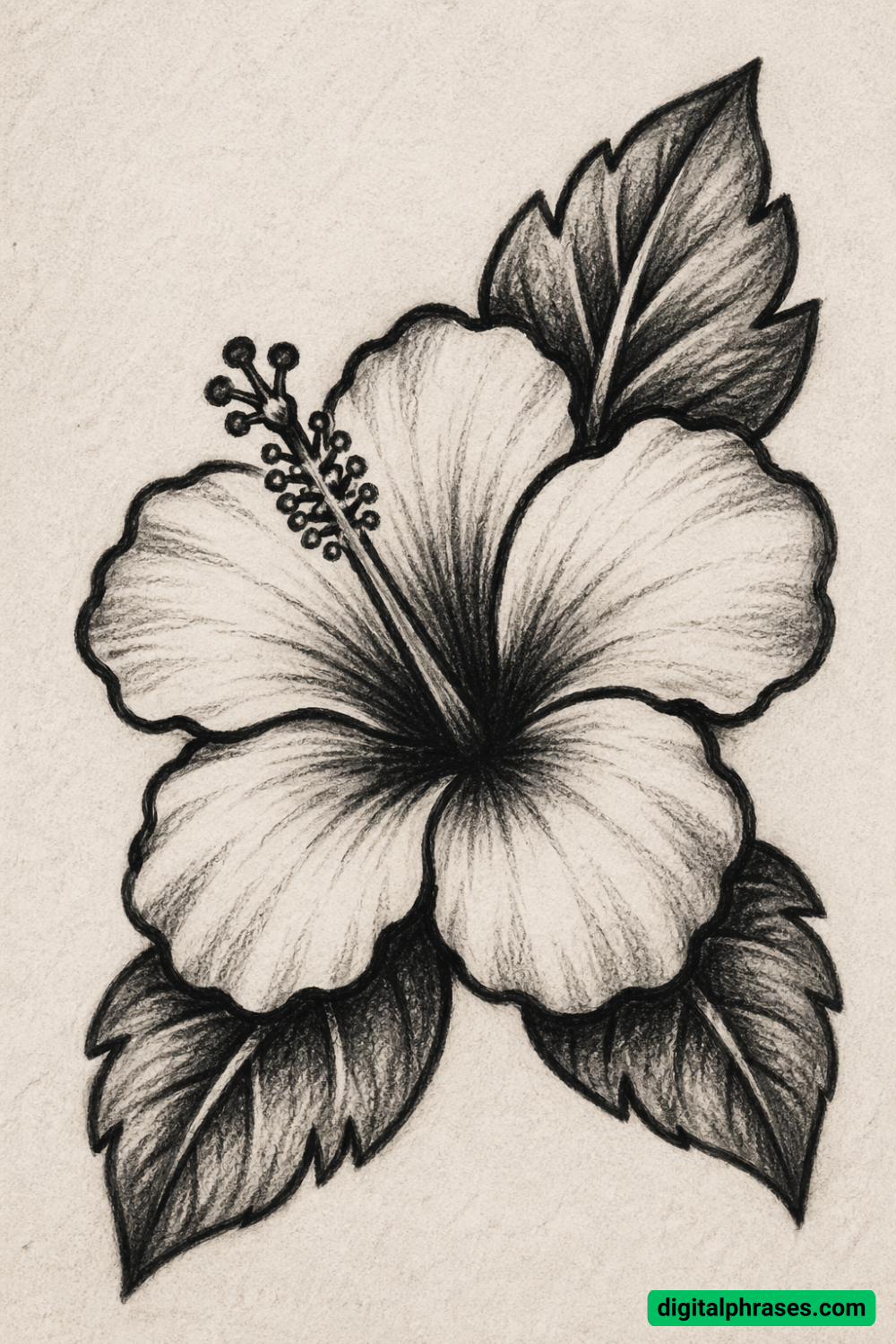
25
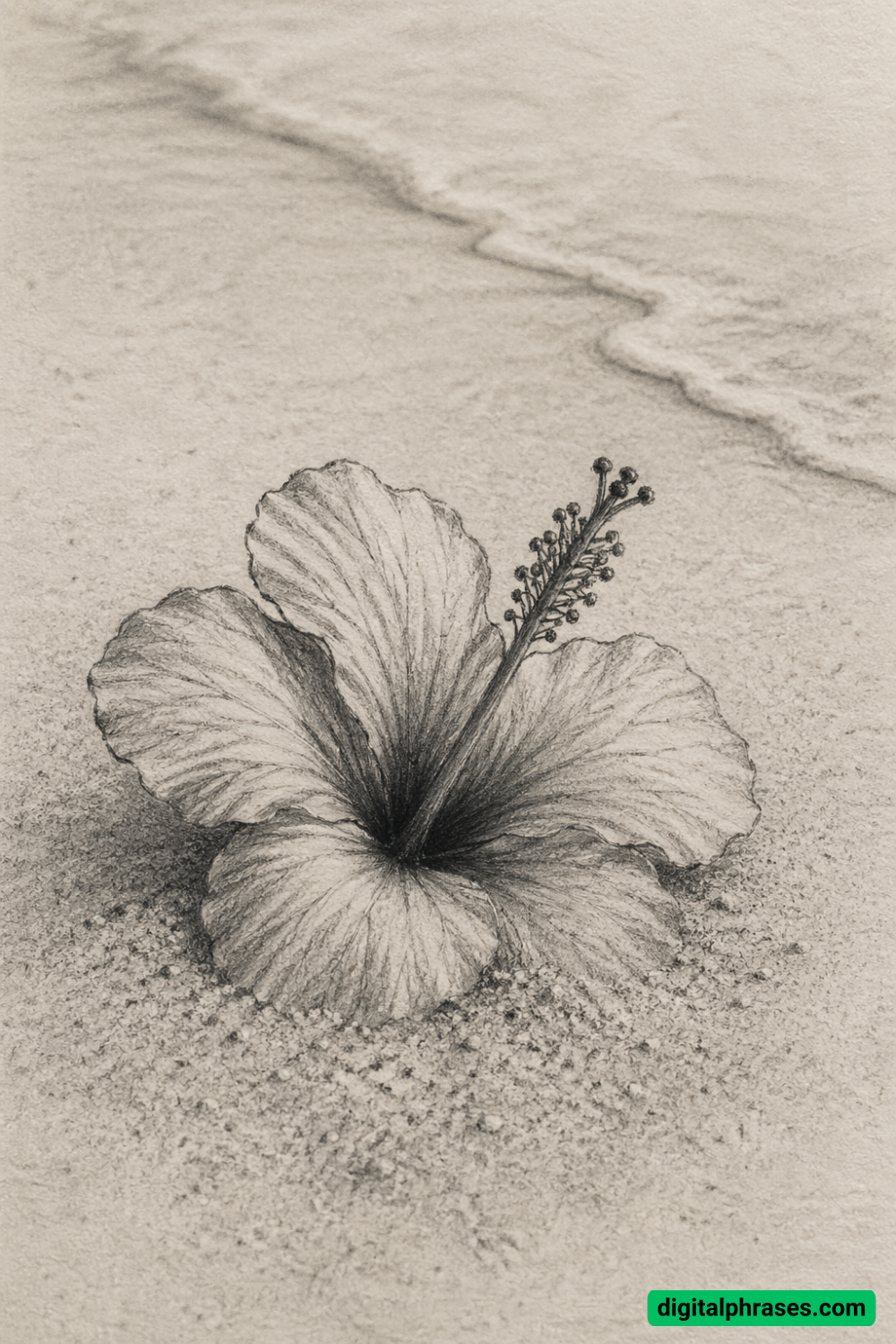
Tips For Drawing Hawaiian Flowers
Start with Simple Shapes
Every beautiful flower drawing begins with a basic structure. Instead of jumping straight into details, lightly sketch simple shapes like circles, ovals, and curved lines to map out the flower’s form. Hawaiian flowers, such as hibiscus and plumeria, often have soft, rounded petals that can be broken down into easy shapes. This approach helps you maintain proportion and balance while keeping your drawing clean and controlled. Think of it as building a foundation—once the structure looks right, you can gradually refine it into a more detailed and elegant piece.
Focus on Flow and Curves
Hawaiian flowers are known for their natural, flowing appearance. To capture this essence, pay close attention to the curves of each petal. Avoid stiff or overly sharp lines; instead, use smooth, confident strokes that mimic the organic movement found in nature. Practicing continuous line drawing can help improve this skill. Let your hand move freely, and don’t be afraid to redraw lines until they feel natural. The more fluid your lines are, the more lifelike and graceful your flower drawing will appear.
Study Real References
Working from real-life references or high-quality images can make a significant difference in your drawing. Observe how petals overlap, how the center of the flower is structured, and how subtle imperfections add character. Hawaiian flowers often have unique details—like the long stamen of a hibiscus or the layered symmetry of a plumeria—that are easier to understand when you study them closely. Taking time to observe before drawing will improve accuracy and help you create artwork that feels authentic rather than generic.
Build Depth with Light Shading
Shading is key to transforming a flat sketch into a dimensional drawing. Start by identifying a light source and gently add shadows where petals fold or overlap. Use light pressure and build up gradually to avoid harsh contrasts unless intentionally desired. Hawaiian flowers tend to have soft textures, so blending your shading smoothly can enhance their delicate appearance. Even minimal shading can add depth and realism, making your drawing feel more polished and visually appealing without overcomplicating it.
Keep It Clean and Minimal
A classy drawing often relies on simplicity rather than excessive detail. Once your main lines and shading are in place, step back and assess your work. Remove unnecessary lines, refine edges, and keep the composition uncluttered. Hawaiian flower drawings look especially elegant when they highlight the natural beauty of the bloom without too much distraction. Using clean linework and a restrained approach to detail can make your artwork stand out while maintaining a sophisticated, timeless feel.