17 Lily of the Valley Drawing Ideas
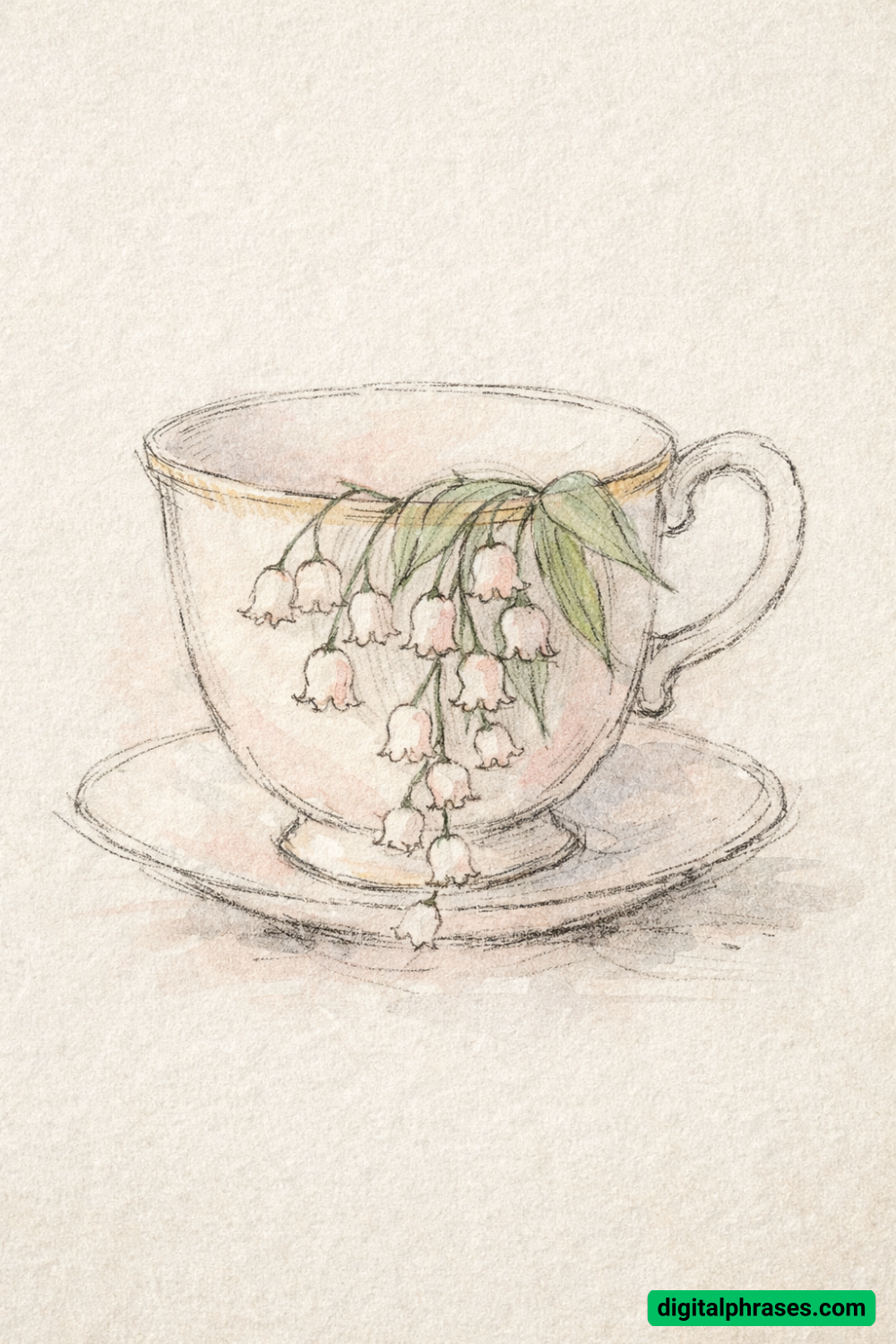
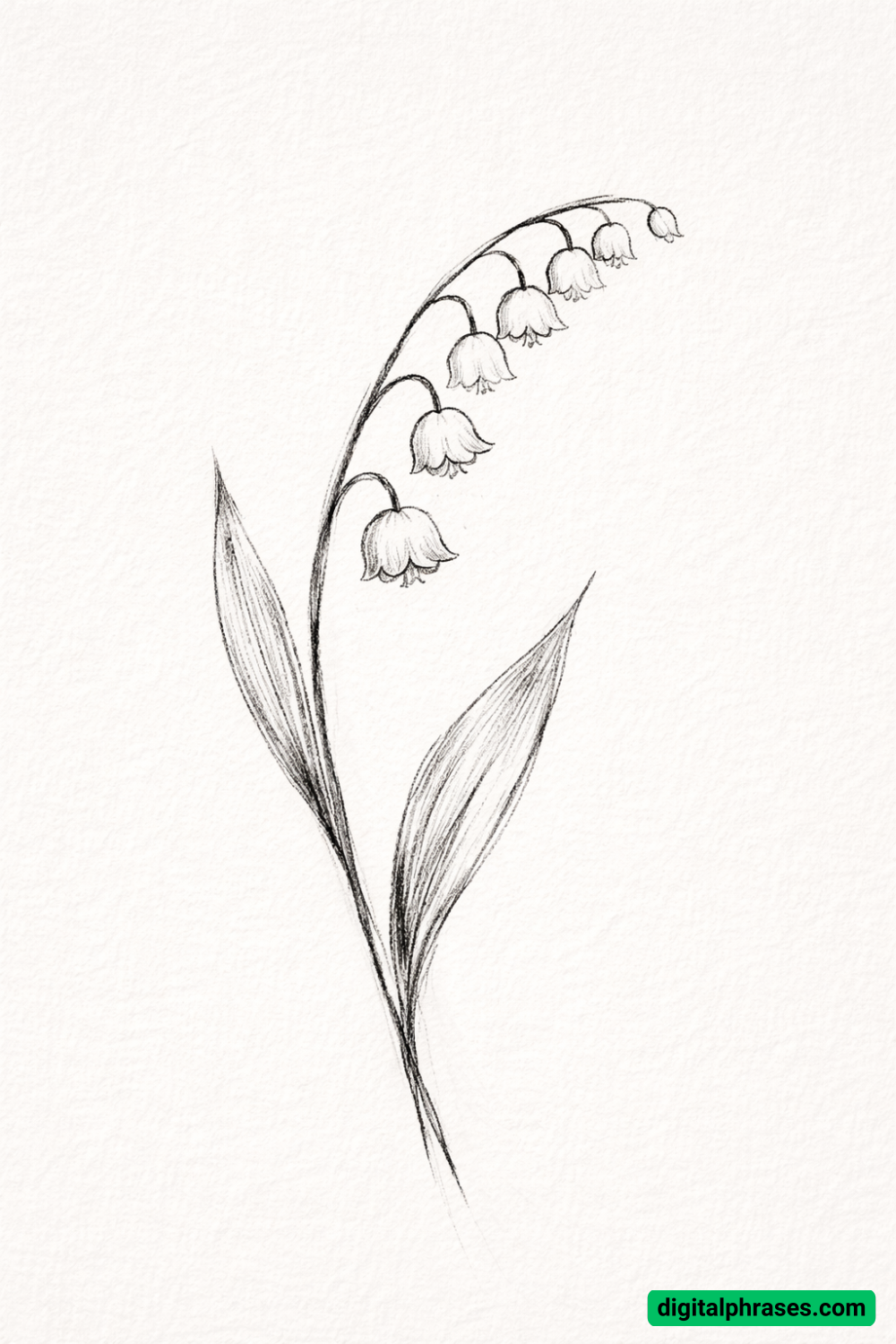
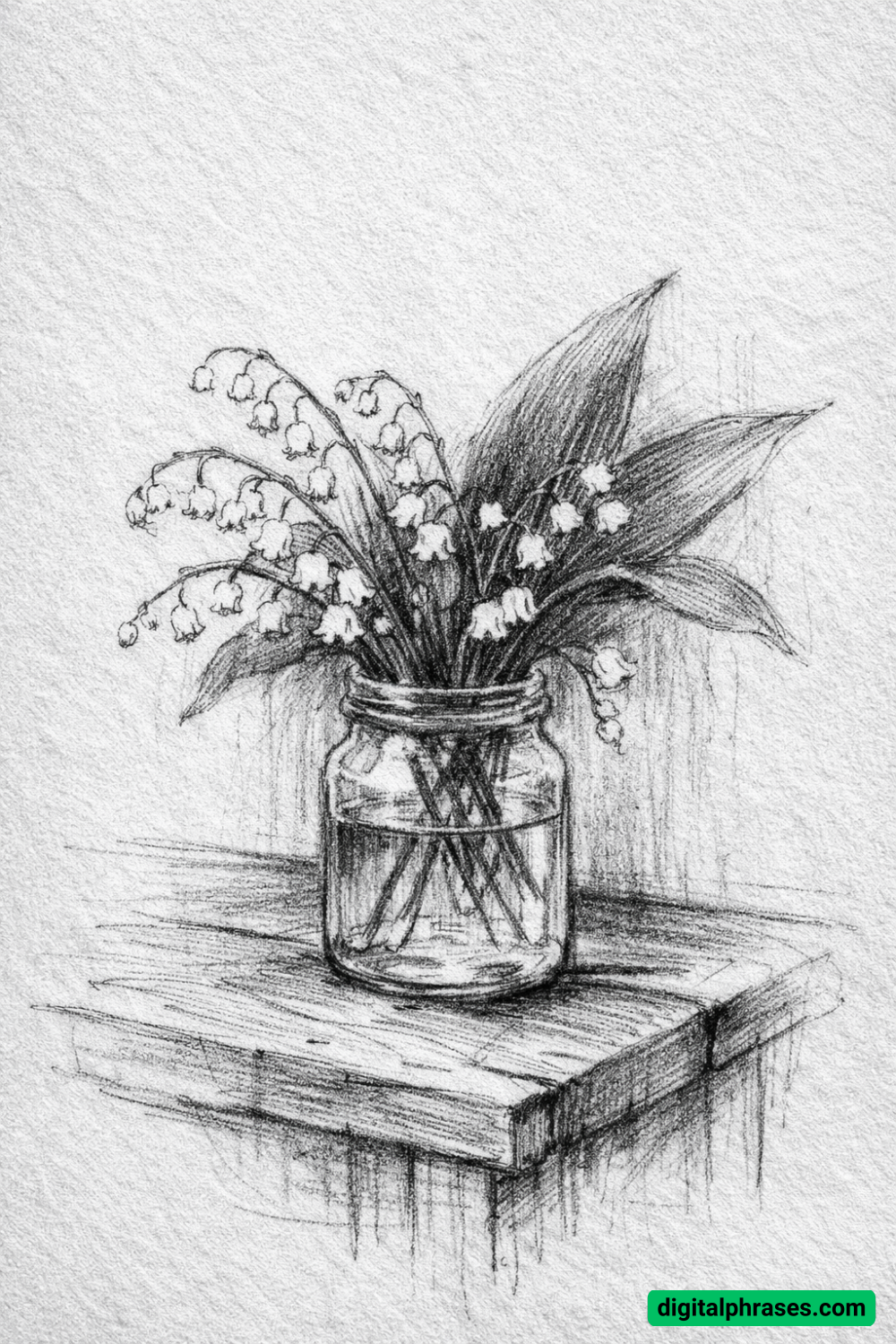
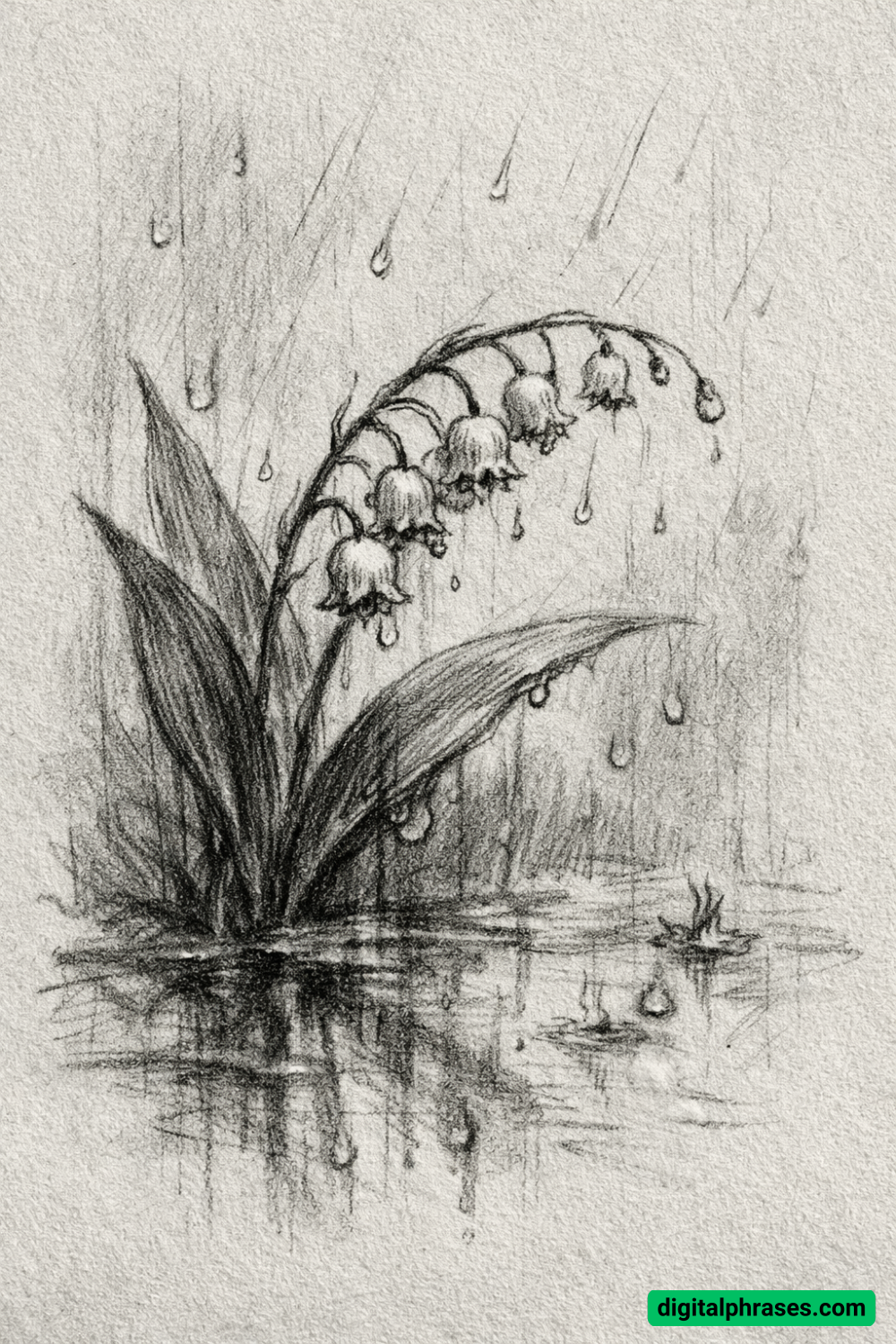
Lily of the valley is a small, delicate flower that’s loved for its soft shape and gentle beauty. Its tiny bell-like blooms and curved stems make it a great subject for artists of all levels.
In this blog, you’ll find some lily of the valley drawing ideas to help you get inspired, practice your skills, and try different styles at your own pace.
Lily of the Valley Drawing Ideas
1
2
3
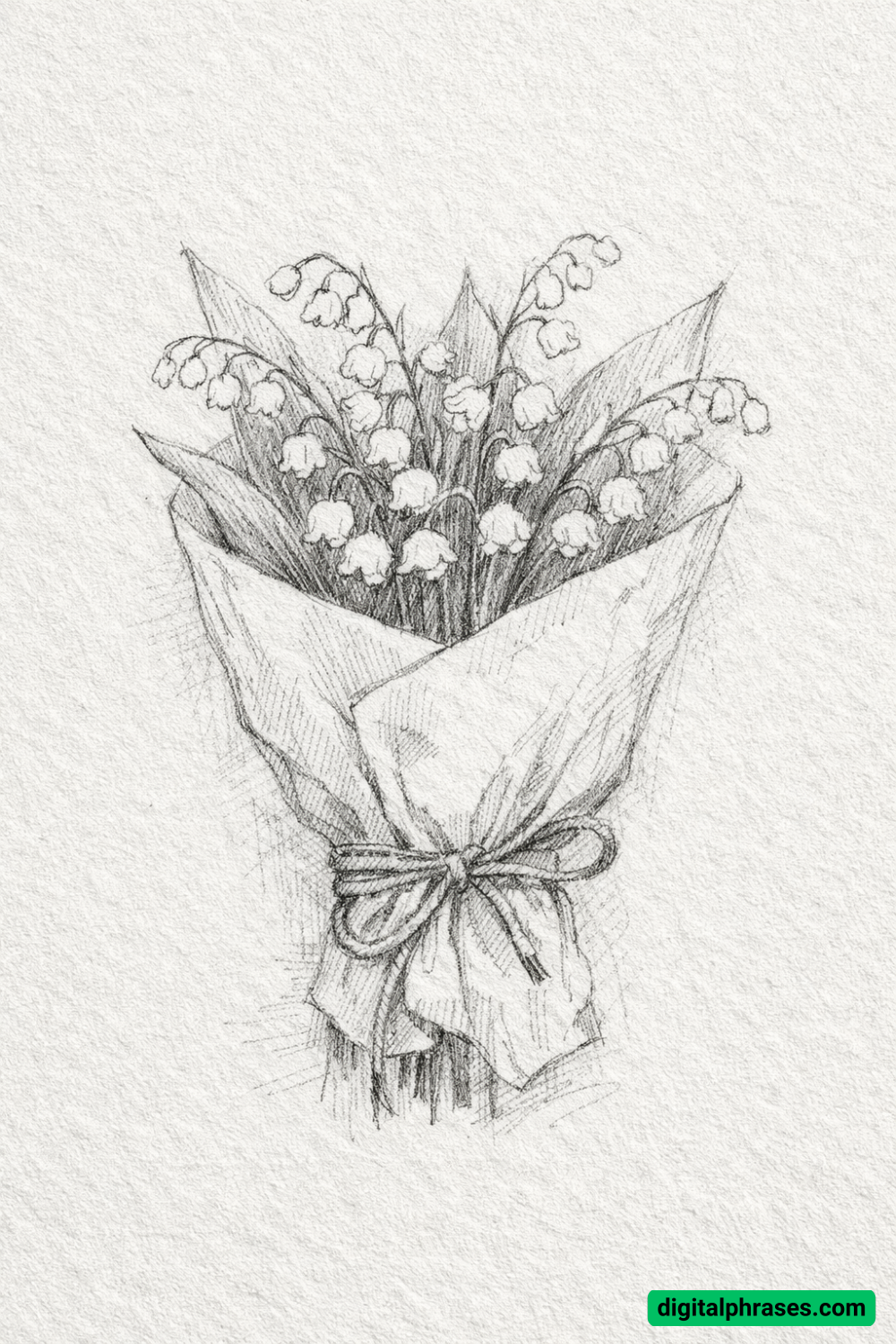
4
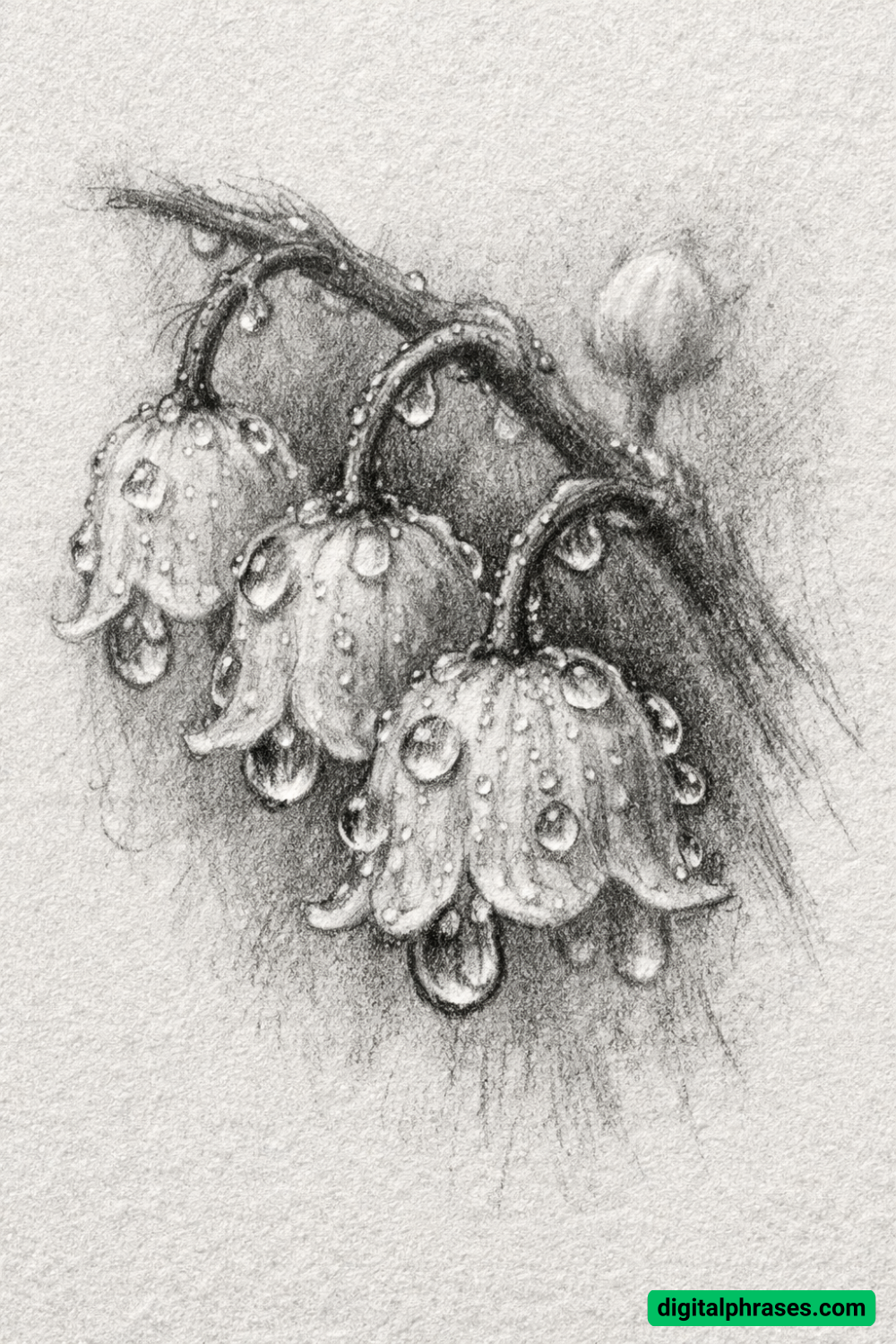
5
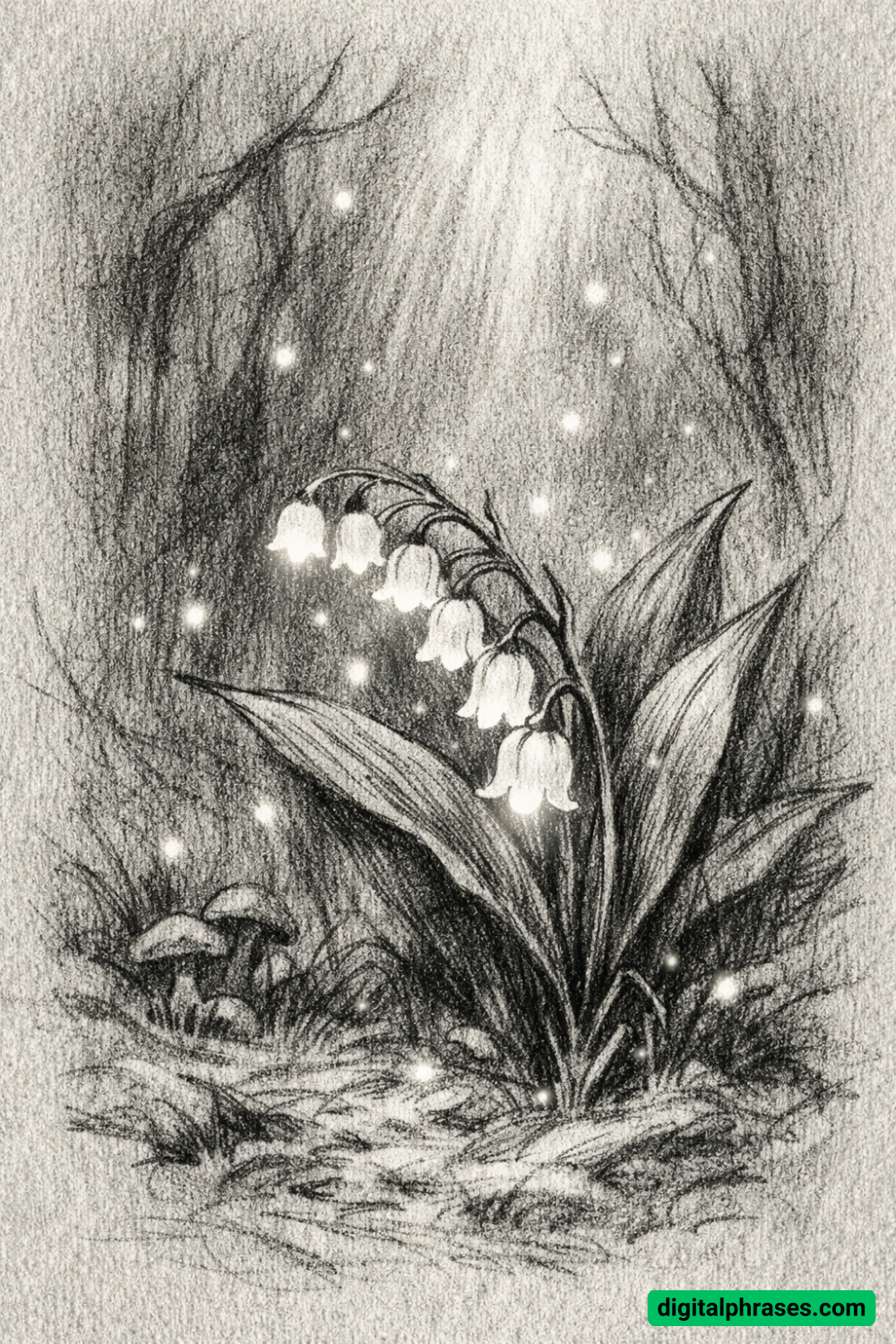
6
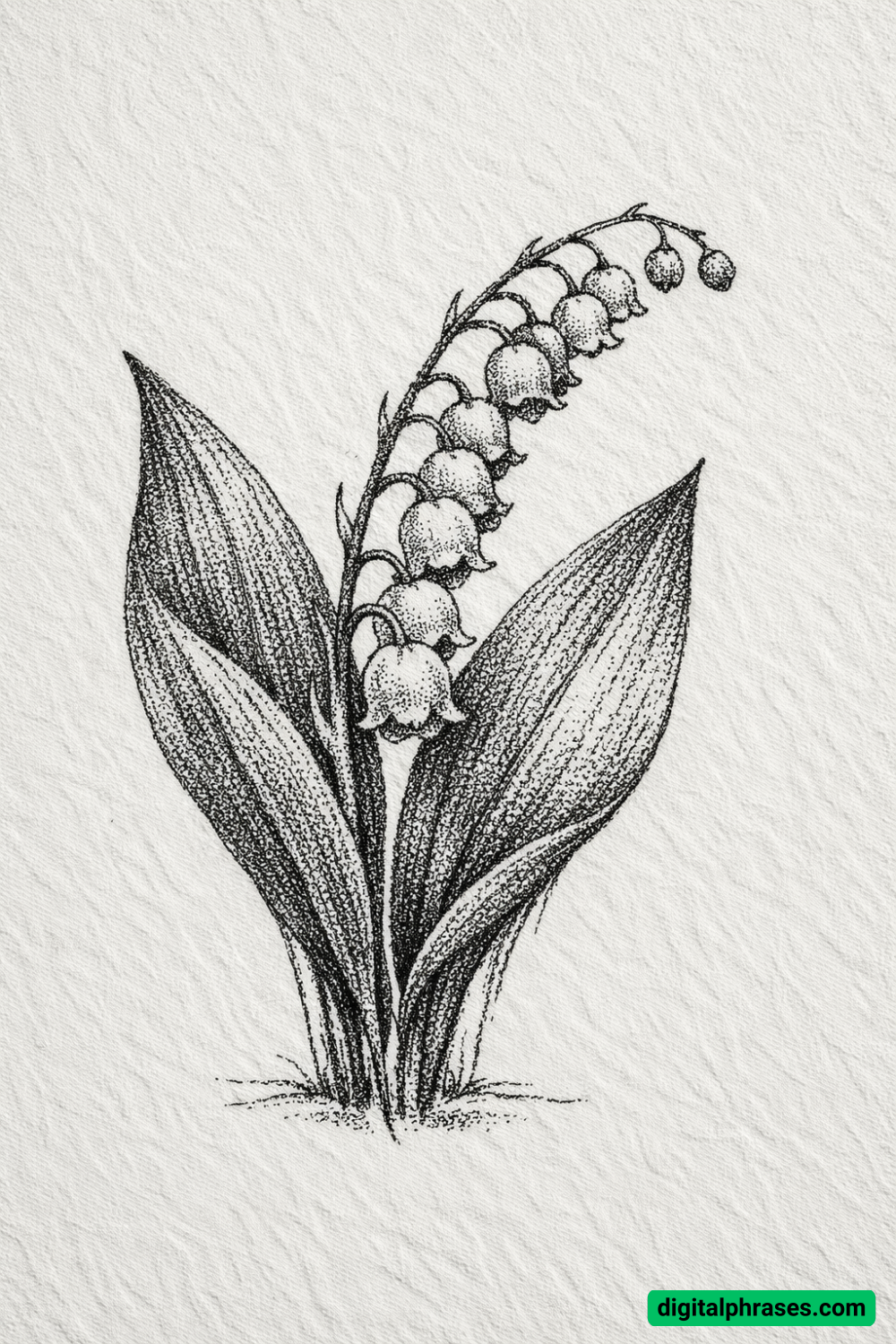
7
8
9
10

11
12
13
14

15
16
17

Tips For Drawing This Flower
Start with the Basic Shape and Structure
Before adding details, focus on the overall structure of the lily of the valley. Begin by sketching a gentle, curved stem to capture its natural droop.
Then lightly map out where each small bell-shaped flower will sit along the stem. These flowers typically hang downward in a neat row, so spacing and direction matter. Keep your initial lines light and loose so you can easily adjust proportions.
Building a strong foundation will make the rest of your drawing process much smoother and more accurate.
Pay Attention to the Bell-Like Flowers
The most distinctive feature of lily of the valley is its tiny, bell-shaped blooms.
Each flower has a rounded top and slightly flared edges at the bottom. Take your time to observe how these shapes repeat along the stem while still having slight variations.
Avoid making every flower identical—small differences will make your drawing feel more natural and less stiff. You can start with simple oval or circular forms and then refine them into more detailed bells as you progress.
Capture the Flow and Movement
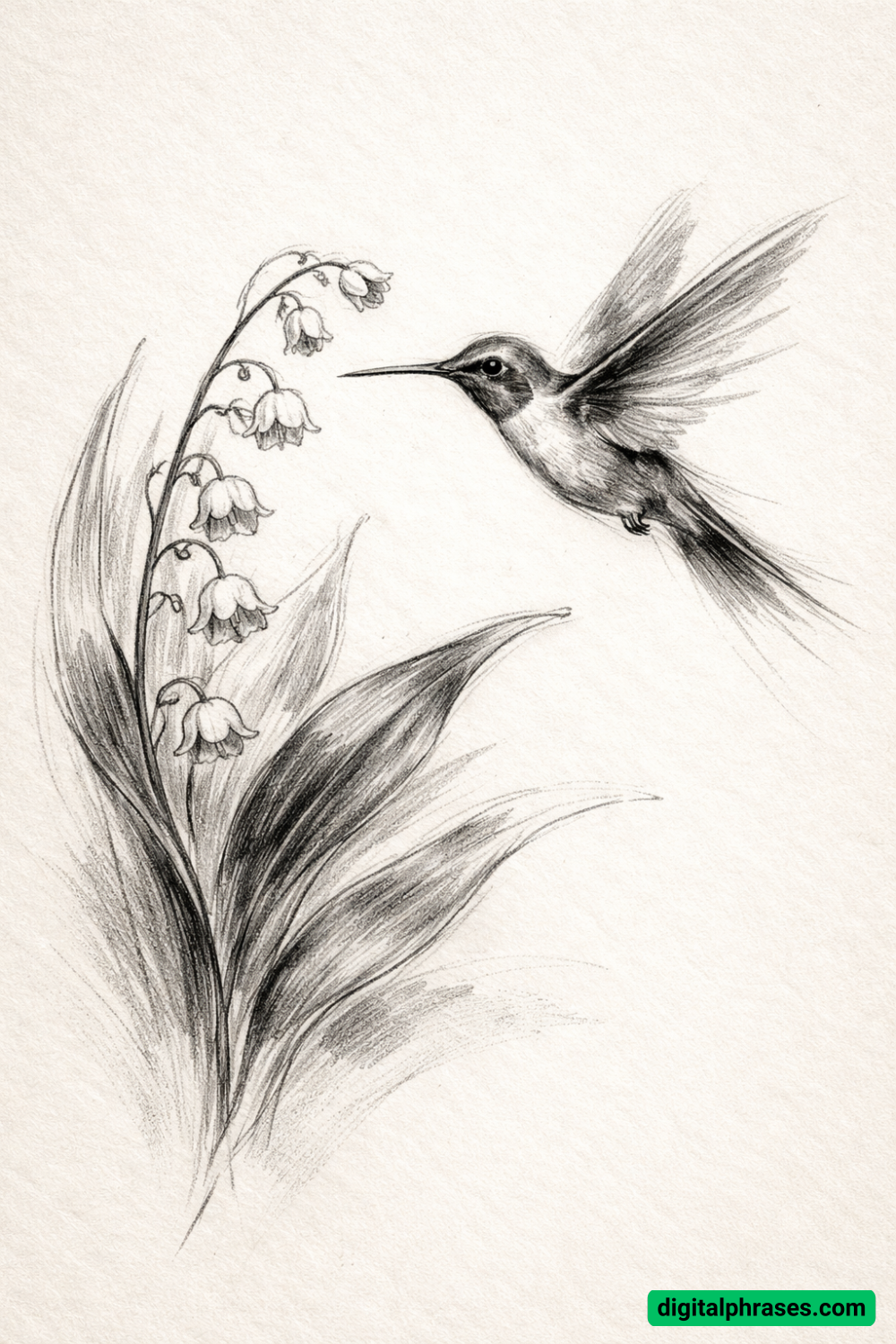
Lily of the valley has a soft, graceful flow that gives it its charm. The stem often arches, and the flowers hang in a gentle curve rather than a straight line. Try to reflect this natural movement in your drawing.
Use smooth, flowing lines instead of rigid ones, and let the composition feel relaxed. Practicing a few quick gesture sketches before your final drawing can help you better understand this sense of motion and improve the overall elegance of your artwork.
Add Depth with Shading and Layers
Once your basic sketch is complete, you can bring your drawing to life with shading. Think about where your light source is coming from and add shadows accordingly, especially under the flowers and along the inner curves of the bells.
Light shading can also help separate overlapping flowers and create depth. Use gentle, gradual tones rather than harsh lines to maintain the soft appearance of the plant. Layering your shading slowly will give you better control and a more polished result.
Experiment with Styles and Details
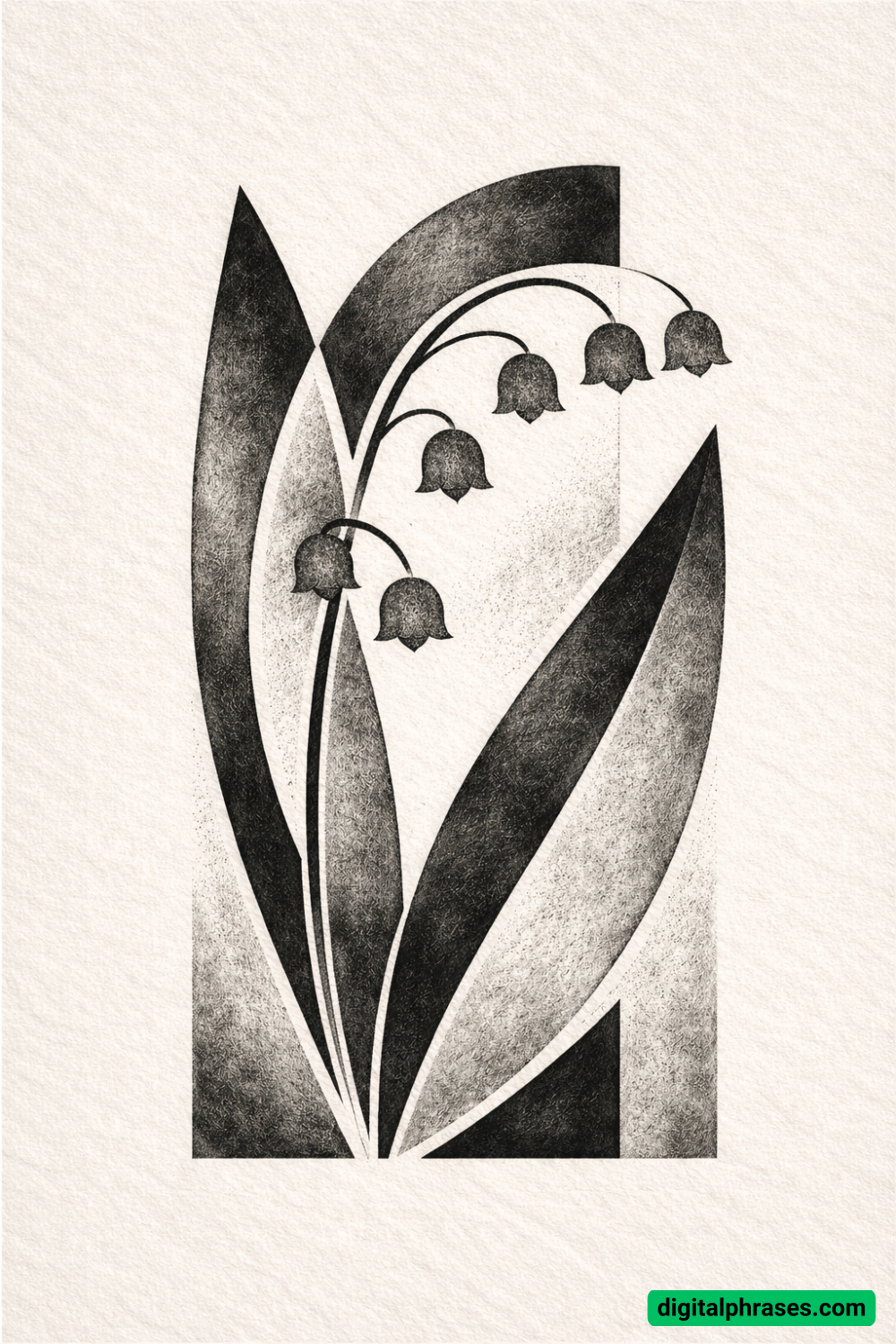
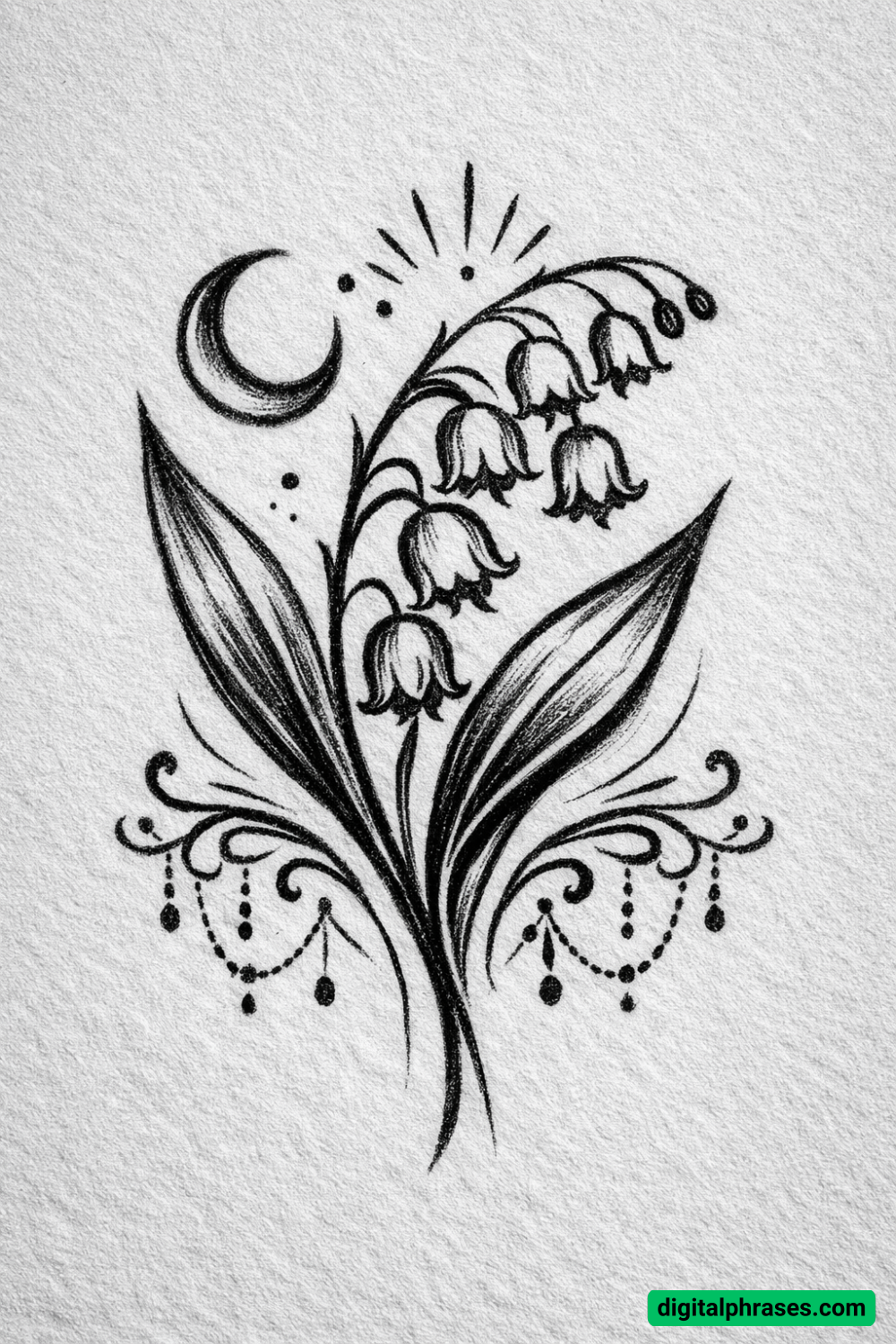
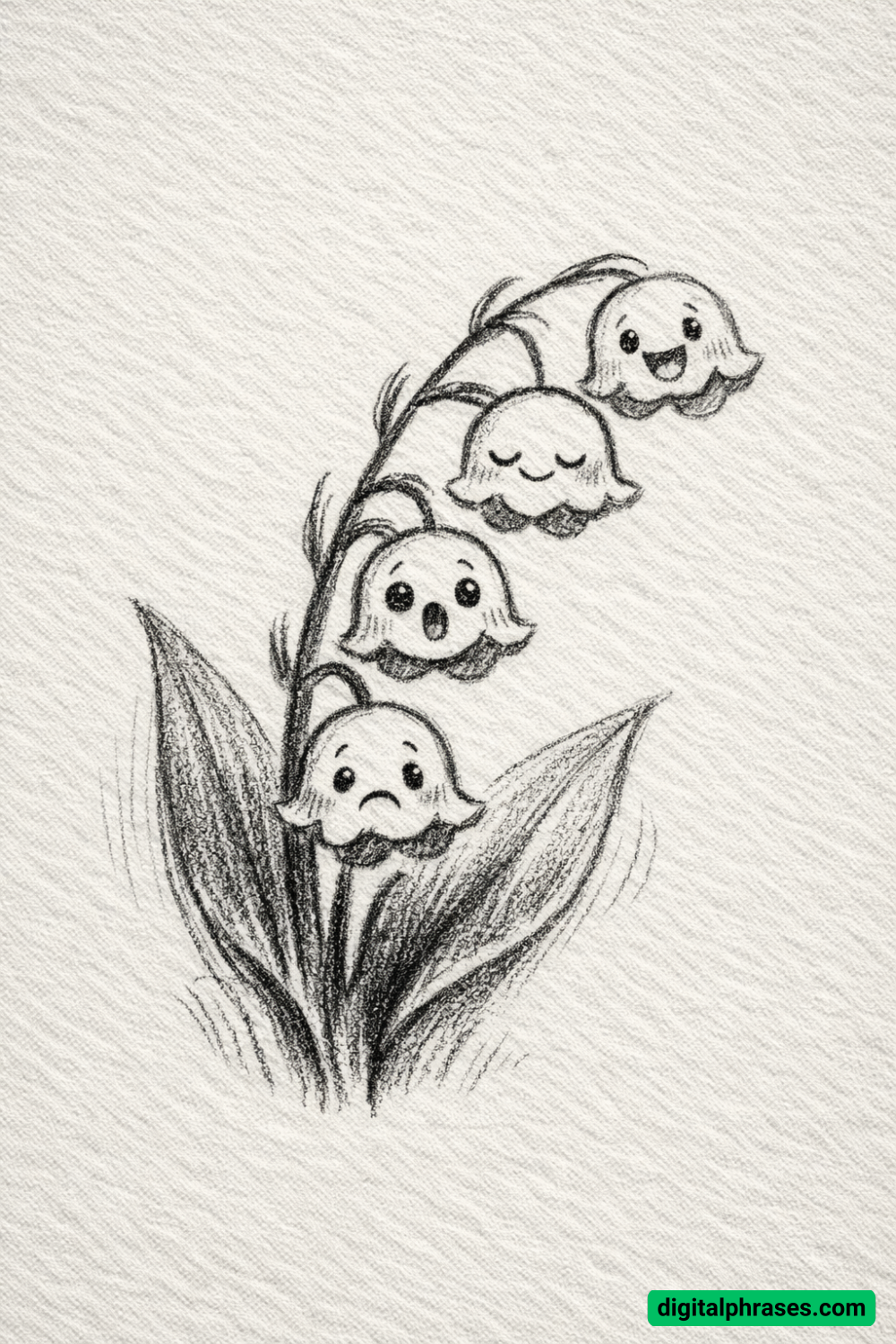
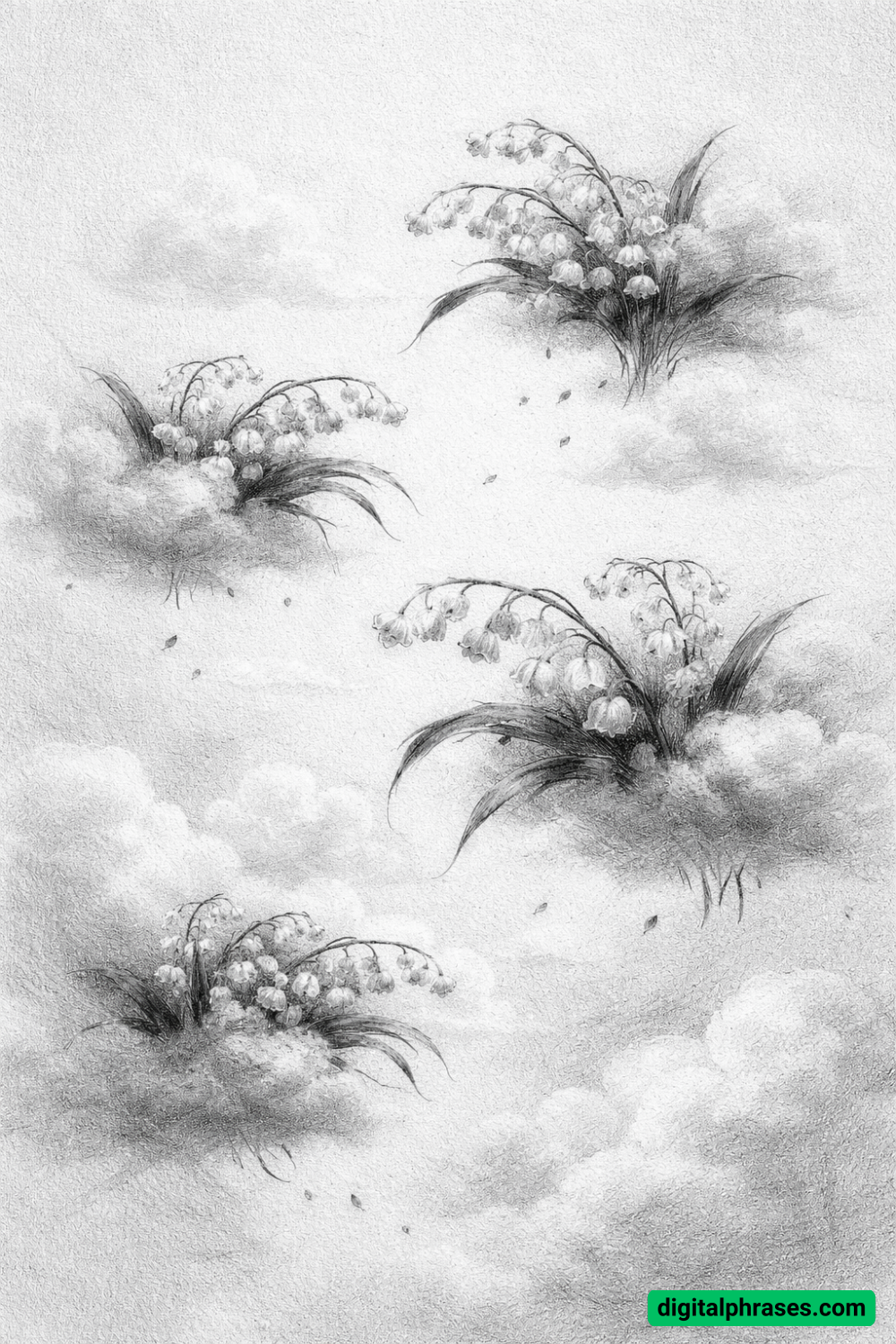
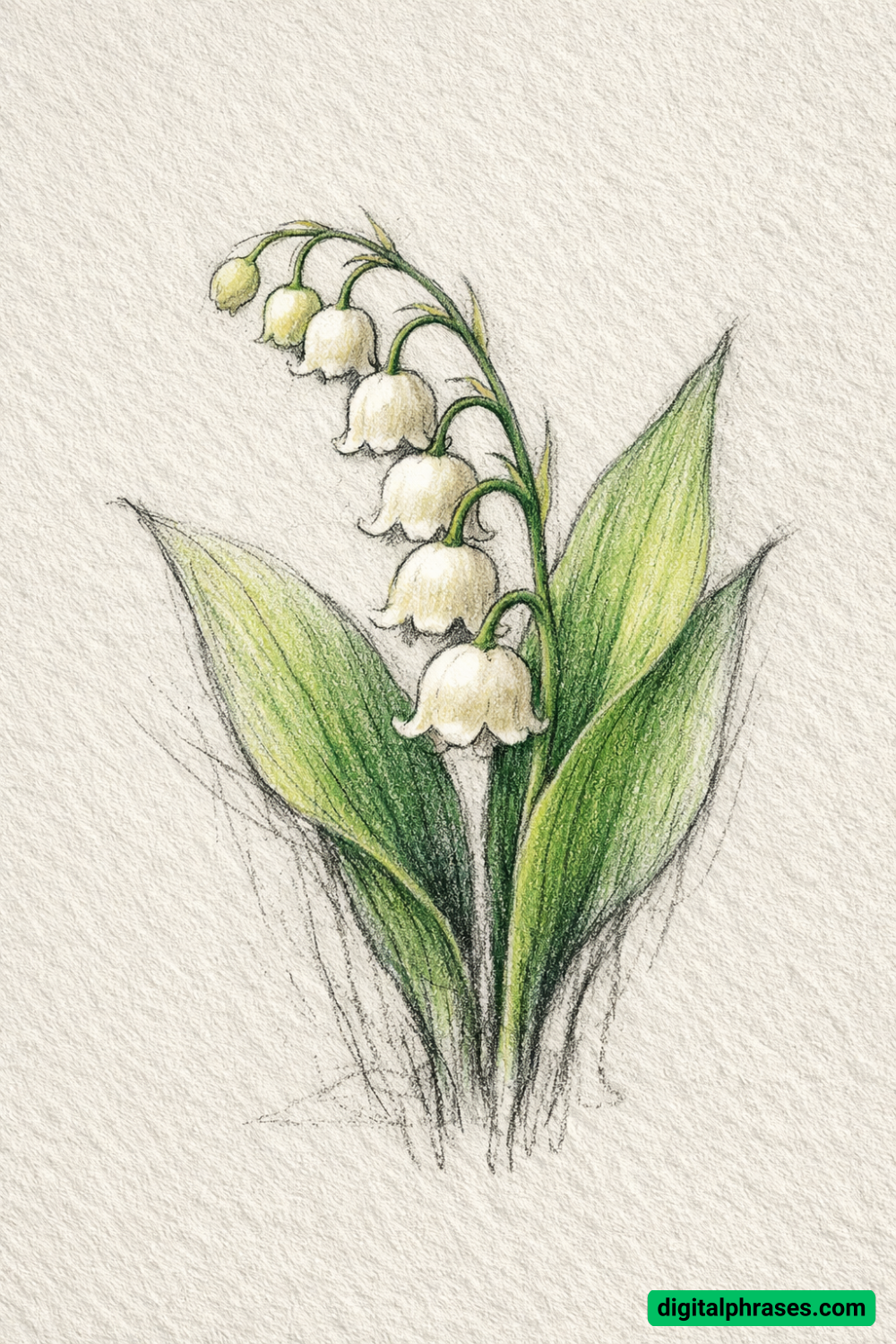
There’s no single “right” way to draw lily of the valley, so feel free to explore different styles. You might try a minimal line drawing, a realistic botanical illustration, or even a stylized version with bold outlines.
Adding details like veins on the leaves or subtle texture on the petals can enhance your work, but you can also keep it simple for a clean look. Experimenting helps you discover what you enjoy most and keeps the drawing process fun and creative.