23 Male Hairstyle Drawing Ideas
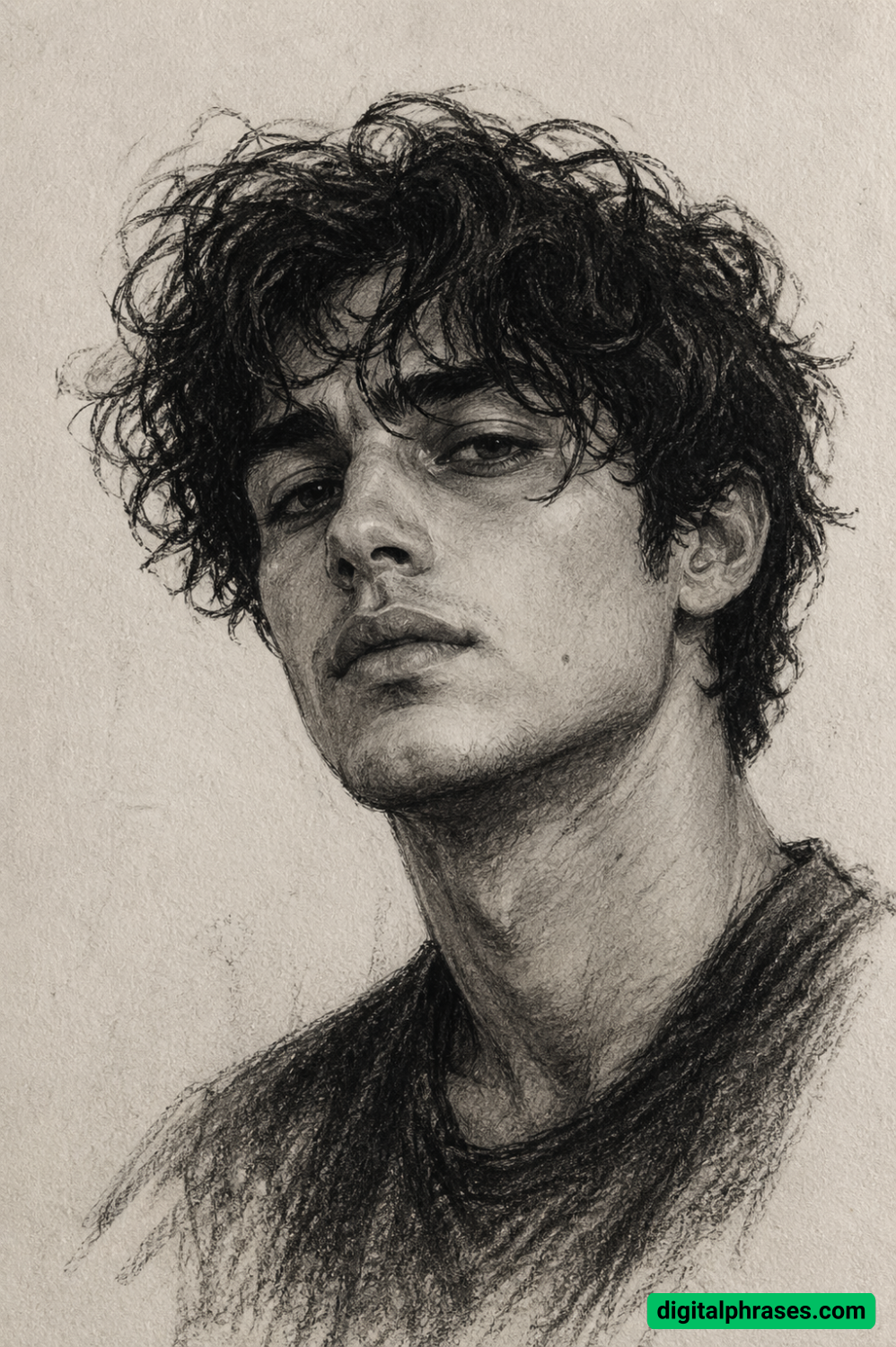
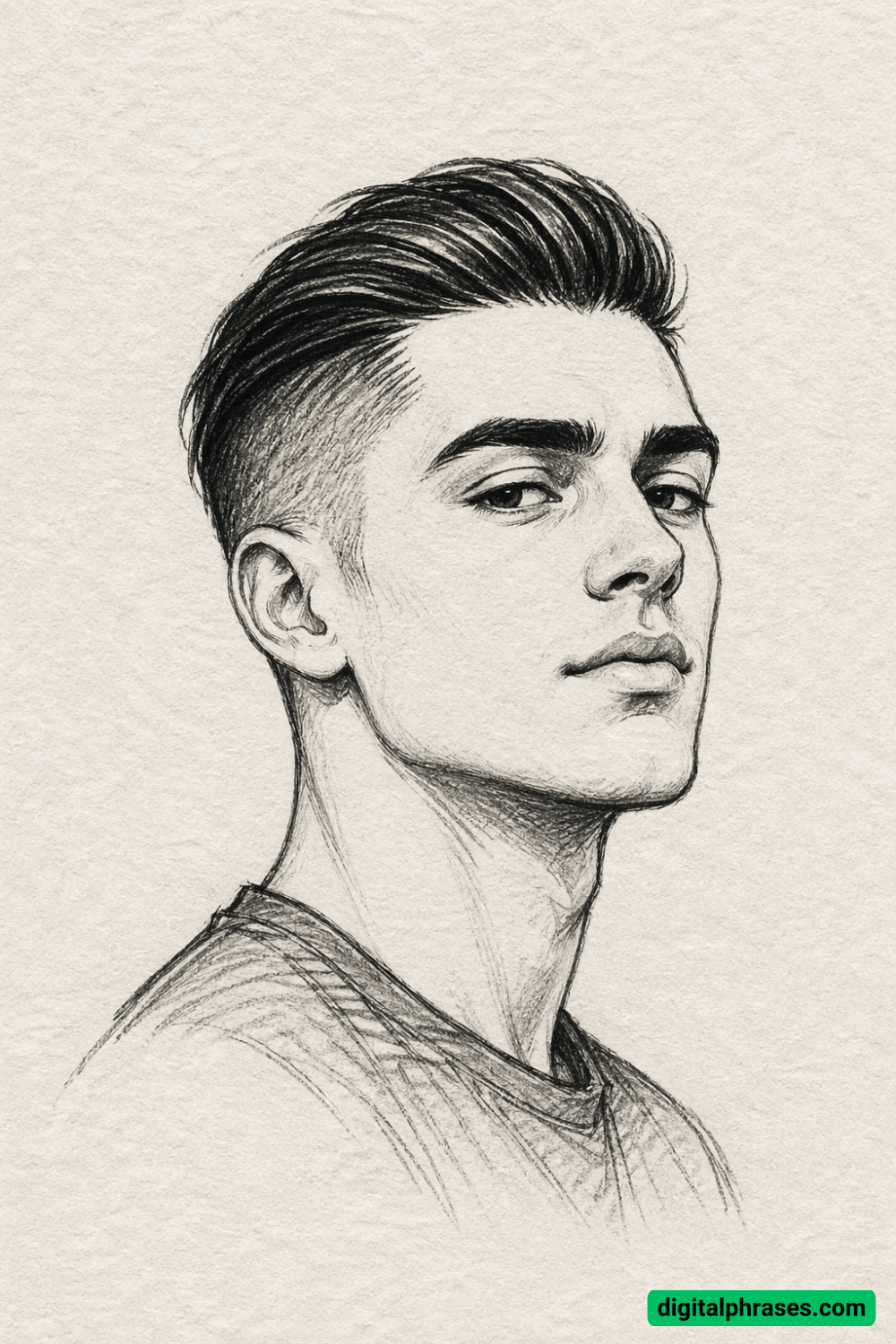
Your hairstyle can say a lot about your personality—even in a drawing. Whether you’re sketching characters, practicing portraits, or exploring new styles, male hairstyles offer endless creative possibilities.
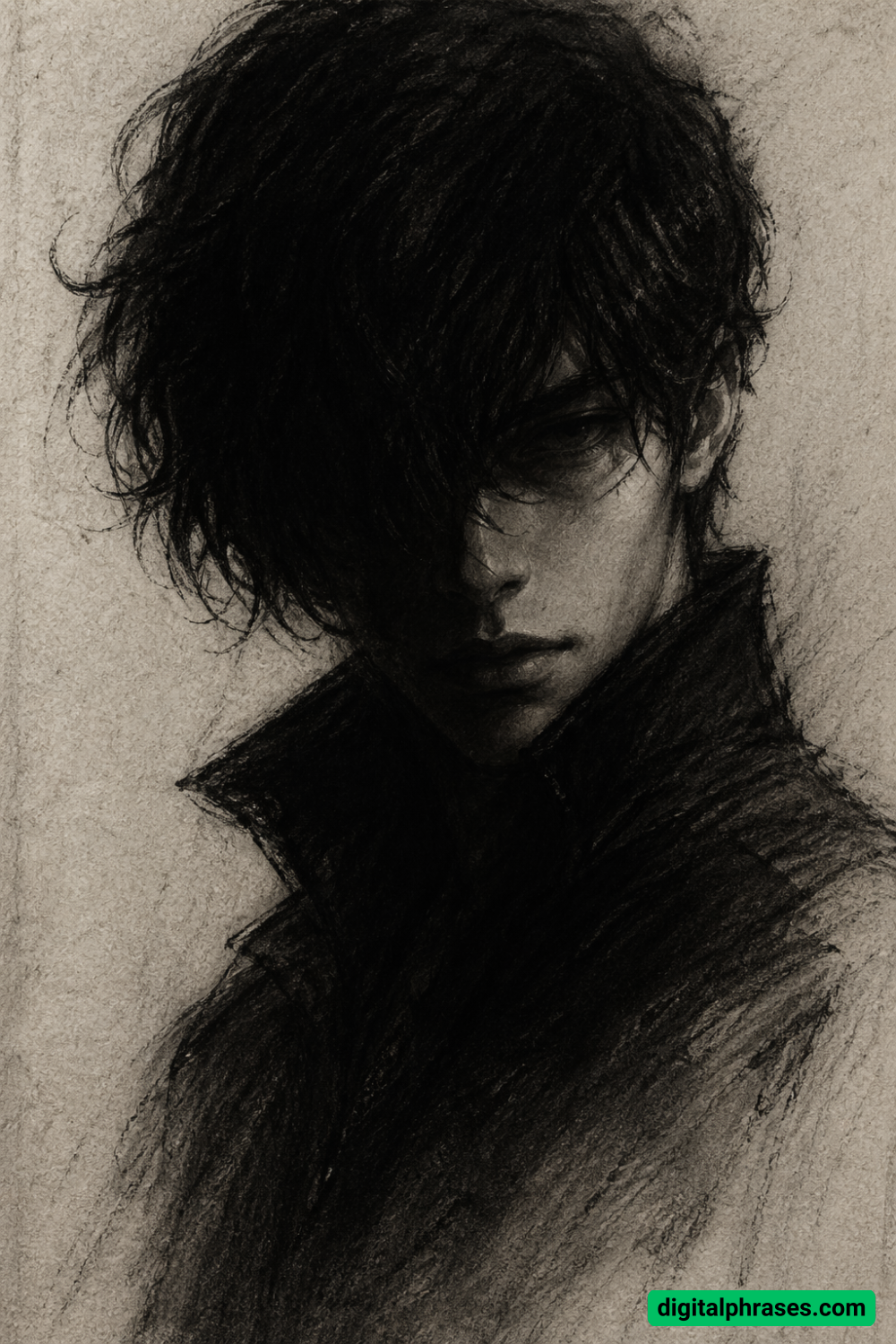
In this collection of some amazing male hairstyle drawings, you’ll find inspiration that’s both simple and classy—perfect for elevating your sketches with style and confidence.
Male Hairstyle Drawing Ideas
1

2
3
4
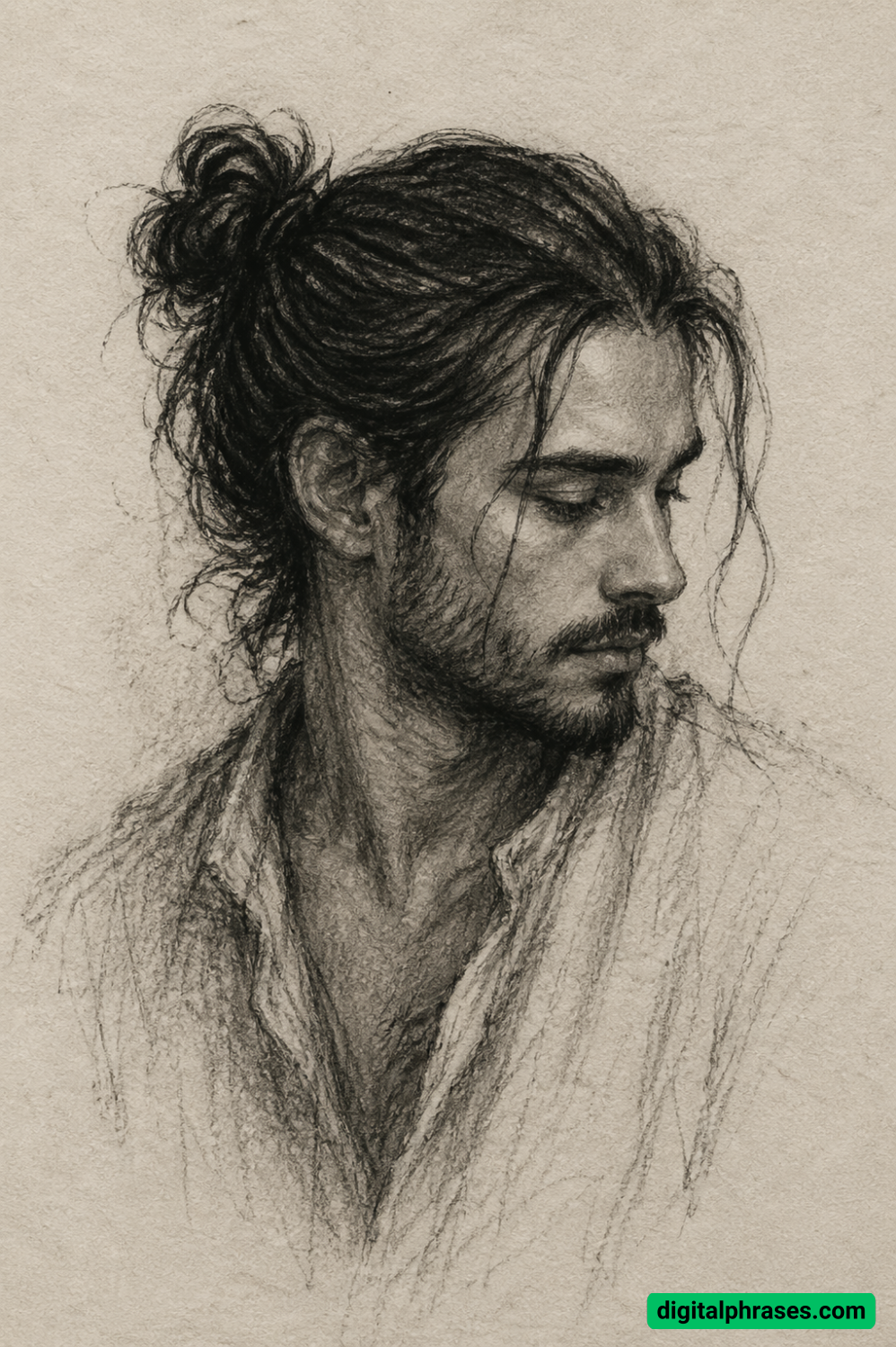
5
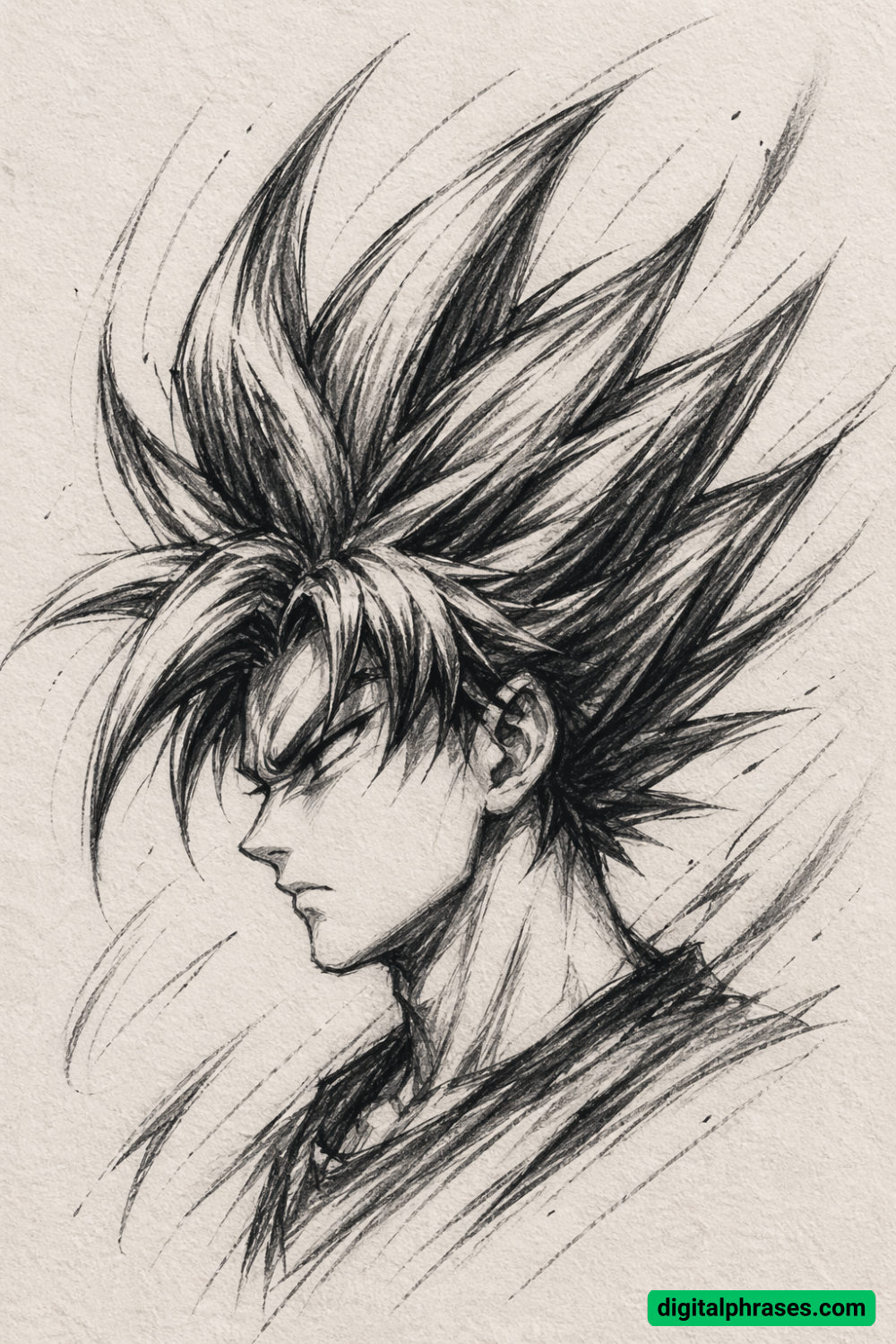
6
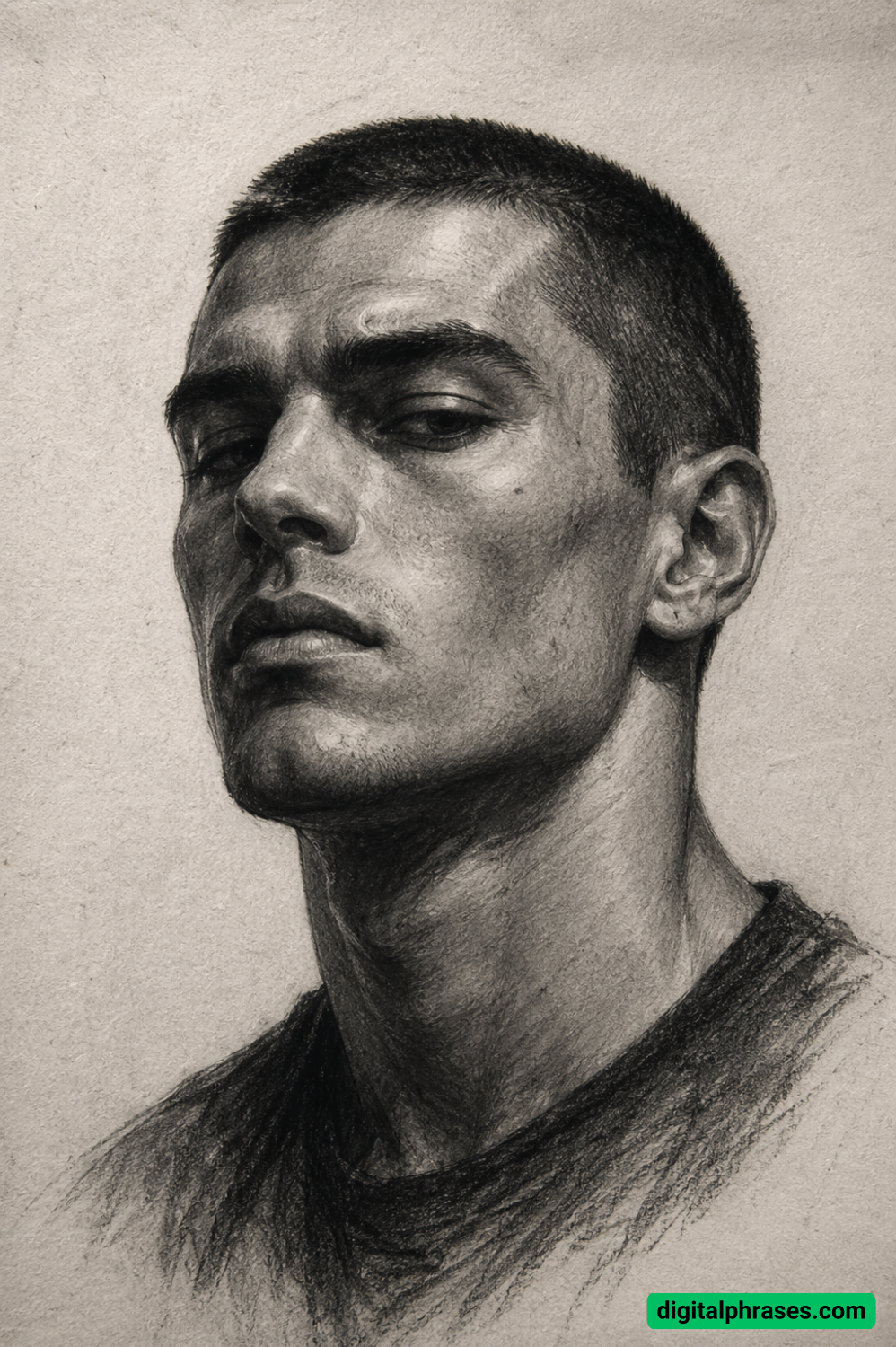
7

8
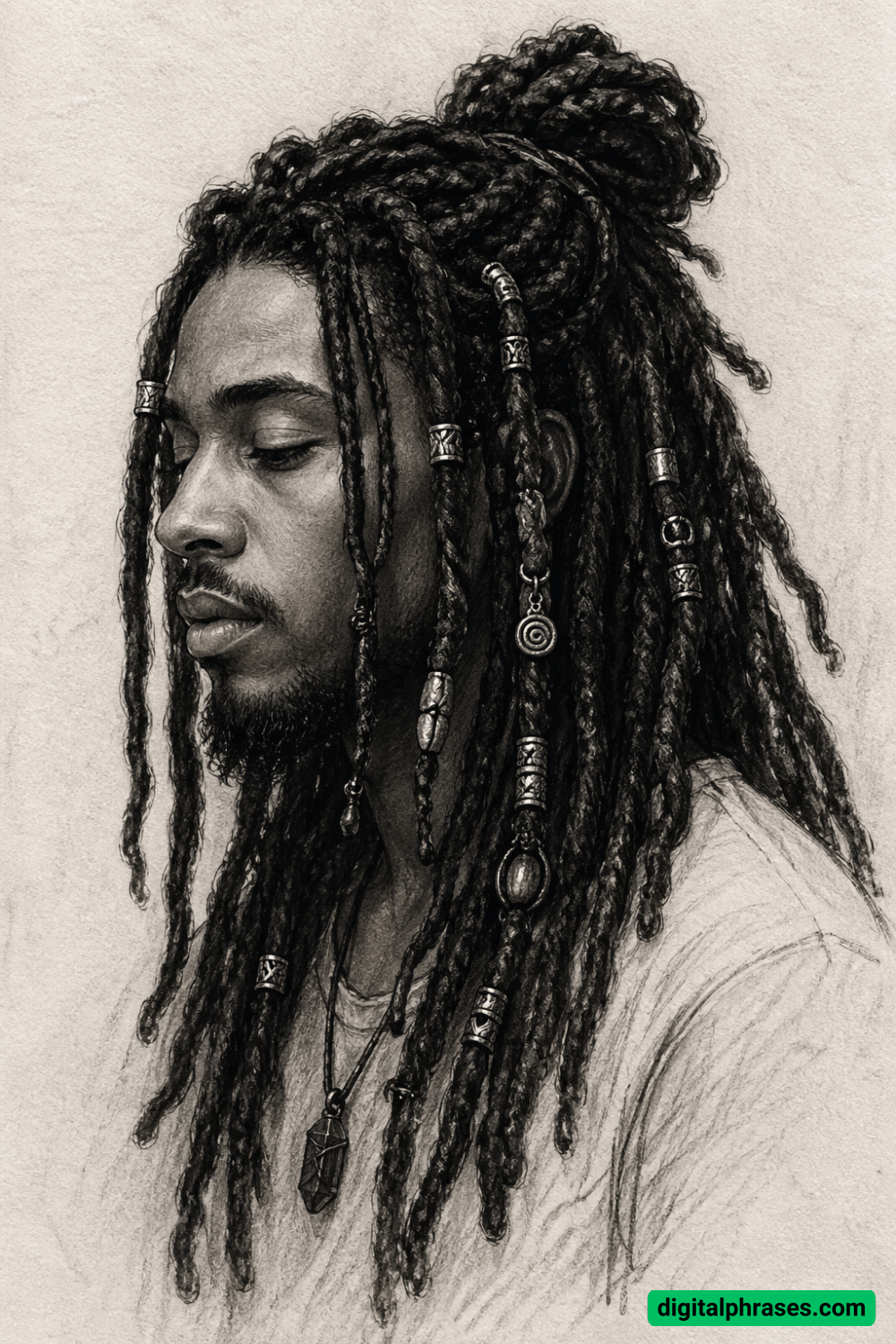
9
10

11
12
13
14
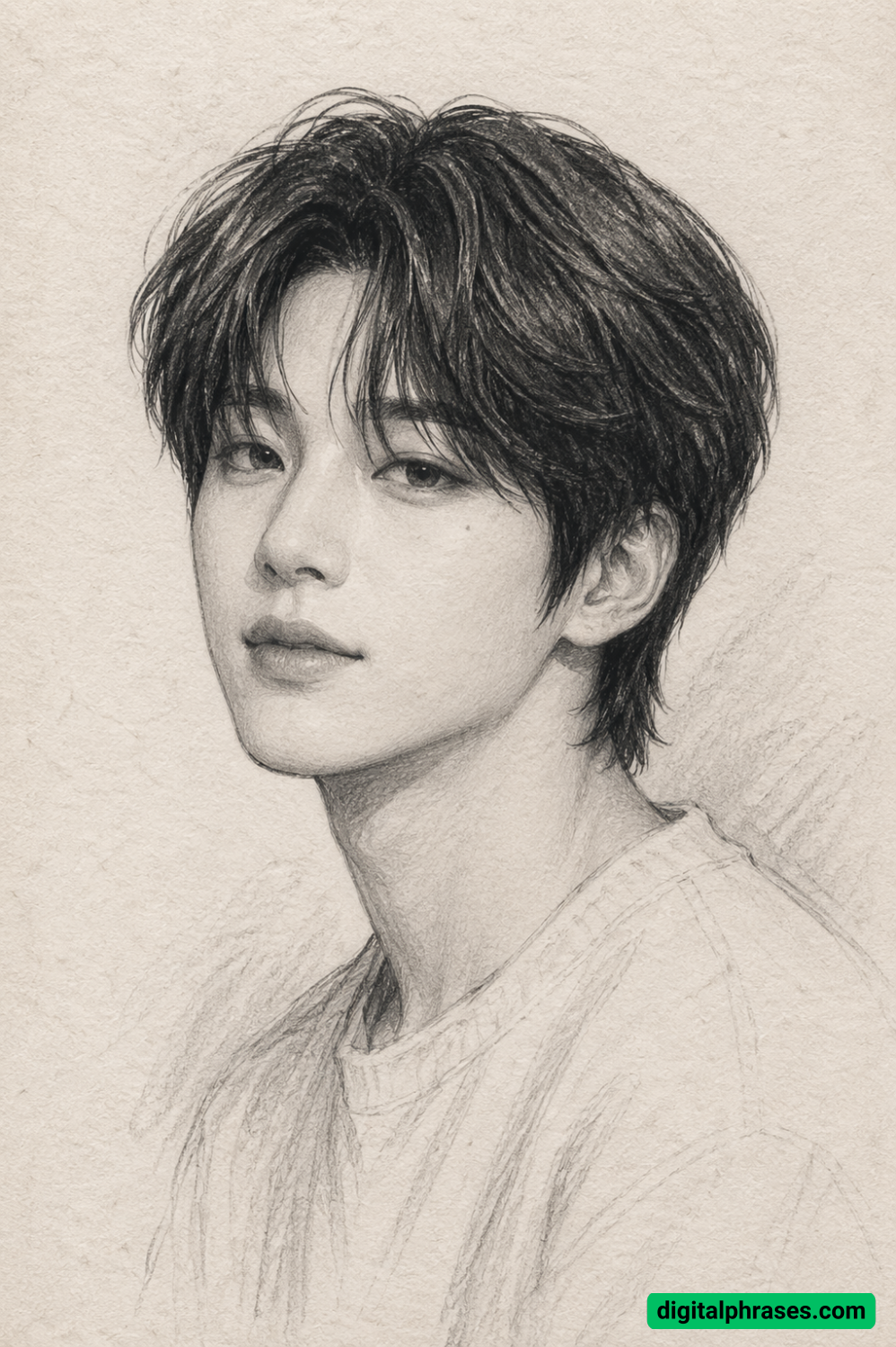
15
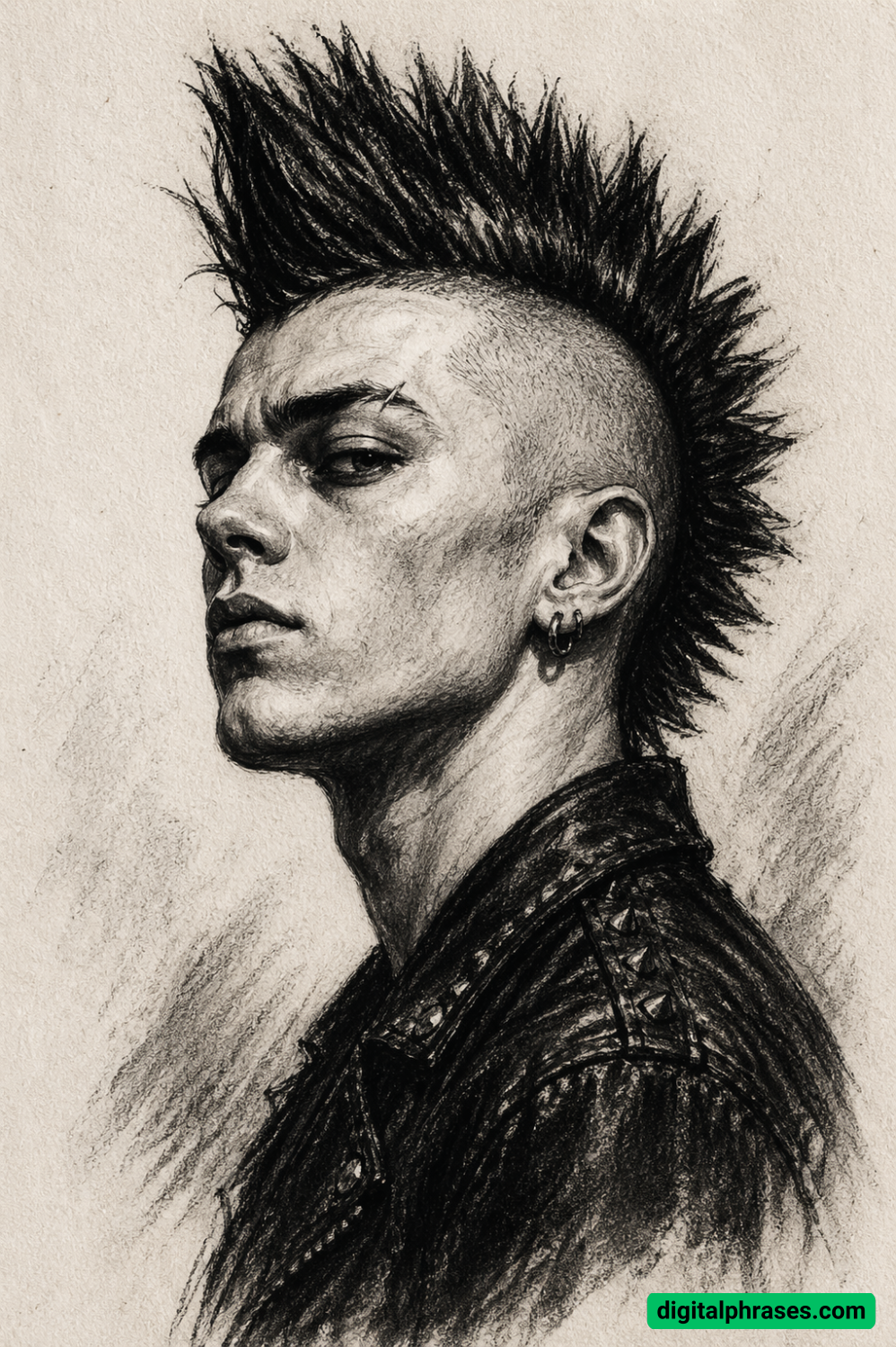
16
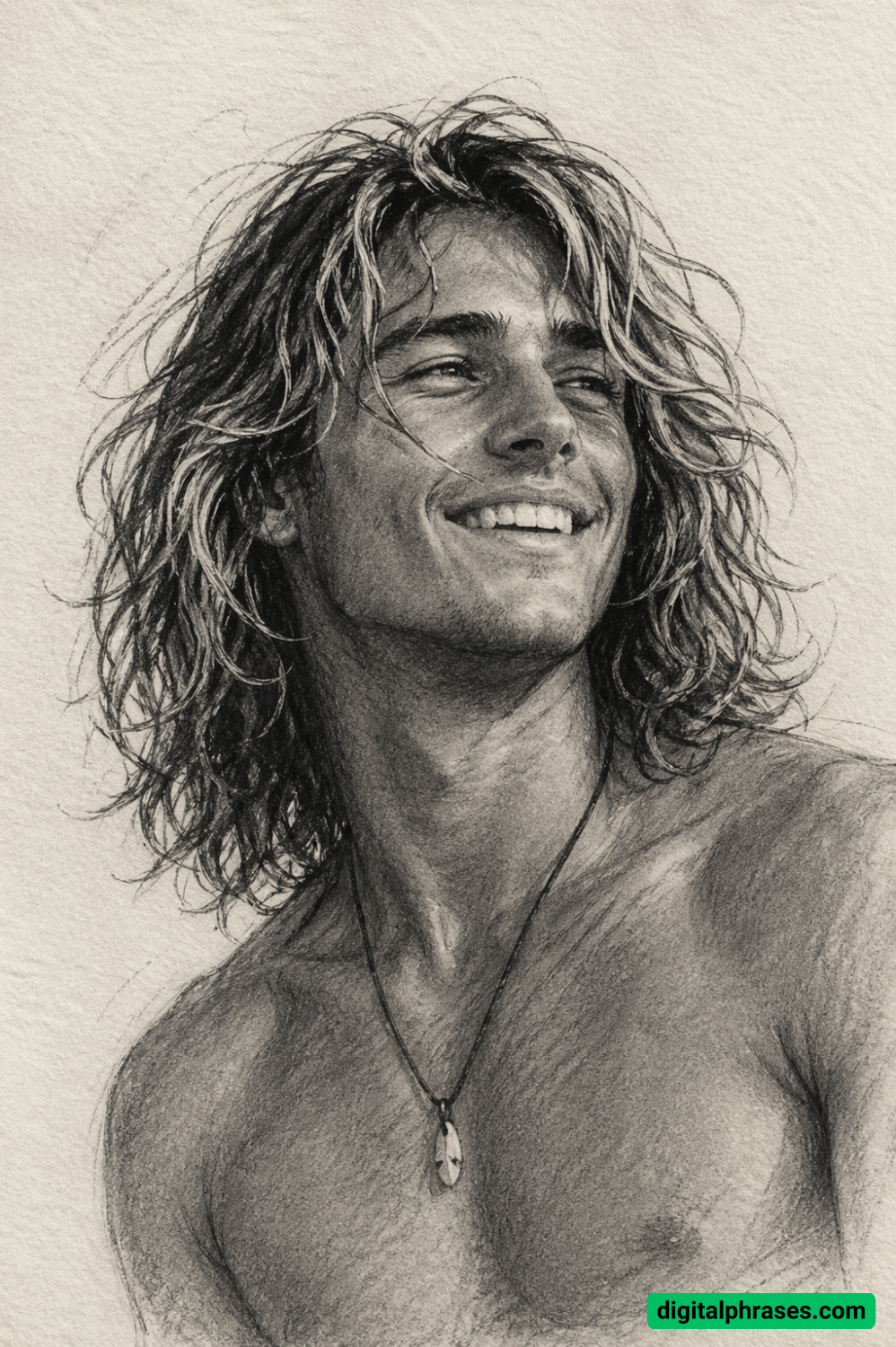
17
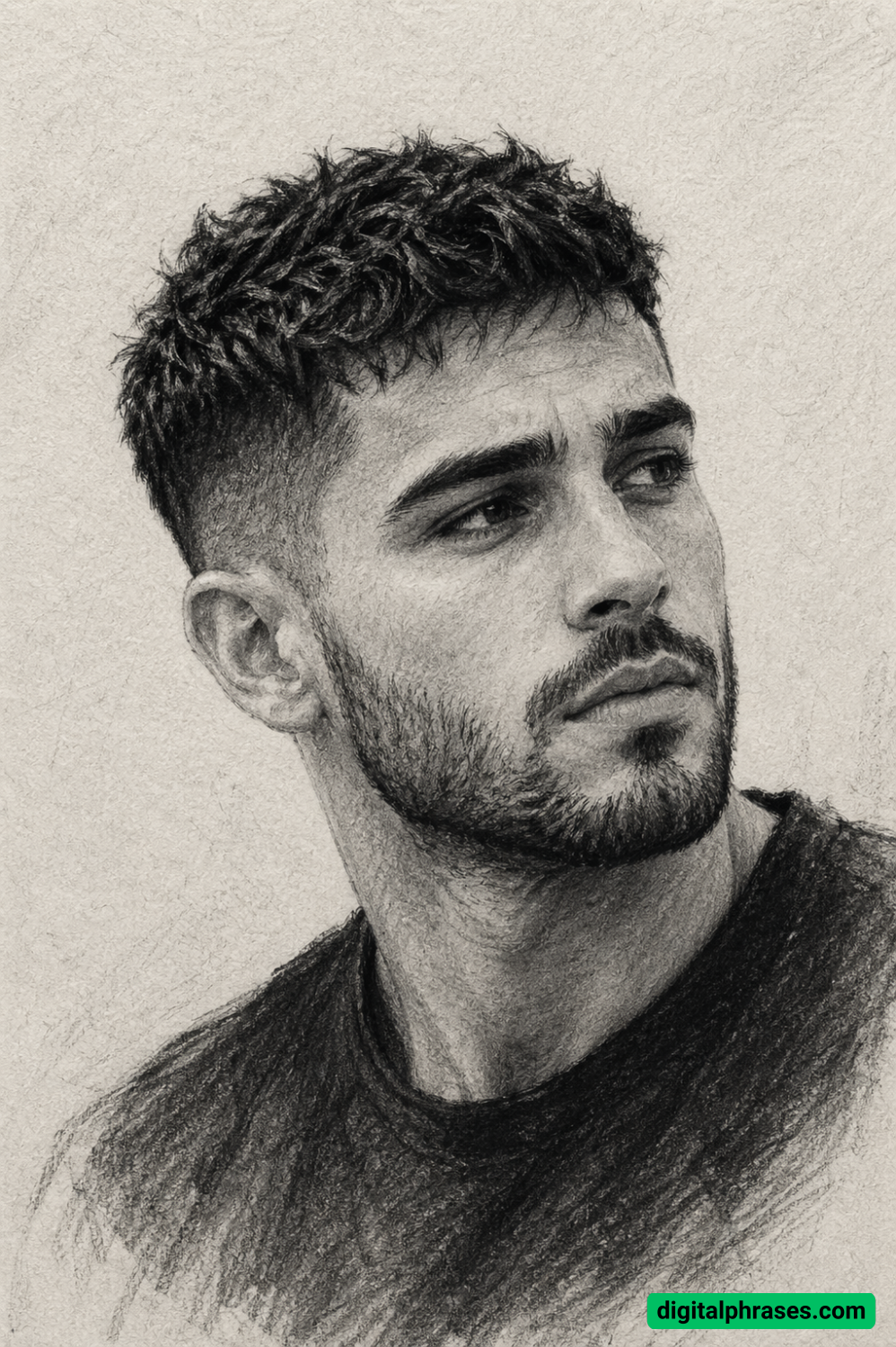
18

19
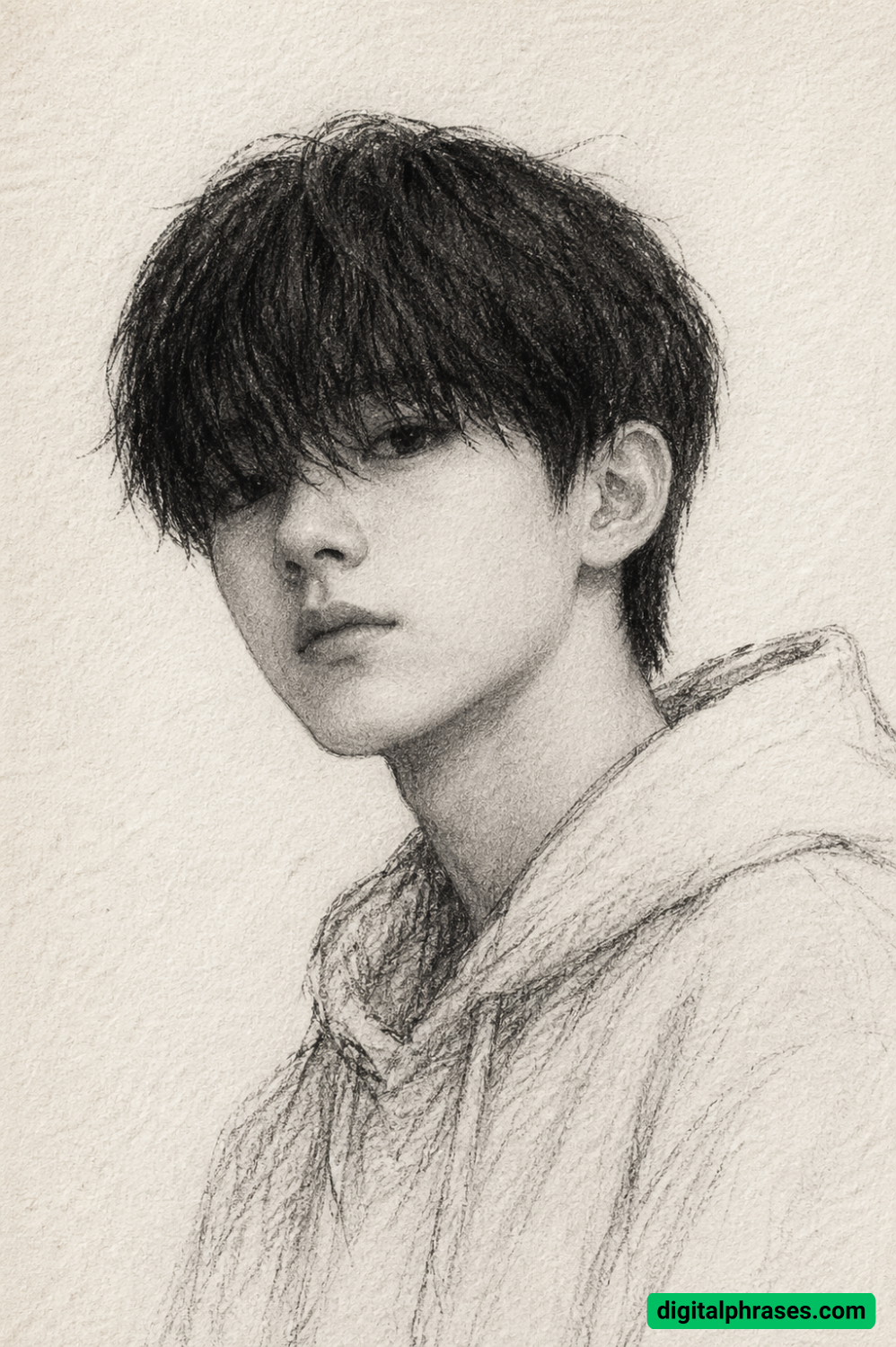
20
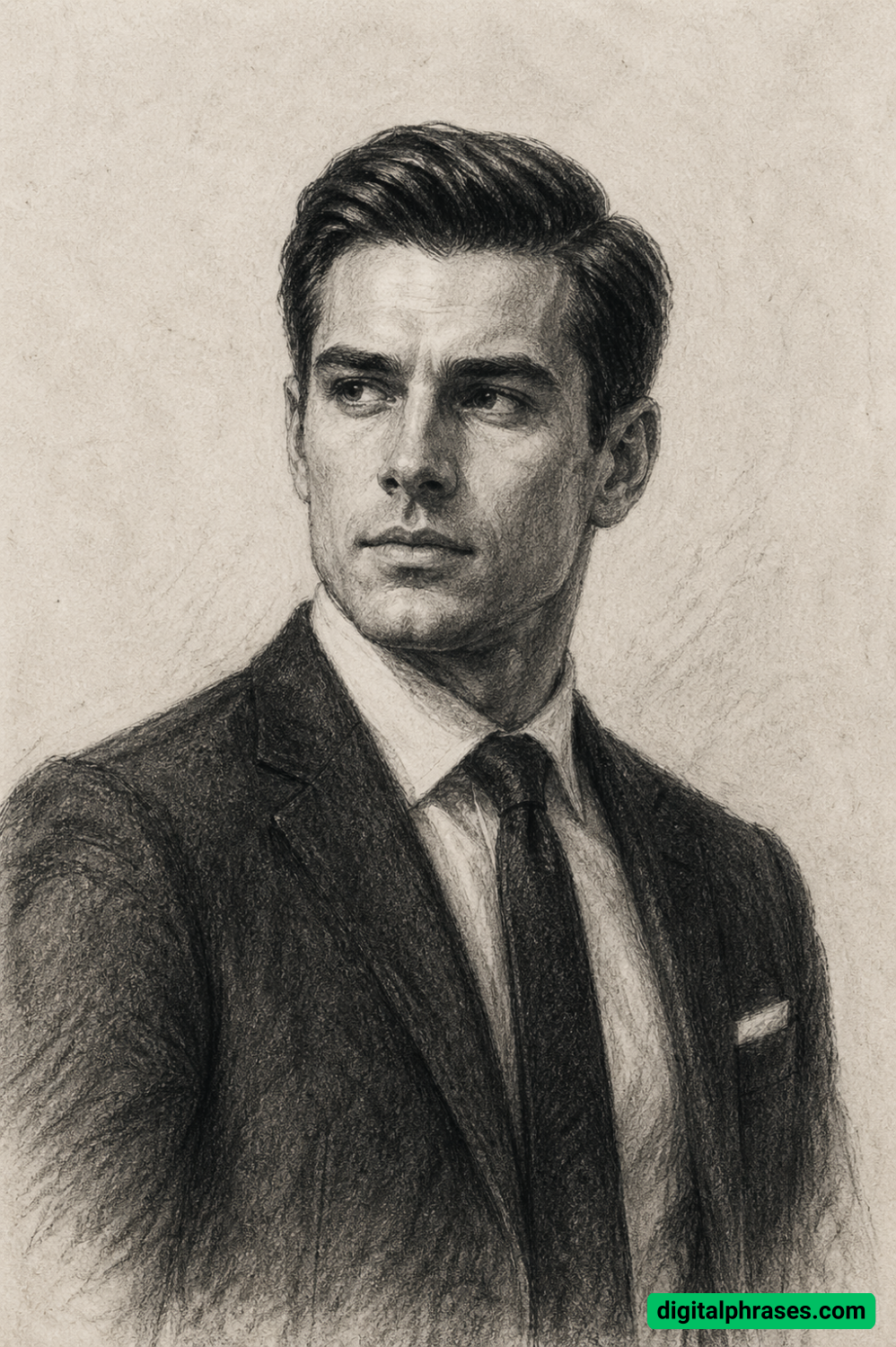
21
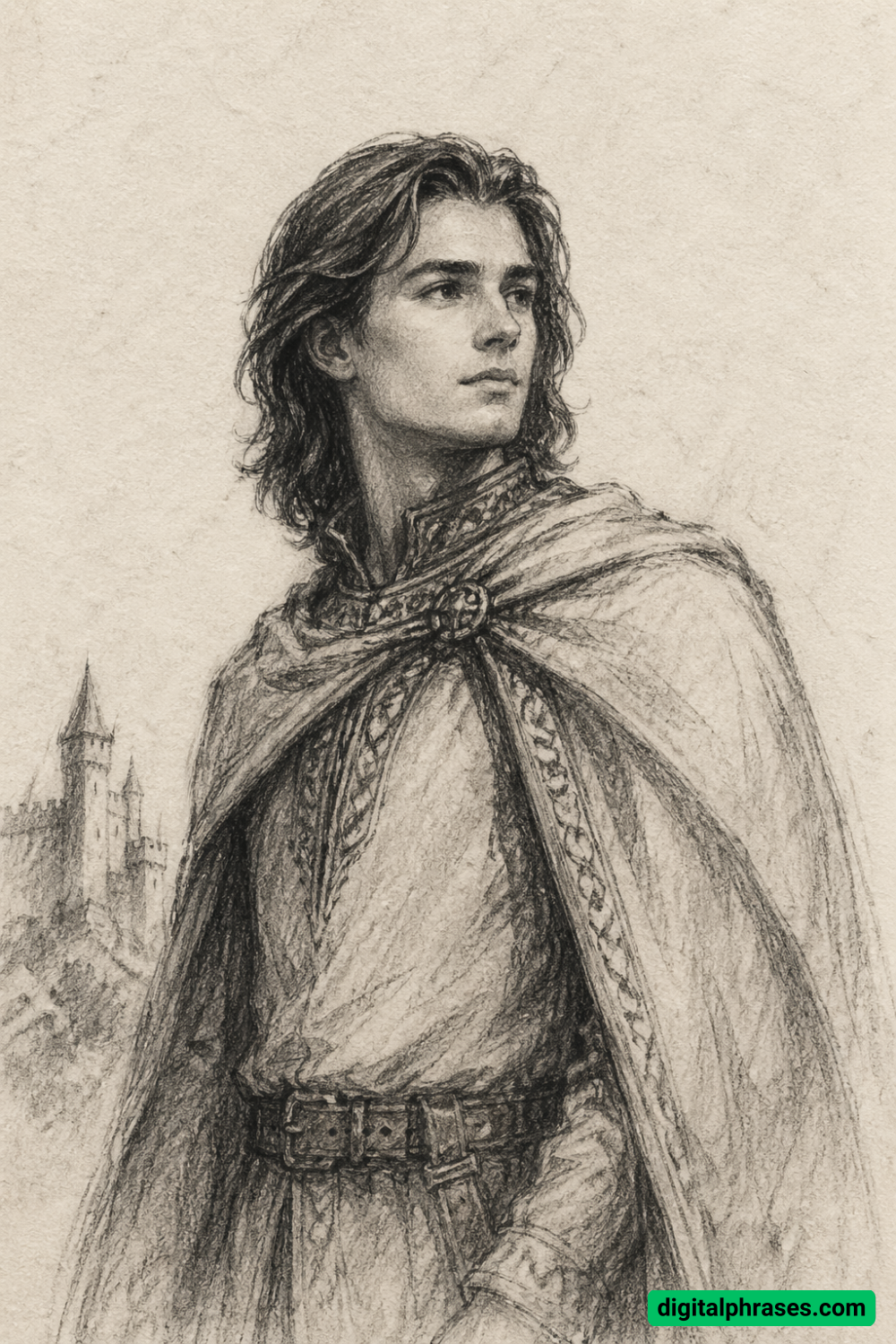
22
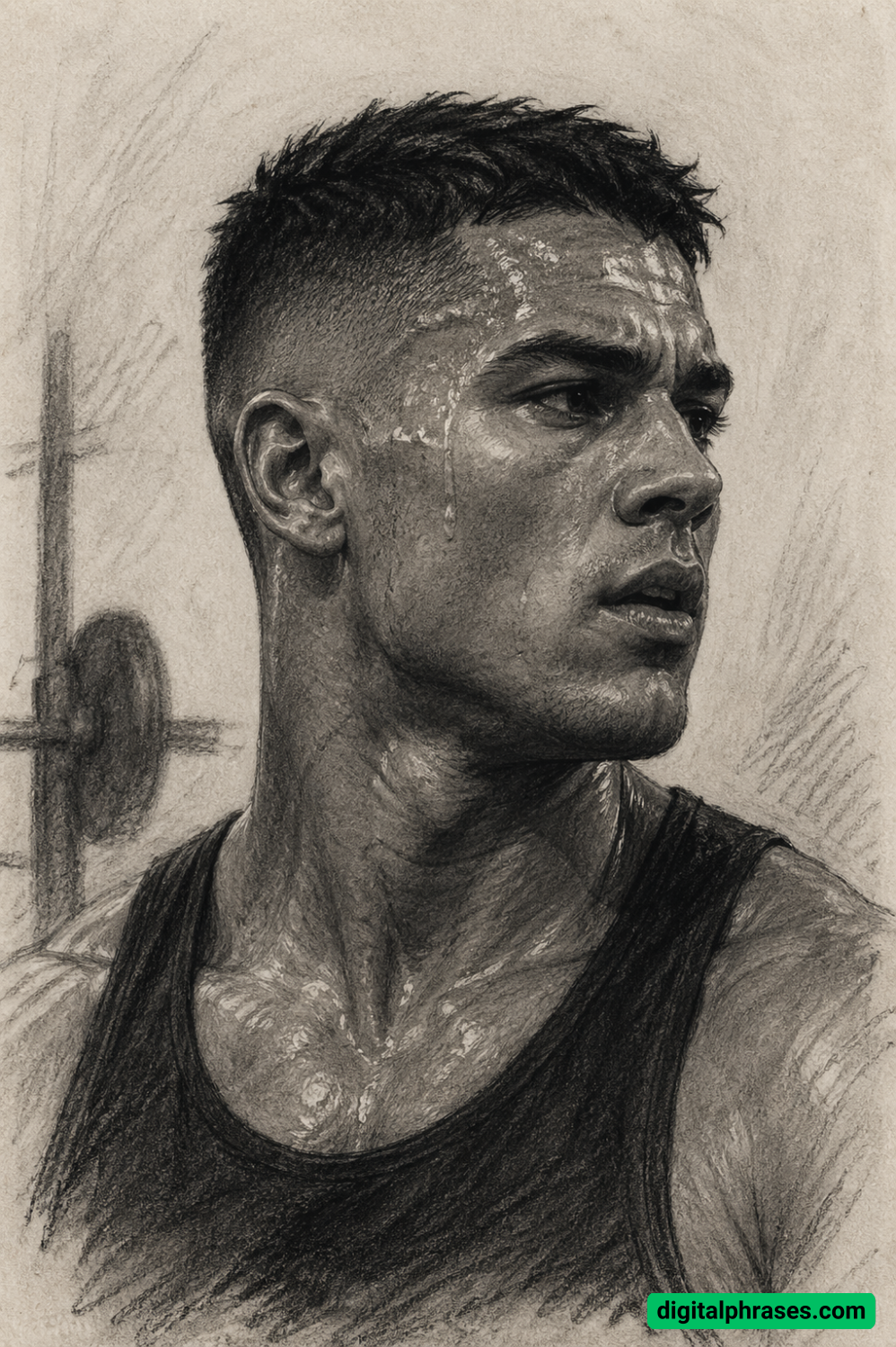
23
Tips For Drawing Male Hairstyles
Observe Real Hairstyles Before You Draw
One of the most effective ways to improve your hairstyle drawings is by closely observing real people.
Hair isn’t just a random collection of lines—it has direction, weight, and structure. Spend time looking at references such as photos, people around you, or even characters in films. Notice how hair falls naturally, how it reacts to gravity, and how different textures behave.
Straight hair tends to lie flat, while curly or wavy hair creates volume and movement. Pay attention to how hairstyles change from different angles, especially in profile or three-quarter views. This habit will help you draw hairstyles that feel believable and grounded rather than stiff or artificial.
Start with Basic Shapes and Flow
Before diving into details, begin with simple shapes that define the overall form of the hairstyle. Think of the hair as a single mass rather than individual strands. Sketch the general silhouette using light, loose lines.
For example, a short hairstyle may resemble a rounded shape close to the head, while longer hair may extend outward or downward in layers.
Once the base shape is established, add flow lines to indicate the direction of the hair. These lines act as a guide and make your drawing more dynamic. Avoid drawing strand-by-strand too early, as this can make the hair look messy and overworked.
Focus on Light and Shadow
Shading plays a huge role in making hair look realistic. Instead of outlining every strand, use light and shadow to create depth and texture. Identify where the light source is coming from and shade accordingly.
Areas that are farther from the light will appear darker, while highlights should be left lighter or even untouched. Hair often has a natural shine, so leaving subtle gaps for highlights can make it look more lifelike.
Practice blending techniques to create smooth transitions between light and dark areas. This approach will give your drawings a more polished and professional appearance.
Use Line Variation for Texture
Not all lines should look the same when drawing hair. Varying your line thickness and pressure can bring your hairstyles to life.
Thicker, darker lines can be used to define the outer edges or areas with more shadow, while thinner, lighter lines work well for softer details.
Quick, confident strokes often look more natural than slow, overly controlled ones. For textured styles like spiky or messy hair, use sharper and more angular strokes.
For smoother styles, keep your lines flowing and curved. Practicing line variation will help you create a sense of movement and avoid flat, lifeless drawings.
Practice Different Styles Consistently
The key to mastering hairstyle drawing is consistent practice. Don’t limit yourself to one type of hairstyle—experiment with a wide range of styles, from short fades to long, layered looks.
Each style teaches you something new about shape, volume, and texture. Try sketching the same hairstyle multiple times to understand its structure better. You can also challenge yourself by drawing from memory after studying a reference.
Over time, your hand will become more confident, and your understanding of hair will improve. Regular practice not only sharpens your skills but also helps you develop your own artistic style.