Witch and Witch Hat Drawing Ideas
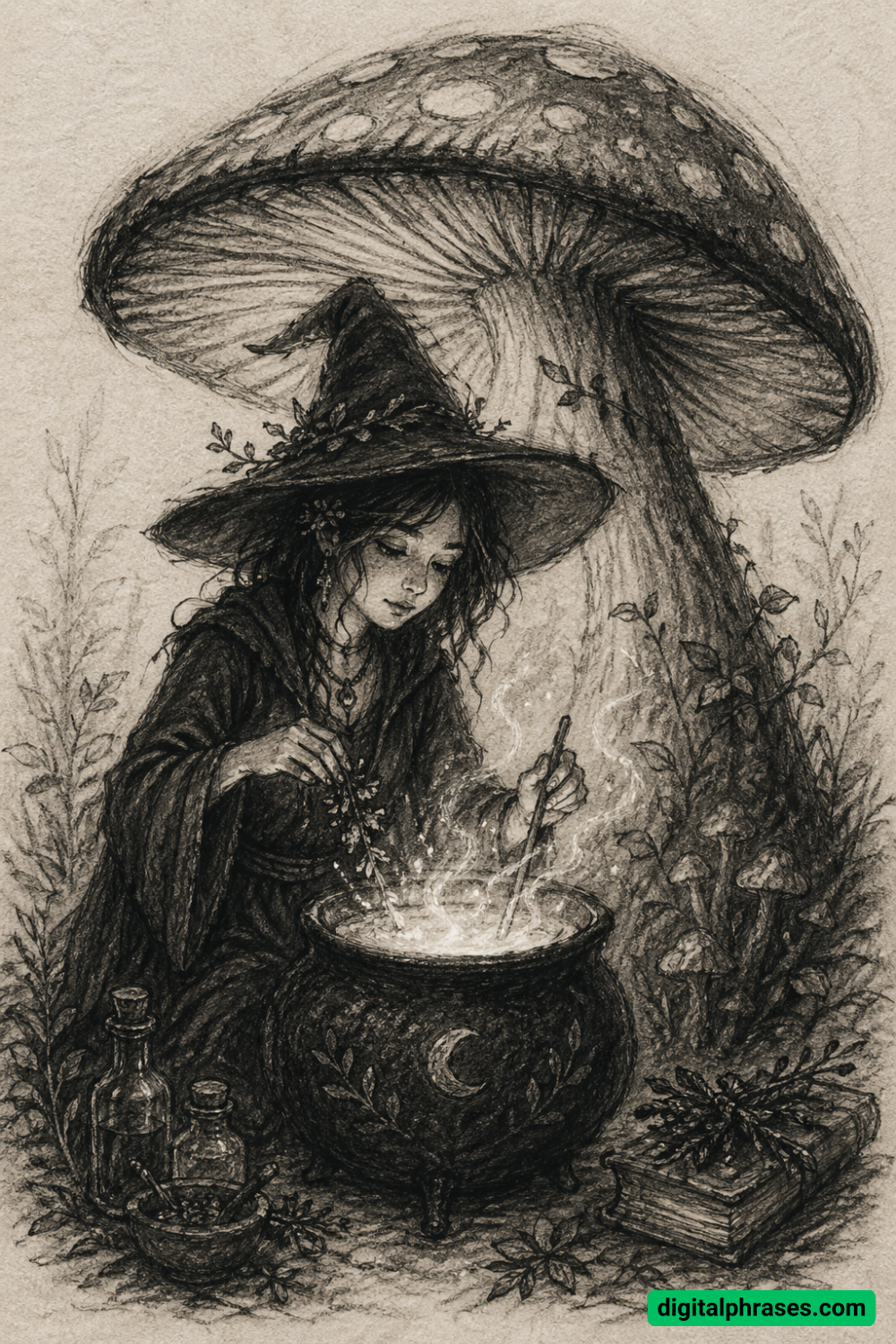
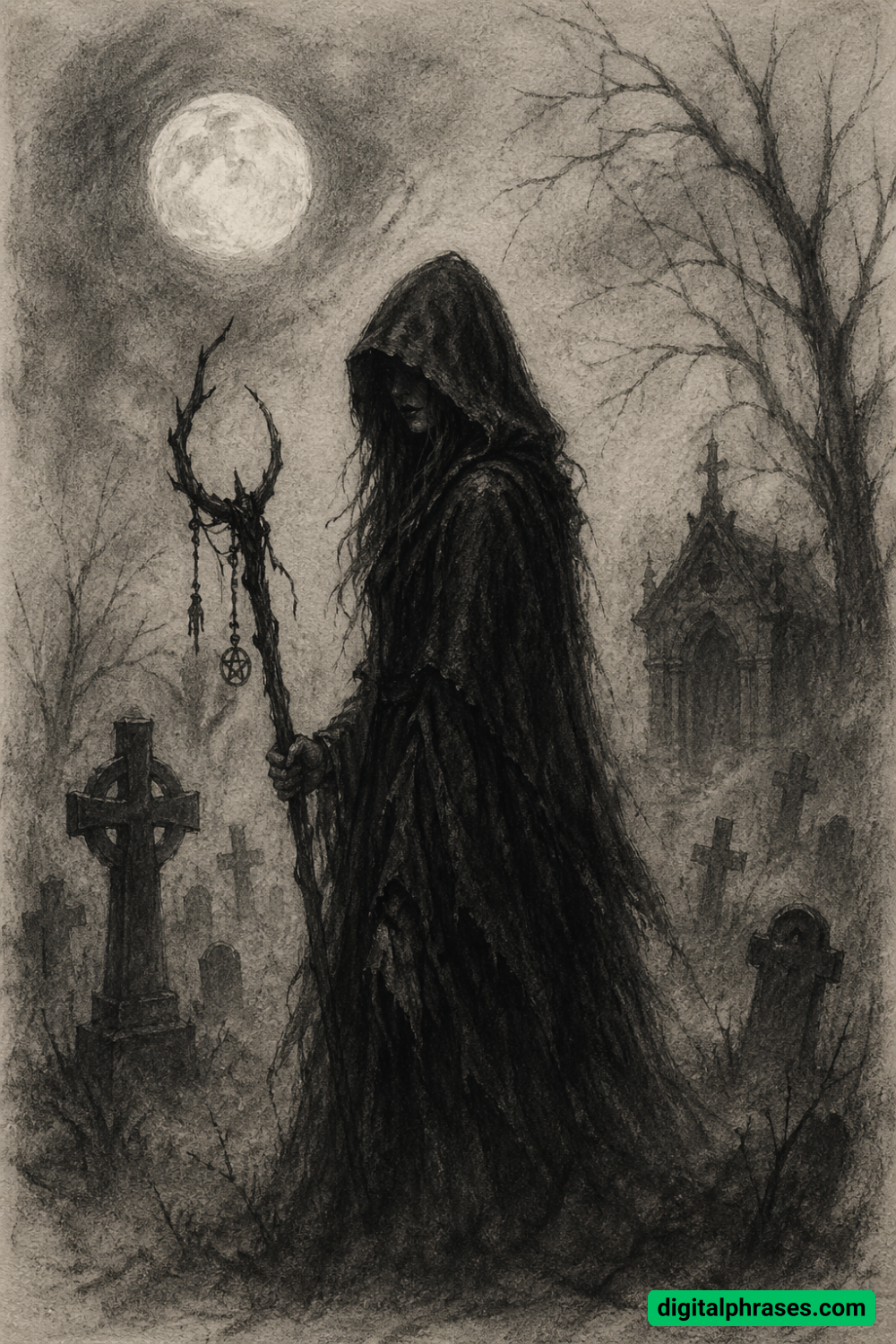
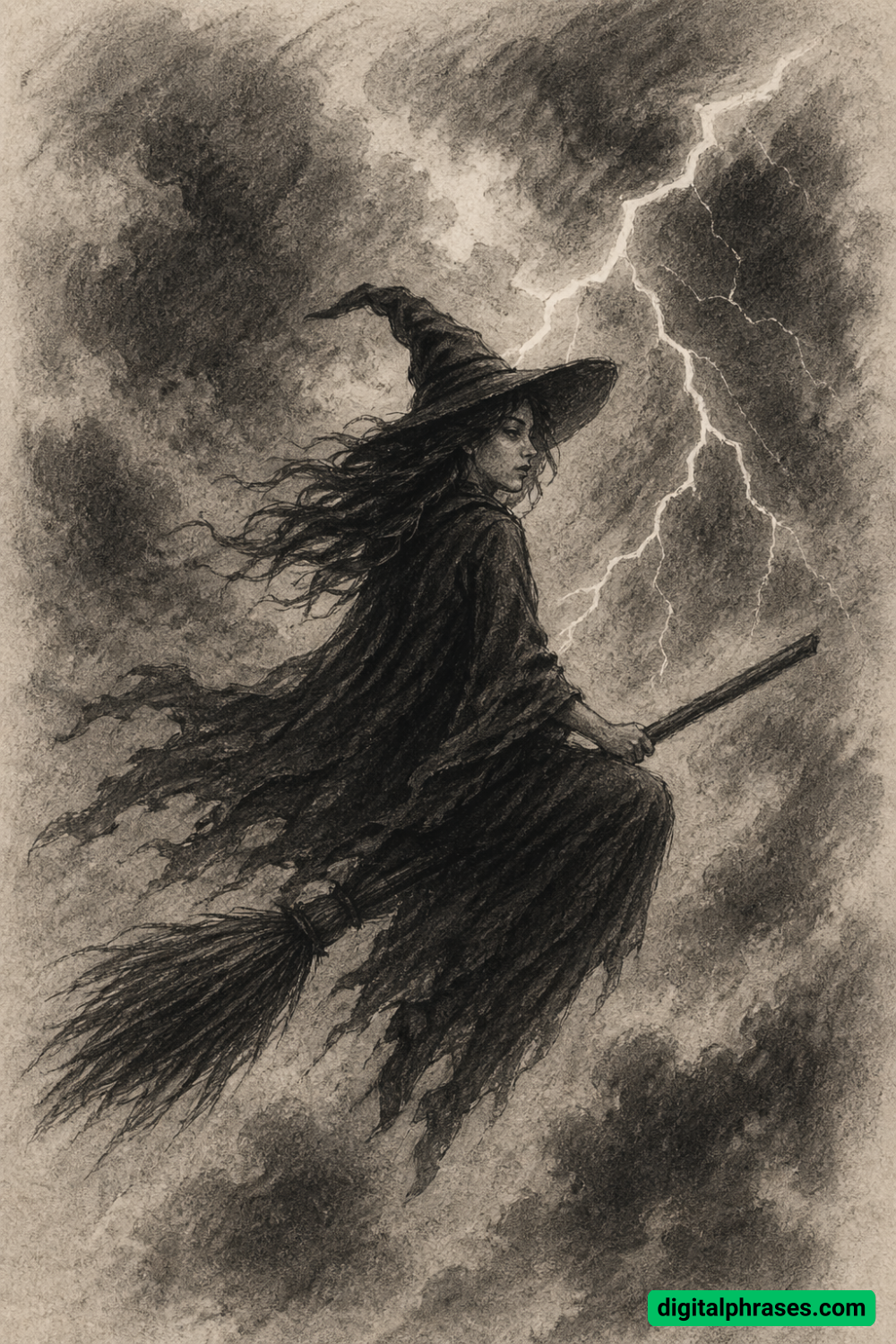
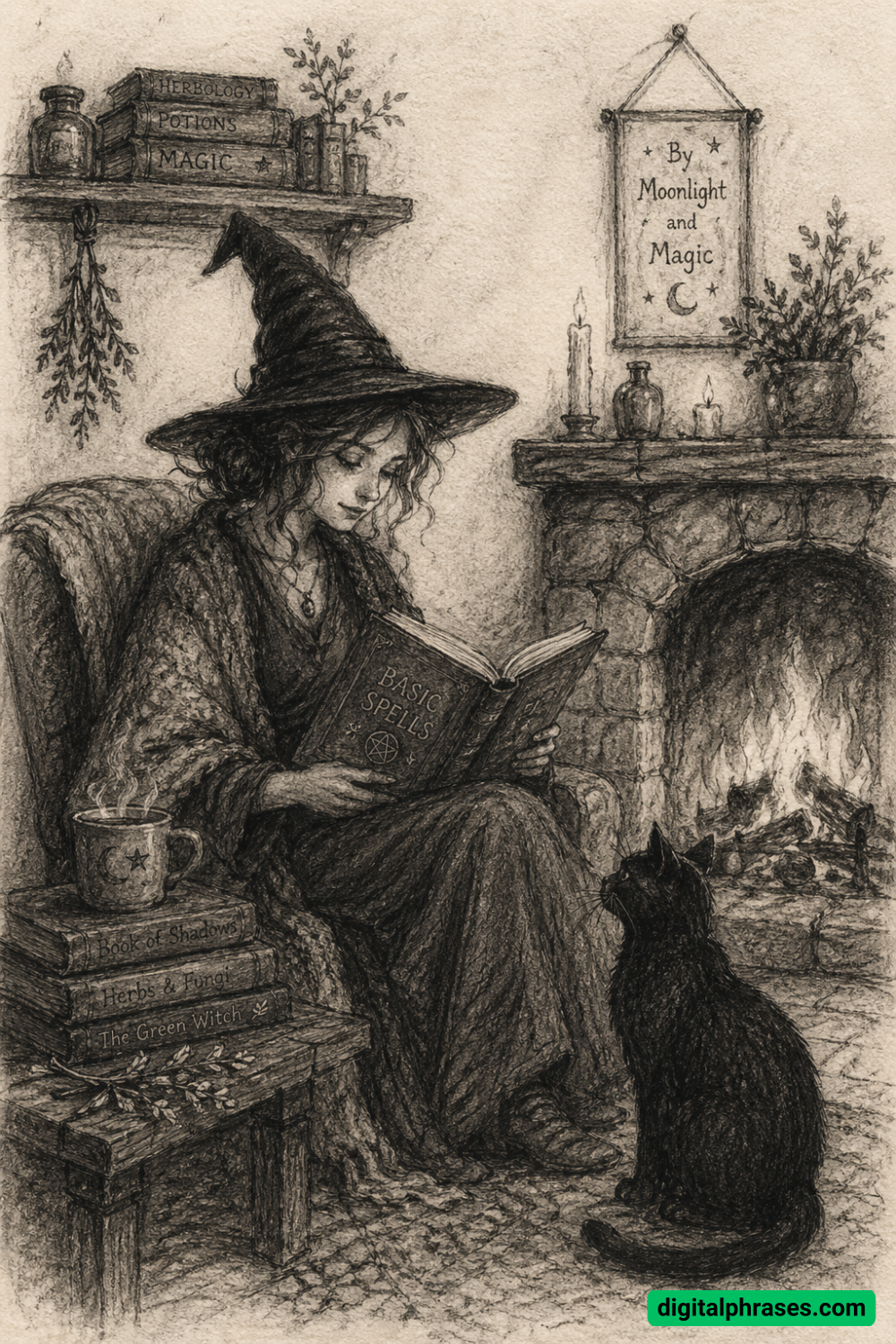
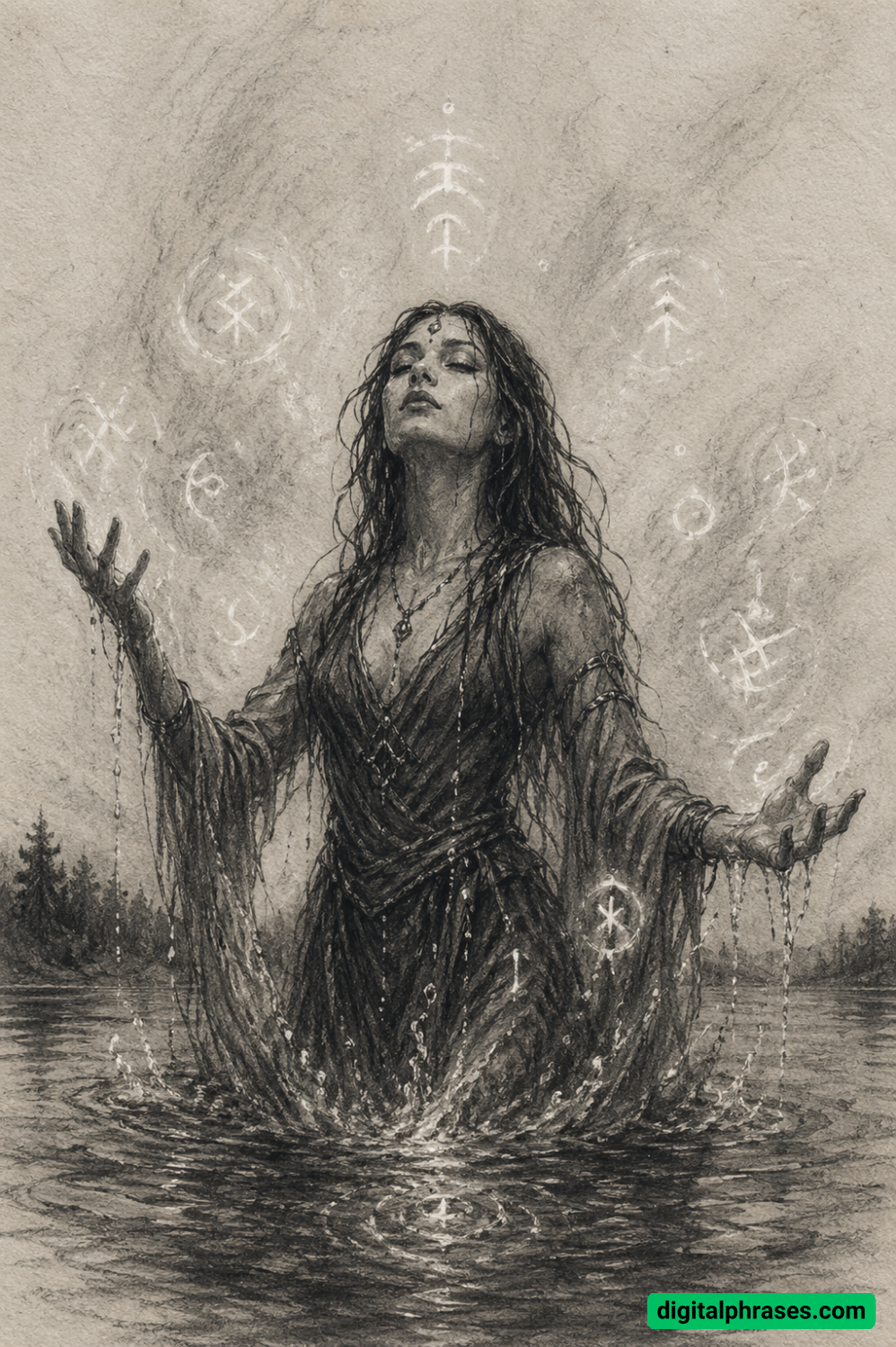
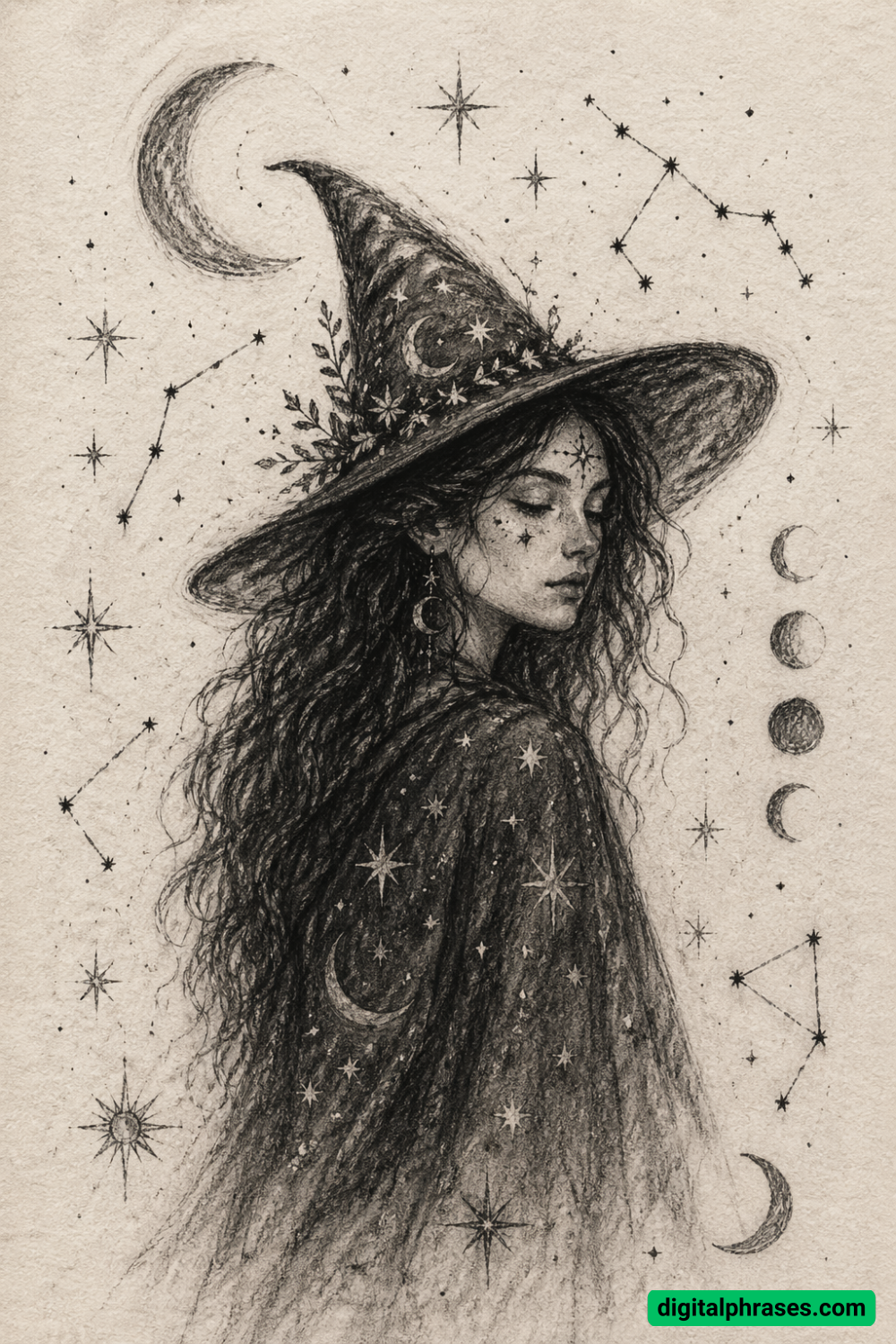
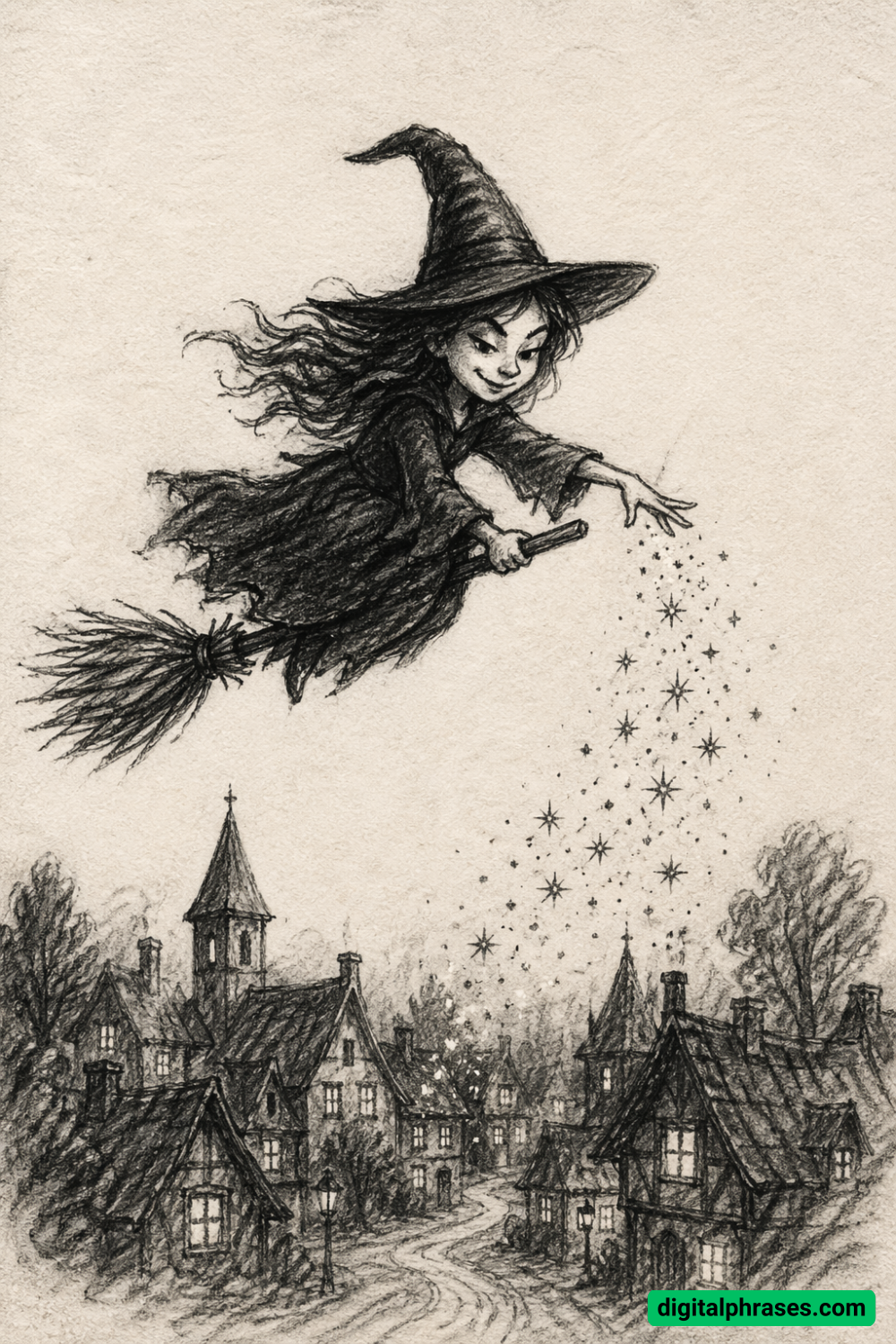
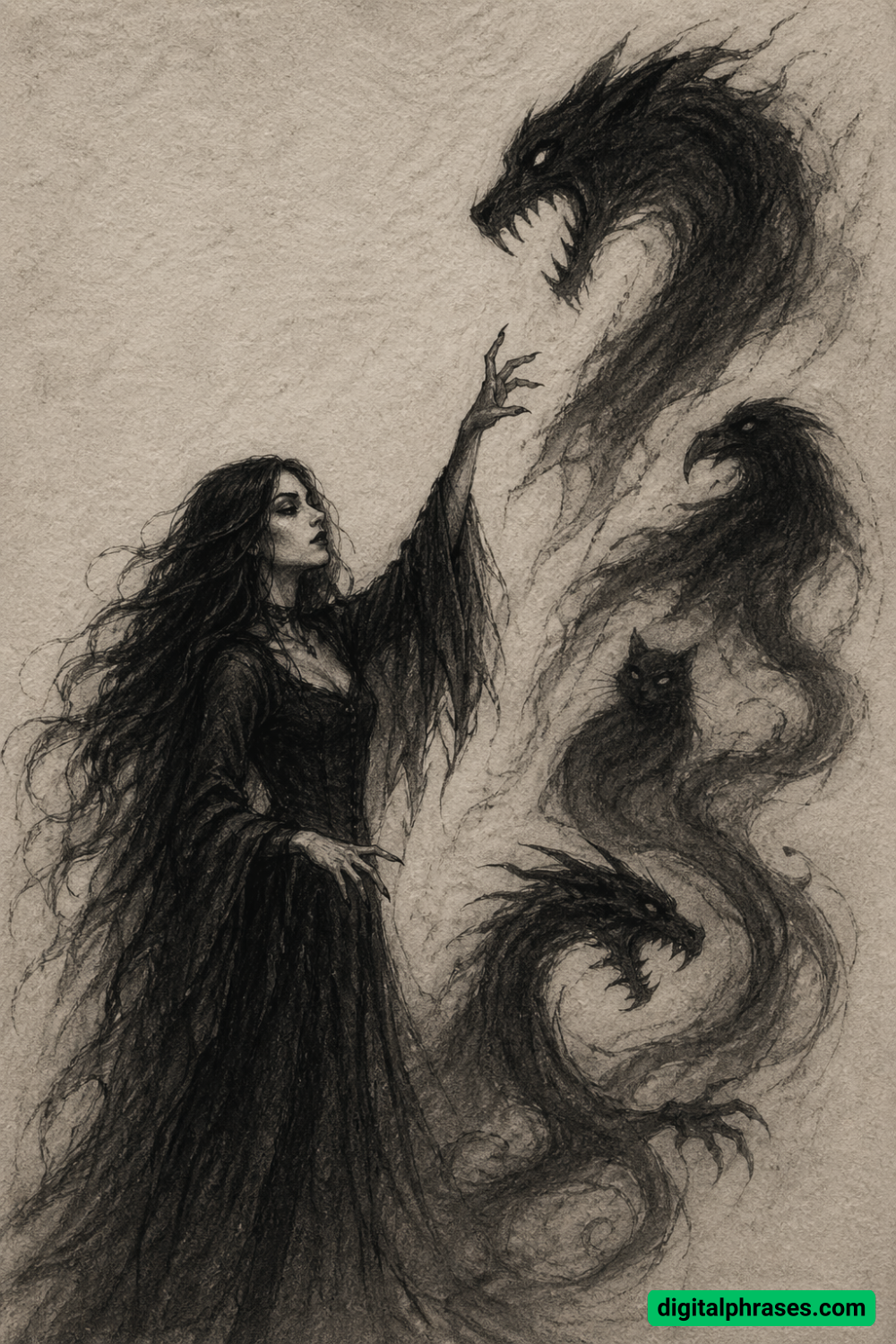
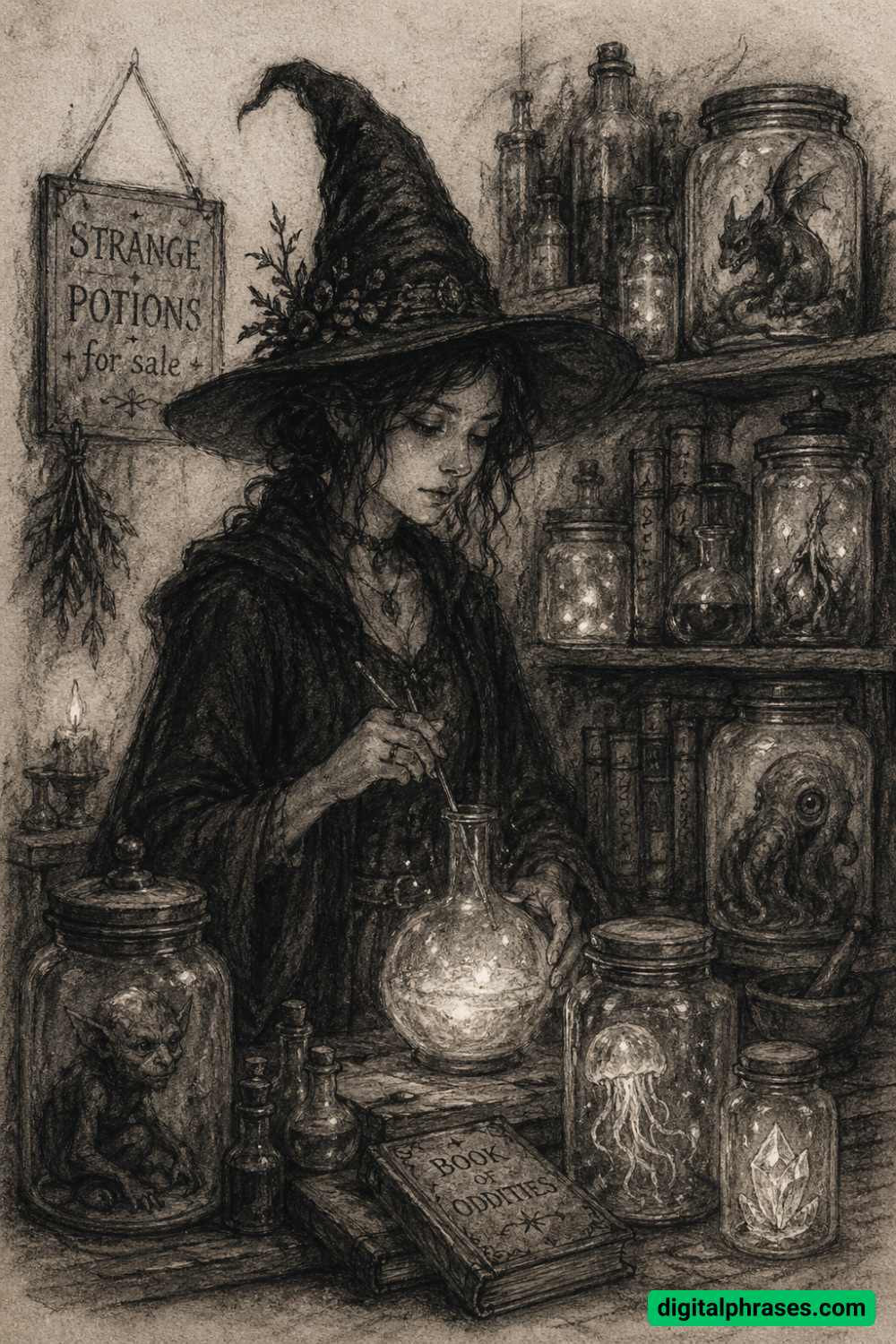
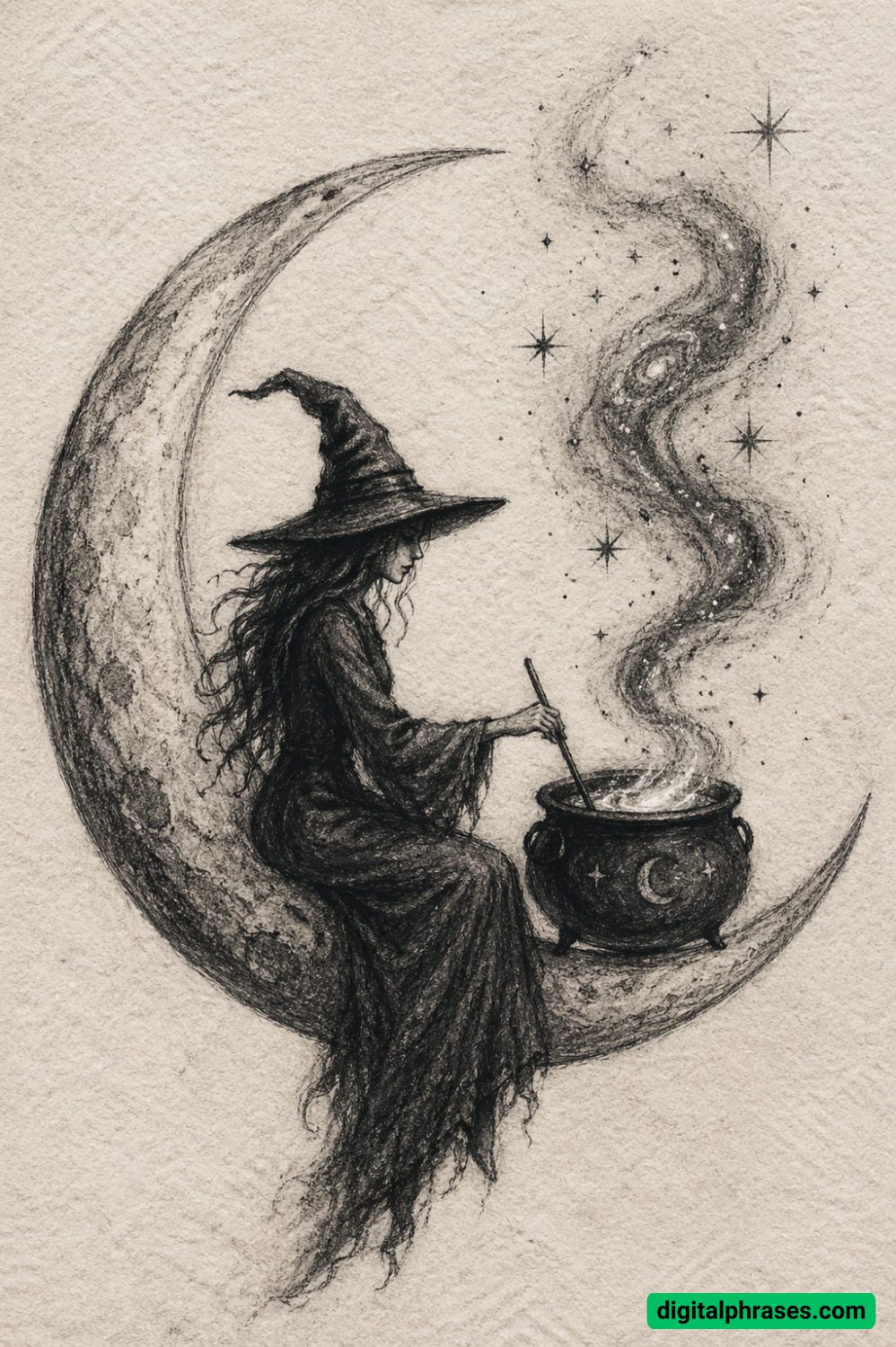
Witches have long captured the imagination—mysterious, powerful, and endlessly versatile as artistic subjects. Whether you’re drawn to their magical aura, dark elegance, or whimsical charm, witch-themed drawings offer a perfect blend of creativity and storytelling.
From classic broomstick silhouettes to modern, stylish spellcasters, this collection of witch drawing ideas is designed to spark inspiration while keeping things simple and classy.
Witch Drawing Ideas
1
2
3
4
5
6
7
8
9
10
11
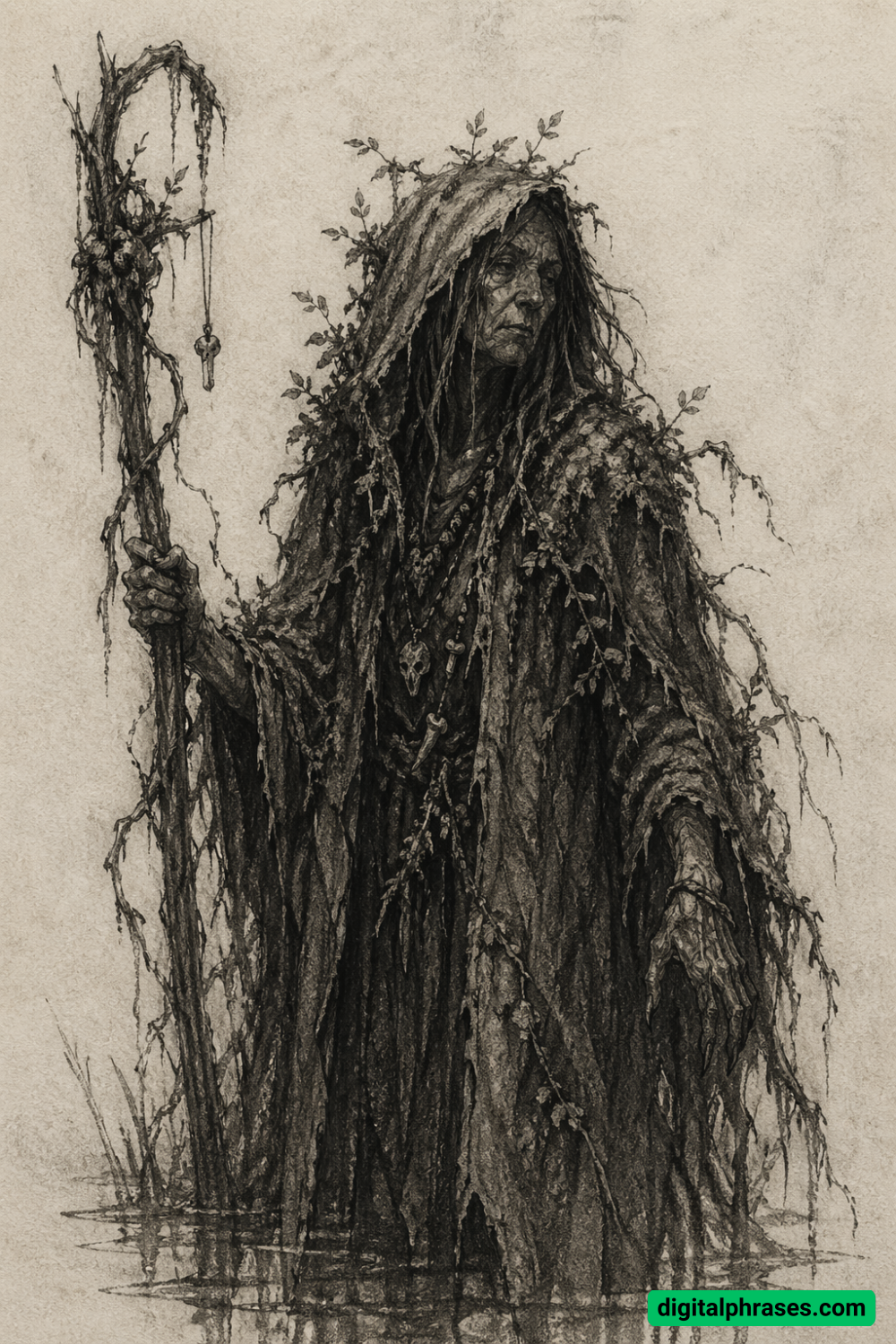
12
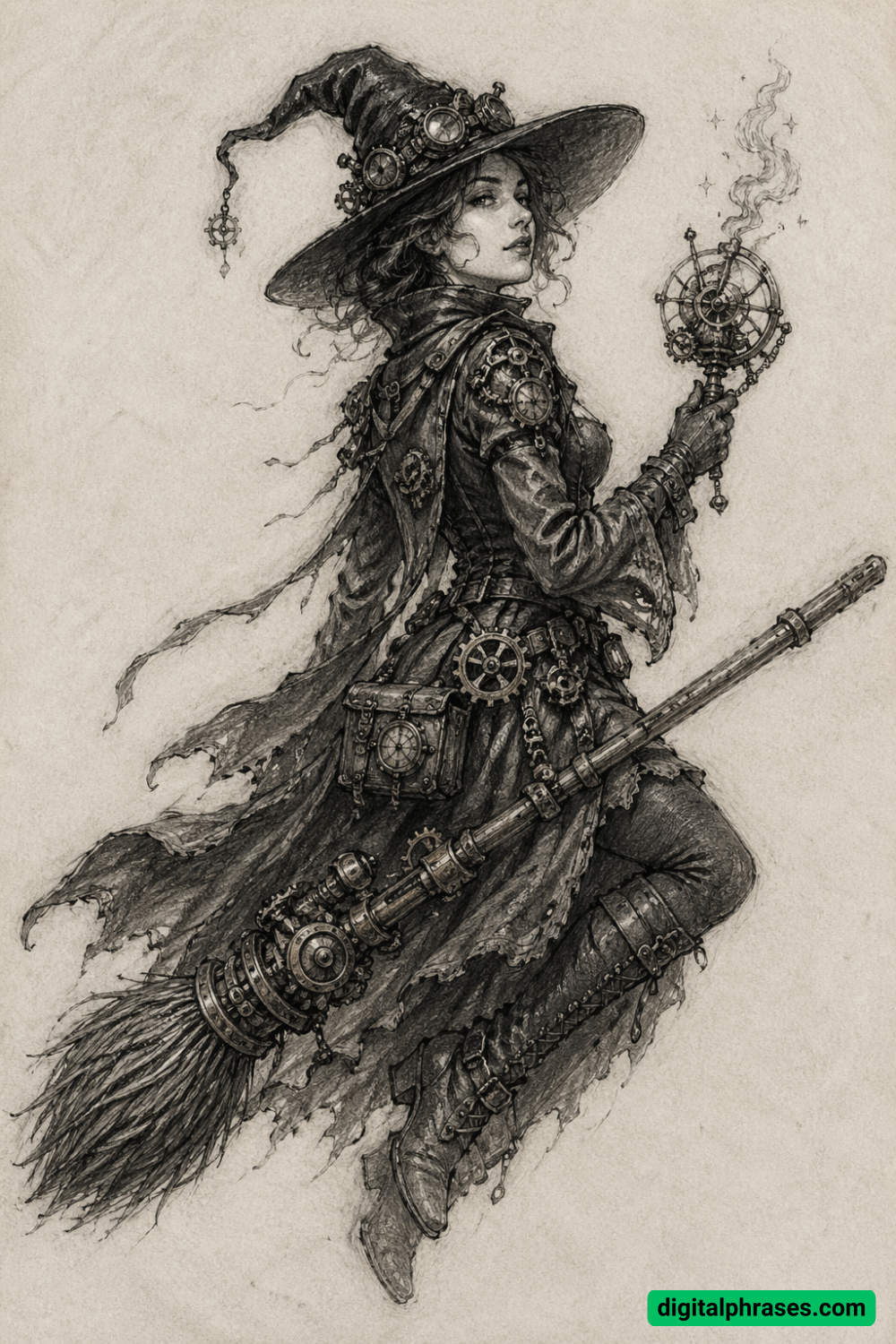
13
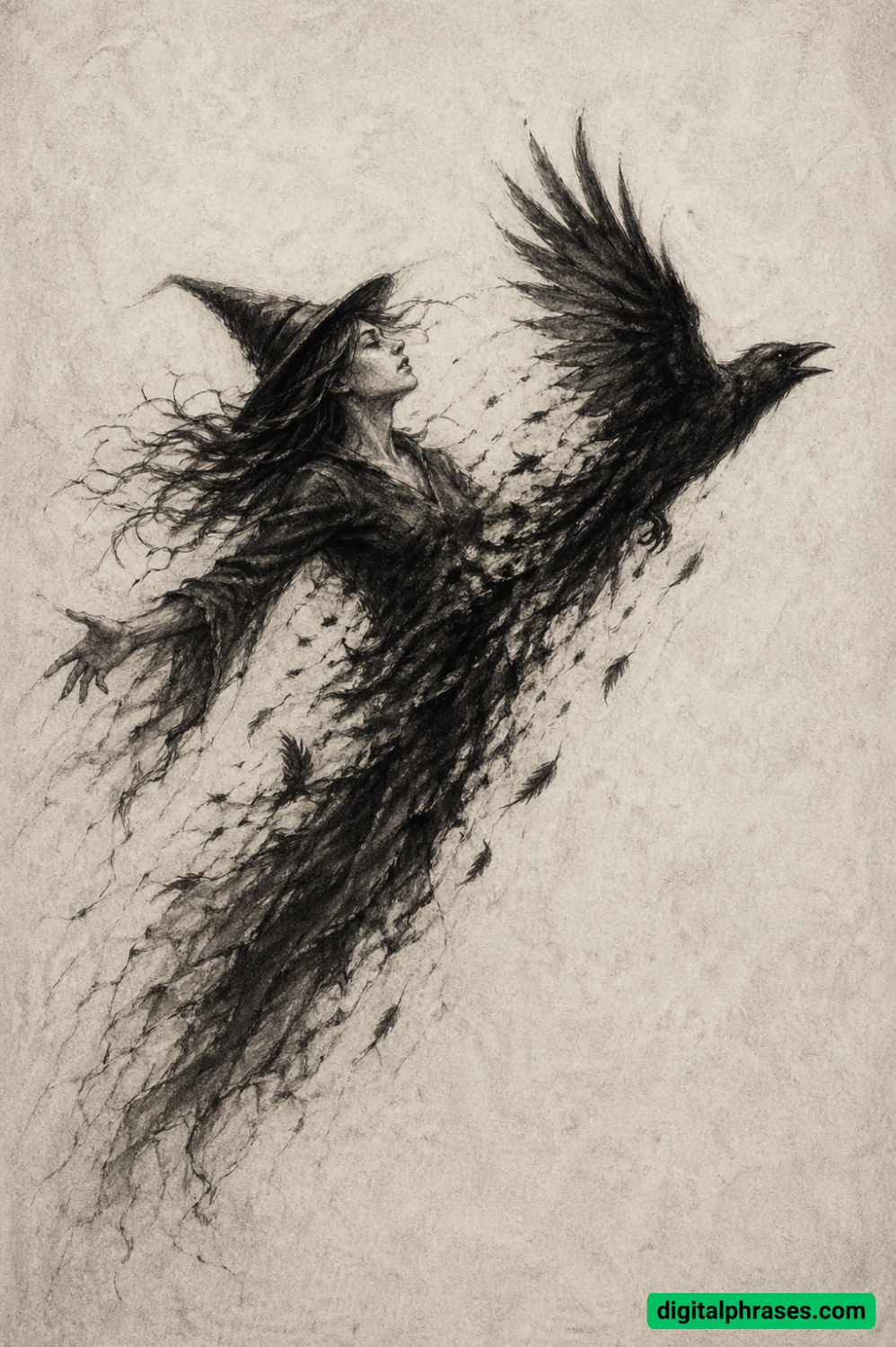
14
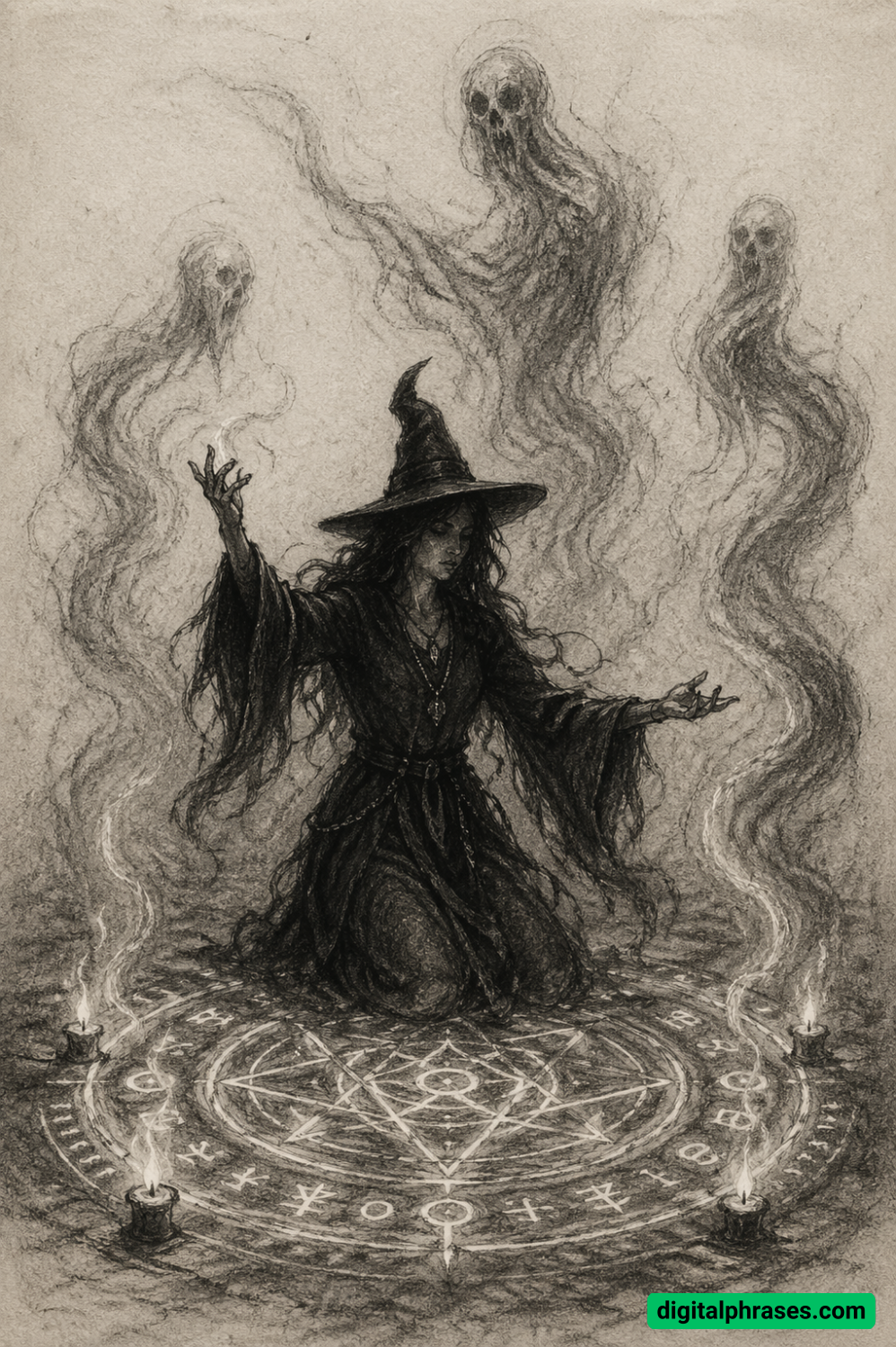
15
16
17
18
19
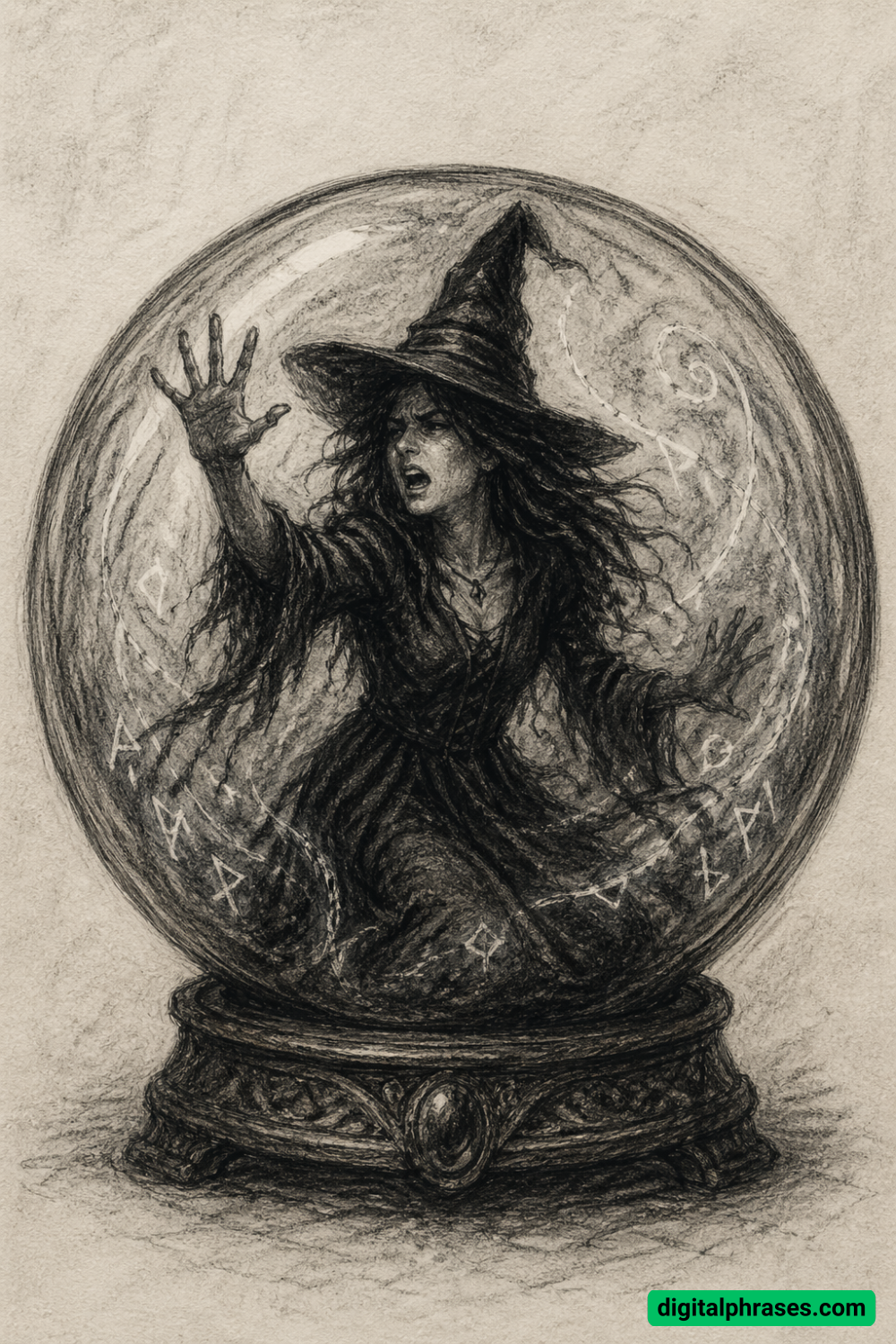
20
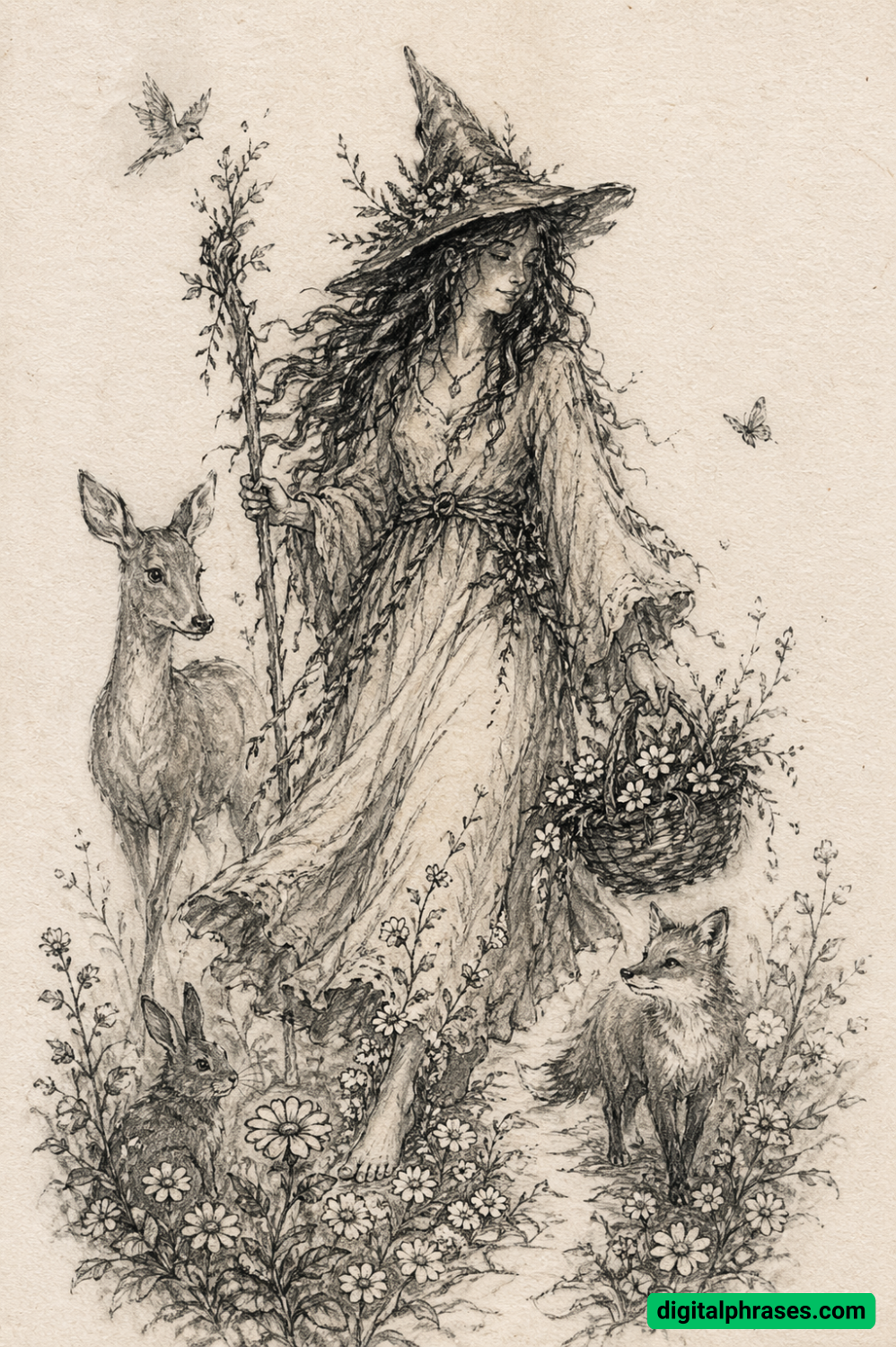
21
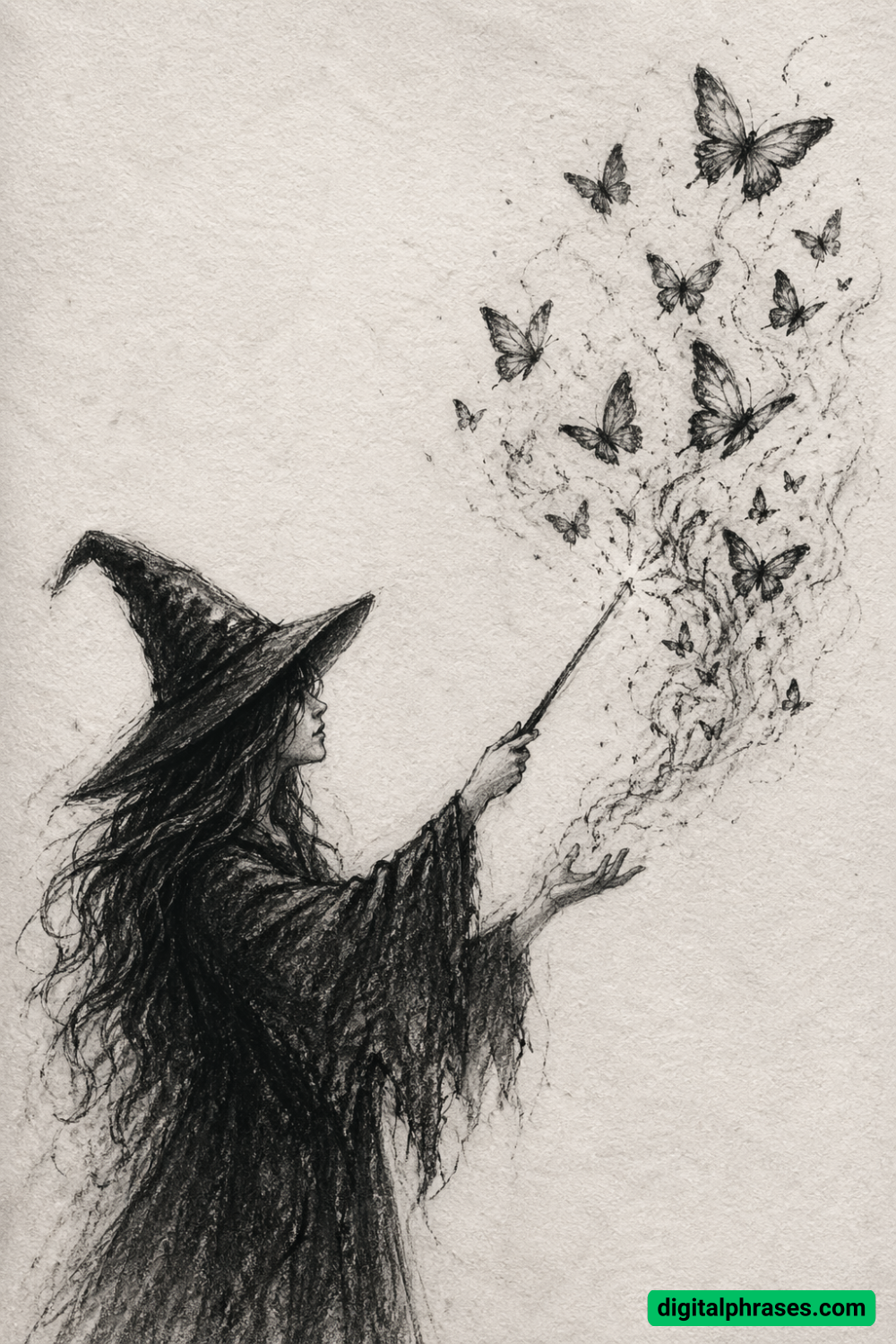
22
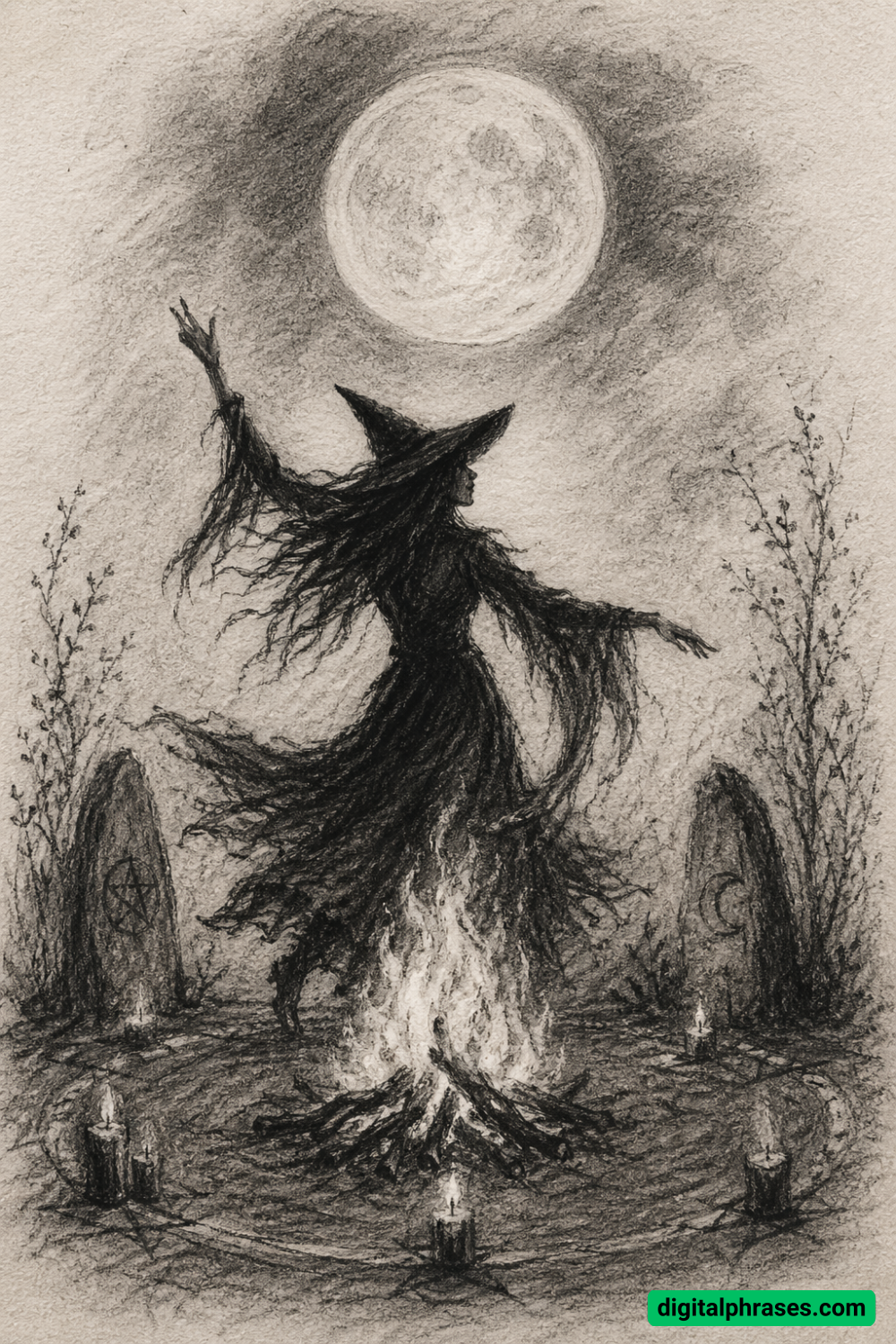
23
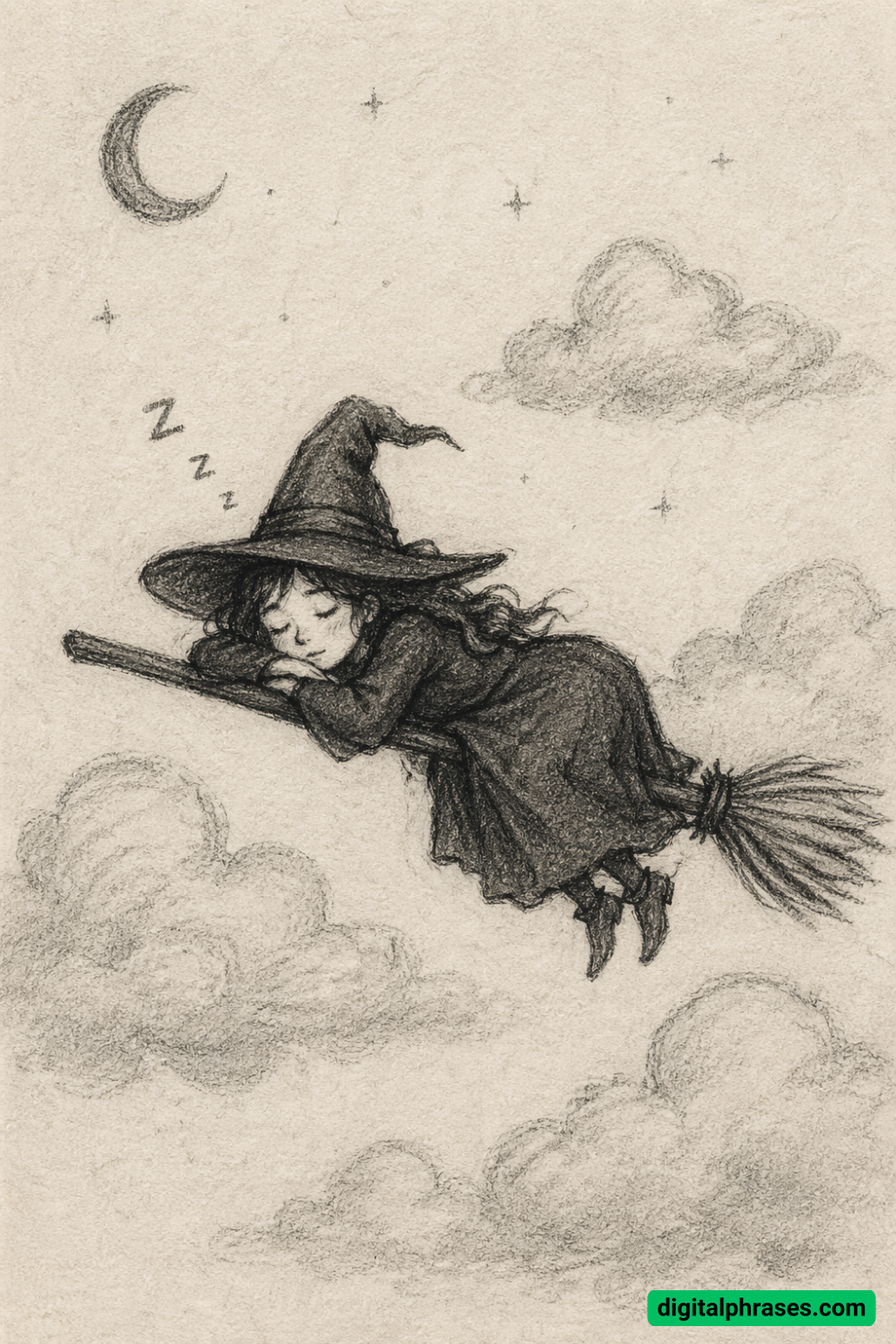
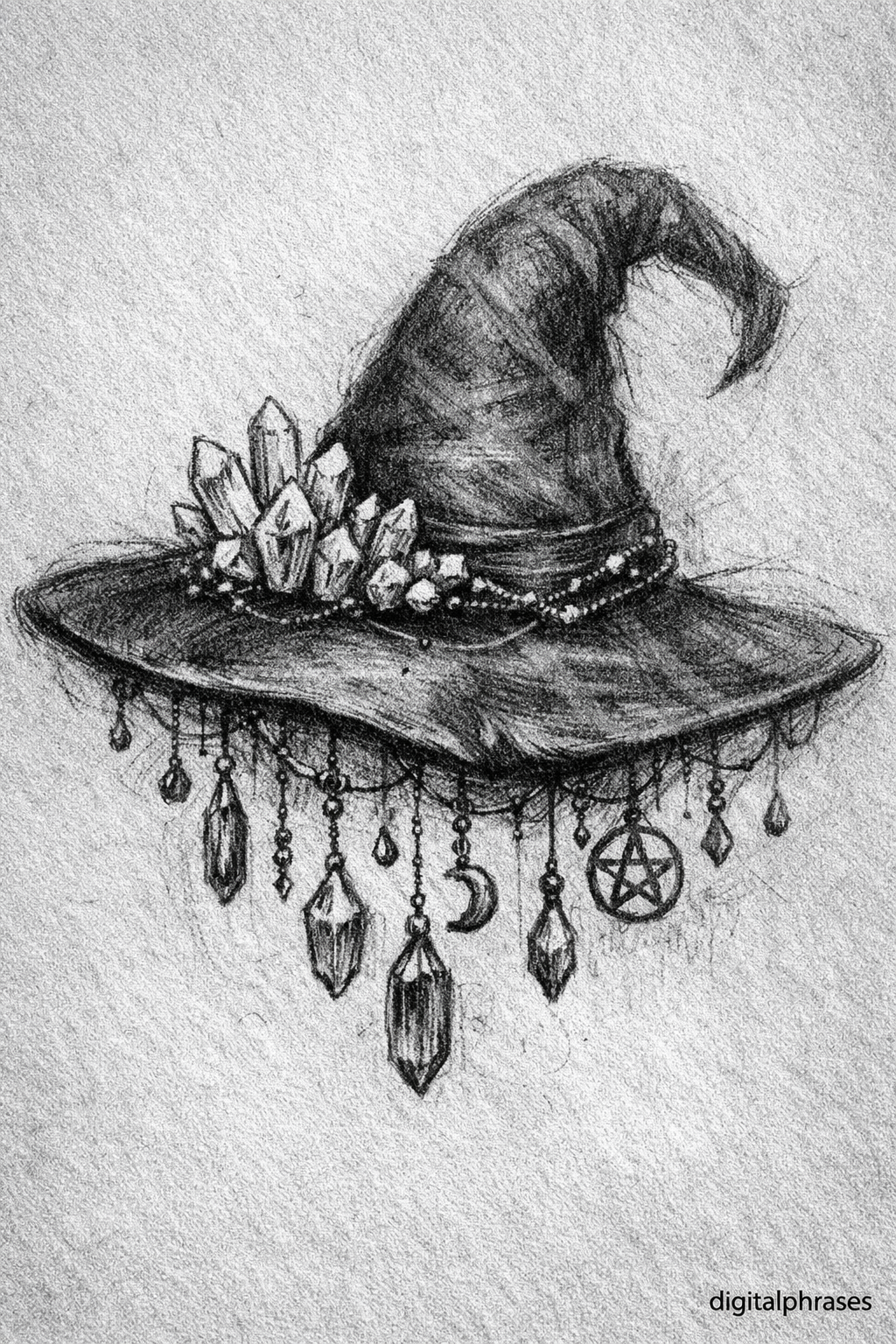
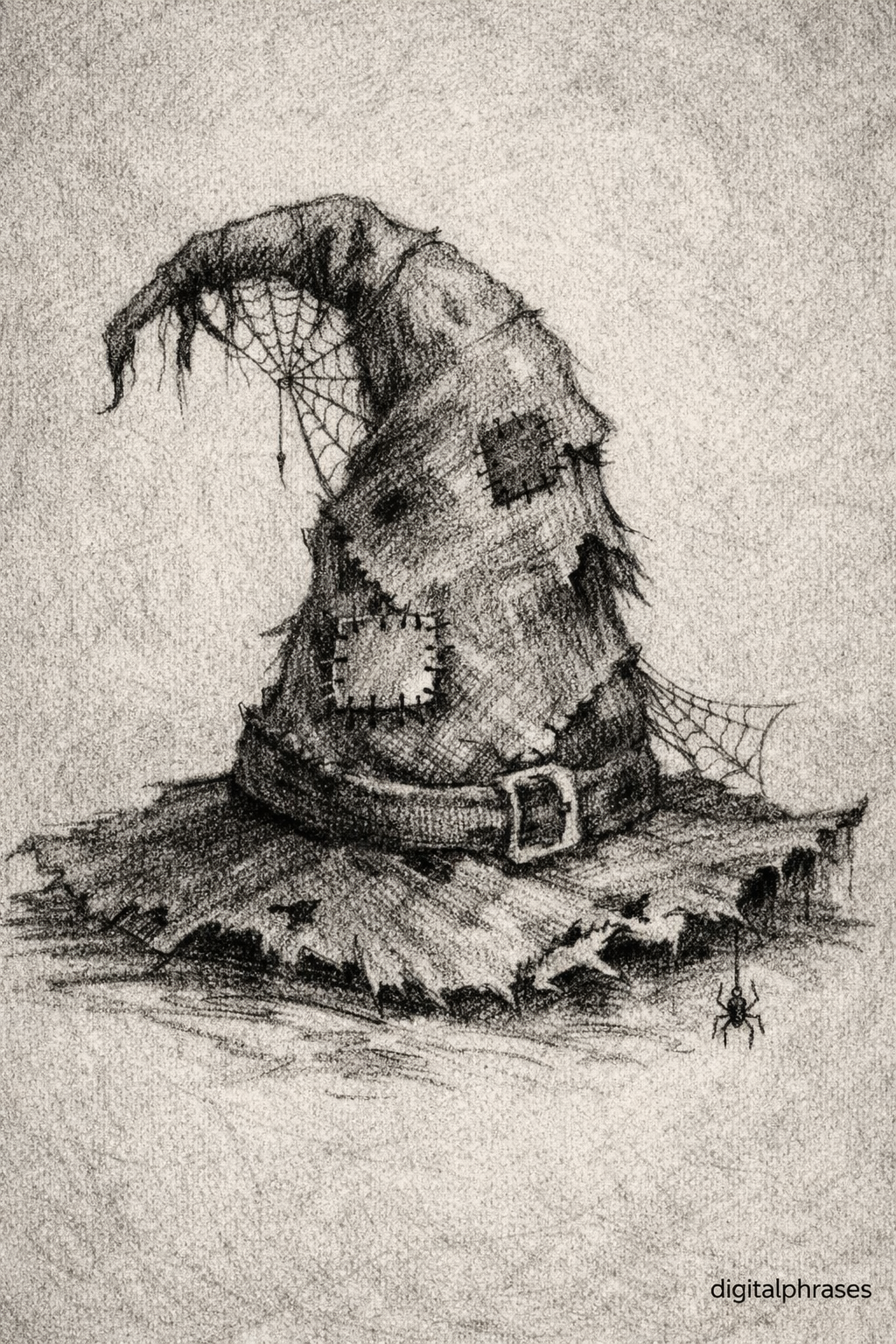
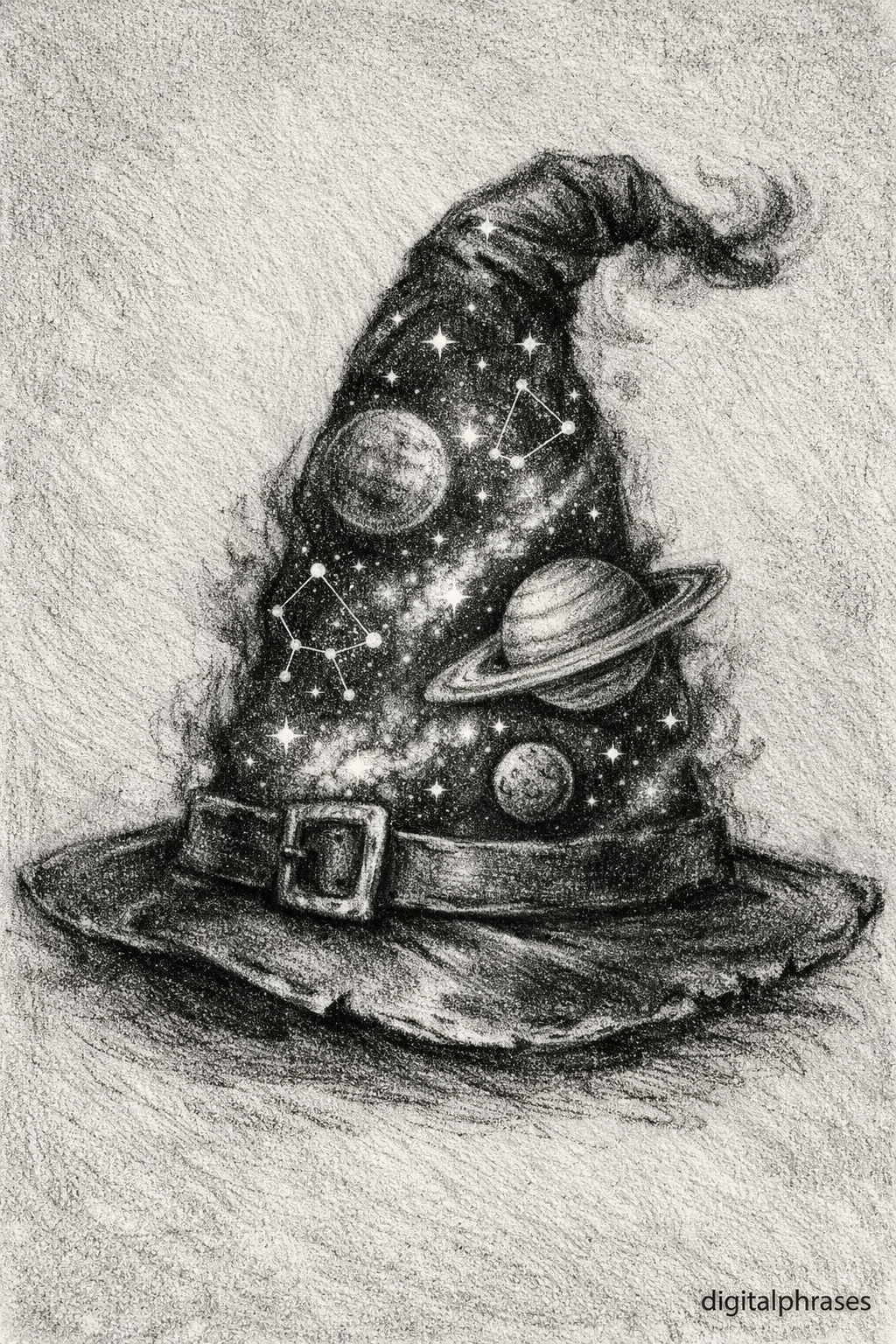
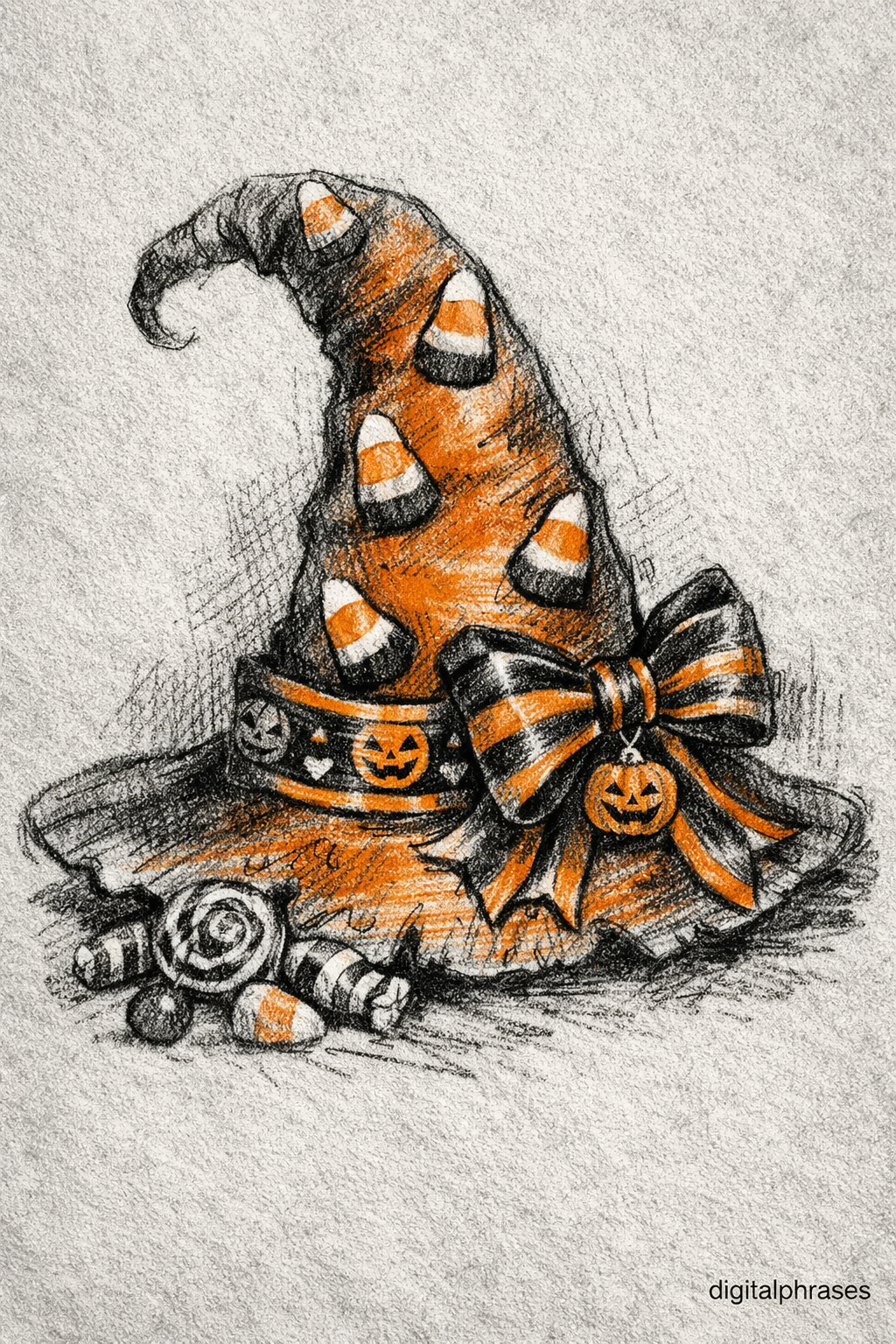
Witch Hat Drawing Ideas
1
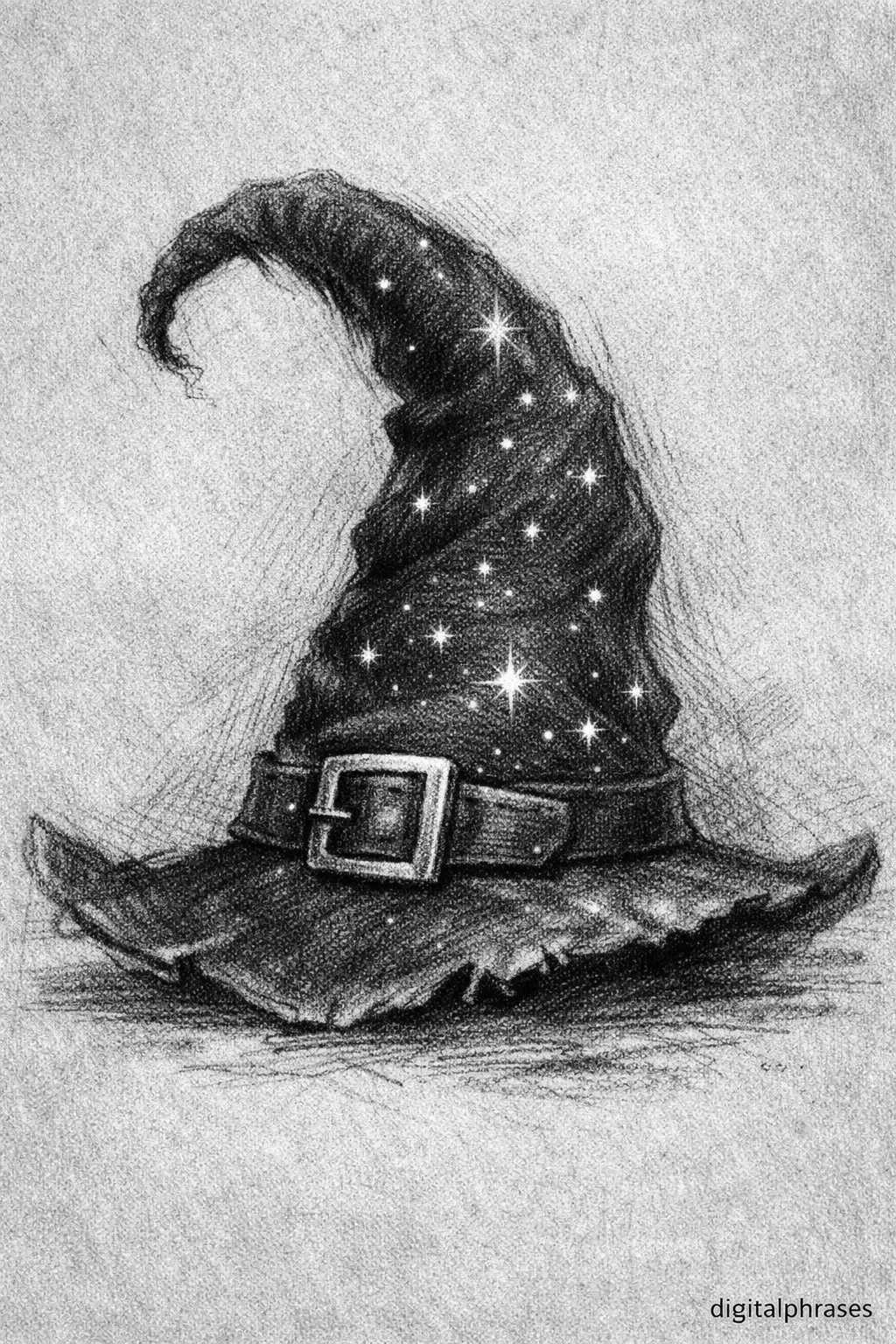
2
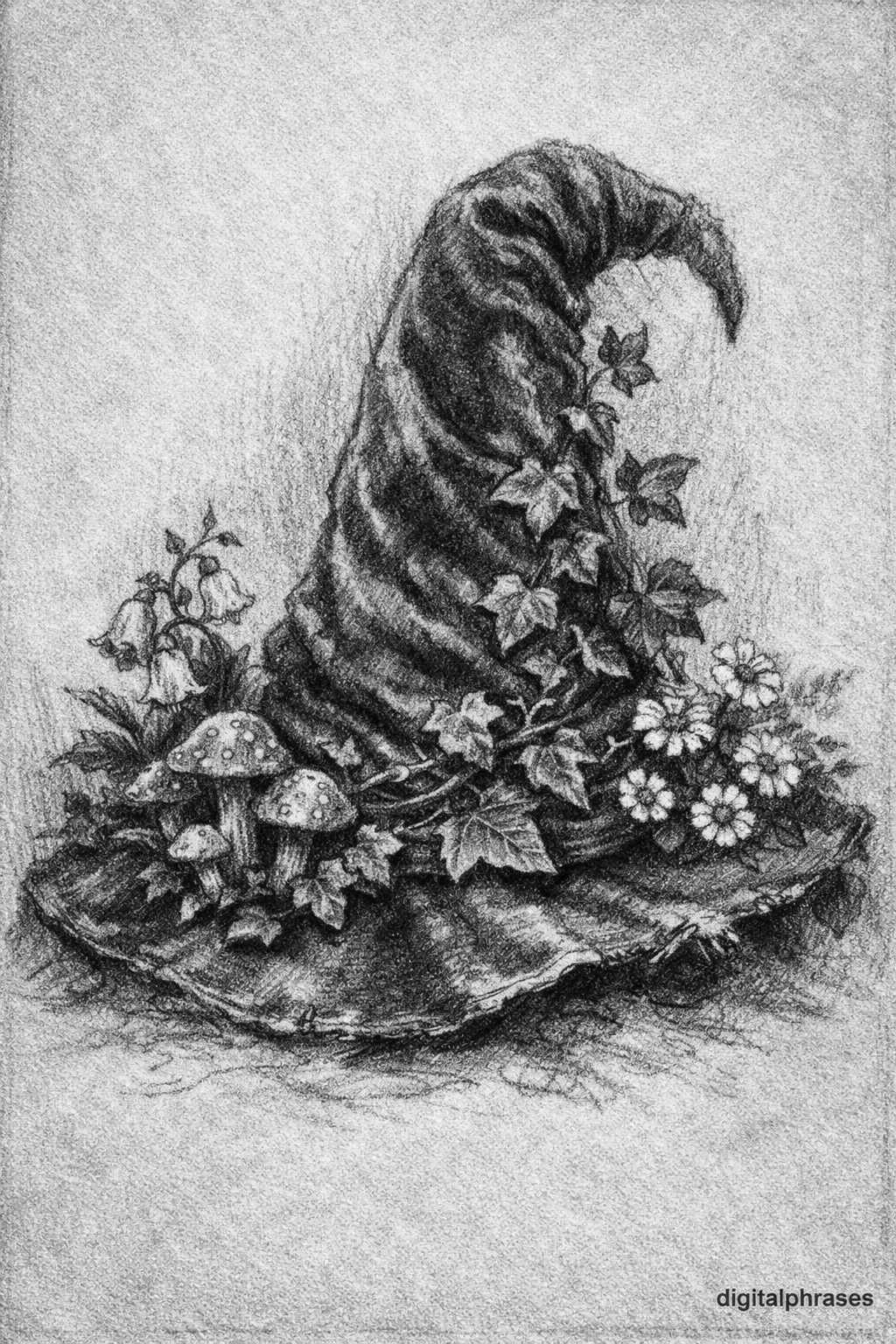
3
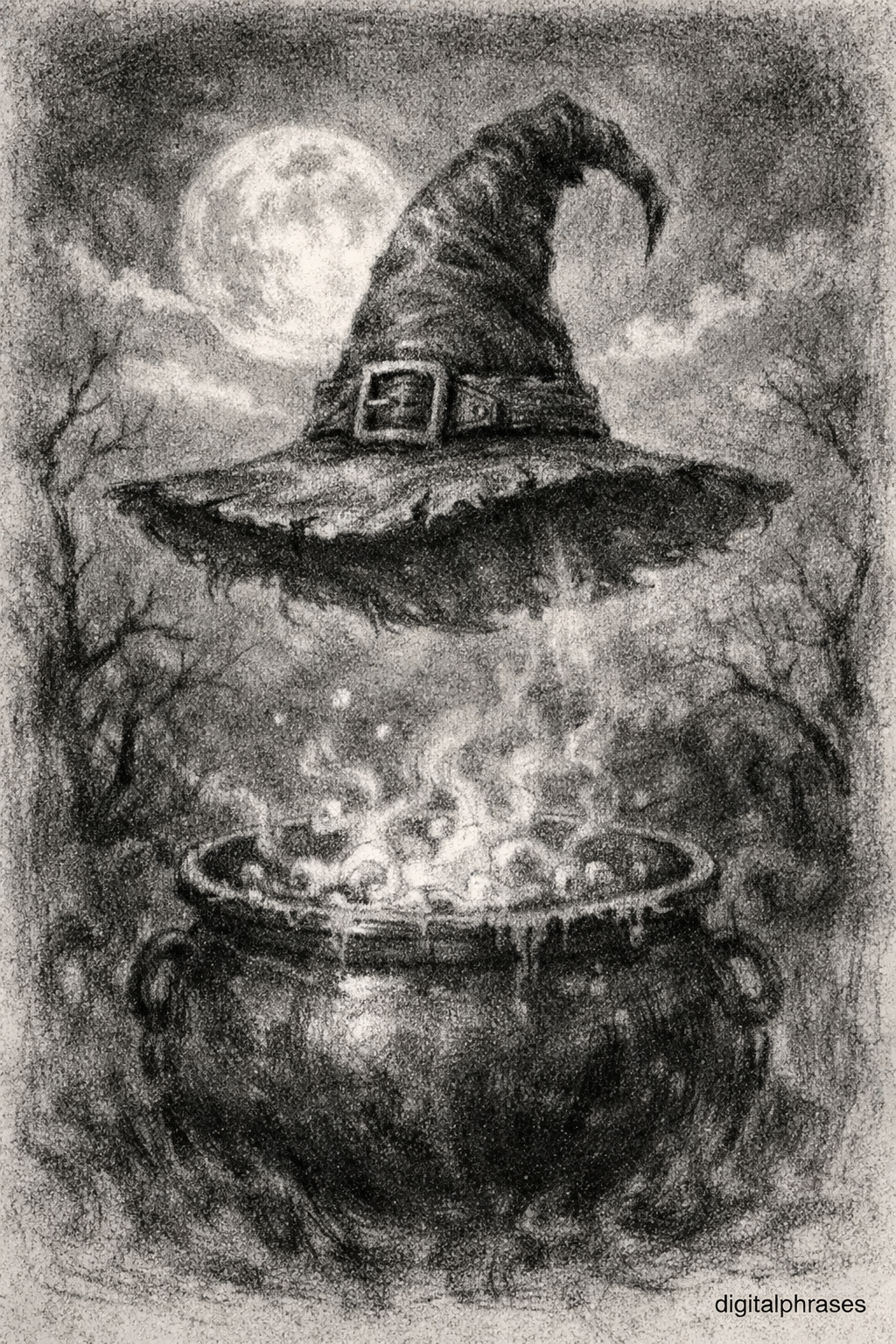
4
5
6
7
8
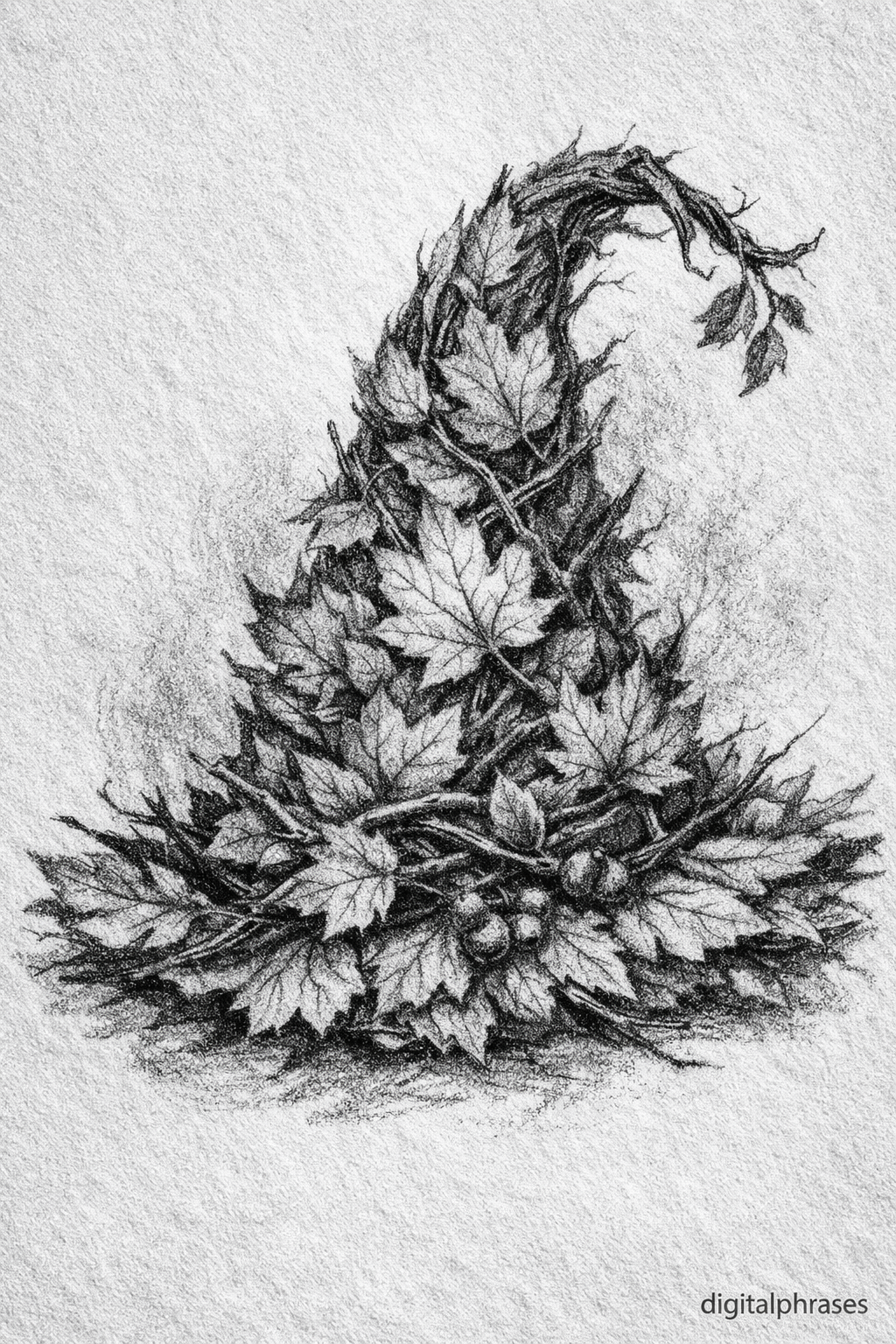
9
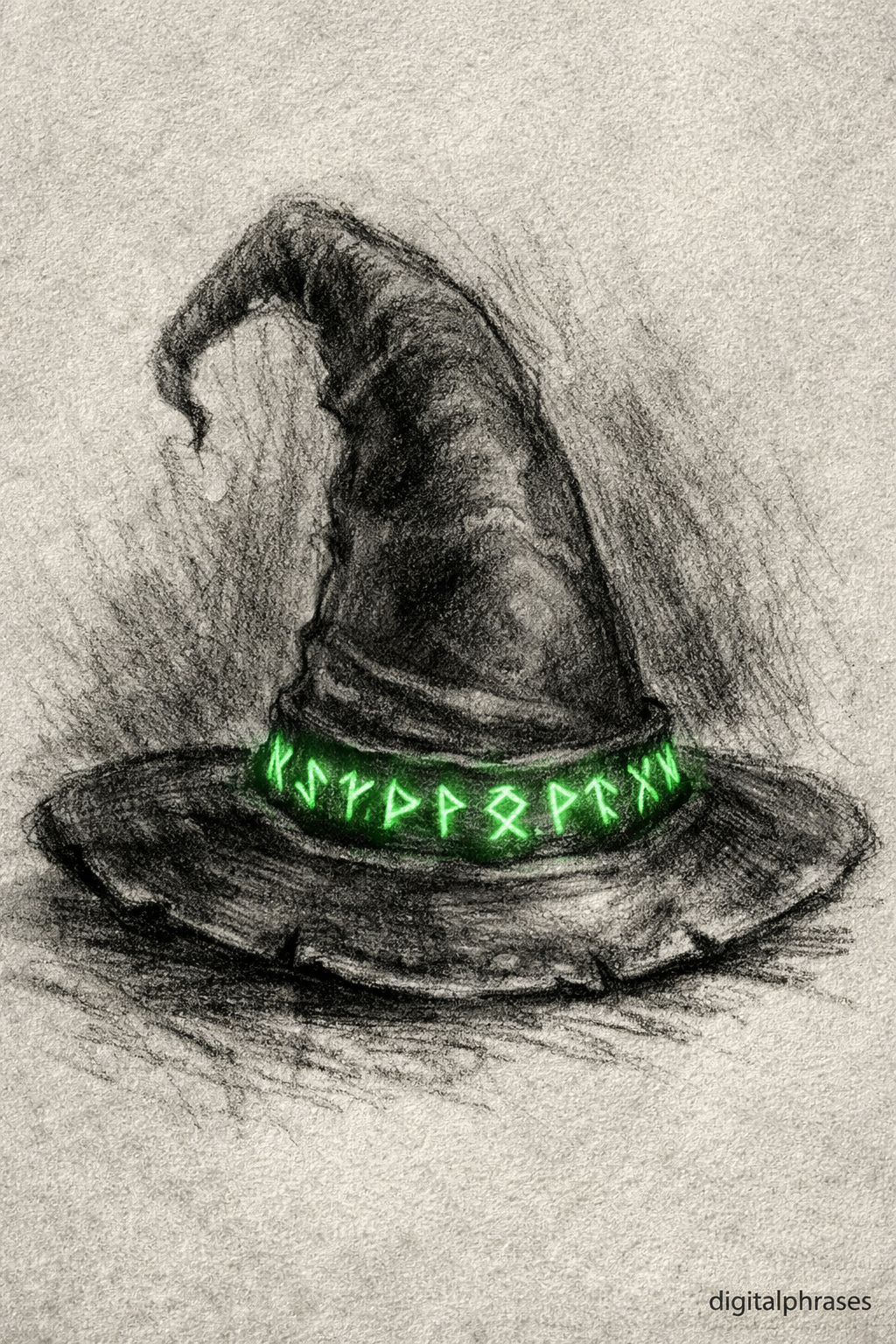
10
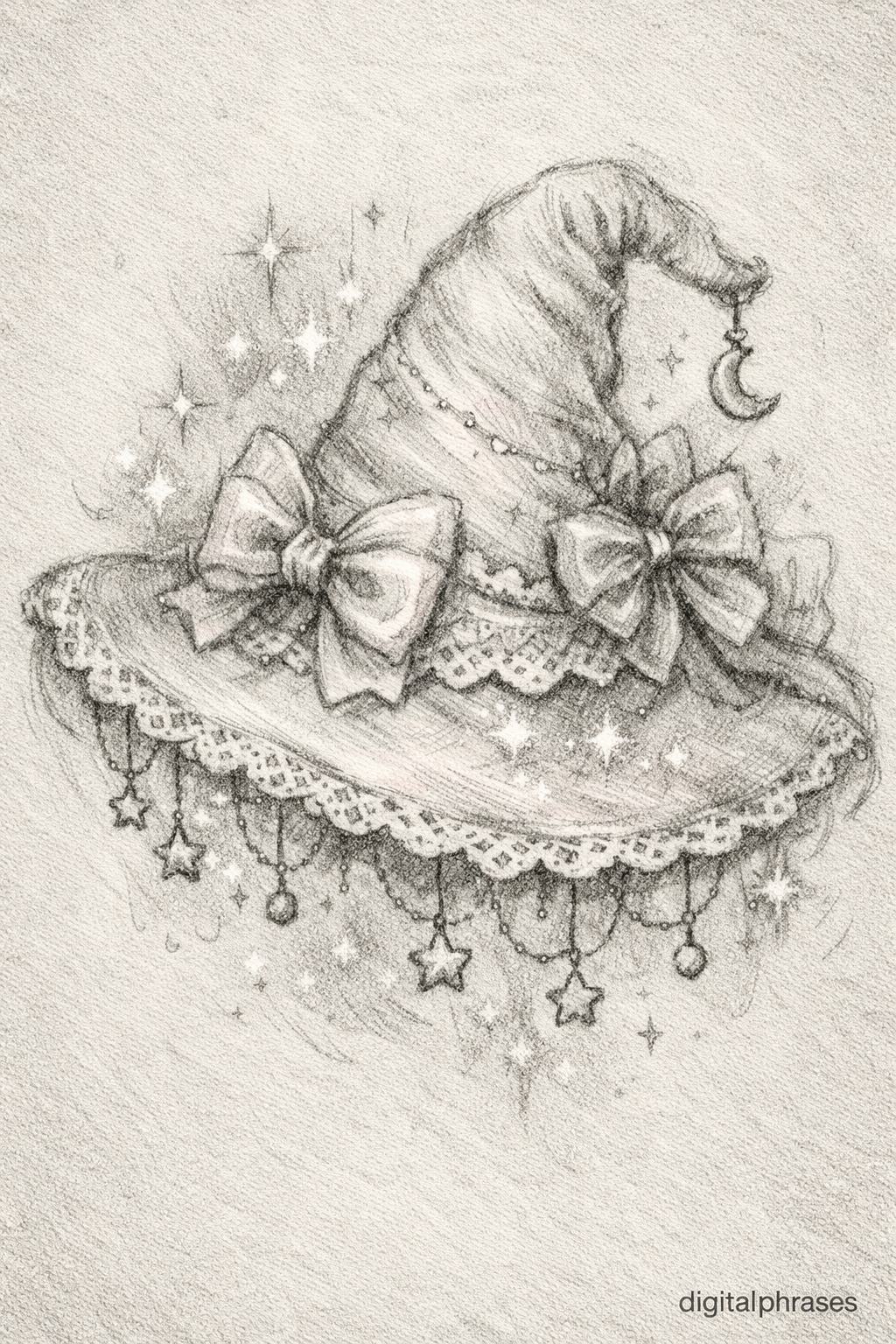
11
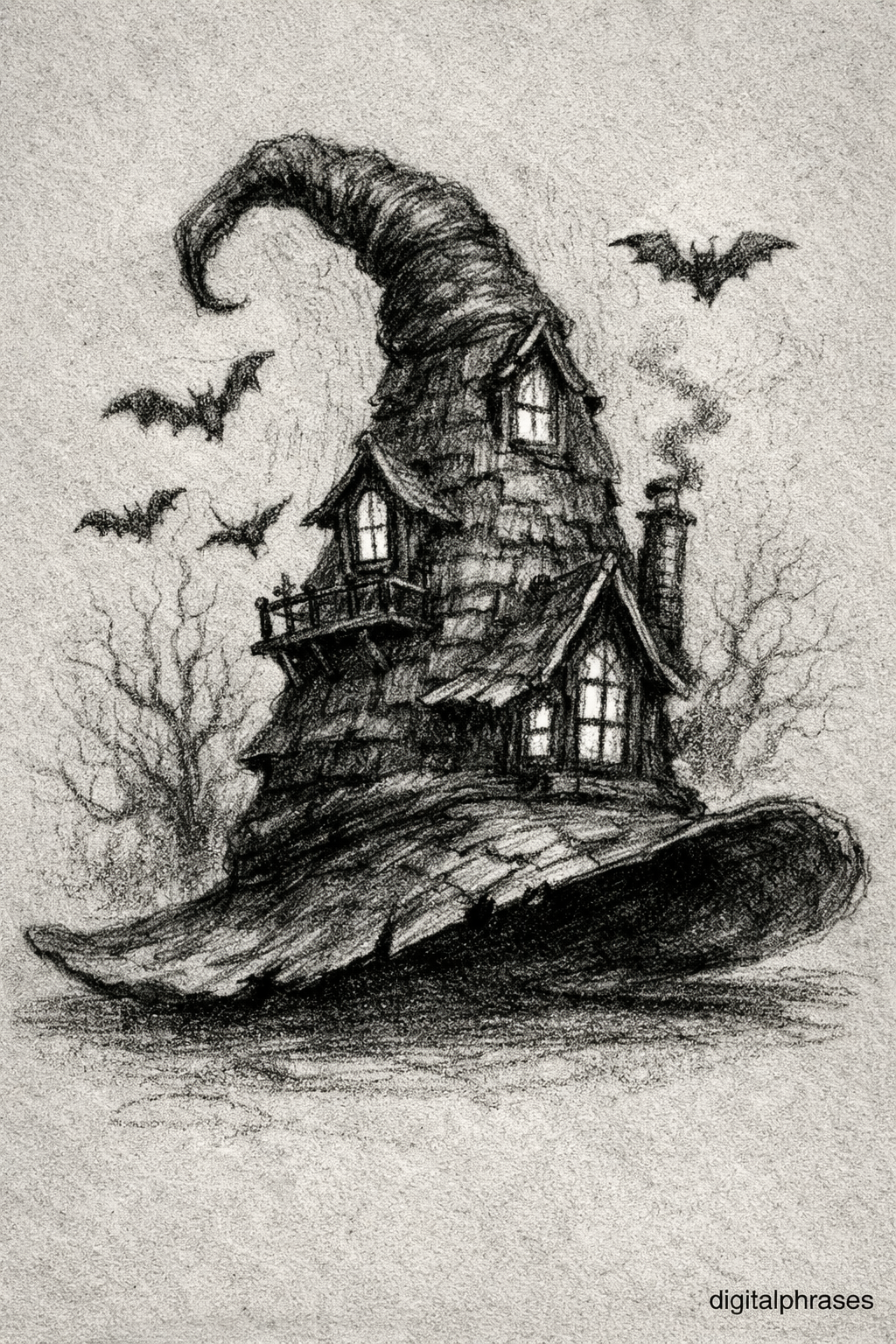
12
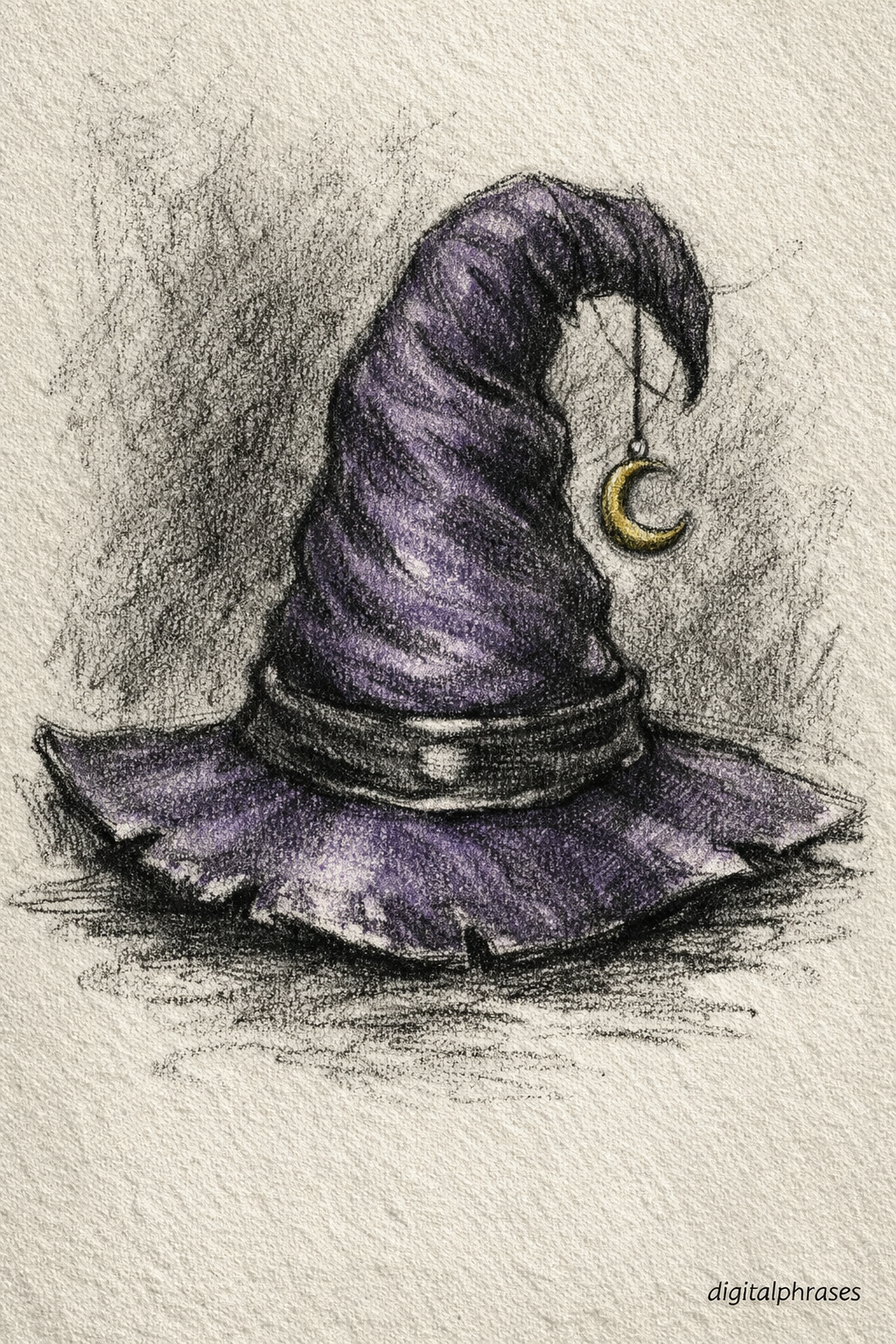
13
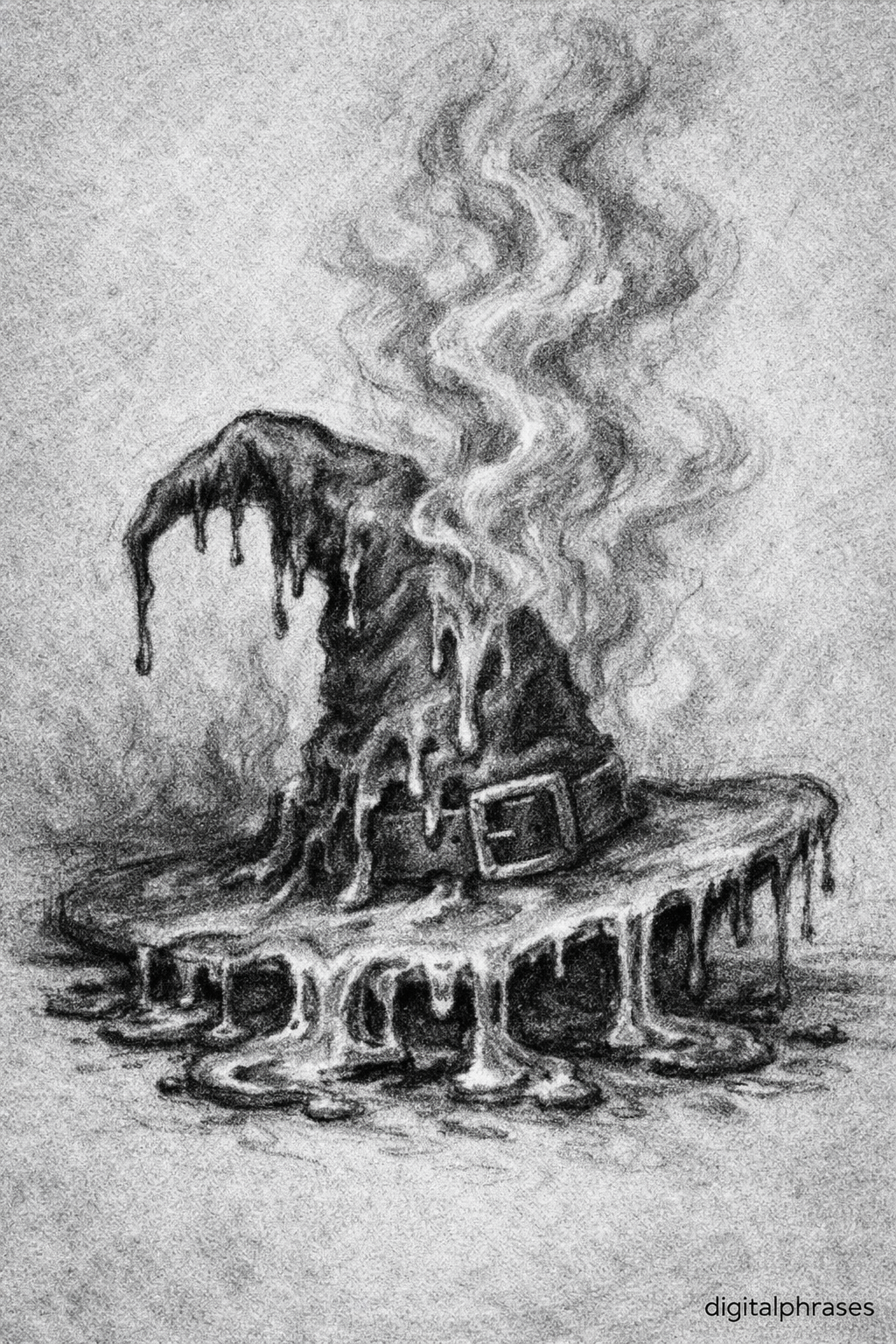
14
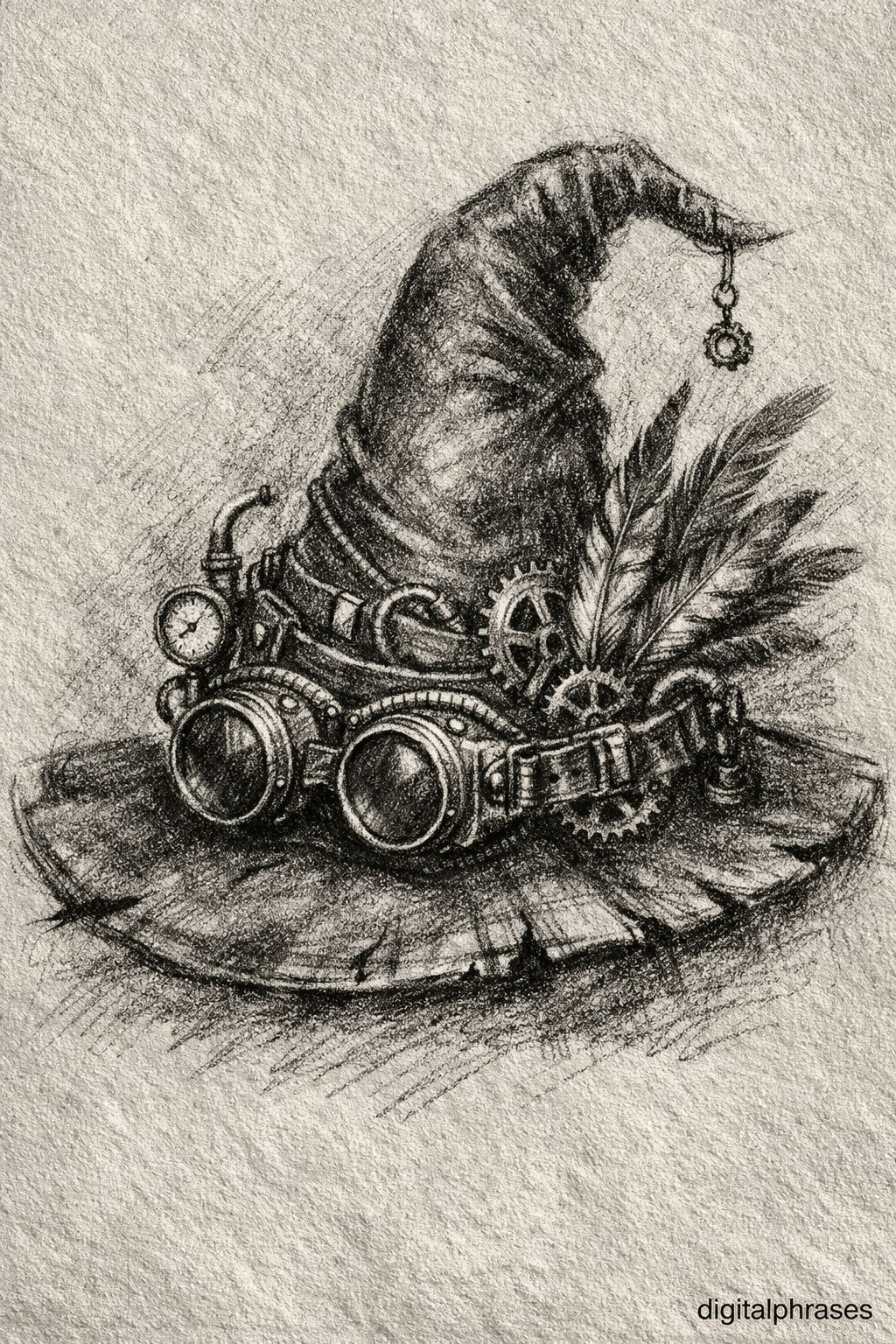
15
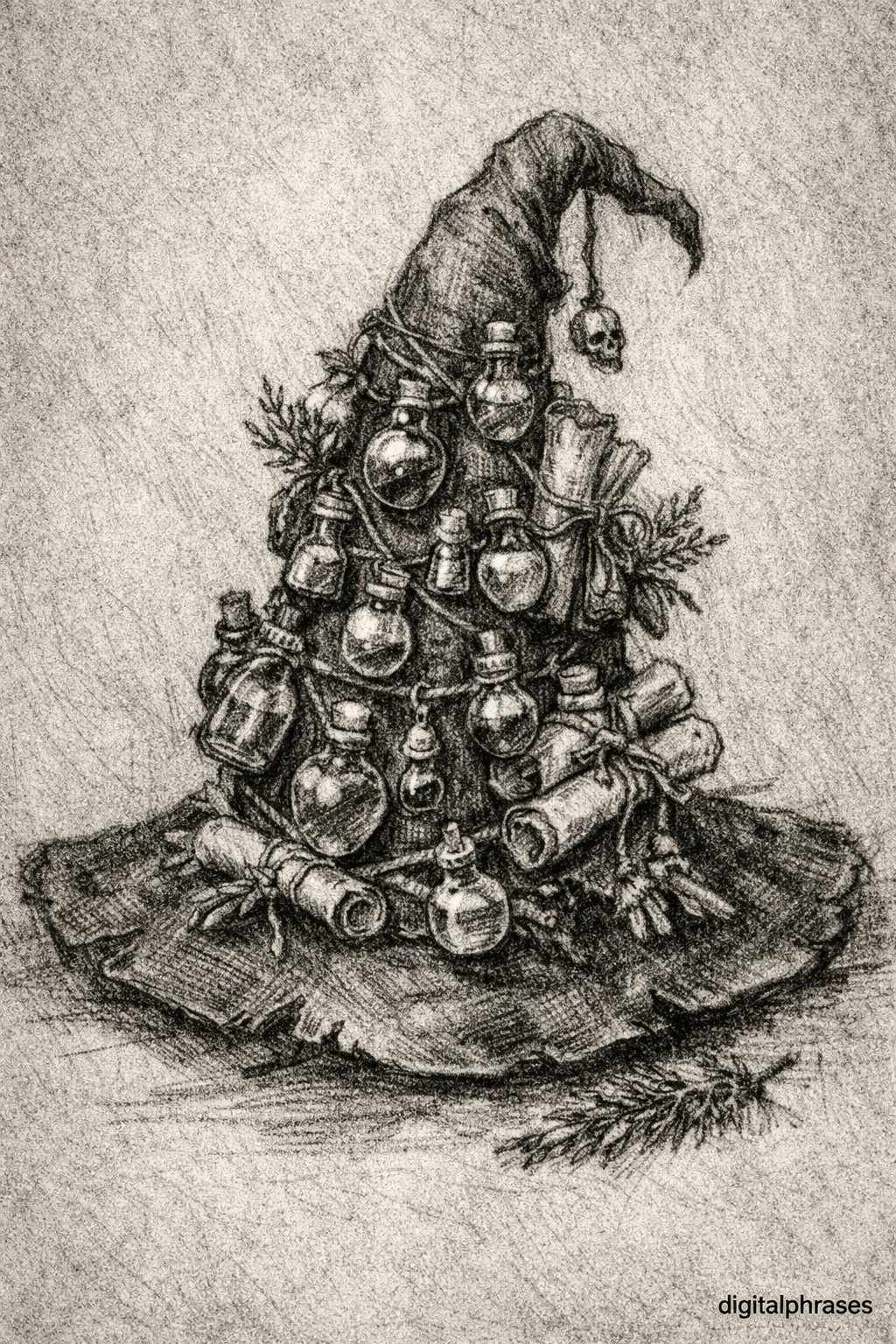
16
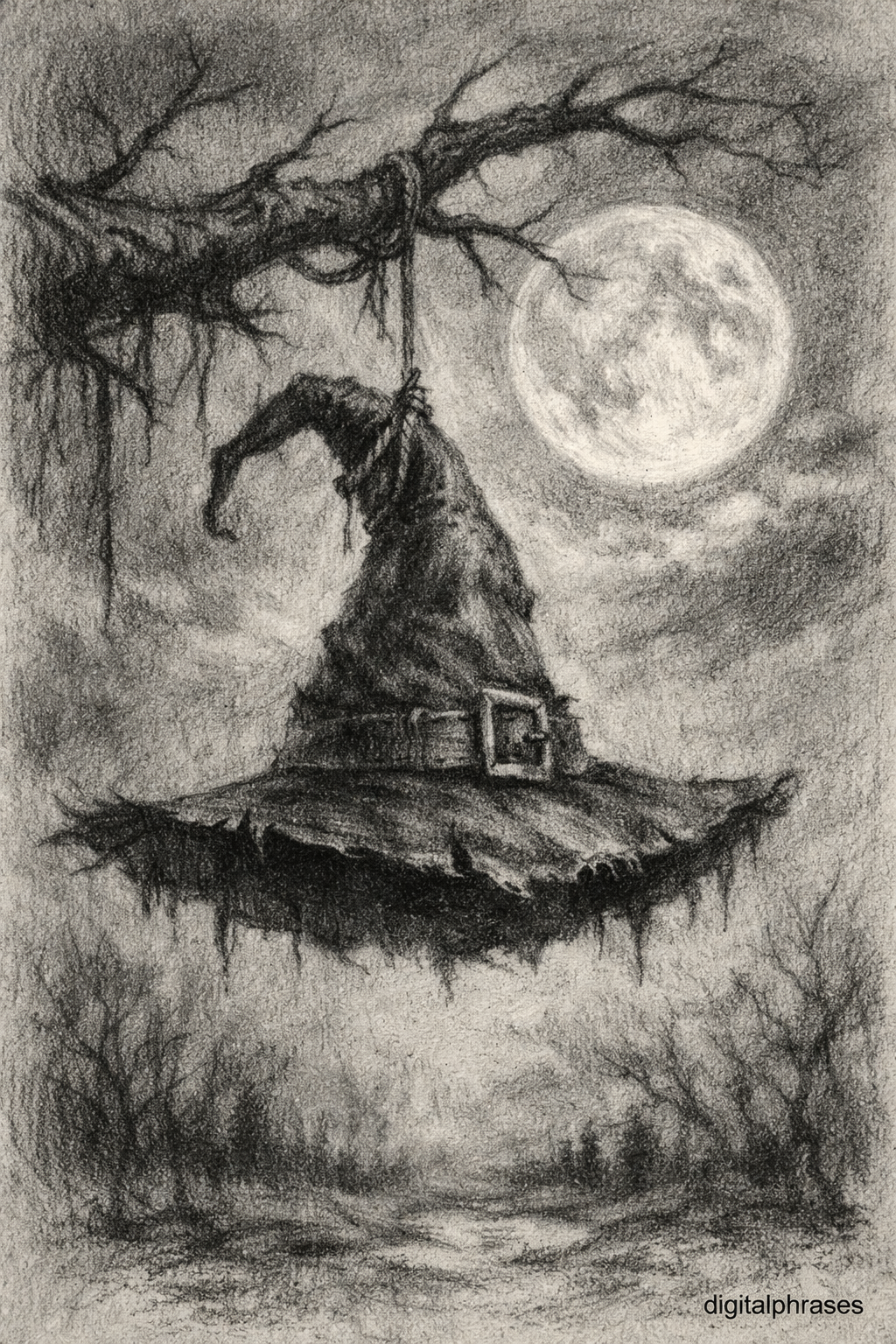
Tips For Drawing Witches
Start with Simple Shapes
Every strong drawing begins with a solid foundation, and the easiest way to achieve that is by breaking your subject into simple shapes.
Think circles for the head, ovals for the body, and lines for posture and movement. This approach helps you map out proportions without getting overwhelmed by details too early. For witch drawings, you can quickly block in elements like a pointed hat using a triangle or a cloak with flowing curved lines.
Keeping things simple at the start not only saves time but also allows you to adjust your composition easily before committing to finer details. It’s a technique used by beginners and professionals alike because it builds confidence and clarity in your artwork.
Focus on Expression and Mood
A witch drawing isn’t just about appearance—it’s about capturing a feeling. Whether you’re going for mysterious, playful, eerie, or elegant, the expression plays a key role in setting the tone.
Pay attention to the eyes, eyebrows, and mouth, as small changes can completely transform the mood. A slight smirk can make your witch look mischievous, while soft, relaxed features can give a calm and magical vibe.
You can also enhance the mood with posture and gesture, like a tilted head or flowing arms casting a spell. Taking time to think about the emotion behind your drawing will make it feel more alive and engaging.
Experiment with Line Work
Line work can dramatically change the style of your drawing, even if the subject stays the same.
Clean, thin lines can create a refined and classy look, while bold, thick strokes can make your witch feel more dynamic or dramatic. Don’t be afraid to mix line weights—using thicker lines for outlines and lighter ones for details can add depth and visual interest. You can also explore sketchy, loose lines for a more whimsical feel.
Practicing different line styles helps you discover what best matches your personal aesthetic. Over time, this experimentation will naturally develop into a unique drawing style that sets your work apart.
Add Details Gradually
It’s tempting to jump straight into intricate details like lace, jewelry, or magical elements, but building them gradually often leads to better results. Start with the basic structure, then slowly layer in details such as hair texture, clothing folds, and accessories.
For witch drawings, this might include elements like stars, potions, or spell effects.
By adding details step by step, you maintain control over your composition and avoid cluttering the artwork. This method also makes it easier to spot mistakes early and refine your design. Patience during this stage can turn a simple sketch into something truly polished and visually appealing.
Practice Consistently and Stay Inspired
Improvement in drawing comes with regular practice and a willingness to keep exploring new ideas. Set aside time to sketch often, even if it’s just quick doodles. Try different poses, outfits, and themes to expand your creativity. Looking at references, studying other artists’ work, or even observing real-life fabrics and lighting can inspire new techniques and concepts.
Don’t be discouraged by imperfections—every drawing is a step forward. The more you practice, the more natural your skills will become, and your confidence will grow along with them. Staying curious and inspired is what keeps your artistic journey both enjoyable and rewarding.