Scarf Drawing Ideas
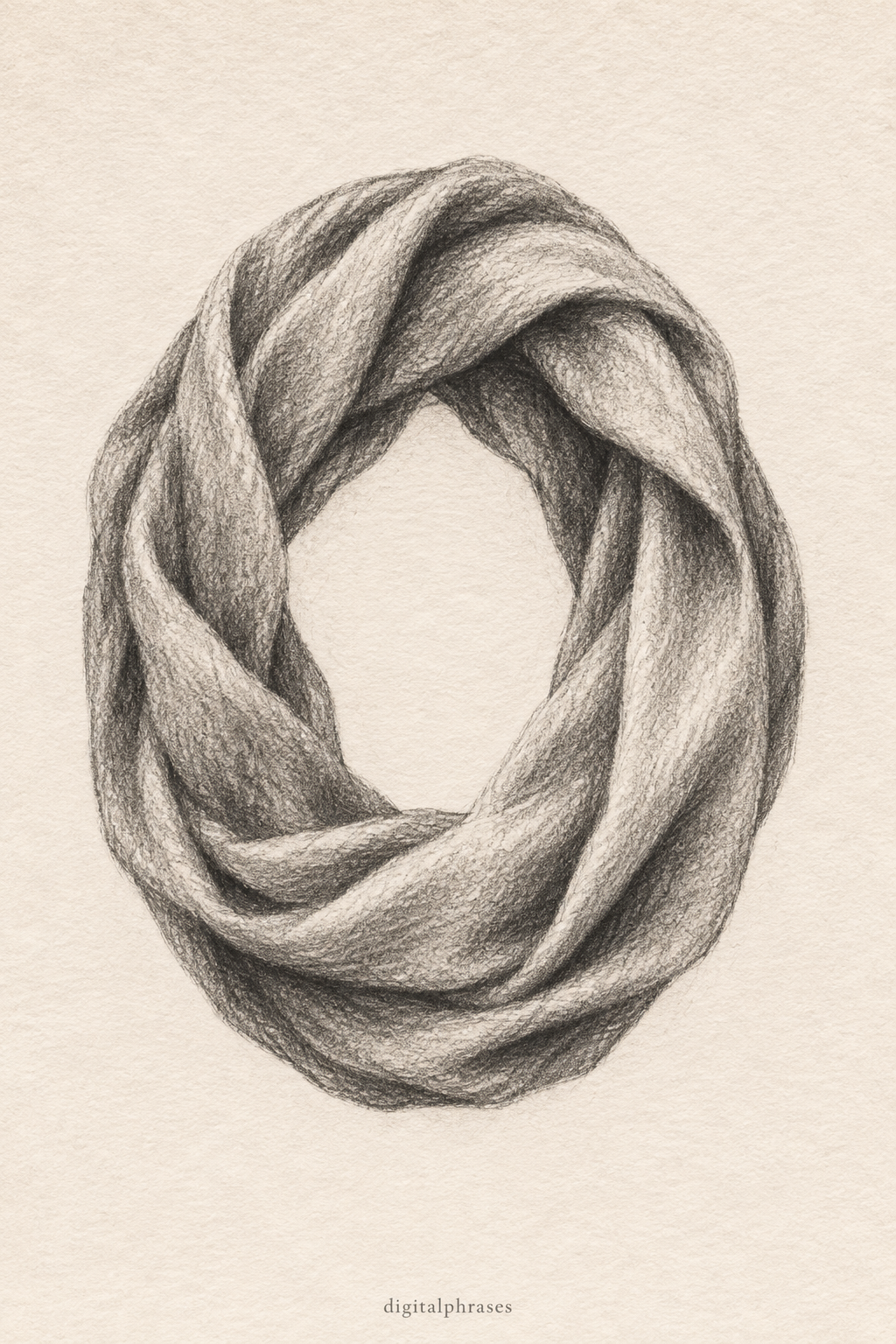
Drawing a scarf is a fun and creative way to explore different shapes, patterns, and textures while improving your artistic skills.
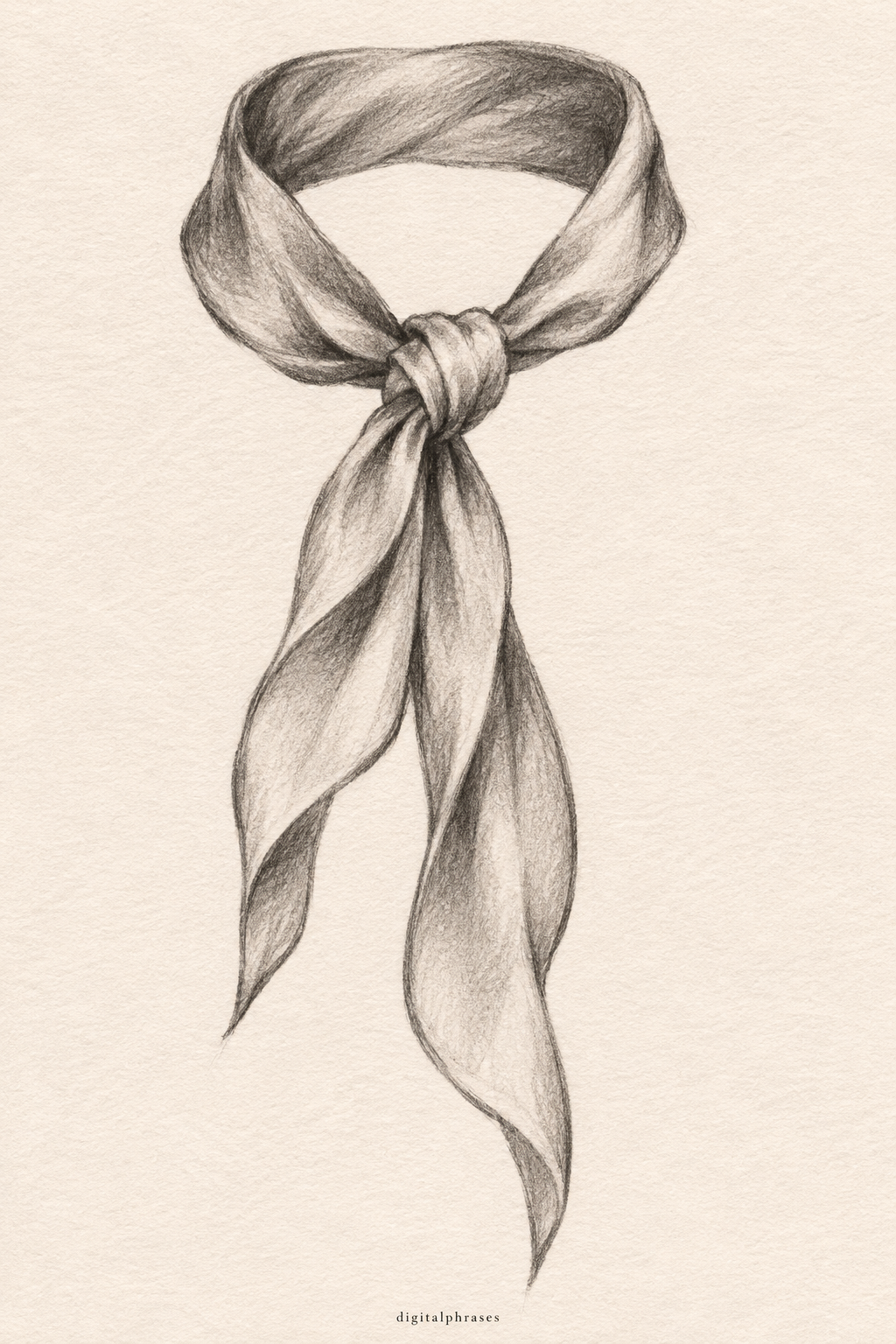
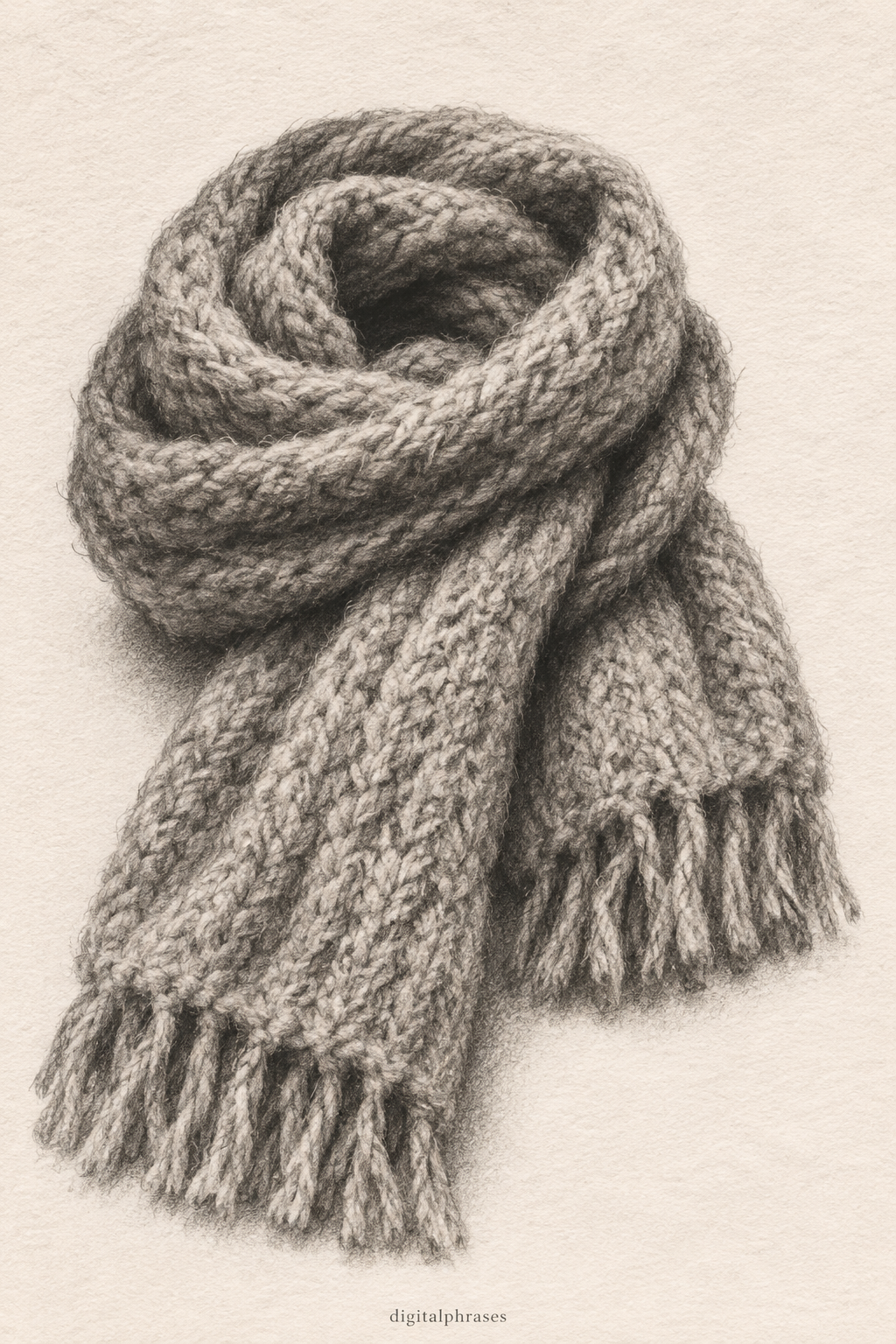
Whether you want to sketch a cozy winter scarf, a stylish silk scarf, or a cute cartoon scarf, there are plenty of ways to make your artwork unique.
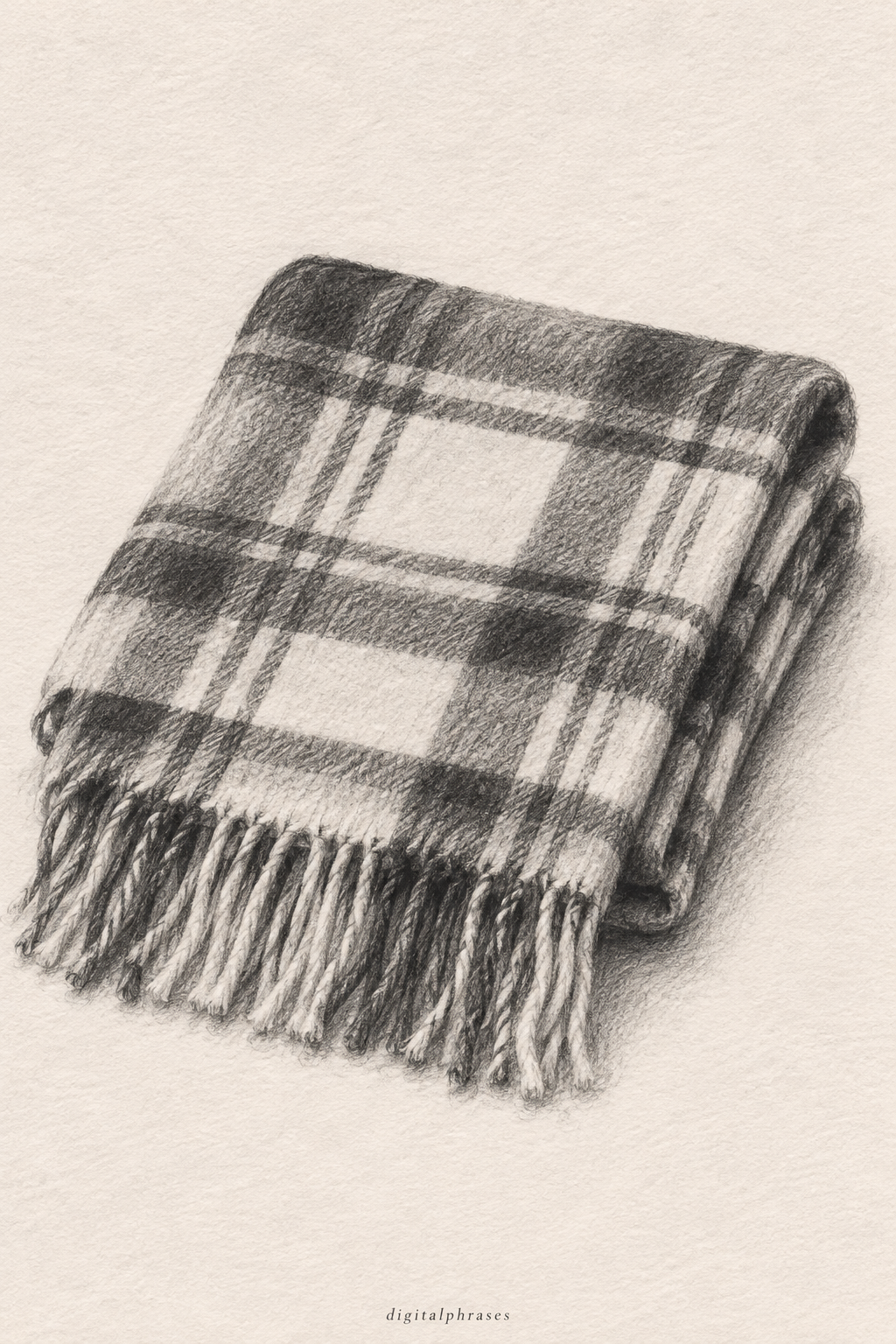
Scarves are especially interesting to draw because their soft fabric creates natural folds, curves, and flowing movements. You can also experiment with stripes, checks, fringes, and colorful designs to bring your drawings to life. In this collection of scarf drawing ideas, you’ll find inspiration for simple and detailed sketches suitable for beginners and experienced artists alike.
1
2

3
4
5
6
7
8
9
10
11
12
13
14
15
16

17
18
19

20
Tips For Drawing a Scarf
1. Start With the Basic Shape of the Scarf
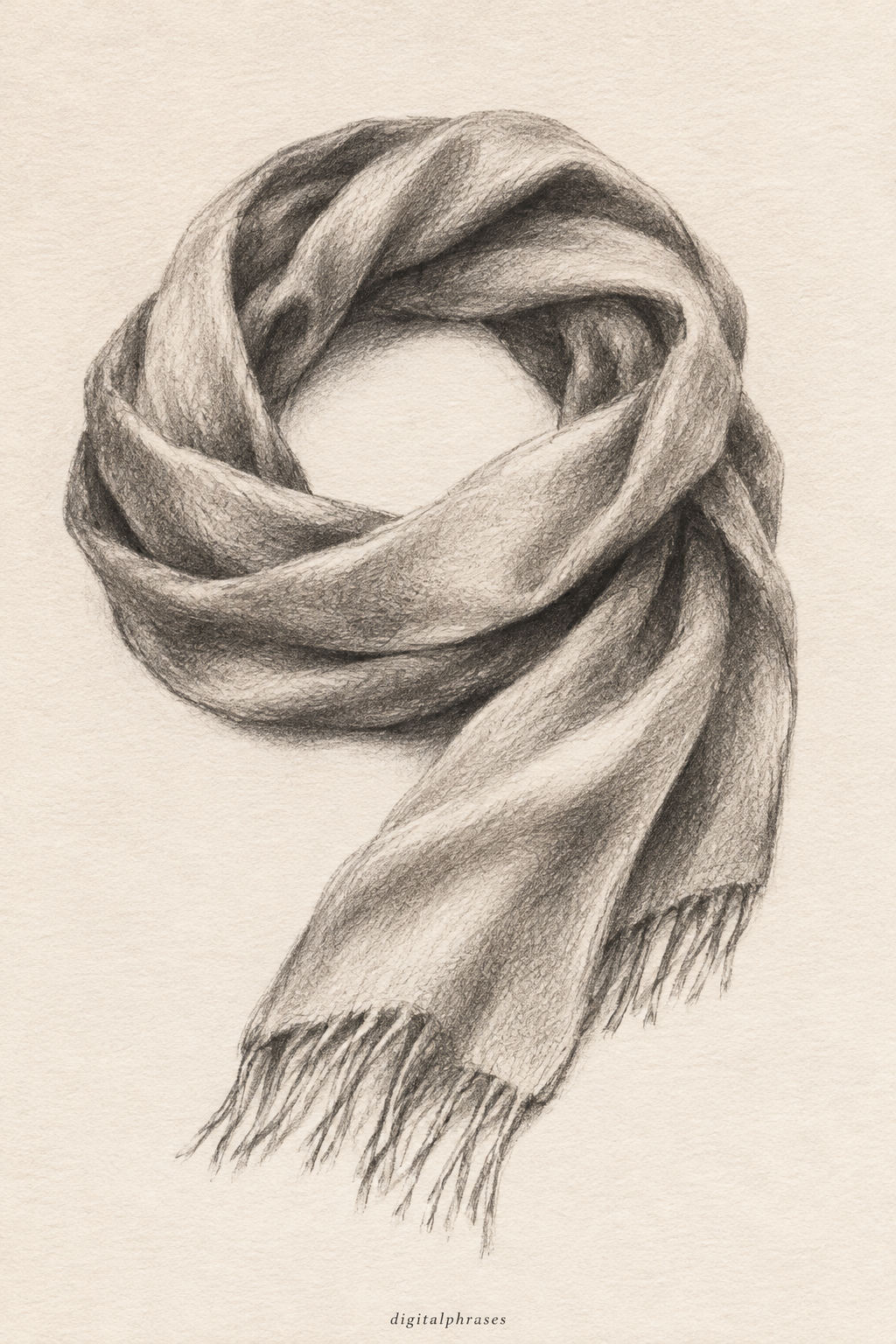
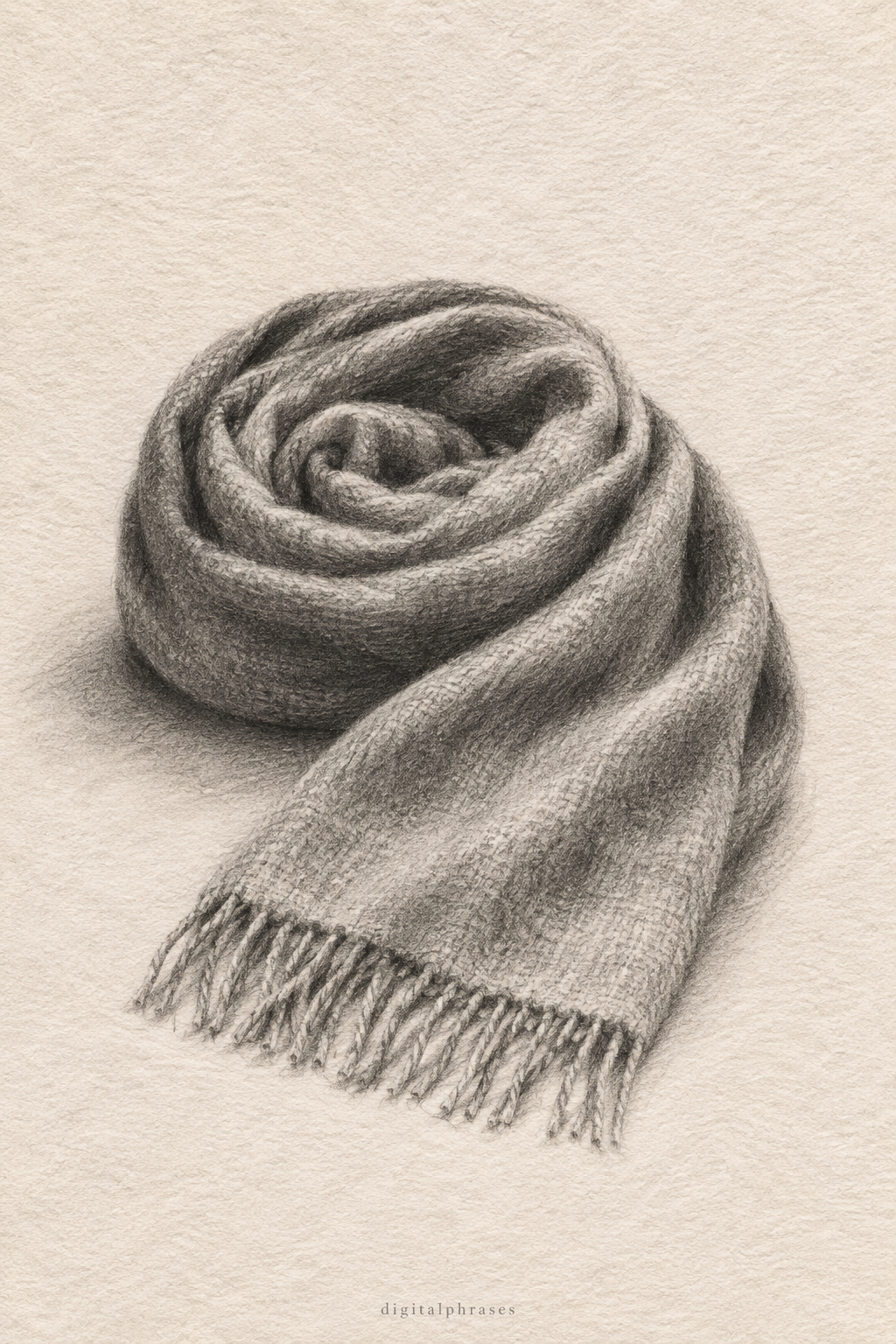
Before adding intricate details, focus on creating the basic shape of your scarf. Most scarves are long, rectangular pieces of fabric, but their appearance changes depending on how they are folded, wrapped, or draped.
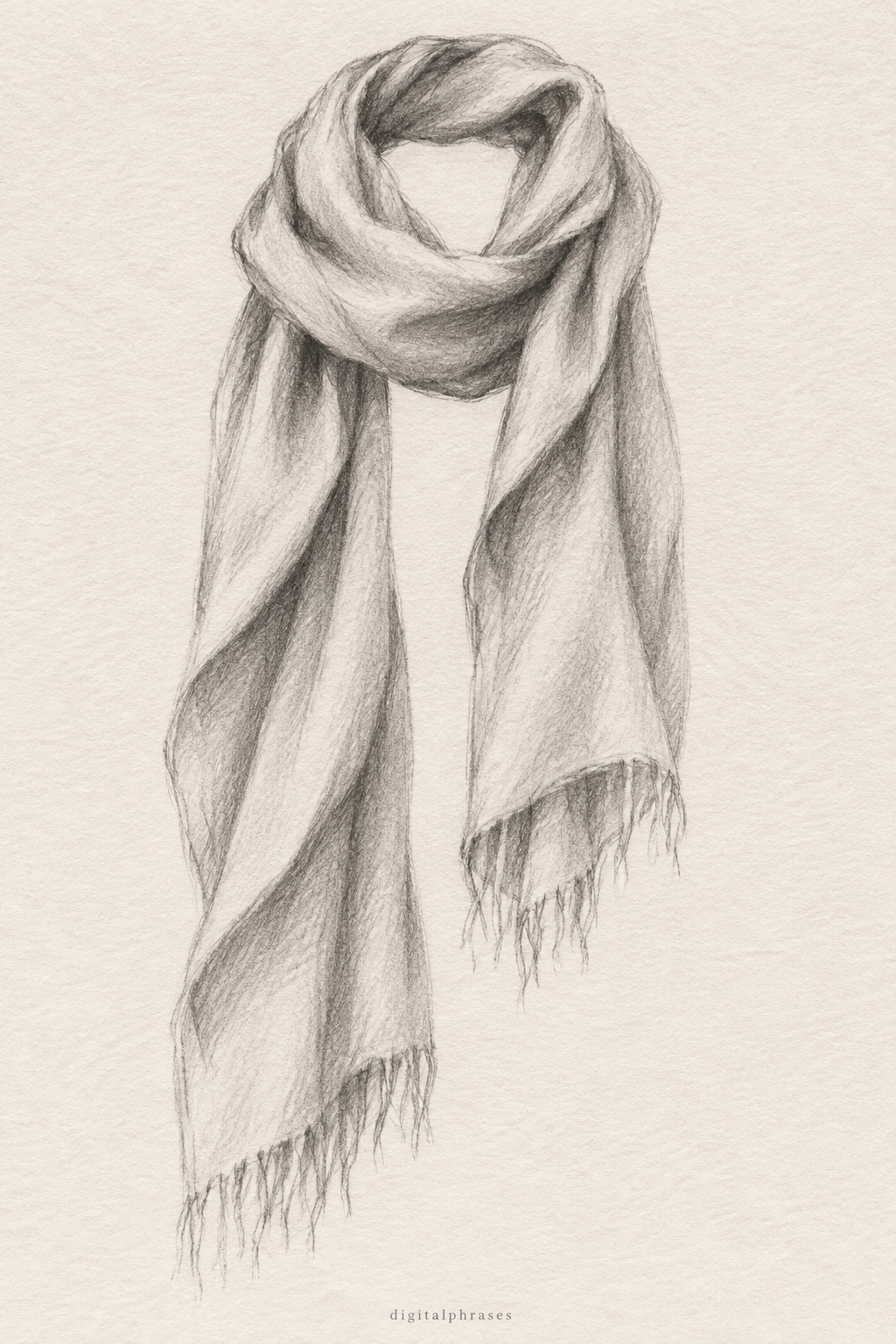
Begin by lightly sketching two parallel lines to establish the scarf’s width and length. If you are drawing a scarf wrapped around someone’s neck, use curved lines to show how the fabric follows the body’s natural shape.
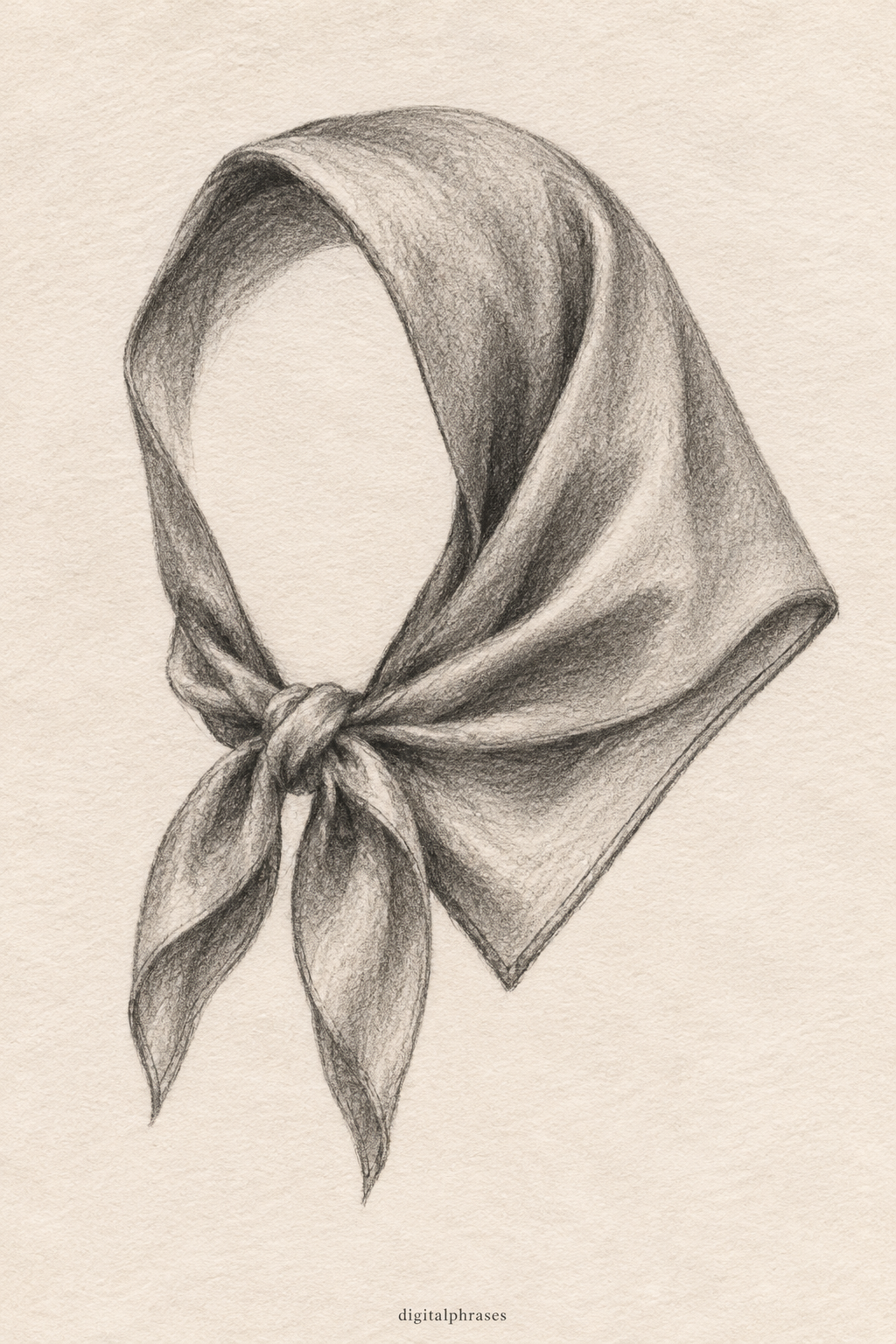
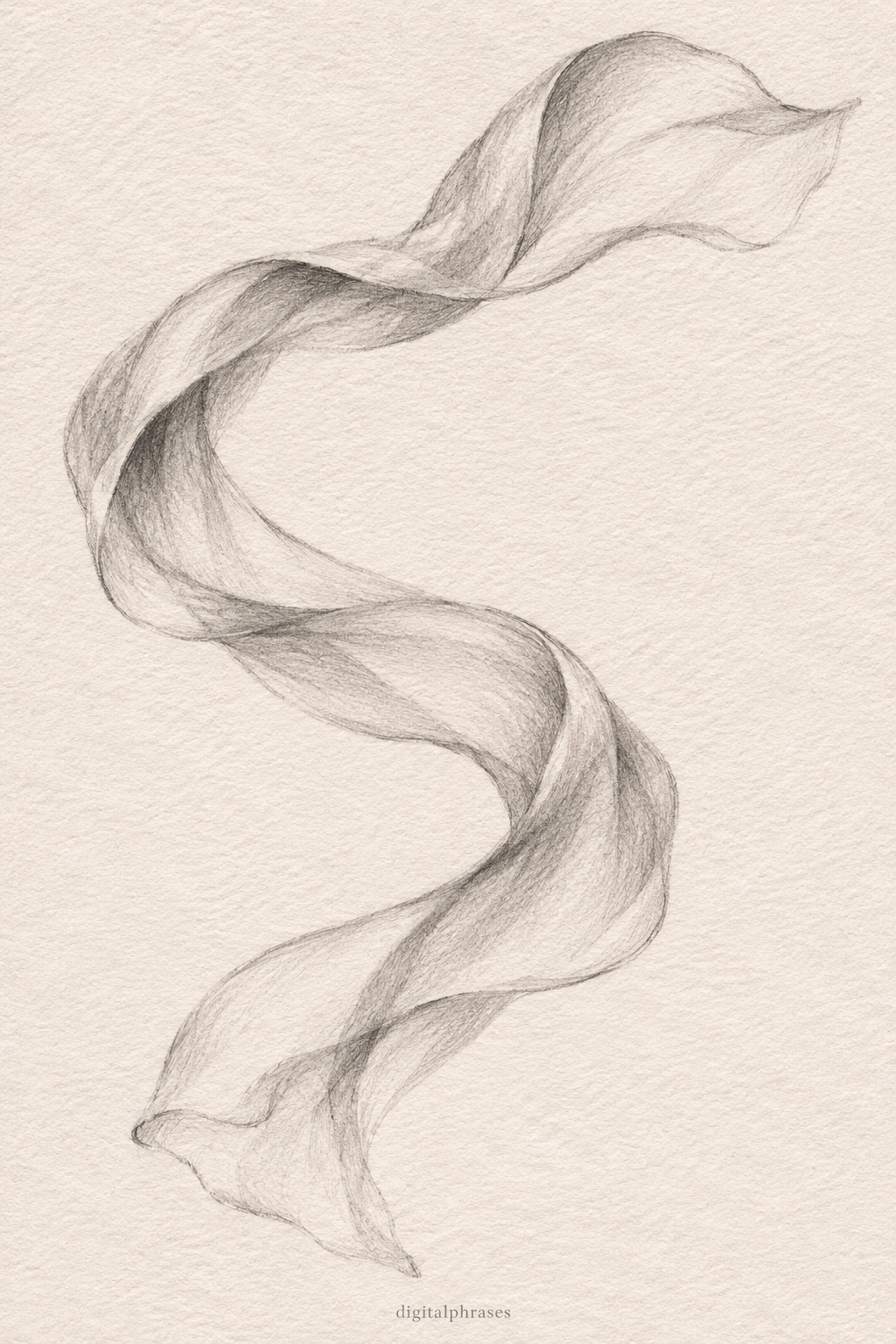
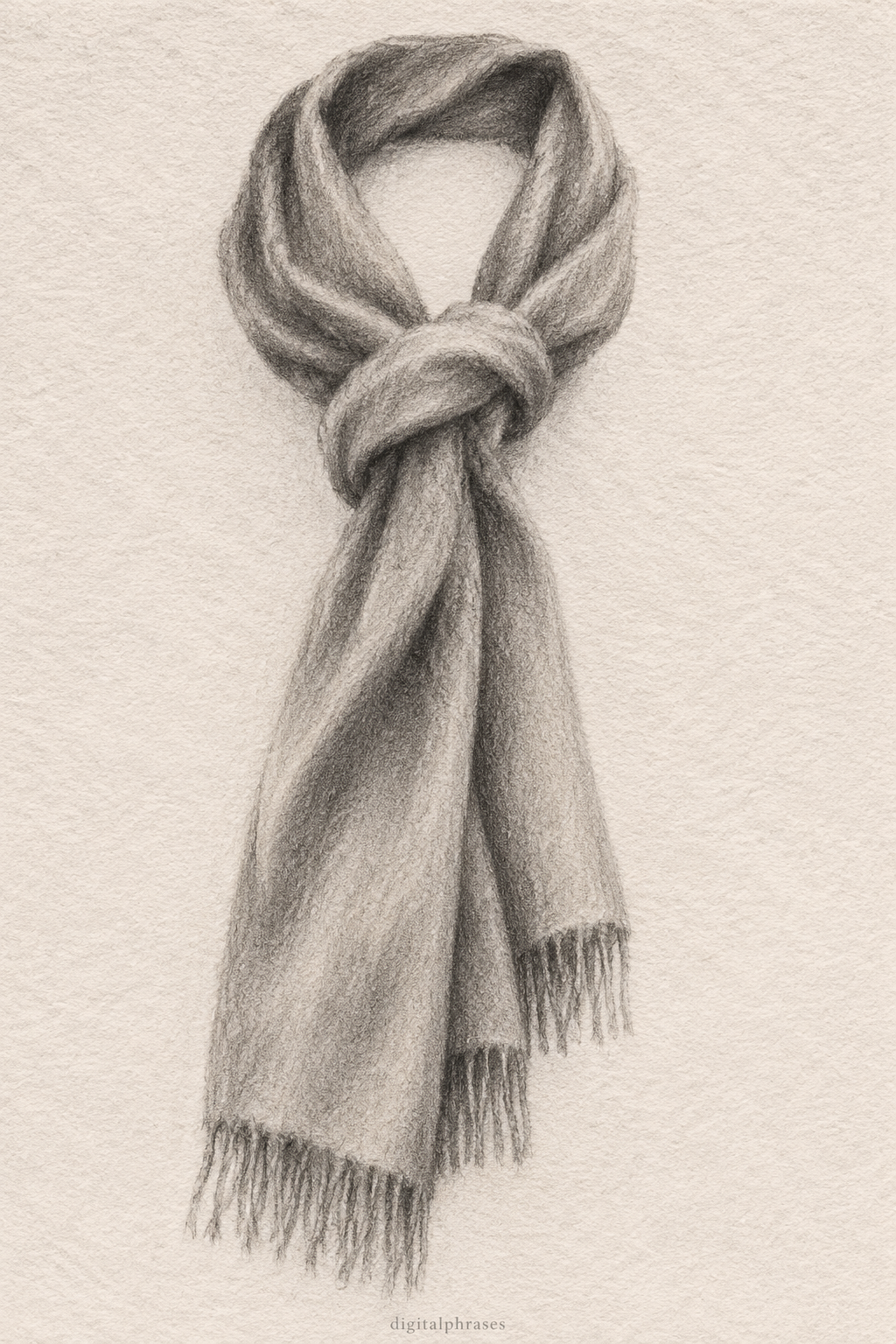
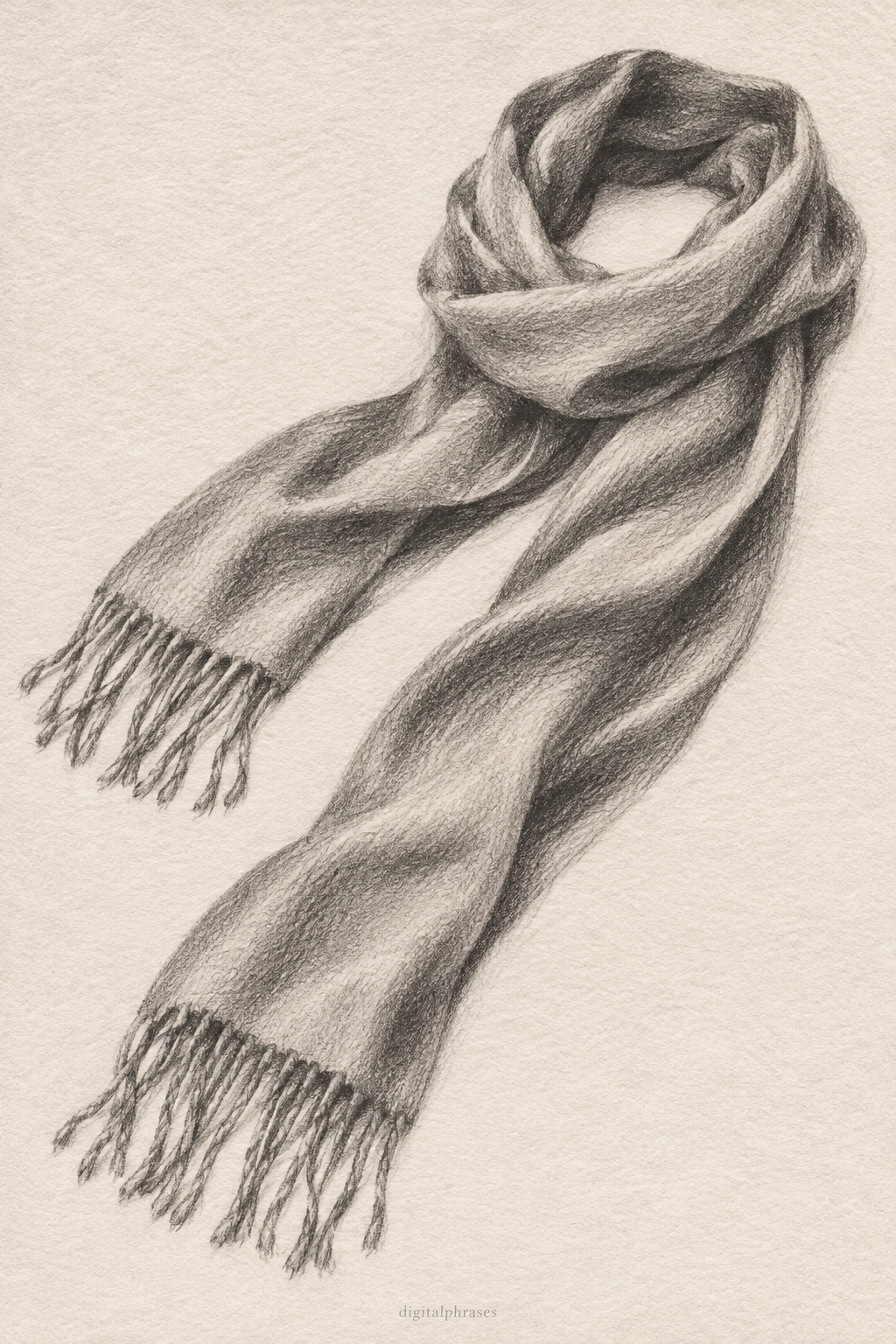
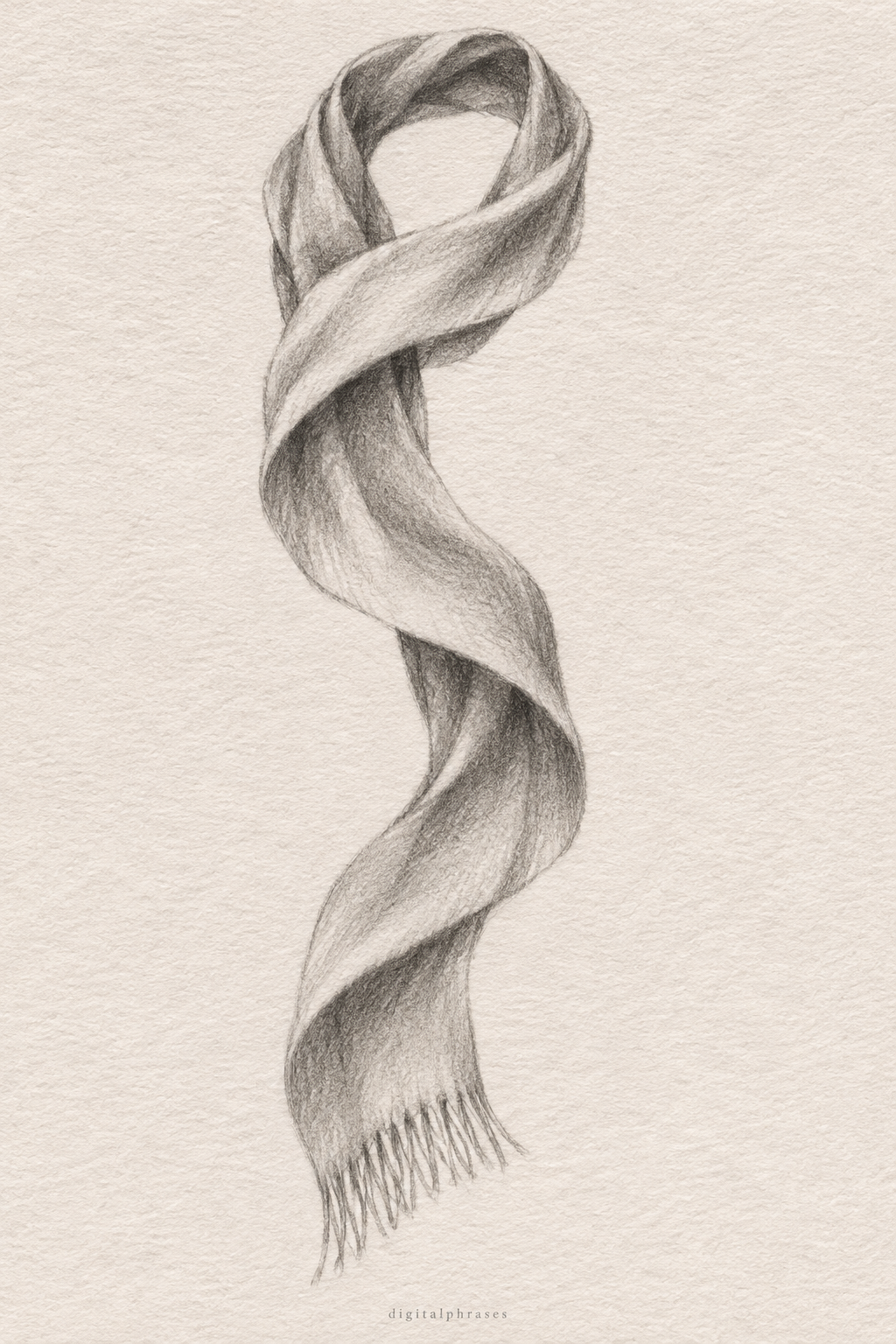
Avoid making the lines perfectly straight, as scarves usually have soft edges and gentle bends. Practice drawing scarves in different positions, such as hanging loosely, tied in a knot, or blowing in the wind. Once you are satisfied with the overall shape, refine the outline and erase unnecessary guidelines.
2. Add Realistic Folds and Fabric Movement
One of the most important aspects of drawing a scarf is capturing the natural folds and movement of the fabric.
Scarves are made from flexible materials, so they rarely appear completely flat when worn. To create believable folds, observe how fabric gathers around knots, curves over shoulders, or hangs downward. Use smooth, flowing lines to illustrate these movements without making the drawing look stiff. Add small curved or diagonal lines where the material overlaps or bunches together.
Remember that thicker scarves usually create larger, rounded folds, while lightweight scarves produce smaller, delicate wrinkles. Pay attention to gravity and the direction of movement to make your scarf drawing appear more realistic and visually interesting.
3. Experiment With Different Patterns and Designs
Adding patterns is an excellent way to make your scarf drawings more creative and eye-catching.
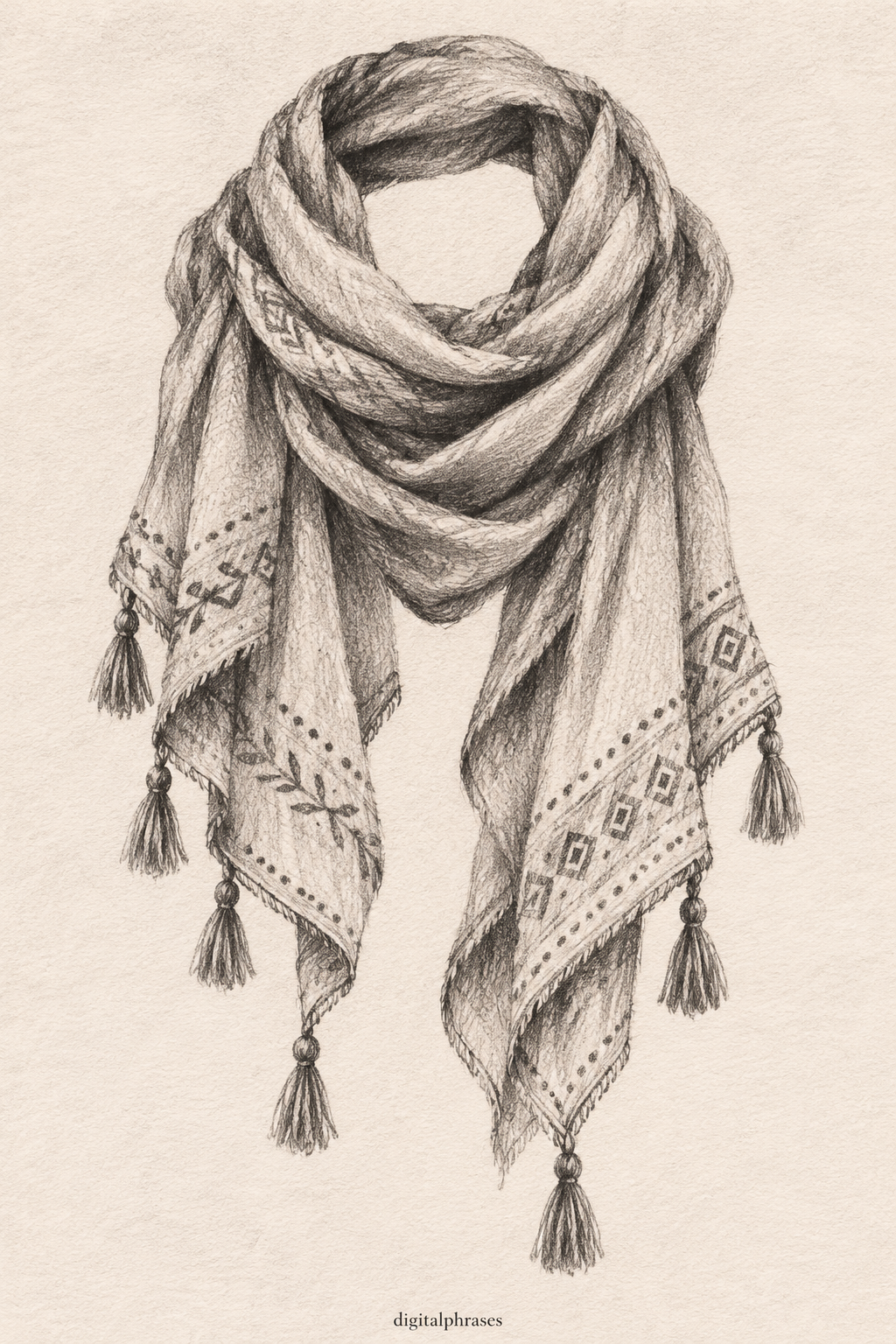
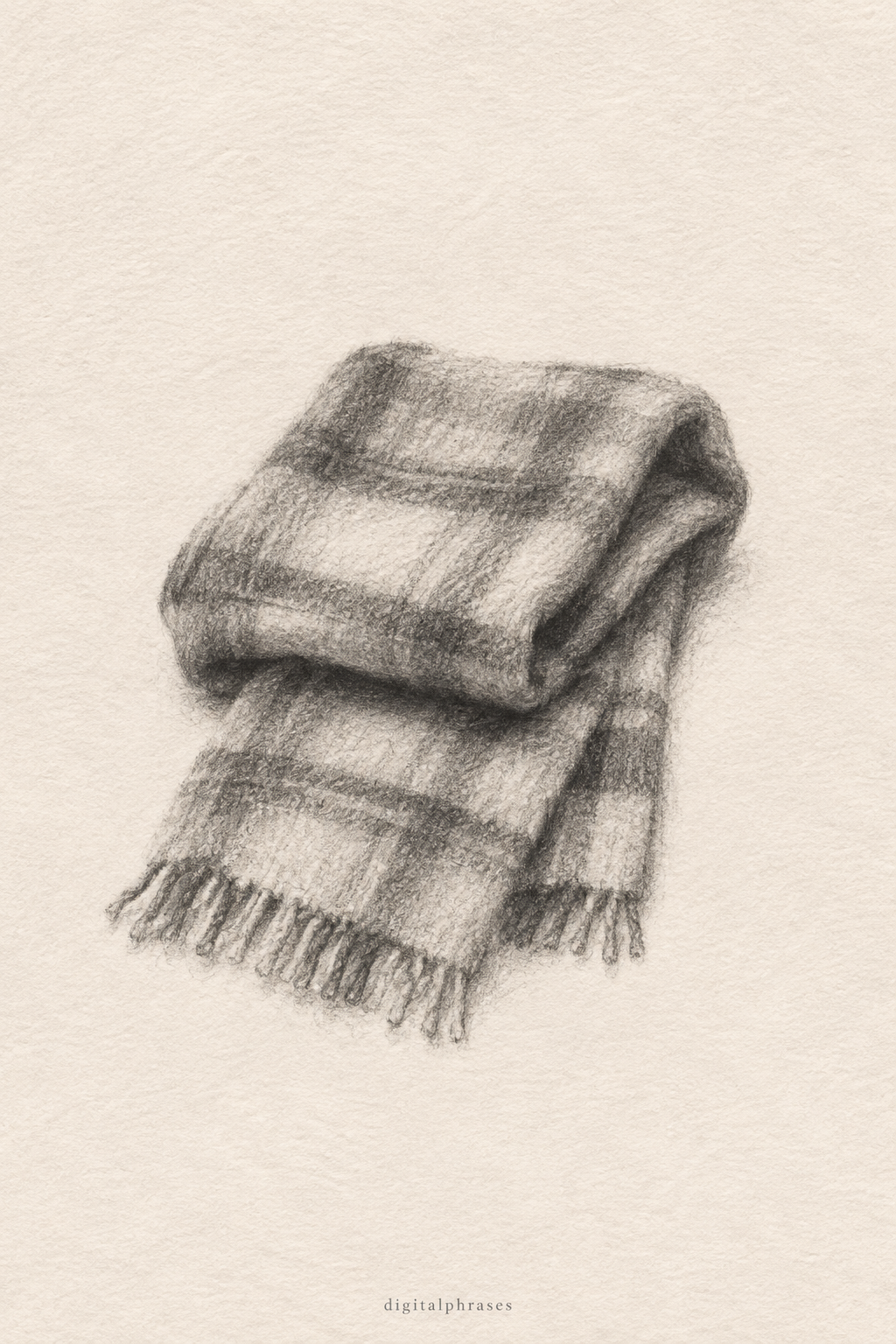
Start with simple designs such as horizontal stripes, polka dots, or checkerboard patterns before trying more complicated decorations. You can also experiment with floral prints, geometric shapes, hearts, stars, or traditional knitted designs.
When drawing patterns, remember to adjust their shapes according to the folds and curves of the scarf. For example, straight stripes may appear slightly curved where the fabric bends.
This small detail helps create a more natural appearance. Try combining different colors and patterns to develop your own scarf designs. Whether you prefer a minimalist look or a bold, decorative style, patterns can give every scarf drawing a distinctive personality.
4. Use Shading to Create Depth and Texture
Shading plays an essential role in making a scarf look three-dimensional rather than flat.
Begin by identifying where your imaginary light source is located. Areas receiving direct light should remain lighter, while folds, overlapping sections, and hidden surfaces should appear darker. Use gentle pencil strokes to build shadows gradually instead of pressing too hard immediately.
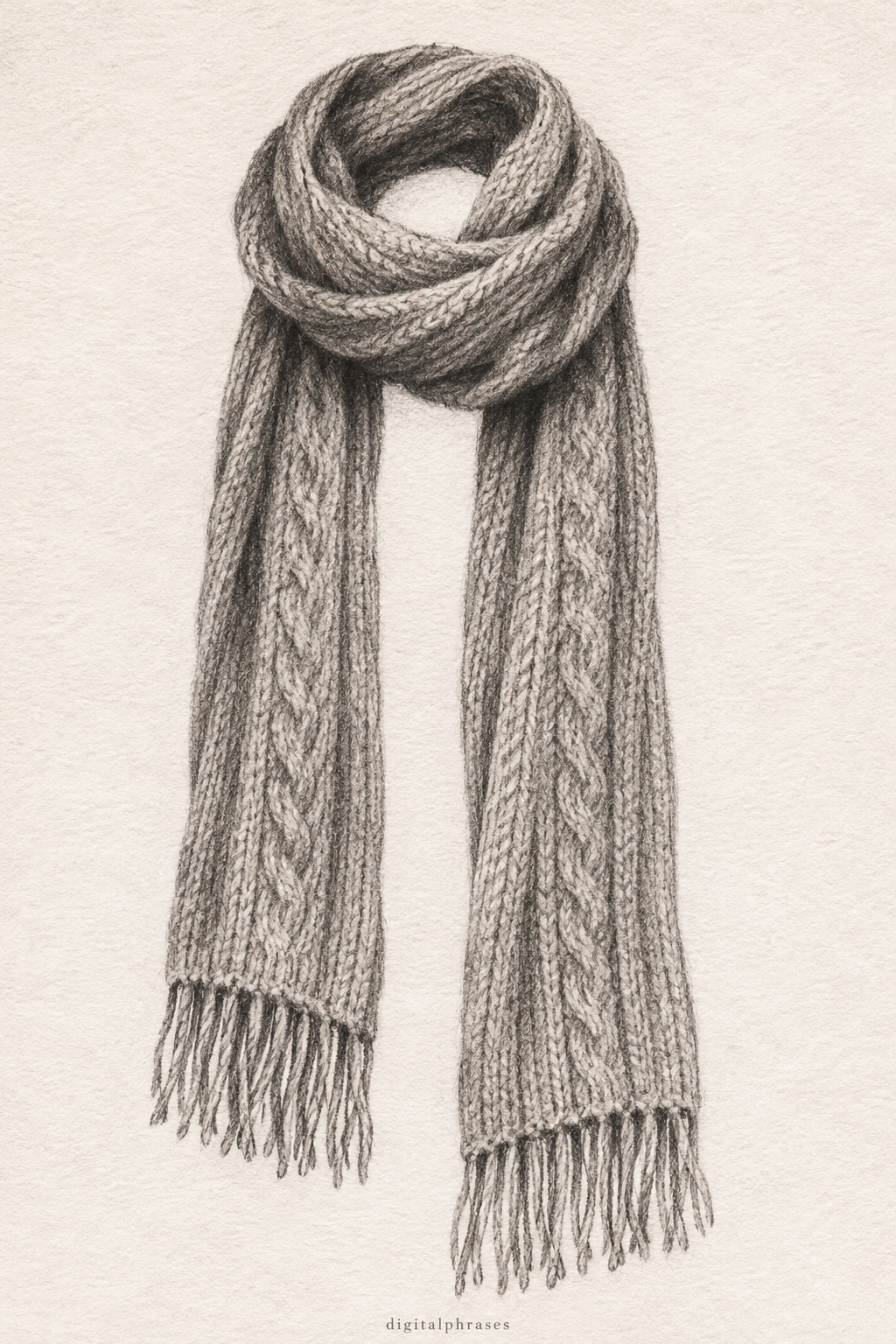
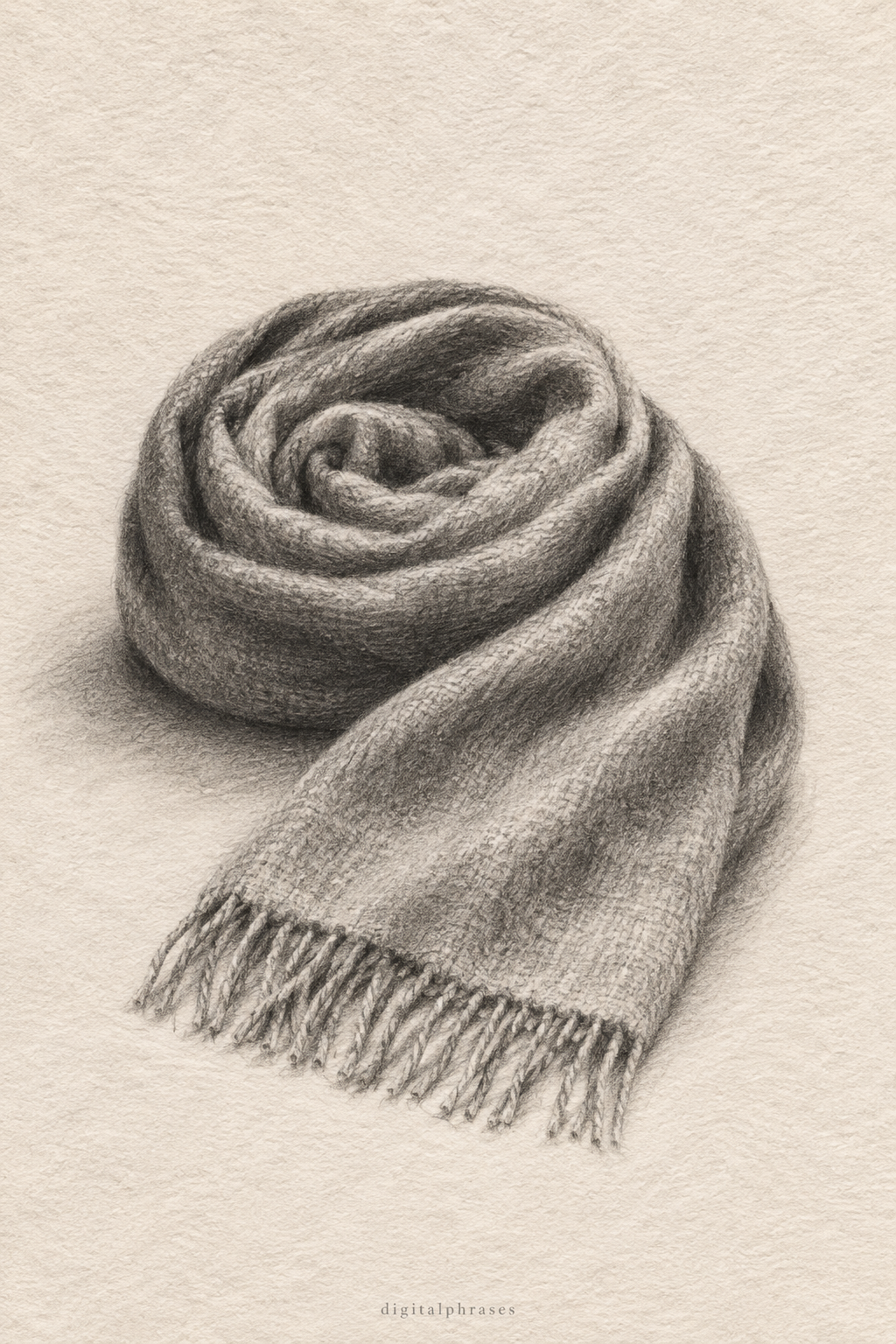
For knitted scarves, short, repeated strokes can suggest a soft, textured surface.
Smooth silk scarves, however, often look better with blended shading and subtle highlights. Experiment with different pencil pressures and shading techniques to create contrast. Adding a darker shadow beneath a folded section can make the fabric appear thicker and more realistic.
5. Finish With Creative Details and Colors
Once your scarf’s shape, folds, and shading are complete, enhance your drawing with finishing touches.
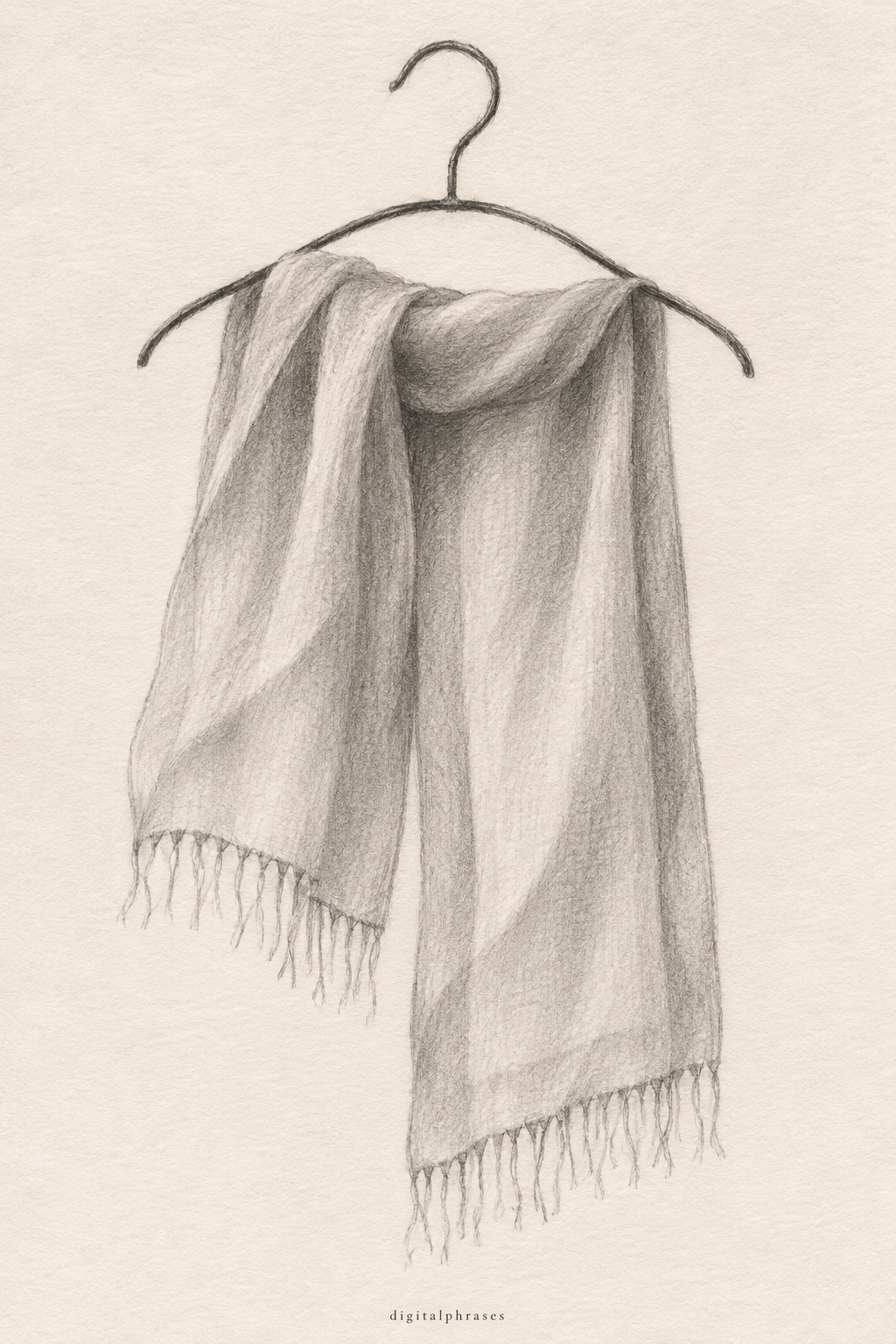
Add small fringes along the ends, decorative tassels, stitched borders, or knitted patterns to make the scarf more detailed. You can also introduce color using colored pencils, markers, or watercolor paints. Warm shades like red, orange, and mustard yellow work beautifully for cozy winter scarves, while pastel tones can create a softer appearance.
Consider drawing a scarf around a snowman’s neck, hanging from a coat rack, or floating in the breeze to give your artwork additional character. Finally, review your drawing and strengthen important outlines where necessary. These small finishing details can transform a simple scarf sketch into a charming illustration.