Winter Drawing Ideas
Winter is a magical season filled with snowy landscapes, cozy clothing, festive decorations, and beautiful natural scenery. Whether you love drawing snowmen, snowflakes, winter cabins, or cute animals wearing scarves, there are plenty of creative ways to capture the beauty of winter on paper.
These winter drawing ideas are perfect for beginners, kids, and artists looking for fun and relaxing activities during the colder months. With a few simple drawing techniques and a little imagination, you can turn ordinary winter scenes into charming artwork.
So grab your pencils, markers, or colored pencils and get ready to explore some wonderful winter-inspired drawings!
1
2
3

4

5

6

7

8

9

10

11
12
13
14

15
16
17
18
19

20

Tips for Drawing Winter-Themed Artwork
1. Start with Simple Shapes and Basic Outlines
When creating winter drawings, always begin with simple shapes to make the process easier and more enjoyable.
Many popular winter subjects, such as snowmen, Christmas trees, mittens, and snow-covered houses, can be drawn using basic circles, triangles, squares, and curved lines.
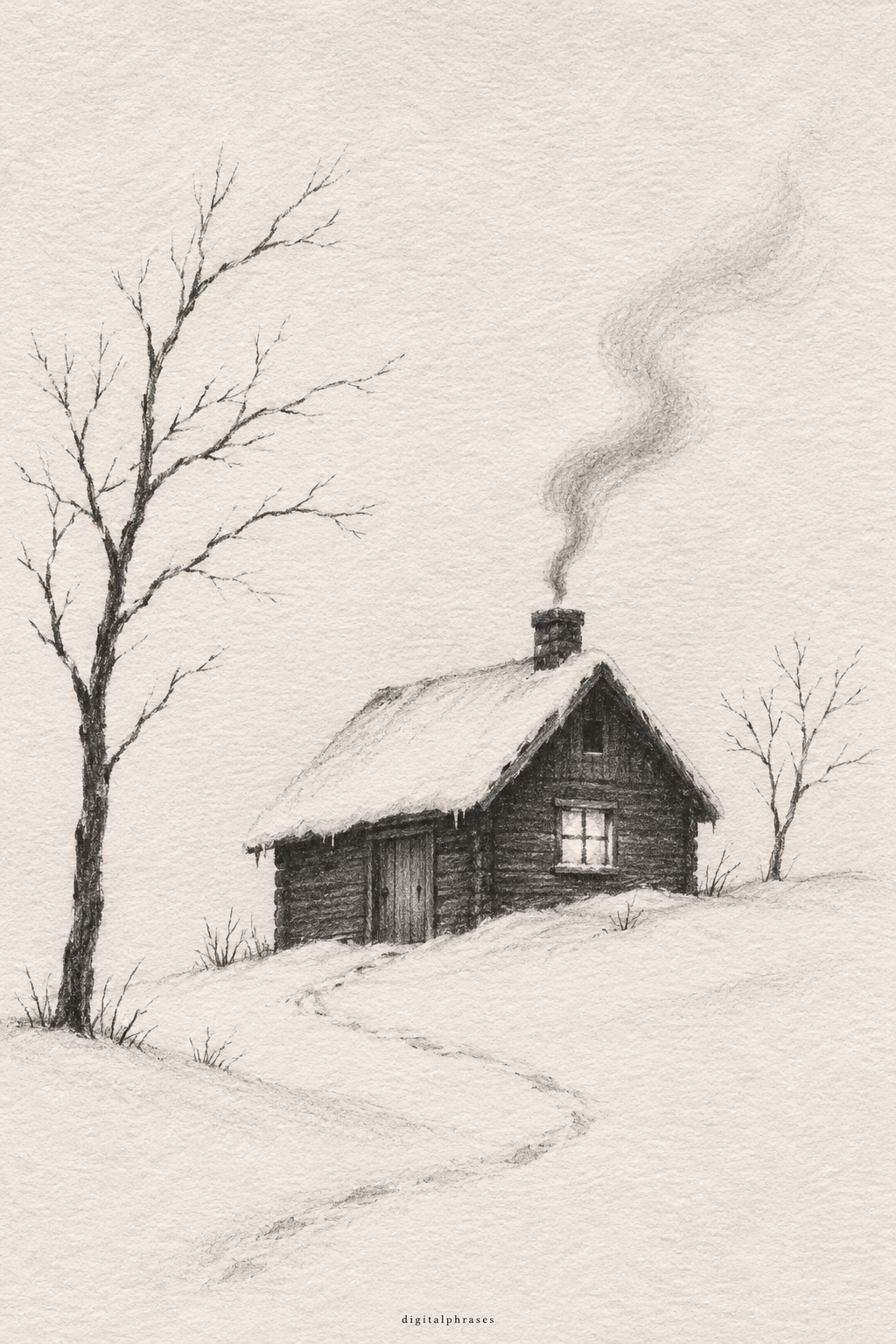
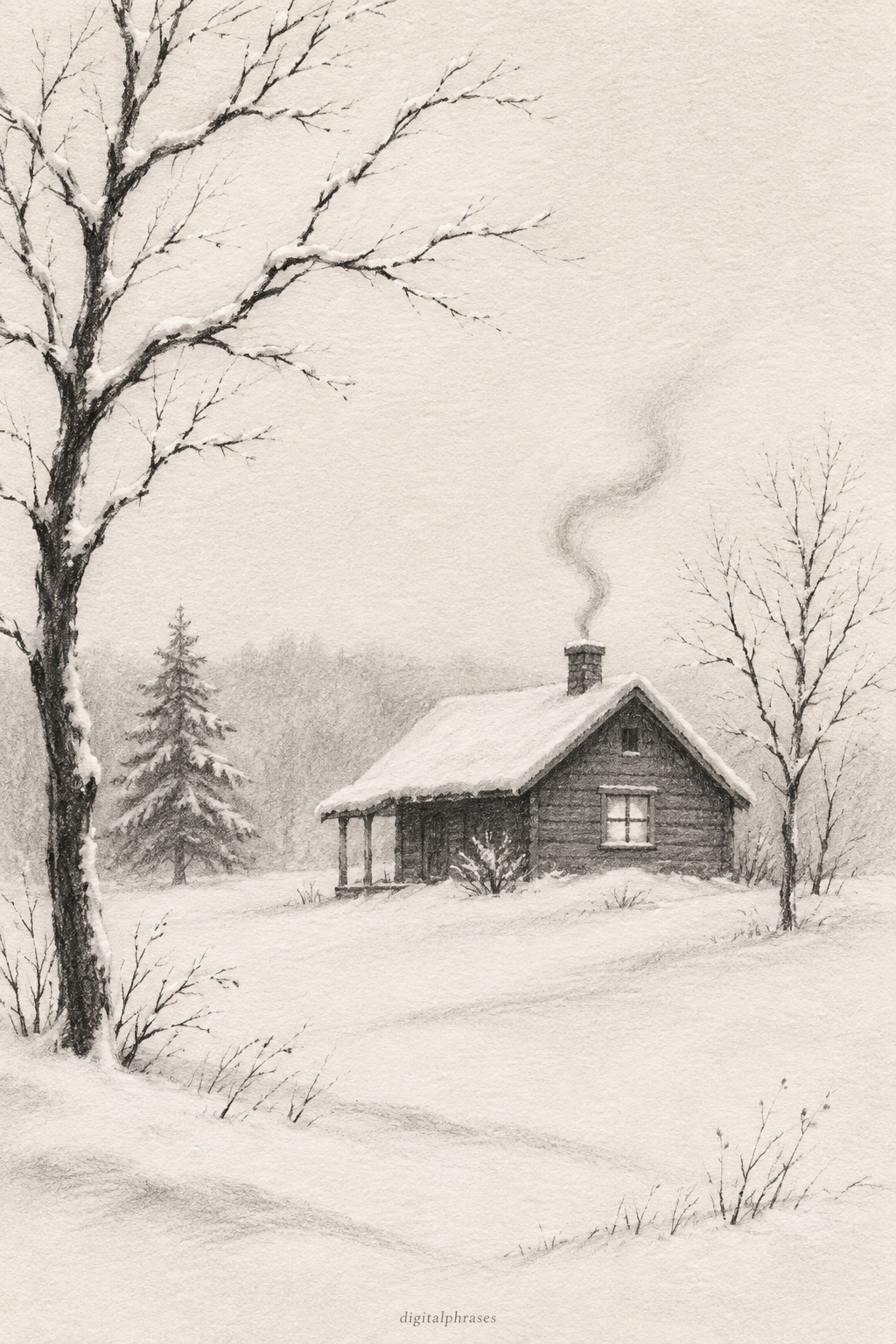
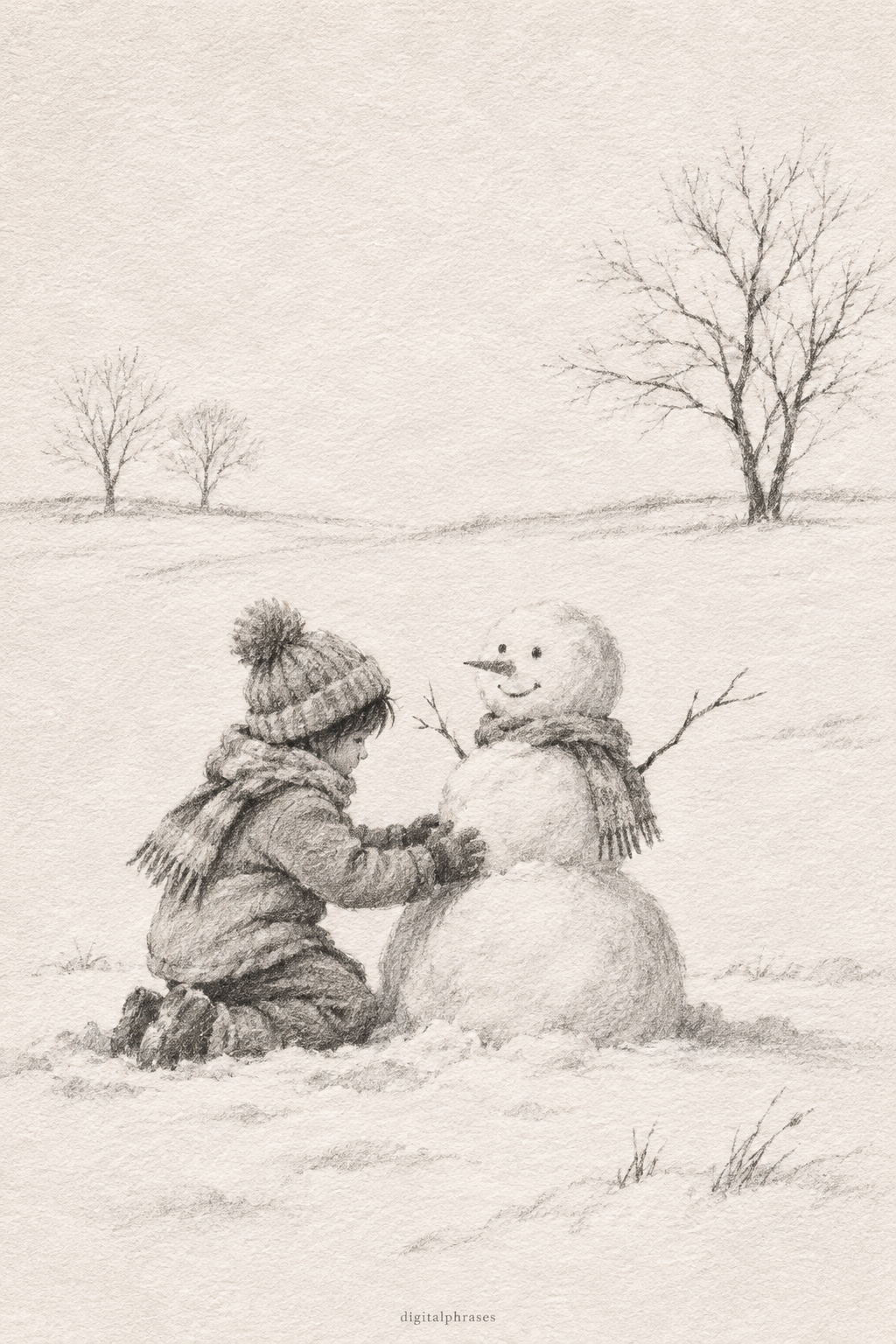
For example, a snowman starts with three circles stacked together, while a winter cabin can begin with a rectangle and a triangular roof. Use light pencil strokes to sketch your outlines so you can easily erase mistakes or adjust proportions. Avoid adding too many details in the beginning.
Instead, focus on getting the overall shape right before moving on to smaller elements. This technique is especially helpful for beginners because it builds confidence and makes even complicated winter scenes feel manageable.
2. Use Soft Colors to Create a Winter Atmosphere
Choosing the right colors can make your winter drawings look more beautiful and realistic. Winter scenes often feature cool colors such as light blue, icy purple, soft gray, and white.
These shades help create the peaceful feeling of a snowy day. However, you can also add warm colors like red, orange, yellow, and brown to make your artwork more interesting. For example, a bright red scarf on a snowman or warm yellow light glowing through a cabin window can create a lovely contrast against the snowy background.
Try blending different shades of blue and gray to add depth to snow-covered landscapes. Colored pencils, watercolor paints, and markers all work well for winter illustrations. Experiment with different color combinations to develop your own unique winter drawing style.
3. Add Snowy Details for a Magical Touch
Small snowy details can transform a simple sketch into an enchanting winter illustration.
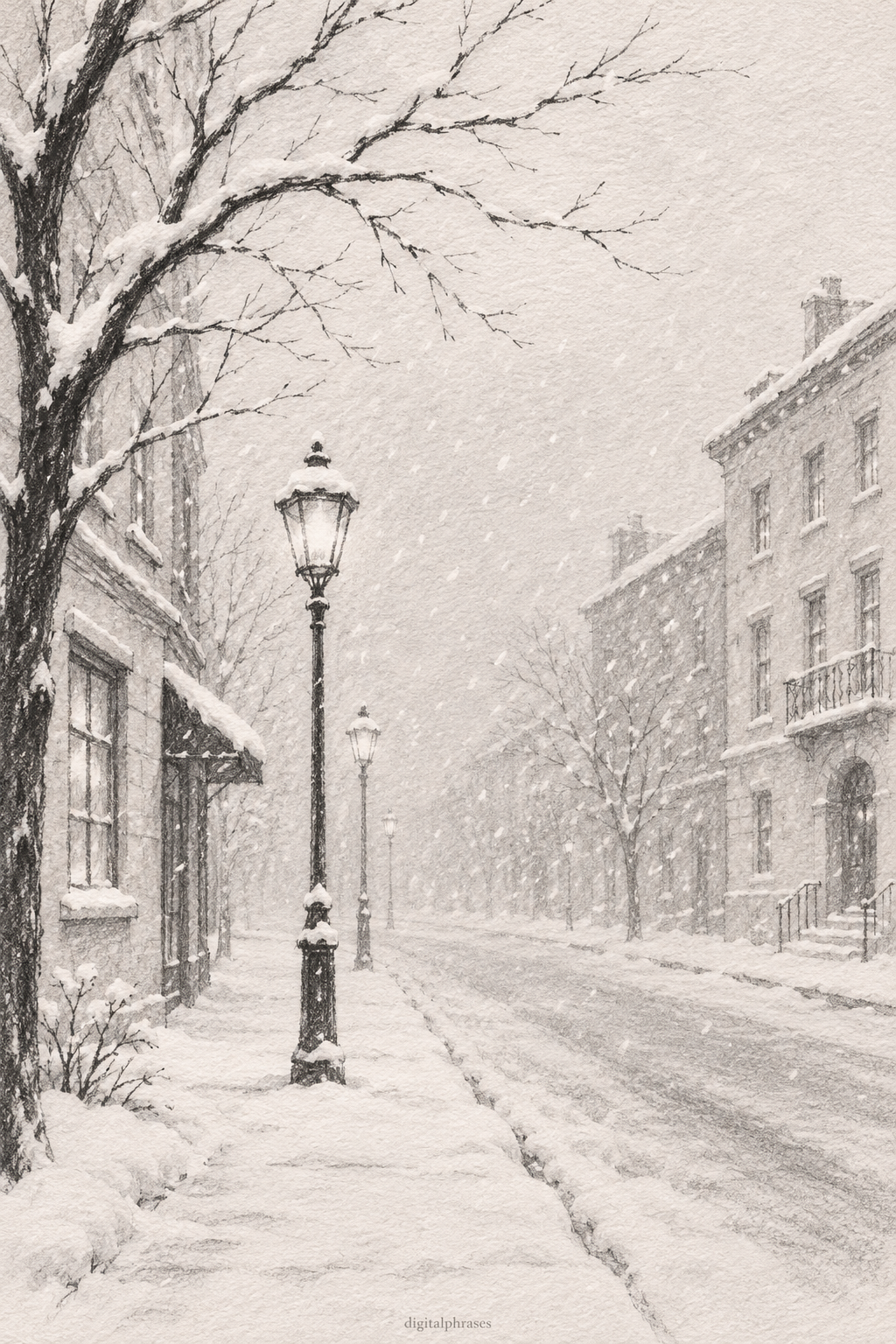
Once you finish drawing your main subject, consider adding falling snowflakes, snow-covered branches, icy rooftops, or tiny footprints in the snow. These elements bring your winter scene to life and make it feel more complete. To draw falling snow, use small circles, dots, or delicate snowflake shapes scattered throughout the background. You can also create fluffy snowdrifts with gently curved lines.
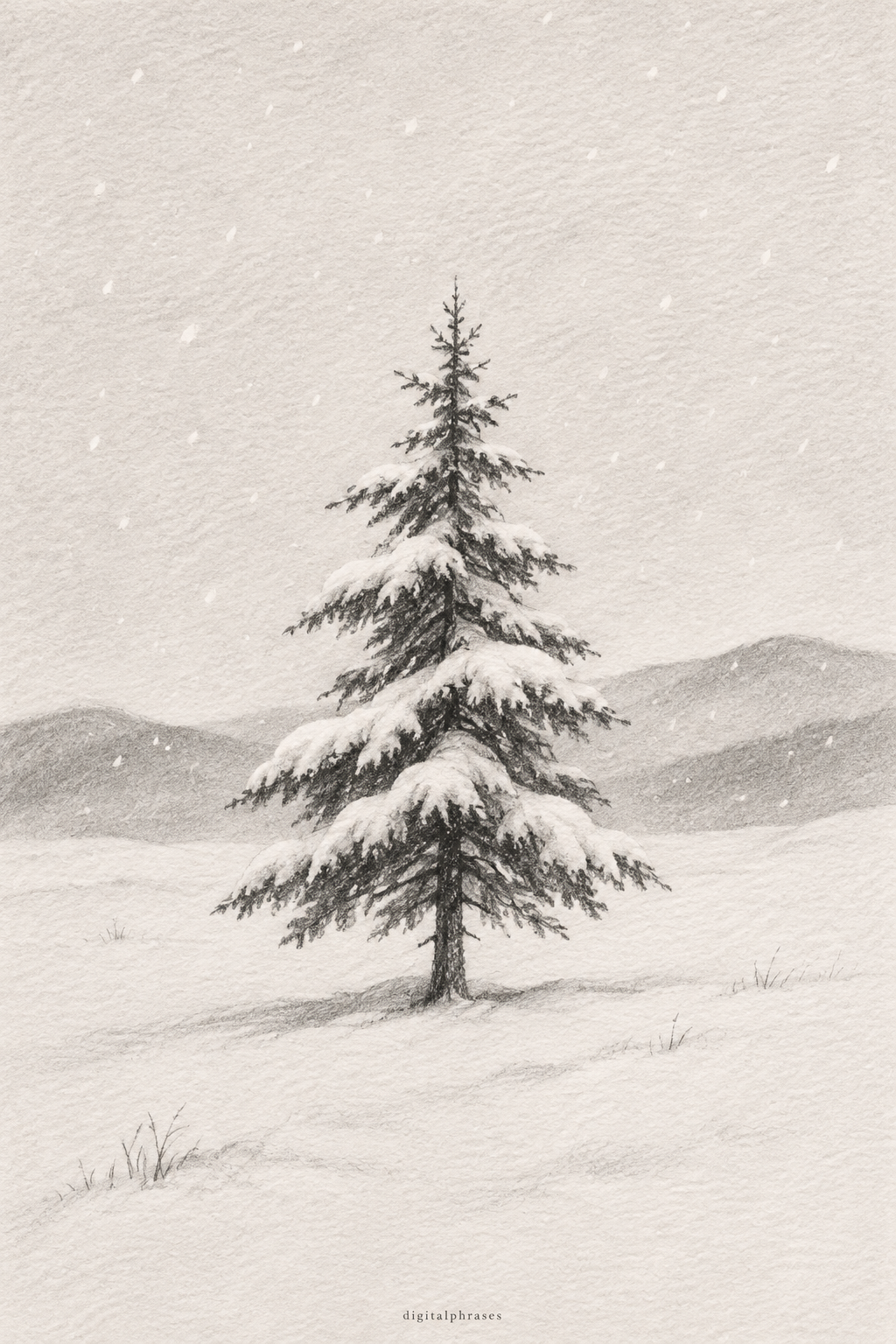
If you are drawing a winter tree, add uneven layers of snow resting on its branches. Remember that snow does not need to look perfectly symmetrical. Natural variations often make winter drawings more realistic and visually appealing.
4. Practice Shading to Give Your Drawings Depth
Shading is an excellent way to make winter drawings appear more realistic and three-dimensional. Although snow is usually white, it reflects surrounding colors and creates gentle shadows.
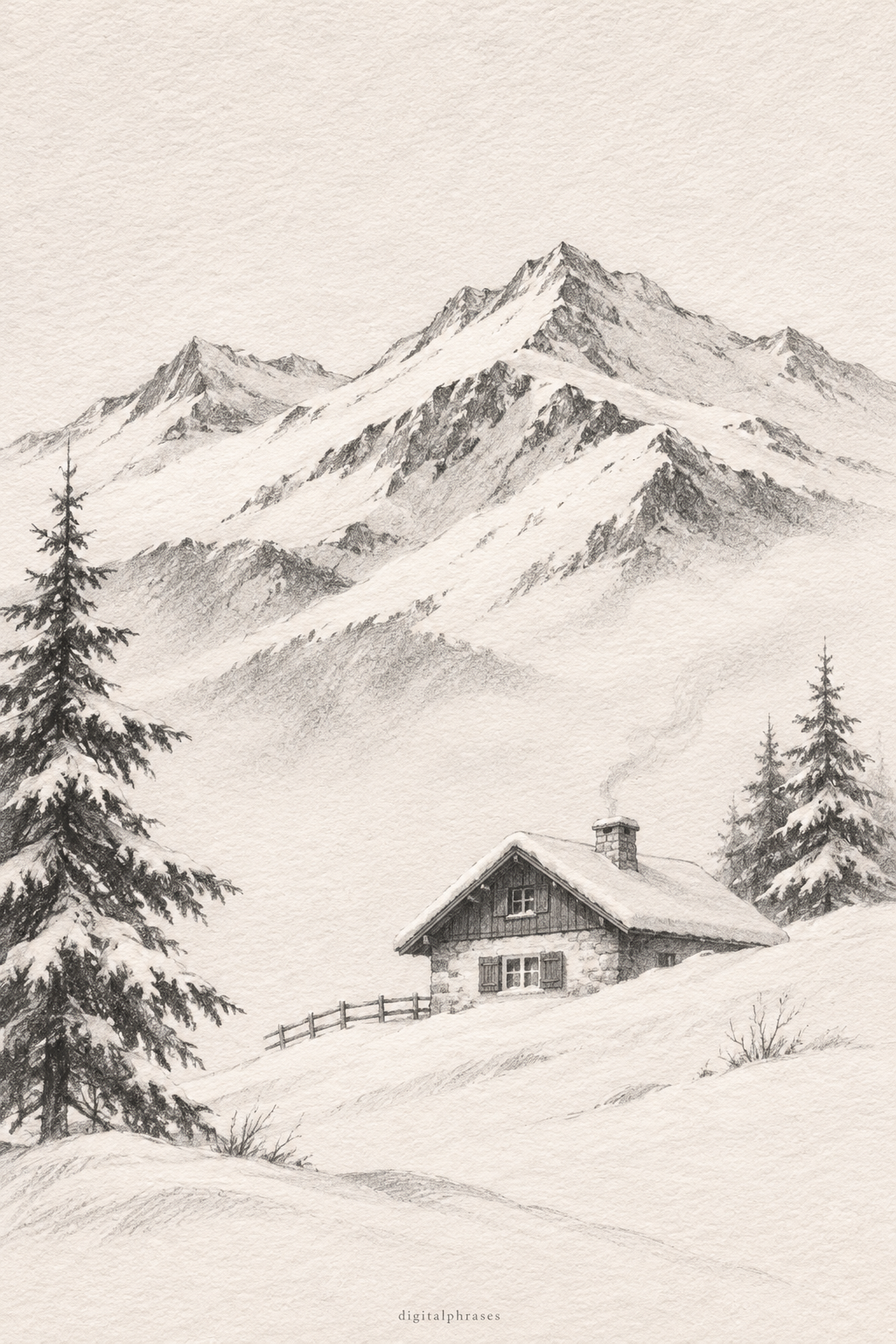
Use light blue, gray, or purple pencil strokes to shade areas beneath snowballs, around trees, and along snowy hills. For a snowman, add subtle shading to one side of each circular section to create a rounded appearance. When drawing a winter cabin, darken the areas beneath the roof and around windows to suggest depth.
Always imagine where your light source is coming from before adding shadows. Start with gentle pressure and gradually build darker tones where needed. With regular practice, shading will help your winter illustrations look more polished and professional.
5. Experiment with Different Winter Drawing Styles
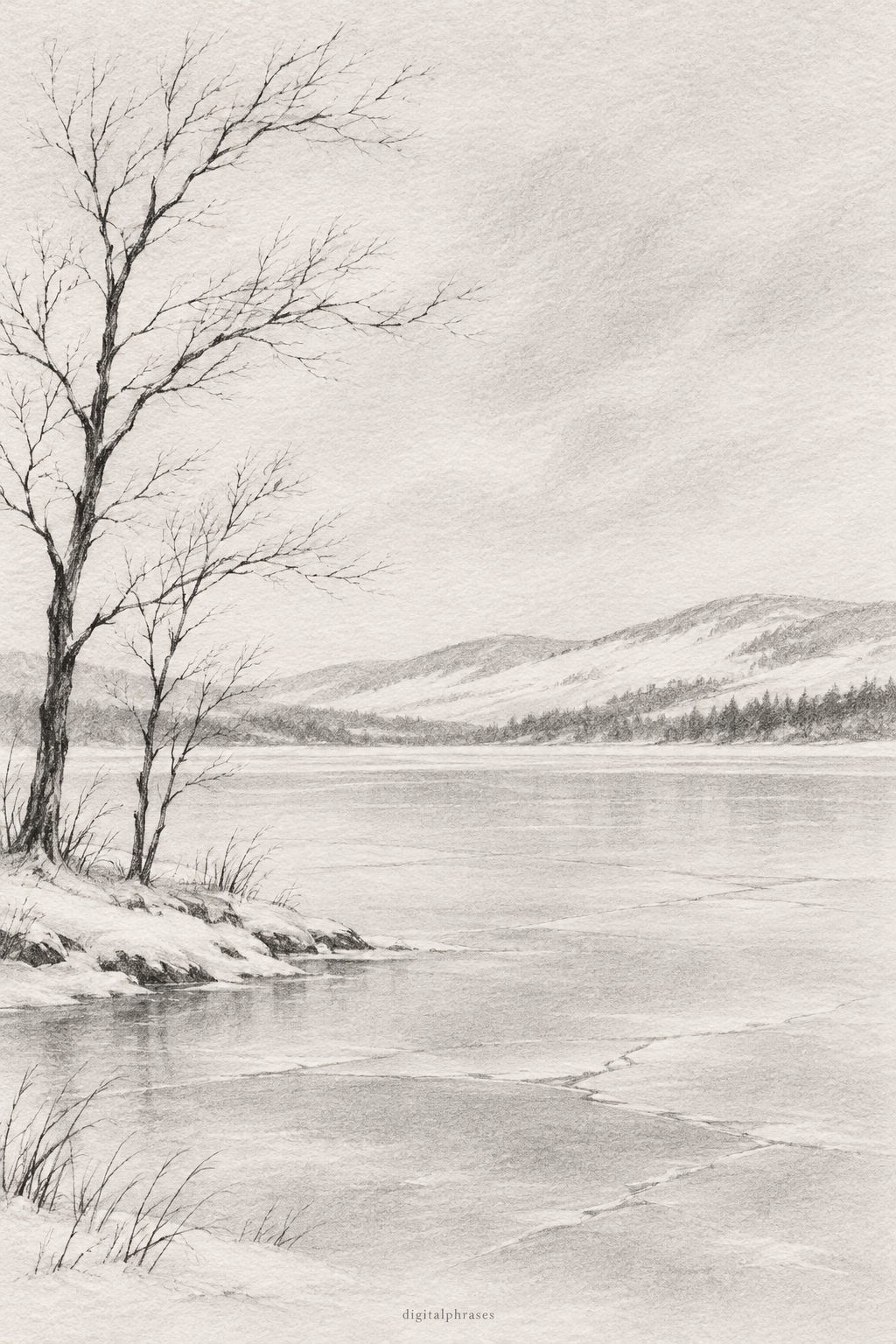
One of the best ways to improve your winter drawing skills is to explore different artistic styles. You can create cute cartoon snowmen, realistic snowy mountains, simple winter doodles, or whimsical woodland animals wearing winter accessories.
Try drawing the same winter subject in several ways to discover which style you enjoy most. For instance, a winter tree can be illustrated with detailed branches or simplified into a playful cartoon design.
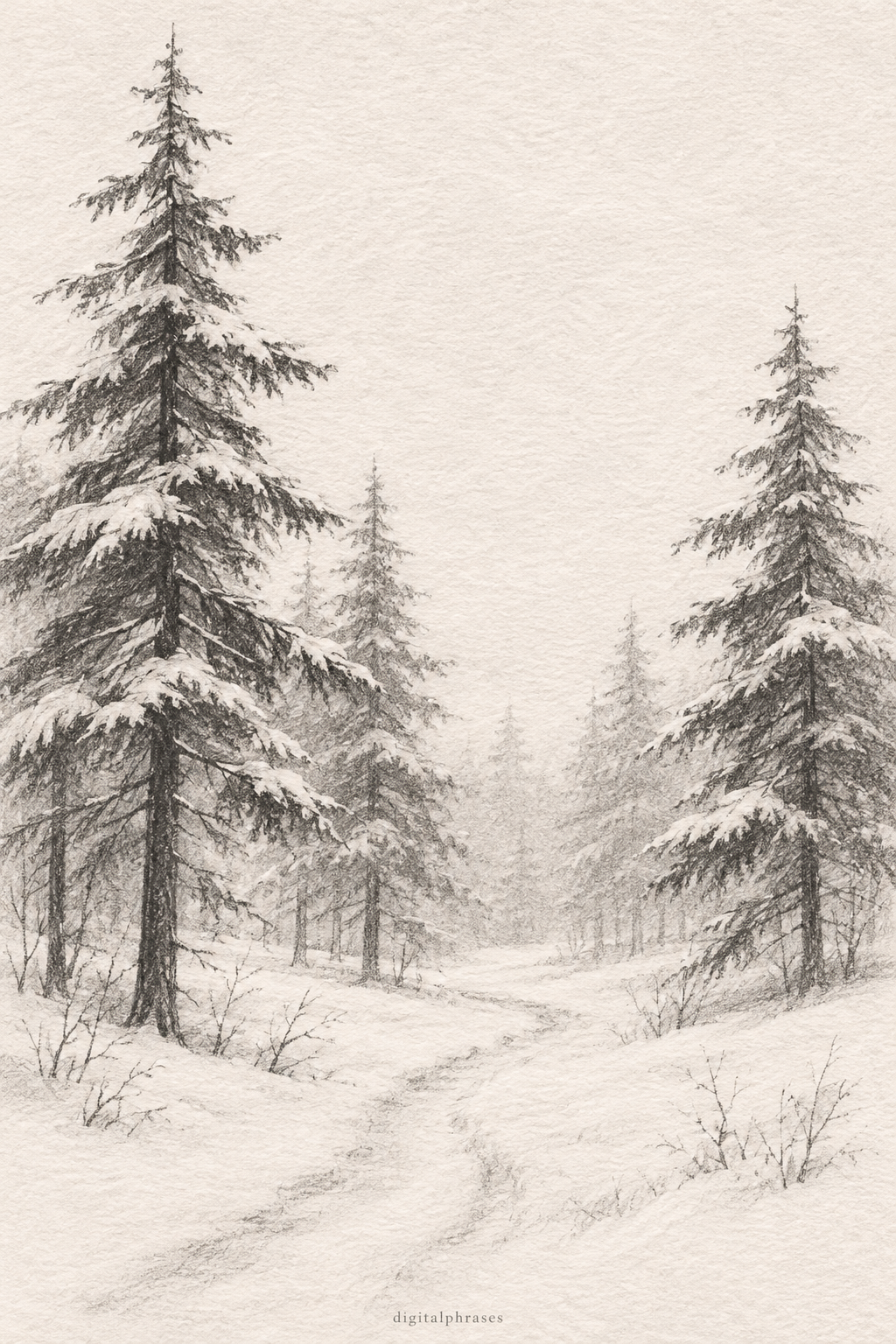
You can also combine different subjects to create imaginative scenes, such as penguins ice skating or a cozy cottage surrounded by snow-covered pine trees.
Do not worry about making every drawing perfect. Focus on creativity, practice, and having fun as you experiment with new ideas throughout the winter season.