20 Rabbit Drawing Ideas
There’s something endlessly charming about rabbits—their soft shapes, twitchy noses, and those expressive ears that seem to have a personality all their own. They’re gentle, playful, a little curious… and honestly, just fun to draw.
Rabbit drawings can be as simple or as detailed as you like.
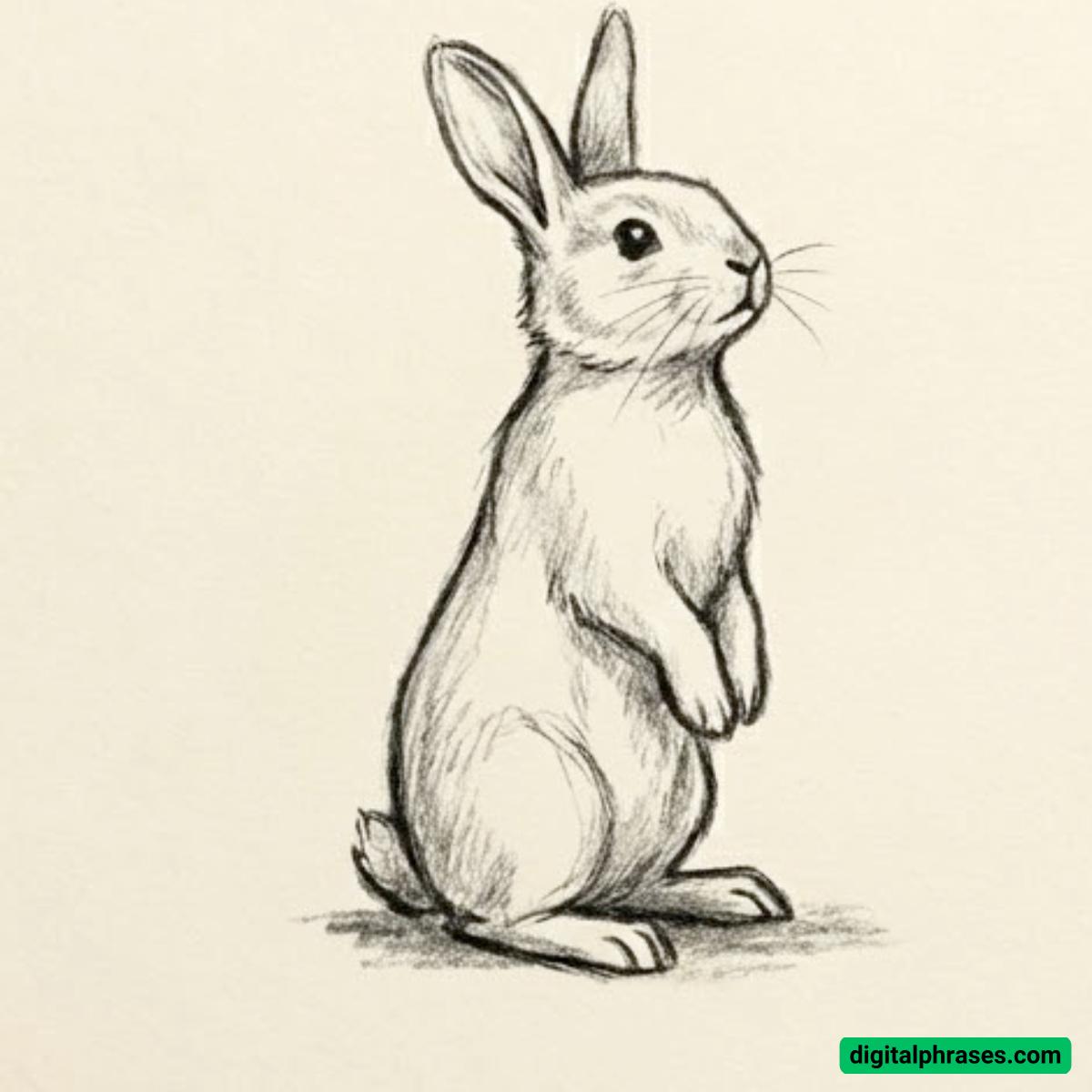
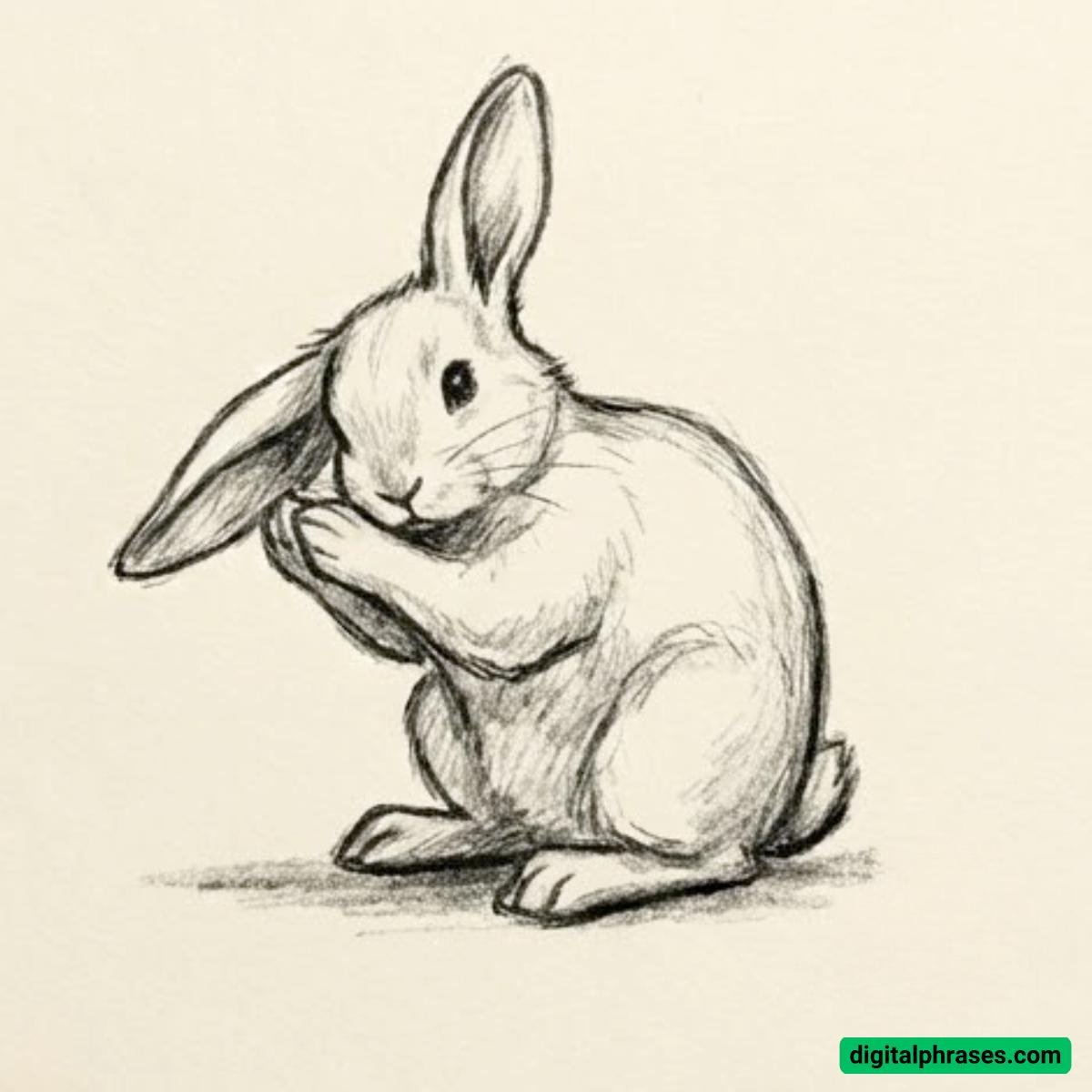
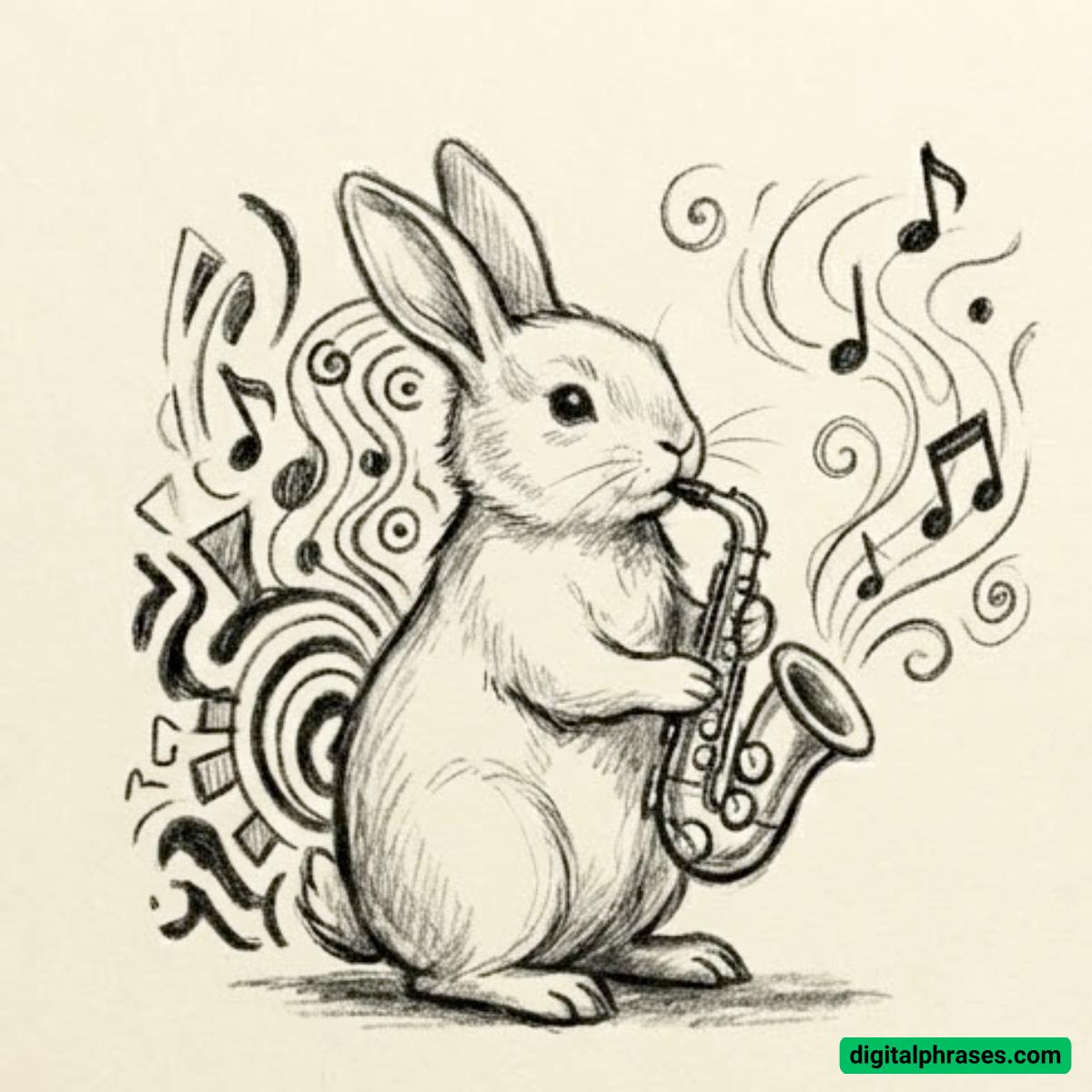
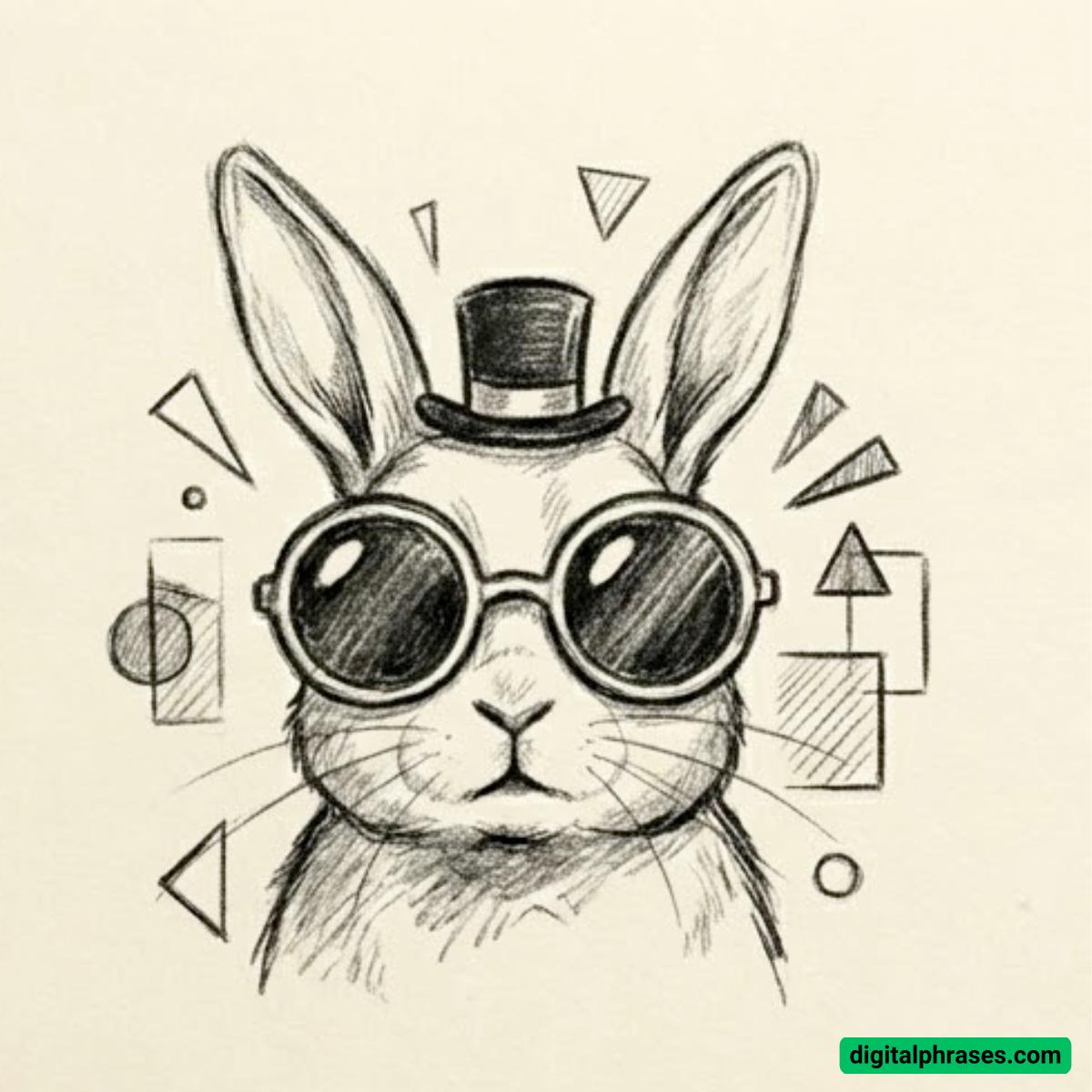
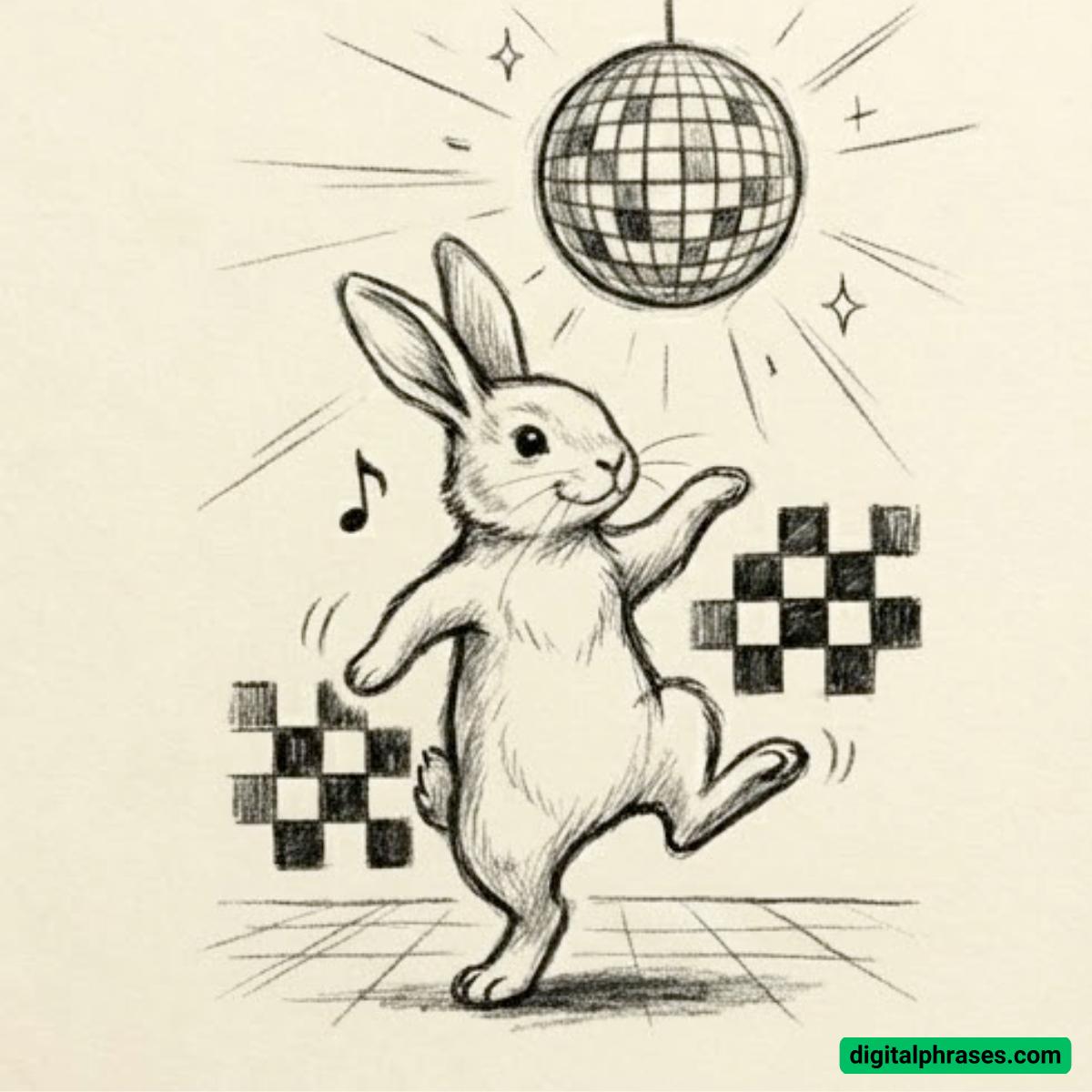
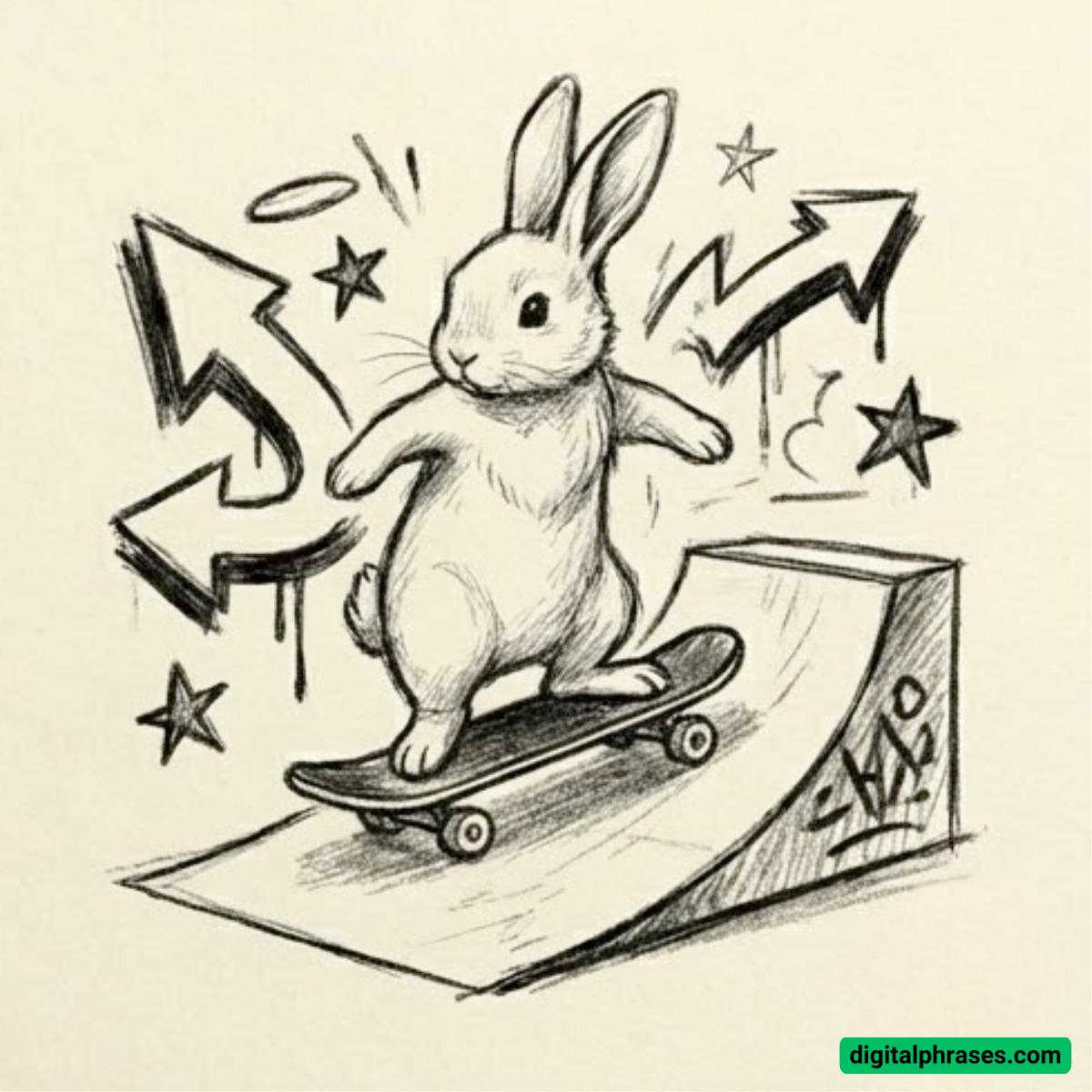
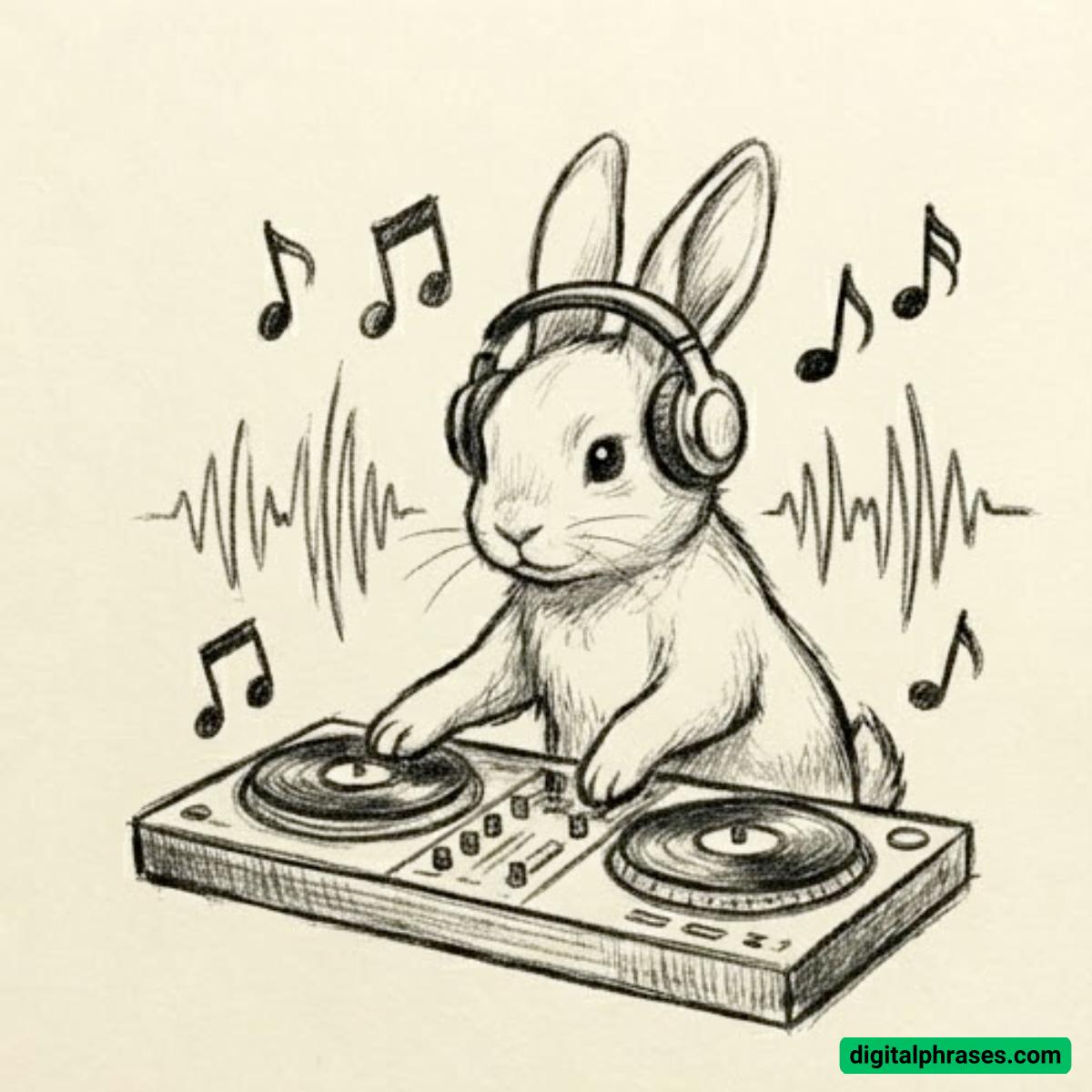
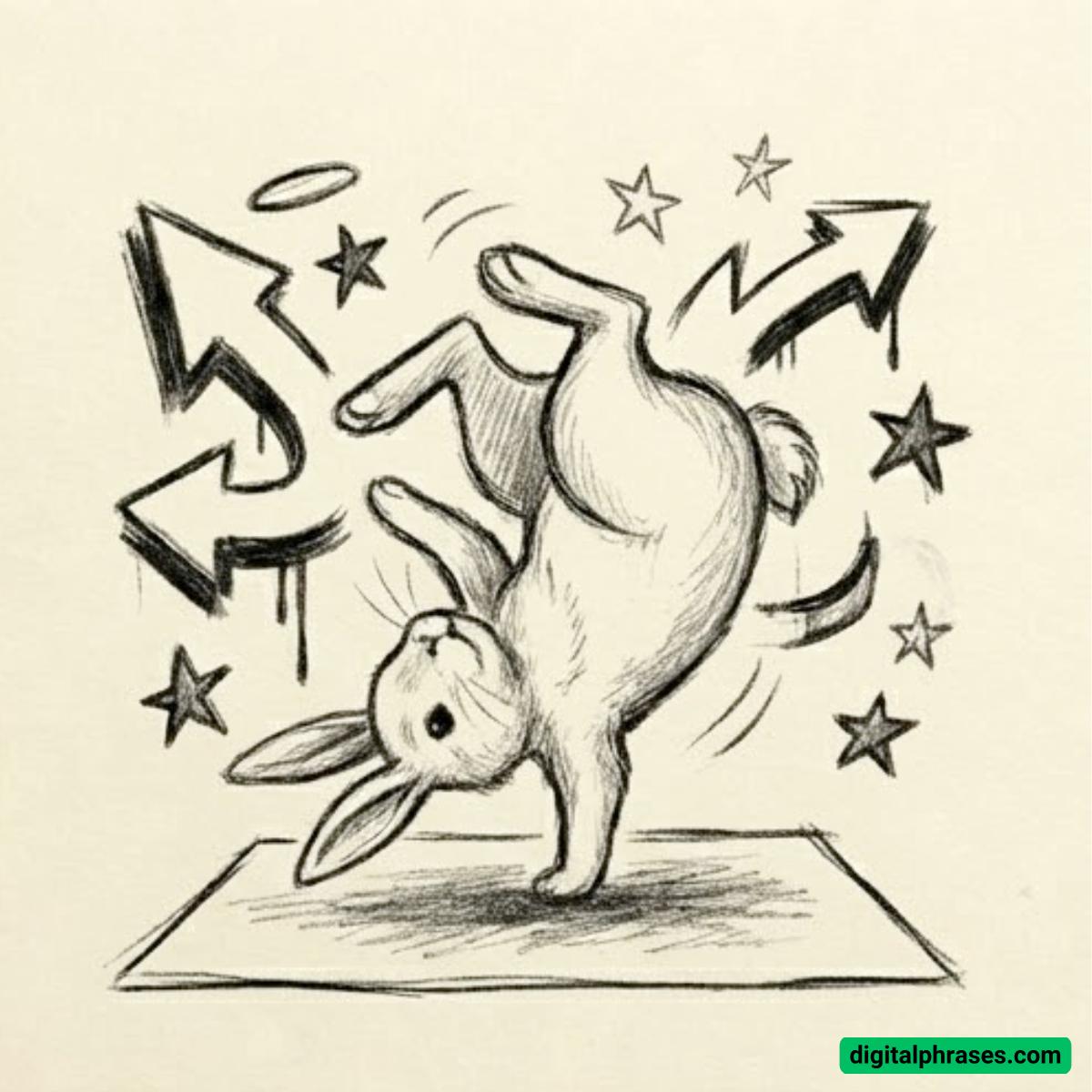
And here are the rabbit drawing ideas to get you started on drawing one.
Rabbit Drawing Ideas
1
2
3
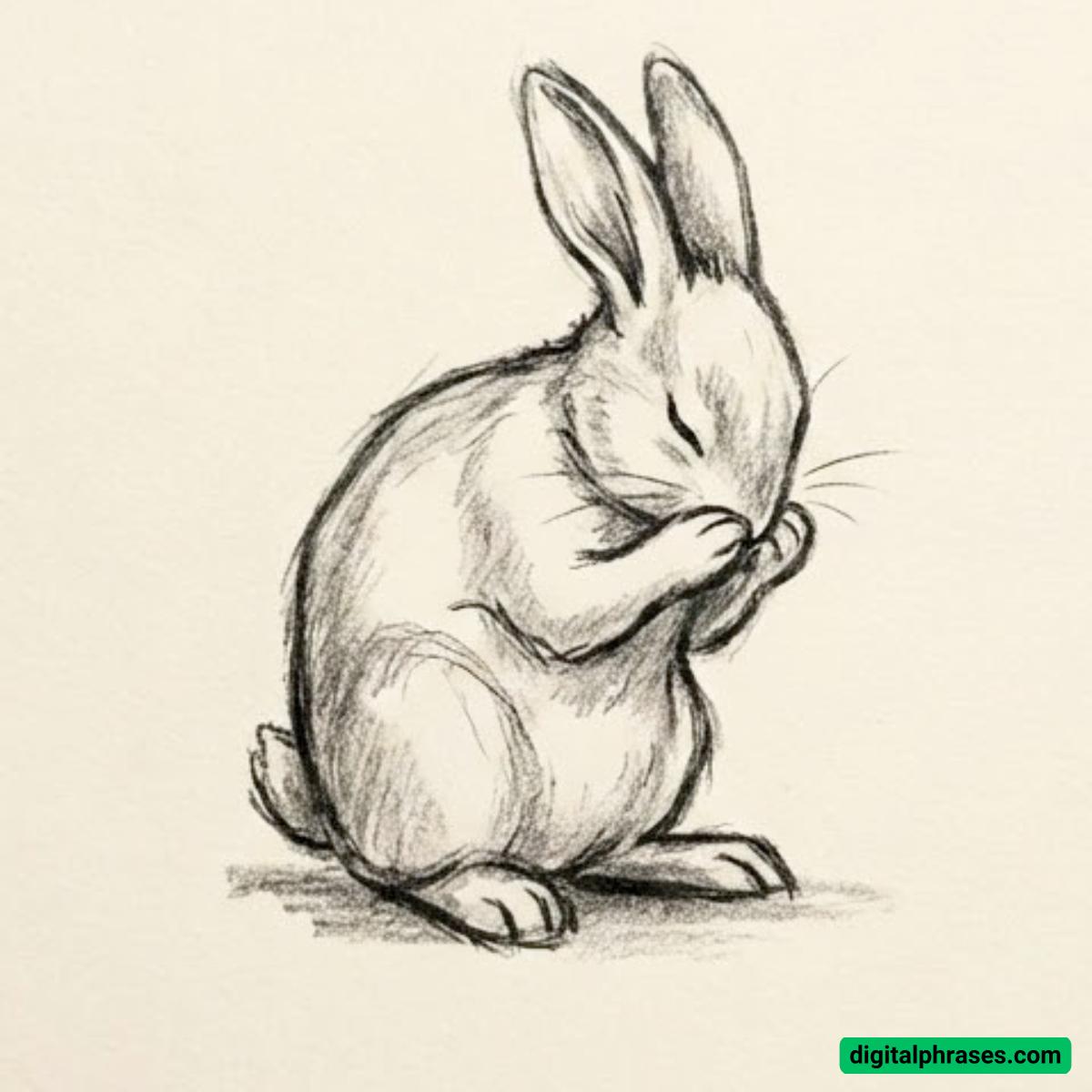
4
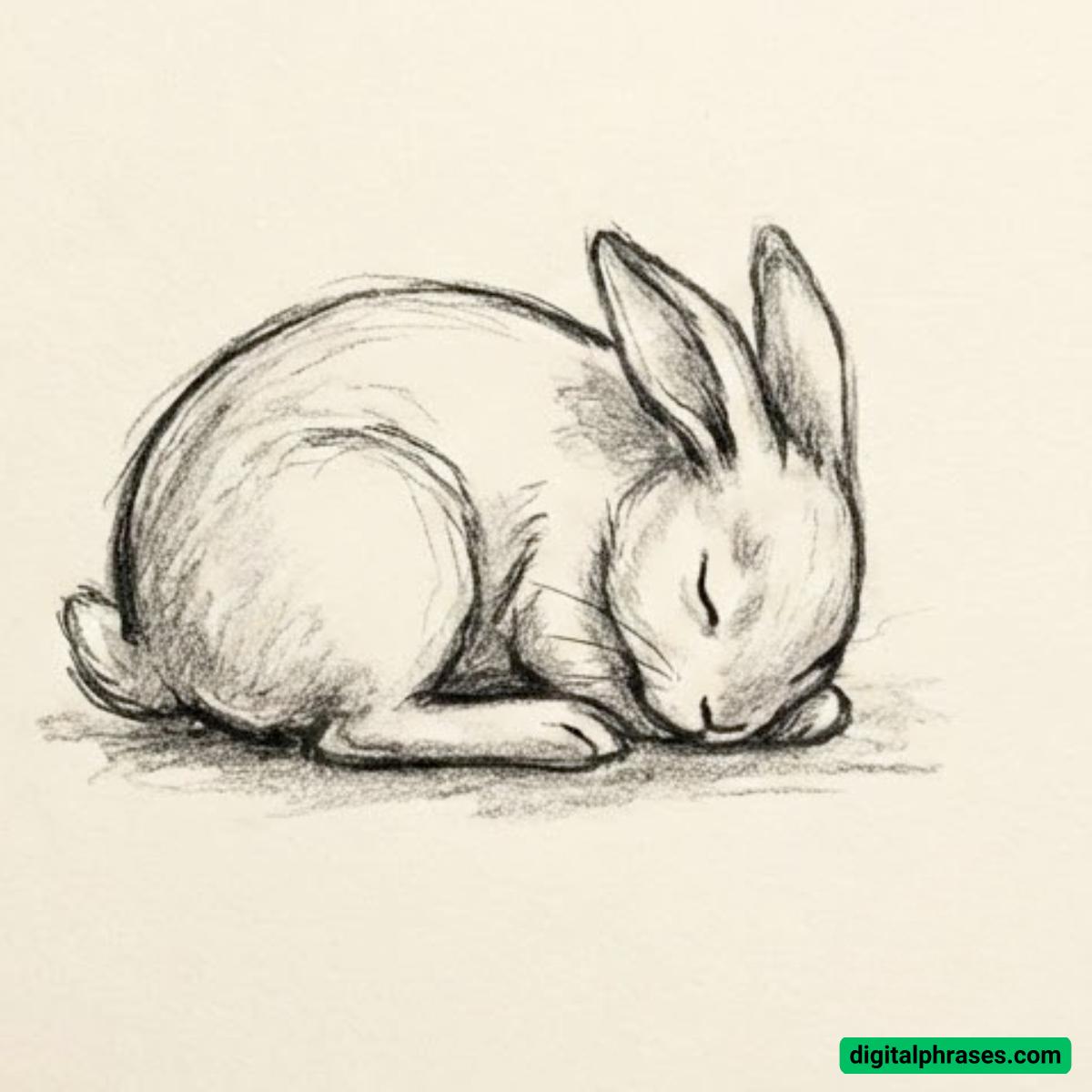
5
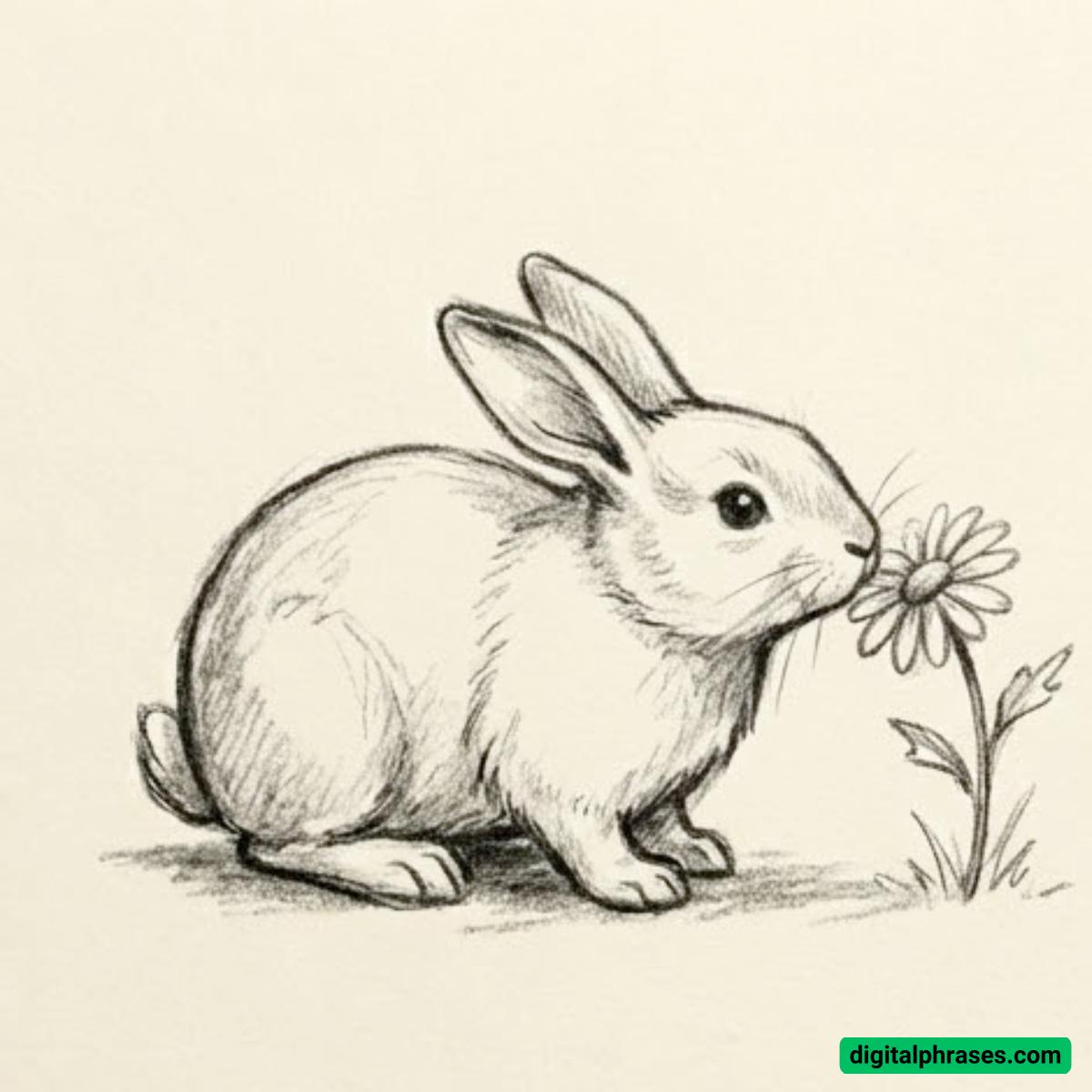
6
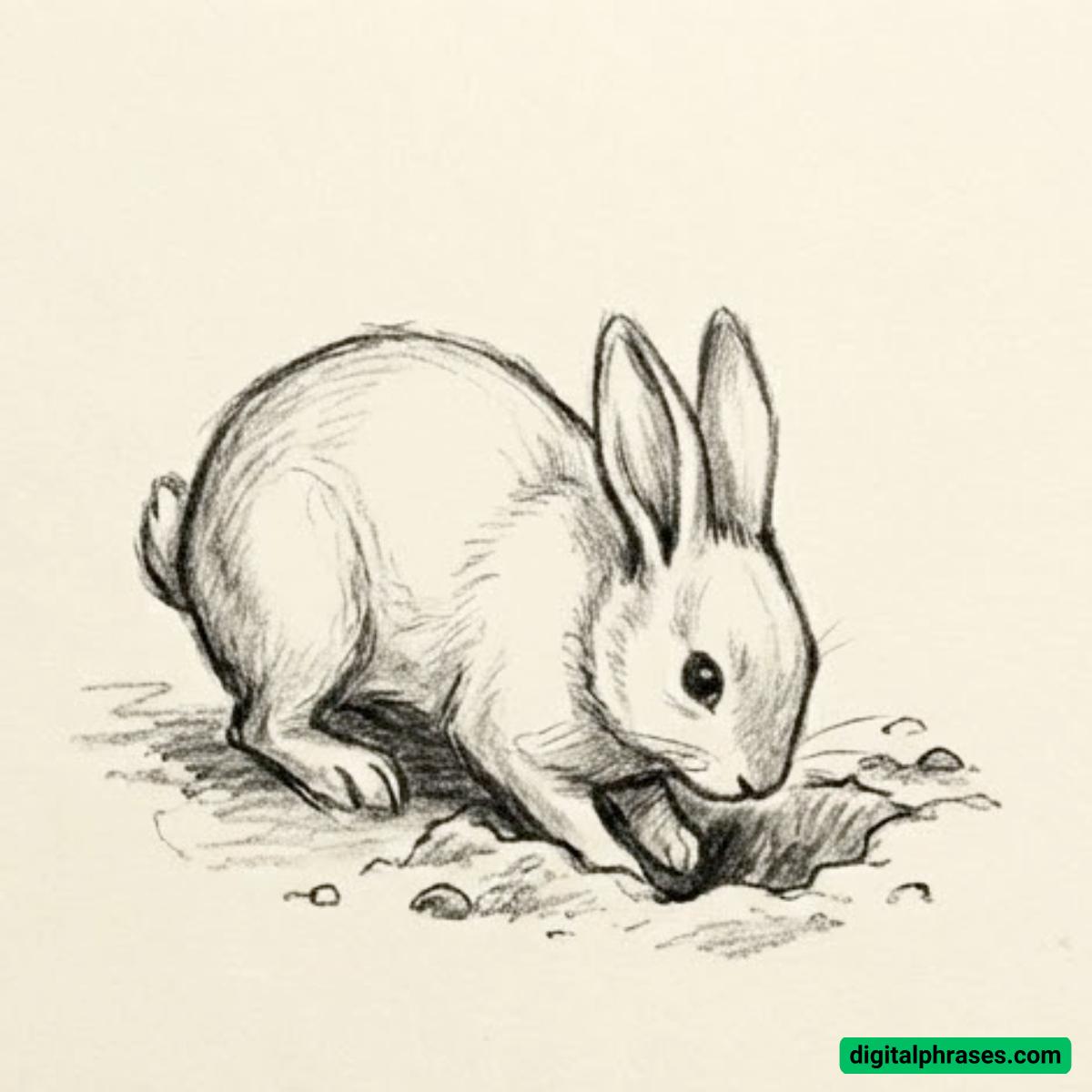
7
8
9
10
11
12
13
14
15
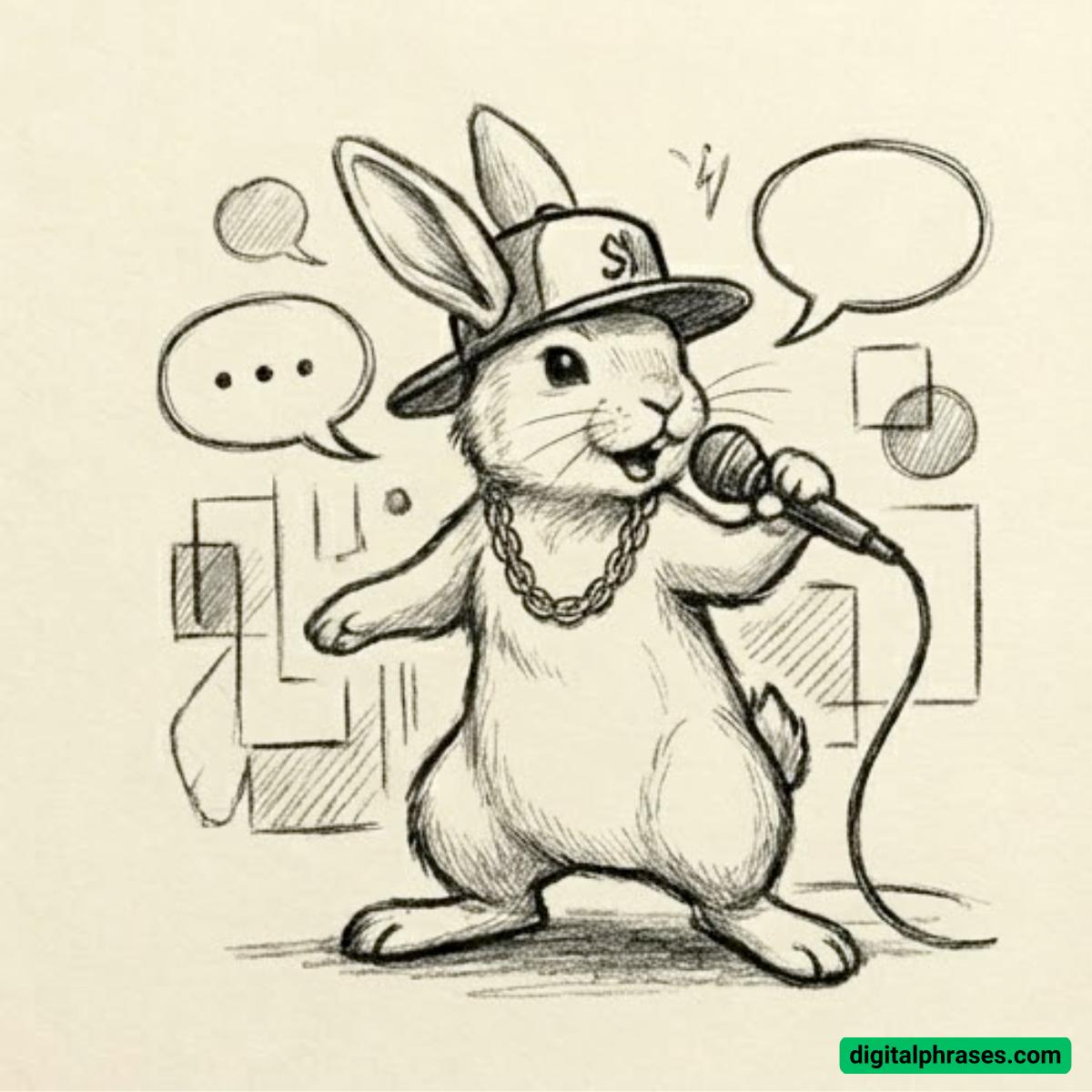
16
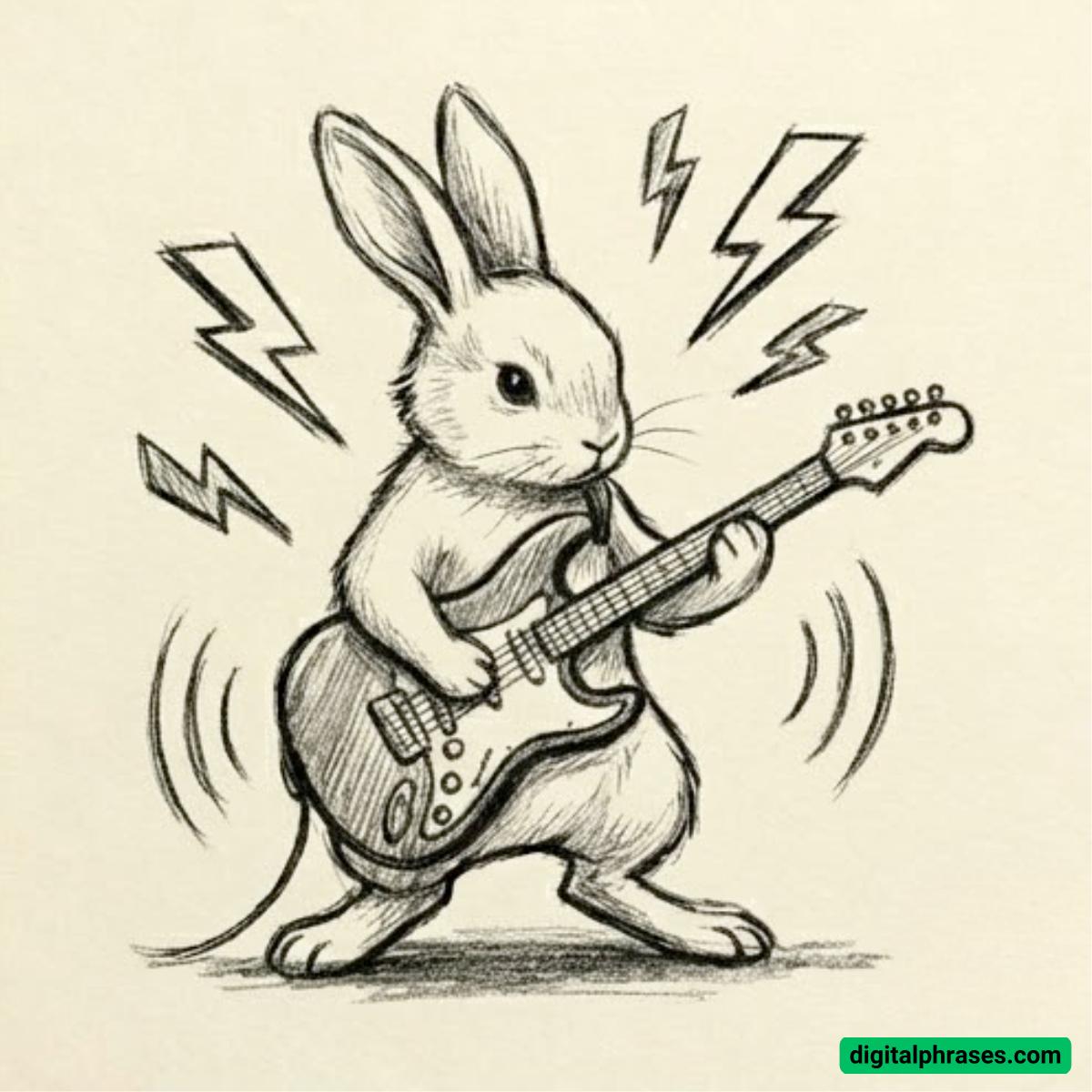
17
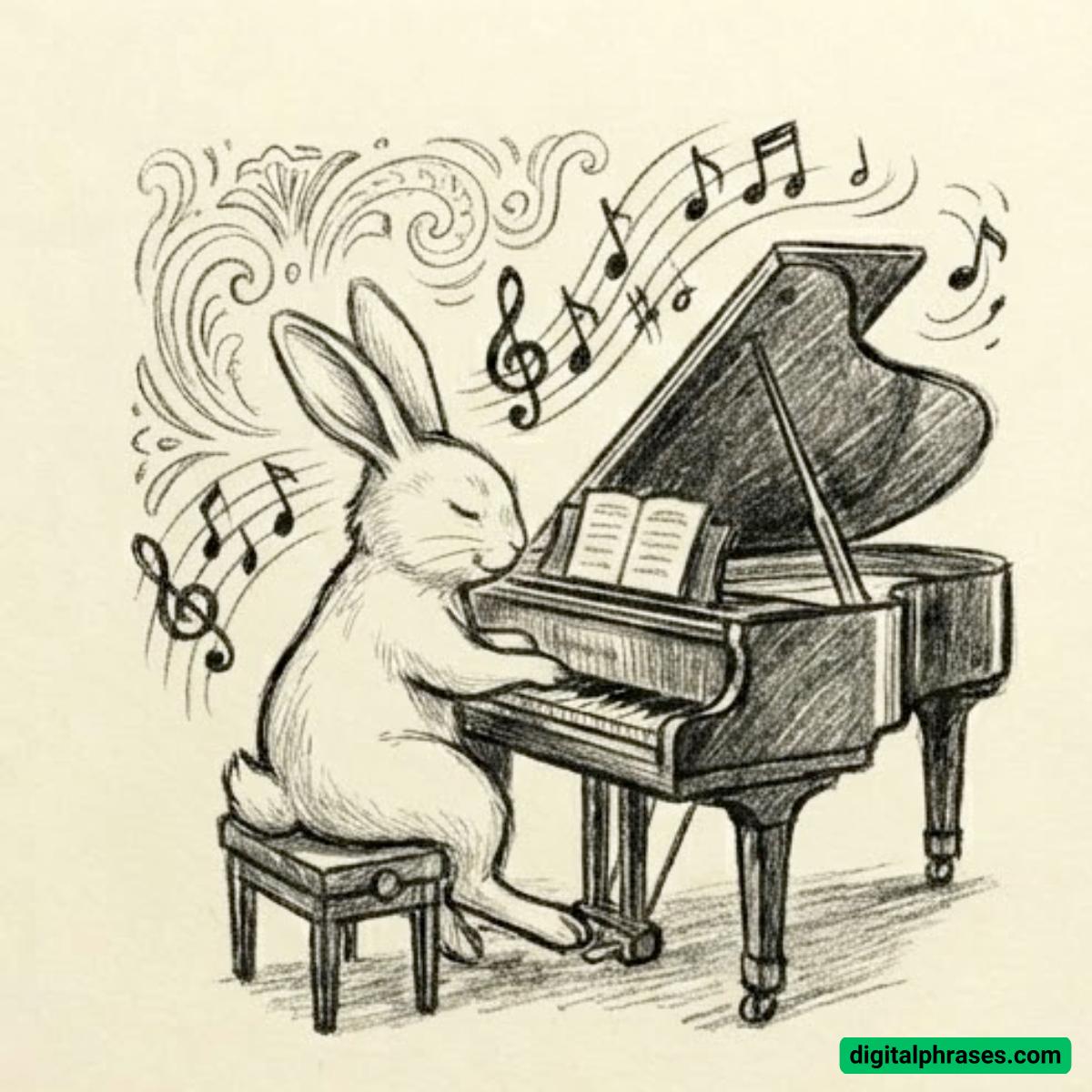
18
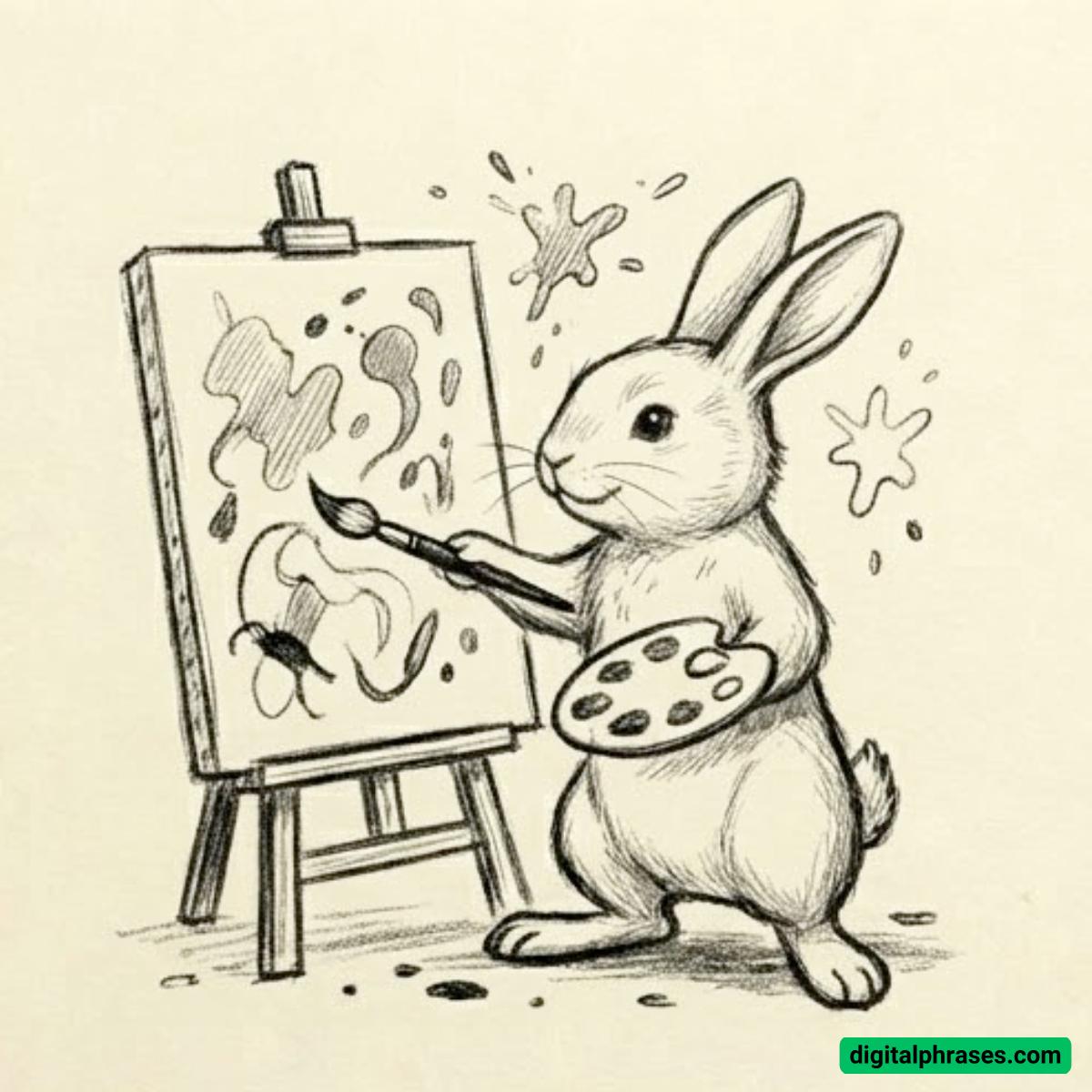
19
20
Tips on How To Draw a Rabbit
Tip 1: Start With Simple Shapes
Before worrying about fur or facial details, focus on basic shapes. Rabbits are mostly made up of soft ovals and circles.
Sketch a large oval for the body, a smaller one for the head, and simple shapes for the legs and ears. This helps you get the proportions right early on.
Think of this step as building a framework—it doesn’t need to be perfect or pretty. Light, loose lines are your best friend here. Once the structure feels balanced, everything else becomes much easier to add.
Tip 2: Pay Attention to Proportions
Rabbits may look simple, but their proportions matter. Their heads are usually smaller than you might expect compared to their fluffy bodies.
The hind legs are larger and stronger than the front ones, and their ears can be almost as long as their head. Take a moment to observe reference images and notice these relationships. Even a cute cartoon rabbit feels more believable when the proportions are thoughtfully placed.
Tip 3: Focus on the Eyes and Nose
The personality of your rabbit really comes alive in the face. Rabbits typically have large, round eyes placed slightly on the sides of the head, giving them a gentle, alert look. Keep the nose small and soft, often shaped like a tiny triangle or oval.
A subtle line for the mouth is usually enough. Avoid overworking this area—simplicity often makes the rabbit look sweeter and more natural.
Tip 4: Keep the Lines Soft and Flowing
Rabbits are soft animals, so sharp or harsh lines can make them look stiff. Use curved, flowing strokes instead of straight lines and angles. Let your pencil glide lightly, especially when outlining the body and face.
Even when defining features like the ears or legs, gentle curves will help maintain that fluffy, cuddly appearance rabbits are known for.
Tip 5: Add Fur Texture Slowly
When it’s time to add fur, less is more. You don’t need to draw every single hair. Instead, suggest fur using short, light strokes that follow the shape of the body. Layer these strokes gradually, especially around the cheeks, chest, and tail where fur is thicker.
Varying the direction and length of your strokes will make the fur look natural without becoming messy or overwhelming.
Tip 6: Practice Different Poses
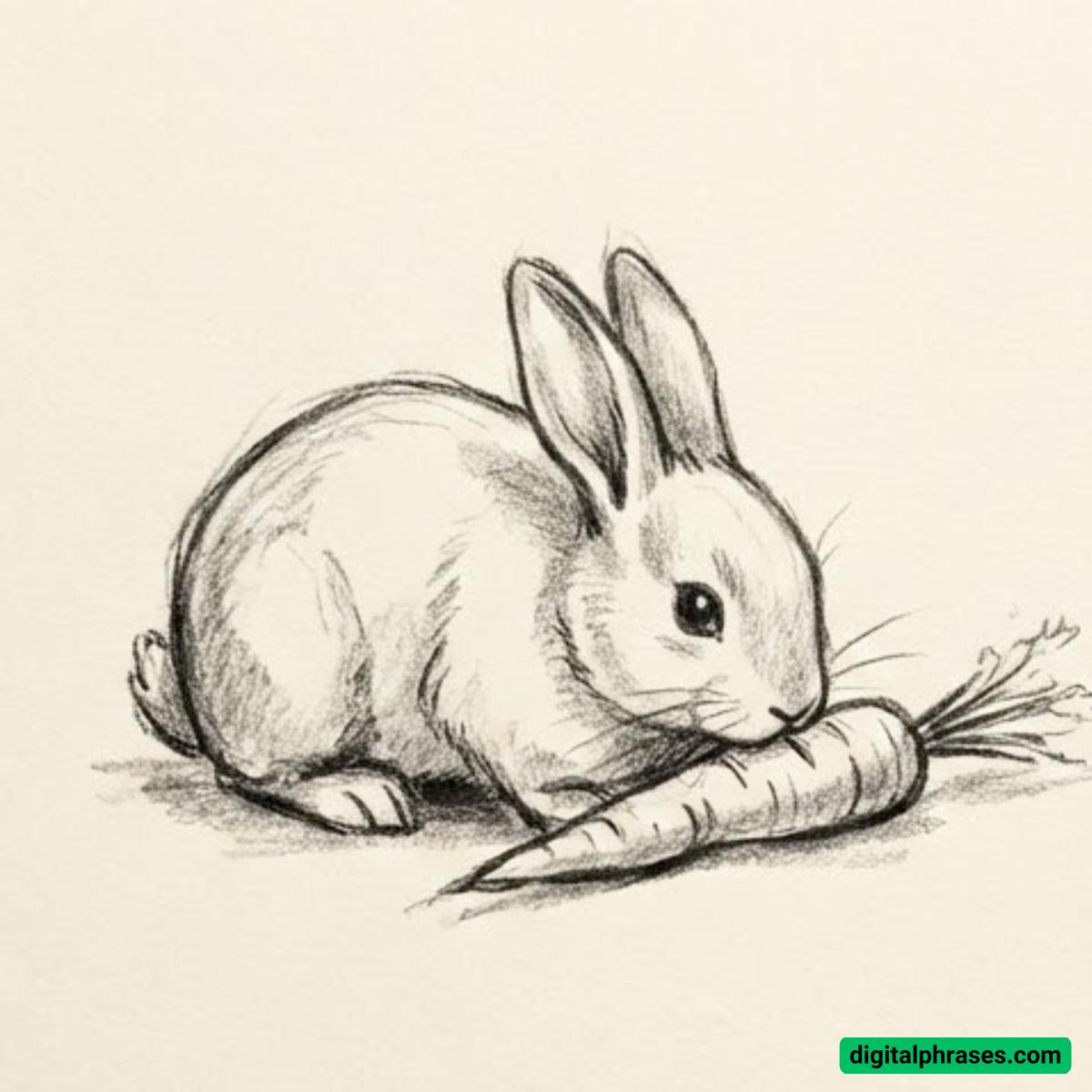
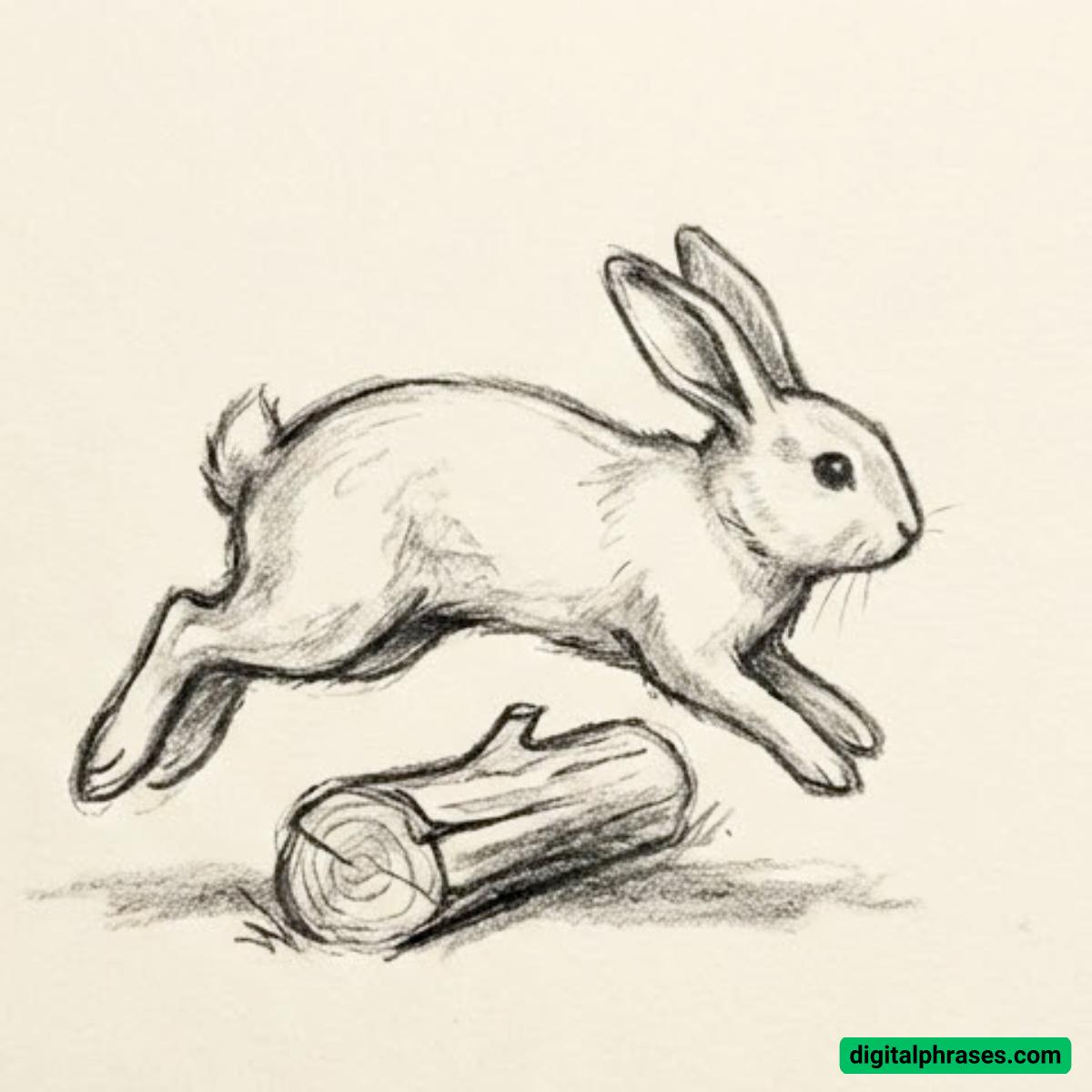
Rabbits look completely different depending on how they’re sitting or moving. Try drawing a rabbit curled up, stretching, hopping, or nibbling on something.
Each pose teaches you more about their anatomy and movement. Don’t be afraid of imperfect sketches—quick practice drawings are often the fastest way to improve. The more poses you try, the more confident and natural your rabbit drawings will become.