
25 Seaweed Drawing Ideas
Seaweed might seem simple at first glance, but it offers endless creative possibilities once you start exploring its shapes, movement, and underwater atmosphere.
The following seaweed drawing ideas will help spark your imagination and give you a range of prompts to explore different techniques, themes, and artistic styles.
Seaweed Drawing Ideas
1
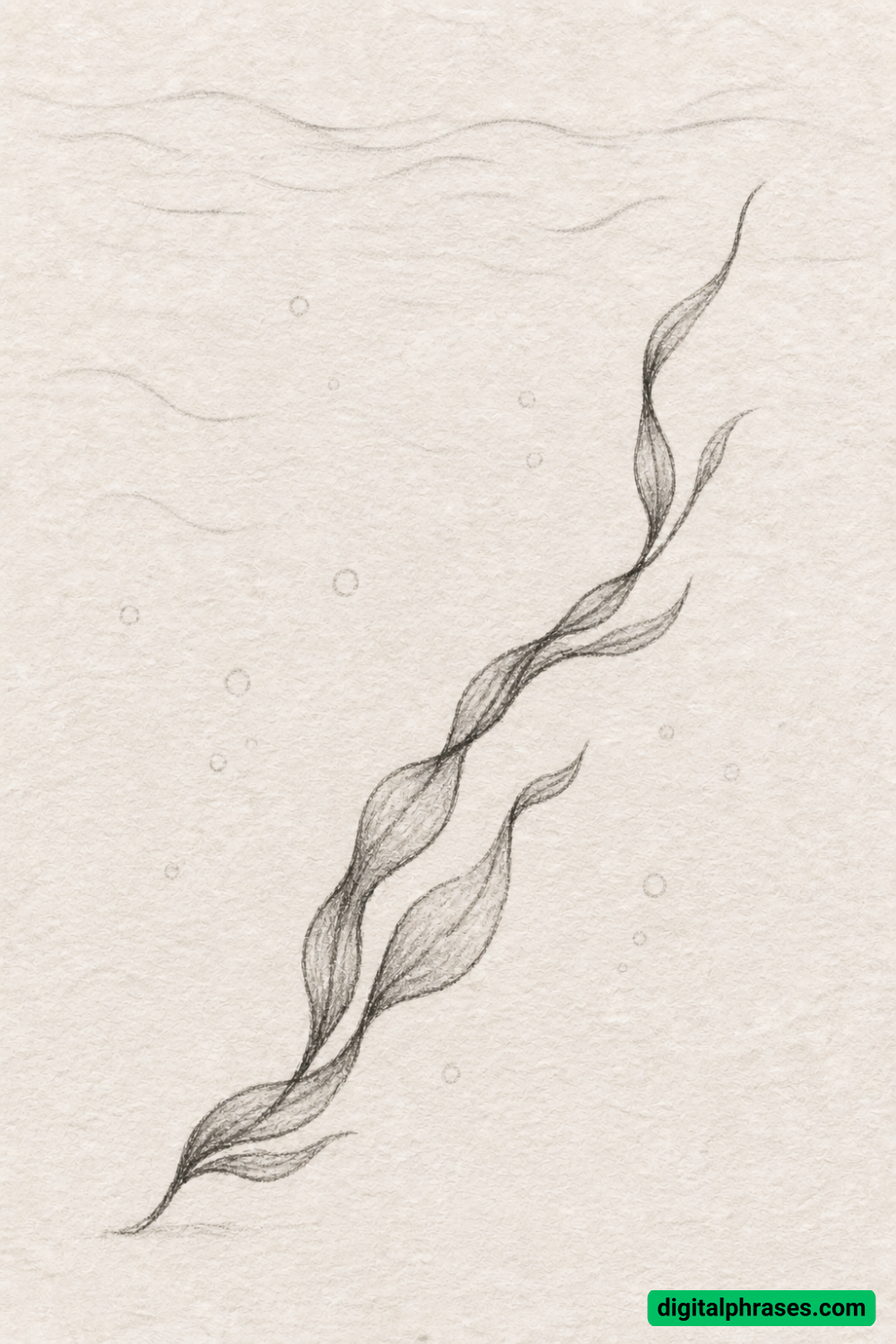
2
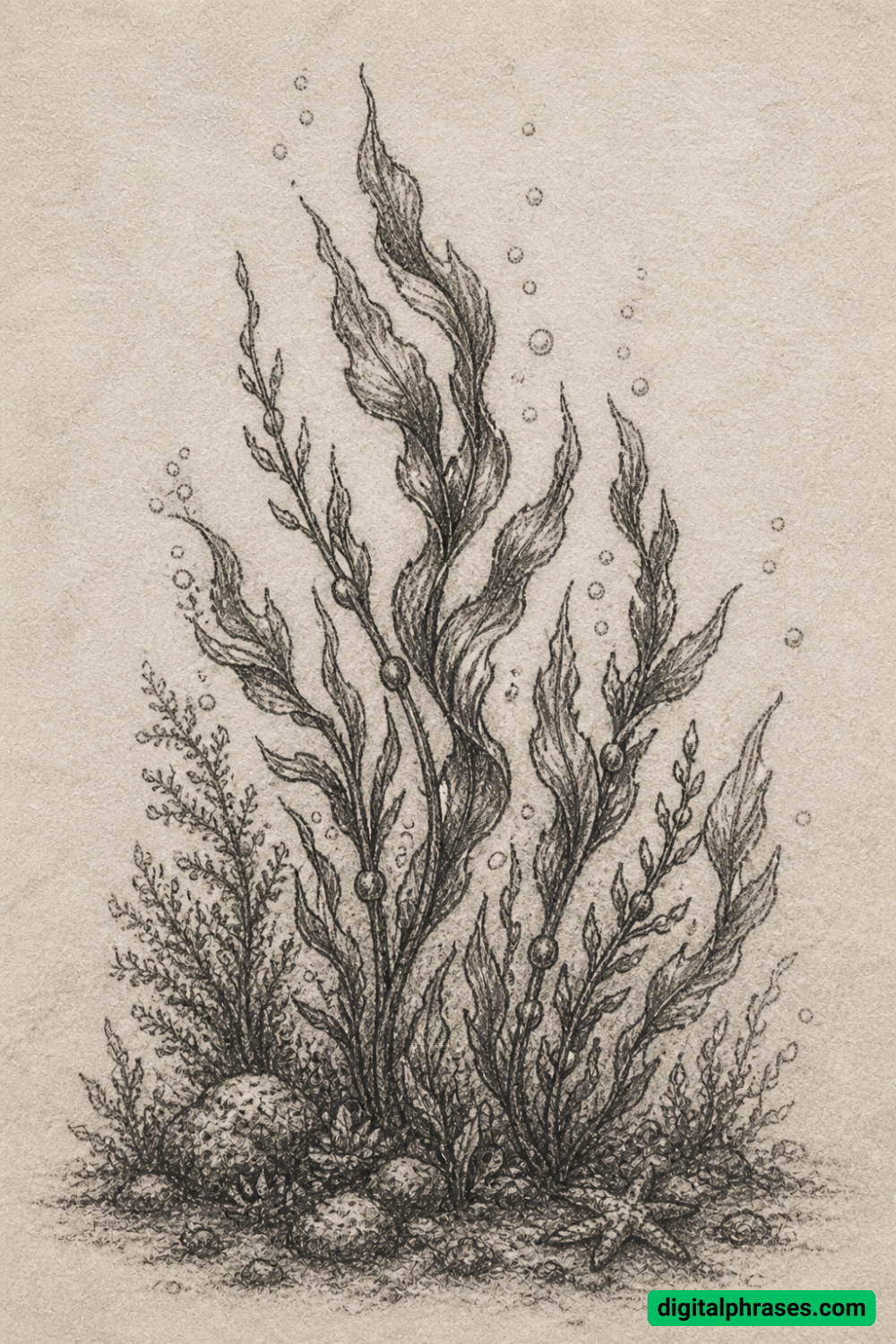
3

4
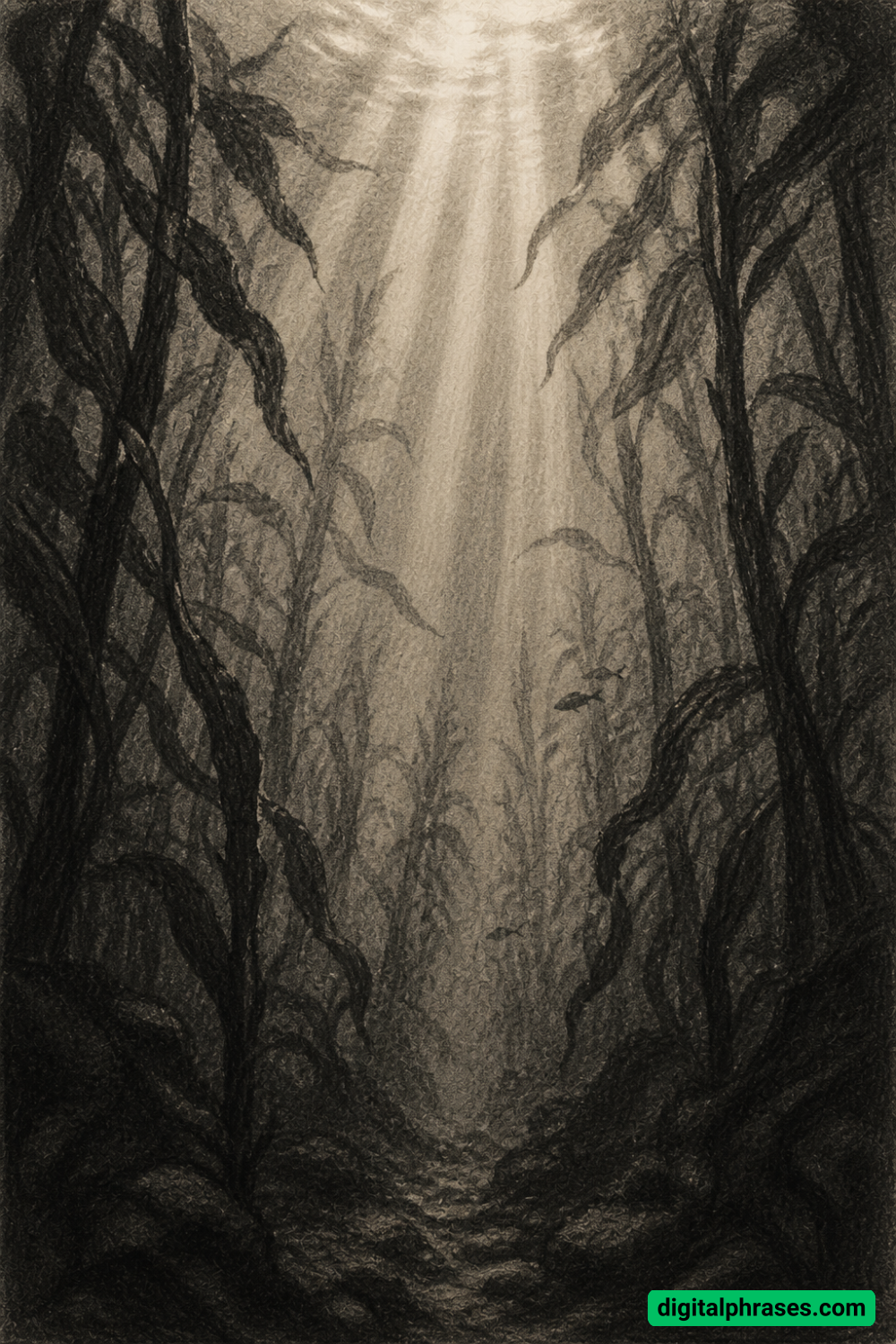
5
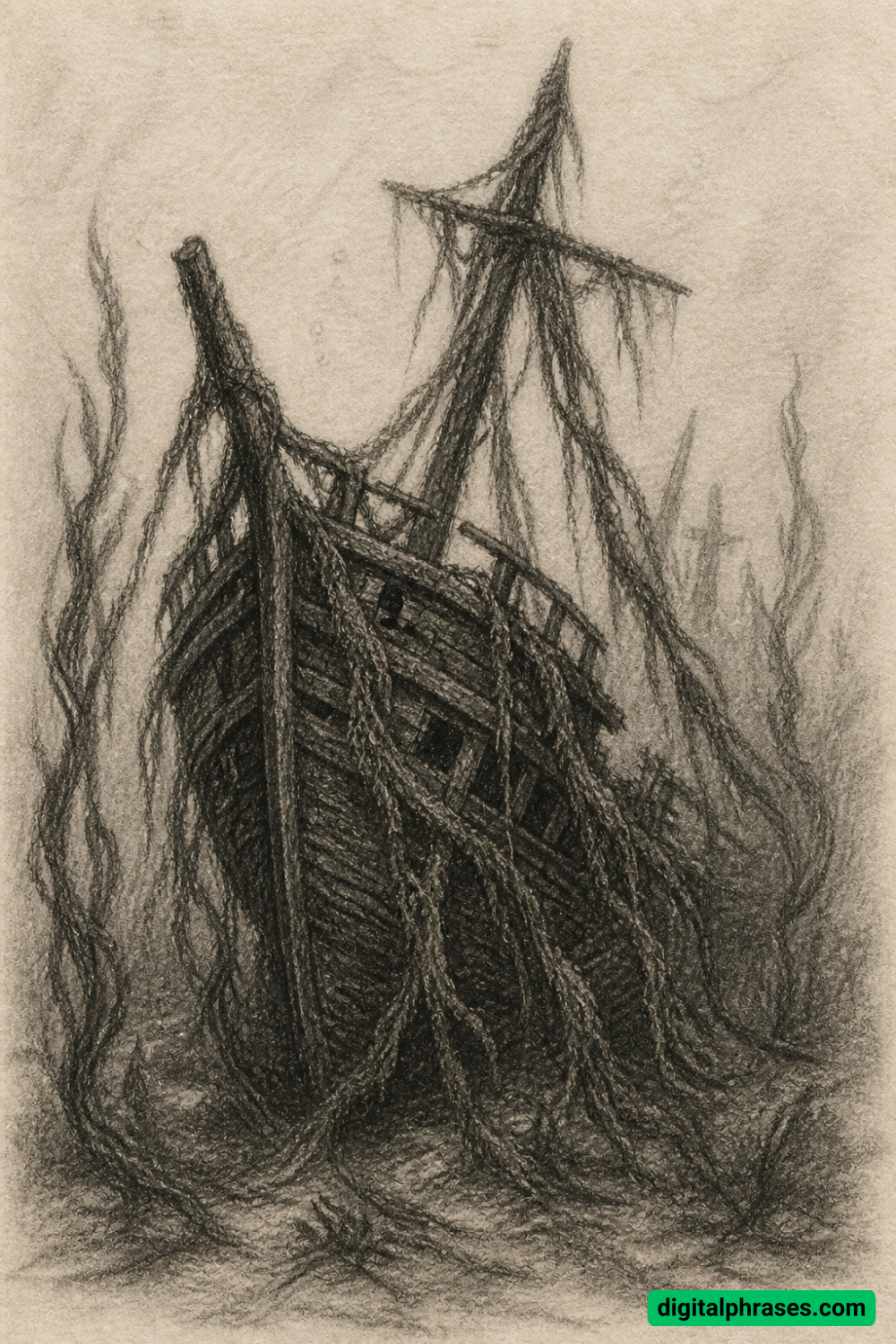
6
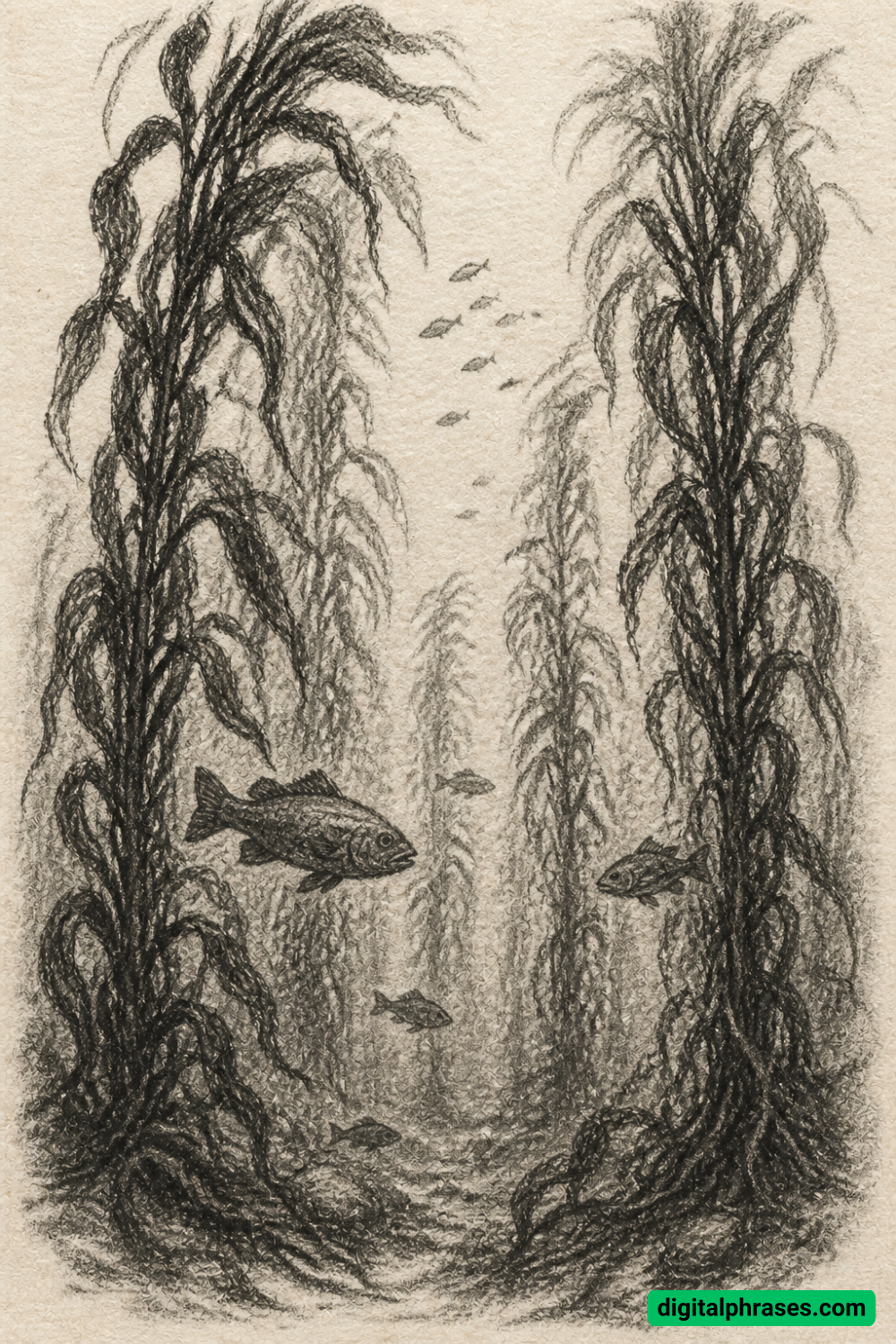
7
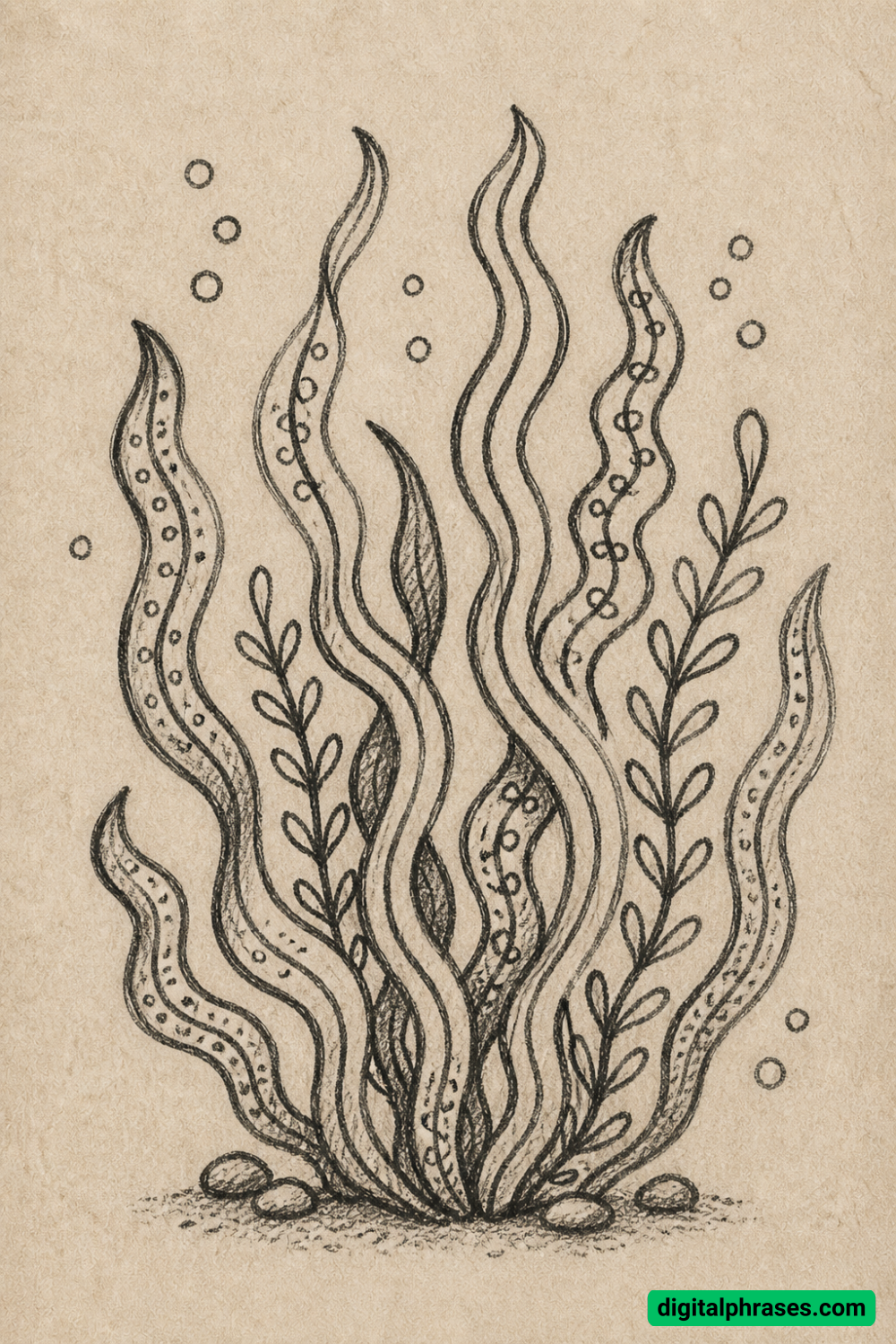
8

9
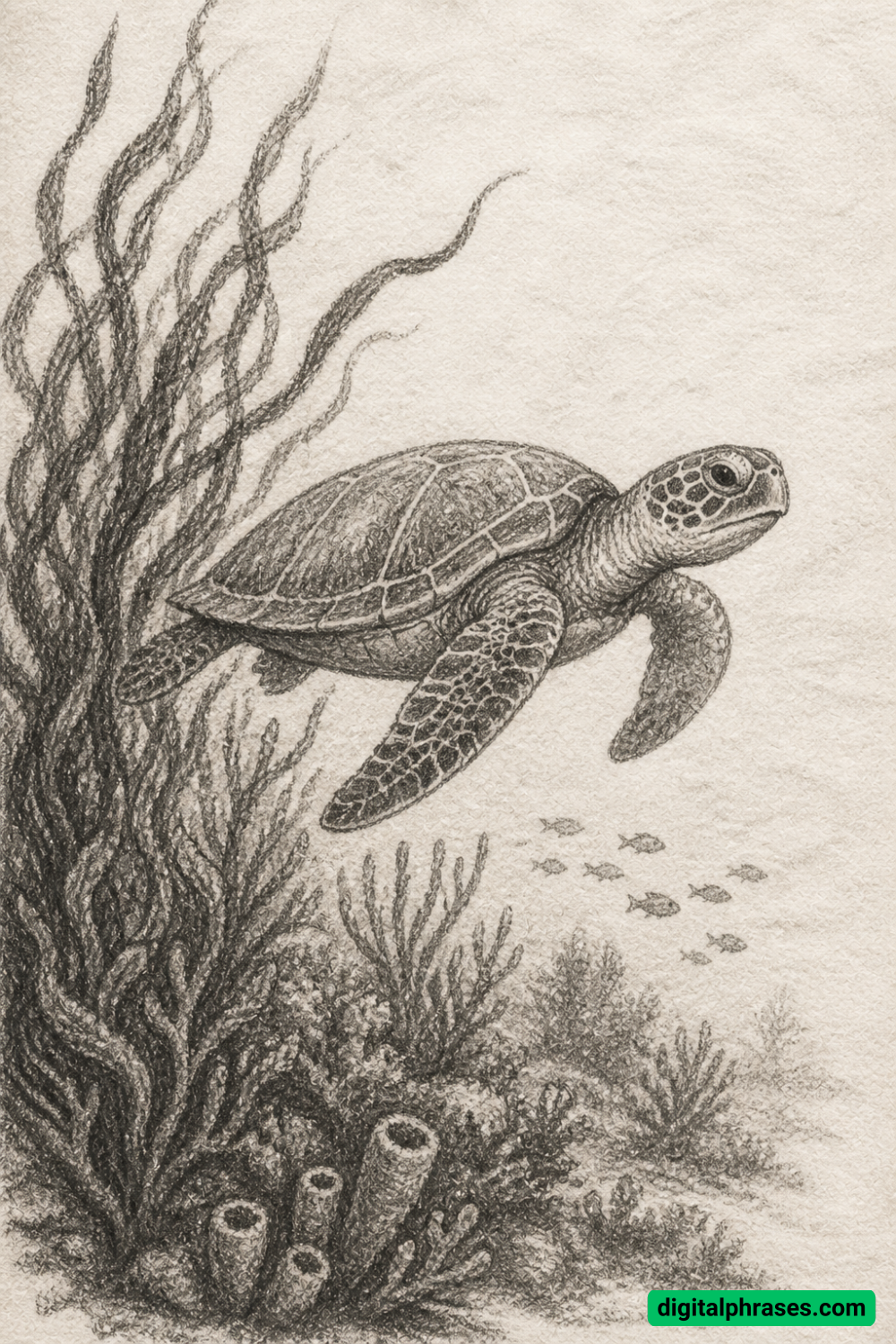
10
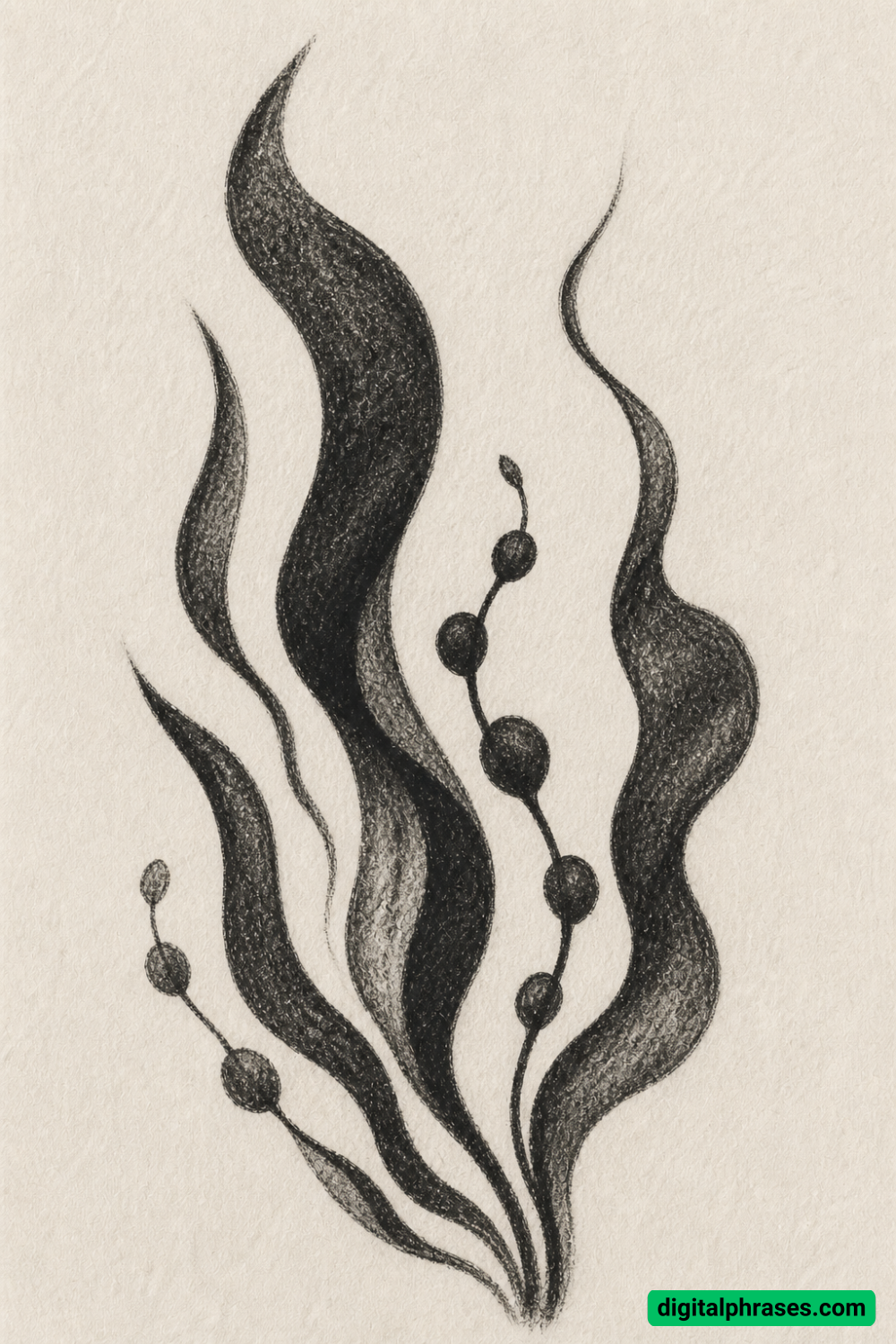
11
12
13
14
15

16
17
18

19
20
21
22

23
24
25
Tips For Drawing Seaweed
Observe Real Seaweed Movement
Seaweed isn’t stiff—it flows with water currents in soft, rhythmic motions. When drawing it, avoid straight or rigid lines.
Instead, imagine how water gently pushes and pulls each strand. Look at reference videos or photos of underwater scenes to understand how different types of seaweed behave. Some sway slowly, while others ripple more actively. Capture this natural motion by using long, curved strokes that feel fluid.
Let your lines overlap slightly to create depth and realism. The more you study real movement, the more believable your drawings will feel.
Use Varied Line Thickness
One common mistake is drawing seaweed with uniform lines. In reality, seaweed has thickness variations—some parts are broader, others taper into thin ends. To make your drawing more dynamic, vary your line weight.
Start thicker at the base and gradually make lines thinner toward the tips. This creates a sense of growth and direction.
If you’re using pen or digital tools, experiment with pressure sensitivity. Even in simple sketches, this variation can add elegance and make your seaweed look more organic and alive.
Layer for Depth and Density
Seaweed often grows in clusters or forests, not as single isolated strands. To make your artwork richer, draw multiple layers.
Start with lighter, thinner strands in the background, then add darker or thicker ones in the foreground.
Overlapping shapes will give a sense of depth and make your composition feel more immersive. You don’t need to draw every strand in detail—suggestion is enough. Strategic layering helps guide the viewer’s eye and makes your underwater scene feel full and natural.
Add Texture and Details Sparingly
While it’s tempting to add lots of details, seaweed usually has a smooth, simple surface. Focus on subtle textures like slight ridges, tiny tears, or gentle curves along the edges.
Avoid overcomplicating it with heavy shading or excessive patterns. A few well-placed details can go a long way in enhancing realism. If you’re working in color, consider slight gradients or soft highlights to suggest light filtering through water. Keeping details minimal helps maintain the softness and fluidity that define seaweed.
Consider Light and Environment
Seaweed doesn’t exist in isolation—it interacts with its surroundings. Think about how light behaves underwater. Light often filters down in beams, creating highlights on one side and shadows on the other. This can add drama and dimension to your drawing.
Also consider nearby elements like rocks, fish, or sand, which can influence how the seaweed bends or grows. Including environmental context not only improves realism but also makes your artwork more engaging and visually complete.