How To Draw a Flamingo
Here’s the simple steps towards drawing a flamingo.
Step-by-Step Process for Drawing a Flamingo
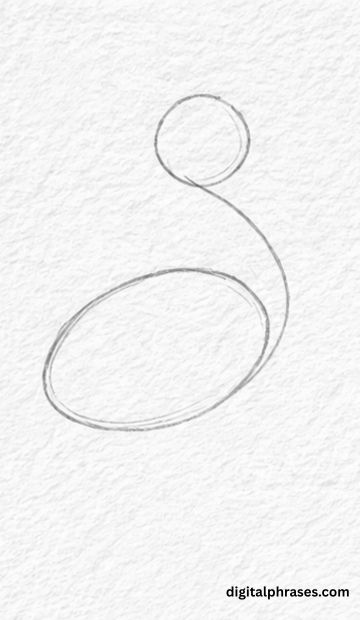
1. Draw Basic Shapes
Start with a simple circle for the head and a large oval for the body. Connect them using a long, curved line to form the flamingo’s neck.
2. Shape the Neck and Beak
Refine the neck into a smooth “S” curve and sketch the head more clearly. Add the beak with its distinctive downward curve.
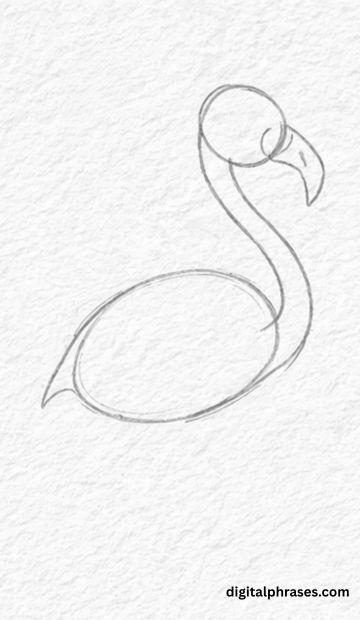
3. Add Body and Legs
Define the body outline more accurately and draw two long, thin legs. One leg can be bent to give the classic flamingo pose.
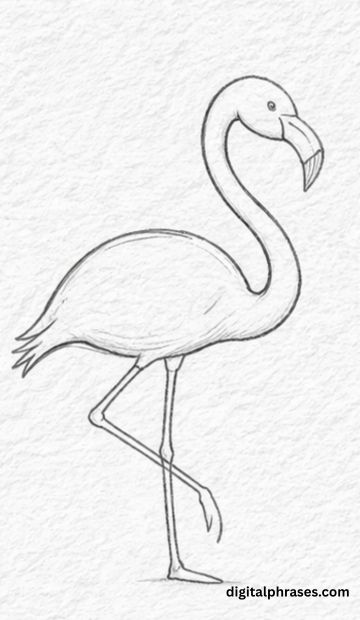
4. Refine the Outline
Clean up the sketch by smoothing lines and adjusting proportions. Clarify the head, neck, wings, and legs.
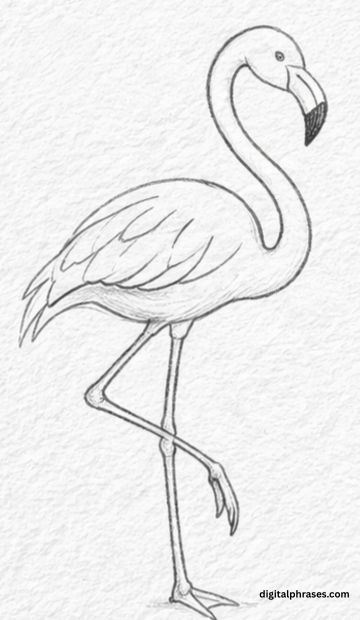
5. Add Feather Details
Sketch layered feathers on the wings and body. Add details to the face and beak to make it more realistic.
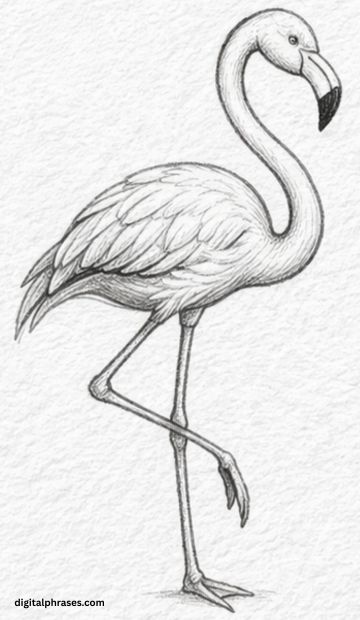
6. Apply Shading and Depth
Shade the body, wings, and legs to create depth. Darken areas like under the wings and around the neck while keeping highlights lighter.
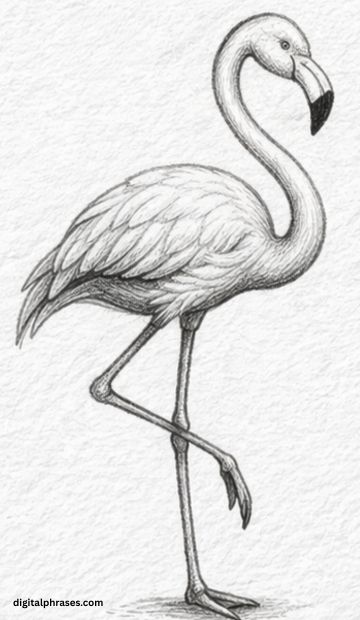
Tips on Drawing a Flamingo
1. Focus on the Characteristic Neck Curve
The flamingo’s long, elegant neck is its most defining feature, so getting this right is essential. Instead of drawing it as a stiff line, think of it as a smooth, flowing “S” shape. Start lightly and adjust the curve until it feels natural and balanced with the body.
Observing reference images can help you understand how the neck bends differently depending on the pose. A well-drawn neck instantly makes your flamingo look more graceful and realistic.
2. Build the Drawing with Simple Shapes
Before jumping into details, break the flamingo down into basic forms like circles, ovals, and lines. Use a circle for the head, an oval for the body, and simple lines for the legs and neck.
This construction method helps maintain correct proportions and alignment. It also makes it easier to fix mistakes early on without having to erase complex details. Think of this step as the skeleton of your drawing—it supports everything that comes later.
3. Pay Attention to the Legs and Balance
Flamingos are often seen standing on one leg, which can be tricky to draw convincingly. Make sure the standing leg is straight and supports the body’s weight, while the bent leg looks relaxed and slightly lifted.
The joints should have subtle angles rather than sharp bends. Also, consider the center of gravity—your flamingo shouldn’t look like it’s about to fall over. Light guidelines can help you position the legs correctly before refining them.
4. Add Feather Texture Gradually
Flamingo feathers have a soft, layered appearance that adds depth and realism to your drawing. Instead of drawing every feather individually, suggest texture with gentle, curved strokes that follow the shape of the body. Focus on areas like the wings where feather layers are more visible. Keep your lines light and build them up slowly.
Overworking this area can make the drawing look messy, so aim for suggestion rather than precision.
5. Use Shading to Create Form and Depth
Shading brings your flamingo to life by giving it volume and dimension. Identify a light source and darken areas that fall in shadow, such as under the wings, along the neck’s inner curve, and beneath the body. Use soft, gradual shading rather than harsh lines to keep the drawing natural. Blending lightly can help achieve a smoother look.
Don’t forget to leave some highlights—these contrast with the shadows and make the form appear more three-dimensional.