Cross Drawing Ideas
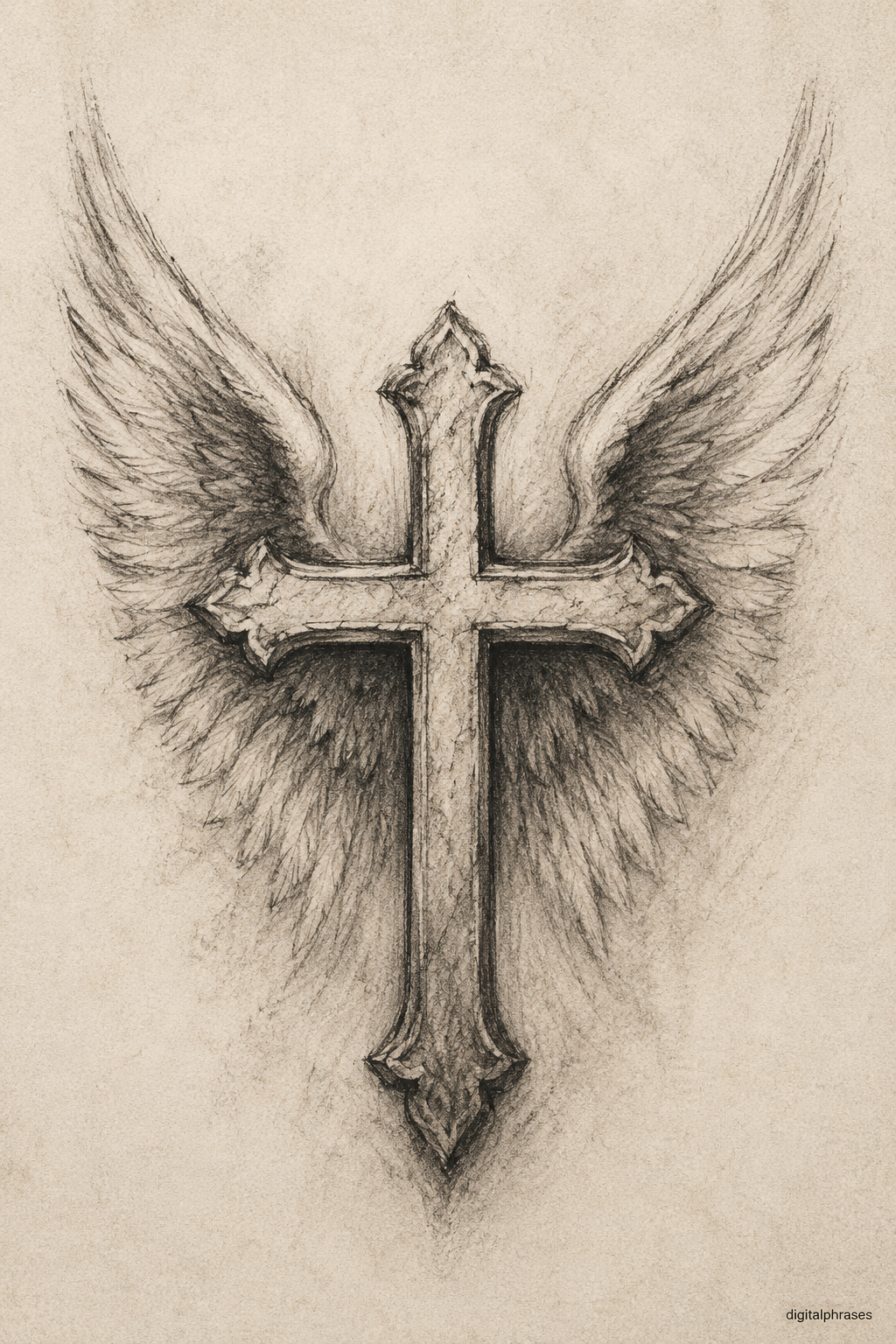
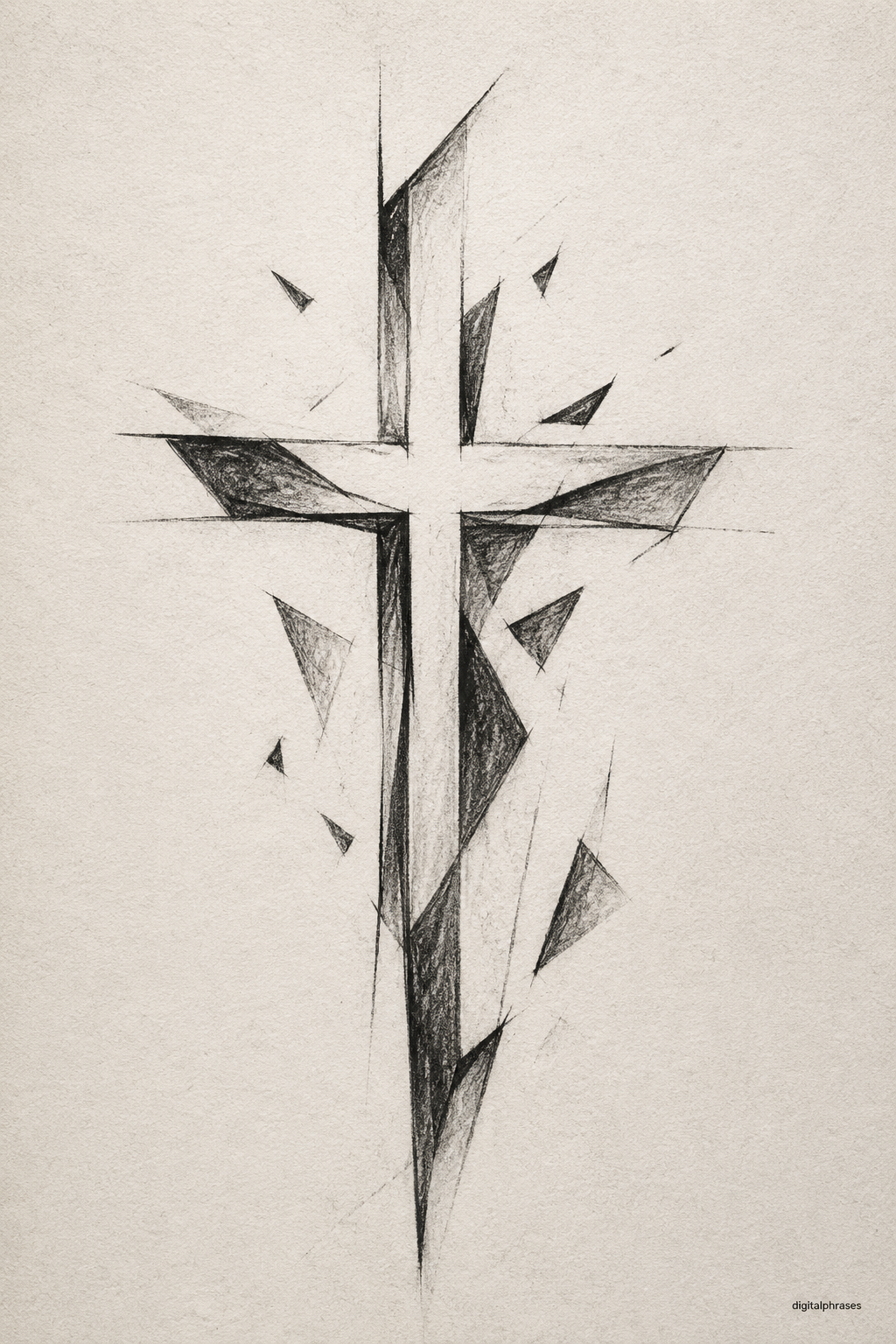
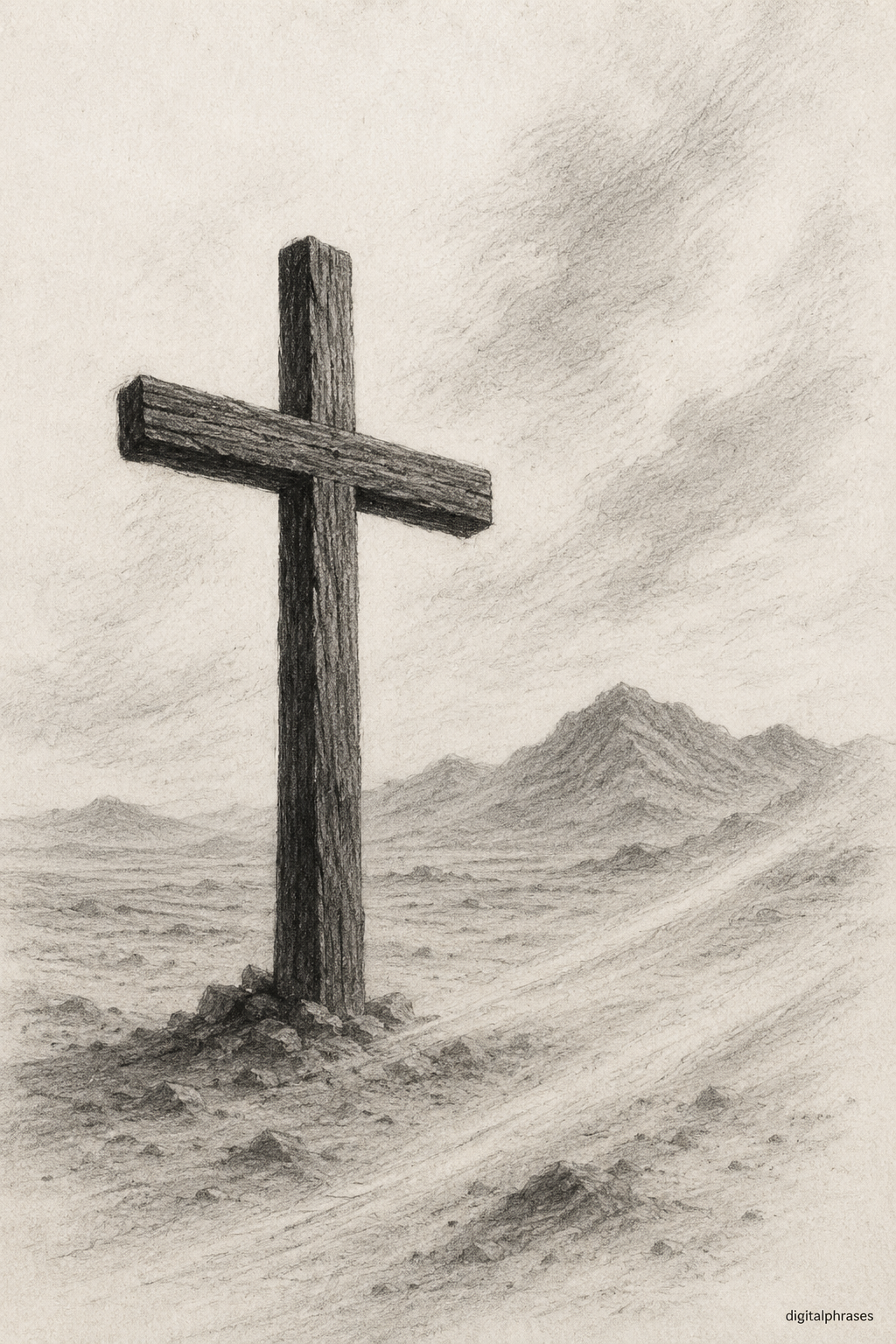
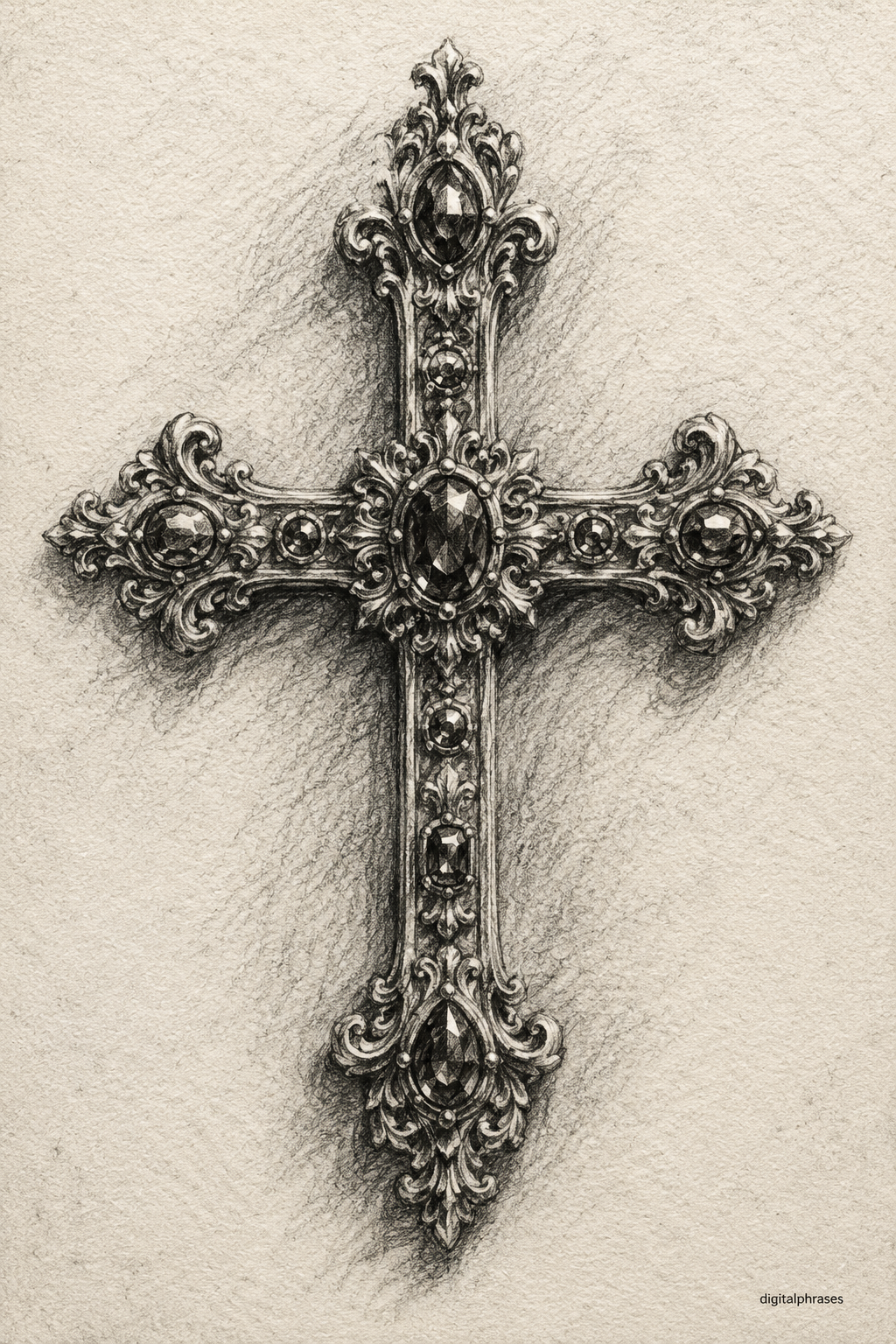
Cross drawings are timeless, meaningful, and surprisingly versatile for artists of every skill level.
In this collection of cross drawing ideas, you’ll find inspiration for peaceful landscapes, symbolic religious themes, decorative patterns, and creative compositions that can improve both your imagination and sketching skills.
These ideas are perfect for beginners practicing basic forms as well as experienced artists looking for fresh inspiration.
Cross Drawing Ideas
1
2
3
4
5
6
7
8
9
10
11
12
13
14
15
16
17
18
19
20
21
22
23
24
25
26
Tips For Drawing The Cross
Start With the Basic Structure
Before adding details, lightly sketch the main proportions of the Christian cross. Use simple vertical and horizontal guide lines to establish balance and symmetry. The vertical beam is usually longer, while the horizontal beam sits slightly above the center rather than directly in the middle.
Keeping your framework light allows you to erase and refine easily later. Think about the emotional tone you want as well — a tall narrow cross can feel dramatic and solemn, while a broader cross may appear more grounded and powerful. Practicing different proportions will help you discover a style that matches your artistic vision.
Focus on Texture and Material
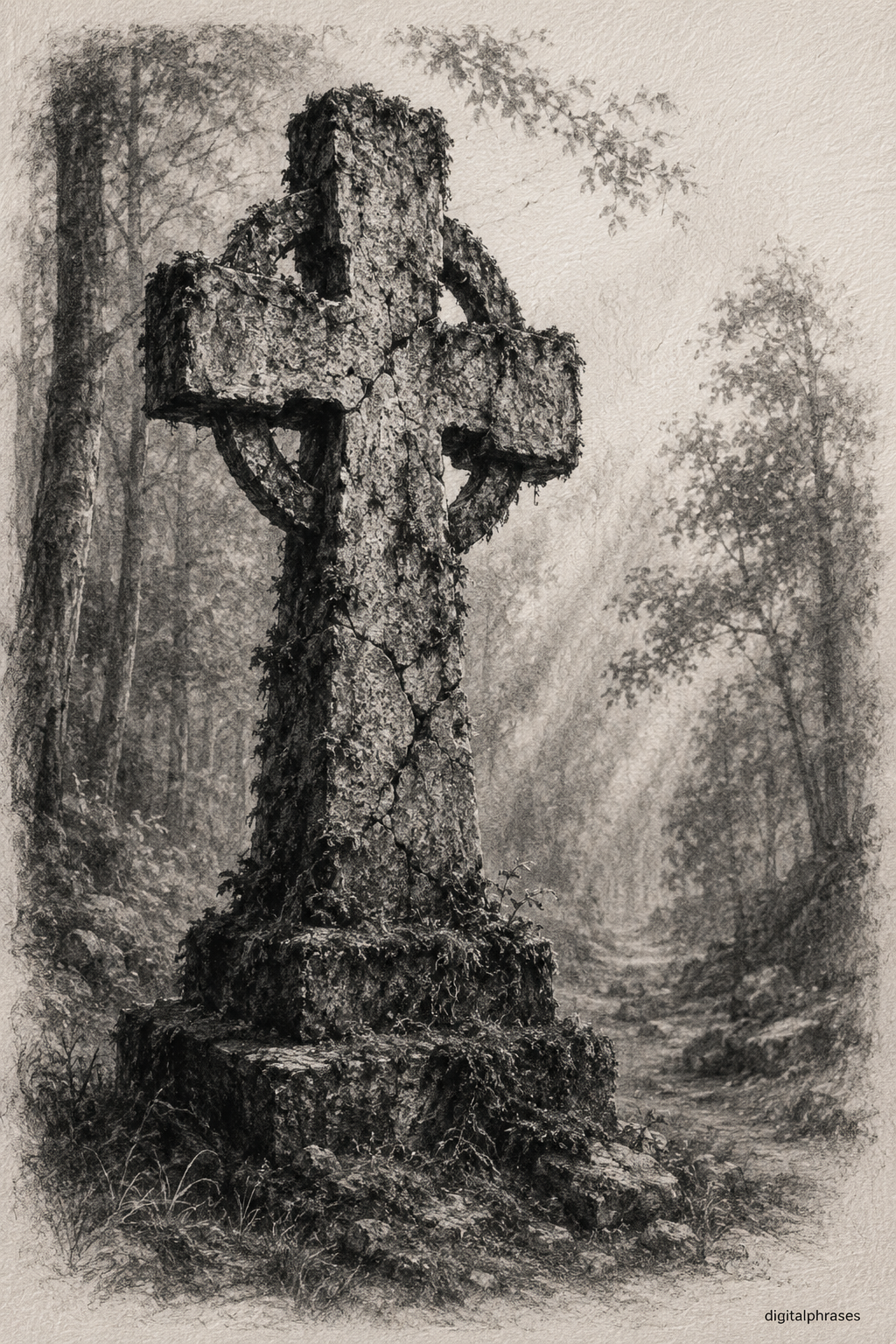
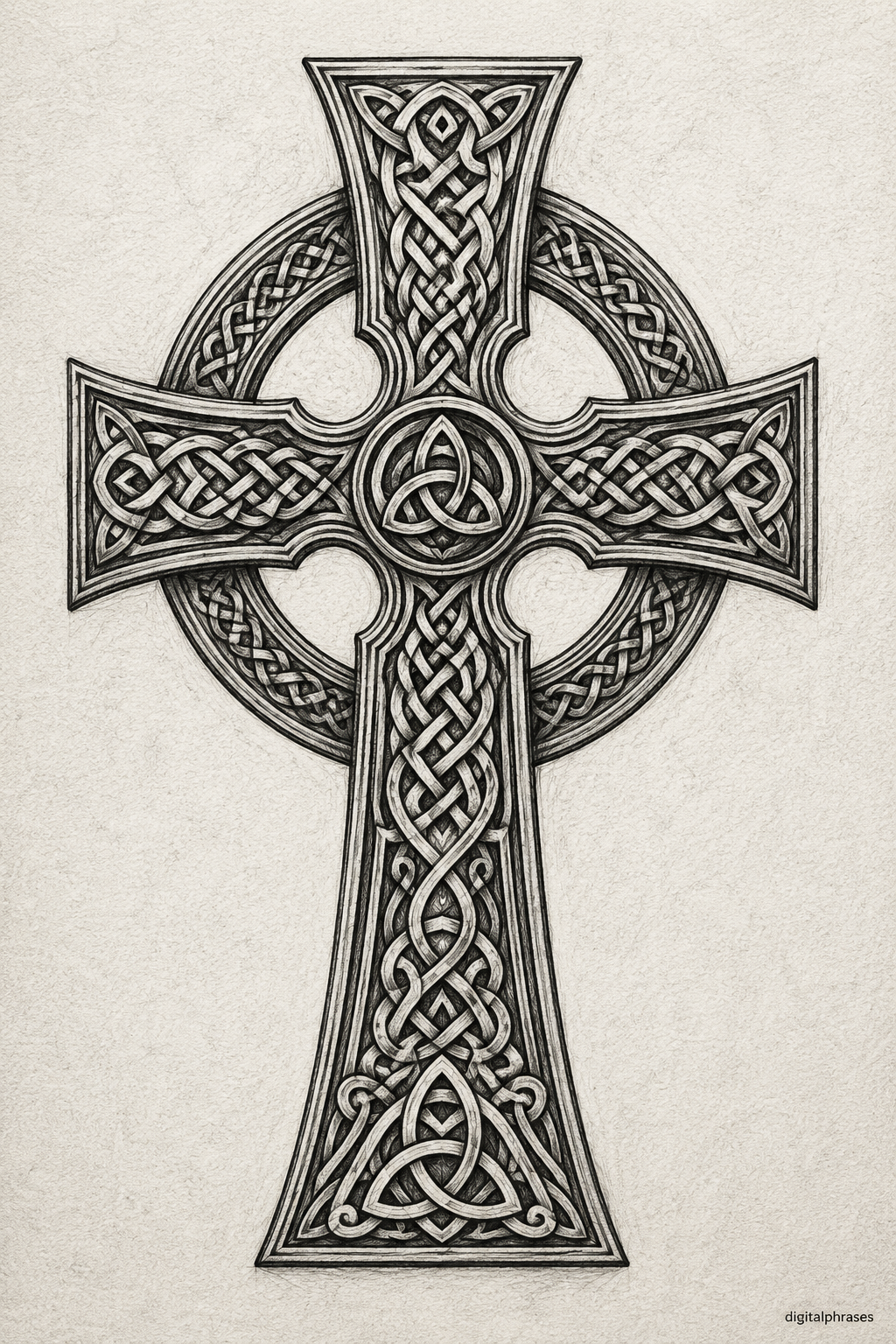
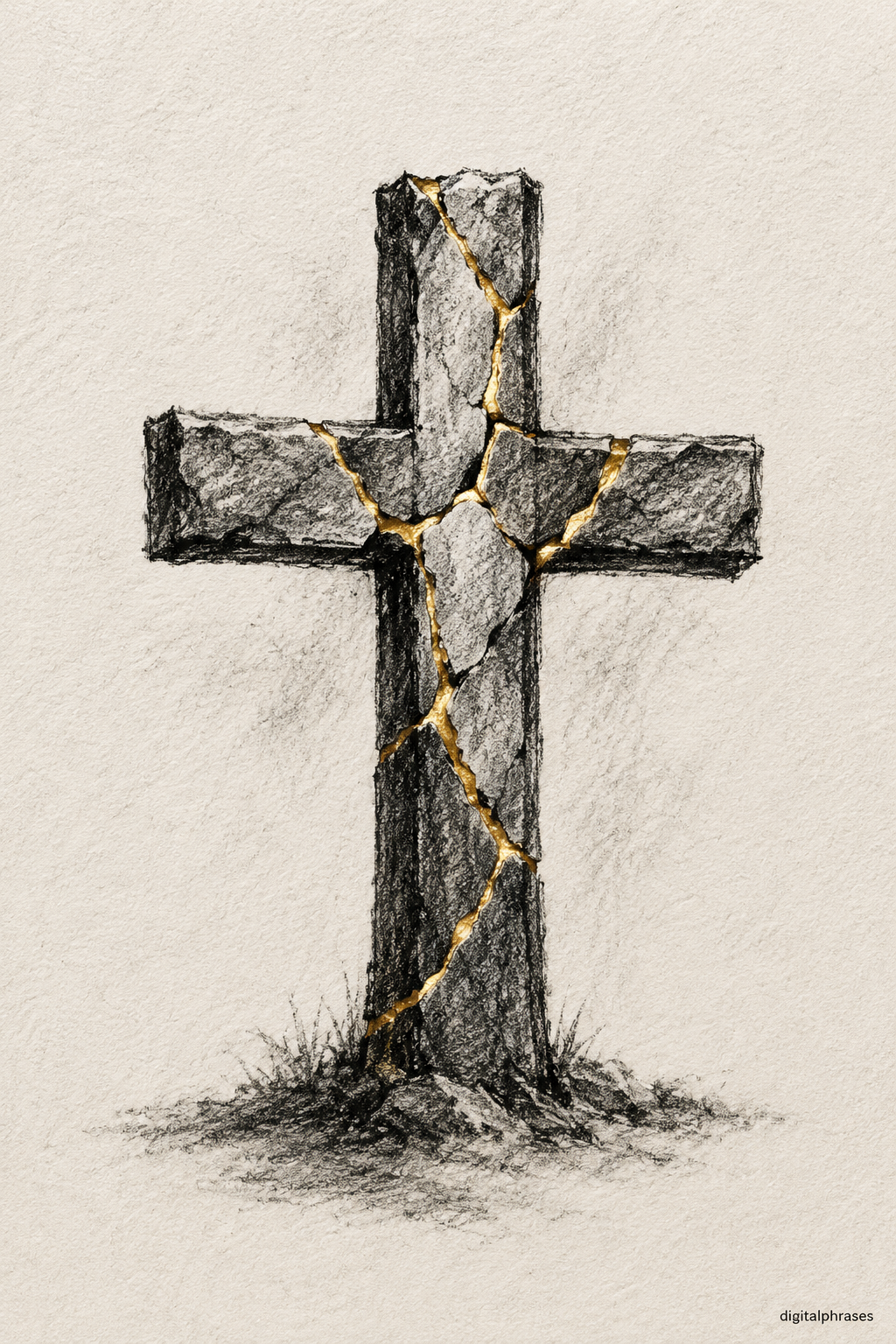
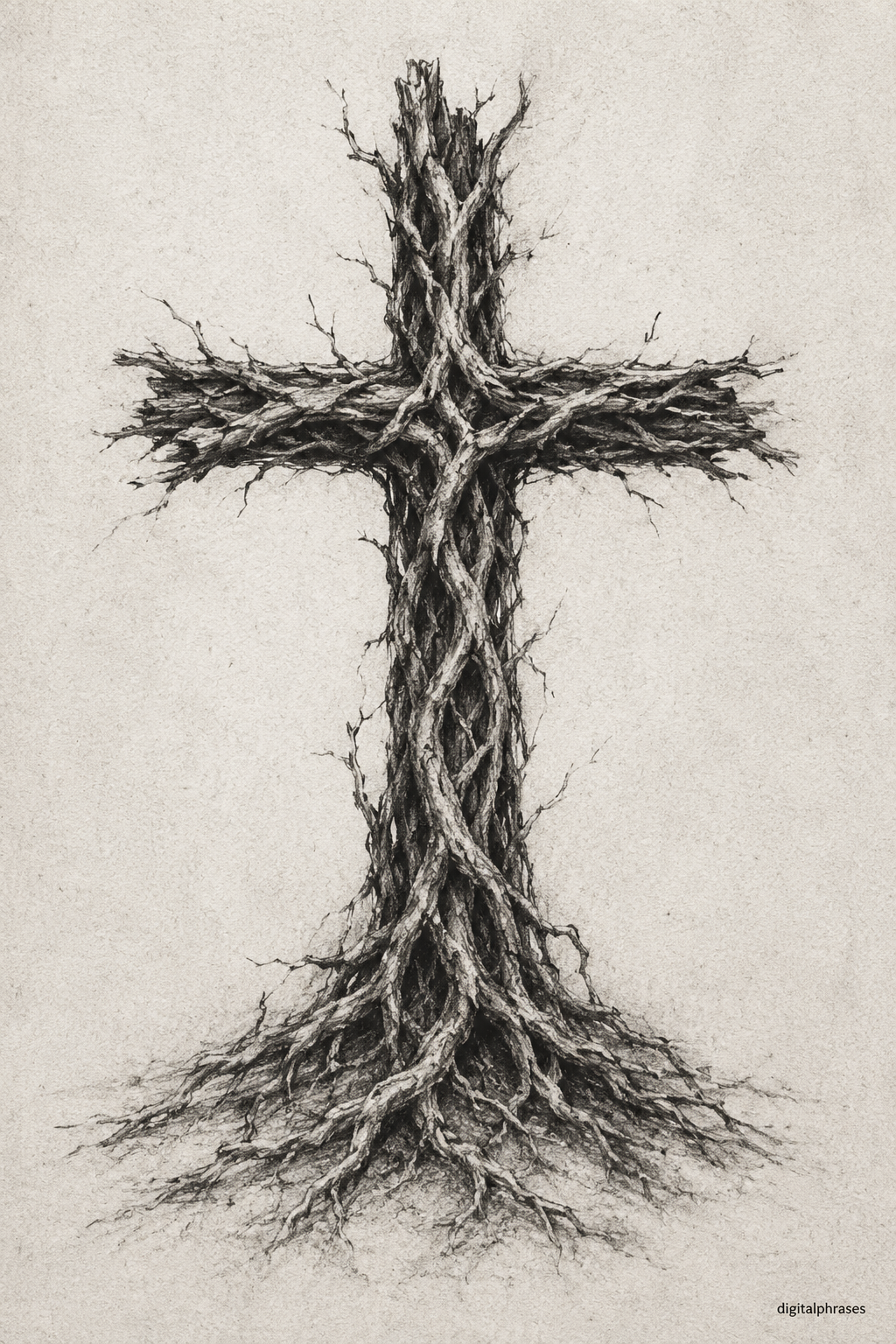
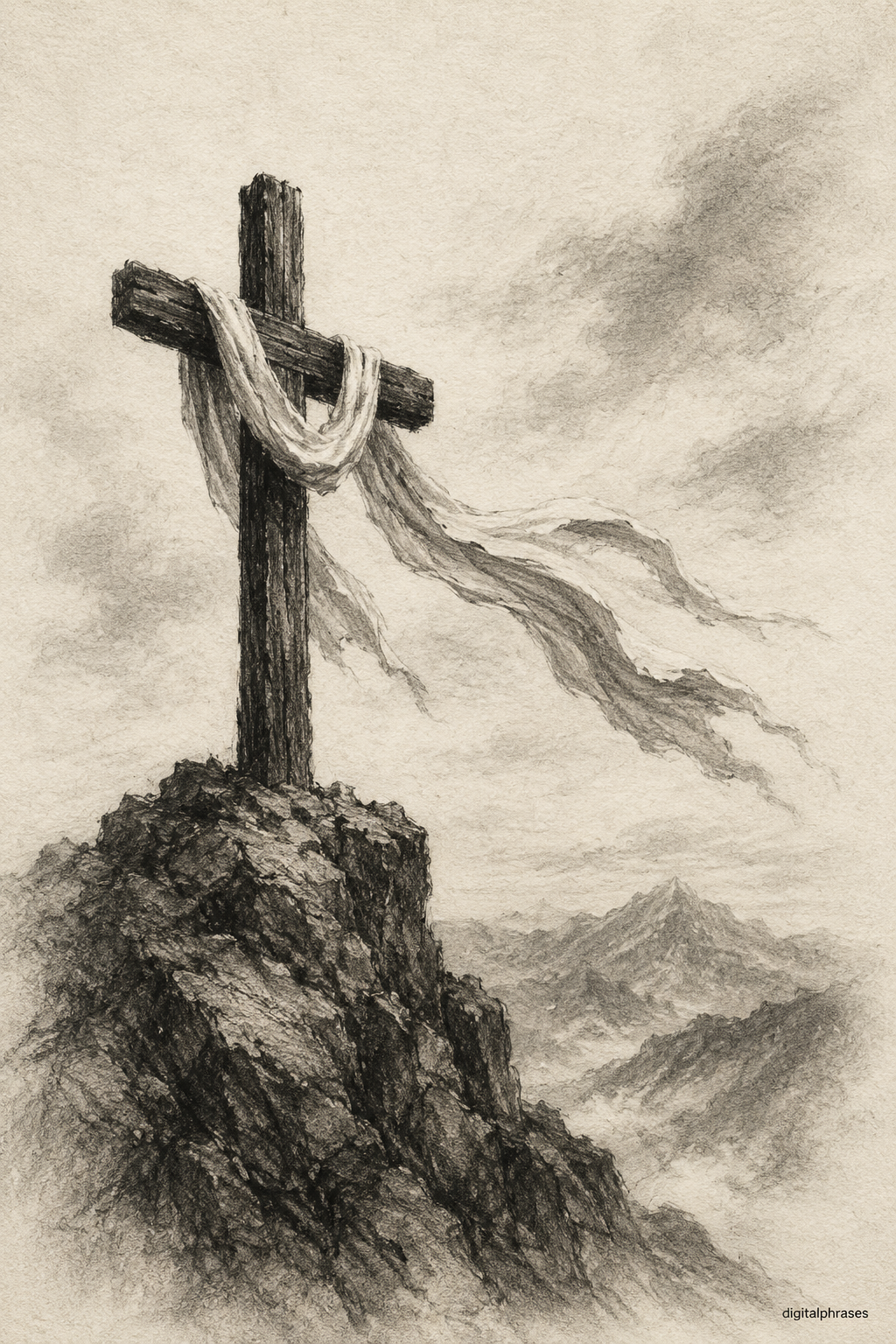
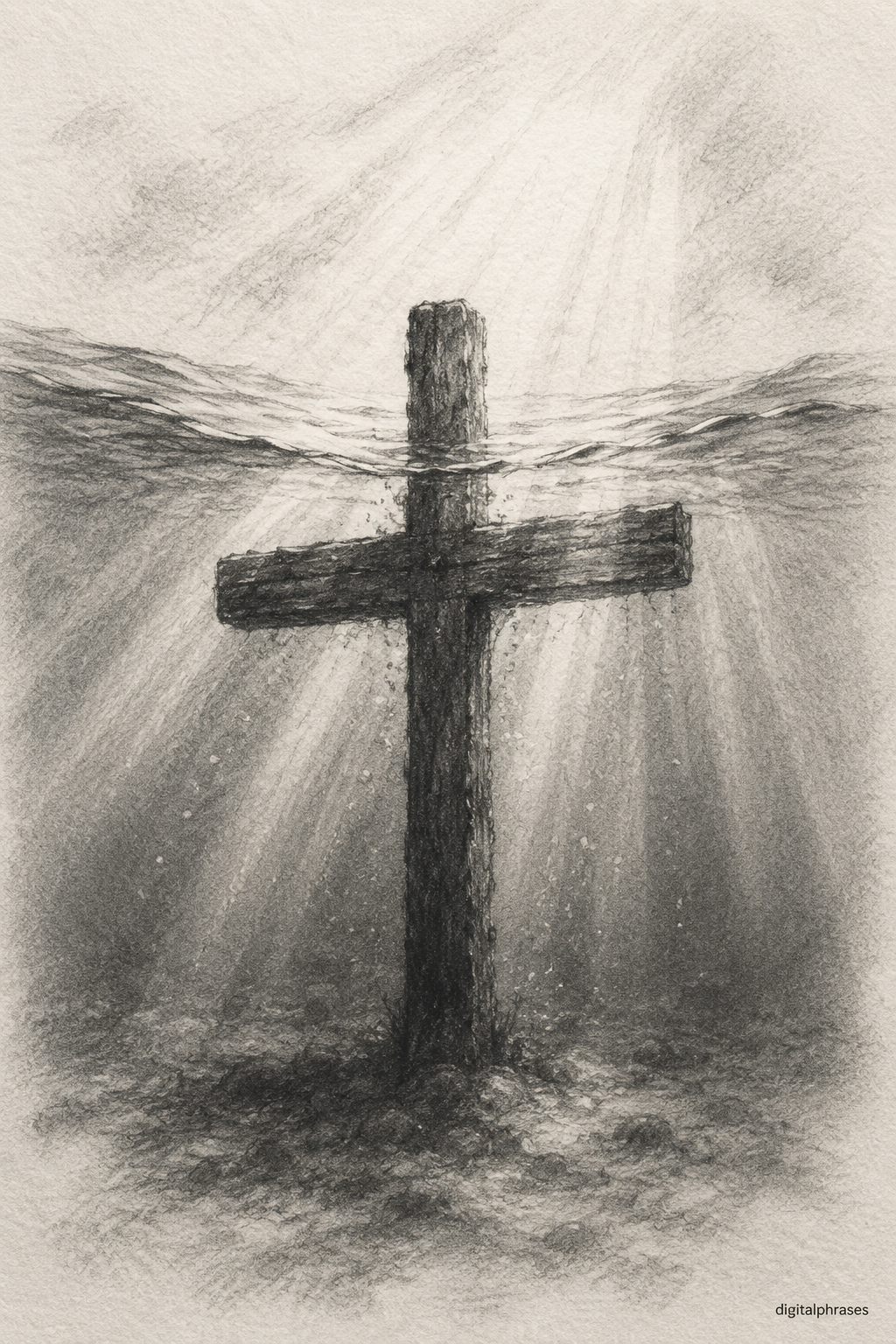
A cross becomes far more visually interesting when the material feels believable. Decide whether your cross is made from rough wood, polished stone, old metal, or carved marble.
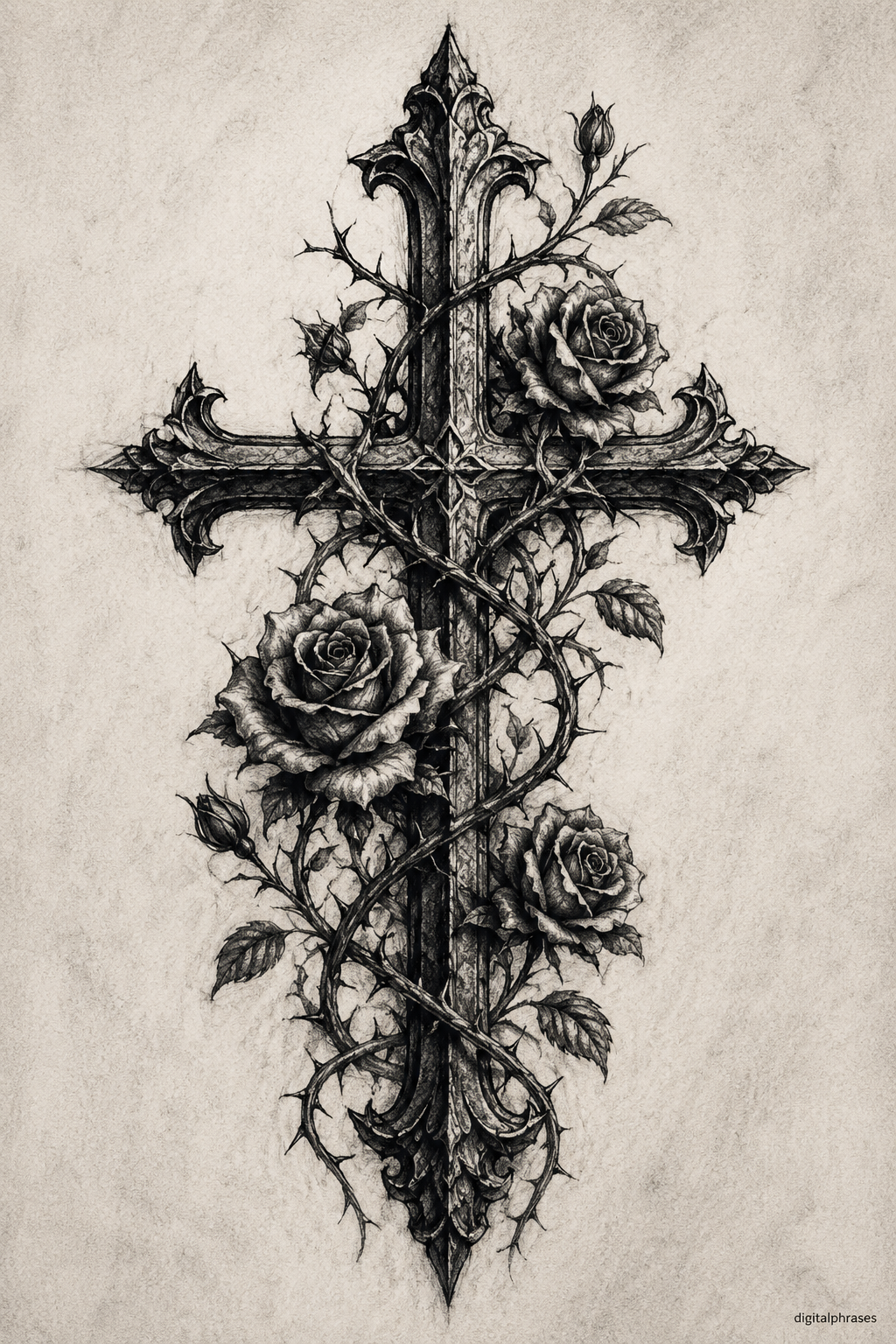
Use shading and line direction to suggest texture. For wooden crosses, draw grain lines, cracks, and uneven edges. Stone crosses benefit from chipped surfaces and weathered shading. Metallic crosses often need stronger highlights and darker contrast to create a reflective appearance.
Texture gives emotional depth to the artwork and helps communicate age, history, and symbolism without needing extra elements in the scene.
Use Lighting to Create Emotion
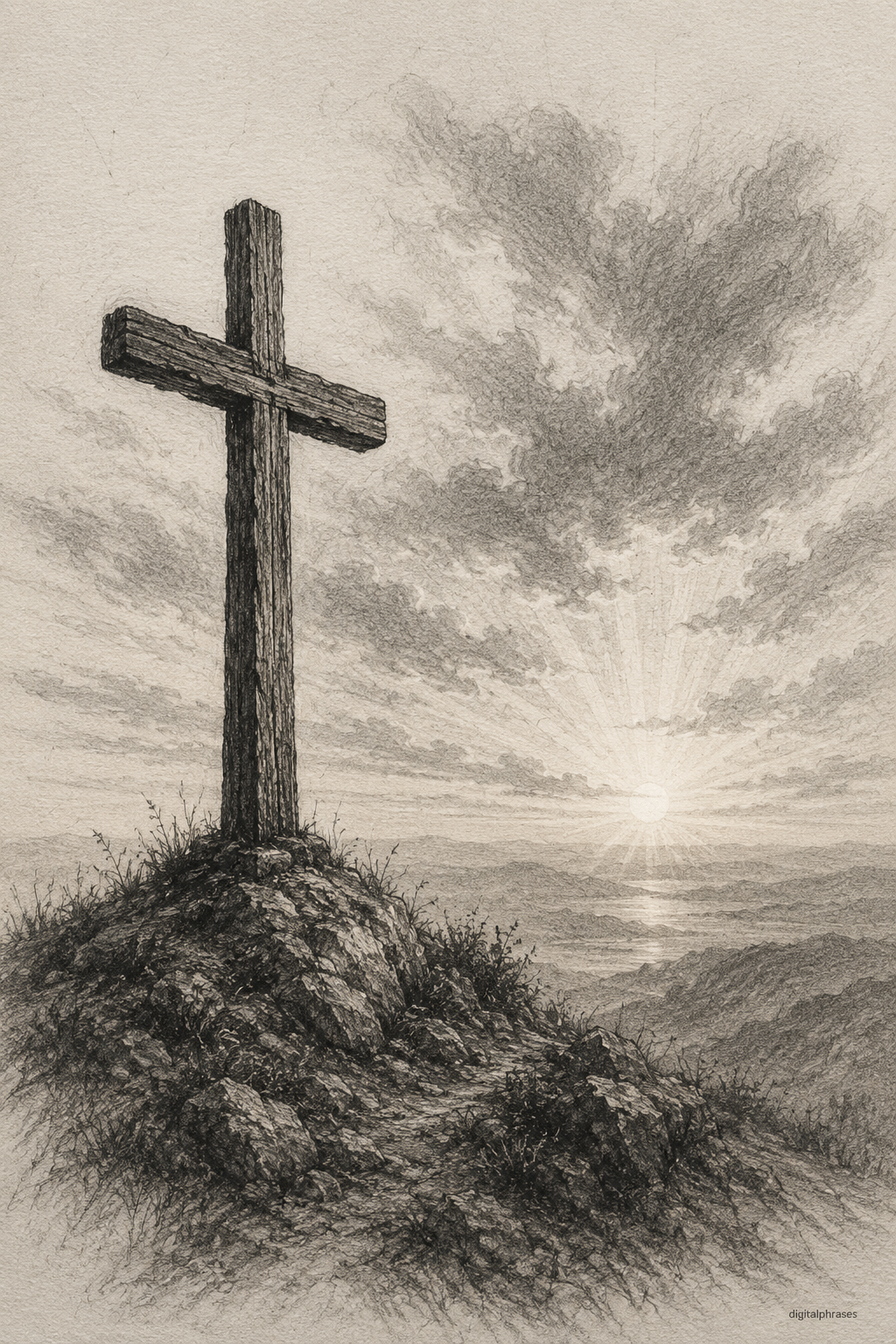
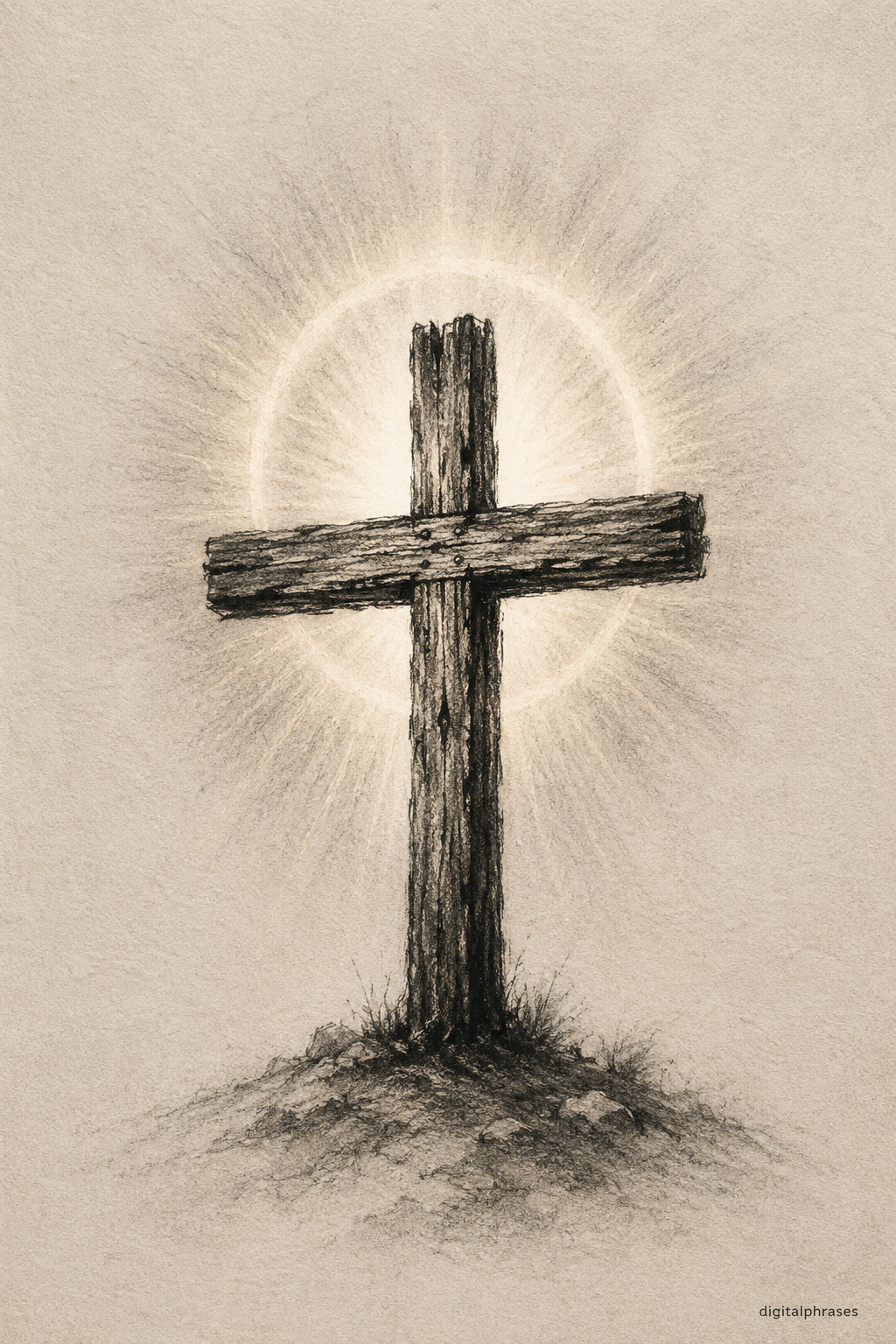
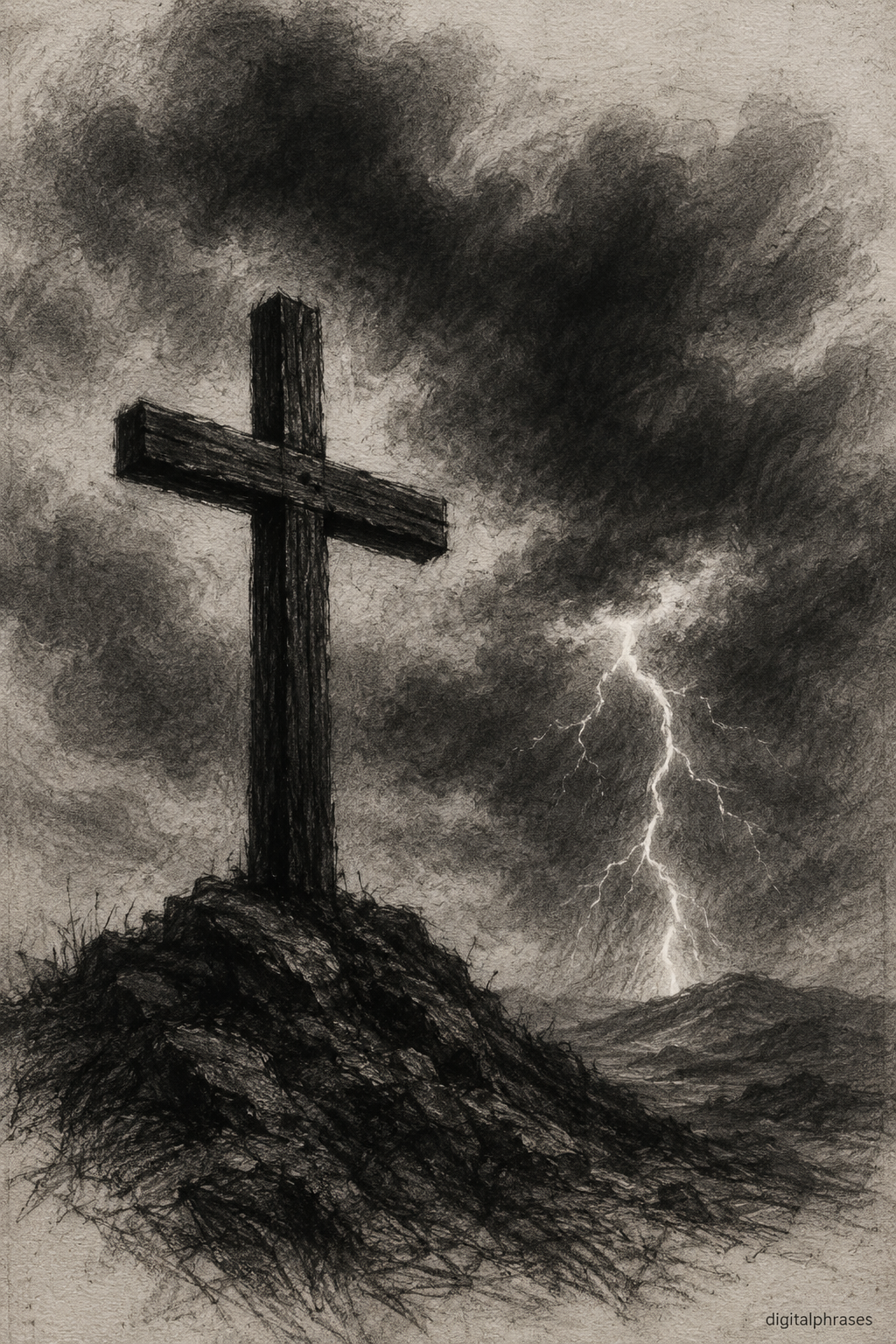
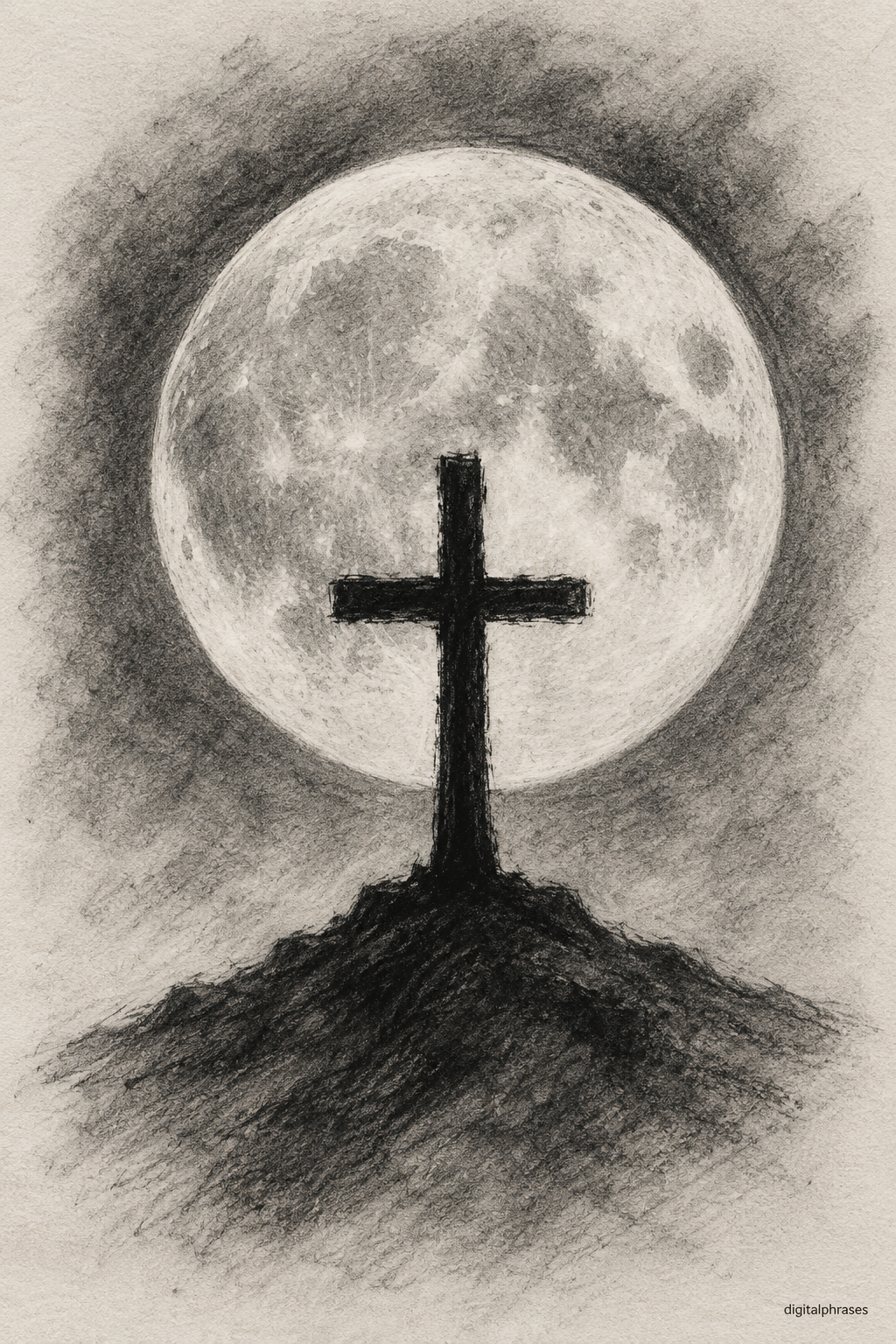
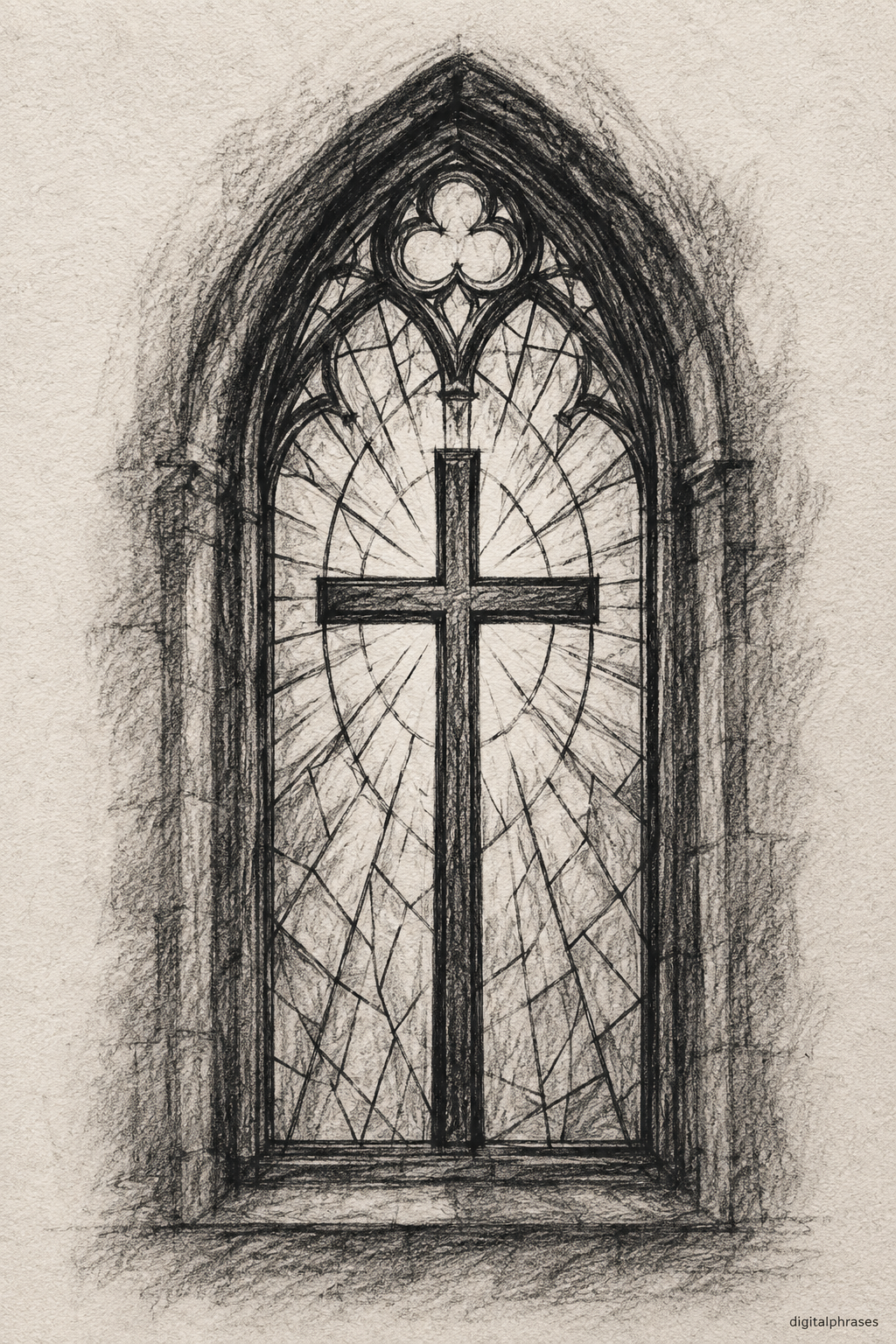
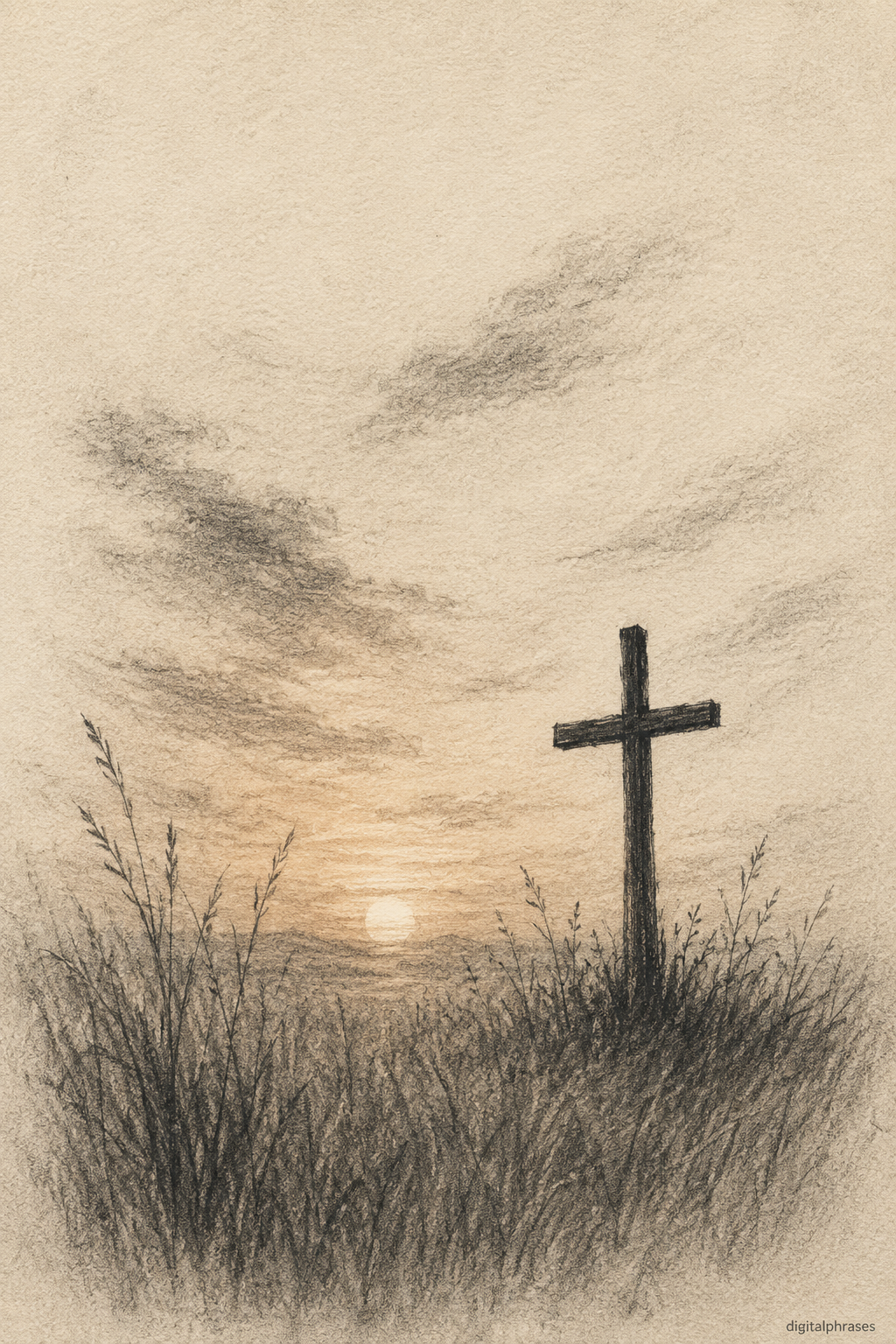
Lighting can completely transform the mood of your cross drawing. A soft sunrise behind the cross creates peace and hope, while dramatic side lighting adds mystery and intensity. Try choosing a single light source before you begin shading.
This helps maintain consistency throughout the sketch. Deep shadows around the base can make the cross feel monumental, while glowing edges can create a spiritual atmosphere.
Even a simple pencil sketch can feel cinematic when the light and shadow are thoughtfully planned. Experimenting with different lighting angles will improve both realism and emotional storytelling.
Add Symbolic Surroundings
The cross often becomes more meaningful when paired with symbolic elements.
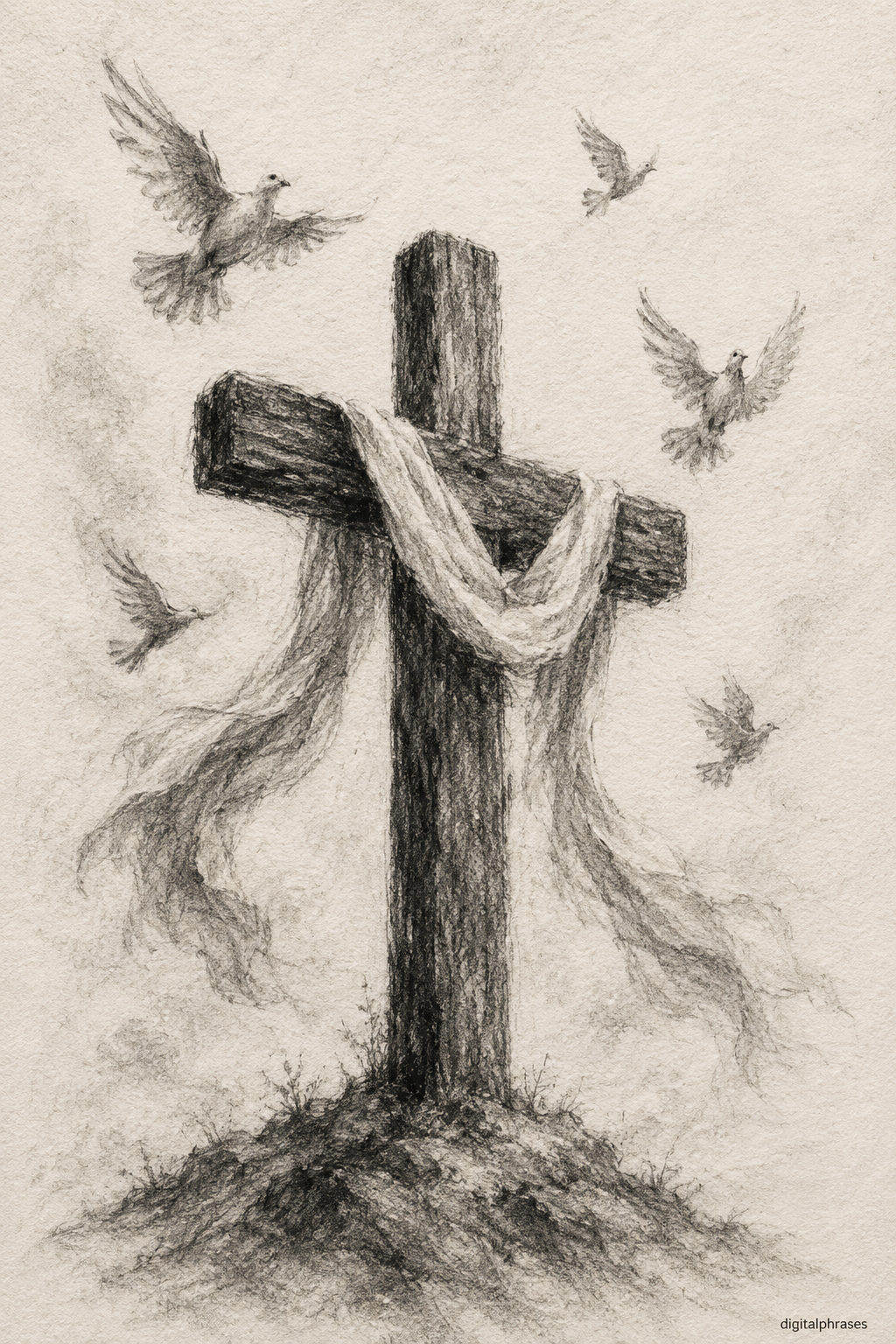
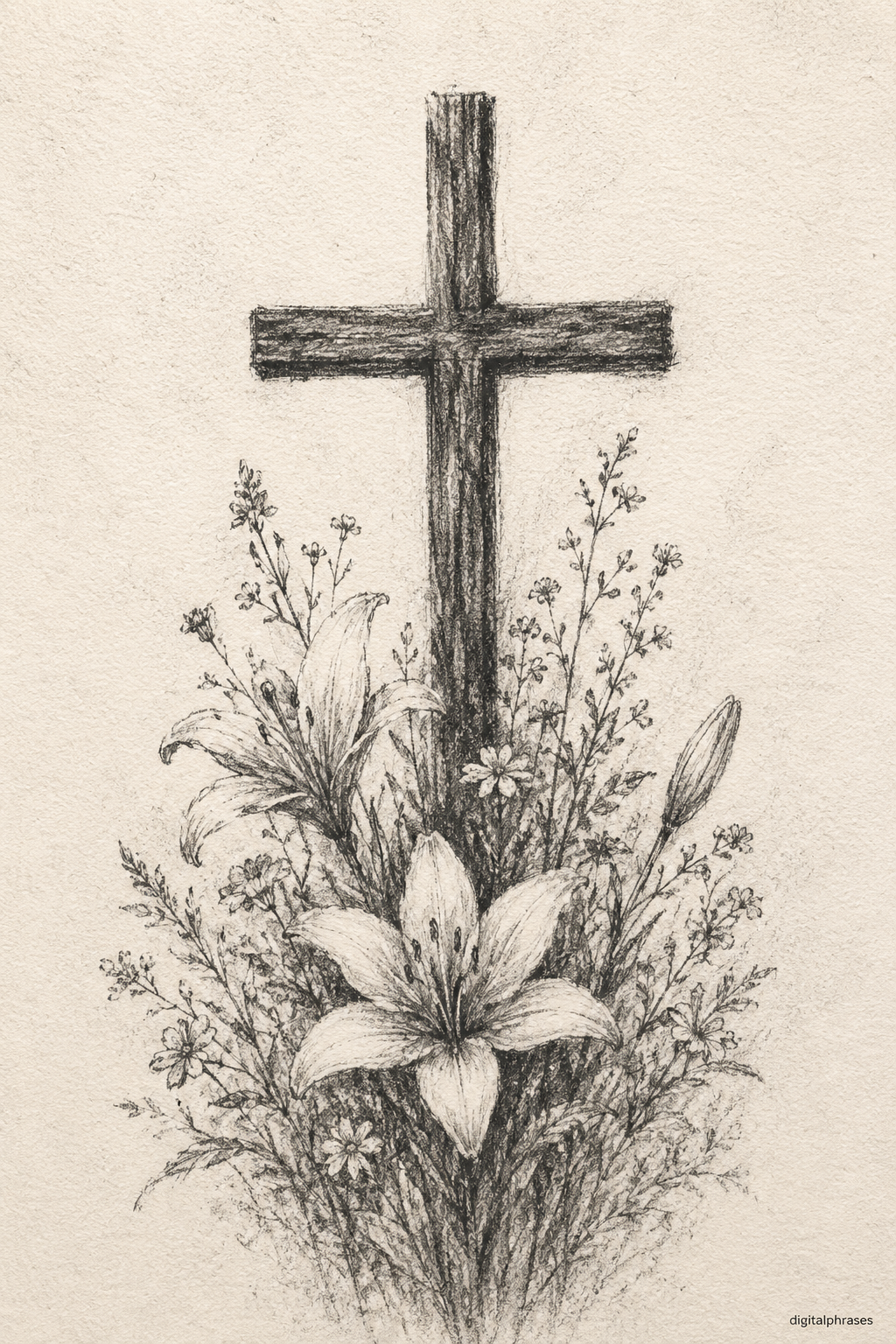
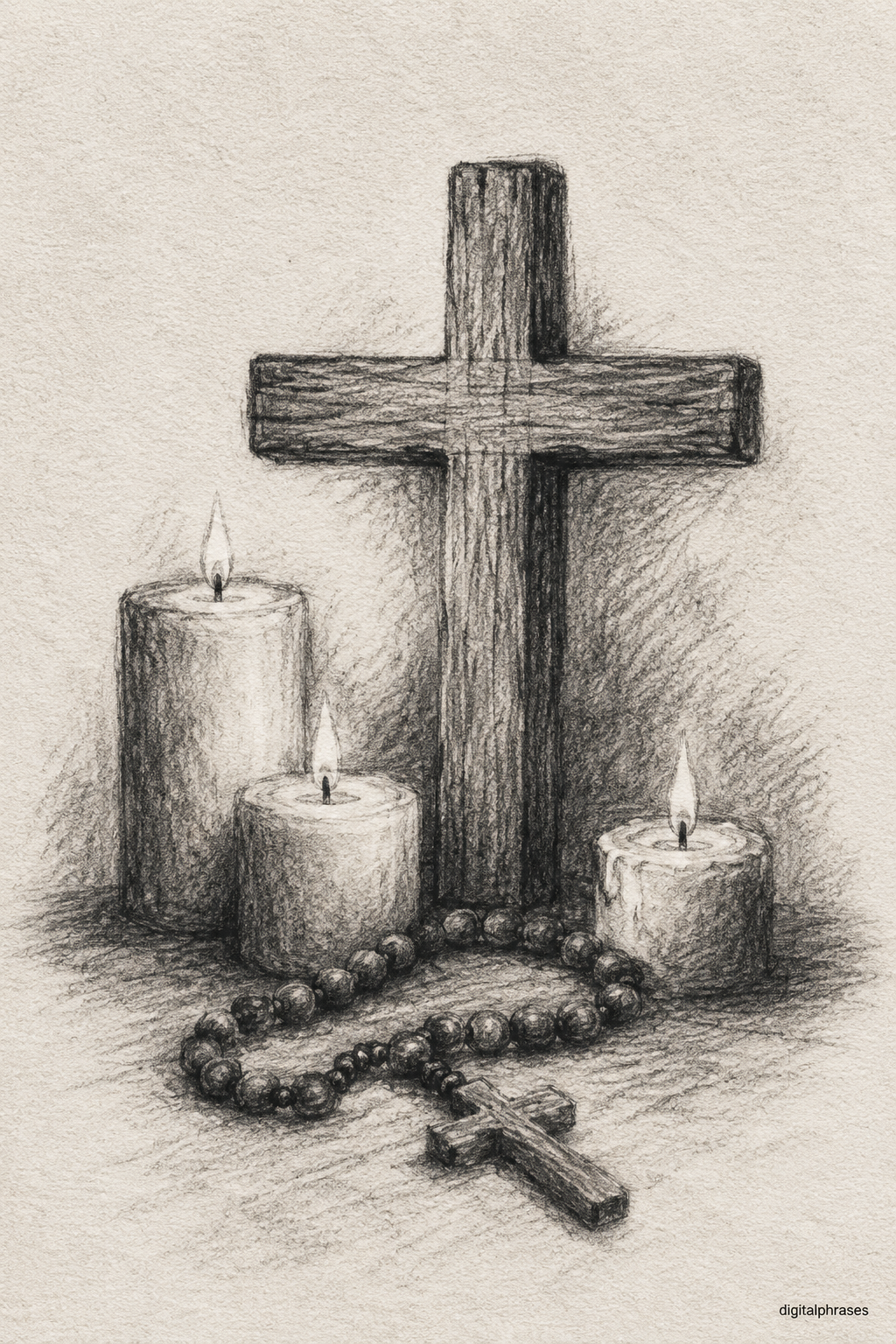
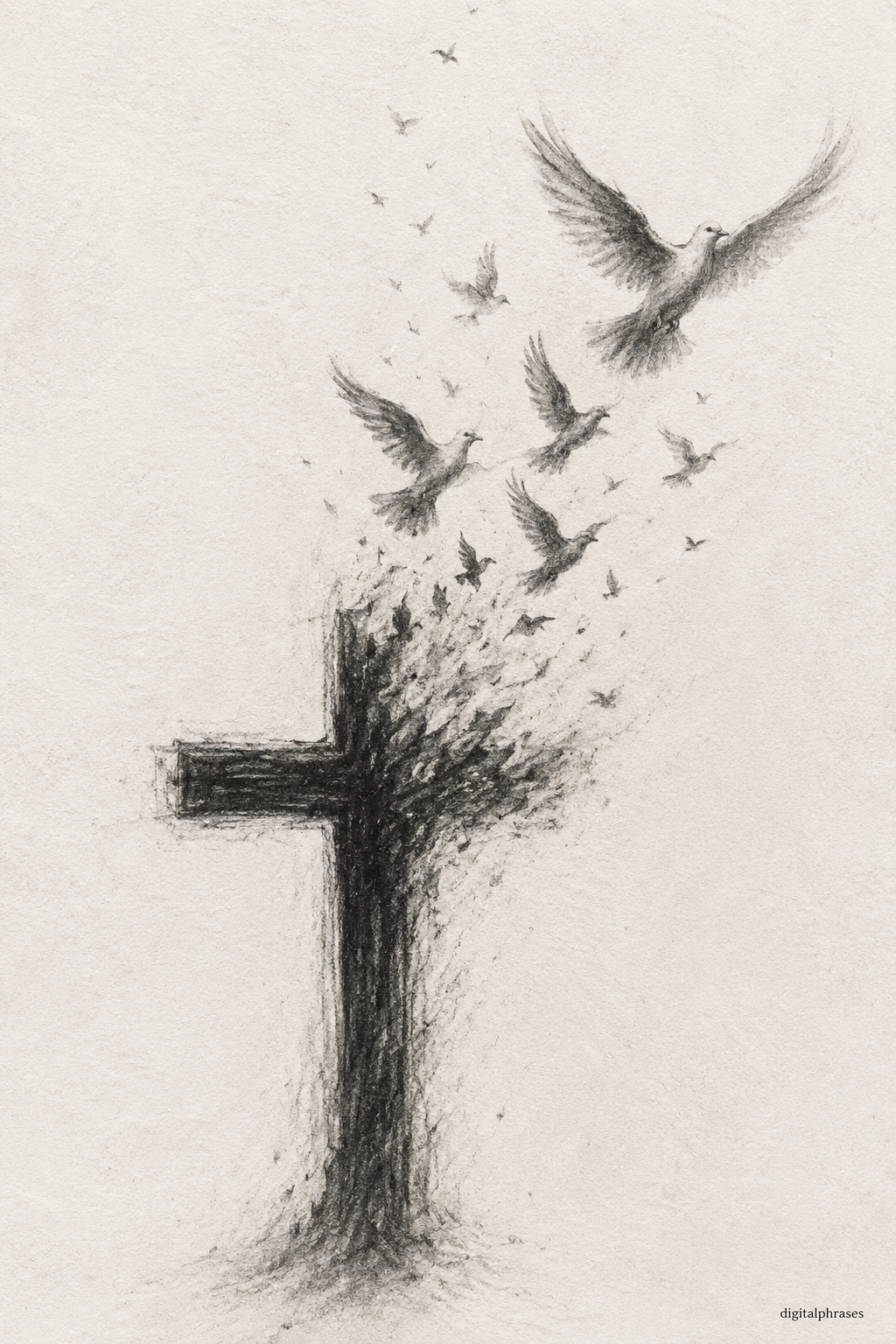
You can include doves, roses, clouds, candles, mountains, flowing cloth, or rays of light to enrich the composition. Keep the cross as the main focal point, but use surrounding objects to guide the viewer’s eye toward it. Background elements should support the message rather than overpower the design.
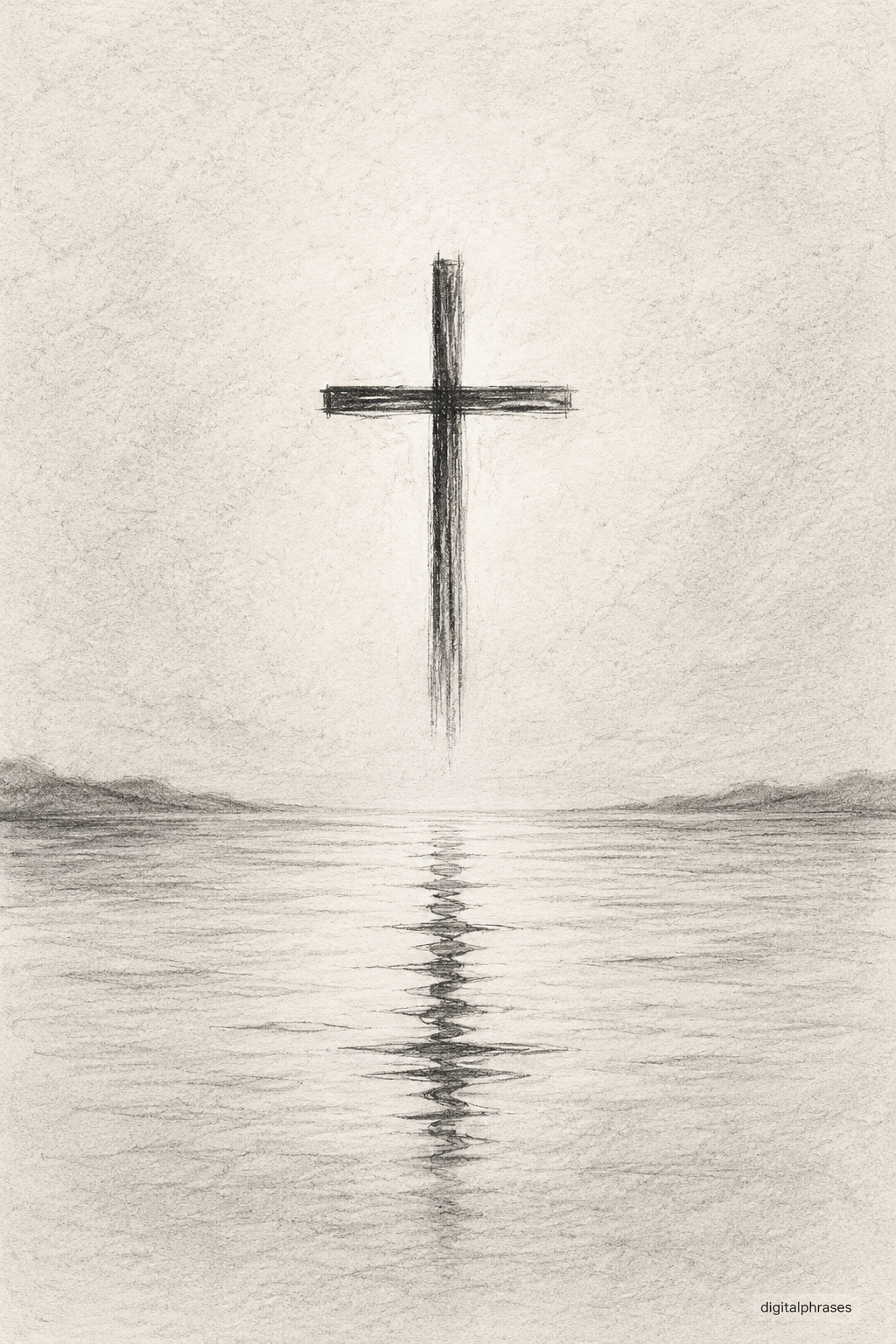
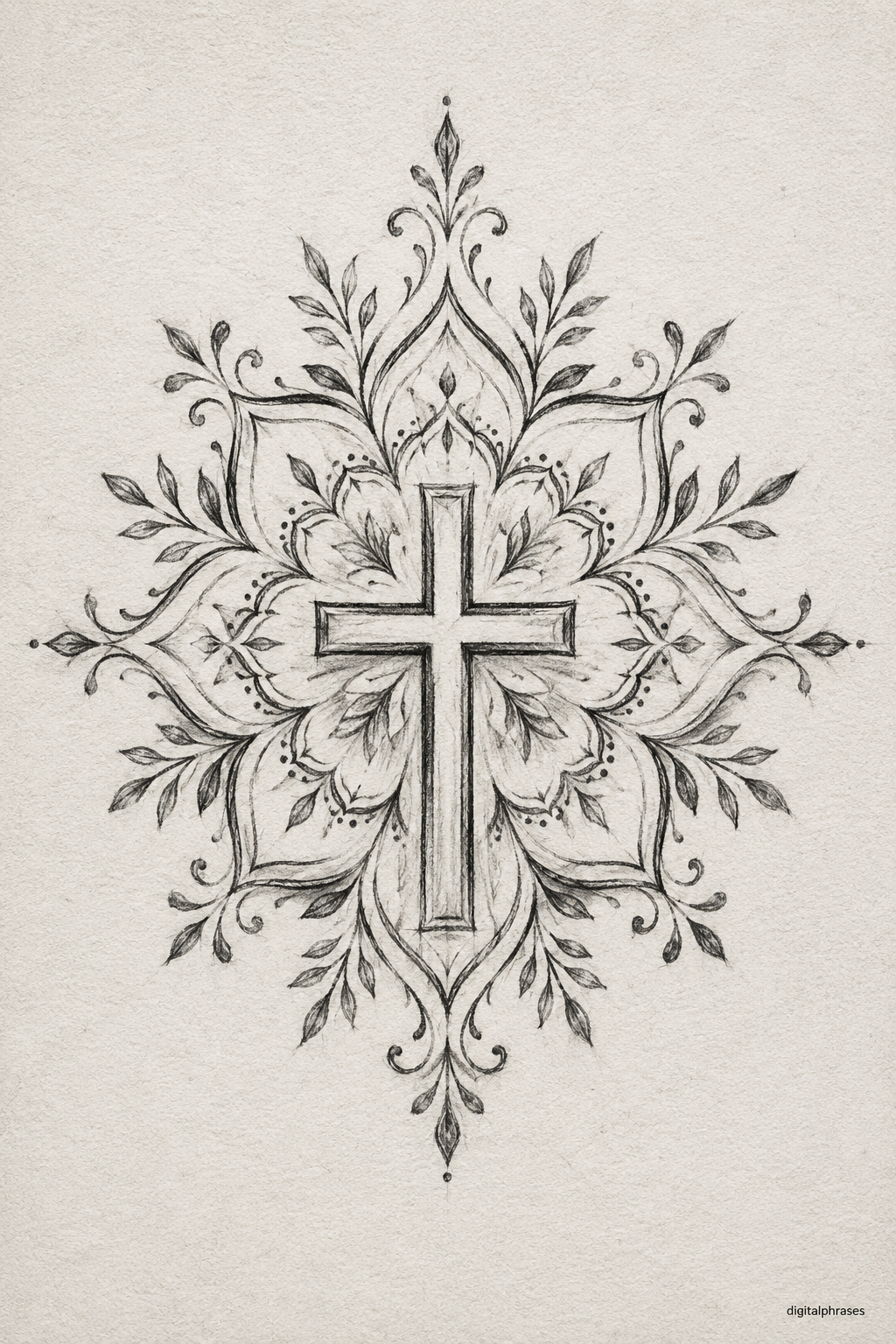
A quiet landscape may emphasize solitude and reflection, while floral details can symbolize hope and renewal. Thoughtful symbolism adds narrative depth and makes the artwork feel more personal and memorable.
Practice Clean and Confident Line Work
Strong line control is essential when drawing crosses, especially in sketch or ink styles. Avoid repeatedly scratching over the same lines, as this can make the drawing look messy. Instead, use smooth confident strokes whenever possible. Start lightly and gradually darken the final lines once the proportions are correct.
Varying line thickness also helps create depth and emphasis. Thicker outer edges can make the cross stand out, while finer internal details maintain elegance. Consistent practice with clean line work improves both precision and overall artistic confidence.