26 Ghostface (Scream) Drawing Ideas
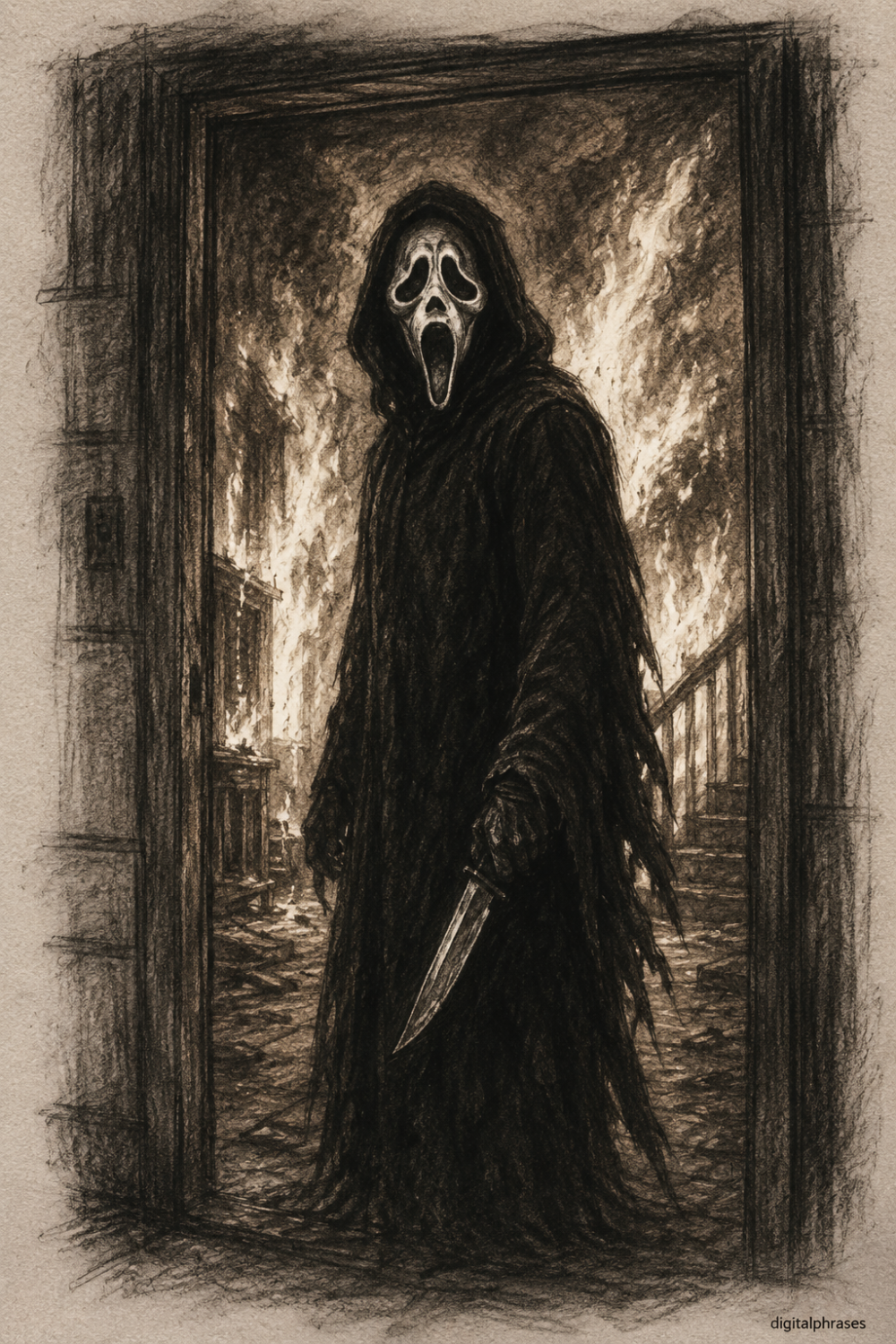
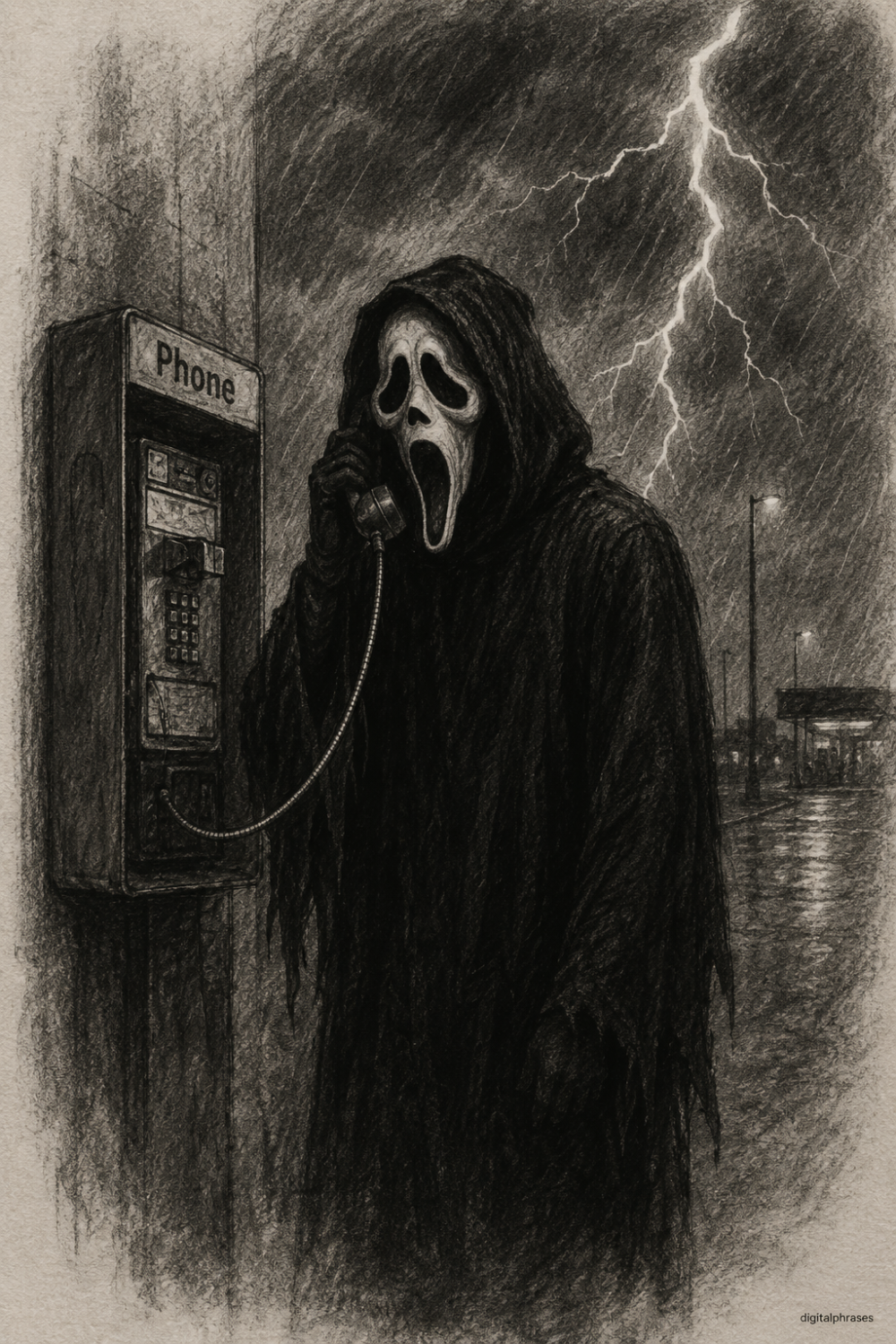
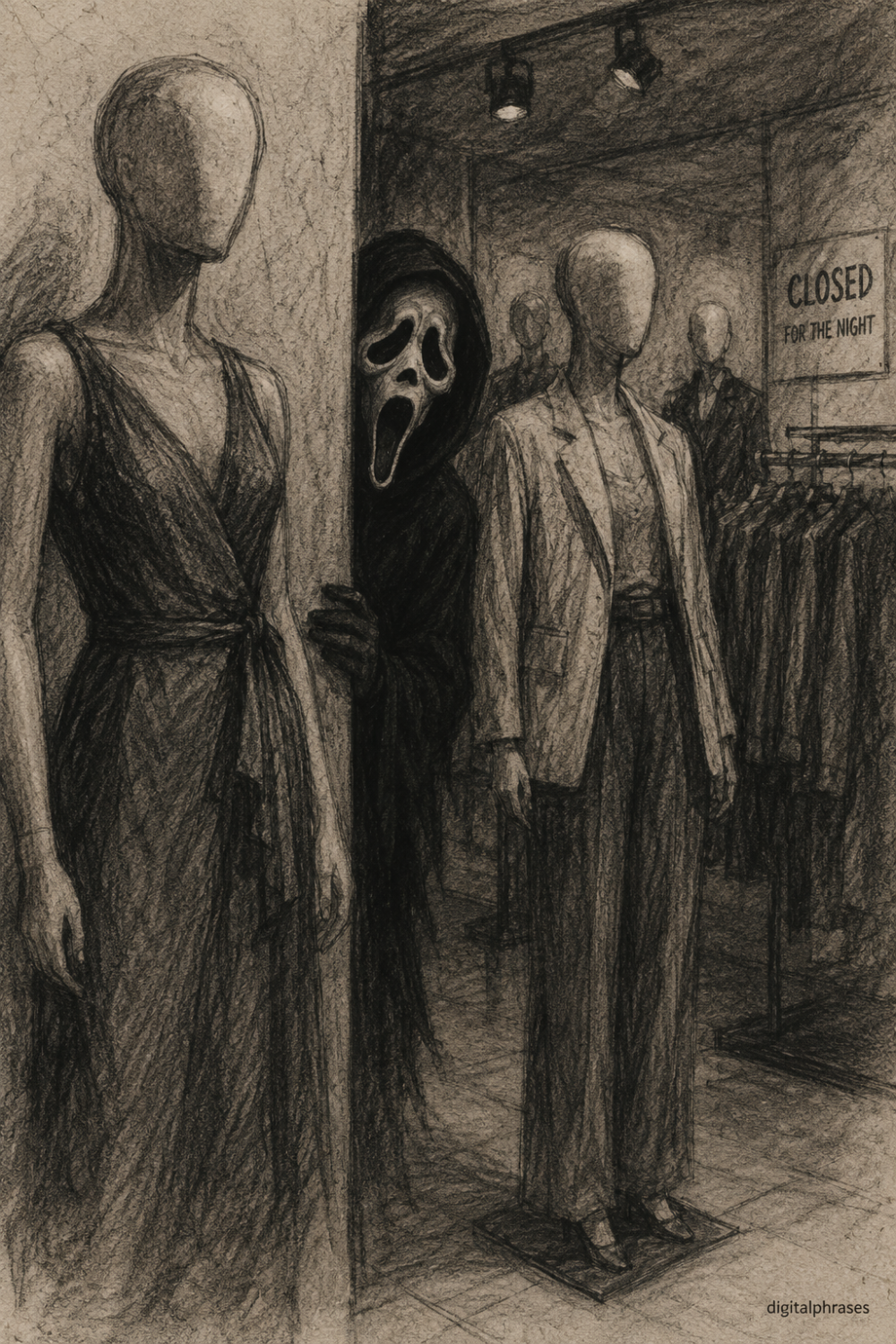
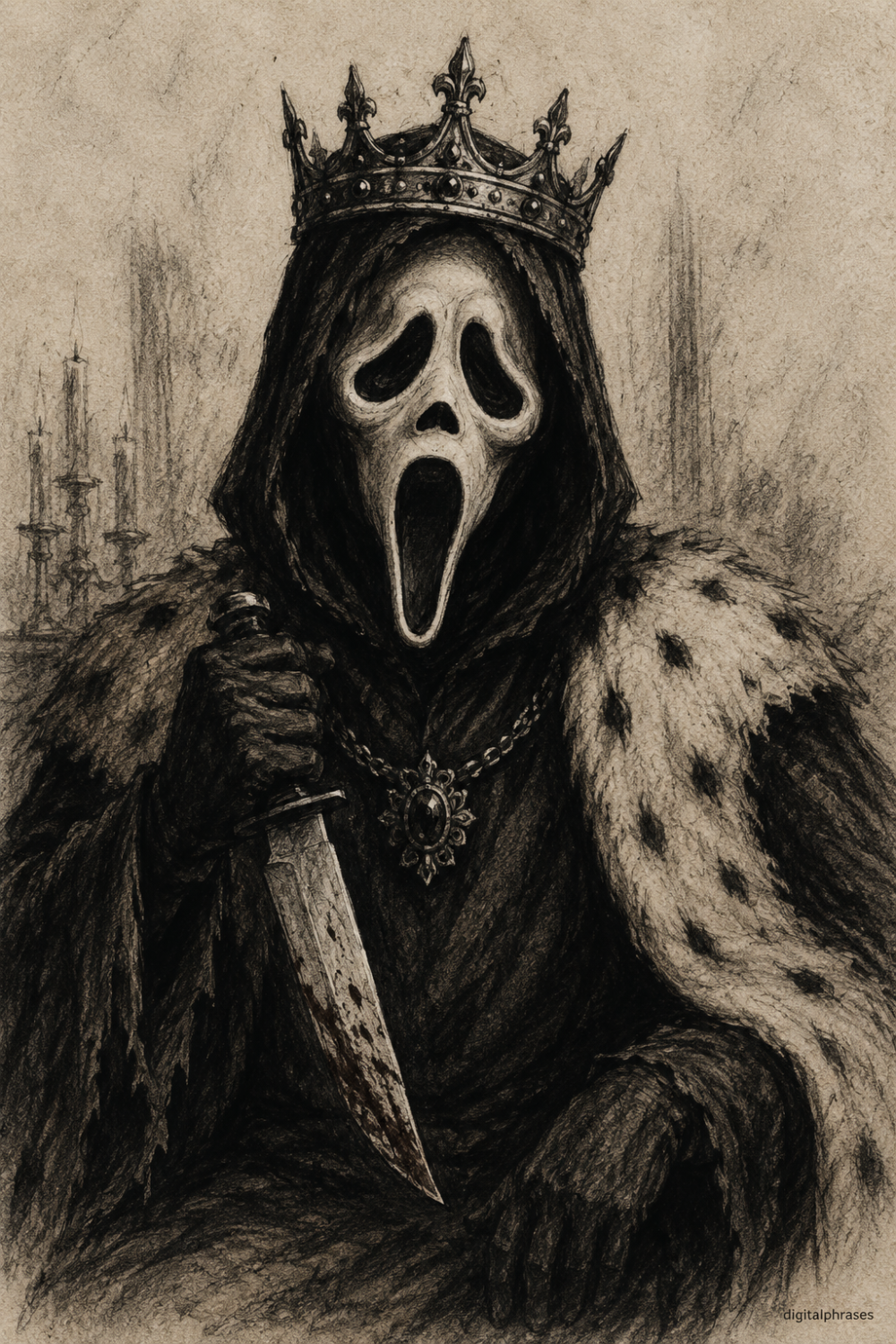
If you’re a horror fan or just enjoy creepy character art, Ghostface from the Scream is one of the most fun villains to draw.
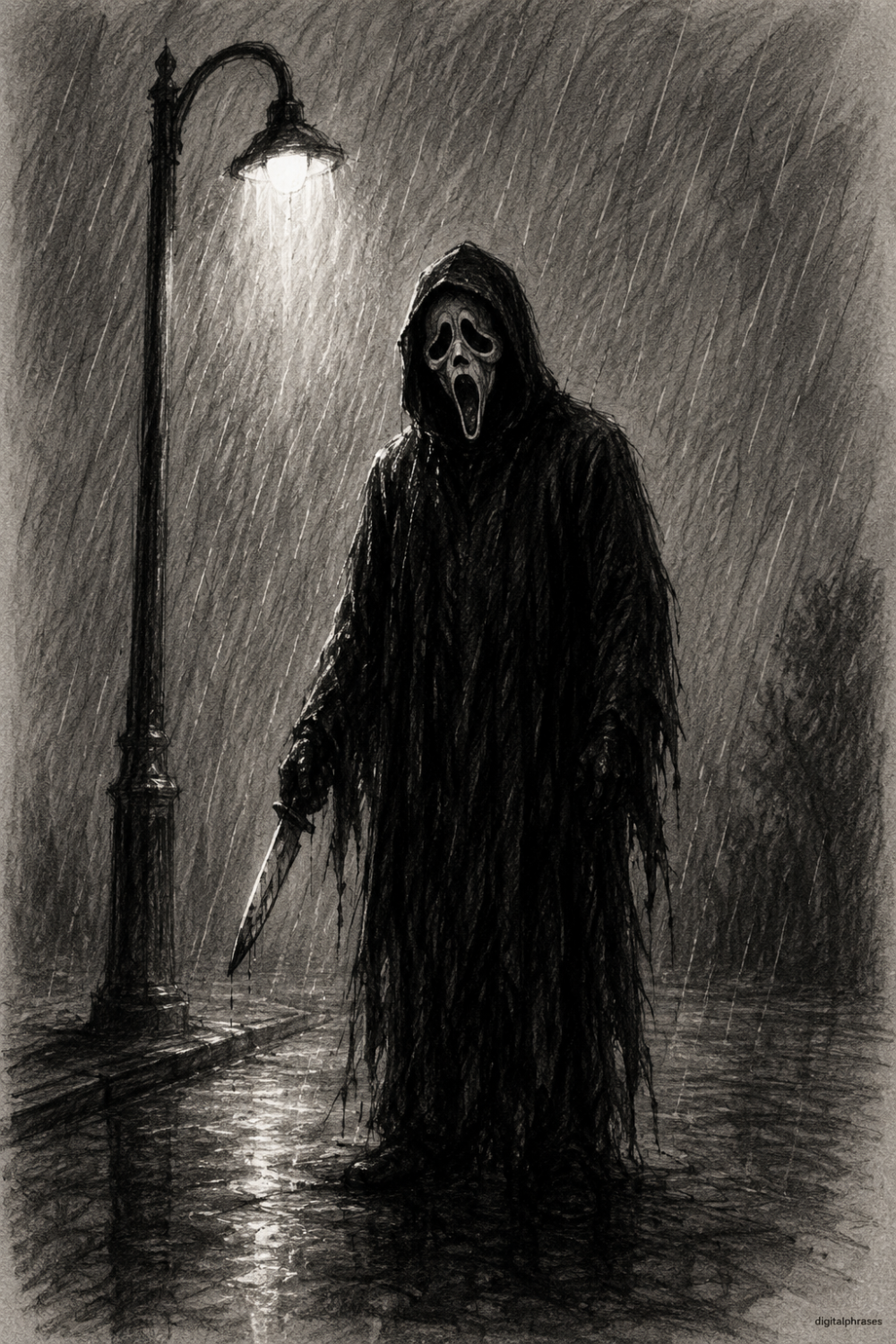
The mask is simple but instantly recognizable, and the flowing black robe gives you plenty of ways to experiment with shadows, poses, and dramatic scenes.
In this list, you’ll find a lot of drawing ideas ranging from classic slasher scenes to more stylized and imaginative concepts to help inspire your next horror sketch.
Ghostface (Scream) Drawing Ideas
1
2
3
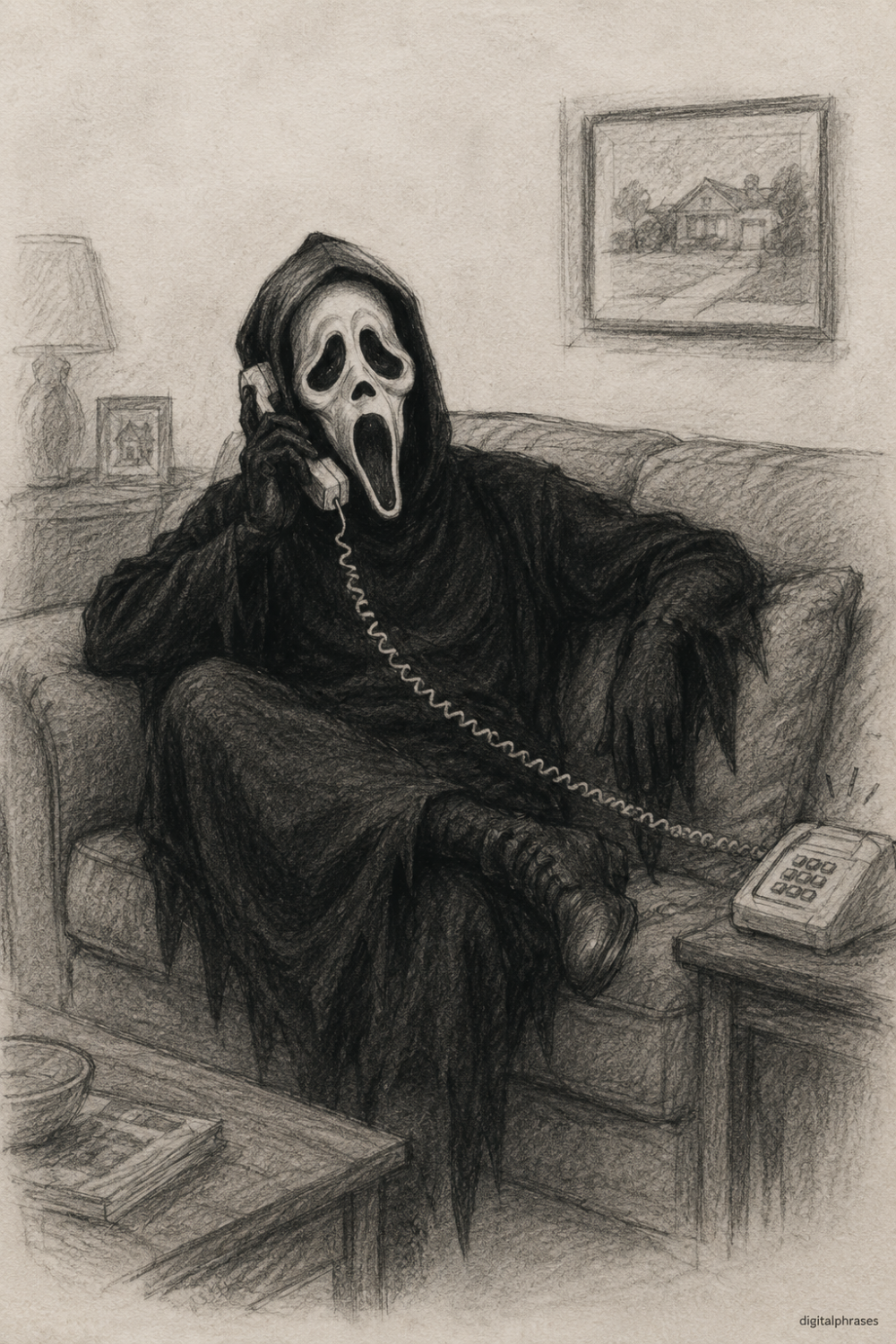
4
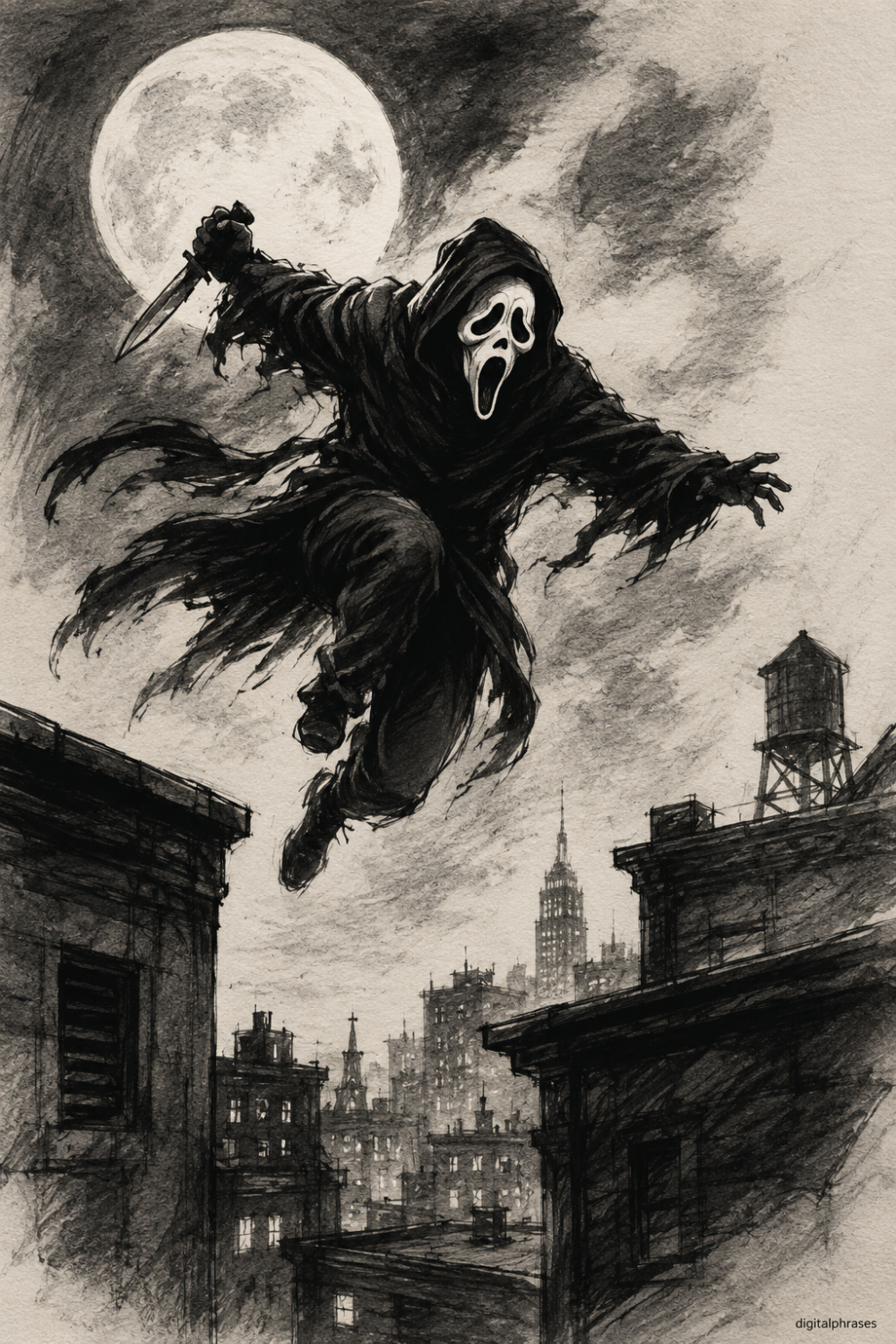
5
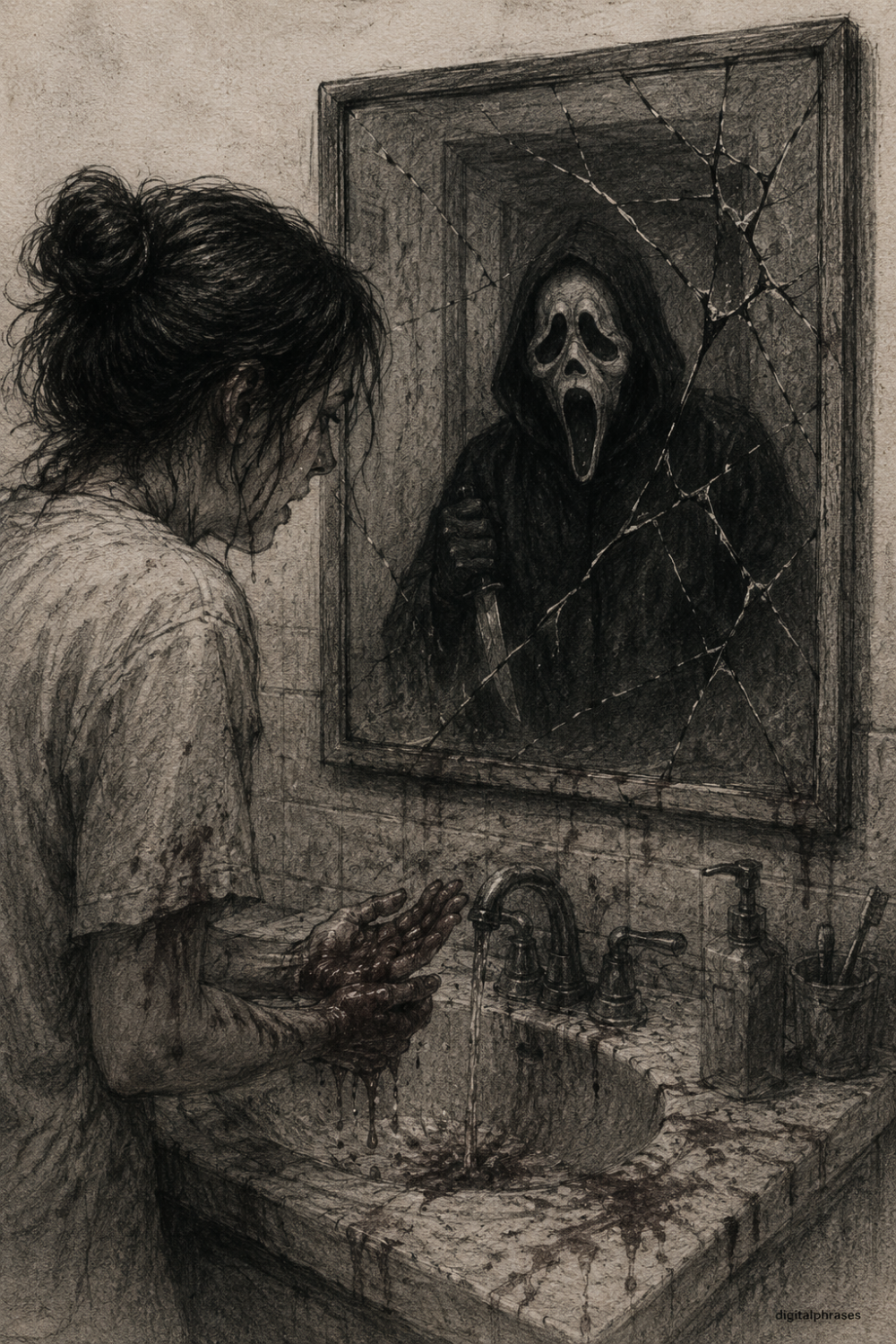
6
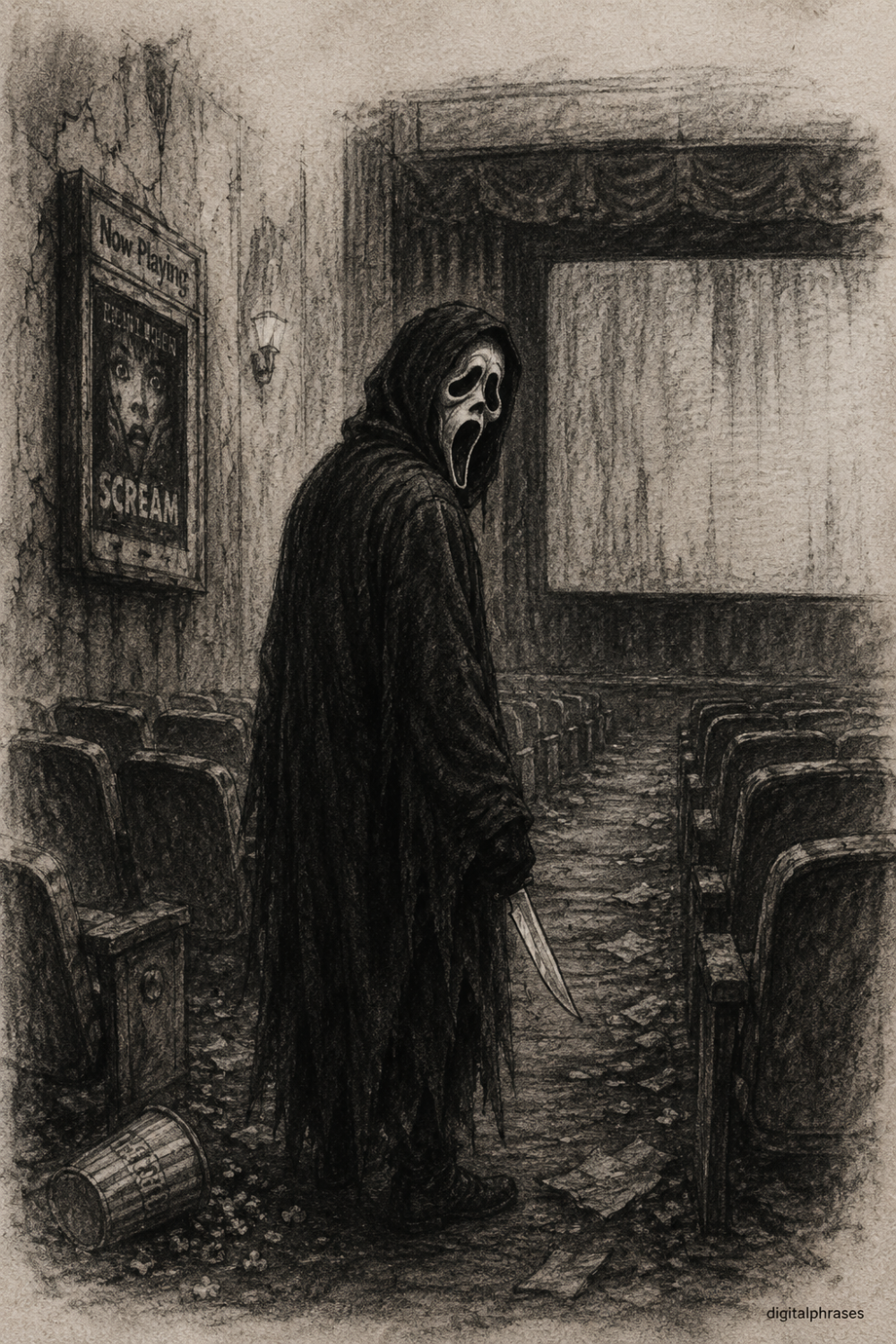
7
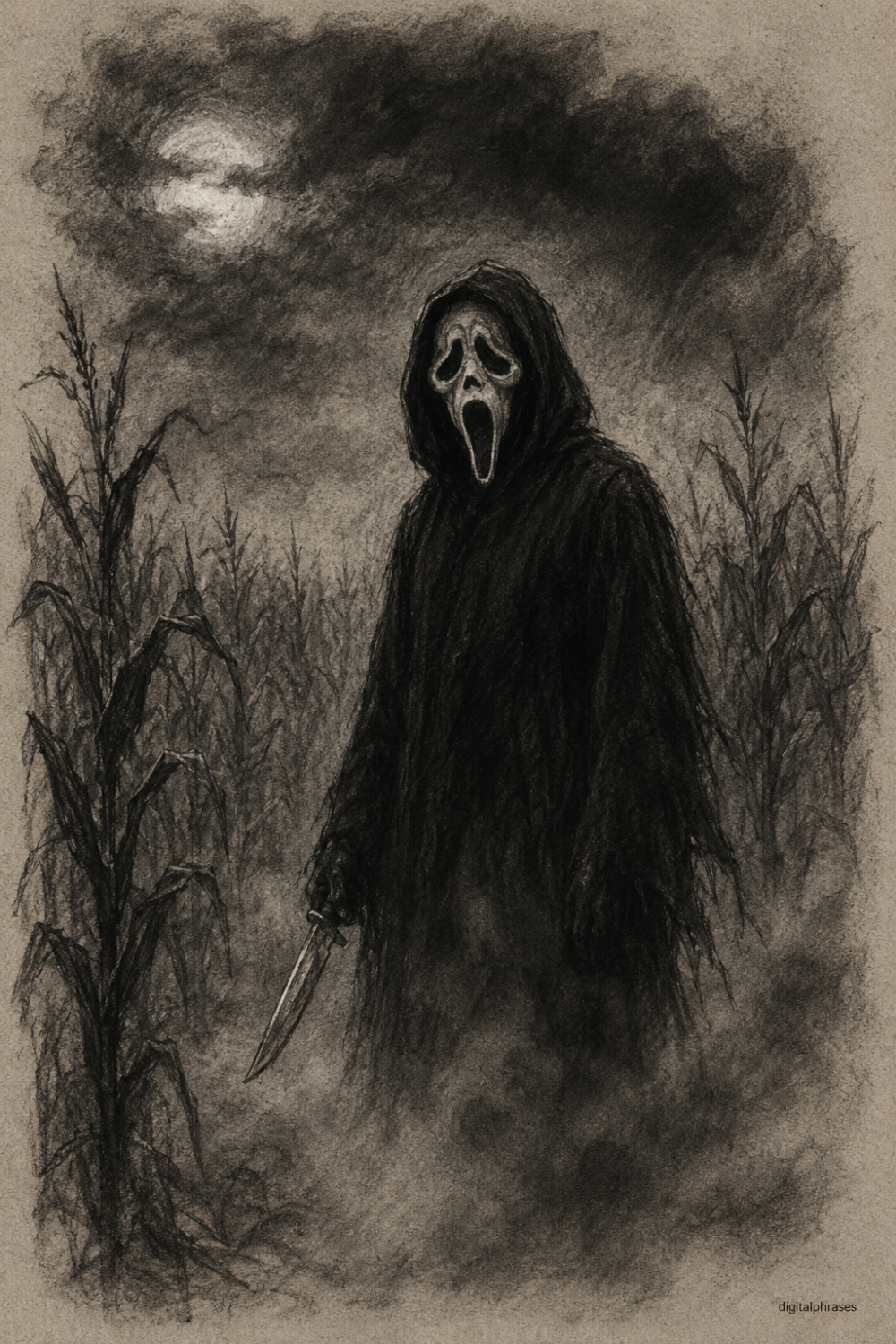
8
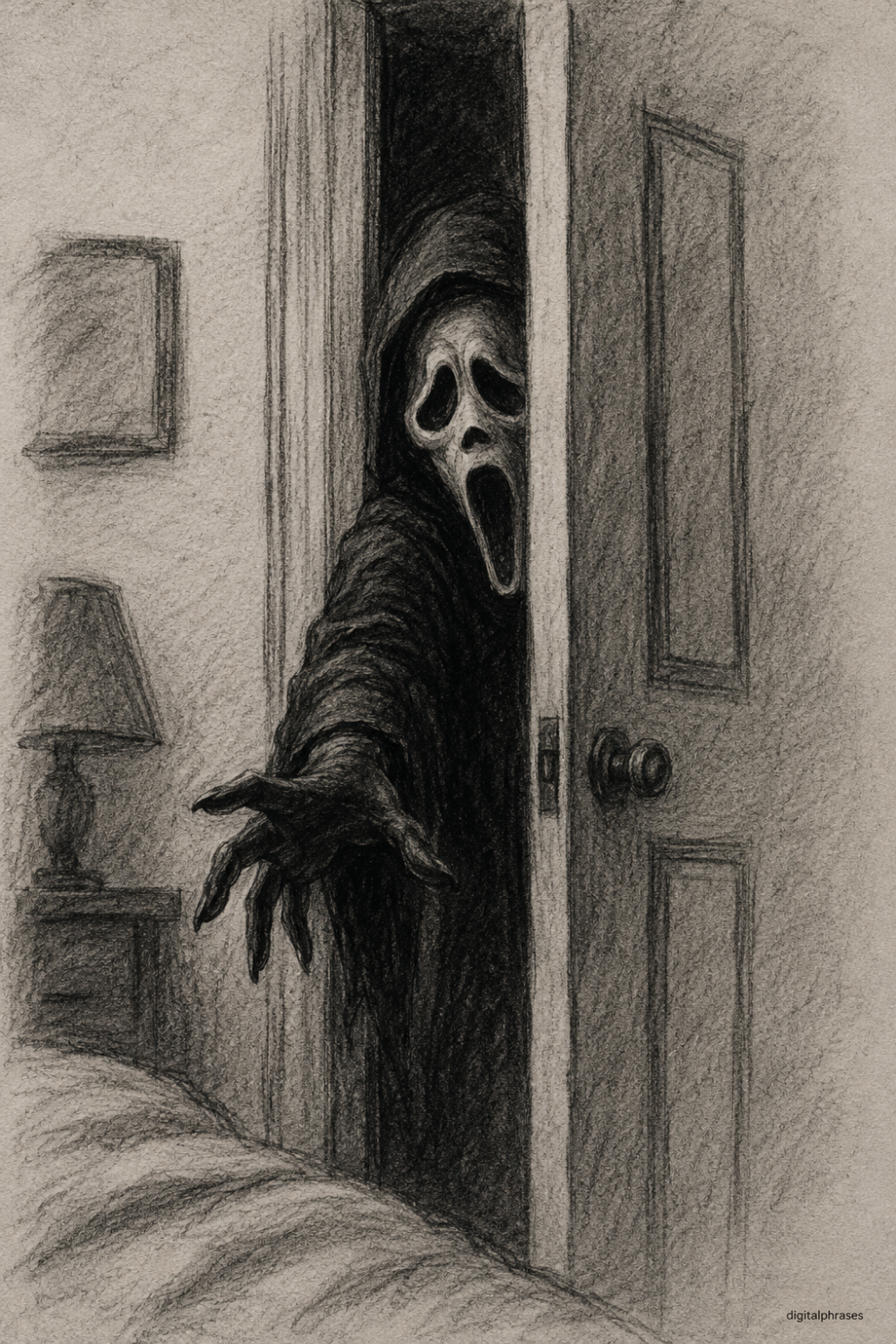
9
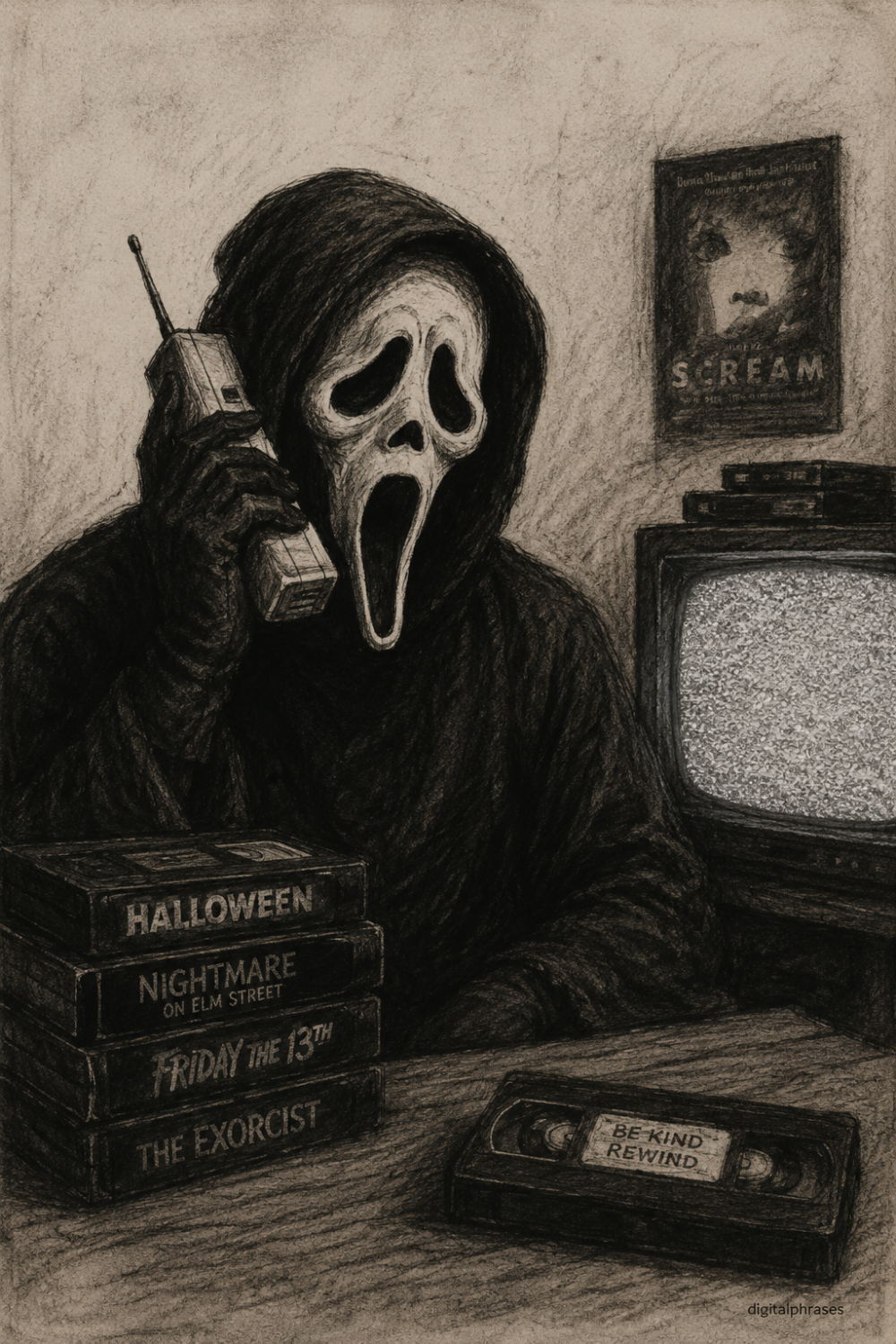
10
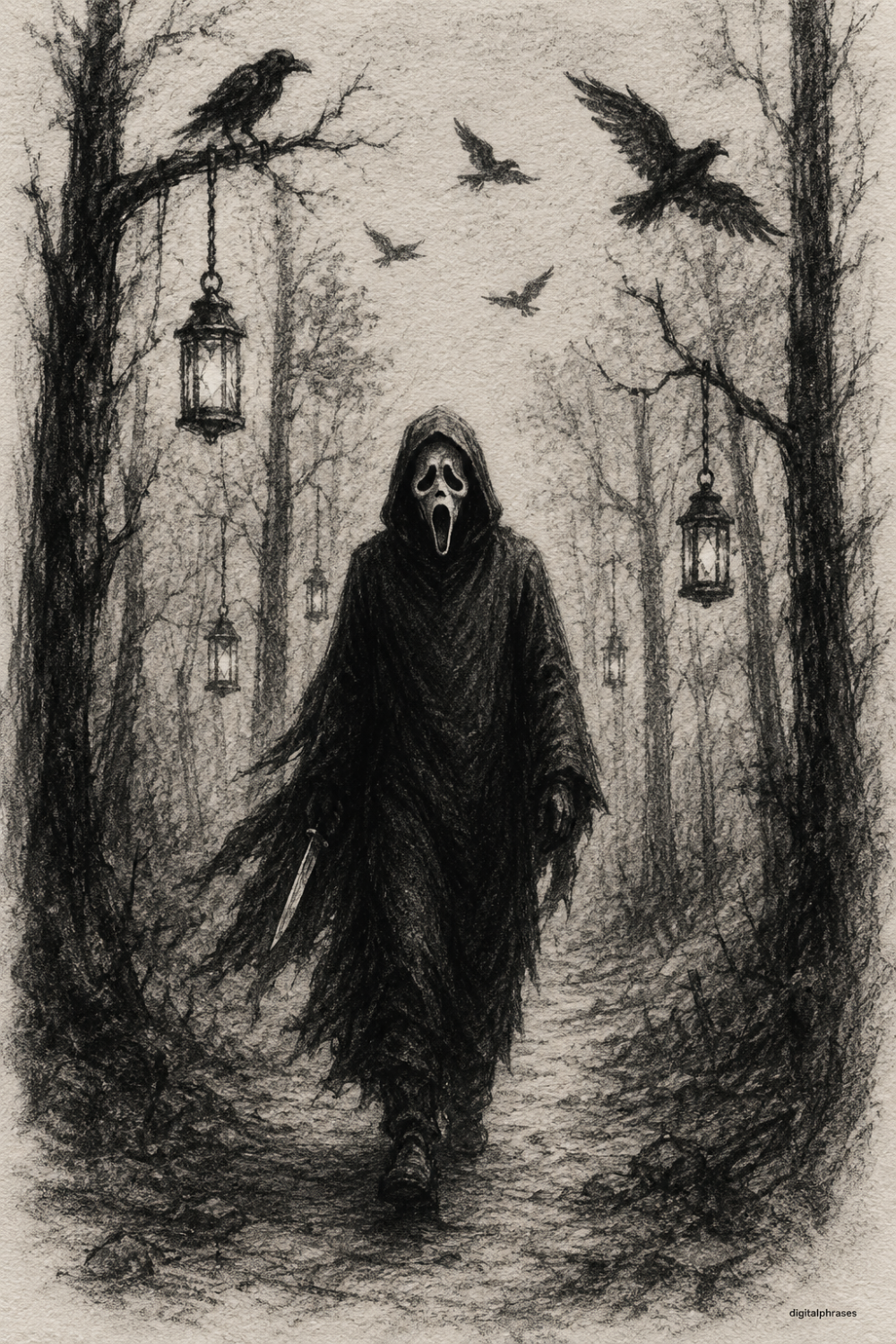
11
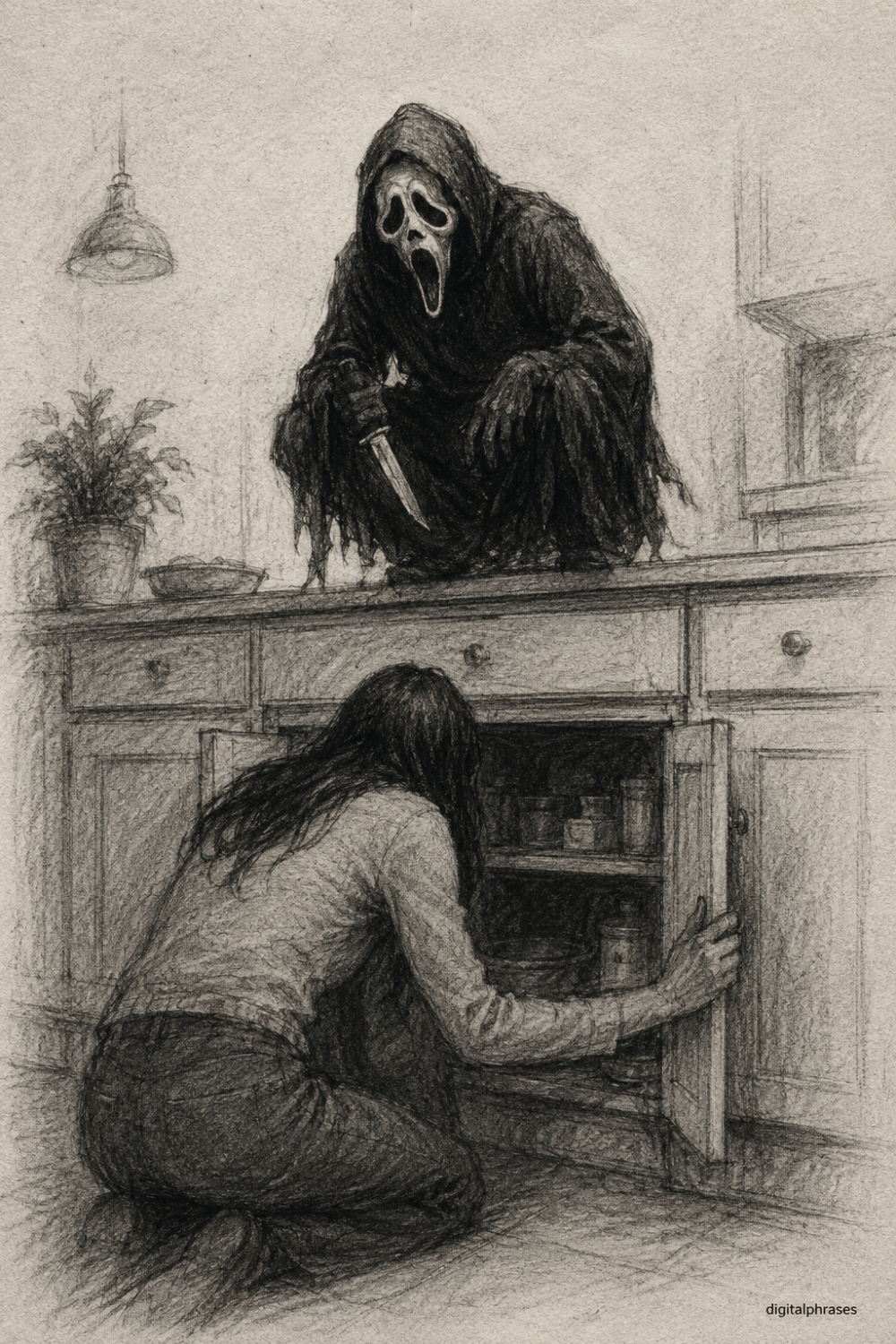
12
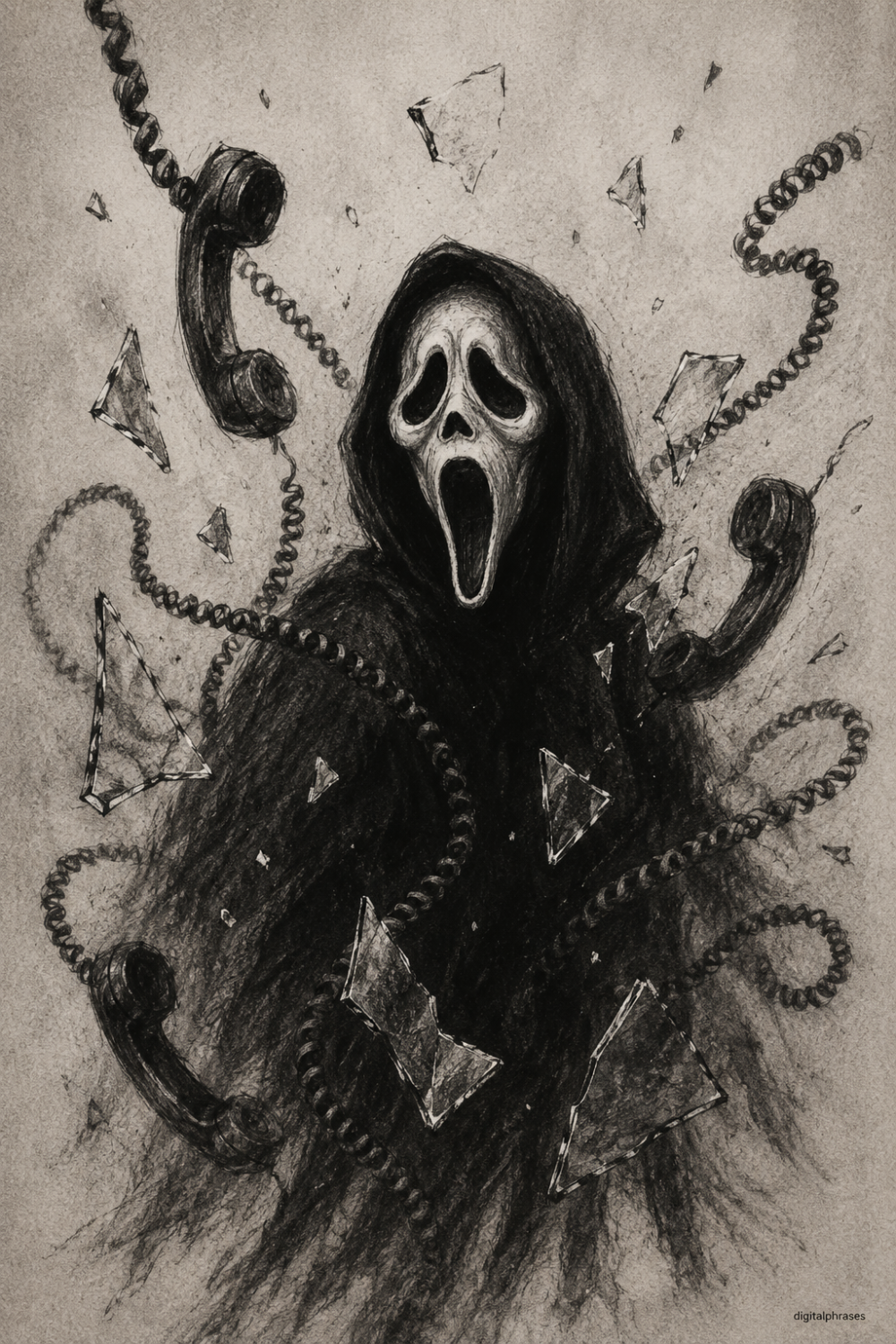
13
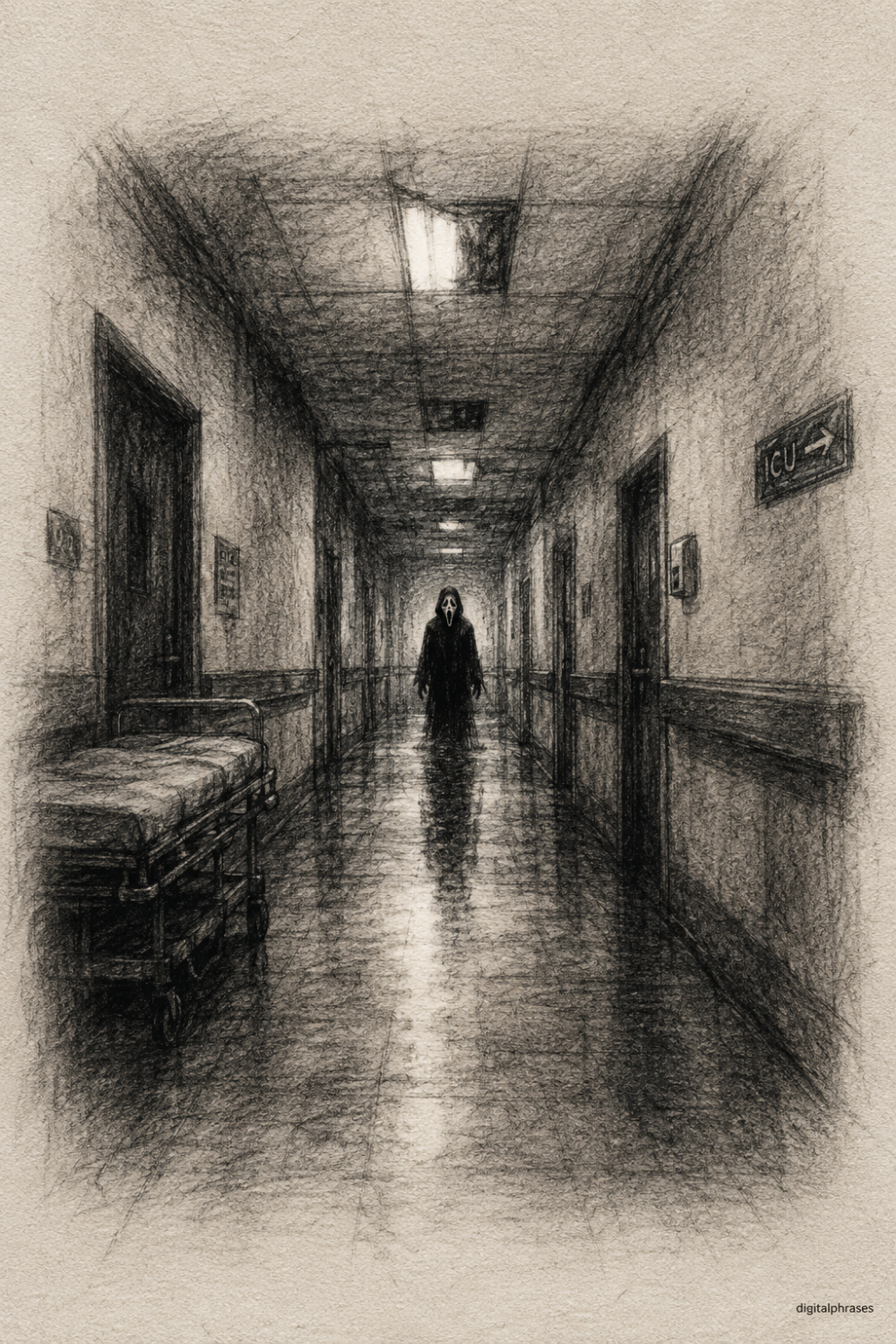
14
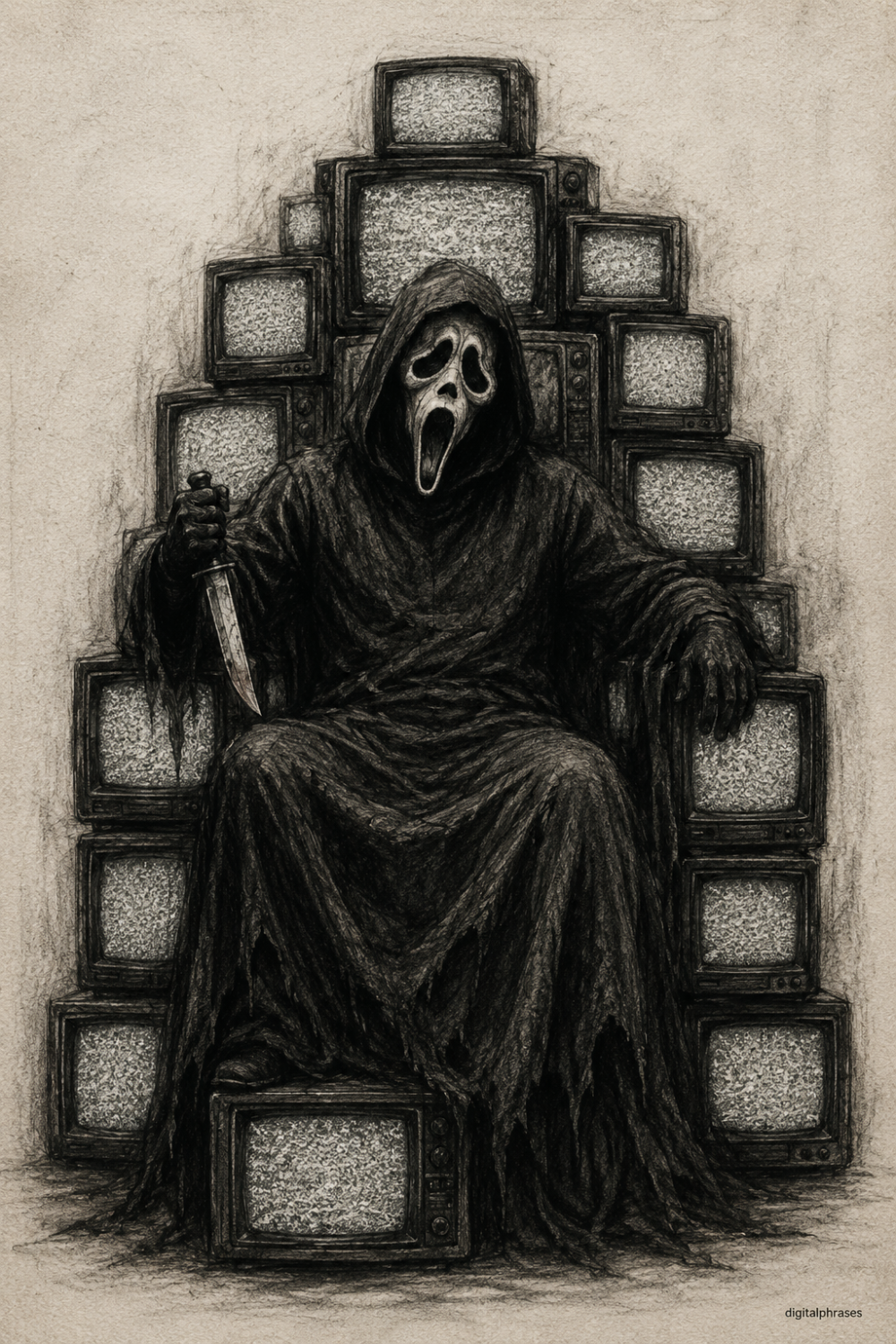
15
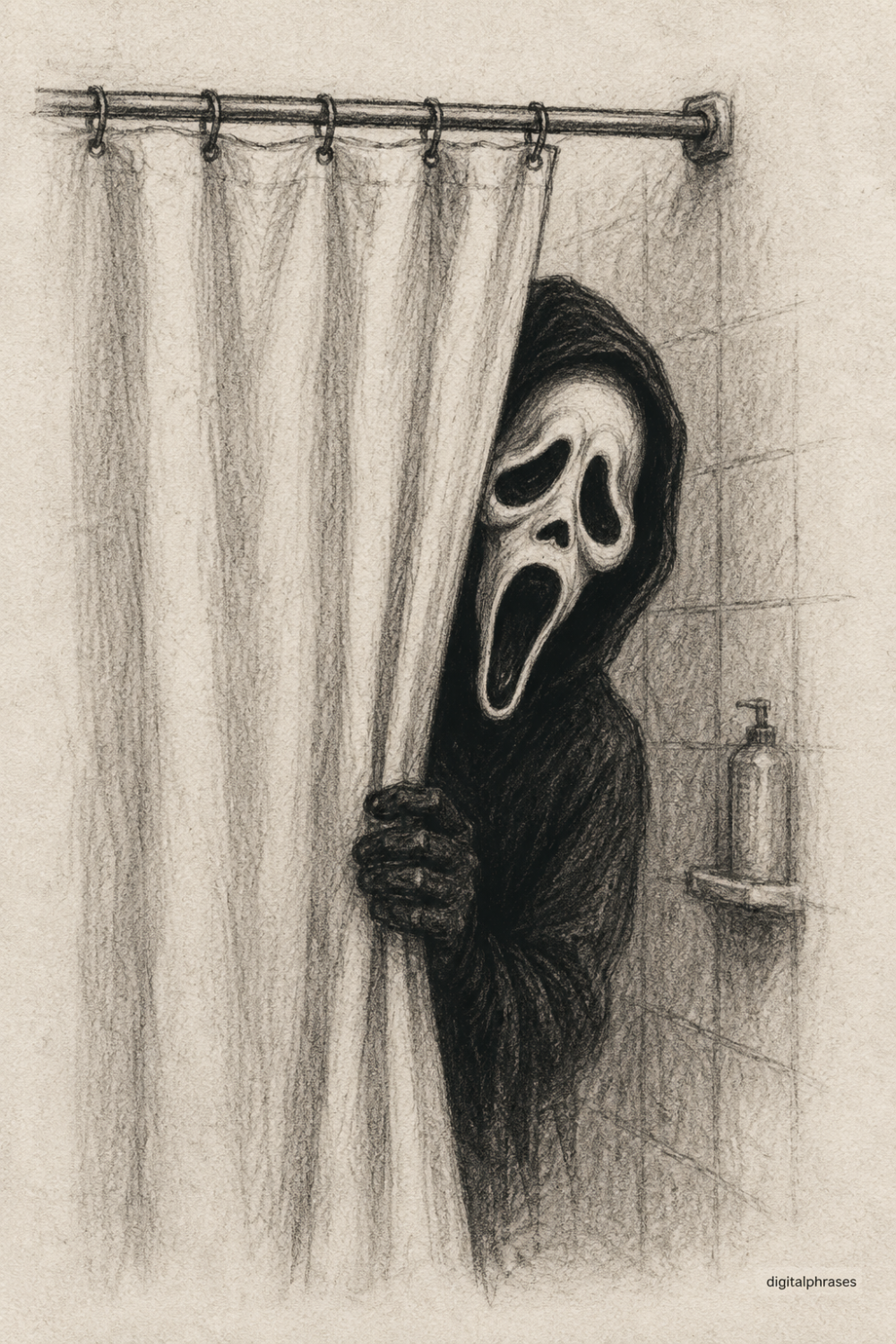
16
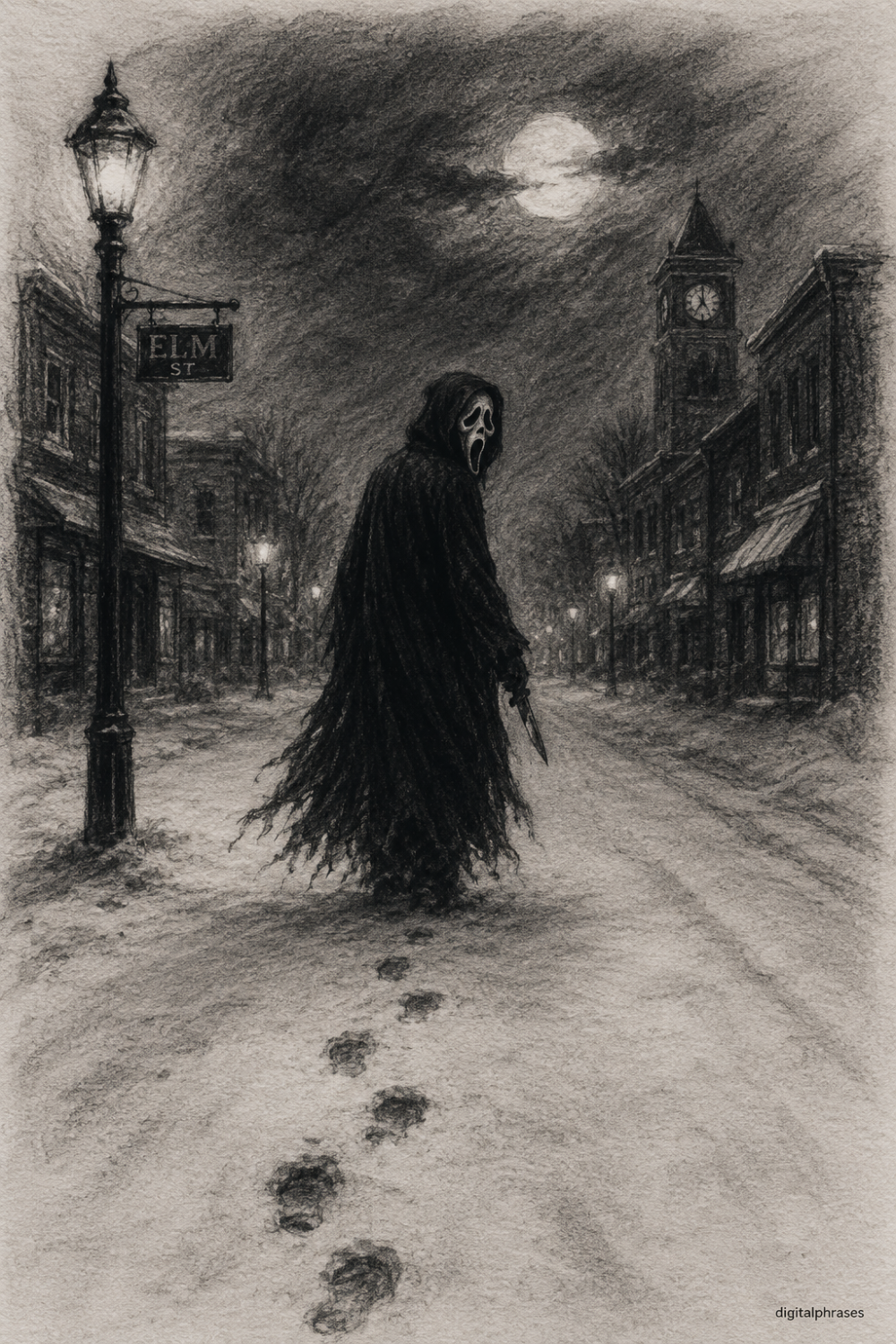
17
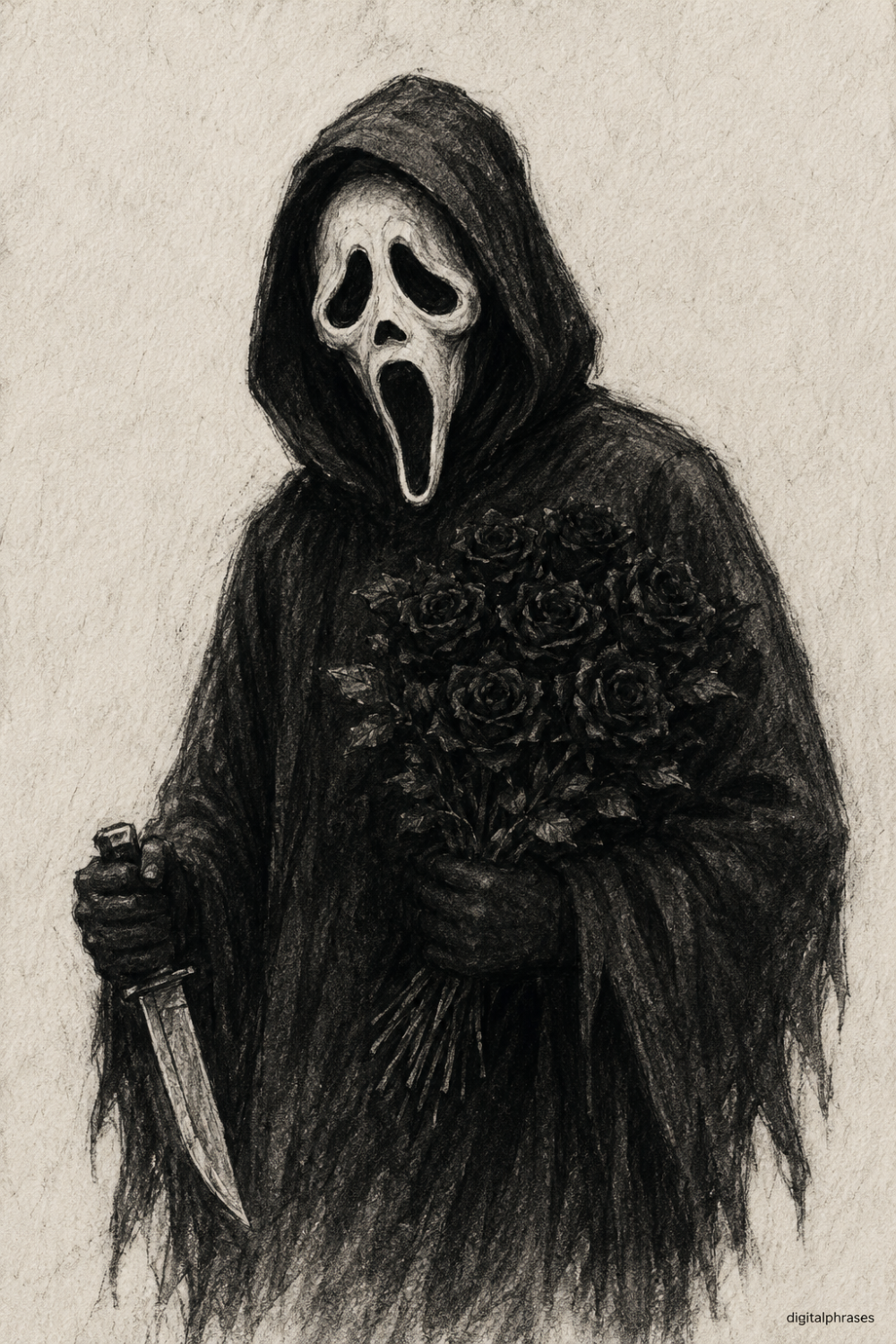
18
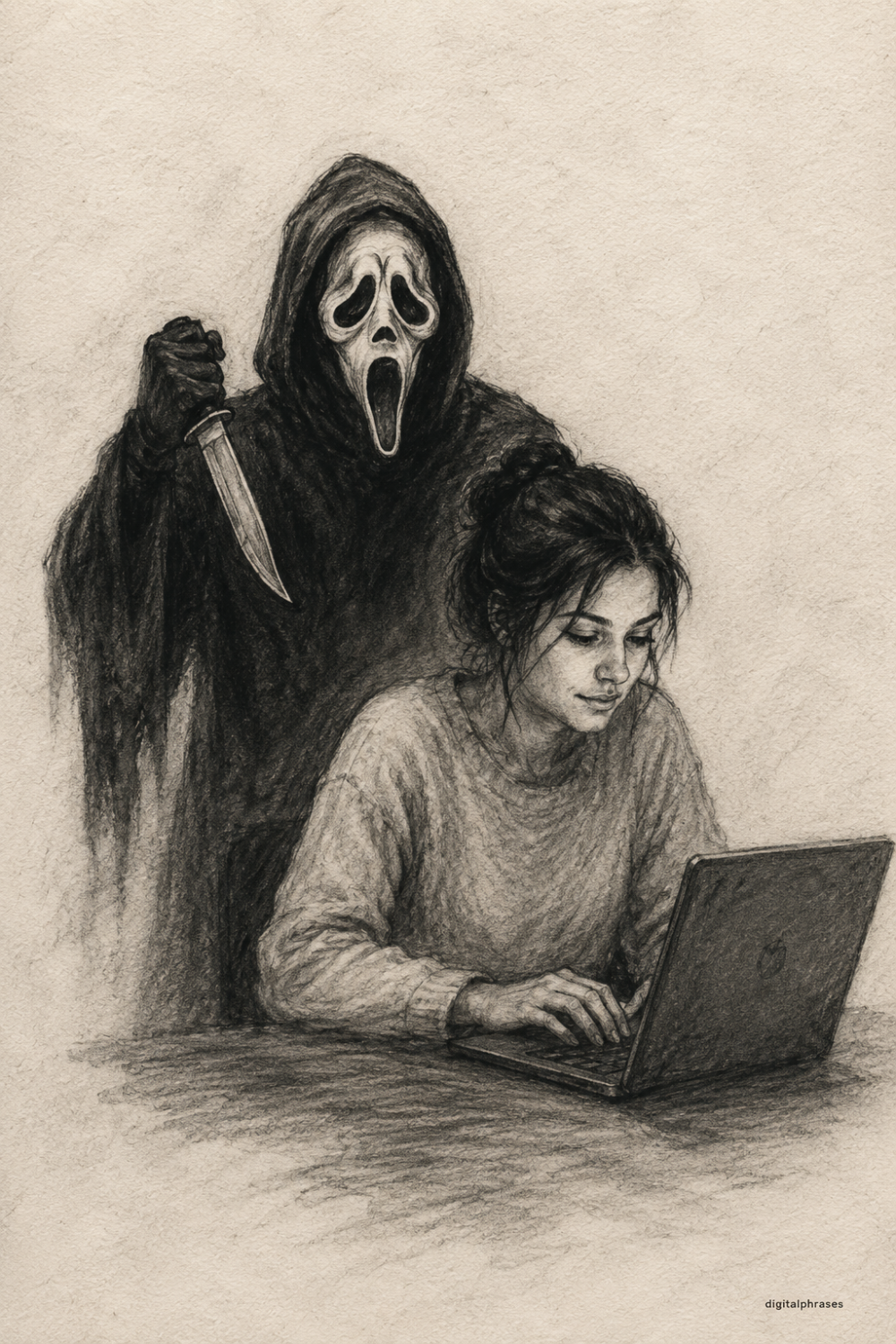
19
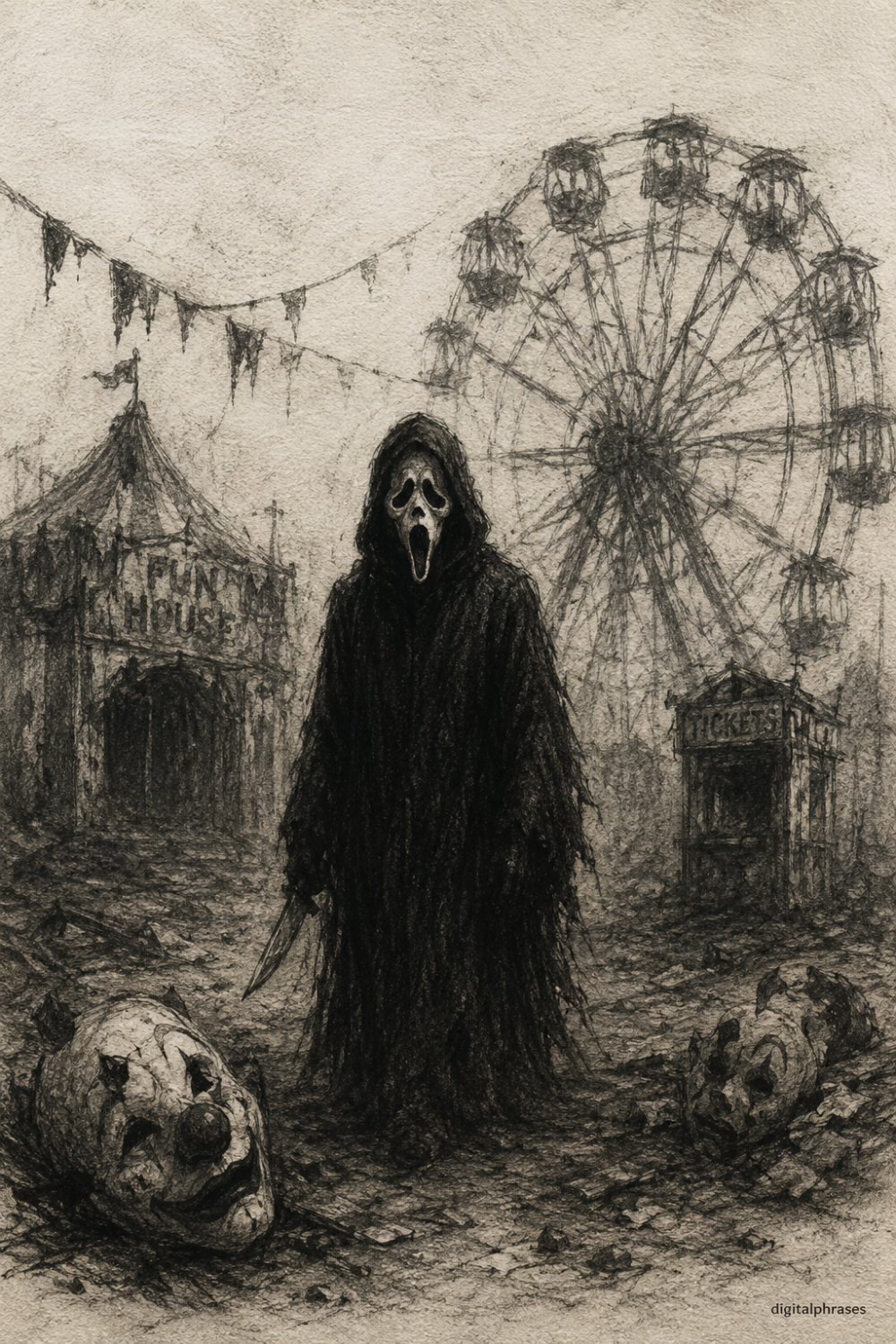
20
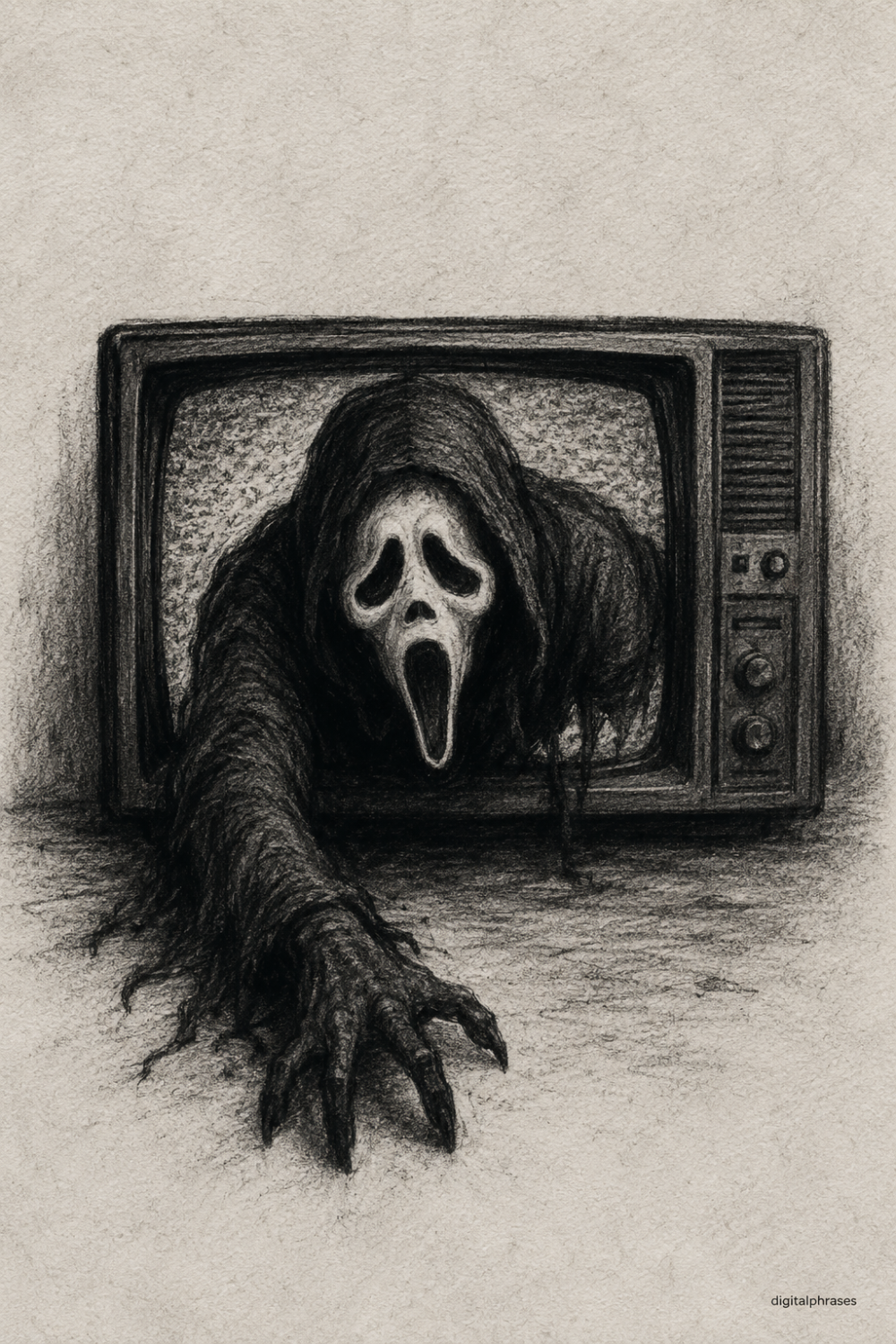
21
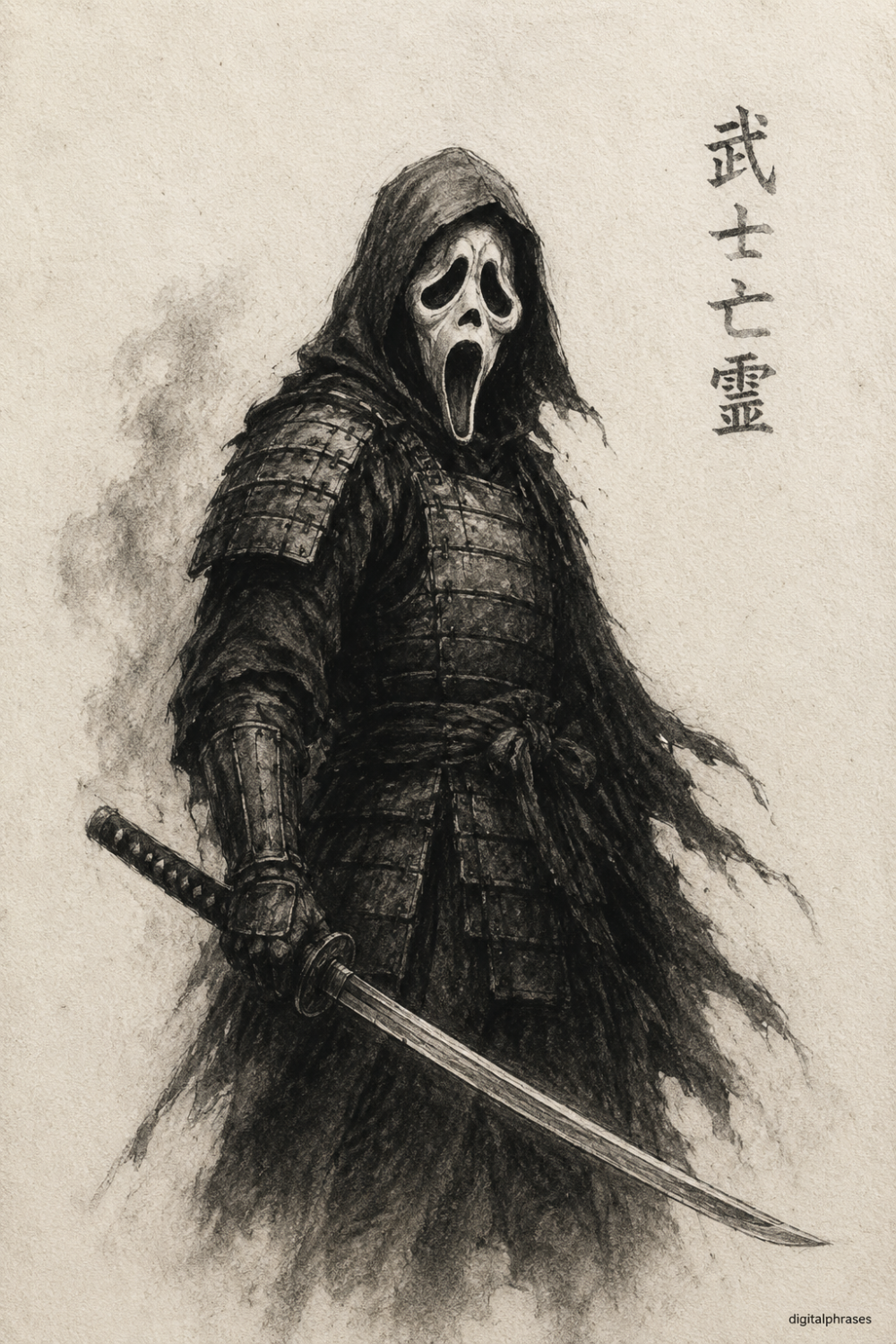
22
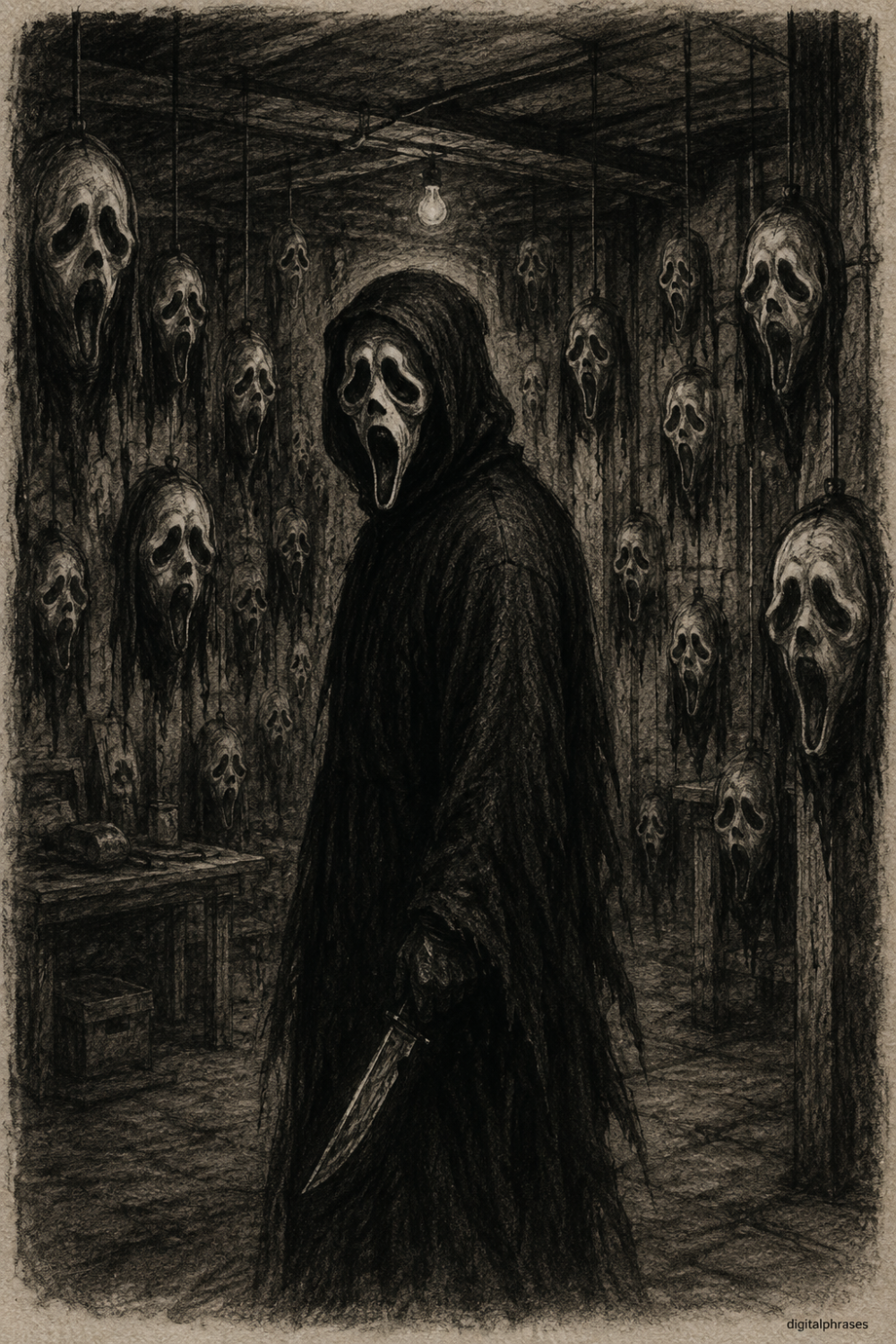
23
24
25
26
Drawing Tips
Start With the Iconic Mask Shape
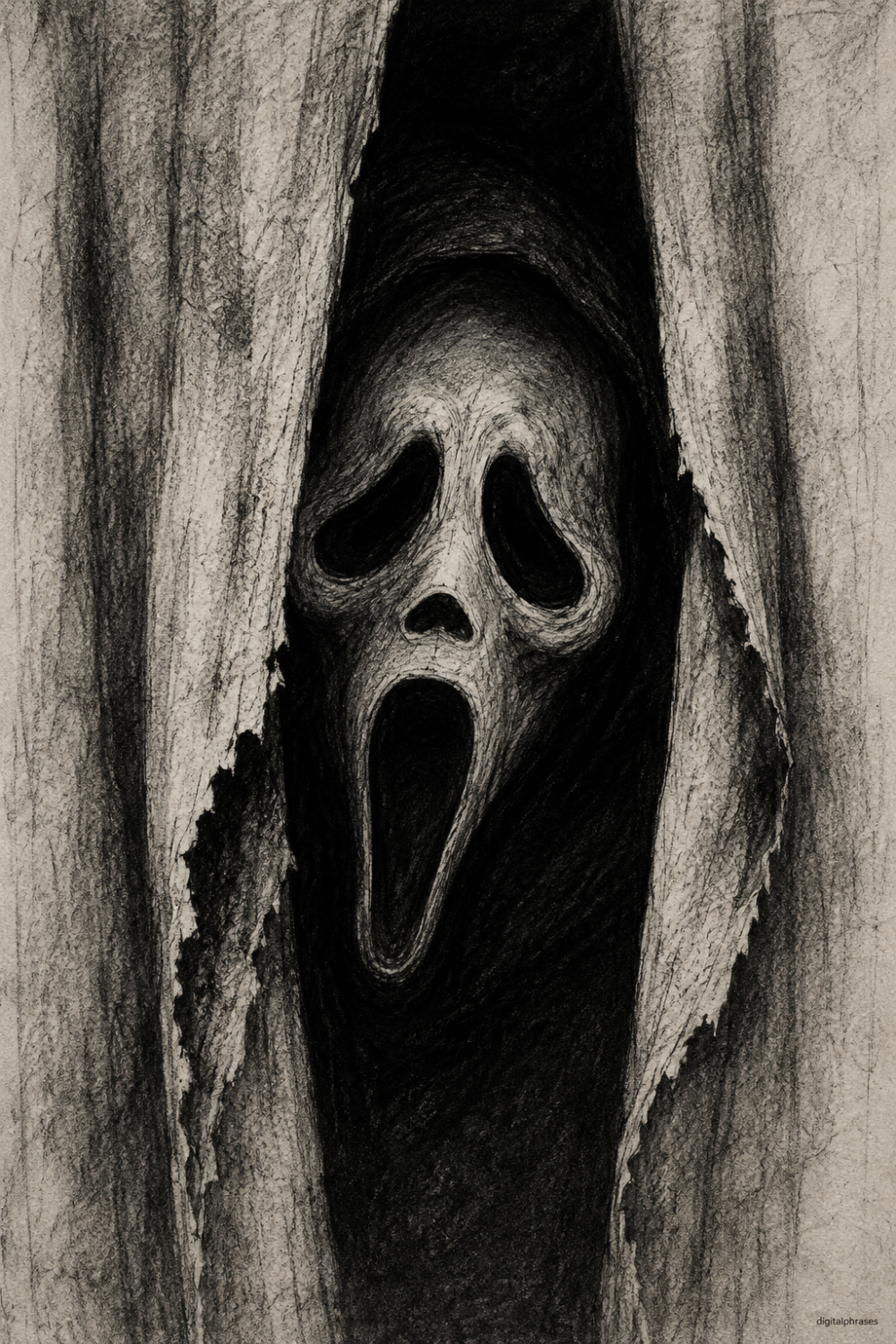
The most recognizable part of Ghostface is the stretched, ghost-like mask. Begin by lightly sketching an elongated oval shape, then exaggerate the hollow eyes and drooping mouth. Keep the features asymmetrical and fluid rather than perfectly geometric. The mask should feel eerie and almost melting, which gives it that unsettling horror look.
Use Strong Contrast and Deep Shadows
Ghostface works best with dramatic lighting. Since the costume is entirely black, focus on creating contrast between the white mask and the dark cloak. Use heavy shading around the hood and background to make the face stand out sharply. Charcoal pencils, soft graphite, or ink washes are especially effective for this style.
Keep the Cloak Flowing and Dynamic
The robe should never look stiff. Add flowing folds, sharp drapery lines, and wind-like movement to create tension and motion. Long sweeping strokes help make the character appear more threatening and alive. A dynamic cloak also adds cinematic energy to the composition.
Experiment With Horror Lighting
Lighting can completely change the mood of your Ghostface sketch. Try underlighting from a flashlight, moonlight from the side, or backlighting from a doorway. Horror-themed lighting creates dramatic shadows across the mask and robe, making the drawing feel more suspenseful and atmospheric.
Focus on Body Language
Ghostface becomes scarier through posture and movement. A tilted head, hunched shoulders, or a slow stalking pose instantly creates tension. Instead of always drawing action scenes, experiment with still poses that feel quietly threatening. Sometimes subtle body language is more unsettling than aggression.
Add Cinematic Background Elements
Simple horror-themed environments can make your drawing feel like a movie scene. Consider adding foggy streets, abandoned houses, flickering televisions, forest paths, or dim hallways. Even rough background sketches help establish mood and storytelling without taking attention away from the character.
Use Loose Sketch Lines First
Avoid trying to perfect the drawing immediately. Start with messy construction lines to explore pose, composition, and proportions. Horror art often benefits from rough textures and imperfect strokes. Once the structure feels right, gradually darken the important areas and refine details.
Study Fabric Folds and Reference Images
Because Ghostface wears a large robe, understanding fabric movement is important. Study how cloaks, curtains, or long coats fold and hang. Reference images from horror films or cosplay photos can help you understand realistic drapery and lighting.
Try Different Horror Art Styles
Ghostface can look amazing in many styles, including realistic graphite sketches, comic-book ink art, manga-inspired horror, or abstract expressionist designs. Experimenting with different techniques helps you develop your own interpretation while still keeping the iconic silhouette recognizable.