Continuous Line Drawing Ideas
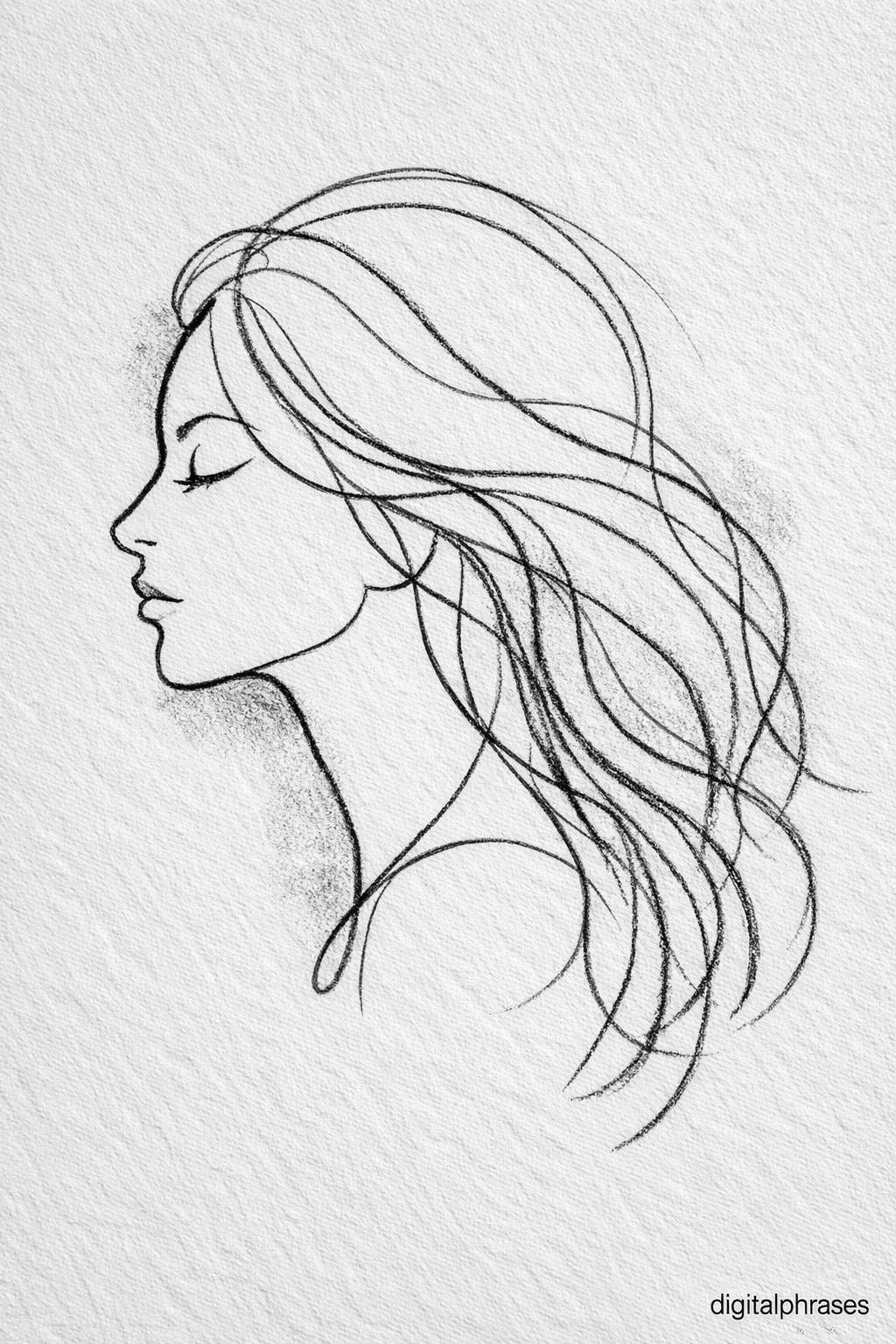
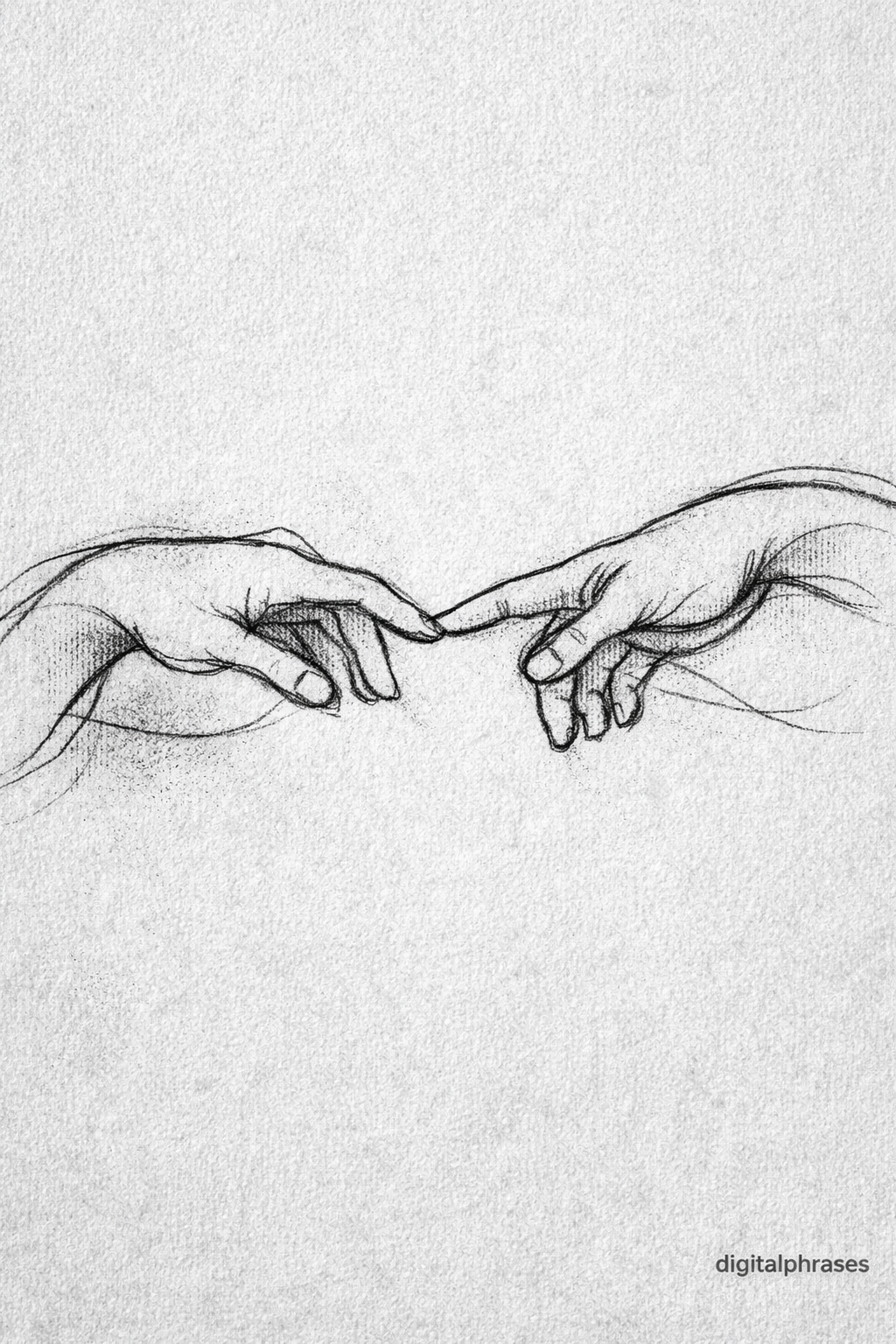
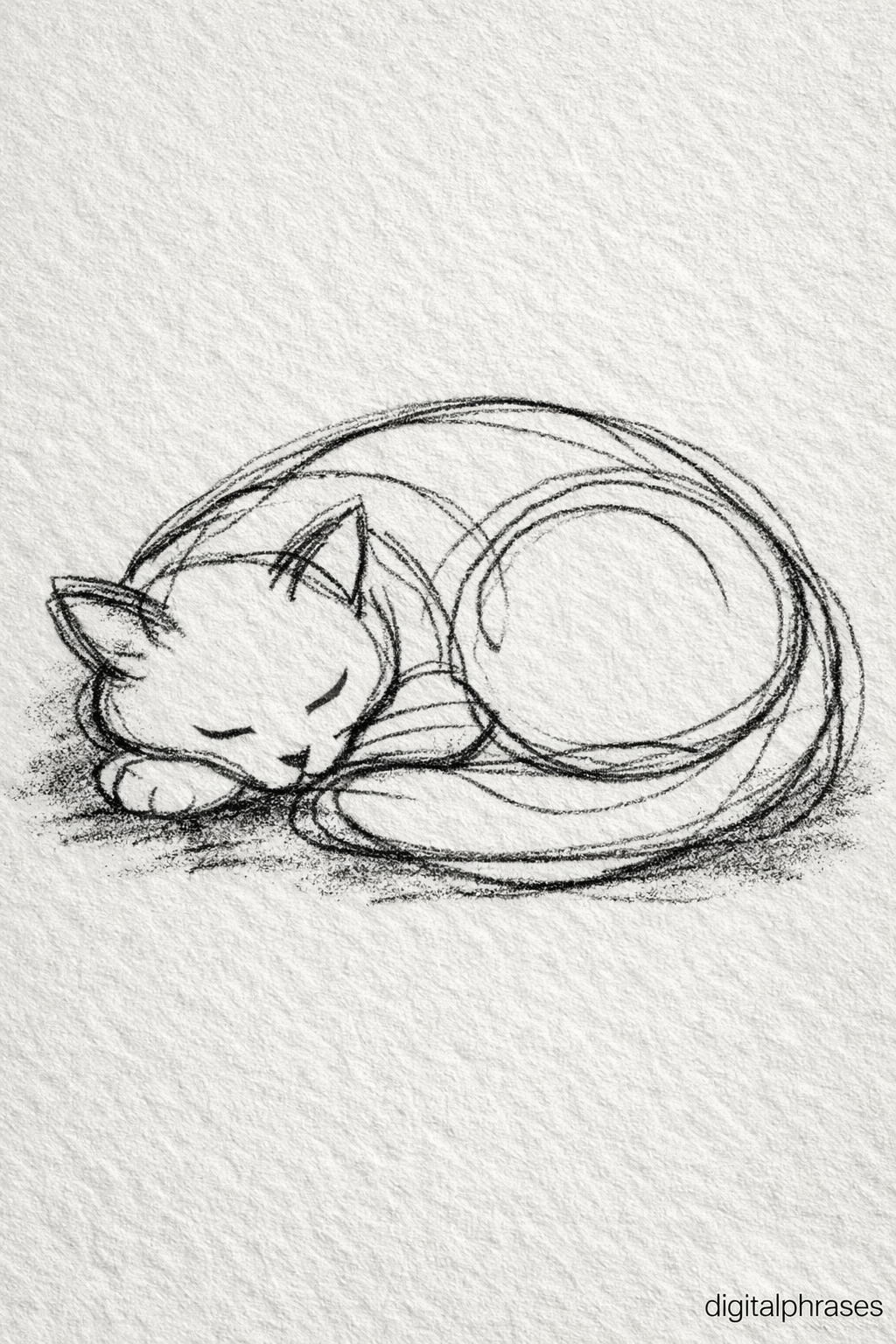
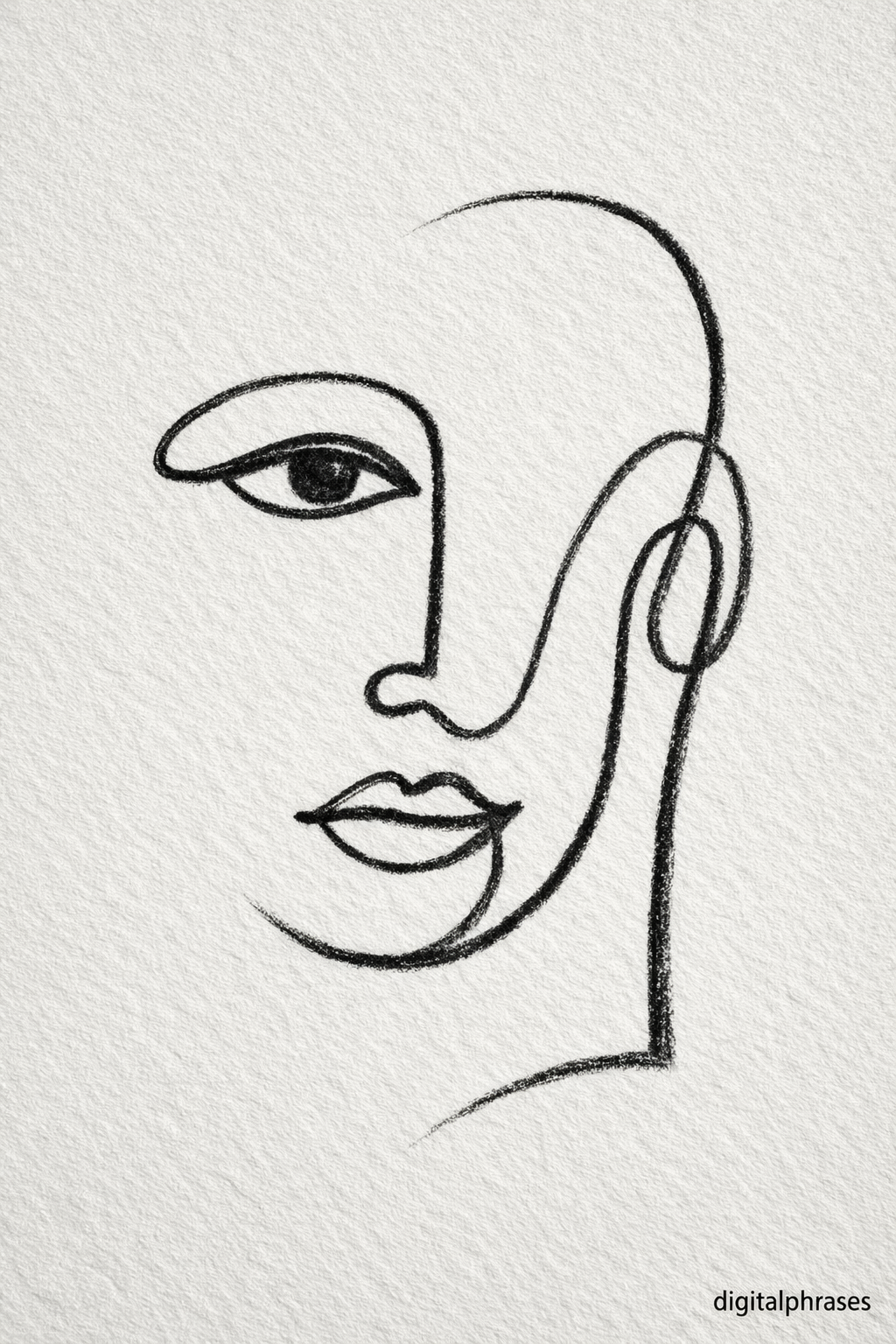
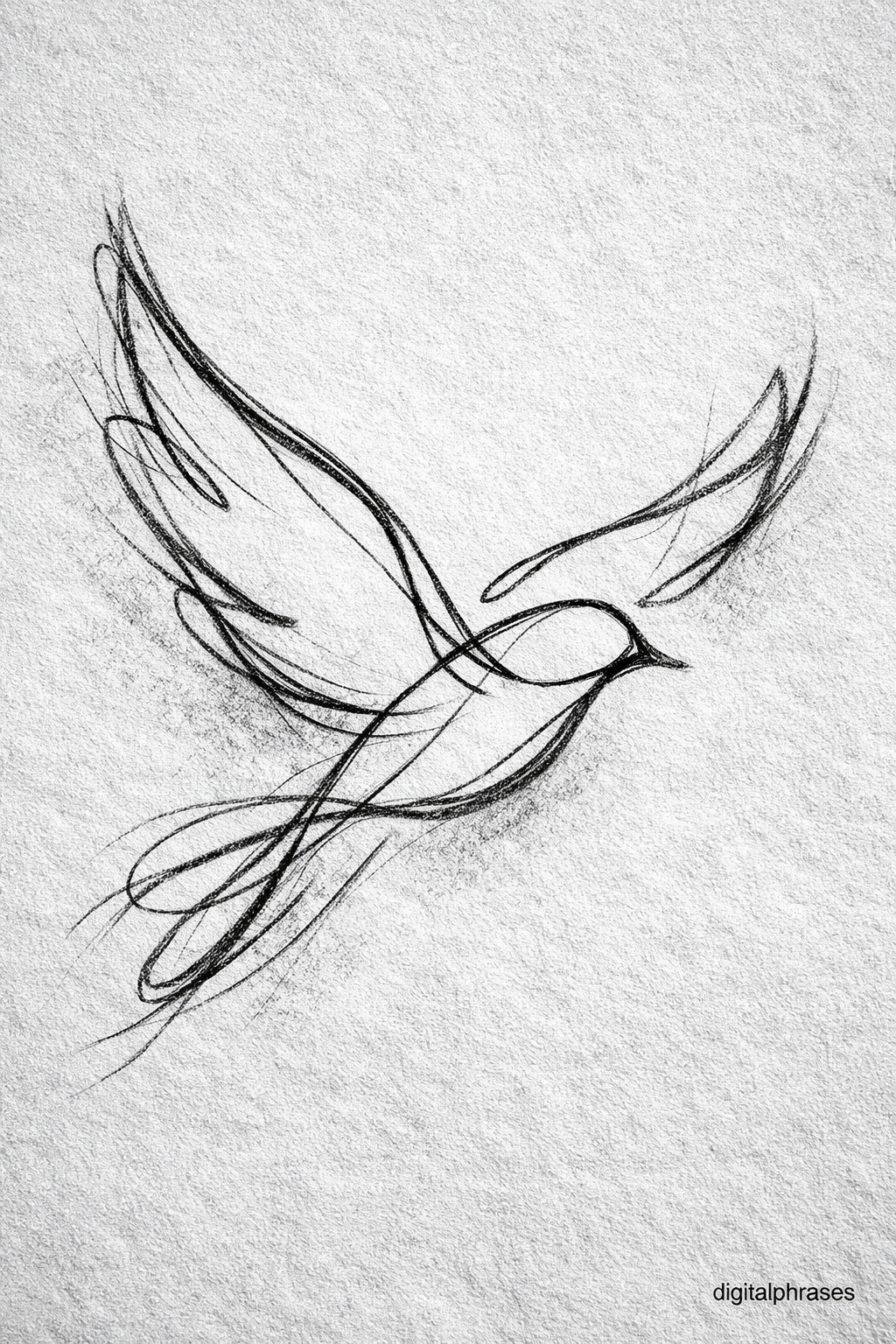
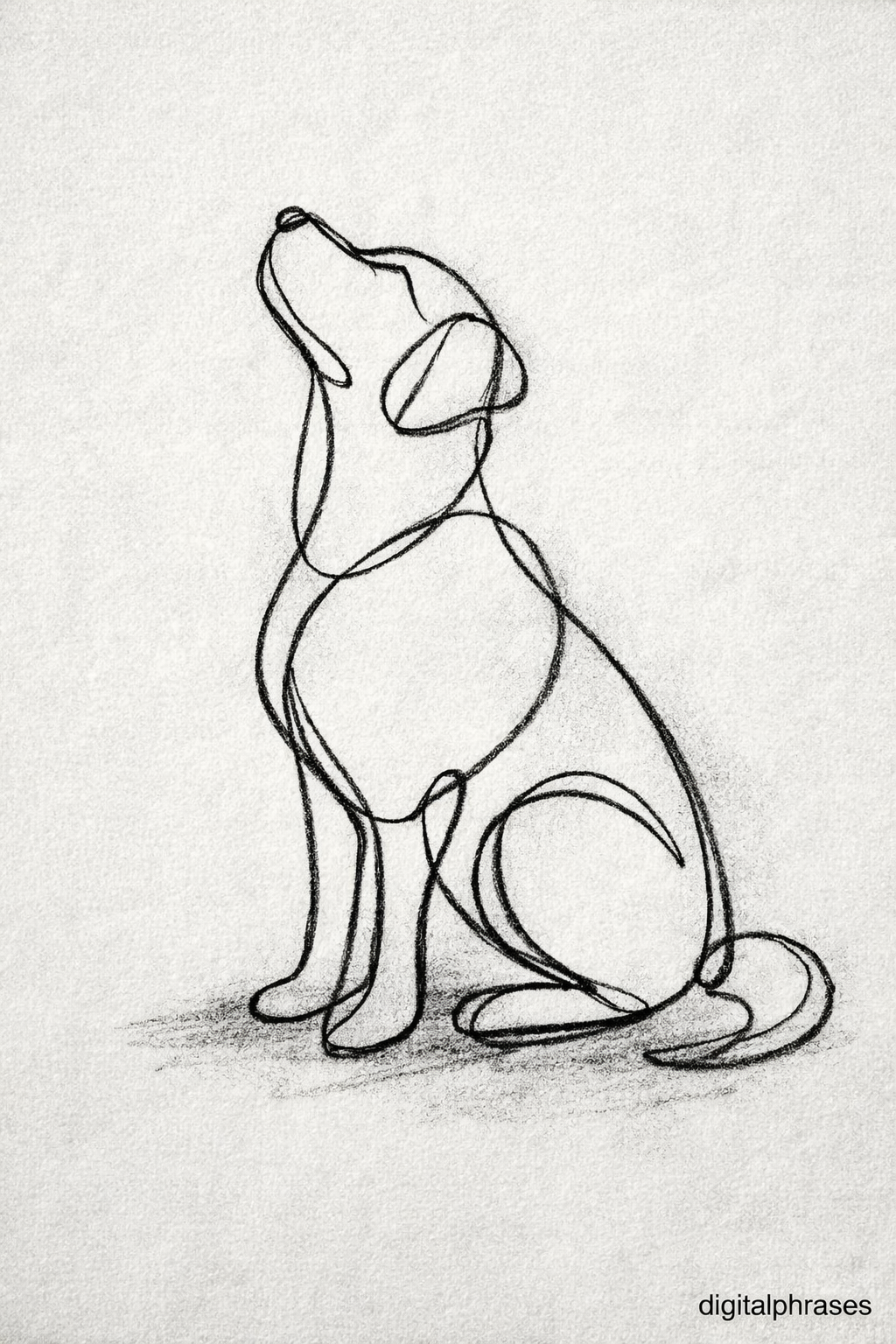
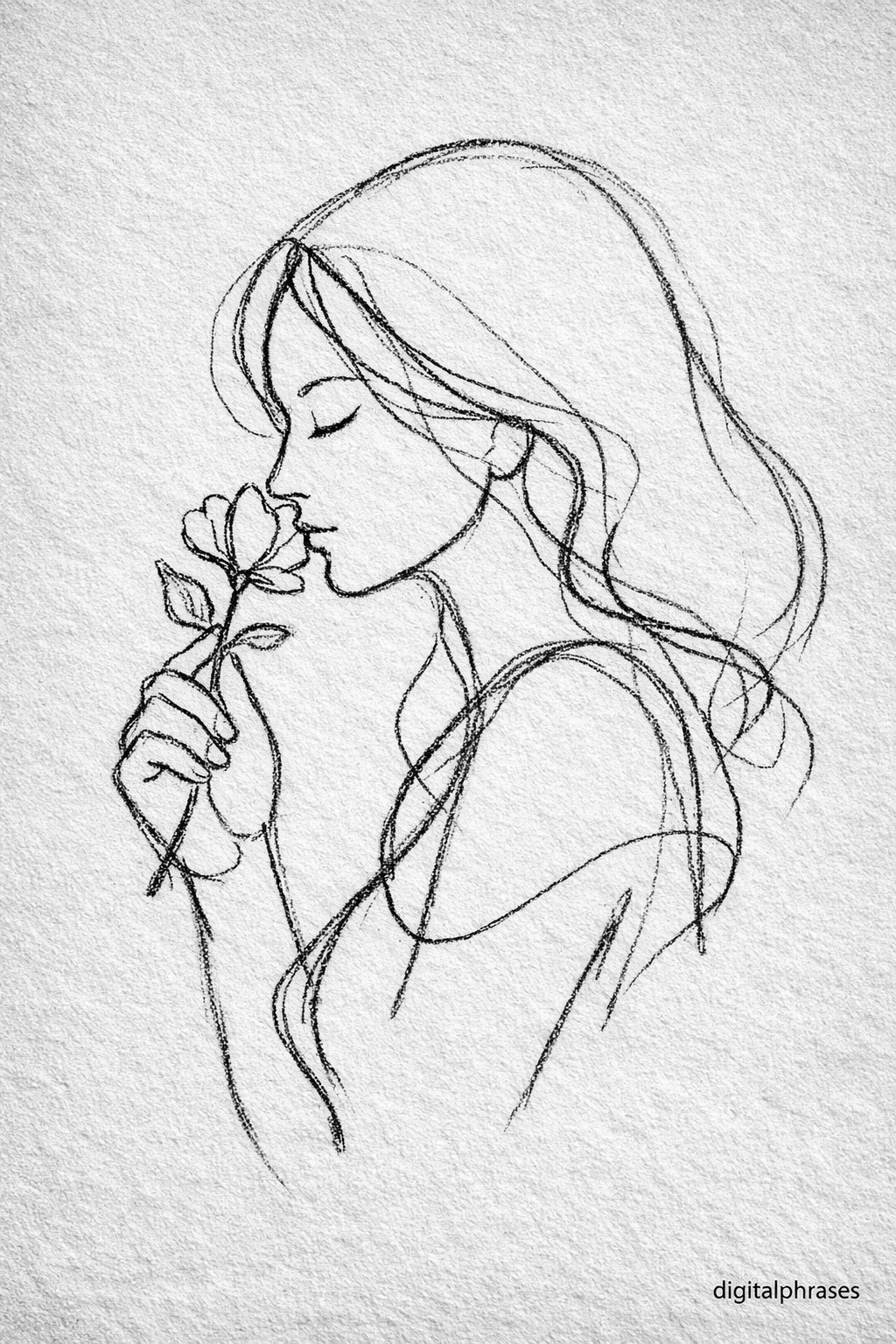
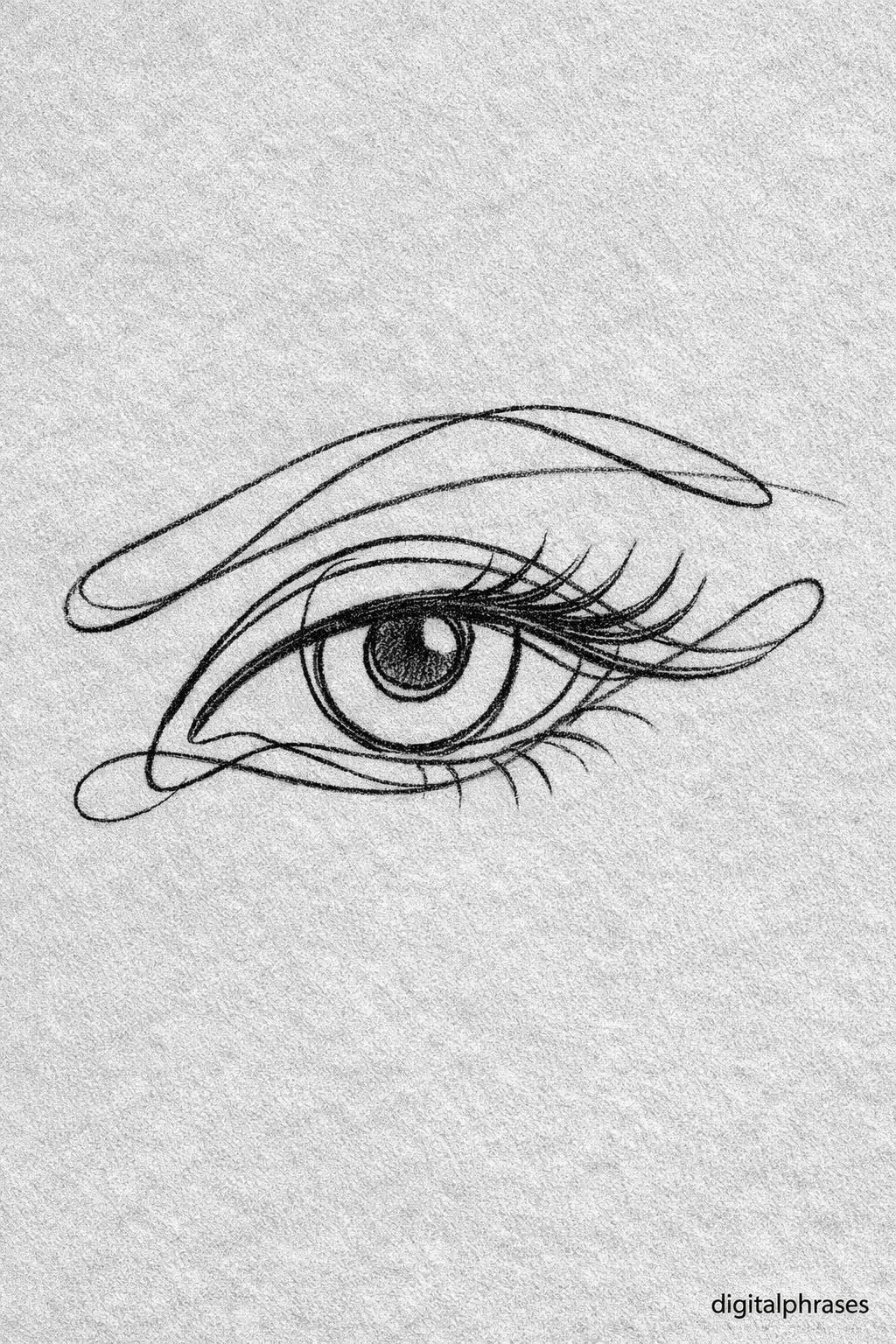
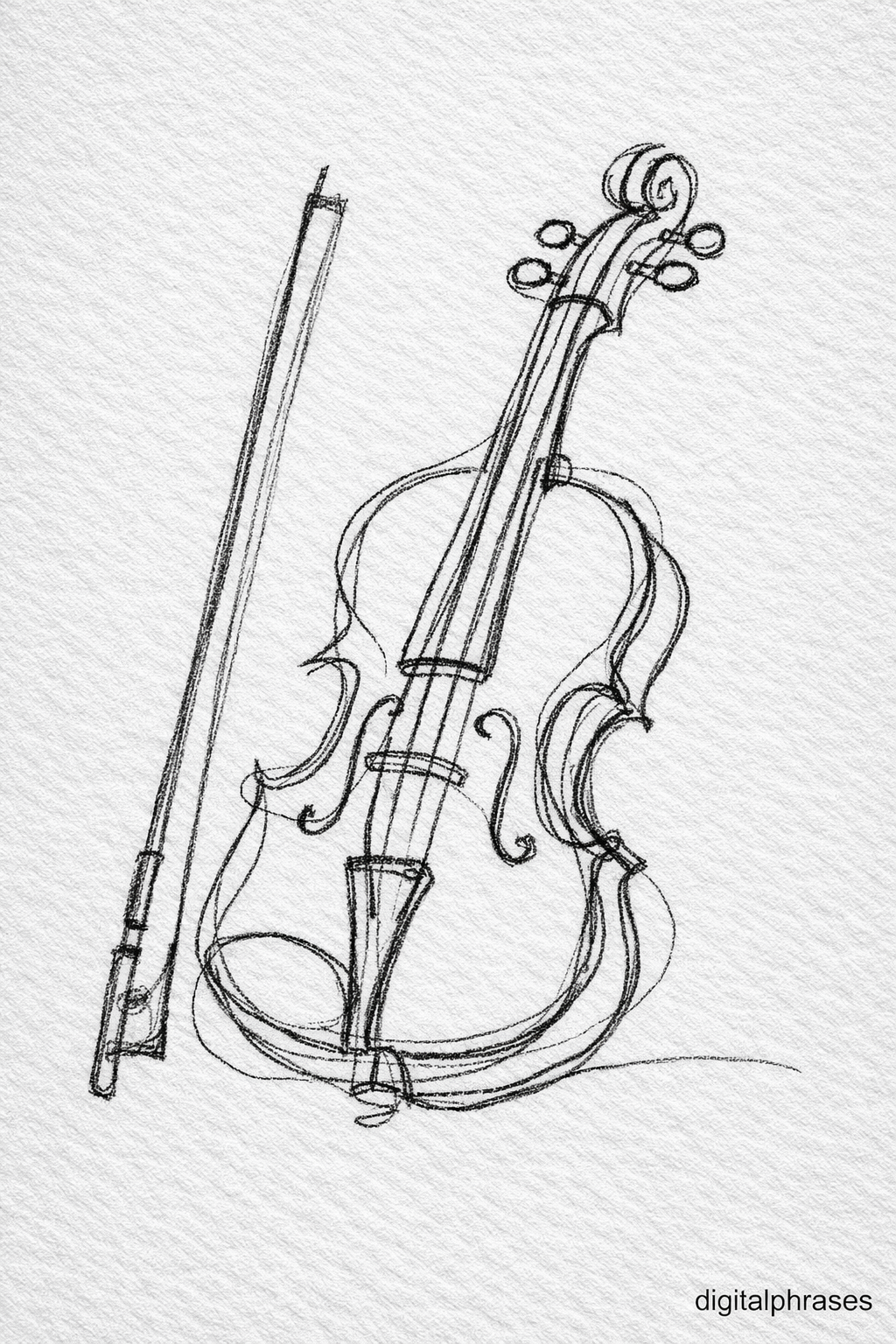
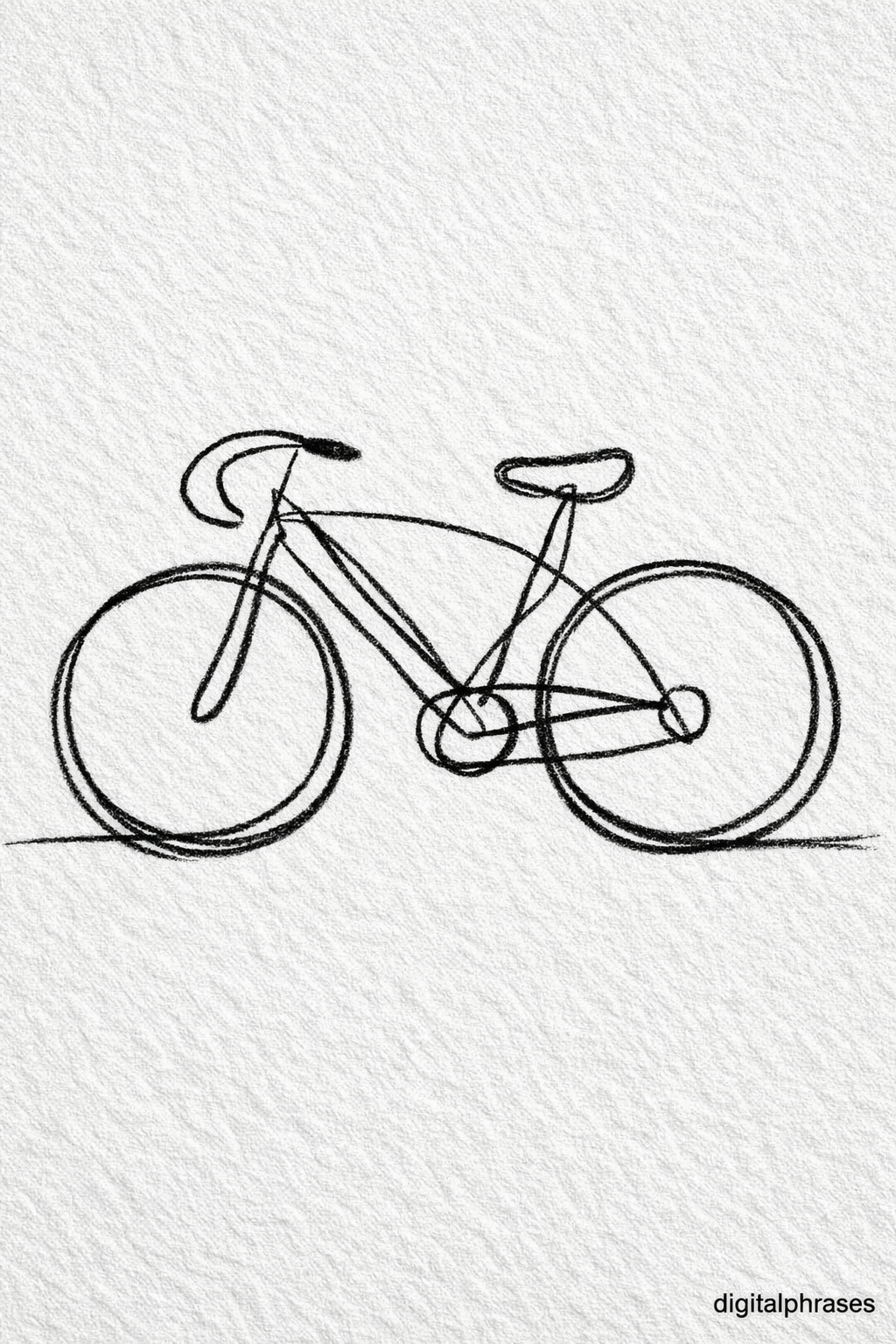
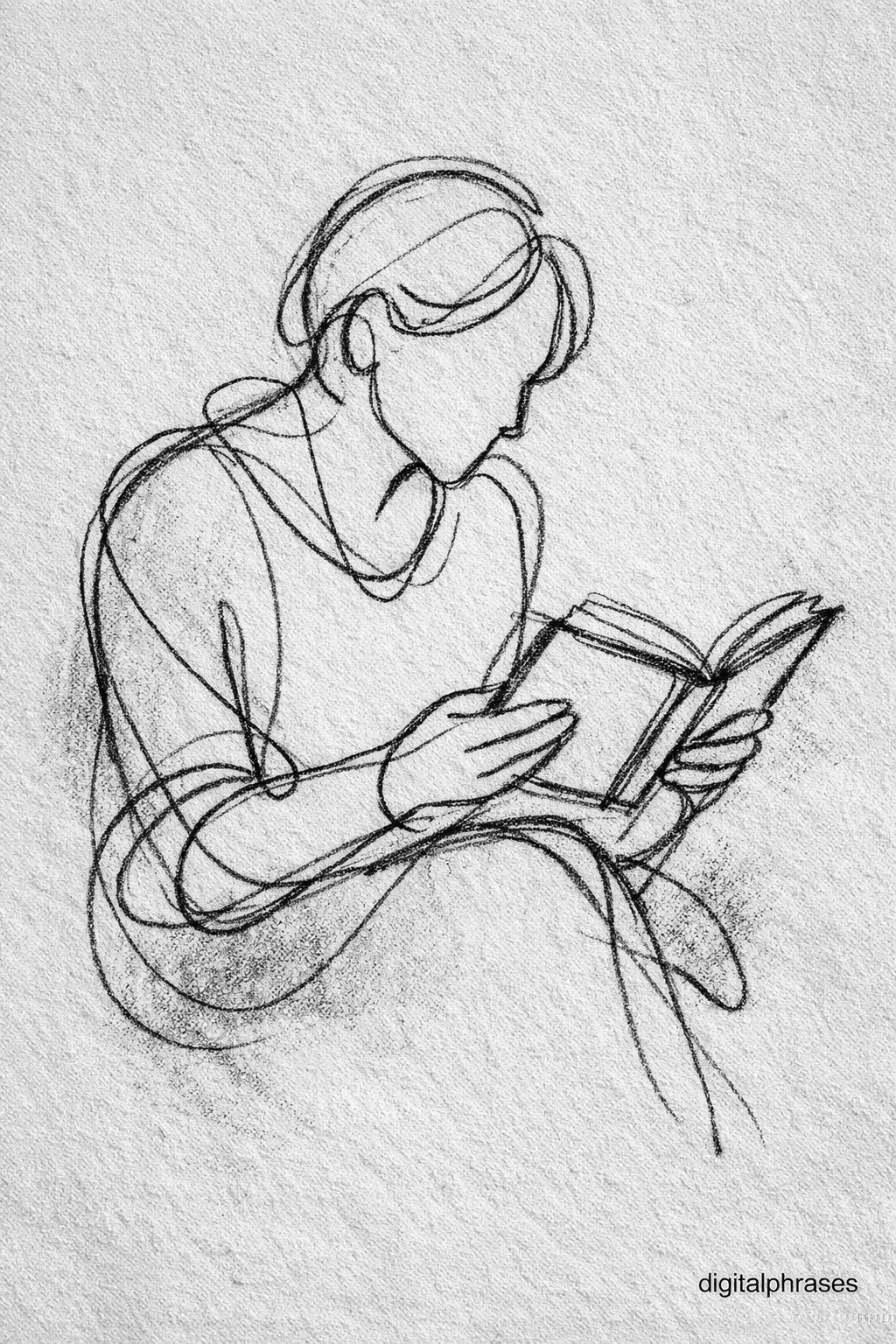
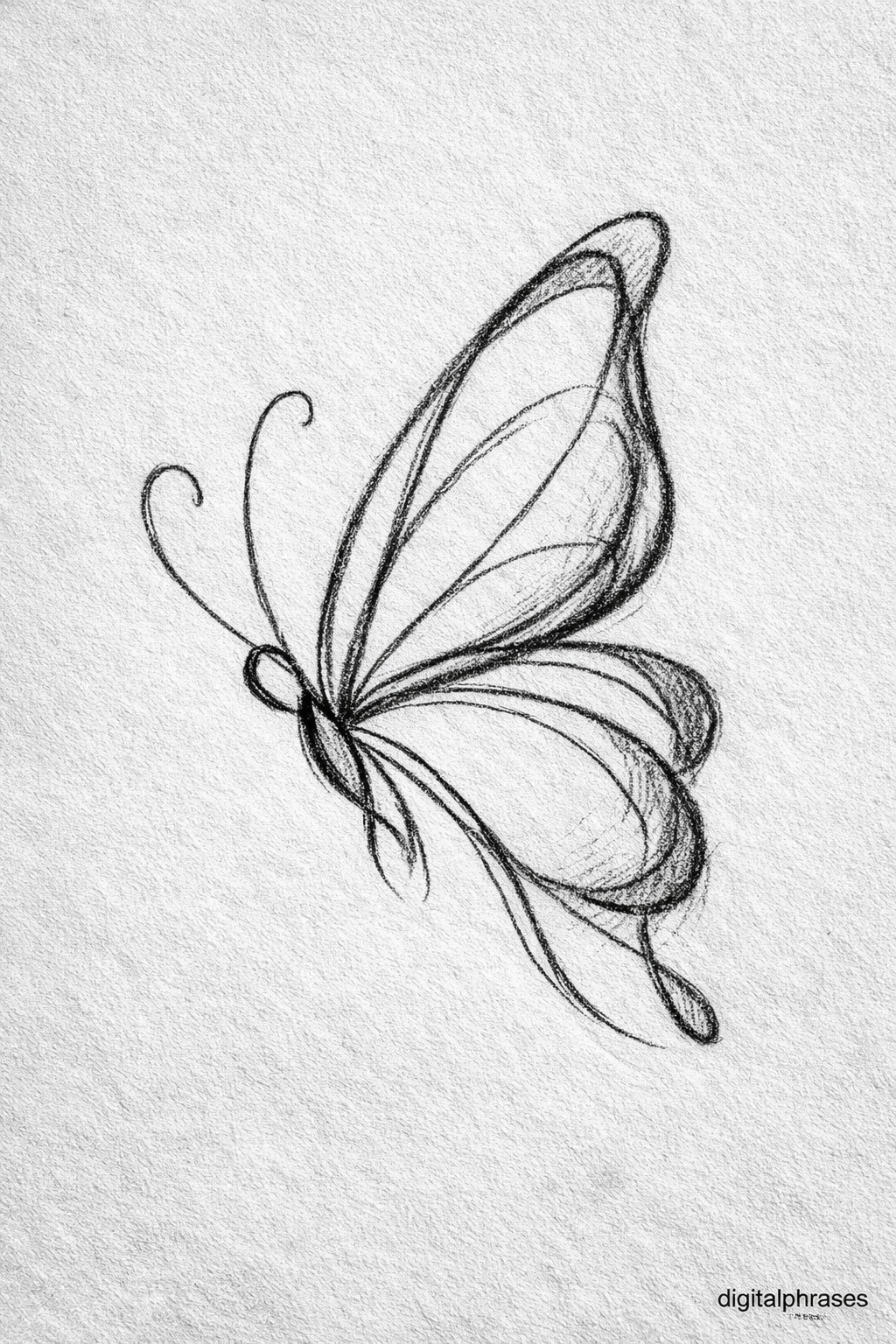
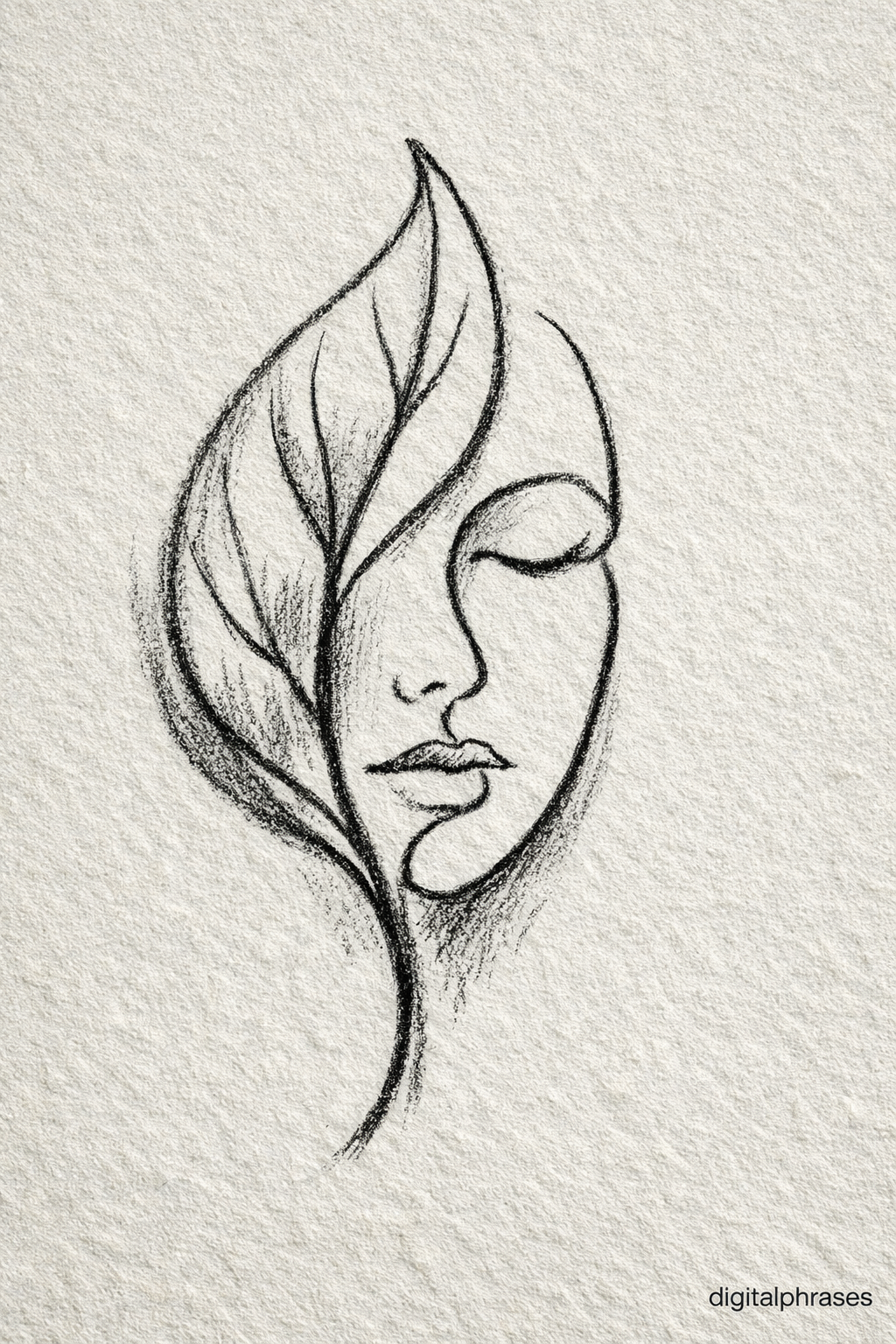
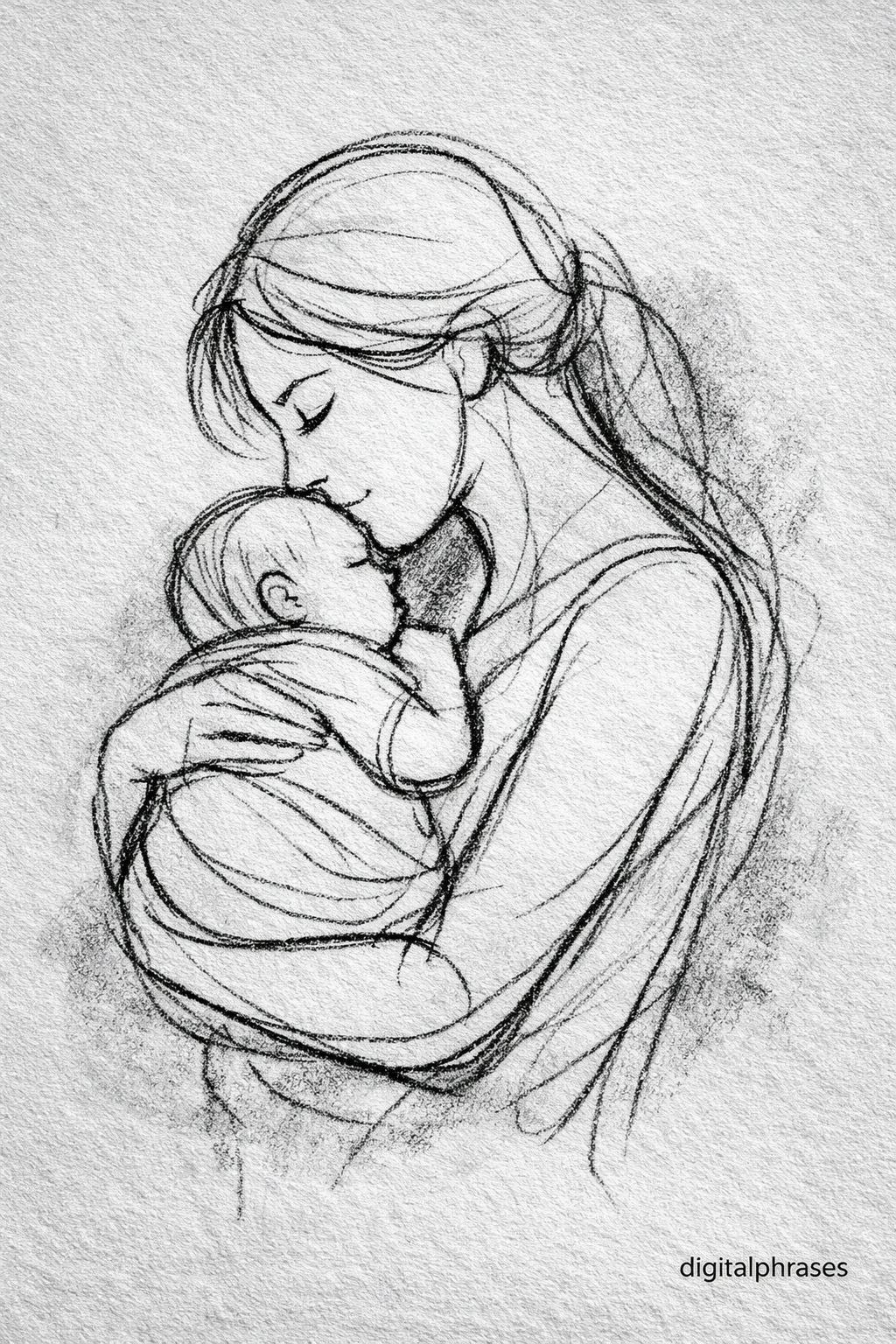
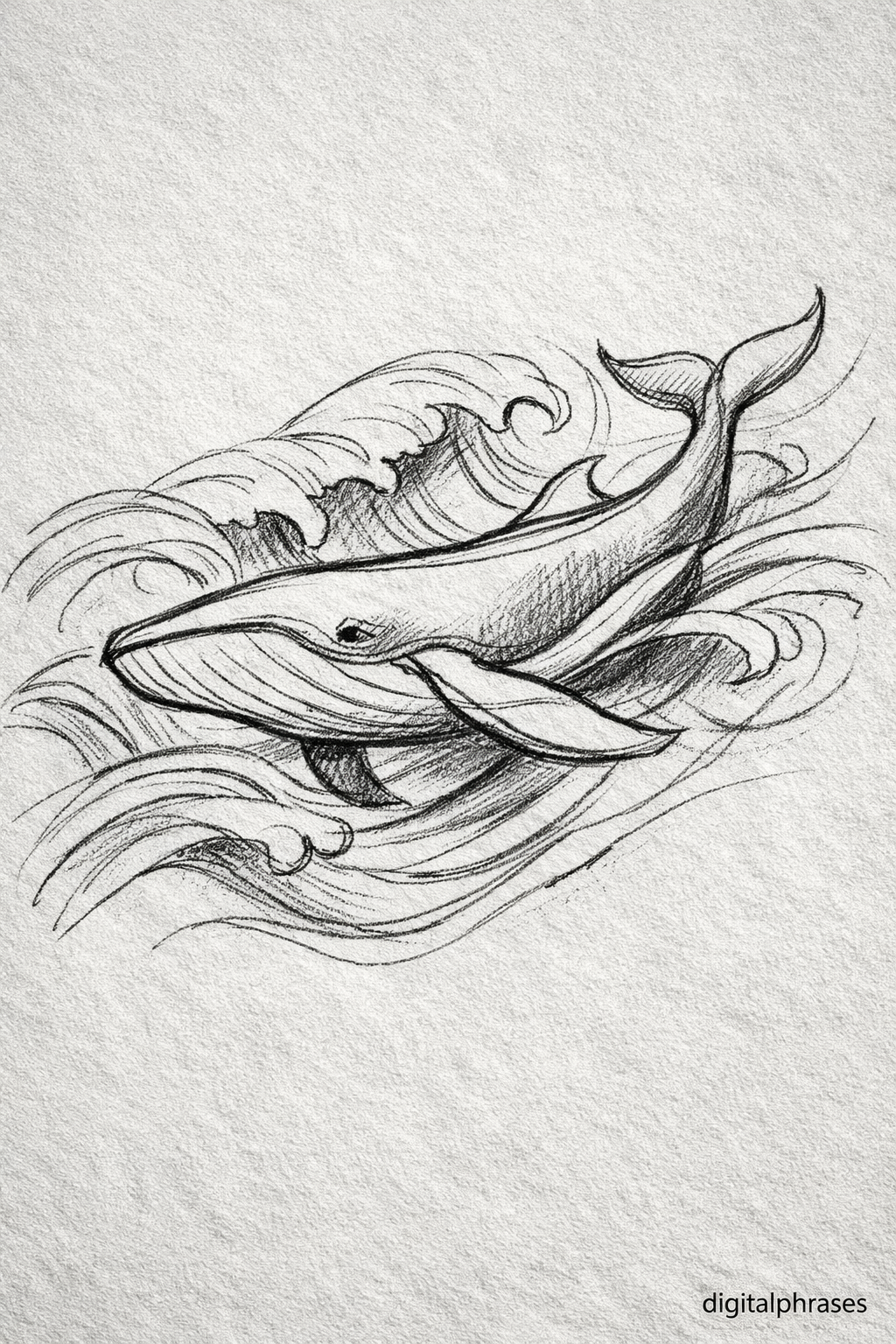
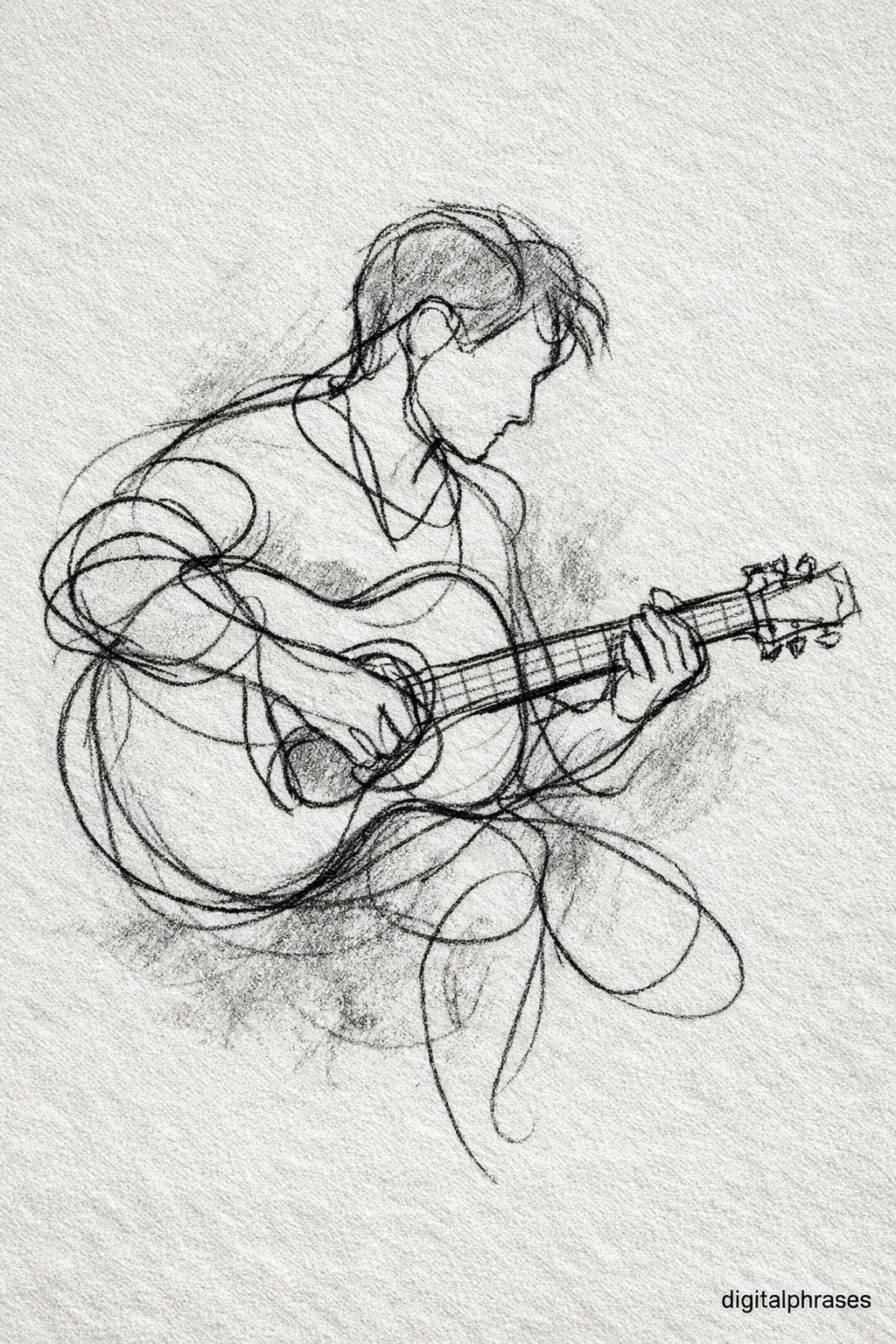
Continuous line drawing is a simple yet expressive art style where an image is created using one uninterrupted line.
Instead of lifting the pen, the artist allows the line to flow freely across the page, forming shapes, details, and emotions with minimal strokes. This technique is popular among beginners, illustrators, tattoo artists, and digital creators because it captures beauty in a raw and effortless way. In this blog, we’ll explore some continuous line drawing ideas to inspire your next creative piece.
1
2
3
4
5
6
7
8
9
10
11
12

13
14
15
16
17
18
19
20
21
22
23
24
Tips For Continuous Line Drawings
1. Start with Simple Subjects
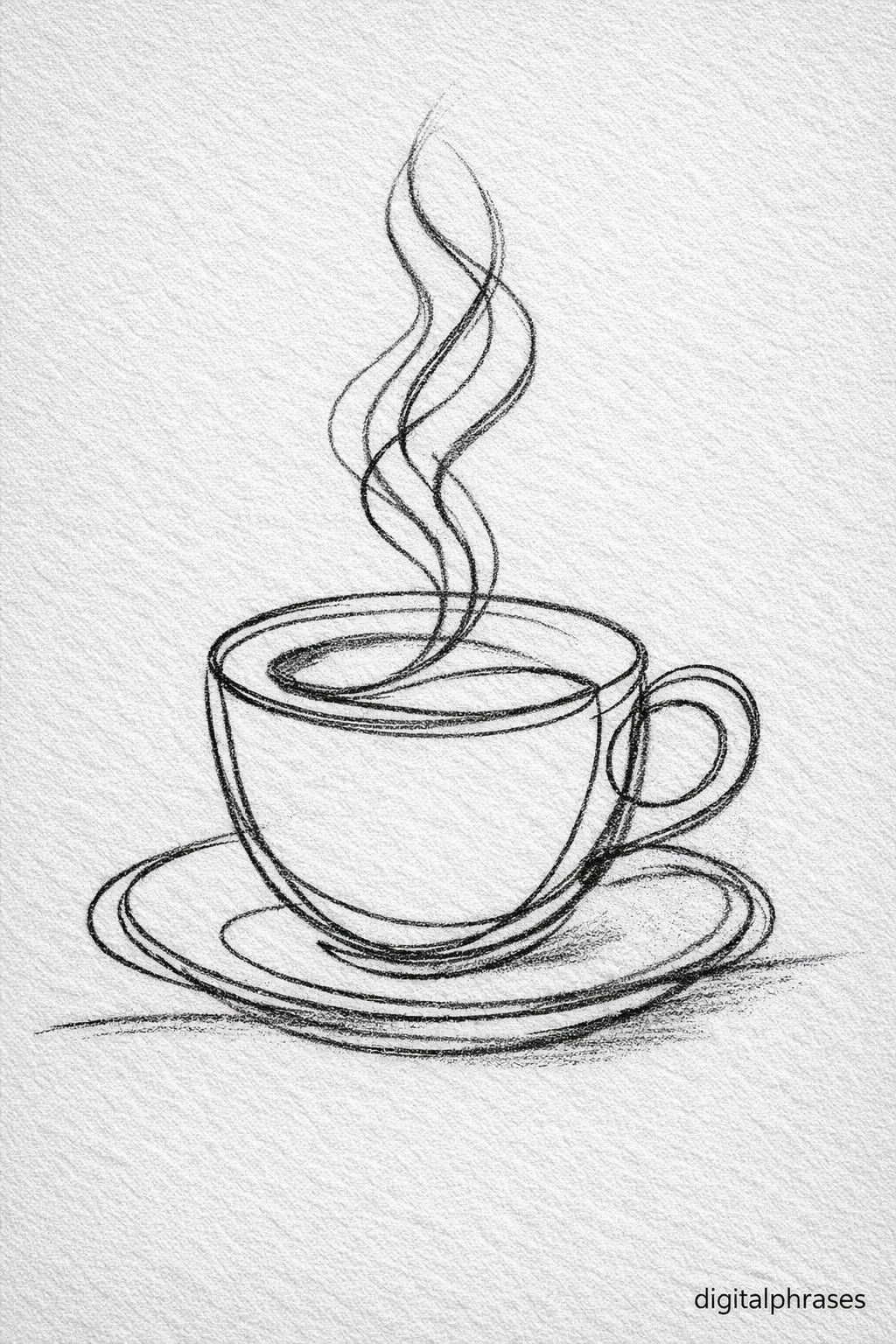
If you are new to continuous line drawing, begin with simple subjects such as leaves, flowers, faces, hands, cups, or animals. These objects have clear shapes and easy outlines, making them perfect for practice. Avoid starting with highly detailed scenes, as they can feel overwhelming. The goal is not to create a perfect drawing but to understand how one line can move naturally from one part of the subject to another. Simple subjects help you build confidence, improve hand control, and learn how to simplify forms.
2. Plan the Path Before Drawing
Although continuous line drawings look spontaneous, a little planning can make the final artwork much stronger. Before placing your pen on the paper, observe the subject carefully and decide where the line should begin and end. Think about how the line will travel through the main features without unnecessary breaks. You can lightly imagine the route in your mind or trace it in the air first. Planning helps you avoid getting stuck halfway and makes your drawing feel more balanced and intentional.
3. Keep Your Pen Moving
One of the most important rules of continuous line drawing is to keep the pen moving. Try not to pause too much or overthink every curve. A flowing line gives the artwork energy, rhythm, and personality. Even if the drawing looks imperfect, those small irregularities often make it more interesting. Move slowly enough to stay in control, but freely enough to avoid stiffness. With practice, your hand will become more relaxed, and your lines will begin to look smoother and more natural.
4. Focus on the Main Features
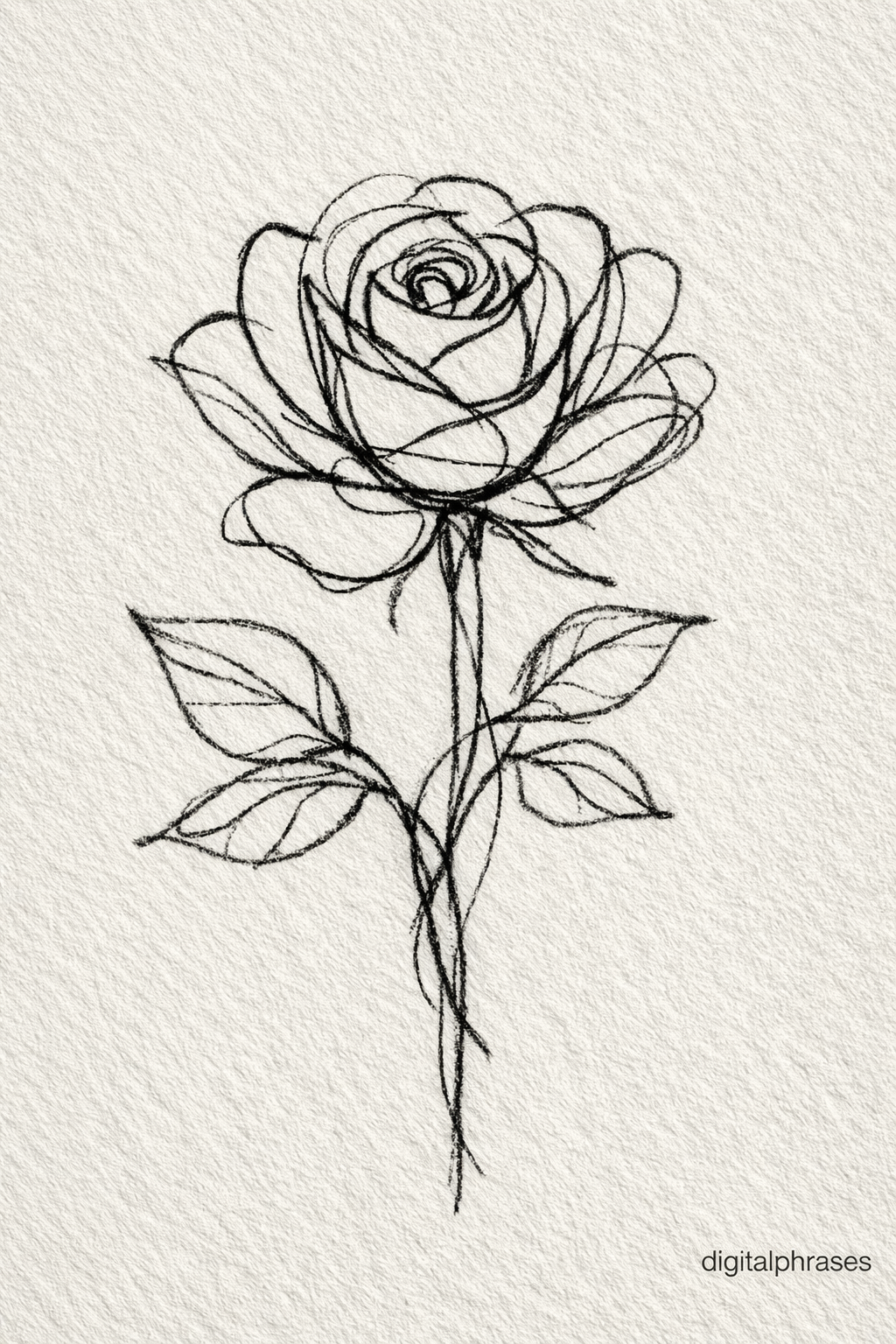
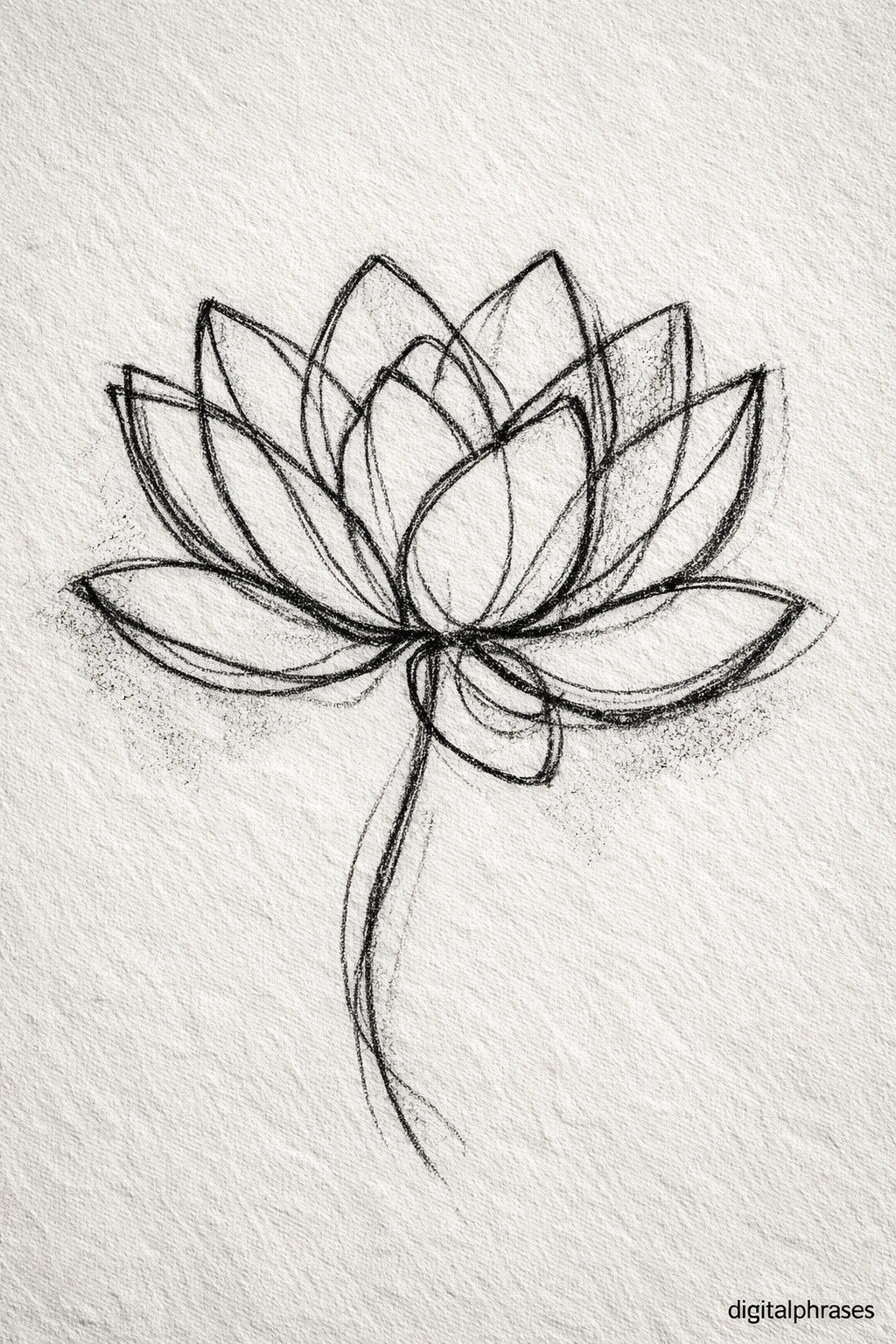
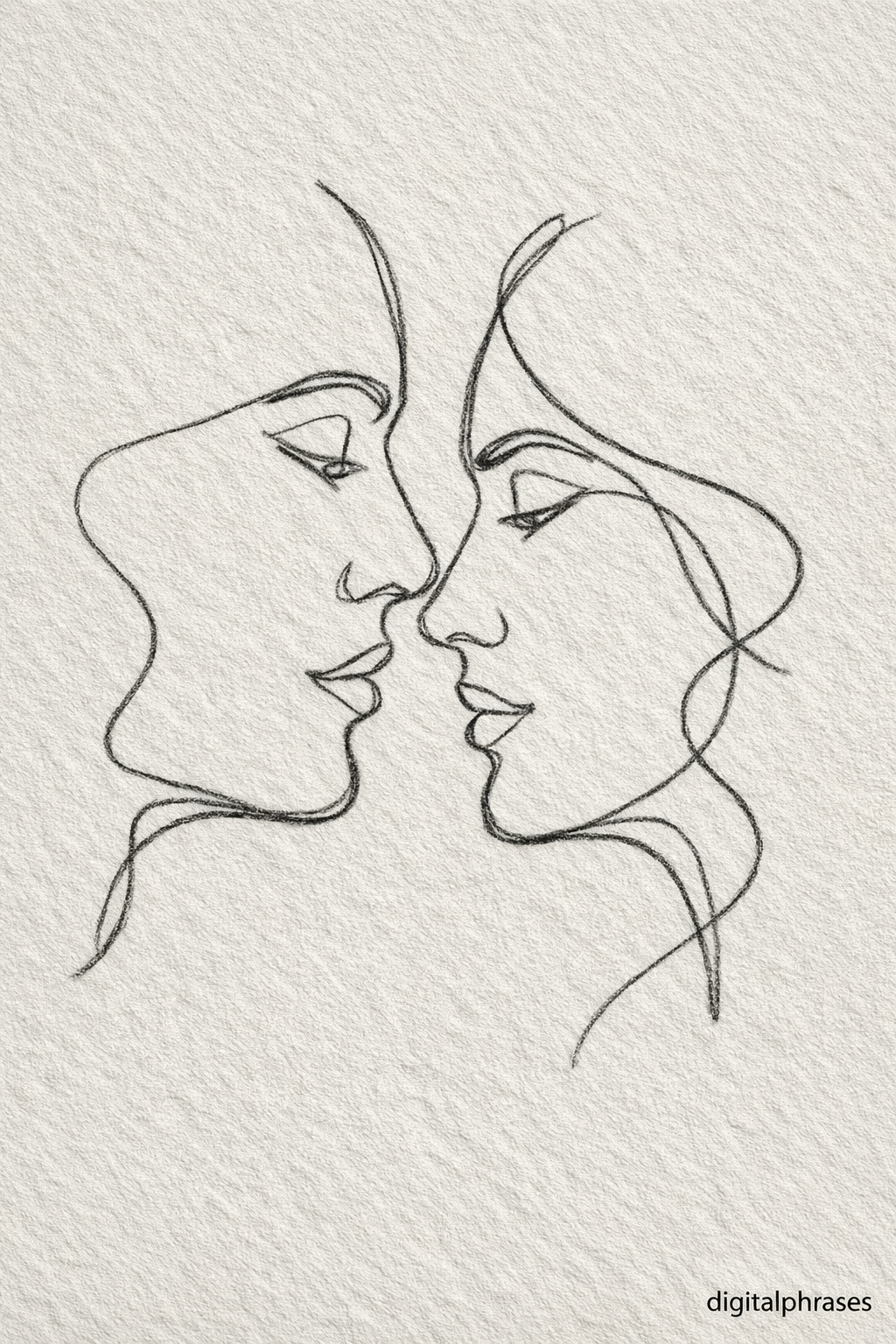
Continuous line drawing is all about simplification. Instead of drawing every tiny detail, focus on the most recognizable features of your subject. For example, when drawing a face, highlight the eyes, nose, lips, and outline rather than every strand of hair. When drawing a flower, capture the petals, stem, and leaves with clean, graceful curves. Choosing the right details helps your artwork stay minimal while still being easy to understand. This approach also gives your drawing a modern and elegant look.
5. Practice Without Erasing
Continuous line drawing improves best when you allow yourself to make mistakes. Avoid erasing or restarting every time something looks uneven. Each attempt teaches you something about movement, proportion, and flow. Try making several quick drawings of the same subject instead of spending too long on one piece. Over time, you will notice better control and more confident lines. Practicing without erasing also helps you become less afraid of imperfection, which is essential for developing a unique artistic style.