
Window Drawing Ideas
Looking for fresh inspiration beyond the view outside your window?
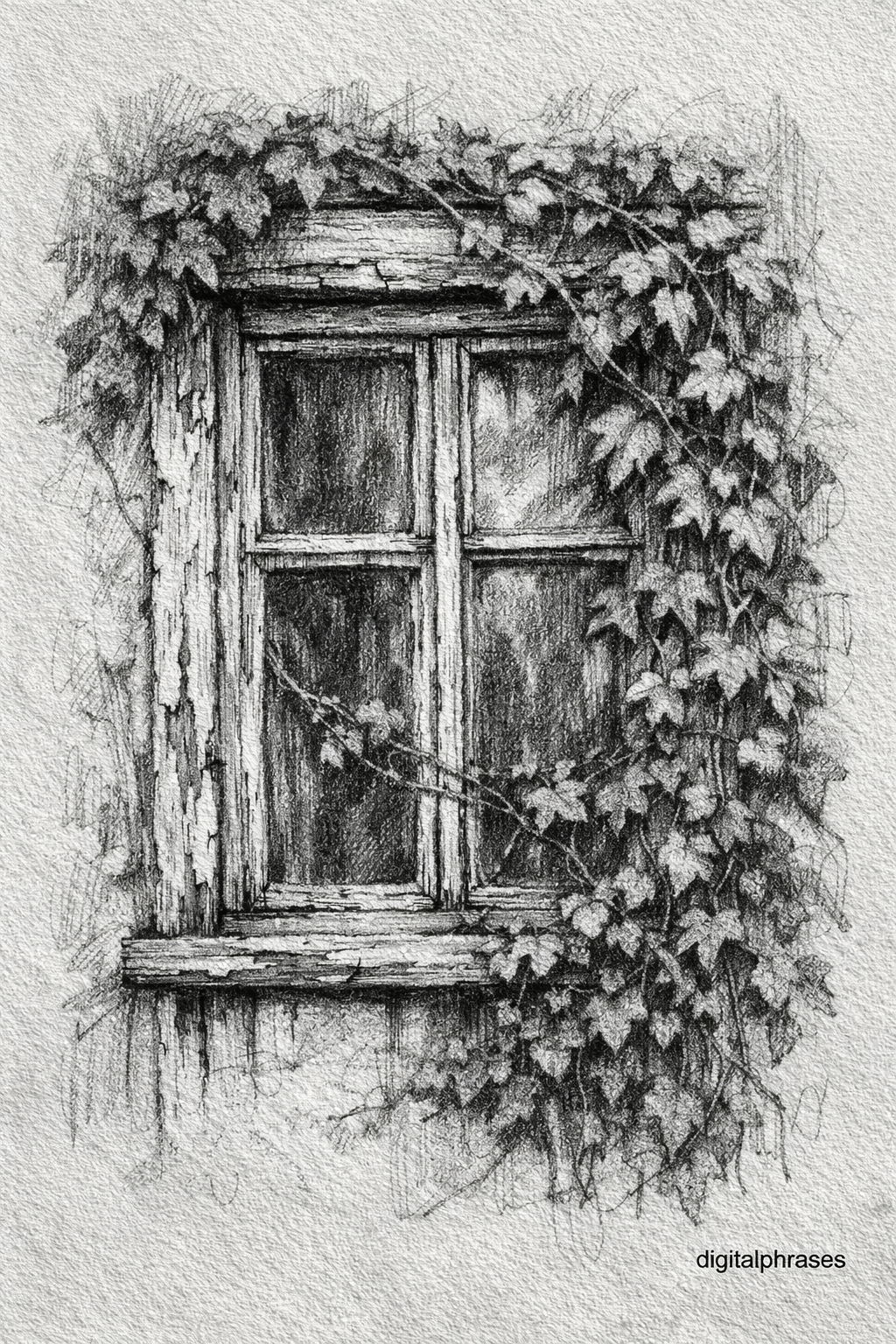
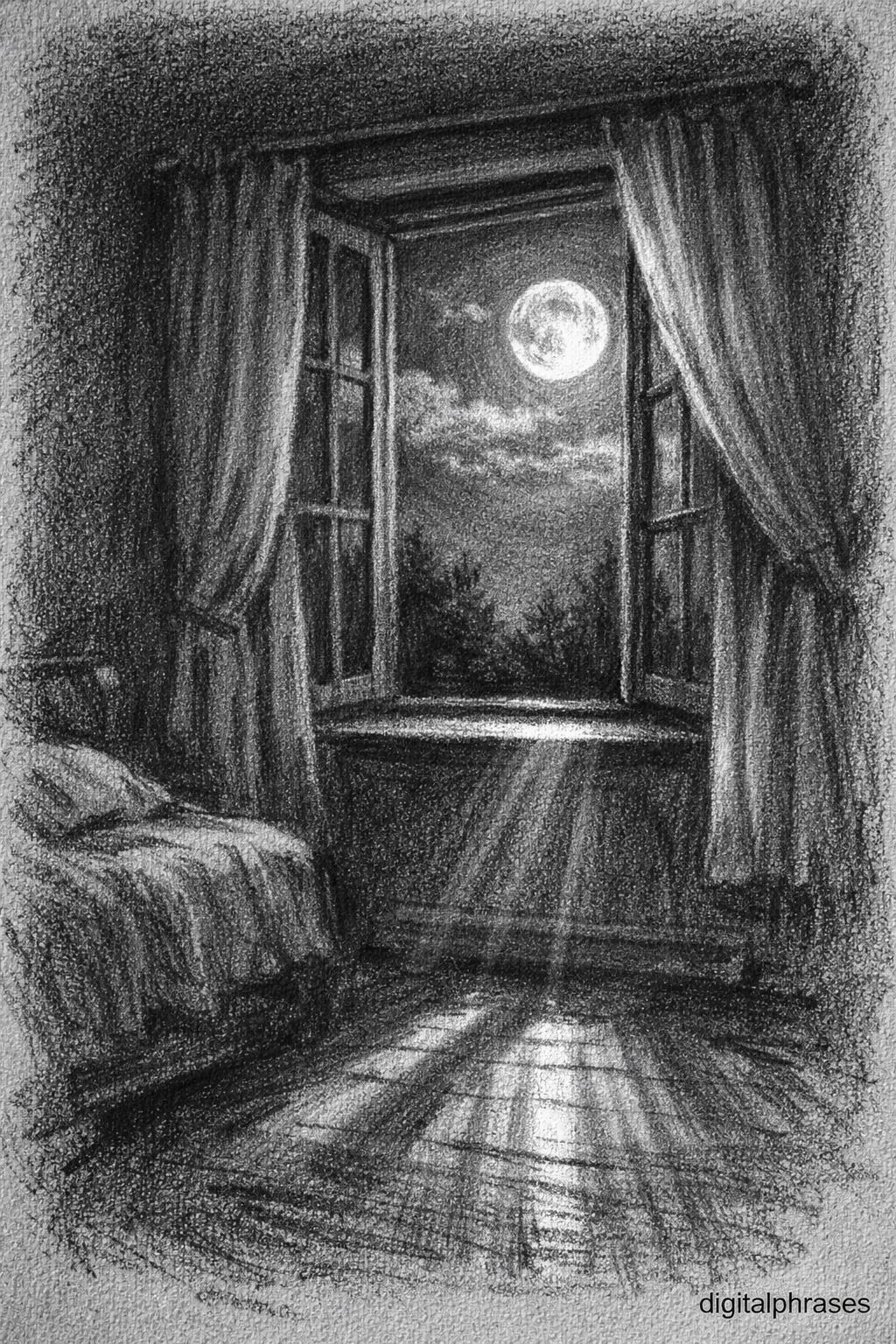
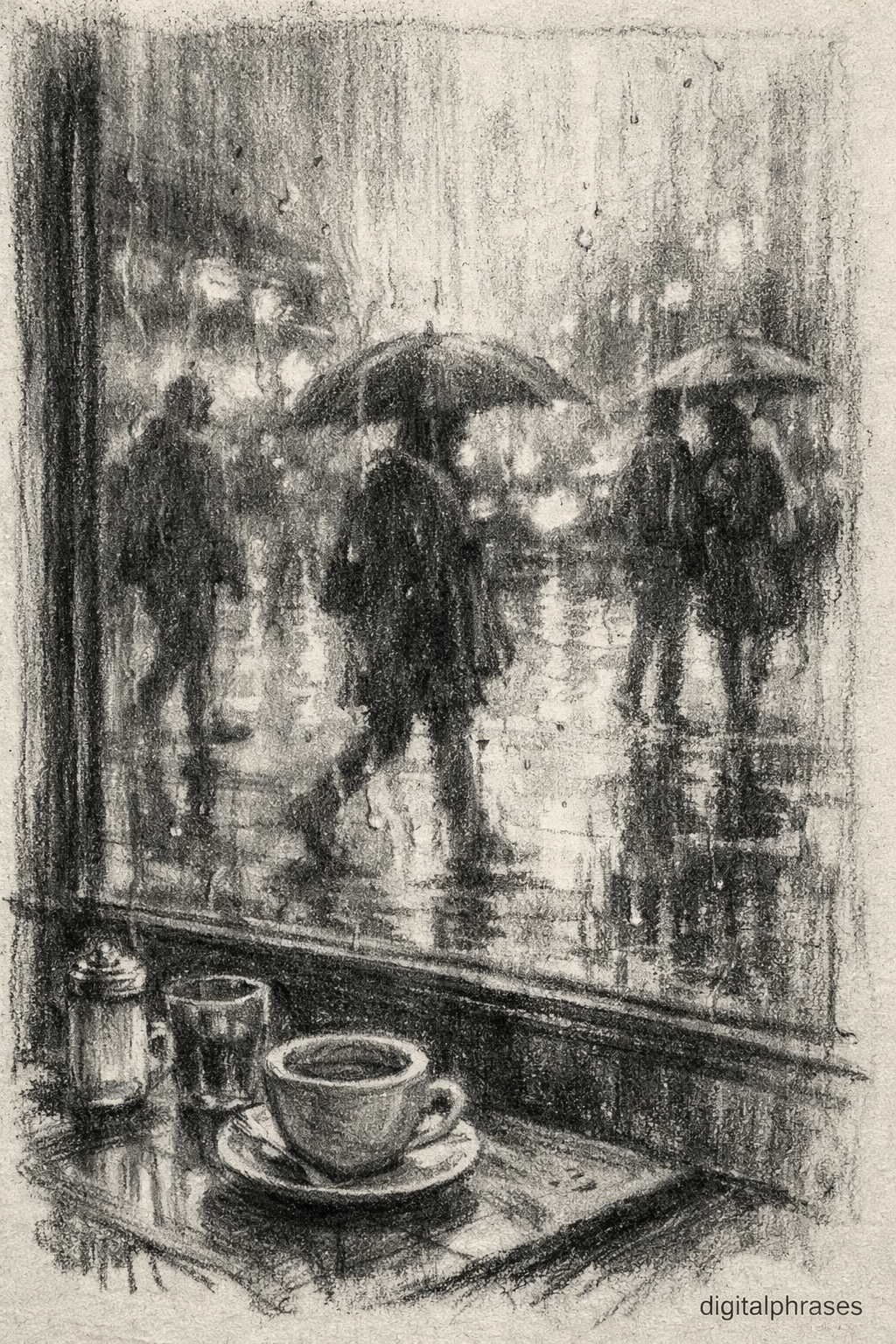
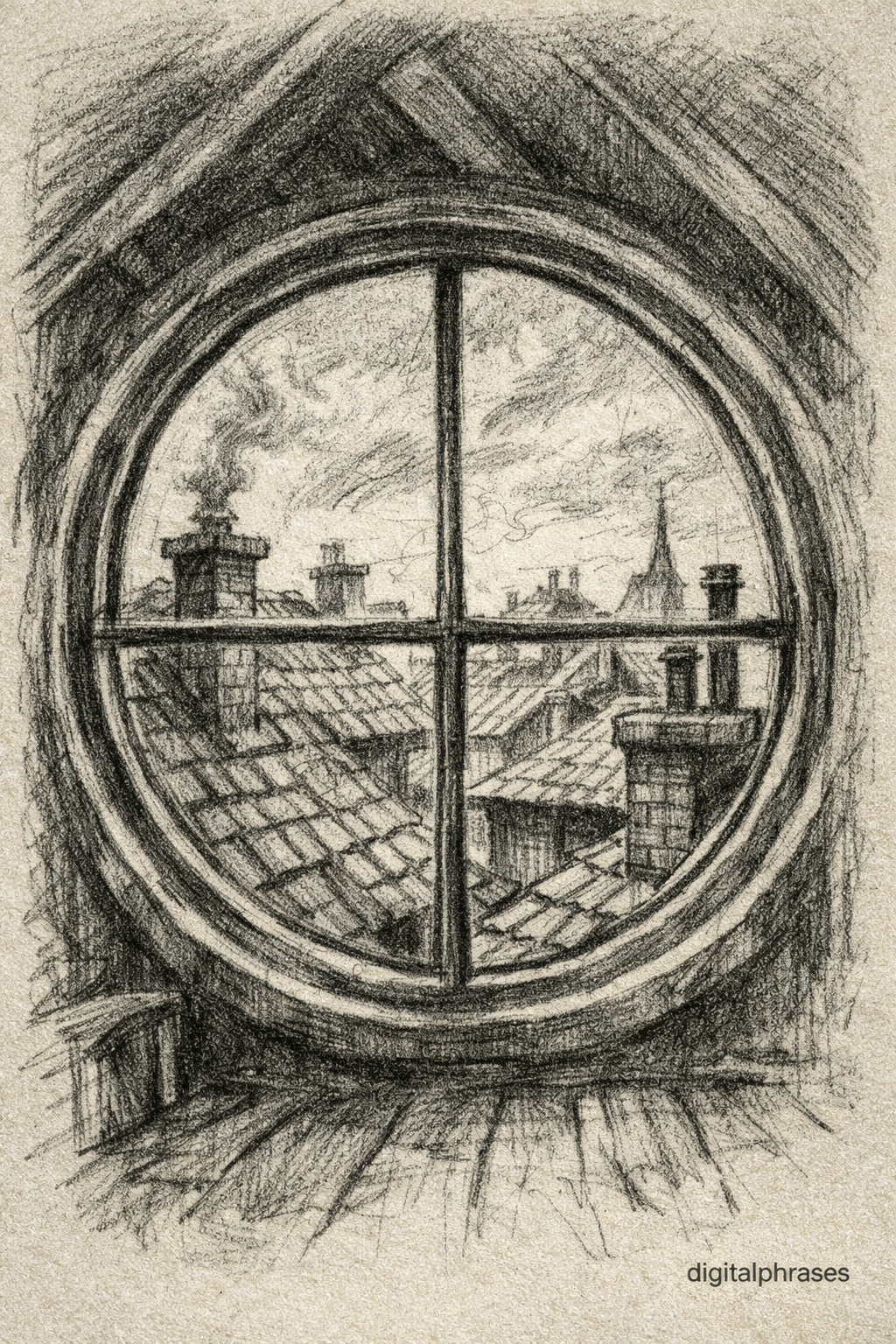
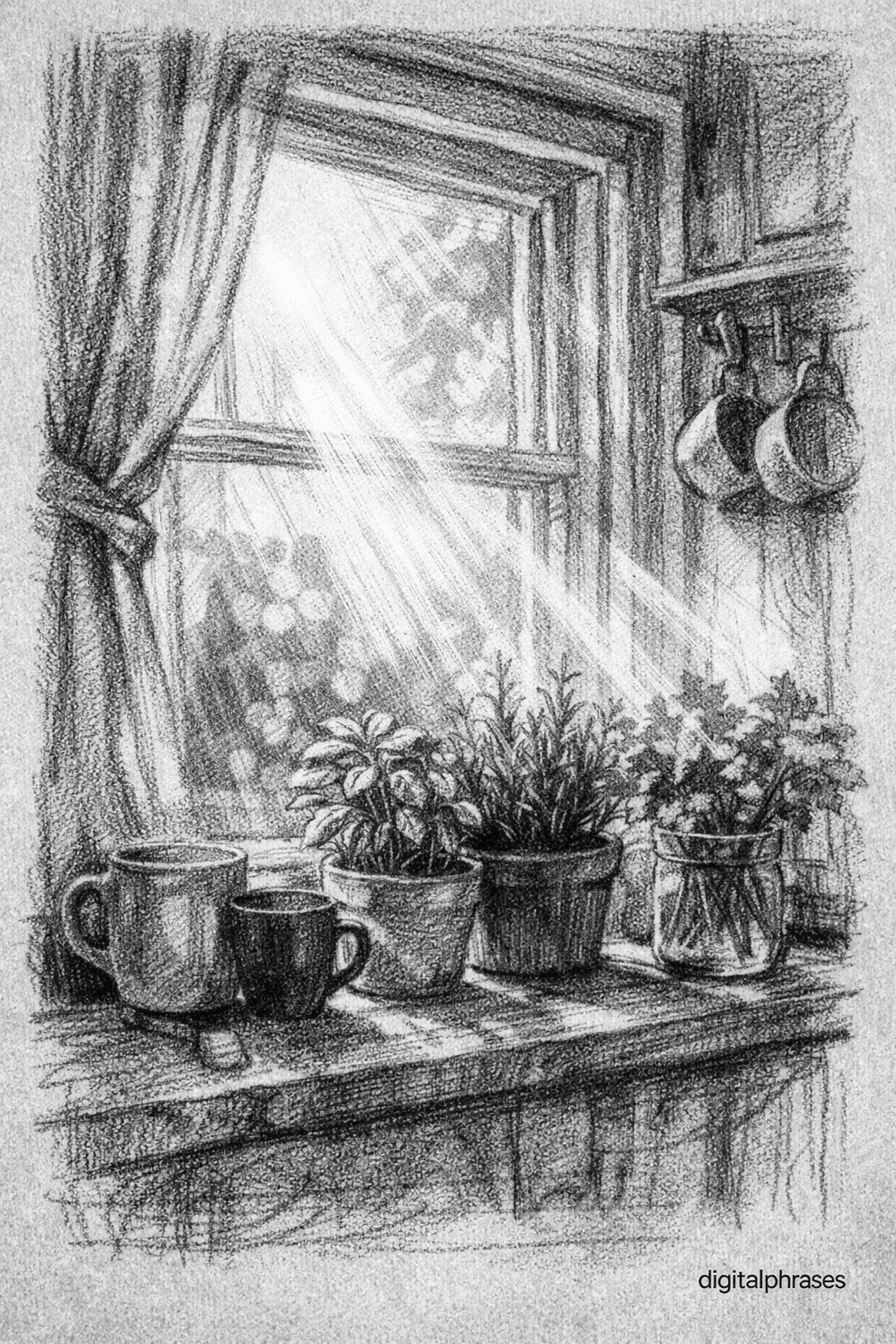
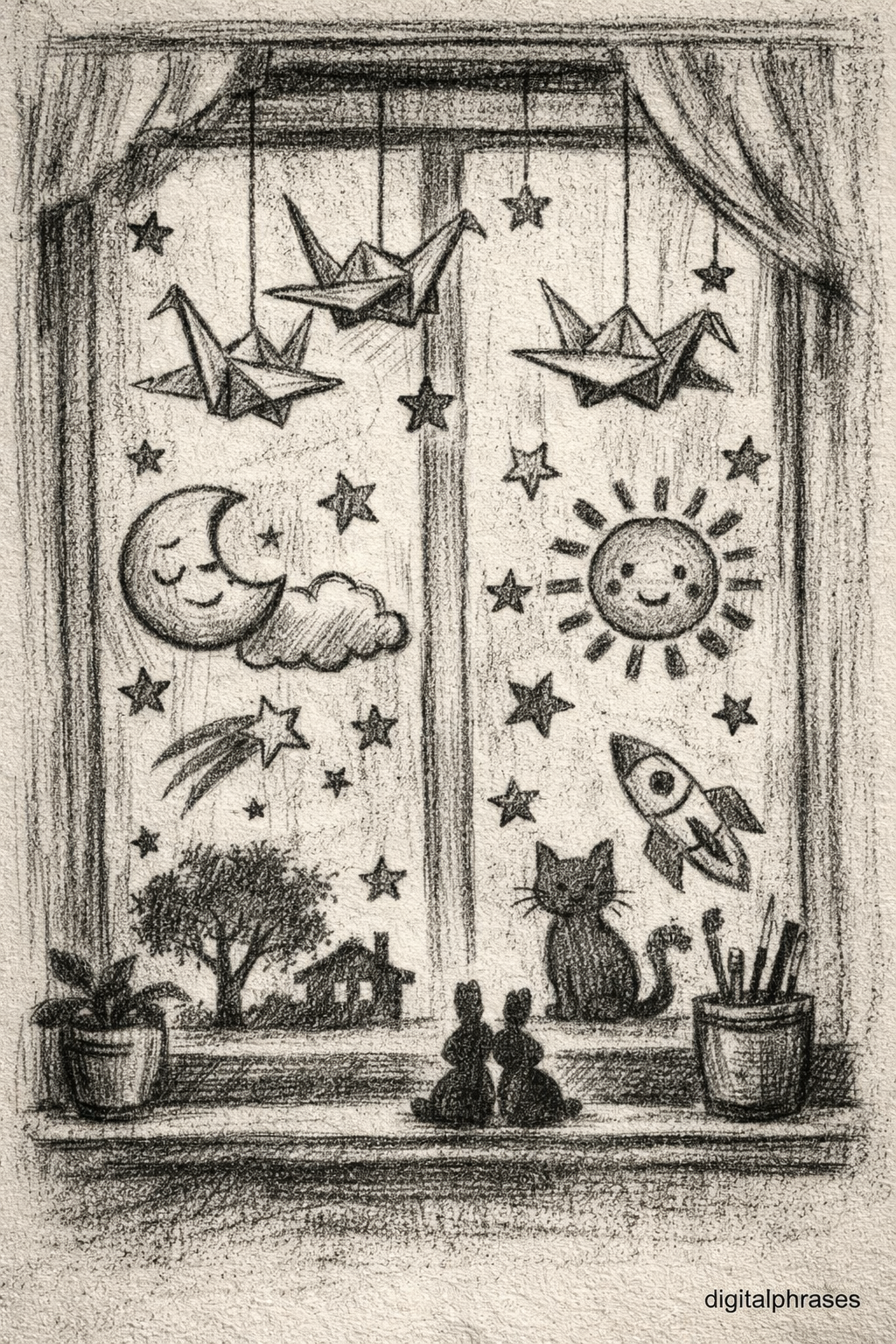
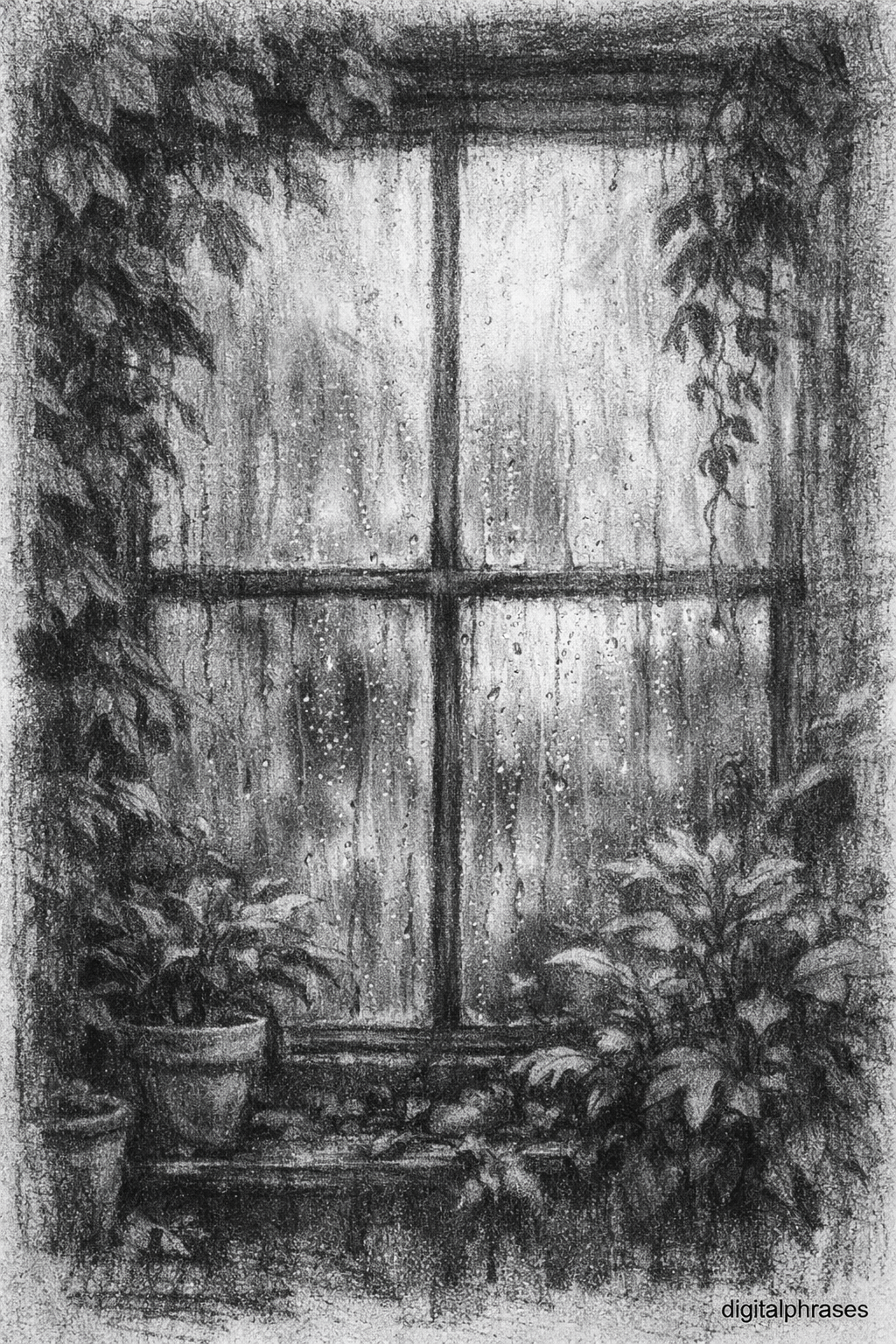
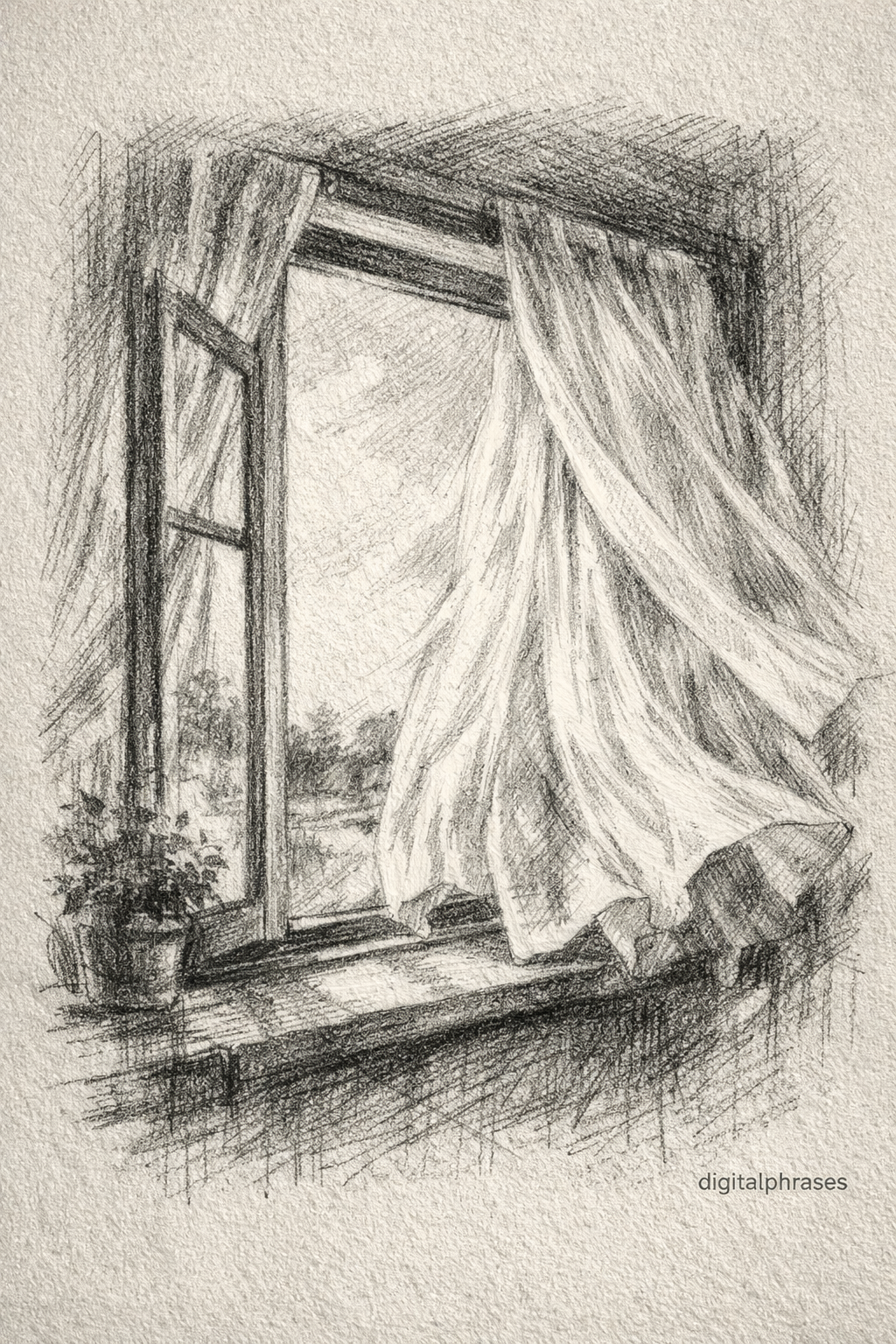
Window drawings are a simple way to turn everyday glass, frames, and light into charming artwork.
Whether you love cozy rainy-day scenes, dreamy landscapes, seasonal decorations, or playful doodles, these ideas can help you create something eye-catching with minimal supplies. Here are some window drawing ideas to spark your creativity.
Window Drawing Ideas
1
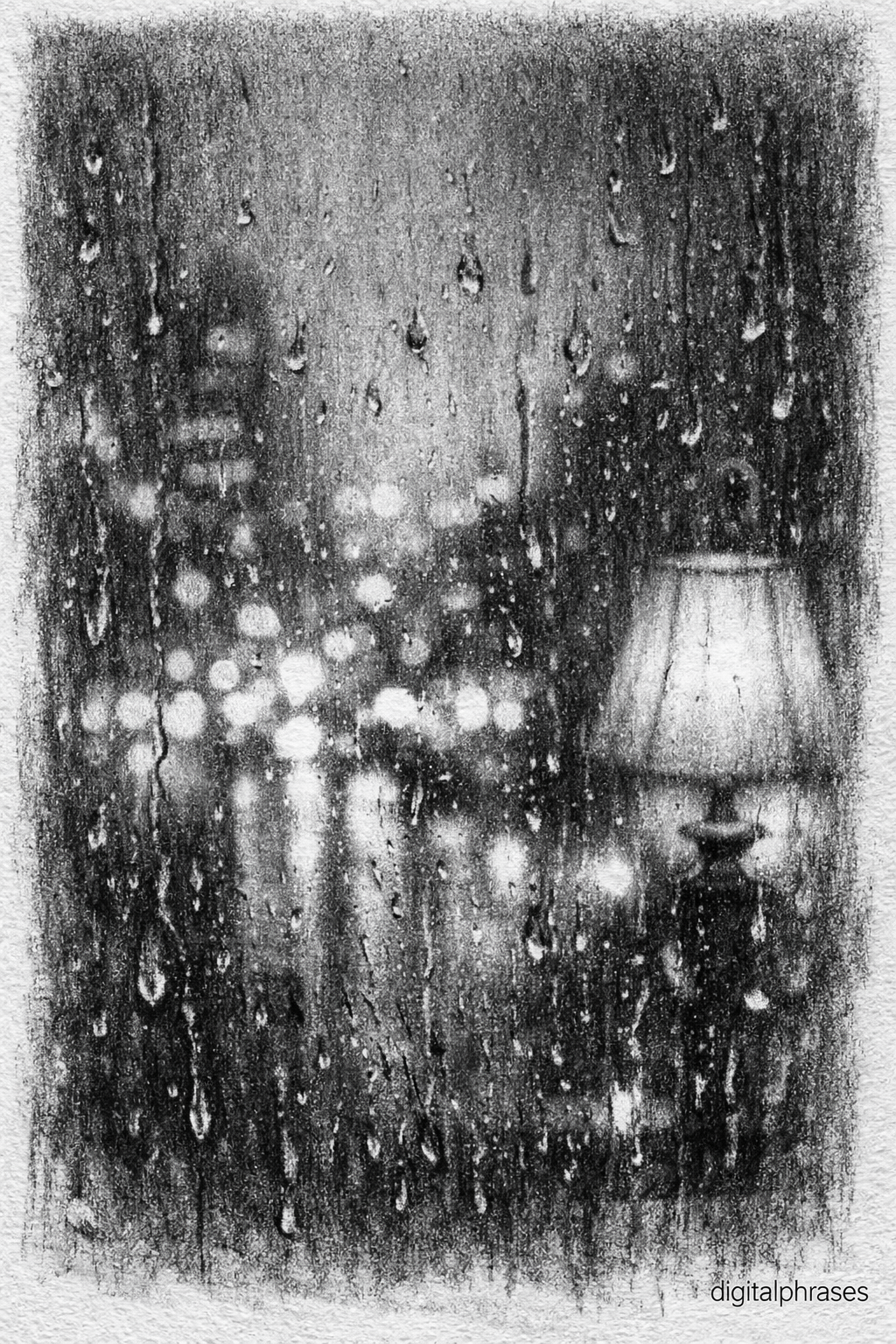
2
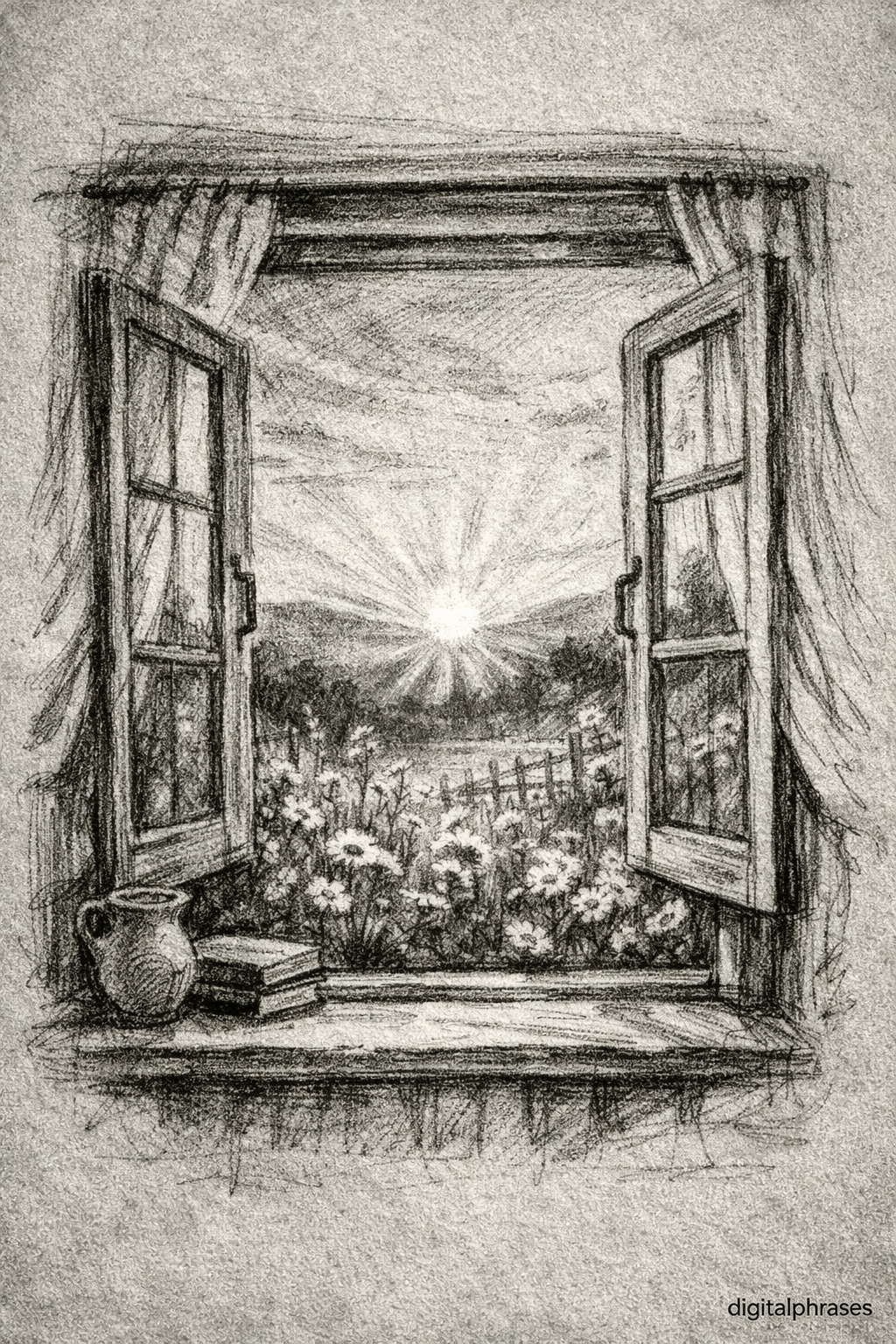
3
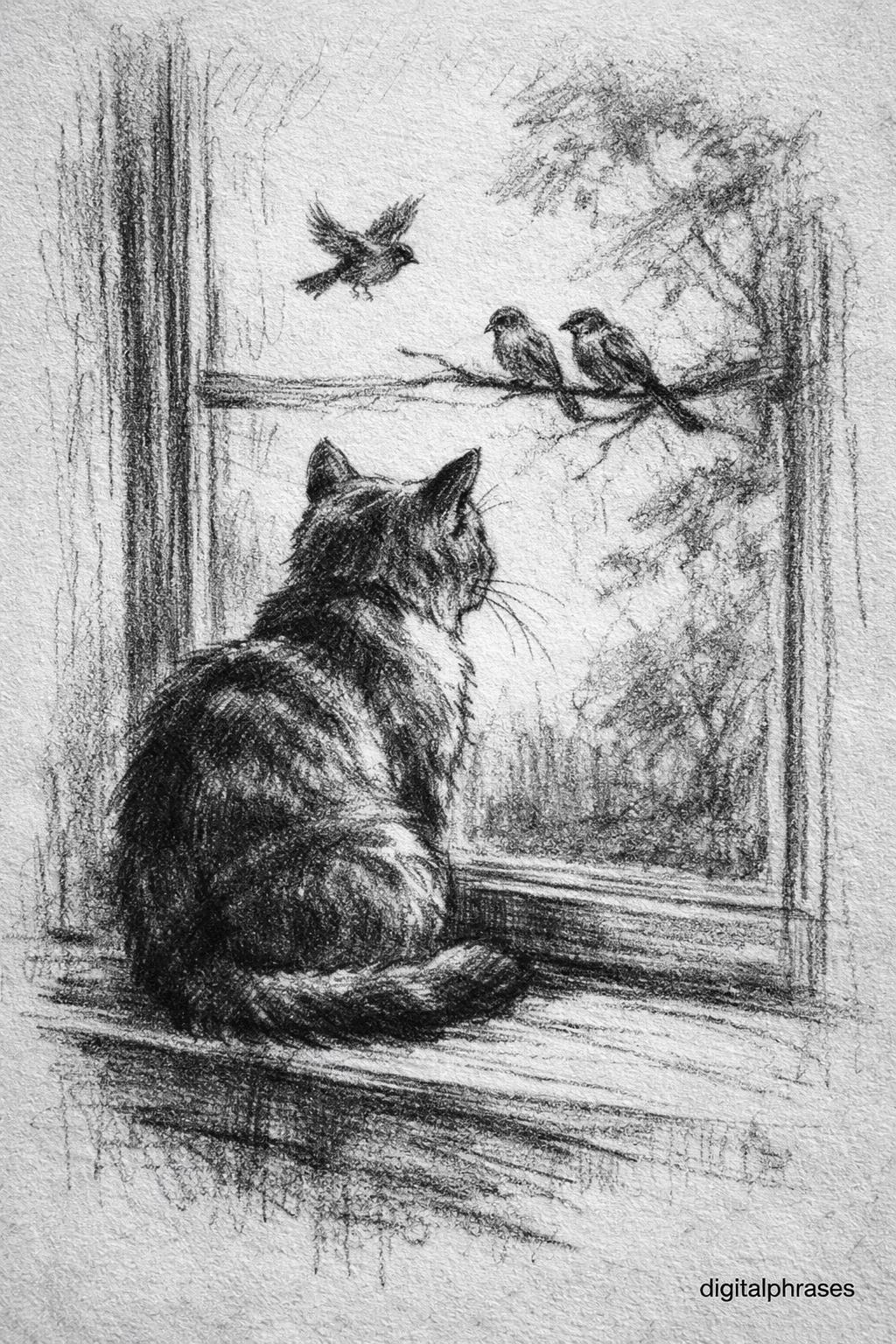
4

5
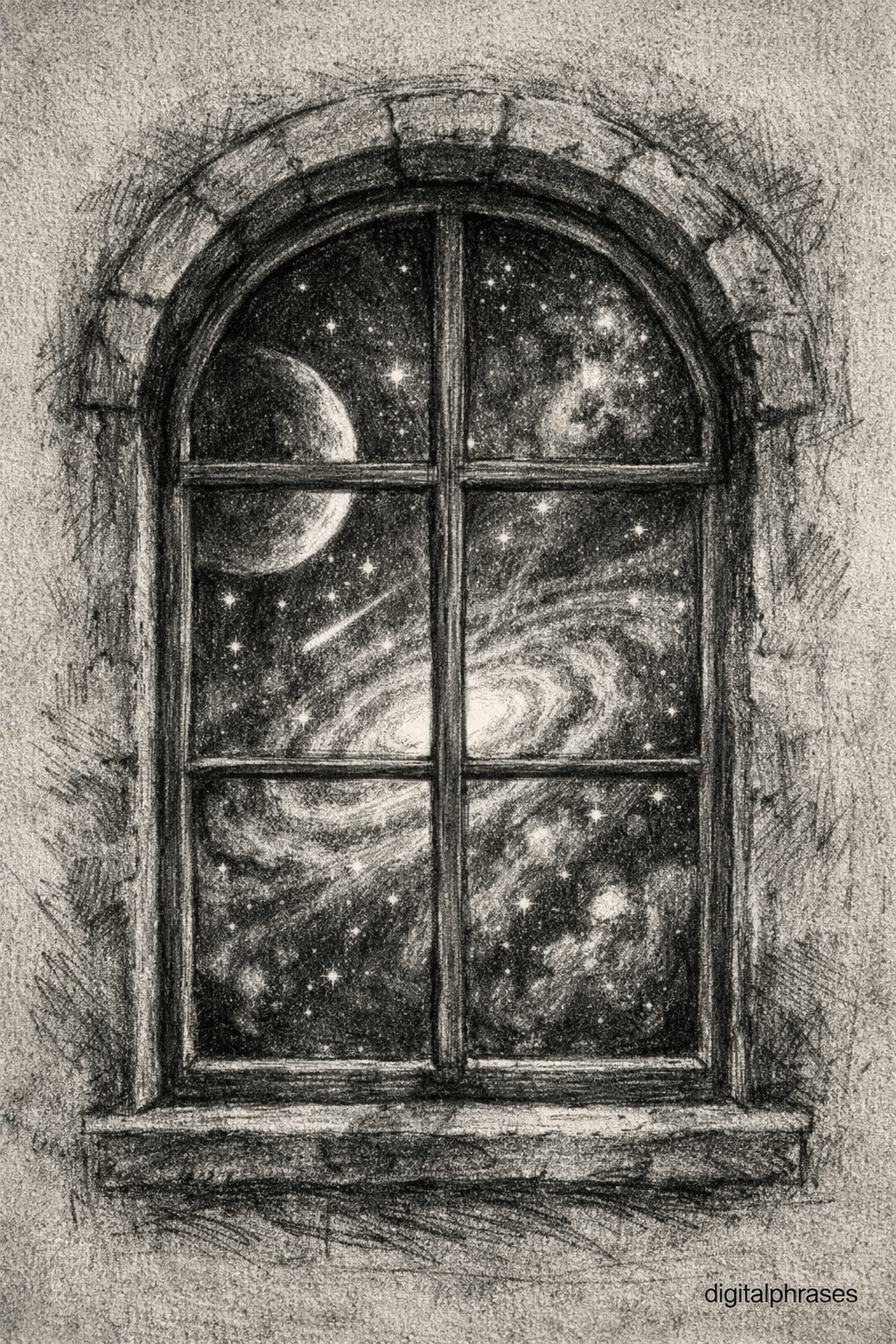
6
7
8
9
10
11
12
13
14
15

16
17
18
19
20
21

22
23
24
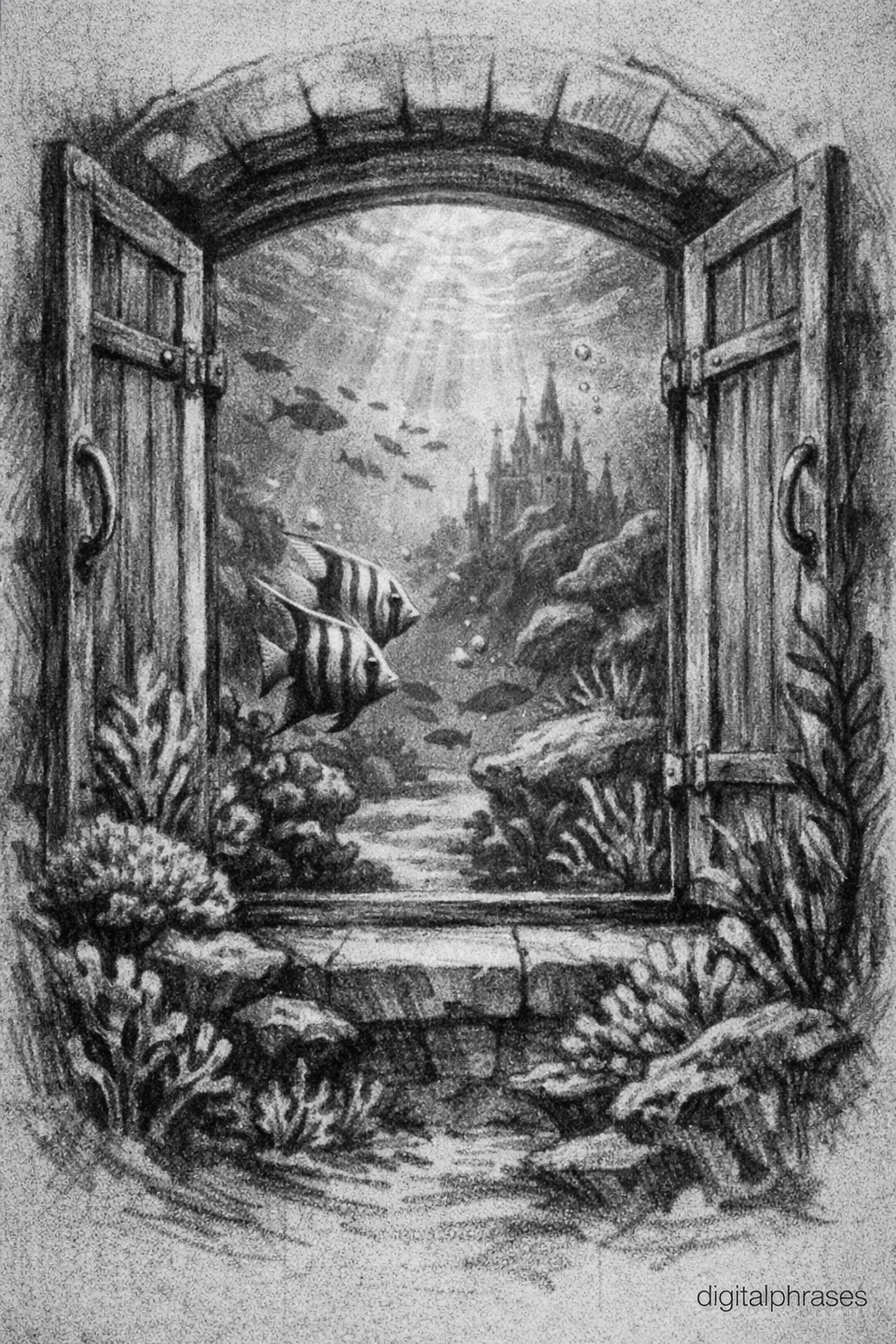
Tips For Drawing a Window
1. Start With a Simple Frame
When drawing a window, begin with the basic outer frame. Use light, straight lines to create a rectangle or square, depending on the shape you want. This frame gives your window structure and helps you keep everything balanced.
Do not press too hard with your pencil at first, because you may need to adjust the size or angle. Once the outer shape looks right, add an inner rectangle to show the thickness of the frame.
2. Use Guidelines for Symmetry
Windows often look best when their parts are evenly spaced. Draw faint vertical and horizontal guidelines before adding details. These lines can help you divide the window into equal panes.
For example, a cross shape inside the frame can create four simple glass sections. If your lines are uneven, the window may look tilted or unrealistic. Taking a moment to measure or compare both sides will make your drawing cleaner.
3. Add Depth With Extra Lines
A flat window can look plain, so use extra lines to create depth. Draw a second outline slightly inside the main frame to suggest thickness.
You can also add small side edges to make the window look like it is set into a wall. These details are simple, but they make the drawing feel more three-dimensional. Keep the depth lines consistent so the window does not look warped.
4. Show Glass With Reflections
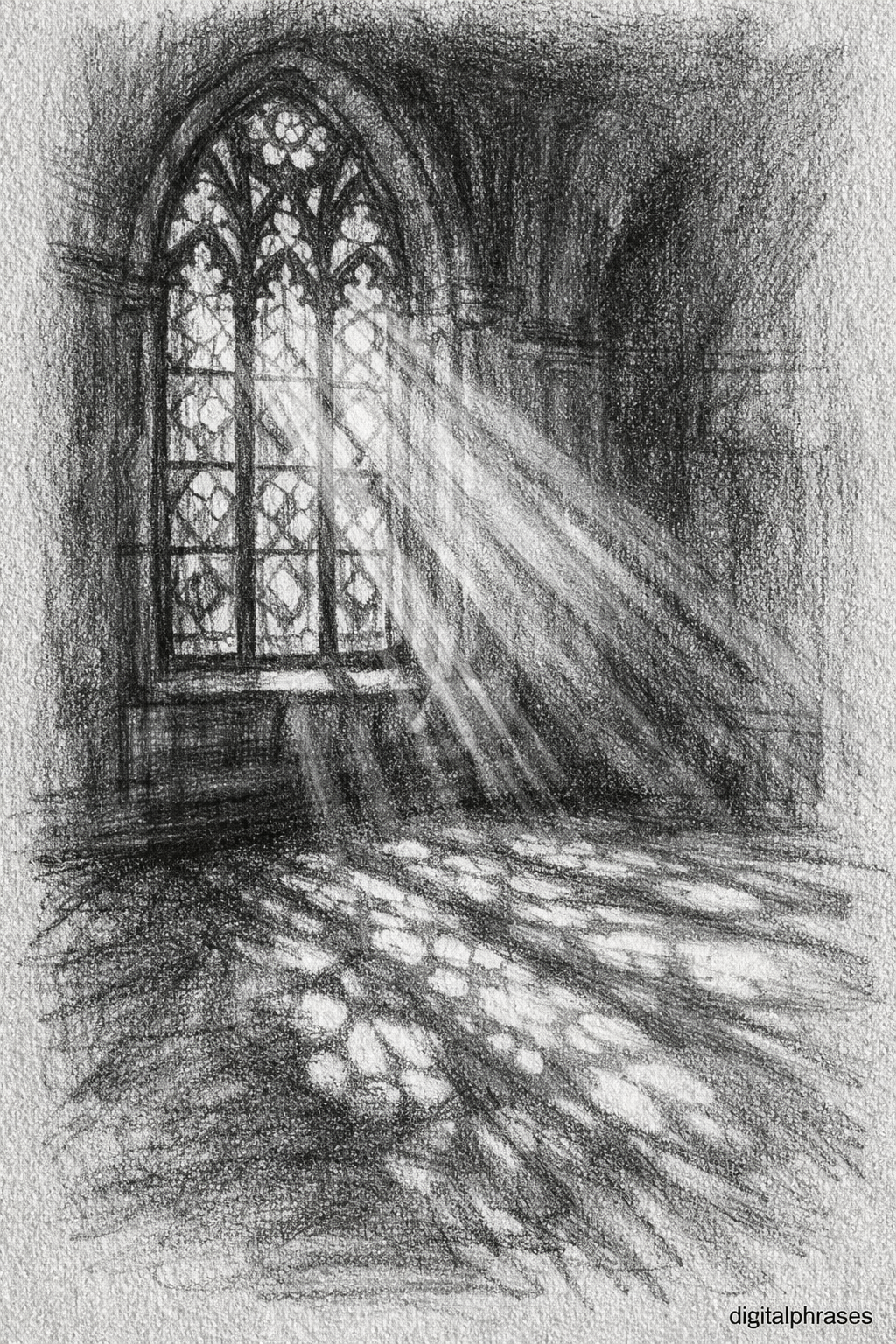
Glass can be tricky to draw, but a few light reflection lines can make a big difference. Add diagonal strokes or soft curved marks across the panes. Keep them thin and subtle, because reflections should not overpower the window frame.
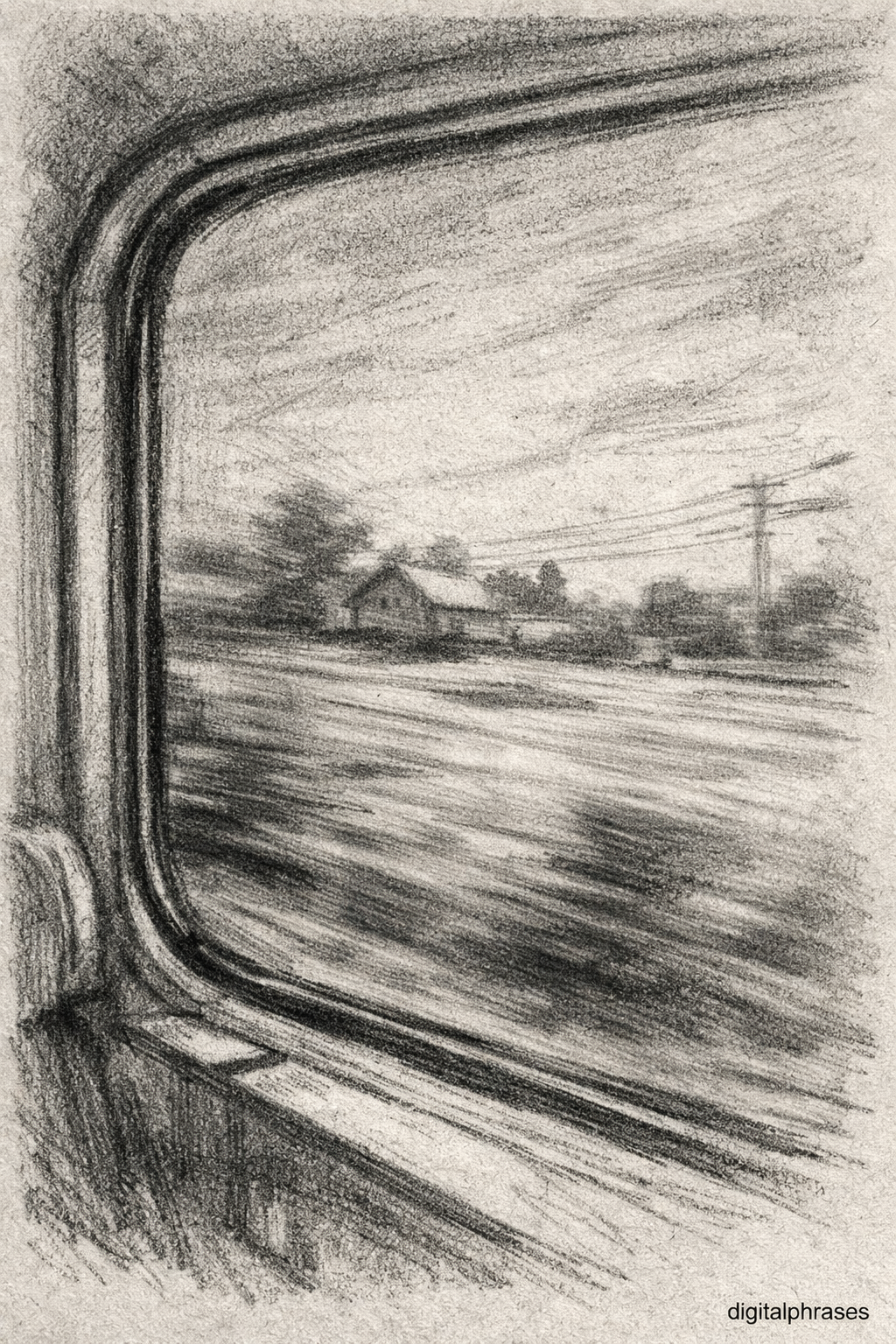
You can also leave some areas blank to suggest shine. If the window is open, draw the glass at an angle and add a few reflected shapes from outside.
5. Finish With Shadows and Details
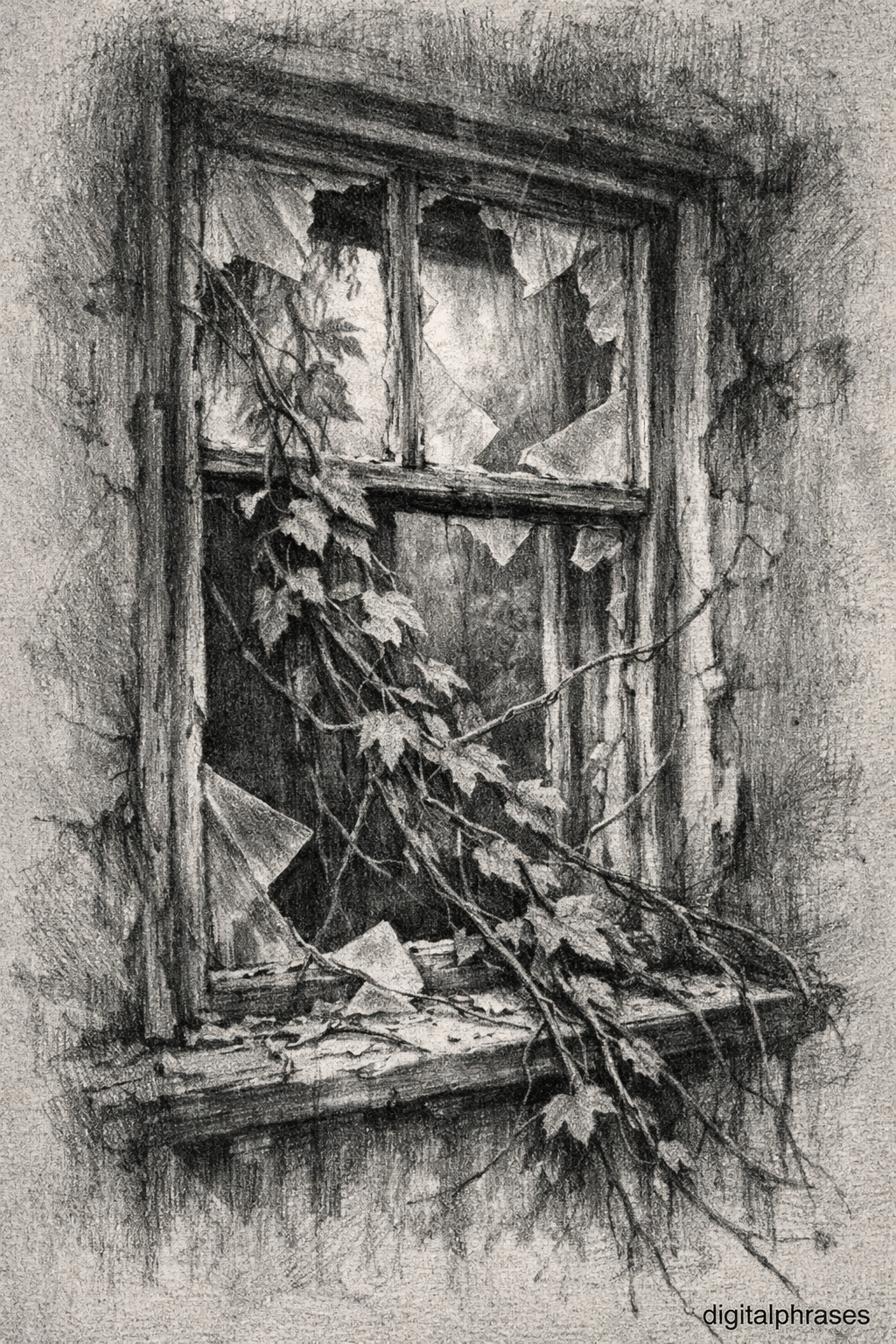
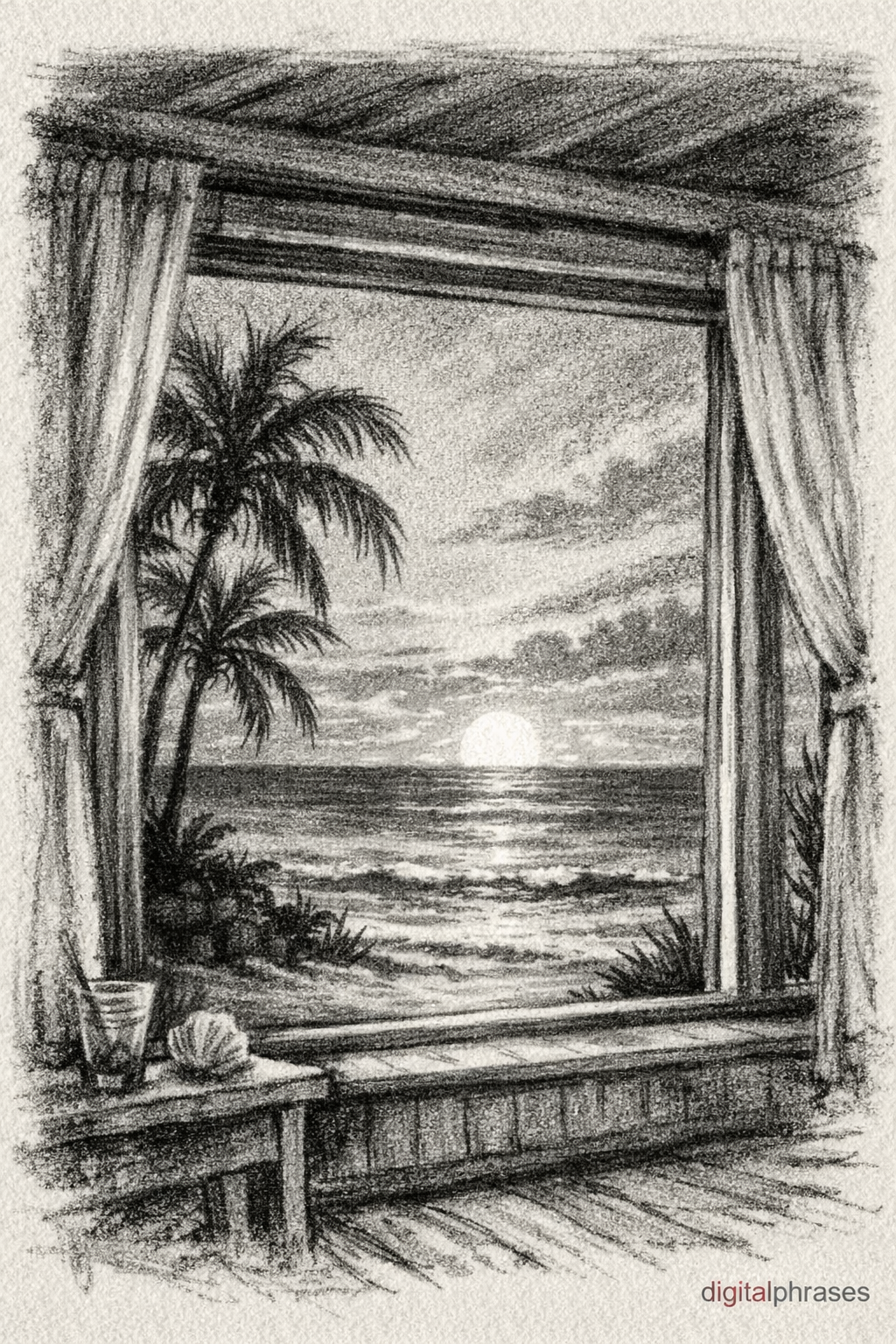
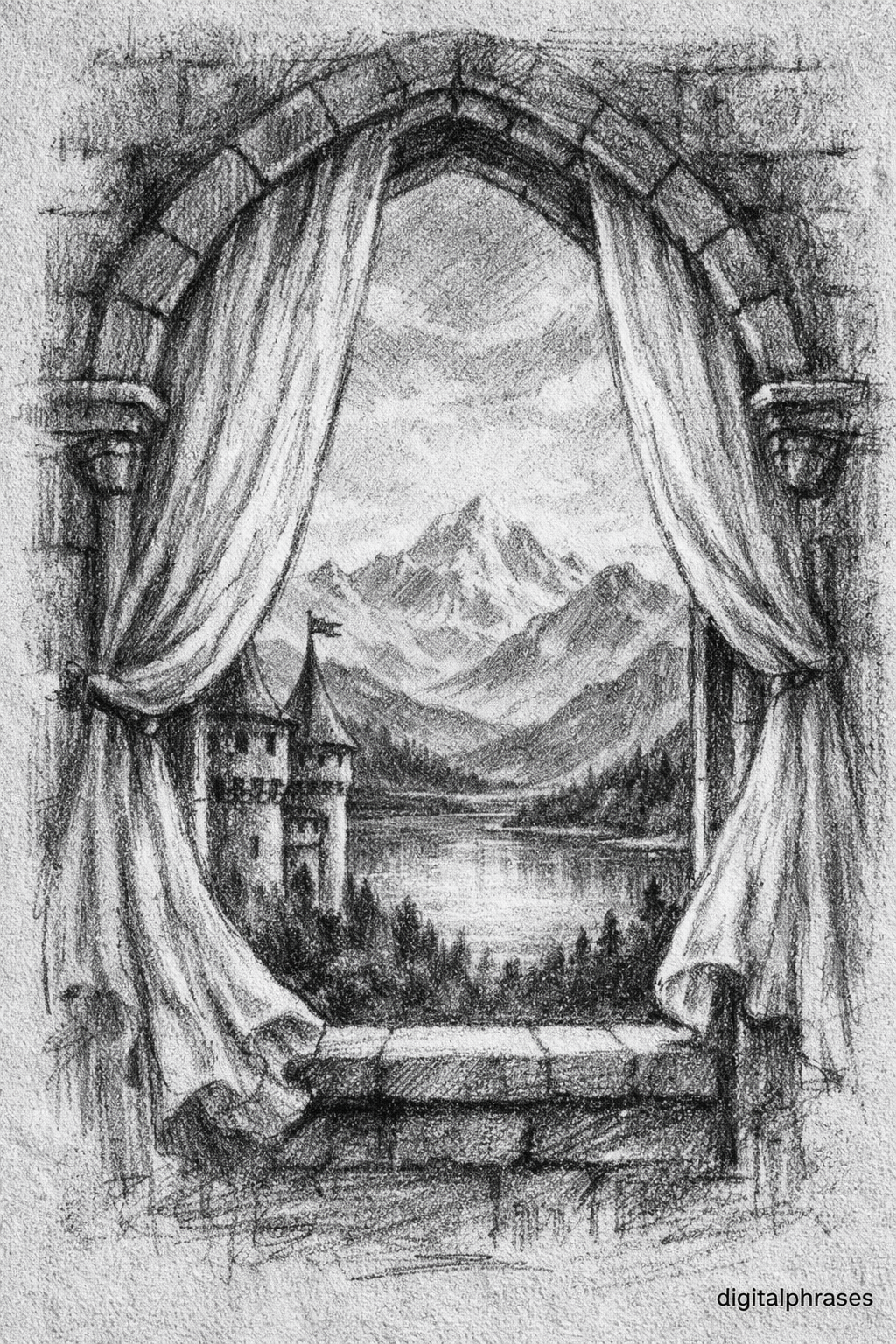
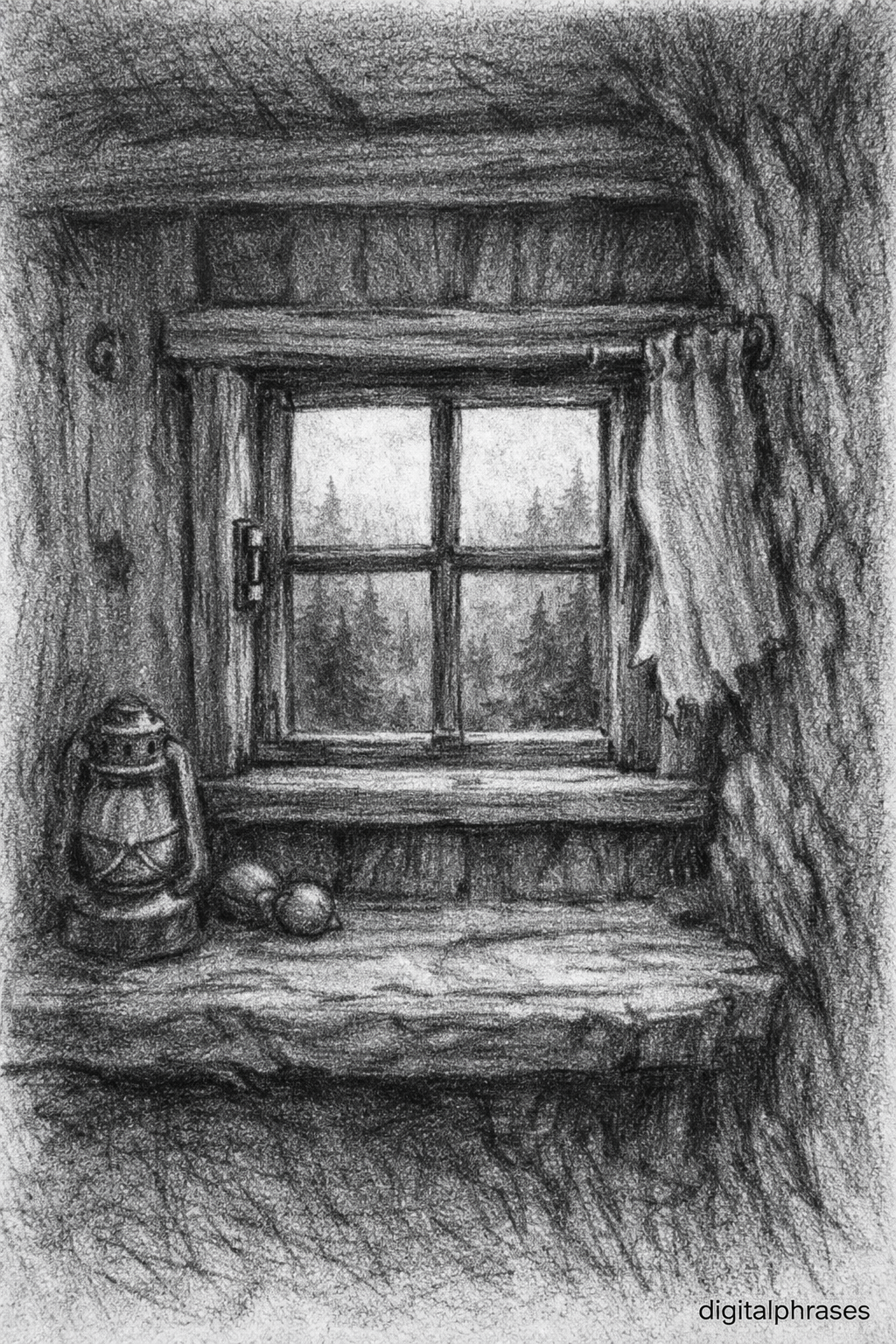
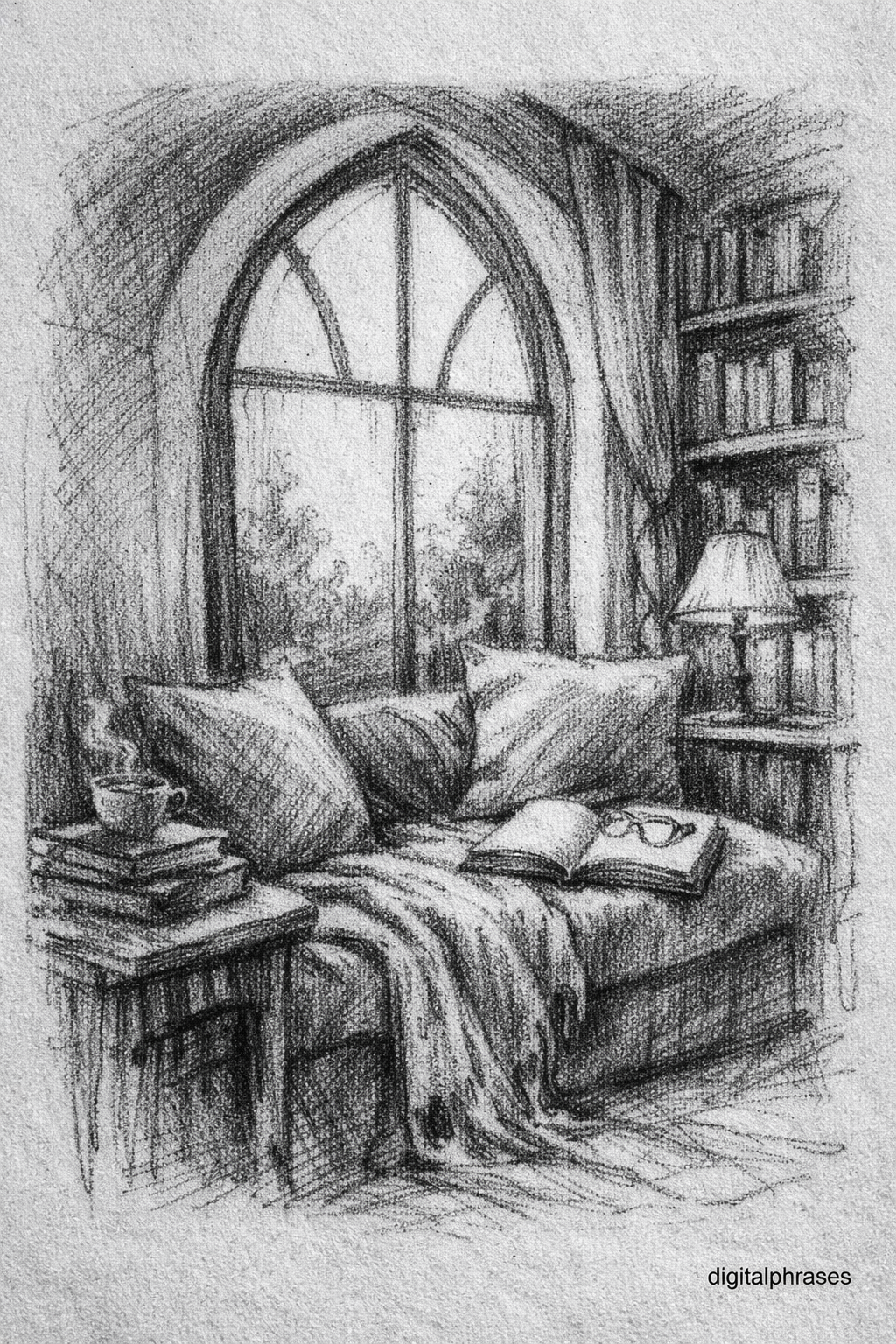
Shading helps your window look complete. Add darker lines under the top frame, along the sides, and near the bottom edge where shadows naturally fall. You can include curtains, a windowsill, plants, or bricks around the window to make the scene more interesting.
Use clean outlines at the end to define the main shapes. Small details can turn a simple window into a realistic and attractive drawing.